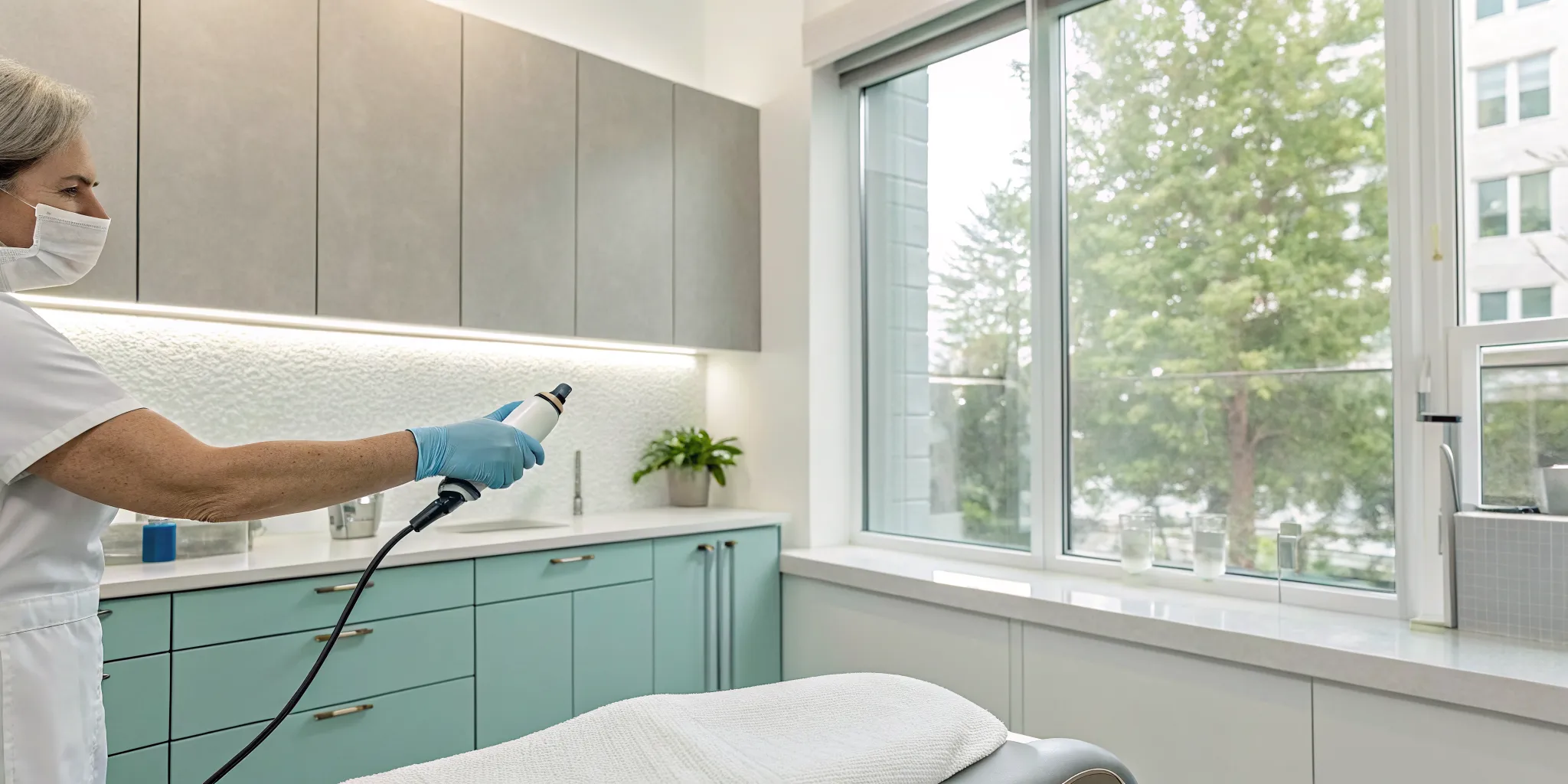
True health is about more than just addressing symptoms as they appear; it’s about being proactive and understanding your risks before they become problems. A full body scan body fat analysis is one of the most powerful preventative tools available today. It offers a look beneath the surface to identify potential health issues you can’t see or feel, such as high levels of inflammatory visceral fat or declining bone density. By uncovering these hidden factors early, you gain the power to make targeted lifestyle changes that can significantly impact your long-term health and longevity. It’s an investment in your future, providing the insights you need to protect your well-being for years to come.
Key Takeaways
- Go beyond the scale: A full body fat scan offers a more complete view of your health by breaking down your weight into its core components: fat, muscle, and bone, giving you a true understanding of your body composition.
- Uncover key health metrics: The scan reveals vital information that a scale can't, such as dangerous visceral fat levels, muscle imbalances, and bone density, which are crucial for assessing long-term health risks.
- Track your progress with precision: Using an accurate method like a DEXA scan provides a reliable baseline and allows you to see real changes in your body, helping you effectively measure the results of your nutrition and fitness plan.
What Is a Full Body Fat Scan?
If you’ve ever felt frustrated by the number on the scale, you’re not alone. Your total body weight is just one piece of a much larger health puzzle, and it doesn’t tell you the whole story. A full body fat scan, on the other hand, gives you a detailed look inside. It’s a non-invasive imaging method that measures your body composition, breaking down your weight into three key components: body fat percentage, lean muscle mass, and bone density. The most common and accurate method for this is a DEXA (or DXA) scan. Think of it as a complete blueprint of your body. Instead of just knowing your total weight, you get to see exactly what that weight is made of.
This information is incredibly valuable because it helps you and your health provider understand your body on a deeper level. It moves the focus from simply losing weight to improving your body composition, which is a much better indicator of overall health. By understanding these metrics, you can create a more effective and personalized plan to reach your wellness goals. Whether you're looking to build strength, lose fat, or improve your metabolic health, this data provides the baseline you need. It's a foundational tool we use in functional medicine to see beyond the symptoms and understand the complete picture of your health, allowing for truly targeted and effective care.
How DEXA Technology Works
You might hear "X-ray" and feel a little hesitant, but the technology behind a DEXA scan is both simple and safe. DEXA stands for Dual-Energy X-ray Absorptiometry. During the scan, two very low-power X-ray beams pass over your body. These beams have different energy levels, which allows the machine to accurately distinguish between fat, muscle, and bone tissue. It’s a far more precise way to understand your body than just stepping on a scale. While a scale combines everything into one number, a DEXA scan provides a detailed breakdown, giving you a clear picture of your body’s unique makeup and helping you track meaningful changes over time.
What to Expect During the Scan
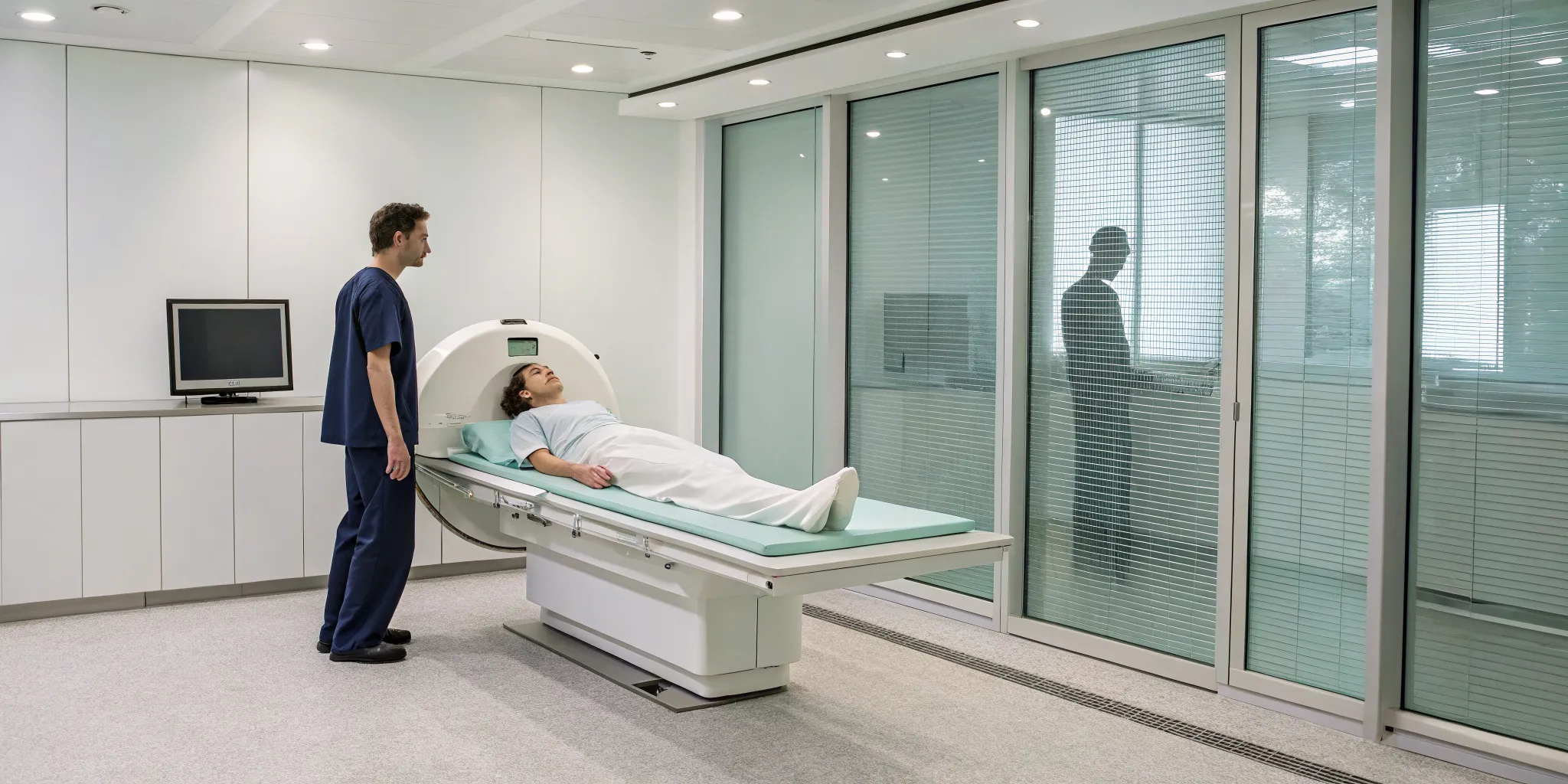
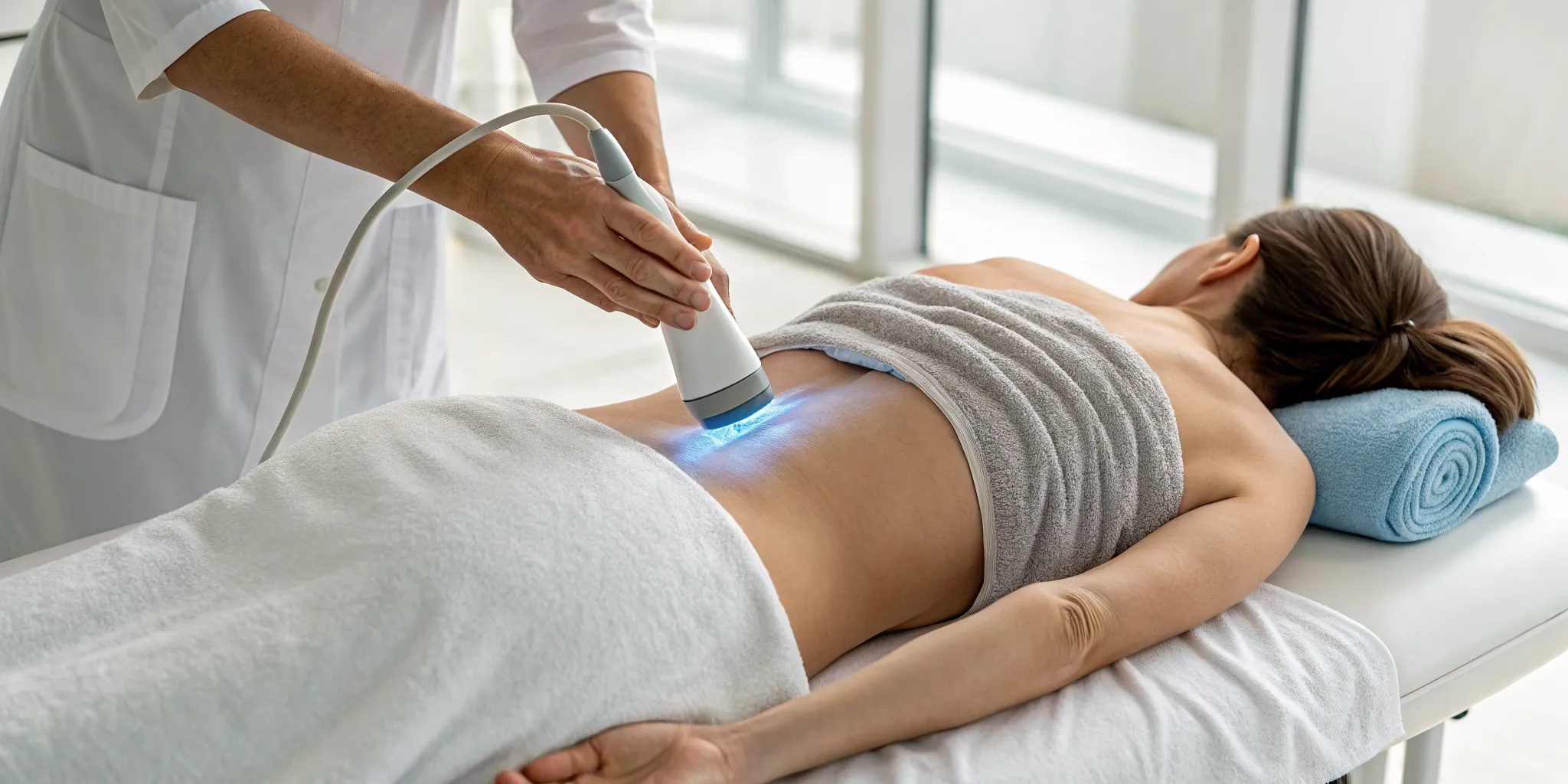
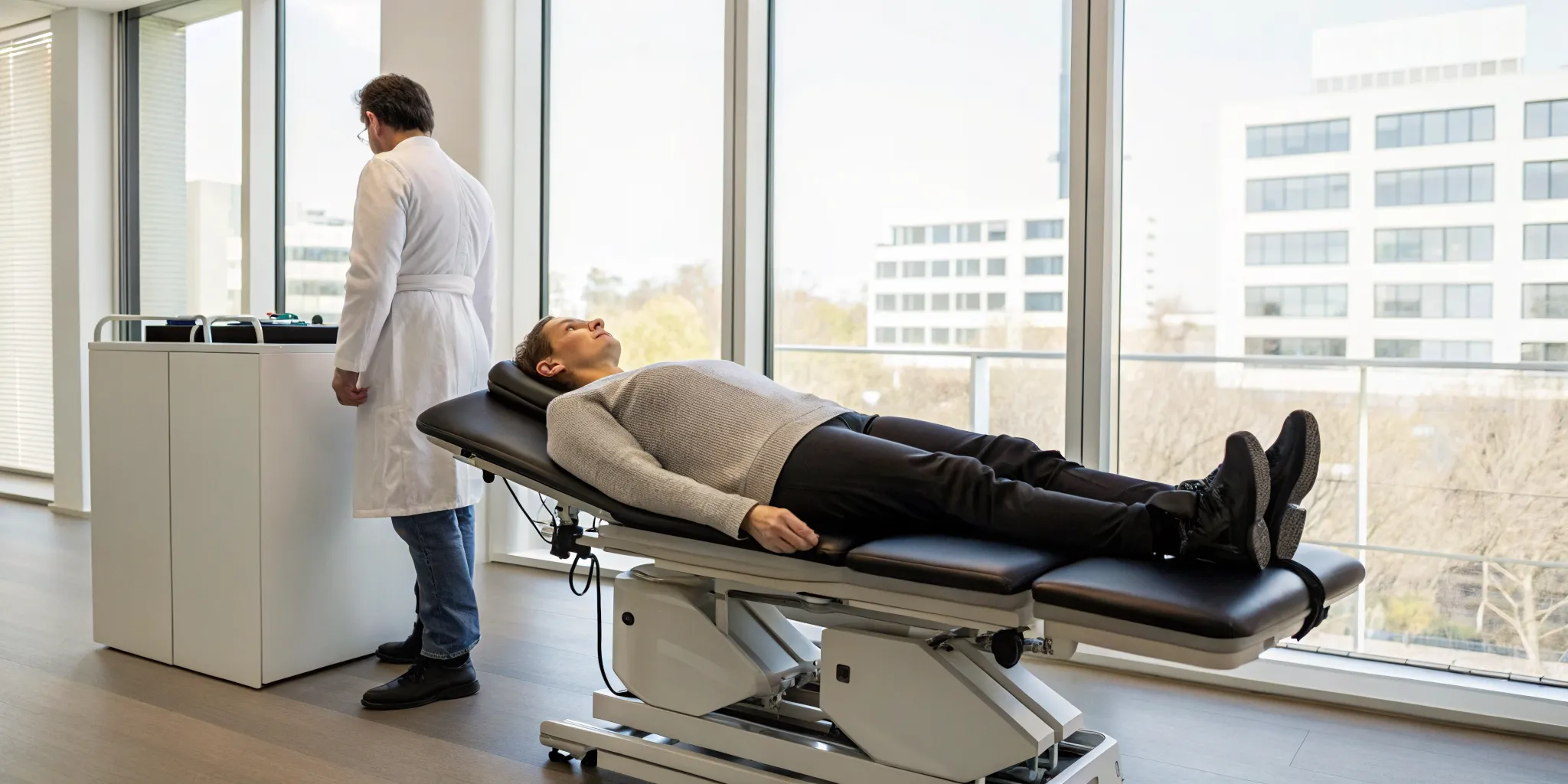
The entire process of getting a DEXA scan is quick, easy, and completely painless. You’ll be asked to lie down and stay still on a padded table, much like you would for a regular X-ray. An imaging arm will slowly pass over your body, but it never touches you. The scan itself typically takes only about 10 minutes to complete. The amount of radiation used is extremely low, even less than the natural background radiation you’re exposed to in a single day. There’s no need for any special preparation, and you can get back to your day immediately afterward. If you have any questions about the process, our team is always here to help you feel comfortable and informed.
Beyond the Scale: What a Body Scan Reveals
A regular scale can’t tell you if the pounds you’re losing are fat or muscle, or if the weight you’ve gained is from a new fitness routine or something else. This is where a body scan truly shines. It provides the specific data you need to understand what’s really happening with your body. A DEXA scan reveals exactly how much fat, muscle, and bone you have, and it can even pinpoint where you tend to store fat or build muscle. This level of detail is a game-changer for anyone with specific health and fitness goals. It allows you to track your progress accurately and helps us tailor a plan that addresses the root cause of any health concerns.
Key Health Insights from a Full Body Fat Scan
A full body scan gives you a complete picture of your body composition, something a traditional scale just can’t do. Instead of one single number, you get a detailed breakdown of what your body is made of: fat, muscle, and bone. This isn't about judging your weight; it's about understanding your health from the inside out. Think of it as a roadmap that shows you exactly where you are so you can plan the best route forward.
This detailed information is a cornerstone of functional medicine, as it helps uncover the underlying factors affecting your well-being. With a body scan, you can see the amount of dangerous visceral fat around your organs, identify muscle imbalances that could lead to injury, check your bone strength, and see precisely where your body stores fat. This knowledge empowers you to make targeted changes to your diet, fitness, and lifestyle, moving you closer to your health goals with precision and confidence.
Understanding Visceral Fat and Its Risks
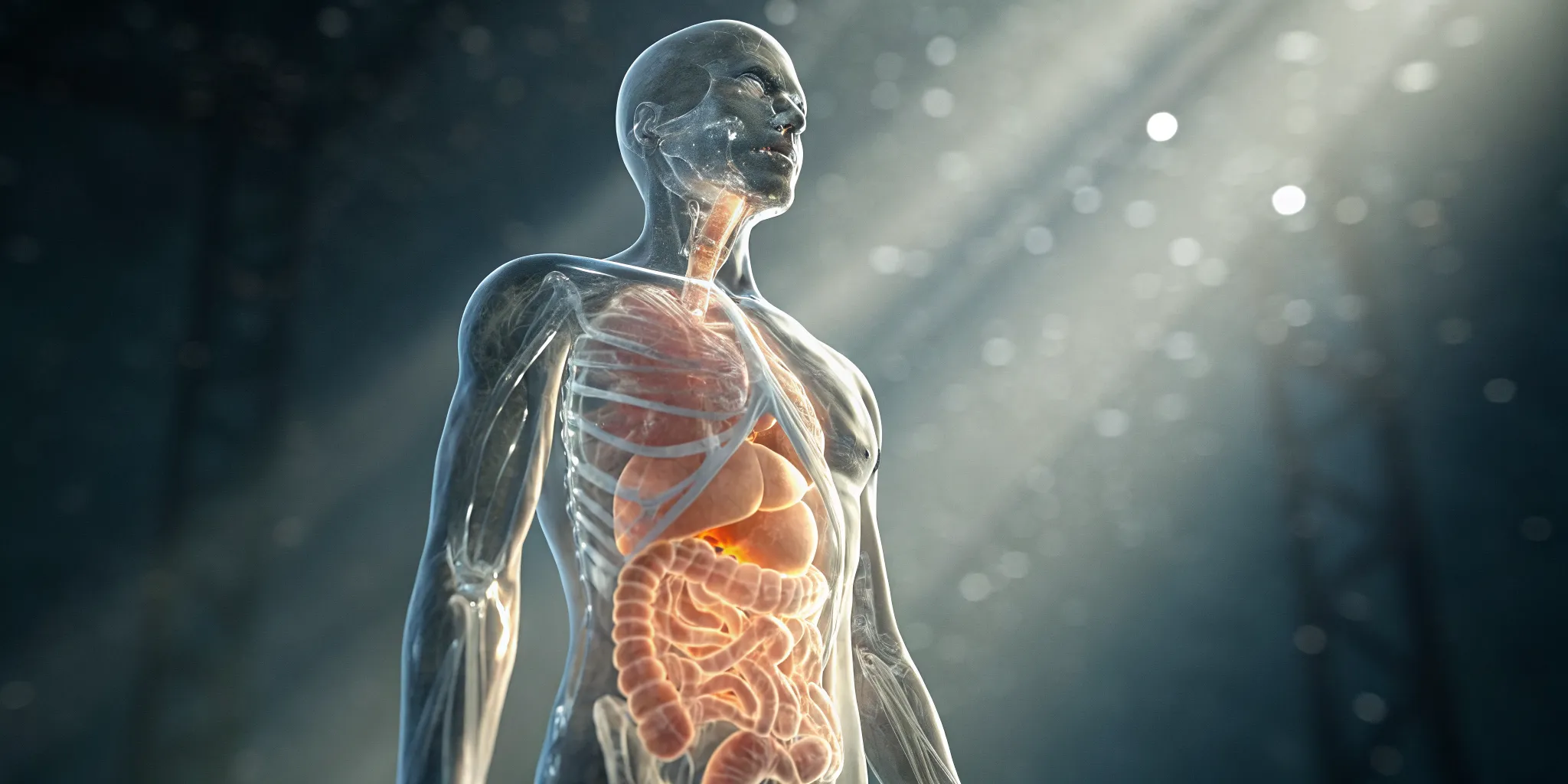
One of the most critical metrics a body scan reveals is your level of visceral fat. This is the "hidden" fat that wraps around your abdominal organs, like your liver and intestines. You can't see or pinch it, and it’s possible to have a high amount even if you look thin on the outside. This type of fat is a major red flag for health risks, as it’s metabolically active and can release inflammatory substances into your body. High levels of visceral fat are strongly linked to an increased risk of chronic conditions like heart disease, type 2 diabetes, and certain cancers. A body scan measures it directly, giving you a clear indicator of your internal health.
Mapping Your Muscle Mass
Beyond just fat, a body scan provides a detailed map of your lean muscle mass. It shows you exactly how much muscle you have in each part of your body, like your arms, legs, and torso. This is incredibly useful for tracking your fitness progress and ensuring your workout plan is effective. The scan can also uncover muscle imbalances, for instance, if one leg is significantly stronger than the other. Identifying these asymmetries is key to preventing injuries and improving overall performance. Our physical medicine programs often use this data to create corrective care plans that restore balance and function to your body.
Assessing Your Bone Density
Your bone health is a crucial part of your long-term wellness, and a DEXA scan is the gold standard for measuring it. The scan provides a precise measurement of your bone mineral density (BMD), which is a key indicator of bone strength. Low bone density can be a precursor to osteoporosis, a condition that makes bones weak and more likely to break. This information is vital for everyone, but it becomes especially important as we age. Knowing your bone density score allows you to take proactive steps, like adjusting your diet and exercise routine, to protect your bones for years to come.
Pinpointing Where Your Body Stores Fat
We all store fat differently, and where it accumulates matters for your health. A body scan moves beyond a simple body fat percentage and shows you the exact distribution of fat throughout your body. You’ll see how many pounds of fat are in your arms, legs, and trunk. This is important because carrying more fat around your midsection (an "apple" shape) is associated with higher health risks than carrying it in your hips and thighs (a "pear" shape). This detailed insight helps you and your health provider understand your unique body composition and create a more personalized and effective plan for managing your health.
Comparing Body Fat Scanning Methods: Which Is Right for You?
When you decide to look beyond the number on the scale, you’ll find several ways to measure body composition. But they aren't all created equal. Some methods give you a rough estimate, while others provide a highly detailed snapshot of your body's makeup. Understanding the differences can help you choose the right tool for your health journey. From the precision of a DEXA scan to the convenience of a smart scale, each method has its pros and cons. Let's walk through the most common options so you can make an informed decision.
DEXA Scans: The Gold Standard
If you’re looking for the most accurate and comprehensive data, the DEXA scan is your best bet. It’s widely considered the gold standard in body composition analysis. A DEXA scan uses low-dose X-rays to give you a precise breakdown of your body fat percentage, lean muscle mass, and bone density. Unlike a smart scale that can be significantly off, DEXA scans have a very low error rate of just 1-2%. More importantly, they can identify the amount of visceral fat you have, the dangerous fat surrounding your organs that is a key indicator of health risks. This level of detail gives you a true picture of your health.
Bioelectrical Impedance Analysis (BIA)
You’ve likely encountered Bioelectrical Impedance Analysis (BIA) if you’ve ever stepped on a smart scale. This technology works by sending a tiny, unnoticeable electrical current through your body. Since fat and muscle conduct electricity differently, the scale uses the current's speed to estimate your body fat percentage. While BIA is convenient for daily tracking, its accuracy can be inconsistent. Your hydration level, when you last ate, and when you last exercised can all influence the reading. It’s a useful tool for spotting general trends, but it doesn’t offer the precision or detailed insights of a DEXA scan.
Hydrostatic Weighing and Other Methods
Beyond DEXA and BIA, you might hear about methods like hydrostatic weighing (underwater weighing) or the Bod Pod (air displacement). For years, these were considered top-tier, but they can still have a significant error rate. Then there’s the Body Mass Index, or BMI, a simple calculation based on your height and weight. While it’s a common screening tool, BMI can’t tell the difference between fat and muscle, meaning a very muscular person could be classified as overweight. These methods offer some information, but they fall short of the clear, actionable analysis a DEXA scan provides.
How Much Does a Full Body Fat Scan Cost?
Investing in your health intelligence is one of the best decisions you can make, and understanding the cost is a practical first step. The price of a full body fat scan isn't one-size-fits-all; it varies depending on the technology used, your location, and the specific provider you choose. While these scans were once quite expensive, they have become much more accessible. For example, some providers have brought the cost down significantly, making it easier for more people to get a clear picture of their body composition.
Think of it not as a one-time expense, but as a valuable data point that can inform your health and fitness strategy for years to come. The detailed report you receive provides a baseline you can use to track progress and make targeted changes to your diet and exercise routines. At Ascend Functional Health, we believe in empowering you with the information you need to take control of your well-being, and a body fat scan is a powerful tool in that journey. Our team can help you understand the options available and how they fit into a comprehensive health plan.
Comparing Costs by Scan Type
When you start looking into different scans, you'll find a range of prices. A DEXA scan, widely considered the gold standard for accuracy, typically costs between $100 and $330. This scan gives you a detailed breakdown of your body fat, muscle mass, and bone density. The process itself is quick and simple, usually taking only 10 to 15 minutes to complete. If you're concerned about radiation, it helps to know that the exposure from a full-body DEXA scan is very low, about the same amount you'd get on a flight from New York to California.
Insurance Coverage and Payment Options
One of the most common questions is whether insurance will cover the cost of a body fat scan. The answer often depends on whether the scan is considered medically necessary. Some insurance plans may cover part or all of the cost if a physician recommends it to diagnose or monitor a specific health condition. However, if you're getting the scan for personal fitness or wellness tracking, you'll likely have to pay out of pocket. Some facilities require a doctor's referral to book an appointment, while others don't. It's always a good idea to check with both the provider and your insurance company beforehand to avoid any surprises.
How to Find Promotions and Deals
If you're paying for the scan yourself, there are ways to make it more affordable. Many providers want to make their services accessible and regularly offer promotions or package deals. A great strategy is to check the websites of local scanning facilities and sign up for their newsletters. This way, you'll be the first to know about any special offers or discounts. Some companies also offer reduced pricing for repeat scans, which is perfect if you plan to track your body composition changes over time. Being proactive can help you get this valuable health insight without breaking the budget.
Common Myths About Full Body Fat Scans
When it comes to measuring health, many of us have been taught to rely on the number on the scale or our Body Mass Index (BMI). But these tools can be incredibly misleading. They don’t tell the whole story of what’s happening inside your body. For example, BMI can’t distinguish between a pound of muscle and a pound of fat, which means a very fit, muscular person could be classified as "overweight." This is where a full body fat scan, particularly a DEXA scan, changes the game.
Many popular methods for measuring body fat, like smart scales or skinfold calipers, can offer a general idea, but their accuracy can be inconsistent. A DEXA scan, on the other hand, provides a highly detailed and precise picture of your body composition. It’s about moving beyond a single number and gaining a deeper understanding of your unique physiology. This kind of detailed insight is fundamental to a functional medicine approach, where we look at the complete picture to understand your health from the inside out. By seeing exactly what your body is made of, you can create a truly personalized plan for your wellness goals.
How to Read Your Results Correctly
Getting your scan results can feel a little overwhelming at first, but they are designed to be incredibly insightful. Your report won't just give you a single body fat percentage. Instead, it provides a complete breakdown of your body composition, separating it into fat, lean muscle mass, and bone. You’ll see these numbers for your body as a whole and for specific regions, like your arms, legs, and trunk.
This detailed map helps you see exactly where you store fat and build muscle. The report also often includes your estimated Resting Metabolic Rate (RMR), which tells you how many calories your body burns at rest. Understanding these metrics is far more useful than just knowing your weight, as it gives you the specific data you need to set effective, personalized goals for nutrition and fitness.
Setting Realistic Expectations for Change
A body scan is an amazing tool for establishing a baseline, but its real power comes from tracking your progress over time. Because DEXA scans are so precise, they can detect small changes in your body composition that you might not see on the scale or in the mirror. This can be incredibly motivating, especially when you’re starting a new diet or exercise plan. For instance, you might not see the scale budge, but a follow-up scan could show that you’ve lost fat and gained muscle.
For the most effective tracking, consider getting a scan every three to six months if you're actively working toward a goal. This gives your body enough time to respond to your new habits. Seeing tangible data that confirms your hard work is paying off can help you stay committed and make smart adjustments to your plan for long-term success.
What the Numbers Mean (and What They Don't)
The numbers on your report are powerful data points, not judgments of your worth. Their purpose is to clarify what your total body weight is actually composed of. One of the most critical metrics a DEXA scan provides is your visceral fat measurement. This is the "hidden" fat that surrounds your internal organs, and it’s a key indicator of your risk for chronic health issues.
You can have a "normal" weight but still carry a high amount of visceral fat, putting your health at risk without you even knowing it. Identifying this allows you to take proactive steps to improve your health. Ultimately, these numbers aren't about labeling yourself as "good" or "bad." They are objective information to help you and your healthcare provider make informed decisions and create a strategy that supports your overall well-being.
How to Choose the Right Provider
Finding the right place to get your body scan is just as important as the scan itself. You want a provider who uses top-notch technology and has a team that can help you make sense of the results. After all, the data is only useful if you know how to apply it to your health goals. A great provider won't just hand you a report; they'll walk you through what it means for you and your body. This is about finding a partner in your health journey, someone who can provide clarity and guide your next steps.
Key Questions to Ask Before You Book
Before you schedule an appointment, it’s smart to have a few questions ready. First, ask what type of scanning technology they use. For a truly clear and accurate picture of your body's composition, you should consider getting a DEXA scan. Also, find out what’s included in the price. Does it cover a consultation to discuss your results? Understanding your report is crucial, so you want a team that takes the time to explain everything. Finally, don’t hesitate to ask about the staff's qualifications. You deserve to feel confident that you’re in capable hands.
Look for Quality Equipment and Certified Staff
The quality of the equipment makes a huge difference in the accuracy of your results. DEXA scans are much more reliable than other methods like smart scales or BMI calculations because they provide a detailed breakdown of your fat, muscle, and bone density. A clinic that invests in high-quality technology is showing a commitment to providing the best care. Just as important is the team operating the equipment. Look for certified technicians and healthcare professionals who can not only perform the scan correctly but also help you interpret the data in a meaningful way. The right team of experts can turn a simple scan into a powerful tool for your health.
How to Prepare for Your Scan
To get the most accurate results, a little preparation goes a long way. On the day of your scan, plan to wear comfortable clothing without any metal, like zippers, buttons, or underwires. Think gym clothes. It’s also recommended to avoid taking calcium supplements for 24 hours before your appointment, as they can interfere with bone density readings. Try to eat a light meal or fast for at least two hours before your scan to ensure the results aren't affected by recent food intake. Following these simple steps helps the scanner get a clear view of your body composition, giving you data you can trust.
Related Articles
- Functional Movement Screening: A Complete Guide
- The 6 Best Peptides for Weight Loss Reviewed
- At-Home Hormone Testing for Women: A Full Guide
- The 5 Best At-Home Estrogen Tests Reviewed
- At Home Lab Tests | Alessi Functional Health
Frequently Asked Questions
Is a DEXA scan safe since it uses X-rays? It’s completely understandable to have questions about X-ray technology, but you can rest assured that a DEXA scan is very safe. The amount of radiation used is extremely low. To put it in perspective, you’re exposed to less radiation during a 10-minute DEXA scan than you are from the natural environment in a single day or during a flight across the country.
How often should I get a body scan to track my progress? The right frequency really depends on your personal goals. If you are actively making changes to your diet and fitness routine, getting a scan every three to six months is a great way to see how your body composition is changing. This gives your body enough time to respond to your efforts. For a general health check-in, an annual scan can provide a valuable snapshot of your long-term health.
My smart scale already gives me a body fat percentage. Why do I need a DEXA scan? While smart scales are convenient for spotting daily trends, their results can be inconsistent and are easily affected by things like your hydration level or when you last ate. A DEXA scan is the gold standard for accuracy. It gives you a precise breakdown of fat, muscle, and bone, and more importantly, it measures your visceral fat, the dangerous fat around your organs that a smart scale can't detect.
What's the single most important piece of information I'll get from my results? While all the data is useful, the measurement of your visceral fat is arguably the most critical. This is the "hidden" fat surrounding your internal organs that you can't see or pinch. High levels of visceral fat are a key indicator of your risk for chronic health conditions, so knowing this number gives you a powerful tool to proactively manage your long-term health.
Do I need to do anything special to prepare for my appointment? Preparing for your scan is simple. The main thing is to wear comfortable clothing without any metal, so think workout clothes with no zippers or buttons. It's also best to avoid taking any calcium supplements for 24 hours before your scan, as they can affect the bone density reading. Following these easy steps helps ensure your results are as accurate as possible.