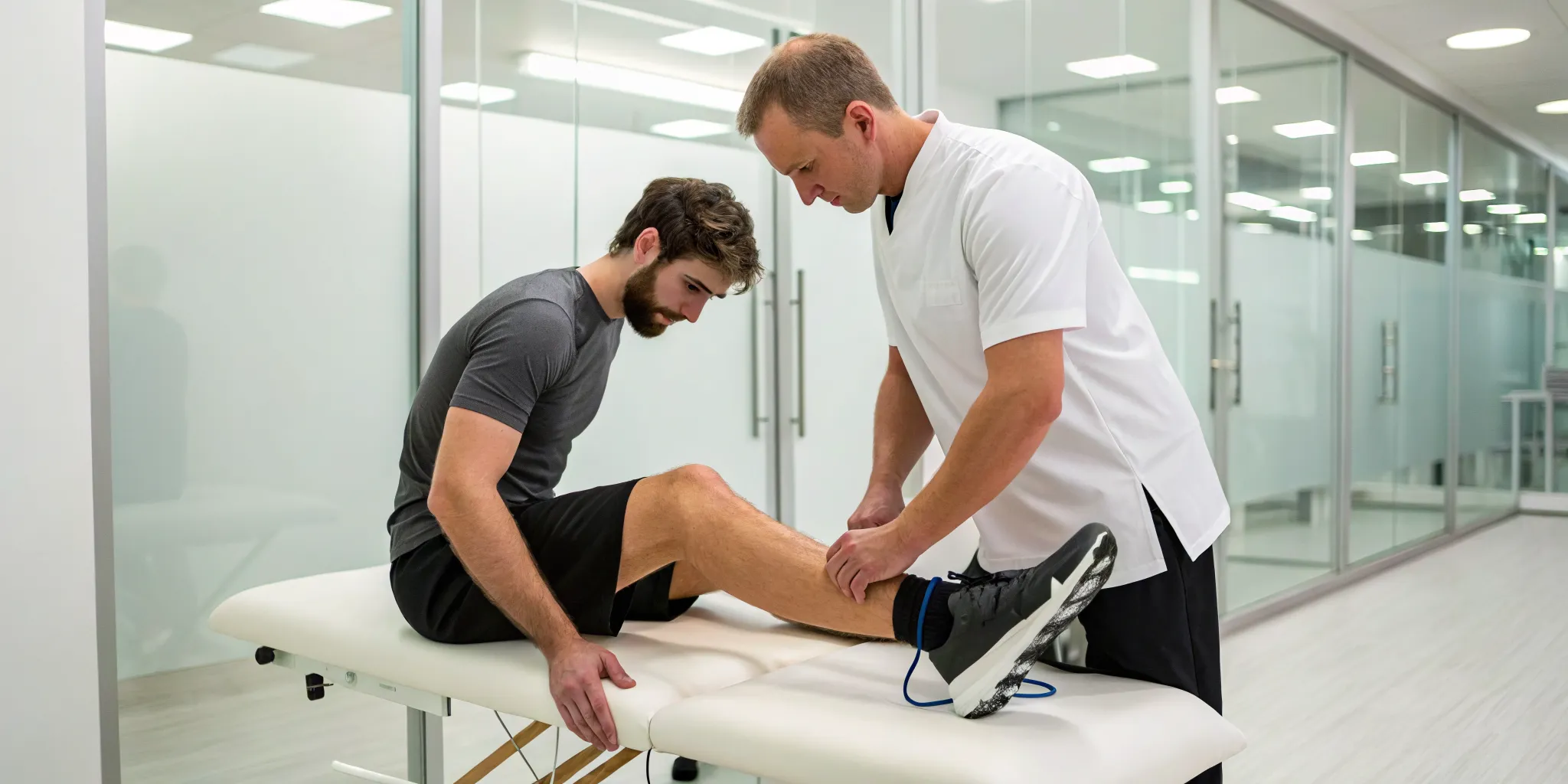
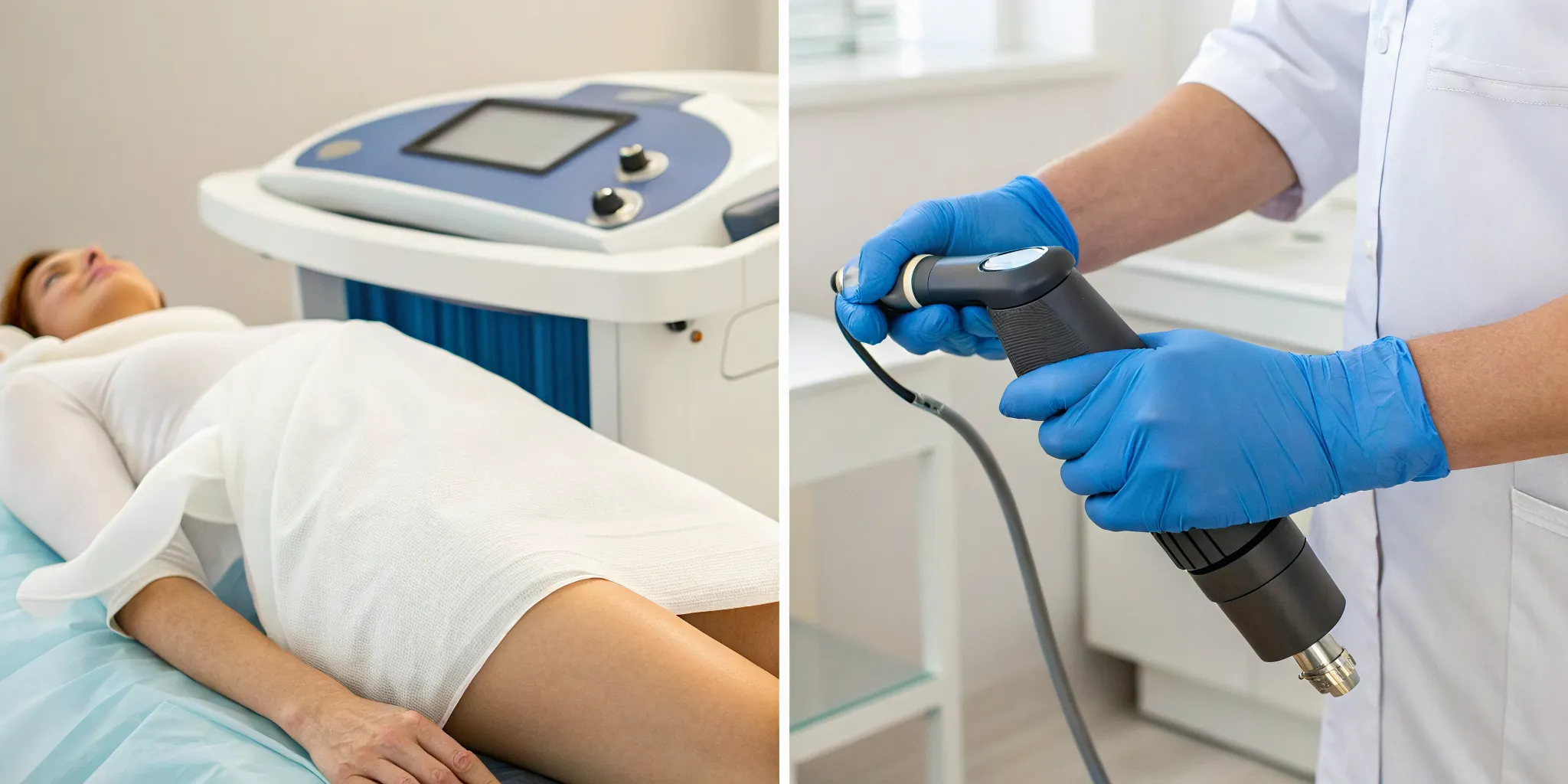
Struggling with an injury that just won't heal or dealing with nagging inflammation? Your body has a powerful ability to repair itself, but sometimes it gets stuck. This is where regenerative therapies can make a real difference. These innovative treatments don't just mask symptoms; they work with your body's natural healing system. By concentrating and delivering your own powerful repair cells directly to the source of the issue, we can help support damaged tissues, reduce inflammation, and restore function. It's all about helping your body do what it does best—heal.
For patients dealing with chronic pain or lingering injuries, regenerative therapies can provide an alternative path to recovery when traditional treatments have not produced lasting results.
At Ascend Functional Health, regenerative treatments are integrated with chiropractic care and functional medicine insights to support a more comprehensive recovery process.
Exploring Different Regenerative Therapies
Regenerative therapies are a collection of treatments that work by harnessing your body's own powerful healing mechanisms. Instead of just managing symptoms, these approaches aim to repair and regenerate damaged tissues from the inside out. They are particularly helpful for addressing persistent joint pain and soft tissue injuries that haven't responded well to other methods. By concentrating and directing the body's natural repair tools to a specific area, these therapies can help reduce discomfort and restore function. Let's look at a few of the most common types.
Platelet-Rich Plasma (PRP) Therapy
PRP therapy uses the healing power found within your own blood. The process involves drawing a small amount of your blood and spinning it in a centrifuge to separate and concentrate the platelets. These platelets, along with the plasma they are in, are rich in growth factors—proteins that act as signals to initiate tissue repair. This concentrated, platelet-rich plasma is then precisely delivered to the injured area, like a knee or shoulder joint. This targeted approach provides the tissue with a high dose of the natural components it needs to heal itself. Studies have shown that PRP can improve pain and function for individuals dealing with conditions like knee osteoarthritis.
Viscosupplementation
Think of viscosupplementation as a way to restore lubrication and cushioning to a joint. Over time, the natural lubricating fluid in our joints, called synovial fluid, can thin out, leading to increased friction and pain. This therapy involves introducing a gel-like substance, often made of hyaluronic acid, directly into the joint capsule. This substance mimics the properties of healthy synovial fluid, helping to cushion the bones, reduce friction, and allow for smoother movement. It's a targeted approach designed to address the mechanical issues within the joint and can be a great option for those who need more relief from the stiffness and discomfort associated with osteoarthritis.
Prolotherapy
Prolotherapy is a treatment designed to "restart" the healing process in areas with chronic injuries, particularly in ligaments and tendons. These connective tissues often have a poor blood supply, which can stall their ability to heal completely after an injury. Prolotherapy works by introducing a mild irritant solution, typically containing dextrose, into the affected area. This creates a localized, controlled inflammatory response, which is the body's natural first step in healing. This response signals the body to send growth factors and repair cells to the site, helping to strengthen and rebuild the weakened tissues over time.
Mesenchymal Stromal Cells (MSCs)
Mesenchymal stromal cells, often referred to as MSCs, are a type of cell that acts like a "master conductor" for the body's repair orchestra. These remarkable cells have the ability to develop into various types of tissue cells, such as cartilage, bone, and muscle. More importantly, they release powerful signaling molecules that can reduce inflammation and recruit other healing cells to an injury site. While the science is still evolving, MSCs hold significant promise for their potential to regenerate tissues that have been damaged by injury or degenerative conditions. Their application is a key area of focus in the ongoing development of regenerative treatments.
A Closer Look at Regenerative Therapies
Regenerative medicine focuses on enhancing the body’s own healing mechanisms. Instead of simply masking pain, these therapies stimulate biological processes that encourage tissue repair.
When tissues are damaged due to injury, overuse, or degeneration, the body sometimes struggles to repair them fully. Regenerative therapies help activate healing responses in these areas.
This can improve recovery outcomes for many musculoskeletal conditions.
Platelet-Rich Plasma (PRP)
Platelet-Rich Plasma (PRP) therapy is a technique that uses your body’s own healing components to target areas of injury. It involves drawing a small amount of your blood and using a centrifuge to concentrate the platelets. According to research, "Platelet-Rich Plasma (PRP) uses a concentrated part of your own blood. It contains high levels of platelets that release healing proteins to reduce pain, fight inflammation, and help tissues repair." This platelet-rich solution is then delivered to the injured area. The goal is to supply a high concentration of growth factors directly to the site, which can support the repair of tendons, ligaments, and joints. This approach is often integrated into a broader physical medicine plan to address the root cause of discomfort and improve function.
Mesenchymal Stromal Cells (MSCs)
Mesenchymal Stromal Cells (MSCs) are another advanced regenerative option. These are unique cells that have the ability to develop into various types of specialized cells, such as those that make up cartilage, bone, or muscle. As noted in the NCBI Bookshelf, "Mesenchymal Stromal Cells (MSCs) are special cells that can develop into different types of tissues, like bone or cartilage." They are being explored for their potential to help repair tissues that have been damaged by injury or degenerative conditions. By introducing these cells to a specific area, the aim is to encourage the regeneration of healthy tissue and restore a more stable, functional environment. This therapy is particularly promising for complex joint and tissue conditions that haven't responded to other treatments.
Viscosupplementation
Viscosupplementation is a therapy designed specifically to address joint pain, particularly in the knee. It involves introducing a gel-like substance called hyaluronic acid directly into the joint capsule. Hyaluronic acid is a natural component of the synovial fluid that lubricates and cushions your joints. Over time, the concentration of this fluid can decrease, leading to increased friction and discomfort. Research confirms that "Viscosupplementation involves injecting hyaluronic acid into joints. It helps make joint fluid thicker and more elastic, improving lubrication and shock absorption." This can help restore smoother movement and reduce pain associated with conditions like osteoarthritis, making it a valuable part of our available services for joint health.
Prolotherapy
Prolotherapy, short for "proliferative therapy," works by stimulating the body's natural healing cascade to strengthen and repair weak or damaged connective tissues, like ligaments and tendons. The process involves injecting a mild irritant solution, often containing dextrose, into the affected area. This creates a localized, controlled inflammatory response that signals the body to send healing resources to the site. According to research, this process "helps the body make new collagen and strengthen connective tissues." Over a series of treatments, this can lead to tighter, stronger ligaments and tendons, which improves joint stability and reduces chronic pain. If you're curious whether this approach is right for you, we encourage you to contact our team to learn more.
Could This Approach Help You?
Regenerative therapies are often used to support recovery for conditions such as:
- Chronic tendon injuries
- Ligament damage
- Joint pain
- Arthritis
- Sports injuries
- Disc-related back pain
These therapies are especially useful when injuries involve soft tissues that typically heal slowly.
How SoftWave Therapy Promotes Healing
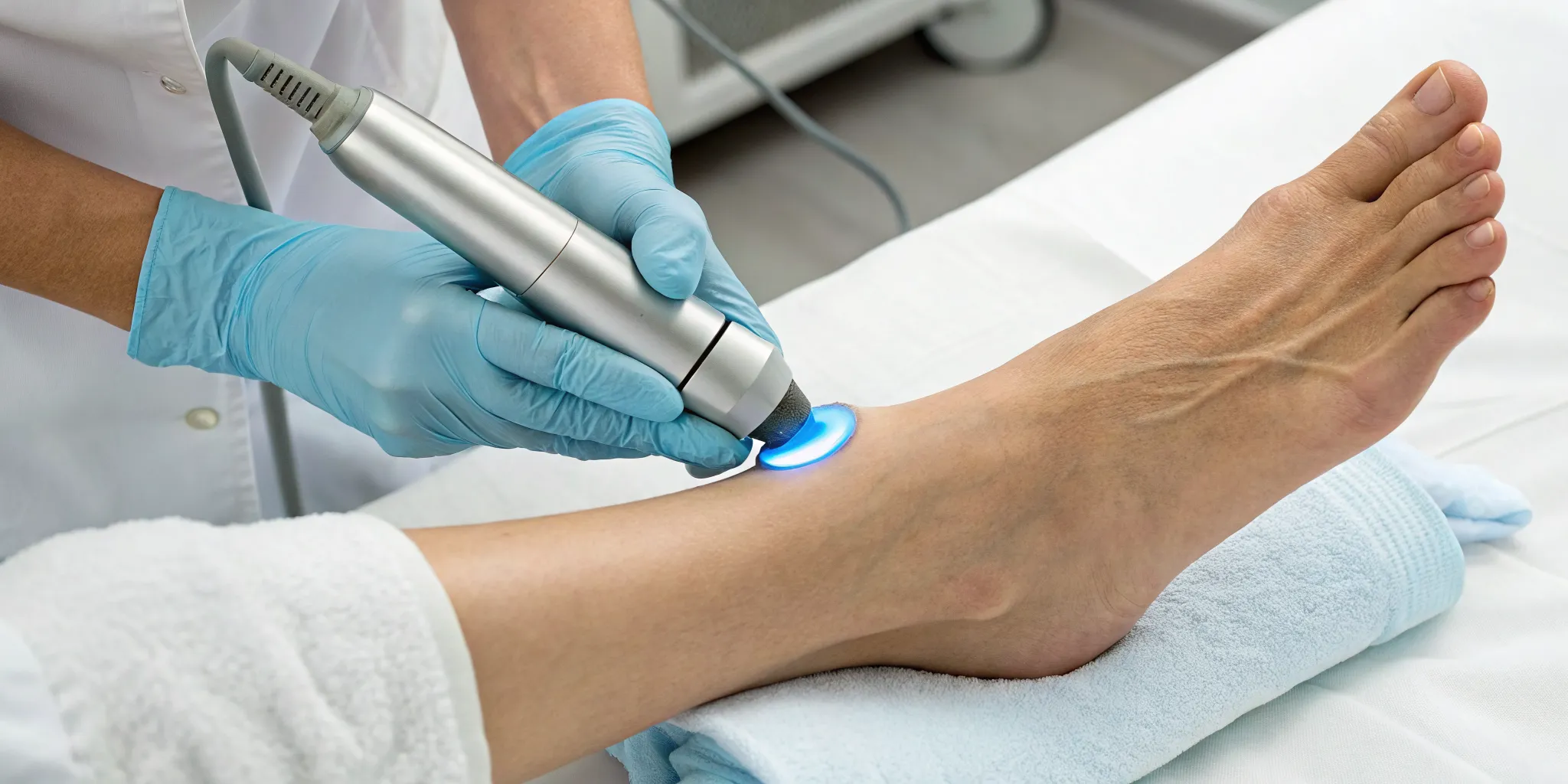
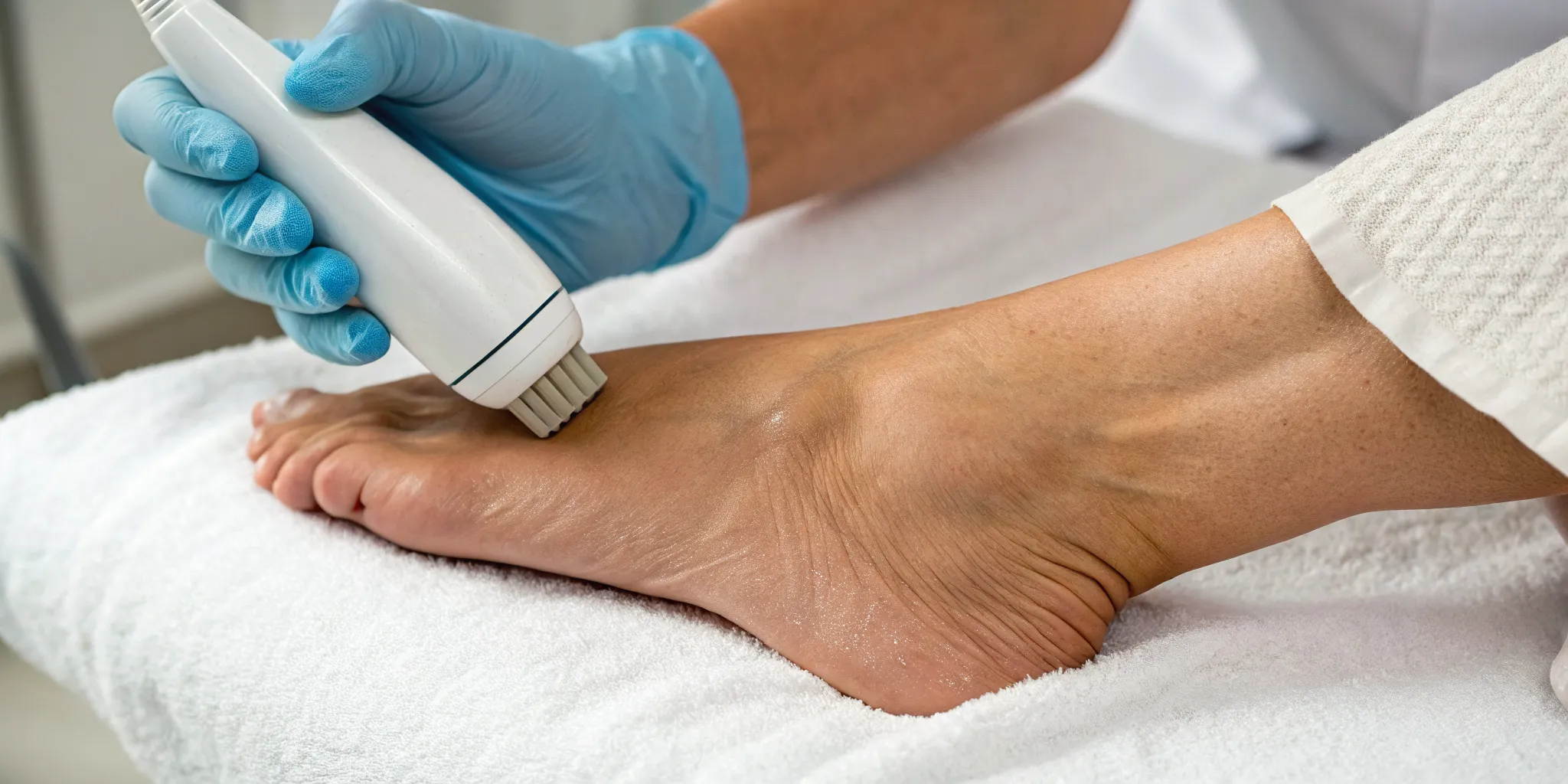
One of the advanced therapies used in regenerative care is SoftWave therapy.
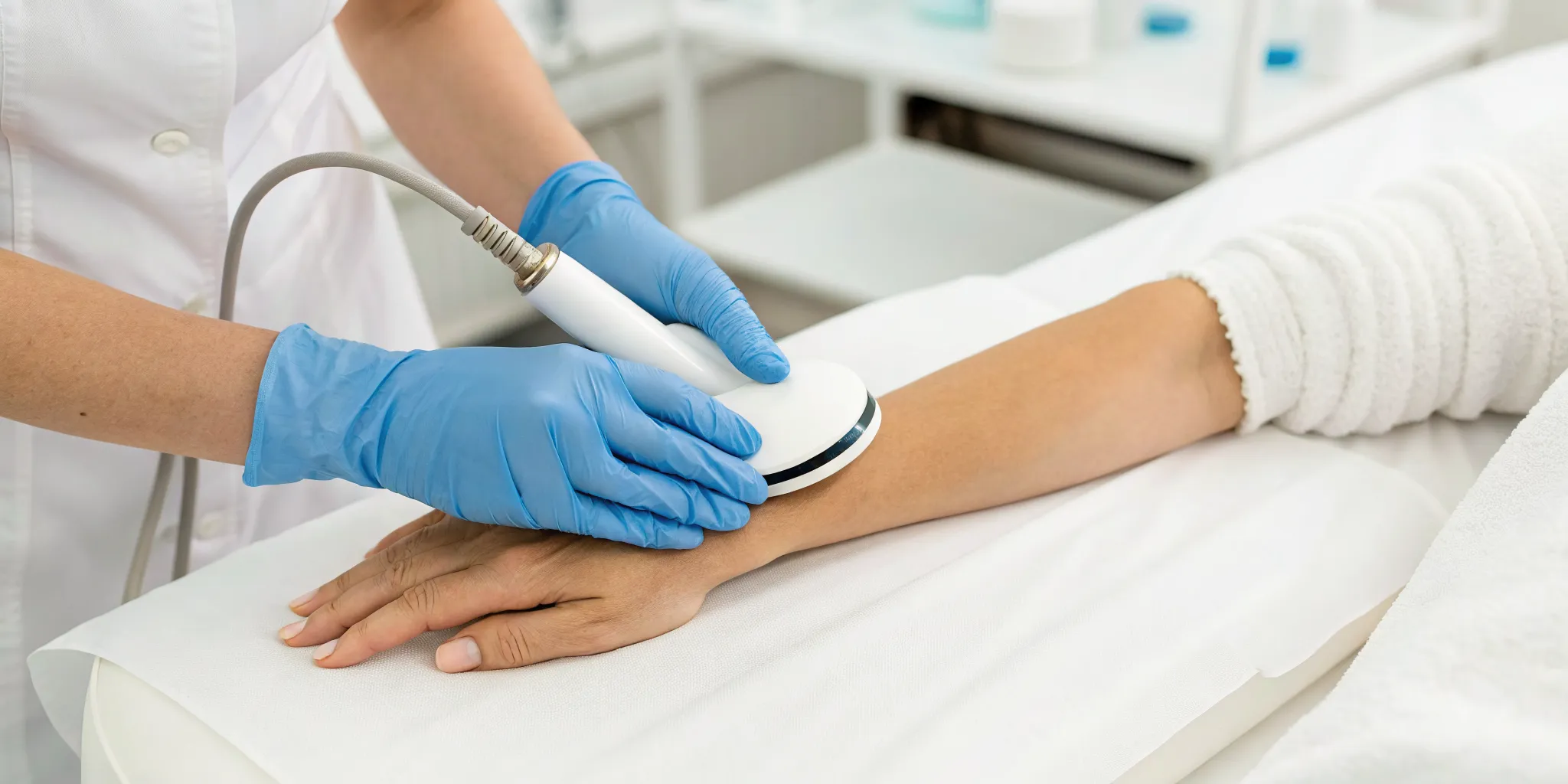
This technology delivers acoustic waves that stimulate biological responses within injured tissues. These waves can activate cellular repair mechanisms, improve circulation, and promote tissue regeneration.
Patients often experience improvements in mobility and reduction in pain as healing processes are stimulated.
Managing Expectations: Hype vs. Reality
With any innovative health approach, it's easy for excitement to outpace the science. Regenerative therapies hold incredible promise, but it's crucial to have a clear and realistic understanding of what they can and cannot do. These treatments are a significant step forward in supporting the body's healing processes, but they aren't a magic wand. The goal is to manage conditions, reduce discomfort, and improve function by working with your body's inherent ability to repair itself. Thinking of these therapies as a way to enhance your natural recovery, rather than a one-time fix, sets the stage for a more successful and satisfying health journey.
At Ascend Functional Health, we believe that patient education is the foundation of effective care. We want you to feel empowered and informed every step of the way. That means having honest conversations about potential outcomes, timelines, and the role these therapies play within a larger, comprehensive health plan. By separating the hype from the reality, we can work together to create a strategy that aligns with your specific health goals and gives you the best possible chance at long-term improvement and well-being.
Understanding the Limitations
Before moving forward with any treatment, it's important to understand its scope. Regenerative therapies are powerful tools, but like any tool, they have specific functions and limitations. They are designed to stimulate and support the body's existing repair mechanisms, which can be a game-changer for many chronic conditions. However, they are not about creating new body parts from scratch or reversing years of damage overnight. Acknowledging these boundaries is the first step toward setting achievable goals and appreciating the real, tangible progress you can make on your path to recovery.
Why the Term "Regenerative" Can Be Misleading
The word "regenerative" can sometimes create a picture of regrowing entire lost body parts, like the cartilage in a worn-out joint. While that would be amazing, it's not quite how these therapies work today. The term actually refers to the process of stimulating and accelerating your body's own healing and repair functions. Think of it less as rebuilding a structure from the ground up and more as providing a highly skilled construction crew to an existing renovation project. The treatments introduce elements that encourage cells to repair damaged tissue, reduce inflammation, and improve the overall environment for healing.
These Therapies Are Not a Permanent Cure
It's also important to know that regenerative treatments are often not a permanent cure. For many chronic conditions, the goal is long-term management and improved quality of life. Depending on your specific situation and the extent of the tissue damage, you might need to repeat treatments over time to maintain the benefits. This approach is part of a broader strategy to support your body continuously, rather than a single intervention. It’s a shift in perspective from seeking a one-and-done solution to embracing an ongoing partnership with your body's health and vitality.
Recognizing that Results Can Vary
Just as every person is unique, so is their response to treatment. What works wonders for one individual might produce different results for another, even if they have similar health conditions. Your outcome will depend on a variety of factors, including your age, overall health, lifestyle, and the specific nature of your injury or condition. Our focus is always on finding the right approach for you at the right time. This personalized strategy ensures that your treatment plan is tailored to your body's specific needs, giving you the best opportunity for a positive outcome.
Safety, Risks, and Regulation
Whenever you consider a new health treatment, safety should always be the top priority. Regenerative therapies are generally considered safe, especially since many of them use substances derived from your own body, which minimizes the risk of an adverse reaction. However, no procedure is entirely without risk. It's important to be aware of potential side effects and the regulatory landscape surrounding these innovative treatments. Understanding these aspects helps you make a confident and well-informed decision about your care, ensuring you feel secure and comfortable with the path you choose.
The field of regenerative medicine is constantly evolving, and with it, the guidelines and regulations. We are committed to staying at the forefront of the latest research and adhering to the highest standards of patient safety. During your consultation, we will openly discuss the safety profile of any recommended therapy, what to expect during and after the procedure, and how we can work together to minimize any potential risks. Our goal is to provide you with complete transparency so you can proceed with peace of mind.
The Role of the FDA
The regulatory status of regenerative therapies can be complex. Some treatments, like viscosupplementation for knee osteoarthritis, have been reviewed and approved by the FDA for specific uses. However, many other promising therapies, such as Platelet-Rich Plasma (PRP) and certain cell-based treatments, are still being extensively studied. In many cases, these are used "off-label," which is a common and legal practice where a provider uses a therapy for a purpose other than what it was originally approved for, based on their professional judgment and scientific evidence. We are committed to using therapies that are supported by sound clinical data.
Common Side Effects
Fortunately, most regenerative therapies have a very good safety profile. The most common side effects are typically mild and temporary, such as localized pain, swelling, or stiffness at the injection site for a few days following the procedure. These are normal signs that your body's healing response has been activated. More serious side effects, like an infection, are very rare, especially when the procedure is performed by experienced professionals in a sterile environment. We take every precaution to ensure your treatment is as safe and comfortable as possible.
Who Should Avoid These Treatments?
While regenerative therapies are suitable for many people, they are not for everyone. Certain conditions can make these treatments inadvisable. For example, individuals with an active infection, cancer, or certain blood-clotting disorders should generally avoid these procedures. Additionally, if you have a known allergy to any of the specific ingredients in a product, an alternative approach would be necessary. A thorough review of your medical history is a critical part of our process to ensure any treatment we recommend is both safe and appropriate for you. If you have questions about your eligibility, please contact our office.
Finding the Right Path for Your Health
Deciding if regenerative therapy is the right choice for you is a significant decision, and it’s one you shouldn’t have to make alone. The journey begins not with a treatment, but with a conversation. It’s about exploring your health history, understanding your goals, and determining the root cause of your concerns. This comprehensive approach ensures that we aren't just addressing symptoms but are creating a holistic plan that supports your entire well-being. Your path to better health is unique, and your treatment plan should reflect that.
At Ascend Functional Health, we integrate different pillars of healing to create a truly personalized experience. By combining insights from physical medicine, functional medicine, and longevity medicine, we can build a strategy that is tailored specifically to you. This might mean pairing a regenerative therapy with chiropractic care to improve alignment, or with functional medicine to address underlying inflammation. Our goal is to provide you with a clear, actionable plan that empowers you to take control of your health and achieve lasting results.
The Importance of a Thorough Consultation
The first and most critical step is a thorough consultation with an expert. This meeting is an opportunity for you to share your story, ask questions, and gain a deep understanding of your options. We will discuss the science behind the recommended therapies, what the current research shows, and what you can realistically expect in terms of results. This collaborative process ensures you are a true partner in your healthcare. Our team is dedicated to providing you with the clarity and confidence you need to move forward on your healing journey. We believe that an informed patient is an empowered patient, ready to achieve their health goals.
Pairing Movement with Your Treatment Plan
Regenerative therapies are most effective when combined with treatments that restore proper movement and biomechanics.
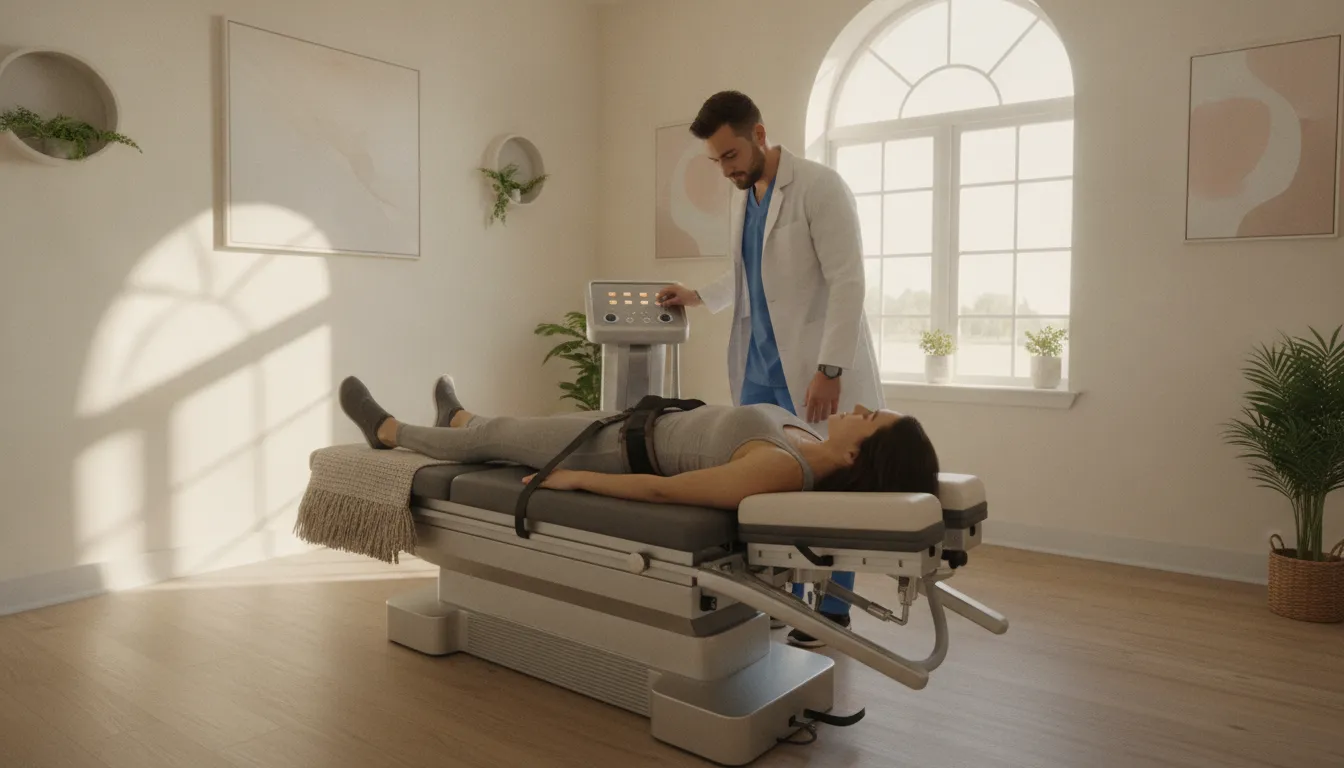
Chiropractic adjustments and spinal decompression can help relieve pressure on joints and nerves, allowing tissues to heal under healthier conditions.
By improving alignment and mobility, the body can function more efficiently and reduce the likelihood of re-injury.
A New Perspective on Managing Discomfort
The field of regenerative medicine continues to grow as research expands our understanding of how the body heals.
These therapies represent a shift away from purely symptom-based treatments toward approaches that enhance the body's natural recovery abilities.
For patients seeking non-surgical options for chronic pain or injury recovery, regenerative therapies may offer an effective and science-supported path forward.
When integrated with personalized care plans and functional health insights, regenerative medicine becomes part of a broader strategy aimed at restoring strength, mobility, and long-term health.
Frequently Asked Questions
How are regenerative therapies different from conventional treatments like steroid injections? Think of it this way: conventional treatments often act like a temporary patch, masking pain or inflammation for a short time. Regenerative therapies, on the other hand, are designed to work with your body's own healing system. Instead of just covering up the symptoms, they aim to support the repair of the underlying damaged tissue, which can lead to more lasting improvements in function and comfort.
How will I know which specific therapy is the best fit for my condition? That's a great question, and the answer is that it's completely personalized. The right therapy for you depends on many factors, including the specific injury, your overall health, and your long-term goals. This is why a thorough consultation is so important. We'll discuss your health history and evaluate your condition to determine which approach, or combination of approaches, offers you the best path forward.
What does the recovery process typically look like after a treatment? Recovery is generally straightforward. Most people experience some mild soreness or swelling at the treatment site for a few days, which is a normal sign that your body's healing response has been activated. We'll provide you with specific aftercare instructions, but most patients can return to their normal daily activities fairly quickly, with some modifications to their exercise routine.
Are the results from regenerative therapies immediate? These therapies work by stimulating your body's natural repair cycles, which takes time. While some people might feel initial relief relatively soon, the most significant results often develop over several weeks or months as the tissues gradually heal and strengthen. It's a process of rebuilding, not an overnight fix, and patience is a key part of a successful outcome.
Why do you combine these therapies with chiropractic care or functional medicine? We've found that the best results happen when we address the body as a whole system. Regenerative therapies are excellent for targeting tissue repair, but if there's an underlying alignment issue or systemic inflammation, the original problem might just come back. By pairing these treatments with chiropractic care to improve biomechanics or functional medicine to address root causes of inflammation, we create a more supportive environment for true, long-term healing.
Key Takeaways
- Support Your Body's Natural Repair System: Regenerative therapies are designed to work with your body's inherent healing capabilities. They help address the source of tissue damage to reduce discomfort and restore function from the inside out.
- Set Realistic Expectations for Your Recovery: These treatments are powerful tools for managing chronic conditions and improving your quality of life, not an overnight solution. Understanding that results vary and the goal is long-term improvement is crucial for a successful journey.
- An Integrated Plan is Key to Success: The best outcomes happen when regenerative therapies are part of a comprehensive health strategy. A thorough consultation helps create a personalized plan that may combine these treatments with other modalities, like chiropractic care, to address your specific needs.