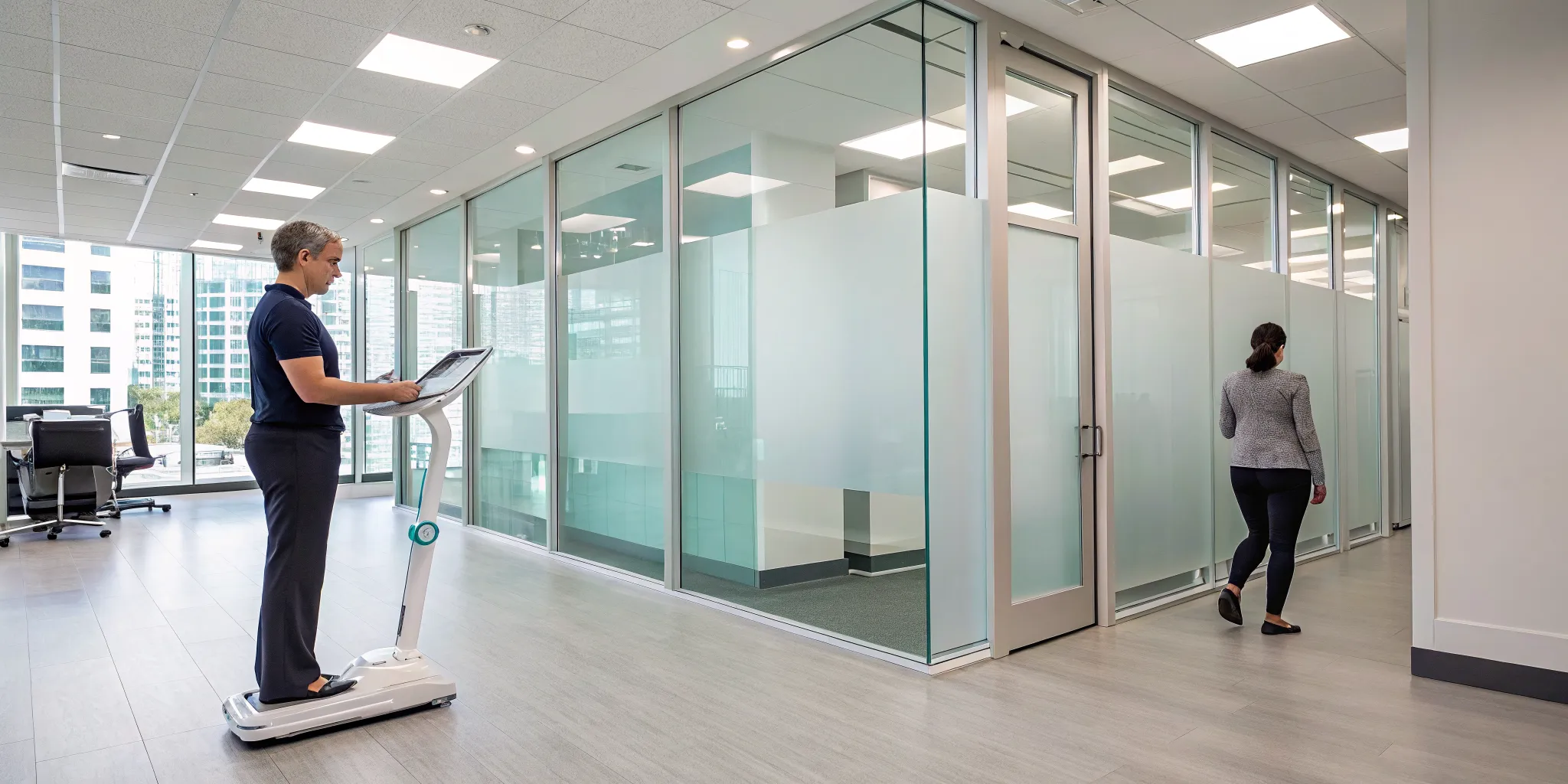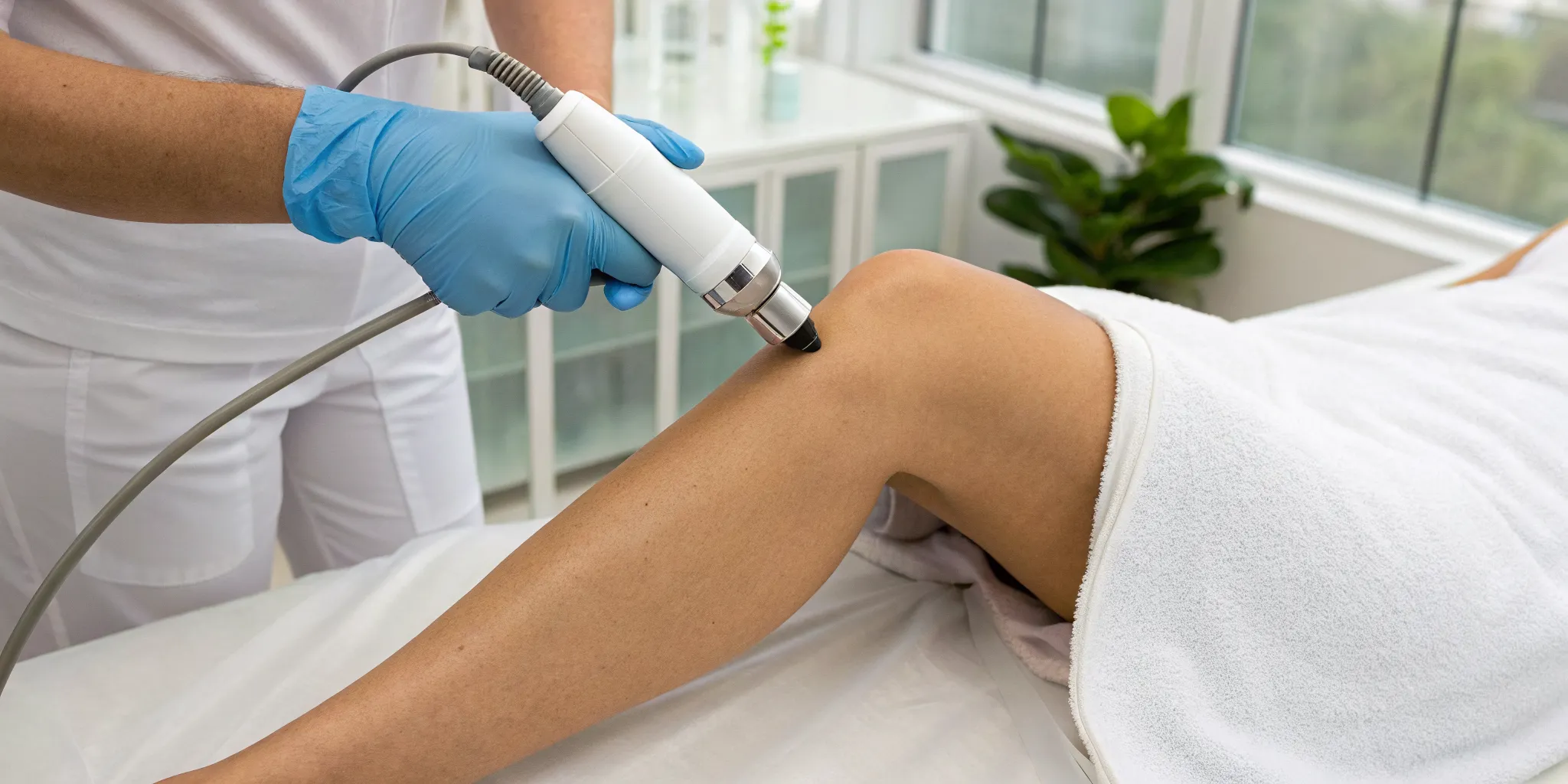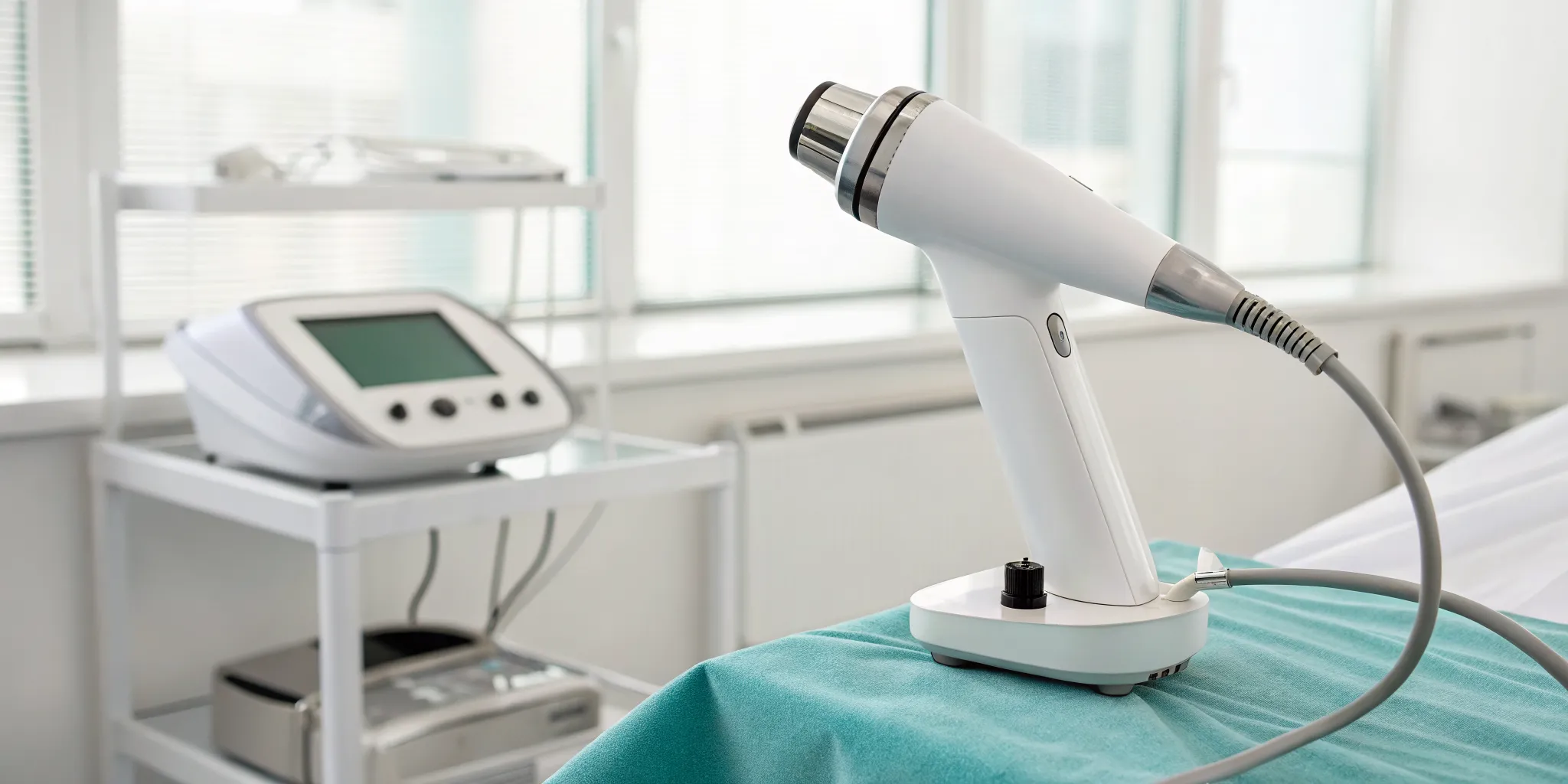
It’s possible to have a "normal" weight and BMI and still carry hidden health risks. The most significant of these is visceral fat, the dangerous fat that wraps around your internal organs and is linked to chronic health issues. A standard scale can’t see this, and you can’t feel it, which is what makes it so concerning. Learning how a DEXA scan reveals more than just your weight can uncover these crucial health markers. By providing a precise measurement of visceral fat and assessing your bone density, a DEXA scan gives you a clear picture of your long-term health risks. It’s a proactive tool that empowers you to address potential problems long before they become serious, which is a cornerstone of our functional medicine approach.
Key Takeaways
- Get the full story, not just a number: A DEXA scan looks past your total weight to reveal your body's true composition, showing you the precise amounts of fat, lean muscle, and bone that are better indicators of your health.
- Identify health risks before they become problems: The scan accurately measures critical markers you cannot see, like dangerous visceral fat and bone density, empowering you to take proactive steps to protect your long-term wellness.
- Build a smarter, data-driven wellness plan: Your DEXA results provide a clear baseline to create a personalized nutrition and fitness strategy, helping you and your provider make targeted choices that lead to real progress.
How Does a DEXA Scan Work?
If you've heard about DEXA scans, you might picture a complicated, lengthy test. The reality is much simpler. Getting a DEXA scan is a quick and straightforward way to get a detailed picture of your health that goes far beyond the number on a scale. The entire process is designed to be comfortable and efficient, giving you powerful insights without taking up your whole day. Let's walk through exactly what happens.
The Science of Dual-Energy X-Rays
The "DEXA" in the name stands for Dual-Energy X-ray Absorptiometry. That sounds technical, but the concept is simple. The scanner uses two very low-dose X-ray beams with different energy levels. As these beams pass through your body, they are absorbed differently by bone, fat, and lean tissue. The machine measures these differences to create an incredibly precise map of your body composition. This gives us a clear breakdown of your bone density, fat mass, and lean muscle mass, which is foundational to our functional medicine approach to wellness. It’s a powerful tool for understanding your body’s unique makeup.
What to Expect During Your Scan
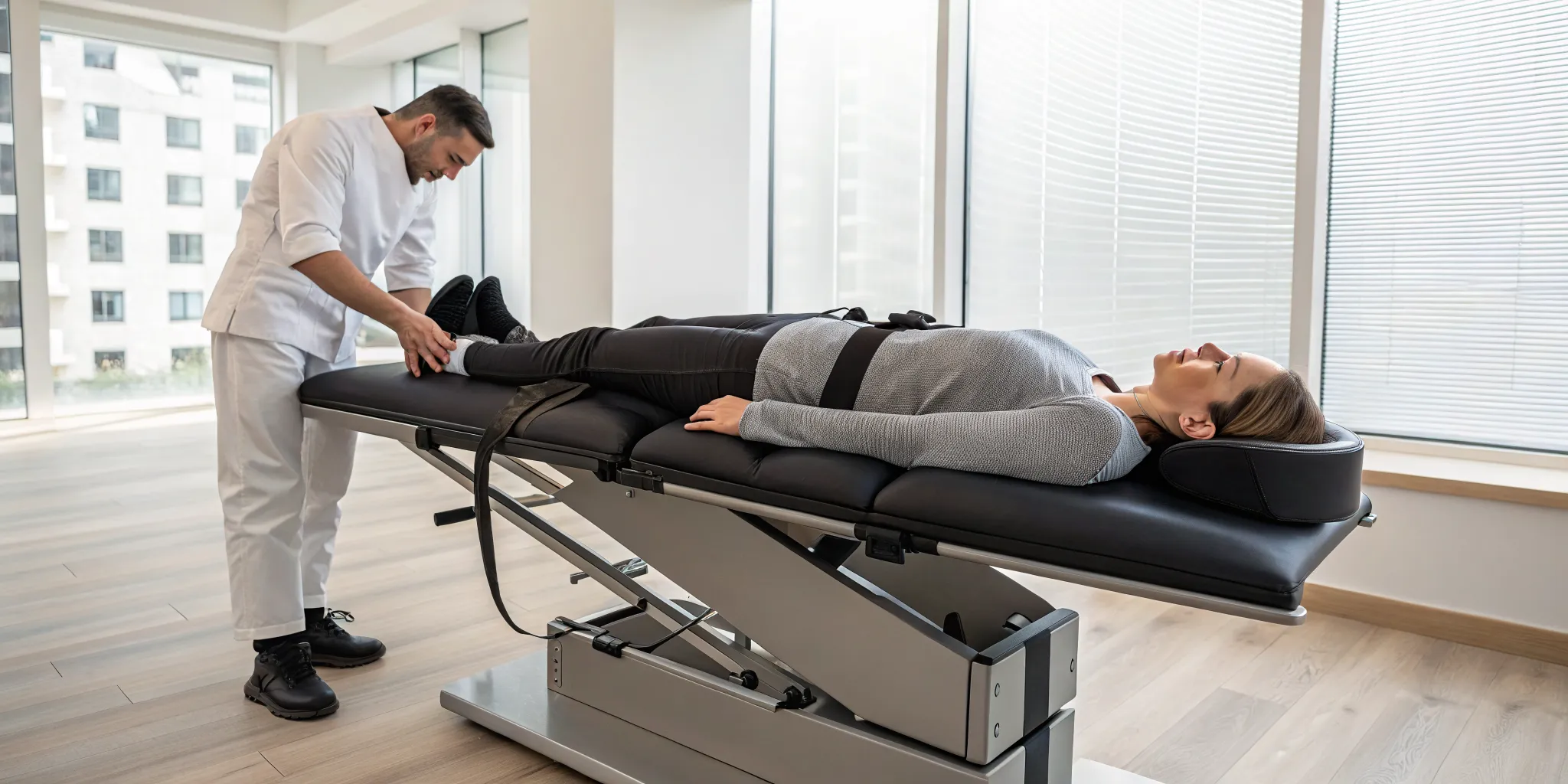
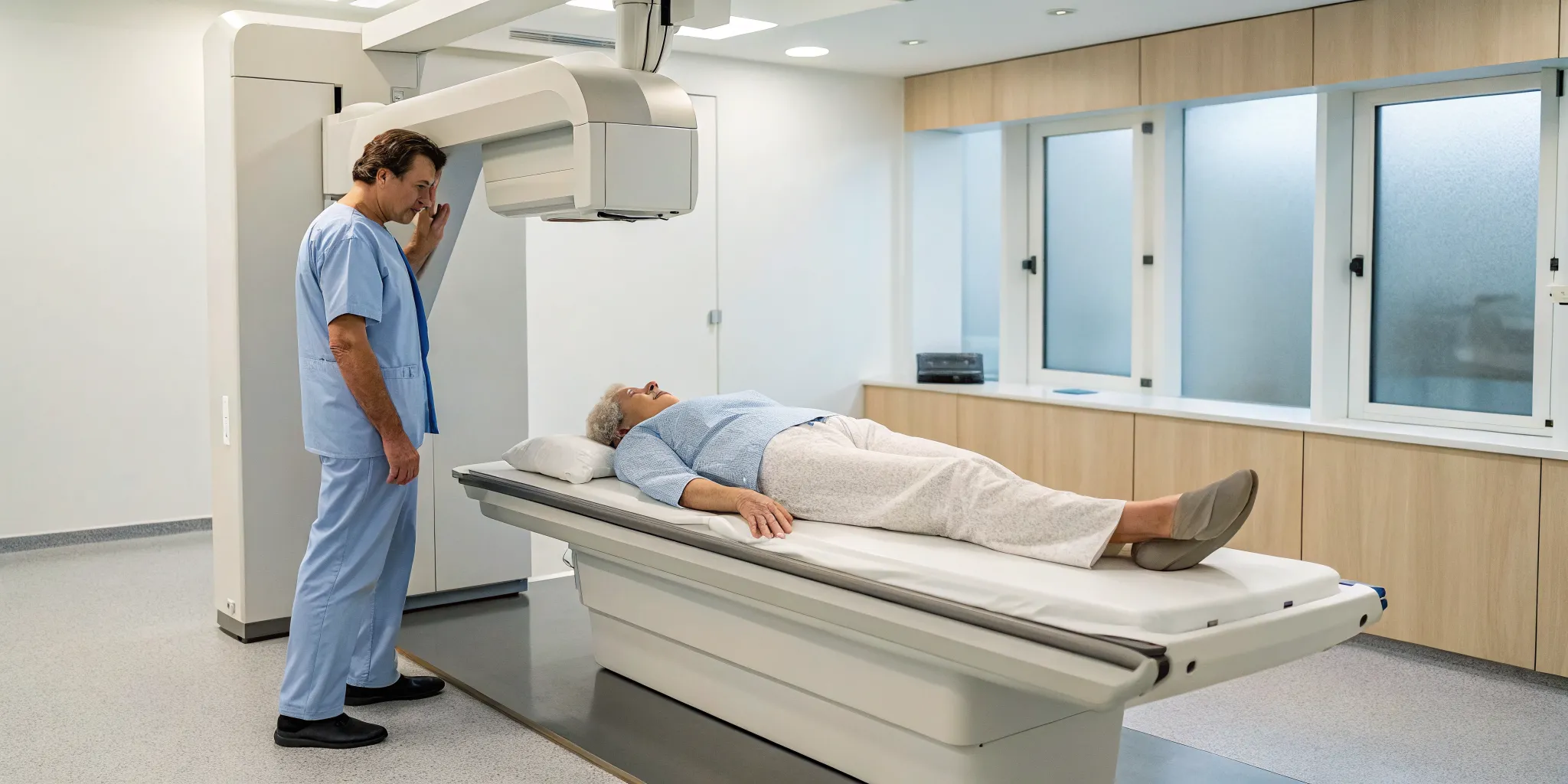
Your DEXA scan appointment is surprisingly quick and easy. When you arrive, you’ll be asked to lie down comfortably on a padded table. An imaging arm will pass slowly over your body, but it never touches you. The scan itself typically takes only about five to ten minutes to complete. You just get to relax while the technology does its work. The entire appointment, from start to finish, is usually over in less than 20 minutes. It’s a simple, non-invasive process that provides a wealth of information about your body. If you have any questions about the process, our team is always here to help you feel prepared and comfortable when you contact us.
Is a DEXA Scan Safe?
One of the first questions people ask is about safety, especially since the scan uses X-rays. You can rest assured that a DEXA scan is an extremely safe procedure. It uses a very small amount of radiation, significantly less than a standard chest X-ray and even less than the natural radiation you’re exposed to in a single day just from the environment. The procedure is completely non-invasive, meaning nothing enters your body. Our commitment to your health and safety is our top priority, and we use technologies like the DEXA scan because they provide valuable information with minimal risk. You can learn more about our patient-first philosophy on our about page.
What Your DEXA Scan Reveals
A DEXA scan offers a remarkably detailed snapshot of your body’s inner landscape, moving far beyond the simple number on your bathroom scale. Think of it less as a weigh-in and more as a comprehensive audit of your body composition. This scan separates your body into three key components: body fat, lean muscle mass, and bone. Understanding the precise amounts and distribution of these elements is fundamental to a root-cause approach to wellness.
This isn't just data for the sake of data. It's actionable information that helps you and your provider see what’s really going on beneath the surface. Are you losing fat or precious muscle? Are there imbalances that could lead to injury? How strong are your bones? A DEXA scan answers these questions with clinical accuracy, providing a clear baseline to track your progress and tailor your health strategy. By looking at this complete picture, you can make more informed decisions that support your long-term health goals, from improving metabolic function to aging with vitality. This level of insight is a core part of our functional medicine approach, allowing us to create a truly personalized plan based on your unique physiology instead of guesswork. It's about understanding your body's starting point so we can map out the most effective path forward together.
Body Fat and Where It's Stored
One of the most powerful insights from a DEXA scan is its ability to measure not just how much body fat you have, but exactly where you store it. The scan differentiates between subcutaneous fat (the fat under your skin) and visceral adipose tissue (VAT), which is the more dangerous fat that accumulates around your internal organs.
Even if your weight or BMI seems "normal," a high level of visceral fat can significantly increase your risk for chronic health issues like heart disease, type 2 diabetes, and other metabolic conditions. The DEXA report gives you a precise measurement of this internal fat, offering a crucial health marker that you simply can't see from the outside. This information helps us identify hidden risks and create a targeted plan to address the specific conditions we treat.
Lean Muscle and Muscle Balance
Your muscle mass is your metabolic engine. It plays a vital role in your strength, mobility, and how your body uses energy. A DEXA scan provides an exact measurement of your lean muscle mass, separate from fat and bone. This allows you to see if your fitness efforts are building muscle or if you might be losing it, which can happen with certain diets or aging.
The scan also reports on muscle mass in different parts of your body, like your arms, legs, and trunk. This can reveal muscular imbalances between your left and right sides. Such asymmetries can affect your posture and movement patterns, potentially leading to discomfort or injury. Identifying these imbalances is the first step toward correcting them through targeted physical medicine and exercise.
Your Bone Density
Strong bones are the foundation of a healthy, active life, but bone health is often overlooked until a problem arises. A DEXA scan is the gold standard for measuring your bone mineral density (BMD), giving you a clear picture of your skeletal strength and your risk for osteoporosis.
The results are often presented as a "T-score," which compares your bone density to that of a healthy 30-year-old. This simple metric helps you understand where you stand and whether you need to take proactive steps to protect your bones. Monitoring your bone density over time is a key strategy in our longevity medicine services, as it allows for early intervention to support skeletal health as you age.
Why the Scale Doesn't Tell the Whole Story
For years, we’ve been taught to track our health with two main tools: the bathroom scale and the Body Mass Index (BMI) chart. While they can offer a starting point, they barely scratch the surface of what’s happening inside your body. Relying on weight alone is like trying to understand a book by only reading its cover. It gives you a single data point, but it misses the entire story of your unique physiology, from your muscle mass to your bone health.
True wellness isn't about hitting a target number on the scale. It’s about understanding your body’s composition and using that knowledge to build a stronger, more resilient you. This is a core principle of functional medicine, which aims to understand the complete picture of your health.
Moving Beyond BMI
Let's be honest, most of us have a complicated relationship with the BMI chart. It’s a simple calculation using your height and weight, but its simplicity is also its biggest flaw. The BMI can’t tell the difference between a pound of muscle and a pound of fat. This means a lean, muscular athlete could be classified as "overweight" right alongside someone with a high percentage of body fat. This single metric completely overlooks the context of your body’s makeup, which is a far more accurate indicator of your metabolic health. Moving beyond BMI allows us to get a more precise and personalized view of what your body truly needs to thrive.
Weight vs. Body Composition
Imagine two people who are the same height and weigh exactly the same. According to a standard scale, they are identical. But what if one person’s weight is made up of 40% body fat and the other’s is only 20%? Their health profiles would be completely different. This is the crucial difference between weight and body composition. Your weight is just the sum of everything, including muscle, fat, bone, and water. Your body composition, on the other hand, tells you how that weight is distributed. A DEXA scan gives you this detailed breakdown, showing you the exact percentages of fat and lean mass, so you can finally see what’s really going on.
Why Composition Is Key to Your Health
Understanding your body composition is essential because not all fat is created equal. A DEXA scan can identify the amount of visceral fat you have, which is the dangerous fat that wraps around your internal organs. This type of fat is a major contributor to chronic health issues, and you can have high levels of it even if you have a "normal" BMI. Knowing your composition gives you the power to make targeted changes to your nutrition and lifestyle. It helps you set meaningful goals that go beyond weight loss, like building lean muscle to support your metabolism or improving bone density, which are key components of longevity medicine.
Identify Health Risks with a DEXA Scan
A DEXA scan gives you a precise snapshot of your body composition, offering insights that go far beyond the number on a scale. Think of it as a detailed internal map that reveals exactly what your body is made of: bone, fat, and lean muscle. This information is incredibly valuable because it helps identify potential health risks long before they become serious problems. By understanding the specifics of your body composition, you can move past generic health advice and start making targeted changes that truly support your well-being.
This detailed analysis is a cornerstone of the root-cause approach we take at Ascend Functional Health. Instead of just looking at symptoms, we look at the underlying factors contributing to your health. A DEXA scan provides objective data on key health indicators, including dangerous visceral fat, bone density, and muscle mass. This allows us to create a personalized plan that addresses your unique physiology, helping you build a stronger, more resilient body from the inside out.
Visceral Fat and Chronic Disease Risk
One of the most critical pieces of information a DEXA scan provides is your level of visceral fat. This isn't the fat you can pinch under your skin; it's the fat stored deep within your abdominal cavity, wrapped around vital organs like your liver and intestines. Even if you have a "normal" weight or BMI, high levels of visceral fat can significantly increase your risk for chronic health problems.
This internal fat is metabolically active and can release inflammatory substances that disrupt your body's normal functions. Research consistently shows a strong link between excess visceral fat and conditions like heart disease, type 2 diabetes, and other metabolic disorders. By precisely measuring this fat, a DEXA scan gives you a clear picture of your risk, allowing you to take proactive steps with nutrition and lifestyle changes to protect your long-term health. This is a key part of our functional medicine services.
Bone Health and Osteoporosis Risk
Strong bones are the foundation of a healthy, active life, but bone density naturally declines as we age. A DEXA scan is the gold standard for measuring your bone mineral density, showing you how strong your bones are and assessing your risk for osteoporosis, a condition that makes bones weak and brittle. The scan generates a "T-score," which compares your bone density to that of a healthy 30-year-old.
This information is empowering because it allows you to address potential bone loss early on. If your scan reveals lower-than-optimal bone density, you can implement targeted strategies, including specific nutritional support and weight-bearing exercises, to strengthen your skeleton. Catching these changes early is essential for maintaining mobility, preventing fractures, and supporting your structural health for years to come.
Muscle Health and Your Metabolism
Muscle is much more than what helps you lift heavy things; it's a metabolically active tissue that plays a huge role in your overall health. The more lean muscle you have, the more calories your body burns, even when you're at rest. This makes maintaining healthy muscle mass a key factor for long-term weight management and a robust metabolism. Muscle also helps regulate blood sugar and supports hormonal balance.
A DEXA scan shows you exactly how much lean muscle you have and how it's distributed throughout your body. This can reveal imbalances, such as having more muscle on one side of your body, which can be addressed through corrective care. Understanding your muscle mass gives you a baseline to work from, whether your goal is to build strength, improve your metabolic health, or simply feel more energetic.
How Hormones Affect Body Composition
Your hormones act as messengers, directing countless processes in your body, including where you store fat and how easily you build muscle. When hormones are out of balance, it can show up in your body composition. For example, certain hormonal shifts can lead to an increase in abdominal fat or make it difficult to maintain lean muscle, no matter how well you eat or exercise.
A DEXA scan provides the objective data to see these patterns. If your results show a composition profile that suggests an underlying hormonal issue, it gives us a clear direction for further investigation. This is where longevity medicine comes in. By pairing your DEXA results with comprehensive lab testing, we can get to the root cause of the imbalance and create a personalized protocol to help restore your body's natural harmony and function.
How DEXA Scans Compare to Other Methods
When you decide to get serious about understanding your body, you quickly find there are several ways to measure body composition. You might have even tried a few, like a smart scale or a handheld device at a health fair. While these tools can give you a general idea of your body fat percentage, they often lack the precision needed to make truly informed decisions about your health. The goal isn't just to get a number; it's to get an accurate number that you can confidently use to track progress and guide your wellness strategy.
Accuracy is everything when it comes to your health data. Small errors can lead you to believe a plan isn't working when it is, or worse, mask underlying issues that need attention. Many common methods are sensitive to daily fluctuations like hydration levels or rely on subjective human skill, leading to inconsistent and unreliable results. This is why we rely on DEXA technology. It cuts through the noise and provides a clear, detailed, and medically trusted picture of your body's makeup. Understanding how it stacks up against other methods makes it clear why DEXA is considered the gold standard for anyone committed to a root-cause approach to wellness. Let's look at the key differences.
DEXA vs. Bioelectrical Impedance (BIA)
You’ve probably encountered Bioelectrical Impedance Analysis (BIA) without even knowing it. This is the technology used in most smart scales and handheld body fat analyzers. BIA works by sending a tiny, unnoticeable electrical current through your body and measuring the resistance. The problem is, these readings can be wildly inconsistent. According to research, BIA can have an error rate of 5-15%, while DEXA scans are consistently accurate within just 1-2%. Simple things like your hydration level, when you last ate, or if you just worked out can dramatically skew BIA results. This makes it difficult to know if the changes you see are real or just daily fluctuations.
DEXA vs. Skinfold Calipers
The skinfold caliper method is a more old-school approach where a practitioner uses a tool to pinch the fat at several sites on your body. While it can be more accurate than BIA in the right hands, its biggest weakness is its reliance on human skill. The results can vary significantly depending on the person taking the measurements and their technique. A DEXA scan, on the other hand, is completely objective. It uses technology, not technique, to deliver a precise breakdown of your body fat and lean mass. This removes the guesswork and human error, giving you data you can trust every single time you get a scan.
DEXA vs. Hydrostatic Weighing
Hydrostatic weighing, or underwater weighing, is another method for assessing body composition. It involves being submerged in a tank of water to measure your body density. While it's considered quite accurate, the process itself can be uncomfortable and inconvenient for many people. In contrast, a DEXA scan is quick, simple, and non-invasive. You just lie comfortably on a padded table for a few minutes while the scanner does its work. Plus, a DEXA scan provides far more detailed information, showing you not just your overall body fat percentage but also your bone density and how fat and muscle are distributed throughout your body, which is key for assessing certain health conditions.
How to Prepare for a DEXA Scan
Getting a DEXA scan is a straightforward process, but a little preparation can make a big difference in the accuracy of your results. Think of it like setting the stage for a clear and precise snapshot of your body composition. Following a few simple guidelines ensures that the data we gather is a true reflection of your body’s makeup, giving us the best possible information to create your personalized health plan. Taking these small steps beforehand helps guarantee you get the most value out of your scan.
What to Wear (and What Not to)
Your choice of clothing is more important than you might think for a DEXA scan. The key is to wear comfortable, light clothing without any metal. Think athletic wear, leggings, or anything you’d wear for a light yoga session. Heavy fabrics like denim or thick sweatshirts can interfere with the scan’s ability to get an accurate reading. The most important thing to avoid is metal, so leave behind any clothing with zippers, snaps, or metal buttons. It’s also best to remove all jewelry and piercings, and opt for a sports bra without an underwire. This ensures the scan captures your body composition without any interference.
Preparing with Food, Water, and Supplements
To get the most accurate results, it’s best to arrive for your scan in a fasted state. We recommend not eating for at least three hours before your appointment. This prevents any undigested food from skewing your body composition numbers. While you should avoid food, staying hydrated is important, so feel free to drink water as you normally would. It’s also a good idea to pause any supplements, particularly calcium, on the day of your scan, as they can sometimes affect the readings. This simple preparation is a key part of our functional medicine approach, ensuring we start with the most precise data possible.
Special Considerations for Recent Procedures
Your health history can play a role in scheduling your DEXA scan. If you’ve recently had a medical imaging procedure that used contrast dye, like certain CT scans or MRIs, it’s important to wait. We recommend waiting at least two weeks after receiving a contrast agent before you have your DEXA scan to avoid any interference with the results. Additionally, while the radiation exposure from a DEXA scan is extremely low, it is not performed on individuals who are pregnant. If you have any questions about your specific health history or how to prepare, please don't hesitate to contact our team in Tampa. We're here to help you feel confident and prepared.
Is a DEXA Scan Right for You?
A DEXA scan offers a level of detail that goes far beyond your bathroom scale, but is it the right tool for your specific health journey? While not everyone needs one, this scan can provide invaluable information if you have certain goals. It’s particularly useful for anyone wanting to move past guesswork and get a clear, data-driven picture of their body composition. If you find yourself in one of the following groups, a DEXA scan could be the key to understanding your health on a deeper level.
If You're Focused on Metabolic Health
Your metabolic health is all about how well your body processes and uses energy. If you're concerned about conditions like insulin resistance or heart disease, a DEXA scan provides critical insights. It can show if you have excess fat stored around your internal organs, known as visceral fat. This type of fat is a major risk factor for chronic health problems, even for people who have a "normal" BMI. By precisely measuring visceral fat, a DEXA scan helps identify hidden risks that a scale can't see, giving you a more accurate understanding of your functional medicine needs and a clear path forward.
If You're Monitoring Bone and Muscle Health
Strong bones and healthy muscle mass are the foundation of an active, vibrant life. A DEXA scan is the gold standard for measuring bone mineral density, showing your bone strength and your risk for developing osteoporosis later in life. But it’s not just about bones. The scan also provides a detailed breakdown of your lean muscle mass, even identifying imbalances between the left and right sides of your body. This information is crucial for athletes tracking their training progress, individuals recovering from an injury, and anyone looking to maintain strength and mobility as they age. This data supports a comprehensive physical medicine plan.
If You Want a Root-Cause Approach to Wellness
If you’re tired of one-size-fits-all health advice, a DEXA scan offers the personalization you need. By understanding your body's unique makeup of fat, muscle, and bone, you can make smarter, more effective choices about your nutrition and fitness. The detailed report helps you see exactly how your diet, lifestyle, and exercise habits are affecting your body. This objective data serves as a starting point for a truly personalized wellness plan. It moves you beyond symptoms and provides a clear baseline to track your progress, ensuring your efforts are aligned with your long-term health goals and our root-cause approach.
Create Your Action Plan with DEXA Results
A DEXA scan gives you a powerful set of data, but the real value comes from turning that information into a concrete plan. Your results are the "what," and your action plan is the "how." It’s your roadmap to better health, built on a precise understanding of your body’s starting point. This is where you move from simply knowing your numbers to using them to make meaningful, targeted changes that align with your wellness goals.
How to Read Your DEXA Report
Your DEXA report provides a detailed snapshot of your body, but you don’t need a medical degree to understand it. The report breaks down key metrics that paint a full picture of your health. You’ll see your total body fat percentage, but more importantly, you’ll learn about your Visceral Adipose Tissue (VAT), the deep abdominal fat linked to health risks. The report also details your Skeletal Muscle Mass (SMM), showing how much lean tissue you have and if it’s balanced. Finally, it gives you a clear reading of your whole-body bone density. Think of it as a comprehensive guide to your body’s internal landscape.
Guide Your Nutrition and Fitness Choices
With your DEXA results in hand, you can stop guessing and start making strategic decisions about your health. Understanding your body's unique makeup allows you to make smarter choices about what you eat and how you move. For example, if your report shows lower-than-ideal muscle mass, your focus might shift to increasing protein intake and incorporating strength-building activities. If high visceral fat is a concern, you can work on a nutrition plan specifically designed to address it. This data helps you and your provider create personalized plans to reach your goals, whether that’s losing fat, preserving muscle, or improving metabolic health through functional medicine.
Partnering with a Provider for Personalized Care
The most effective way to use your DEXA results is to review them with a knowledgeable provider. The numbers and images in your report are powerful, but they become truly transformative when placed in the context of your life, your health history, and your goals. A provider can help you understand how your diet, lifestyle, and exercise habits are influencing your body composition. Together, you can use this information to create a personalized, root-cause approach to wellness. This partnership ensures you’re not just collecting data but using it to build a clear and effective path forward. Ready to get started? You can contact our team to schedule your consultation.
Related Articles
- Body Fat Scan Near Me: Cost, Accuracy & What to Expect
- Body Composition Scan Near Me: Cost & What to Expect
- How to Find the Best DEXA Scan Clinic: 5 Tips
Frequently Asked Questions
Is the scan really safe? I'm worried about the radiation. I completely understand this question, as safety is always the top priority. You can feel confident knowing that a DEXA scan uses an extremely low dose of radiation. The exposure is actually less than what you’d get from the natural environment in a single day or on a cross-country flight. It’s a non-invasive and highly safe procedure that provides a wealth of information with minimal risk.
How often should I get a DEXA scan? This really depends on your personal health goals. A single scan is incredibly valuable for establishing a clear and accurate baseline of your body composition. If you are actively working on a specific goal, like building muscle or reducing visceral fat, follow-up scans every six to twelve months can be a great way to track your progress and ensure your plan is working. We can help you determine the right frequency for your unique journey.
My BMI is in the "healthy" range, so why would I need this? This is such an important question because it gets to the heart of why body composition matters more than just weight. The BMI scale can't distinguish between muscle and fat, and it has no way of seeing the dangerous visceral fat that can accumulate around your organs. You can have a "normal" BMI but still have a body composition that puts you at risk for metabolic issues. A DEXA scan gives you that inside look to confirm you're healthy on the inside, not just on paper.
What happens after I get my results? Am I on my own to figure them out? Absolutely not. The report itself is just data; the real value comes from turning that data into a personalized action plan. The most important step is reviewing your results with a provider who can interpret them in the context of your health history, lifestyle, and goals. This partnership is key to creating a targeted nutrition and fitness strategy that works for your body.
How is this different from the body fat reading on my smart scale? While smart scales are convenient, they use a technology called bioelectrical impedance (BIA) that can be very inconsistent. Your results can change dramatically based on your hydration levels, when you last ate, or if you just exercised. A DEXA scan, however, provides a direct and precise measurement of your bone, fat, and muscle tissue. This makes it the gold standard for accuracy, giving you reliable data you can use to track real, meaningful changes over time.