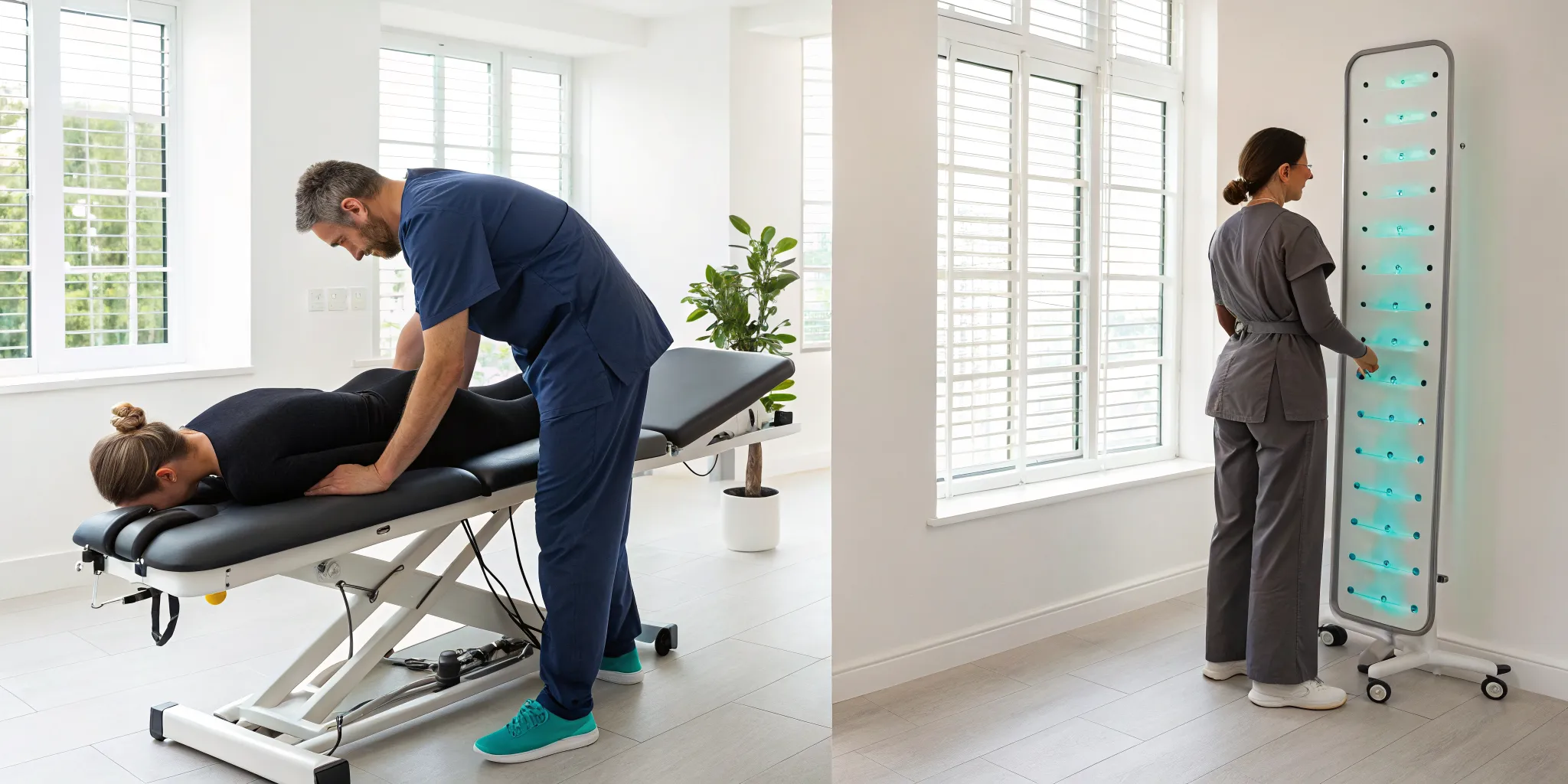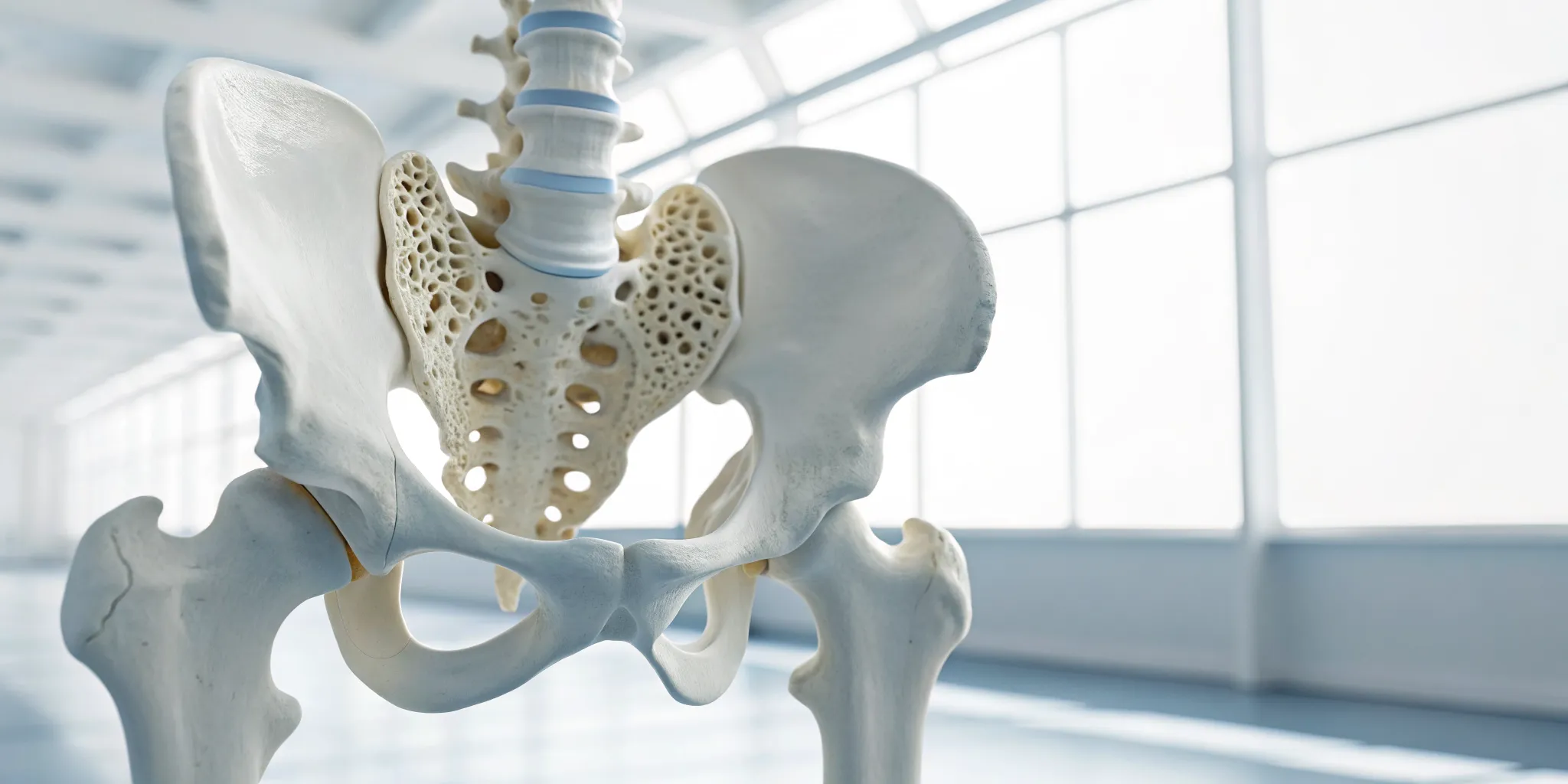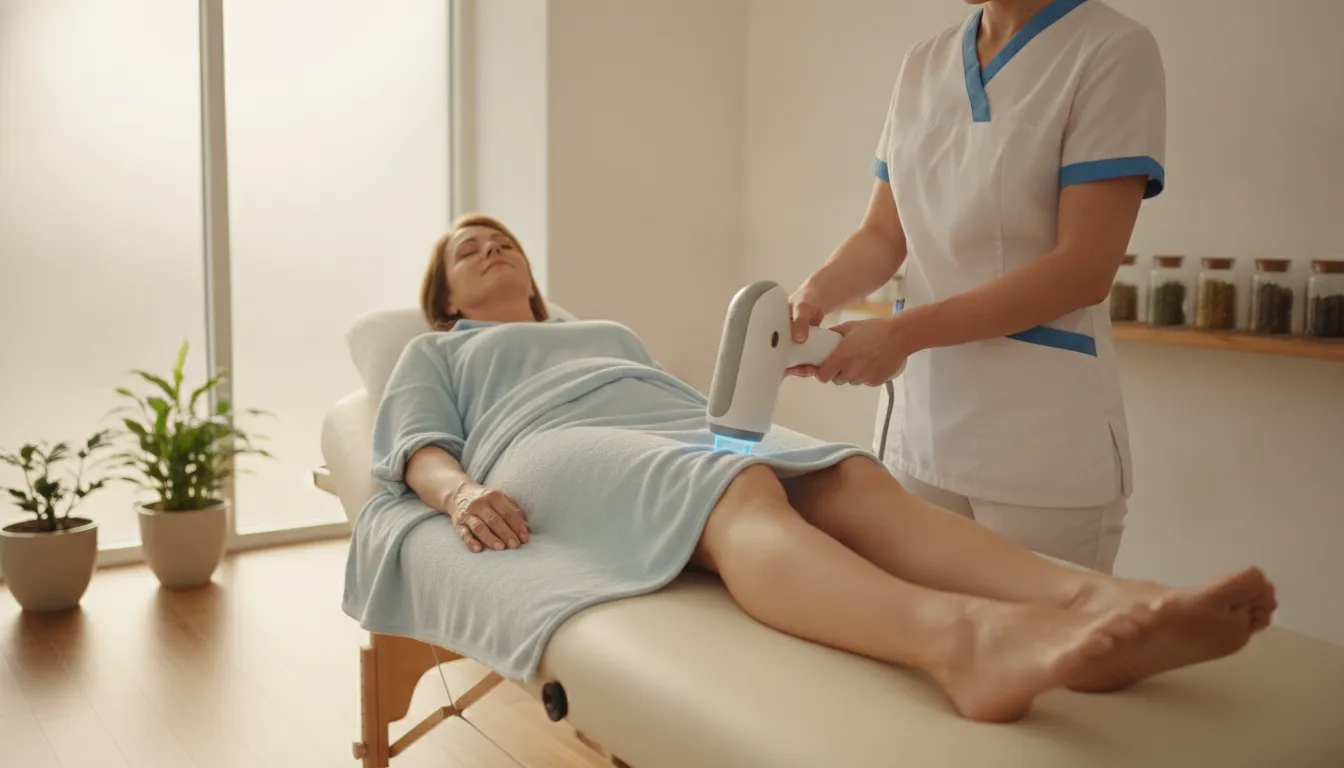
The effectiveness of any therapeutic tool, from a surgeon’s scalpel to a chiropractor’s hands, depends on the expertise of the practitioner. The same is true for the specialized instruments used in the Graston Technique. So, when people ask, "is Graston Technique dangerous?" the answer lies not in the tools themselves, but in the training and knowledge of the person using them. A qualified provider knows exactly how to apply pressure to break down adhesions without harming healthy tissue. This article is designed to empower you with information, explaining the importance of professional certification, what a safe session looks like, and the red flags to watch for to ensure you’re in good hands.
Key Takeaways
- Expertise is key for a safe treatment: The effectiveness and safety of the Graston Technique depend entirely on your provider's skill, so always choose a certified professional with a background in a field like chiropractic care.
- It works with your body's natural healing: This technique uses specialized tools to break down scar tissue and adhesions, which prompts your body's own recovery process. When done correctly, it targets soft tissue and does not harm nerves.
- Your health history determines your eligibility: Be completely open with your practitioner about your medical background, as certain conditions or medications like blood thinners can make this treatment unsuitable.
What Is the Graston Technique?
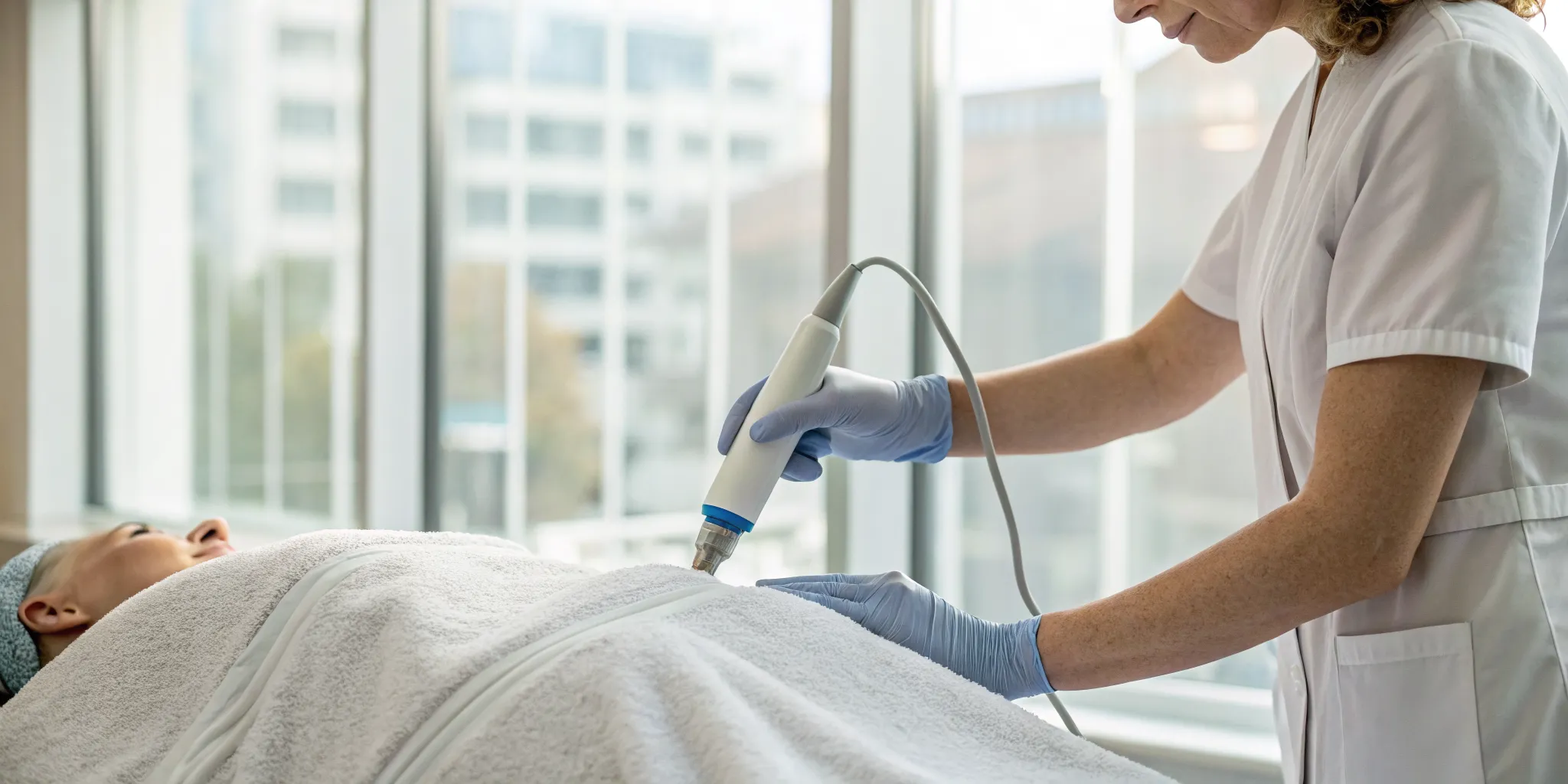
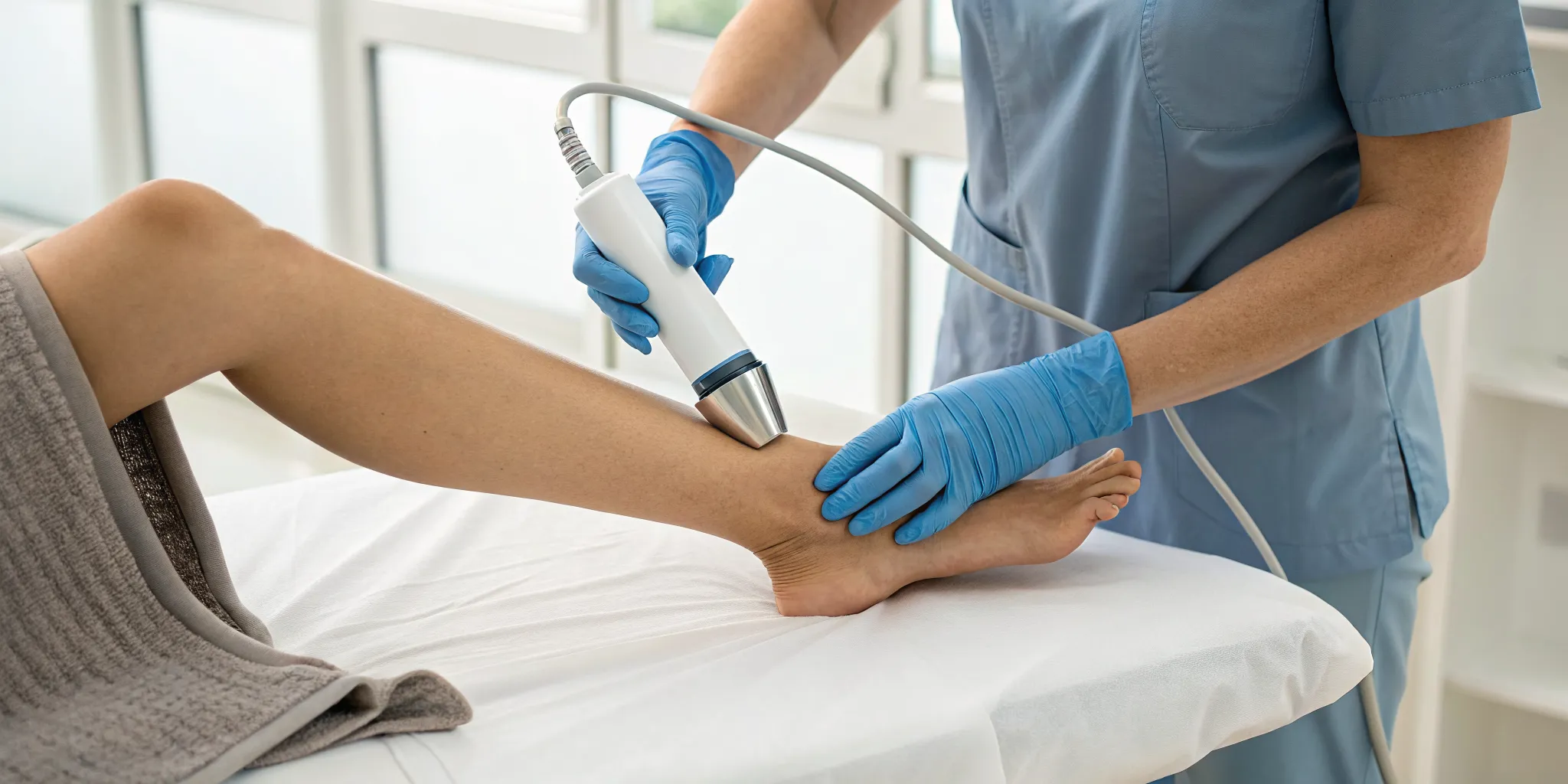
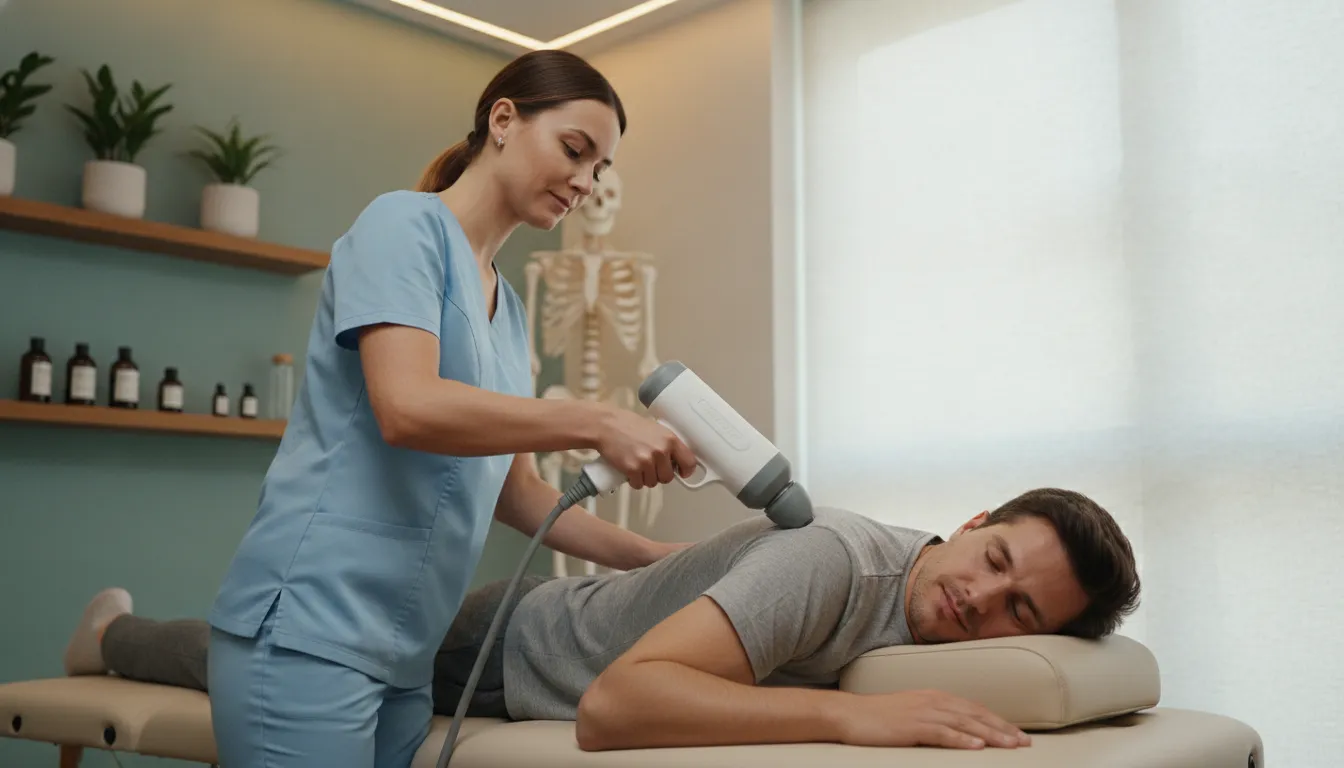
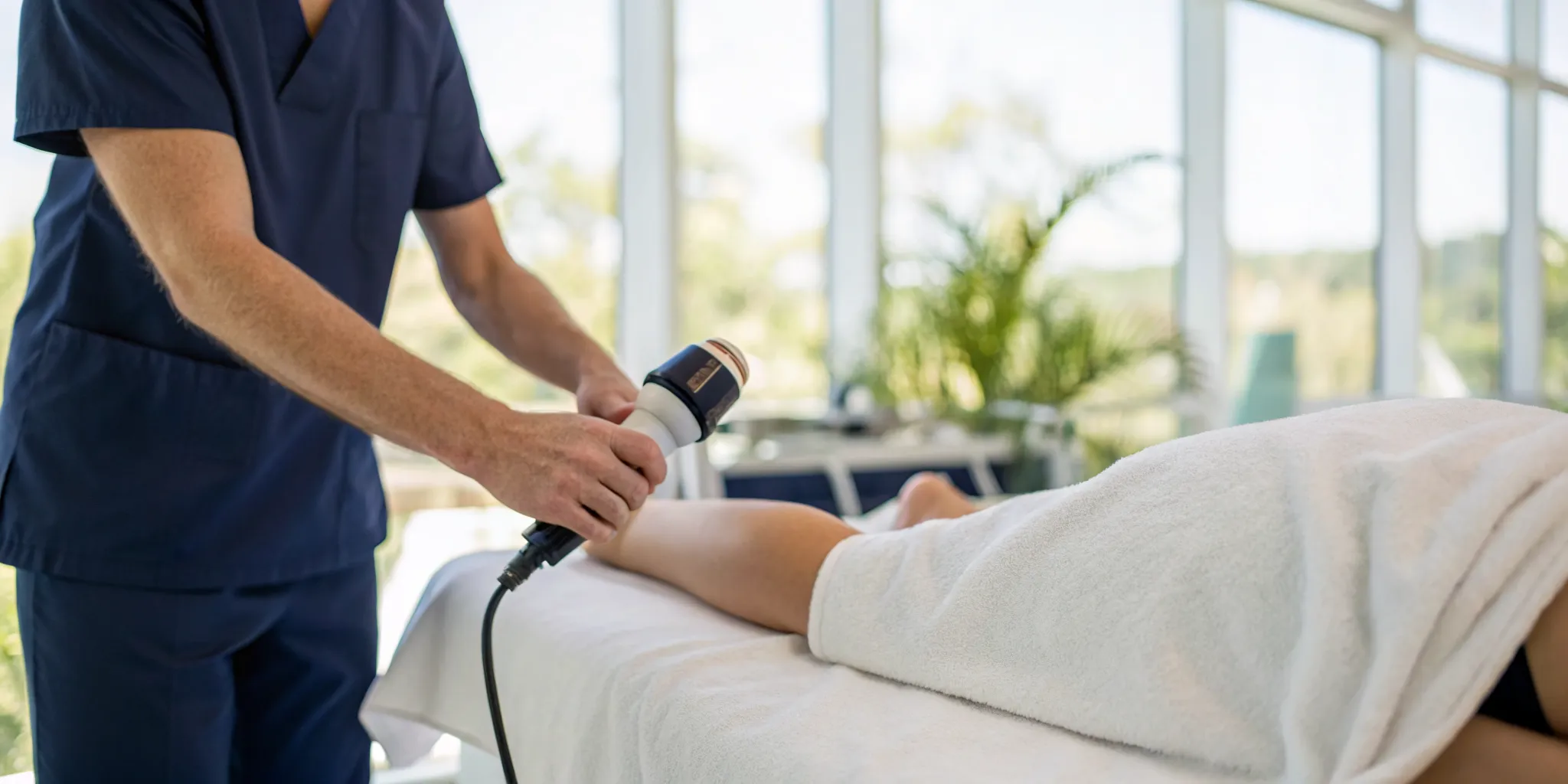
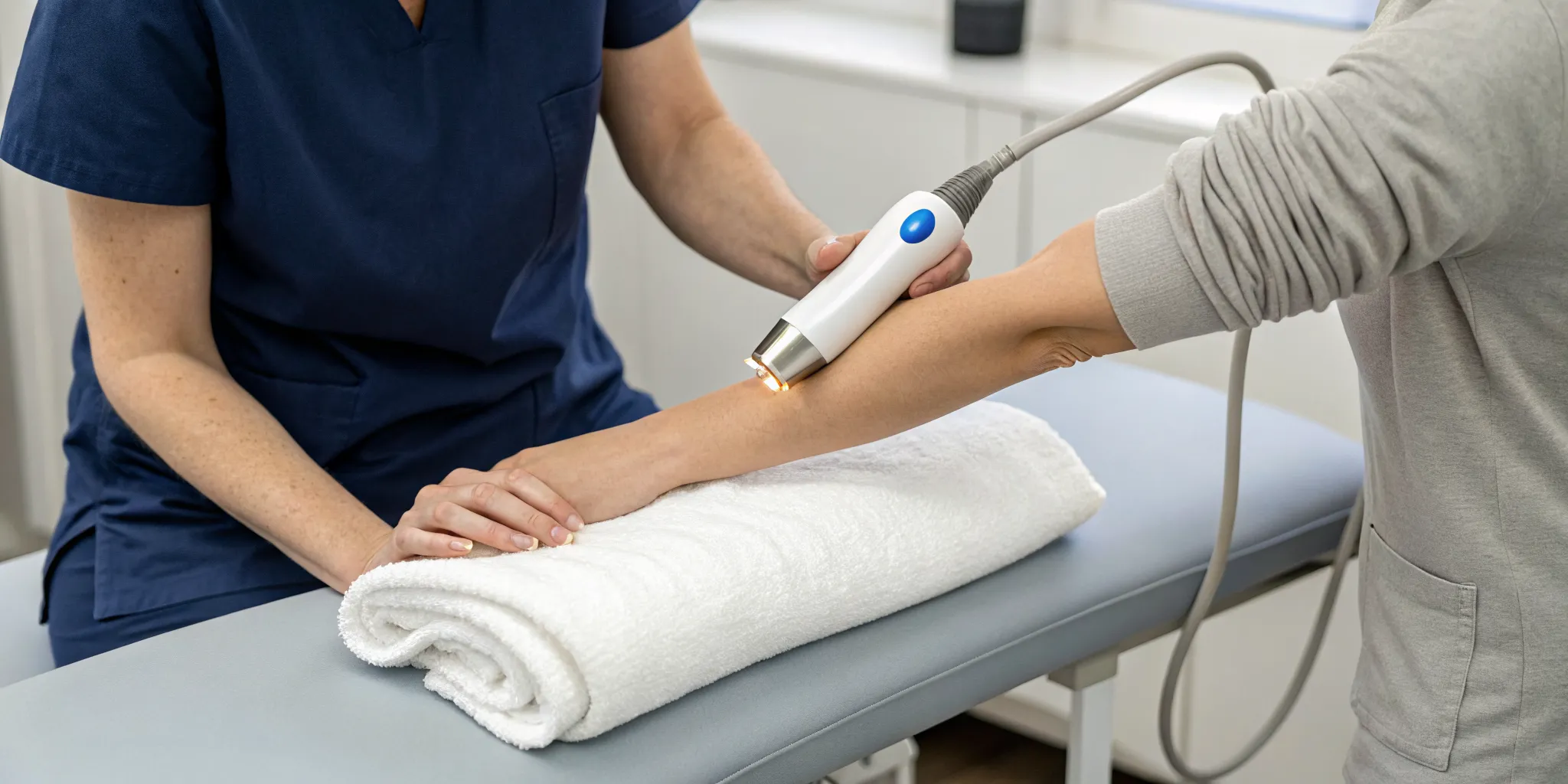
If you've ever dealt with persistent muscle knots or scar tissue that just won't go away, you know how frustrating it can be. The Graston Technique is a specialized approach designed to address these exact issues. Think of it as a targeted massage, but instead of using hands, a trained practitioner uses a set of smooth, stainless steel instruments. These tools are gently glided over your skin to locate and treat problems within your soft tissues, like muscles, ligaments, and tendons. It’s a hands-on method that allows your provider to get right to the source of the restriction, helping to restore movement and reduce discomfort.
How Does It Work?
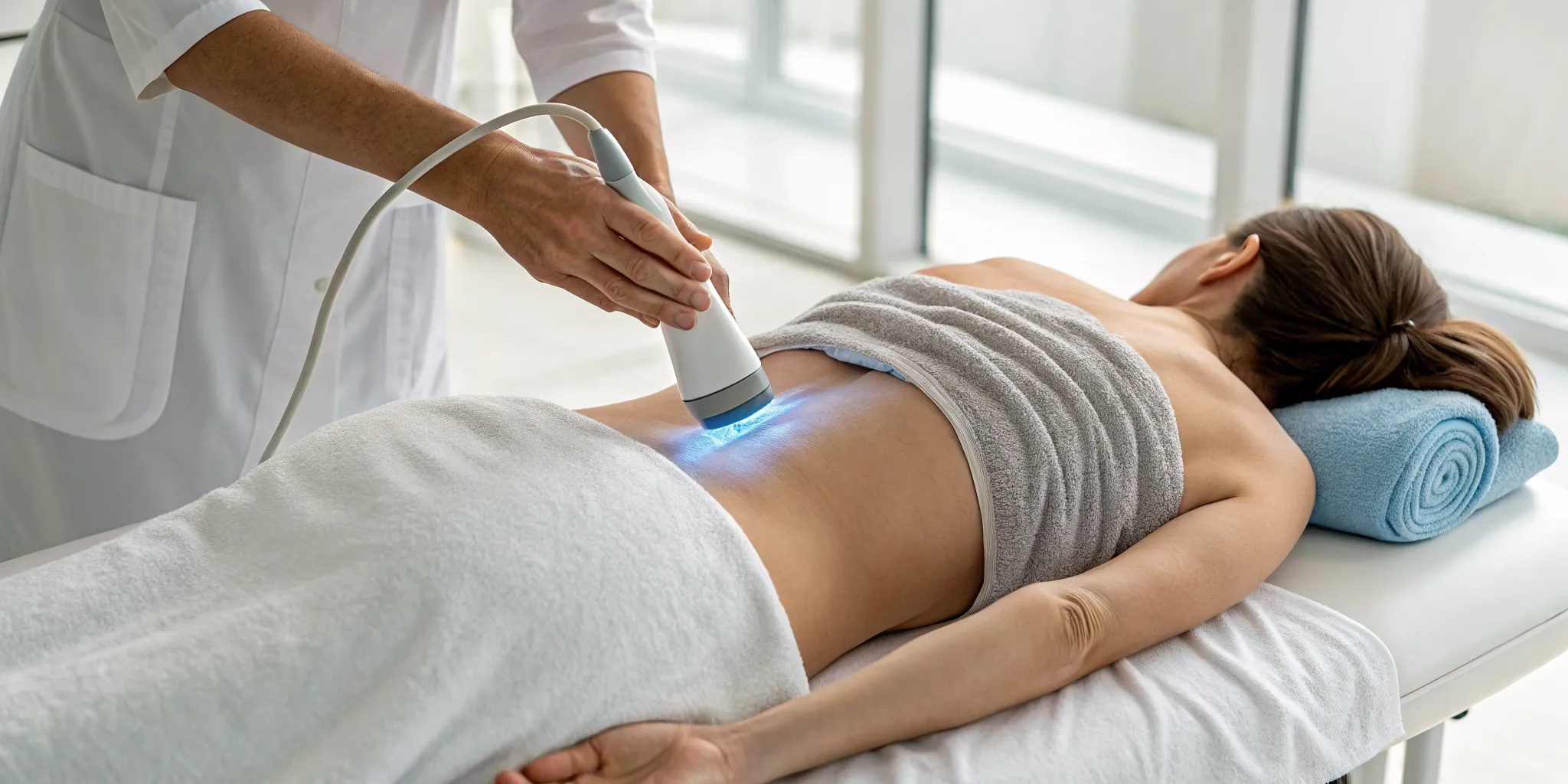
The process is quite fascinating. First, your practitioner uses the specially designed instruments to scan the affected area. The tools act like a stethoscope for your soft tissue, amplifying the texture of any underlying scar tissue, adhesions, or restrictions that might be causing pain or limiting your range of motion. Once these problem spots are identified, the same tools are used to apply precise pressure to break them up. This process creates a controlled, minor inflammatory response in the area, which kick-starts your body’s natural healing process. It encourages blood flow and helps your body remodel the affected tissue, leading to better function and less pain over time. It's a key part of our physical medicine approach to healing.
What Conditions Does It Address?
The Graston Technique is incredibly versatile and can be applied to a wide range of issues stemming from soft tissue injuries. It’s often used for chronic problems that haven't responded to other treatments, as well as acute injuries from sports or accidents. Many people find relief from conditions like plantar fasciitis, carpal tunnel syndrome, and tennis or golfer's elbow. It's also effective for nagging back and neck pain, shoulder stiffness, IT band syndrome, and shin splints. By targeting the underlying scar tissue and adhesions, this technique helps address the root cause of many common conditions we treat, helping you get back to moving freely and without pain.
Is the Graston Technique Safe?
When you hear about a treatment that uses stainless steel instruments to work on soft tissue, it’s natural to wonder about safety. The short answer is yes, the Graston Technique is considered a safe and effective treatment for many people. Its safety, however, is directly tied to the skill and knowledge of the person performing it. This isn't a technique you should ever try on your own. It requires a deep understanding of the body's structure and how tissues respond to treatment.
When performed by a qualified professional, it's a non-invasive approach that can address chronic pain and mobility issues without the need for more aggressive interventions. Let's break down what makes this a trusted method in physical medicine.
The Importance of Professional Training
The safety of the Graston Technique hinges entirely on the practitioner. To perform this method effectively, a provider needs a strong background in a field like chiropractic care or physical therapy. This foundational knowledge is essential because the technique requires more than just rubbing a tool on your skin. A certified practitioner understands the intricate layers of muscle, fascia, and other soft tissues. They know precisely how much pressure to apply, which direction to move the instruments, and how to interpret your body's feedback. This expertise ensures the treatment targets the root cause of your discomfort without causing harm.
What Research Says About Its Safety
While the process might look intense and can cause some temporary redness or bruising, it is generally not dangerous. In fact, because it's non-invasive, it's often considered a much safer alternative to procedures like surgery. One of the most common concerns is whether the technique can cause nerve damage, and the answer is a clear no. When performed by a certified and experienced professional, the Graston Technique is a safe and effective treatment for soft tissue problems. The instruments are designed to work on fascia and muscle, not to interfere with your nervous system.
A Look at Its Decades-Long Track Record
The Graston Technique isn't a new trend. It has been a trusted method used by sports medicine experts, chiropractors, and physical therapists since the mid-1990s. For decades, it has been a go-to for professional athletes and individuals dealing with repetitive strain injuries or chronic pain. Its long history in clinical settings is a testament to its reliability. A treatment doesn't stick around for that long unless it consistently provides results safely. This track record gives patients confidence that they are choosing a proven and well-established therapeutic approach.
Understanding Potential Side Effects
Like any effective physical therapy, the Graston Technique can come with a few temporary side effects as your body begins to heal. Think of it like the soreness you feel after a great workout; it’s often a sign that positive changes are happening. Understanding what to expect can help you feel confident and prepared for your treatment. At Ascend, we believe in full transparency, ensuring you know exactly what’s happening with your body every step of the way. Our approach to physical medicine prioritizes your comfort and safety, so we always discuss potential reactions before we begin. Most of these effects are minor and short-lived, simply indicating that the treatment is working to break down adhesions and stimulate recovery in the targeted tissues.
Common (and Temporary) Reactions
After a Graston Technique session, it’s common to experience some mild reactions in the treated area. You might notice some redness, minor bruising, or a feeling of soreness, similar to a deep-tissue massage. This is a normal part of the healing process. The instruments are designed to create a controlled inflammatory response, which is your body’s natural way of sending healing resources to the area. This process helps break down scar tissue and fascial restrictions. The discomfort is usually minor and is a good sign that we’ve addressed the underlying tissue issues that were causing you pain and stiffness in the first place.
When to Be Concerned
While minor side effects are normal, the Graston Technique isn't suitable for everyone. It’s crucial to have a thorough discussion about your health history with your practitioner before starting treatment. You should not receive this therapy if you have certain conditions, such as deep vein thrombosis (blood clots), active infections, open wounds, or uncontrolled high blood pressure. It's also not recommended for areas with tumors or for individuals taking certain blood thinners. This is why a comprehensive evaluation is the first step in our functional medicine approach. We take the time to understand your complete health picture to ensure any treatment we recommend is both safe and effective for you.
How Long Do Side Effects Typically Last?
The good news is that any post-treatment soreness or bruising is temporary. For most people, these effects peak within 24 to 48 hours and completely resolve within a few days. You can think of it as your body’s initial response to the deep tissue work. We often recommend drinking plenty of water, engaging in light stretching, and applying ice to the area as needed to help ease any discomfort and speed up the recovery process. As your body heals and the targeted tissues become healthier over a series of treatments, you’ll likely notice that these temporary side effects become less and less pronounced after each session.
Who Should Avoid This Treatment?
The Graston Technique is a fantastic tool for many people dealing with soft tissue injuries, but it’s not the right fit for everyone. Your safety is always the number one priority, which is why a thorough health history discussion is a non-negotiable first step. Certain health conditions and circumstances can make this treatment unsuitable or require significant modifications. Being open and honest with your practitioner about your health is key to ensuring you get the best and safest care possible. Let's walk through some specific situations where this technique should be approached with caution or avoided altogether.
Pre-Existing Health Conditions to Consider
This is where a detailed conversation with your practitioner is so important. If you have certain underlying health issues, the Graston Technique might not be safe for you. For instance, it should be avoided if you have deep vein thrombosis (blood clots), as the pressure could dislodge a clot. The same goes for active infections, tumors, or open wounds in the treatment area. We also take great care with patients who have uncontrolled high blood pressure or kidney problems. Our goal is to support your body's healing, and understanding your complete health picture allows us to choose the safest, most effective path to wellness for you.
Bleeding Disorders and Blood Thinners
Because the Graston Technique works by creating a controlled inflammatory response, you might see some temporary redness or mild bruising. This is a normal part of the healing process. However, if you have a bleeding disorder or are taking blood-thinning medications, this treatment could pose a risk. For individuals with these conditions, even minor bruising can become more significant. It’s essential to let your practitioner know about any medications you’re taking, including over-the-counter ones, so they can determine if this approach is appropriate for your specific situation. Your safety always comes first.
Special Considerations Like Pregnancy
Pregnancy brings about incredible changes in the body, and while many women seek relief from aches and pains during this time, we need to be extra cautious. The Graston Technique is not recommended on the spine, pelvis, or abdomen during pregnancy. This precaution helps protect both you and your baby. However, it may still be a safe option for other areas, like the arms or lower legs, depending on your specific needs and your practitioner’s assessment. We always tailor our physical medicine approaches to fit your unique circumstances, ensuring you receive care that is both effective and completely safe for you at every stage of life.
Can the Graston Technique Damage Nerves?
This is a common question, and it’s smart to ask about the safety of any treatment you’re considering. The idea of stainless steel tools moving over your skin can sound intense, but when it comes to nerve damage, there’s a lot of misinformation out there. Let's clear up what the Graston Technique actually does and what you can expect, so you can feel confident about your care.
The short answer is no, it doesn't damage nerves when performed correctly. The technique is specifically designed to target soft tissues like muscles, ligaments, and tendons, not the nerves themselves. A trained practitioner knows the anatomy and how to apply the right amount of pressure to be effective without causing harm.
Separating Myth from Fact
Let's get straight to the point: The idea that the Graston Technique causes nerve damage is a myth. When performed by a certified and experienced practitioner, it is a safe and effective method for addressing soft tissue restrictions. The instruments are designed to glide over the skin to detect and treat fibrous or scar tissue. A qualified provider understands the body’s anatomy and how to use these tools precisely to affect only the targeted muscles and fascia. Their training ensures they avoid putting undue pressure on sensitive areas, making the treatment a key part of our physical medicine approach to healing.
What Really Happens to Your Tissue
So, what is happening under your skin during a session? The Graston Technique intentionally creates a controlled inflammatory response in the treated area. Think of it as a way to restart the healing process. The tools help break down scar tissue and adhesions that can cause pain and restrict movement. This process signals your body to send fresh blood and nutrients to the area, which helps rebuild healthier, more functional tissue. It’s similar to how your muscles get stronger after a workout; they break down a little before building back up. This targeted approach helps resolve the root cause of many chronic conditions we treat.
Understanding the Difference Between Pain and Progress
It’s normal to wonder if the treatment will hurt. While the Graston Technique isn't typically painful, you might feel some discomfort as the practitioner works on tight or tender areas. Afterward, it’s common to experience some soreness or see redness or bruising, similar to what you might feel after a deep tissue massage. This is a sign that the body is beginning its healing process. However, you should never feel sharp or unbearable pain. Open communication with your practitioner is key. If something feels too intense, speak up. They can adjust the pressure to ensure you stay comfortable while still getting results. If you have any questions about what to expect, please don't hesitate to contact us.
How to Find a Safe Graston Treatment
Finding the right person to perform your Graston Technique treatment is just as important as the treatment itself. When you know what to look for in a provider and what to expect from a session, you can feel confident and secure in your care. It’s all about asking the right questions and recognizing the signs of a professional, safe environment.
Choosing a Qualified Practitioner
The Graston Technique is a specialized skill that requires a solid foundation in healthcare. Your practitioner should have a background in a field like chiropractic care or physical therapy. To become an advanced provider, they must hold a valid clinical license and complete specific training directly from Graston Technique, LLC. Don’t hesitate to ask about a provider’s credentials and their experience with the technique. A qualified professional will be happy to share their qualifications with you. At Ascend, our team is highly trained in various physical medicine modalities to ensure you receive expert care.
What to Expect During Your Session
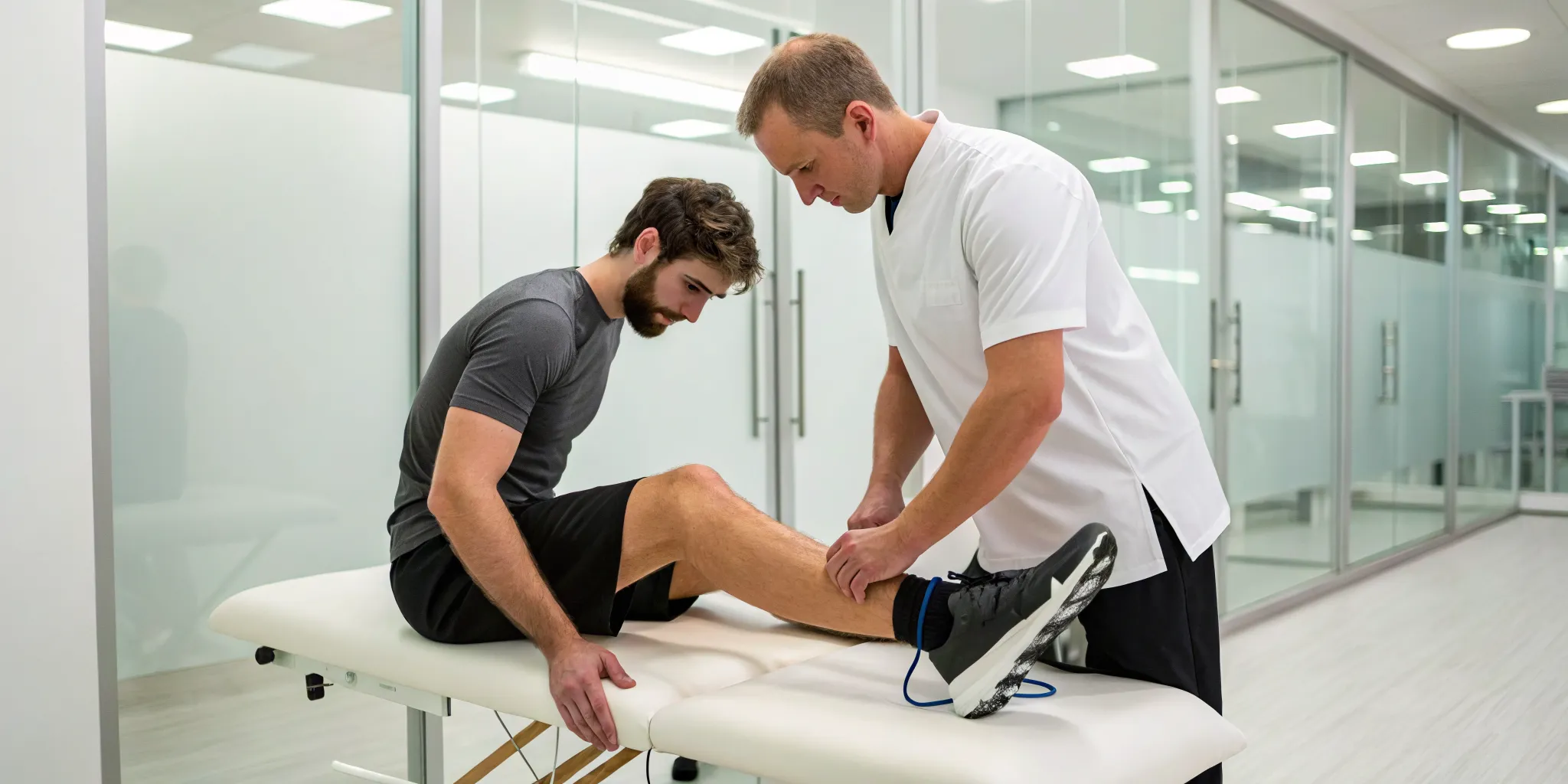
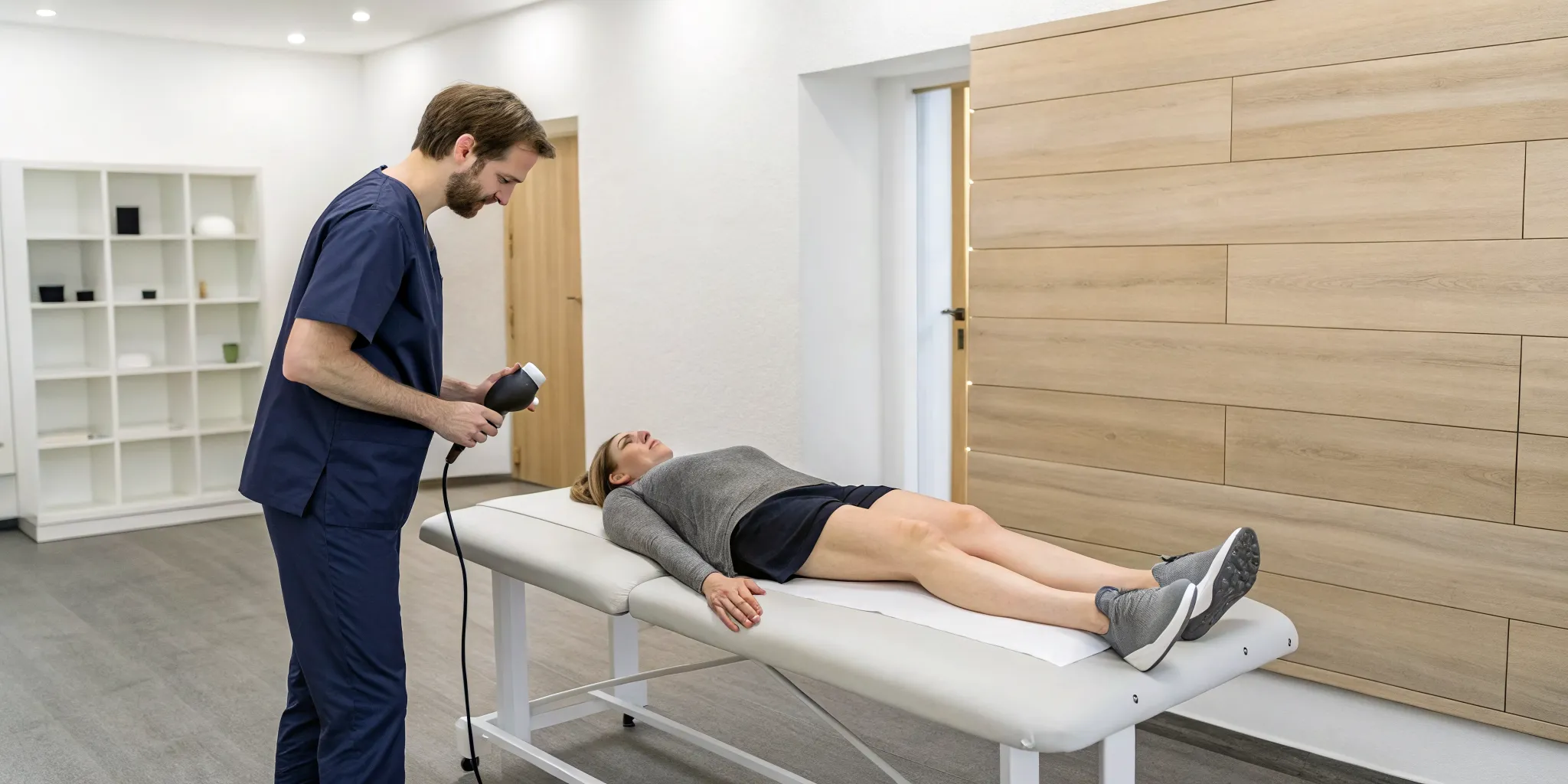
Your first session should always start with a conversation. Your provider will discuss your symptoms, assess the area of concern, and explain their treatment plan. During the hands-on portion, they will use the stainless steel instruments to scan and treat the affected tissues, which usually only takes a few minutes for each area. It’s common to feel some minor discomfort, but it shouldn’t be painful. Afterward, your practitioner may recommend follow-up care, such as specific stretches or chiropractic adjustments, to support the healing process. You might feel a bit sore for a day or two, similar to how you’d feel after a deep-tissue massage.
Red Flags to Watch For
Being an informed patient is your best tool for staying safe. The Graston Technique is not suitable for everyone. You should avoid this treatment if you have certain health issues, including deep vein thrombosis (blood clots), active infections, tumors, or open wounds in the treatment area. It’s also not recommended if you are taking blood thinners. A responsible practitioner will conduct a thorough health history review before beginning any treatment. If a provider dismisses your health concerns or pressures you into a session without a proper intake, consider it a major red flag and find someone else. If you have any questions about your specific condition, it's always best to contact a professional first.
Related Articles
Frequently Asked Questions
What does a Graston Technique session actually feel like? During a session, you'll feel the smooth, metal instruments gliding across your skin, often with a lubricant to make it comfortable. As the practitioner moves the tool over an area with scar tissue or restrictions, you might feel a gritty or bumpy sensation. It’s not usually painful, but you may experience some mild discomfort in tender spots, similar to a deep massage. It’s important to communicate with your provider so they can adjust the pressure to a level that is effective yet tolerable for you.
How is this different from a regular deep tissue massage? While both treatments address muscle tension, the Graston Technique is much more specific. A massage therapist uses their hands to work on broader muscle groups, while a Graston practitioner uses specially designed instruments to detect and break down very specific adhesions and scar tissue. The tools act like a tuning fork for your tissue, amplifying problem areas that hands might miss, allowing for a more targeted and focused treatment.
How many sessions will I need to see results? The number of sessions you'll need really depends on your specific condition, how long you've had it, and your body's individual healing response. Many people start to feel a positive difference in their pain and range of motion within just a few treatments. A typical plan might involve one to two sessions per week for several weeks. Your practitioner will create a personalized plan for you after your initial assessment and will adjust it based on your progress.
Is there anything I should do after my treatment to help the healing process? Yes, your post-treatment care is an important part of the process. We generally recommend drinking plenty of water to help flush out metabolic waste released from the tissues. Gentle stretching and light activity can also be beneficial to encourage proper tissue healing and movement. Sometimes, applying ice to the treated area for about 15 minutes can help manage any soreness or inflammation. Your provider will give you specific instructions tailored to your needs.
Why are the tools made of stainless steel? The stainless steel instruments are a key part of what makes the technique so effective. The metal provides clear feedback to the practitioner, resonating like a stethoscope when it passes over fibrotic or scarred tissue. This allows them to precisely locate the source of the problem. The non-porous surface is also easy to clean and sterilize between patients, ensuring a hygienic and safe treatment every time.