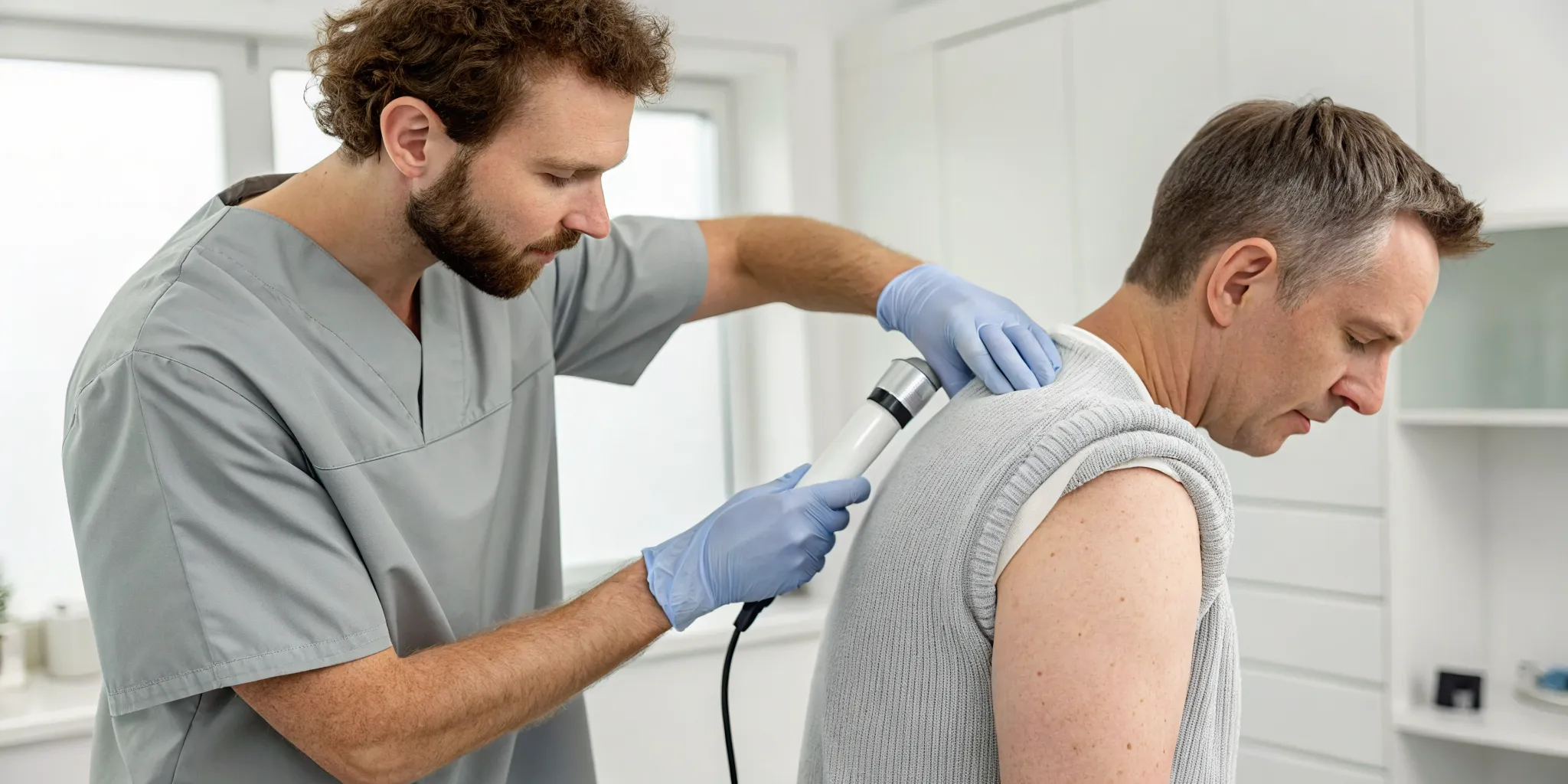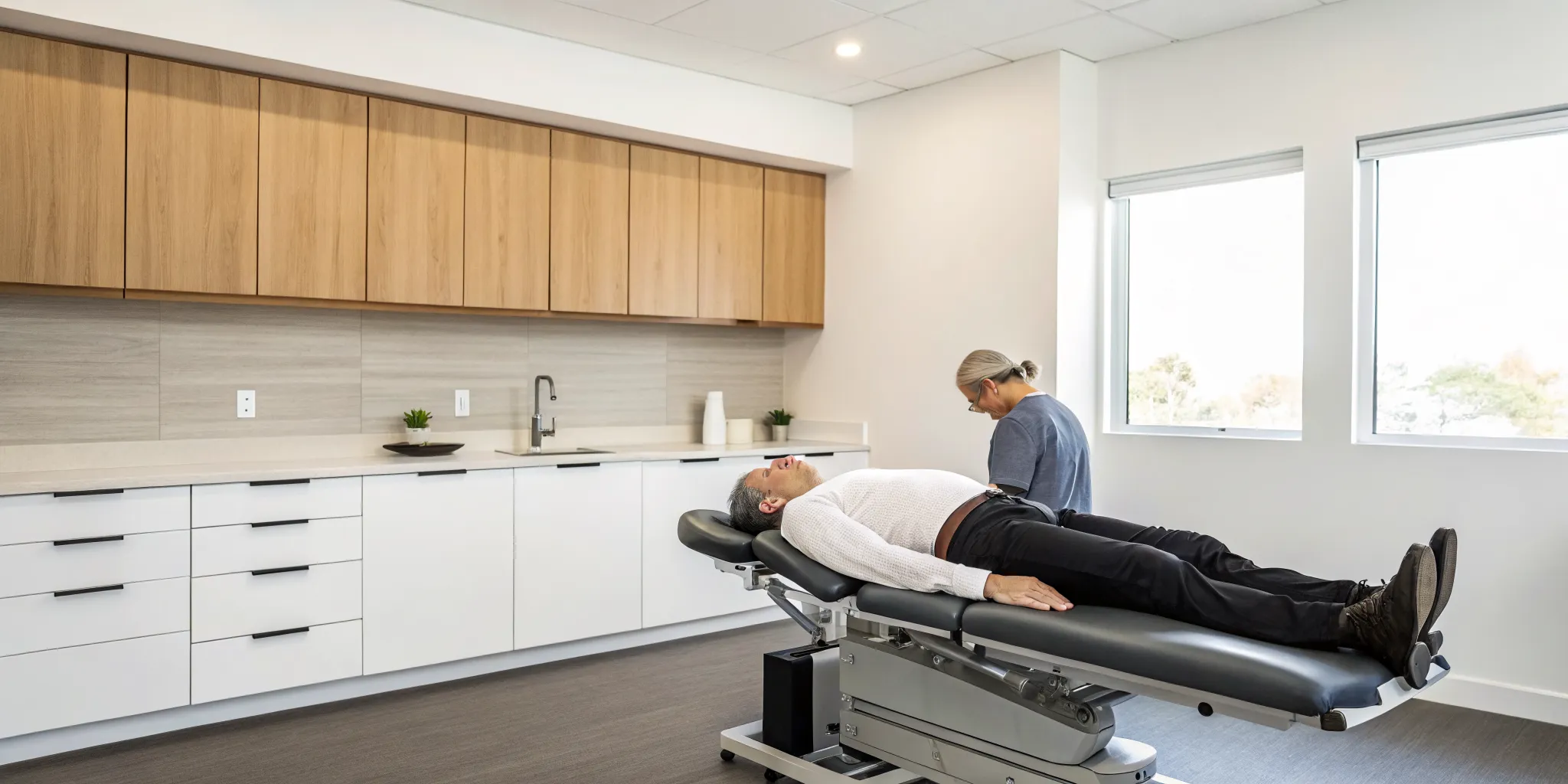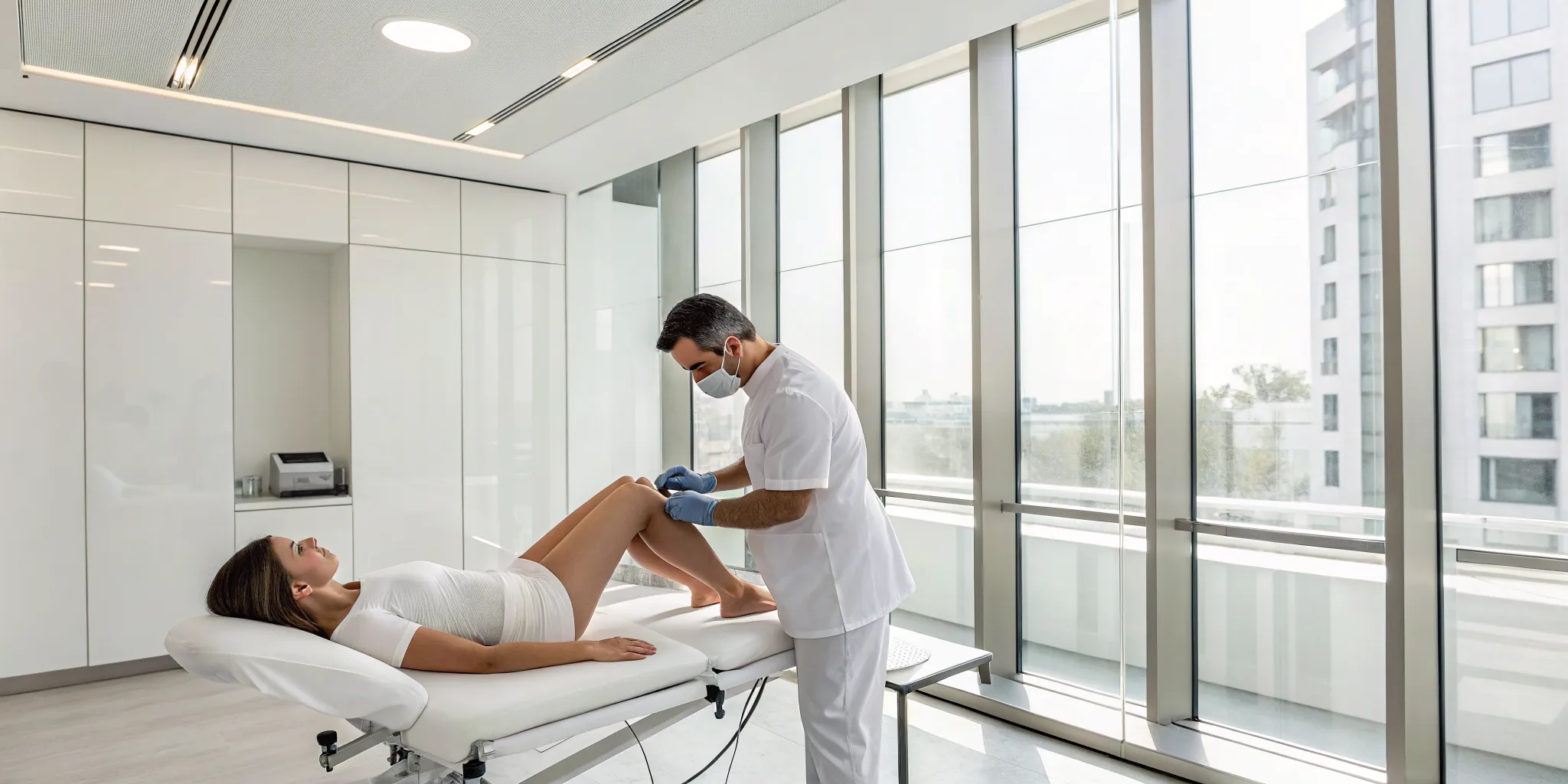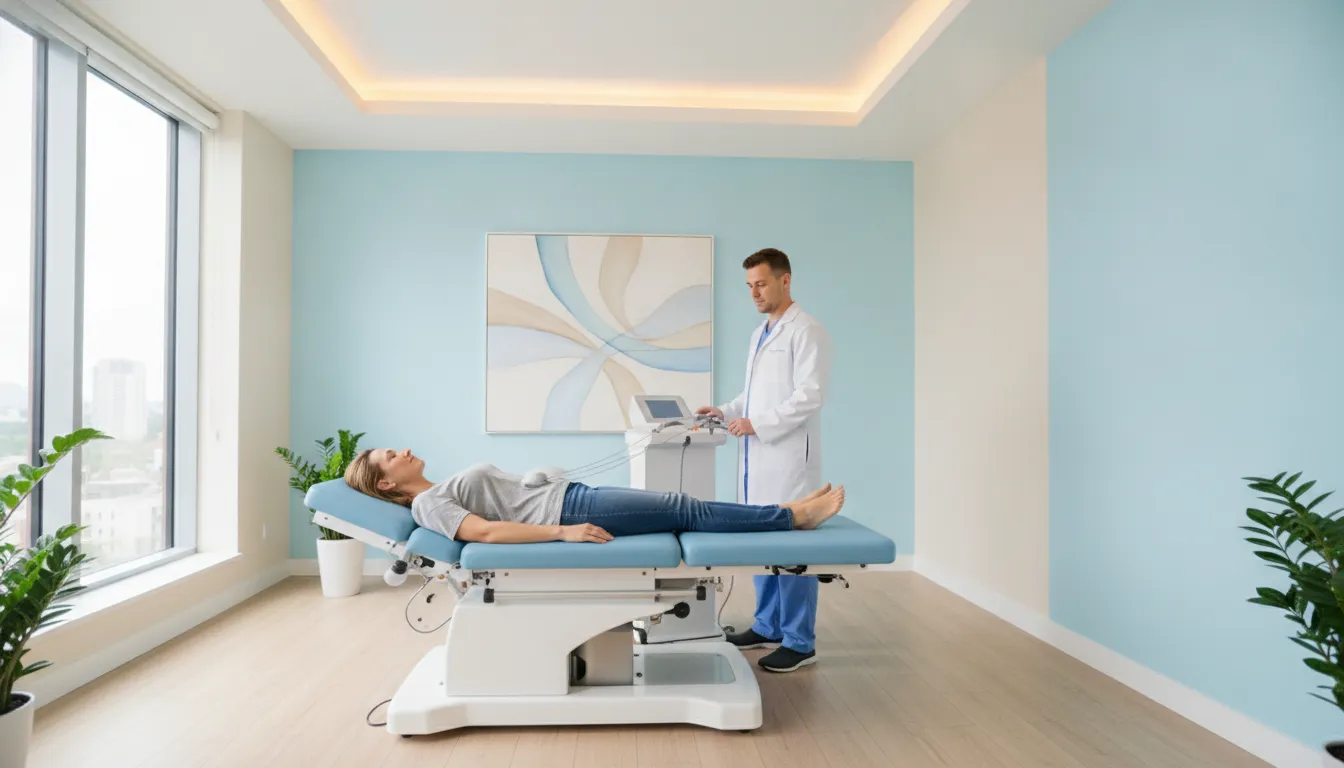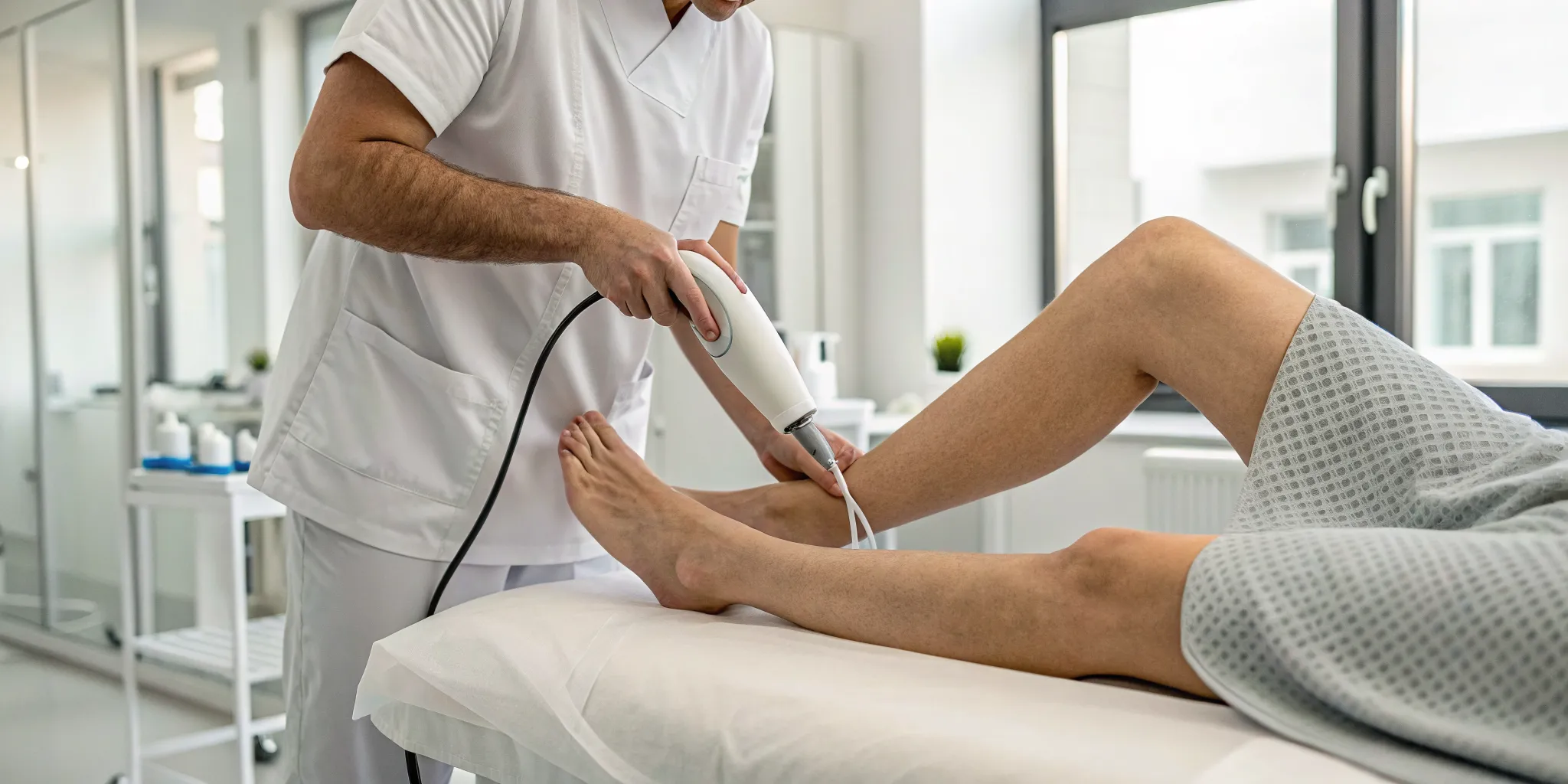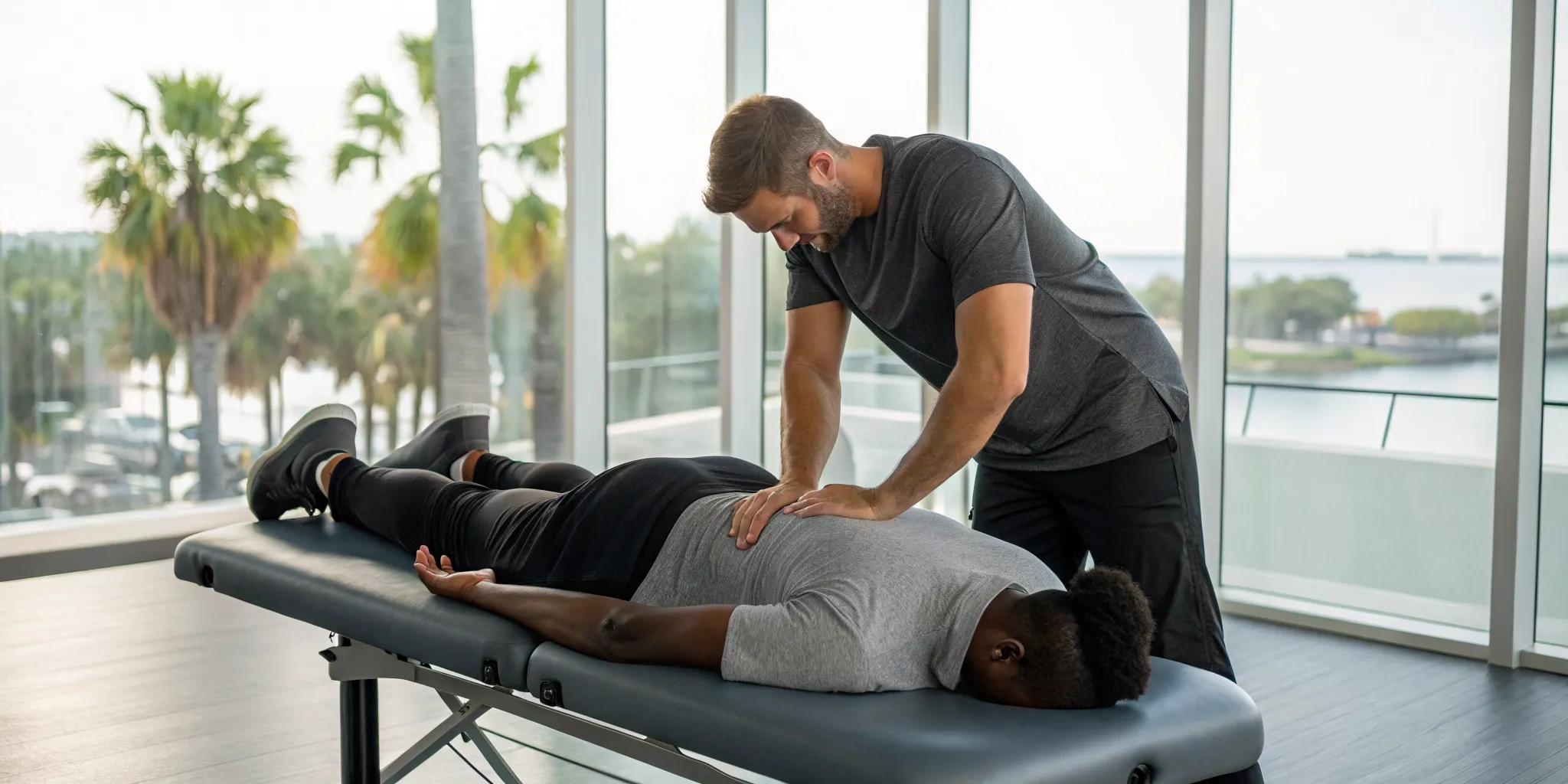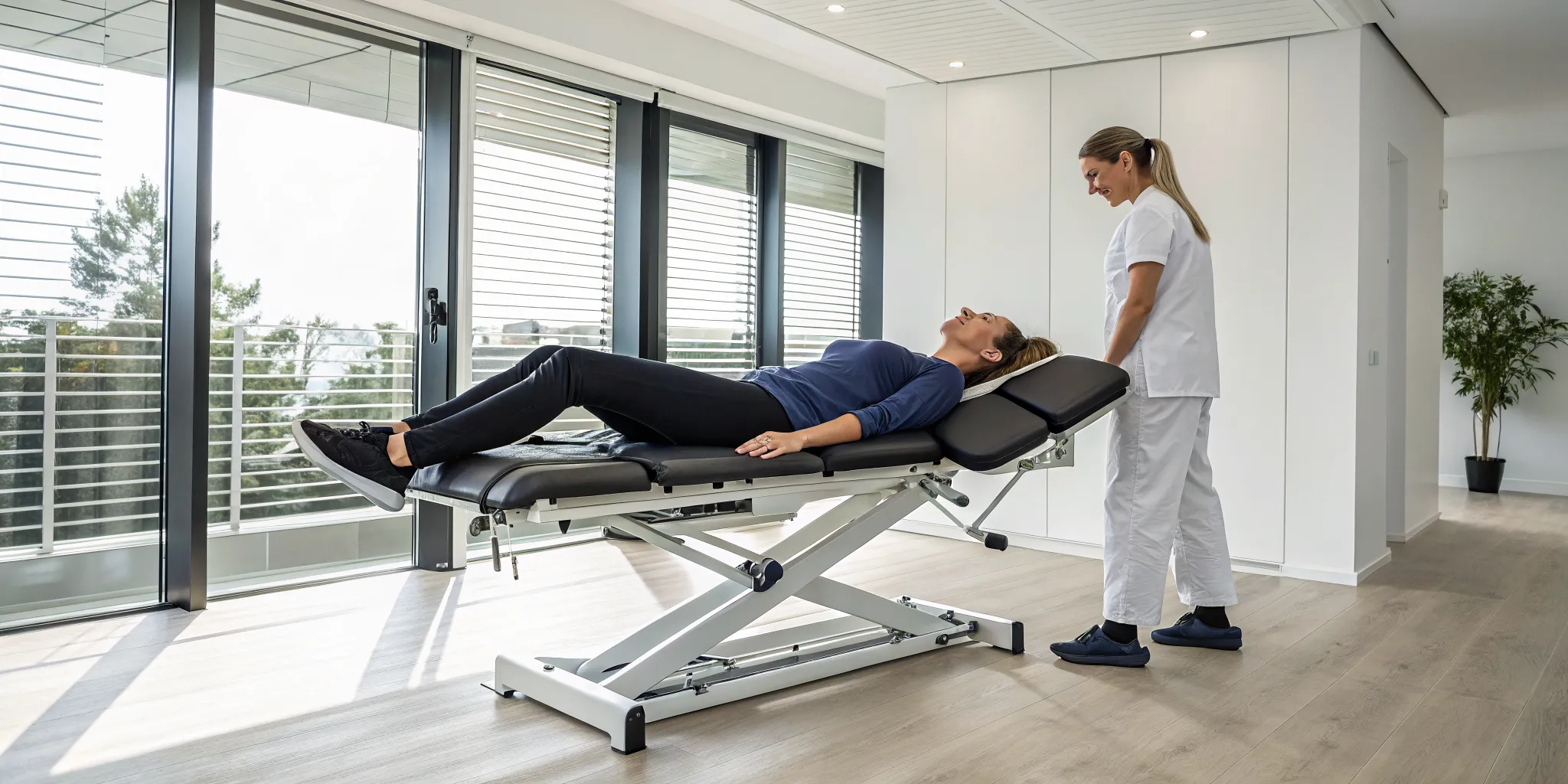
Have you ever felt like you’re playing a game of whack-a-mole with your body? You finally get your shoulder pain under control, only for a new ache to appear in your hip. This frustrating cycle happens because the body is a deeply interconnected system. The site of your pain is rarely the source of the problem. That’s why a holistic approach is so critical. The science of biomechanics allows us to step back and see how everything is working together. It reveals how an issue like an unstable ankle can create a chain reaction that leads to lower back pain. By looking at your entire system of movement, we can stop chasing symptoms and finally address the fundamental issue that’s causing them.
Key Takeaways
- Look Beyond the Symptoms: Biomechanics helps uncover the root cause of your discomfort by analyzing your body's entire movement system, addressing the "why" behind chronic pain instead of just chasing the "what."
- Prevent Injuries Before They Happen: A professional movement analysis can identify risky habits and imbalances you may not be aware of, creating a proactive strategy to keep you active and pain-free for the long term.
- Your Body Needs a Custom Plan: Lasting improvement comes from a strategy designed specifically for you; an effective plan combines professional analysis, targeted corrective exercises, and simple lifestyle changes to support healthier movement.
What is Biomechanics?
Have you ever wondered how your body accomplishes everything from lifting a grocery bag to running a 5k? The answer lies in biomechanics, a field that explores the mechanics of our movements. Think of it as the owner's manual for your body, explaining how your muscles, bones, and joints work together as a complex, coordinated system. It’s the science behind every step you take, every weight you lift, and every stretch you hold.
Understanding biomechanics is the first step toward addressing the root cause of many physical issues. When your body moves correctly, everything feels better. But when small imbalances or inefficient patterns develop, they can lead to pain, strain, and injury over time. By looking at how you move, we can get a clear picture of your body’s unique patterns and identify areas that need support.
The Science of How You Move
At its core, biomechanics is the study of how forces affect a living body. It applies the principles of physics to understand how you generate movement. This isn't just about sports performance; it’s about the mechanics of your daily life. Our team uses biomechanics to analyze everything from your posture while sitting at a desk to your gait when you walk. We look at how your body absorbs shock, how your joints are aligned, and which muscles are firing (or not firing) during specific actions. This detailed analysis is a key part of our approach to physical medicine, allowing us to see beyond the symptoms and understand the underlying mechanics causing your discomfort.
Why Better Movement Matters for Your Health
Inefficient movement patterns are often the hidden source of chronic pain and recurring injuries. Think of it like driving a car with misaligned wheels. You can still get from point A to point B, but the uneven wear and tear will eventually cause serious problems. The same is true for your body. Poor biomechanics can place unnecessary stress on your joints, ligaments, and muscles, leading to issues like back pain, knee problems, and headaches. By identifying and correcting these imbalances, we can help your body move more efficiently. This not only relieves pain but also helps prevent future injuries, improves your quality of life, and allows you to get back to the activities you love without limitation.
The Fundamentals of Biomechanics
At its core, biomechanics is the physics of your body. It’s the science that explains how and why you move the way you do, from the simple act of getting out of bed to running a marathon. Understanding these fundamentals helps us see how forces, both internal and external, affect your tissues, joints, and overall movement patterns. By looking at your body through this lens, we can pinpoint the source of pain or inefficiency and create a clear path toward healthier, more effective movement.
How Newton's Laws Apply to Your Body
You might remember Newton’s Laws of Motion from high school physics, but they’re not just for textbooks; they govern every move you make. Biomechanics is deeply rooted in these principles. For instance, the law of inertia explains why it takes effort to start a run from a standstill. The law of acceleration shows how the force from your muscles creates movement. And the law of action-reaction is what you feel every time you take a step; as your foot pushes on the ground, the ground pushes back with an equal and opposite force. This ground reaction force is a key factor we analyze to understand stress on your joints.
Force, Motion, and Energy
Biomechanics is essentially the study of how forces create motion in living things. It applies the principles of mechanics to understand the structure and function of your body. Think of it as the engineering of human movement. This field isn't just for athletes looking to improve their performance. It’s crucial for anyone wanting to prevent injuries, recover from pain, or simply move through life with greater ease. By analyzing the forces on your joints and the energy you use to move, we can identify patterns that might be causing strain and guide you toward more efficient, healthier movement.
Kinematic vs. Kinetic Analysis
When we analyze your movement, we look at it in two different ways: through kinematics and kinetics. Kinematics describes the motion itself without considering what’s causing it. It’s the "what" and "how" of your movement, like your joint angles, speed, and acceleration. Think of it as watching a recording of you walking and describing the geometry of your steps. Kinetics, on the other hand, studies the forces that cause the motion, like muscle contractions and ground reaction forces. It’s the "why" behind your movement. Both types of analysis are essential for getting a complete picture of your biomechanics.
How We Use Biomechanics in Healthcare
At its core, biomechanics gives us a blueprint for how your body is designed to move. In a healthcare setting, we use this blueprint to figure out why you might be experiencing pain, stiffness, or recurring injuries. Instead of just focusing on the spot that hurts, we look at your entire system of movement. Think of it like being a detective for your body. Your knee pain might not be a knee problem at all; it could be the result of how your foot hits the ground or how your hips are aligned. This interconnectedness is key to understanding chronic issues.
By applying the principles of biomechanics, we can see the full picture. We analyze your posture, your gait, and your functional movements to understand the forces acting on your joints and muscles. This approach allows us to move beyond simply managing symptoms and instead address the underlying mechanical issues. It’s a shift from asking "What hurts?" to "Why does it hurt?" This deeper understanding is the first step toward creating a lasting solution that helps you move better and feel better. Our entire approach to healthcare is built on this principle of finding and treating the source, not just the symptom. By looking at how your body works as an integrated system, we can create more effective and sustainable health outcomes that truly last.
Assessing Your Movement Patterns
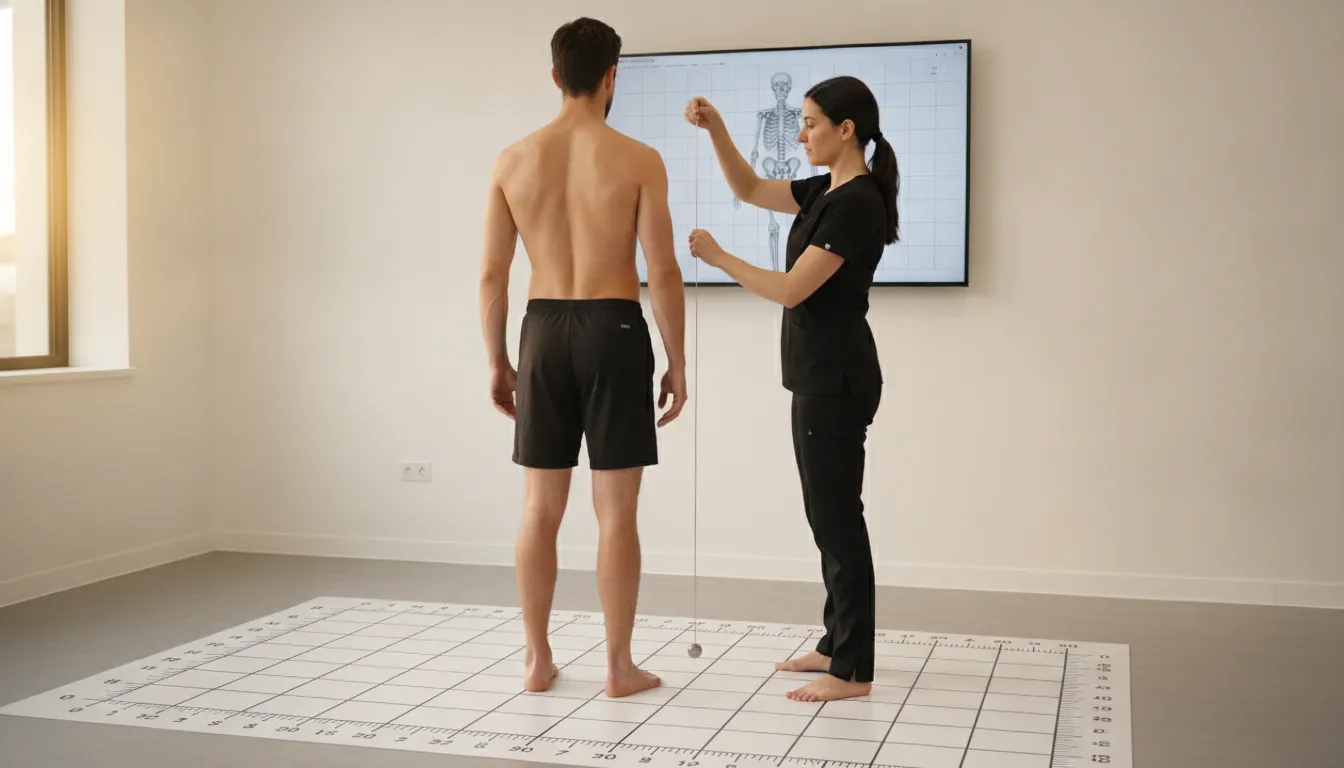
Our first step is always to watch you move. We analyze your unique movement patterns, from how you walk across the room to how you bend and lift. This assessment helps us spot subtle imbalances, compensations, or inefficiencies you might not even be aware of. For example, you might be favoring one leg over the other or holding tension in your shoulders, which can create a cascade of issues elsewhere in your body. Our physical medicine services are built on this detailed analysis, as we know that even small deviations from optimal movement can lead to significant problems over time. By understanding your specific patterns, we can pinpoint exactly where to intervene.
Finding the Root Cause of Dysfunction
Symptoms are like warning lights on a car's dashboard; they tell you something is wrong, but they don’t always tell you what the problem is. A biomechanical approach helps us look under the hood to find the true source of your discomfort. That nagging lower back pain could be linked to tight hamstrings, weak core muscles, or even how you breathe. By examining the interplay between different parts of your body, we can trace your symptoms back to their origin. This method is central to how we address the wide range of conditions we treat, ensuring we’re not just chasing pain but correcting the fundamental issue causing it.
Creating Your Personalized Treatment Plan
Once we understand your unique movement patterns and have identified the root cause of your issue, we build a treatment plan just for you. This isn’t a generic, one-size-fits-all protocol. Your plan is tailored to your body, your lifestyle, and your specific goals. It may include targeted chiropractic adjustments to restore proper joint alignment, corrective exercises to strengthen weak muscles, and practical advice on improving your posture at work or at home. The goal is to restore proper function so your body can move more efficiently and effectively, reducing strain and preventing future injuries. If you’re ready to get a plan tailored to your body, you can contact our team to schedule a consultation.
How Biomechanics Helps Prevent Injury
Think of biomechanics as your body's personal instruction manual for avoiding injury. Instead of waiting for pain to show up, we can analyze how you move to spot potential problems before they start. It’s a proactive approach that helps you stay active and feel your best for years to come. Many people think this kind of analysis is just for professional athletes, but it’s incredibly valuable for anyone who wants to move without pain.
Our bodies are masters of compensation. When one area isn't working correctly, another part picks up the slack. Over time, these small, inefficient habits can lead to strain, wear and tear, and eventually, injury. By studying your unique movement patterns, we can identify these risky habits and create a plan to correct them. This process empowers you with the knowledge to move more efficiently, reducing stress on your joints and muscles and building a more resilient body.
Identifying Risky Movement Habits
Every day, you perform thousands of movements, from walking and sitting to lifting groceries. Over time, you develop specific habits and patterns, but not all of them are helpful. A risky movement habit is a subtle, often unconscious, pattern that places unnecessary stress on your body. For example, you might consistently favor one leg when you stand, lean your head forward while you work at a computer, or have a slight imbalance in your running stride.
These habits might seem harmless at first, but their effects are cumulative. A biomechanical assessment helps bring these patterns to light. By observing how you perform specific movements, we can see exactly where your body is compensating. This allows us to address the root cause of potential issues, rather than just chasing symptoms. Our goal is to help you build better habits through targeted Physical Medicine and corrective exercises.
Using Gait Analysis to Pinpoint Risk Factors
Your gait, or the way you walk, is a fundamental movement pattern that reveals a wealth of information about your body’s overall function. Think of it as a window into your musculoskeletal health. A professional gait analysis allows us to observe the intricate coordination between your feet, ankles, knees, hips, and spine as you move. We can identify subtle asymmetries, timing issues, or alignment problems that could be setting you up for future injury.
For instance, if your foot overpronates (rolls inward too much), it can create a chain reaction that affects your knees and hips, contributing to pain. By pinpointing these specific risk factors, we can develop a precise treatment plan. This might involve chiropractic adjustments to improve joint alignment or exercises to strengthen weak muscles, addressing many of the common conditions we treat that stem from poor movement.
Preventive Strategies for an Active Life
Once we’ve identified risky habits and pinpointed biomechanical imbalances, the next step is to create a personalized preventive strategy. This isn’t a one-size-fits-all solution; it’s a plan designed specifically for your body and your goals. The aim is to build a foundation of strength, stability, and efficient movement that protects you from injury, whether you're a weekend warrior, a busy parent, or an office worker.
Your preventive plan may include a combination of therapies. Corrective exercises can help retrain your muscles and nervous system to adopt healthier movement patterns. Chiropractic adjustments can restore proper joint function and alignment, allowing your body to move more freely. We also provide guidance on simple lifestyle changes, like setting up an ergonomic workspace or choosing better footwear. Our personalized approach ensures you get the support you need to live an active, pain-free life.
Biomechanics in Physical Medicine
When we talk about physical medicine, we’re really talking about applied biomechanics. This is where the science of movement meets the art of healing. Instead of just managing symptoms, we look at how your body moves as a whole system to find the source of your pain or dysfunction. Our approach to physical medicine is built on this foundation, using precise, hands-on techniques to correct imbalances and help your body heal itself. It’s about understanding the "why" behind your discomfort so we can create a lasting solution.
Spinal Health and Chiropractic Adjustments
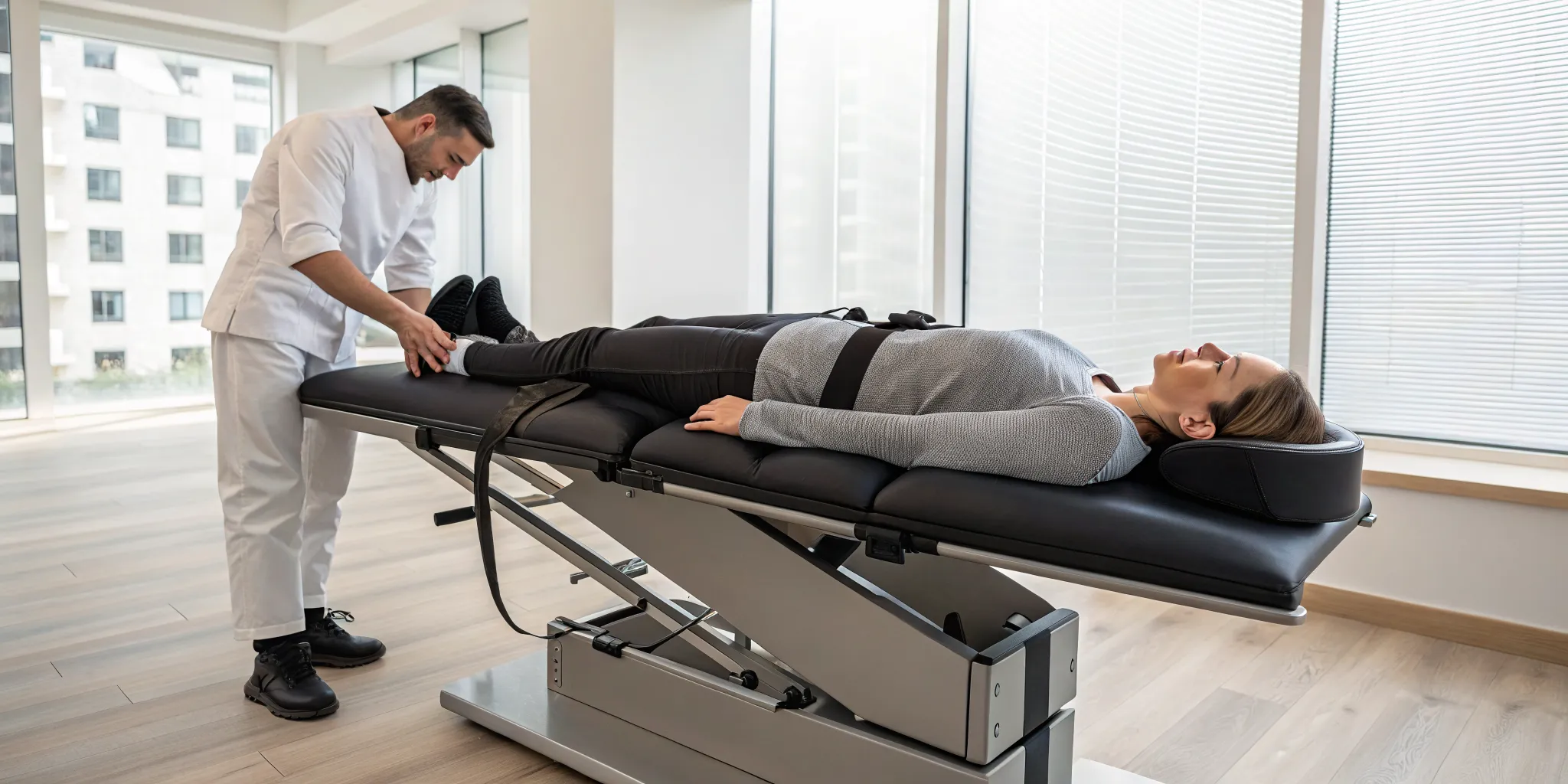
Think of your spine as the central support structure for your entire body. When its alignment is off, it can affect everything from your posture to your nervous system. Chiropractic adjustments are highly specific techniques designed to correct these biomechanical issues. By applying a controlled force to a specific joint, a chiropractor can restore proper motion and alignment. This does more than relieve pain; it helps maintain your postural integrity and allows your body to move more efficiently. Combining the principles of biomechanics with chiropractic care gives us powerful insights into improving your movement and overall quality of life.
Correcting Joint Function
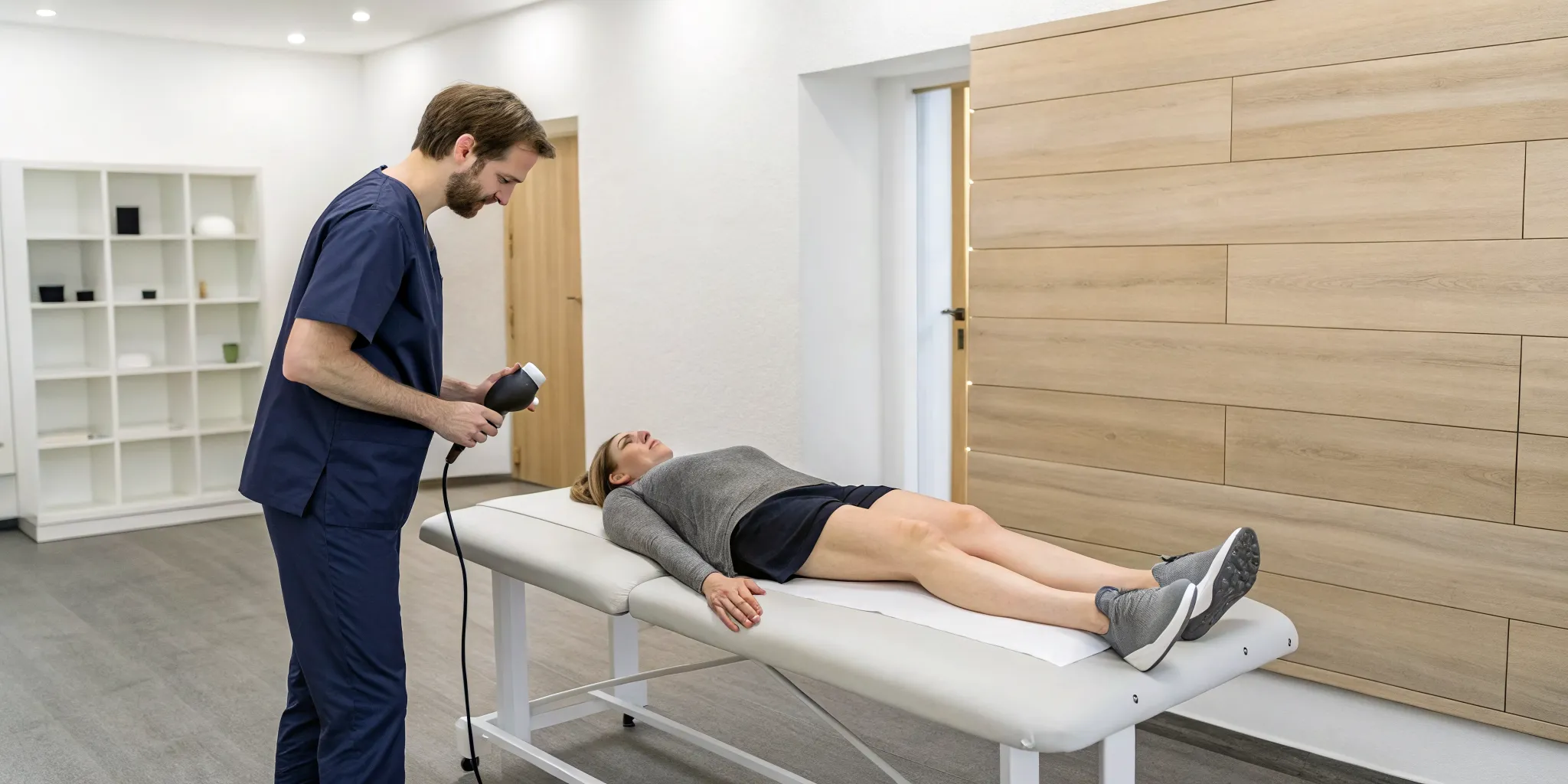
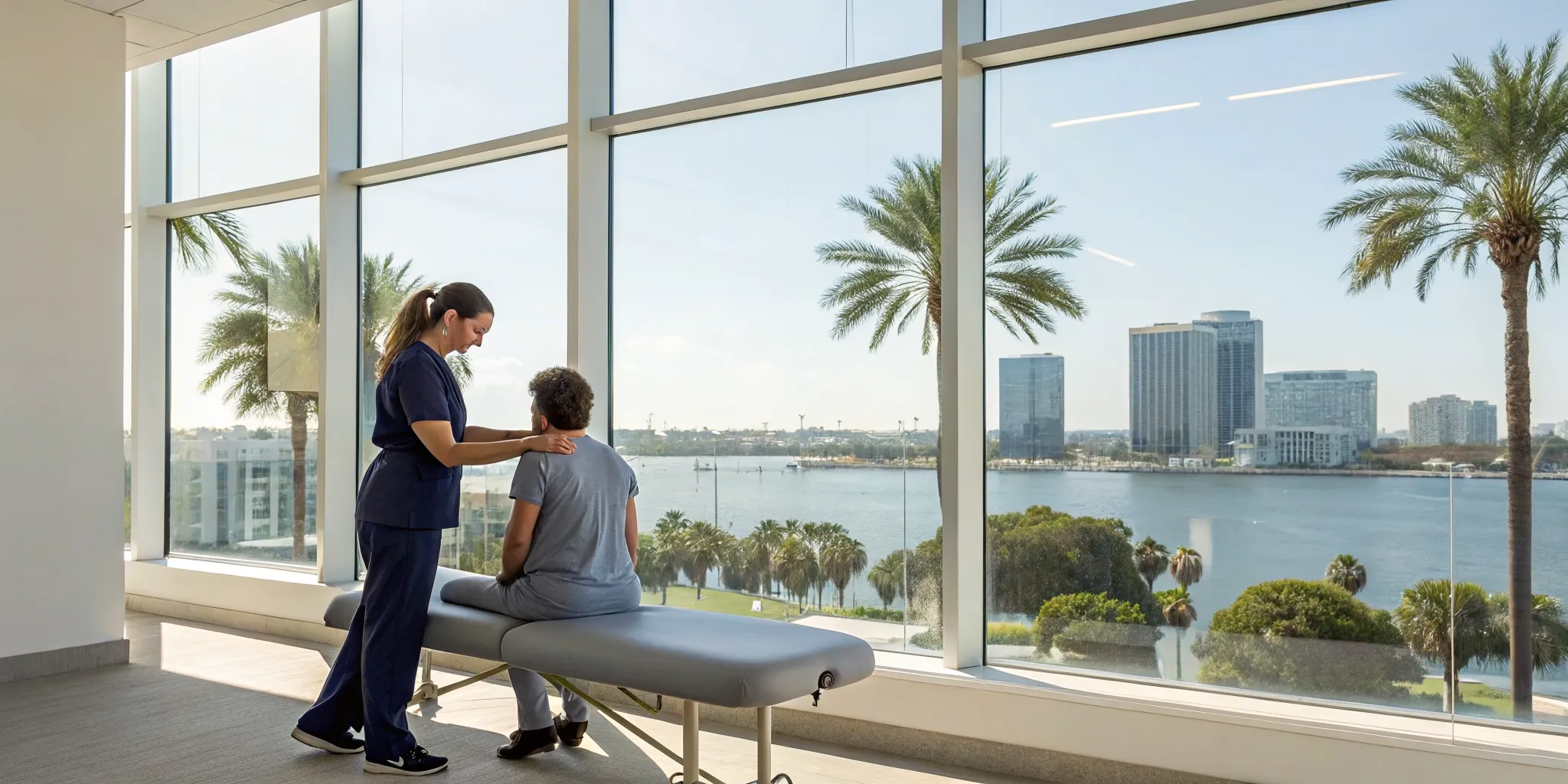
While spinal health is crucial, biomechanical problems can show up in any joint, from your shoulder to your ankle. That nagging knee pain or stiff hip could be the result of an underlying movement imbalance that puts extra stress on the joint. In physical medicine, we assess how each of your joints is functioning. We use methods like motion palpation to feel for restrictions and analyze your movement patterns to see the full picture. By addressing these imbalances with targeted adjustments and therapies, we can help restore proper function, reduce pain, and allow you to move freely again. Many common health conditions we see are directly linked to poor joint mechanics.
Designing Your Recovery and Strength Plan
Getting you out of pain is just the first step. Keeping you that way requires a plan tailored to your unique biomechanics. After a thorough assessment, we design a personalized recovery and strength program that addresses your specific needs. This isn't a generic set of exercises; it's a strategic plan to reinforce your adjustments, strengthen supporting muscles, and retrain your body to adopt healthier movement patterns. Our personalized approach empowers you with the tools and knowledge to maintain your progress, prevent future injuries, and take an active role in your long-term health and well-being.
How Poor Biomechanics Affects Daily Life
When your body moves inefficiently, it’s not just about feeling a little off. Poor biomechanics can ripple through your entire life, turning simple activities into sources of pain and frustration. Think of it like driving a car with misaligned wheels; you’re still moving, but you’re causing unnecessary wear and tear that leads to bigger problems. When your movement patterns are out of sync, you place extra stress on your joints, muscles, and spine. This can lead to a host of issues that affect everything from your mood to your productivity.
Common Posture and Movement Problems
Most biomechanical issues start small, like slouching over your computer or lifting heavy objects with your back. These habits might seem harmless, but over time, they train your body to move in dysfunctional ways, leading to muscle imbalances and joint stiffness. What begins as a minor ache in your neck or lower back can become a persistent problem. Our approach to physical medicine focuses on identifying and correcting these imbalances, helping your body relearn how to move correctly and without pain.
Impact on Your Work and Daily Routine
Inefficient movement patterns can make everyday tasks feel like a workout. Carrying groceries, playing with your kids, or even sitting through a meeting can become uncomfortable. You might feel drained by the end of the day, not because you did anything strenuous, but because your body had to work much harder to perform basic actions. This constant strain can lead to issues like chronic pain or headaches, making it hard to focus or enjoy your hobbies. Correcting your biomechanics helps restore your body’s natural efficiency, giving you more energy for what matters.
Long-Term Consequences for Your Health
Ignoring poor biomechanics can lead to future health problems. The daily wear and tear on your body accumulates, potentially causing serious conditions like osteoarthritis or herniated discs. Because the body is an interconnected system, a problem in your feet can trigger a chain reaction of pain in your knees, hips, and spine. By not addressing the root cause of the dysfunction, you’re only managing symptoms while the underlying issue worsens. A proactive approach to your biomechanical health is one of the best investments you can make for a vibrant, active future.
The Technology Behind Biomechanical Analysis
When we analyze your movement, we’re looking at more than what the naked eye can see. While a practitioner’s trained observation is crucial, modern technology gives us an incredibly detailed and objective picture of how your body functions. Think of it as getting a high-definition blueprint of your unique mechanics. This precision is central to our approach, as it helps us pinpoint the exact source of pain or dysfunction instead of just chasing symptoms. By using these advanced tools, we can create a treatment plan that is truly tailored to you, addressing the specific patterns that are holding you back from feeling your best. These technologies allow us to move beyond guesswork and build your recovery on a foundation of solid data.
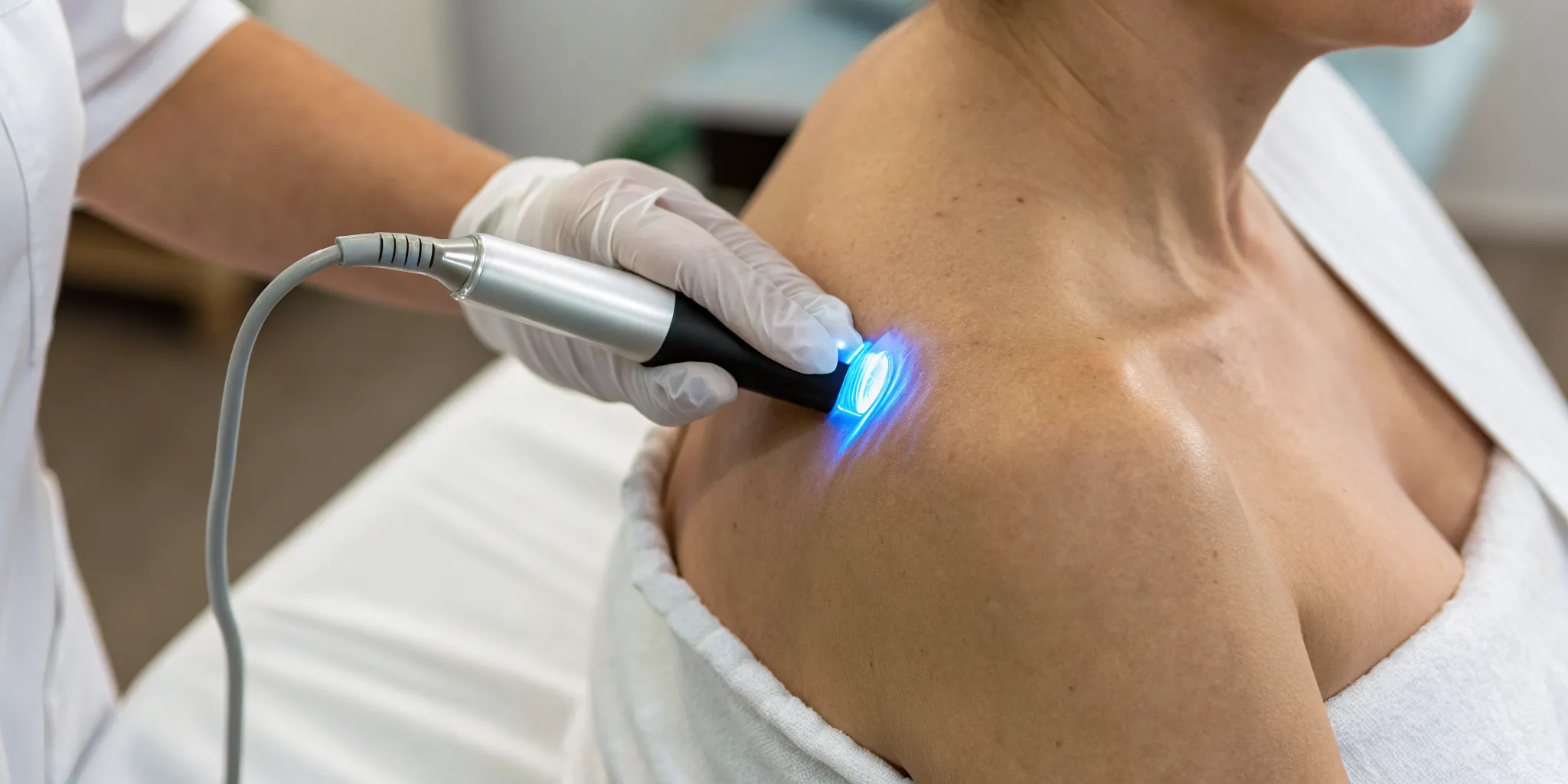
This data-driven approach is what sets modern physical medicine apart. It allows us to see the complex interplay between your muscles, joints, and nervous system in a way that was never before possible. We can measure forces, track angles with pinpoint accuracy, and identify subtle imbalances that are often the hidden culprits behind chronic pain or recurring injuries. Instead of relying on assumptions, we use this hard data to guide every step of your care. This means your treatment is more efficient, more effective, and completely personalized to your body’s unique needs. It’s how we ensure we’re not just managing symptoms, but correcting the root cause for lasting relief.
Motion Capture and Digital Assessments
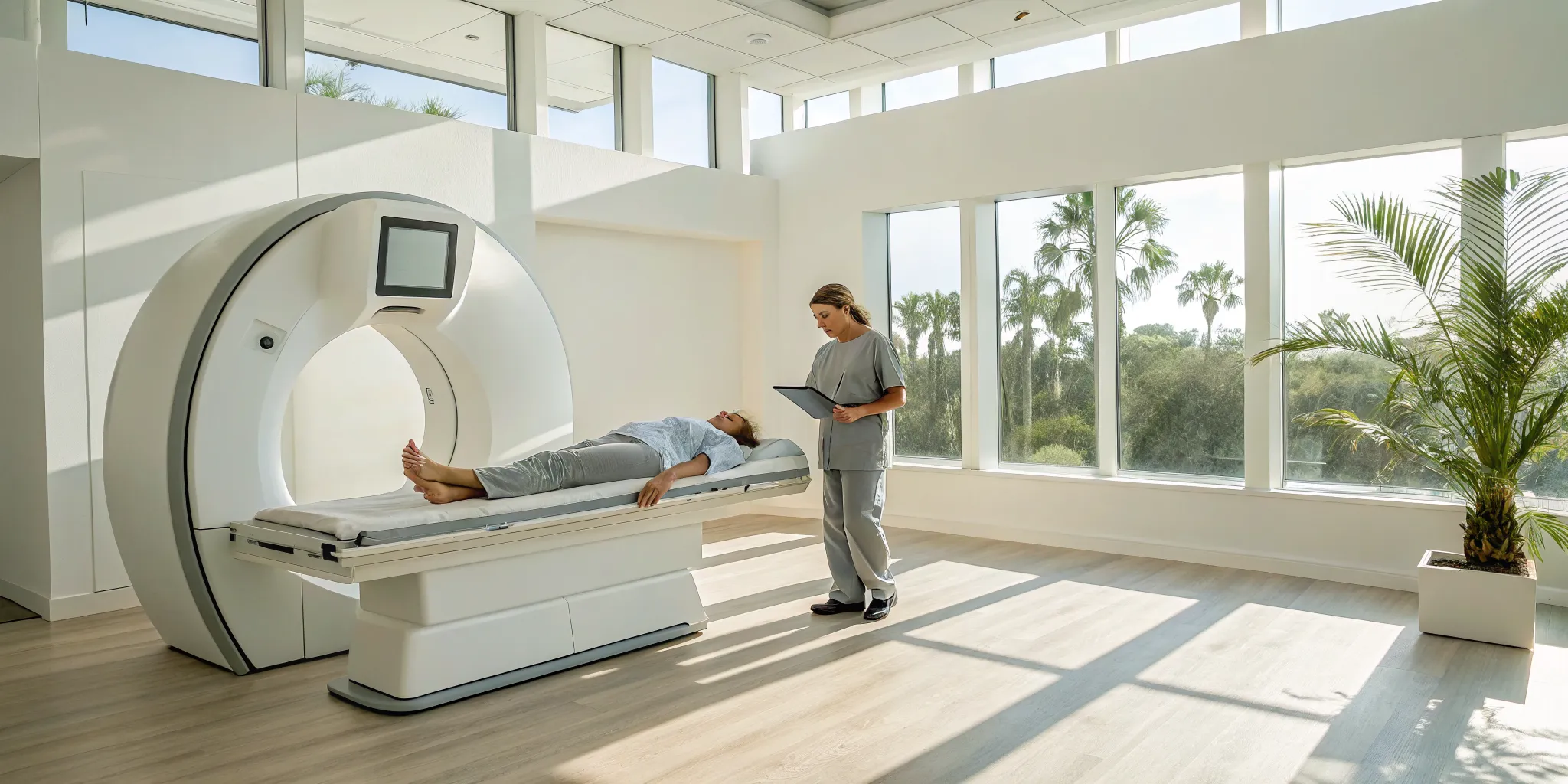
You’ve probably seen motion capture in behind-the-scenes movie footage, but we use similar technology to map out your body’s movement with incredible precision. Using tools like 3D motion capture systems and high-speed cameras, we can analyze every phase of your movement, from the way your foot hits the ground when you walk to how your spine moves when you bend. This detailed biomechanical analysis reveals subtle inefficiencies or asymmetries that are often missed during a standard physical exam. This data gives us a clear, objective starting point for identifying the root cause of your pain or mobility issues.
Wearable Sensors and Real-Time Feedback
To understand how you move in your daily life, not just in our clinic, we often use wearable sensors. These small, lightweight devices can be worn during your normal activities to collect data on your posture, joint angles, and movement speed. Think of it as a fitness tracker, but for your entire musculoskeletal system. This technology provides us with a continuous stream of information, offering a realistic picture of your biomechanics throughout the day. The real-time feedback helps us track your progress and see how your body is responding to treatment, allowing for quick and effective adjustments to your care plan.
How AI Informs Treatment
Collecting all this data is just the first step. The real power comes from using artificial intelligence (AI) to analyze it. AI algorithms can sift through thousands of data points from your motion capture and sensor readings to identify complex patterns and predict potential areas of stress or future injury. This isn't about replacing a doctor's expertise; it's about enhancing it. By using AI, we can gain deeper insights into your unique movement profile, which helps us design a more strategic and effective personalized treatment plan that addresses your specific needs and long-term health goals.
Integrating Technology into Clinical Practice
Technology is a powerful tool, but it’s most effective when integrated into a hands-on, clinical approach. At Ascend Functional Health, the data from our biomechanical analysis directly informs our Physical Medicine treatments. For example, the insights we gain can guide the specifics of a chiropractic adjustment, ensuring it targets the exact source of a biomechanical issue. This integration of biomechanics and chiropractic care allows us to be incredibly precise, correcting joint function and designing recovery plans that are built on objective data. It’s how we ensure your treatment is truly addressing the root cause of your problem.
Biomechanics Beyond the Clinic
While we often think of biomechanics in the context of healing injuries or correcting posture, its principles extend far beyond the clinic walls. Understanding how the body moves has a profound impact on everything from athletic achievement to workplace safety and technological innovation. By applying biomechanical insights to different fields, we can enhance human performance, prevent injuries before they happen, and create tools that better support our bodies. It’s a science that helps us interact with the world more effectively and safely.
Improving Sports Performance
For athletes, biomechanics is a game-changer. A detailed analysis of movement can reveal exactly how to generate more power, conserve energy, and refine technique for better results. For instance, biomechanics can show a baseball pitcher how to adjust their throwing motion to gain speed or help a runner find a more efficient stride to shave seconds off their time. By identifying and correcting compensatory patterns, athletes can break through performance barriers. These individualized interventions are key to reaching new levels of skill and reducing the risk of sport-related injuries.
Designing Safer Workspaces
The principles of biomechanics are also fundamental to creating safer, more comfortable work environments. This field, known as occupational biomechanics, focuses on ergonomics. By analyzing the physical demands of a job, we can design workspaces and tools that fit the human body, rather than forcing the body to adapt to the workspace. This could mean adjusting the height of a desk to prevent neck strain or redesigning a tool to reduce stress on the wrist. The goal is to enhance safety and efficiency, minimizing the physical toll that daily work can take on the body and preventing chronic injuries.
Developing Prosthetics and Assistive Tech
Biomechanics plays a vital role in the development of prosthetics, artificial joints, and other assistive technologies. A deep understanding of human movement allows engineers and designers to create devices that integrate seamlessly with the body. This has led to incredible advancements, including improved designs for artificial joints and more functional prosthetic limbs that mimic natural motion. A holistic approach that considers the entire musculoskeletal system is crucial here. By addressing overall biomechanical function, we can better inform the creation of technologies that truly enhance a person's quality of life.
How to Improve Your Movement Patterns
Okay, so you understand the "what" and "why" of biomechanics. Now for the fun part: using that knowledge to feel and move better in your own body. Improving your movement patterns isn't about achieving perfection; it's about making mindful, sustainable changes that reduce pain, prevent injury, and help you get back to doing what you love. The good news is that you don't have to figure it all out on your own. A clear, guided approach can make all the difference, starting with a deep look at how you move right now.
Get a Professional Movement Analysis
The first step is to get a clear picture of your unique movement habits. A professional biomechanical analysis does just that. Think of it like a diagnostic tool that reveals your body's specific patterns, strengths, and areas for improvement. Even professional sports teams rely on biomechanics experts to fine-tune performance and prevent injuries. At our clinic, we use targeted assessments to see how you walk, bend, and lift. This helps us identify subtle imbalances or compensations that could be the root cause of your discomfort. It’s a data-driven starting point for creating a plan that’s truly designed for you.
Follow a Corrective Exercise Plan
Once we know how you move, we can create a plan to improve it. A corrective exercise plan isn't a generic workout; it's a set of specific movements and adjustments designed to address the imbalances found during your analysis. This often goes hand-in-hand with our physical medicine services. For example, chiropractic adjustments can be a key part of this process. By restoring proper alignment in your spine and joints, we help your body move more efficiently and effectively. This holistic approach ensures we’re not just treating symptoms but correcting the underlying biomechanical issues that cause them in the first place.
Make Simple Lifestyle Changes for Better Health
Lasting improvement happens when you integrate better habits into your daily life. Your corrective plan will give you the tools, but small lifestyle adjustments are what make them stick. This could mean changing your desk setup to support better posture, learning how to lift heavy objects without straining your back, or choosing more supportive footwear for your daily walks. We’ll work with you to identify simple, high-impact changes you can make right away. These small, consistent efforts compound over time, reinforcing the work we do in the clinic and empowering you to maintain your progress for the long haul.
The Future of Biomechanics in Functional Medicine
Biomechanics isn’t a static field; it’s constantly evolving as technology and our understanding of the human body grow. The future looks incredibly promising, with innovations that will make healthcare more precise, engaging, and effective. As we learn more about the intricate mechanics of everything from our cells to our joints, we can develop smarter solutions for healing and performance. These advancements are moving beyond the research lab and into clinical practice, offering new ways to address the root causes of pain and dysfunction. This means we can move past simply managing symptoms and focus on creating lasting change.
At Ascend Functional Health, we stay at the forefront of these developments to ensure our patients receive the most advanced care possible. The collaboration between engineers, doctors, and researchers is paving the way for breakthroughs that were once the stuff of science fiction. Think of improved designs for artificial joints or AI that can predict injury risk before it happens. From AI-driven diagnostics to regenerative materials, the next chapter in biomechanics will transform how we approach whole-body health. It’s an exciting time, and these new tools will only deepen our ability to create personalized, effective treatment plans that help you live a healthier, more active life.
New Research and Personalized Care
The more we learn about the body, the more specific our treatments can become. Ongoing research is giving us an incredibly detailed picture of how bones, joints, and soft tissues work together. This deeper understanding allows for truly personalized care that goes far beyond a one-size-fits-all approach. By combining engineering principles with medical expertise, we can develop innovative solutions for everything from joint pain to complex spinal issues. This progress means your functional medicine plan can be tailored with even greater precision, addressing your unique biomechanics to help your body heal itself more effectively.
Integrating Virtual and Augmented Reality
Imagine putting on a headset and seeing a 3D model of your own body moving in real time, with clear visual cues showing exactly where your movement patterns are off. This is what virtual and augmented reality (VR and AR) are bringing to biomechanics. These immersive technologies make it easier to understand complex movements and see how your habits contribute to your symptoms. VR can also create engaging, game-like environments for performing corrective exercises, making physical therapy more interactive and effective. This technology helps you become a more active participant in your own healing journey.
Advances in Biomaterials and Tissue Engineering
Some of the most exciting developments are happening at the microscopic level. Scientists are studying the mechanics of everything from cellular function to the flight of birds to inspire new biomaterials. This research is leading to advancements in tissue engineering, with the goal of creating materials that can help repair or even replace damaged cartilage, ligaments, and bones. While it may sound futuristic, this work holds the key to more effective, long-lasting solutions for the conditions we treat, potentially reducing the need for invasive surgeries and offering better outcomes for chronic joint problems.
Related Articles
- Physical Medicine in Tampa | Chiropractic & Rehab Care | Ascend Functional Health
- Functional Movement | Alessi Functional Health
- Spinal Health Chiropractic: A Complete Guide
- How a Chiropractor Helps Neck Pain and Headaches
Frequently Asked Questions
Is a biomechanical analysis only for serious athletes? Not at all. While athletes use biomechanics to refine their performance, the principles apply to everyone. Whether you sit at a desk, carry groceries, or play with your kids in the yard, your body follows the same mechanical rules. This type of analysis is for anyone who wants to move more efficiently, reduce daily aches, and prevent the kind of wear and tear that leads to future problems.
How is this different from just treating the spot that hurts? Pain is often just a signal that something is wrong, but it doesn't always point to the source of the problem. A biomechanical approach looks at your entire body as an interconnected system. For example, your knee pain might actually stem from how your foot hits the ground or how your hips are aligned. Instead of only focusing on the knee, we find and correct the underlying pattern that’s causing the stress in the first place.
What can I expect during a movement assessment? The process is straightforward and non-invasive. We'll start by observing you perform simple, everyday movements like walking, squatting, or bending. We look for your body's unique patterns, compensations, and habits. In some cases, we may use technology to get a more detailed, data-driven look at your joint angles and forces. This information gives us a clear blueprint to create a treatment plan tailored specifically to you.
Can correcting my movement patterns really help with chronic pain like backaches or headaches? Yes, it can make a significant difference. Chronic pain is often the result of long-term, repetitive stress on your body from inefficient movement. When you slouch, favor one leg, or hold tension in your shoulders, you create muscle imbalances and joint strain. By identifying and correcting these foundational patterns, we reduce that constant strain, which allows your body to heal and function the way it was designed to.
I'm not in pain, but I want to avoid future injuries. Is this for me? Absolutely. Think of a biomechanical assessment as a proactive strategy for your long-term health. Our bodies are great at compensating for minor issues, but over time, those compensations can lead to significant injuries. By spotting risky movement habits and imbalances now, we can address them before they ever become a problem, helping you build a stronger, more resilient body for an active life.