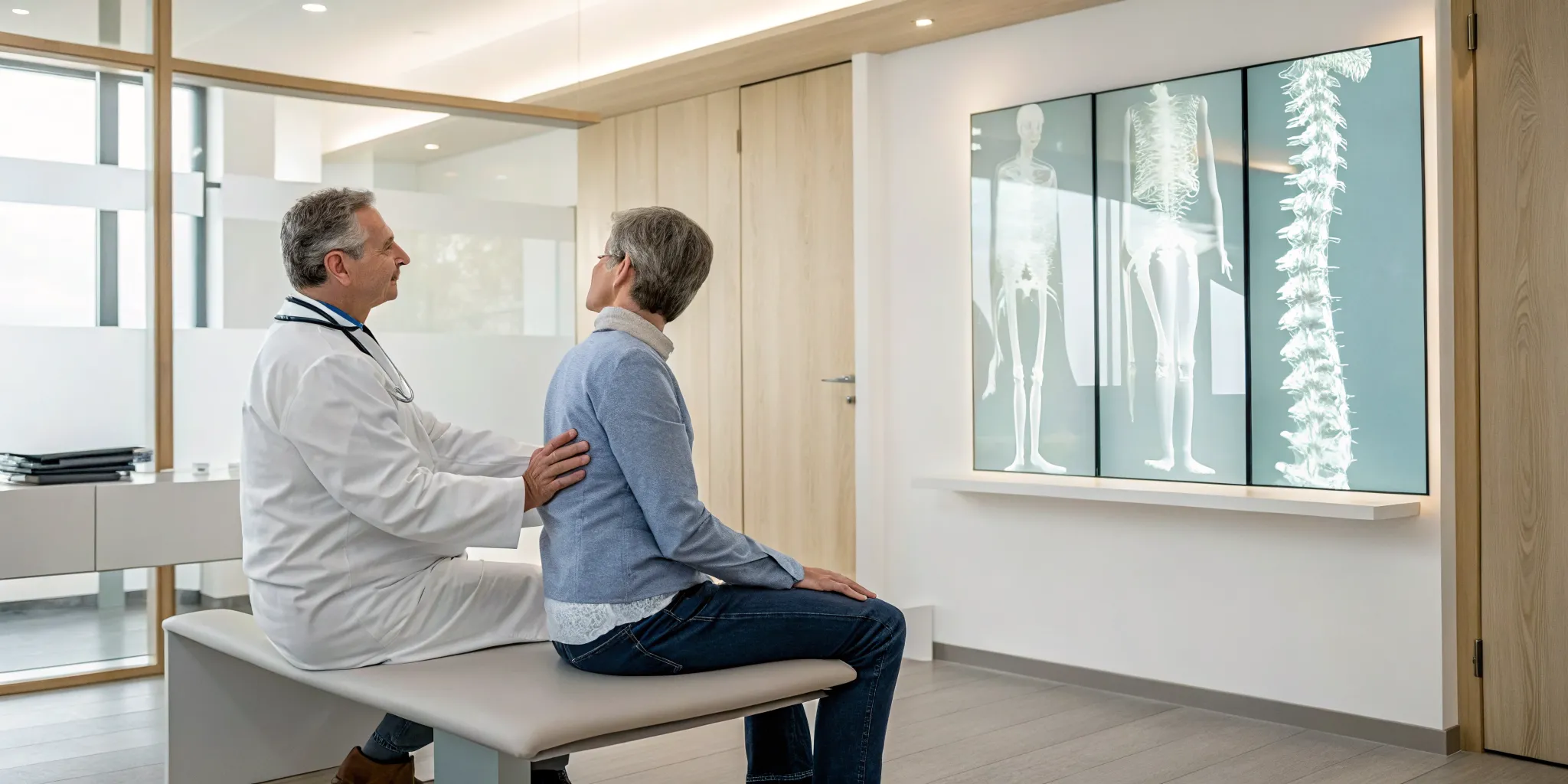
Your bone health is deeply connected to other systems in your body, from your gut to your hormones. That’s why a low bone density score is often a symptom of a deeper imbalance, not just an isolated issue. While finding a "bone density scan near me" is the first practical step, understanding the results through a holistic lens is what creates lasting change. This article will explain the mechanics of the scan itself, but more importantly, it will show you how we use that information as part of a comprehensive functional medicine plan to support your body’s strength from the inside out.
Key Takeaways
- Get ahead of bone loss with a simple scan: A DEXA scan is a quick, painless test that measures your bone strength, allowing you to identify potential issues like osteoporosis early. This information gives you the power to take preventive action before a fracture occurs.
- Look beyond your T-score for true insight: Your bone density result is a valuable piece of data, but it isn't the final word. A functional medicine approach connects that number to your overall health, including your diet and hormones, to create a truly effective plan for building strength.
- Focus on the plan, not just the procedure: Whether you get a referral for insurance or schedule a scan directly, the most important part is what comes next. The right provider will help you interpret your results and build a clear, actionable strategy for your long-term bone health.
What Is a Bone Density Scan?
Think of a bone density scan as a sneak peek into the health of your skeleton. It’s a simple, non-invasive way to measure the strength and density of your bones. This information is incredibly valuable because strong bones are the foundation of an active, healthy life. Bone loss can happen silently over many years, and this scan is one of the best tools we have to catch it early. By understanding your bone health now, you can take proactive steps to prevent fractures and stay mobile for years to come. It’s not just about diagnosing a problem; it’s about gathering the information you need to build a solid wellness plan.
What Is a DEXA Scan and How Does It Work?
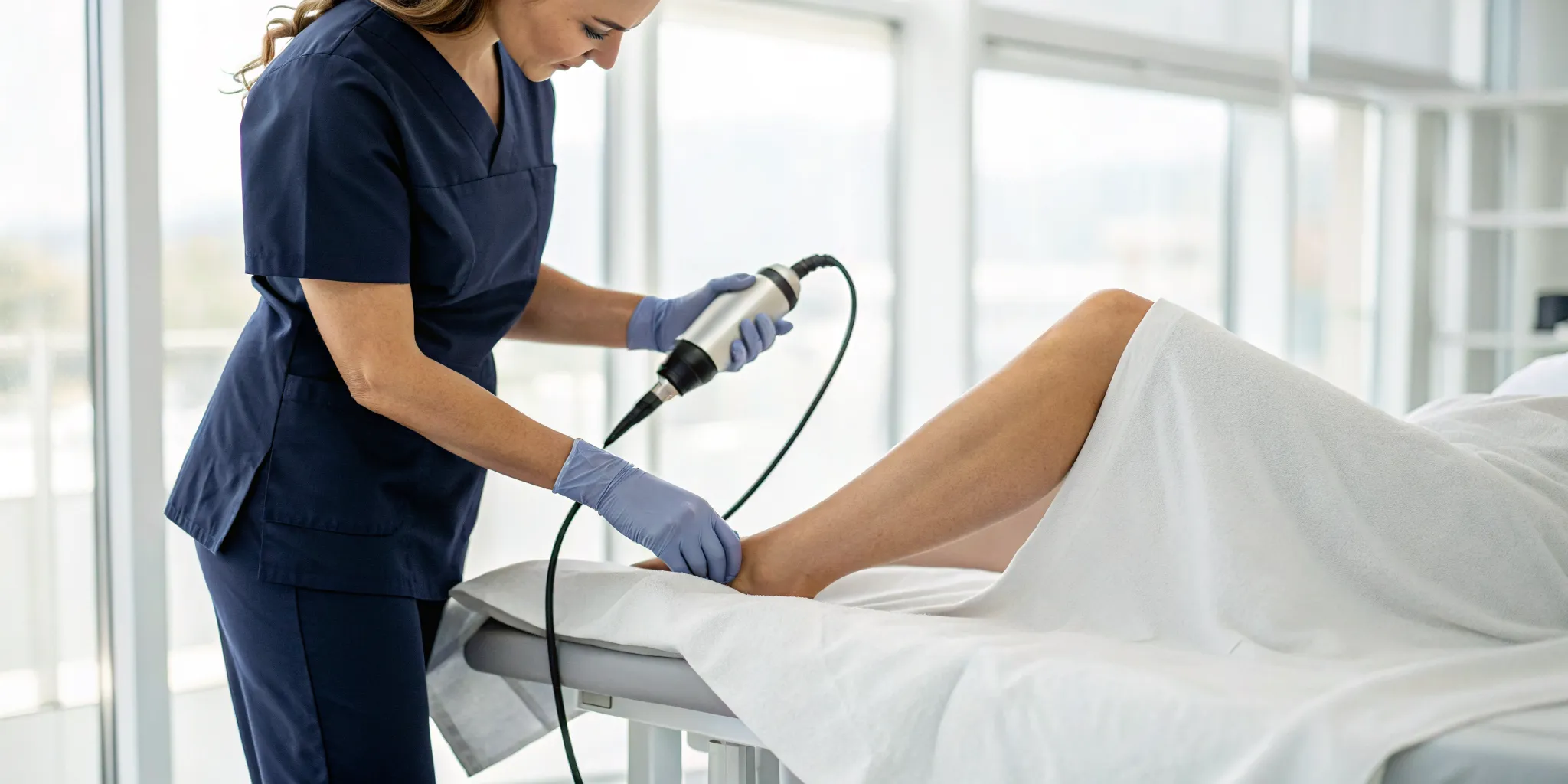
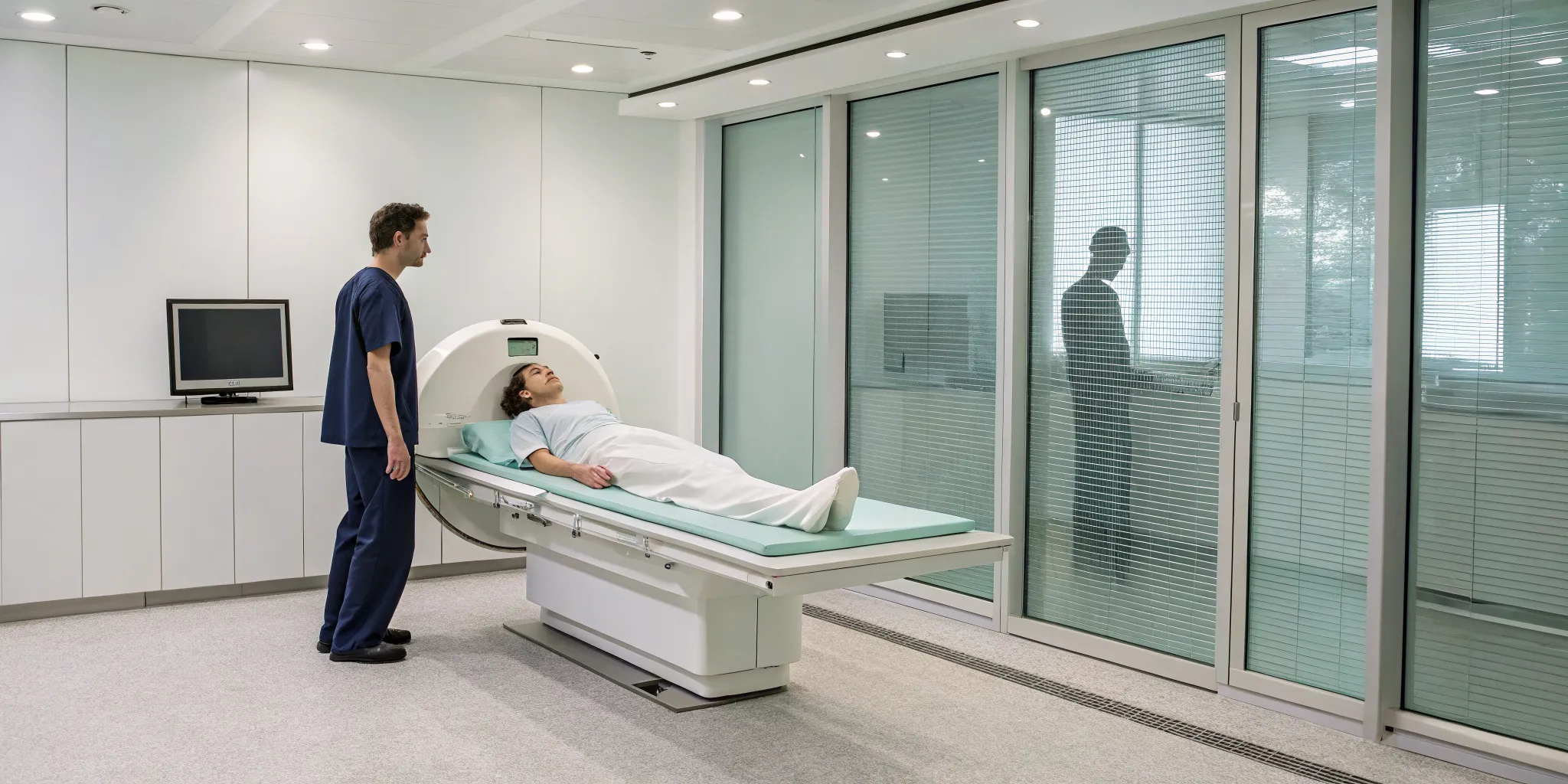
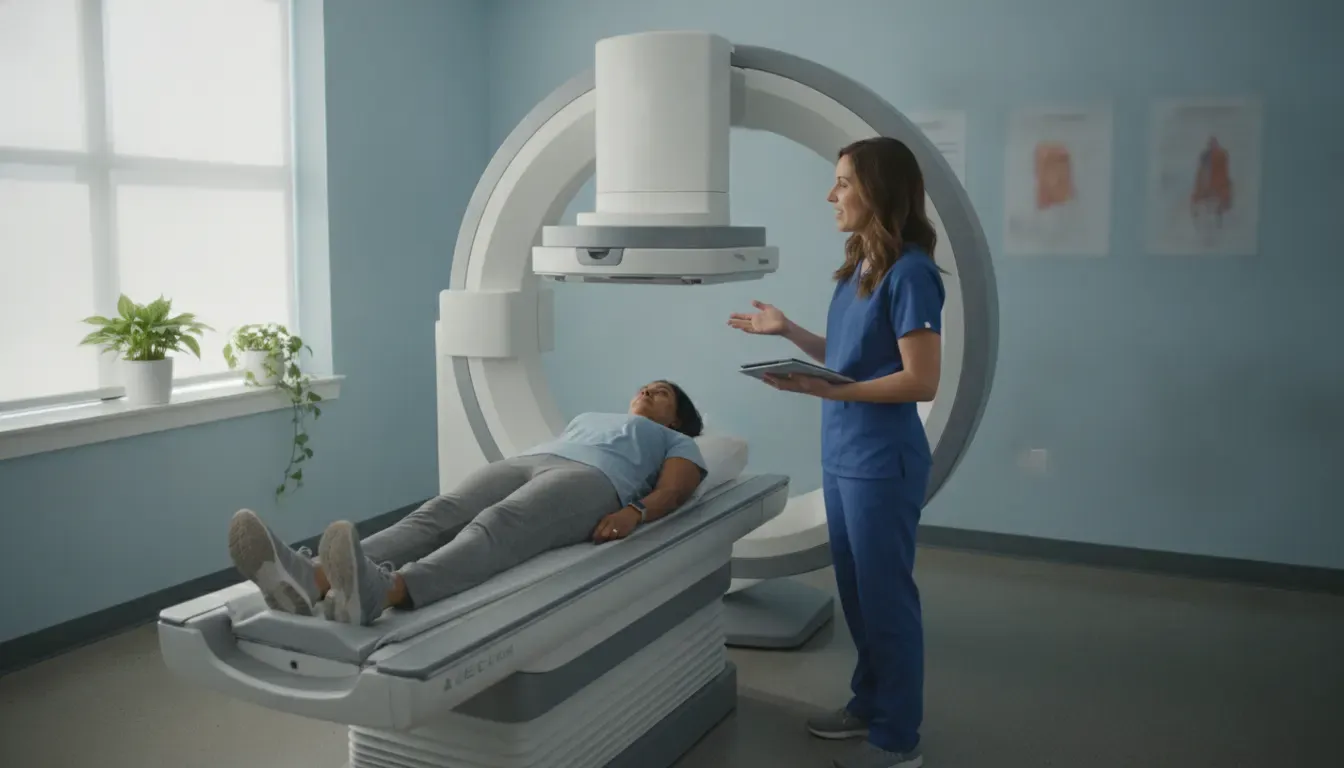
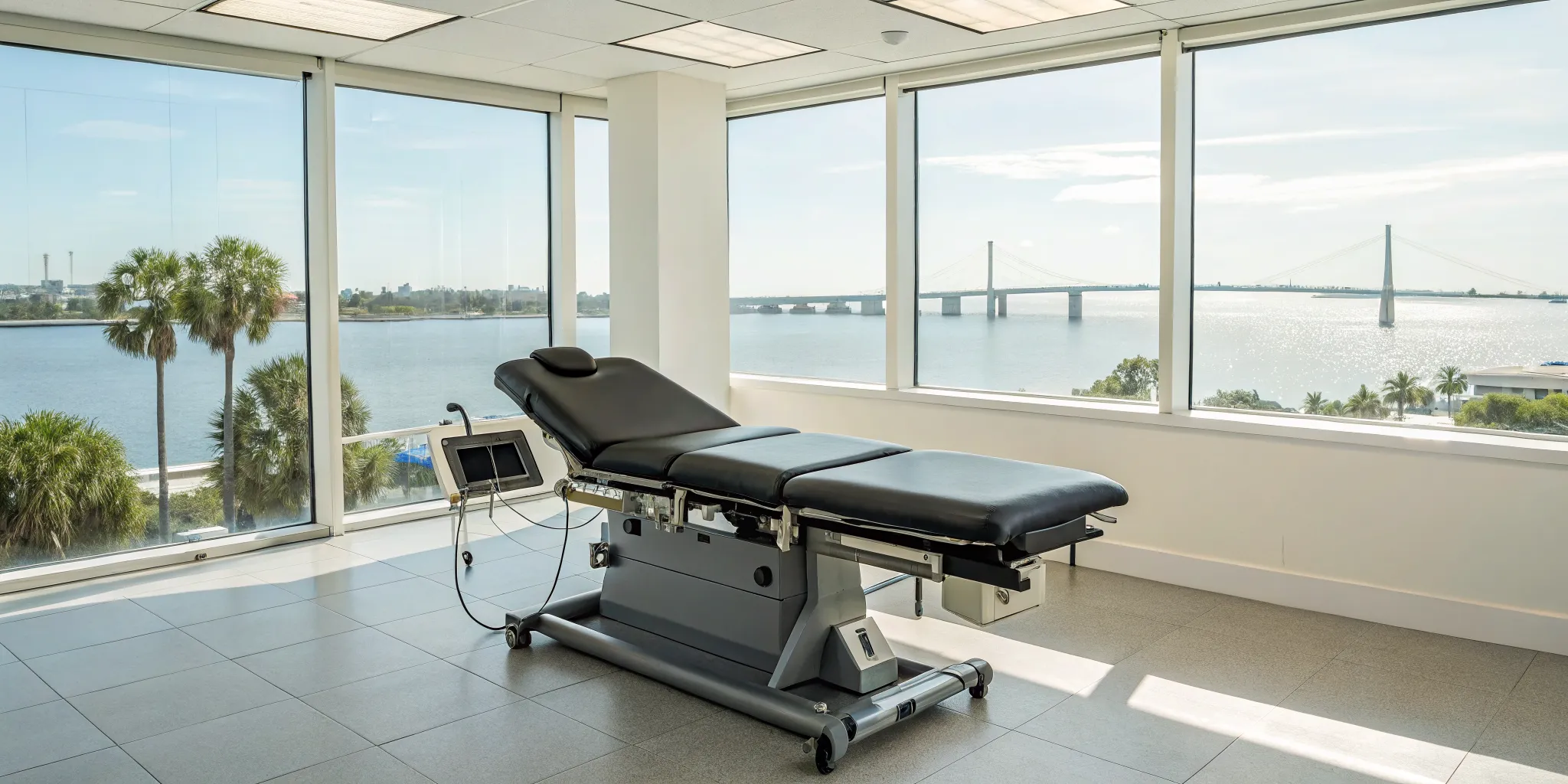
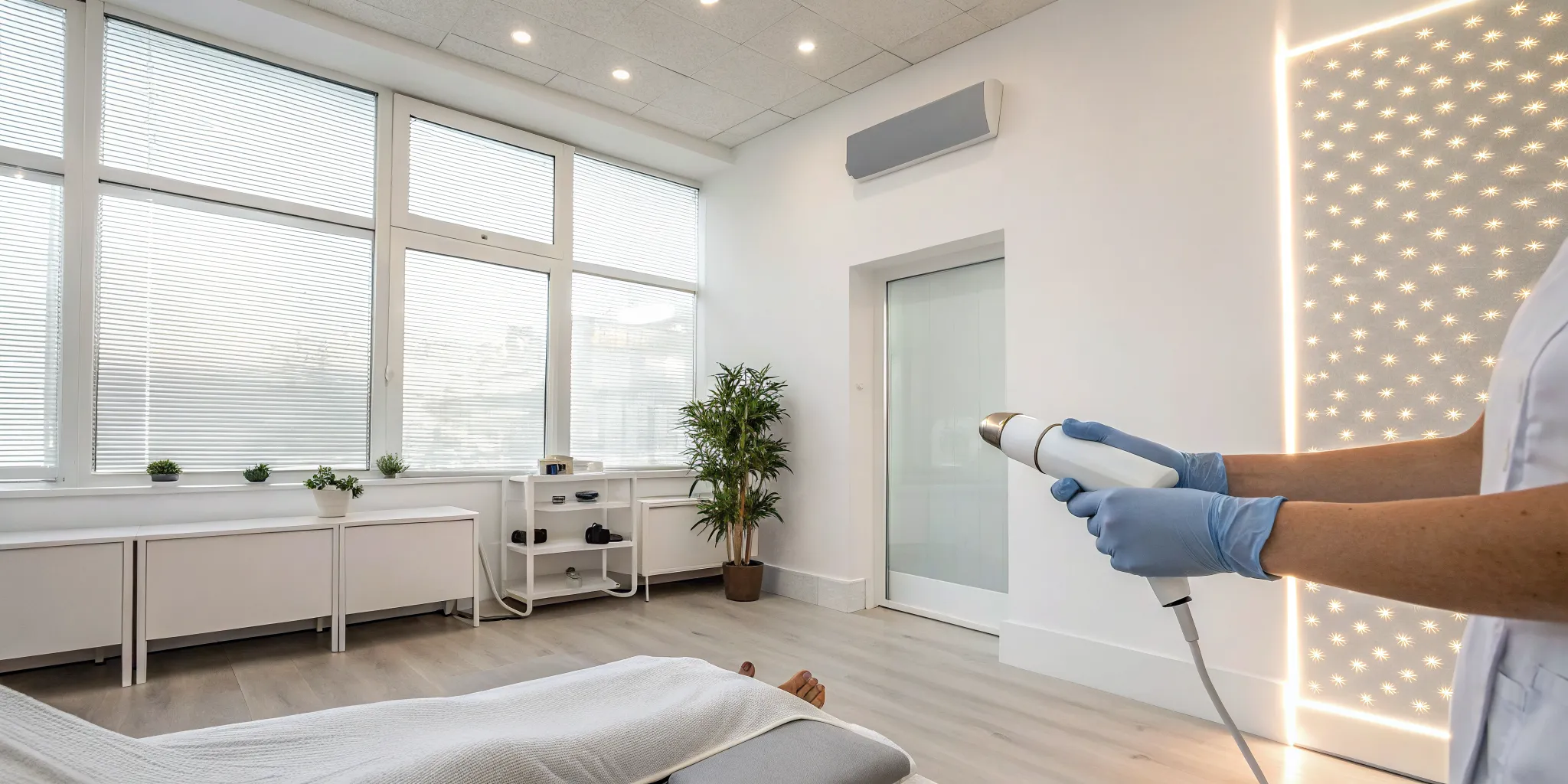
The most common type of bone density test is called a DEXA scan, which stands for Dual-Energy X-ray Absorptiometry. It uses a very low dose of X-ray technology to measure your bone mineral density. The process is quick and painless. You’ll simply lie down on a padded table while a mechanical arm passes over your body, typically scanning your hip and lower spine, as these are common areas for fractures. The amount of radiation is minimal, even less than what you’d get on a cross-country flight. The whole procedure usually takes about 10 to 15 minutes, and it gives your doctor a clear picture of your bone strength.
Why Your Doctor May Recommend a Scan
A bone density scan is a key tool for identifying osteoporosis, a condition that causes bones to become weak and brittle, before you experience a painful break. Your doctor might recommend a scan if you have certain risk factors. These can include a family history of osteoporosis, having a small or thin frame, taking certain medications long-term (like steroids), or reaching postmenopausal age. Getting a scan allows you to understand your personal risk and take preventive action. It’s an essential part of a proactive longevity medicine strategy, helping you maintain strength and independence as you age.
Common Myths About Bone Density Scans
There’s a lot of misinformation out there about bone health, so let’s clear a few things up. First, osteoporosis is not a form of bone cancer; it’s a condition where bones lose density and become more fragile. Another common myth is that you can feel your bones getting weaker, but bone loss often has no symptoms until a fracture occurs. That’s why these scans are so important. Finally, a low bone density score doesn’t automatically mean you’re going to break a bone. It’s simply one piece of the puzzle. A functional medicine approach considers your T-score alongside your lifestyle, nutrition, and overall health to create a complete picture.
Where to Get a Bone Density Scan in Tampa
Finding the right place for a bone density scan in Tampa is a key step in taking control of your health. You have several excellent options, from specialized clinics to comprehensive health centers. The best choice for you depends on whether you’re just looking for a number or seeking a deeper understanding of your bone health as part of a complete wellness plan. It’s about finding a partner who will not only perform the scan but also help you interpret the results and create an actionable path forward.
Your Comprehensive Assessment at Ascend Functional Health
At Ascend Functional Health, we see a bone density scan as more than just a test; it’s a vital piece of your overall health puzzle. While we can refer you to trusted local partners for the scan itself, our primary focus is on what comes next. We specialize in a functional medicine approach, which means we dig deep to understand the root cause of potential bone loss. We’ll sit down with you to review your results in the context of your lifestyle, hormone levels, and gut health to build a personalized protocol that supports stronger bones from the inside out.
Other Local Options: Hospitals and Imaging Centers
Tampa has several highly-rated facilities if you need to schedule a scan directly. For example, The Woman’s Group offers the DEXA scan for perimenopausal and postmenopausal patients, using very low doses of radiation to measure bone density. Another great option is Bay Area Arthritis and Osteoporosis, which provides on-site bone density scans using technology that automatically calculates your fracture risk to help guide treatment decisions. You can also find services through companies like Fitnescity Health, which partners with local diagnostic centers to make DEXA testing more accessible.
How to Choose the Right Provider
When selecting a provider, consider what happens after you get your results. Will someone help you understand your T-score and what it means for your future? Also, think about cost and technology. According to MDsave, the cost of a DEXA scan near Tampa can range from $91 to $103, while other clinics note that costs can range from $150 to $400 depending on the facility. Ask potential providers about the technology they use and if they offer a consultation to discuss your results. The right provider won’t just give you data; they’ll provide a clear plan to protect your bone health for years to come.
Do You Need a Doctor's Referral?
One of the most common questions we hear is whether a doctor's referral is needed to get a bone density scan. The short answer is: it depends. Your reason for getting the scan and whether you plan to use insurance are the two biggest factors. If the scan is for diagnosing a medical condition like osteoporosis, a referral is usually necessary for insurance coverage. However, if you're interested in a scan for general wellness and fitness tracking, you can often schedule one on your own. Let's walk through the different scenarios so you know exactly what to do.
When Insurance Requires a Referral
If you’re hoping to have your insurance cover the cost, you will almost certainly need a referral from a doctor. Insurance providers, including Medicare, view bone density scans as a medical diagnostic test. This means they need proof of clinical necessity from a physician to approve coverage. Your doctor will document why the scan is needed, whether it's due to risk factors like age and family history or to monitor an existing condition like osteoporosis. This formal request is what tells your insurance company that the scan is a crucial part of your health assessment and not just an elective procedure.
Scheduling a Scan Without a Referral
You absolutely can get a DEXA scan without a doctor's referral if your goal is to track your general health and fitness. These types of scans are often called wellness or body composition scans. Instead of just diagnosing osteoporosis, a wellness DEXA provides a detailed breakdown of your body's fat, muscle, and bone mass. It’s a fantastic tool for monitoring how your diet and exercise routine are impacting your body. Since these scans aren't for diagnosing a medical problem, they are typically paid for out-of-pocket. It’s a straightforward way to get valuable data about your body without needing a doctor’s order.
How to Get a Referral If You Need One
Getting a referral is usually a simple process. The best place to start is with your primary care doctor. During your visit, you can discuss your concerns and risk factors for bone loss. Your doctor will evaluate your health history and decide if a DEXA scan is the right next step for you. If you don't have a primary care physician, some urgent care clinics may also be able to provide a referral. At Ascend Functional Health, we can also help guide you through this process during a consultation to determine if a scan is medically necessary for your personalized care plan.
What to Expect During Your Scan
Knowing what’s coming can make any new medical test feel less intimidating. A bone density scan is a straightforward and non-invasive process. From simple prep work to understanding your results, here’s a clear breakdown of what your experience will be like.
How to Prepare for Your Appointment
Getting ready for your bone density scan is simple. On the day of your appointment, wear loose, comfortable clothing without any metal zippers, buttons, or buckles. Think yoga pants or sweats. You might be asked to change into a gown, but comfortable clothes make the whole process easier. It’s also best to leave jewelry at home.
There are a couple of other things to keep in mind. You’ll need to stop taking calcium supplements at least 24 hours before your exam. Also, be sure to let the staff know if you might be pregnant or if you’ve recently had a CT scan or barium exam that involved a contrast dye. This information helps ensure the scan is performed safely and the results are accurate. If you have any questions before your visit, you can always contact our office.
What Happens During the Scan Itself
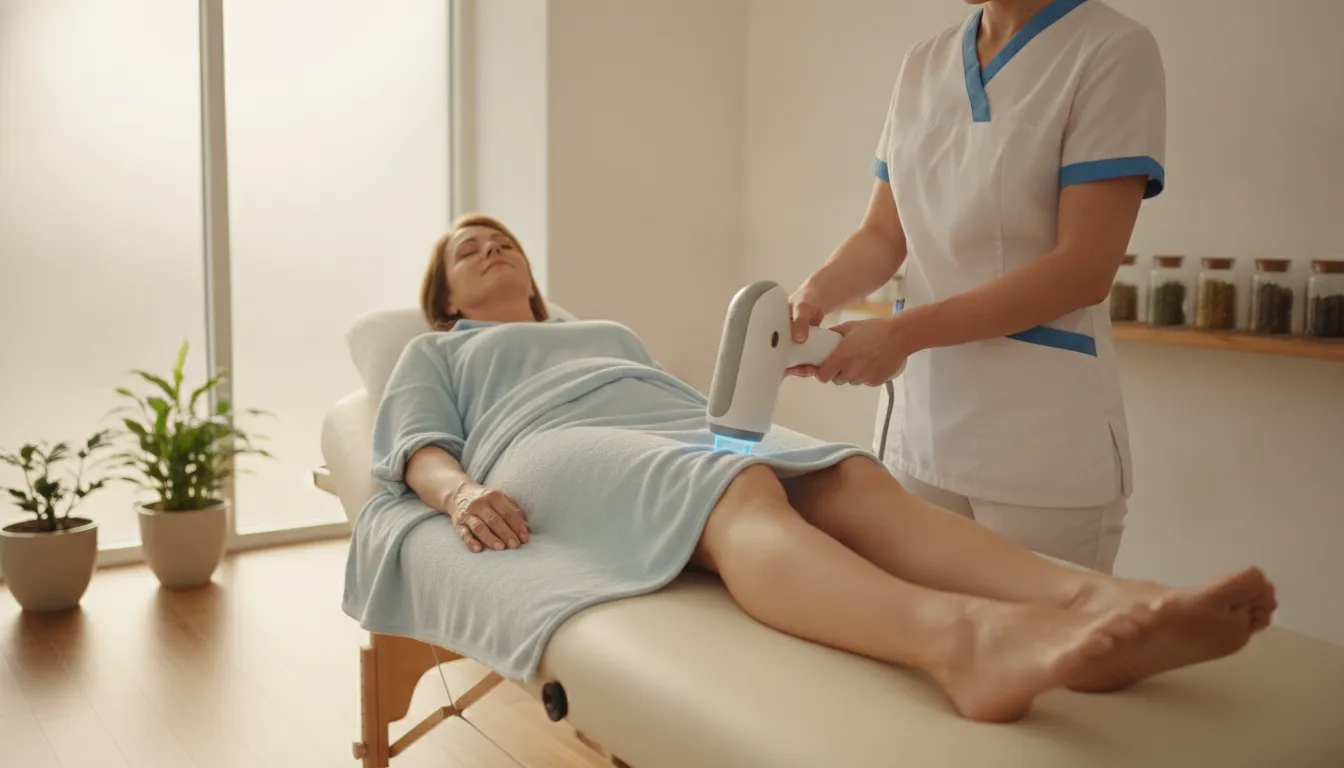
First, let me put your mind at ease: bone density scans are quick, simple, and completely painless. You’ll be asked to lie down on a padded table. A mechanical arm will pass slowly over your body, but it never touches you. You just have to lie still for a few minutes while the machine does its work.
The scan typically focuses on your hip and spine, as these are common areas where fractures can occur due to bone loss. The entire process usually takes about 10 to 15 minutes. There are no injections, and you won’t feel a thing. Afterward, you can get right back to your day without any downtime. It’s one of the easiest diagnostic tests you can have, and it provides crucial information for our physical medicine approach to your health.
Decoding Your T-Score Results
After your scan, you’ll receive a T-score. This score compares your bone density to that of a healthy young adult. A score of -1.0 or above is considered normal. A score between -1.0 and -2.5 indicates osteopenia, which means your bone density is low but not low enough to be diagnosed as osteoporosis. A score of -2.5 or below indicates osteoporosis.
If your results show osteopenia or osteoporosis, please don’t panic. Think of this score not as a final verdict, but as a starting point. It’s a valuable piece of information that helps us understand what’s happening inside your body. With this data, we can create a personalized functional medicine plan to support your bone health and reduce your risk of fractures.
Why Your T-Score Isn't the Whole Story
While your T-score is an important metric, it’s just one part of a much larger picture. It’s a common myth that a low score automatically means you’re going to experience a fracture. In fact, research shows that more than half of all fractures in older women occur in those who don’t have an osteoporosis diagnosis.
This is why we look beyond a single number. At Ascend Functional Health, we consider your T-score alongside your overall health, lifestyle, nutrition, and family history. We use it as a tool within a comprehensive assessment to understand your unique body. Your bone health is connected to everything from your gut health to your hormone levels, and our goal is to address the root causes of bone loss, not just the symptoms. We’re here to help you build a complete strategy for long-term strength and wellness.
How Much Does a Bone Density Scan Cost?
Thinking about the cost is a practical part of planning for any health procedure. The good news is that bone density scans are generally affordable, but the final price tag can depend on a few key things. Let's walk through what you can expect to pay and how to handle insurance.
Factors That Influence the Cost
The price of a bone density scan isn’t one-size-fits-all. In general, costs typically range from $150 to $400, and this variation comes down to a few factors. Your geographic location plays a role, as pricing can differ from city to city. The type of facility also matters; a scan at a large hospital might cost more than one at an independent imaging clinic. Finally, the specific technology used can influence the price. It’s always a good idea to ask about the cost upfront when you schedule your appointment so you know exactly what to expect.
Will Insurance Cover Your Scan?
For many people, insurance helps cover the cost. Bone density scans are typically covered by most private insurance plans and Medicare when your doctor orders one to diagnose or monitor osteoporosis. Because it’s considered a key diagnostic test, your provider will document why it’s clinically necessary for you. Before you go, it’s smart to call your insurance company directly. Ask them about your specific plan’s coverage for diagnostic imaging so you can avoid any surprises. This simple step can give you peace of mind and a clear understanding of any out-of-pocket expenses.
Available Payment and Discount Options
If you don’t have insurance or have a high-deductible plan, you still have options for making your scan affordable. Websites like MDsave allow you to compare prices from local providers and pay upfront for a lower rate. On that platform, DEXA scans in the Tampa area can range from $91 to $103. Other resources show that a CT Bone Density Scan costs $165 on average in Tampa. Doing a little research ahead of time can help you find a high-quality scan that fits your budget. If you have questions about your options, our team at Ascend is always here to help you find a solution.
Bone Health and Your Overall Wellness Plan
Getting a bone density scan is a fantastic, proactive step for your health. But it’s important to remember that the results are just one piece of a much larger picture. True, lasting bone health isn’t just about a single number on a report; it’s about creating a comprehensive wellness plan that supports your entire body. Strong bones are the foundation for mobility and an active life, helping you stay independent and prevent fractures as you age.
At Ascend Functional Health, we see bone density as a key indicator within your overall health story. Our functional medicine approach helps you understand how factors like gut health, hormone balance, and nutrition all play a role in your skeletal strength. By looking at the complete system, we can create a personalized strategy that addresses the root causes of bone loss and builds a stronger, more resilient you from the inside out.
A Functional Medicine Approach to Stronger Bones
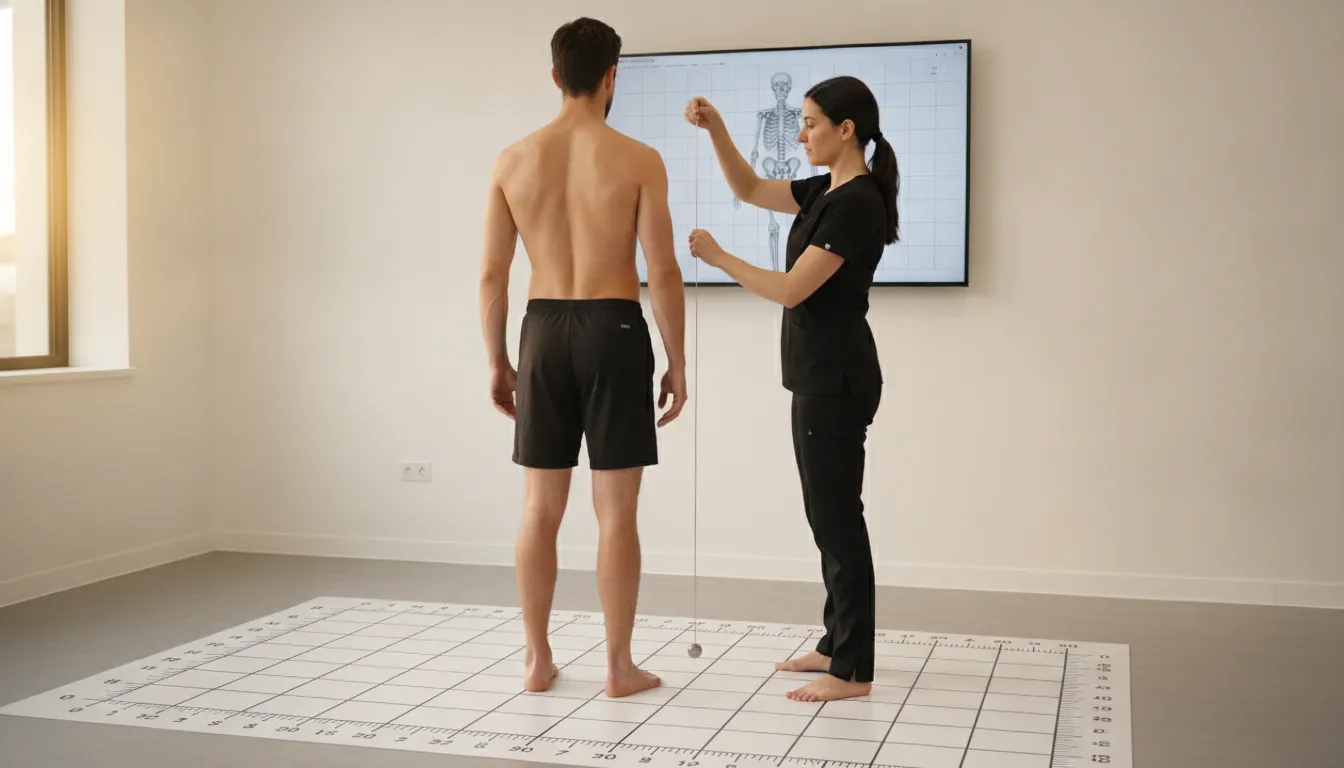
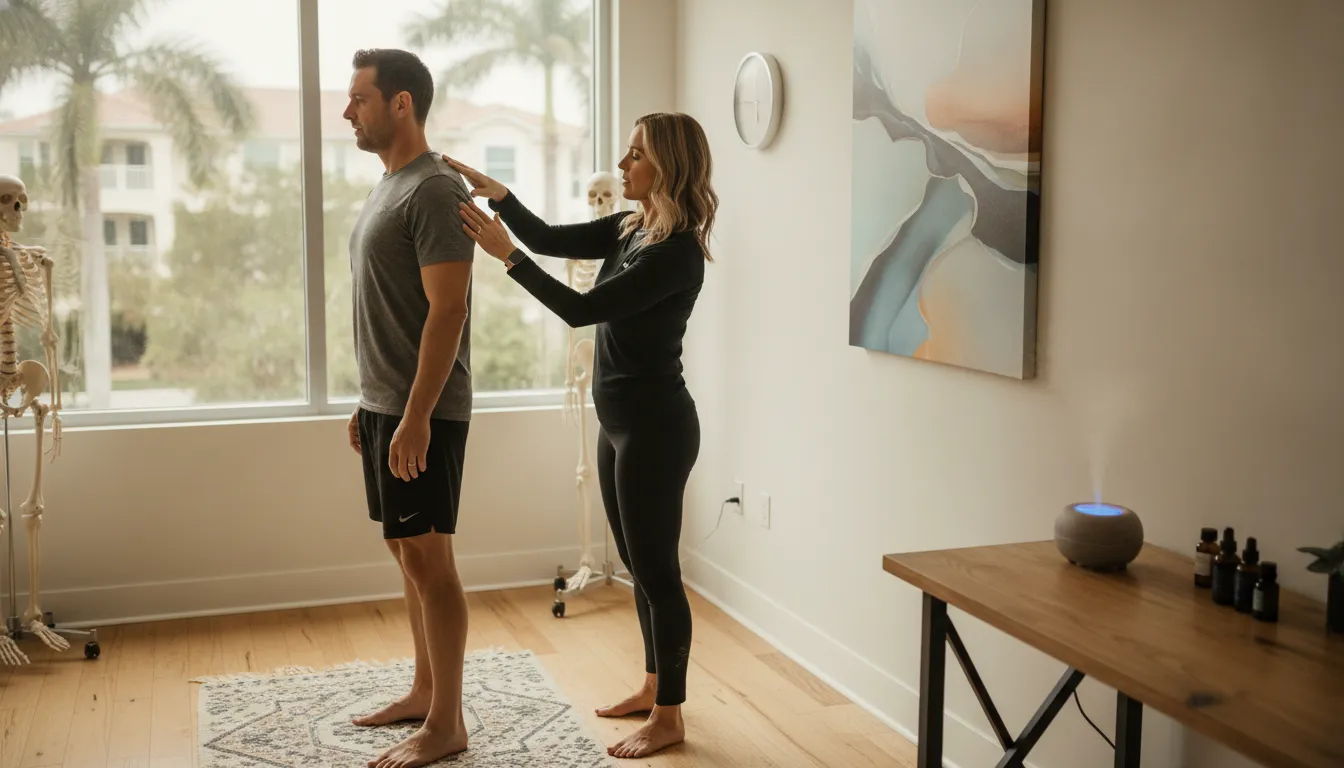
It’s easy to get focused on your T-score, but a functional medicine perspective encourages a broader view. Instead of just chasing a specific bone density number, a more effective goal is to improve your overall health by increasing muscle mass and relative strength. Strong muscles create a supportive framework for your skeleton, and activities that build muscle also stimulate bone growth. This holistic view helps you build a body that’s not just dense on a scan but is also functionally strong and capable in your daily life.
Beyond Calcium: Lifestyle Tips for Bone Strength
We’ve all heard that calcium is key for strong bones, and while it’s true, it’s not the only nutrient that matters. Healthy bones require a team of players, including vitamin D, magnesium, vitamin K, and protein. You can support your skeleton by eating a balanced diet rich in leafy greens, nuts, seeds, and quality protein sources. Regular weight-bearing exercise, like walking, jogging, or strength training, is also essential. This type of activity puts gentle stress on your bones, signaling your body to build them up stronger. Understanding how to care for your bones is a powerful step toward long-term wellness.
When to Schedule Your Next Scan
So, how often should you get checked? A common guideline suggests that most people over 65 should get a DEXA scan every two years. However, you might need one sooner if you have a family history of osteoporosis or other risk factors. The best way to know for sure is to talk with a provider who understands your unique health profile. They can help you create a screening schedule that makes sense for you, ensuring you catch any potential issues early and can take timely, effective action. If you have questions about your specific needs, we’re here to help you create a plan.
Related Articles
- Functional Movement Screening: A Complete Guide
- The Ultimate Male Hormone Test Panel Guide
- The 5 Best At-Home Estrogen Tests Reviewed
Frequently Asked Questions
Is a bone density scan safe, and does it hurt? A bone density scan is one of the easiest and safest diagnostic tests you can have. The process is completely painless; you just lie still on a padded table for about 10 to 15 minutes. It uses a very low dose of X-ray, which is even less radiation than you’d be exposed to on a typical flight across the country, so it's considered very safe.
What's the real difference between osteopenia and osteoporosis? Think of osteopenia as a warning sign. It means your bone density is lower than the ideal, but not low enough to be classified as osteoporosis. Osteoporosis is a more advanced stage of bone loss where bones have become significantly weaker and more brittle, putting you at a much higher risk for fractures. Catching bone loss at the osteopenia stage gives you a great opportunity to take action and prevent it from progressing.
Do I need a scan if I feel healthy and don't have any symptoms? Yes, you might. Bone loss is often called a "silent" condition because it doesn't have any noticeable symptoms in its early stages. Many people feel perfectly fine and have no idea their bones are getting weaker until they experience a sudden fracture. A scan is a proactive tool that lets you see what's happening on the inside so you can address potential issues before they become a serious problem.
My T-score is low. What happens now? First, don't panic. A low T-score is not a final diagnosis but a starting point for a conversation about your health. The next step is to look at the bigger picture to understand why your bone density is low. This involves exploring factors like your diet, exercise habits, hormone levels, and even gut health to identify the root cause and create a personalized plan to support your bones from the inside out.
Besides taking calcium, what can I actually do to support my bone health? While calcium is important, it works as part of a team. You can support your bones by eating a diet rich in nutrients like vitamin D, magnesium, and vitamin K, which are found in leafy greens, nuts, and seeds. Regular weight-bearing exercises, such as walking, strength training, or dancing, are also crucial because they put gentle stress on your bones, which signals your body to build them stronger.