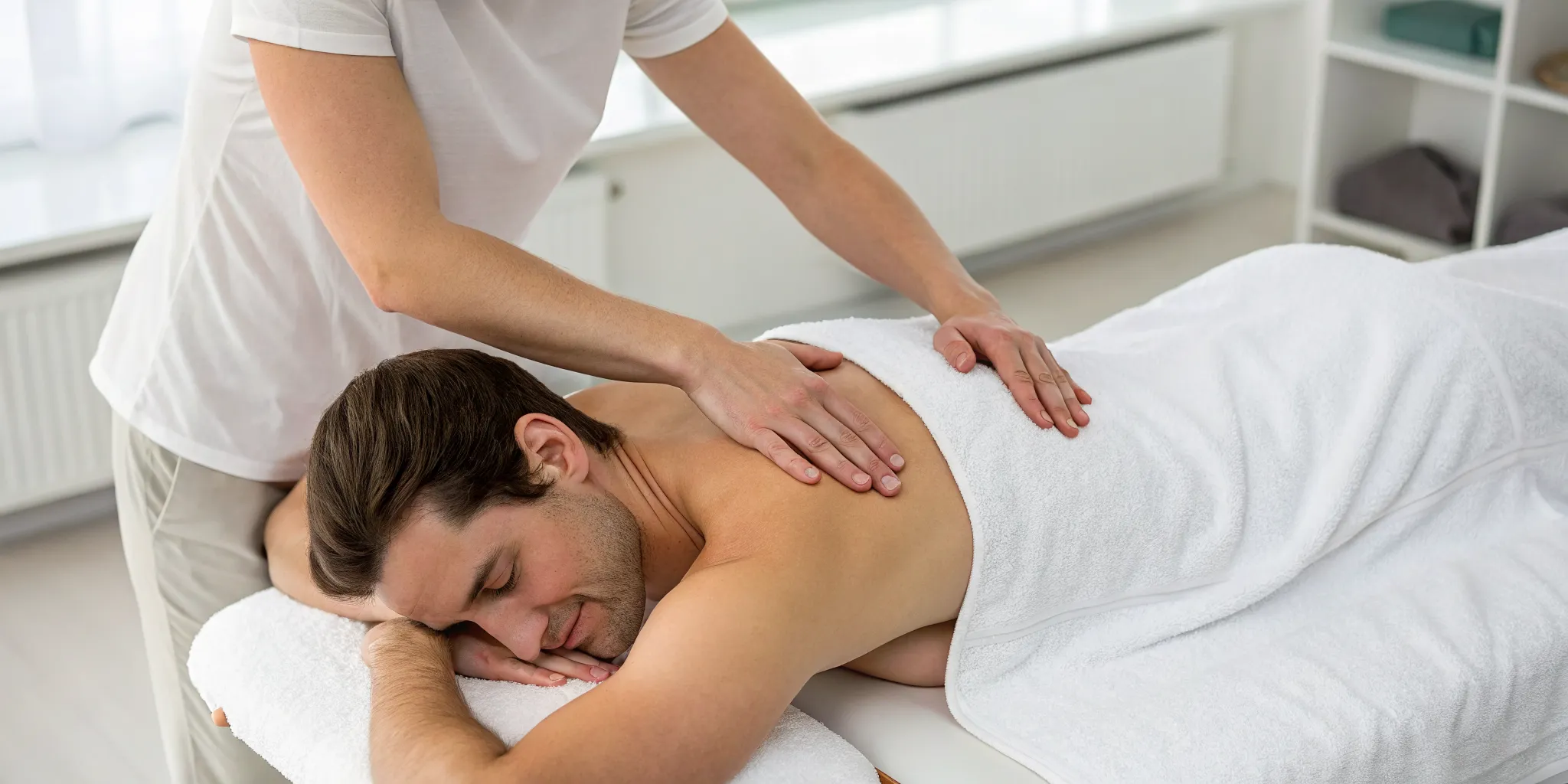
Not all massages are created equal, and the right choice depends entirely on your goals. Are you looking for a way to manage long-term, stubborn knots in your back and shoulders, or do you need a more customized session to address a specific injury or general stress? This is the core of the deep tissue vs therapeutic massage question. One is a powerful tool for targeting deep-seated muscular issues, while the other offers a versatile, tailored approach to overall wellness. Making the right choice ensures you get the most effective relief. Let's explore what sets these two popular modalities apart and help you determine which one aligns with your body's specific needs.
Key Takeaways
- Choose deep tissue for chronic pain and therapeutic for specific goals: Deep tissue uses intense pressure to address long-term muscle tension, while therapeutic massage is a versatile approach tailored to your needs, from general relaxation to injury support.
- Know what to expect from the pressure: A deep tissue massage is an intense treatment that can leave you sore for a day or two as it breaks up deep knots. Therapeutic massage is more adaptable, with pressure adjusted to your comfort level and wellness goals.
- Communicate and hydrate for better results: To get the most out of any massage, speak up if the pressure is uncomfortable. Drinking plenty of water after your session is also essential for helping your muscles recover and reducing soreness.
Deep Tissue vs. Therapeutic Massage: What's the Difference?
When you’re dealing with muscle pain or tension, massage can feel like a lifesaver. But with different types available, it’s easy to feel unsure about which one is right for you. Two of the most common options are deep tissue and therapeutic massage. While they might sound similar, they have distinct goals and techniques. Understanding these differences is the first step toward finding the relief you need and getting back to feeling your best. Let's break down what each massage involves so you can make an informed choice for your body.
What Is Deep Tissue Massage?
Think of deep tissue massage as a focused approach to muscle relief. This technique uses firm pressure and slow strokes to reach deeper layers of muscle and fascia, the connective tissue surrounding your muscles. It’s especially helpful for chronic aches and pains and contracted areas like a stiff neck, upper back tightness, low back pain, or sore shoulders. While the massage can cover the entire body, your therapist will spend extra time on specific problem spots to break up scar tissue and reduce tension. It’s an intense and targeted method designed to address the root of persistent muscle issues within our physical medicine approach.
What Is Therapeutic Massage?
Therapeutic massage is a broader term that describes any massage modality that helps relieve pain, reduce stress, and address specific health concerns. Unlike deep tissue, its primary goal isn't always to go deeper but to achieve a specific outcome, whether that's relaxation, improved circulation, or relief from general muscle soreness. The techniques can vary widely, from gentle, soothing strokes to more moderate pressure, all customized to your needs. It’s an excellent choice for individuals seeking stress relief, general wellness care, or recovery from minor injuries. This approach is tailored to what your body needs on any given day.
The Core Differences
The main distinction between these two massages lies in their purpose and pressure. Deep tissue massage is all about targeting chronic tension in the deepest layers of your muscle tissue. It uses intense, focused pressure to release stubborn knots and adhesions. Therapeutic massage, on the other hand, is more about overall wellness and customized care. It can be gentle or firm, depending on your goals, which might range from simple relaxation to addressing specific conditions we treat like tension headaches. While deep tissue is a type of therapeutic massage, its defining feature is its intensity and focus on deep-seated pain.
What to Expect During Each Type of Massage
Knowing what will happen during your appointment can help you feel more prepared and relaxed. While both deep tissue and therapeutic massage involve hands-on muscle work, the experience, techniques, and sensations can be quite different. Let's walk through what you can anticipate from each session.
Deep Tissue: Techniques and Pressure
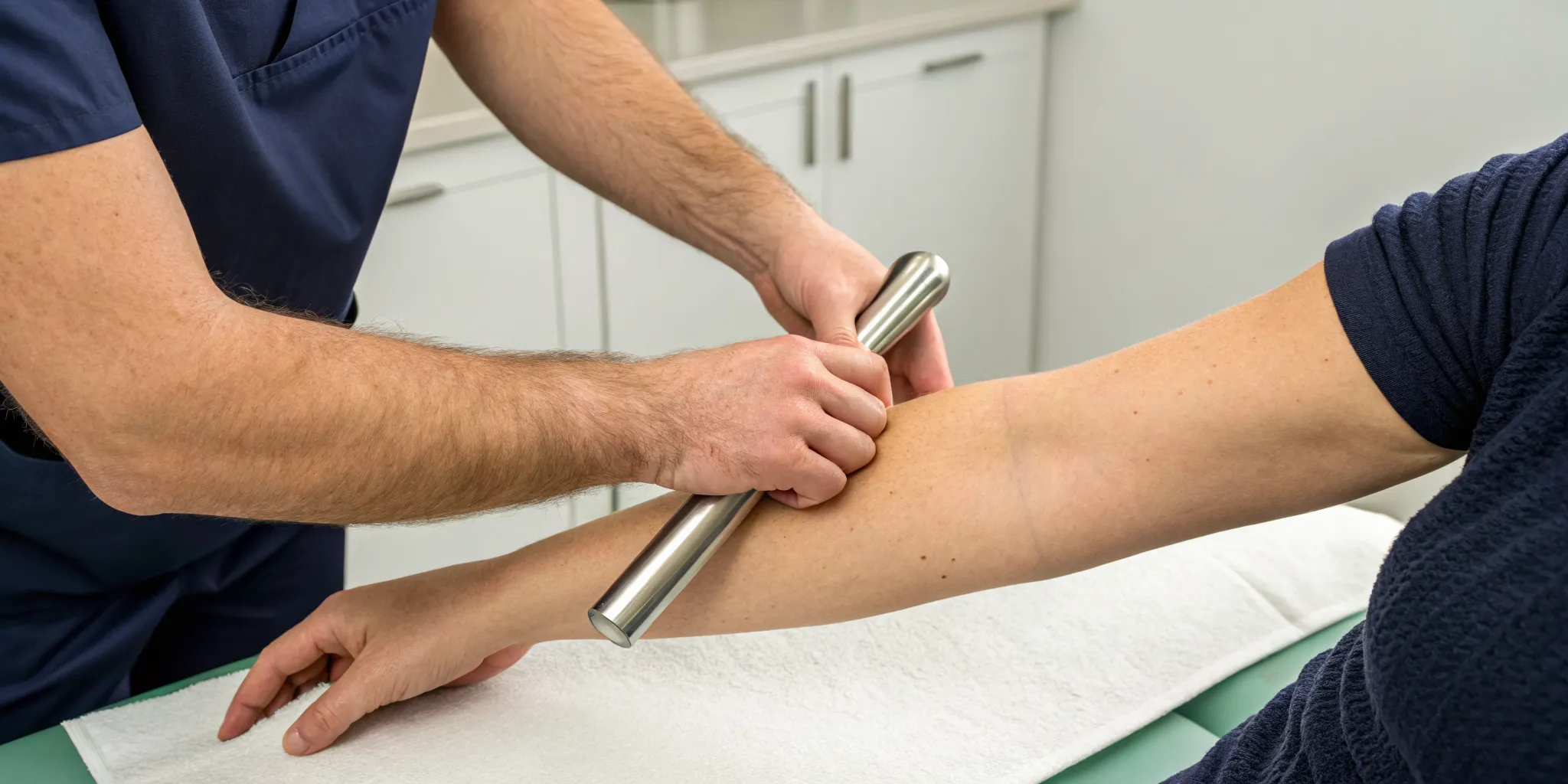
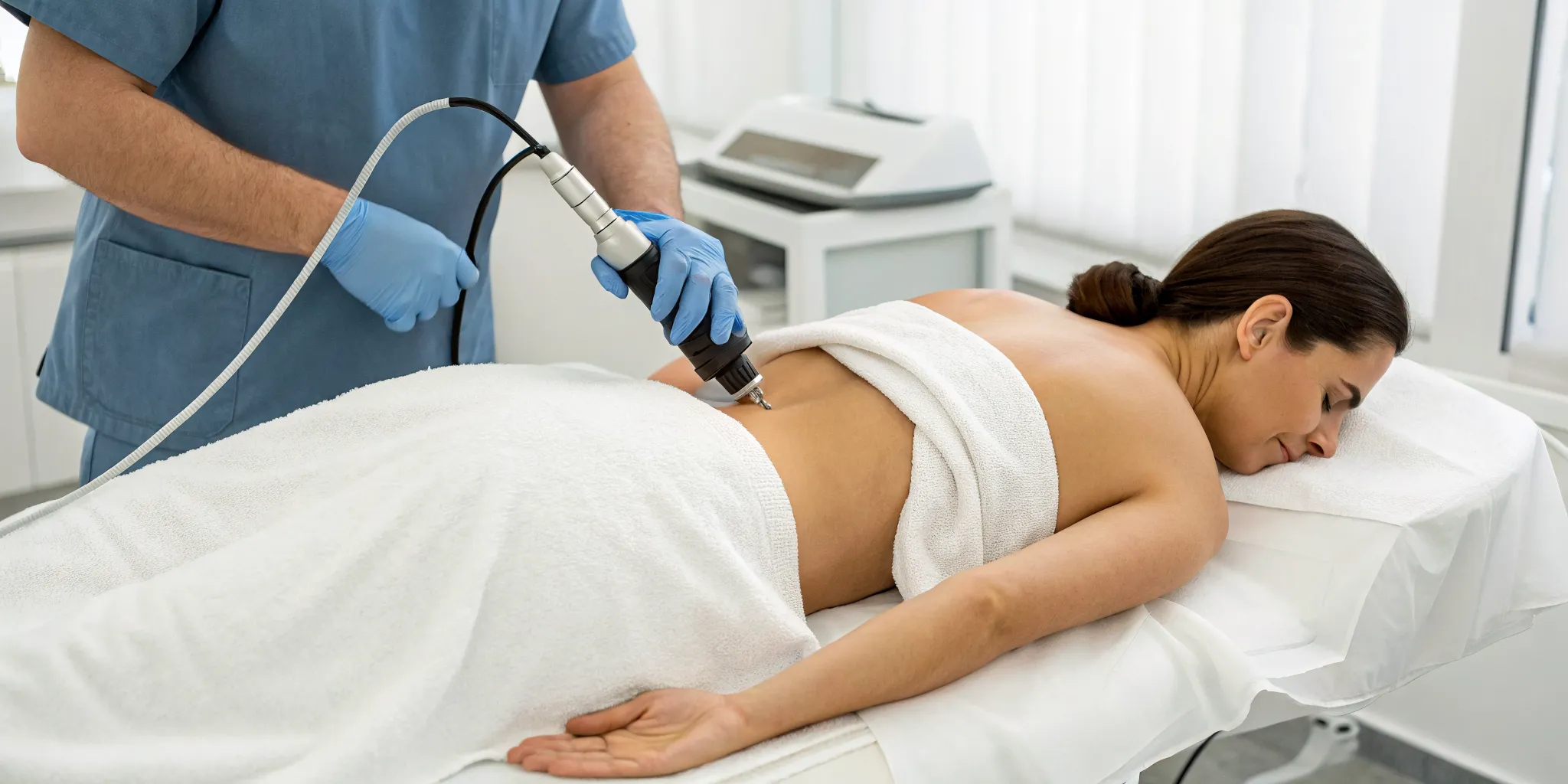
If you're picturing a gentle, soothing spa day, a deep tissue massage might surprise you. This technique is designed to address the deeper layers of muscle and connective tissue. Your therapist will use strong, focused pressure with their knuckles, forearms, and elbows to release chronic tension and break up adhesions, often called "knots." While the massage may cover your entire body, the primary focus will be on your specific areas of concern. It’s an intense and targeted approach meant to create lasting change in tight, painful muscles.
Therapeutic Massage: A Customized Approach
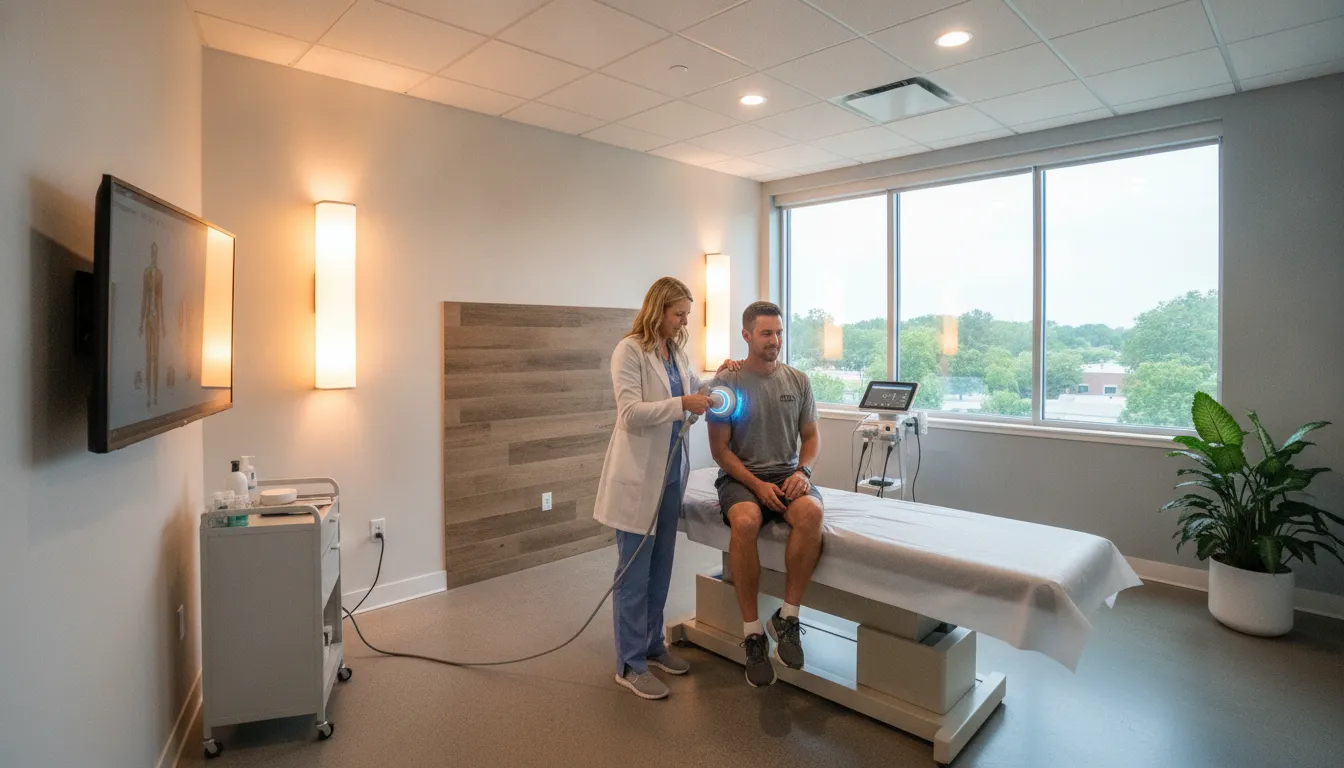
Think of therapeutic massage as a treatment plan designed just for you. It’s a highly focused approach that aims to treat specific problems and conditions, getting to the root causes of pain that might stem from nerve or muscle issues. Before your session, you’ll discuss your goals with your therapist, whether that’s stress relief, general muscle relaxation, or addressing a particular injury. The techniques used will be tailored to your unique needs, making it a versatile option for both targeted recovery and overall wellness care. This personalized strategy is a core part of our physical medicine services.
How Each Session Feels
Communication is key during any massage, but it's especially important during a deep tissue session. You might feel some discomfort as your therapist works on stubborn knots, but you should never feel sharp or unbearable pain. Always speak up if the pressure is too much. It’s also completely normal to feel a bit sore for a day or two after a deep tissue massage, similar to how you might feel after a good workout. A therapeutic massage is generally more relaxing, but you may still feel some tenderness in the areas that were worked on as your body begins to heal and adjust.
Weighing the Benefits and Potential Side Effects
Choosing the right massage is about understanding what your body needs and what each technique offers. Both deep tissue and therapeutic massage have unique benefits, but they also come with different sensations and after-effects. Knowing what to expect can help you make an informed decision and get the most out of your session. Let's look at the pros and cons of each approach and what you might feel like after your appointment.
The Pros and Cons of Deep Tissue Massage
Deep tissue massage is a powerful tool for addressing chronic pain and stubborn muscle tension. Its main advantage is the ability to target the deeper layers of muscle and connective tissue, breaking up adhesions, or "knots," that cause pain and limit movement. This makes it incredibly effective for issues like persistent neck and shoulder pain or lower back tightness. The primary drawback is the intensity. This is not a gentle, relaxing massage. The focused pressure can be uncomfortable, and it’s common to feel sore for a day or two afterward. It’s best suited for specific problem areas rather than full-body relaxation.
The Pros and Cons of Therapeutic Massage
Therapeutic massage is a much broader category, and its main benefit is its versatility. It’s designed to address specific health goals, from reducing stress and anxiety to improving circulation and flexibility. Because it’s tailored to you, the pressure can be adjusted to your comfort level, making it a more relaxing experience than deep tissue. While it can certainly ease general muscle tightness, it may not be as effective as deep tissue for breaking up deep, chronic knots. Think of it as a supportive treatment for overall wellness and recovery, helping your body function at its best as part of a holistic health plan.
What to Expect After Your Appointment
It’s completely normal to feel a little different after your massage. Following a deep tissue session, some soreness is typical and usually fades within 48 hours. You might also feel a bit light-headed or what some call "massage drunk" immediately after either type of massage. This is a normal response as your body adjusts. The best thing you can do is take a few minutes to sit and relax before you leave. Hydration is also key. Drinking plenty of water after your appointment helps flush out metabolic waste released from your muscles and can reduce next-day soreness, helping you fully enjoy the benefits of your treatment.
How to Choose the Right Massage for You
Deciding between a deep tissue and a therapeutic massage really comes down to what your body is telling you. Are you dealing with a nagging pain that’s been around for months, or are you looking for relief from a recent injury or general tension? Understanding your goals is the first step to picking the right approach. One focuses on intense, deep-seated muscle issues, while the other offers a more customized treatment for specific conditions and overall wellness. Let's walk through which massage might be the best fit for you and how to get the most out of your session.
When to Choose Deep Tissue for Chronic Pain
If you're struggling with long-term muscle pain, stiffness, or knots that just won't quit, a deep tissue massage is likely what you need. This technique is designed for people with ongoing pain or specific muscle problems. Your therapist will use firm pressure to target the deeper layers of your muscle and connective tissue, working to release chronic tension. Think of it as a focused approach to address those stubborn areas in your back, neck, or shoulders that have been bothering you for a while. It’s an excellent option within a broader physical medicine plan to manage persistent discomfort and improve your range of motion.
When to Choose Therapeutic Massage for Recovery
A therapeutic massage is your go-to for more targeted recovery and general wellness. This approach is ideal for treating specific issues like a sports injury, repetitive strain from your job, or problems related to poor posture. Unlike a deep tissue massage that often covers the whole body while focusing on problem spots, a therapeutic session is customized to address a particular condition. It can help reduce stress, ease muscle tension, and support your body’s healing process. If you're looking to address one of the many conditions we treat, this tailored approach can provide significant relief and help you get back to feeling your best.
Preparing for Your First Session
To get the most out of your massage, a little preparation goes a long way. First, make sure you’re well-hydrated by drinking plenty of water before and after your appointment. This helps your muscles stay pliable and aids in flushing out any metabolic waste released during the session. Most importantly, always communicate with your therapist. If the pressure ever feels too intense, especially during a deep tissue massage, don't hesitate to speak up. Your comfort is the priority. Arriving a few minutes early will also give you time to relax and discuss your goals for the session. When you're ready, you can contact our team to schedule your appointment.
Related Articles
- Is Deep Tissue Massage Good for You? An Expert Explains
- The Ultimate Guide to Myofascial Release Therapy
- Massage Therapy | Alessi Functional Health
Frequently Asked Questions
Will a deep tissue massage be painful? While a deep tissue massage involves firm pressure, it shouldn't be painful in a way that makes you tense up. You might feel some discomfort or a "good hurt" as the therapist works on stubborn knots, but you should always be able to breathe through it. The key is to communicate with your therapist. If the pressure ever feels too intense or sharp, let them know immediately so they can adjust.
Which massage is better if my main goal is stress relief? If you're primarily looking to unwind and ease general tension, a therapeutic massage is likely your best choice. Its techniques can be customized to be soothing and relaxing, helping to calm your nervous system. While releasing a chronic knot with a deep tissue massage can certainly reduce stress in the long run, the session itself is more intense and focused on physical correction rather than immediate relaxation.
How do I know which type of massage to book for my first visit? Think about your main reason for seeking a massage. If you're dealing with a specific, long-term issue like chronic lower back pain or persistent shoulder stiffness, a deep tissue massage could provide the targeted relief you need. If you're looking for help with a more recent injury, general muscle tightness, or overall wellness, a therapeutic massage offers a more customized and adaptable approach. You can also discuss your symptoms with our team when you book, and we can guide you to the right choice.
Is it normal to feel sore the next day? Yes, it's completely normal to feel some muscle soreness for a day or two after a deep tissue massage, much like you would after a challenging workout. This happens because the therapist has worked on deep, tight tissues. After a therapeutic massage, you'll likely just feel relaxed and maybe a little tender in the areas that received the most attention. Drinking plenty of water after any massage can help minimize this soreness.
Can a single session fix my muscle pain? A single massage can provide significant relief from pain and tension, but for chronic or long-standing issues, consistent care is usually more effective. One session can release immediate tension and improve your range of motion, but lasting results often come from a series of treatments. Your therapist can recommend a plan based on your body's response and your personal health goals.