You’ve tried stretching, foam rolling, and maybe even deep tissue massage, but that stubborn tightness just won’t let go. If this sounds familiar, it may be time to look beyond the muscles and consider the fascia. This intricate network of connective tissue can hold tension in ways that traditional methods can’t always address. Myofascial release therapy is a science-based technique that uses gentle, sustained pressure to release these fascial adhesions. It’s a patient and methodical process that encourages your body to let go of dysfunctional patterns, helping to restore mobility and provide lasting relief from chronic pain.
Key Takeaways
- It targets the root cause of pain: Myofascial release works by releasing tension in your fascia, the web of connective tissue throughout your body, providing a more fundamental solution to chronic pain than simply relaxing muscles.
- Lasting relief comes from slow, sustained pressure: This specific technique gives your connective tissue time to soften and release, which helps restore flexibility, improve mobility, and break the cycle of chronic pain and stiffness.
- Find a qualified practitioner for a personalized plan: Look for a physical or occupational therapist trained in myofascial release who will assess your specific needs, create a tailored treatment plan, and give you at-home exercises to support your long-term progress.
What Is Myofascial Release Therapy?
If you're dealing with persistent muscle pain and tightness, you may have heard about myofascial release therapy. It’s a hands-on treatment that focuses on releasing tension in your fascia, the connective tissue that surrounds your muscles. Think of it as a targeted approach to pain relief that goes beyond the surface to address the source of your discomfort. To really get what this therapy does, we first need to talk about fascia itself, how this technique differs from a standard massage, and why its unique method of applying pressure is so effective.
First, What Is Fascia?
Imagine a thin, web-like suit that covers everything inside your body—your muscles, bones, nerves, and organs. That’s your fascia. When it’s healthy, this connective tissue is flexible and allows you to move freely without pain. However, things like injuries, stress, inflammation, or even poor posture can cause the fascia to become tight, stiff, and restricted. These tight spots, often called adhesions or trigger points, can pull on your muscles and joints, leading to pain and limited movement. Our approach to physical medicine often starts with understanding the role of fascia, as it can be the source of so many chronic aches and pains.
Myofascial Release vs. Massage: What's the Difference?
While both myofascial release and massage involve hands-on work, their goals and techniques are quite different. A traditional massage often uses continuous kneading and stroking motions to relax muscles and provide general stress relief. It feels great, but the effects can sometimes be temporary. Myofascial release, on the other hand, is more like physical therapy. It applies slow, sustained pressure to specific areas of fascial restriction. The aim isn't just to make you feel better for an hour; it's to address the root cause of your pain and restore proper movement. By releasing the tension in the fascia, we can achieve more lasting relief from the chronic issues that hold you back.
The Power of Gentle, Sustained Pressure
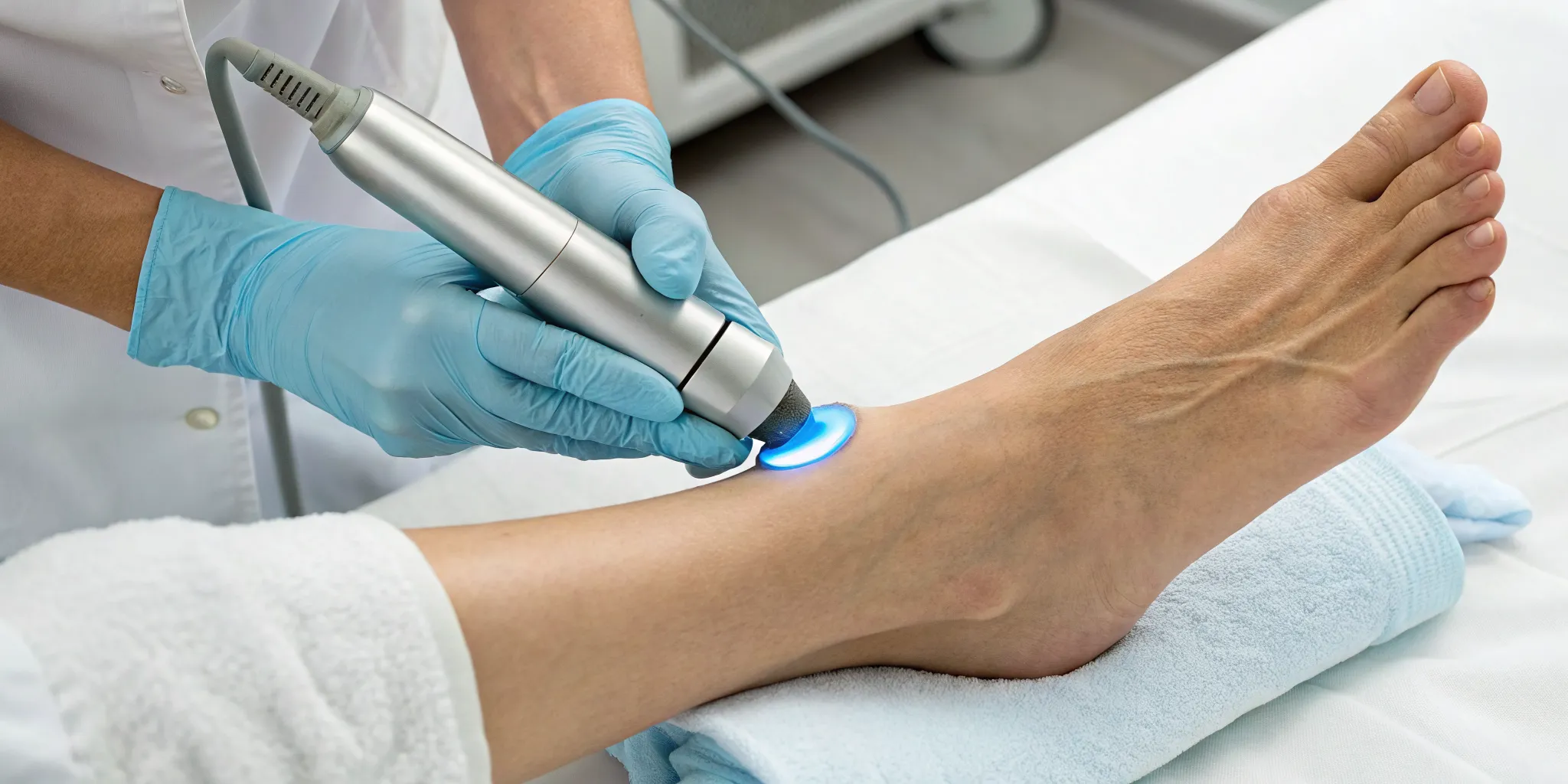
The magic of myofascial release lies in its technique: gentle, sustained pressure. Instead of the rapid movements you might find in other therapies, your practitioner will use their hands to apply light but firm pressure to a tight area and hold it. This pressure is typically maintained for at least 90 seconds, and sometimes longer. This might not sound like much, but it gives the stiff fascia time to soften, lengthen, and release its grip. This process helps to break up adhesions, improve blood flow, and restore elasticity to the tissue. It’s a patient and precise method that encourages your body to let go of long-held tension.
How Does Myofascial Release Work?
Myofascial release isn't just a fancy term for a massage. It’s a highly targeted therapy that works on a specific system in your body to relieve pain and restore movement. Instead of just kneading muscles, your therapist uses specific techniques to release tension in the fascia, the connective tissue that surrounds your muscles. This process helps your body unwind from patterns of tightness and strain, addressing the root cause of discomfort rather than just the symptoms. It’s a gentle yet powerful way to help your body heal itself.
The Science Behind Knots and Tightness
Think of fascia as a thin, strong web of connective tissue that wraps around every single muscle, bone, and organ in your body, holding everything in place. When your body is healthy and balanced, this fascial web is flexible and glides smoothly. But things like injuries, inflammation, stress, or even poor posture can cause the fascia to become tight and restricted. These tight spots are what we often feel as "knots." A restriction in one area can create tension and pain elsewhere, much like a snag in a sweater can pull the entire garment out of shape.
Techniques Used to Release Tension
To release these restrictions, a therapist applies gentle, sustained pressure directly to the tight areas of fascia. This isn't about forceful digging. Instead, the therapist uses slow, deliberate movements, waiting for the tissue to soften and lengthen on its own. A session always begins with a careful assessment of your posture and movement patterns to pinpoint exactly where the restrictions are. This ensures your physical medicine treatment is tailored specifically to your body’s needs.
How It Breaks the Chronic Pain Cycle
Chronic pain often stems from imbalances in the body. When fascia is tight on one side, it can pull your body out of alignment, forcing other muscles to overcompensate. Myofascial release helps break this cycle by applying gentle, sustained pressure for at least 90 to 120 seconds. This extended time gives the fascia and underlying muscle enough time to truly release. As the tissue lengthens and softens, it helps restore symmetry and balance to your body, providing lasting relief from many of the chronic conditions that cause persistent pain.
What Can Myofascial Release Help With?
Myofascial release is a versatile therapy that can address a surprisingly wide range of health concerns. Because it targets the body’s interconnected fascial web, its benefits can be felt far beyond the specific area being treated. This therapy is particularly effective for issues that haven’t responded to other treatments, as it gets to the root of problems that are often overlooked.
If you're dealing with persistent pain, stiffness that limits your daily activities, or nagging discomfort that just won't go away, myofascial release may be the key to finding relief. It’s a gentle yet powerful approach for anyone feeling stuck in a cycle of pain and tension. By releasing the fascial restrictions that contribute to these problems, we can help restore your body's natural alignment and function. Many of the conditions we treat at our clinic can be improved with this targeted therapy.
Chronic Pain and Headaches
If you live with chronic pain, you know how draining it can be. Conditions like persistent low back pain, jaw pain (TMJ), and even frequent headaches or migraines are often linked to tightness in the fascial system. When fascia becomes restricted, it can create trigger points that refer pain to other parts of the body. For example, tension in your neck and shoulders can be a primary driver of chronic headaches. Myofascial release works by applying gentle, sustained pressure to these tight areas, helping to release the grip of the fascia, calm the nervous system, and reduce pain signals. It’s a way to address the source of the pain, not just the symptoms.
Stiffness and Mobility Issues
Do you feel stiff when you wake up or find that your movements aren't as fluid as they used to be? This loss of mobility is often caused by fascial adhesions that bind tissues together, restricting your range of motion. Over time, these imbalances can pull your body out of alignment, making simple activities feel difficult. Myofascial release helps to unwind these restrictions, restoring elasticity to the tissue and improving how your muscles and joints function together. By creating more space and freedom in the body, this therapy can help you move more easily and with less pain, making it a key component of our physical medicine services.
Sports Injuries and Fibromyalgia
For athletes, myofascial release can be a game-changer for both injury recovery and performance. It helps soften fascial restrictions that can develop from repetitive movements or injuries, improving tissue health and flexibility. It’s also an incredibly effective therapy for people with fibromyalgia, a condition characterized by widespread pain and sensitivity. Because the technique is so gentle, it can help release tension without causing the flare-ups that more aggressive therapies might trigger. By calming the nervous system and easing fascial tightness, it provides a soothing approach to managing chronic pain and improving overall comfort.
Poor Posture and Related Pain
Many of us spend hours a day hunched over a desk or looking down at our phones, which can lead to poor posture. This forward-head position and rounded shoulders create long-term strain on the fascial network in your neck, chest, and back. Over time, the fascia adapts to this position, becoming tight and restricted, which can lead to chronic neck pain, shoulder tension, and even back problems. Regular stretching doesn't always reach these deep fascial layers. Myofascial release specifically targets these restrictions, helping to lengthen the tissue and allow your body to return to a more natural, upright posture. Our services are designed to correct these imbalances for lasting relief.
The Key Benefits of Myofascial Release
Myofascial release therapy offers so much more than a temporary fix for aches and pains. Instead of just soothing sore muscles, this technique gets to the root of the problem by targeting the fascia, the connective tissue that supports your entire body. By releasing long-held tension in this web-like system, you can experience a wide range of benefits that contribute to better movement, less pain, and overall improved well-being. It’s a science-based approach that works with your body’s natural ability to heal, creating changes that last.
Find Relief from Pain and Tension
One of the most immediate and significant benefits of myofascial release is relief from chronic pain. When fascia becomes tight and restricted, it can pull on your muscles and skeleton, creating trigger points and persistent discomfort. This therapy is a hands-on technique specifically designed to manage this myofascial pain, whether it stems from an old injury, repetitive stress, or poor posture. By applying gentle, sustained pressure, a therapist can release these restrictions, easing everything from nagging back pain and tension headaches to conditions like TMJ and sciatica. It’s a targeted way to calm your nervous system and finally find lasting relief.
Improve Your Flexibility and Range of Motion
Do you ever feel stiff, or like your body just can’t move the way it used to? Tight fascia is often the culprit. It can limit your joints and shorten your muscles, making everyday movements feel difficult or even painful. Myofascial release works to lengthen and stretch the fascia, helping to decrease these tension imbalances and restore symmetry to your body. As the restrictions are released, you’ll likely notice a significant improvement in your flexibility and overall range of motion. This can make it easier to perform daily activities, improve your athletic performance, and help you feel more fluid and free in your own skin. Our approach to physical medicine often incorporates these techniques to restore proper function.
Support Better Circulation and Tissue Health
Healthy circulation is essential for healing and maintaining healthy tissues, and tight fascia can get in the way. These restrictions can compress blood vessels, reducing the flow of blood, oxygen, and nutrients to your muscles and other tissues. Myofascial release helps to break up these adhesions, which opens up pathways for better circulation. This improved blood flow not only helps speed up recovery from injury but also reduces inflammation and promotes the overall health of your tissues. By ensuring your muscles get the nourishment they need, you’re supporting your body’s ability to repair itself and function optimally.
Achieve Lasting Results, Not Just a Quick Fix
While a traditional massage can feel great, the effects are often temporary. Myofascial release is different because it addresses the underlying cause of your discomfort. It’s not just about relaxing muscles; it’s about restructuring the connective tissue that holds patterns of tension and strain. By releasing these deep-seated restrictions, you’re helping your body unlearn dysfunctional patterns and find a new, healthier alignment. This is why the results of myofascial release are often long-lasting. It’s a foundational treatment that supports your body’s natural recovery process, empowering you to move beyond the cycle of chronic pain and achieve genuine, sustainable wellness, which is central to our holistic approach.
What to Expect During Your Session
If you're new to myofascial release, it's natural to wonder what happens once you're in the treatment room. Unlike a standard massage where you might just lie down and relax, a myofascial release session is more of a collaborative process. Your therapist is there to listen to both your words and what your body is telling them through touch. The goal is to work together to find and release the restrictions that are causing you pain and limiting your movement.
From the moment you walk in, the focus is on understanding your unique situation. We’ll discuss your health history, your current symptoms, and what you hope to achieve. This initial conversation is just as important as the hands-on work, as it guides the entire session. Let's walk through the key phases of a typical appointment so you can feel confident and prepared for your first visit.
Your Initial Assessment
Before any hands-on work begins, your therapist will start with a thorough assessment. Think of this as the strategy phase. They will likely ask you to stand, walk, or perform simple movements to observe your posture and how your body moves. This visual analysis helps them spot imbalances and identify areas where your fascia might be tight or restricted. This step is crucial because the source of your pain isn't always where you feel it. For example, chronic headaches could be linked to tension in your shoulders and neck. This comprehensive physical medicine approach ensures we’re treating the root cause, not just the symptoms.
What the Treatment Feels Like
During the session, your therapist will apply gentle, sustained pressure to the restricted areas of your body. You’ll feel a slow, deep stretching sensation as the fascia begins to release. It’s a common misconception that this therapy has to be painful to be effective. While you will feel significant pressure, it should never be unbearable. Some people describe a slight burning feeling as the tissue lengthens, but many find the experience deeply relaxing. Open communication with your therapist is key. They will check in with you to make sure the pressure is appropriate, allowing your body to release tension naturally instead of guarding against the sensation.
After Your Session: What Comes Next?
The benefits of myofascial release don't stop when you leave the table. To help you maintain your progress, your therapist will likely recommend specific stretches or simple exercises you can do at home. This at-home care is a vital part of your treatment plan, empowering you to continue the healing process between appointments. Many people who struggle with various chronic pain conditions find that a consistent routine of myofascial release and follow-up care brings them significant and lasting relief. You might feel a little sore the next day, similar to after a workout, so be sure to drink plenty of water to help your body flush out toxins and rehydrate your tissues.
How to Find the Right Therapist for You
Finding the right practitioner is a crucial step in your healing process. Since myofascial release is a hands-on, specialized technique, you want to be sure you’re working with someone who has the right training and understands your specific needs. A great therapist will not only perform the treatment but also partner with you to create a plan for long-term relief.
Look for These Qualifications
Myofascial release therapy (MRT) isn't something just anyone can do. It requires a deep understanding of the body's fascial system. Only physical therapists (PTs) and occupational therapists (OTs) who have completed special training beyond their standard schooling can perform MRT effectively. They take extra courses and get hands-on practice to become experts in this specific modality. A trained therapist knows how to find the tight spots in your fascia and gently apply pressure until the tension releases. When you're searching, look for practitioners who list myofascial release as a specialty and have credentials in physical medicine.
Questions to Ask During Your Consultation
Your initial consultation is the perfect time to ask questions and see if the therapist is a good fit. Don't be shy about asking about their experience. If you're considering myofascial release therapy, you should talk to a therapist who has been trained in this specific technique. You can ask about their training, how long they've been practicing MRT, and what kind of results they've seen with conditions similar to yours. It's also important to discuss your health history. Always check with your healthcare provider if myofascial release therapy is right for you, especially if you have certain health conditions. You can schedule a consultation to get started.
Discussing Your Treatment Plan and At-Home Care
A successful treatment plan goes beyond the time you spend on the table. Your therapist should work with you to create a comprehensive approach to your care. For the best results, you might need to see a therapist regularly, possibly every one to three days, for a few weeks or months. A good practitioner will also empower you with tools to use at home. Your therapist will likely suggest specific stretches or exercises that can help reduce your symptoms between sessions. This combination of professional treatment and at-home care is key to achieving lasting results and is a core part of our holistic services.
Related Articles
- Massage Therapy | Alessi Functional Health
- Graston Technique Side Effects: What's Normal?
- Spinal Decompression Hurts Lower Back: Normal or Not?
- SoftWave Tissue Regeneration Therapy in Tampa | Alessi Functional Health
Frequently Asked Questions
Does myofascial release hurt? While you will likely feel an intense stretching sensation, myofascial release shouldn't be sharply painful. The goal is to work with your body, not against it. Your therapist will apply slow, sustained pressure, and you might feel some discomfort as the tissue begins to release, but it should always feel productive. It’s important to communicate with your practitioner throughout the session so they can adjust the pressure to a level that is effective yet comfortable for you.
How is this different from a deep tissue massage? That's a great question. While both can feel intense, their goals are different. A deep tissue massage focuses on applying firm pressure to release knots within the muscle itself. Myofascial release, however, uses gentle, sustained pressure to address the fascia, the connective tissue that surrounds the muscles. Instead of forcing a release, the therapist waits for the fascia to soften and lengthen on its own, which helps create more lasting structural changes.
How many sessions will I need before I notice a difference? This really depends on your individual situation, like how long you've been dealing with the issue and what your overall health is like. Some people feel a significant improvement after just one session, while others with more chronic conditions may need a series of treatments over several weeks to achieve lasting results. Your therapist will work with you to create a personalized plan and give you a better idea of what to expect after your initial assessment.
Can I just use a foam roller at home to get the same results? Foam rollers and other tools are fantastic for general maintenance and can help you manage tightness between appointments. However, they can't replace the skill of a trained therapist. A practitioner can accurately assess your posture and movement to find the specific source of your restrictions, something a foam roller can't do. They use their hands to feel how the tissue is responding and can apply precise pressure in a way that self-treatment tools cannot replicate.
Are there any people who should avoid this therapy? Yes, there are a few situations where myofascial release may not be recommended. It's generally advised against for individuals with open wounds, fractures, deep vein thrombosis, or certain systemic conditions. It's also important to be cautious if you have fragile skin or are taking blood-thinning medication. The best first step is always to discuss your health history with your healthcare provider and your therapist to ensure this treatment is a safe and appropriate choice for you.