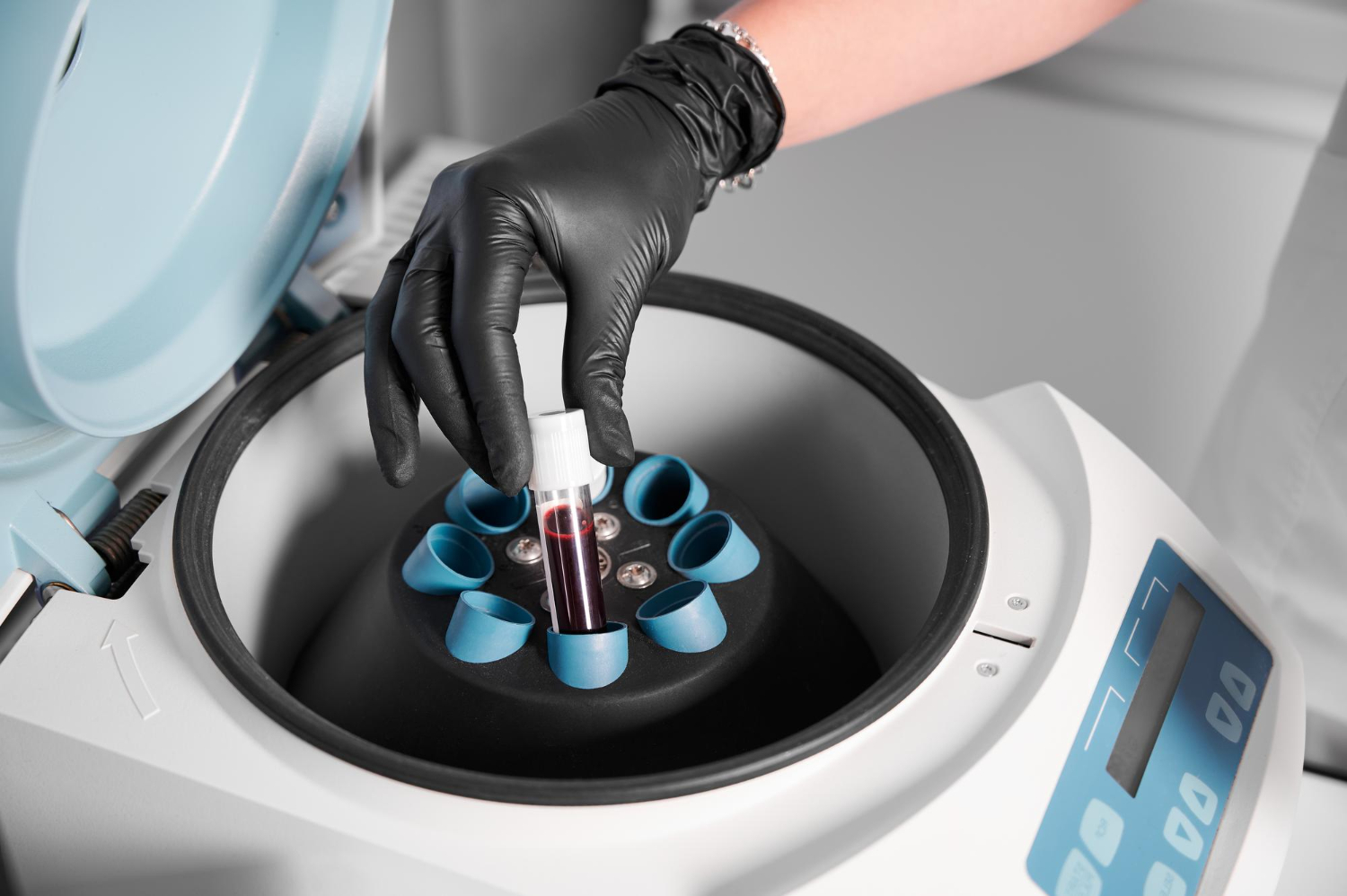
You finally got your food sensitivity test results back, but instead of clarity, you feel overwhelmed. The report is a long list of foods flagged as "high reactivity," and now you're wondering if you have to give up almonds, broccoli, and eggs forever. This is a common and frustrating experience. A lab report is just one piece of a much larger puzzle. Without understanding the context of your symptoms, health history, and daily habits, these results are just data points. Before you overhaul your diet, let's talk about how to find the best lab for food sensitivity testing and, more importantly, how to interpret those results with a professional to create a plan that actually works.
Key Takeaways
- Know the difference between an allergy and a sensitivity: An allergy is an immediate immune reaction, while a sensitivity is a delayed response that can cause chronic issues like bloating or fatigue. This distinction is crucial for finding the right solution.
- Understand the limits of most food sensitivity tests: Many popular online tests, particularly those measuring IgG antibodies, are not scientifically validated. They often reflect recent food exposure, not a true problem, which can lead to unnecessary dietary restrictions.
- A guided elimination diet provides the clearest answers: The most reliable way to identify food triggers is to work with a professional to systematically remove and reintroduce foods. This process uses your body’s direct feedback for safe and accurate results.
Is It a Food Sensitivity or an Allergy?
If you’ve ever felt unwell after a meal and wondered if a specific food was the culprit, you’re not alone. It’s easy to use the terms “allergy” and “sensitivity” interchangeably, but they describe two very different biological responses. Understanding the distinction is the first step toward getting to the root cause of your symptoms. One involves a swift immune reaction, while the other is a delayed response that can be much harder to trace. Let's break down what your body might be telling you.
The immune response in food allergies
A true food allergy is an immune system event. When you eat a food you're allergic to, your body mistakenly identifies a protein in that food as a threat. It responds by producing Immunoglobulin E (IgE) antibodies to attack it, which triggers a cascade of chemicals like histamine. This causes an allergic reaction that is typically fast, appearing within minutes to a couple of hours. Symptoms can range from mild hives to severe difficulty breathing. Because the cause and effect are so immediate, food allergies are usually easier to identify.
The delayed reaction of food sensitivities
Food sensitivities are much more subtle and operate on a different timeline. Unlike allergies, these reactions are often delayed, with symptoms appearing anywhere from a few hours to three days after you’ve eaten the offending food. This delay makes it incredibly difficult to connect your symptoms to a specific meal. Food sensitivities can cause a wide range of chronic issues, including persistent digestive issues like bloating, brain fog, fatigue, and headaches. While not life-threatening, their chronic nature can significantly impact your quality of life.
Why this distinction is the first step to feeling better
Understanding whether you have an allergy or a sensitivity is crucial because it dictates your next steps. An allergy requires strict avoidance of the trigger food to prevent a serious reaction. A sensitivity, however, often signals a deeper issue, like poor gut health or systemic inflammation. Simply removing trigger foods might offer relief, but it may only be a temporary fix. A functional medicine approach aims to understand why your body is reacting in the first place. By addressing the root cause, we can help you calm inflammation and heal your gut.
Food Sensitivity Tests: What the Science Says
When you’re dealing with mysterious symptoms like bloating, fatigue, or skin issues, a food sensitivity test can feel like a fast track to answers. You’ve probably seen them advertised online, promising a simple finger prick can reveal exactly which foods are causing your problems. While the idea is appealing, the reality is more complex. The market is flooded with different types of tests, and not all of them are created equal. Some tests are backed by solid science for specific purposes, while others can be misleading, causing more confusion than clarity.
Understanding the science behind these tests is the first step in making an informed decision for your health. It helps you avoid spending money on unreliable methods and prevents you from cutting out nutritious foods unnecessarily. Instead of searching for a quick fix, it's about finding the right tool for the job. This means knowing the difference between a true allergy and a sensitivity, and recognizing which testing methods are valid and which are still debated. Let's break down what the science says about the most common food sensitivity tests so you can find a reliable path toward feeling your best.
IgG Testing: Popular, but is it accurate?
IgG food sensitivity tests are some of the most common ones you'll find, especially online. These tests measure the levels of Immunoglobulin G (IgG) antibodies your body has produced in response to various foods. The problem is, the presence of IgG antibodies doesn't necessarily mean you have a sensitivity. In fact, many experts believe that IgG antibodies simply indicate that you have been exposed to a food, not that it's causing inflammation or other symptoms. A high IgG level for broccoli might just mean you ate broccoli recently. Relying on these results can lead to unnecessarily restrictive diets that cut out perfectly healthy foods, without ever addressing the real source of your discomfort.
IgE Testing: What it's really for
You may also hear about IgE testing. It’s important to know that this test is designed to identify true food allergies, not sensitivities. An allergy involves a specific and often immediate immune response mediated by Immunoglobulin E (IgE) antibodies, which can cause reactions like hives, swelling, or even anaphylaxis. While this is a crucial test for anyone suspecting a food allergy, it won't help you pinpoint the delayed, less severe reactions associated with food sensitivities. If your symptoms are chronic bloating, brain fog, or joint pain rather than an immediate allergic reaction, an IgE test isn't the right tool for the job.
MRT, ALCAT, and other emerging methods
Beyond IgG and IgE, you might encounter other tests like the Mediator Release Test (MRT) or the Antigen Leukocyte Cellular Antibody Test (ALCAT). These methods aim to measure inflammatory responses by observing how your white blood cells react to different foods. While the theory behind them is interesting, their clinical validity is still a topic of debate among many healthcare professionals. These tests can be costly and may not provide the clear, actionable answers you’re looking for. At Ascend Functional Health, we focus on evidence-based methods that provide a clearer picture of your body's unique responses to food and get to the root of the conditions we treat.
Why an elimination diet is the gold standard
So, what’s the most reliable way to identify food sensitivities? Most functional medicine practitioners agree that a professionally guided elimination diet is the gold standard. This process involves temporarily removing common trigger foods from your diet for a few weeks and then systematically reintroducing them one by one. By carefully observing how your body feels as you add each food back, you can directly link specific foods to your symptoms. This methodical approach is the most accurate way to understand your personal food triggers because it relies on your body’s real-world feedback, not just a lab report. To do this effectively, it's best to work with a provider who can guide you through the process.
How to Choose a Reputable Lab
Once you decide to move forward with testing, the next step is finding the right lab. This decision is just as important as the test itself, because the quality and reliability of labs can vary significantly. Choosing a reputable lab ensures the results you get are accurate and meaningful, giving you a solid foundation for your health plan. Think of it as choosing the right partner for this part of your health journey. A great lab provides clear, dependable data, but the real magic happens when you pair that data with professional guidance. To make sure you’re getting the most trustworthy information, here are a few key things to look for when selecting a lab.
Check for key accreditations (CLIA, CAP)
First things first, let's talk credentials. You want to see that a lab is accredited by major regulatory bodies. Look for certifications like CLIA (Clinical Laboratory Improvement Amendments) and CAP (College of American Pathologists). These aren't just fancy acronyms; they are seals of approval that signify a lab meets rigorous federal standards for quality, accuracy, and consistency. Accreditation ensures that the lab meets high standards for quality and accuracy in testing. It’s a critical quality check that separates a professional clinical lab from a less reliable operation, giving you confidence in the results you receive.
Ask about their testing methodology
Not all food sensitivity tests are created equal, and the science behind them can differ. It's important to ask a lab about the specific methodology they use. For example, many food sensitivity tests are not scientifically proven or reliable. They often measure IgG antibodies, which usually just show you've eaten a food, not that you're sensitive to it. A reputable lab will be transparent about their testing methods and the science supporting them. Don't hesitate to ask questions so you can understand what your results will actually represent and how they can be used to guide your health decisions.
Evaluate the scope of the test panel
Before committing to a test, take a look at which foods are included in the panel. Some tests check your body's immune response to a small number of common foods, while others screen for hundreds of different foods, herbs, and additives. The right panel for you depends on your unique symptoms and diet. If you’ve been keeping a food journal, you might have a good idea of which foods are potential culprits. Make sure the test you choose covers those foods. A comprehensive panel can provide a broader picture, but a more targeted one might be sufficient if your suspicions are narrow.
Prioritize labs that offer clinical guidance
Receiving a report full of data can be overwhelming and confusing without context. The best labs and health providers don't just hand you results; they help you understand them. You should always talk about your test results with a professional who knows your complete health history and can help you understand what they mean for you. At Ascend, our approach to functional medicine involves using test results as one piece of a larger puzzle. We integrate this data with your symptoms, lifestyle, and health goals to create a clear and actionable plan, ensuring the information leads to real improvements in your well-being.
The risks of direct-to-consumer testing
Going it alone with a test you order online can seem convenient, but it comes with significant risks. Misinterpreting results can lead you to unnecessarily eliminate whole food groups. Avoiding many foods because of suspected sensitivities can lead to not getting enough nutrients, unhealthy eating habits, and stress. It's important to correctly identify problem foods without compromising your nutrition. Working with a qualified practitioner helps you avoid these pitfalls. A professional can guide you through a safe, effective process, ensuring you get to the root cause of your symptoms and feel better for the long term.
Myths About Food Sensitivity Testing
Food sensitivity testing can feel like a maze. With so many tests available online, it's easy to get conflicting information and wonder what's actually true. Let's walk through some of the biggest myths surrounding these tests so you can approach your health with clarity and confidence.
Myth: High IgG levels confirm a sensitivity
Many common food sensitivity tests measure IgG antibodies. It sounds scientific, but your body creates these antibodies as a normal immune response to foods you eat. A high IgG level for, say, almonds often just means you've eaten almonds recently, not that you have a sensitivity causing your symptoms. Relying solely on these markers can lead you to cut out perfectly healthy foods for no reason, which is why understanding the full picture of your health is so much more valuable than a single number on a report.
Myth: All labs and tests are the same
The quality and methodology of food sensitivity tests vary dramatically. Many direct-to-consumer tests are not scientifically validated and rely on the questionable IgG antibody measurement we just discussed. This means you could get a long list of "problem" foods that are actually just a record of your recent diet. A reliable lab uses proven methods and provides clear, understandable reports. It's important to work with a provider who can help you select a test that offers meaningful clinical data, not just noise that adds to the confusion.
Myth: A positive result means you can never eat that food again
Getting a test result that flags multiple foods can be overwhelming. The immediate reaction for many is to think, "I can never eat these things again!" This is rarely the case. First, as we've covered, the result itself might not be accurate. Second, even with a true sensitivity, the goal isn't always permanent avoidance. Sometimes, the issue is a damaged gut lining or an imbalanced microbiome. By addressing the root cause, many people find they can successfully reintroduce foods without symptoms, avoiding the stress of an overly restrictive diet.
Myth: Test results are a complete diagnosis
A lab report is not a diagnosis; it's a single data point. Your symptoms, health history, lifestyle, and daily food choices are all critical pieces of the puzzle. True insight comes from interpreting test results within the context of your whole story. This is why it's so important to work with a professional who can help you connect the dots. A functional medicine approach helps you understand what the results mean for you and creates a personalized plan to address the underlying issues, rather than just handing you a list of foods to avoid.
What to Do Before You Get Tested
Jumping straight into a food sensitivity test might feel like a proactive step, but without the right preparation, it can lead to more confusion than clarity. The most effective approach starts long before you ever see a lab report. Think of it as gathering clues for a detective story where your body is the main character. By taking a few key steps beforehand, you empower yourself and your healthcare provider to use test results as a strategic tool rather than a confusing document. This groundwork helps ensure that when you do get tested, the results become a meaningful part of your larger health journey.
Start with your symptoms and a food journal
Before you even think about a test, become an expert on your own body. The first step is to start a detailed food and symptom journal. For a few weeks, write down everything you eat and drink, along with the time. In a separate column, note any symptoms you experience, like bloating, headaches, fatigue, or skin issues, and when they occur. This simple practice is incredibly powerful. It helps you and your provider spot potential patterns connecting what you eat to how you feel. A food diary provides a real-world baseline that no lab test can offer, giving crucial context to your unique functional medicine profile.
Know what a test can (and can't) tell you
It’s important to have realistic expectations. A food sensitivity test is not a simple "yes" or "no" answer. For example, a test might show elevated antibodies to a certain food, but that doesn't automatically mean it's the cause of your symptoms. As Labcorp OnDemand notes, a positive result doesn't always confirm an allergy, and the level of antibodies doesn't predict how severe your reaction might be. A test is a single data point, not a complete diagnosis. It can’t tell you the whole story on its own, which is why it’s essential to discuss your results with a professional who understands the full picture of the conditions we treat.
Understand the limitations of any test
Not all food sensitivity tests are created equal, and many popular options you see online are not scientifically validated. Many of these tests measure IgG antibodies. The problem is, IgG antibodies often just indicate that you’ve been exposed to a food, not that you have a sensitivity to it. Your body creates these antibodies as a normal part of a healthy immune response. Relying on these results alone can lead you to unnecessarily restrict your diet. This is why many functional medicine experts consider a professionally guided elimination diet to be the gold standard for identifying trigger foods.
Find a professional to guide you
This might be the most important step of all. Never make significant changes to your diet based solely on a test result you ordered yourself. A qualified healthcare provider can help you decide if testing is even necessary, choose a reputable lab, and most importantly, interpret the results within the context of your overall health. They can help rule out other underlying issues and use the test results as one piece of the puzzle to create a safe and effective plan. At Ascend Functional Health, our team is here to provide that expert guidance, ensuring you have a clear path forward. You can learn more about our approach to personalized care.
Making Sense of Your Test Results
Getting a report full of data about your body can feel overwhelming. You were hoping for clear answers, but now you have a list of foods with different colored bars next to them. What does it all mean? The most important thing to remember is that these test results are not a diagnosis. They are clues, and learning how to interpret them with a professional is the key to figuring out your next steps toward feeling better.
This is where the real work begins. Instead of seeing the report as a strict set of rules, think of it as a personalized map. It highlights areas worth exploring, but it doesn't tell you the whole story of the terrain. Together with your health history and a detailed symptom journal, these results help a skilled practitioner see the bigger picture of what’s happening inside your body. Let’s break down how to approach your results so you can move forward with confidence.
How to read the report
When you first open your results, you’ll likely see a list of foods with corresponding reactivity levels, often categorized as low, moderate, or high. It’s tempting to immediately decide to eliminate everything in the "high" category. However, it’s not that simple. For example, with some tests, "higher levels of IgE don't tell you how bad your symptoms might be." A high reading for a food you eat every day might mean something different than a high reading for something you rarely consume. The goal isn't just to spot the red flags but to understand them in the context of your life and diet. This is a core part of functional medicine, which focuses on connecting these data points to your unique health story.
What a "positive" result actually means
Seeing a "positive" or "high reactivity" result next to a favorite food can be alarming, but don't panic. It’s crucial to understand that a test result alone is not a final verdict. In fact, many lab reports will state that the "test alone cannot tell you if you have a food allergy." A positive IgG result, for instance, can sometimes simply indicate that you’ve been exposed to a food, not that it’s causing your symptoms. Your immune system creates antibodies to foods you eat, so a positive result might just be a sign of a normal, healthy immune response. The result becomes meaningful only when it’s correlated with the symptoms you’re actually experiencing.
Use results as clues, not a final verdict
Think of your test results as one piece of a larger puzzle. Your symptoms, your food journal, and your health history are the other essential pieces. The results can help point you in the right direction, suggesting which foods might be worth investigating further through a structured elimination diet. It’s why experts recommend you "always talk about your test results with your doctor." A practitioner can cross-reference the lab data with your reported symptoms. For example, if your test shows high reactivity to dairy and your food journal confirms you feel bloated every time you have yogurt, that’s a strong connection worth exploring.
Build a personalized plan with your provider
Once you have your results, the next step is to create an action plan, and you shouldn't do this alone. As one source wisely advises, you should always "consult professionals... before making big changes to your diet based on test results." A functional medicine provider can help you create a safe and effective strategy, which is often a guided elimination diet. They will help you systematically remove potential trigger foods and then reintroduce them one by one to see how your body truly reacts. This process provides definitive answers that a lab test alone cannot. If you're ready to turn your test results into a clear, actionable health plan, we're here to help you get started.
How a Guided Elimination Diet Works
While lab tests provide valuable clues, the most reliable way to identify food sensitivities is through a guided elimination diet. Think of it as a systematic investigation into how your body responds to what you eat. It’s a powerful tool that puts you in control, helping you listen to your body’s signals to get clear, personalized answers about which foods serve you and which might be causing issues. When done correctly, this process can be a game-changer for your health.
The elimination and reintroduction phases
An elimination diet unfolds in two distinct parts. First is the elimination phase, where you’ll temporarily remove common trigger foods from your diet for about three to six weeks. This usually includes foods like gluten, dairy, soy, corn, and eggs. The goal is to give your immune system and digestive tract a rest, allowing inflammation to calm down so you can get a clear baseline.
Next comes the reintroduction phase. Here, you’ll strategically add back one food group at a time, waiting a few days between each one while carefully monitoring your symptoms. This methodical process is an effective way to identify food sensitivities30709-0/fulltext) because it helps you connect specific foods to specific reactions, whether it’s bloating, headaches, fatigue, or skin issues.
Why you shouldn't do it alone
Going through an elimination diet on your own can be tricky. It’s easy to accidentally cut out key nutrients, and it can be tough to know if a reaction is truly from the food you just reintroduced or something else entirely. Without a clear plan, you might end up with confusing results and unnecessary dietary restrictions.
This is why having a professional guide you is so important. A practitioner can help you create a nutritionally complete plan, interpret your body’s responses, and provide support when you feel stuck. Major health organizations stress the importance of professional guidance to ensure the process is both safe and effective. It’s the difference between guessing and knowing.
How functional medicine makes the process more effective
A functional medicine approach takes the elimination diet a step further. Instead of just identifying trigger foods, we look at the bigger picture to understand why these sensitivities developed in the first place. We focus on uncovering the root causes of your symptoms, which often involve factors like gut health, chronic inflammation, or other underlying imbalances.
At Ascend, our functional medicine services create a process that is tailored specifically to you. We may use targeted testing to inform which foods to remove, helping to make the diet more precise. By addressing the foundational issues, we not only help you pinpoint food triggers but also support your body’s ability to heal, leading to more significant and lasting relief.
A Better Approach to Identifying Food Sensitivities
If you’re struggling with symptoms like bloating, headaches, or fatigue, you want clear answers. It’s tempting to think a single lab test can hand you a neat list of "bad" foods to avoid. While testing can be a piece of the puzzle, a truly effective approach goes much deeper to find the root cause of your symptoms. The most reliable path forward involves a comprehensive evaluation, not just a single report.
This process starts with a conversation. A healthcare provider trained in functional medicine will look at your complete health picture: your symptoms, your personal and family medical history, and your lifestyle. This context is everything. It helps connect the dots between what you eat and how you feel, which is something a lab report alone can never do. If you have digestive issues after eating, a thorough evaluation can help identify which foods might be causing them.
From there, the best way to find food sensitivities is often a guided elimination diet. This isn't about guesswork. It’s a systematic process where you temporarily remove common trigger foods and then carefully reintroduce them one by one to see how your body reacts. This method provides direct feedback from your own body, which is more accurate than many commercial tests. Many popular food sensitivity tests, for example, measure IgG antibodies. However, research suggests these antibodies often just indicate you’ve eaten a food, not that you have a sensitivity to it.
Ultimately, the goal is to create a sustainable eating plan that works for you. Using your health history and the insights from an elimination diet, a professional can help you build a personalized plan. This approach empowers you with a true understanding of your body, moving you beyond the confusion of conflicting test results and toward lasting relief.
Related Articles
- Is a Food Allergy Panel Blood Test Right for You?
- What Is the Most Accurate Food Allergy Test?
- Food Sensitivity Lab Test: What Doctors Say
Frequently Asked Questions
Why can't I just use one of those online food sensitivity tests to get answers? Many popular tests you find online measure IgG antibodies, which can be misleading. Your body naturally produces these antibodies in response to foods you eat, so a high reading for a certain food often just means you've eaten it recently. It doesn't confirm that the food is the source of your bloating or fatigue. Relying on these results can lead you to cut out healthy foods without ever addressing the real problem.
What's the difference between an IgE test and an IgG test? Think of it this way: an IgE test is for true food allergies. These are the tests that identify the immediate, and sometimes severe, immune reactions like hives or difficulty breathing. An IgG test, on the other hand, is what most commercial food sensitivity panels measure. These tests look for a delayed response, but as we've discussed, their results are often just a reflection of what you've been eating, not a true sensitivity.
If most tests are unreliable, how do I find out which foods are causing my symptoms? The most accurate method is a professionally guided elimination diet. This process involves temporarily removing common trigger foods to give your system a break and then reintroducing them one by one. By carefully observing how your body responds to each food, you get direct, real-world feedback. It’s a methodical approach that relies on your personal experience, which is far more reliable than a lab report that lacks context.
I have my test results. Does a "high reactivity" to a food mean I have to stop eating it forever? Not at all. First, the result itself might not be clinically significant. Second, even if a food is a true trigger for you right now, it doesn't always mean it's a lifelong sentence. Food sensitivities often point to deeper issues like poor gut health or inflammation. By working to heal the root cause, many people find they can successfully reintroduce those foods later on without any problems.
Why is it so important to work with a professional for an elimination diet? Doing an elimination diet on your own can be confusing and may lead to nutritional gaps if you're not careful. A professional can help you structure the diet safely, ensure you're still getting the nutrients you need, and help you accurately interpret your body's signals during the reintroduction phase. They provide the necessary context to connect your symptoms to specific foods, which turns a potentially frustrating process into a clear path toward feeling better.