Recovering from surgery or a significant injury is a journey, and sometimes the final destination feels just out of reach. You might notice a pulling sensation around a surgical site or find that an old sports injury still leaves you feeling stiff and restricted years later. This is often due to internal scar tissue and adhesions that have formed beneath the skin. If you’re looking for a way to finally move past these limitations, shockwave therapy for scar tissue offers a targeted solution. This non-invasive treatment can precisely address the fibrous bands that restrict your movement, helping to restore flexibility and reduce the chronic discomfort that’s holding you back.
Key Takeaways
- Stimulates Your Body's Repair System: Shockwave therapy uses acoustic waves to break down unhealthy scar tissue and signal your body to increase blood flow, delivering the nutrients needed for genuine repair.
- A Non-Invasive Solution for Pain and Stiffness: This treatment helps restore mobility and reduce discomfort without incisions or a long recovery, allowing you to return to your daily activities right away.
- Works Best Within a Holistic Plan: To achieve lasting results, shockwave therapy is most effective when combined with other treatments, like corrective exercises and functional medicine, to address the root cause of your condition.
How Does Shockwave Therapy Heal Scar Tissue?
If you're dealing with the lingering effects of scar tissue, like pain, tightness, or limited mobility, you know how frustrating it can be. Shockwave therapy offers a modern, non-invasive solution that works by stimulating your body’s own healing capabilities. It uses targeted sound waves to address the root of the problem, helping to break down unhealthy tissue and promote the growth of new, healthy cells. Let’s look at exactly how this process works.
Using Sound Waves to Heal
Think of shockwave therapy as a way to send focused acoustic waves deep into your tissue to encourage healing from the inside out. It’s a non-invasive approach, meaning nothing breaks the skin. Instead, a special device delivers these sound waves to the exact spot where you have scar tissue or chronic pain. Research shows this method is safe and well-tolerated for scar treatment. It’s a cornerstone of our physical medicine services because it works with your body, not against it. The process is straightforward and helps kickstart healing without the need for more aggressive procedures, making it an excellent option for many people dealing with stubborn tissue problems.
Breaking Down Unhealthy Tissue
After an injury, your body forms scar tissue as a natural part of healing. Sometimes, this tissue becomes thick, fibrous, and disorganized, leading to many of the chronic conditions we treat. Shockwave therapy directly addresses this by sending powerful sound waves into the affected area. These waves create a controlled mechanical stress that helps to break up scar tissue and adhesions. By breaking down these unhealthy, rigid fibers, the therapy allows your body to remodel the area with healthier, more flexible tissue. This process can significantly reduce pain and restore mobility, helping you get back to the activities you love without that feeling of being "stuck."
Activating Your Body's Natural Repair Process
The real power of shockwave therapy is how it stimulates your body’s own healing mechanisms. The sound waves don't just break down old tissue; they also trigger a powerful biological response. This process, known as neovascularization, increases blood flow and encourages the formation of new blood vessels in the treated area. Better circulation brings more oxygen and nutrients, which are essential for repair. The therapy also stimulates the release of growth factors that help your body repair itself. It’s a way of signaling your system to pay attention to an old injury and finish the healing process, aligning perfectly with our comprehensive health solutions.
What Kind of Scars Does It Treat?
When we think of scars, we usually picture the visible marks left on our skin. But scar tissue can be much more than a cosmetic issue. It can form deep within the body, creating adhesions that restrict movement, cause chronic pain, and interfere with how your muscles and joints function. Because scar tissue is less flexible than healthy tissue, it can be the hidden root cause of stiffness and discomfort that you’ve been living with for years.
The good news is that shockwave therapy is an incredibly versatile tool for addressing many different types of scar tissue, whether they are on the surface or hidden deep inside. It’s not just about changing how a scar looks; it’s about restoring function and helping you move freely and without pain again. By targeting the fibrous, unhealthy tissue and stimulating a natural healing response, this therapy can address the problem at its source. Our approach to physical medicine focuses on these kinds of lasting solutions that support your body’s ability to heal itself. From old injuries to post-surgical healing, shockwave therapy offers a path toward recovery.
Post-Surgical Scars
Any surgery, no matter how minor, creates an incision that the body must heal. As it does, scar tissue forms, and sometimes it can create adhesions that bind the layers of skin, fascia, and muscle together. This can leave you feeling tight, restricted, and unable to move as you did before your procedure. You might notice a pulling sensation or a limited range of motion around the surgical site. Shockwave therapy is excellent for targeting these post-surgical adhesions. The sound waves gently break apart the restrictive bands of scar tissue, helping to restore pain-free movement and improve the flexibility of the surrounding tissues.
Raised Scars (Hypertrophic and Keloids)
Sometimes, the body’s healing process goes into overdrive, producing too much collagen and creating thick, raised scars known as hypertrophic scars or keloids. These can be sensitive, itchy, and uncomfortable. Shockwave therapy can help remodel these dense scars. By applying targeted sound waves, the therapy helps break down the excess, disorganized collagen fibers. At the same time, it encourages the body to create a smoother, more flexible tissue structure in its place. This can help flatten the scar, reduce its visibility, and relieve the discomfort associated with it, offering a non-invasive way to refine your body’s healing work.
Internal Adhesions and Scarring
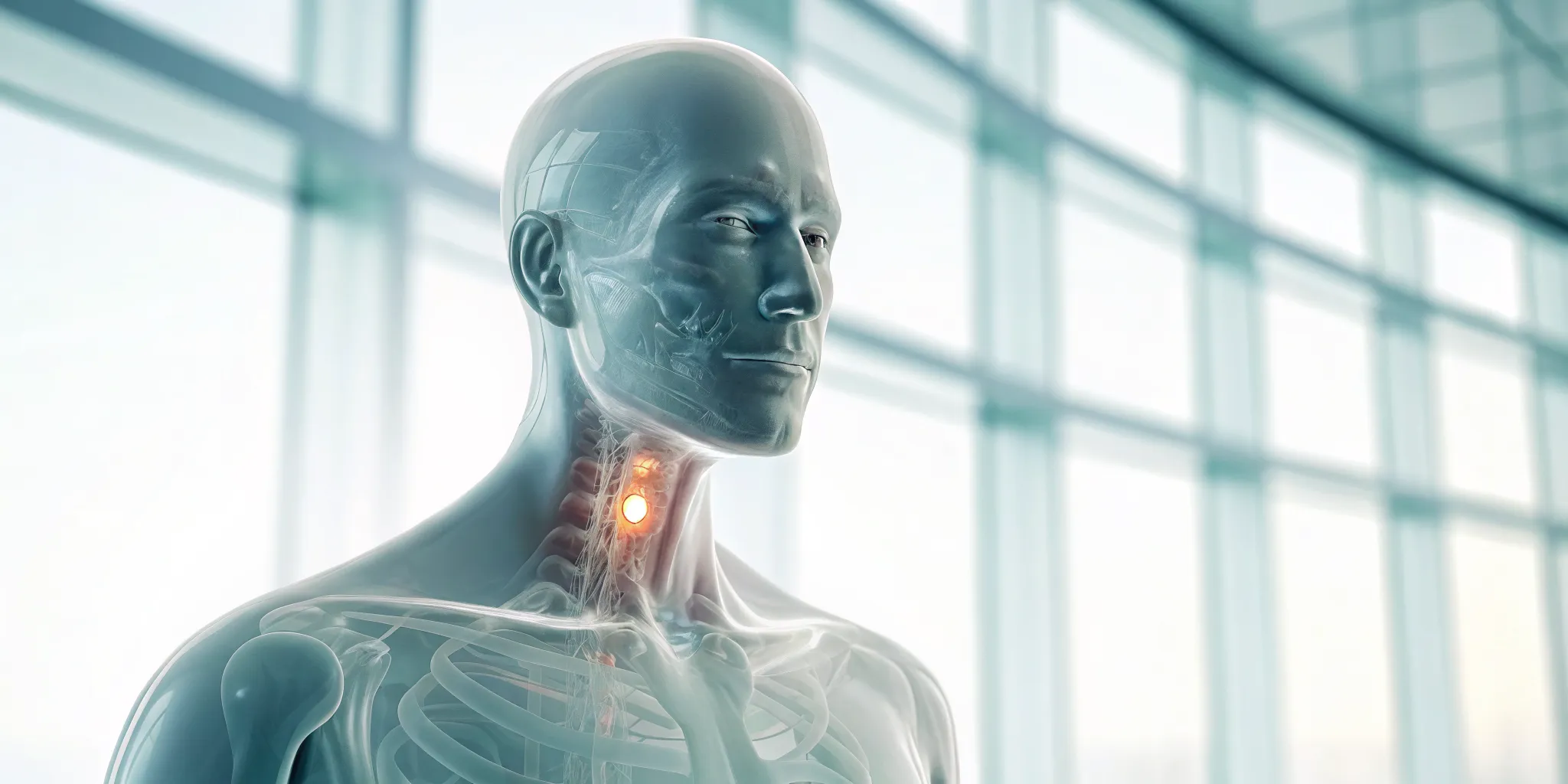
Some of the most problematic scars are the ones you can’t even see. After an injury, repetitive strain, or surgery, your body can form internal scar tissue, or adhesions, around muscles, ligaments, and joints. Think of it like internal glue that can make a joint feel stiff or limit your mobility. This is a common underlying factor in many of the conditions we treat, from chronic shoulder pain to back stiffness. Because shockwave therapy can penetrate deep below the skin, it’s an effective way to break down this fibrous tissue. By reducing the density of these internal scars, the therapy helps restore flexibility and improve your range of motion.
Scars from Injuries, Burns, and Tendon Issues
Whether you have a scar from a childhood fall, a burn, or a chronic tendon issue like tennis elbow, shockwave therapy can help. For old injuries and burns, the therapy works by kickstarting a new healing phase. It increases blood flow to the area, delivering a fresh supply of oxygen and nutrients that the tissue needs to repair itself. This can help make the scar tissue more pliable and can even reduce the persistent itching that often comes with burn scars. For tendon issues, shockwave therapy helps break down the micro-scarring that develops from repetitive strain, allowing the tendon to heal properly.
What Causes Scar Tissue Buildup?
Scar tissue is your body’s version of a patch-up job. When you get injured, your body rushes to heal the area by laying down tough collagen fibers. While this is a completely normal and necessary process, sometimes the repair work gets a little overzealous. Instead of a neat, flexible patch, you can end up with a thick, dense web of tissue that causes pain, stiffness, and limits your movement. Understanding what causes this buildup is the first step toward finding a solution that works with your body, not against it. Several common culprits can lead to excessive scar tissue.
After Surgery
Any time your body undergoes a surgical procedure, it responds by creating scar tissue to heal the incision. This is a fundamental part of recovery. However, the body can sometimes produce too much scar tissue, leading to adhesions that bind tissues and organs together. This excess tissue can restrict your range of motion and cause discomfort long after the surgical site has healed. Our approach to physical medicine can help manage these post-surgical complications, encouraging more organized and functional healing so you can move freely and without pain.
From Repetitive Motion
You don’t need a major injury to develop scar tissue. Repetitive motions from work, sports, or even daily habits can cause micro-tears in your muscles and tendons. Your body tries to repair these tiny injuries by laying down scar tissue. Over time, this can lead to a buildup of stiff, fibrous tissue in areas under constant stress, like your shoulders, elbows, or knees. This is often the underlying issue in conditions like tennis elbow or carpal tunnel syndrome. Addressing these patterns is key to breaking the cycle of injury and restrictive scar formation.
With Conditions like Plantar Fasciitis
Chronic conditions are often a major source of scar tissue buildup. Take plantar fasciitis, for example. The persistent strain and inflammation in the thick band of tissue on the bottom of your foot (the plantar fascia) leads to repeated tearing and repairing. This cycle results in dense scar tissue that makes the fascia less flexible, causing that familiar sharp, stabbing pain with every step. Many of the conditions we treat, from tendonitis to chronic back pain, involve this same pattern of scar tissue development, which is why addressing the scar tissue itself is so important for lasting relief.
From Chronic Inflammation
Chronic inflammation is like a constant, low-grade alarm sounding in your body. When your body is in this state, its healing processes are always "on," which can lead to the continuous formation of scar tissue. This isn't the healthy, organized tissue that forms after a clean cut; it's dense, fibrous, and disorganized. It can restrict movement, compress nerves, and contribute to ongoing pain. Getting to the bottom of what’s causing the inflammation is a core principle of functional medicine. By identifying and addressing the root cause, we can help calm the inflammatory response and prevent further scar tissue buildup.
Does Shockwave Therapy Actually Work?
It’s a fair question to ask before trying any new therapy. The simple answer is yes, shockwave therapy has shown remarkable success in treating scar tissue and related pain. Its effectiveness isn't magic; it’s based on science. The therapy uses acoustic waves to stimulate your body’s own repair mechanisms right at the source of the problem. Instead of just masking symptoms, it encourages deep, cellular-level healing that can lead to lasting relief and improved function. By promoting circulation and breaking down unhealthy tissue, it helps your body rebuild and restore itself naturally.
Improving Scar Appearance and Feel
If you have a scar that feels tight, thick, or raised, shockwave therapy can make a significant difference. The acoustic waves work to soften and break down the dense, fibrous bands that make up scar tissue. Research shows this therapy can improve a scar’s height, texture, and even its color by increasing blood supply to the area. It’s particularly effective for stubborn scars, like hypertrophic or keloid types, because it helps reduce the excess collagen that causes them to become stiff and raised. This process helps the scar tissue become more like healthy, flexible tissue, which can reduce tightness and improve your range of motion.
Restoring Healthy Blood Flow
One of the most important ways shockwave therapy promotes healing is by kickstarting circulation. Healthy blood flow is essential for tissue repair, as it delivers the oxygen and nutrients your cells need to rebuild. The sound waves stimulate the release of key natural compounds that signal your body to form new blood vessels in and around the injured area. This process, known as neovascularization, is crucial for healing chronic injuries and dense scar tissue where blood flow has been poor. By restoring this vital circulation, our physical medicine treatments help ensure your body has what it needs to repair itself from the inside out.
How Many Sessions Will I Need?
Since every person and condition is unique, your treatment plan will be tailored specifically to you. However, most people begin to feel noticeable relief within three to five sessions. A complete treatment course typically involves three to six sessions, usually scheduled about a week apart to give your body time to respond and heal between appointments. Each session is relatively short, lasting around 15 to 20 minutes. The exact number of sessions you’ll need depends on factors like the type and age of the scar tissue and your body’s individual healing response. We can create a personalized plan for you during your initial consultation.
Key Benefits of Shockwave Therapy
When you're dealing with chronic pain or limited movement from scar tissue, you want a solution that provides real, lasting results. Shockwave therapy offers just that by working with your body to heal from the inside out. It’s not about a temporary fix; it’s about creating a foundation for better movement and less pain long-term. Let's look at some of the key reasons this therapy is such an effective tool for healing.
A Non-Invasive Approach with Minimal Downtime
One of the biggest advantages of shockwave therapy is that it’s a non-invasive treatment. This means no incisions, no anesthesia, and no lengthy recovery period. You can come in for your session and get right back to your day without significant interruption. For many people struggling with scar tissue, the thought of another intensive procedure is daunting. Shockwave therapy offers a powerful alternative that is well-tolerated and has very few complications. It’s a straightforward and effective part of our physical medicine services, designed to fit into your life while helping you heal efficiently. You get the benefits of a deep-tissue treatment without the downtime that often comes with it.
Less Pain and Better Movement
Scar tissue can feel like an internal anchor, pulling on surrounding tissues and making simple movements feel stiff and painful. Shockwave therapy directly targets these restrictions. The acoustic waves work to break up the dense, fibrous bands of scar tissue that are causing the problem. Think of it like carefully tilling hardened soil to make it pliable again. As this unhealthy tissue breaks down, you’ll notice a significant reduction in pain and an improvement in your range of motion. This isn't just about masking discomfort; it's about restoring your body's ability to move freely and without pain, addressing many of the conditions we treat that stem from tissue damage.
Supports Your Body's Innate Healing
Your body has an incredible, built-in capacity to heal itself. Sometimes, it just needs a little nudge in the right direction. Shockwave therapy provides that prompt by stimulating your body’s natural repair processes. The sound waves create a cascade of helpful biological responses, increasing blood flow and signaling your cells to start rebuilding healthy tissue. This process turns the physical energy of the shockwaves into a chemical message for healing. It’s a core principle of functional medicine: working with your body’s own systems to restore balance and health, rather than against them. This therapy helps your body do what it does best: repair and regenerate.
Gets to the Root of the Problem
Many treatments offer temporary relief, but shockwave therapy is different because it addresses the underlying cause of your pain and stiffness. Instead of just calming inflammation, it physically breaks down the problematic scar tissue that is limiting your mobility and causing discomfort. By targeting the dense, fibrous tissue, the therapy helps restore flexibility and normal function to the affected area. This aligns perfectly with our root-cause approach to health. We believe in finding and fixing the source of the issue, not just managing the symptoms. Shockwave therapy is an excellent example of this philosophy in action, providing a solution that promotes genuine, long-lasting healing.
Are There Any Risks or Side Effects?
It’s smart to understand any treatment completely before starting, and that includes knowing about potential side effects. The good news is that shockwave therapy is a very safe procedure with a low risk of complications. At Ascend Functional Health, we believe in full transparency so you can feel confident and informed about your care plan. Most people handle the treatment extremely well, but like any effective therapy, there are a few things to be aware of. Being informed helps you understand what to expect and ensures the treatment is the right fit for your specific health profile and goals.
Common, Temporary Side Effects
After a shockwave session, it’s possible to experience some mild and temporary effects at the treatment site. You might notice a little redness, swelling, or even some light bruising. Some people also report a bit of soreness in the area, similar to how a muscle feels after a new workout. These responses are generally a sign that your body’s natural healing process is kicking into gear. They typically fade on their own within a day or two. We see these effects as part of the comprehensive physical medicine approach, where we work with your body’s own ability to repair itself.
When to Avoid Shockwave Therapy
While shockwave therapy is beneficial for many, it’s not the right choice for everyone. There are specific situations where this treatment should be avoided to ensure your safety. For example, we do not perform shockwave therapy on patients who are pregnant, have an active infection, or have a tumor in the area being treated. It’s absolutely essential to share your complete health history with your provider before beginning any new treatment. Our team at Ascend Functional Health takes the time to conduct a thorough review of your health to make sure any therapy we recommend is perfectly suited for you.
Who Might Not Be a Good Candidate
Beyond the specific conditions mentioned above, other factors might make shockwave therapy less suitable for certain individuals. People with bleeding disorders or those who take blood-thinning agents may need to avoid this treatment. Additionally, individuals with certain severe cardiovascular conditions might not be ideal candidates. The only way to know for sure if shockwave therapy is a safe and effective option for you is through a detailed evaluation with a qualified healthcare professional. We encourage you to schedule a consultation with our team to discuss your health concerns and see if this innovative therapy can help you.
What Is a Shockwave Therapy Session Like?
If you're considering shockwave therapy, you're probably wondering what the experience is actually like. It’s natural to feel a little uncertain about a new treatment, but the process is surprisingly straightforward. Knowing what to expect from start to finish can help you feel more comfortable and confident as you begin your healing journey. Unlike more invasive procedures, shockwave therapy is a non-surgical treatment performed right in our office, designed to work with your body’s natural healing abilities.
A typical shockwave therapy plan involves a few key stages: preparing for your first appointment, the treatment session itself, and what happens afterward during your recovery period. Each step is designed to be simple and effective, getting you back to feeling your best without significant disruption to your life. At Ascend Functional Health, we walk you through every part of our physical medicine services, ensuring you feel informed and supported. Our goal is to make your treatment as comfortable as it is effective, addressing the root cause of your scar tissue so you can find lasting relief. Let's break down what a session looks like, from the moment you schedule your visit to your post-treatment care. We believe that a clear understanding of the process is the first step toward a successful outcome.
Preparing for Your Appointment
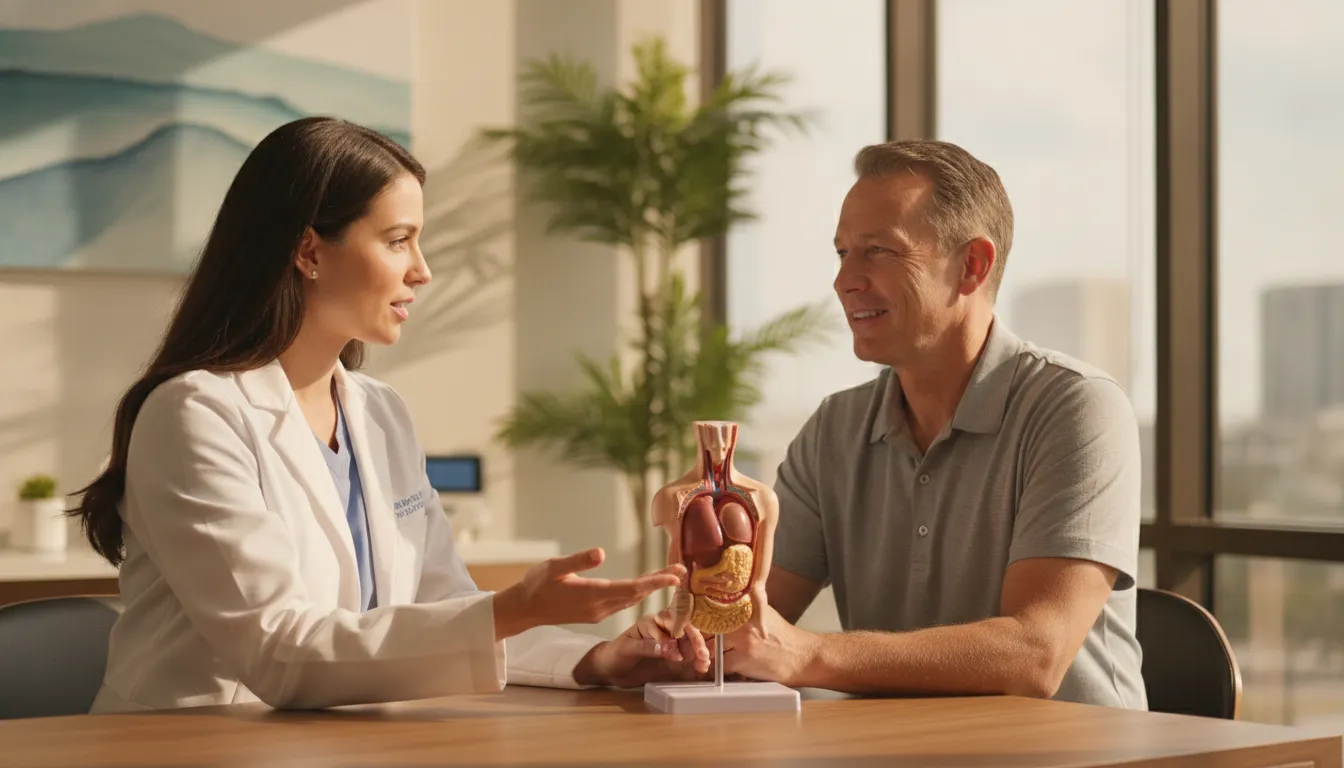
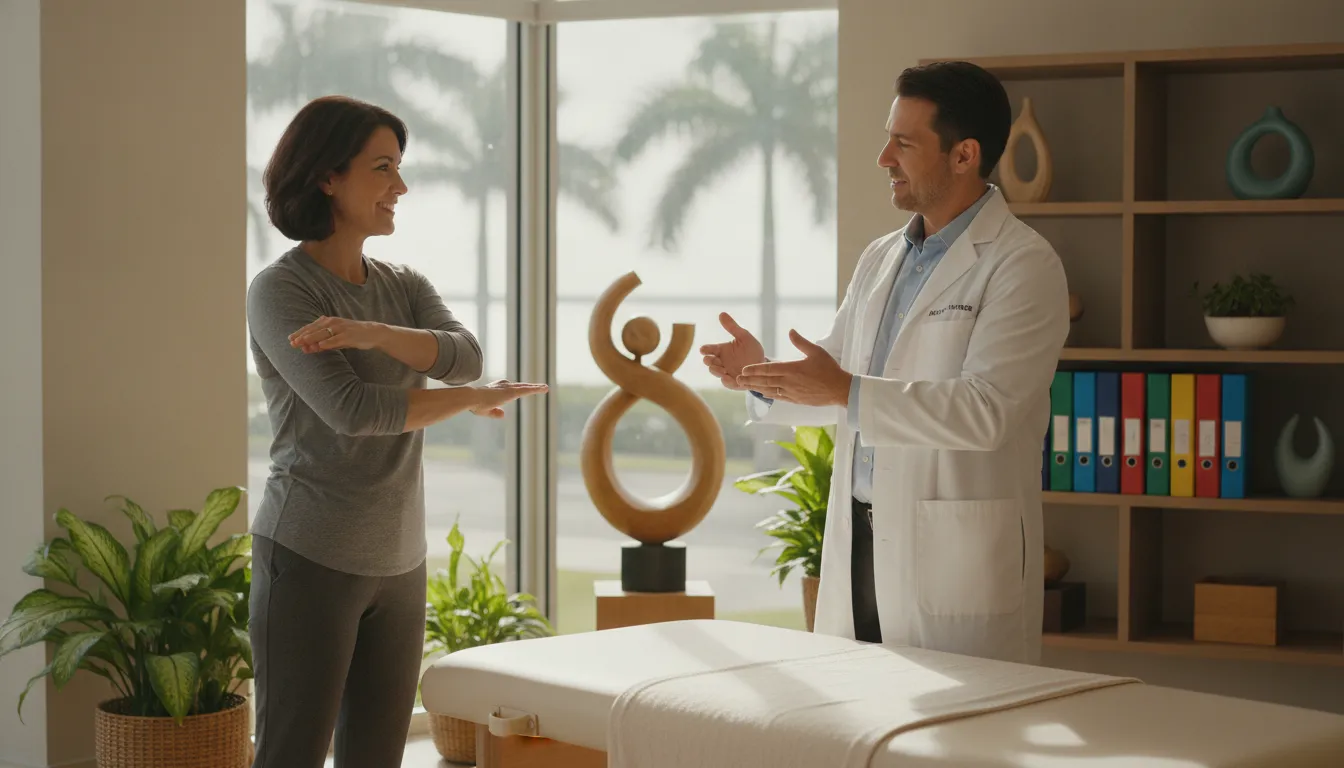
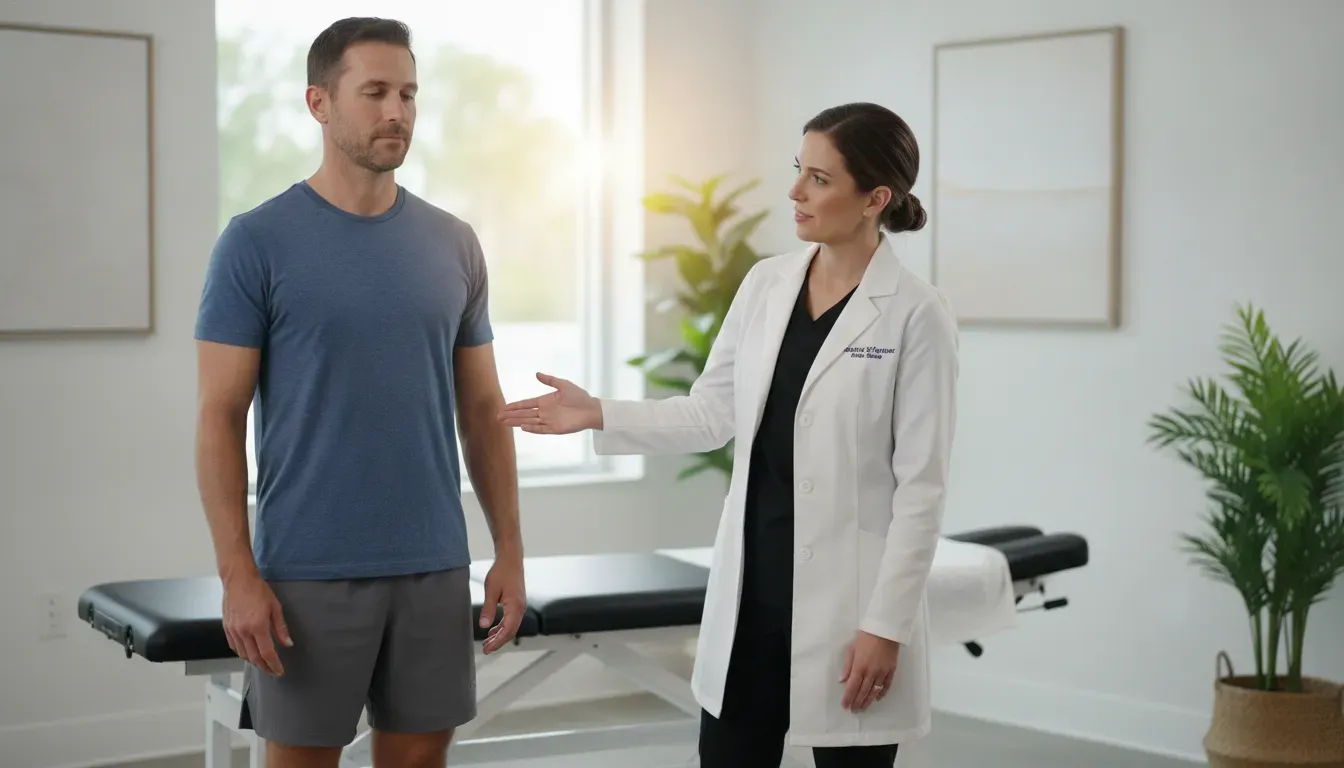
Your first step is a conversation with your provider. Before your session, it’s important to discuss your health history, any underlying medical conditions, and any medications you’re taking. This initial consultation ensures that shockwave therapy is the right fit for you and allows us to create a personalized treatment plan. Think of it as a strategy session for your health. We’ll answer all your questions and make sure you feel completely ready to move forward. Being open and thorough during this phase helps us tailor the therapy to your specific needs, setting the foundation for the best possible results. To get started, you can contact our team to schedule your initial assessment.
What Happens During the Session
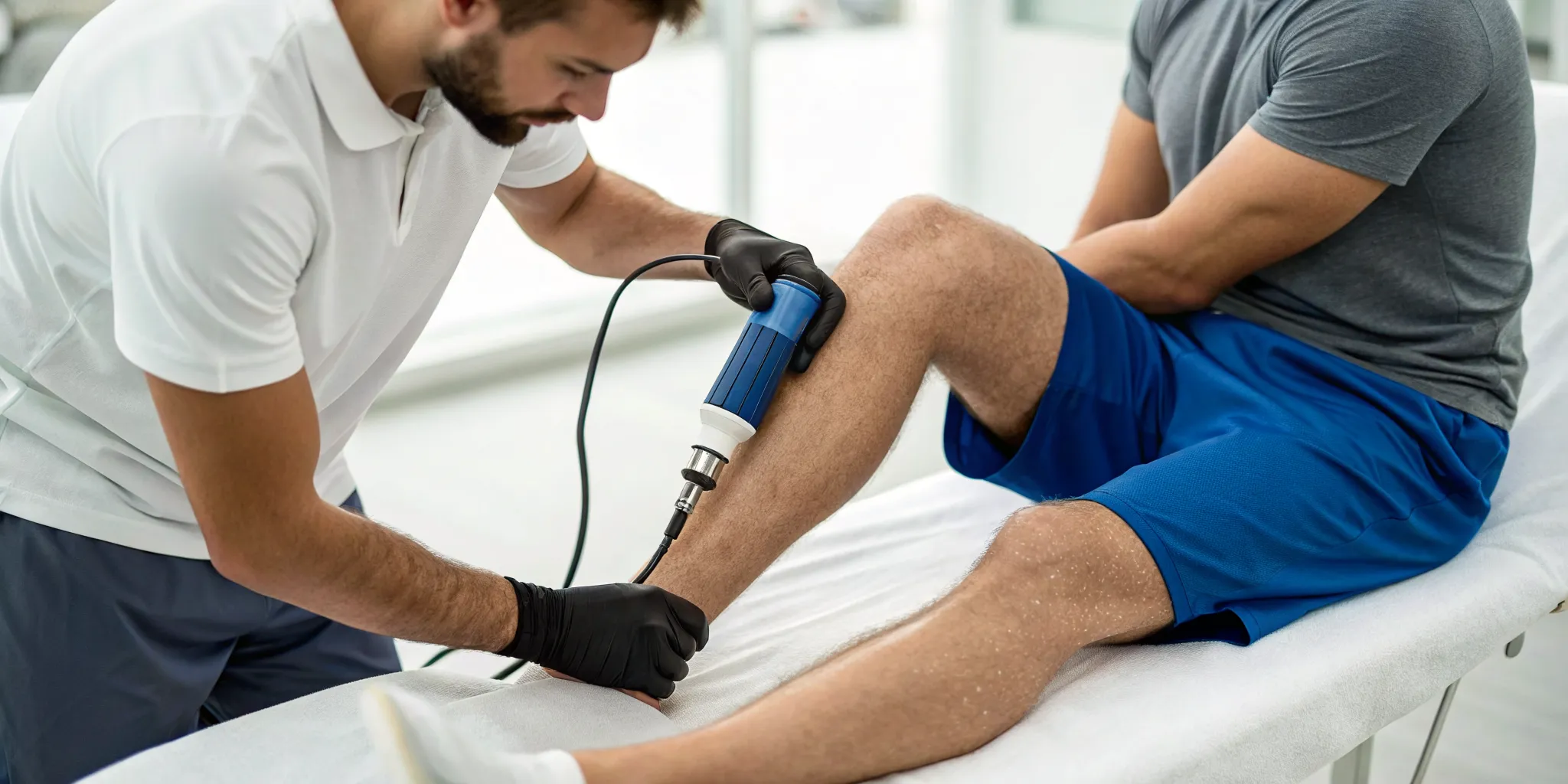
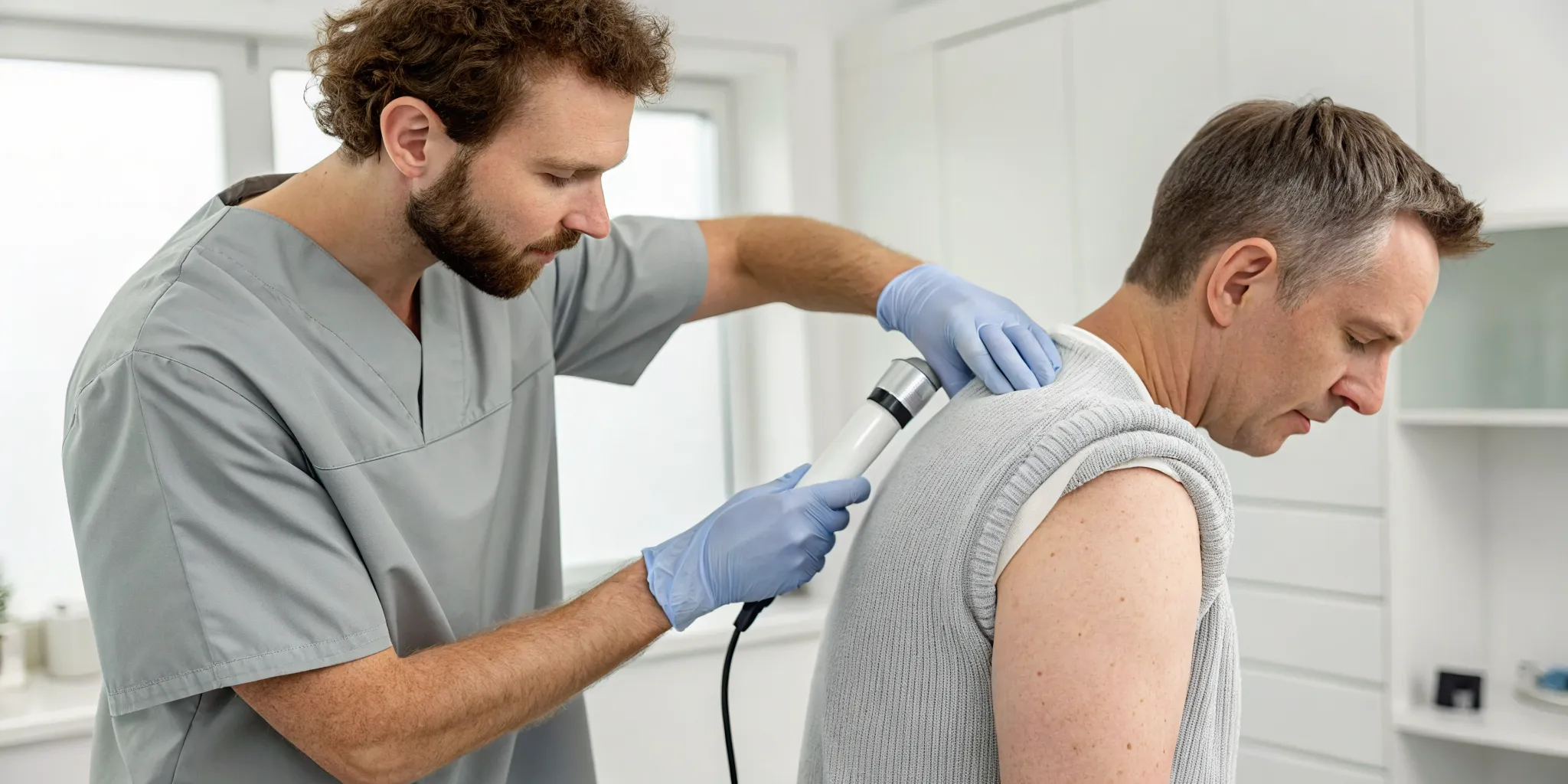
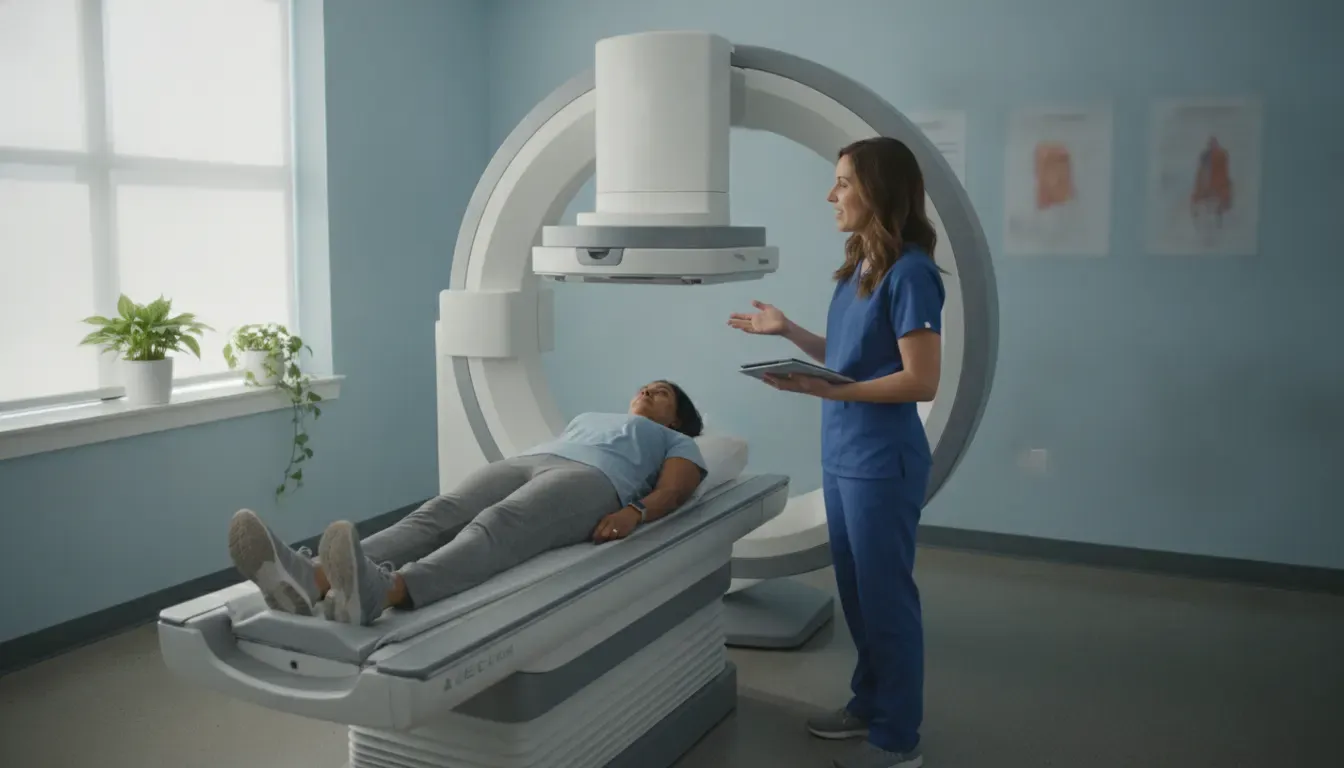
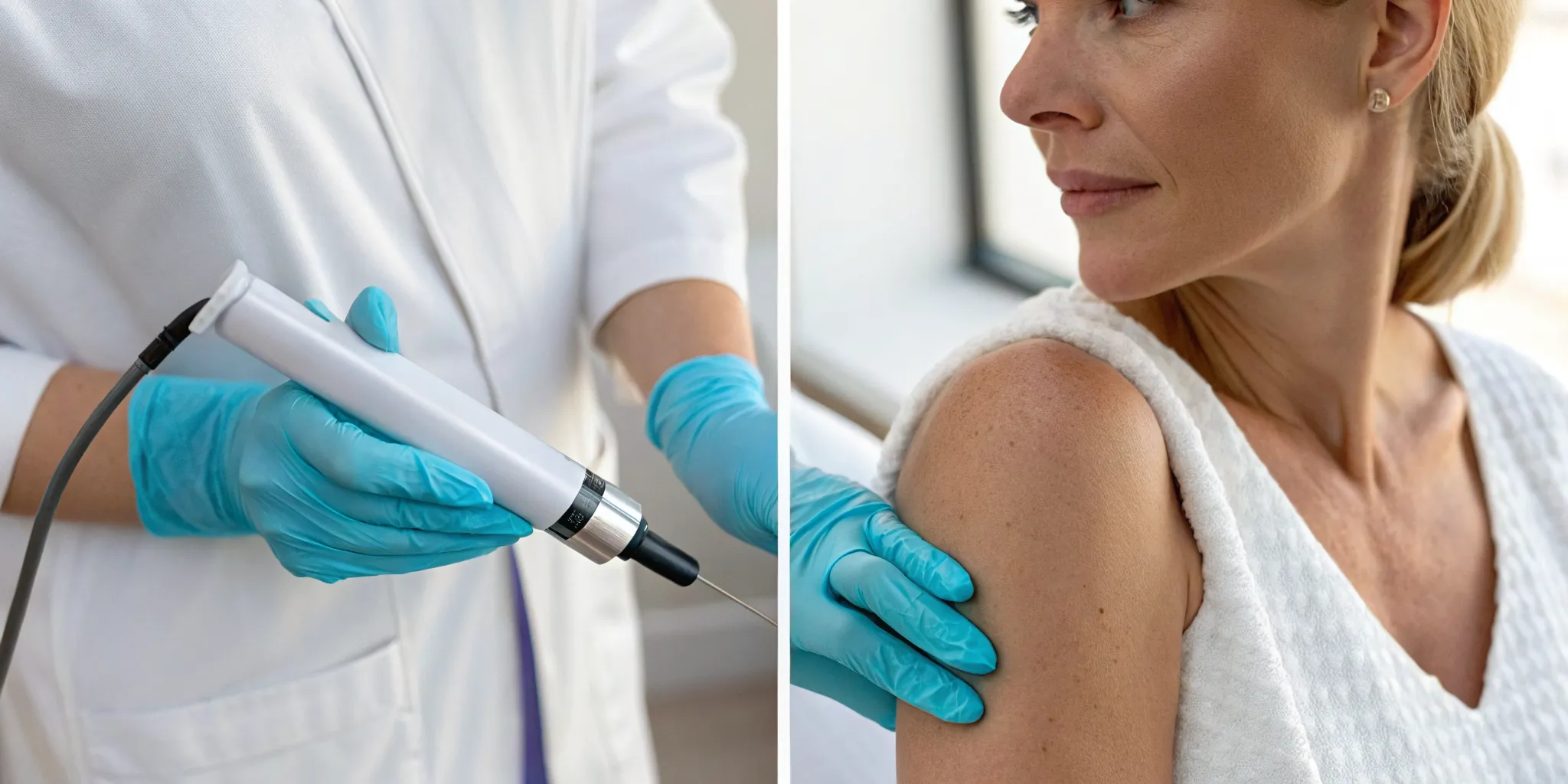
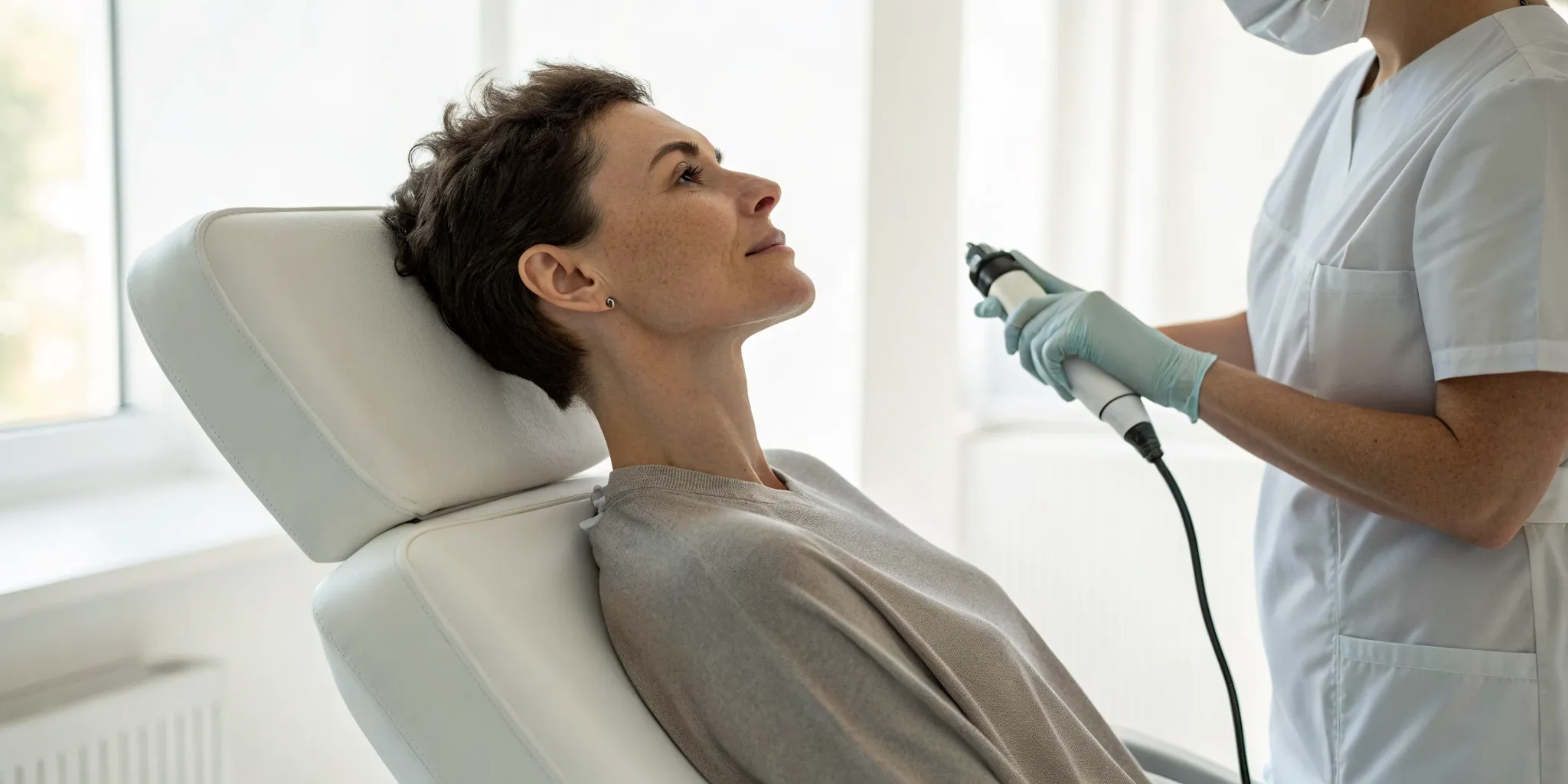
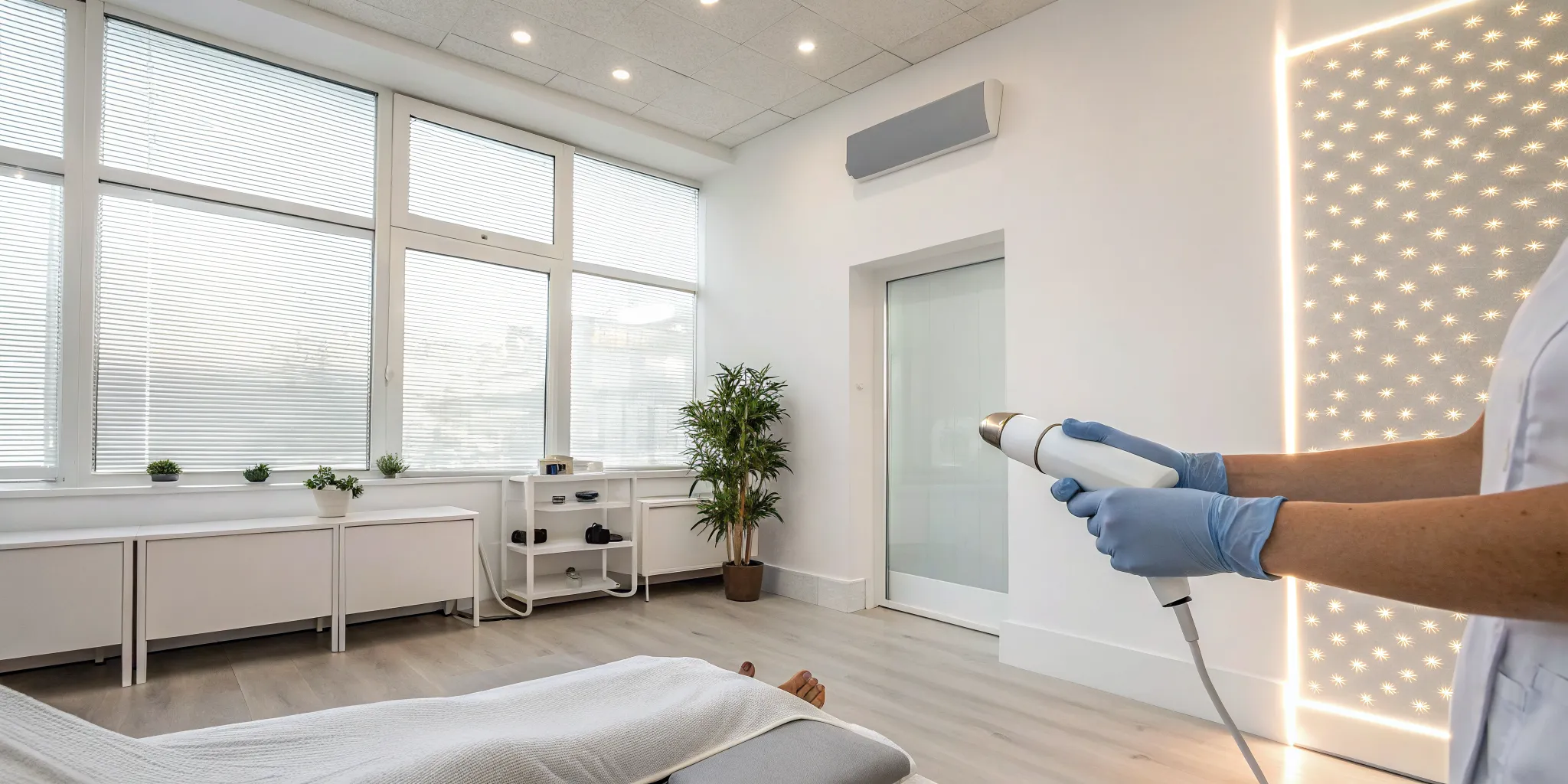
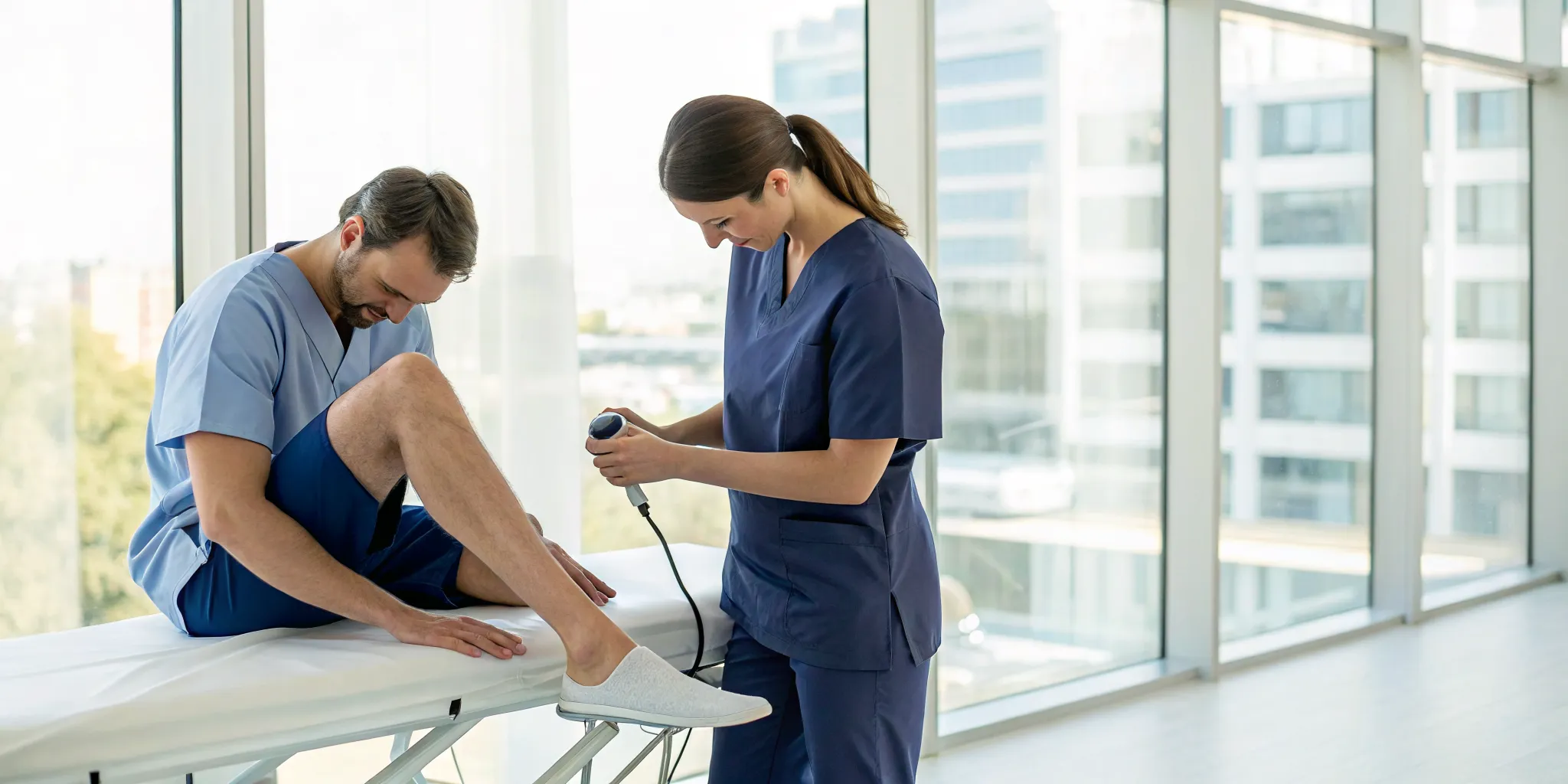
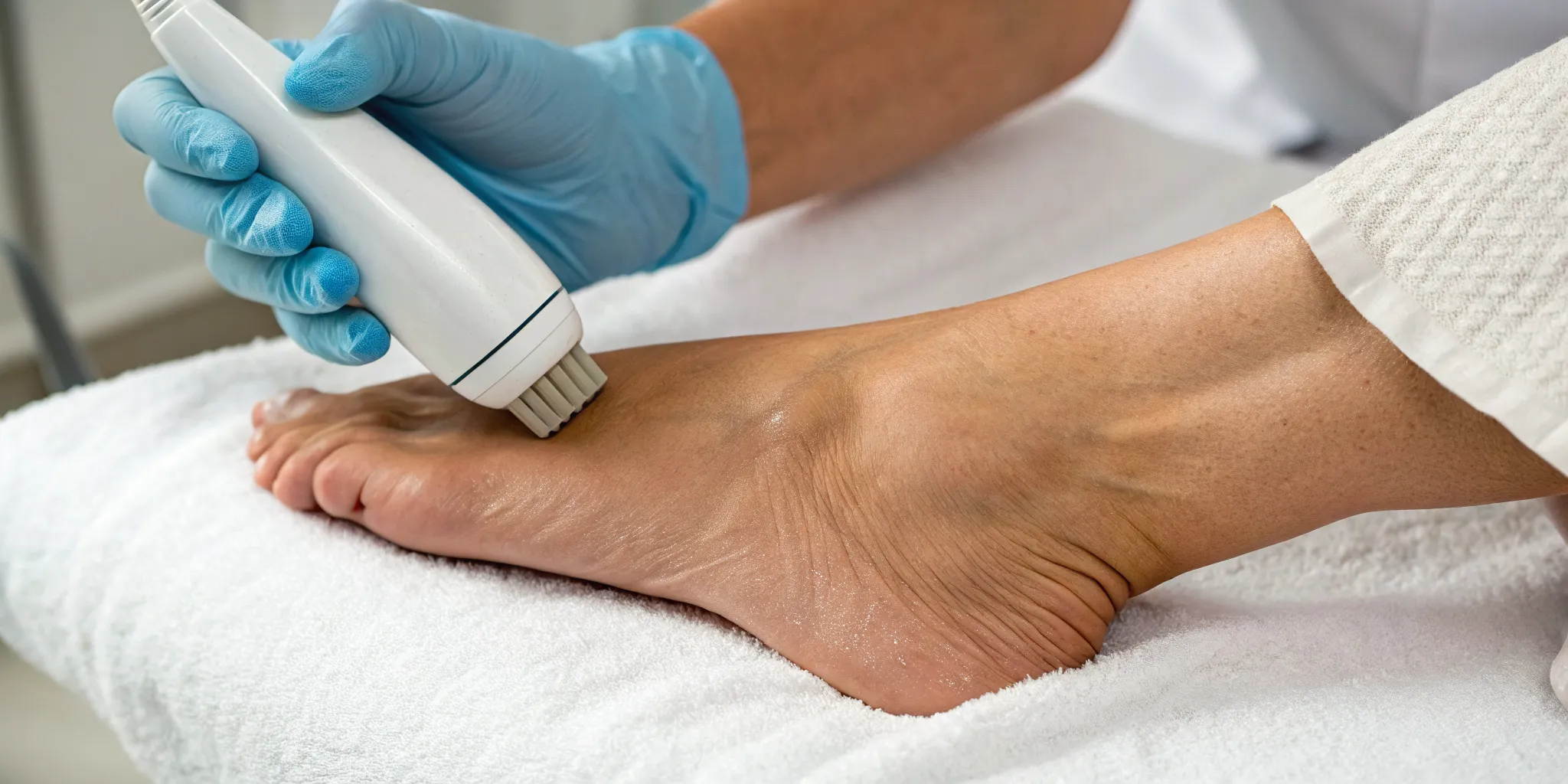
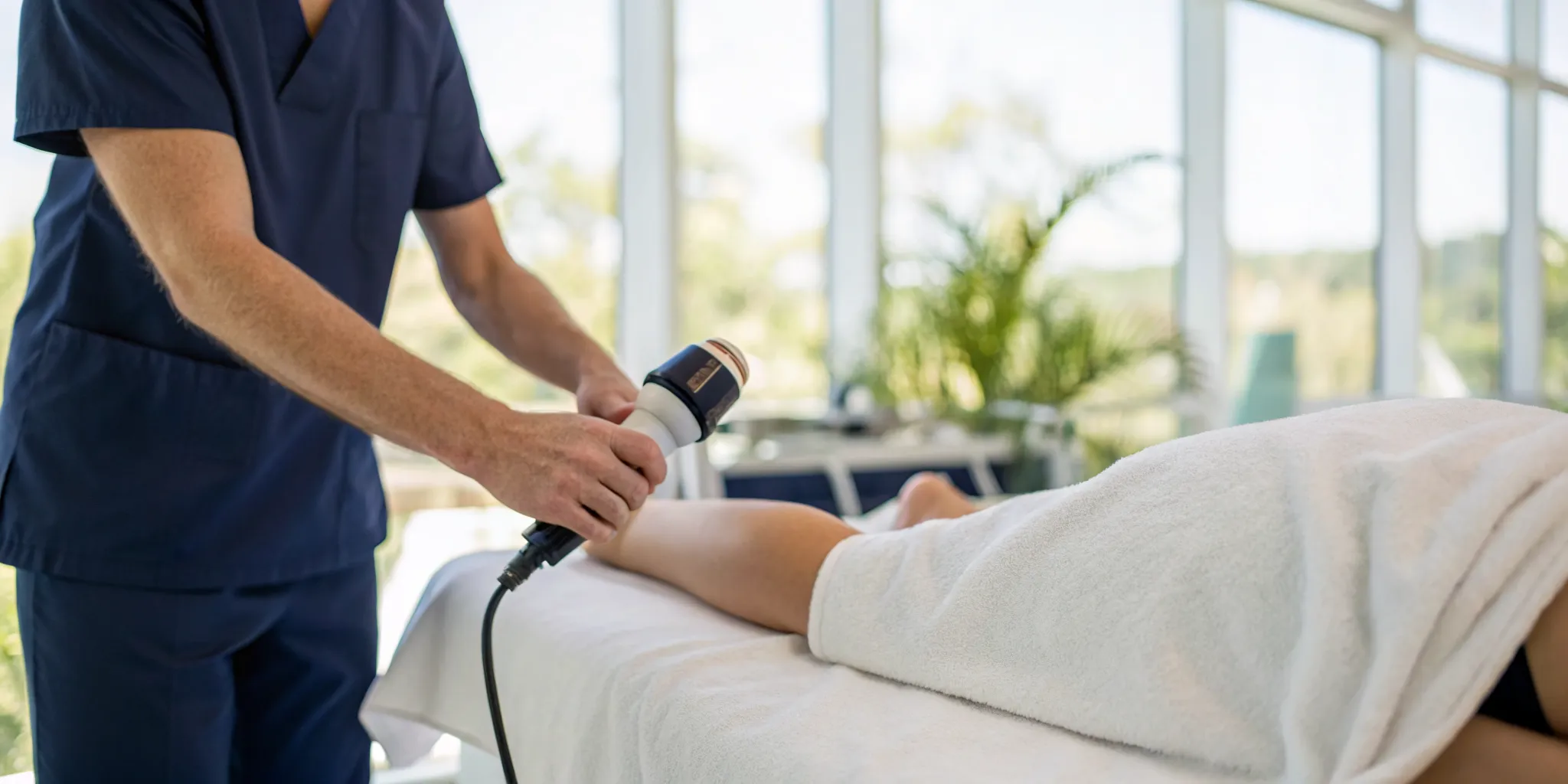
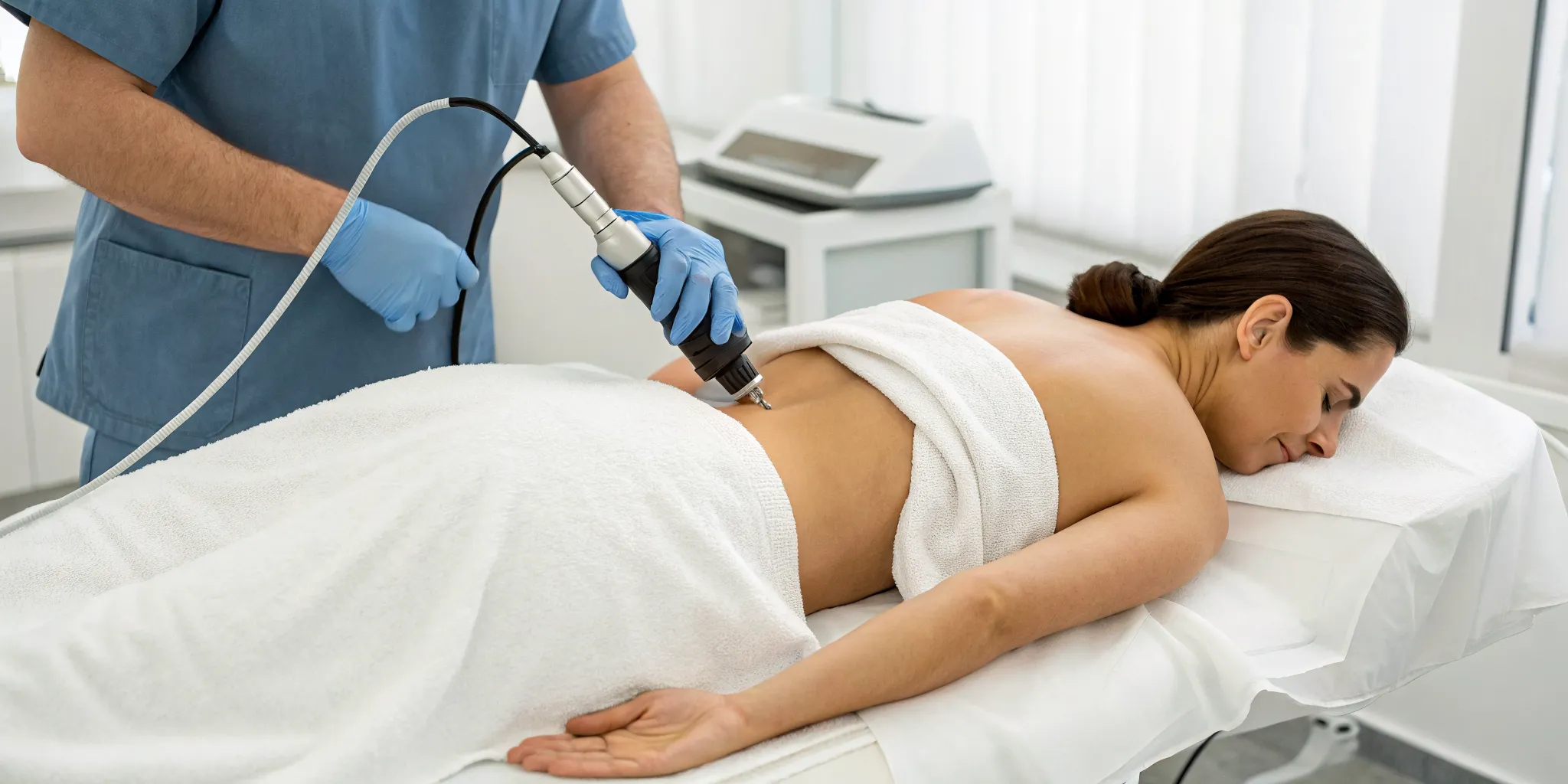
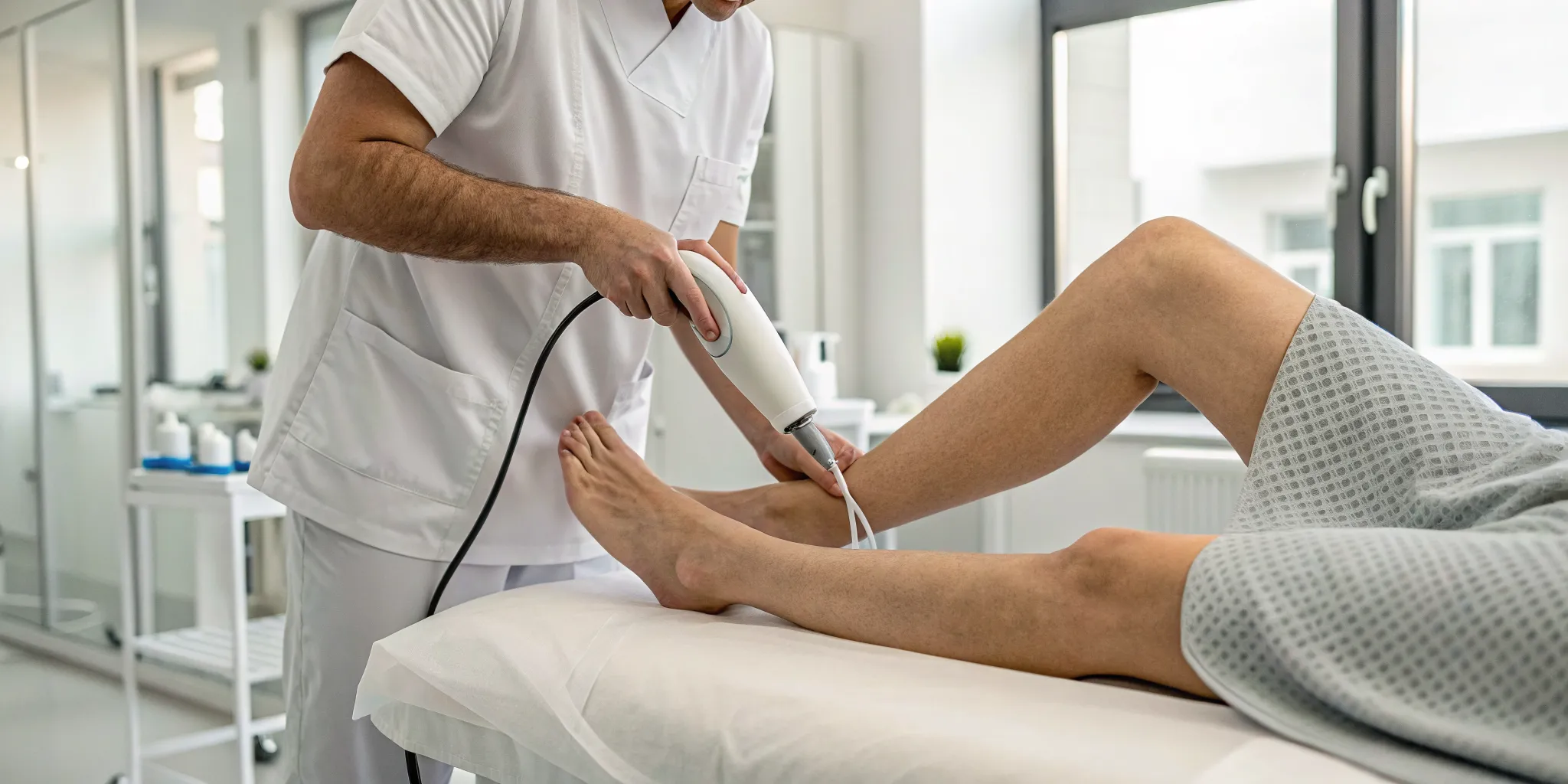
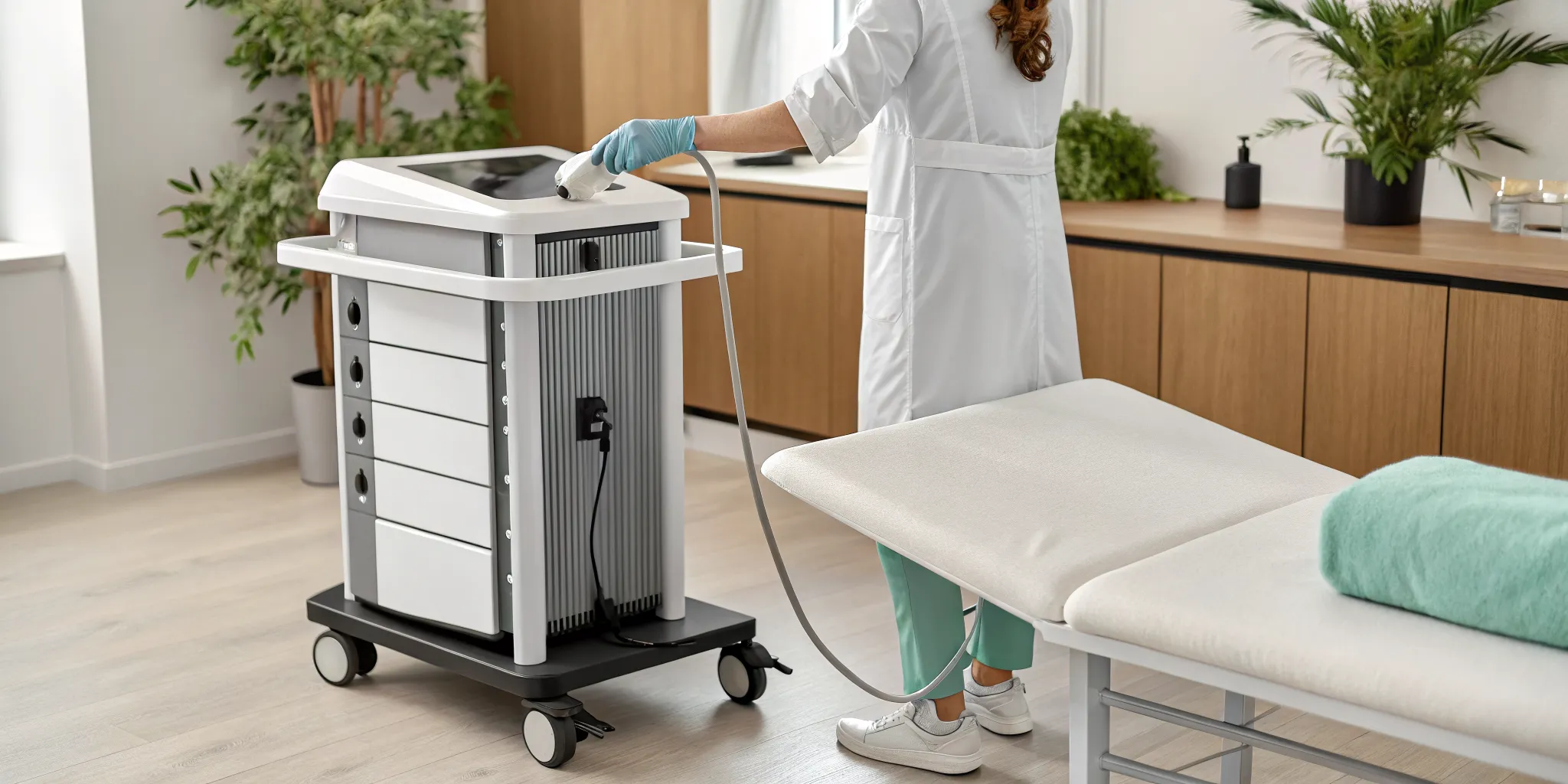
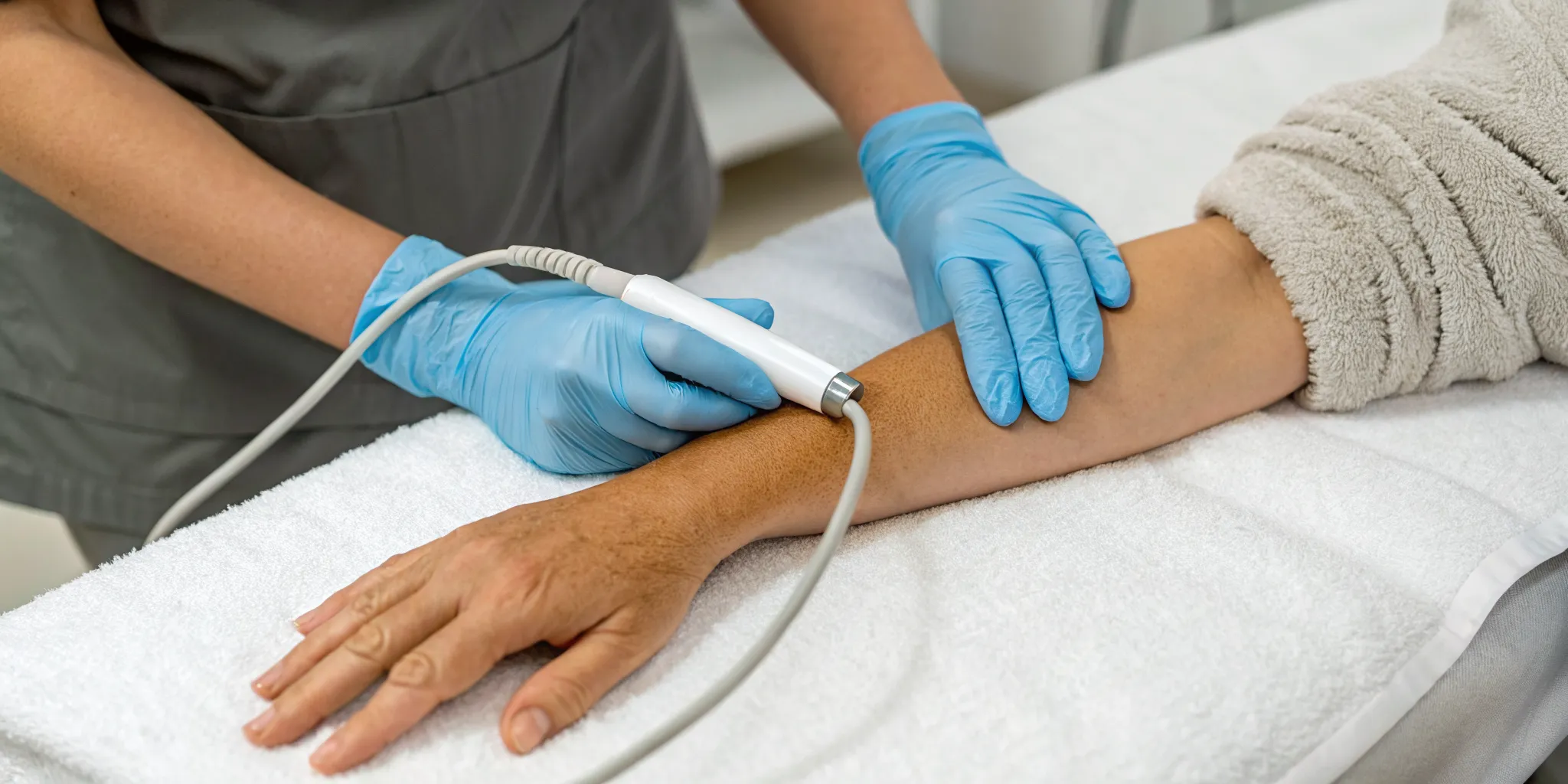
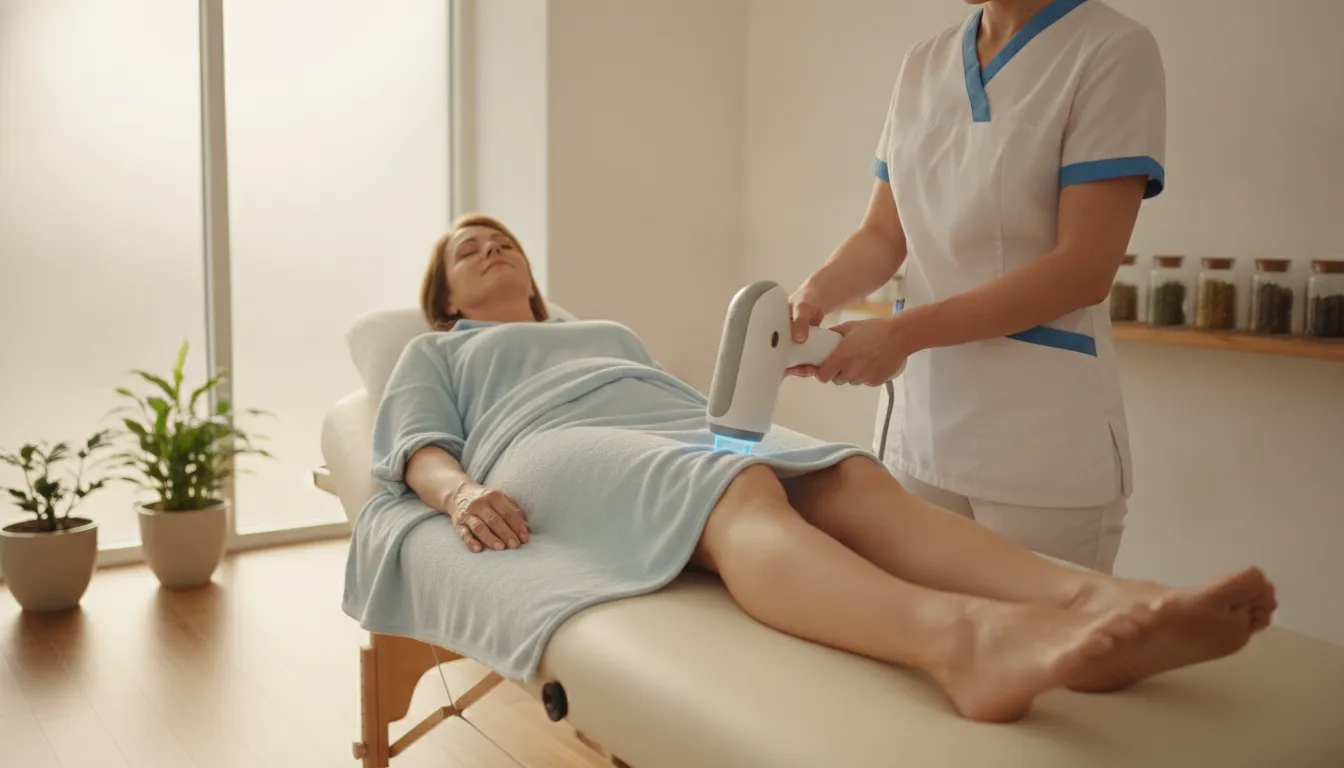
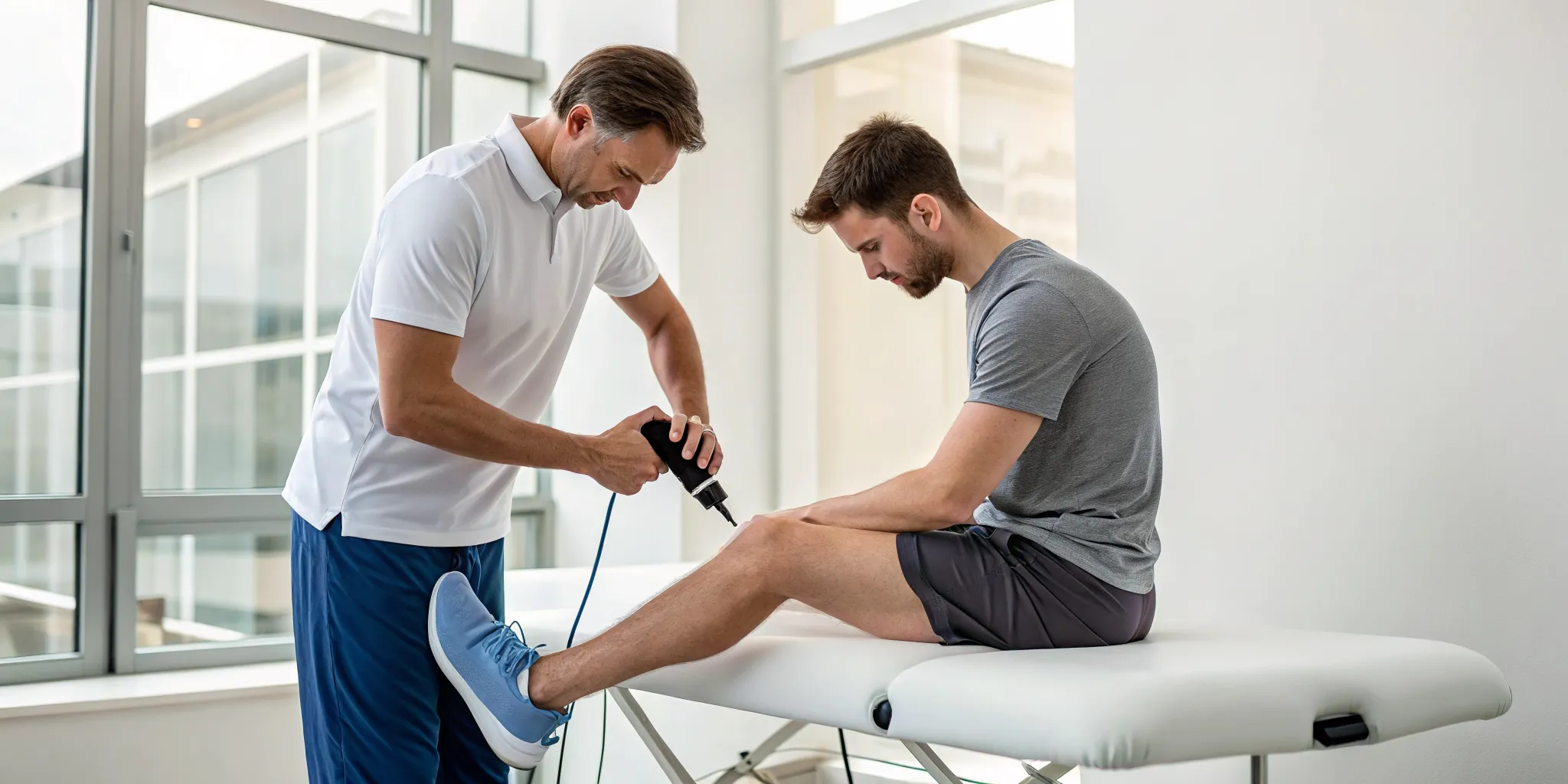
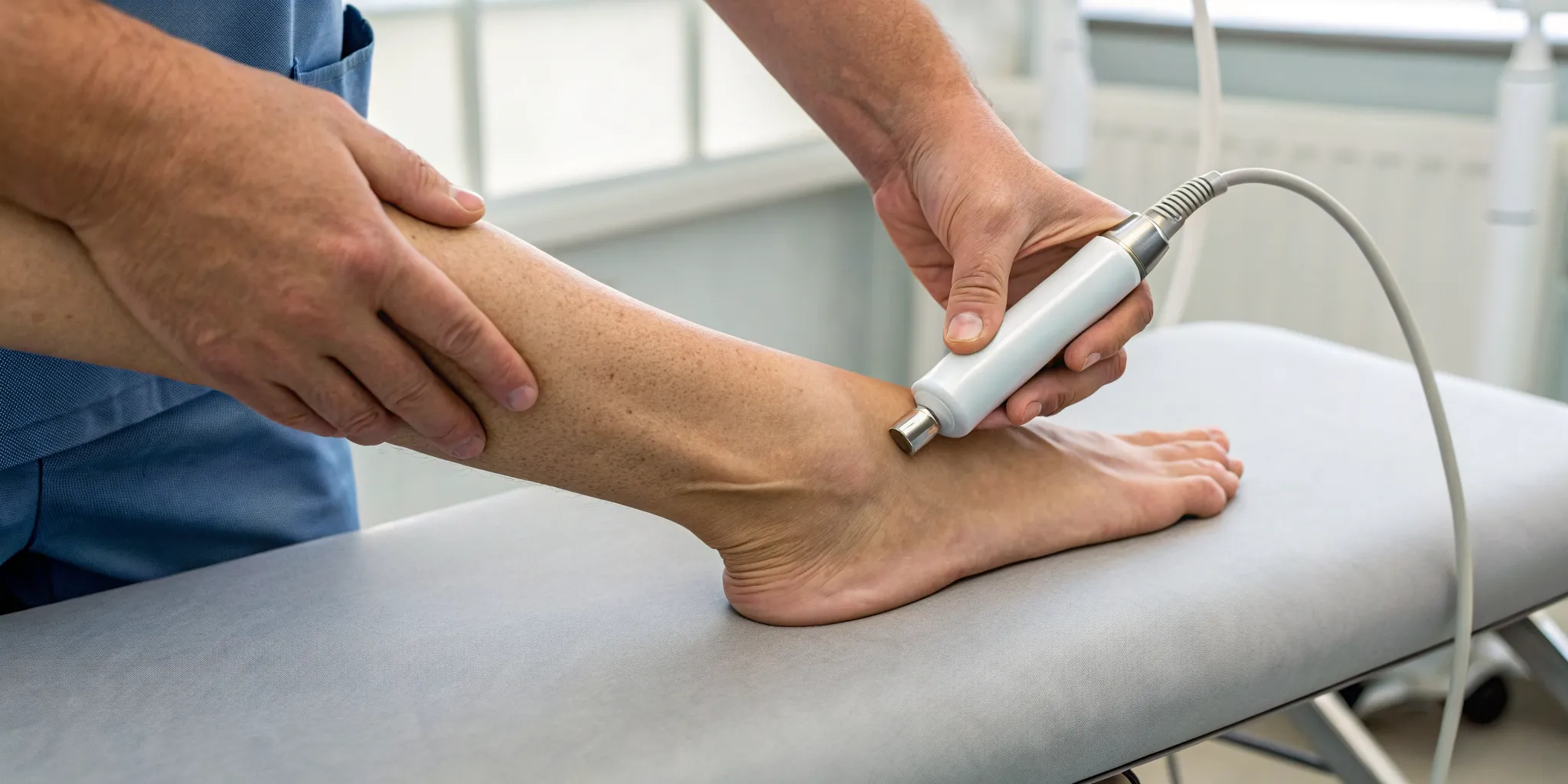
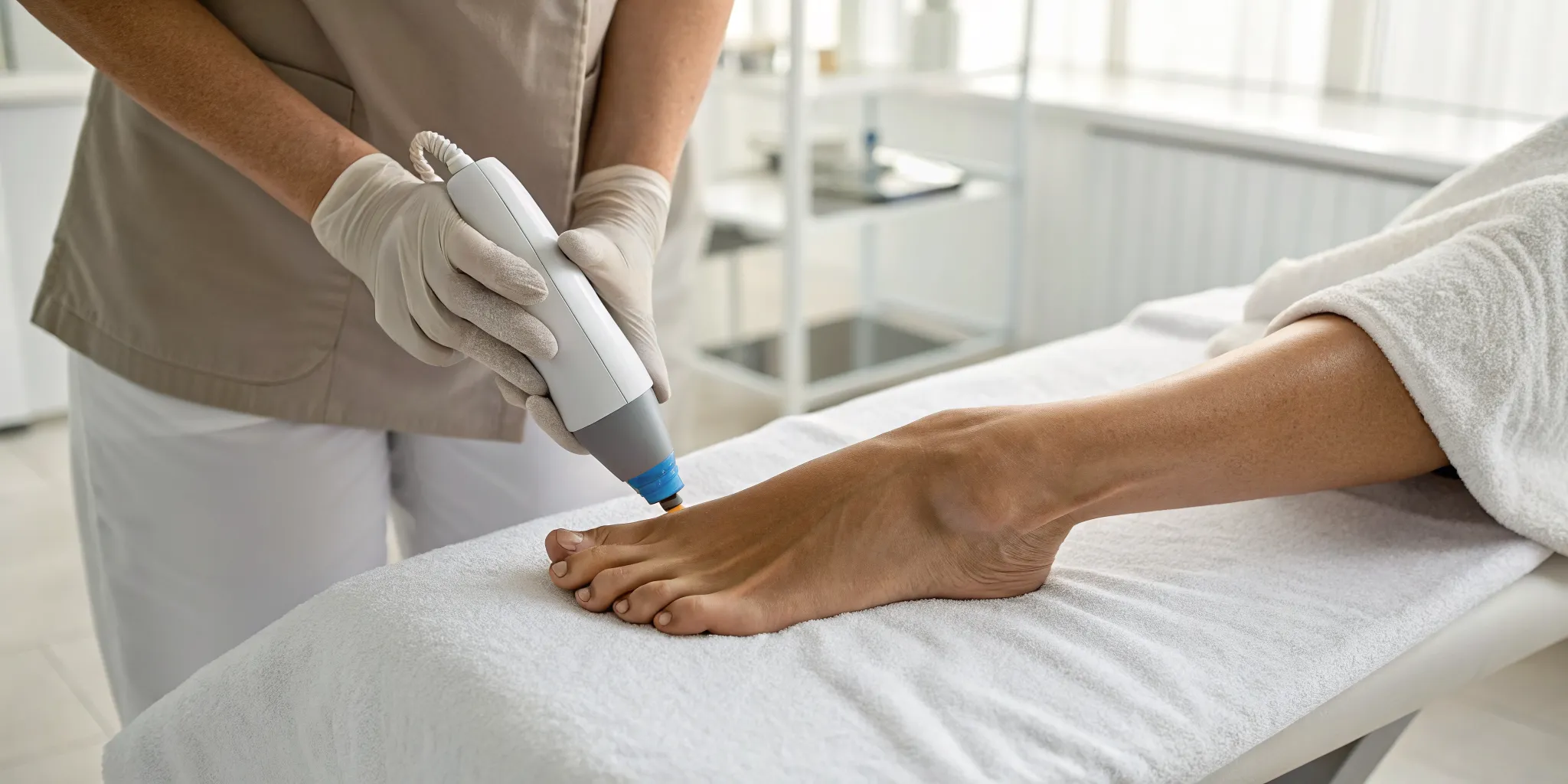
When you come in for your appointment, the process is quick and simple. First, a gel is applied to the treatment area, similar to what’s used for an ultrasound. Then, your provider will use a handheld device that delivers high-energy acoustic waves directly to the scar tissue. You’ll likely feel a tapping or pulsing sensation, but most people find it very tolerable. Each session typically lasts only 15 to 20 minutes, making it easy to fit into your schedule. Our team at Ascend Functional Health is focused on your comfort, and we’ll check in with you throughout the short session to make sure you’re doing well. It's a focused, efficient treatment aimed at stimulating your body's repair mechanisms.
After Your Session and Recovery
After your session, you can get right back to your day with minimal downtime. Some people experience mild, temporary side effects like redness, soreness, or slight swelling in the treated area, but this usually fades within a day or two. A full treatment plan typically includes three to six sessions spaced about a week apart, depending on your specific condition. Most patients start to feel noticeable relief after just a few appointments. For the best results, shockwave therapy is often combined with other corrective exercises. This comprehensive approach helps address the many conditions we treat and ensures you get the most out of every session.
Clearing Up Common Myths About Shockwave Therapy
When you hear the term “shockwave,” it’s easy to imagine something intense or uncomfortable. Because this therapy is a powerful tool for healing, it has also gathered a few misunderstandings along the way. Let's clear up some of the most common myths so you can understand how this treatment really works and what to expect. Getting the right information is the first step toward making an informed decision about your health and finding a path to feeling better.
Myth: "It's too painful."
Many people assume shockwave therapy is a painful procedure, but that’s not the case. This treatment is non-invasive, meaning it doesn't involve any incisions, needles, or instruments entering the body. During a session, most people describe the sensation as a tapping or pulsing feeling on the skin. While you might feel some mild discomfort or pressure, especially over a sensitive area, the intensity is adjusted to your tolerance level. It’s a very manageable sensation that is part of a gentle yet effective approach to our physical medicine treatments.
Myth: "You only need one session."
While we all want a quick solution, true healing takes time. Shockwave therapy works by stimulating your body's natural repair mechanisms, and this process doesn't happen overnight. Most conditions require a series of treatments to achieve lasting results. A typical plan involves three to six sessions, usually spaced about a week apart. We call this the "activation phase," where we are consistently signaling the tissue to repair and remodel itself. The exact number of sessions you'll need will depend on your specific condition, its severity, and how your body responds to the treatment.
Myth: "All shockwave treatments are the same."
It’s a common misconception that any shockwave machine will deliver the same results, but the technology can vary significantly. Different types of shockwave devices exist, each suited for different applications and tissue depths. The effectiveness of the treatment depends on using the right type of shockwave energy for your specific injury or scar tissue. At Ascend, we use specific, research-backed protocols to ensure you receive the most appropriate and effective care for your condition. If you have questions about the technology we use, we encourage you to contact us and ask.
Shockwave Therapy as Part of Your Health Plan
Think of shockwave therapy not as a single fix, but as a powerful tool in your overall health toolkit. To get lasting results, it’s important to look at the complete picture of your health. At Ascend, we see shockwave therapy as one component of a comprehensive strategy designed to address the root cause of your discomfort and support your body’s healing from multiple angles. Combining this technology with other targeted therapies creates a synergistic effect, helping you feel better faster and stay that way longer. This integrated approach ensures we’re not just treating a symptom, but guiding your body back to a state of true, whole-body wellness.
Pairing with Other Physical Medicine Therapies
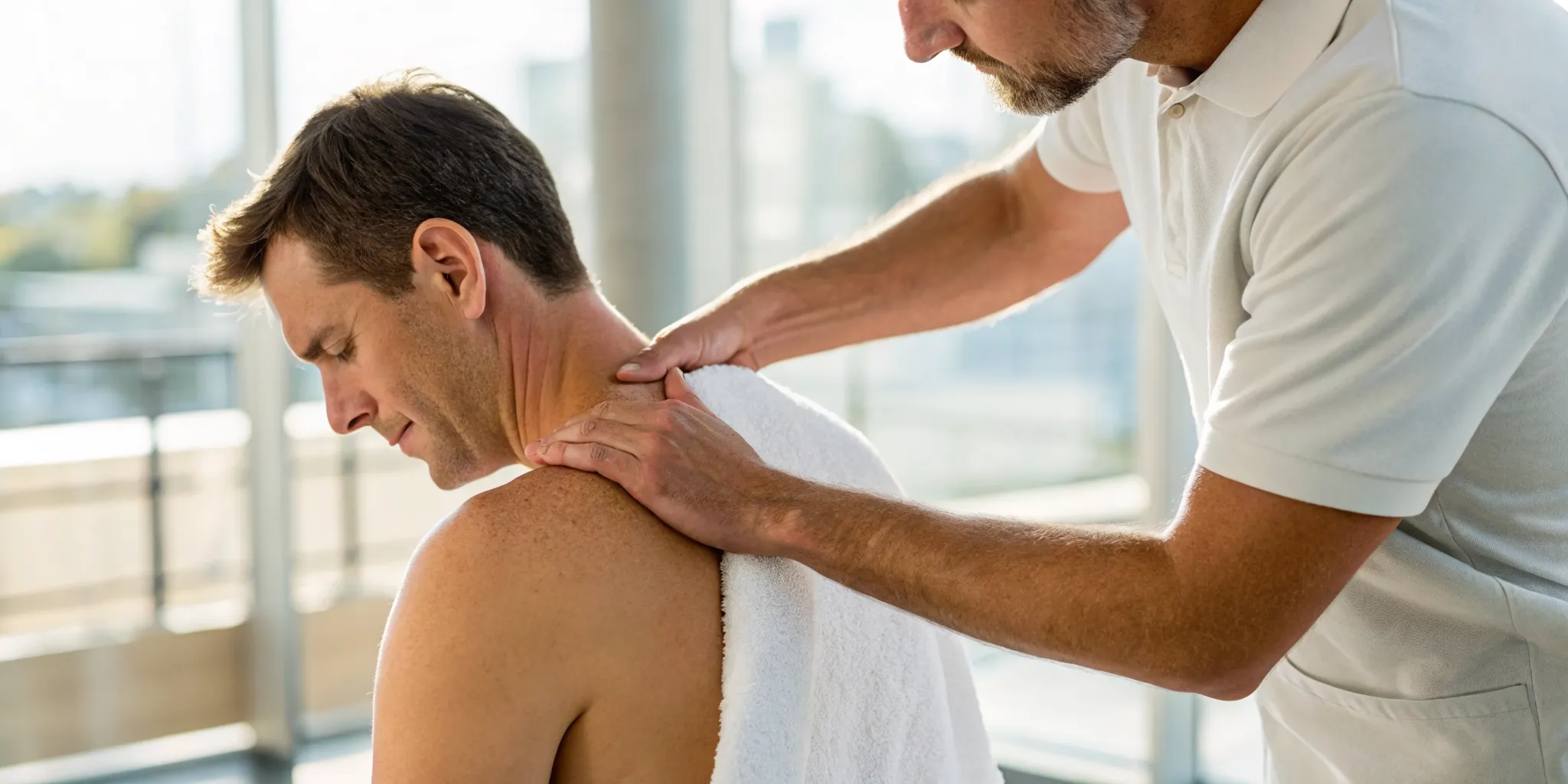
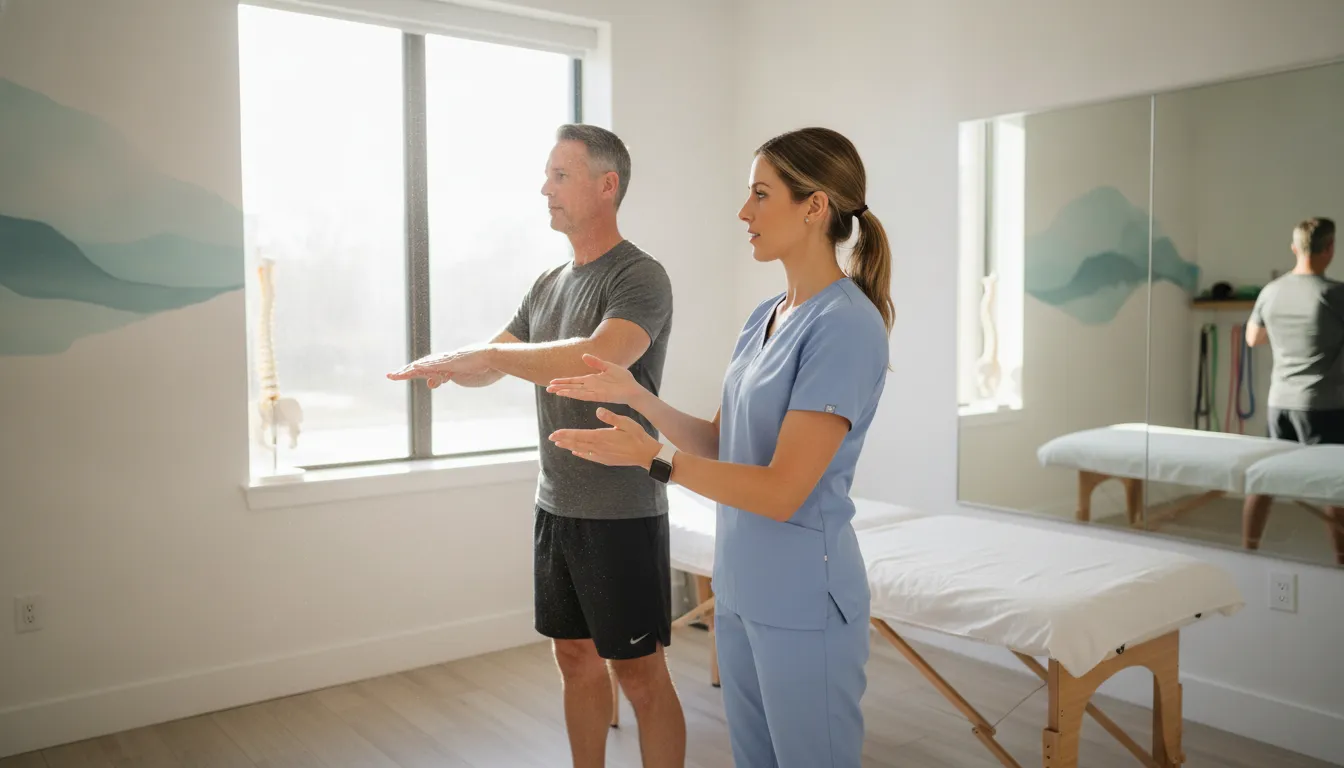
Shockwave therapy is an excellent partner for other physical treatments. While it’s fantastic for breaking down scar tissue and making tissues more flexible, research shows it’s not meant to be a standalone solution. By improving the flexibility of a scarred area, shockwave therapy can make other treatments more effective. For example, once scar tissue is less restrictive, your body can respond better to chiropractic adjustments or corrective exercises. This combination helps restore functional movement and ensures your body is healing in proper alignment. Our approach to physical medicine integrates these therapies to help you regain mobility and function after an injury.
Adding Functional Medicine for Whole-Body Health
True healing happens from the inside out. Shockwave therapy kickstarts the physical repair process by stimulating new blood vessel growth, which brings vital oxygen and nutrients to the injured area. But where do those nutrients come from? That’s where functional medicine plays a crucial role. By looking at your internal health, we can address underlying issues like chronic inflammation or nutrient deficiencies that might slow down your recovery. The sound waves send a signal to your cells to start rebuilding; functional medicine ensures your body has all the high-quality materials it needs to answer that call and build strong, healthy tissue.
Find Out if Shockwave Therapy Is Right for You
If you're dealing with stubborn scar tissue that limits your movement or causes discomfort, you might be wondering if shockwave therapy is the right next step. It's a valid question, and the answer really depends on your unique situation and health goals. This treatment is often a great fit for individuals with post-surgical scars, old injuries, or chronic pain from conditions like plantar fasciitis who are looking for a non-invasive approach to healing.
One of the biggest draws of shockwave therapy is that it's a non-invasive treatment. For many people looking to avoid more intensive procedures, this is a huge plus. Research supports that it's a safe and well-tolerated approach for scar tissue, with very few complications. While every person's healing journey is different, most individuals start to feel a real difference after just three to five sessions. These appointments are typically spaced out to give your body time to respond and begin its natural repair process.
However, shockwave therapy isn't a one-size-fits-all solution. The best way to know for sure if it's right for you is to have a conversation with a qualified provider. During a consultation, we can discuss your health history, any medications you're taking, and the specifics of your scar tissue. This step is essential to create a personalized plan that addresses the root cause of your discomfort. Our team at Ascend is here to help you figure out the best path forward for your physical medicine needs and determine if you're a good candidate for this effective therapy.
Related Articles
- SoftWave Tissue Regeneration Therapy in Tampa | Alessi Functional Health
- What Is Graston Technique Therapy? A Beginner's Guide
- SoftWave TRT Therapy in Tampa, FL - Alessi Functional Health
- What Is Soft Tissue Therapy? A Complete Guide
- Regenerative Medicine for Pain Recovery | Ascend Functional Health
Frequently Asked Questions
Is shockwave therapy painful? This is a very common question, and the short answer is no, it’s not what most people would call painful. The treatment is non-invasive, so nothing breaks the skin. Most people describe the sensation as a strong tapping or pulsing feeling. While you might feel some mild discomfort, especially over a very tender area, the intensity is always adjusted to your personal comfort level.
How quickly will I feel a difference? While some people notice improvement after just a few sessions, it’s helpful to think of this as a healing process rather than an instant fix. The therapy works by stimulating your body’s natural repair cycle, which takes time. A full treatment plan usually involves several sessions spaced about a week apart to give your body the chance to respond and rebuild. The goal is lasting improvement in movement and a reduction in pain, not just temporary relief.
Can this therapy help a scar that I've had for years? Yes, absolutely. Shockwave therapy can be very effective for old scars and chronic injuries. Old scar tissue often has poor blood flow and is very rigid. The acoustic waves help restart the healing process by increasing circulation to the area and breaking down the dense, fibrous tissue. It’s like sending a wake-up call to your body, signaling it to pay attention to an old issue and begin the repair work.
Is this treatment only for scars I can see on my skin? Not at all. In fact, some of the most common issues we treat involve internal scar tissue, or adhesions, that you can't see. After an injury or from repetitive strain, this internal scarring can form around muscles, tendons, and joints, causing stiffness and limiting your range of motion. Because the sound waves can penetrate deep into the body, shockwave therapy is an excellent tool for breaking up these hidden restrictions and restoring function.
Why is it important to combine shockwave therapy with other treatments? Think of shockwave therapy as the first step in remodeling your tissue. It does an amazing job of breaking down stiff scar tissue and making it more pliable. This prepares the area to respond better to other treatments, like corrective exercises or chiropractic care, which help restore proper movement patterns. Pairing it with a functional medicine approach also ensures your body has the nutrients it needs to build strong, healthy tissue in place of the old scar. This combined strategy helps you get the best possible long-term results.