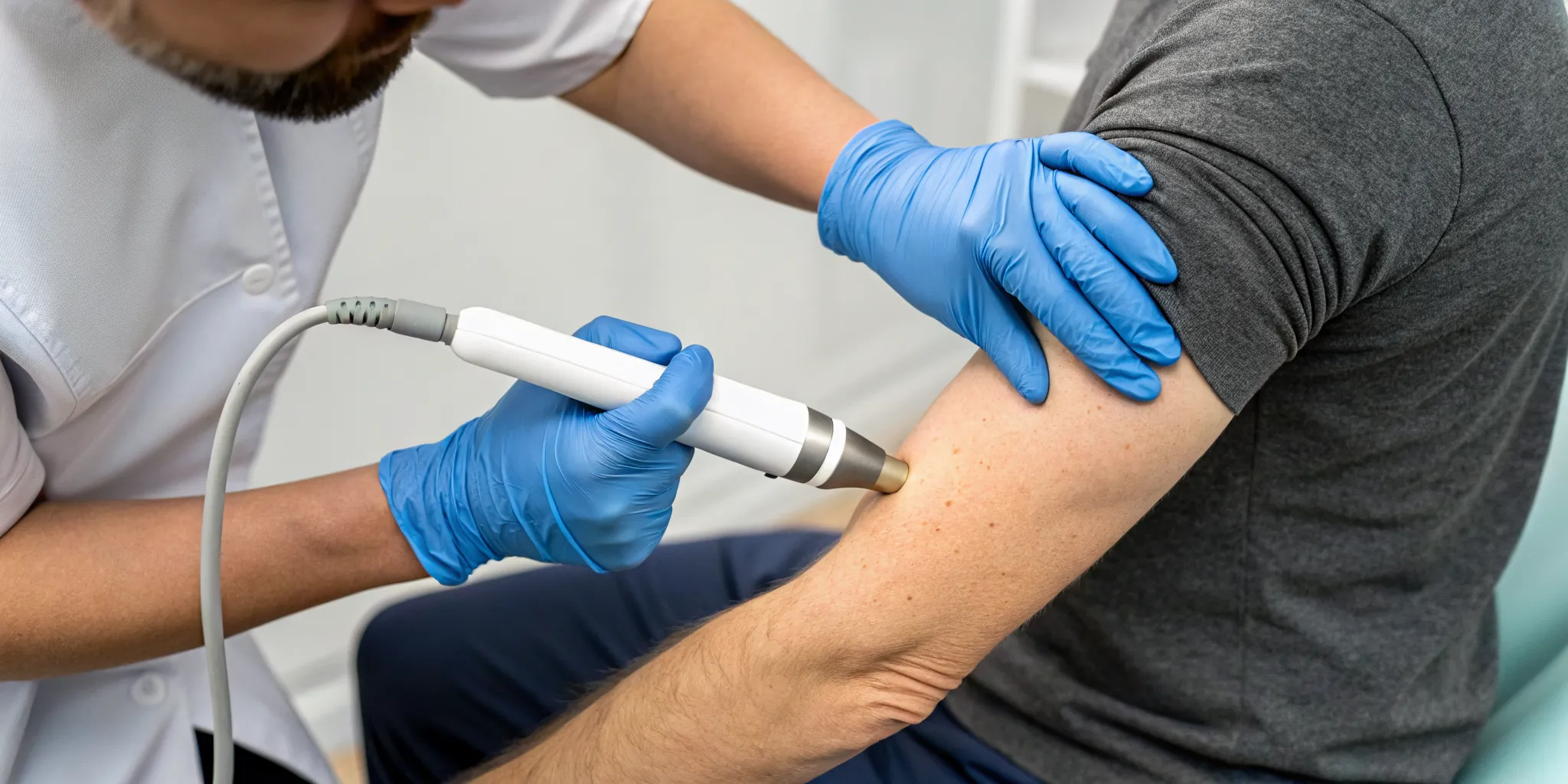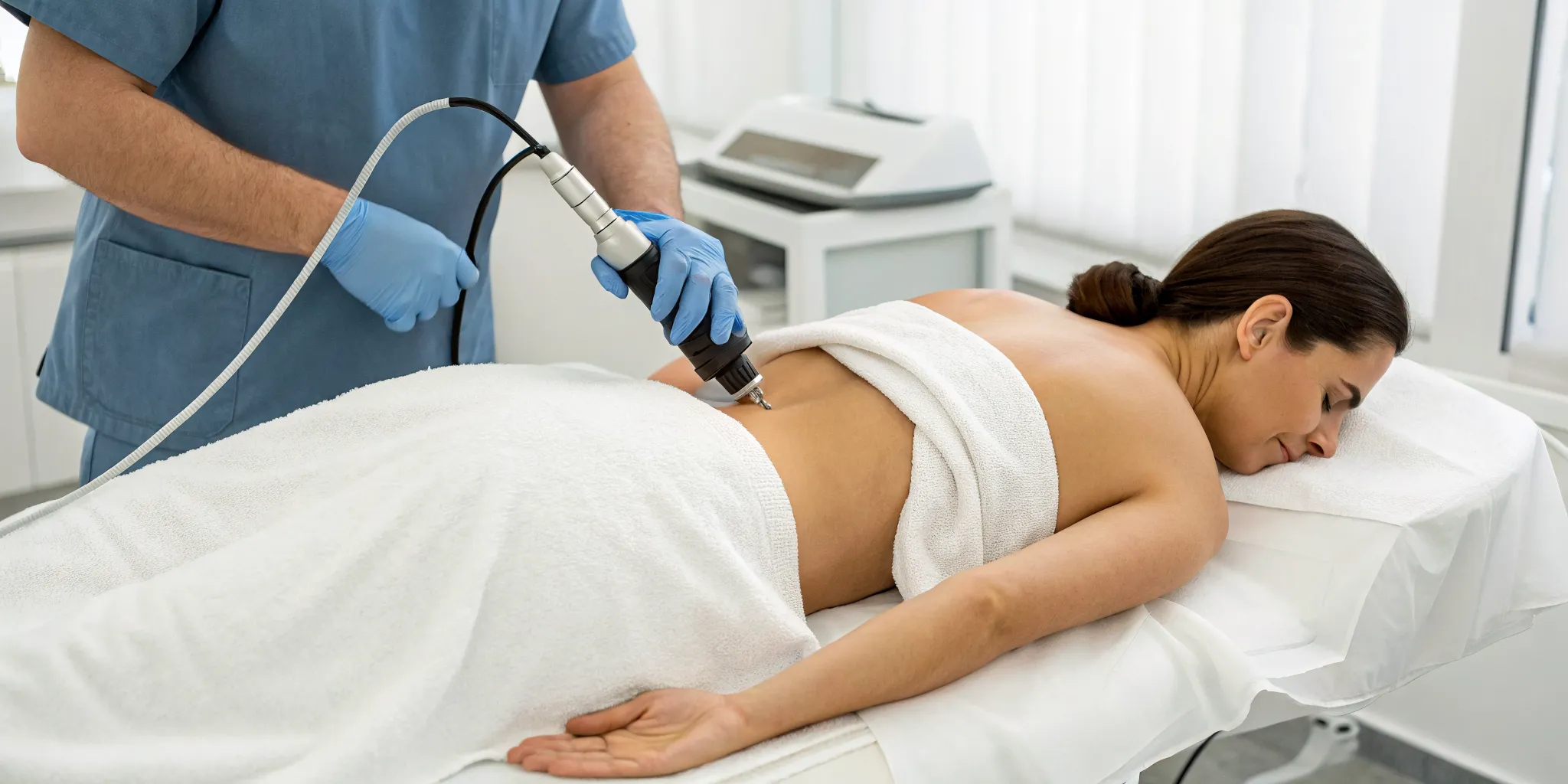
Take the first step today , schedule your sciatica evaluation in Tampa and get a clear answer about what is causing your nerve pain.
The evaluation process combines your health history, targeted physical movements, and advanced imaging tools to build a complete picture of what is happening inside your spine. Knowing what to expect can help you feel prepared and confident about your first visit.What Happens During a Sciatica Evaluation?
A sciatica evaluation uses a combination of health history review, physical tests such as the straight leg raise. And posture analysis to locate where the nerve is being compressed , typically a herniated disc, bone spur, or muscle tightness in the lumbar spine.
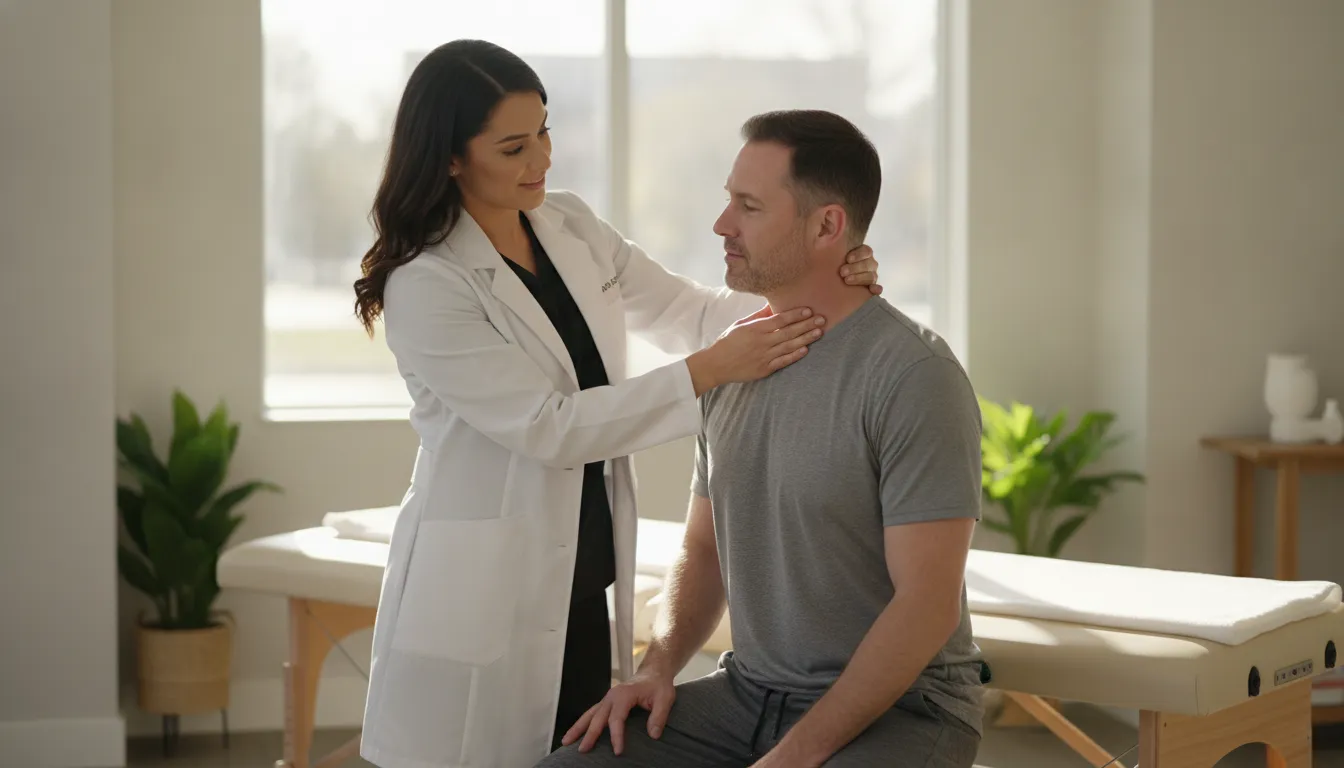
The first step is a detailed conversation about your symptoms and medical history. Your provider will ask when the pain started, where it travels, and what movements make it better or worse. This symptom mapping narrows down which nerve root is involved.
- Pain location , Pain that reaches the knee or foot typically involves the L5 or S1 nerve root. While pain that stays above the knee may point to a different structure.
- Symptom quality , Sharp, electric pain suggests nerve compression, whereas dull aching may point to muscle or joint involvement.
- Red flag screening , Your provider checks for bowel or bladder changes, sudden weakness, or pain following a traumatic injury, which require immediate medical attention per Mayo Clinic guidelines.
Physical tests during the evaluation
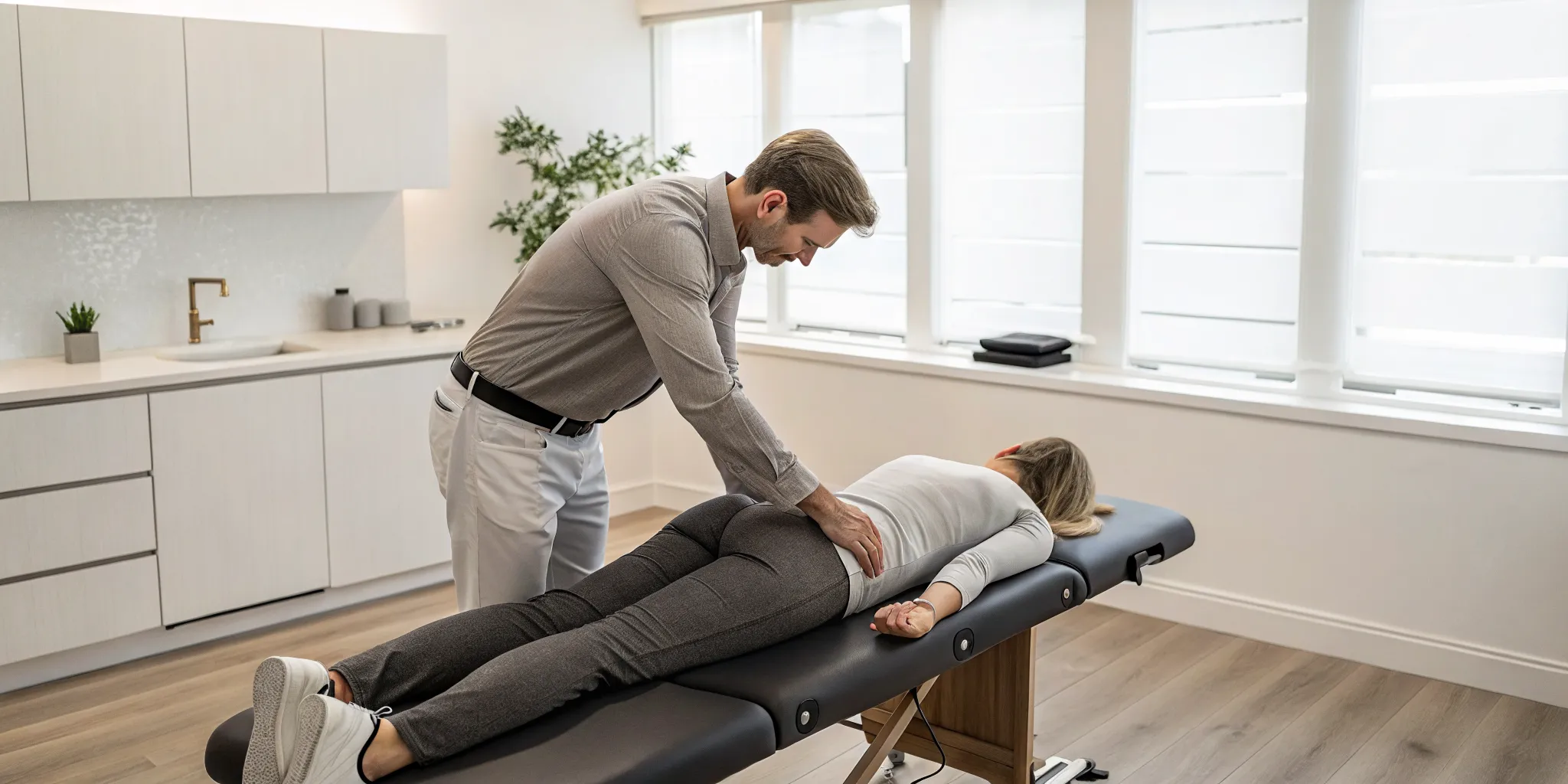
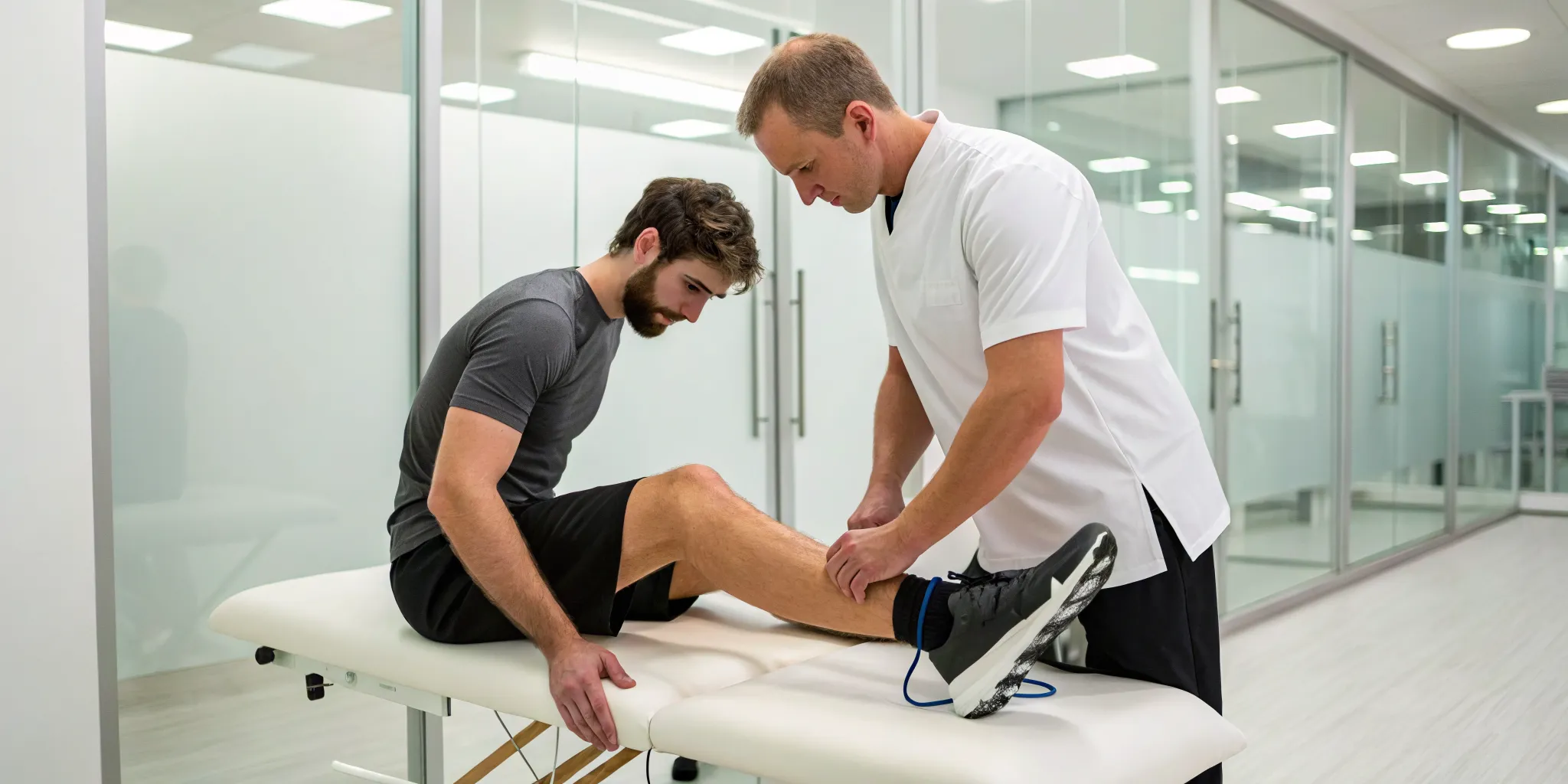
Your provider will perform several movements to observe how your nerves respond to stress. The straight leg raise test is one of the most reliable. While you lie on your back, the provider lifts your leg slowly. Pain between 30 and 70 degrees of elevation strongly suggests nerve root irritation from a herniated disc. Research in StatPearls notes that this test has high sensitivity for detecting lumbar disc issues.
Key takeaway: The straight leg raise test is the most common screening tool for sciatic nerve root irritation, but it works best when combined with other assessments.
The slump test adds another layer of information. You sit on the edge of a table, slump your shoulders forward, and slowly straighten one knee while pulling your toes back. This stretches the spinal cord and nerve roots. Some research suggests the slump test may be more sensitive than the straight leg raise for detecting nerve tension.
Structural analysis for long-term correction
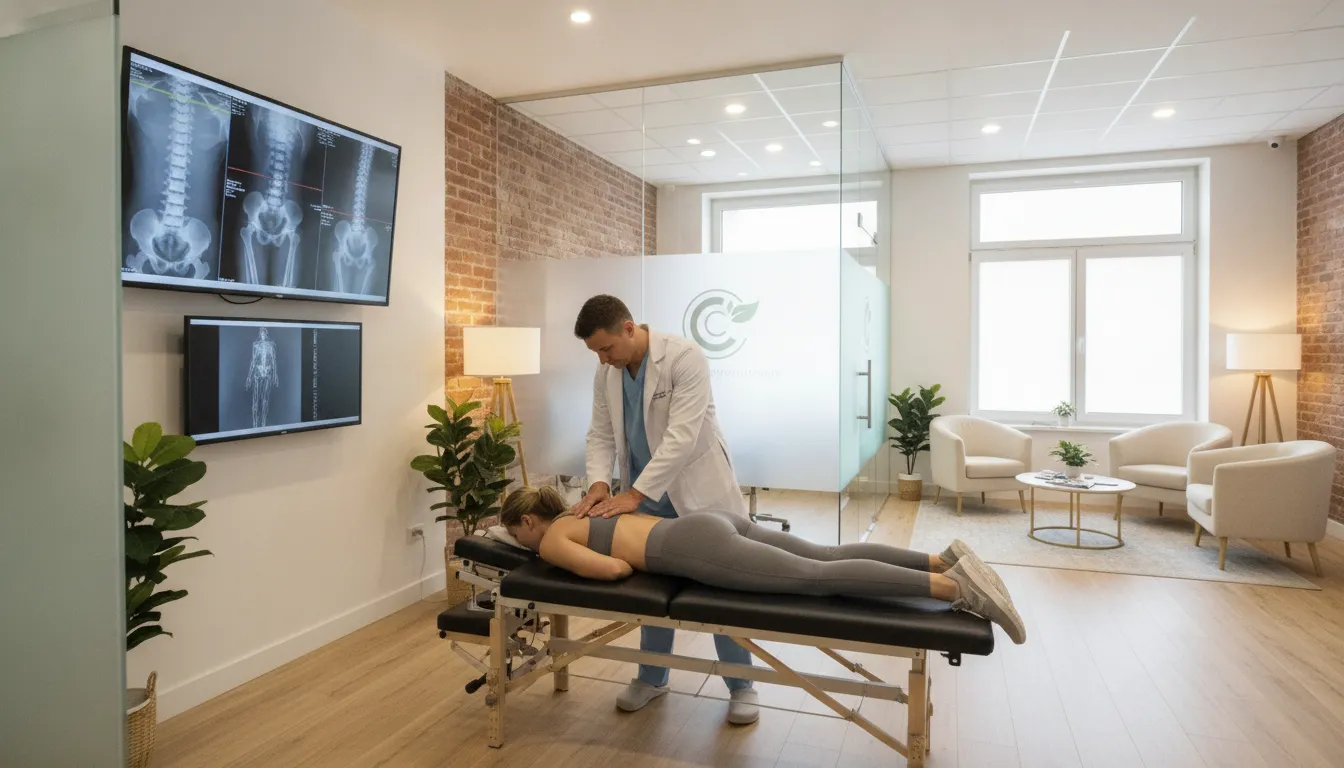
At Ascend Functional Health, the evaluation also examines your spinal structure. Poor posture , such as a forward head position or lost lumbar curve , can place constant stress on nerve pathways. Using posture analysis and digital X-ray imaging with tools like PostureRay software. The team can measure spinal curve deviations and identify structural shifts that may be contributing to nerve compression.
Key Physical Exam Tests for Sciatic Nerve Irritation
Physical exam tests for sciatica evaluate muscle strength, reflexes, nerve mobility, and sensory function. No single test provides a complete answer, but the combined results give your care team a reliable map of where and how the nerve is involved.
Your provider uses a battery of tests during a comprehensive sciatica evaluation process. Below are the most common assessments and what each one reveals.
| Test | What It Checks | What a Positive Result Means | Sensitivity |
|---|---|---|---|
| Straight Leg Raise | Nerve root mobility | Disc herniation at L4-S1 | High (91%) |
| Slump Test | Neural tension | Nerve root adhesion or tightness | Moderate-High |
| Crossed Straight Leg Raise | Contralateral nerve root | Large or central disc herniation | Low but very specific |
| Reflex Testing | Nerve signal quality | Depressed reflex = nerve compression | Moderate |
| Muscle Strength Testing | Motor nerve function | Weakness points to specific nerve root | Moderate |
Strength and reflex checks
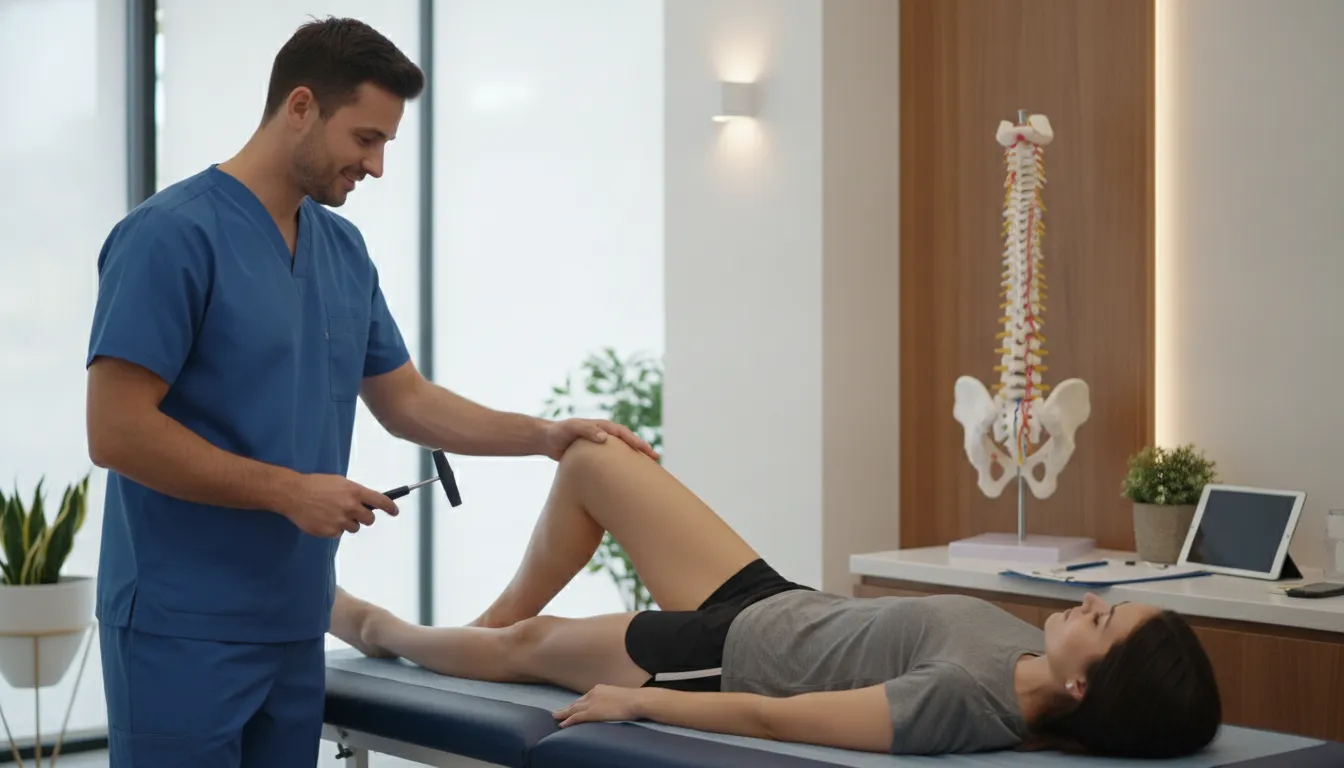
Your provider will ask you to walk on your toes and heels to test muscle groups controlled by specific nerve roots. Difficulty lifting the front of your foot (foot drop) points to the L5 nerve root, while trouble rising onto your toes suggests S1 involvement. Reflex testing with a small percussion hammer checks the knee jerk (L4) and ankle jerk (S1). A diminished or absent reflex can indicate chronic nerve compression.
Key takeaway: Simple walking and reflex tests give your provider valuable clues about which nerve root is affected without needing any imaging equipment.
A sensory examination completes this portion of the evaluation. Your provider will test light touch and pinprick sensation across different areas of your legs and feet. Each area of skin (dermatome) is linked to a specific spinal nerve root, so changes in sensation can help pinpoint the level of involvement. This information feeds into a comprehensive root-cause assessment that guides your treatment plan.
When Do You Need Imaging for a Sciatica Evaluation?
Most sciatica cases do not require imaging at the first visit. Your provider will recommend X-ray, MRI, or CT imaging only when red flag symptoms are present. Conservative treatment has not improved your pain after several weeks, or your physical exam findings point to a specific structural issue that needs confirmation.
The majority of nerve pain resolves or improves significantly with non-surgical care during the first four to six weeks. Imaging becomes appropriate when your symptoms follow certain patterns.
- Red flag symptoms , Progressive leg weakness, loss of bowel or bladder control, or pain following traumatic injury warrants immediate imaging.
- Persistent pain , If your symptoms have not improved after four to six weeks of conservative care, imaging can rule out or confirm structural causes.
- Suspected pathology , When the physical exam points to a specific disc level or bone abnormality, imaging provides the confirmation needed for precise treatment planning.
X-ray and CT imaging
X-rays are useful for evaluating bone alignment and spinal structure. At Ascend Functional Health, weight-bearing digital X-rays with postural analysis measure your cervical, thoracic, and lumbar curves. These images can reveal bone spurs, joint degeneration, and spinal shifts that may be compressing nerve roots. A CT scan provides a more detailed three-dimensional view of the bone structures and is sometimes combined with a myelogram (contrast dye) to highlight nerve root compression.
MRI for disc and soft-tissue evaluation
MRI is the preferred imaging method when a herniated disc, spinal stenosis, or other soft-tissue issue is suspected. Unlike X-rays, MRI uses magnetic fields to create detailed images of discs, ligaments, and nerve tissue. An MRI can confirm the exact location and severity of nerve compression, which is essential for planning targeted sciatica treatment in Tampa.
Key takeaway: MRI is the gold standard for identifying disc herniations and soft-tissue causes of sciatica, while X-ray excels at detecting bone and alignment issues.
EMG and nerve conduction studies
Electromyography (EMG) evaluates the electrical activity of your muscles and the nerve signals traveling to them. This test can determine how severely a nerve is affected and whether the damage is from compression or from a different nerve condition. EMG is especially helpful when symptoms persist despite normal imaging findings.
What Conditions Mimic Sciatic Nerve Pain?
Several conditions produce leg and hip pain that feels identical to sciatica. Piriformis syndrome, sacroiliac joint dysfunction, lumbar stenosis, and facet joint syndrome are common mimics that require a different treatment approach, making accurate diagnosis essential.
Not every pain that runs down the leg originates from a compressed spinal nerve root. A thorough sciatica evaluation process includes ruling out these mimics so you receive the correct care from the start.
| Condition | Key Sign | How It Feels | Physical Check |
|---|---|---|---|
| Piriformis Syndrome | Deep buttock pain | Pain while sitting on hard chairs | Negative SLR test |
| Lumbar Stenosis | Pain in both legs | Pain improves when leaning forward | Narrowing on MRI |
| SI Joint Dysfunction | One-sided pain at the pelvic base | Pain when standing up from a chair | SI joint tenderness on exam |
| Facet Joint Syndrome | Lower back stiffness | Pain when arching backward | Pain with spinal extension |
| Peripheral Neuropathy | Numbness in both feet | Bilateral pins-and-needles sensation | Abnormal blood sugar or nerve conduction |
- Piriformis syndrome , The piriformis muscle in the hip can tighten and press on the sciatic nerve, causing pain that mirrors disc-related sciatica.
- SI joint dysfunction , When the sacroiliac joint moves too much or too little, it produces deep buttock and leg pain that is often confused with nerve root compression.
- Spinal stenosis , Narrowing of the spinal canal can compress multiple nerve roots at once, typically producing pain in both legs that worsens with walking.
Key takeaway: The straight leg raise test is one of the most reliable ways to distinguish true sciatica from these mimics. A negative test strongly suggests the pain originates outside the spinal nerve root.
What Your Sciatica Evaluation Results Mean for Your Care
Your evaluation results create a precise map of where and why your sciatic nerve is irritated, which directly determines your treatment pathway. A typical care plan progresses through three phases designed to relieve pain, correct the underlying cause, and maintain long-term health.
Once your provider has reviewed your history, physical exam findings, and any imaging results, they can identify the specific mechanism causing your nerve pain. This information drives a personalized care plan. The phases generally follow this sequence:
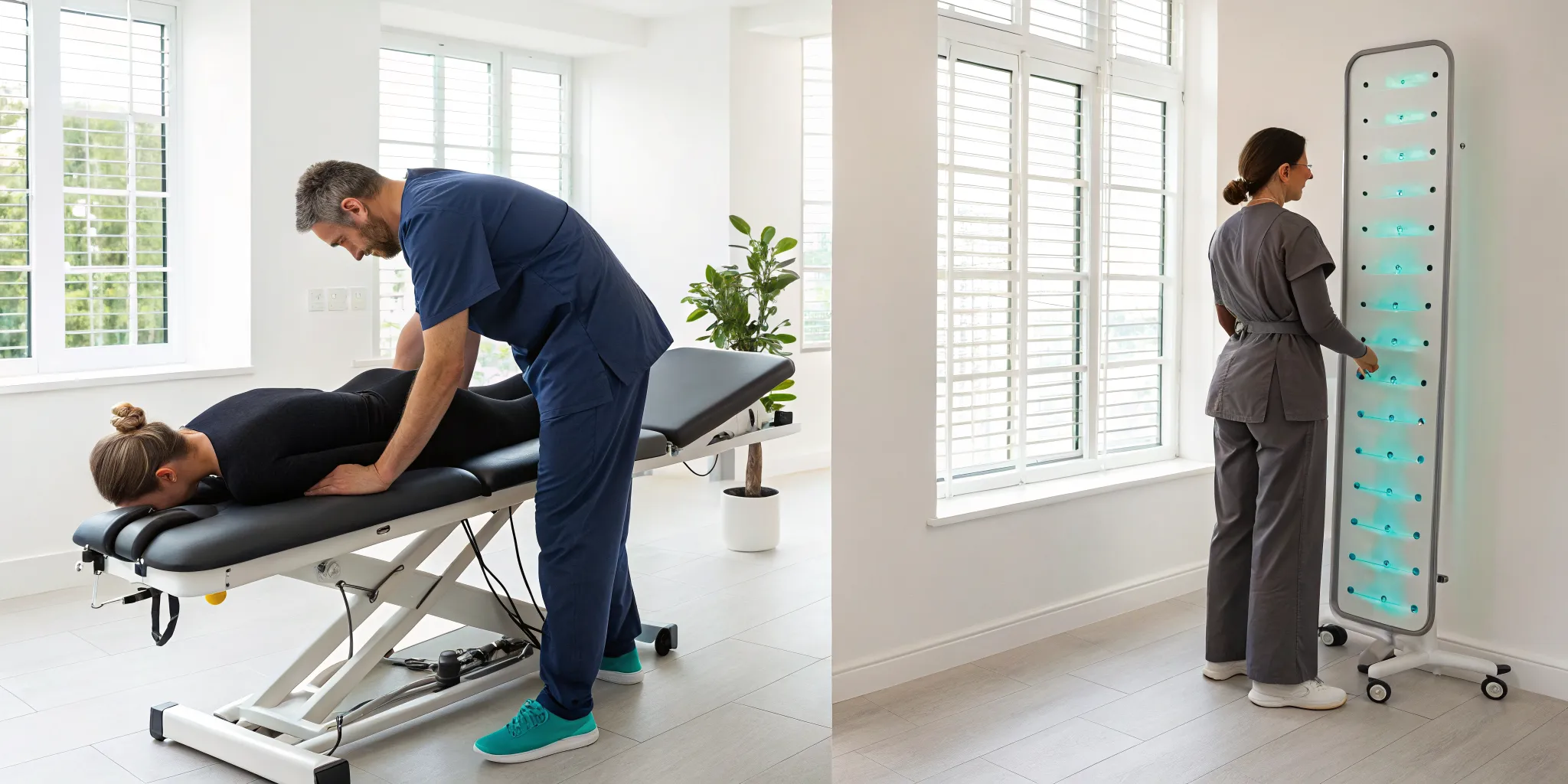
- Acute Care (Weeks 1-3) , Focuses on pain relief and reducing nerve inflammation using gentle spinal adjustments, SoftWave therapy, and activity modifications to prevent further irritation. Visits are more frequent during this phase.
- Corrective Care (Weeks 4-12) , Addresses the structural cause of the nerve compression through targeted Chiropractic BioPhysics protocols, spinal decompression therapy, and mirror-image exercises that retrain your spine into healthier alignment.
- Maintenance (Ongoing) , Preserves your results with less frequent visits, a home exercise program, and lifestyle guidance to prevent the issue from returning. Many patients continue with monthly visits to stay active and pain-free.
Key takeaway: The goal of a sciatica evaluation is not just to name the condition , it is to create a targeted. Phase-based treatment plan that addresses the root cause so you can return to normal activity without relying on pain medication or surgery.
For patients whose disc issues are identified during evaluation, spinal decompression therapy offers a non-surgical path to relief. Those with structural misalignment may benefit from Chiropractic BioPhysics corrective care to restore proper spinal curves. The right plan depends entirely on what the evaluation reveals. Your provider at Ascend Functional Health will explain each phase clearly before you begin.
Most patients with sciatica improve significantly with non-surgical care. However, certain findings during your evaluation require immediate medical attention. The Mayo Clinic identifies severe leg weakness, loss of bowel or bladder control, and pain after a major injury as red flags that warrant urgent evaluation. For everyone else, a thorough sciatica evaluation provides the roadmap to recovery through conservative, evidence-based care.
Frequently Asked Questions
What red flag symptoms mean I need medical help for sciatica right away?
Seek immediate care if you experience progressive leg weakness, loss of bowel or bladder control, or sudden severe pain after a traumatic injury. These signs may indicate cauda equina syndrome or other serious nerve compression that requires urgent evaluation. Contact your provider or visit an emergency facility if these symptoms appear.
Can an X-ray show why my sciatic nerve is irritated?
X-rays cannot show the sciatic nerve itself, but they can reveal bone spurs, spinal misalignment, and joint degeneration that may be pressing on the nerve. If soft-tissue issues such as a herniated disc are suspected, an MRI provides the detailed view needed to confirm the diagnosis and plan treatment.
How long does a full sciatica evaluation usually take?
A comprehensive sciatica evaluation typically takes 45 to 60 minutes. This allows your provider to review your health history, perform physical tests, analyze your posture and gait, and discuss findings before you leave with a clear care plan. Taking this time ensures no detail is missed.
What should I wear to my first sciatica assessment?
Wear loose, comfortable clothing that allows easy movement. Gym shorts or yoga pants with a simple shirt work well because the evaluation may require you to walk on your toes and heels. Squat, and perform leg raises. Supportive shoes also help during the gait and posture portion of the exam.
Do I need a referral to get a sciatica evaluation?
No referral is needed. Ascend Functional Health accepts patients directly for sciatica treatment in Tampa without a physician referral, making it easy to get answers about your nerve pain and start a personalized care plan.
Ready to Start Your Path to Relief?
Living with sciatic nerve pain does not have to be your new normal. A thorough evaluation is the fastest way to understand what is causing your symptoms and what treatment approach will work best for your specific situation. At Ascend Functional Health in Tampa, our team uses a complete evaluation process , including health history review, physical testing. And advanced imaging when needed , to identify the root cause of your pain and build a personalized plan for recovery.
Contact Ascend Functional Health today to schedule your sciatica evaluation and take the first step toward lasting relief without relying on pain medication or invasive procedures.