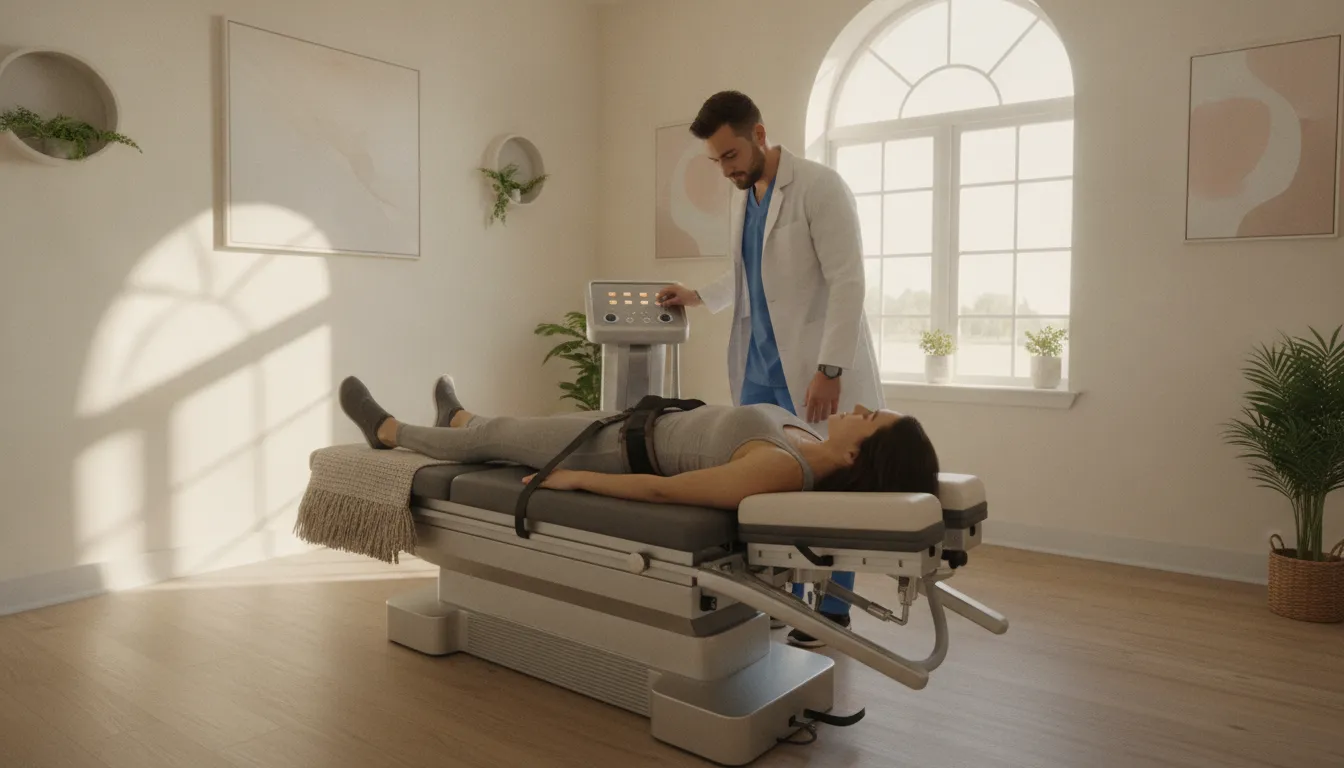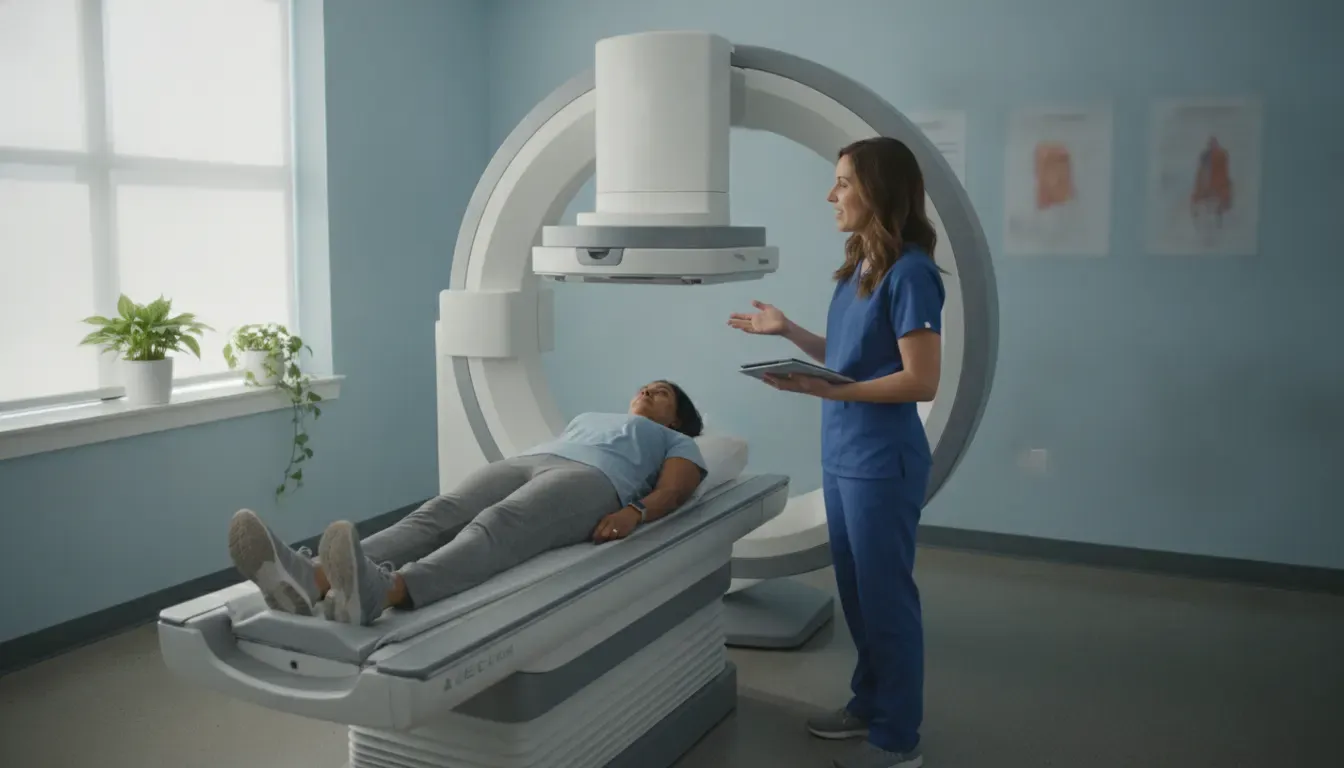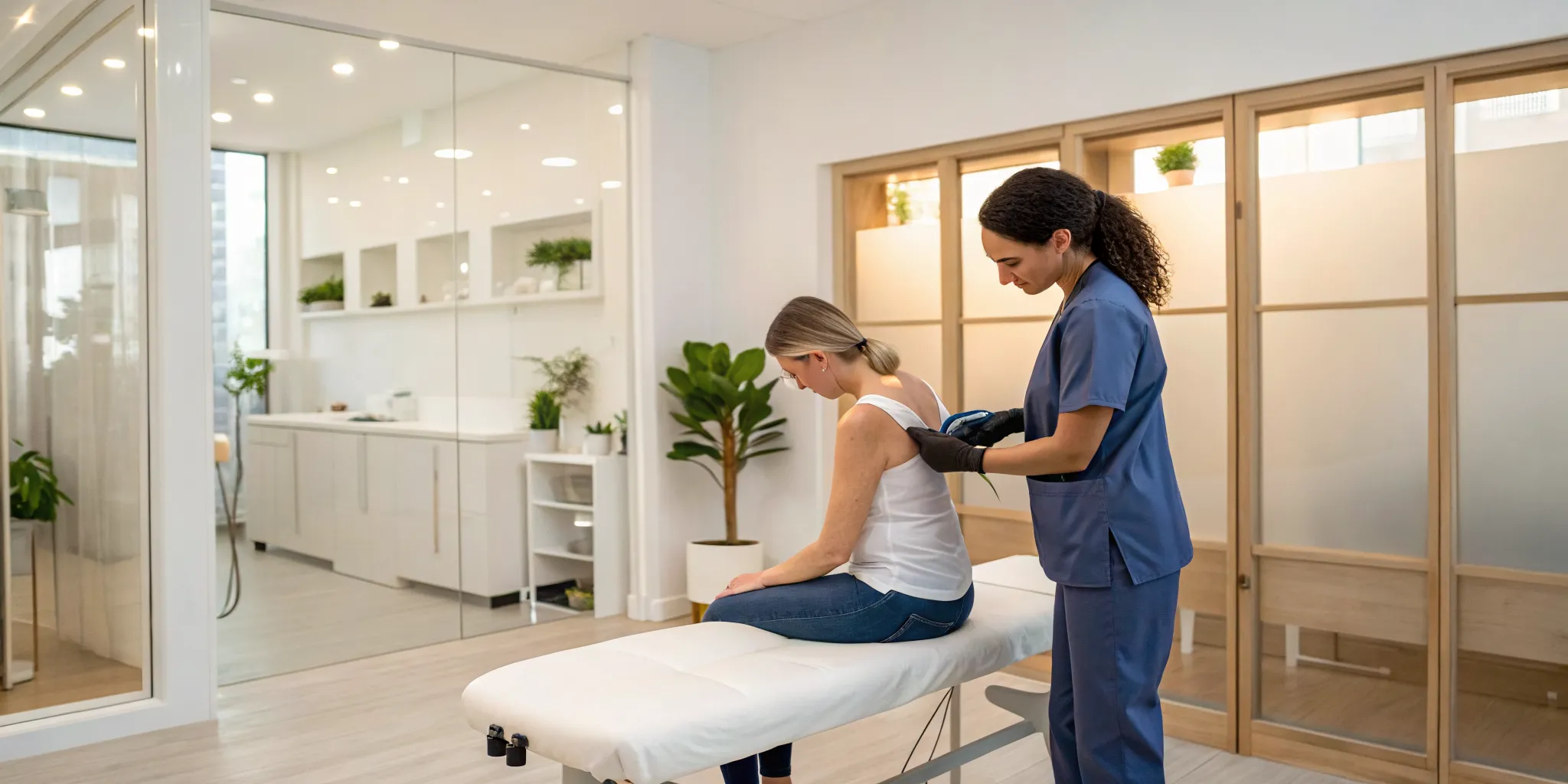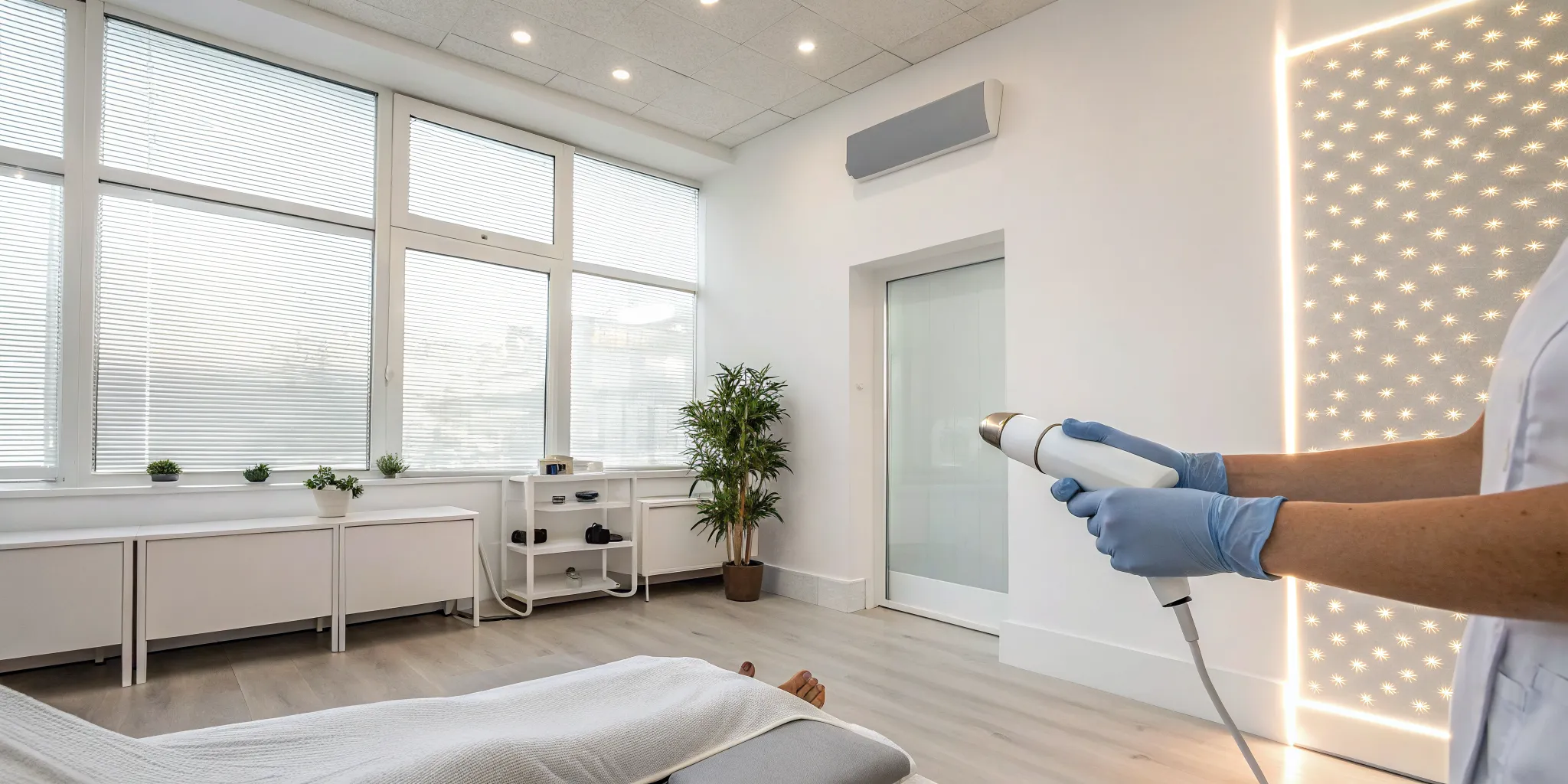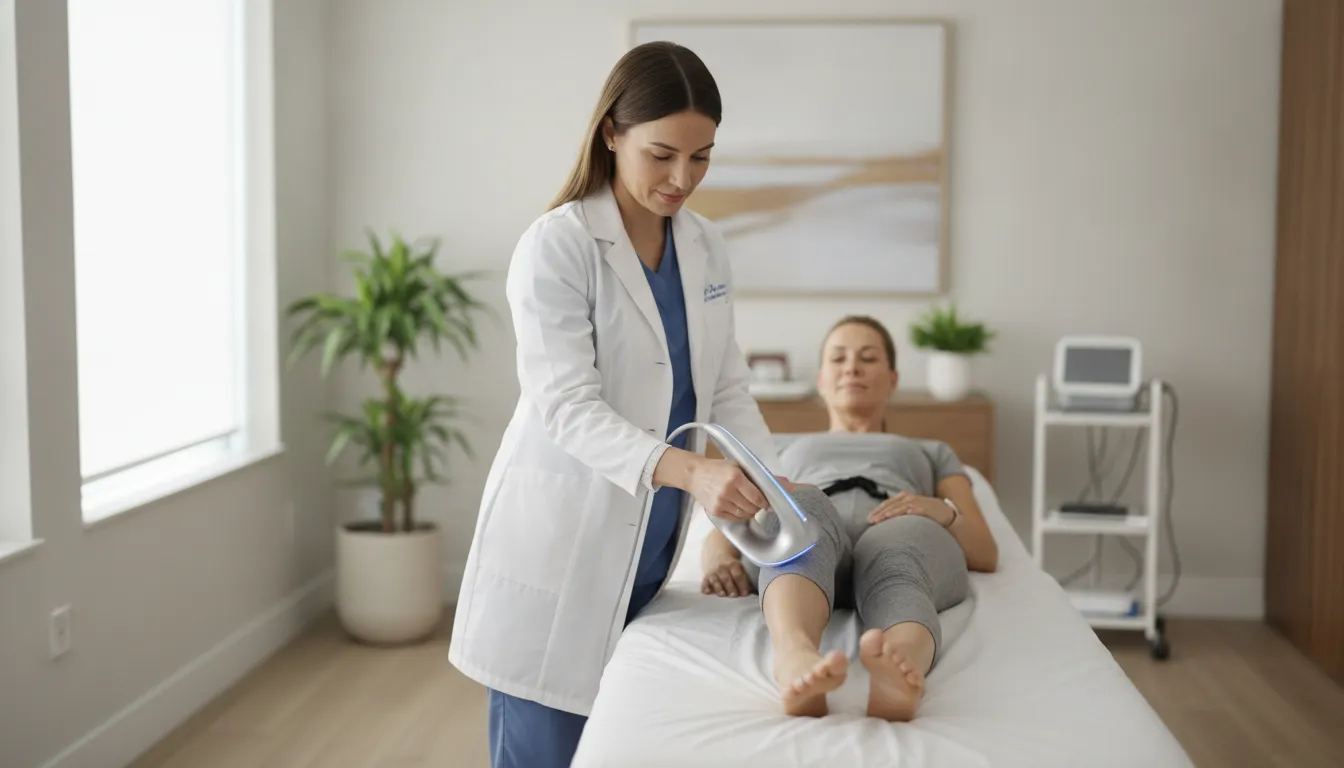
When you’re an athlete, your approach to recovery should be as strategic as your training. Passively waiting for an injury to heal isn’t always the most effective path, especially for stubborn conditions like plantar fasciitis or tennis elbow. True recovery involves actively supporting your body’s own powerful repair systems. This is where advanced treatments come into play, offering a way to work smarter, not just harder, on your healing. We’ll explain how shockwave therapy for athletes serves as a catalyst for this process, using sound energy to target injured tissue, enhance circulation, and accelerate cellular repair, helping you return to your sport faster and more resilient than before.
Key Takeaways
- It Stimulates Your Body's Own Repair Process: Shockwave therapy uses targeted acoustic waves to restart healing in chronic injuries, addressing the root cause of pain by improving blood flow and encouraging cell regeneration.
- It Offers a Non-Invasive Path to Recovery: This treatment helps you return to your sport faster by avoiding the risks and long downtime of surgery, offering a strong alternative to repeated injections.
- It's Most Effective Within a Complete Plan: For lasting results, shockwave therapy should be combined with a full recovery strategy, like physical medicine, to correct the underlying movement patterns that led to the injury.
How Does Shockwave Therapy Promote Healing?
If you’re dealing with a nagging sports injury, you know how frustrating the cycle of pain and limited activity can be. Shockwave therapy is a modern, non-invasive treatment that helps break that cycle by working with your body’s own restorative abilities. It uses targeted acoustic waves, or sound energy, to stimulate healing deep within injured tissues. Think of it as a way to restart the healing process in chronic injuries that have stalled. This therapy effectively addresses the root cause of pain by promoting cellular repair and improving blood flow, helping you get back to your sport safely and efficiently.
How Acoustic Waves Trigger the Body's Repair Process
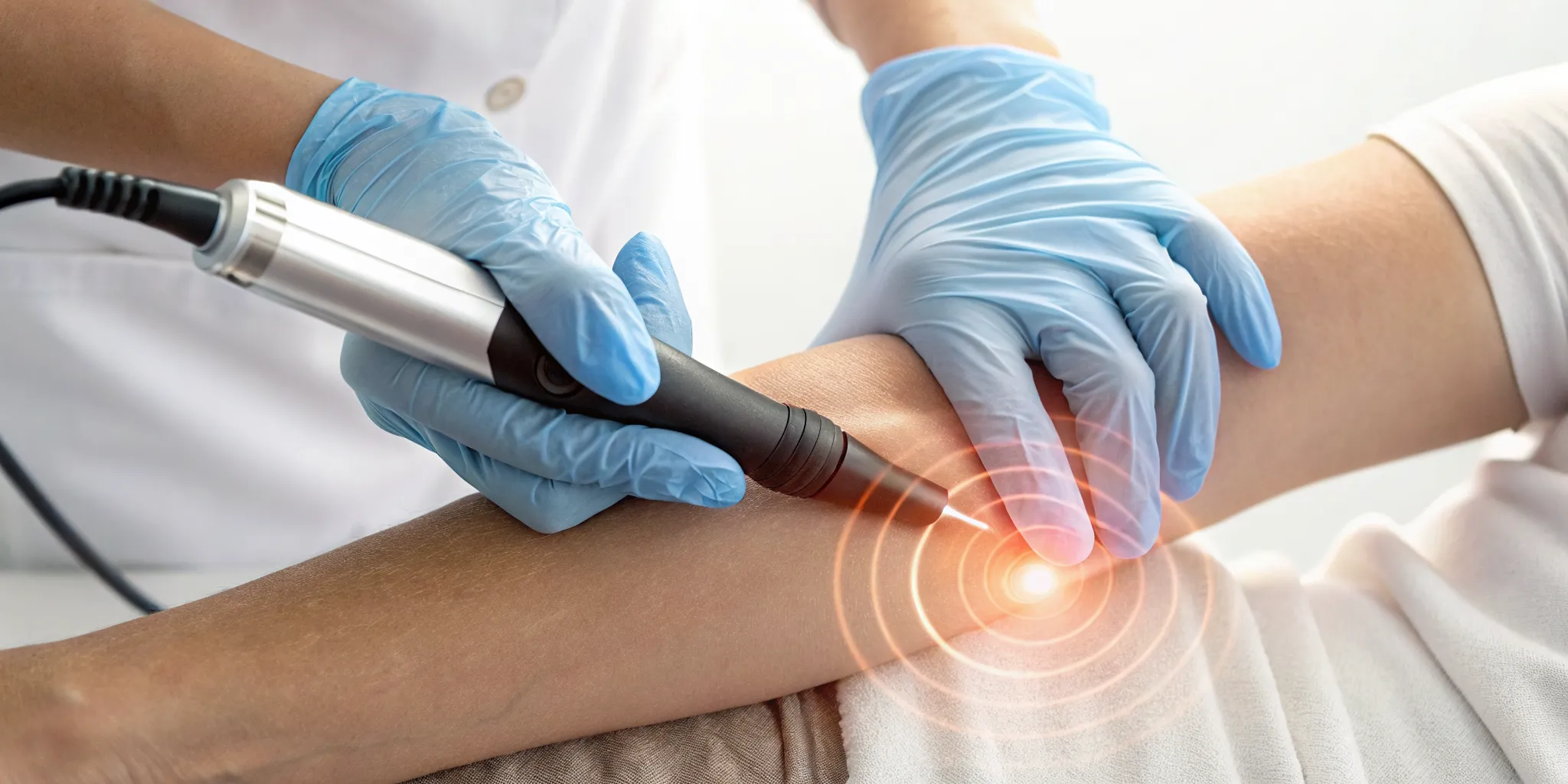
The term "shockwave" might sound intense, but the treatment is a highly controlled process. It delivers acoustic waves to a precise area, creating a therapeutic effect on a cellular level. These waves help break down scar tissue and calcifications that can develop in chronically injured tendons and muscles. This process prompts your body to create new collagen, a vital protein that acts as the scaffolding for healthy, resilient tissue. It also encourages the release of natural growth factors, which are the chemical messengers that tell your body’s cells to get to work on repair and regeneration.
Stimulating Blood Flow and Cellular Regeneration
One of the most important ways shockwave therapy promotes healing is by increasing circulation. The energy from the acoustic waves creates a response in the tissue that significantly improves blood flow to the affected area. This is crucial because blood carries the oxygen and nutrients your cells need to rebuild and recover. For athletes with chronic tendon issues, where blood supply is often poor, this is a game-changer. By creating new blood vessels and enhancing circulation, this therapy ensures your injured tissues get the resources they need to heal faster and more completely, which is essential for treating many common conditions we treat.
Focused vs. Radial Shockwave Therapy: What's the Difference?
Not all shockwave treatments are the same, and the approach we take is tailored to your specific injury. The two main types are radial and focused shockwave therapy. Radial waves spread out over a larger surface area, making them ideal for treating bigger muscle groups or more superficial conditions. Focused waves, on the other hand, are concentrated on a single, deeper point. This precision allows us to target specific problem areas, like a particular spot on a tendon. The type of therapy, along with the energy level and number of sessions, is part of a personalized protocol designed to give you the best results. Our approach to physical medicine always starts with understanding your unique needs to create the most effective plan.
Which Sports Injuries Respond Best to Shockwave Therapy?
While shockwave therapy is a versatile tool, it’s especially effective for chronic connective tissue injuries. These are the nagging problems that linger for months, often because the injured area has poor blood flow, which slows down the body's natural healing. Think of those stubborn tendons and ligaments that don't seem to improve with rest alone. Shockwave therapy gives these tissues the nudge they need to restart the repair process, making it a go-to treatment for tendinopathies and other overuse injuries common in active individuals.
Plantar Fasciitis and Achilles Tendinopathy
If you’ve ever felt a sharp, stabbing pain in your heel with your first steps in the morning, you know the misery of plantar fasciitis. Similarly, Achilles tendinopathy creates a persistent ache along the back of your ankle that can make running or even walking difficult. Both conditions involve thick, fibrous tissues that have limited blood supply, making them notoriously slow to heal. Shockwave therapy directly targets these areas, using acoustic waves to stimulate new blood vessel formation and activate the cells responsible for tissue repair. This approach helps you find lasting relief and is a key part of our physical medicine services.
Tennis Elbow and Rotator Cuff Injuries
You don’t have to be a tennis player to get tennis elbow. This painful condition, also known as lateral epicondylitis, stems from repetitive wrist and arm motions. Likewise, rotator cuff injuries can sideline anyone from weightlifters to swimmers, causing a deep ache in the shoulder. These overuse injuries often involve micro-tears and inflammation in the tendons. Shockwave therapy is an excellent option for these stubborn conditions because it helps break down scar tissue and stimulates metabolic activity in the affected cells. This process encourages regeneration, helping restore pain-free strength and mobility to your elbow and shoulder.
Patellar Tendinopathy and Hamstring Injuries
Athletes in sports that involve a lot of running and jumping are all too familiar with patellar tendinopathy, or "jumper's knee." It causes pain in the tendon connecting your kneecap to your shinbone. Another frustrating injury is proximal hamstring tendinopathy, which creates a deep pain high up in the back of your thigh, right where the hamstring attaches. Shockwave therapy can precisely target these tendons, delivering energy that reduces pain and triggers a healing response. By promoting tissue regeneration, it helps you get back to your sport without the pain that’s been holding you back. If you're dealing with a persistent injury, we can help you determine the right path forward when you contact our office.
Key Benefits of Shockwave Therapy for Athletes
For any athlete, an injury is more than just a physical setback; it's a frustrating pause on your passion and progress. The goal is always to heal effectively and get back to your sport safely, without losing momentum. Shockwave therapy offers a powerful solution that aligns perfectly with these goals. It stands out because it works by stimulating your body’s own repair mechanisms, addressing the source of the pain rather than just covering it up. This modern approach is changing how athletes manage chronic soft tissue injuries that just won't seem to go away, like stubborn tendonitis or plantar fasciitis.
The advantages are clear and compelling for anyone eager to get back to peak performance. First, it can significantly shorten your recovery timeline, allowing you to return to play sooner than you might with other methods. Second, it’s a completely non-invasive treatment, meaning you can avoid the risks and extended downtime associated with surgery. Finally, it provides a strong alternative to repeated injections or a reliance on pain medication, focusing instead on long-term healing. By integrating this therapy into a comprehensive physical medicine plan, athletes can find a path to recovery that keeps them moving forward.
Return to Your Sport Faster
One of the most significant advantages of shockwave therapy is its ability to speed up the healing process. When you’re dealing with a nagging injury, every week spent on the sidelines feels like a month. This treatment helps you get back in the game faster because it directly stimulates cellular repair and enhances blood flow to the injured tissue. Many athletes begin to feel significant improvement in just one to three months.
Unlike more invasive procedures that require a long and restrictive recovery period, shockwave therapy often allows you to continue training in a modified capacity. This means you don’t have to completely stop your activities, helping you maintain your fitness level while your body heals. It’s an excellent option for managing the chronic conditions that can disrupt a competitive season.
A Non-Invasive Approach with Minimal Downtime
The term "non-invasive" is key here. Shockwave therapy doesn't involve any incisions, needles, or anesthesia. The treatment is performed externally, sending acoustic waves through the skin to the targeted tissue. This completely removes the risks associated with surgery, such as infection or complications from anesthesia. Because there are no cuts to heal, there is virtually no downtime required after a session.
You can walk out of your appointment and go about your day. This convenience makes it easy to fit treatments into a busy schedule without disrupting your life or training regimen. For athletes looking to avoid the operating room and a lengthy rehabilitation process, the non-invasive nature of shockwave therapy is a game-changer. It reflects our approach of using the body's innate ability to heal.
An Alternative to Injections and Medication
Many athletes are familiar with the cycle of using pain medication or receiving injections to manage chronic injuries. While these methods can offer temporary relief, they often don't resolve the underlying issue. Shockwave therapy presents a different path. Instead of just masking pain, it is designed to promote true healing within the damaged tendon or tissue. This focus on regeneration helps create a more durable and lasting solution.
By choosing shockwave therapy, many athletes can avoid repeated injections, which can sometimes weaken tissue over time. The goal is to address the root cause of your pain and restore function, not just quiet the symptoms. This allows you to remain active during your treatment period and build a stronger, more resilient foundation for future performance.
What to Expect During Your Shockwave Therapy Session
Deciding to try a new treatment can feel like a big step, but knowing what the process involves can make it much easier. Shockwave therapy is a straightforward and efficient part of a comprehensive physical medicine plan designed to get you back to your sport without significant disruption to your life. From the moment you walk in for your session to the aftercare guidelines you’ll follow at home, every step is designed for your comfort and to support your body’s healing process.
We believe in empowering you with information so you can feel confident and prepared. Here, we’ll walk you through exactly what happens during a shockwave therapy session. We’ll cover how to prepare, what the treatment feels like, the typical length and frequency of sessions, and the simple self-care steps to take afterward to get the best results. Our goal is to demystify the process and show you how this innovative therapy fits into a holistic recovery plan.
How to Prepare and What the Treatment Feels Like
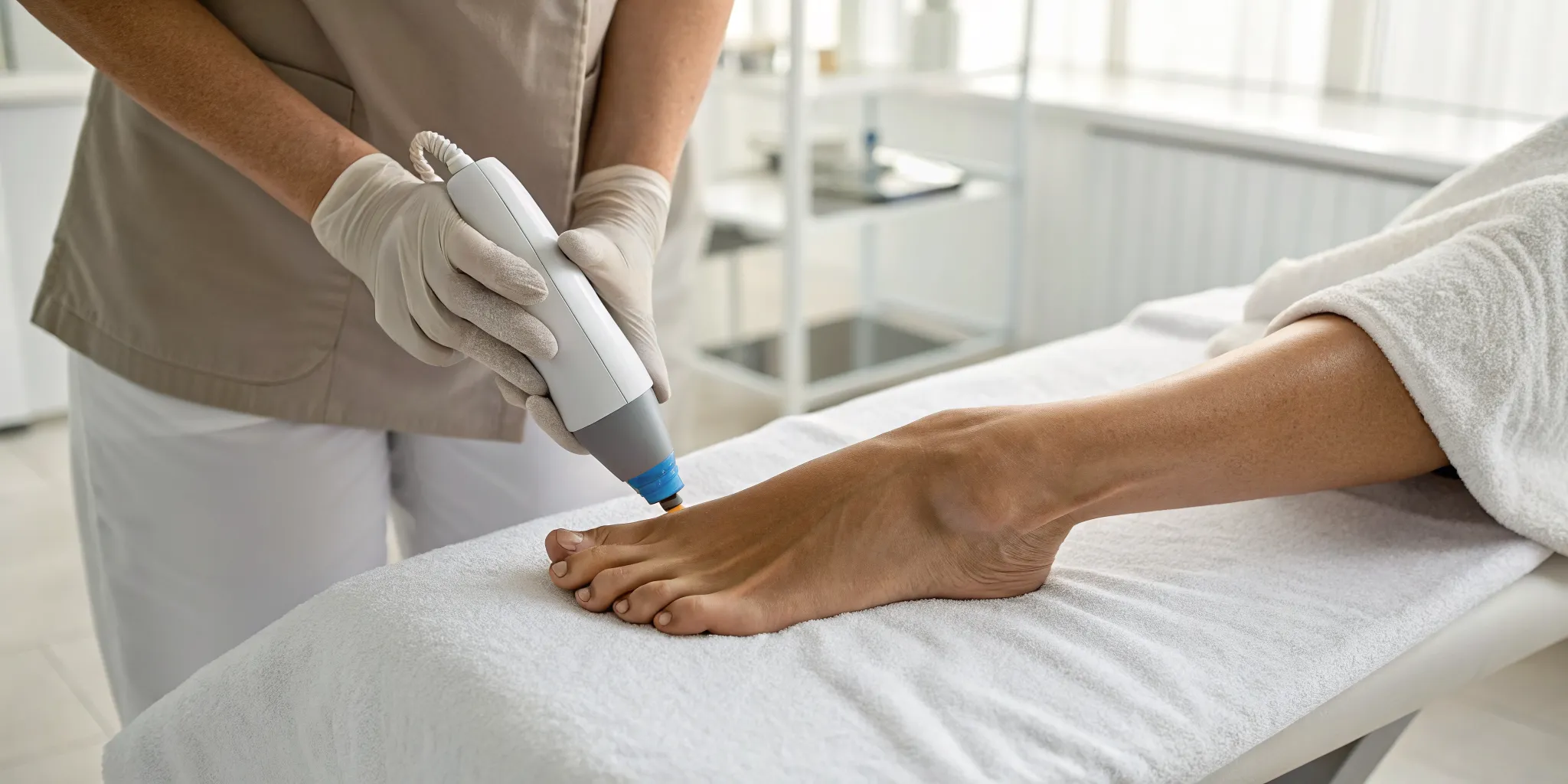
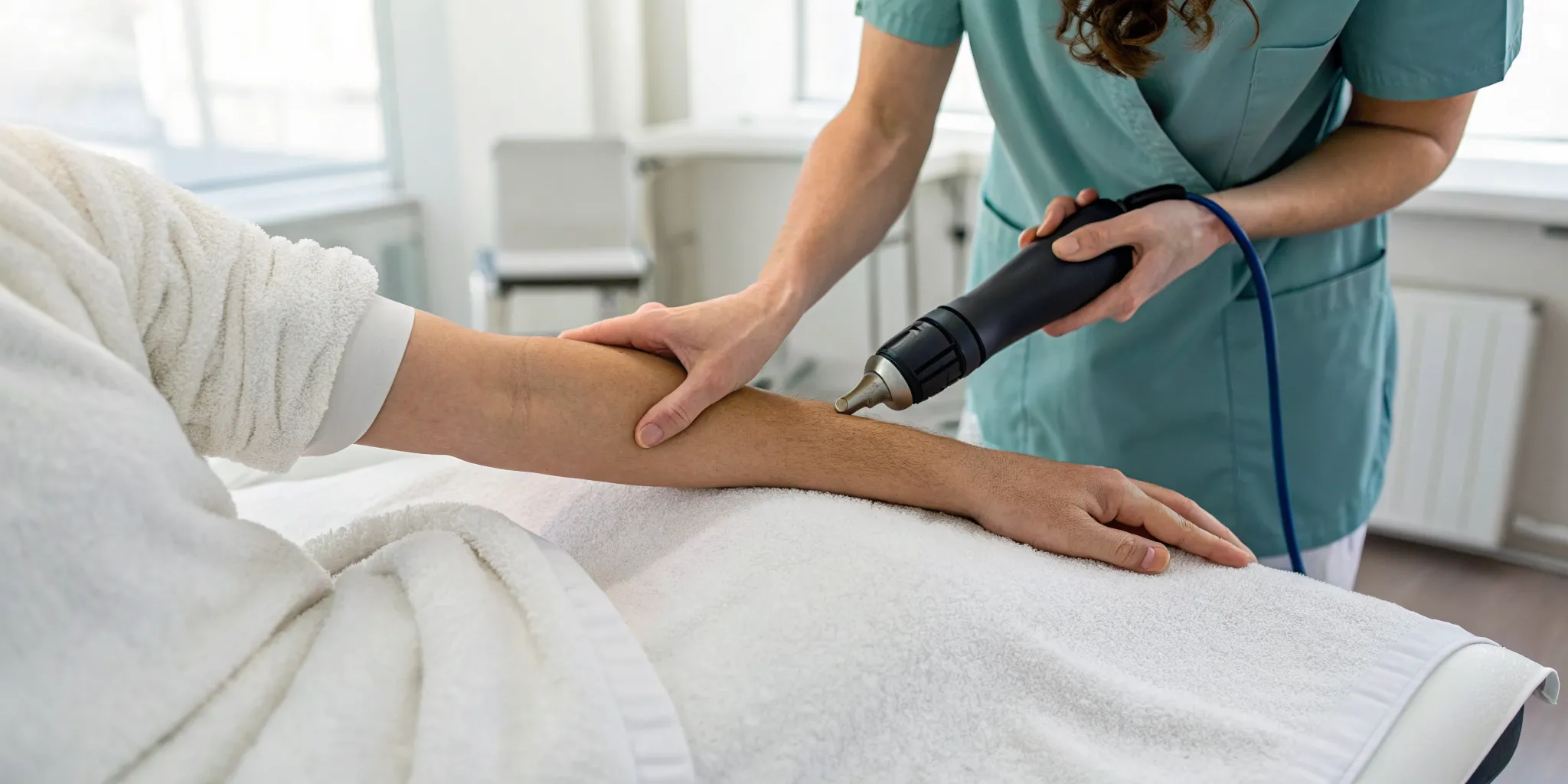
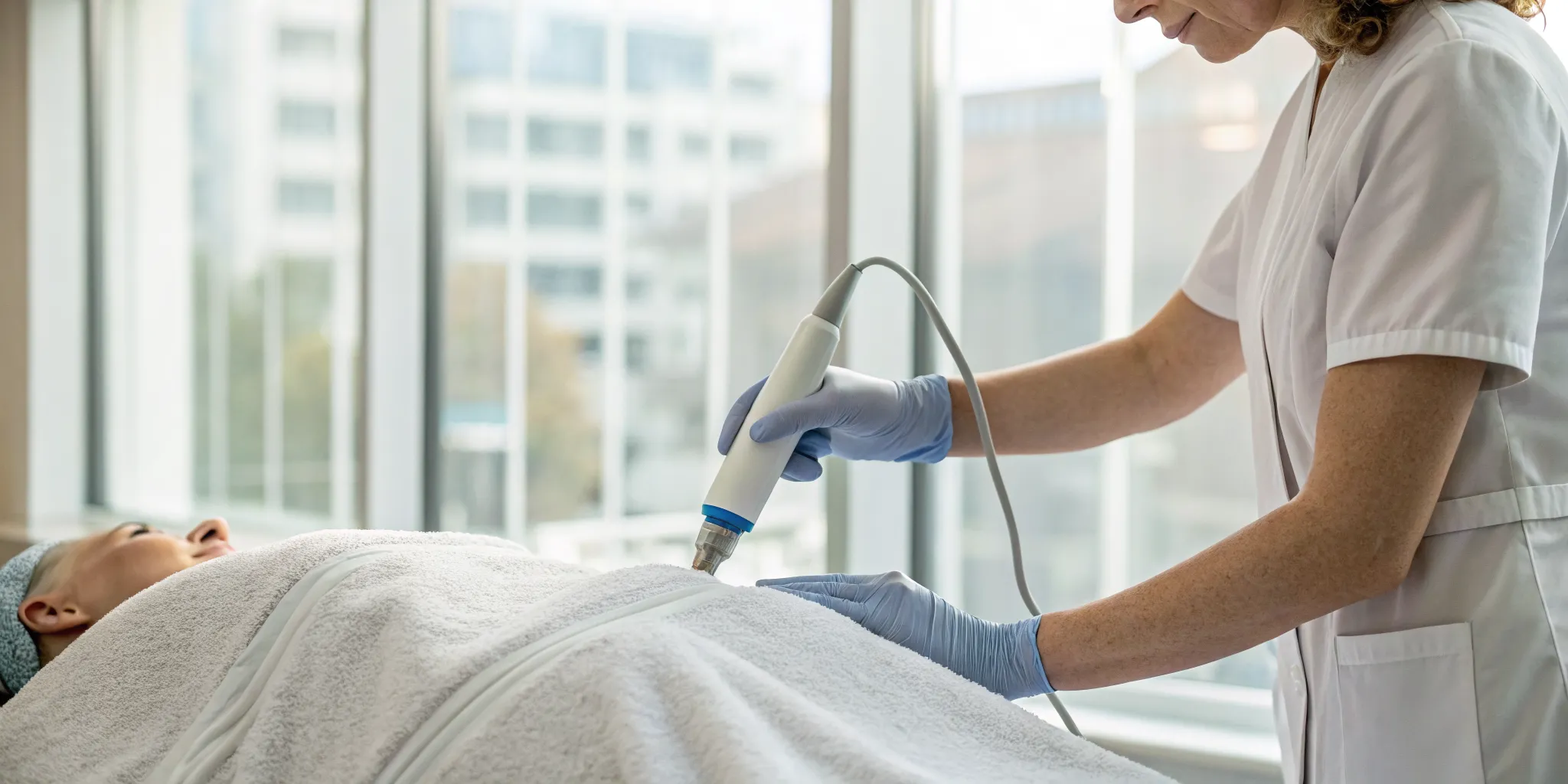
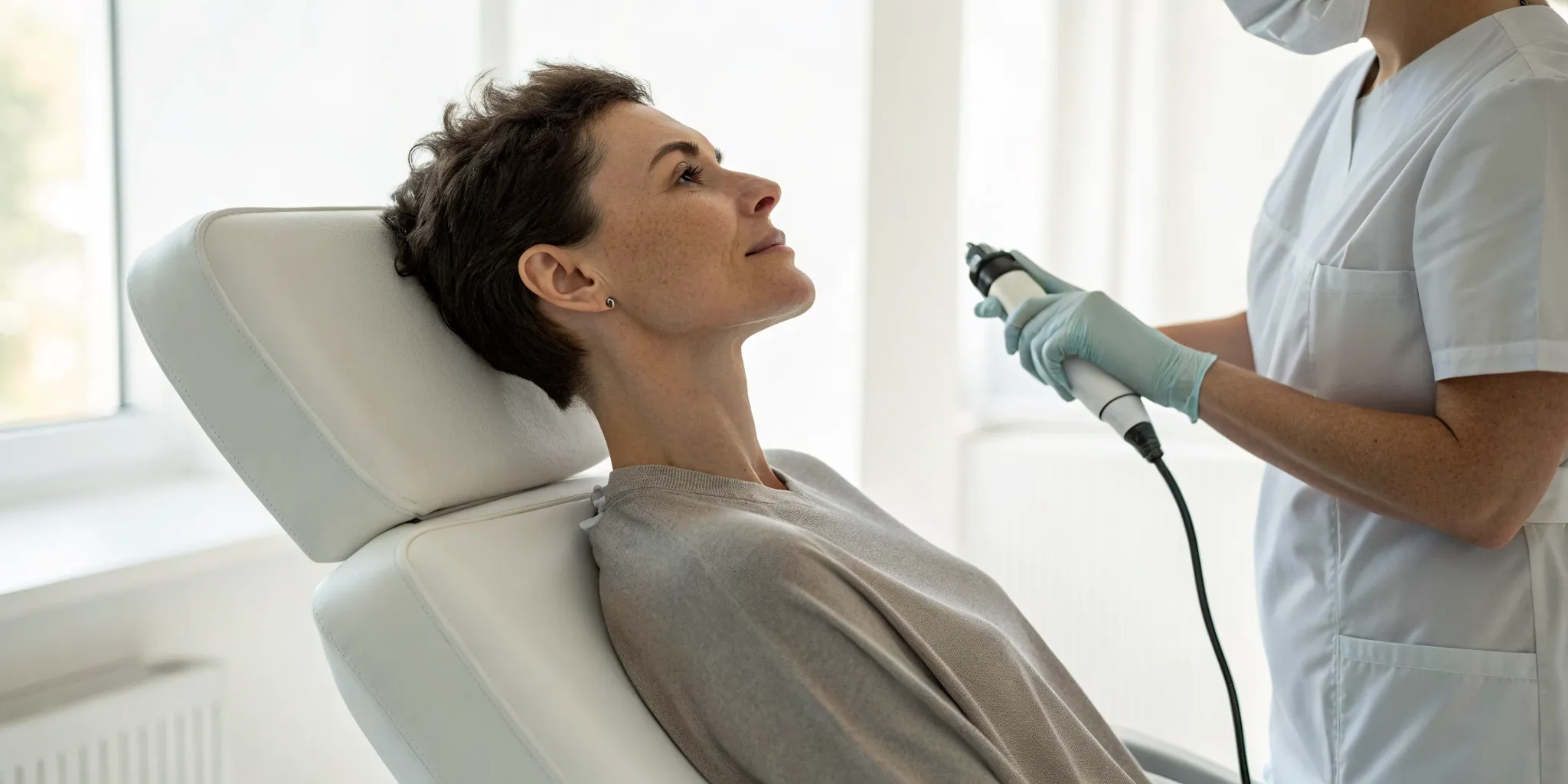
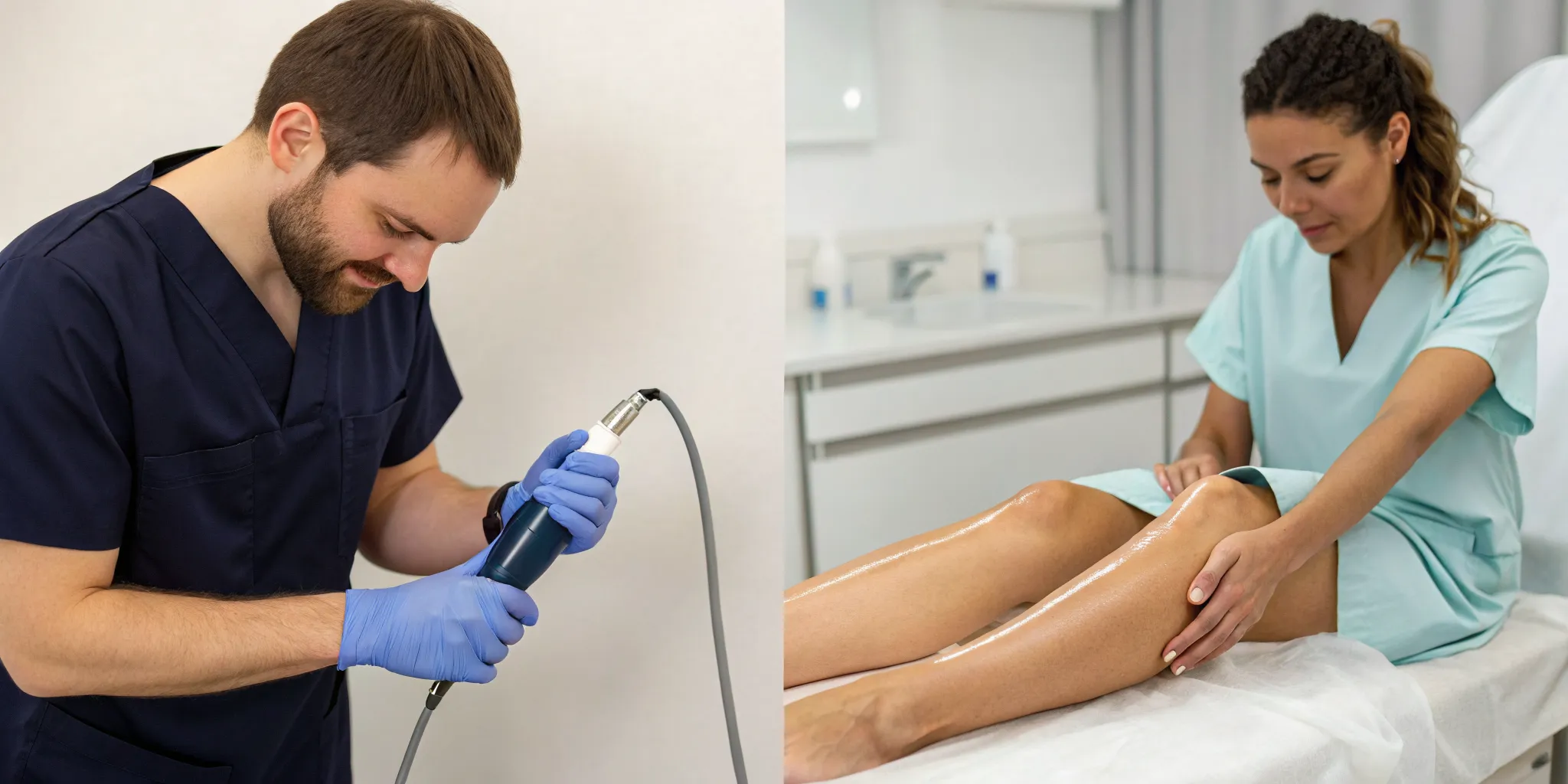
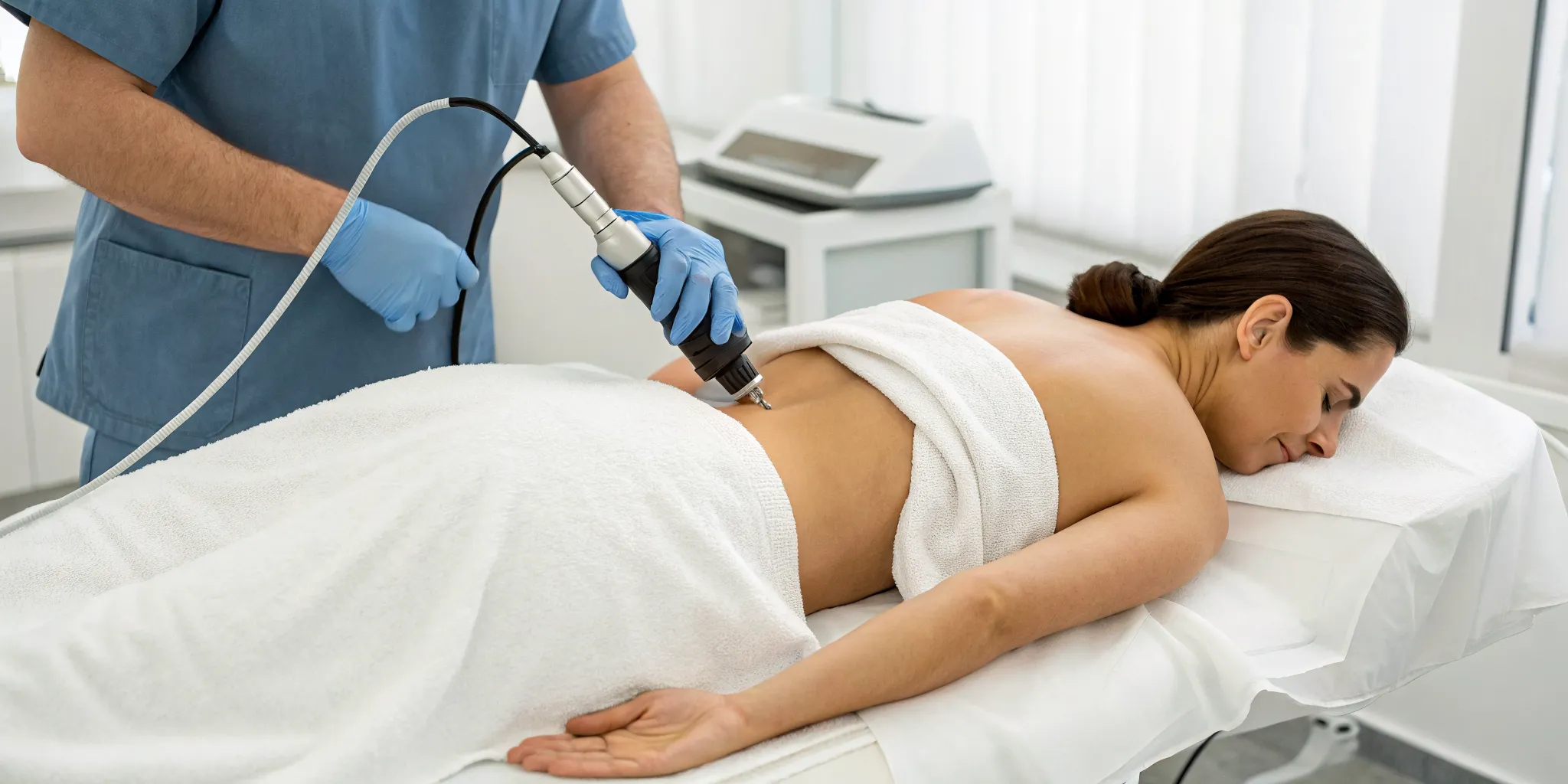
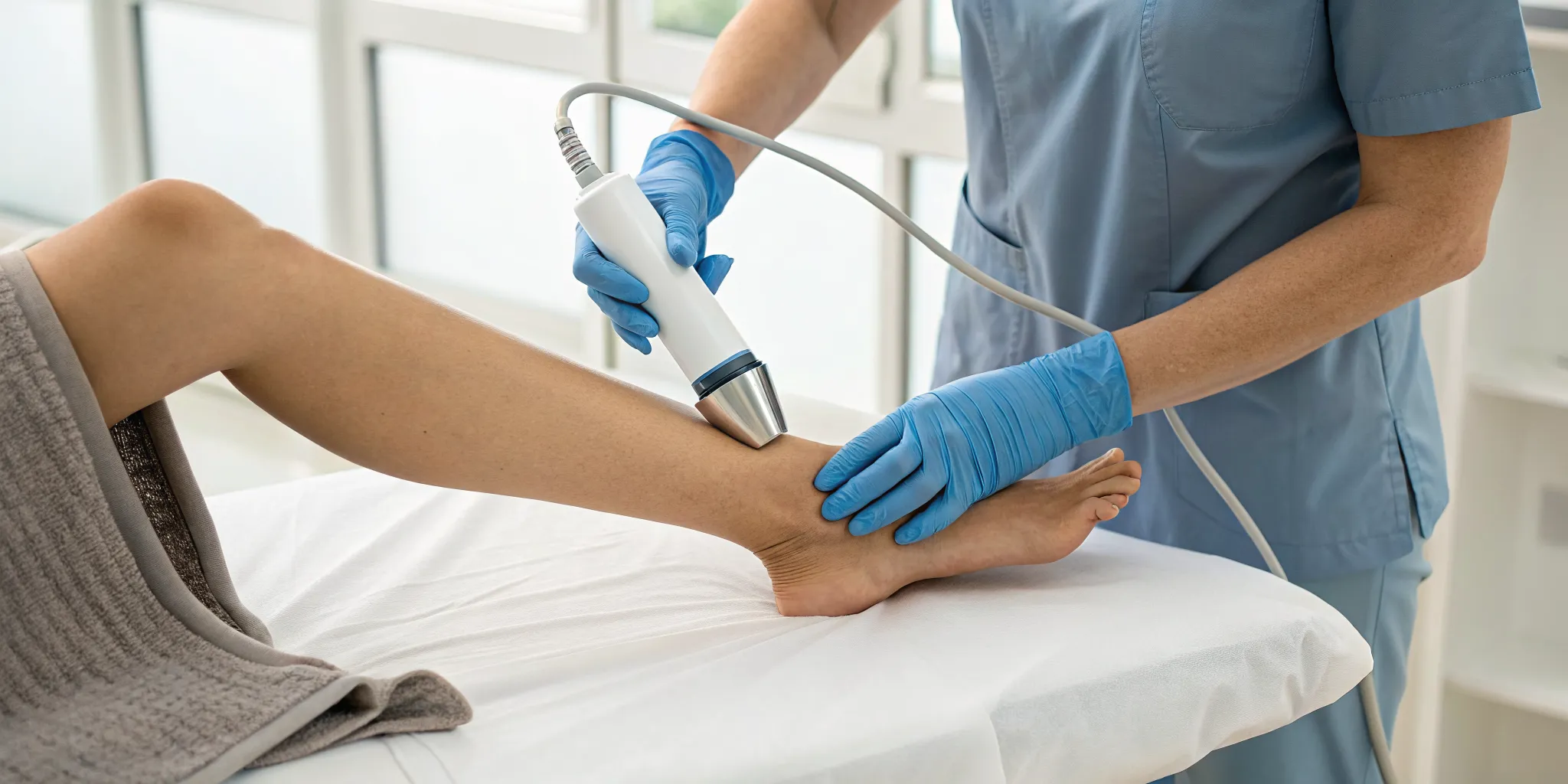
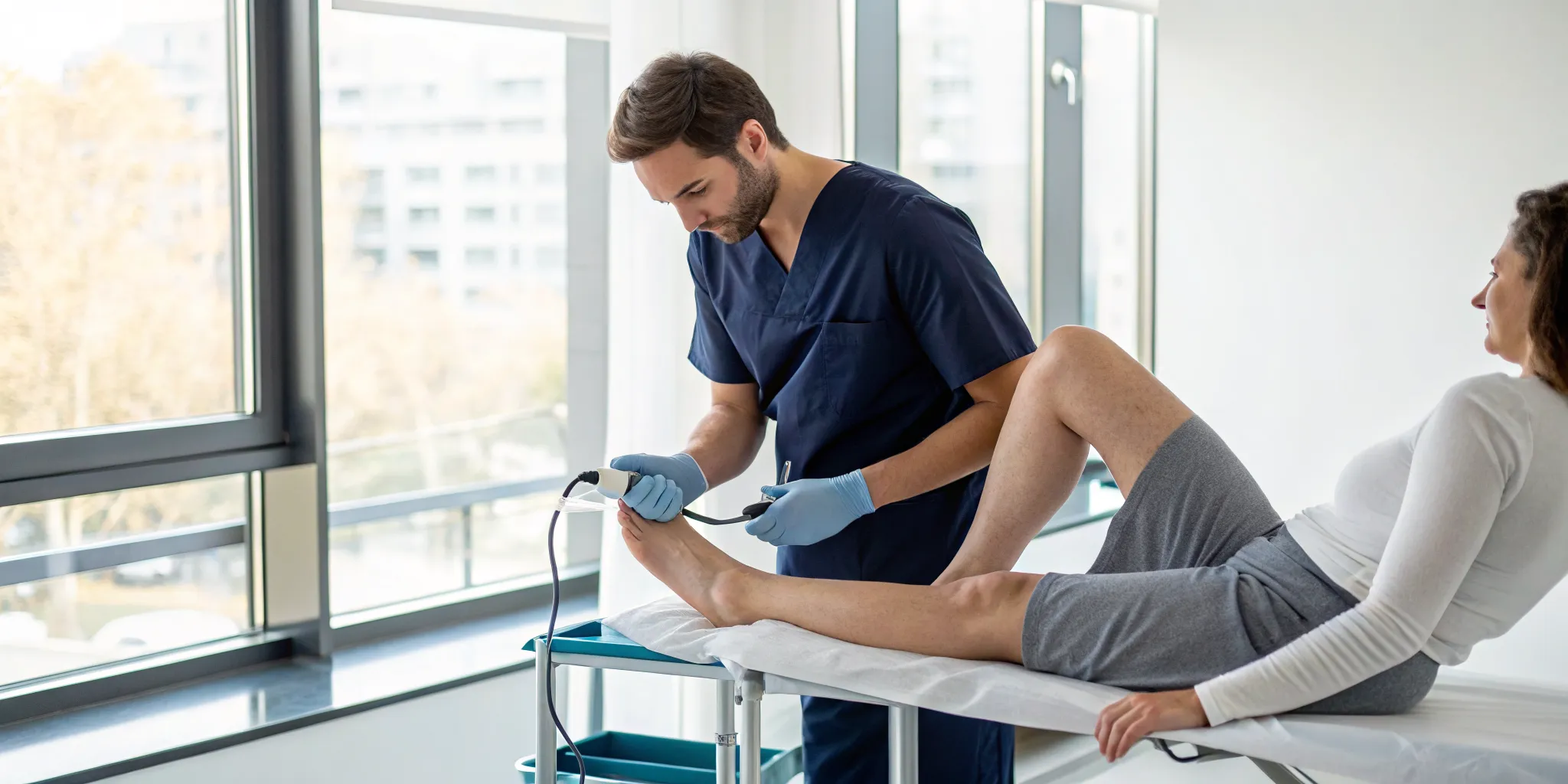
Preparing for your shockwave therapy session is simple. Just wear comfortable clothing that allows easy access to the injured area. When your session begins, your practitioner will apply a gel to your skin over the target area; this helps transmit the acoustic waves effectively.
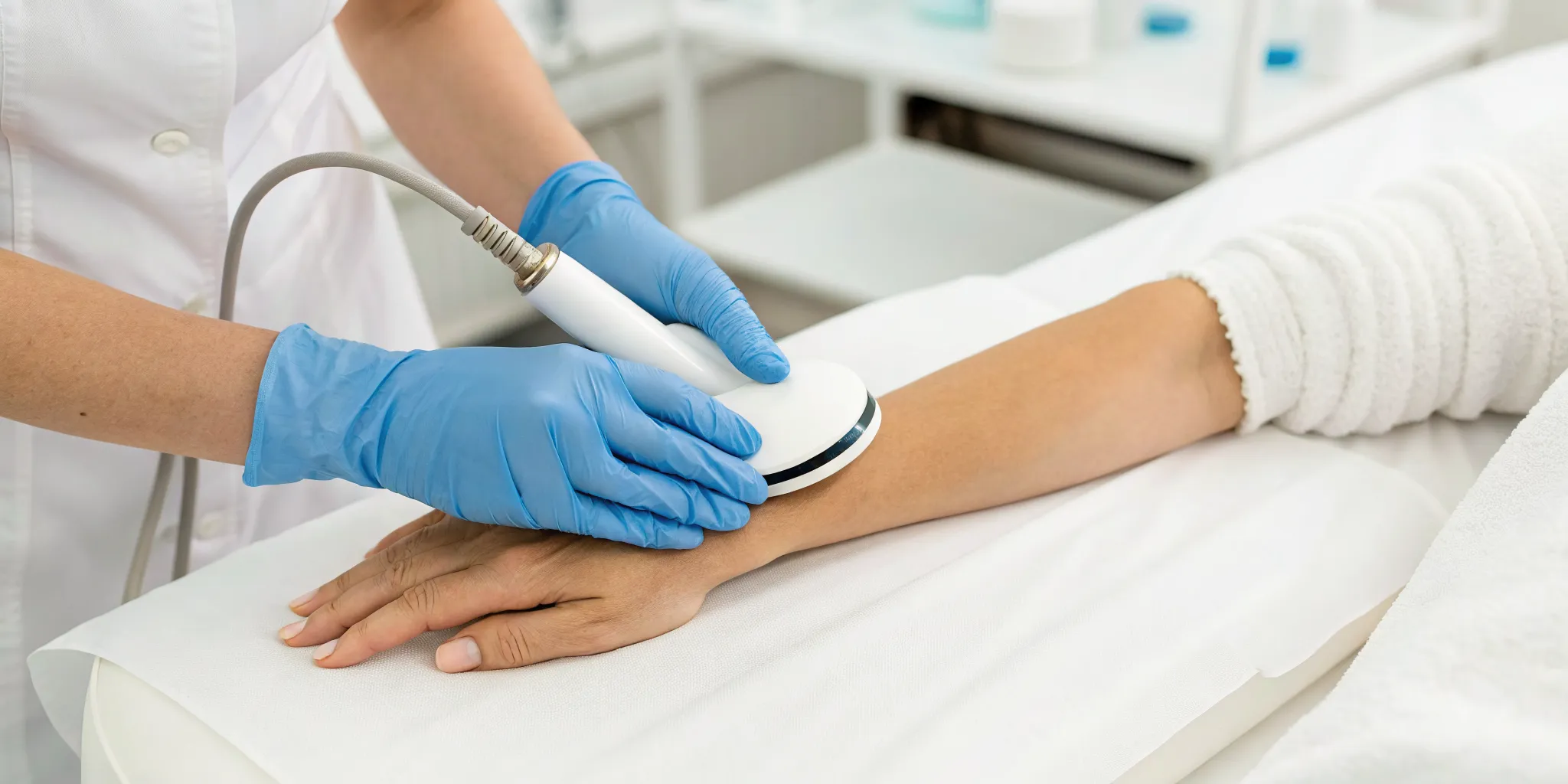
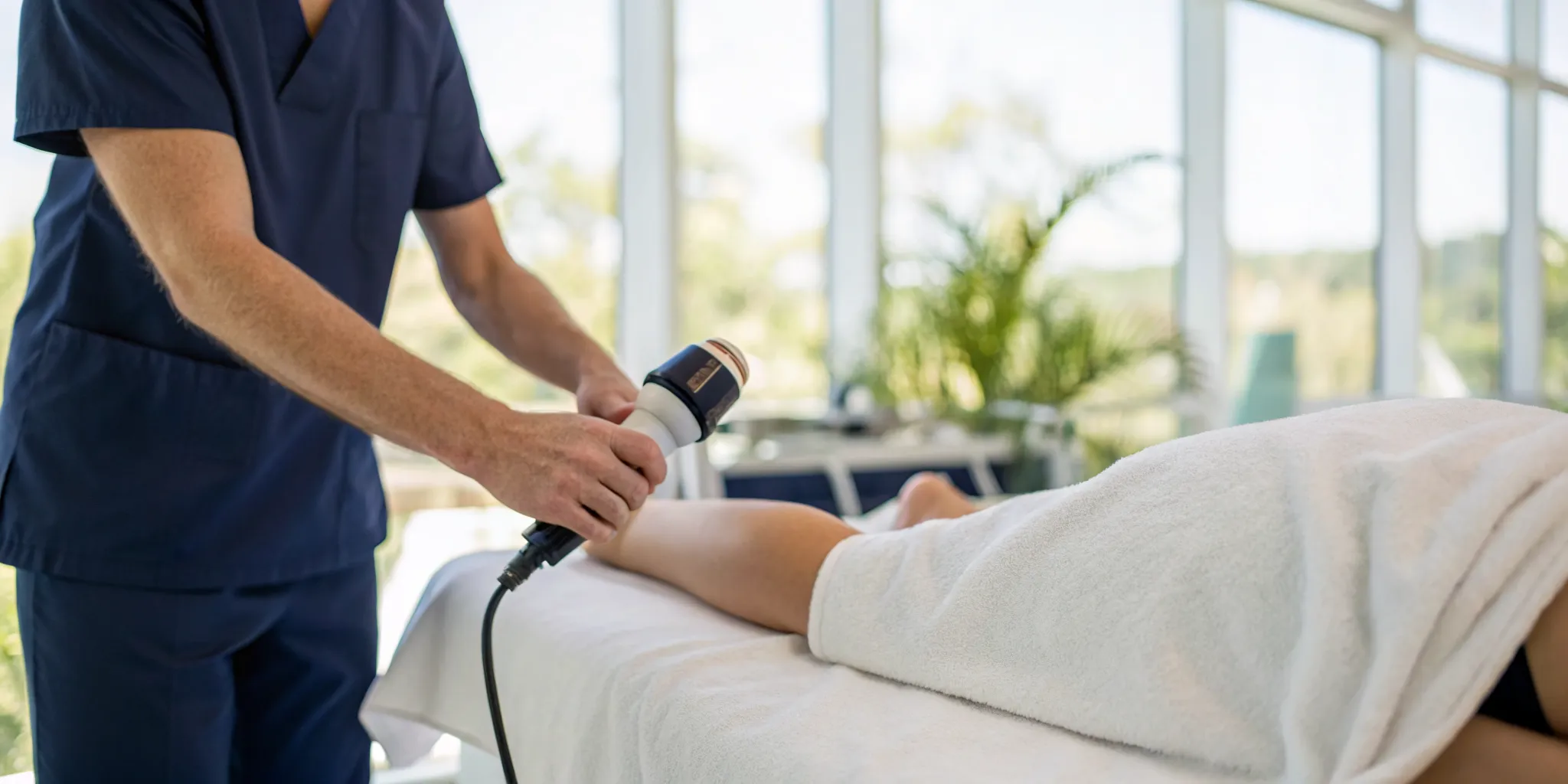
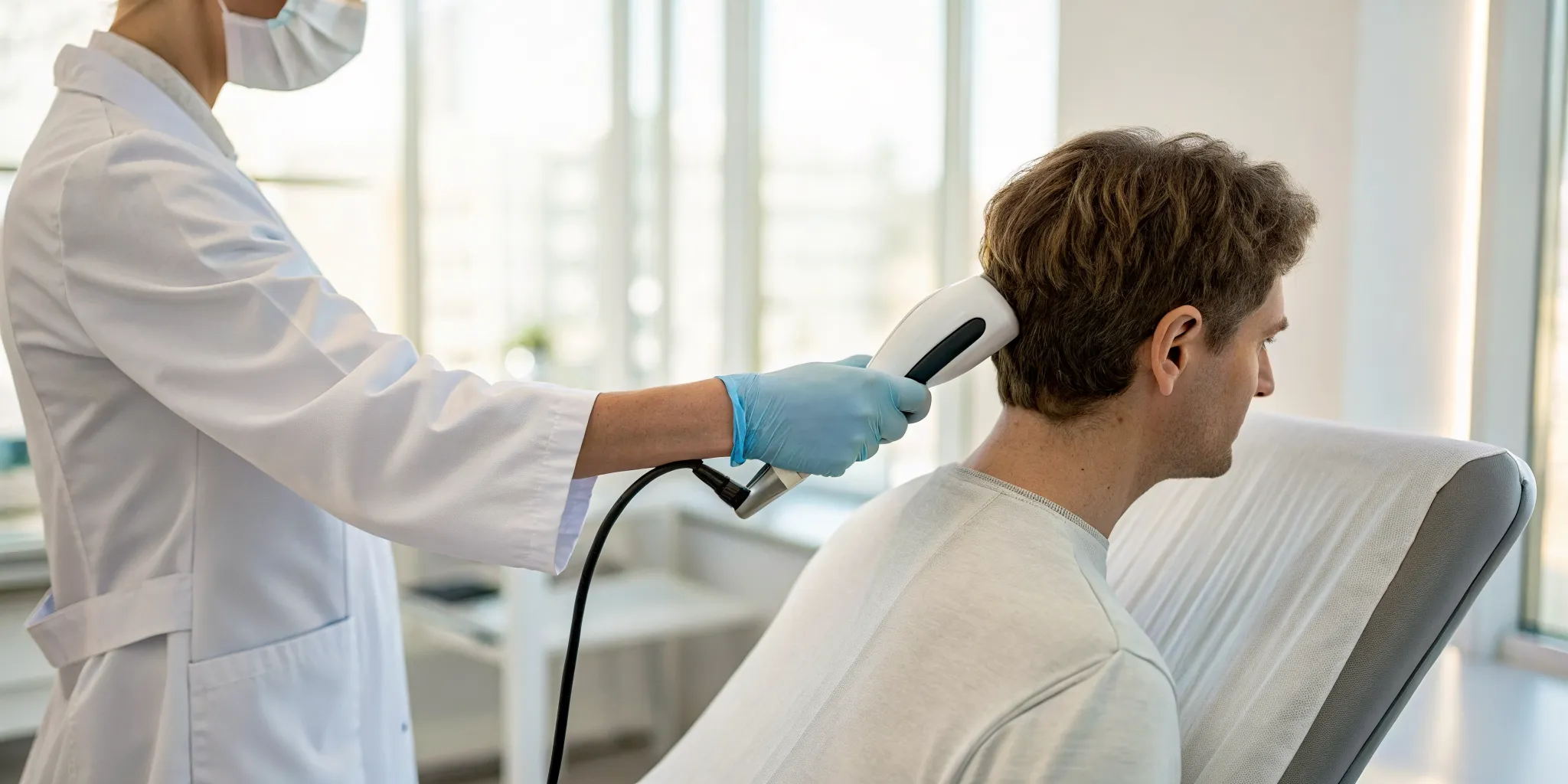
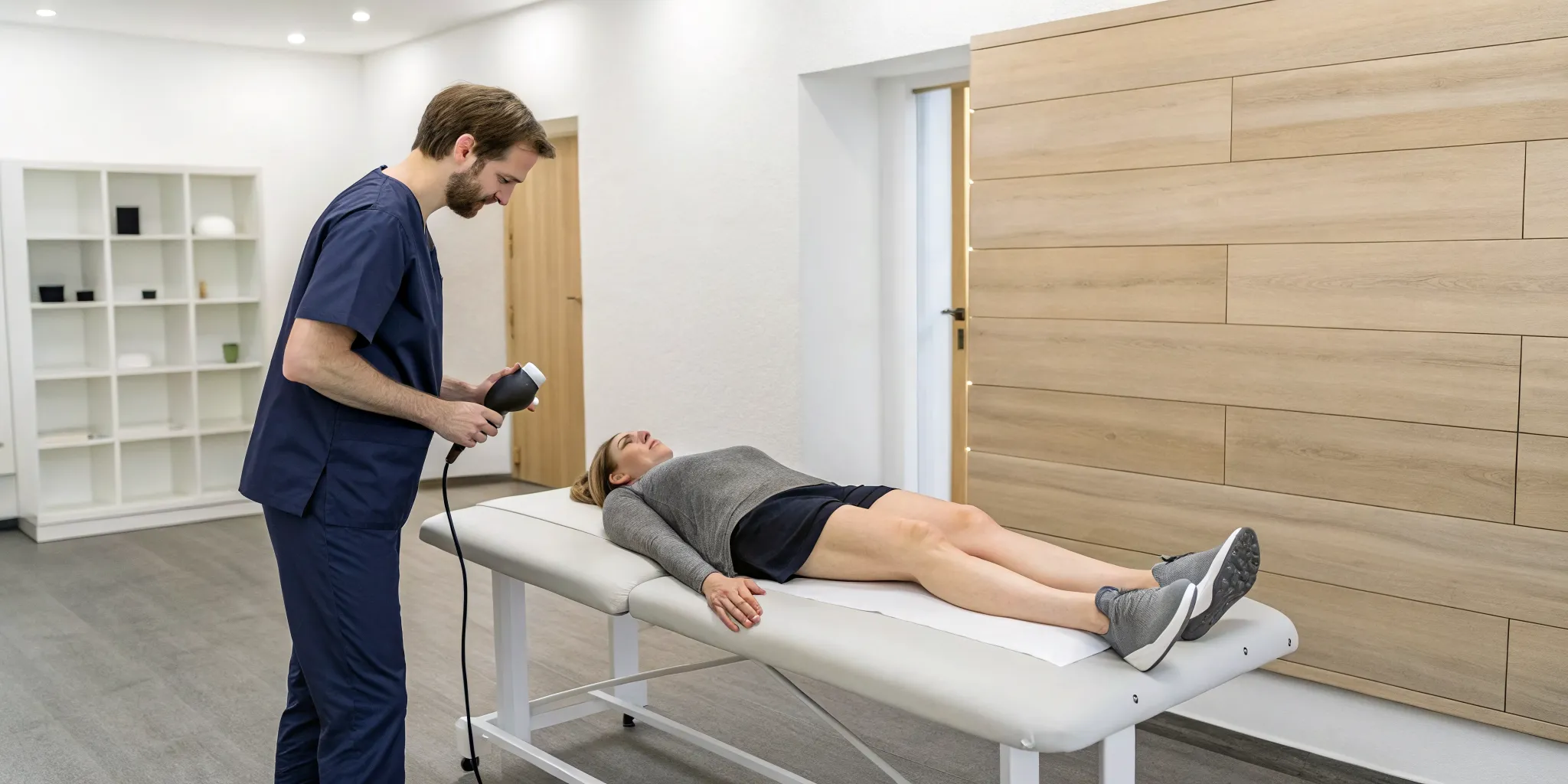
Next, they will use a handheld device, moving it over the area while it delivers the pressure waves. You will feel the pulses, and your practitioner will communicate with you throughout the treatment to ensure your comfort. The goal is to reach a therapeutic level that you find manageable, often described as a "5 out of 10" level of discomfort. The intensity is always adjusted based on your feedback, keeping you in control of the experience.
Your Treatment Timeline: Length and Frequency
One of the best parts of shockwave therapy is how efficiently it fits into your schedule. Each session is surprisingly quick, typically lasting only about 15 minutes from start to finish. This makes it easy to incorporate into a busy training schedule or a packed workday.
Most athletes only need a few sessions to achieve lasting results. A typical treatment plan involves two or three sessions scheduled several weeks apart, giving your body time to respond and begin the healing cascade between appointments. Your specific timeline will be tailored to your injury and how your body progresses, ensuring your care plan is perfectly suited to your needs.
After Your Session: Activity and Self-Care Guidelines
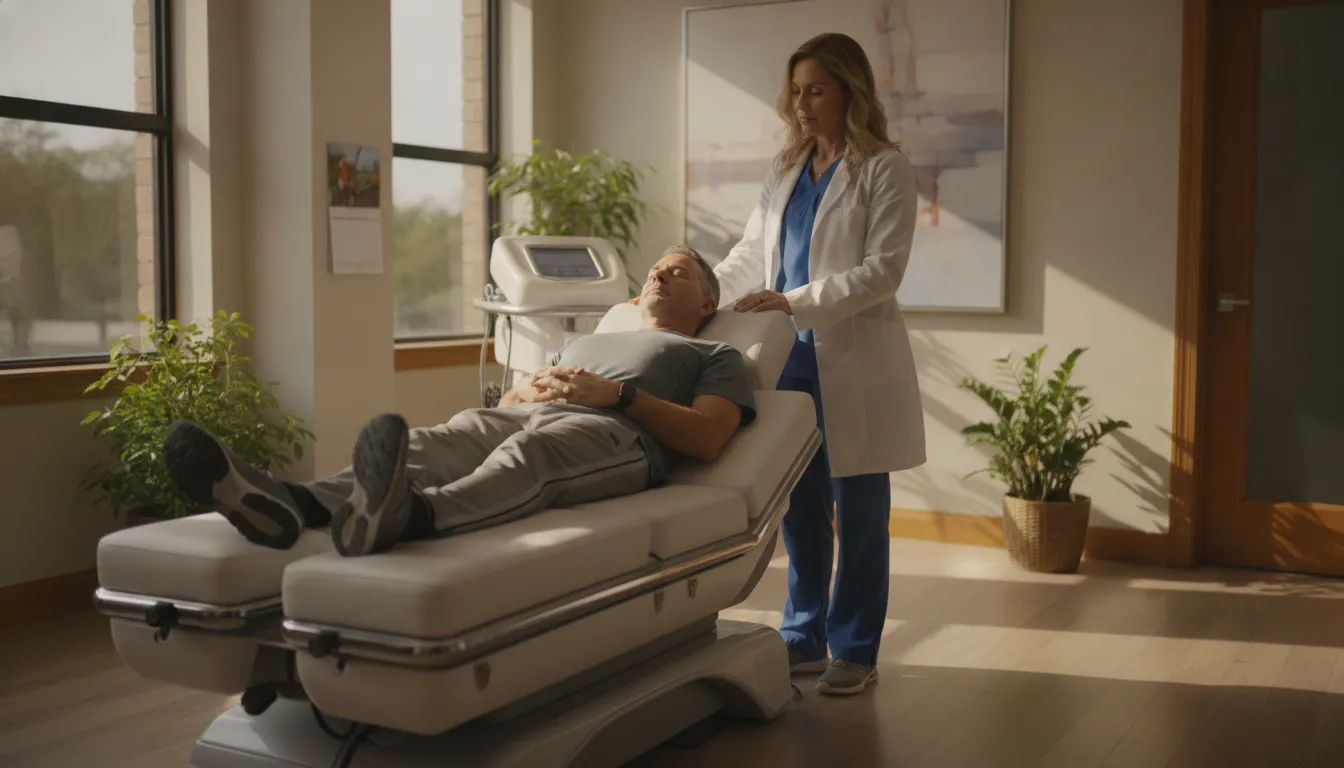
After your session, you can generally return to your daily activities right away. However, there are a few important guidelines to follow. We recommend you avoid taking anti-inflammatory medications, as the treatment works by initiating a natural inflammatory response that is essential for healing.
For the first 24 to 48 hours, it’s best to rest the treated area. This means avoiding high-impact activities like running or jumping and holding off on any deep stretching of the area. This short period of rest allows the regenerative process to begin without interruption. Following these simple steps helps you get the most out of each treatment and supports a faster, more effective recovery.
Is Shockwave Therapy a Safe Option for Athletes?
When you’re sidelined by an injury, finding a treatment that is both effective and safe is a top priority. You want to get back to your sport, but not at the expense of your long-term health. This is where shockwave therapy really shines. It has an excellent safety record and is well-tolerated by most athletes. Because it’s non-invasive, it allows you to avoid the risks and recovery time associated with more intensive procedures. Instead of masking symptoms, it works with your body to heal the underlying issue, which is a core principle of our approach.
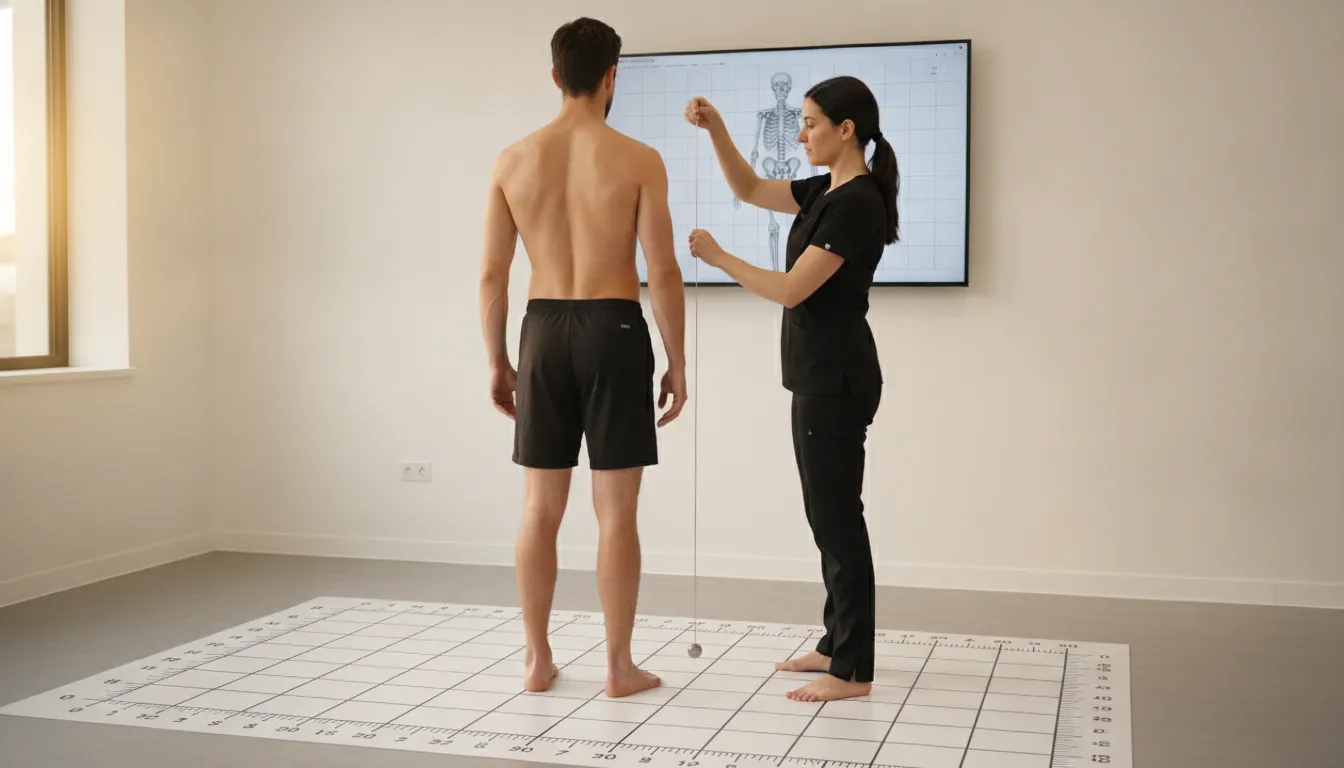
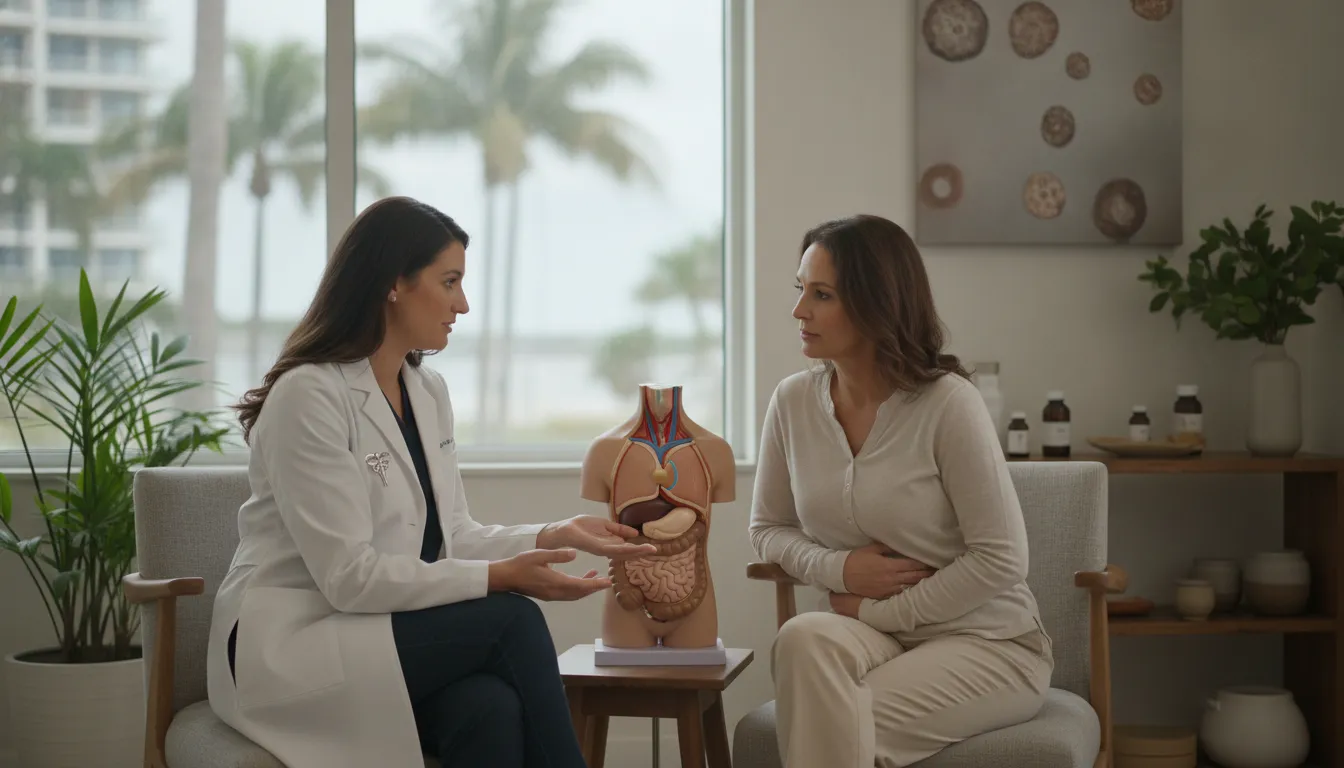
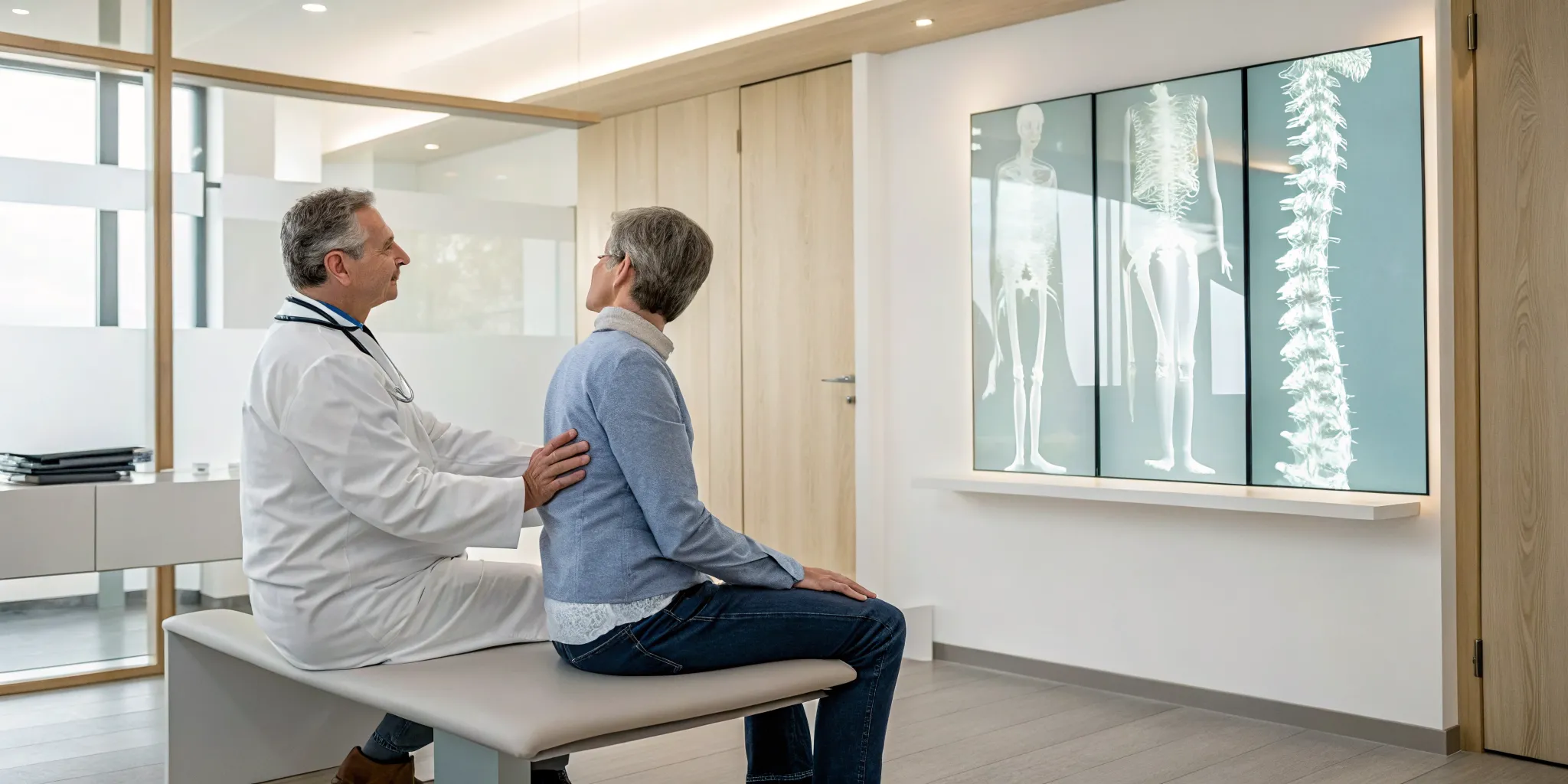
However, like any medical treatment, it’s important to understand the full picture, including potential side effects and situations where it might not be the best fit. A thorough evaluation with a provider who understands your health history is the first step in determining if shockwave therapy is the right choice for your recovery. At Ascend, our physical medicine team always begins with a comprehensive assessment to ensure we recommend the safest and most effective path forward for you. We'll look at your injury, your athletic goals, and your overall health to create a plan that supports your complete well-being.
Understanding Common, Temporary Side Effects
One of the best things about shockwave therapy is that the side effects are typically minor and short-lived. Most people experience nothing more than some temporary redness, tenderness, or mild swelling in the area that was treated. You can think of this as a sign that the therapy is working. The acoustic waves are intentionally creating a controlled inflammatory response to signal your body to start the repair process.
This mild discomfort usually fades within a day or two and rarely interferes with daily activities. It’s a small trade-off for the significant healing benefits the treatment can provide. We will always discuss what you can expect after a session so you feel prepared and confident in your body’s healing response.
A Look at Rare Risks and Contraindications
While shockwave therapy is overwhelmingly safe, it’s helpful to be aware of less common risks. In some rare cases, individuals might experience temporary bruising, numbness, or a headache following the treatment. It's also been noted that a history of recent steroid injections in the same area can increase the risk of a tendon or ligament tear, which is why disclosing your full medical history is so important.
Our team is dedicated to identifying the root cause of the conditions we treat, and that process includes a detailed health intake. This ensures we can identify any potential contraindications and create a treatment plan that is completely tailored to your body’s needs, minimizing any risks and maximizing your results.
Who May Not Be a Candidate for This Treatment
Shockwave therapy isn't suitable for everyone. Certain conditions, known as contraindications, can make the treatment unsafe. For example, this therapy is generally not recommended for individuals who are under 18, have a pacemaker, or have a history of cancer in the treatment area.
Other contraindications include having an active infection, certain nerve conditions, or having received a steroid injection in the target area within the last few months. A comprehensive consultation is essential to review these factors. If you have questions about your specific situation and whether you’re a good candidate for shockwave therapy, the best next step is to schedule a consultation with our team. We can discuss your health history and determine the ideal approach for your recovery.
Integrating Shockwave Therapy into a Complete Recovery Plan
Think of shockwave therapy as a powerful catalyst for healing, not a magic wand. While it’s incredibly effective on its own, its true strength is revealed when it’s part of a comprehensive recovery strategy. A successful plan doesn’t just target the point of pain; it addresses the underlying biomechanical issues and movement patterns that contributed to the injury in the first place. This is why we believe in a holistic approach that combines cutting-edge technology with foundational healing practices.
By integrating shockwave therapy with other treatments, we can create a synergistic effect. The acoustic waves kickstart the repair process, reduce pain, and improve circulation, creating an ideal environment for healing. This makes your body more receptive to other forms of therapy, like chiropractic adjustments or corrective exercises. This combined approach ensures we’re not just patching up a problem but building a stronger, more resilient foundation to support your active lifestyle for years to come. It’s about getting you back to your sport and helping you stay there.
Pairing Shockwave Therapy with Physical Medicine
Shockwave therapy and physical medicine are a perfect match. The therapy session prepares the injured tissue for movement by breaking down scar tissue and increasing blood flow. This makes the area less stiff and more pliable, allowing you to get more out of your corrective exercises and manual therapy. Studies confirm that using shockwave therapy alongside a physical therapy program leads to more complete and lasting healing for athletes.
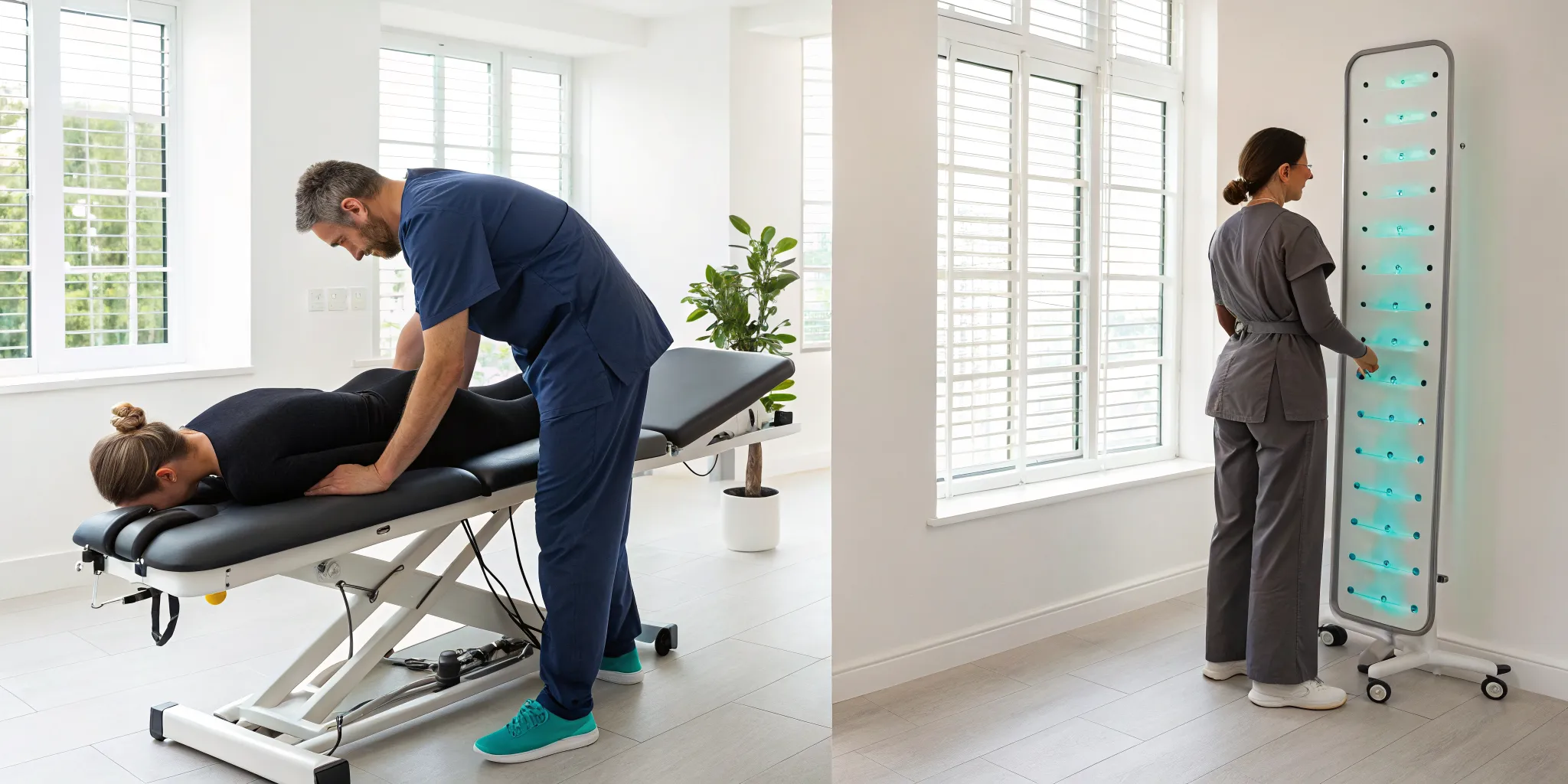
At Ascend, our Physical Medicine services are designed to work hand-in-hand with treatments like shockwave therapy. After your session primes the tissue for repair, we can guide you through specific exercises and adjustments to restore proper function, improve mobility, and correct the imbalances that led to the injury. This one-two punch helps ensure your recovery is both swift and sustainable.
Supporting Your Long-Term Athletic Performance
The ultimate goal of any recovery plan is to get you back to doing what you love without fear of re-injury. Integrating shockwave therapy into your plan is key to supporting your long-term athletic performance. By stimulating the body’s own repair mechanisms, it helps heal tissues like tendons that have poor blood supply and are notoriously slow to recover. This allows you to return to your sport more quickly and confidently.
This approach goes beyond short-term relief. By pairing shockwave therapy with a plan that addresses your body’s overall mechanics, we help you build resilience against future injuries. A stronger, better-functioning body is less prone to the strains and sprains that can keep you on the sidelines. It’s about creating a durable framework that allows you to perform at your best, season after season.
Get Back in the Game with Shockwave Therapy in Tampa
If you're an athlete in Tampa, being sidelined by an injury is more than just a physical setback; it's a mental one. You want to get back to your training, your team, and the sport you love as quickly and safely as possible. Shockwave therapy is a powerful, non-invasive treatment that helps you do just that. It's particularly effective for those nagging conditions that don't seem to get better, like tendon injuries, because it stimulates your body’s own repair mechanisms in areas that typically heal slowly. This means less time spent recovering and more time performing at your best.
At Ascend Functional Health, we see shockwave therapy as a key component of a complete recovery strategy. We don’t believe in one-size-fits-all solutions. Instead, we integrate this advanced treatment into our Physical Medicine services to create a plan tailored specifically for you. Our team looks at your health from all angles to understand the root cause of your injury and support your body’s healing process. This holistic approach ensures we’re not just addressing the symptom but are setting you up for long-term strength and resilience.
You don’t have to let pain and slow recovery dictate your athletic career. If you’re ready to explore how shockwave therapy can help you heal effectively and return to your sport with confidence, we’re here to guide you. The first step is a simple conversation about your goals and your injury. We invite you to contact our Tampa office to schedule a consultation and learn if this treatment is the right move for your comeback story.
Related Articles
- SoftWave Tissue Regeneration Therapy in Tampa | Alessi Functional Health
- SoftWave TRT Therapy in Tampa, FL - Alessi Functional Health
- What Is Soft Tissue Therapy? A Complete Guide
- Regenerative Medicine for Pain Recovery | Ascend Functional Health
- What Is Graston Technique Therapy? A Beginner's Guide
Frequently Asked Questions
Does shockwave therapy hurt? This is a great question, and the honest answer is that you will feel it, but it should not be painful. Most people describe the sensation as a series of strong pulses or a deep tapping. We work with you throughout the entire session to find an intensity that is therapeutic but still comfortable. Any discomfort you feel is temporary and only lasts for the few minutes of the actual treatment.
How soon will I feel better after starting shockwave therapy? While some people notice a reduction in pain after their first session, the therapy is designed to create long-term healing, which takes time. The acoustic waves trigger a cellular repair process that unfolds over several weeks. Most athletes see significant, lasting improvement within one to three months of starting their treatment plan as the tissue regenerates and becomes stronger.
Is this just a temporary fix, or does it actually heal the injury? Shockwave therapy is designed to create a lasting solution by addressing the root of the problem. Unlike treatments that just mask pain, this therapy promotes true healing within the tissue. It works by stimulating your body’s natural repair mechanisms, helping to break down old scar tissue and build new, healthy tissue in its place. The goal is to restore function and build resilience, not just provide temporary relief.
Can I continue to train while I'm getting these treatments? Yes, in most cases you can. We generally recommend avoiding high-impact activities or intense strain on the treated area for about 48 hours after each session to let the healing process begin. However, modified training is often encouraged. We see this as a collaborative process and will help you create a plan that allows you to stay active while still giving your body the support it needs to recover effectively.
Is there anyone who shouldn't get shockwave therapy? While the treatment is very safe, it isn't the right fit for everyone. We generally do not perform shockwave therapy on individuals who are under 18, pregnant, have a pacemaker, or have a history of cancer or blood clotting disorders. It's also not recommended if you have an active infection or have had a recent steroid injection in the area. A thorough consultation is the first step to ensure this is a safe and effective option for you.