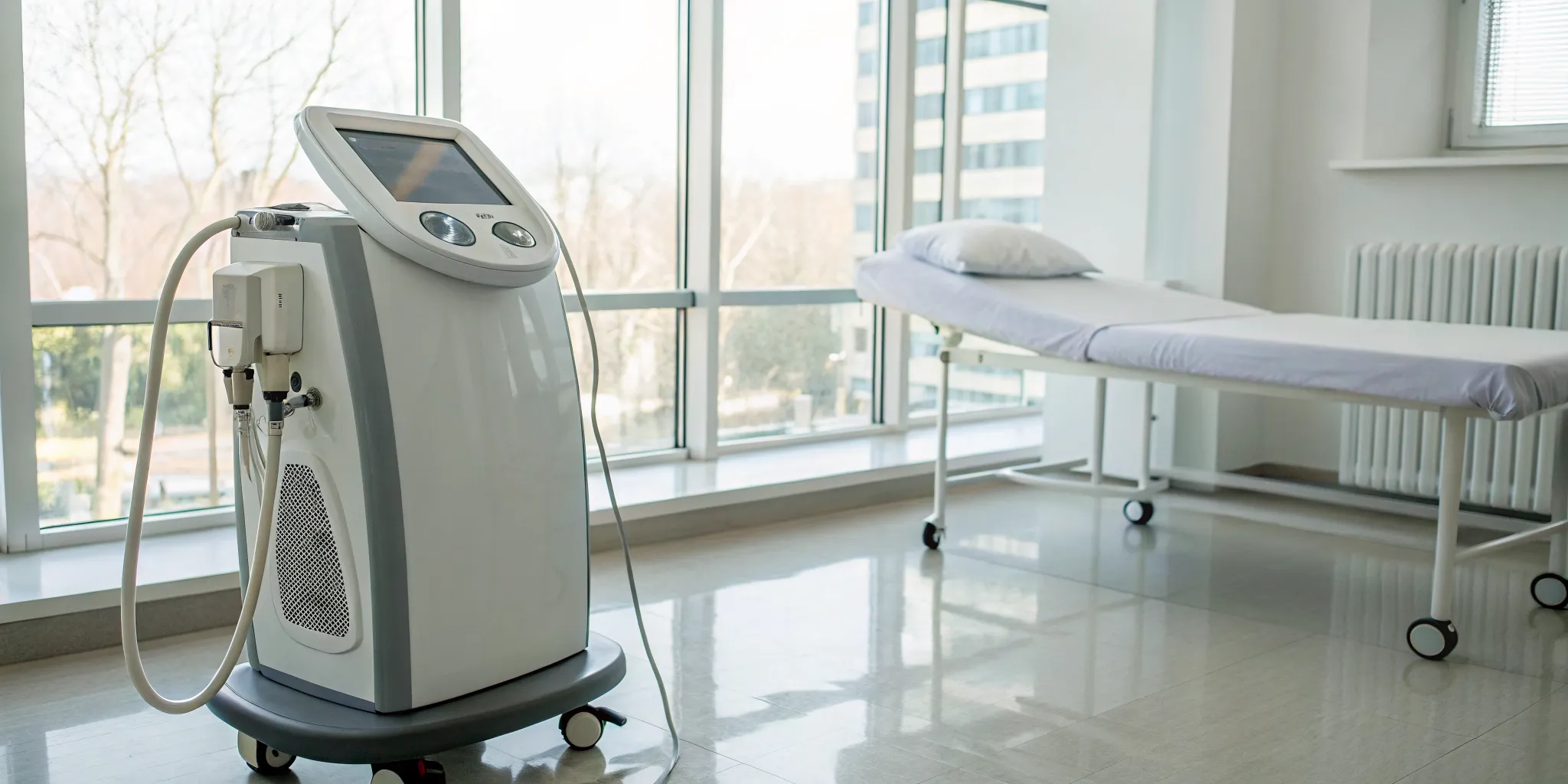
Persistent fatigue can affect work, family life, exercise, and the sense of being like yourself. For men over 40, a mens health fatigue evaluation Tampa visit can help organize symptoms, health history, sleep, activity, and appropriate testing into a clearer discussion. Fatigue has many possible contributors, so the goal is not to assume one cause or promise a quick answer. It is to understand the pattern and decide on reasonable next steps with a qualified clinician.
Explore Ascend’s Physical Medicine approach
Why Can Energy Change After 40?
Energy can change for many reasons, and age alone does not explain every shift. Looking at the full pattern helps distinguish a recent disruption from a persistent concern that deserves a more structured evaluation.
A demanding schedule, disrupted sleep, a recent illness, shifts in activity, ongoing discomfort, mood, nutrition, and health conditions can all affect how rested or capable a person feels. More than one factor may be involved. A clinician should consider timing and context rather than treating fatigue as a standalone label.
Men who used to be active may notice that recovery takes longer or familiar activities feel harder. That observation is useful, but it does not point to one diagnosis on its own. Track the change: Did it begin suddenly or gradually? Does it appear throughout the day, at a particular time, or after exertion? Has it changed alongside sleep, appetite, mood, or other symptoms?
It can help to separate sleepiness from low energy, reduced motivation, and physical weakness. These experiences can overlap, yet they may lead to different questions. For example, a person who feels alert but struggles to sustain an ordinary activity may describe a different pattern from someone who nods off during quiet moments. Use your own words rather than trying to select a medical label.
Fatigue that persists, worsens, or interferes with usual activities merits a conversation with a healthcare professional. New chest pain, difficulty breathing, fainting, confusion, or sudden weakness needs prompt medical attention. A blog post cannot assess urgent symptoms or replace individual care.
Which Patterns Should You Track Before a Visit?
A brief, consistent record can make a fatigue discussion more useful. Note when energy dips, what seems to accompany the change, and how it affects daily function.
For one or two weeks, write down a few details each day. There is no need to create a perfect log. A simple note on a calendar or phone can reveal patterns that may be hard to recall during an appointment. Keep the record descriptive; it is not a test or a reason to change care on your own.
- Timing: Record when fatigue began, whether it is steady or variable, and any clear changes over time.
- Sleep: Note bedtime, wake time, interruptions, how rested you feel, and whether anyone has mentioned loud snoring or pauses in breathing.
- Daily demands: Record work shifts, travel, caregiving, and unusually demanding days that may affect rest or routine.
- Movement and recovery: Note your usual activity, changes in stamina, soreness, and how long it takes to feel recovered.
- Other symptoms: Include changes in mood, concentration, appetite, weight, digestion, temperature tolerance, or sexual health if relevant.
- Health context: List current diagnoses, recent illnesses, procedures, and all prescriptions or nonprescription products you use.
Include what has changed and what has stayed the same. “I feel tired” is a starting point; “my afternoon energy has dropped most weekdays over the past three months, and climbing stairs feels harder” gives a clinician a more specific pattern to explore. If you notice a change only after certain activities, include what you were doing and how long the effect lasted.
Also note what seems to help, without assuming that it identifies a cause. Perhaps a restful night changes the next day, or perhaps energy remains low regardless of schedule. These are observations to discuss, not proof that one habit or health factor explains everything. Do not stop or change a prescribed treatment based only on a log or article.
Ascend describes its approach as personalized and evidence-informed. The practice brings together Functional Medicine and Physical Medicine as distinct parts of care. An initial conversation can help establish whether the concerns and the practice’s scope are a good fit.
What Might a Clinician Review During a Fatigue Evaluation?
A careful evaluation usually starts with your history and current concerns, then considers whether an examination or testing is appropriate. The details depend on symptoms, prior results, and the clinician’s judgment.
Expect questions about the start and course of fatigue, sleep quality, daily routine, health history, family history, nutrition, activity, stressors, and related symptoms. The clinician may ask how fatigue affects work, relationships, concentration, and physical tasks. Specific examples are often more helpful than a general rating alone.
Next, the clinician may clarify what you mean by “low energy.” Is the main issue sleepiness, reduced stamina, difficulty concentrating, or slower recovery? Does it appear after a particular demand, or is it present even on quieter days? These distinctions can help keep the discussion focused and may determine which details need closer review.
A physical assessment may be relevant when movement, posture, discomfort, or activity tolerance is part of the concern. Ascend’s care options include more than one modality, but that does not mean every person needs each service. The clinician should explain why a proposed step is being considered and how it relates to the concern.
Testing is not automatic, and a broad panel is not always the right starting point. Depending on the history, a clinician may consider bloodwork or other diagnostic tests to explore specific possibilities. Ascend provides information about its bloodwork and biometric panels; whether testing is useful for an individual should be discussed directly with a clinician.
Harvard Health Publishing’s Energy and Fatigue resource discusses fatigue as a health topic with multiple possible considerations. It can provide general background, but it cannot identify the cause of one person’s symptoms. Individual interpretation belongs in a clinical conversation.
How Can You Compare Evaluation Steps?
The purpose of each evaluation step is to answer a particular question, not to accumulate tests or services. A clinician can explain the reason for a step, what it may clarify, and what limitations remain.
| Evaluation step | What it may clarify | Useful question to ask |
|---|---|---|
| Symptom and health history | Timing, associated changes, relevant conditions, and daily impact | Which details matter most in my pattern? |
| Sleep and routine discussion | Whether rest, schedule, or daily demands may be part of the picture | Should I track a particular sleep or energy pattern? |
| Physical assessment | Movement, posture, discomfort, or activity concerns when relevant | How does this finding connect to my fatigue concern? |
| Laboratory or other diagnostic testing | Specific health factors selected in light of the history | What question is this test intended to address? |
| Follow-up discussion | How findings fit together and whether the plan should change | When should we review results and decide next steps? |
This comparison is a conversation aid, not a recommended testing checklist. One person may need a focused review, while another may need coordination with a different clinician. A useful plan is proportionate to the history and clear about how findings will be reviewed.
You can also ask how each step affects the next decision. If a test is suggested, ask what result might change the plan and what result would not settle the question. If an assessment identifies a movement concern, ask how that observation relates to your reported fatigue rather than assuming the connection. Clear reasoning helps you understand the process without expecting one appointment to answer every question.
How Do Sleep, Movement, and Recovery Fit Together?
Sleep, physical activity, recovery, and overall health can influence one another, so it can be useful to discuss them together. None should be treated as the automatic explanation for persistent fatigue.
Start with observations rather than self-diagnosis. Describe typical sleep hours, nighttime interruptions, work timing, and whether you wake feeling restored. Mention loud snoring or witnessed breathing pauses. Sleep-related concerns may call for assessment beyond the scope of a general wellness discussion.
For activity, compare present capacity with your own prior baseline. Note the type of movement that feels harder, when the change began, and whether symptoms appear during activity or afterward. A former athlete may be used to pushing through changes, but a careful account of reduced capacity is more useful than trying to prove toughness. Describe an ordinary example, such as needing longer to recover after a familiar walk or routine household task.
Movement concerns can be discussed alongside fatigue without assuming that a structural treatment will address every cause. Ascend’s Physical Medicine approach includes chiropractic and related movement-focused care. A clinician can discuss whether that pillar fits the concern or whether another evaluation is more appropriate.
Nutrition, hydration, alcohol use, work demands, and emotional strain may also be relevant. Bring up these topics plainly and without trying to identify the cause in advance. The aim is a coherent view of health, not blame for having symptoms. If a factor has changed recently, such as work hours or meal timing, mention when it changed and whether your energy shifted at the same time.
Recovery is not just a number of hours between activities. Tell the clinician whether your capacity returns by the next day, remains reduced for several days, or varies unpredictably. Do not increase exertion simply to test yourself if the change feels concerning. Ask for individualized guidance about what activity is appropriate while your symptoms are being considered.
How Does Functional Medicine Fit Into a Fatigue Discussion?
Functional Medicine can provide a framework for reviewing symptoms and health history in context. It does not guarantee that one underlying cause will be found, and it should not replace appropriate evaluation by other clinicians.
At Ascend, Functional Medicine may involve discussion of health history, symptoms, and diagnostic information to help shape individualized next steps. For fatigue, that could mean considering whether laboratory testing is relevant, how findings relate to the reported pattern, and whether another type of care should be involved. Testing alone does not establish a diagnosis; results need interpretation in context.
The three pillars at Ascend are Physical Medicine, Functional Medicine, and Regenerative Medicine. They are not interchangeable, and an evaluation should not presume that all three apply to one person. For a fatigue concern, the most useful starting point is a clear description of symptoms and an open discussion of which options, if any, fit.
A focused plan may involve gathering records, discussing a test that addresses a specific question, or arranging a follow-up to review information. Another reasonable outcome may be a recommendation to discuss a concern with a different clinician. A thoughtful evaluation explains the scope of each step and avoids promising a particular result before the relevant details are known.
Learn more about Ascend’s clinical approach and the practice’s Tampa service area. A prospective patient can use a consultation to ask about scope, evaluation steps, and coordination with existing clinicians before deciding on a care path.
What Should You Bring to a Consultation?
Bring a concise timeline, a list of current health details, and questions you want answered. You do not need to arrive with a diagnosis or a complete explanation for your fatigue.
- A brief timeline of when fatigue began and how it has changed.
- Your symptom notes, including sleep, activity, and daily impact.
- A current list of prescriptions and other products you use.
- Relevant prior test results or visit summaries that you can share.
- Questions about what an evaluation includes, how results are reviewed, and when follow-up may occur.
- Details about other clinicians involved in your care, when relevant.
It may help to choose three priorities before the visit. For example: “I want to explain when my energy changed,” “I want to understand whether my sleep pattern needs more attention,” and “I want to know what a proposed test could clarify.” A short list can keep the conversation useful if time is limited.
Consider asking: “Which parts of my history stand out?” “What are the possible next steps, and why?” “What can a proposed test tell us, and what can it not tell us?” “How will we decide whether the plan is helping?” Clear answers support shared decisions and realistic expectations.
For more background on the practice, visit the Ascend FAQ or explore the Health Decoded podcast. These resources can help you prepare, while personal questions about symptoms and evaluation belong in a direct conversation with a clinician.
Discuss your fatigue concerns with Ascend
Frequently Asked Questions
These answers offer general context about a measured evaluation. An individual plan depends on symptoms, health history, and clinician judgment.
Can fatigue have more than one contributing factor?
Yes. Sleep, daily demands, health conditions, activity, and other factors may overlap. A clinician can review the full pattern rather than assuming a single explanation.
Does fatigue after 40 automatically point to a hormone concern?
No. Age and fatigue alone do not establish a hormone problem. A clinician can decide whether hormone-related questions belong in an evaluation, based on symptoms, history, and appropriate testing.
Will every fatigue evaluation include bloodwork?
No. Testing depends on the history and the questions a clinician is trying to answer. Ask why a test is being considered, what it may clarify, and how results will be interpreted.
Should I keep exercising if my stamina has changed?
Do not use a general article to decide whether a particular activity is appropriate for you. Describe the change to a qualified clinician, especially if exertion brings new or concerning symptoms, and follow individualized guidance.
Can an integrative practice coordinate with other clinicians?
Ask the practice directly how it handles communication and coordination for your situation. Share relevant information about other care so that next steps can be considered with appropriate context.
Request a conversation about your next steps
A fatigue evaluation is a way to organize concerns and discuss appropriate options, not a promise of a specific explanation or outcome. This content is for educational purposes only, not medical advice; consult your clinician before acting on health information.