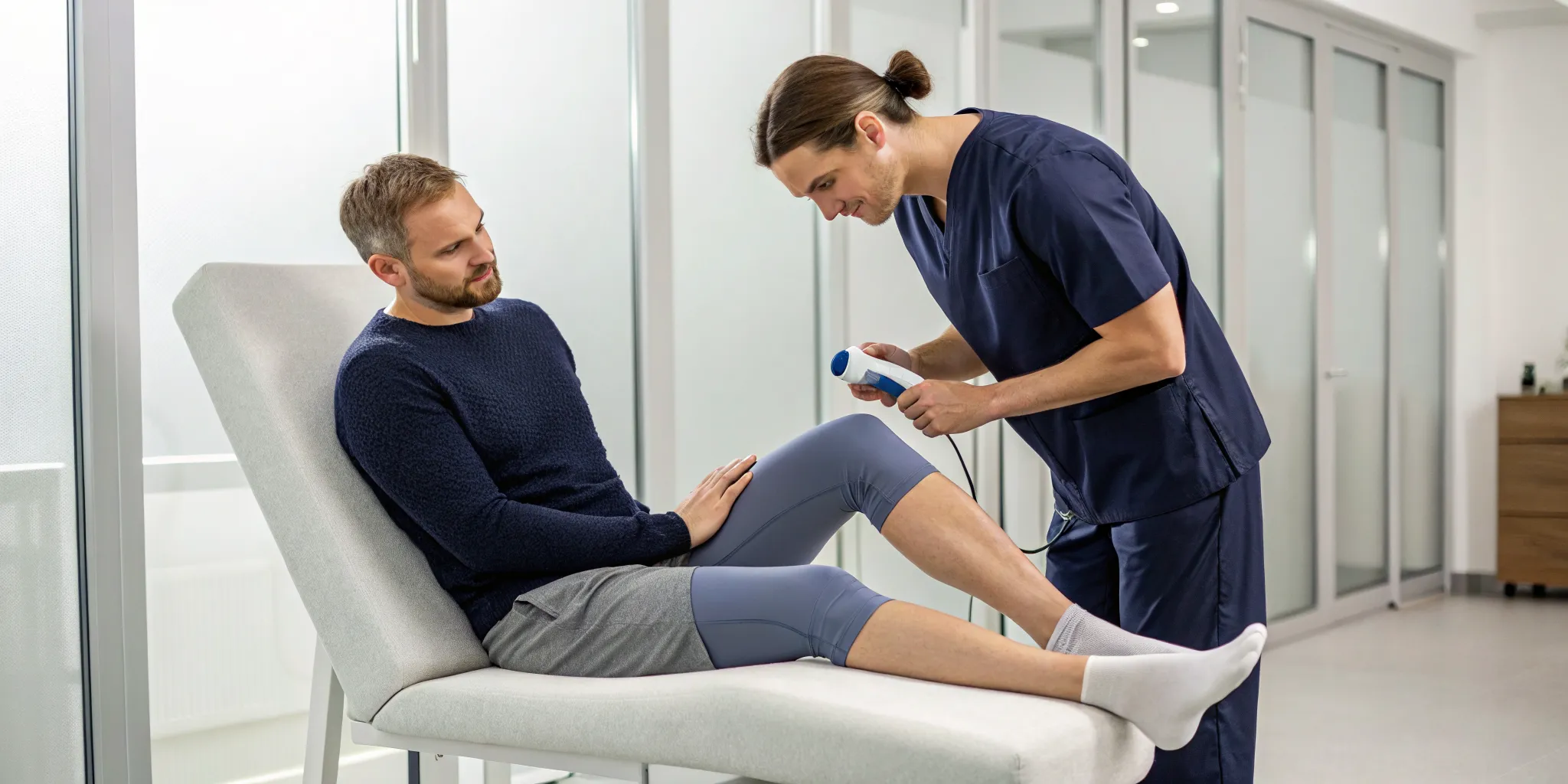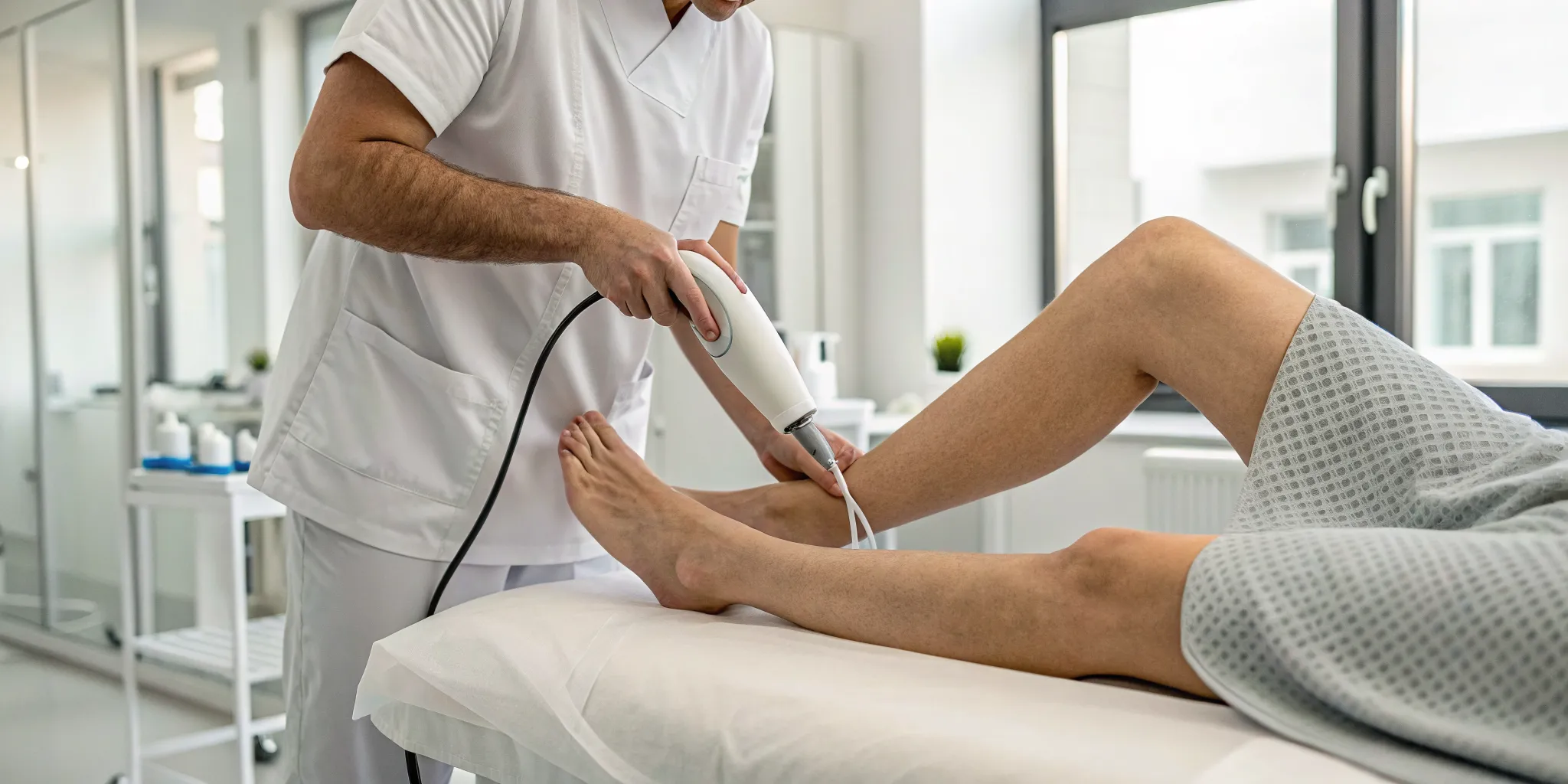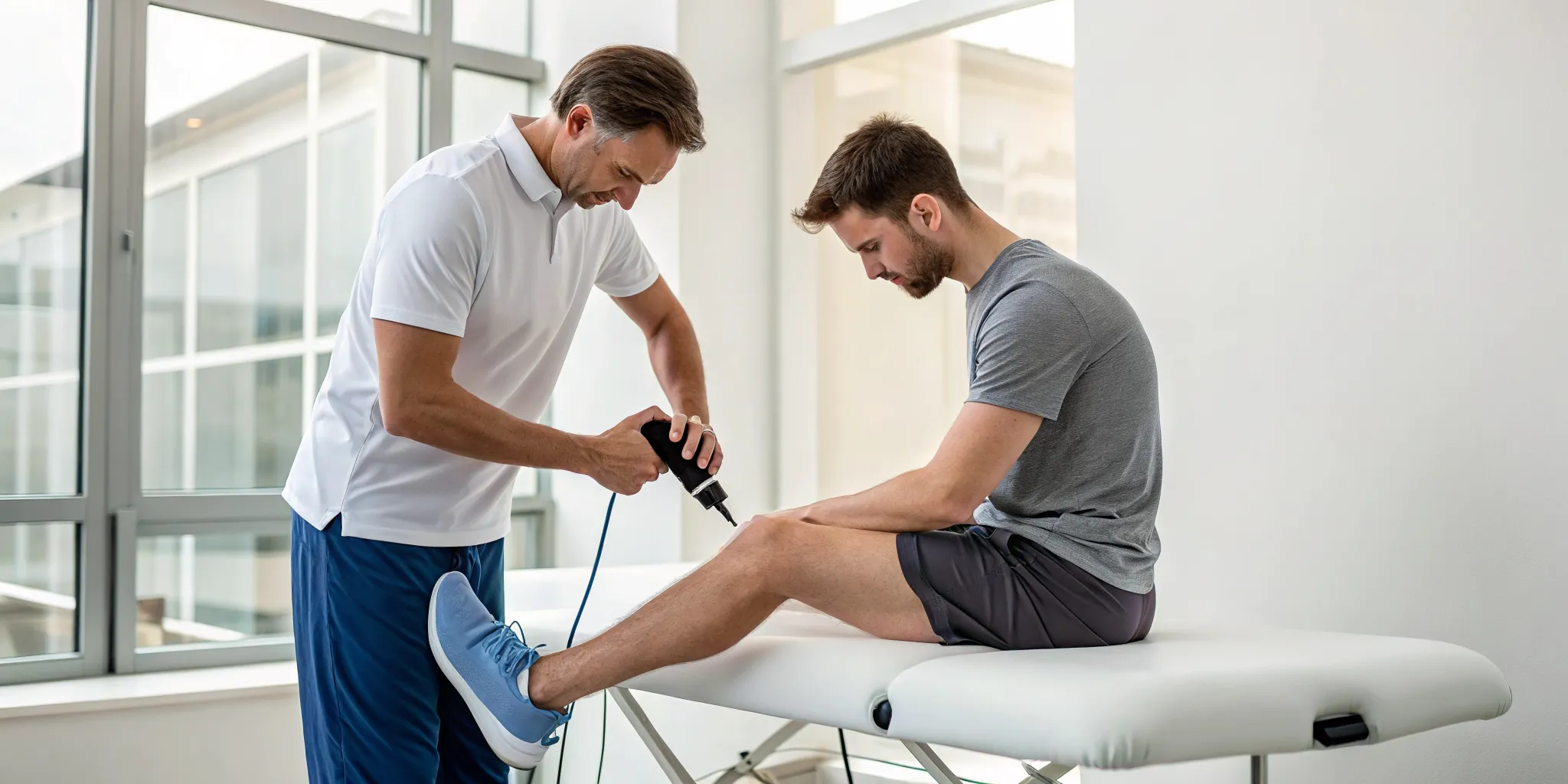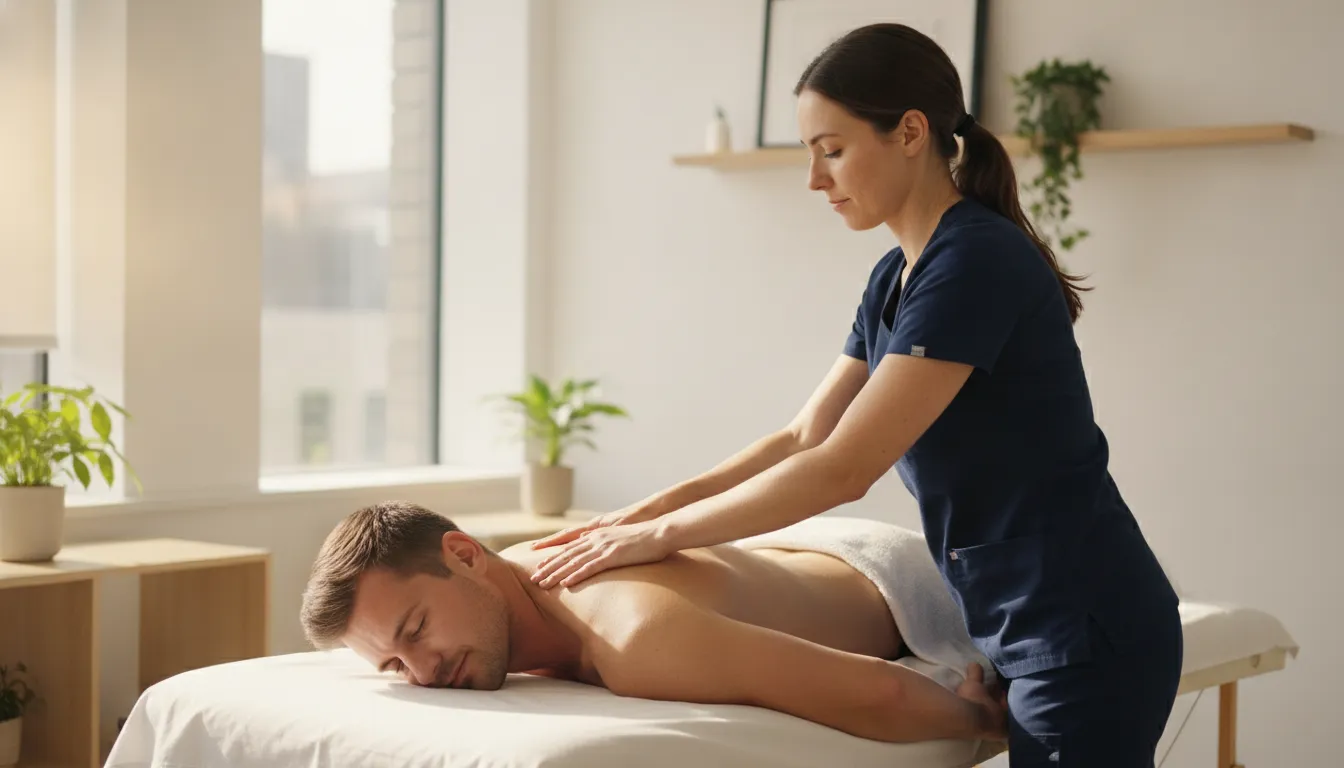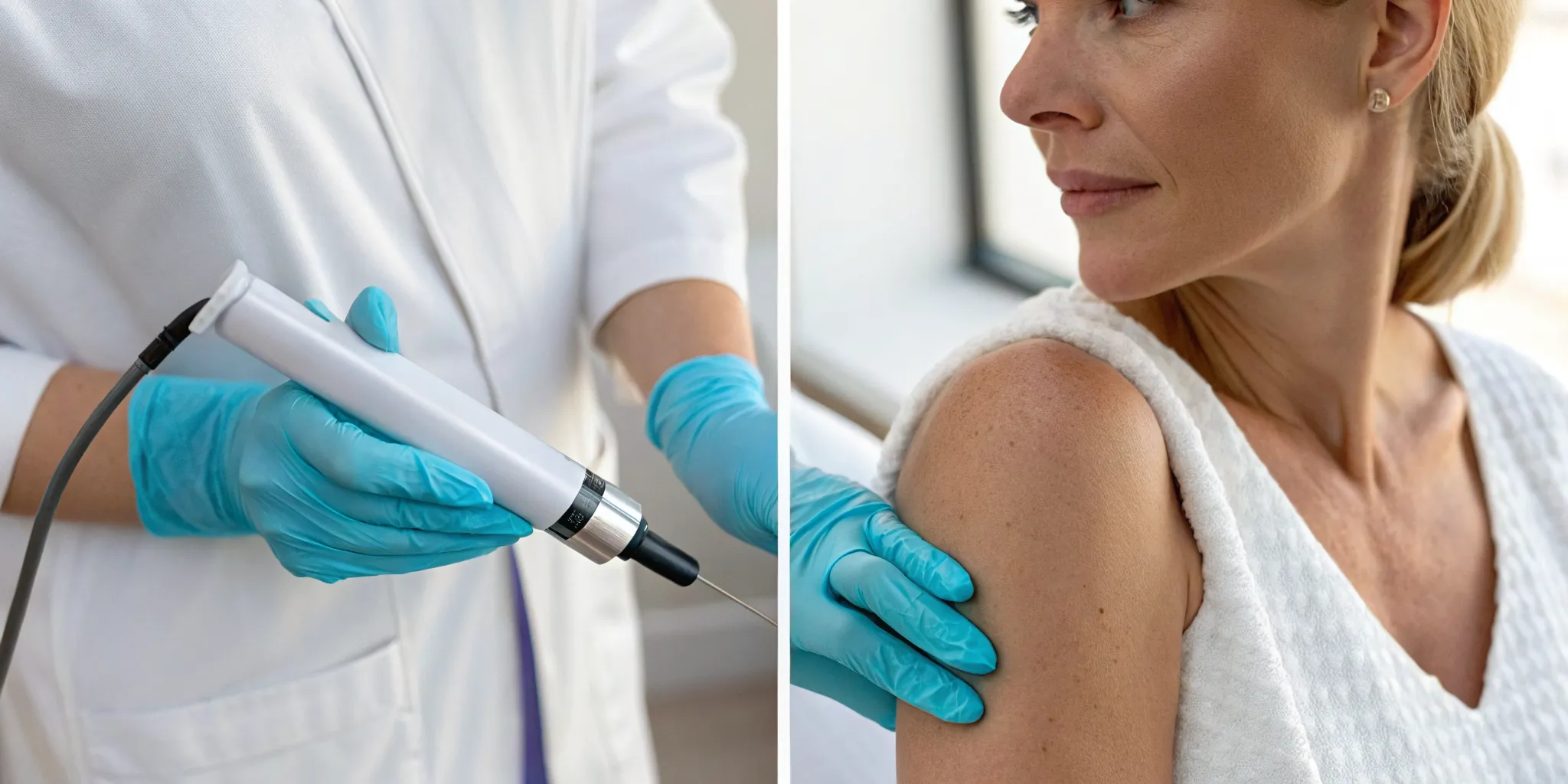
The term "shockwave" might sound intense, but the reality of the treatment is surprisingly gentle and incredibly smart. This innovative therapy uses the power of sound, sending targeted acoustic waves deep into injured tissue to trigger your body’s own healing response. Think of it as a wake-up call for your cells, encouraging them to rebuild and repair. This is fundamentally different from treatments that simply numb the area or introduce a substance to reduce inflammation temporarily. As a non-invasive shockwave therapy alternative to injections, it doesn’t just silence your symptoms; it empowers your body to fix the source of the pain, promoting true and lasting recovery.
Key Takeaways
- Focus on true healing, not temporary fixes: Shockwave therapy uses acoustic waves to stimulate your body’s natural repair mechanisms, helping to regenerate damaged tissue at the source of your pain.
- Find relief for stubborn, chronic pain: This treatment is highly effective for persistent issues like plantar fasciitis, rotator cuff pain, and Achilles tendinitis that have not improved with other methods.
- Choose a non-invasive path to recovery: As a needle-free treatment with no downtime, shockwave therapy allows you to address the root cause of your pain without interrupting your daily life.
How Does Shockwave Therapy Work?
If you’re dealing with persistent pain, you might picture treatments involving needles or long recovery times. Shockwave therapy is different. It’s a non-invasive approach that works with your body to address the source of your discomfort, helping you get back to your life without the downtime. It uses the power of sound to stimulate healing from within, offering a modern solution for chronic pain and tissue injuries.
At Ascend Functional Health, we see this as a key part of our physical medicine services, helping patients find relief when other methods have fallen short. Instead of just masking symptoms, this technology encourages your body’s own repair mechanisms to get to work. Let’s look at how this process unfolds.
The science of sound wave healing
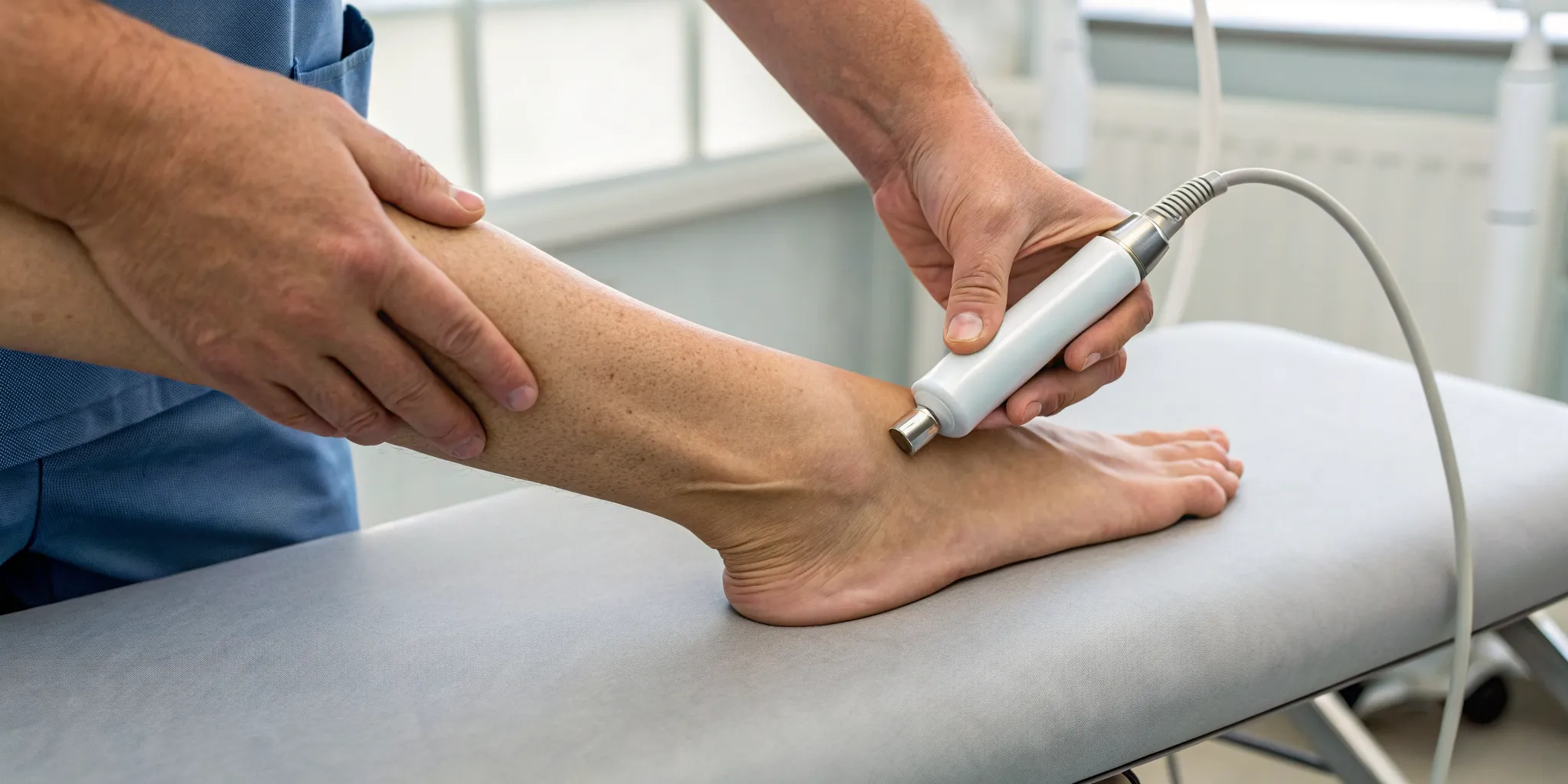
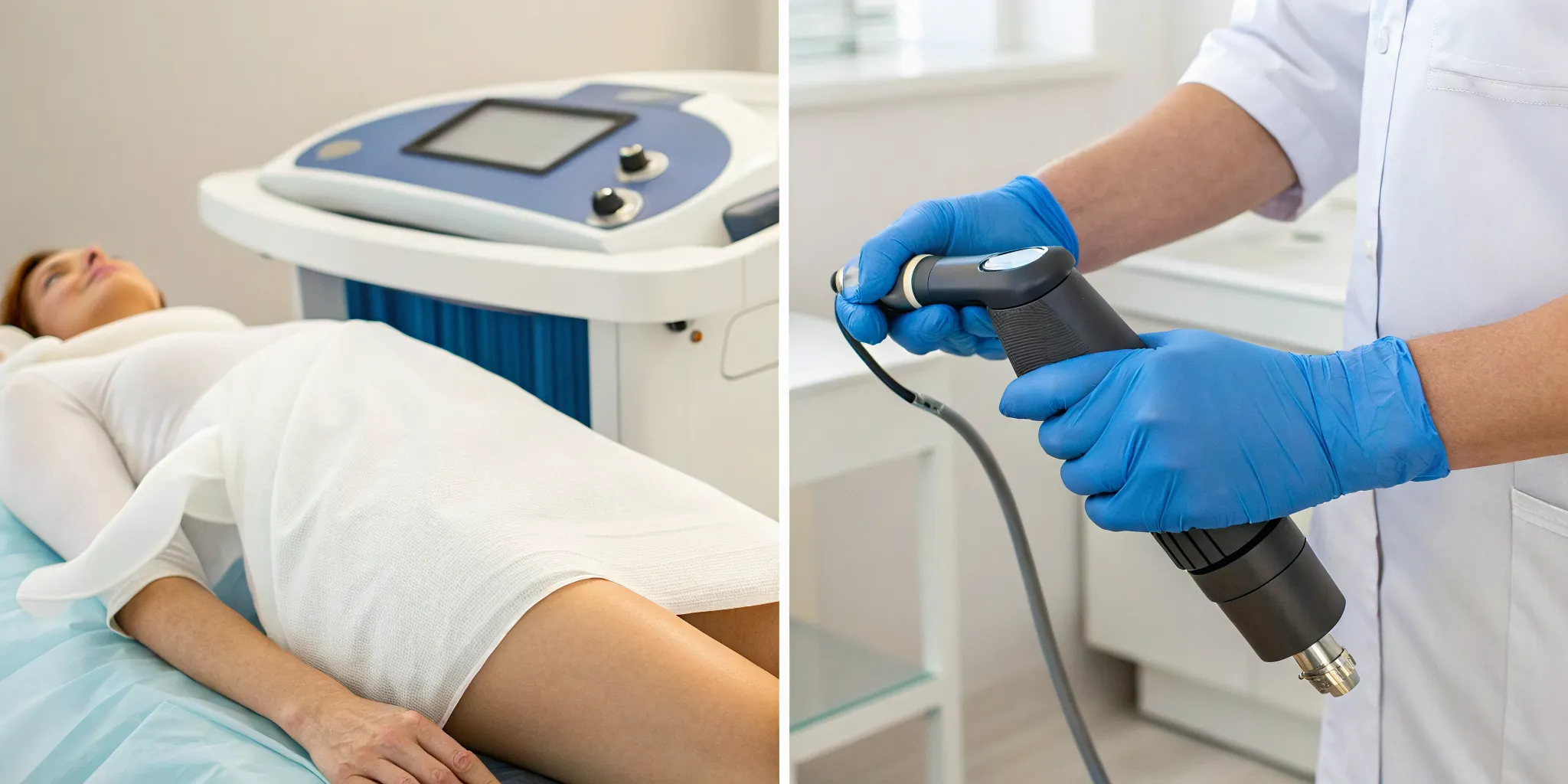
So, how can sound waves possibly heal an injury? It’s a fascinating process. Shockwave therapy uses a special device to send high-energy acoustic waves deep into your injured tissue. These aren't just random vibrations; they are targeted pulses of energy that create a series of tiny, controlled impacts in the tissue. This process triggers your body’s natural healing response.
Think of it as a wake-up call for your cells. The sound waves increase blood flow to the area, bringing essential nutrients and oxygen. They also stimulate the production of collagen, a vital protein for repairing tendons and ligaments. Essentially, the therapy kickstarts a cascade of regenerative activities, encouraging damaged tissue to rebuild and repair itself on a cellular level.
Shockwave vs. other treatments
You may have already tried rest, stretching, or physical therapy without getting the results you hoped for. That’s often where shockwave therapy comes in. It’s specifically effective for chronic conditions that have become stuck in a non-healing state. While other treatments can be helpful, they don’t always address the underlying tissue damage that keeps you in a cycle of pain.
Unlike more invasive procedures, shockwave therapy doesn’t require any incisions or instruments to enter the body. It’s a completely external treatment that supports your body’s innate ability to heal. This makes it a powerful option for a wide range of conditions we treat, from plantar fasciitis to rotator cuff pain, especially when you’re looking for a solution that goes beyond temporary relief.
What a session is really like
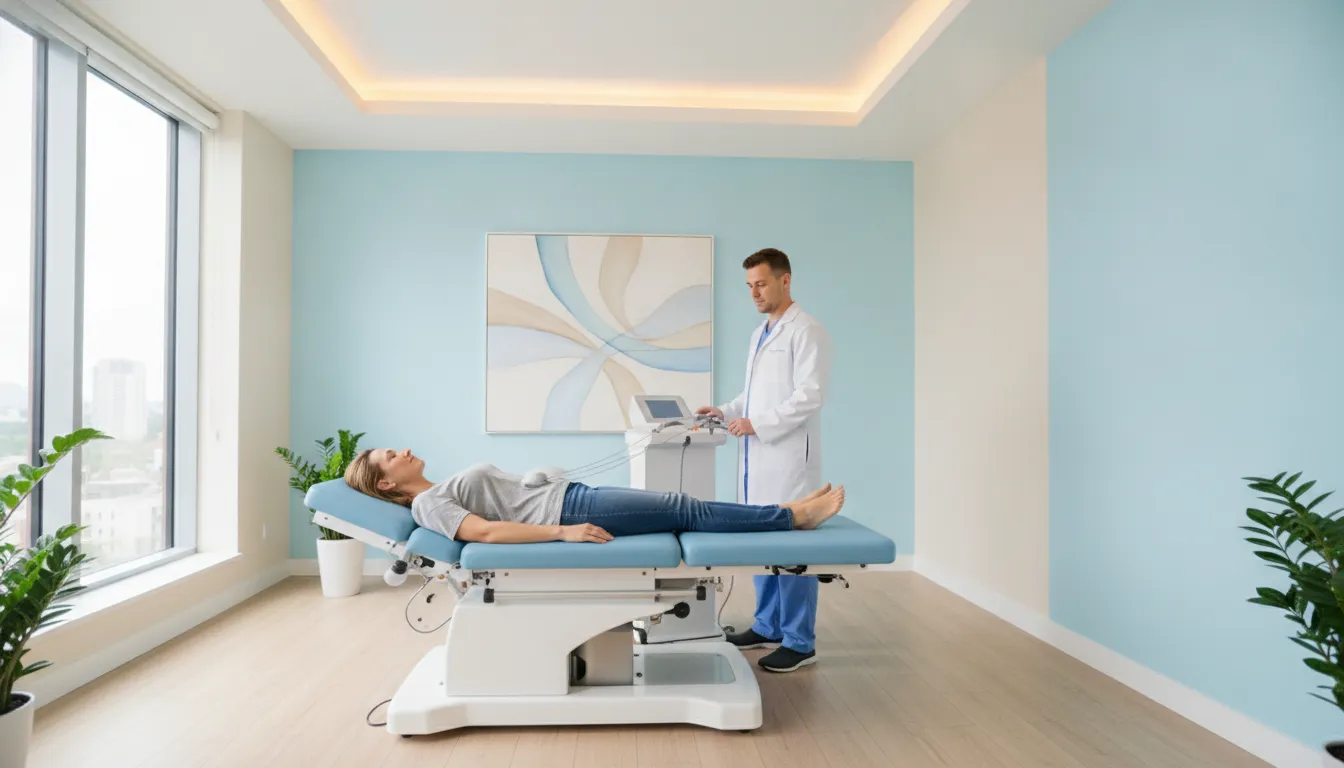
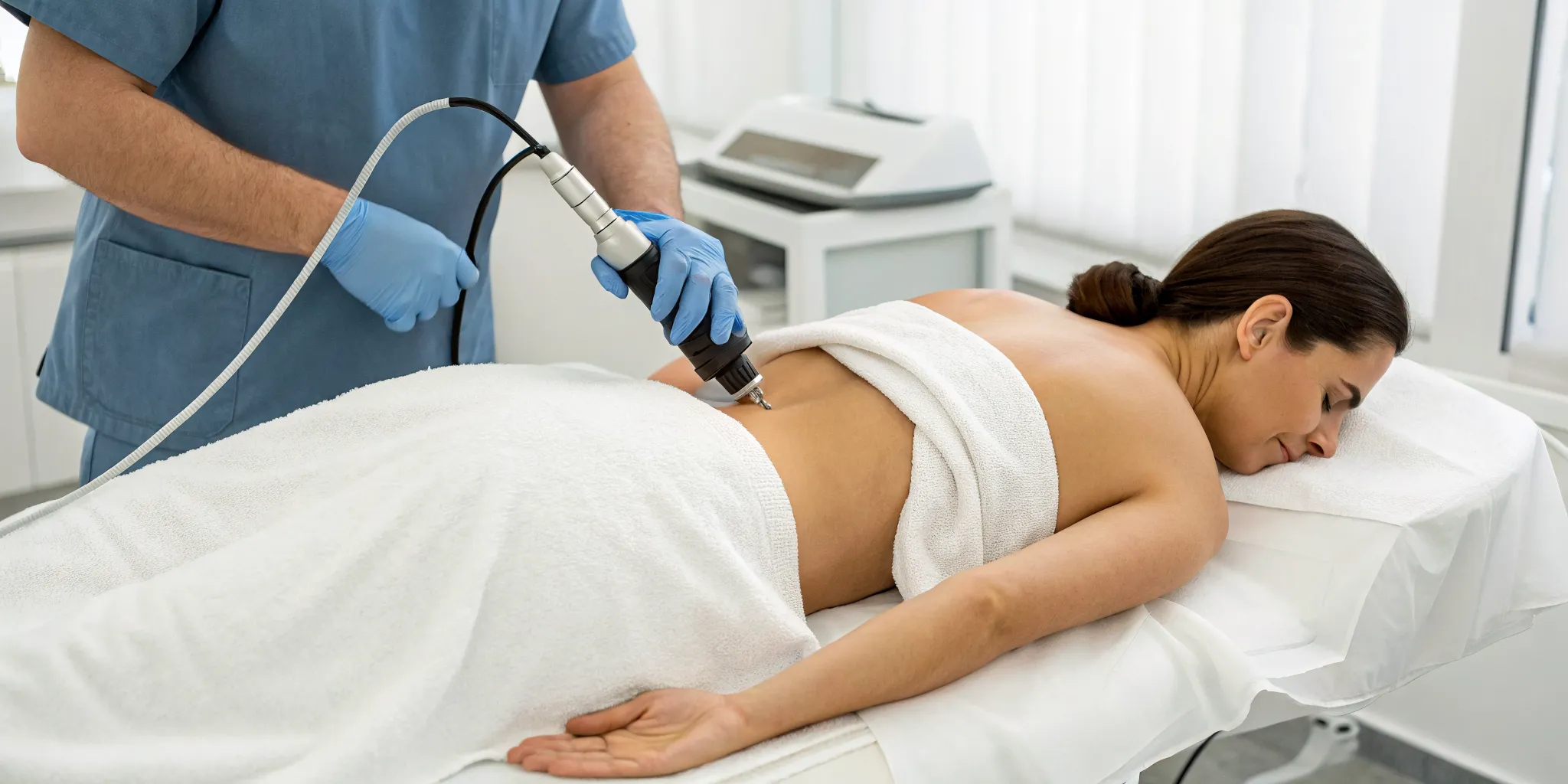
It’s natural to wonder if a treatment with "shockwave" in the name is going to be uncomfortable. Most people are pleasantly surprised. During a session, you’ll feel a tapping or pulsing sensation on your skin. Some describe it as a strong vibration or a feeling of pressure. While you might experience some mild discomfort, the intensity is adjusted for your comfort, and sessions are typically quite short, often lasting only 5 to 10 minutes.
Best of all, there’s no downtime. It’s a simple, in-office procedure, and you can walk out and continue with your day right after your appointment. There’s no need to arrange for recovery time or take a day off from your responsibilities. If you have more questions about what to expect, we’re always here to help you get in touch and feel confident about your care plan.
What Conditions Does Shockwave Therapy Address?
If you're dealing with persistent pain that just won’t go away, you know how frustrating it can be. Shockwave therapy is a versatile tool that we use to address a wide range of chronic musculoskeletal issues, especially those involving tendons and soft tissues that haven't responded to traditional approaches. Think of it as a way to restart your body’s natural healing process in an area that has become “stuck.”
The therapy works by sending acoustic waves into the affected tissue, which stimulates blood flow, helps form new blood vessels, and signals your cells to begin repairing the damage. It’s particularly effective for chronic conditions where inflammation and scar tissue are preventing proper healing. By targeting the root of the problem, this therapy can help you find lasting relief and get back to moving comfortably. Our approach to physical medicine often incorporates innovative techniques like shockwave to help you achieve your health goals.
Plantar fasciitis and Achilles tendinitis
That sharp, stabbing pain in your heel with your first steps in the morning is a classic sign of plantar fasciitis. Similarly, Achilles tendinitis can cause persistent pain and stiffness in the back of your ankle. Both conditions can make walking, running, or even just standing for long periods incredibly difficult. Shockwave therapy is an excellent option for these stubborn foot and ankle problems, especially when rest, stretching, and orthotics haven't provided the relief you need. The sound waves target the inflamed, thickened tissue of the plantar fascia or Achilles tendon, breaking down scar tissue and promoting the regeneration of healthy tissue. This process helps reduce pain and restore function, allowing you to walk without wincing.
Rotator cuff and shoulder pain
Shoulder pain can interfere with simple daily tasks like reaching into a cabinet or putting on a coat. Conditions like rotator cuff tendinopathy and calcific tendinitis often involve chronic inflammation and tissue degeneration that can be difficult to resolve. Shockwave therapy offers a targeted approach by delivering energy directly to the injured area. This process creates a controlled, microscopic response that essentially tells your body to send in a fresh healing crew. It stimulates metabolic activity and blood circulation, which helps reduce pain and inflammation while encouraging the repair of damaged rotator cuff tendons. This can improve your range of motion and help you regain strength in your shoulder.
Knee, hip, and elbow issues
Pain around your major joints can seriously limit your lifestyle, whether it’s from "tennis elbow," "jumper's knee," or hip tendinopathy. These conditions are often overuse injuries, where tendons become irritated and painful over time. Shockwave therapy is a powerful, non-invasive method for addressing these issues. The acoustic waves penetrate the tissue and trigger a cellular response, waking up the cells responsible for tissue repair and regeneration. For many of our patients, this treatment has been a key part of their recovery from chronic joint and tendon conditions we treat, helping them return to their favorite activities without the persistent ache.
When other treatments haven't worked
Perhaps the most compelling use for shockwave therapy is for people who feel like they’ve tried everything. If you’ve gone through rounds of physical therapy, icing, and rest without seeing significant improvement, it’s easy to feel discouraged. This is where shockwave therapy can be a game-changer. It’s a strong, effective option to consider before resorting to more invasive procedures. By stimulating your body’s own healing abilities at the source of the pain, it offers a path to recovery without the downtime or risks associated with other interventions. Our philosophy at Ascend is to find the most effective and least invasive path to wellness, and shockwave therapy perfectly aligns with that goal.
Shockwave Therapy vs. Injections
When you’re dealing with persistent pain, you’ve likely heard about injections as a treatment option. While they can offer a temporary fix, they often fall short of providing a true, lasting solution. This is because many injections simply mask the pain signals instead of repairing the source of the problem. This approach can sometimes lead to a cycle of repeated treatments without ever achieving full recovery.
Shockwave therapy presents a compelling alternative, working with your body to heal from the inside out, without the needles. It’s a regenerative approach designed to address the root cause of your discomfort and promote long-term healing. Instead of just silencing the symptoms, it stimulates your body’s natural repair mechanisms to rebuild and restore damaged tissue. Let's look at how it compares to common injection-based treatments.
The limits of corticosteroid injections
Corticosteroid injections are frequently used to manage pain and inflammation from conditions like plantar fasciitis or tendonitis. They can reduce discomfort quickly, which feels like a win. However, this approach often acts like a bandage, masking the symptoms without addressing the underlying cause of the injury. More importantly, repeated injections can have a downside, potentially leading to the breakdown of healthy tissue over time. This can weaken the very area you’re trying to heal, creating a cycle of dependency on temporary fixes instead of fostering genuine recovery.
How PRP injections compare
Platelet-rich plasma (PRP) injections are another option you might encounter. This procedure uses a concentration of your own blood platelets to help accelerate healing in injured tendons, ligaments, and muscles. While PRP is a step toward regenerative healing, it’s still an invasive procedure. It requires drawing your blood and then injecting the concentrated platelets back into the injured area. The process can be uncomfortable, and the results can vary from person to person. It’s a move in the right direction, but it doesn’t sidestep the needles or the discomfort of an injection.
Why shockwave is a standout alternative
Shockwave therapy offers a different path forward, one that aligns with your body’s innate ability to heal. This non-invasive technique uses acoustic waves to stimulate cellular activity and blood flow in the affected area. Think of it as waking up your body’s internal repair crew. This process promotes tissue regeneration and healing at the source of the pain. By choosing this method, you can often avoid more invasive procedures. It’s a treatment that supports our entire functional medicine philosophy: find the root cause and empower the body to fix it.
Why Choose Shockwave Therapy Over Injections?
When you’re dealing with persistent pain, you want a solution that works. While injections are a common suggestion for pain relief, they aren’t the only option. For many people, shockwave therapy presents a compelling alternative that aligns with a long-term approach to wellness. It’s a treatment that works with your body, not just on it. Let’s look at a few reasons why you might consider shockwave therapy over injections for finding lasting relief.
No needles and no downtime
If the thought of needles makes you uneasy, you’ll be glad to know that shockwave therapy is completely non-invasive. This technique uses acoustic waves to stimulate your body’s cells and encourage tissue regeneration, all without using any pharmacological agents or breaking the skin. Unlike injections, which require piercing the tissue, shockwave therapy is delivered through a device placed on the surface of your skin. This also means there’s virtually no downtime. You can get back to your daily activities right after a session, making it a practical choice for anyone with a busy schedule who wants to heal without pressing pause on life.
A stronger safety profile
When considering any new treatment, safety is always a top priority. Research suggests that shockwave therapy has a strong safety profile, especially when compared to other common interventions. For example, studies have shown that it can be a safe and effective therapy for conditions like plantar fasciitis, even outperforming corticosteroid injections in improving pain and function over the mid-term. Choosing a treatment with fewer associated risks gives you peace of mind and allows you to focus on what truly matters: your recovery. Our approach to physical medicine prioritizes safe, effective, and evidence-based therapies to support your health goals.
Addresses the source, not just symptoms
Pain is a signal that something is wrong, and while masking that signal can provide temporary relief, it doesn’t fix the underlying issue. Shockwave therapy is different because it helps your body’s own healing mechanisms. By inducing a controlled microtrauma in the targeted area, it kickstarts a natural regenerative process. This approach offers a way to treat a variety of musculoskeletal conditions with a lasting effect because it helps repair the damaged tissue from within. Instead of just silencing the symptom, you’re addressing the root cause of the pain, which is fundamental to achieving genuine, long-term wellness.
Achieve more lasting results
Because shockwave therapy promotes your body’s innate ability to heal, it can help you achieve more sustainable results. For many injuries, this treatment can be a powerful, nonsurgical option that helps you get back to the activities you love. By addressing the source of the problem, you may be able to avoid more invasive treatments down the road. The goal is to restore function and resilience to the tissue, reducing the likelihood of the pain returning. This focus on true healing is what helps people find lasting freedom from the conditions we treat and return to their lives with confidence.
Is Shockwave Therapy Effective?
It’s natural to wonder if a new-to-you therapy will actually deliver the relief you’re looking for. When it comes to shockwave therapy, the evidence points to it being a powerful tool for healing. Let's look at what you can realistically expect from the treatment, how long it takes, and clear up some common misunderstandings.
What results can you expect?
The goal of shockwave therapy is to kickstart your body’s own healing abilities. It uses targeted acoustic waves to stimulate tissue regeneration deep within the affected area. Think of it as waking up your cells and encouraging them to repair damage and reduce inflammation from the inside out. This approach can be highly effective for chronic pain, with some studies showing it can outperform corticosteroid injections for conditions like plantar fasciitis. By promoting true cellular repair, shockwave therapy helps address the root cause of many common pain conditions, leading to lasting improvement in function and comfort.
How many sessions will you need?
Lasting relief rarely happens overnight, and shockwave therapy is no exception. It’s a process, not a quick fix. A typical treatment plan involves a series of sessions, usually around six, scheduled over several weeks. This consistency is crucial because each session builds on the last, progressively stimulating blood flow and tissue repair. This therapy is often recommended for stubborn, chronic conditions that haven't responded well to other treatments like rest or stretching. Our physical medicine approach integrates shockwave therapy as part of a comprehensive plan designed to help you achieve genuine, long-term healing rather than temporary relief.
Common myths and misconceptions
Let's clear the air about shockwave therapy. One of the biggest myths is that it’s a painful procedure. In reality, it’s non-invasive (no needles or incisions!) and most people describe the sensation as a light tapping or pulsing. It’s generally very well-tolerated. Another misconception is that all shockwave devices are the same. The technology matters, and we use specific protocols tailored to your condition for the best outcome. We believe you should feel empowered and informed about your care, so we always encourage you to ask us questions about your treatment plan and why we recommend a particular approach for you.
Is Shockwave Therapy Right for You?
Deciding on the right treatment for chronic pain can feel overwhelming, but understanding your options is the first step toward relief. Shockwave therapy is a powerful tool, but it’s important to know if it aligns with your specific health situation and goals. The best way to determine your path forward is always through a comprehensive evaluation with a practitioner who can assess your unique condition. At Ascend Functional Health, we focus on creating a personalized plan that addresses the root of your discomfort, and for many, shockwave therapy is a key part of that plan.
Who is a good candidate?
If you're dealing with persistent pain from a tendon or soft tissue injury and haven't found lasting relief, you could be an excellent candidate for shockwave therapy. This treatment is especially effective for people with chronic conditions like plantar fasciitis, Achilles tendinopathy, and rotator cuff pain. It’s a non-invasive approach that uses acoustic waves to stimulate your body's own healing mechanisms and encourage tissue regeneration. Ideal candidates are often those looking to avoid injections or more intensive procedures. If you want to get back to your active life without significant downtime, this therapy can help you address the underlying cause of the pain, not just mask the symptoms.
When to consider other options
Shockwave therapy is a fantastic option, particularly when other traditional treatments haven't delivered the results you need. However, it isn't a one-size-fits-all solution. A thorough assessment is crucial to confirm that your condition is appropriate for this type of care. In some cases, your practitioner might recommend a different approach or a combination of therapies. Our goal is to build a complete picture of your health and use the most effective tools from our physical medicine services. We believe in a holistic strategy, and if another treatment is better suited to your immediate needs, we’ll guide you toward that path first.
Understanding the potential side effects
It’s natural to have questions about what a treatment feels like and what to expect afterward. During a shockwave session, most people feel a tapping or pulsing sensation. While there can be some mild discomfort, the treatment is generally well tolerated. Afterward, you might experience temporary soreness or redness in the treated area, which is a normal sign that the therapy is initiating a healing response. These side effects are typically mild and fade quickly. Because shockwave therapy is non-invasive, it has a strong safety profile, especially when you compare it to other procedures. To get the best results, we often integrate it with corrective exercises and other supportive therapies. If you have any concerns, we encourage you to schedule a consultation to discuss them with our team.
Begin Shockwave Therapy in Tampa
Deciding to address persistent pain is a significant first step. If you’re considering shockwave therapy, it’s natural to have questions about what the process involves. At Ascend Functional Health, we believe in complete transparency, ensuring you feel comfortable and informed from the moment you walk through our doors. Our approach is centered on creating a partnership with you to achieve your health goals.
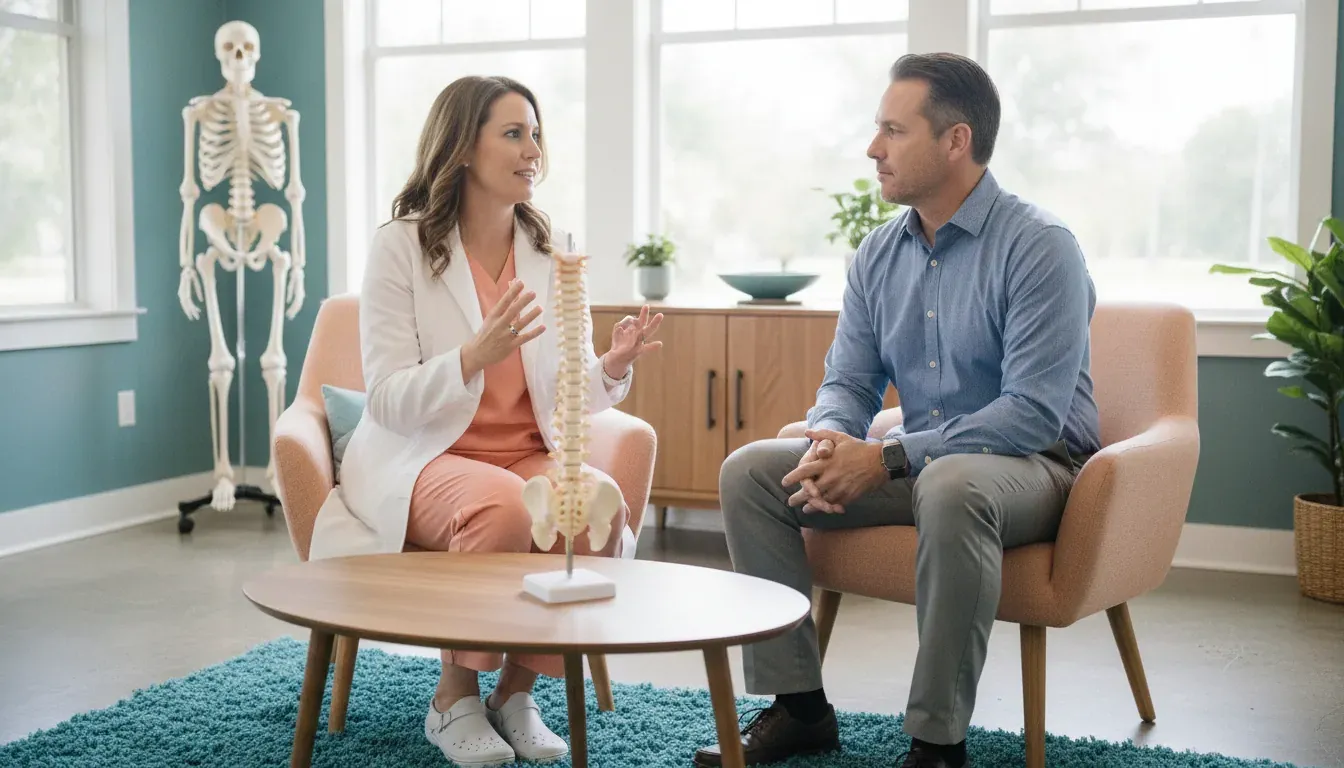
Ready to see if this treatment is right for you? The best way to start is by scheduling a consultation with our team. We’re here to listen to your story, understand your concerns, and determine the most effective path forward. You can contact our Tampa office to book your initial appointment and begin your journey toward healing.
What to expect at your first appointment
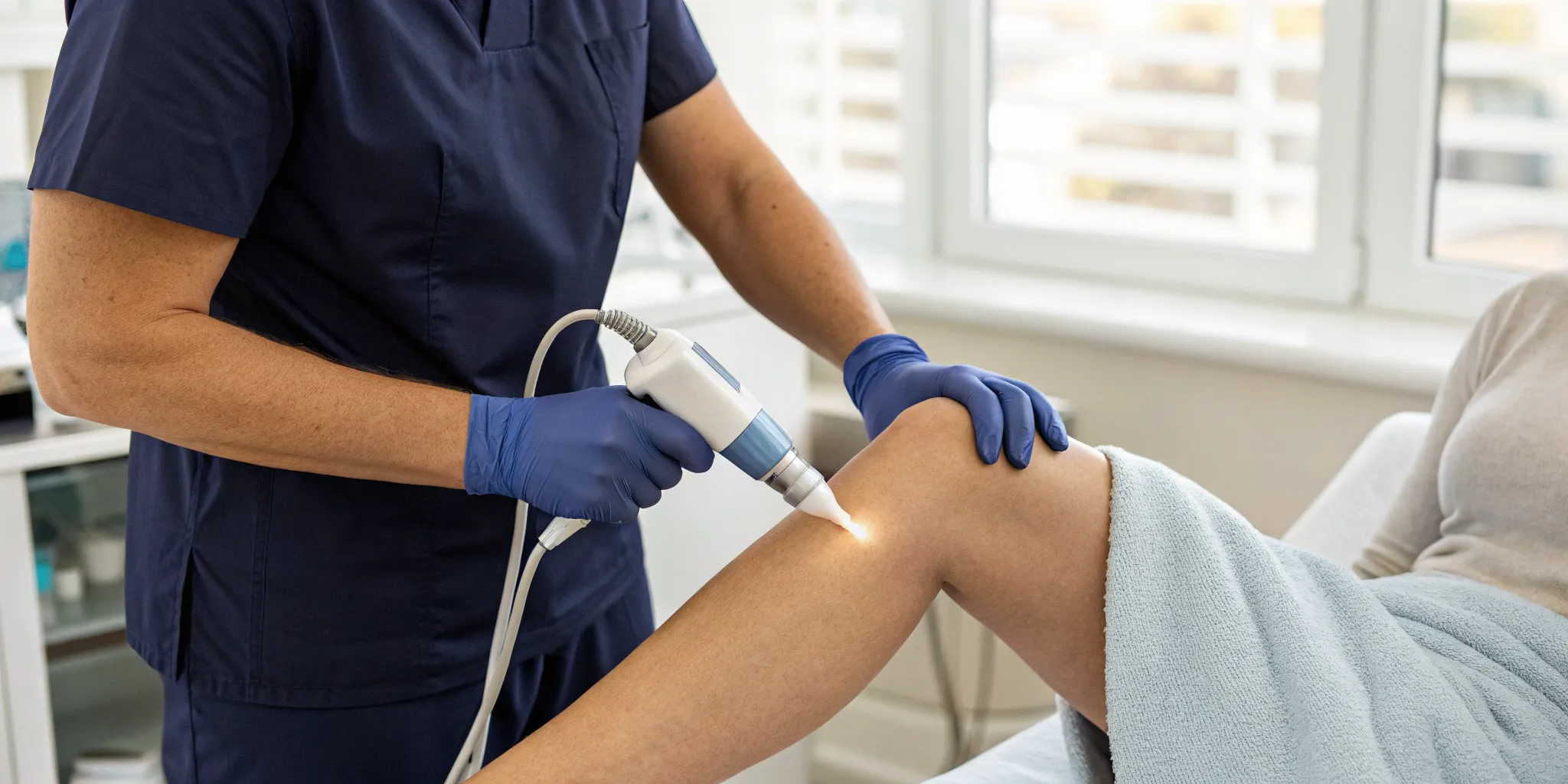
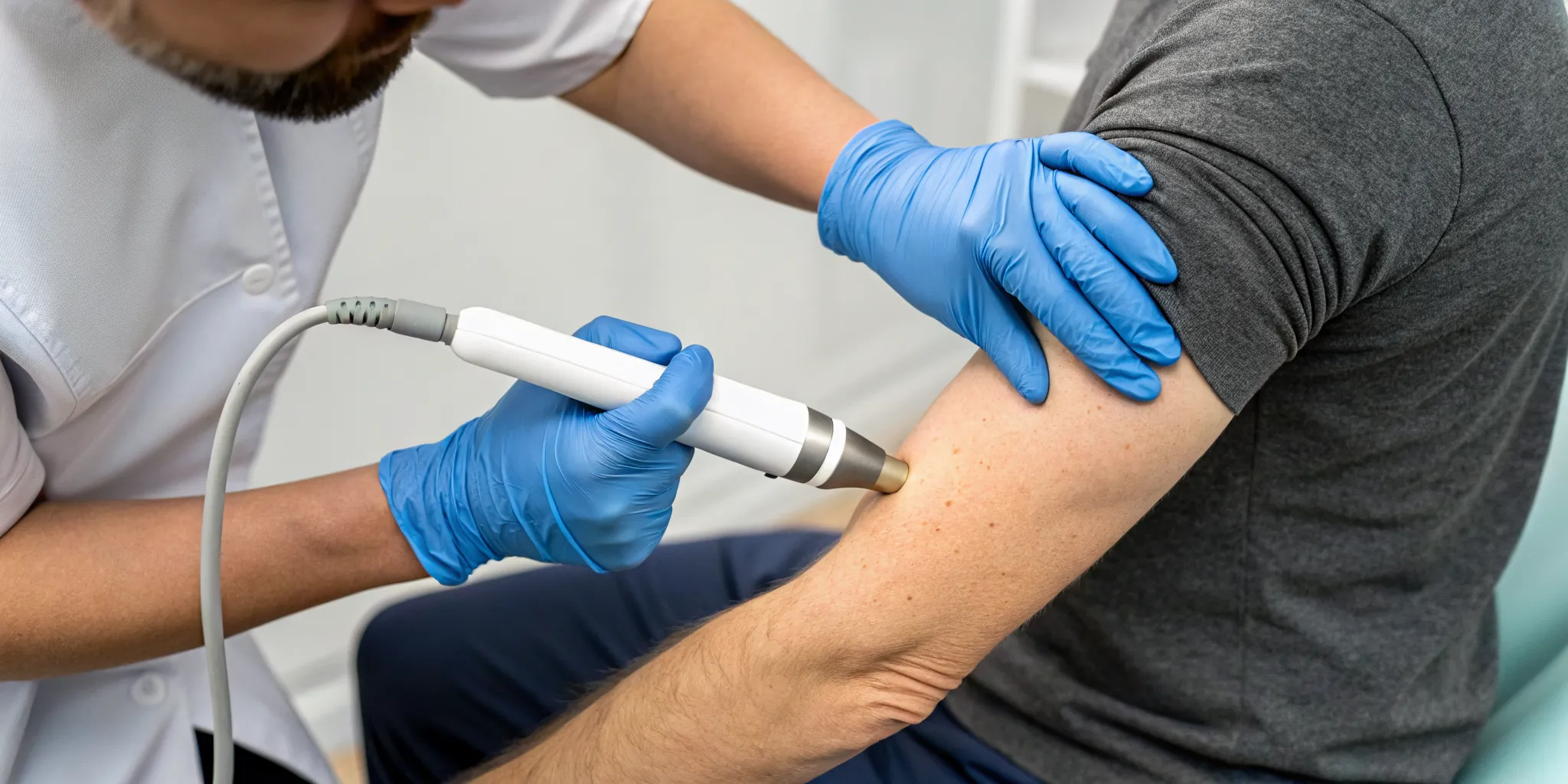
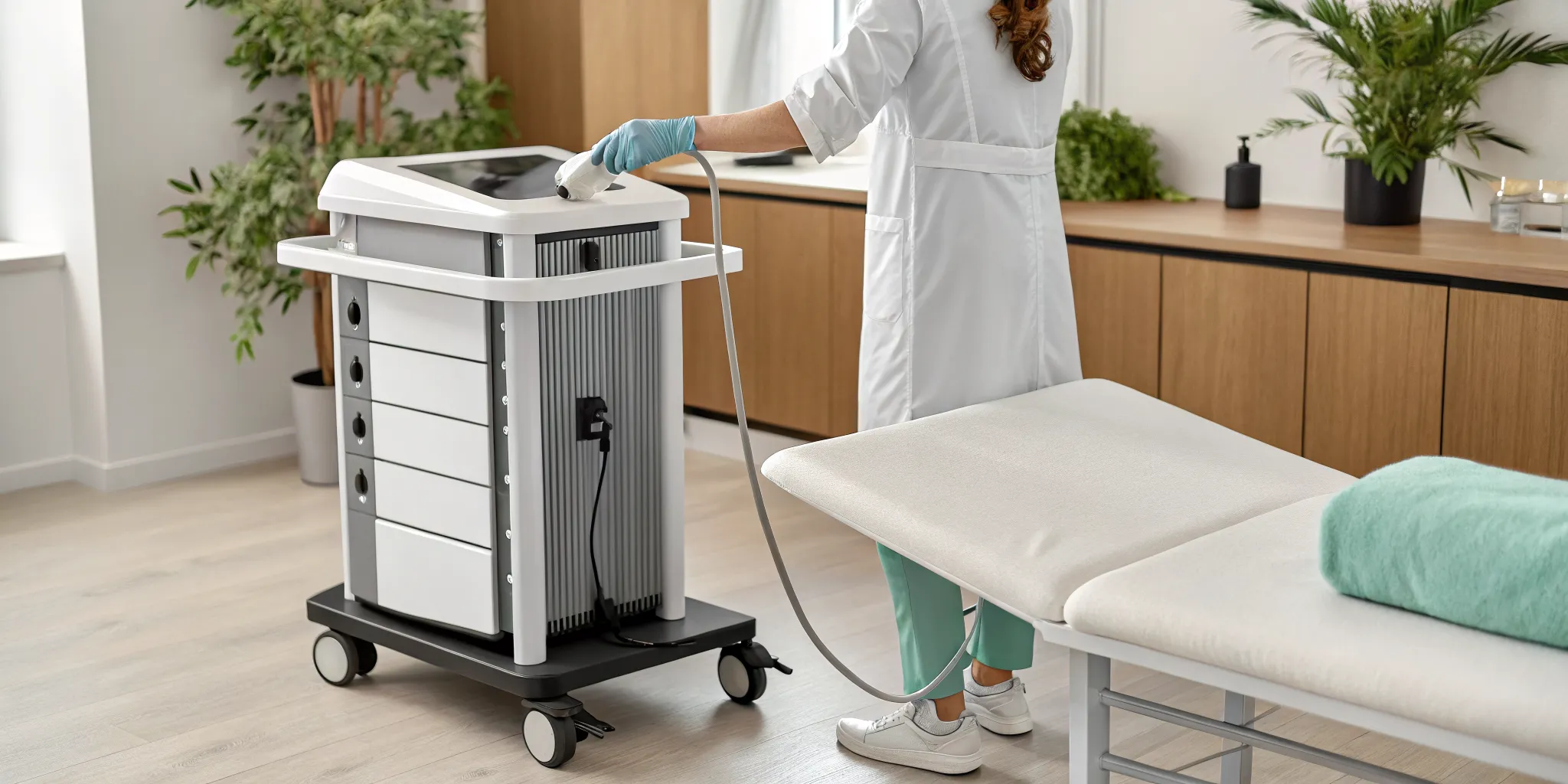
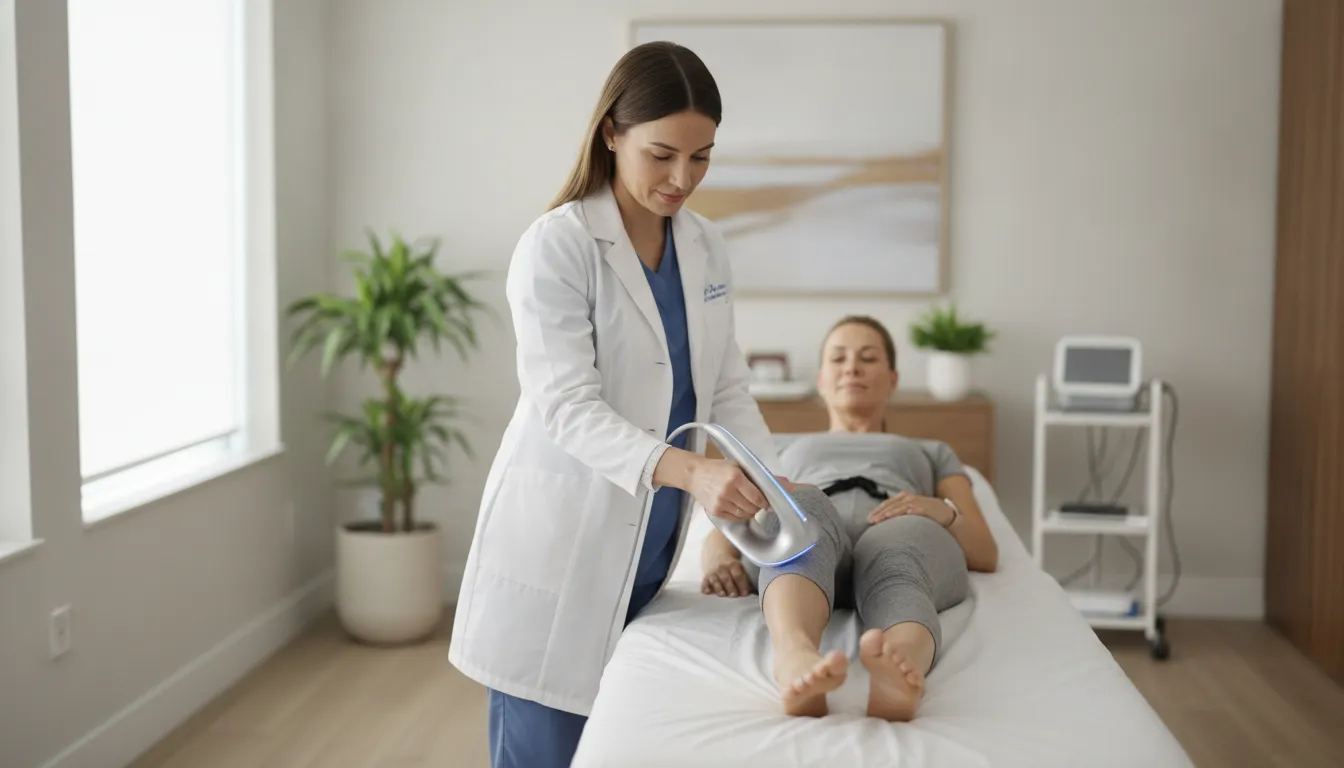
Your first shockwave therapy session is straightforward and designed for your comfort. This treatment is completely non-invasive, meaning it doesn’t require any incisions or instruments entering the body. During the session, a team member will apply a handheld device to the targeted area. You might feel a tapping or pulsing sensation, which is often described as a light pressure. While there can be mild discomfort depending on the area, the treatment is typically well-tolerated.
One of the best parts is that there is no downtime. As soon as your session is over, you can walk out and continue with your day. This makes it easy to fit treatment into a busy schedule without disrupting your life, which is a key component of our physical medicine approach.
How shockwave fits into your personalized care plan
We view shockwave therapy as one powerful tool in a comprehensive healing strategy, not a one-size-fits-all solution. This treatment is a unique alternative that works by using sound waves to create controlled microtrauma in the affected tissue. This process stimulates your body’s own natural healing mechanisms, increasing blood flow and promoting cellular repair. It’s a regenerative approach that encourages your body to fix the root cause of the pain.
Because our goal is lasting relief, we integrate shockwave therapy into a personalized care plan tailored to you. It can be used to address a wide range of musculoskeletal conditions we treat, from plantar fasciitis to shoulder tendinitis, helping you get back to feeling your best.
Related Articles
- SoftWave Tissue Regeneration Therapy in Tampa | Alessi Functional Health
- SoftWave TRT Therapy in Tampa, FL - Alessi Functional Health
- Regenerative Medicine for Pain Recovery | Ascend Functional Health
- Root Cause Treatment for Chronic Pain | Ascend Functional Health
- What Is Soft Tissue Therapy? A Complete Guide
Frequently Asked Questions
Does shockwave therapy actually hurt? That’s a great question, and the name can definitely sound a little intense. Most people are pleasantly surprised to find that the treatment is not painful. You’ll feel a tapping or strong pulsing sensation on your skin, but the intensity is always adjusted to your comfort level. The sessions are also very quick, so any mild discomfort is over in just a few minutes.
What types of injuries respond best to shockwave therapy? This therapy is particularly effective for chronic soft tissue and tendon problems that have become “stuck” and aren’t healing on their own. Think of stubborn conditions like plantar fasciitis, Achilles tendinitis, or rotator cuff pain that haven’t improved with rest and stretching. It works by restarting your body’s natural repair process in these specific areas.
How many sessions will I need and when will I feel better? Healing is a process, so you won’t walk out feeling 100% better after just one appointment. A typical plan involves a series of short sessions, often about six, spaced out over several weeks. Each treatment builds on the last to stimulate tissue repair. Many people start to notice a gradual improvement in their pain and function as they move through their treatment plan.
Why would I choose this instead of something like a cortisone shot? While injections can offer quick relief, they often just mask the pain without fixing the underlying problem. Shockwave therapy is different because it’s a regenerative approach. It encourages your body to rebuild damaged tissue from the inside out, which can lead to more lasting results. Instead of just silencing the symptoms, you’re addressing the root cause of the pain.
What should I expect after a treatment session? One of the best parts about shockwave therapy is that there is no downtime. You can go right back to your daily routine immediately after your appointment. Some people experience mild soreness or redness in the treated area for a day or so, which is a normal sign that your body’s healing response has been activated.