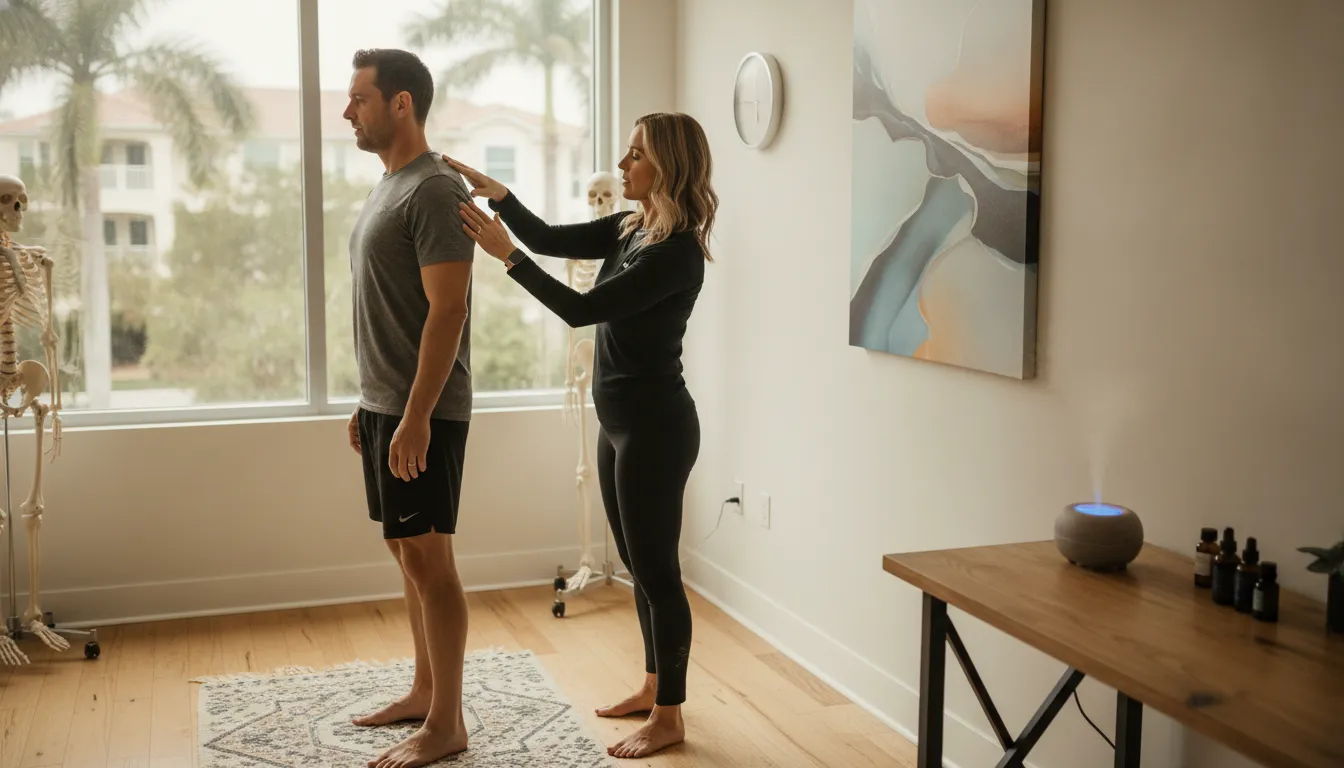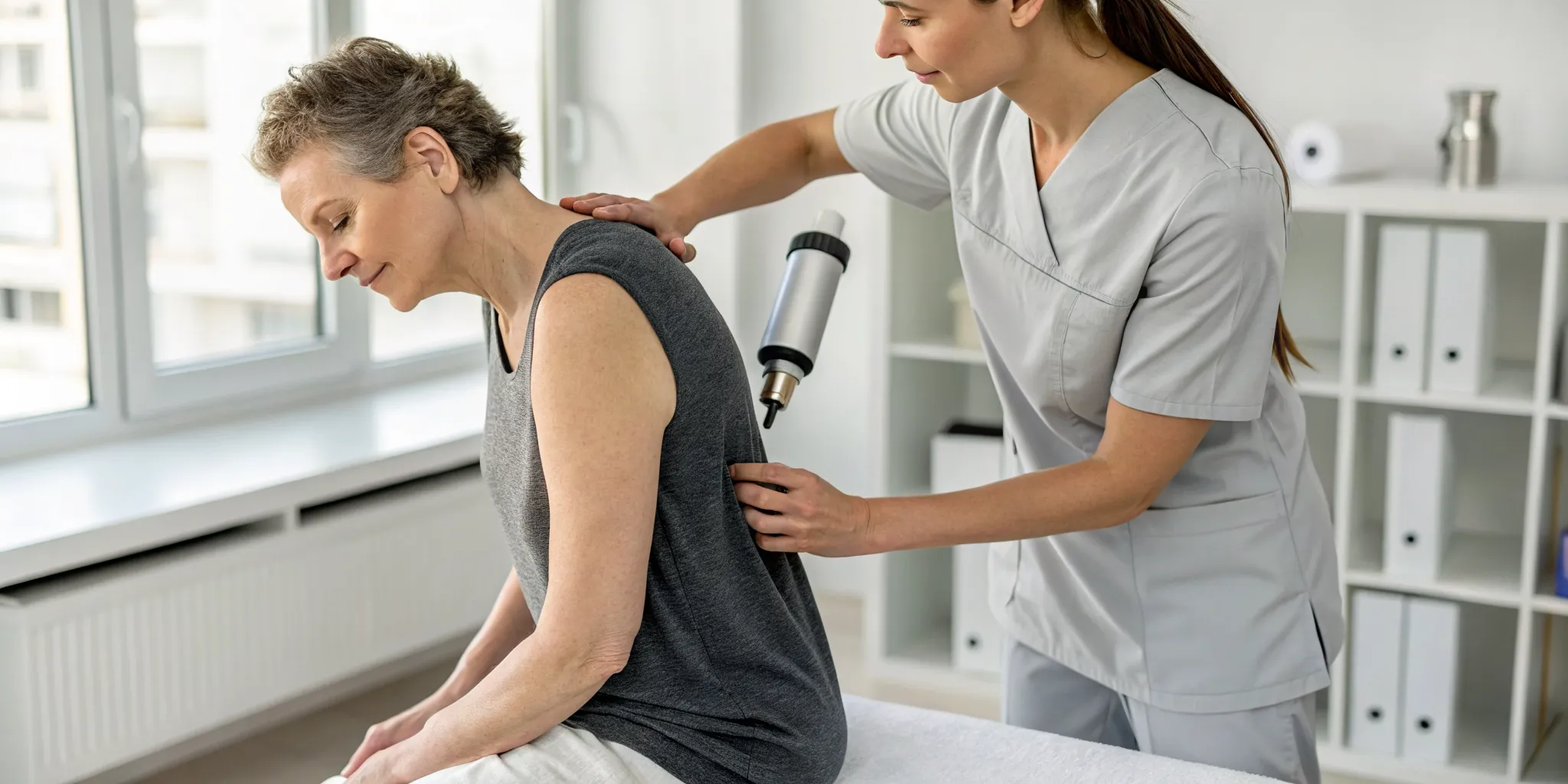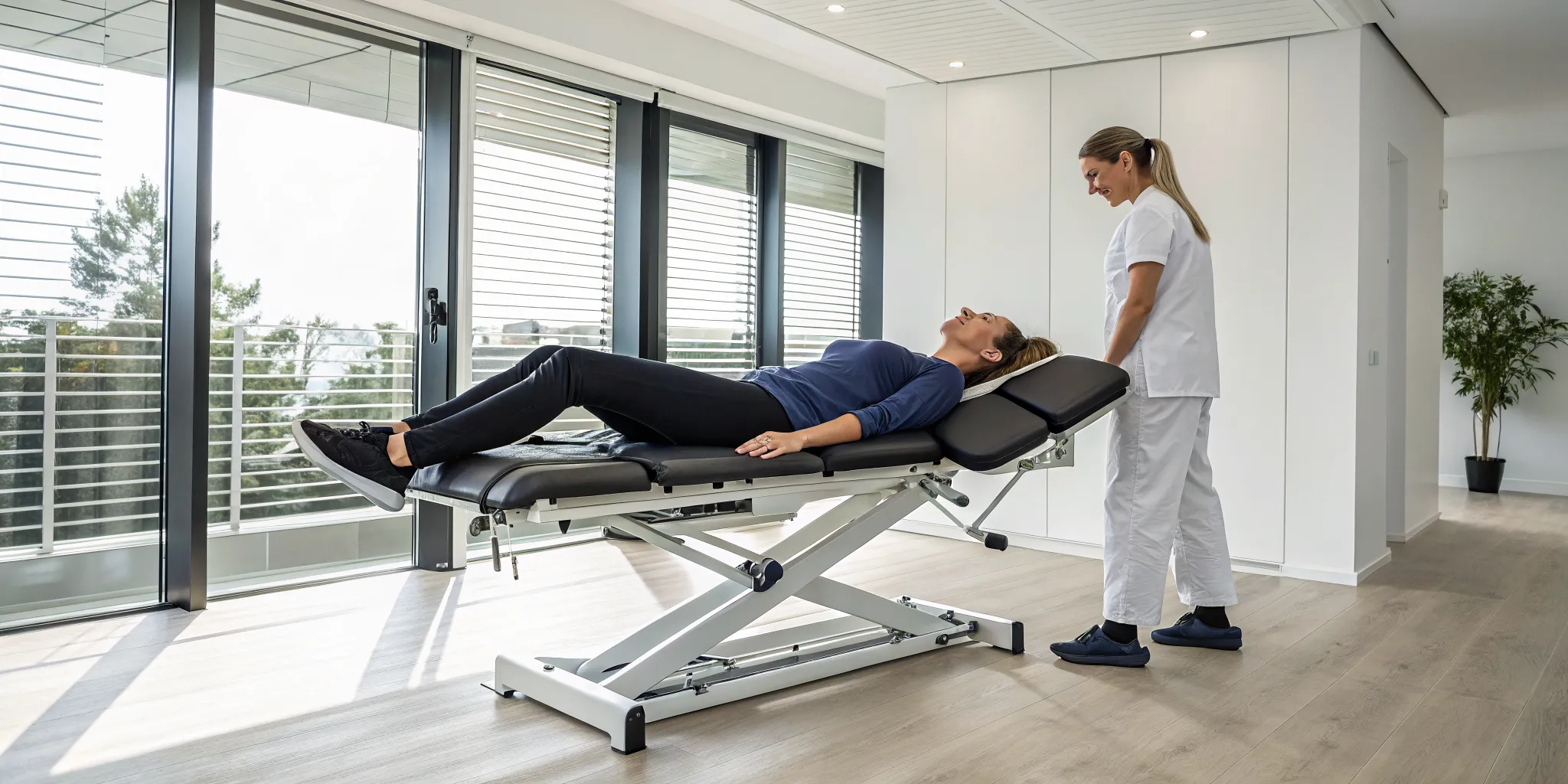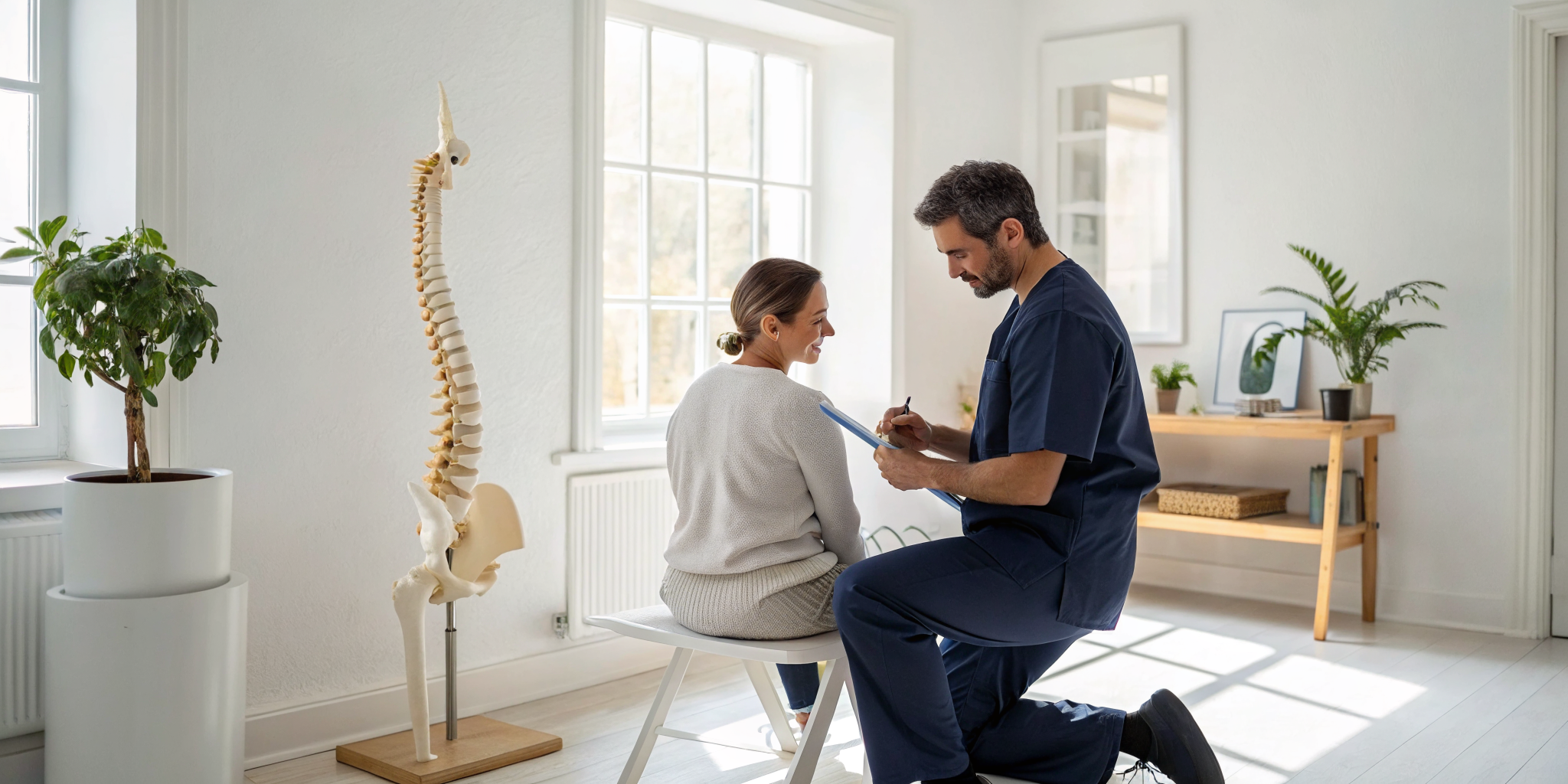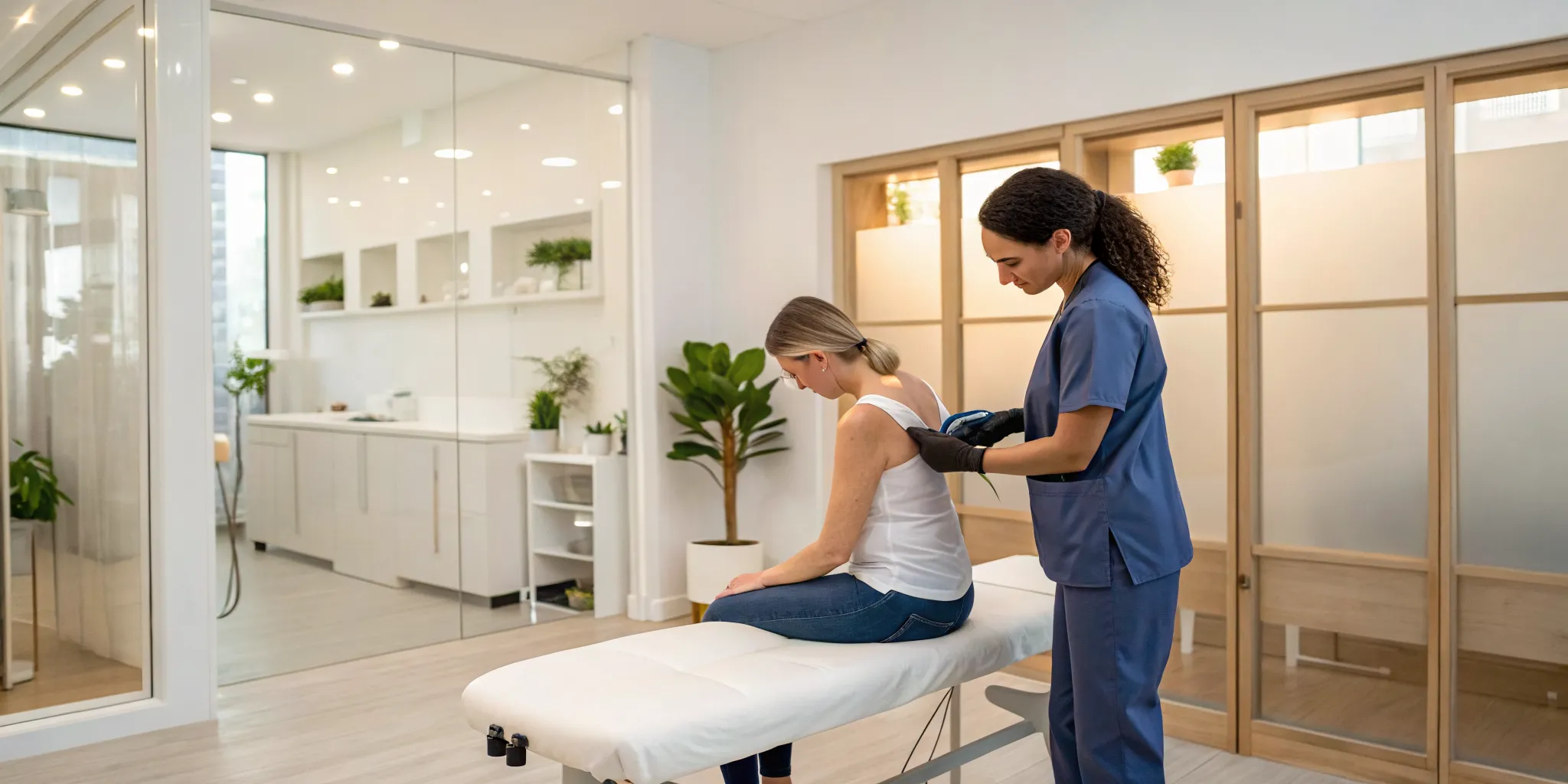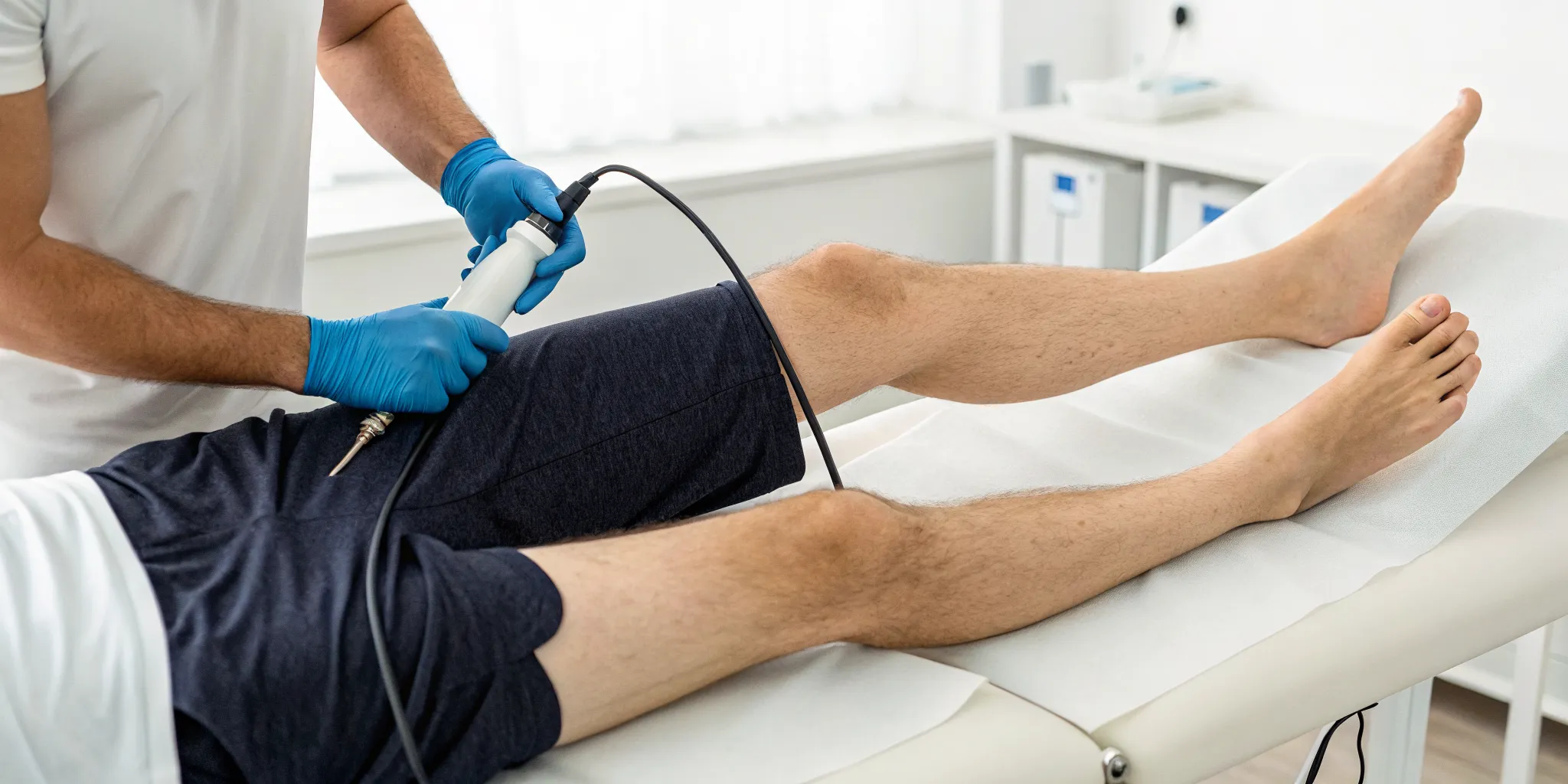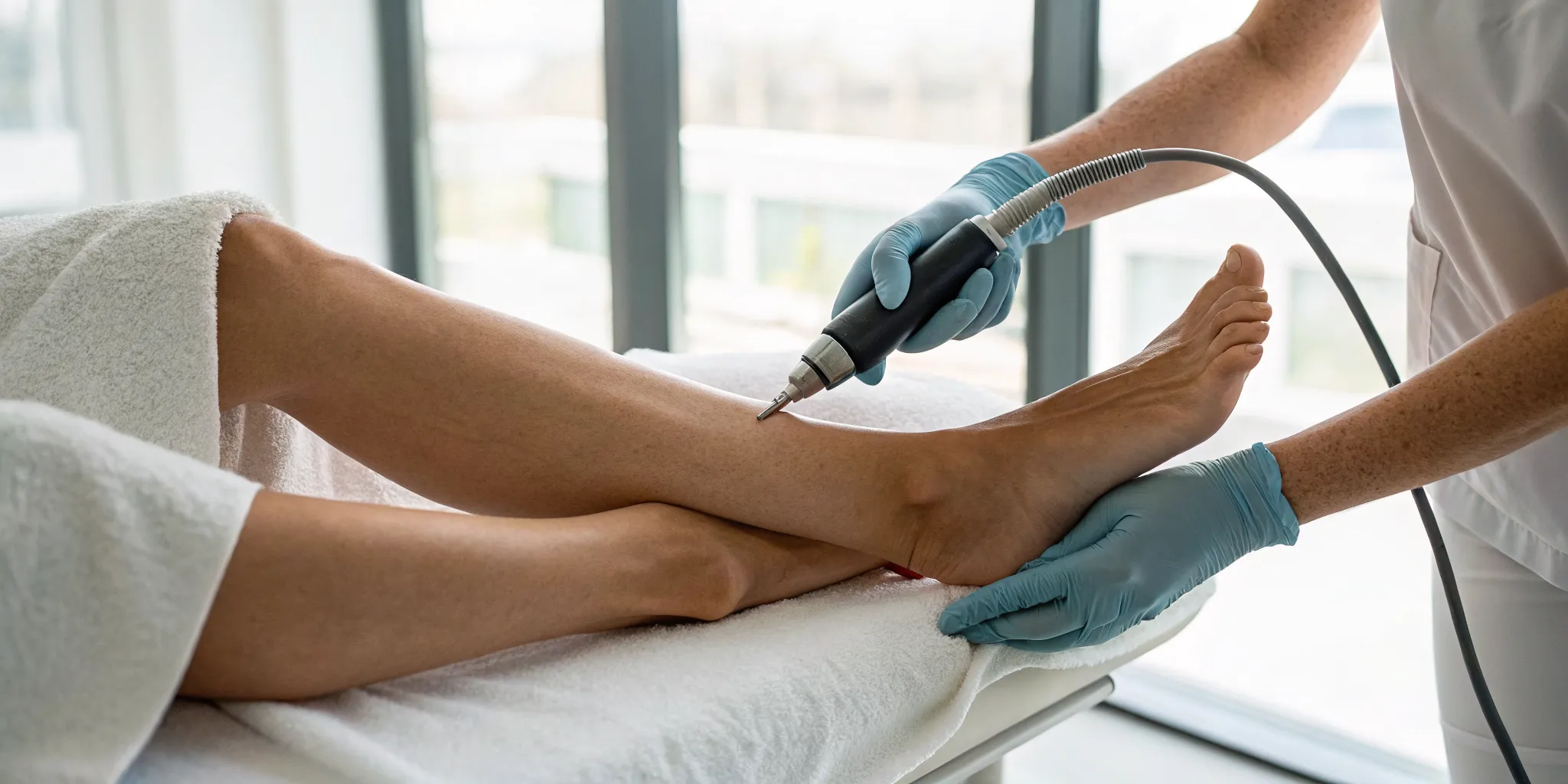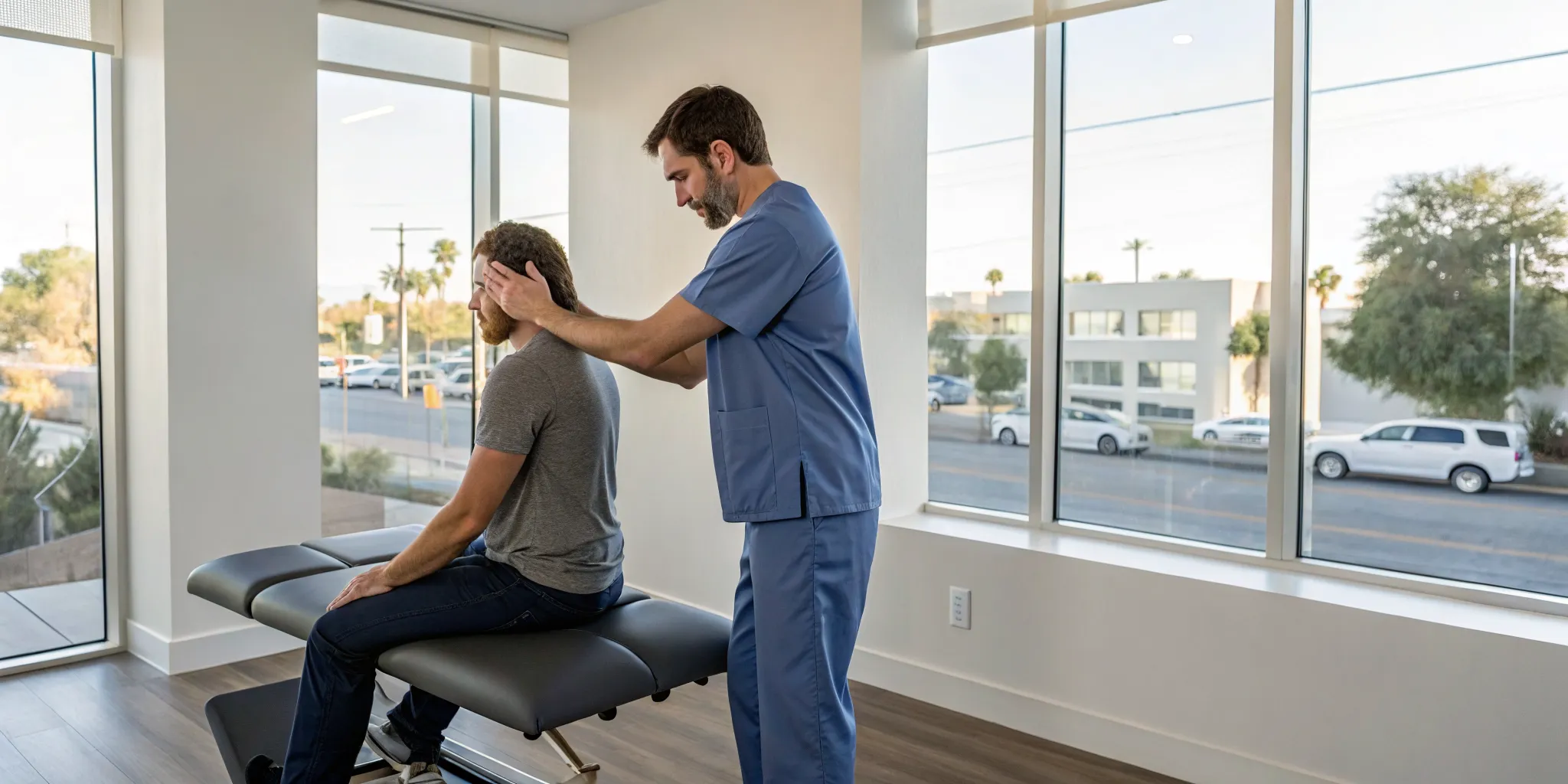
You do not need to chase your best performance from decades ago to feel strong and capable again. Athletic progress after 40 can mean walking farther, balancing more confidently, rotating with better control, recovering more comfortably, or joining friends for an active weekend without hesitation. These improvements begin with an honest look at your current movement and recovery. Consider how you respond to bending, reaching, lifting, walking, changing direction, and outdoor activity in Tampa’s heat and humidity. If recurring discomfort, digestive concerns, or fatigue affect your consistency, those factors deserve attention, too. A personalized plan can help you feel like an athlete again after 40 Tampa FL while supporting the demands of your real life.
Key Takeaways
- Start with your current abilities: Evaluate strength, mobility, stamina, balance, coordination, confidence, symptoms, and recovery based on the activities you want to enjoy.
- Progress at a sustainable pace: Adjust resistance, impact, movement range, duration, and rest around past injuries, current symptoms, recovery, and Tampa’s heat and humidity.
- Choose support that matches your goals: Ascend’s Physical, Functional, and Longevity Medicine services can address movement concerns, digestive issues, fatigue, hormone health, and other factors that affect consistent activity.
Build Your Athletic Baseline After 40 in Tampa, FL
Feeling athletic after 40 starts with understanding how your body moves today. Your baseline should reflect strength, mobility, stamina, balance, coordination, confidence, recovery, and the demands of your daily life. It is not a pass-or-fail test. It is a practical starting point for choosing the right level of challenge and tracking meaningful progress.
A clear baseline can also highlight factors that deserve closer attention, including recurring joint discomfort, spinal concerns, digestive symptoms, or ongoing fatigue. Ascend Functional Health’s Physical Medicine services may complement a carefully progressed movement routine when joint or spinal mechanics affect your ability to stay active.
Before increasing intensity, consider how your body responds to walking, lifting, bending, reaching, rotating, and changing direction. Note which activities feel comfortable, which require more concentration, and which lead to symptoms later in the day. This information can help shape a more appropriate approach than simply returning to the level of activity you enjoyed years ago.
Define athleticism through strength, mobility, stamina, balance, coordination, and confidence
Athleticism is broader than lifting heavy weights or finishing a race. It includes the strength to carry, push, pull, and climb; the mobility to move through useful ranges; and the stamina to participate without feeling depleted. Balance and coordination help you change direction, control each step, and respond to the demands of sports and recreation.
Confidence matters, too. If you hesitate before bending, turning, stepping onto uneven ground, or swinging a club, that hesitation can affect how much you participate. A balanced approach develops these qualities together through consistent, appropriately challenging movement.
Your goal is not to copy another person’s performance. It is to build a body you trust for the activities that matter to you, whether that means walking the golf course, playing tennis, running, or keeping up during an active weekend.
Assess movement, training history, recovery, and daily activity
Start by reviewing how you move and what you have done before. Consider your ability to squat, hinge, rotate, reach overhead, walk briskly, balance on one leg, and rise from a seated position. These observations can reveal where you feel capable and where you may need more control or support.
Your history adds useful context. Note previous sports, periods of inactivity, recurring symptoms, and activities you still enjoy. Consider how much you sit, walk, lift, or climb during a typical day. Recovery belongs in the same conversation. Sleep quality, next-day soreness, energy, and consistency can show whether your current demands match your capacity.
A qualified coach can use this information to adjust intensity, choose suitable movements, and create clear checkpoints. If your movement is limited by symptoms or persistent fatigue, Ascend’s Functional Medicine services may help identify health factors that deserve individual evaluation.
Account for injuries, joint discomfort, health concerns, and changing goals
Past injuries and recurring joint discomfort should shape your starting point, not automatically prevent you from being active. Be specific about where symptoms occur, which movements aggravate them, how long they last, and whether they affect sleep or daily tasks. This information can help a qualified professional decide whether to modify range of motion, reduce impact, change loading, or recommend further clinical review.
Your goals may have changed, too. Perhaps you want to return to tennis rather than compete, walk a golf course comfortably, run with your family, or enjoy weekend activities without hesitation. A plan built around those priorities is more useful than one based on an old performance level.
Review Ascend’s conditions we treat page to learn more about concerns that may affect movement, energy, and everyday function. Share relevant symptoms and health history during an evaluation so your next steps reflect the full picture.
Consider sleep, stress, nutrition, hydration, heat, and Tampa humidity
Your physical capacity depends on more than the activity itself. Poor sleep, ongoing stress, inconsistent meals, and inadequate hydration can make familiar movement feel harder and affect how well you recover between sessions. Pay attention to patterns instead of judging one difficult day. A demanding schedule or restless night may call for a lighter session, more rest, or a shorter duration.
Tampa’s heat and humidity also deserve attention. Plan outdoor activity during more comfortable parts of the day, drink fluids consistently, and allow time to adjust when conditions change. Clothing, shade, regular breaks, and a slower pace can help manage outdoor demands.
If fatigue remains persistent despite reasonable adjustments, discuss it with a qualified health professional. Ascend’s Functional Medicine approach may include an individualized review of gut health, bloating, nutrition, energy, and other factors that influence consistency and recovery.
Set goals for golf, tennis, running, recreation, and daily movement
Specific goals make your baseline useful. Instead of saying you want to get in better shape, choose an activity and a clear outcome. You might aim to walk 18 holes with steady energy, play a full tennis match with controlled movement, run a particular distance, join a recreational league, or carry groceries and climb stairs more comfortably.
Break each goal into smaller checkpoints. For golf, you may first work on walking duration, balance, and rotational control. For tennis, you may build lateral movement, stamina, and deceleration. For running, you may begin with consistent walking and gradually introduce brief running intervals under appropriate guidance.
Track how you feel during activity, how you recover afterward, and whether the goal still fits your schedule. A goal should give your efforts direction without making every session feel like a test. If your priorities change, update the goal rather than forcing your routine to match an outdated plan.
Replace younger benchmarks with sustainable personal progress
Comparing your current abilities with your twenties can make useful progress feel insignificant. A better benchmark is your own response to consistent care and activity. You may recover more reliably, move with better control, tolerate longer walks, or feel more confident joining friends outdoors. Those changes matter even when they do not produce a dramatic number on a scale or stopwatch.
Use several markers to measure progress, including strength, mobility, stamina, balance, coordination, confidence, sleep, symptoms, and consistency. Celebrate improvements that support your actual life, such as walking farther in Tampa’s humidity or returning to a favorite recreational activity.
If hormone, thyroid, or other health concerns may be affecting recovery and energy, Ascend’s Longevity Medicine services offer another point of discussion. The aim is sustainable personal progress that respects your age, history, schedule, and goals, while helping you remain active for the activities you value.
Rebuild Athletic Strength With Age-Appropriate Training
Feeling athletic after 40 does not require matching the numbers or intensity you managed in your 20s. A sustainable approach combines strength, mobility, stamina, balance, coordination, and confidence. The goal is to help your body handle the activities you enjoy, whether that means playing tennis, returning to running, improving your golf game, or staying active during a full day in Tampa.
Start with movements that match your current ability, then increase the challenge gradually. You may need to adjust your range of motion, reduce impact, change the pace, or use lighter resistance while your joints and connective tissues adapt. An evaluation through Ascend Functional Health’s Physical Medicine services may help identify movement limitations that affect your progress.
Consistency matters more than occasional intense sessions. Give your body time to recover, pay attention to changes in joint comfort or energy, and treat setbacks as useful information rather than failure. A carefully paced approach can help you feel capable and steady without asking your body to handle more than it is ready for.
Build strength without chasing maximum loads
Strength after 40 should support your daily life, not leave you feeling worn down for days. Instead of testing your maximum capacity, focus on controlled movements that challenge your muscles while allowing you to maintain good form. Squatting to a comfortable depth, pressing, pulling, carrying, and stepping can develop useful strength for recreation and everyday tasks.
Begin with a manageable level of resistance. Increase the challenge only when your technique, recovery, and joint comfort remain consistent. You might add a small amount of resistance, complete another repetition, or perform the movement with more control. Change one factor at a time so you can understand how your body responds.
This approach supports steady progress without unnecessary strain. It also allows you to stay consistent when your sleep, schedule, or energy changes. The goal is not to compete with your younger self. It is to build a reliable foundation that helps you lift, reach, climb stairs, play, and move with greater control.
Restore mobility, balance, coordination, and joint control before adding impact
Running, jumping, and quick changes of direction place greater demands on your joints and nervous system. Before adding these activities, spend time improving comfortable joint motion, single-leg balance, coordination, and control through the hips, knees, ankles, shoulders, and spine.
A movement assessment may identify stiffness, weakness, or poor control that affects how you move. Ascend’s corrective care approach may be considered alongside gradual activity progression when joint mechanics or movement quality are concerns.
Start with controlled strength exercises and lower-impact drills. Once you can complete them consistently without worsening symptoms, add speed, resistance, or impact one variable at a time. This gives your body an opportunity to adapt instead of asking it to manage every demand at once.
Develop stamina through gradual conditioning
Stamina improves through regular, manageable effort. You do not need to push until you are exhausted to improve your ability to walk, cycle, play tennis, or stay active during a long day. Begin with an amount of activity you can repeat consistently, then add time or intensity in small steps.
Use your breathing, energy, and recovery as guides. If an activity feels comfortable but you need unusually long recovery afterward, the session may have been too demanding. Shorter periods of activity spread across the week can be more practical than one difficult session that disrupts the rest of your routine.
Choose activities you genuinely enjoy. Enjoyment makes consistency easier, and consistency gives your cardiovascular system and muscles repeated opportunities to adapt. In Tampa’s heat and humidity, pace yourself and pay close attention to hydration during outdoor activity. Adjust the time of day or choose an indoor setting when conditions make activity less comfortable.
Build functional strength for sports and daily demands
Functional strength helps your body coordinate several areas at once. Carrying equipment, rising from a low seat, rotating to reach a golf ball, or moving sideways on a tennis court requires more than isolated muscle strength. You also need stability, balance, coordination, and control while changing position.
Build your routine around movement patterns that reflect your goals. If you want to return to golf, include controlled rotation, balance, walking stamina, and strength through the hips and trunk. If tennis is your priority, gradually develop lateral movement, upper-body control, and the ability to slow down safely.
This approach connects physical activity to real life. It can also make progress easier to recognize because you are measuring improvements through activities you care about, not only through numbers. A well-rounded plan should help you feel more prepared for recreation and more capable during everyday movement.
Rebuild confidence through consistent effort
Confidence often returns after your body gives you several positive experiences in a row. You may notice that stairs feel easier, your balance improves, or you recover more comfortably after a round of golf. These small changes matter because they show that your effort is translating into useful ability.
Track progress in practical ways. Note how long you can stay active, how steady a movement feels, whether a familiar task requires less effort, and how your body responds the following day. Avoid comparing your progress with someone else’s. Your age, activity history, previous injuries, schedule, and recovery capacity all shape the process.
On difficult days, scale the activity rather than abandoning it completely. A shorter session focused on mobility or technique can help maintain the habit while giving your body space to recover. If a movement repeatedly causes discomfort or affects your daily activities, discuss it with a qualified healthcare professional before progressing.
Support progress with balanced meals, hydration, sleep, and recovery
Strength and stamina depend on more than physical activity. Balanced meals provide energy and nutrients your body needs to repair and adapt. Include a variety of protein sources, vegetables, fruits, whole grains, and healthy fats according to your individual needs and preferences.
Hydration deserves special attention in Tampa, where heat and humidity can increase fluid loss during outdoor activity. Drink regularly throughout the day and pay attention to signs that you may need more fluids, such as unusual fatigue, headache, or dark urine. Sleep supports muscle recovery, coordination, mood, and energy, so a consistent sleep routine can be as valuable as another demanding session.
If persistent fatigue, bloating, or digestive concerns make it difficult to stay consistent, Ascend’s Functional Medicine services can help evaluate factors that may affect daily energy and recovery. Share your activity goals and symptoms during your appointment so your care team can consider nutrition, sleep, digestion, and movement together.
Choose Tampa, FL Programs That Help Adults Feel Athletic Again
The right Tampa program should help you move with more strength, control, and confidence, not push you toward an arbitrary performance standard. After 40, effective coaching considers your movement history, current ability, recovery, and personal goals. It should also leave room for activities you enjoy, whether that means returning to tennis, improving your golf game, running comfortably, or feeling steadier during daily movement.
Look for a program that offers clear guidance, adjustable intensity, and consistent communication. A thoughtful coach can help you make progress without treating every session like a test. If joint discomfort, persistent fatigue, digestive concerns, or recurring back symptoms affect your consistency, Ascend Functional Health’s Physical Medicine services may provide clinical support alongside local coaching.
Choose personalized strength and conditioning with adjustable intensity
Personalized strength and conditioning should meet you at your current ability, then progress as your capacity improves. You might begin with controlled movements, lighter resistance, shorter sessions, or longer rest periods before adding intensity. The goal is not to chase maximum loads. It is to develop useful strength you can maintain without leaving your body feeling overwhelmed.
Ask how the coach adjusts exercises when your energy, mobility, or symptoms change. A thoughtful program should offer different ways to perform a movement while still working toward the same goal. Over time, this approach can support stronger legs, better trunk control, improved balance, and greater confidence during recreational activities. Programs designed for former athletes often emphasize lasting habits and enjoyable effort rather than constant high-intensity demands, as described in this program discussion for adults returning to fitness.
Seek joint-conscious mobility and strength training
Joint-conscious coaching does not mean avoiding effort. It means using appropriate ranges of motion, controlled tempos, and resistance that allow you to maintain good technique. Your coach should pay attention to how your knees, hips, shoulders, spine, and ankles respond during movement, then adjust the session when needed.
Look for a balance of mobility and strength work. Mobility can help you access useful positions, while strength helps you control those positions during daily and recreational activities. Consistent practice, balanced meals, hydration, rest, and accountability all support lasting progress. If a movement repeatedly causes symptoms, tell your coach instead of trying to push through it. This discussion of strength training after 40 also emphasizes consistency, coaching, and sustainable progress.
Consider coaching for golf, tennis, running, and recreational sports
Your goals should shape the way you train. A golfer may benefit from rotational control, hip mobility, balance, and walking stamina. A tennis player may need strength for repeated changes of direction, shoulder control, and coordination. Someone returning to running may need a gradual progression that develops lower-body strength and conditioning before adding more distance or speed.
Ask whether the coaching approach reflects the demands of your preferred activities. The plan does not need to copy your sport in every session. Instead, it should develop the physical qualities that support your sport while giving your body enough time to recover. Training should feel challenging and purposeful, not like an attempt to prove you can perform exactly as you did decades ago.
Compare one-to-one coaching with small-group accountability
One-to-one coaching offers close attention to movement quality, exercise selection, and day-to-day adjustments. It may suit you if you have a complex history, specific performance goals, or prefer a quieter setting. You can receive immediate feedback and follow a structure shaped around your schedule, goals, and current abilities.
Small-group coaching can provide encouragement, routine, and shared accountability. It may be a good fit if you enjoy working alongside other adults with similar goals. Before choosing, ask about the group size, how modifications are handled, and whether the coach can observe each person closely. The right environment should support and challenge you without pressuring you to match someone else’s pace. Some small-group approaches also emphasize community and strength development instead of focusing only on body weight, as noted in this overview of group coaching for women.
Evaluate assessments, modifications, progression, and follow-up
A strong coaching process begins with more than a brief introduction. Ask whether the provider reviews your movement, activity history, goals, recovery, and relevant symptoms before suggesting a routine. This information helps the coach choose an appropriate starting point and identify movements that may need modification.
You should also understand how progression works. Will the coach adjust resistance, range of motion, volume, pace, or rest as you improve? How will you discuss symptoms, schedule changes, or missed sessions? Regular follow-up keeps the plan connected to your actual life. If your movement quality declines, recovery takes longer, or a symptom changes, the next step may be adjusting the plan rather than simply doing more. Small, informed changes can be more useful than repeatedly forcing the same routine.
Pair local coaching with Ascend Functional Health’s clinical support when appropriate
Coaching and clinical care can address different parts of the same goal. A coach may guide strength, mobility, conditioning, and accountability, while Ascend Functional Health evaluates health factors that may affect your ability to participate consistently. Ascend’s three pillars of care include Physical Medicine, Functional Medicine, and Longevity Medicine.
Recurring back or joint concerns may warrant an evaluation through Physical Medicine. Ongoing digestive problems, bloating, or fatigue may call for a conversation about Functional Medicine. Hormone and thyroid concerns can be discussed through Longevity Medicine. Coordination should reflect your individual needs, symptoms, and goals, with each provider clear about their role. Talk with the Ascend team about how clinical support may fit alongside your Tampa coaching routine.
Adapt Tampa Fitness Programs to Past Injuries
A past injury does not have to determine what you can do after 40. It does deserve a place in the conversation before you increase activity. The safest starting point considers your current movement, strength, symptoms, recovery, and goals instead of assuming you can return to the same exercises or intensity you used years ago.
A well-designed Tampa fitness program can be adjusted in several ways, including range of motion, impact, resistance, exercise selection, rest periods, and pace. Someone returning to tennis may need a different progression than someone preparing for a long walk, a round of golf, or more comfortable daily movement. The goal is to create a practical path forward without ignoring the signals your body provides.
An assessment with a qualified provider can add useful context when joint or spinal concerns affect your activity. Ascend Functional Health’s Physical Medicine services may help assess movement and mechanics as part of a broader plan for returning to activity. The right approach may include coaching, clinical support, or both, depending on your needs and goals.
Start with an intake, movement assessment, and training history
Before changing your activity, share your previous injuries, procedures, recurring symptoms, current activity, and past approaches that helped or aggravated the area. Include details about your workday, recreational activities, sleep, and recovery. These factors can influence how your body responds to increased demands.
A movement assessment may examine balance, joint control, mobility, strength, coordination, and basic patterns such as bending, reaching, rotating, and stepping. Your training history also matters. Someone who has remained active may progress differently from someone returning after a long break.
This intake gives a coach or clinical provider useful information for adjusting your plan. It also creates a baseline, so progress can be measured by improved control, confidence, and consistency rather than intensity alone. Ascend’s conditions treated page provides additional context on concerns that may affect movement and daily activity.
Adjust range of motion, impact, loading, exercises, and pace
A past injury may call for a temporary change in how an exercise is performed, not an automatic ban on movement. You might begin with a smaller range of motion, slower tempo, lighter resistance, more support, or fewer repetitions. Impact can also be introduced gradually through controlled stepping before progressing to running, jumping, or quick changes of direction.
Exercise selection should match your current ability and goals. A movement that irritates your knee, for example, may be replaced with one that builds related strength while placing less demand on the joint. Someone with back sensitivity may need more control and support before adding rotation or heavier resistance.
Change one factor at a time when possible, then observe how your body responds during the session and over the following day. This makes it easier to identify which adjustments support progress and which need further modification.
Distinguish productive effort from symptoms that need reassessment
Effort can feel challenging without feeling threatening. Muscle fatigue, increased breathing, and a sense of working hard may be expected during activity. Sharp, catching, escalating, or unfamiliar symptoms deserve more attention, especially if they alter your movement or continue after the session.
Keep a simple record of what you did, how it felt, and how you recovered. Notice whether symptoms appear during a particular range of motion, after a certain amount of resistance, or later that day. This information can help your coach or clinical provider make a more precise adjustment.
Do not treat discomfort as a test of willpower. If symptoms repeatedly worsen, affect your walking or daily movement, or do not settle with appropriate rest and modification, pause that activity and seek professional reassessment. Ascend’s Physical Medicine team can help determine whether movement mechanics or joint and spinal concerns should be addressed alongside your activity plan.
Progress when movement quality, strength, and recovery support it
Progress is more than adding resistance or moving faster. It may look like better balance, smoother coordination, improved joint control, or completing familiar activities with less hesitation. These changes show that your body is building the capacity needed for more demanding movement.
Before increasing intensity, look for consistent technique, manageable symptoms, and adequate recovery between sessions. You should be able to perform the current version of an exercise with control rather than compensating through another joint or changing your posture to complete it.
Increase one element at a time, such as duration, resistance, range of motion, or impact. Give your body enough time to respond before making another change. Strength, mobility, sleep, nutrition, hydration, and stress all influence recovery, so a slower week may call for maintaining your current level instead of pushing forward.
Adjust the plan as symptoms, schedules, goals, and recovery change
Your plan should change when your circumstances change. A demanding workweek, poor sleep, travel, increased joint discomfort, or a new recreational goal may affect how much activity you can manage. Adjusting a session is not a setback. It is a practical way to keep moving while respecting your current capacity.
You may need shorter sessions, longer rest periods, different exercises, or more mobility work during a demanding week. When recovery improves, you can gradually return to your previous level. The same approach applies when your goals shift from general strength to golf, tennis, running, or comfortable daily movement.
Regular check-ins help keep your plan relevant. Review your symptoms, movement quality, confidence, and recovery instead of relying only on resistance or duration. When joint or spinal concerns continue to influence your progress, consider coordinating local coaching with Ascend’s integrated health services for a more complete view of your needs.
Support Athletic Progress Through Ascend Physical Medicine
Feeling athletic again after 40 starts with more than increasing intensity. Your spinal and joint mechanics, movement patterns, recovery, and daily activity all affect how comfortably you walk, rotate, balance, run, swing, or participate in recreational activities. A physical medicine evaluation can help identify areas that may need attention before you place greater demands on your body.
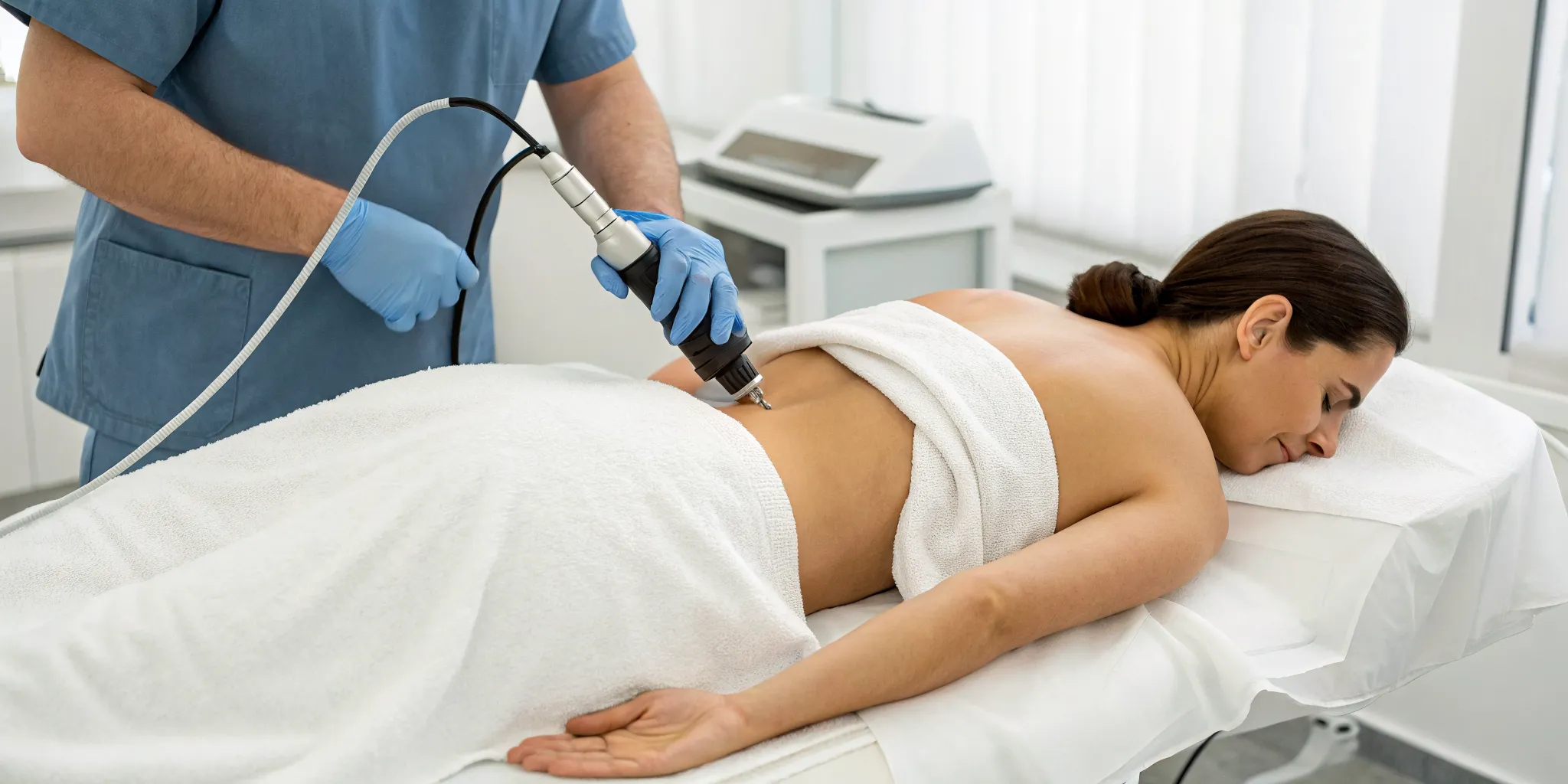
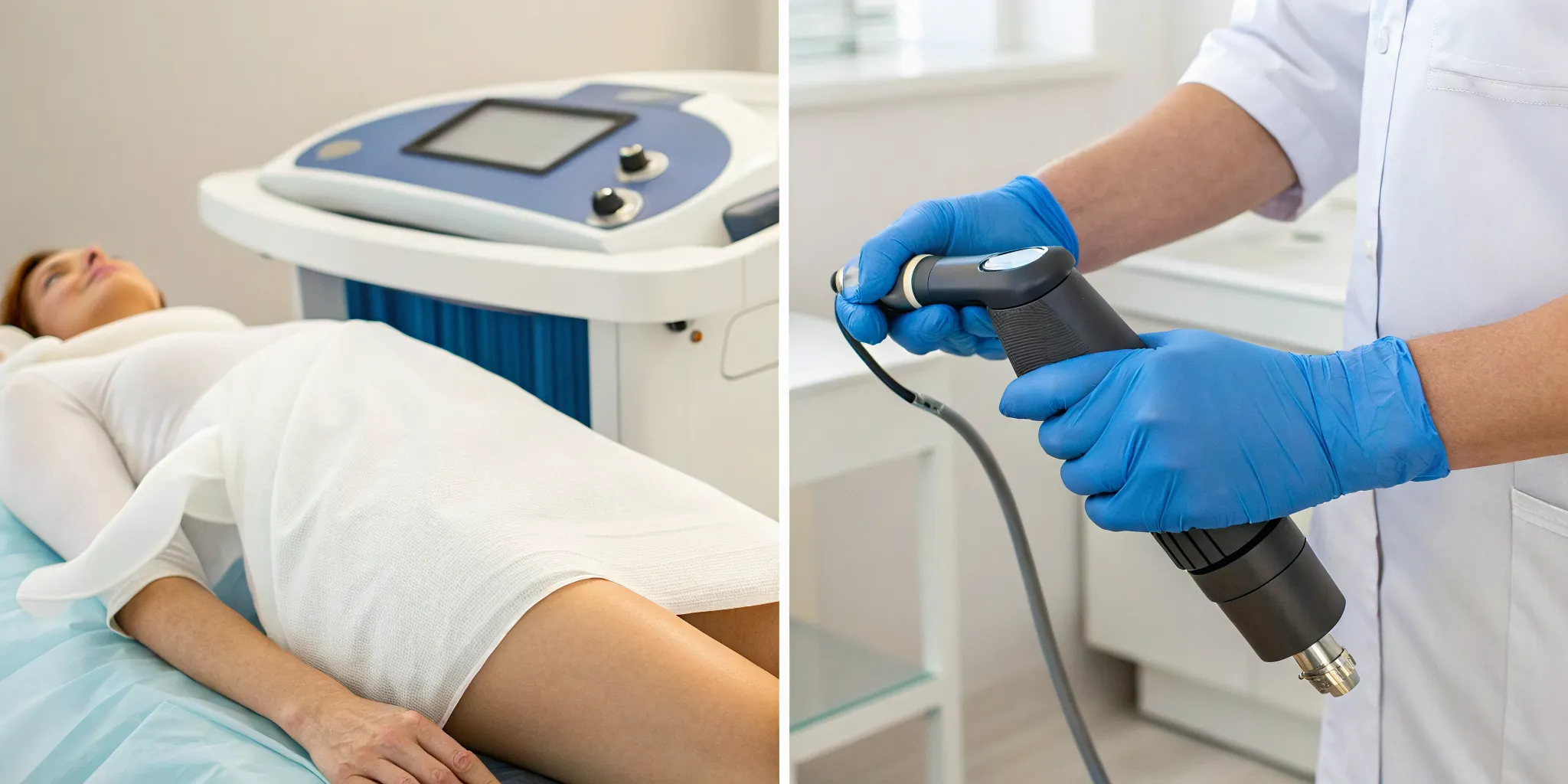
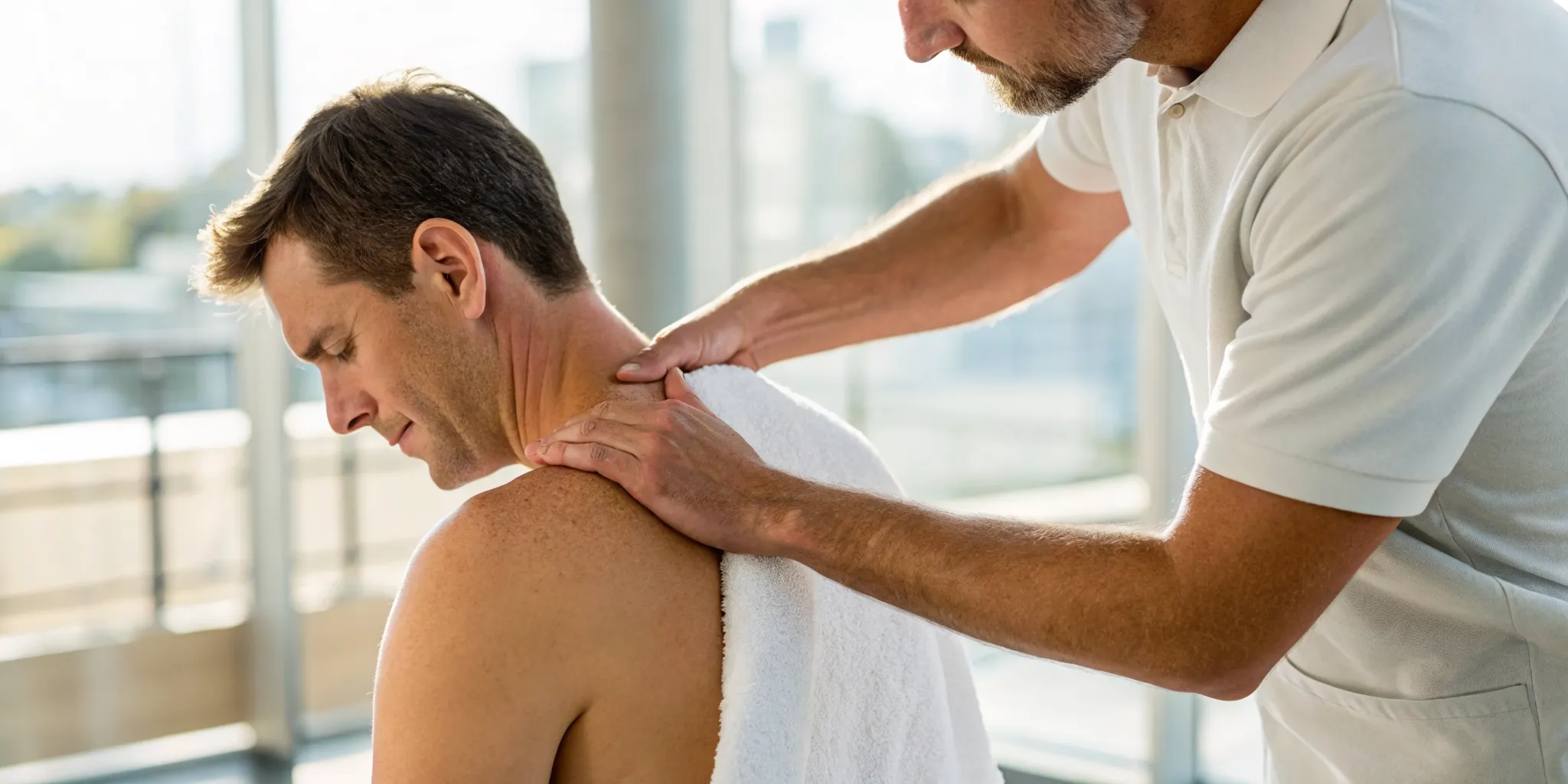
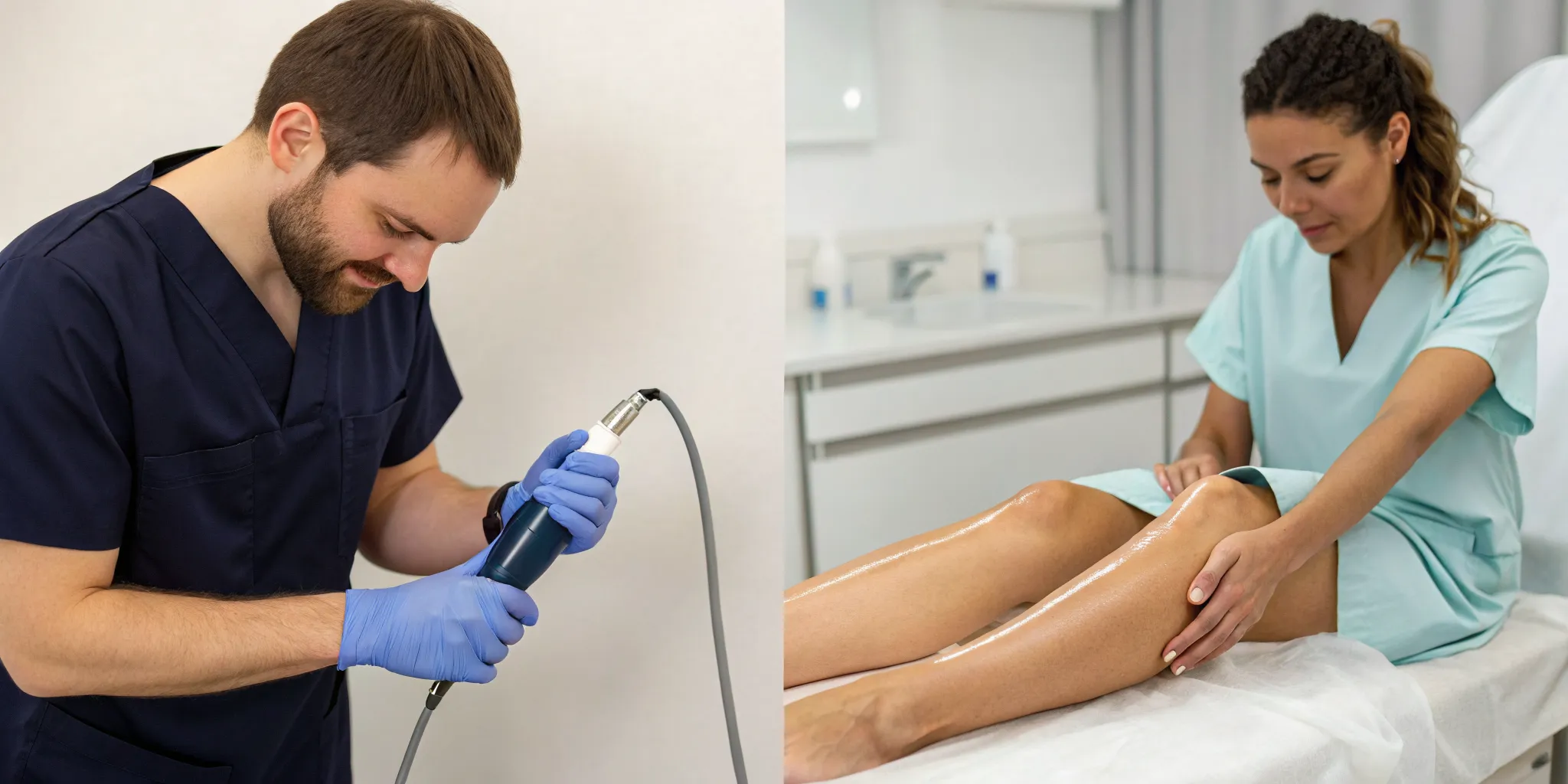
Ascend Functional Health brings together chiropractic care, lumbar decompression, and corrective care through its Physical Medicine services. Each person’s plan can reflect their current symptoms, activity history, movement goals, and response to care. This personalized approach can be useful if you want to return to tennis, golf, running, strength work, or other activities without measuring yourself against the abilities you had years ago.
Physical medicine may also complement guidance from a qualified local coach. Your provider can focus on spinal and joint function, while your coach helps structure activity and build capacity gradually. Clear communication between both professionals can support a more coordinated approach to movement, recovery, and progress.
Evaluate spinal and joint mechanics before increasing activity
Before returning to running, tennis, golf, or other demanding activities, consider an evaluation of your spinal and joint mechanics. Changes in mobility, stability, balance, or coordination can affect how your body handles increased activity, particularly if you have been less active or are managing recurring discomfort.
An evaluation may identify movement patterns that limit performance or place added stress on certain areas. It can also establish a practical starting point for improving mobility, control, and confidence. Instead of chasing old personal records, use your current abilities as the baseline. This gives you a clearer way to track progress and make thoughtful adjustments as your activity increases.
Use chiropractic care to support movement quality and alignment
Chiropractic care may support spinal mobility, joint function, and movement quality when it is tailored to your needs. Restrictions in the spine or surrounding joints can affect how you bend, rotate, walk, reach, or transfer force during athletic activities. Addressing these factors may help movement feel more coordinated and comfortable.
At Ascend, chiropractic care is part of a broader physical medicine approach. Your provider can consider your goals, symptoms, movement history, and response to care when developing recommendations. Explore Ascend’s chiropractic and physical medicine services to learn how care may fit your mobility and activity goals in Tampa.
Consider lumbar decompression for appropriate back concerns
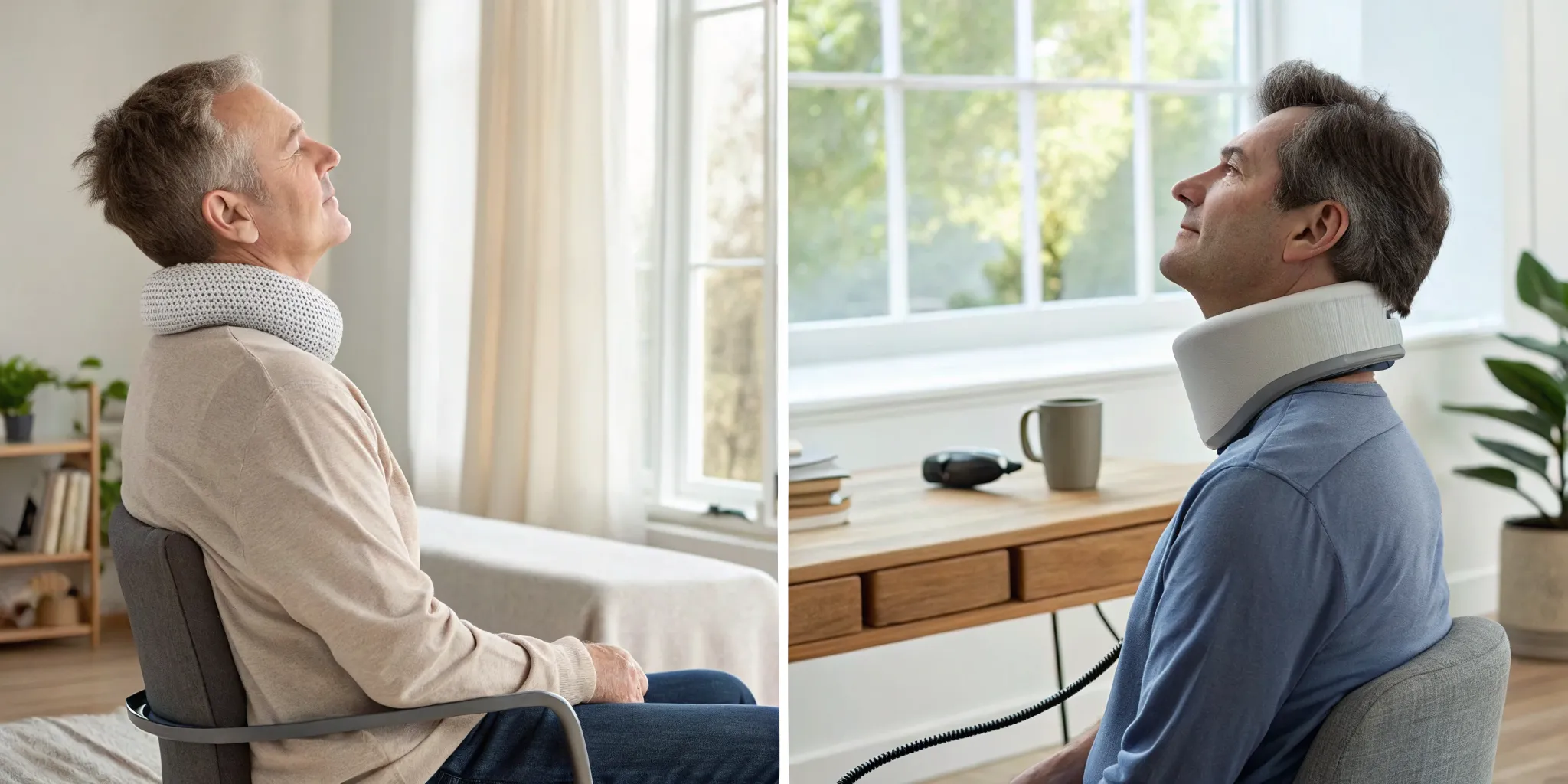
Back discomfort can make it harder to stay active, especially when your preferred activities involve sitting, bending, rotation, or repeated impact. Lumbar decompression may be appropriate for certain lower-back concerns, with the goal of supporting comfort and mobility. It is not suitable for every person, so an individual evaluation is important.
Your provider can review your symptoms, movement limitations, and activity goals before recommending lumbar decompression. Your care may also include corrective strategies and gradual changes to activity. Ascend includes lumbar decompression among its physical medicine services, giving Tampa adults an opportunity to discuss options for improving movement and returning to activities they enjoy.
Apply corrective care to personal goals, symptoms, and movement history
Corrective care should reflect the person receiving it. A golfer working on rotation may need a different approach from someone preparing to run, return to tennis, or improve everyday balance. Your movement history, previous injuries, current symptoms, and preferred activities all provide useful context when shaping care.
The focus is not simply on completing a routine. It is on addressing movement qualities that support your goals, such as joint control, coordination, range of motion, and stability. Your plan may change as your symptoms, schedule, and abilities change. Review Ascend’s conditions treated to learn more about concerns that may be addressed through its broader clinical services.
Coordinate Physical Medicine with local coaching and gradual progression
Physical medicine can complement local coaching when communication remains clear and activity progresses gradually. A coach can structure your activity, while your clinical provider can offer guidance related to symptoms, movement limitations, and recovery needs. These perspectives may help you build strength and stamina without adding demands too quickly.
Share relevant updates with both professionals, including changes in discomfort, range of motion, energy, and recovery between sessions. Progress may look like a longer walk, improved swing mechanics, steadier balance, or greater confidence rather than heavier loads or faster times. To discuss how Ascend Physical Medicine may fit your athletic goals in Tampa, contact the practice to schedule a conversation.
Support Training After 40 With Functional and Longevity Medicine
Training after 40 depends on more than exercise selection or adding resistance. Digestion, sleep, hormones, energy, joint comfort, stress, and recovery can all affect how consistently you move. When these areas change, functional and longevity medicine can help identify factors that may be influencing your performance and daily well-being.
Ascend Functional Health brings these concerns together through Functional Medicine and Longevity Medicine. Your provider can review your symptoms, health history, goals, lifestyle, and appropriate testing before recommending next steps. This individualized approach can help you make informed adjustments to nutrition, recovery, and activity while you work toward feeling more capable and consistent.
Investigate gut health and bloating that affect energy and consistency
Digestive changes can make training feel unpredictable. Bloating after meals, new food sensitivities, constipation, or changes in digestion may affect comfort, appetite, energy, and your willingness to stay active. If these concerns continue or appear alongside fatigue and sleep changes, they deserve a closer look.
Your provider may review meal timing, food patterns, hydration, bowel habits, and related symptoms. Digestive changes after 40 are common, but that does not mean you have to ignore them. This overview of gut health after 40 explains why digestion may become less predictable during this stage of life.
Evaluate persistent fatigue through individualized clinical care
Feeling tired after a demanding training session is expected. Ongoing fatigue that affects activity, concentration, mood, or daily responsibilities calls for a more thoughtful evaluation. Sleep disruption, digestive concerns, stress, thyroid function, hormone changes, nutrient status, and recovery habits may all play a role.
A provider may review your sleep quality, schedule, nutrition, activity level, and symptoms alongside appropriate testing. Sleep changes can also influence digestion and gut-brain communication, particularly during perimenopause. The Canadian Digestive Health Foundation discusses how disrupted sleep may affect appetite, digestion, and intestinal movement.
Consider bloodwork and stool testing when appropriate
Bloodwork and stool testing can provide useful information when symptoms persist, but testing should support clinical decision-making rather than replace it. Depending on your history and concerns, your provider may consider tests related to digestion, inflammation, nutrient status, thyroid function, hormones, or other health factors.
These assessments are not necessary for everyone. The right options depend on your symptoms, history, goals, and previous results. At Ascend, Functional Medicine care may include a detailed review when digestive issues or unexplained fatigue interfere with your ability to stay active.
Assess testosterone, estrogen, thyroid, and other health factors individually
Changes in testosterone, estrogen, thyroid function, and other systems may affect strength, body composition, mood, sleep, temperature regulation, and recovery. Similar symptoms can have several possible causes, so hormone concerns should be assessed individually rather than based on age or one symptom.
Longevity Medicine can help organize this evaluation around your health history and goals. Your provider may discuss symptoms, review available lab results, and determine whether additional testing is appropriate. Digestive health also deserves attention, since the gut-hormone connection may influence energy and overall well-being.
Discuss hormone replacement therapy after appropriate clinical review
Hormone replacement therapy may be appropriate for some individuals, but it is not the right choice for everyone who feels tired or notices changes in performance. A careful review should consider your symptoms, health history, hormone levels when appropriate, personal goals, and potential risks.
If therapy is considered, regular follow-up allows your provider to assess your response and determine whether adjustments are needed. Hormone support should complement consistent nutrition, sleep, strength work, mobility, and recovery habits. Ascend’s Longevity Medicine services address hormone-related concerns through individualized evaluation and continued clinical oversight.
Connect clinical findings with nutrition, sleep, recovery, and training
Clinical findings become more useful when they guide practical decisions. Depending on your needs, your plan may address meal timing, protein intake, hydration, sleep habits, rest days, training volume, or exercise selection. Small, consistent changes can support energy, digestion, mood, and recovery over time.
For example, evenly spaced meals may help some people manage digestive symptoms, while improved sleep or reduced training intensity may be appropriate when fatigue continues. Share these changes with your coach and Ascend provider so your activity matches your current capacity. This coordinated approach supports steady progress while keeping your health, performance goals, and confidence in view.
Make Athletic Progress Sustainable With Tampa Coaching and Recovery
Feeling athletic again after 40 is less about chasing your younger self and more about creating a routine your body can support. Tampa coaching can help you adjust activity, improve movement quality, and stay consistent while accounting for recovery, past injuries, and changing goals.
A sustainable approach may also work alongside individualized care from Ascend Functional Health’s Physical Medicine team, particularly when joint discomfort or movement limitations affect your ability to stay active.
Adjust activity for heat, humidity, hydration, and seasonal routines
Tampa’s heat and humidity can make familiar activities feel more demanding. Plan outdoor sessions during cooler parts of the day when possible, take breaks before you feel depleted, and drink fluids consistently instead of waiting until you feel thirsty. Lightweight clothing, shaded routes, and accessible rest areas may also make activity more manageable.
Your schedule may need to change during hotter months, travel, or periods of heavy rain. A coach can adjust duration, intensity, rest periods, and indoor or outdoor options without taking you away from your broader goals. The aim is to build habits that work throughout the year, not depend on short bursts of effort. This Project Bell Plex discussion also highlights the importance of adapting activity to environmental conditions.
Track strength, mobility, stamina, confidence, consistency, and symptoms
Progress is not limited to how much weight you can lift or how far you can go. Track practical changes such as easier stair climbs, improved balance, greater joint control, longer activity tolerance, and increased confidence during golf, tennis, running, or everyday movement.
It can also help to note consistency, sleep quality, soreness, and symptoms after each session. These details give you and your coach useful information when deciding whether to maintain, modify, or progress an activity. Adults who remain active often identify strength, mobility, and stamina as meaningful measures of well-being, as discussed in this fitness community conversation.
Build enjoyment and accountability through repeatable habits
The best routine is one you can repeat. If you enjoy walking with a friend, practicing your golf swing, playing tennis, or working on strength and mobility, those activities are more likely to become part of your regular schedule. Enjoyment does not make a routine less effective. It can make consistency easier to maintain.
Accountability adds structure without turning every session into a test. Schedule activity at a realistic time, share your goal with a coach or training partner, and review your progress regularly. Start with a manageable amount of activity, then build gradually as your body responds. The connection between enjoyment, consistency, and long-term results is also emphasized in this Project Bell Plex video.
Set expectations around age, individual differences, and activity history
Turning 40 does not automatically determine what you can or cannot do. Your previous activity, current strength, mobility, sleep, health concerns, and injury history all influence your starting point. Two people of the same age may need entirely different approaches.
Instead of comparing yourself with younger athletes or people online, establish personal benchmarks. You might aim to move comfortably for longer, return to recreational tennis, complete a round of golf without increased symptoms, or feel more capable during everyday tasks. A thoughtful coach can help set goals that challenge you while respecting your current capacity and recovery needs.
Use testimonials to assess communication and patient experience, not predict outcomes
Testimonials can help you learn how a clinic communicates, explains recommendations, and supports people through the process. Look for comments about listening, clarity, scheduling, follow-up, and whether clients felt their concerns were taken seriously. These details can help you decide whether the care environment feels appropriate for you.
Testimonials cannot predict your results. Your response to coaching or clinical care depends on your goals, activity history, symptoms, consistency, and overall health. Review Ascend Functional Health patient testimonials as one part of your decision, then discuss your needs directly with the team.
Reassess goals as performance, recovery, and confidence change
Your first goal may be to move without hesitation, rebuild basic strength, or return to a favorite recreational activity. As your performance and confidence improve, you may decide to increase distance, add resistance, improve balance, or pursue a more specific athletic target.
Reassessment also matters when recovery changes. Persistent symptoms, unusual fatigue, or declining motivation may indicate that your activity level, schedule, sleep, hydration, or clinical support needs another look. Ascend’s Physical, Functional, and Longevity Medicine services can help you identify which type of support best fits your current needs as your goals develop.
Choose Your Next Step With Ascend in Tampa
Feeling athletic again after 40 starts with a plan built around your current body, not an old performance benchmark. Ascend Functional Health in Tampa brings together Physical Medicine, Functional Medicine, and Longevity Medicine, giving you several ways to address movement, energy, recovery, and long-term wellness. Reviewing the three pillars of care can help you prepare for a more focused conversation with the Ascend team.
Your next step may involve one service or a combination of services. The right starting point depends on your symptoms, activity history, health goals, and how your body responds as you become more active. A clear discussion can help you choose care that supports steady progress rather than pushing you toward goals that no longer fit.
Match your goals with Physical, Functional, or Longevity Medicine
Begin with the outcome you want to improve. If back discomfort, joint stiffness, limited mobility, or movement quality is keeping you from the activities you enjoy, Physical Medicine may be an appropriate place to start. Chiropractic care, decompression, and corrective care can address movement-related concerns within an individualized plan.
If bloating, digestive changes, or persistent fatigue affects your consistency, Functional Medicine may help identify factors worth evaluating. Longevity Medicine focuses on health considerations that can change with age, including testosterone, estrogen, thyroid function, sleep, and recovery. These areas serve different purposes, so discuss your goals and symptoms with Ascend before selecting a starting point.
Ask how injuries, symptoms, and recovery needs shape your plan
Share your complete movement history during your initial conversation. Mention previous injuries, recurring symptoms, activities that feel difficult, and movements you tend to avoid. Details about golf, tennis, running, recreational activities, or daily tasks can help your provider understand how your concerns affect your life.
Ask how range of motion, joint comfort, spinal mechanics, and recovery capacity may influence your care. Your plan may need adjustments to loading, impact, movement patterns, or intensity as your body responds. Ascend’s conditions treated page can help you identify subjects to discuss, but only an individual evaluation can determine which services may suit your needs.
Clarify how local coaching and Ascend services may coordinate
If you already receive guidance from a local coach, share that information with Ascend. Your clinical care and activity routine should support the same goals. For example, an Ascend provider may help identify movement limitations while your coach modifies exercises, pace, range of motion, or recovery days.
Ask who will monitor progress, how updates can be communicated, and when your plan should be reassessed. This can be especially helpful when you are returning to recreational sports or increasing activity after time away. Coordinated support may help you build strength and stamina gradually while staying attentive to symptoms and recovery.
Review assessments, scheduling, pricing, and current introductory options
Before scheduling, ask what your initial appointment includes, which assessments may be recommended, and how follow-up visits are structured. You can also ask how long appointments typically last, how progress is reviewed, and which factors influence pricing. Clear information makes it easier to select care that fits your schedule and priorities.
Ask about current introductory options directly, since availability and details may change. You can also read Ascend patient testimonials to learn more about communication and the patient experience. Testimonials cannot predict your results, but they may offer useful insight into how the team interacts with patients.
Discuss your athletic goals with Ascend Functional Health in Tampa
Bring specific goals to your appointment. Rather than saying you want to “get in shape,” explain that you want to walk 18 holes comfortably, return to tennis, run with fewer recurring symptoms, lift with better control, or keep up with an active social life. Specific goals give your provider practical context for building your plan.
You can contact Ascend Functional Health in Tampa to discuss your concerns and determine an appropriate next step. Ask how Physical, Functional, or Longevity Medicine may relate to your goals, what information to bring, and how your plan may change as your movement, energy, and recovery improve.
Related Articles
- Functional Medicine in Tampa | Ascend Functional Health
- Longevity Medicine in Tampa for Lasting Wellness | Ascend Functional Health
- Healthy Aging Biomarkers: How to Track Your Biological Age
- 5 Essential Books for Functional Movement Assessment
- Chiropractic, Functional & Regenerative Medicine in Tampa | Ascend Functional Health
Frequently Asked Questions
How can I start feeling athletic again after 40 in Tampa?
Begin with a personal baseline that includes strength, mobility, stamina, balance, coordination, confidence, and recovery. Consider the activities you want to enjoy, such as golf, tennis, running, or longer walks, then choose gradual movement that matches your current abilities. An evaluation through Ascend Functional Health may help identify physical or health factors affecting your progress.
Should I avoid exercise because of a past injury or recurring joint discomfort?
Not necessarily. A past injury may mean you need changes to your range of motion, resistance, pace, impact, or exercise selection. Sharp, worsening, or unfamiliar symptoms should be reassessed rather than pushed through. Ascend’s Physical Medicine services can help evaluate movement and spinal or joint concerns as part of an individualized plan.
How can I improve strength and stamina without overdoing it?
Start with manageable resistance and activity durations that allow you to maintain control and recover well. Increase only one factor at a time, such as duration, resistance, range of motion, or pace. Sleep, hydration, nutrition, stress, and Tampa’s heat and humidity should also guide how much activity you can handle each day.
When might Functional Medicine or Longevity Medicine support athletic progress?
Persistent fatigue, bloating, digestive changes, sleep concerns, or inconsistent recovery may deserve an individualized Functional Medicine evaluation. Hormone or thyroid concerns can be discussed through Longevity Medicine. Ascend may review your symptoms, health history, goals, and appropriate testing before recommending next steps.
How can I choose the right Tampa coaching and clinical support?
Look for guidance that includes an assessment, adjustable intensity, clear progression, and regular follow-up. Ask how the provider handles past injuries, changing symptoms, recovery needs, and your preferred activities. If you already work with a coach, discuss how that routine may coordinate with Ascend’s Physical, Functional, or Longevity Medicine services.