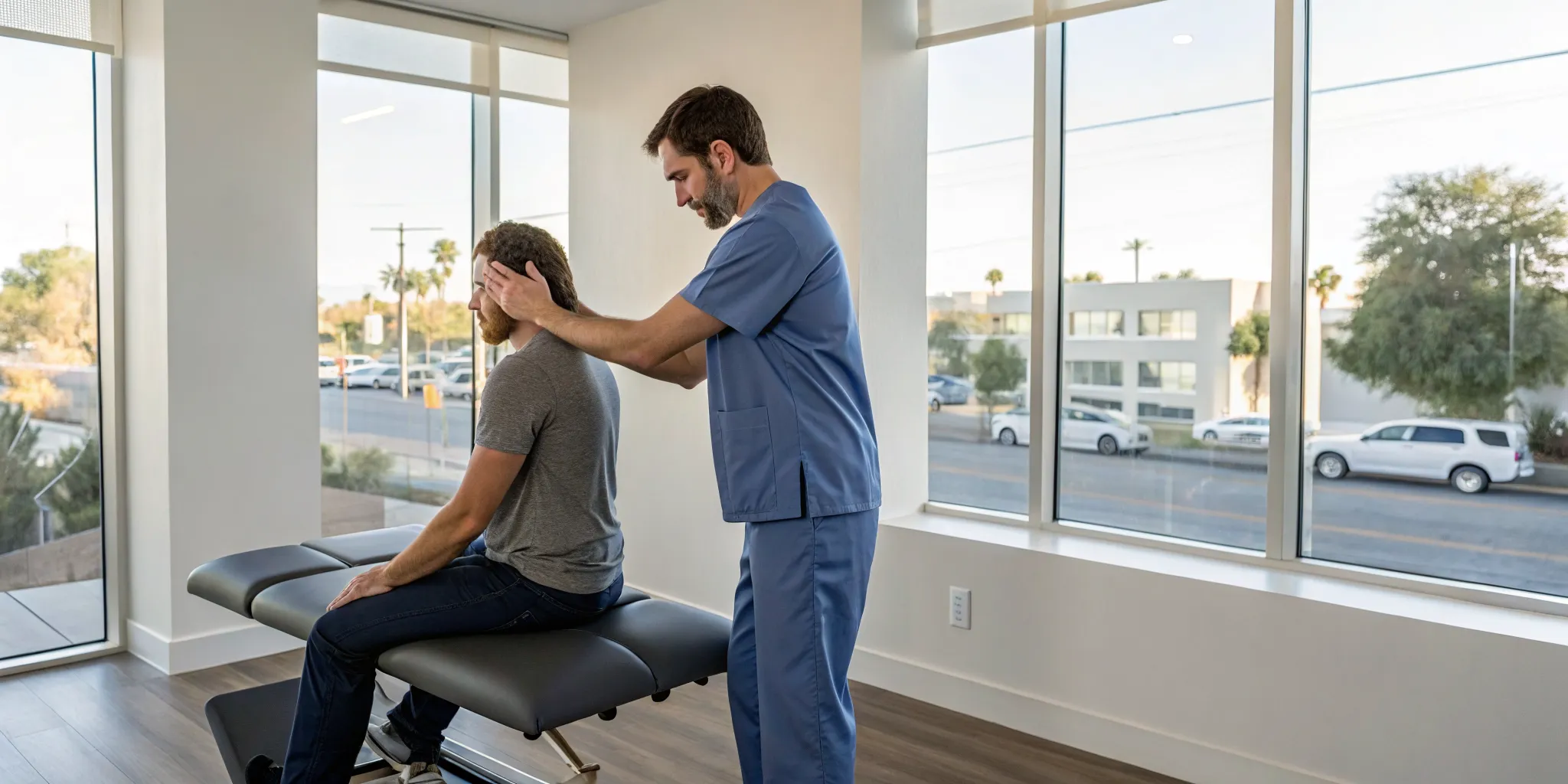
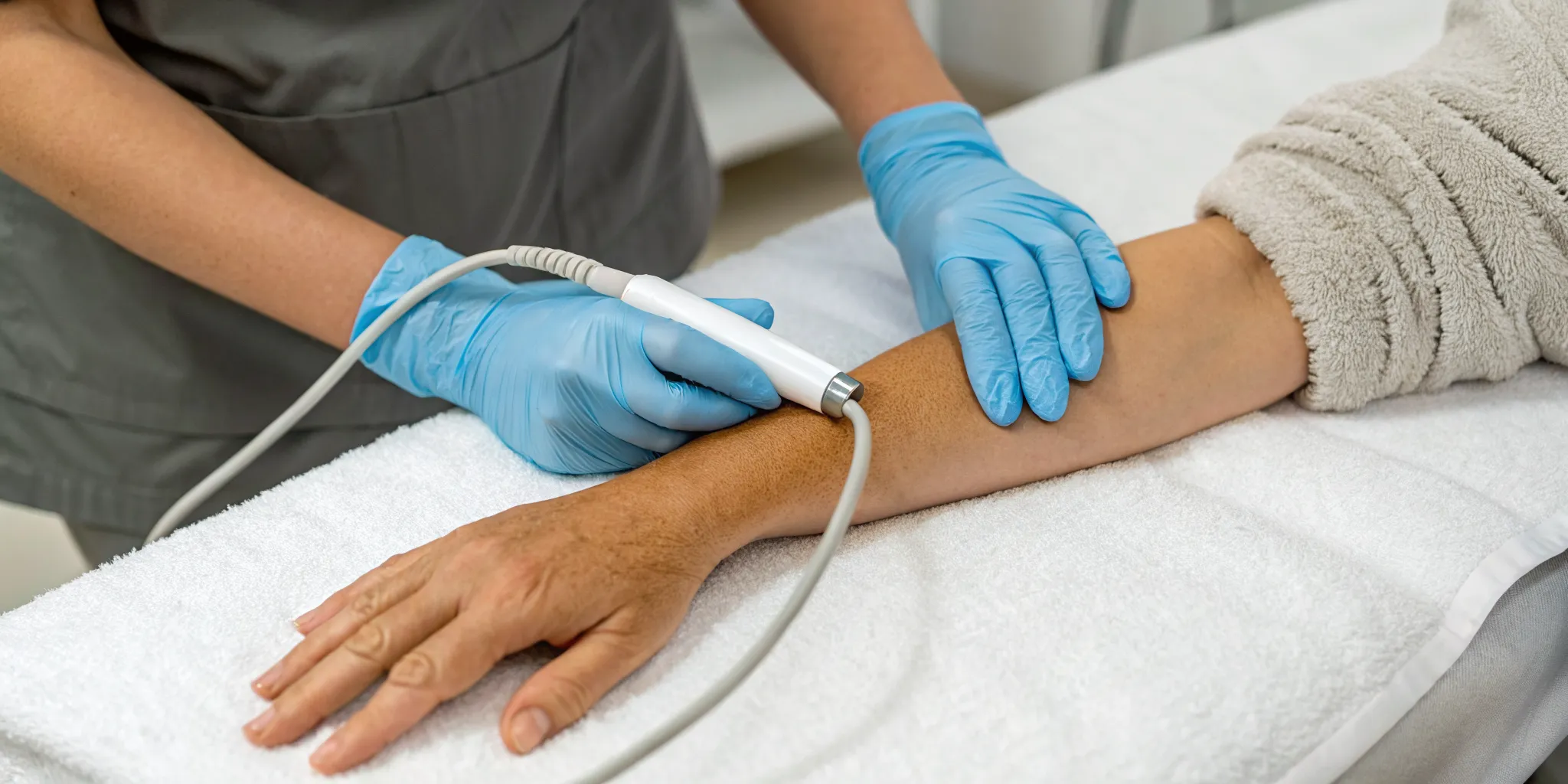
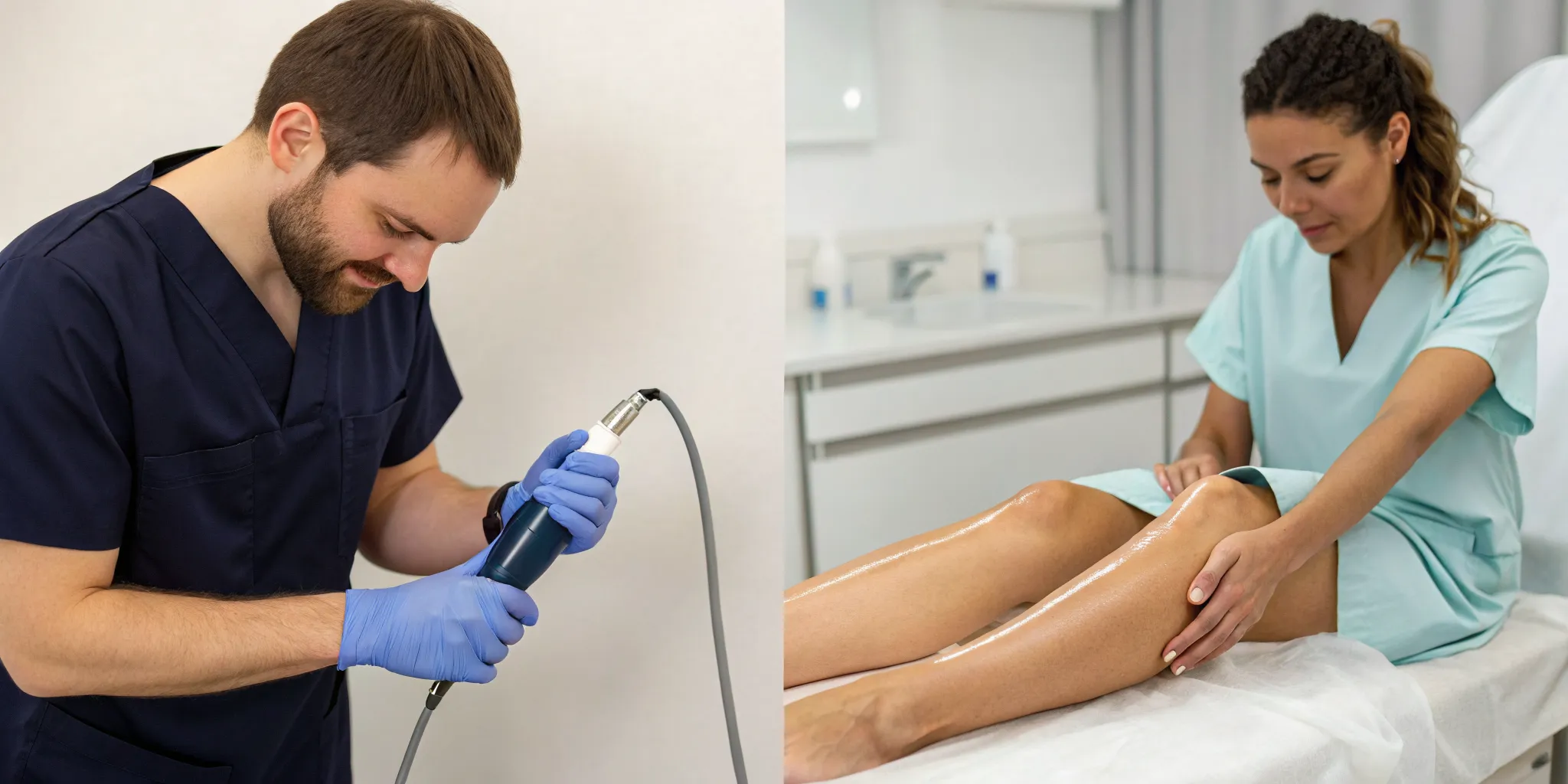
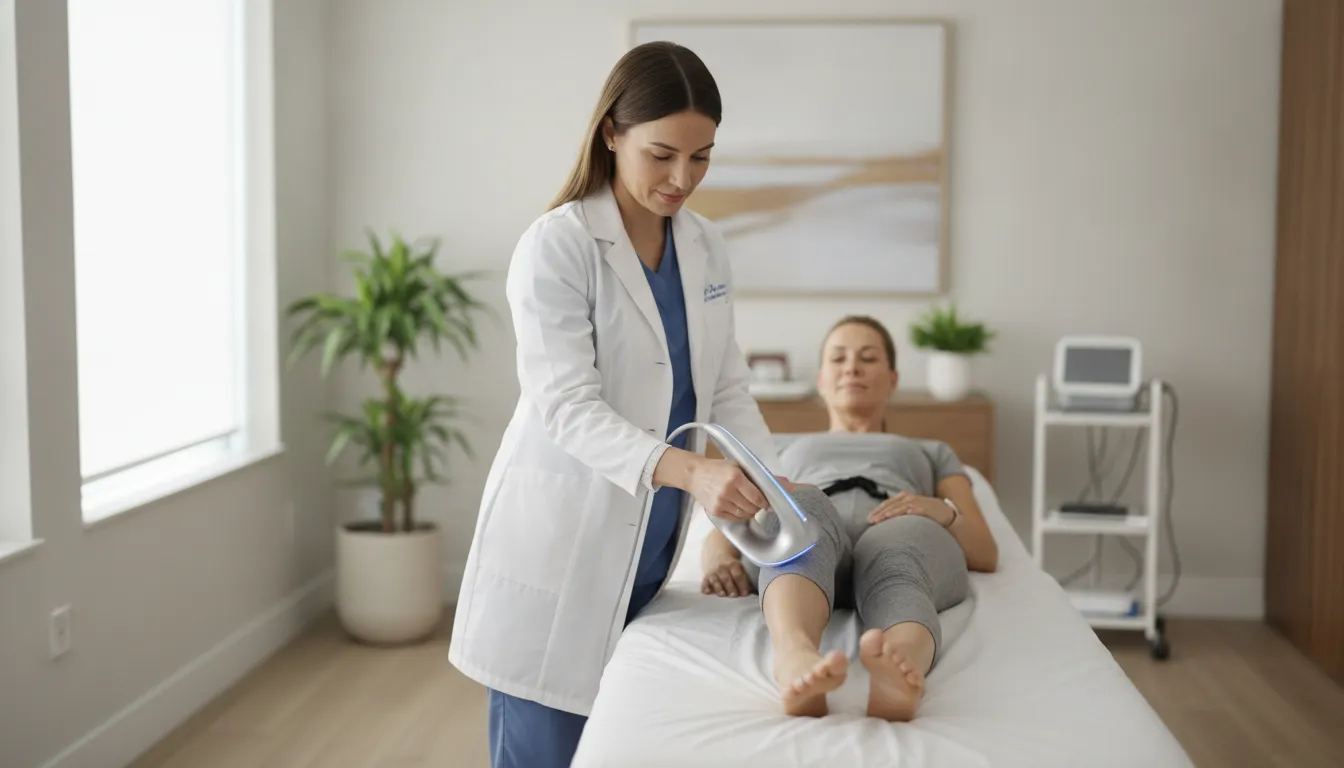
The best clinical tools are those that become a seamless extension of your hands and your treatment philosophy. For practitioners who focus on addressing the root cause of dysfunction, an orthopedic shockwave therapy device is more than just a machine; it’s a way to facilitate the body’s innate healing processes. But to achieve that, you need a device that aligns with your approach to care. This article explores what to look for beyond the technical specifications, including the quality of training, the availability of ongoing support, and the resources provided to help you educate your patients about their treatment.
Key Takeaways
- Focus on Quality for Better Patient Outcomes: Choose a device with FDA clearance and a variety of applicators. This ensures the technology is proven to be safe and allows you to precisely tailor treatments to each patient's specific condition, leading to more effective results.
- Evaluate the Full Financial Picture: Look beyond the initial sticker price and consider the total cost of ownership, including consumables and service plans. Exploring financing or leasing can make a top-tier device a manageable and profitable investment for your practice.
- A Strong Partnership is Key to Success: The best device manufacturers provide comprehensive on-site training, ongoing education, and patient marketing resources. This level of support is crucial for integrating the technology smoothly and confidently into your clinical services.
What is Orthopedic Shockwave Therapy?
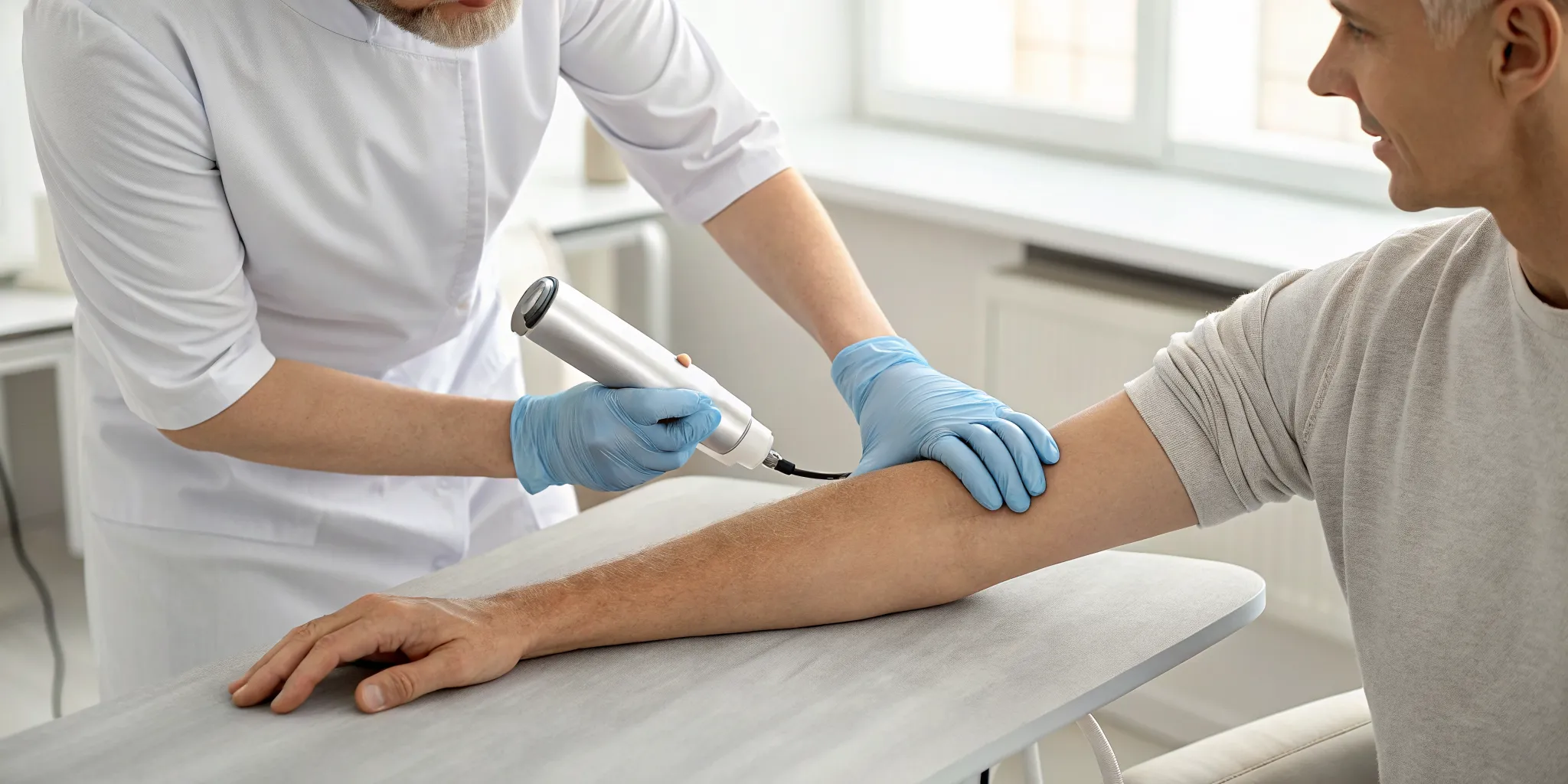
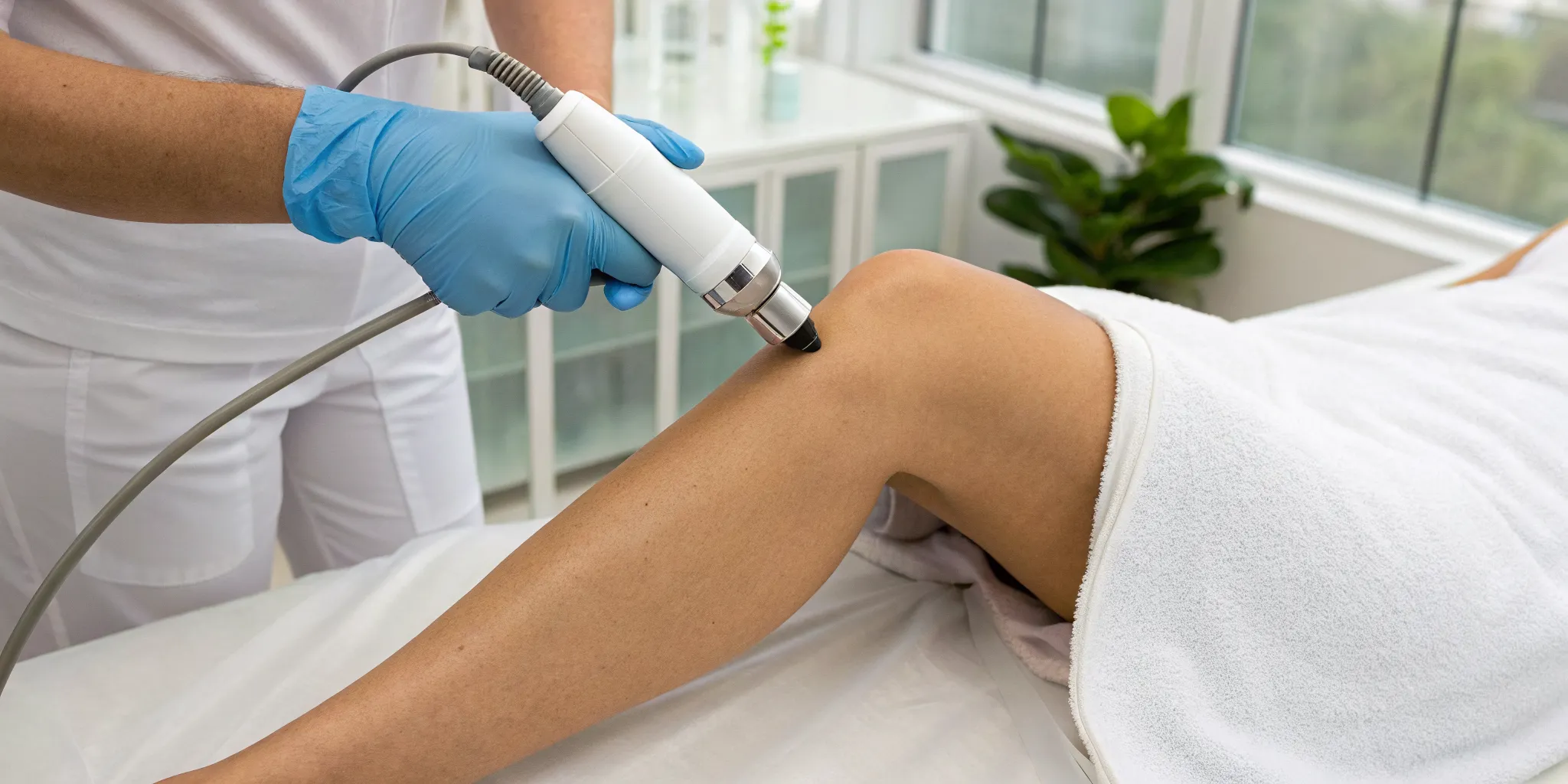
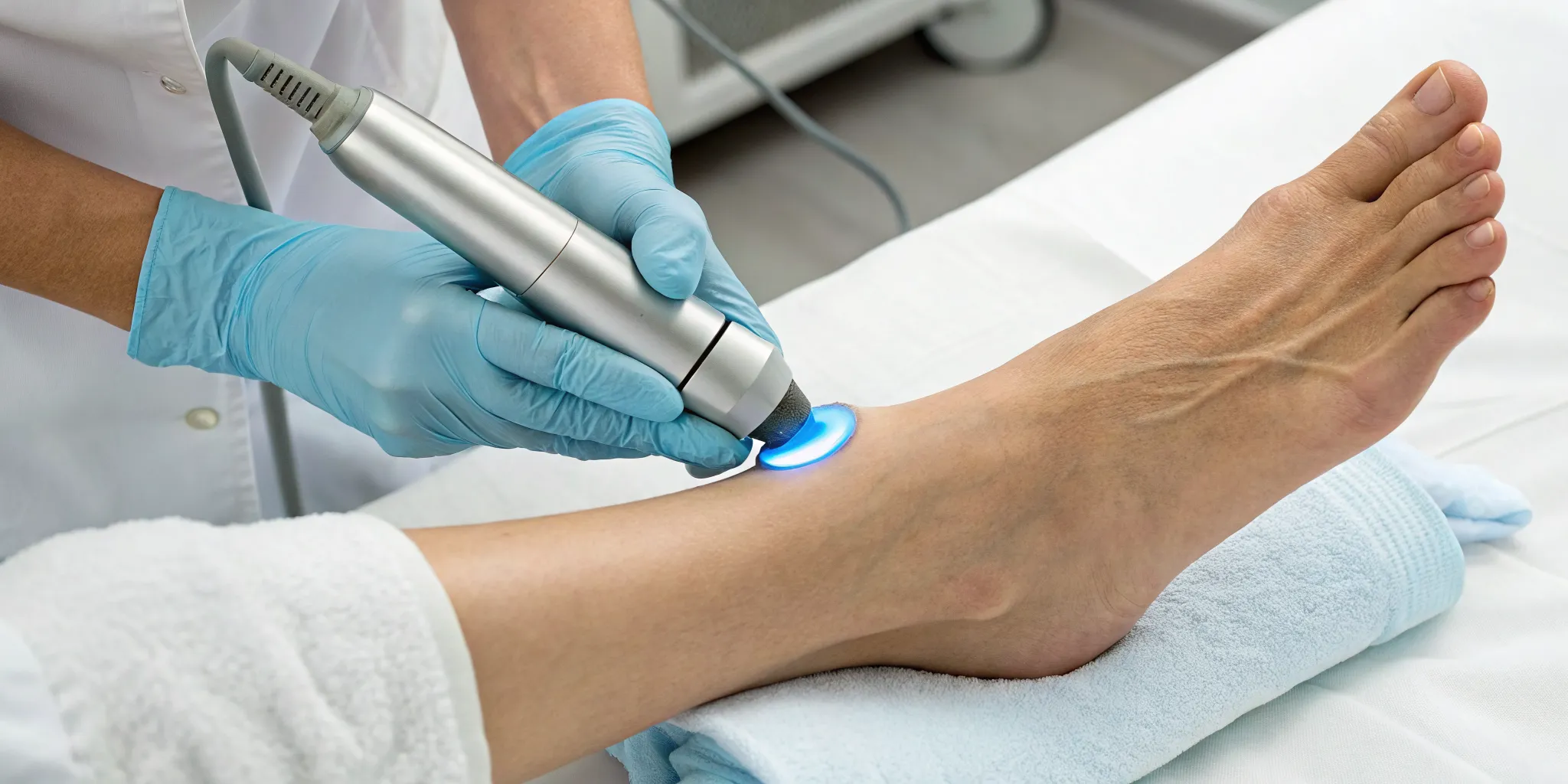
If you're dealing with persistent pain from an old injury or a chronic condition, you know how frustrating it can be to find a solution that actually works. Orthopedic shockwave therapy is a modern, non-invasive treatment that uses acoustic waves to stimulate your body's own healing processes. Think of it as a way to jumpstart recovery right at the source of your pain. By sending these waves into injured soft tissues, the therapy helps increase blood flow and encourages the growth of new, healthy tissue. It’s a powerful tool in our physical medicine toolkit because it aligns perfectly with our goal: to address the root cause of your discomfort and help your body heal itself.
Comparing Shockwave Technologies: Radial, Focused, and Broad-Focused
Not all shockwave devices are created equal, and the type of technology used makes a big difference in your treatment. The three main types are radial, focused, and broad-focused. Radial waves are great for more superficial issues like plantar fasciitis or tennis elbow because their energy spreads out closer to the skin's surface. Focused waves, on the other hand, can penetrate deeper to target specific points within the body. Broad-focused waves offer a different approach, often using magnetic fields to treat a wider area. Understanding these differences is key, as the right technology depends entirely on your specific condition and anatomy. A skilled practitioner will choose the best approach from their available services for your unique needs.
Conditions Shockwave Therapy Can Address
This treatment is incredibly versatile and effective for a wide range of musculoskeletal issues. It’s a go-to for chronic tendinopathies, which are those nagging tendon injuries that just won’t seem to heal. We often see fantastic results for people with plantar fasciitis, Achilles tendonitis, and tennis elbow. Beyond that, it can address pain in the shoulders, back, neck, and legs. If you're struggling with chronic pain from a muscle or bone injury or experiencing stiffness, shockwave therapy could be a great option to get you moving comfortably again. You can see how it fits in with the many conditions we treat here at Ascend.
Debunking Common Shockwave Therapy Myths
Let's clear up a few common misconceptions about shockwave therapy. First, many people hear "shockwave" and immediately think it’s going to be a painful, intense procedure. In reality, it’s completely non-invasive, meaning no incisions or instruments enter the body. While you might feel some discomfort, most people tolerate it very well. Another myth is that all shockwave treatments are the same. As we just covered, different technologies target different issues. The effectiveness of your treatment depends on using the right device for your specific problem. That’s why it’s so important to work with a team that understands the nuances of this therapy and is committed to a personalized approach. You can learn more about us and our philosophy on patient care.
Key Features to Look for in a Shockwave Device
Choosing the right shockwave device is a significant decision for any practice. The technology you select will directly influence treatment effectiveness, patient outcomes, and the day-to-day experience for your clinical team. While many devices are on the market, they are not all created equal. Focusing on a few key features will help you select a machine that aligns with your practice's standards for quality care and provides reliable results for the people you serve.
FDA Clearance and Clinical Backing
The first and most important feature to verify is FDA clearance. This designation indicates that the device has been reviewed for safety and effectiveness, meeting stringent regulatory standards. Opting for a device without this clearance introduces unnecessary risks for both your patients and your practice. Reputable brands invest in the rigorous process of securing FDA clearance and backing their technology with clinical data. When you choose a clinically supported device, you are investing in technology that is proven to work, which is fundamental to providing the high-quality services your patients expect and deserve.
Precision and Applicator Options
Effective shockwave therapy depends on delivering energy to the precise location of the injury or dysfunction. A quality device should come with a variety of applicator options to make this possible. Different applicators are designed to target tissues at various depths and across different body parts, from a specific point on the plantar fascia to a broader muscle group in the back. This precision is not just a nice-to-have feature; it is essential for tailoring treatments to each patient's unique anatomy and condition. The ability to accurately target problem areas is what leads to better outcomes for the diverse conditions we treat.
Versatility in Treatment
A versatile shockwave device allows you to address a wide spectrum of musculoskeletal issues, making it a valuable asset for your practice. Some machines are limited to either radial (superficial) or focused (deep) waves, but more advanced systems offer greater flexibility. For example, technologies that use a "broad-focused" approach can treat larger and deeper areas of tissue at the same time. This versatility means you can effectively manage everything from chronic tendinopathies to myofascial pain syndromes with a single machine. It expands your physical medicine toolkit and enhances your ability to provide comprehensive care.
Ergonomics and Ease of Use
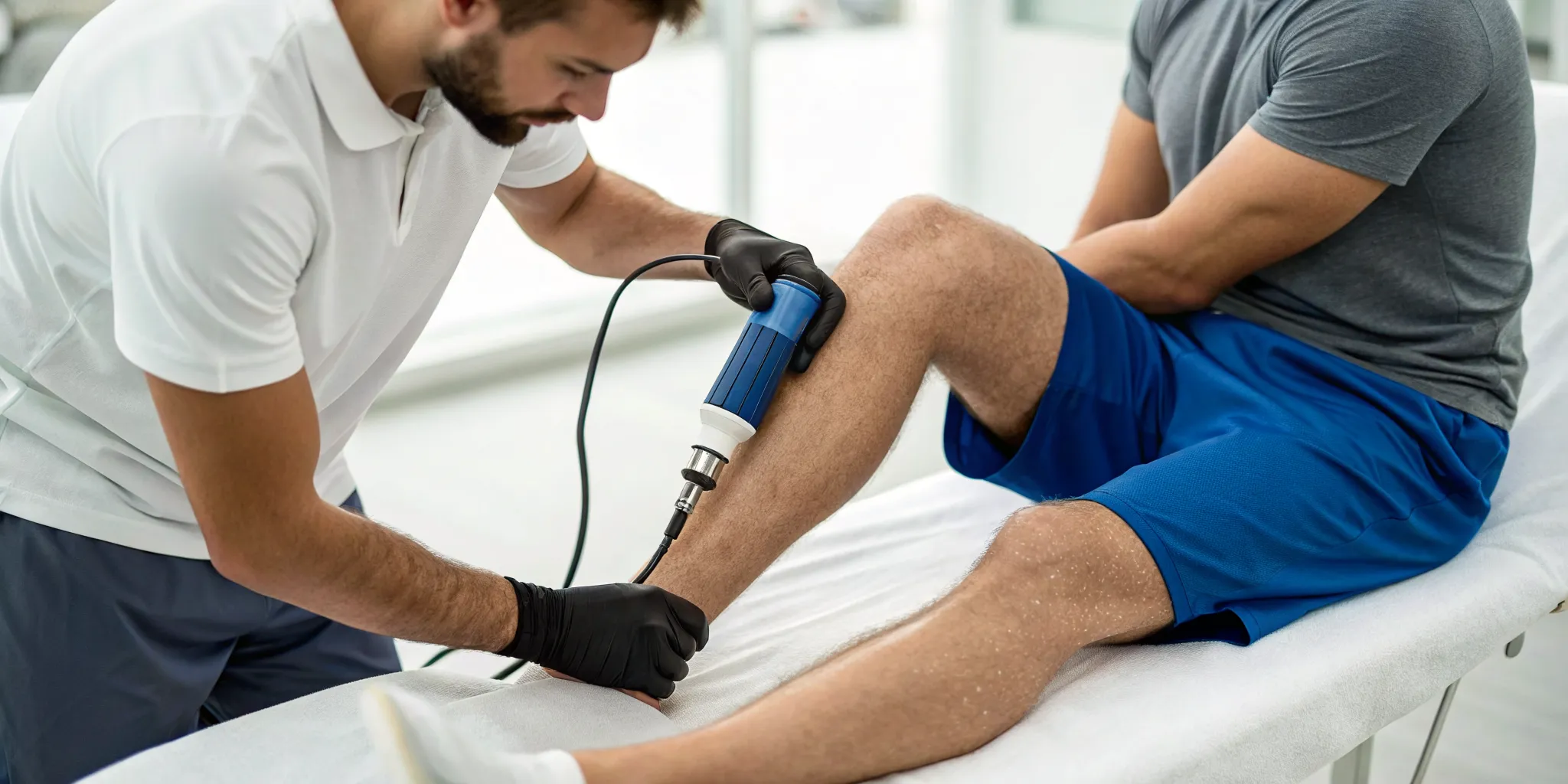
The design of a shockwave device impacts the practitioner just as much as the patient. You and your team will be handling this equipment daily, so its ergonomics are incredibly important. Look for a device with a lightweight, user-friendly handpiece that is comfortable to hold and maneuver during treatment sessions. A well-designed machine reduces practitioner fatigue and improves the overall efficiency of the procedure. When the equipment is easy to use, the entire treatment experience becomes smoother and more pleasant for everyone involved, reflecting the care and professionalism you bring to your practice. It’s a detail that speaks volumes about your commitment to quality.
Customizable Software and Settings
Every patient’s body is different, and their treatment plan should be too. A top-tier shockwave device will feature intuitive software that allows for customizable settings. The ability to adjust parameters like frequency, energy level, and the number of pulses is critical for personalizing treatment. This flexibility enables you to start with a gentle protocol for a sensitive patient and increase the intensity as they progress, ensuring the therapy is both effective and well-tolerated. This level of customization aligns perfectly with a functional medicine approach, where care is always tailored to the individual's specific needs for optimal healing.
An Overview of Leading Shockwave Device Brands
When you're exploring shockwave therapy, it helps to know about the technology behind the treatment. Different devices have unique strengths, and understanding them can give you confidence in the care you receive. At Ascend Functional Health, we stay informed about the leading technology to ensure our patients benefit from effective and well-researched options. While there are many devices on the market, a few brands consistently stand out for their innovation, quality, and clinical results. Getting familiar with these names can help you appreciate the level of care involved in your treatment plan. Here’s a look at some of the top players in the shockwave therapy space.
CuraMedix
CuraMedix is a well-respected name in the world of regenerative medicine, known for its partnership with STORZ Medical. They are committed to providing high-quality devices that represent the gold standard in the industry. Think of them as a company dedicated to equipping providers with the best possible tools for patient care. Their focus on top-tier technology ensures that treatments are both effective and reliable. This commitment to quality is why many leading clinics, including those specializing in physical medicine, trust their equipment to help patients get back to feeling their best.
STORZ Medical (DUOLITH® SD1 T-TOP Ultra)
The DUOLITH® SD1 T-TOP Ultra from STORZ Medical is a great example of advanced, focused shockwave technology. This device is FDA-approved for treating chronic conditions like plantar fasciitis, which is a common source of stubborn heel pain. What makes it special is its incredible precision. It features adjustable depth settings and a user-friendly handpiece that allows a provider to control the treatment with pinpoint accuracy. This means the therapeutic waves can be directed exactly where they’re needed most, making it a popular and effective choice for targeted healing.
SoftWave
SoftWave offers an innovative approach with its 'broad-focused' shockwave technology. While traditional machines are typically either radial (for surface-level issues) or focused (for deep, specific points), SoftWave’s technology can treat larger and deeper areas of tissue at the same time. This versatility makes it an excellent option for a wide range of concerns. The SoftWave Gold Li Series is FDA-approved for improving blood flow and reducing pain, making it a powerful tool for many of the conditions we treat. This broader application helps address complex issues more comprehensively.
Breaking Down the Cost of a Shockwave Device
Adding a shockwave device to your practice is a significant decision, and the cost is naturally a major part of that conversation. Thinking about this as a strategic investment, rather than just an expense, is the first step. The price tag on a machine is only one piece of the puzzle. To make a smart choice for your clinic and your patients, you need to consider the full financial picture, from the type of model you choose to the long-term operational costs and the payment options available.
Investing in this technology can be a game-changer for your practice, but it’s a decision that should be made with a full understanding of the costs and benefits involved. Let’s break down what you can expect.
Entry-Level vs. Premium Models
When you start looking at shockwave devices, you'll find a wide range of prices. It’s tempting to go for a less expensive, entry-level model, but it’s crucial to understand what you’re getting for your money. The cost often reflects the technology, research, and quality behind the device. Premium brands like STORZ Medical or CuraMedix invest heavily in clinical studies and engineering to ensure their devices are effective and safe, which is why they often come with FDA clearance.
Choosing a reputable brand ensures you are providing a higher standard of care. These premium models typically offer more precision, greater durability, and better clinical support. Looking beyond the initial sticker price to understand the class of the device will help you invest in technology that builds patient trust and delivers consistent results for your practice.
Understanding the Total Cost of Ownership
The initial purchase price is just the beginning. To accurately budget for a shockwave device, you need to consider the total cost of ownership over its lifespan. This includes several ongoing expenses that can vary significantly between manufacturers. Be sure to ask about the cost and lifespan of consumables, such as applicator heads or transmitters, as these will need regular replacement.
Also, factor in potential maintenance plans, service fees, and the cost of any software updates. A device that seems more affordable upfront could end up costing more in the long run if its parts are expensive or it requires frequent service. A reliable, high-quality machine may have a higher initial cost but can save you money and prevent downtime over time, making it a more sound long-term investment.
Financing and Leasing Options
The upfront cost of a premium shockwave device doesn't have to be a barrier. Most reputable distributors offer financing and leasing options that make this technology accessible for practices of all sizes. Leasing, for example, allows you to get started with a low initial investment and a predictable monthly payment. With some plans starting around a few hundred dollars per month, you could easily cover the cost with just one or two new patients.
Financing, on the other hand, allows you to own the device over time. Many practices also take advantage of tax incentives, like Section 179, which allows you to deduct the full purchase price of qualifying equipment. Exploring these options can make a top-tier device a financially manageable and profitable addition to your clinic from day one.
Weighing the Pros and Cons of Shockwave Therapy
When you're dealing with persistent pain, it's natural to search for a solution that will bring you lasting relief. Shockwave therapy is an exciting, non-invasive treatment that's getting a lot of attention for its ability to heal tissue and reduce pain, but it's smart to look at the full picture before deciding if it's right for you. Like any medical treatment, it has incredible strengths but also some limitations. Understanding both sides is key to making an empowered choice for your health and ensuring the path you take is the most effective one for your specific needs.
Our goal at Ascend is to be your partner in health, which means giving you clear, honest information. We want you to feel confident and knowledgeable about your care. This section will walk you through the benefits you can expect, the factors that make someone a good candidate, and the overall safety of the treatment. We believe that the best outcomes happen when you are an active, informed participant in your own healing journey. By exploring these pros and cons, you'll be better prepared to discuss your options and work with our team to create a personalized plan that addresses the root cause of your discomfort and gets you back to living your life fully.
Benefits for Your Patients and Practice
One of the most significant advantages of shockwave therapy is that it's a non-surgical approach to pain relief and tissue repair. For people dealing with chronic issues like plantar fasciitis or tendonitis, this can be a game-changer, offering a path to recovery without incisions or long downtimes. Many patients report feeling a difference after just a few sessions. While the complete healing process happens over several weeks as your body regenerates tissue, this initial relief is incredibly encouraging. By stimulating the body’s own healing mechanisms, our physical medicine protocols aim to create lasting results, helping you get back to the activities you love, faster.
Patient Selection and Contraindications
It’s important to know that shockwave therapy isn’t a one-size-fits-all solution. It’s highly effective for specific musculoskeletal problems but may not be the right choice for pain stemming from nerve issues or widespread inflammation. That’s why a thorough assessment is the first step. A qualified practitioner can determine if your condition is a good match for this technology. Furthermore, shockwave therapy is not recommended for individuals who are pregnant or have certain health conditions, such as active cancer, acute inflammation, or significant heart disease. We carefully review your health history to ensure any treatment we recommend is both safe and appropriate for the conditions we treat and your unique situation.
Safety and Potential Side Effects
When performed by a trained professional using a regulated medical device, shockwave therapy is very safe. The risk of any significant issues is quite low. At Ascend, our team is committed to the highest standards of care, which is why we invest in leading technology and ongoing education. You can learn more about our commitment to excellence on our about page. Most people experience no side effects at all, but some might notice temporary redness, mild swelling, or soreness in the treated area. These reactions are typically minor and fade within a day or two. Think of it as a sign that your body’s natural healing response has been activated.
What to Expect from Training and Support
Investing in a new piece of medical equipment is a big step, but the device itself is only half of the equation. The other half is the training and support that comes with it. The best technology in the world won't help your patients if your team doesn't feel confident using it. When you're evaluating different shockwave devices, think of it as starting a new partnership. You want a partner who is invested in your success and will be there to help you integrate this new modality into your practice seamlessly.
Top-tier companies understand this. They don't just ship you a box and a manual. They provide a comprehensive support system designed to get you up and running quickly and effectively. This includes everything from initial hands-on training for your entire staff to ongoing educational resources and even materials to help you talk to your patients about this new treatment option. This level of support ensures you can confidently incorporate shockwave therapy into your physical medicine protocols and start delivering exceptional results for your patients from day one. A strong support system is what turns a good device into a great investment for your practice.
On-Site Training and Certification
Imagine your new shockwave device arrives. Instead of spending hours trying to decipher a technical manual, a certified trainer comes directly to your clinic. This is the gold standard for initial training. Having an expert on-site allows your entire team to get hands-on experience with the machine in your own environment. They can ask questions specific to your patient population and workflow. This kind of personalized instruction is invaluable for building confidence and ensuring everyone on your team knows how to operate the device safely and effectively. Reputable companies know that proper training at your clinic is the fastest way to get you ready to offer treatments and see a positive impact on your patients and your practice.
Access to Ongoing Education and Protocols
Your initial training day is just the beginning. The field of regenerative medicine is constantly evolving, with new research and protocols emerging all the time. A great device partner will provide you with continuous learning opportunities to keep your practice on the cutting edge. This might include access to a library of treatment protocols, webinars with clinical experts, or advanced training sessions. Having this kind of ongoing help is crucial for expanding the scope of conditions you can address and refining your techniques. It ensures you can consistently achieve the best possible outcomes for your patients and continue to grow your expertise in shockwave therapy long after the initial purchase.
Resources for Patient Education
One of the biggest hurdles with any new treatment modality is explaining it to your patients. They’ll have questions about how it works, what it feels like, and why it’s the right choice for them. The best device manufacturers make this easy for you by providing a suite of patient education resources. This can include professional brochures, waiting room videos, and content for your website that clearly explains the benefits of shockwave therapy. These materials help you communicate what patients should expect and how this therapy fits into their overall plan for addressing the root cause of the conditions we treat. When patients feel informed and confident, they are more likely to be engaged in their care, leading to better results and higher satisfaction.
Is a Shockwave Device a Smart Investment?
Bringing a new technology into your practice is a major decision, and a shockwave device is no exception. It’s more than just a piece of equipment; it’s an investment in your patients’ outcomes and your practice’s future. When you’re weighing this choice, it helps to look at it from two key angles: the financial return and the clinical potential. Thinking through both sides will give you a clear picture of how this technology can fit into your long-term goals and help you provide even better care.
Calculating the Return on Investment
Looking at the price of a new shockwave device can feel intimidating, but the financial return often happens faster than you might think. Instead of focusing only on the initial purchase price, consider the revenue you can generate per session. Many practices find that the cost of a monthly lease can be covered by treating just one or two patients. This makes the technology much more accessible and reduces the upfront financial pressure. Making a data-driven purchasing decision involves mapping out your potential usage, setting a session price that reflects the value you provide, and projecting your monthly revenue. When you run the numbers, you’ll likely see a clear path to profitability that also allows you to offer an incredible service to your community.
Expanding Your Treatment Offerings
Beyond the financial calculations, adding shockwave therapy can be a game-changer for your clinical practice. It’s a powerful, non-invasive modality that aligns perfectly with a root-cause approach to healing. By incorporating this technology, you can offer new services for patients struggling with chronic tendinopathies, plantar fasciitis, and other musculoskeletal conditions that haven't responded to traditional methods. This not only improves patient outcomes but also sets your practice apart. You become a go-to resource for innovative, effective solutions for persistent pain. Expanding your treatment toolkit with shockwave therapy shows you are committed to investing in the best possible care, which builds trust and attracts patients who are actively seeking lasting relief without invasive procedures.
Choosing the Right Shockwave Device for Your Practice
Selecting the right shockwave device for your practice is a significant decision. It’s about more than just the technology; it’s about finding a tool that aligns with your treatment philosophy and helps you deliver the best possible outcomes for your patients. Before you start comparing models, take a moment to think about your practice's specific needs. What conditions do you see most often? What are your long-term goals for patient care? Having a clear vision will guide you toward a device that truly fits your clinical approach.
Once you have a handle on your needs, you can explore the different types of shockwave technology available. You'll find options like radial, focused, and broad-focused applicators, each suited for different applications. It's also crucial to prioritize quality and clinical evidence. Look for devices that have FDA clearance and are supported by solid research demonstrating their effectiveness and safety. This ensures you’re investing in a reliable tool that meets high standards, reflecting your own commitment to excellence. Your choice of equipment should mirror your practice's core mission.
Beyond the hardware, consider the partnership you're forming with the manufacturer. Do they offer comprehensive training and ongoing support? Getting your team properly educated is key to using the device effectively from day one. Also, think about how this new modality will fit with your existing services. Shockwave therapy works exceptionally well alongside other treatments, like manual therapy and corrective exercises, as part of a comprehensive physical medicine protocol. The right device isn't just a machine; it's an extension of your hands and your expertise, helping you facilitate the body's innate ability to heal.
Related Articles
- SoftWave Tissue Regeneration Therapy in Tampa | Alessi Functional Health
- SoftWave TRT Therapy in Tampa, FL - Alessi Functional Health
- Regenerative Medicine for Knee Arthritis: What to Know
- Regenerative Medicine for Pain Recovery | Ascend Functional Health
- What Is Graston Technique Therapy? A Beginner's Guide
Frequently Asked Questions
What does a shockwave therapy session actually feel like? Is it painful? That’s a very common question, and it’s understandable given the name. The treatment doesn't involve any electrical shocks. Instead, it uses acoustic waves to create a strong pulse, which you’ll feel as a tapping or vibration on your skin. While some people experience discomfort, especially over a very tender area, the intensity is always adjusted to your tolerance. Most people find the sessions entirely manageable, and the feeling is a sign that the therapy is stimulating your body’s healing process right at the source.
How do I know if this treatment is the right choice for my specific injury? Shockwave therapy is incredibly effective, but it isn't a one-size-fits-all solution. The best way to know if it’s right for you is to have a thorough assessment with a qualified practitioner. It works wonders for chronic issues involving tendons and other soft tissues, like plantar fasciitis or tennis elbow. During your consultation, we will evaluate your condition to determine if your pain is coming from an issue that shockwave therapy is designed to address. Our goal is always to match you with the most effective treatment for your unique situation.
How quickly can I expect to see results from shockwave therapy? Many people report feeling some relief shortly after their first few sessions, which is always encouraging. However, the most important work happens beneath the surface. The therapy stimulates your body to repair and regenerate tissue, a process that takes place over several weeks. The goal is not just temporary relief but true, long-term healing. Your practitioner will outline a realistic timeline for you based on your specific condition and how your body responds to the treatment.
Are there any side effects or downtime after a treatment? One of the biggest benefits of shockwave therapy is that it is non-invasive and has a very high safety profile. There is no significant downtime, so you can typically return to your daily activities right after a session. Some people might notice mild soreness, redness, or slight swelling in the treated area for a day or two. This is a normal reaction and a good sign that your body’s natural healing response has been activated.
You mentioned different types of shockwave technology. How do you decide which one to use? This is a great question because it gets to the heart of a personalized treatment plan. The type of technology we use depends entirely on your specific anatomy and the nature of your injury. Some applicators are better for superficial tissues, while others are designed to send healing waves deeper to a precise point. By having different options, we can tailor the treatment to target the exact source of your problem, which is key to achieving the best possible outcome.