When heel, tendon, or joint pain keeps limiting walking, exercise, and everyday movement. Many people in Tampa Bay begin to search for a treatment that is backed by more than testimonials and marketing. That is exactly why the question "does softwave therapy work" deserves a careful, evidence-informed answer rather than a simple promise. Shockwave therapy is not a guaranteed quick fix, and it will not erase decades of tissue wear in a single session. But a growing body of research on extracorporeal shockwave therapy suggests that carefully selected patients can experience clinically relevant improvement in pain and function.
A research-informed answer to "does softwave therapy work" is qualified but encouraging: shockwave therapy can reduce pain and support function for certain musculoskeletal conditions. While results vary by diagnosis, tissue state, treatment settings, and individual health factors.
At Ascend Functional Health, SoftWave is positioned as a gold-standard, FDA-approved device used inside a broader clinical evaluation rather than as a stand-alone promise. Understanding what the technology is, how it differs from generic shockwave units. And what the clinical research can and cannot show is the first step toward setting realistic expectations. The sections below walk through the mechanism, the evidence, typical treatment timelines, and what you should know before deciding.
Schedule a consultation with Ascend Functional Health
What Is SoftWave Therapy (Shockwave Therapy)?
SoftWave therapy is a focused form of extracorporeal shockwave therapy (ESWT) that uses acoustic waves to stimulate the body's tissue-repair and regeneration processes. In practical terms, it is a non-invasive way to support recovery in certain musculoskeletal concerns without making a promise of instant relief or a guaranteed result.
ESWT has been extensively used for musculoskeletal injuries, and published research considers both major shockwave treatment approaches safe. The therapy directs mechanical energy into targeted areas of tissue. That stimulation may encourage local biological activity and support the body's innate healing processes, rather than simply masking discomfort. The appropriate treatment plan depends on the condition being evaluated, the tissue involved, and the patient's overall health.
How Does SoftWave Therapy Work?
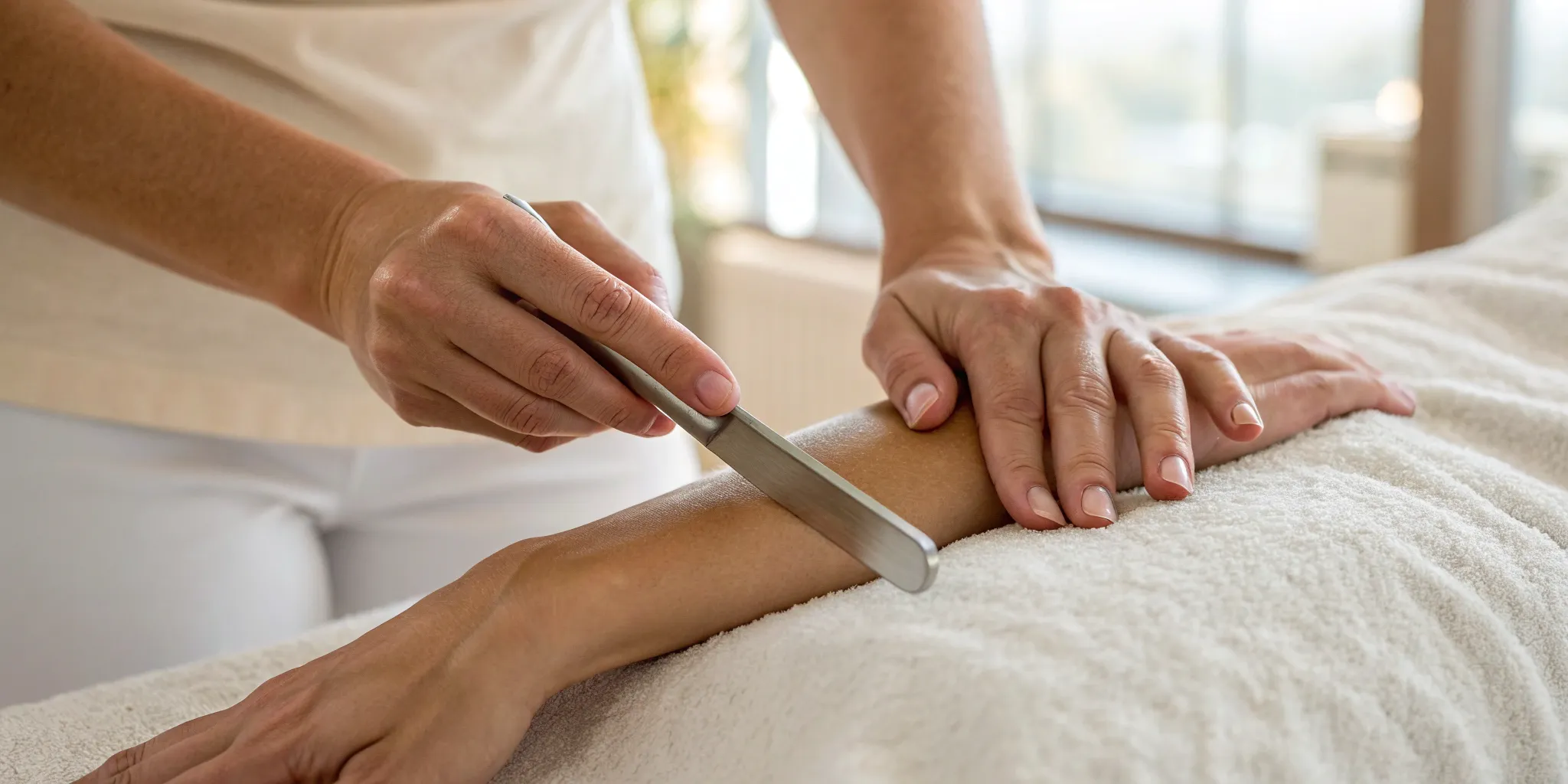
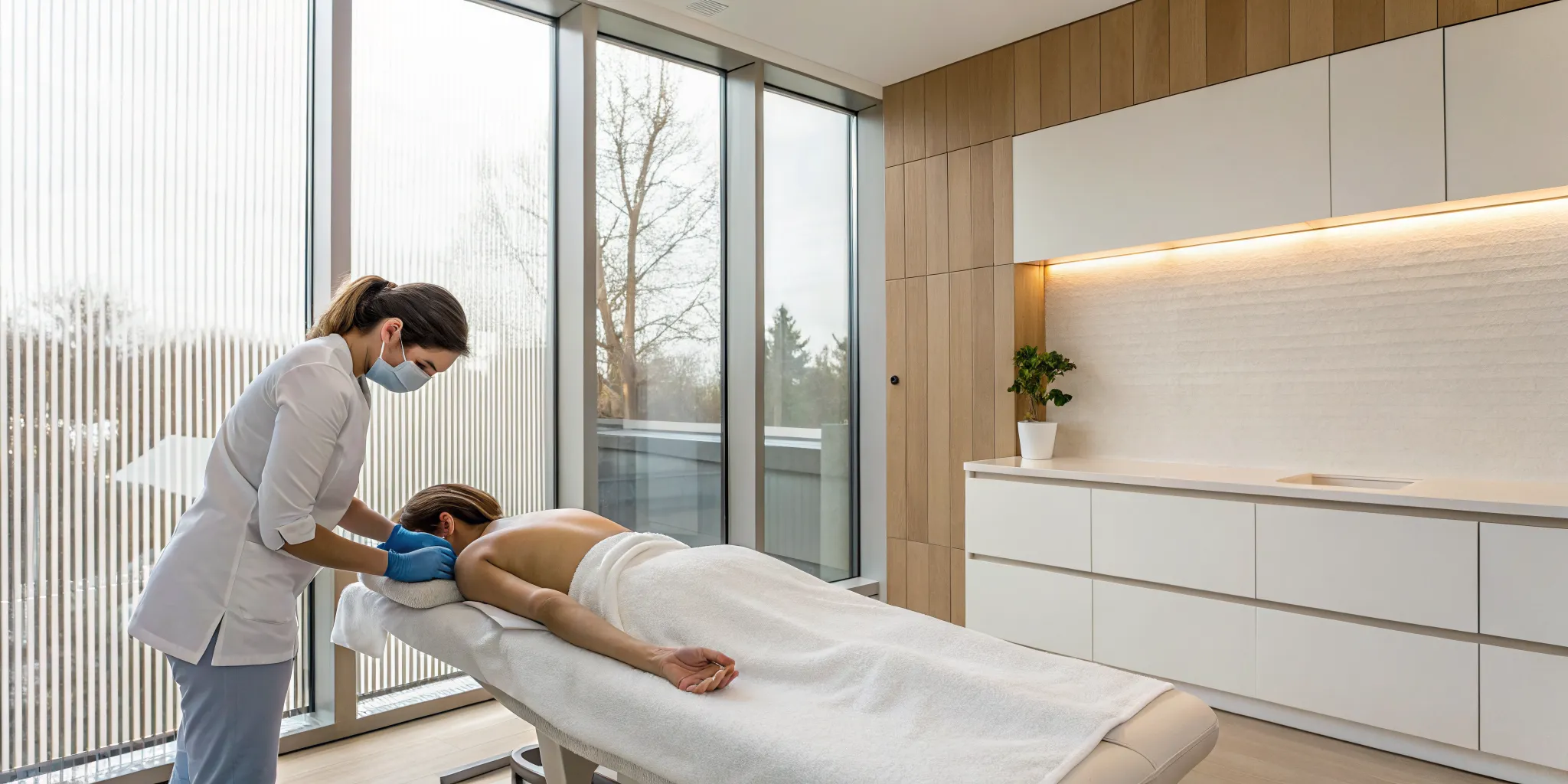
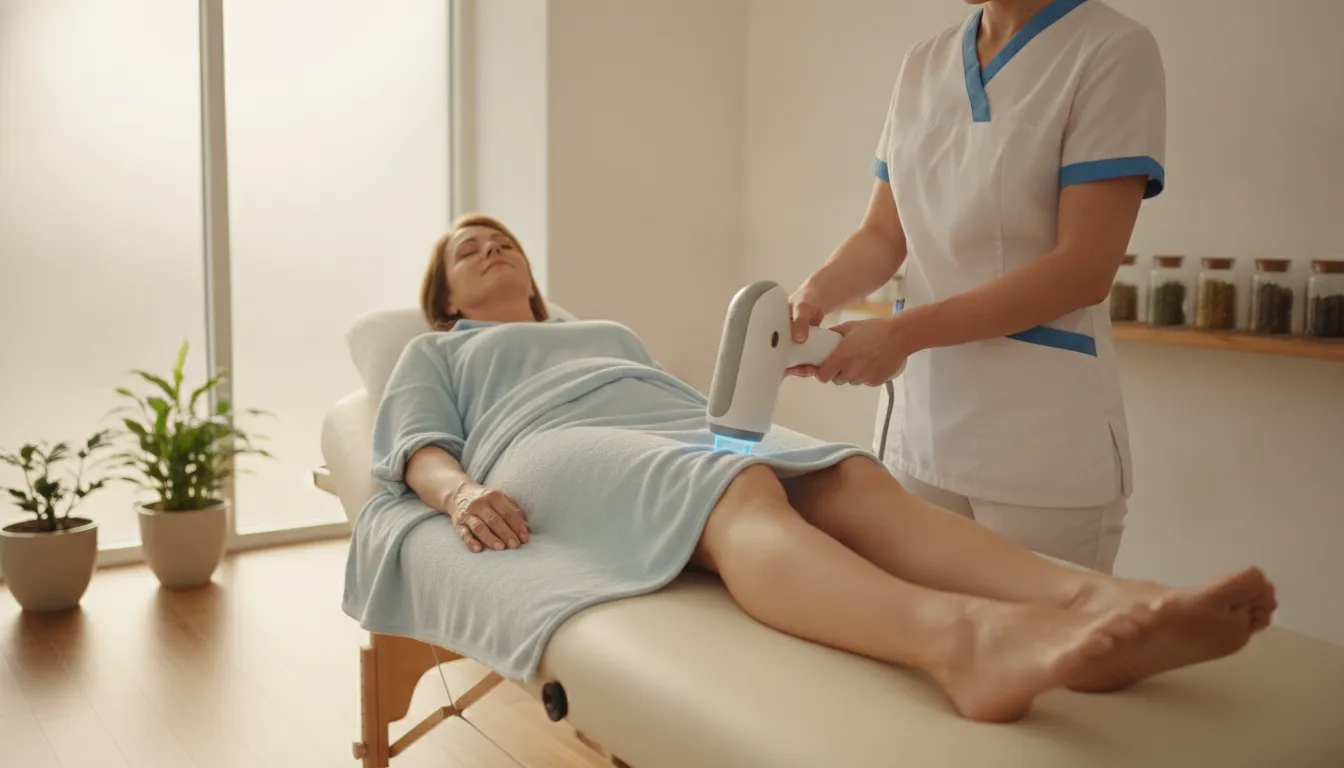
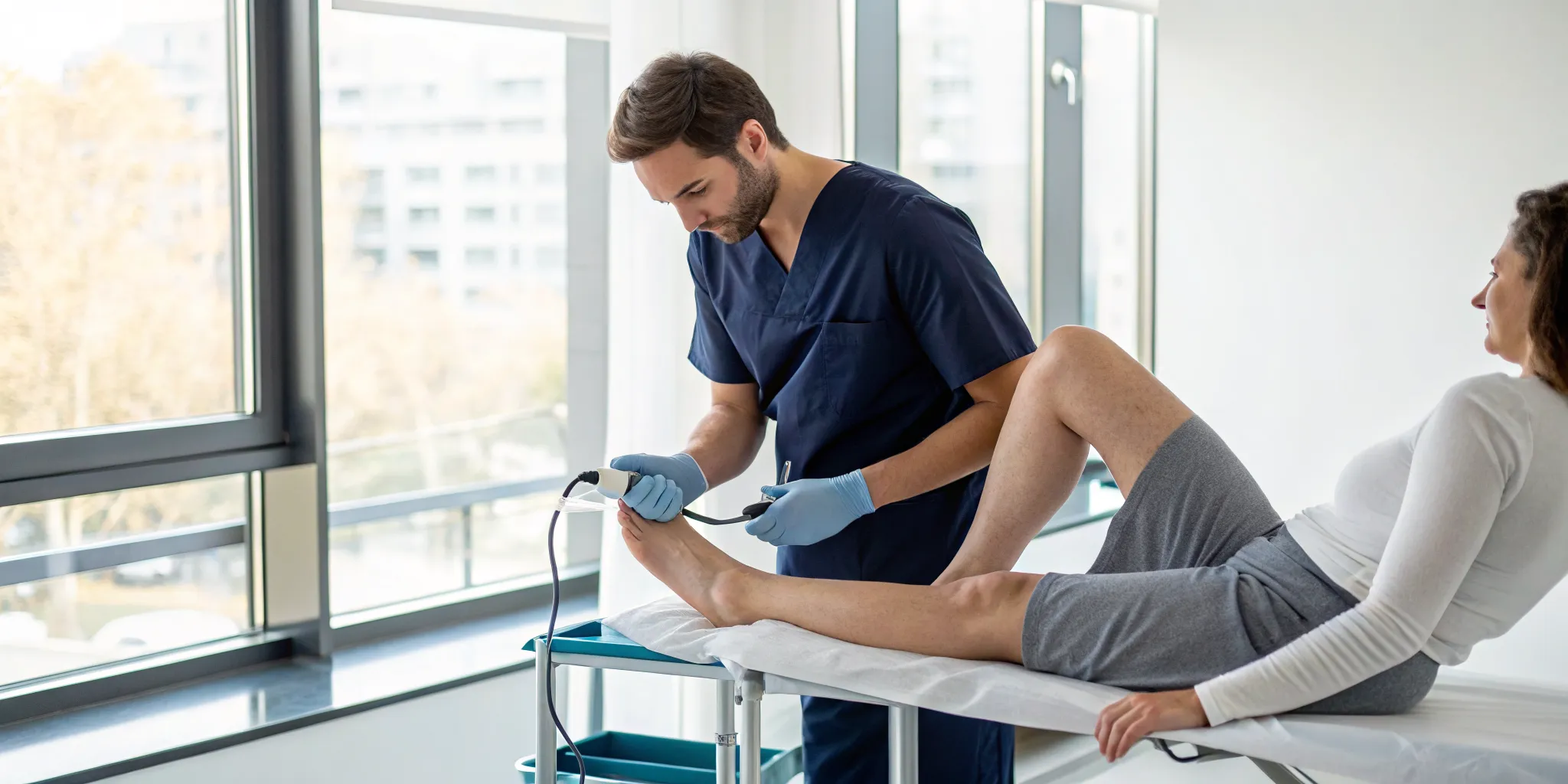
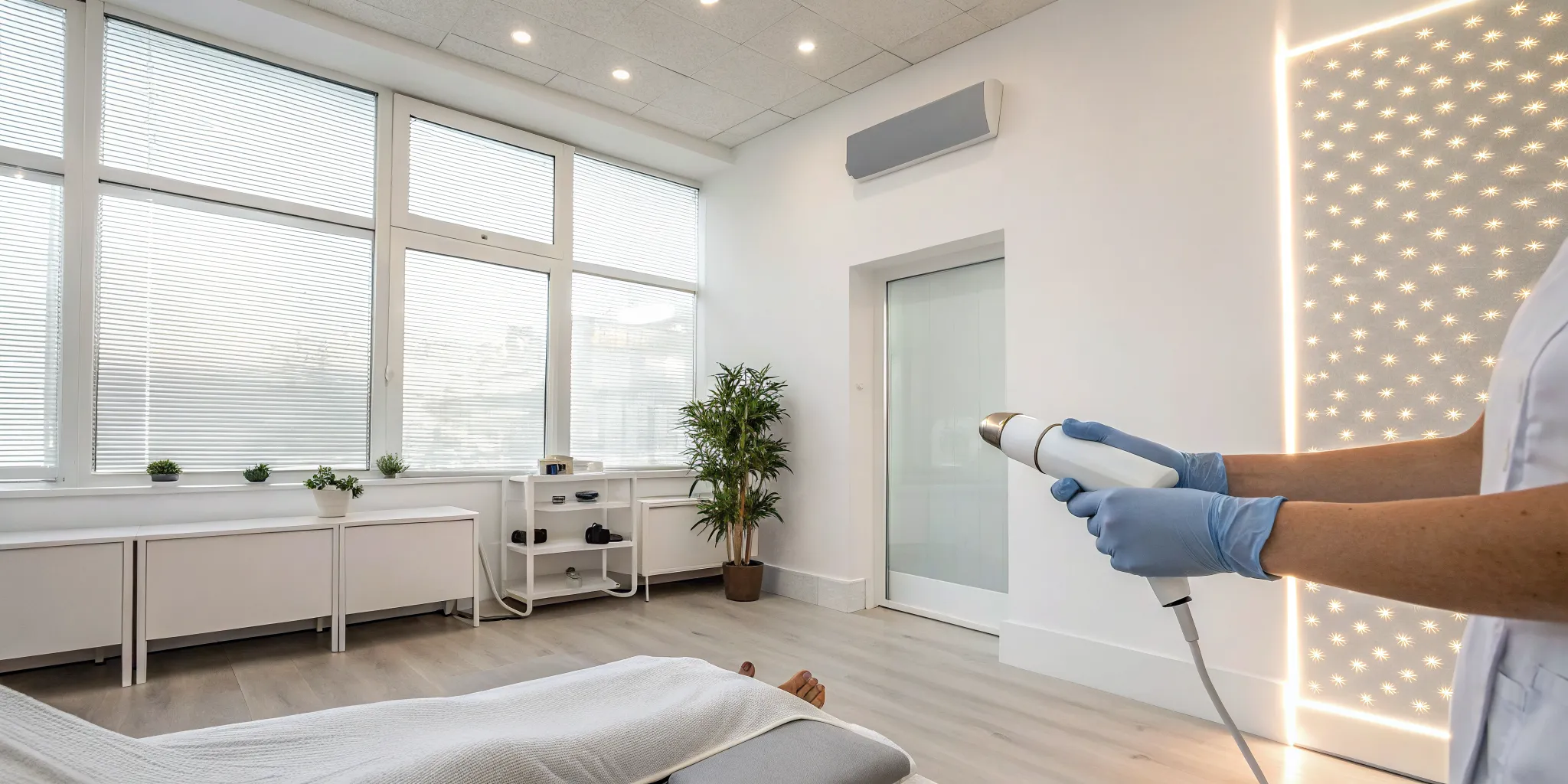
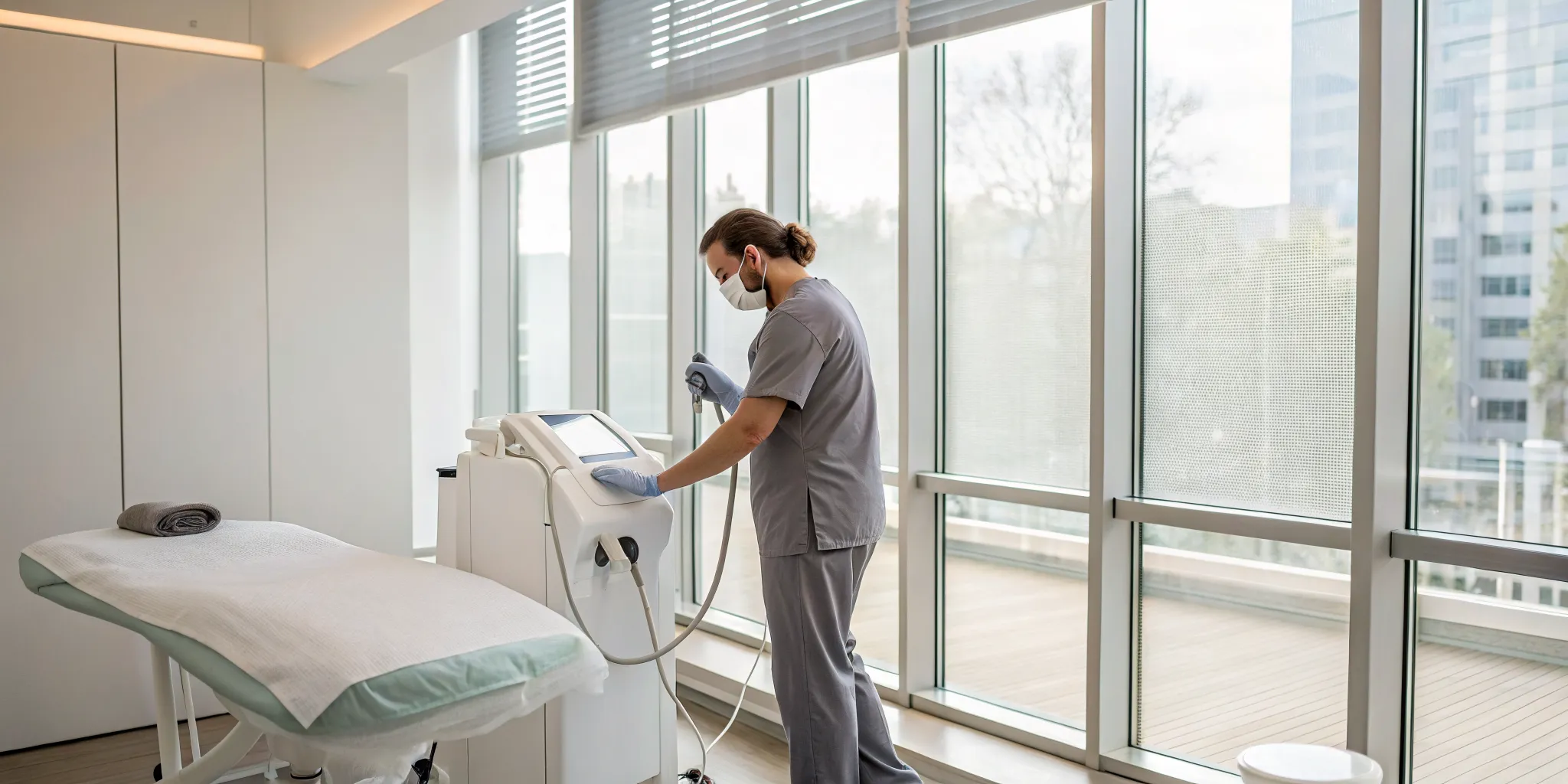
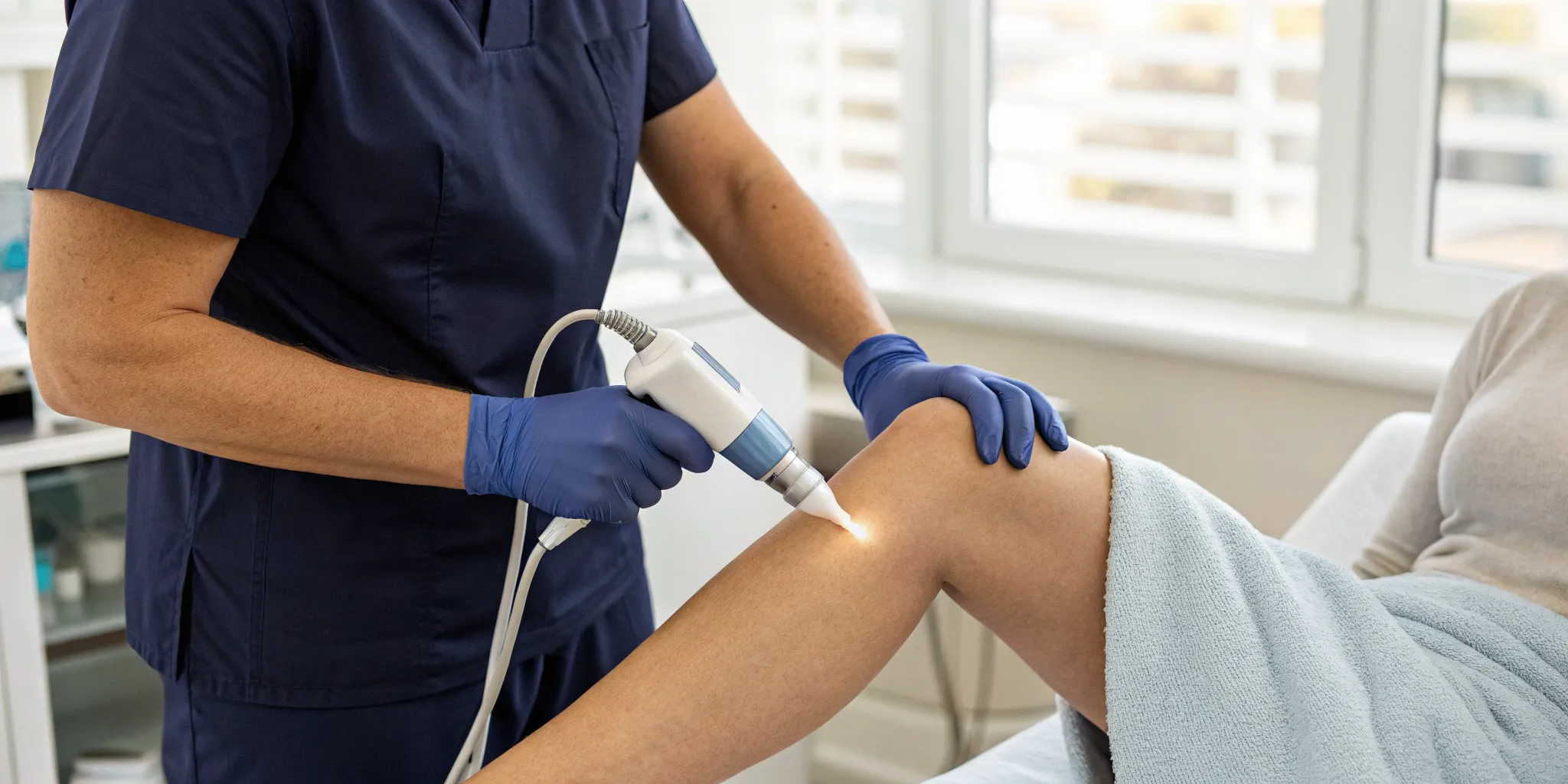
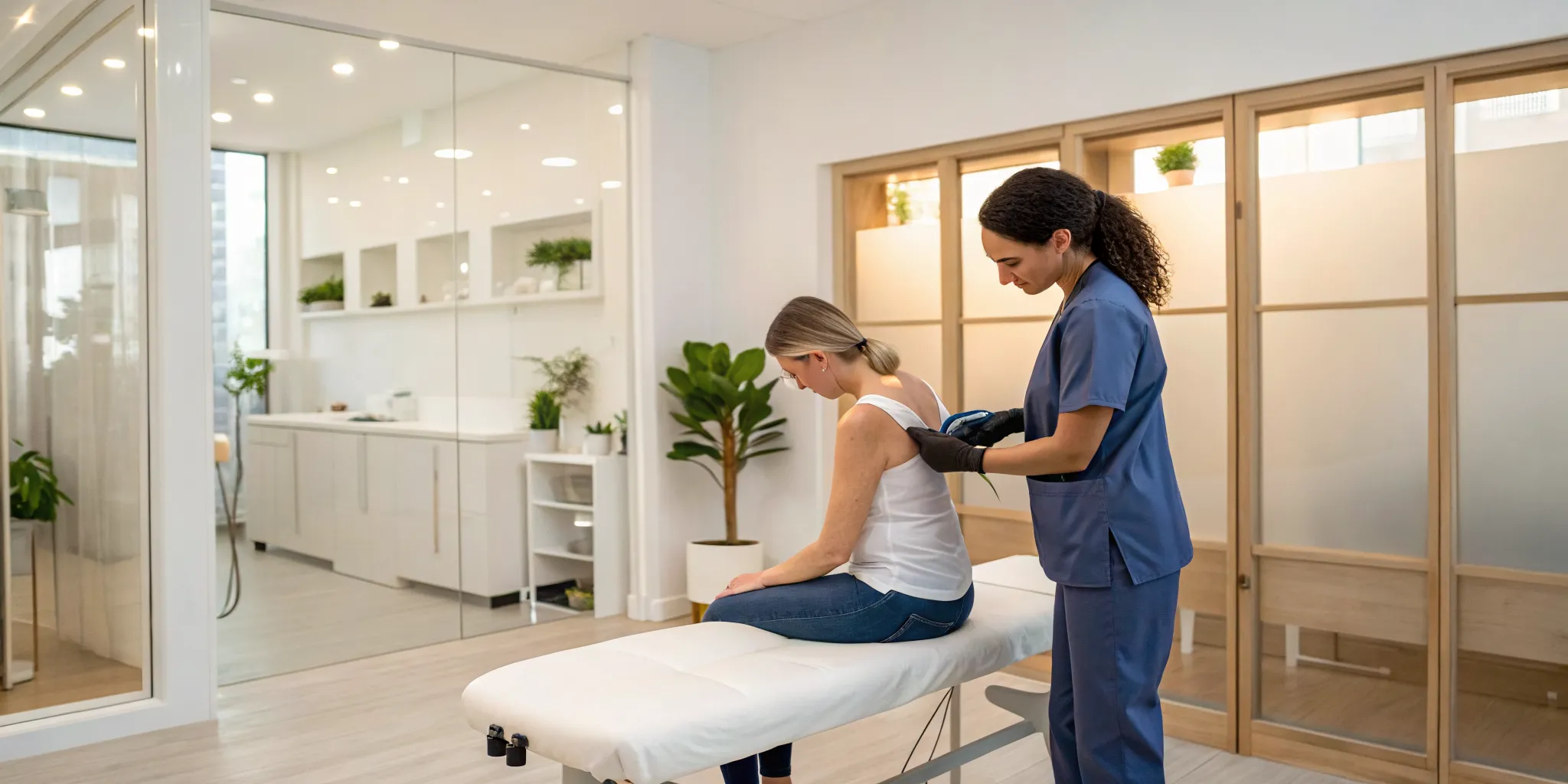
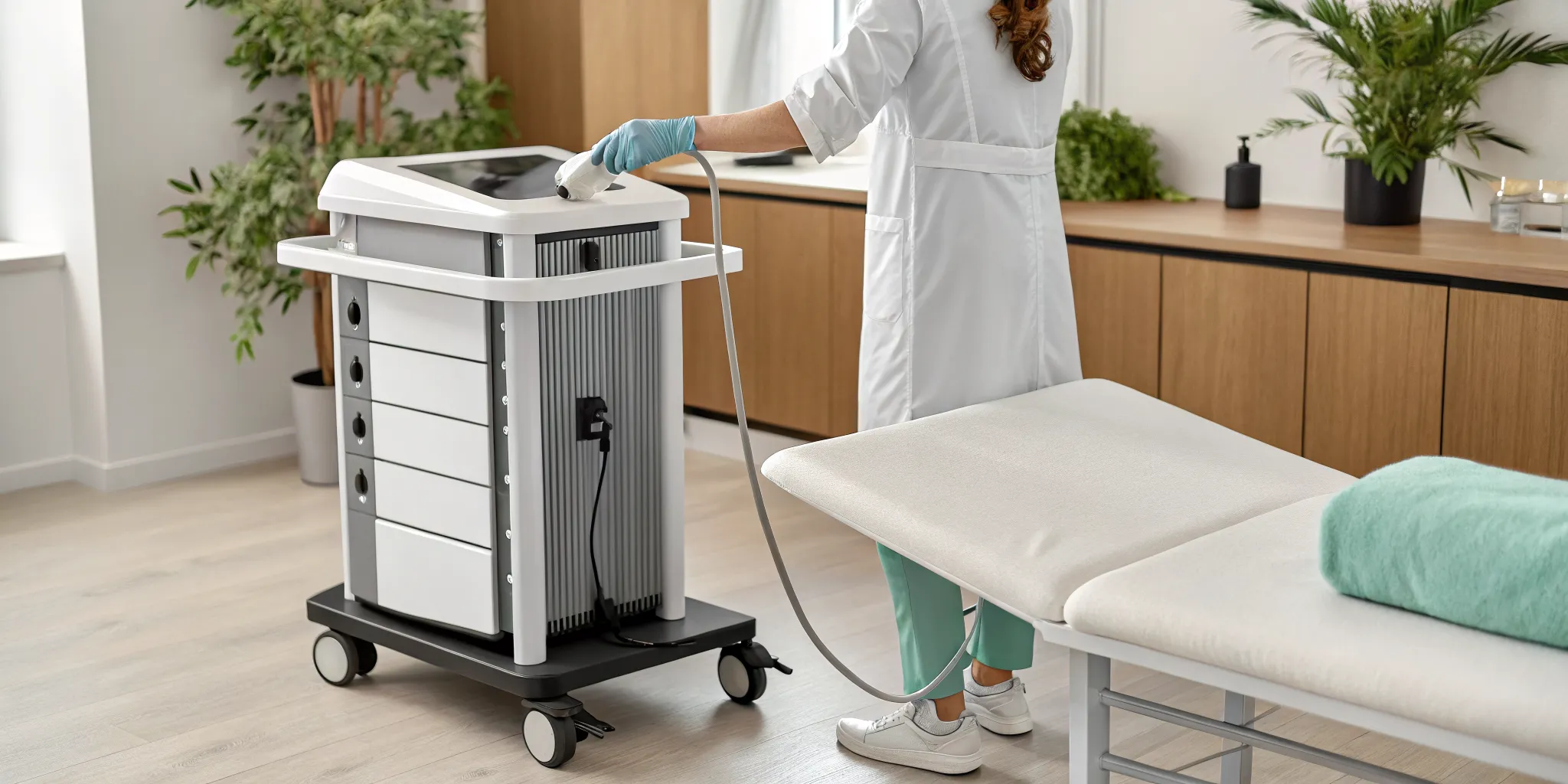
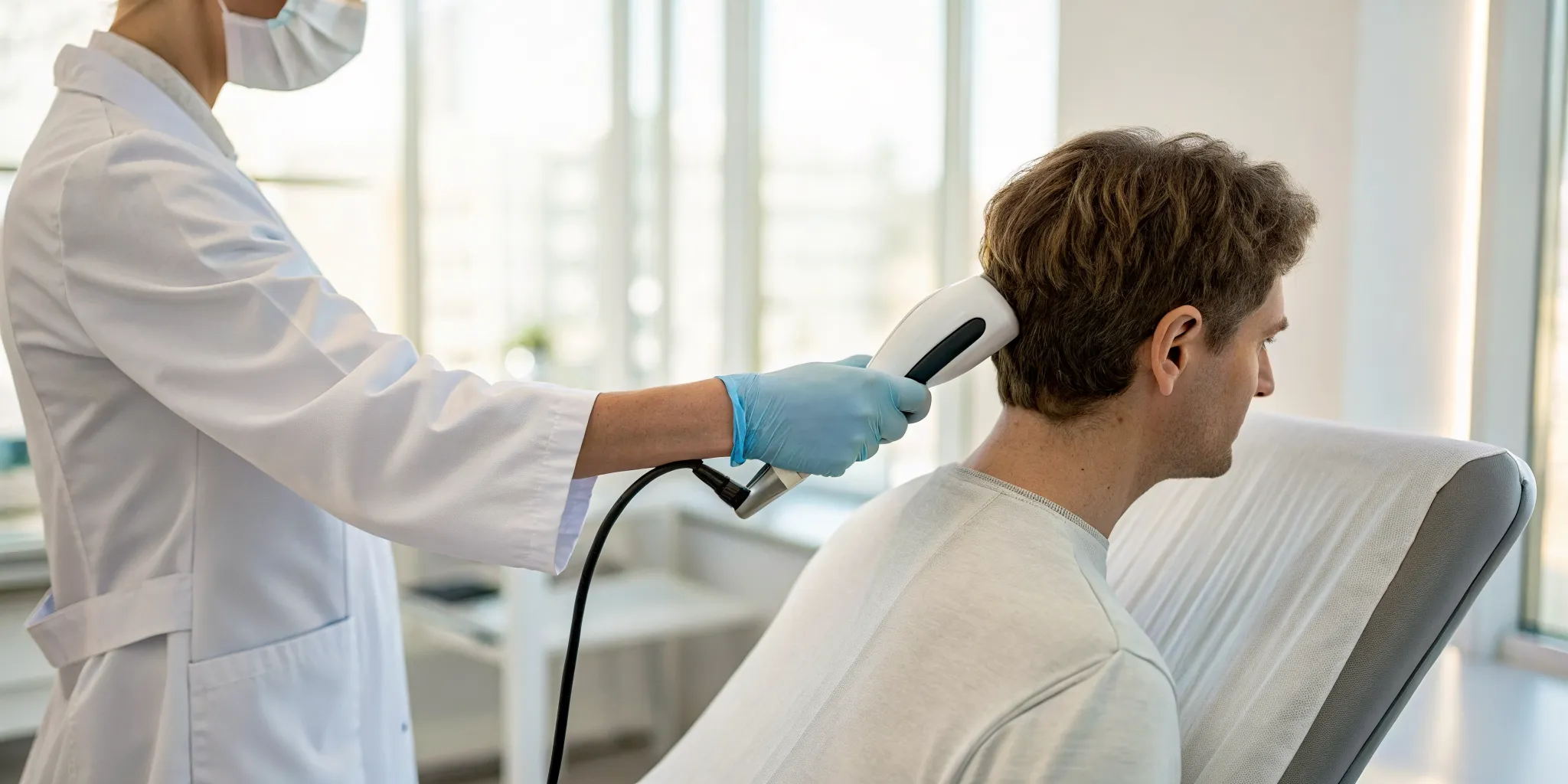
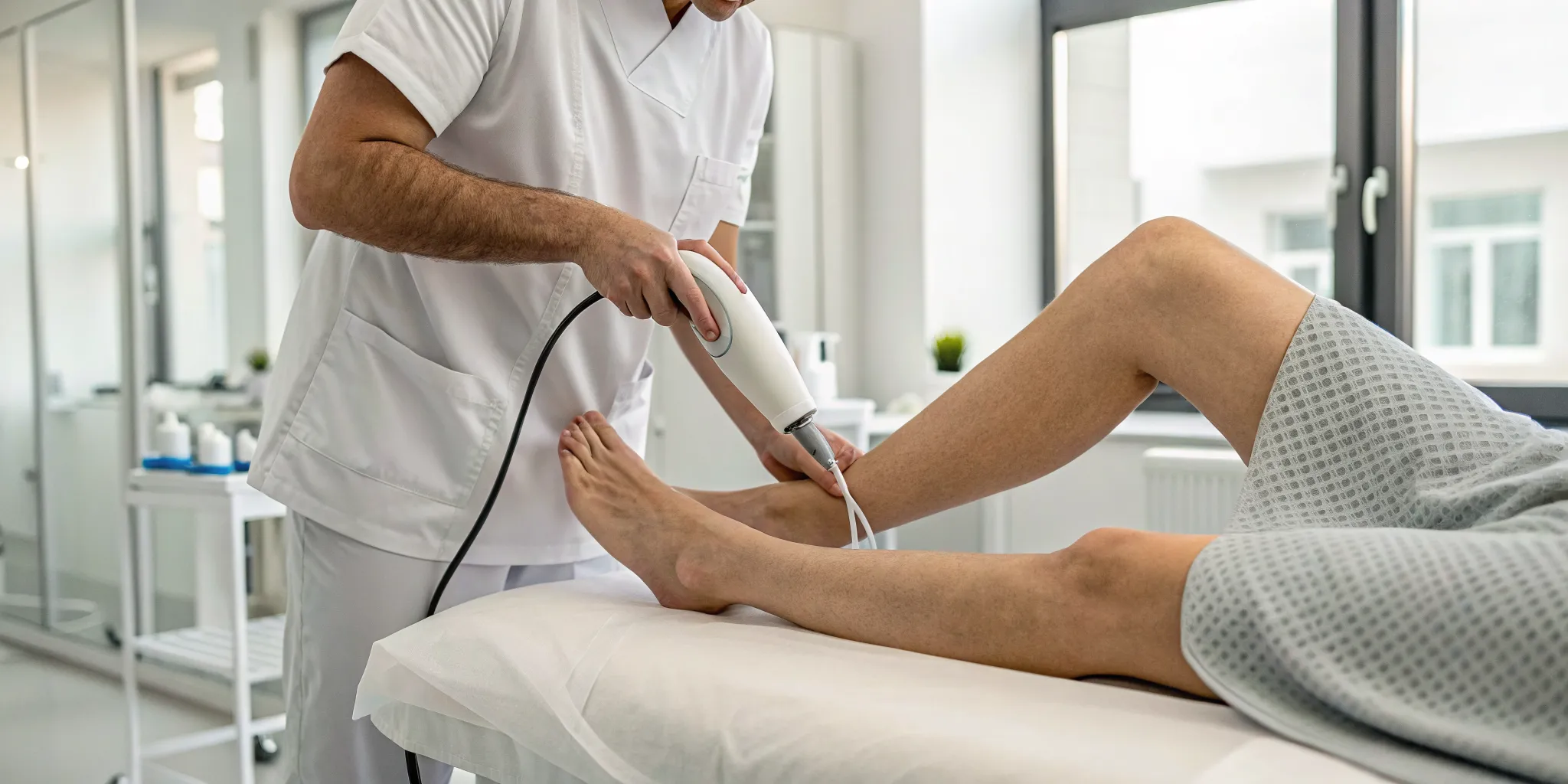
During treatment, a provider uses a handheld device to deliver acoustic waves to a specific area. These waves create controlled mechanical stimulation in the targeted tissue. The intended response is to encourage tissue repair and regeneration, which may help the body address underlying tissue problems over time. SoftWave is not a surgical procedure, and it does not require an incision. It is also drug-free, although that does not mean it is appropriate for every person or every source of pain.
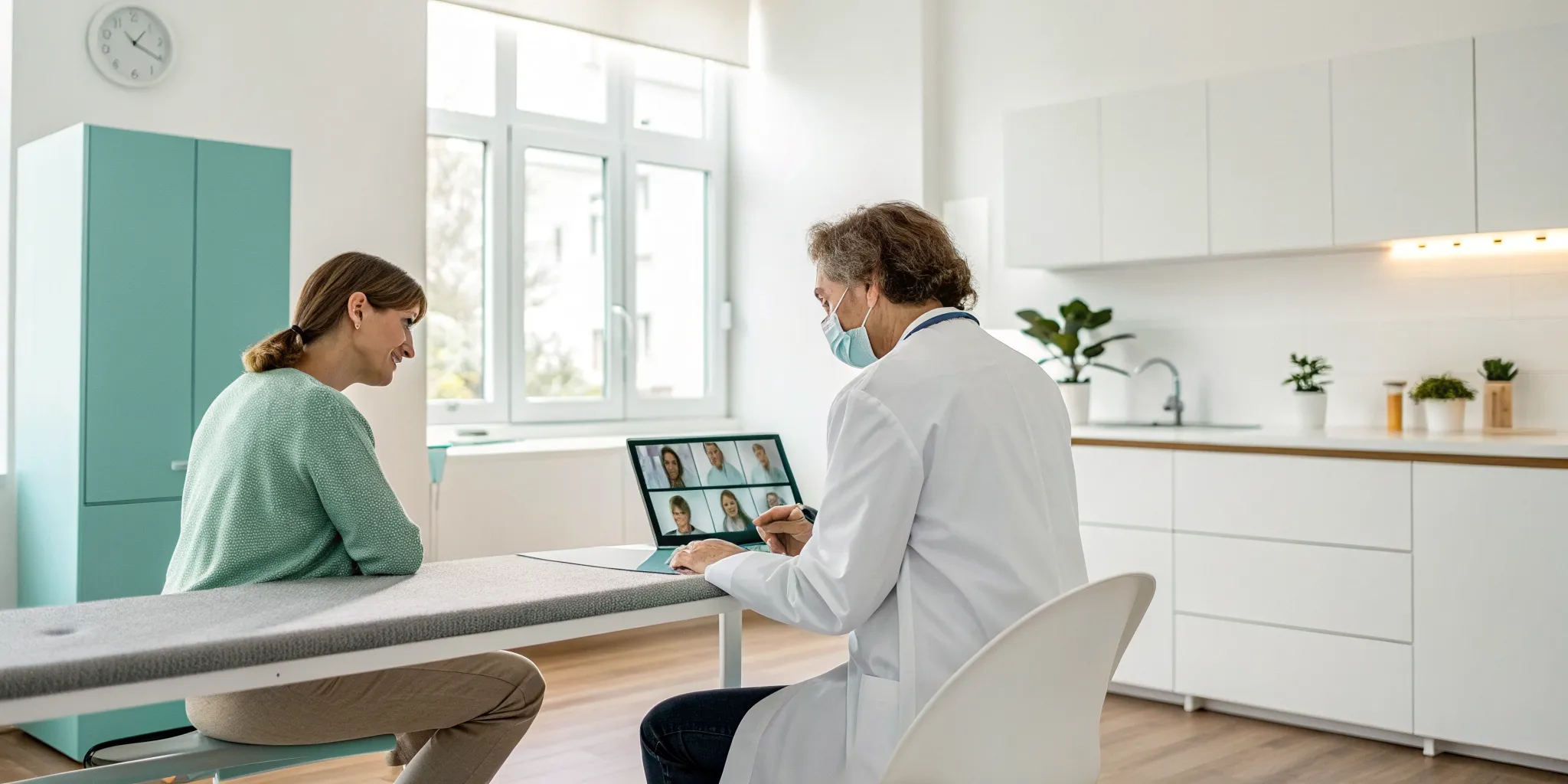
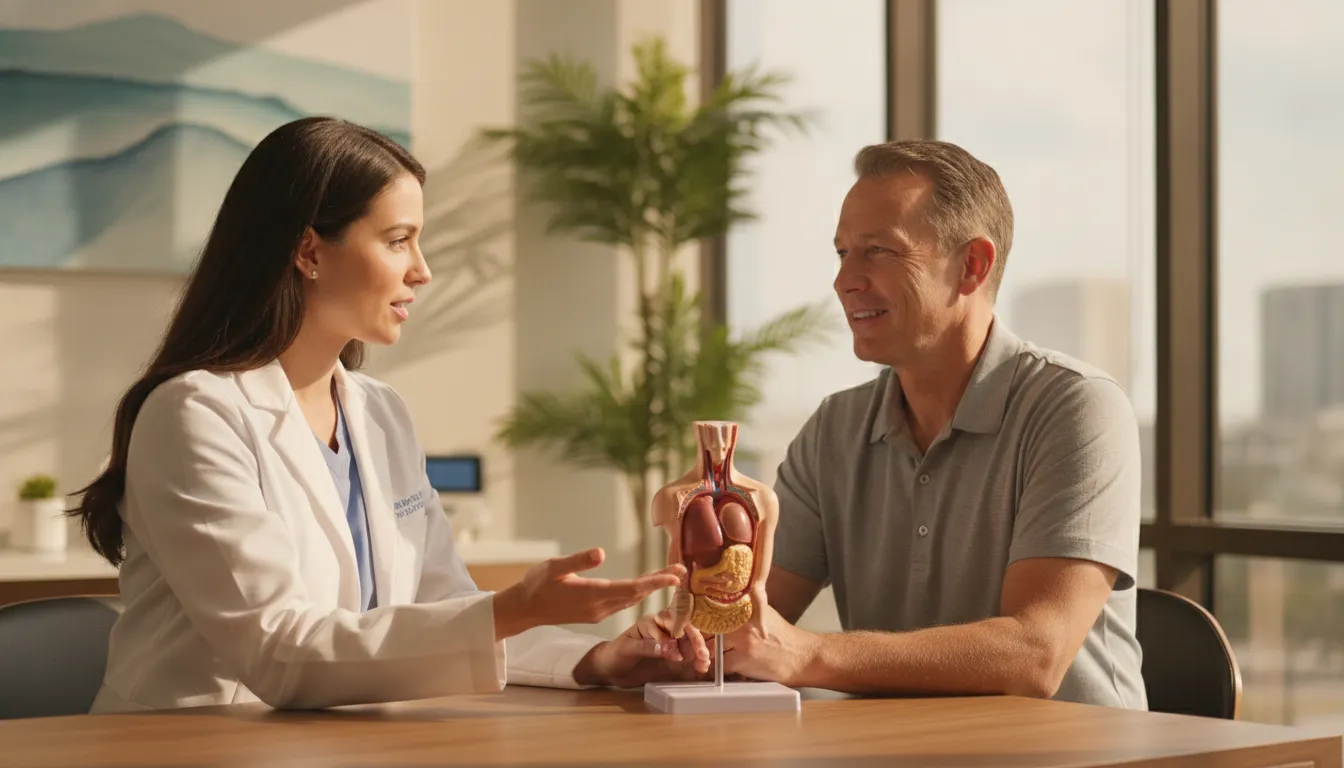
A clinical evaluation is important before treatment. Pain can arise from different causes, and a symptom alone does not identify the tissue problem. At Ascend Functional Health, the goal is to understand the broader concern and determine whether shockwave therapy fits within a personalized plan. This root-cause approach helps set realistic expectations about what the modality may and may not contribute.
How Is SoftWave Different From Standard Shockwave Devices?
SoftWave is the gold-standard, FDA-approved device Ascend uses for advanced shockwave therapy. While SoftWave belongs to the broader ESWT category, the device selected and the way treatment is delivered matter. Device selection, treatment settings, and clinical judgment all influence how a therapy is applied to a particular concern. Ascend positions SoftWave as a superior option to standard shockwave units, not as a universal solution or a substitute for a complete clinical assessment.
If you are asking, "does softwave therapy work," the most accurate answer is that results depend on the condition, treatment plan, and individual response. Research supports ESWT for certain musculoskeletal conditions, but evidence for one application should not be treated as proof that every painful area will respond the same way. Learn more about SoftWave therapy at Ascend and discuss whether an evaluation is appropriate for your goals.
What Does the Clinical Research Say About SoftWave? Does SoftWave Therapy Work?
Yes, research on extracorporeal shockwave therapies supports meaningful benefits for several musculoskeletal conditions, although outcomes depend on the condition, treatment settings, and patient-specific factors. The evidence supports informed expectations, not a promise of a cure or identical results for every person.
A systematic review in Clinical Orthopaedics and Related Research examined 23 studies involving shockwave therapies for soft-tissue conditions. The review found that extracorporeal shockwave therapy (ESWT) was widely used for musculoskeletal injuries and that both major treatment approaches included in the review had evidence supporting their safety. It also found evidence that focused ESWT (F-ESWT) can be effective for chronic plantar fasciitis and calcific tendinitis.
These findings are useful because they place SoftWave within a broader clinical research category rather than treating it as an isolated or untested modality. You can review the systematic review in PubMed for details about the conditions studied and the limitations of the available evidence.
What does the plantar fasciitis research show?
One randomized, placebo-controlled study evaluated focused shockwave therapy for chronic plantar fasciitis. The treatment group experienced a 69.2% reduction in heel pain, compared with a 34.5% reduction in the placebo group. The difference was statistically significant, with a reported p-value of 0.0027.
This result suggests that the improvement observed in the treatment group was unlikely to be explained by placebo response alone within that study. It does not mean that every patient will experience a 69.2% reduction, and it does not establish the same result for every condition or every shockwave device. The full study is available through PubMed.
Why can treatment settings matter?
The systematic review also reported that the apparent effectiveness of focused shockwave therapy was dose-dependent in studies where a benefit was observed. In practical terms, higher-dose treatment regimens generally showed greater success than lower-dose regimens. This is one reason a responsible evaluation should consider the diagnosis, tissue involved, symptom history, and appropriate treatment parameters rather than relying on a one-size-fits-all protocol.
SoftWave is Ascend's FDA-approved, gold-standard device for advanced shockwave therapy. At Ascend Functional Health, the research is considered alongside an individual's examination and goals. The purpose is to determine whether this non-invasive approach fits the underlying concern and to set realistic expectations for progress.
How Many Sessions of SoftWave Therapy Are Needed?
The number of SoftWave sessions varies because treatment is shaped by the condition, tissue involved, symptom history, and findings from the clinical evaluation. In general, results are expected to build over successive sessions rather than appear as a guaranteed or instant response.
Research on focused extracorporeal shockwave therapy suggests that outcomes can be dose-dependent, with greater success often associated with higher-dose treatment regimens. That does not mean a higher setting is appropriate for every person. At Ascend, the treatment plan is individualized to the patient's workup, goals, and response along the way.
Begin with an evaluation
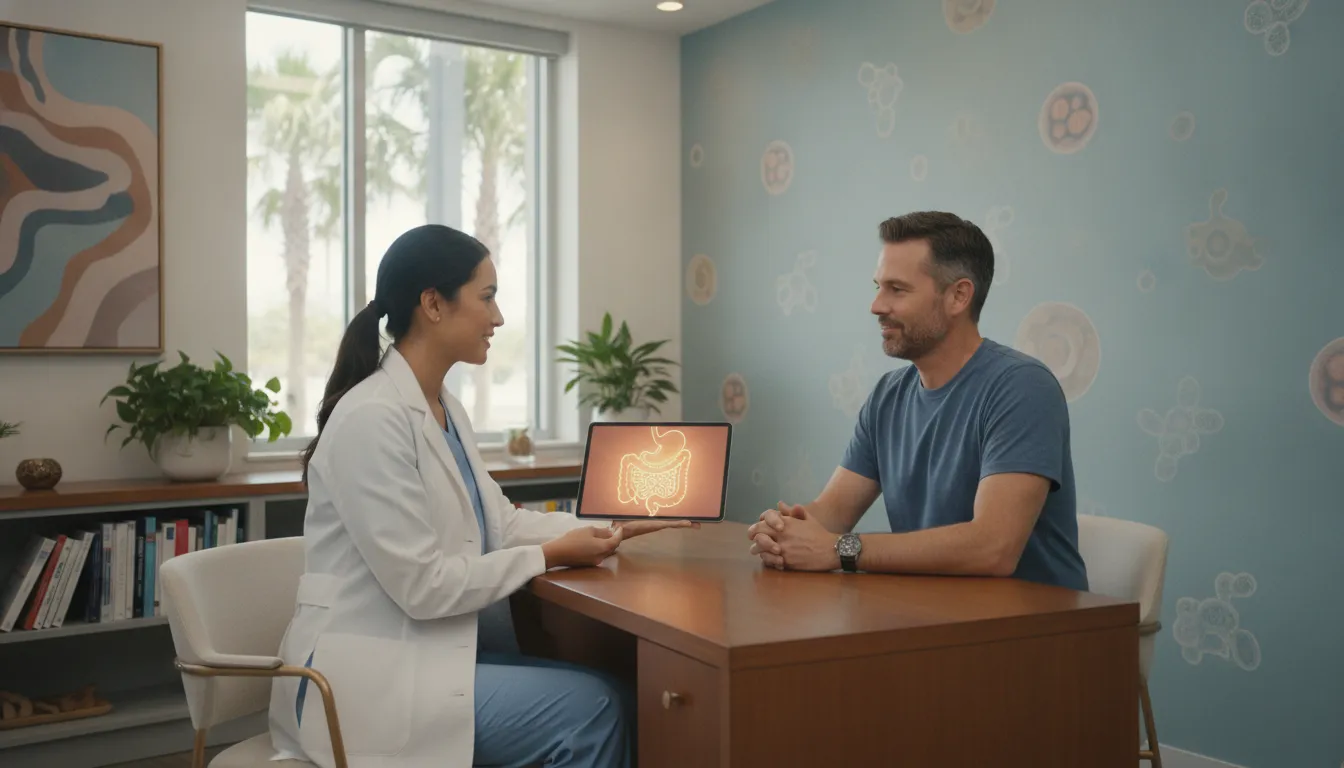
The first step is a clinical assessment, not simply scheduling a preset number of visits. The provider considers where symptoms are located, how long they have been present. What may be contributing to the problem, and whether SoftWave is a reasonable part of the care plan. This root-cause approach helps distinguish a treatment course that fits the patient from a one-size-fits-all protocol.
Complete an individualized course of sessions
A typical course involves multiple sessions spaced according to the patient's condition and treatment response. Each visit delivers the therapy to the selected area, while the care team monitors tolerance and progress. Because the research indicates that dose influences outcomes, the provider may adjust treatment parameters as clinically appropriate rather than assuming that the same dose or schedule suits everyone. Patients should view the process as progressive care, with tissue response developing over time.
Track changes between visits
Progress is assessed through changes that matter to daily life, such as movement, activity tolerance, and symptom patterns. Patients should communicate both improvements and concerns, including temporary localized soreness or swelling. These details help the provider determine whether to continue, modify, or reconsider the plan.
Reassess the next step
After the planned course, the provider reviews the response and discusses next steps. Some patients may need continued supportive care, while others may benefit from a different approach or additional evaluation. A consultation about SoftWave therapy at Ascend can clarify what a realistic treatment course may look like for your specific situation.
Clinical evidence supports shockwave therapy for certain musculoskeletal conditions, but individual results cannot be promised. The most useful question is not only whether SoftWave therapy works in general, but whether this modality, dose, and care plan are appropriate for your diagnosis and goals.
What Are the Risks and Side Effects of SoftWave Therapy?
SoftWave therapy is generally considered safe, and reported side effects are usually mild and temporary. Most patients should expect possible localized soreness, pain, or swelling during or shortly after treatment rather than a prolonged recovery period.
SoftWave is a non-invasive, drug-free approach, so it does not involve an incision or medication-related side effects. Like other forms of extracorporeal shockwave therapy, it uses acoustic energy to treat targeted tissue. A systematic review of shockwave therapies for musculoskeletal injuries found evidence that these treatment modalities are safe: review the published safety findings on PubMed.
What side effects might you notice?
The most relevant expectation is temporary discomfort in the area being treated. A clinical study reported that temporary pain and swelling during or after treatment were the only device-related adverse events observed. These effects are generally localized and short-lived, but individual responses can vary based on the condition being treated, tissue sensitivity, and treatment settings.
Some patients may feel tenderness after a session because the therapy is directed at an area that is already irritated or injured. That sensation does not necessarily mean the treatment caused harm. It is still important to tell the provider how the area feels during and after each visit so the treatment plan can be evaluated and adjusted appropriately.
How can you set realistic expectations?
SoftWave should not be presented as an instant solution or a guaranteed cure. The goal is to support the body's healing processes while addressing the underlying tissue problem as part of a personalized care plan. Research on shockwave therapy suggests that outcomes can depend on treatment parameters, including the energy level used. So the appropriate approach should be determined through clinical evaluation rather than copied from another patient.
A thorough consultation can help determine whether this non-invasive modality fits your condition, history, and goals. Share relevant medical information, describe any changes in symptoms between sessions, and ask what level of discomfort is expected for your specific treatment area. These conversations help keep care measured, transparent, and focused on your individual response.
For more information about the device, treatment process, and safety considerations, read the medical-grade SoftWave device guide.
What Conditions Does SoftWave Therapy Treat?
SoftWave therapy is used to support tissue regeneration in painful joint, tendon, and soft-tissue conditions. Research on extracorporeal shockwave therapy supports its use for several musculoskeletal problems, although suitability depends on the individual diagnosis, tissue condition, and treatment plan.
At Ascend, SoftWave therapy at Ascend is considered as part of a broader evaluation rather than as a stand-alone promise of instant relief. The goal is to understand what may be contributing to pain and determine whether this non-invasive, drug-free approach fits the patient's needs.
Chronic plantar fasciitis
Chronic plantar fasciitis is one of the better-studied applications for focused extracorporeal shockwave therapy. This condition involves persistent pain around the plantar fascia, often near the heel, and can interfere with walking, exercise, and ordinary daily activity. A systematic review found evidence that focused shockwave therapy can be effective for plantar fasciitis. In one clinical study, the shockwave group experienced a 69.2% reduction in heel pain compared with 34.5% in the placebo group, a statistically significant difference. These findings support SoftWave as a treatment option to discuss when heel pain continues despite appropriate conservative care. But they do not guarantee the same outcome for every patient.
Calcific tendinitis
Calcific tendinitis occurs when calcium deposits develop within a tendon, commonly around the shoulder. The deposits can contribute to pain and restricted movement. The same review identified evidence supporting focused extracorporeal shockwave therapy for calcific tendinitis. A clinical assessment is still important because shoulder pain can have several causes. And the appropriate protocol depends on the affected tendon, the extent of the condition, and the patient's overall health.
Musculoskeletal injuries and soft-tissue pain
Extracorporeal shockwave therapy is widely used in the management of musculoskeletal injuries. This broader category can include painful tendon and soft-tissue conditions where the objective is to support the body's tissue response and regeneration. SoftWave may be considered for selected joint, tendon, and related soft-tissue concerns after an appropriate workup. It is not a substitute for identifying the source of pain, and it should not be presented as a cure for every injury or chronic pain condition.
The research also suggests that outcomes can depend on treatment dose and clinical judgment. A provider may consider the tissue involved, symptom duration, severity, and response over time when building a personalized plan. A consultation can clarify whether SoftWave is appropriate and what realistic progress may look like.
Review the research on shockwave therapy for musculoskeletal conditions.
SoftWave vs. Common Non-Surgical Options
The table below compares SoftWave shockwave therapy with other common approaches for persistent soft-tissue and musculoskeletal pain, based on how they work and what evidence suggests.
| Option | How It Works | Evidence Profile | Typical Role |
|---|---|---|---|
| SoftWave (focused ESWT) | Acoustic waves stimulate tissue repair and regeneration; non-invasive and drug-free. | Supported for chronic plantar fasciitis and calcific tendinitis; outcomes can be dose-dependent. | Non-invasive regenerative option within a broader care plan. |
| Standard shockwave (radial focused) | Mechanical waves applied to targeted tissue. | Evidence varies by device and dose. | Related modality with clinician-dependent outcomes. |
| Oral pain medication | Reduces symptoms without directly repairing tissue. | Offers symptom relief but does not target the underlying tissue concern. | May complement care; not a tissue-repair strategy. |
| Rest and physical therapy | Supports recovery through load management and movement. | Foundational for many soft-tissue injuries. | Common conservative first step. |
| Surgery | Invasive repair of the affected structure. | Effective for selected cases but carries recovery and risk considerations. | Considered when less invasive options are not appropriate. |
Request a consultation to see if SoftWave is right for you
Frequently Asked Questions
Does SoftWave therapy really work?
Evidence for extracorporeal shockwave therapy supports meaningful improvement for some musculoskeletal conditions, especially chronic plantar fasciitis. Results depend on the diagnosis, treatment parameters, tissue condition, and the patient's broader care plan. So therapy should be presented as a clinically guided option rather than a guaranteed result.
How does SoftWave therapy work?
SoftWave delivers acoustic energy to targeted tissue without surgery or medication. The treatment is intended to stimulate local biological activity and support the body's repair processes. While a clinician evaluates contributing factors instead of using treatment only to mask pain.
How many SoftWave sessions are needed?
The appropriate number of sessions varies by condition, symptom duration, tissue status, and treatment response. Research suggests that outcomes can depend on the treatment dose. With higher-dose focused protocols showing greater success in some settings, but a provider should determine the plan after an individual evaluation.
What side effects can SoftWave therapy cause?
Some patients notice temporary localized soreness, pain, or swelling during or after treatment. In a clinical study of shockwave therapy for chronic plantar fasciitis, temporary pain and swelling were the only device-related adverse events reported: PubMed clinical study.
What conditions may respond to shockwave therapy?
Shockwave therapy has research support for conditions including chronic plantar fasciitis and calcific tendinitis, and it is used for selected musculoskeletal injuries. Whether it is appropriate depends on the specific diagnosis and a complete clinical assessment.
Ready to Discuss Whether SoftWave Therapy Fits Your Needs?
Whether you have tried other treatments that did not resolve the problem. Or you are exploring a non-invasive option for the first time, a consultation is the right next step. During a visit, the Ascend Functional Health team can review your symptoms, health history, and treatment goals. Discuss what research suggests about conditions like yours, and explain realistic timelines and expected outcomes before any care begins. SoftWave therapy is personalized, so the conversation starts with your situation rather than a one-size-fits-all plan.
Schedule a consultation with Ascend Functional Health
Your first step is a conversation, not a commitment. Reach out to ask questions, understand how SoftWave fits into a broader root-cause approach, and decide with confidence what makes sense for you.
The content in this article is provided for educational purposes only and is not a substitute for professional medical advice, diagnosis, or treatment. Always consult a qualified clinician about your individual health situation before starting or changing any treatment.