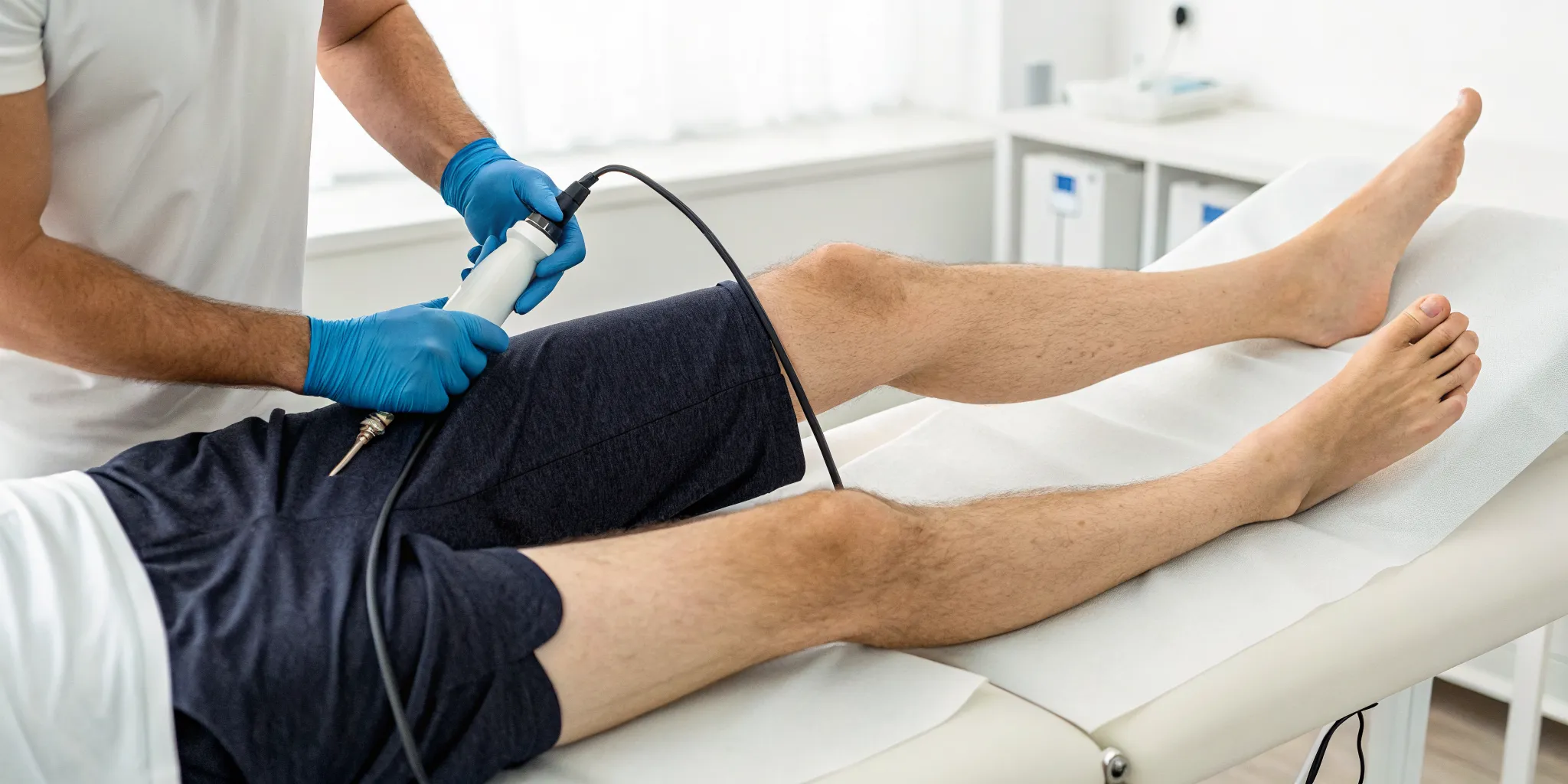
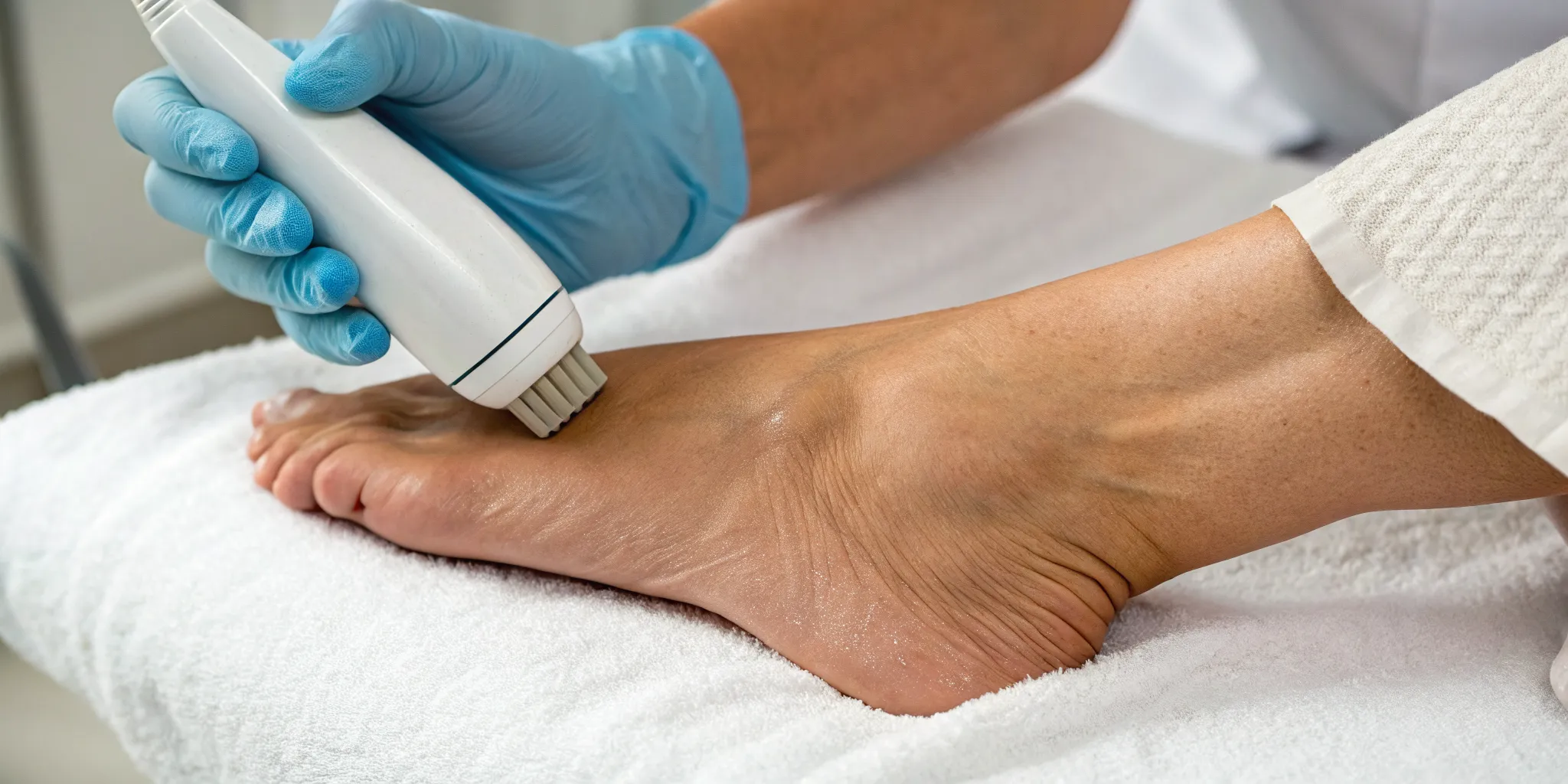
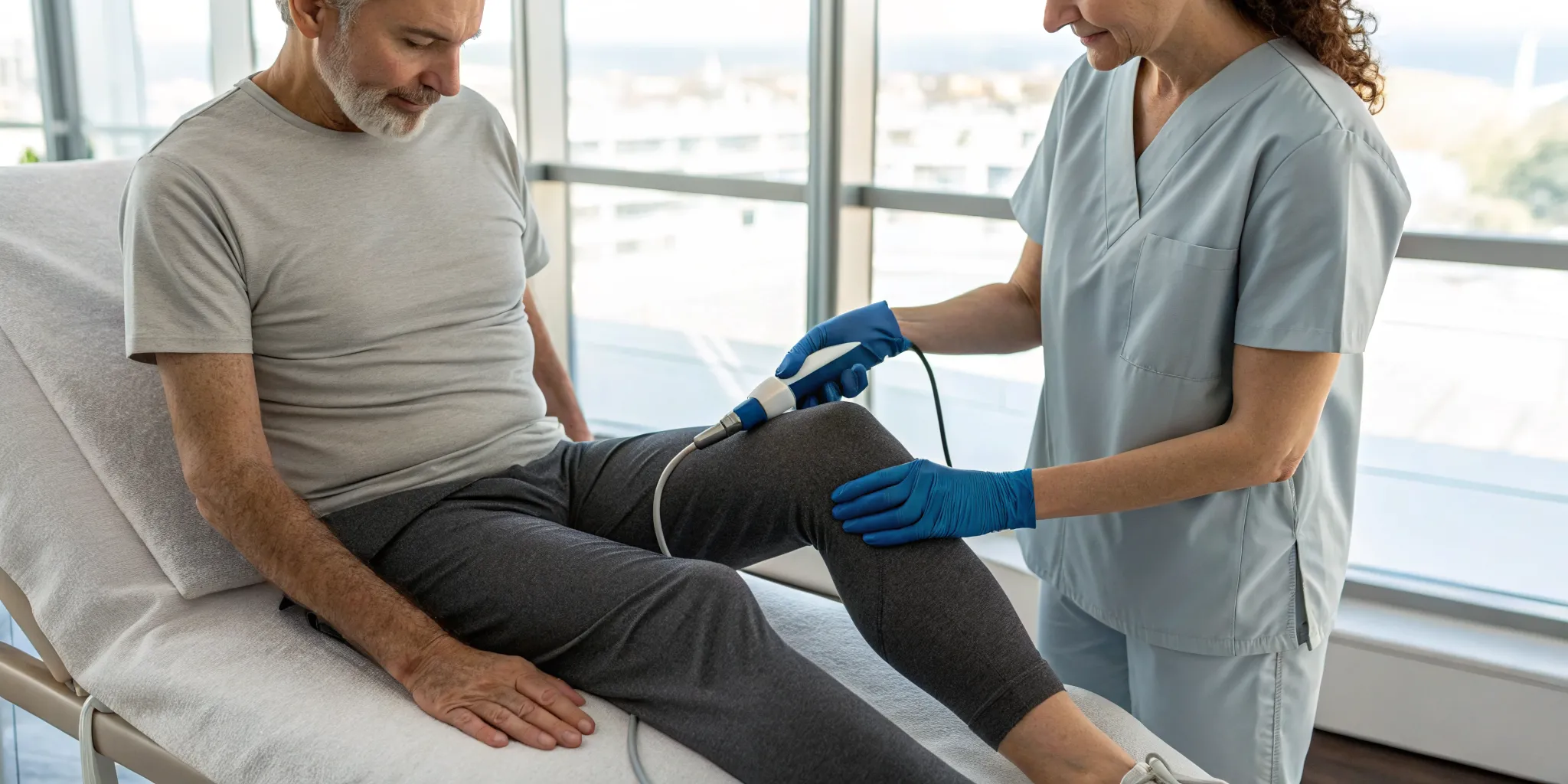
Injury prevention former athletes can discuss with a clinician starts with a clear picture of how the body feels now, what has changed, and what activities matter most. A history of sport can offer useful context, but it does not determine what care is appropriate today. A thoughtful evaluation can help turn broad concerns into questions and measurable next steps.
Discuss your movement goals with Ascend
Why Can an Athletic History Matter Years Later?
Past sport demands can help explain recurring patterns, but current symptoms and function should guide the discussion. Former athletes may notice that an old ankle, shoulder, knee, or back concern feels different as routines change. A return of discomfort does not automatically mean an old injury has returned, and a quiet period does not prove that every movement concern has resolved.
The useful question is not whether a person should still move like they did in competition. It is what they want to do now, what limits that activity, and which factors might be worth reviewing. Someone who once played soccer may now prioritize walking, gardening, recreational cycling, or keeping up with family. Those goals call for a present-day conversation rather than an assumption based on a former sport.
It can help to distinguish memories of an old problem from current symptoms. A former athlete may remember the original episode clearly, while current routines, work demands, sleep, or general activity have changed. Share both parts of the story. The clinician can ask whether the present concern resembles the earlier one, appears under different conditions, or seems unrelated based on the available information.
Also consider your prevention goal. You may want to avoid a familiar flare during a favorite activity, maintain confidence with ordinary movement, or understand whether a specific limitation deserves attention. Naming the priority makes it easier to discuss a useful outcome. It also prevents the conversation from becoming a broad search for a single explanation for every change.
A clinician may ask about the original problem, previous evaluations, what helped, and whether symptoms changed after a new activity or schedule. Be specific about location, timing, intensity, and what makes a movement easier or harder. This context can help distinguish a recurring pattern from a new concern that needs a different assessment.
Which Changes Should You Track Before a Visit?
A short, consistent record of symptoms, activity, and function can make a visit more focused. You do not need a perfect log. A few observations recorded over several days can show whether a concern appears during a particular task, later in the day, or after a change in routine.
- Where you notice a change: Name the area and whether it is on one side or both.
- When it appears: Note the activity, duration, time of day, and whether it settles afterward.
- What function feels different: Describe a task such as reaching, climbing stairs, turning, carrying, or walking at your usual pace.
- What changed recently: Record a new activity, longer sitting periods, a travel schedule, or a shift in daily demands.
- What you have already tried: Include prior care and your response, even if the change was brief.
Use plain descriptions instead of trying to diagnose yourself. “My shoulder feels stiff after reaching overhead” gives a clinician a practical starting point. “My shoulder is damaged” is a conclusion that may not match the examination. If symptoms are rapidly worsening or feel urgent, seek appropriate medical attention rather than waiting for a routine appointment.
Keep the record manageable. A brief note after an activity is more useful than trying to reconstruct an entire month from memory. The aim is not to monitor every sensation. It is to give the clinician a clear view of the pattern that matters to you.
When you review your notes, look for practical context rather than a perfect explanation. Did a change follow a longer outing, appear after a rest period, or show up across several different activities? Did it affect a task you value or only an occasional movement? These observations can help you explain why the concern matters and decide what you would like the appointment to clarify. Leave room for uncertainty: a pattern in your notes is a starting point for discussion, not a diagnosis.
What Might a Clinician Review During an Evaluation?
An evaluation may combine your health and activity history with an examination of movement and function. The clinician can use that information to decide whether additional assessment or a specific care approach is appropriate. The process should make room for your priorities and questions.
Topics may include the sport or activity involved, the timing of earlier problems, previous imaging or reports you can share, and any current limitations. A clinician may also ask about sleep, work demands, general health, and how your activity has changed over time. These details do not replace an examination; they help place it in context.
Depending on the concern, an examination may look at posture, range of motion, strength, balance, or how a relevant movement is performed. The appropriate scope varies by person. A clinician should explain why a proposed step could add useful information and discuss alternatives when they exist.
Share what you can do comfortably as well as what feels limited. For instance, describe whether a change appears only after a longer walk, during repeated reaching, or when you first get moving. Mention whether it affects one side or changes with a particular task. Those details can guide which movements are relevant to examine rather than prompting a broad assessment without a clear question.
Ask how the findings will be explained and what they do, or do not, suggest. An evaluation may narrow the questions without producing one simple answer. If a clinician recommends further testing or another type of care, ask what decision the added step is meant to inform. Understanding that connection can help you decide what to do next.
Ascend organizes care around Physical Medicine, Functional Medicine, and Regenerative Medicine. For a movement concern, physical approaches such as chiropractic care, decompression, corrective care, and soft-tissue work may be considered when appropriate to the individual evaluation. They are not interchangeable, and no single approach is suitable for every person.
People also bring different questions to a first conversation. You may want to understand what the examination includes, what findings would change the recommendation, or how progress will be reviewed. Ascend’s clinician profile and frequently asked questions can help you prepare background questions before you speak with the practice.
How Can You Compare Prevention and Care Options?
Compare options by purpose, what they involve, and how you will judge whether they are useful. A reasonable plan links the proposed step to a concern or goal, sets expectations, and leaves room to reassess if your response differs from what was anticipated.
| Option to discuss | What it may involve | Useful question |
|---|---|---|
| Observation and activity notes | Tracking a symptom or functional change over a defined period | Which change should prompt a follow-up? |
| Movement-focused evaluation | Reviewing relevant history and examining selected movements or functions | What finding is the assessment intended to clarify? |
| Physical Medicine approach | An individualized discussion of chiropractic, decompression, corrective care, or soft-tissue work when suitable | How does this approach relate to my stated goal? |
| Additional testing or referral | Further assessment when the history or examination indicates it may be useful | How could the result affect the next decision? |
| Follow-up and progress review | Revisiting symptoms, activity tolerance, and agreed measures | When will we review the plan, and what will we measure? |
The table is a conversation aid, not a treatment recommendation. A clinician can explain which options fit the findings and which do not. Ask about expected steps, possible limitations, and what would lead to changing course. Clear answers help you make an informed decision without treating a particular modality as a guaranteed solution.
For each option, you can ask who it is intended to help, what the visit or follow-up involves, and how your response will be reviewed. You may also ask whether the approach is meant to address a specific movement concern or contribute to a broader care plan. These questions make it easier to compare options on purpose and fit, rather than on labels alone.
Consider the practical side of a proposed plan, too. Ask how often a person would typically return for review, whether the approach can be adjusted, and which observations you should share between visits. Recommendations should make sense in the context of your goals and circumstances. If an option does not feel appropriate, say so and ask what other paths can be discussed.
If you are comparing care in the Tampa Bay area, review the practice’s page for integrative health in Tampa and its overview of available services. These pages provide background for questions; the right next step still depends on an individual conversation and evaluation.
How Can You Set Useful, Realistic Measures?
Choose measures tied to everyday function, then review them at agreed points rather than expecting a fixed result. A goal can be specific without promising a particular outcome. For example, you might want to turn comfortably while driving, take a regular walk, or complete a familiar household task with fewer interruptions.
Pick one or two meaningful measures. A simple activity scale can record how long you walked or how often you paused. A movement goal can describe a task and the conditions under which you do it. If your concern is a recurring sensation, note how often it appears and what you were doing at the time. Use the same measure over time so that comparisons are useful.
Make each measure specific enough that you can recognize it again. Instead of “move better,” describe the activity, the setting, and what a satisfactory experience would look like for you. If the goal is to take a walk with family, decide whether distance, time, pace, or fewer pauses is the most useful detail to discuss. You do not have to set a number before the visit; the clinician can help determine whether a measure is appropriate and how to interpret it.
Discuss how often to check in and what counts as a meaningful change for you. Progress can be uneven, and a change in one measure may not capture the whole picture. If the plan is not matching your experience, share that promptly. The clinician can review the information, revisit the rationale, and discuss whether another step is warranted.
Ascend describes its care as personalized and research-informed, with attention to root causes and measurable outcomes. That does not mean every past sports concern has one identifiable cause or that any service will prevent every future problem. It means the conversation should connect your history, present-day findings, and priorities instead of relying on a generic protocol.
How Should You Prepare for a Tampa Bay Conversation?
Arrive with a concise history, a current goal, and a few questions about the evaluation and follow-up. Preparation helps you use the appointment to understand your options rather than trying to remember every detail on the spot.
- Write a brief timeline: when the concern began, how it changed, and any earlier assessment or care.
- Choose one activity that matters to you and describe the part you find difficult.
- Bring relevant records you already have, such as prior reports, if they are available and useful.
- List questions about the examination, possible next steps, expected review points, and how progress will be measured.
- Say what matters most to you, including any limits on time, activity, or care preferences.
If you are not sure how to summarize a long history, start with the concern that affects your daily life most. Mention the earlier sport only where it helps explain a pattern or past care. You can bring questions in writing and ask the clinician to pause if a term or recommendation is unclear. A good conversation is two-way: your perspective helps shape the priorities, while the clinician explains what the evaluation can reasonably establish.
You can also ask who will explain recommendations, how you can raise questions between visits, and what would lead to a different plan. If an option is suggested, ask what it is intended to address and how your response will be assessed. You should understand the purpose of a recommendation before deciding whether it fits.
For general preparation, the American Academy of Pediatrics shares guidance on preventing overuse injuries. Its information offers a broad prevention perspective; it does not replace individualized evaluation, and recommendations for younger athletes may not apply directly to every adult.
Explore Ascend Physical Medicine
Frequently Asked Questions
Can old sports injuries affect activity years later?
They can be relevant background, especially if a similar area or movement is now a concern. A clinician needs to consider current symptoms and function rather than assume that an old problem explains everything.
Should I stop all activity while I wait for an evaluation?
There is no single answer for everyone. Discuss activity changes with an appropriate clinician, particularly if symptoms are worsening or limiting normal function. A clinician can help you choose an activity level that fits your circumstances.
What should I bring to a first conversation?
Bring a short timeline, notes about the activity that is difficult, relevant prior records if available, and questions about evaluation and follow-up. A concise summary is enough to begin.
How do I know whether a care plan is helping?
Agree on practical measures with the clinician, such as a specific daily activity or a pattern you are tracking. Review them at planned intervals and share changes that do not match your expectations.
Talk with Ascend about your next step
This content is educational and is not medical advice; consult your clinician before acting on health information.