If you’re tired of temporary fixes for your back pain, you’re in the right place. A herniated disc is often a symptom of a deeper imbalance in your body, and simply chasing the pain rarely leads to lasting results. A true solution requires a root-cause approach that looks at your entire system, from spinal alignment to inflammation. By combining advanced therapies that reduce pressure on your nerves with corrective care that strengthens your body, you can build a foundation for long-term health. This article will explain how this comprehensive method of non surgical herniated disc treatment Tampa can help you finally find stability and relief.
Key Takeaways
- Choose a Non-Surgical Path for Lasting Relief: Effective treatment for a herniated disc involves addressing the root cause, not just the symptoms. Therapies like spinal decompression and corrective care are designed to create long-term stability by helping your body heal itself.
- Insist on a Comprehensive Evaluation: The best recovery plans are not one-size-fits-all. A proper diagnosis, which includes a detailed health history, physical assessment, and potential imaging, is essential for creating a personalized and effective treatment strategy.
- Commit to a Corrective Healing Strategy: Initial symptom relief is just the first step. True recovery involves strengthening your body and correcting underlying imbalances over time, which is a valuable investment in your long-term mobility and well-being.
Find Herniated Disc Relief Without Surgery in Tampa
Living with a herniated disc can feel overwhelming, but you have powerful, non-surgical options right here in Tampa that can help you find lasting relief. The key is to look beyond temporary fixes and focus on treatments that address the root cause of your pain. By combining advanced therapies with a deep understanding of the body’s mechanics, we can create a personalized plan that supports your body’s innate ability to heal. These approaches aim to reduce inflammation, alleviate pressure on your nerves, and restore proper function so you can get back to your life.
Chiropractic Adjustments
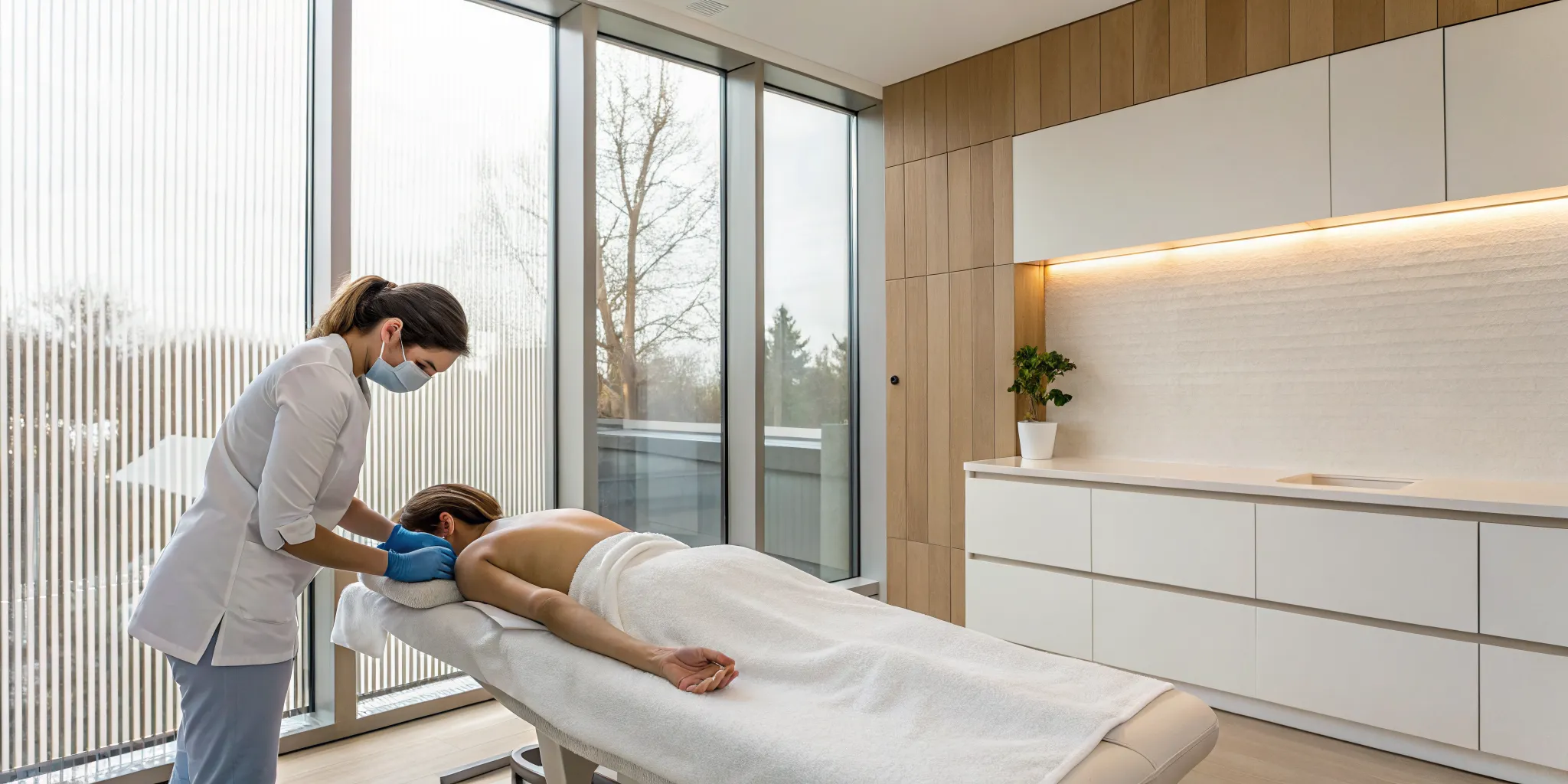
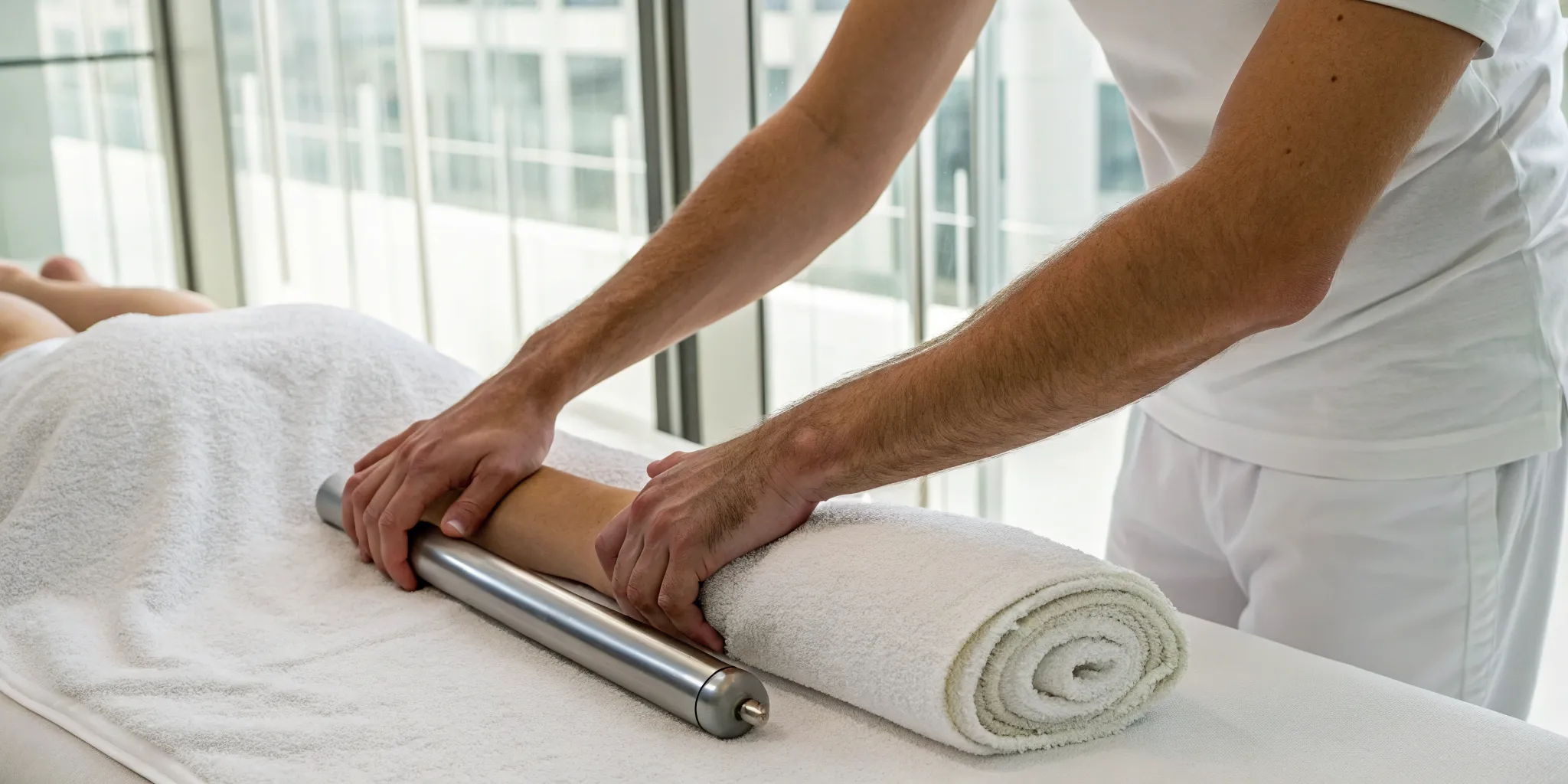
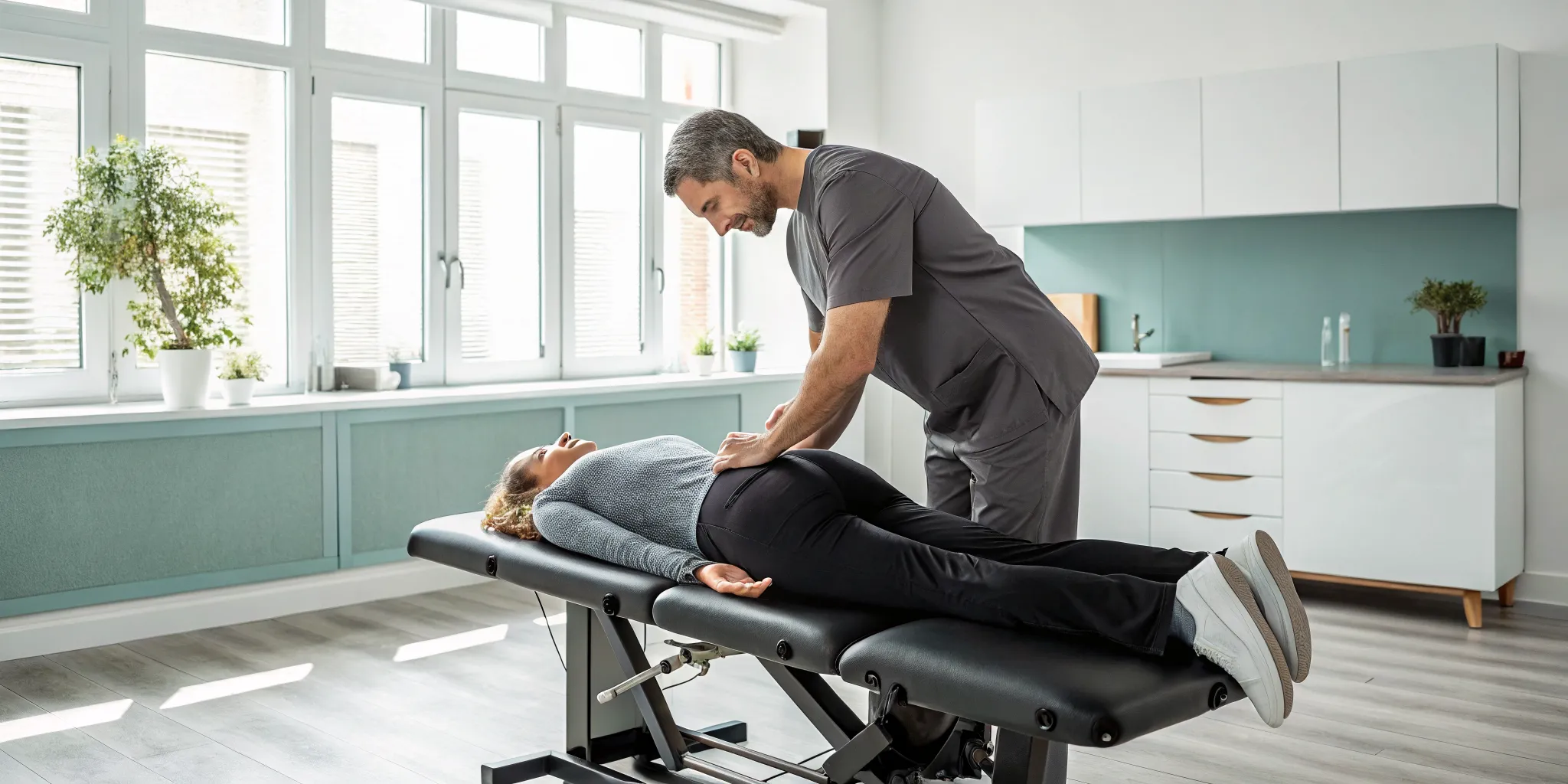
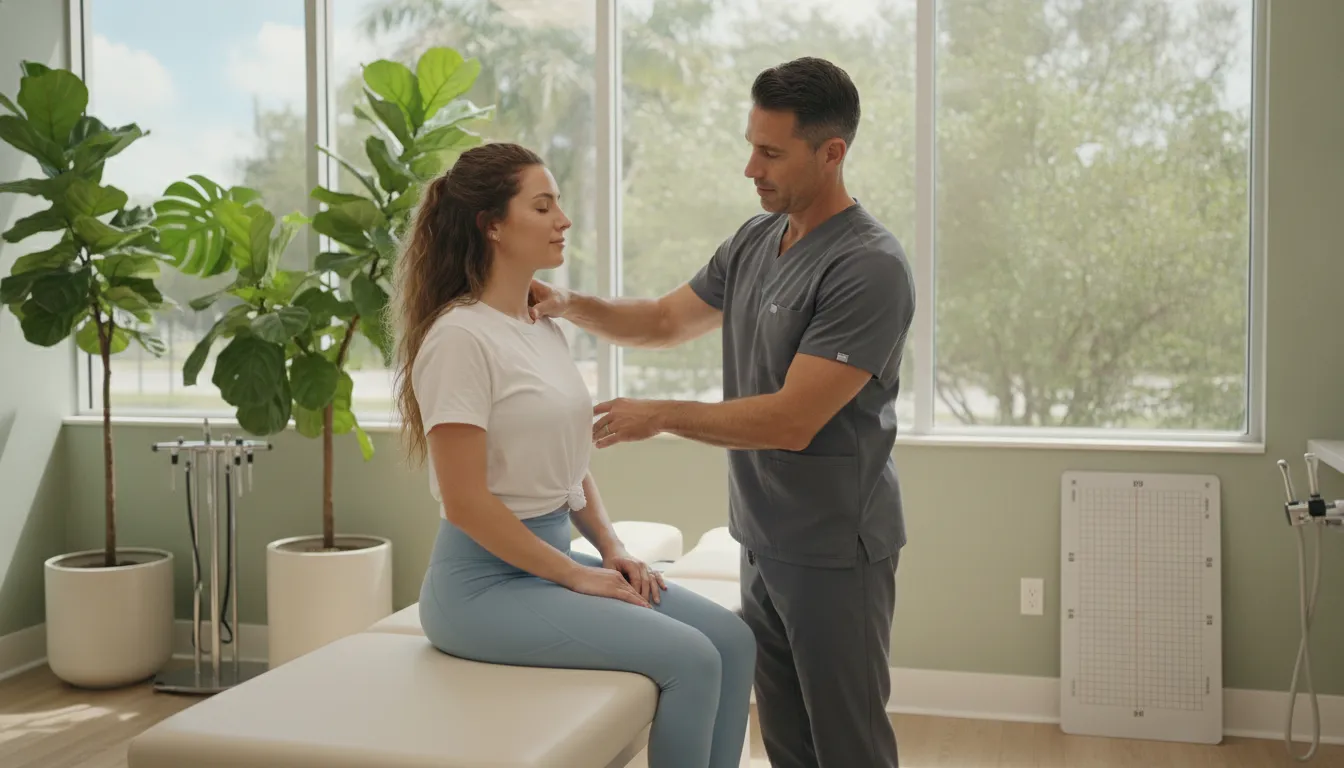
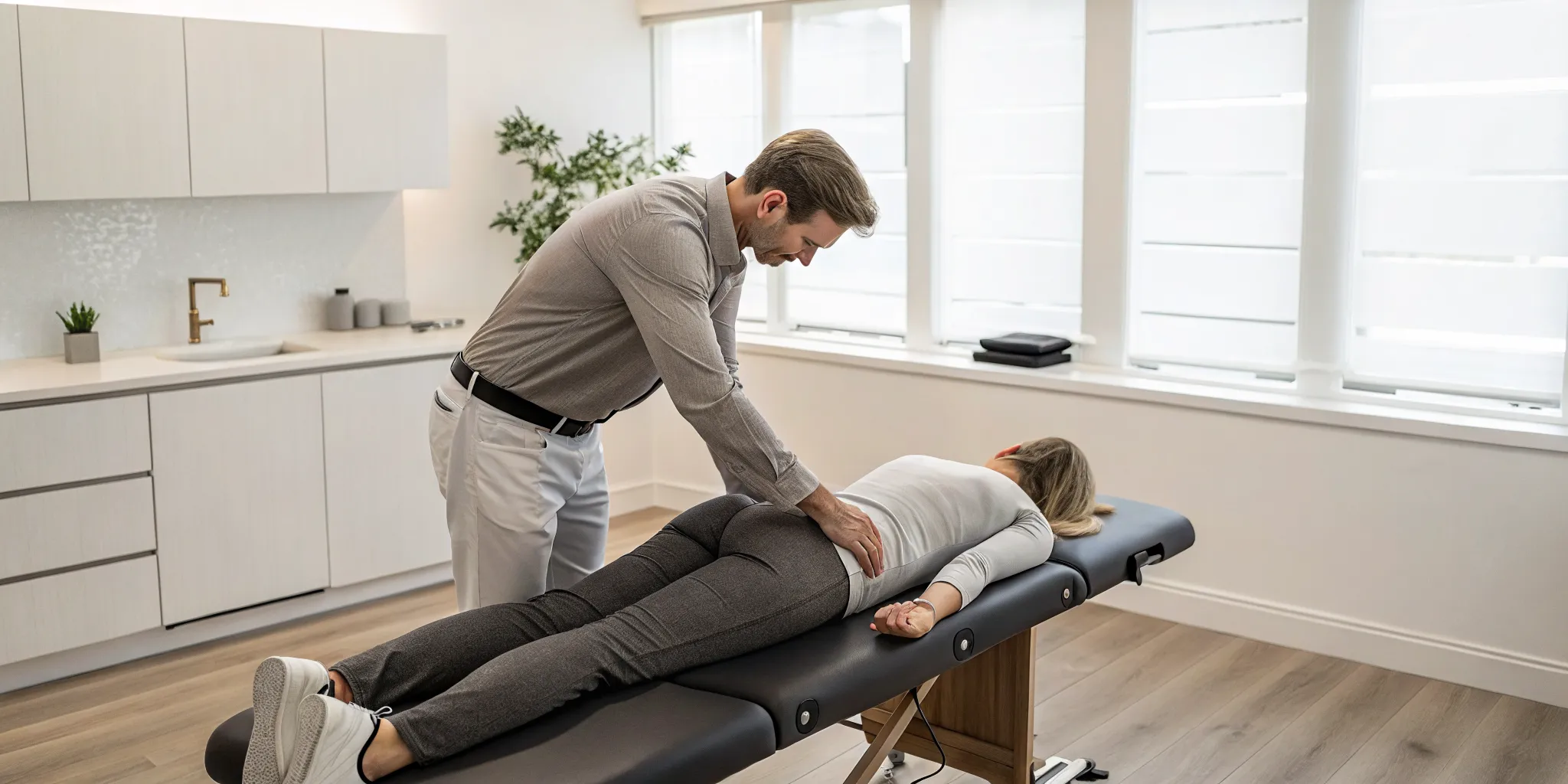
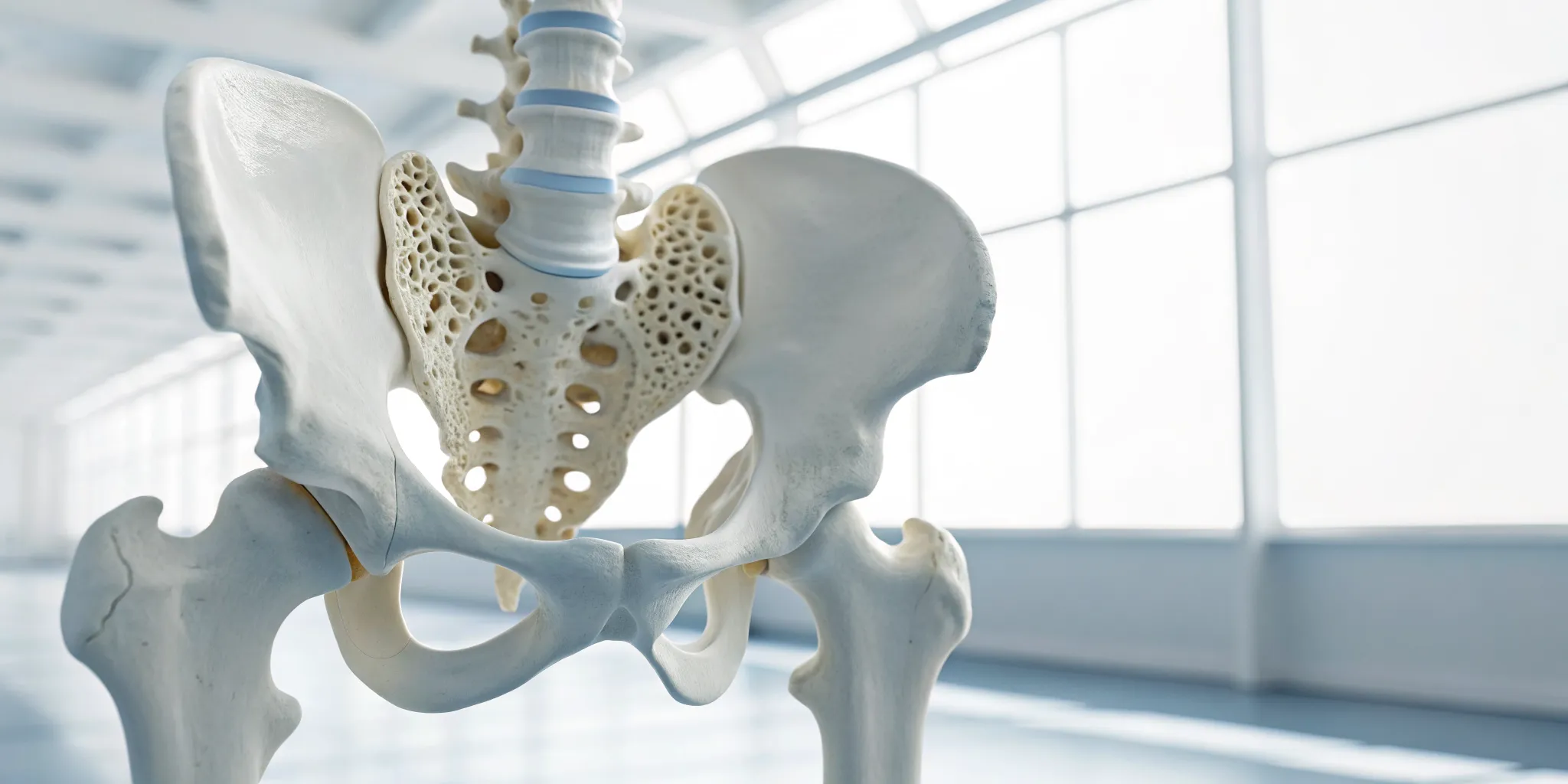
One of the most effective and well-known treatments for herniated disc pain is chiropractic care. The goal of a chiropractic adjustment is to gently realign the vertebrae in your spine. When your spine is out of alignment, it can place immense pressure on your discs and the surrounding nerves, leading to that familiar pain, numbness, or tingling. By carefully correcting this alignment, we can reduce that pressure, which not only helps relieve your symptoms but also improves your overall spinal mobility. This foundational approach is a cornerstone of our physical medicine services, helping your body function as it should.
Spinal Decompression
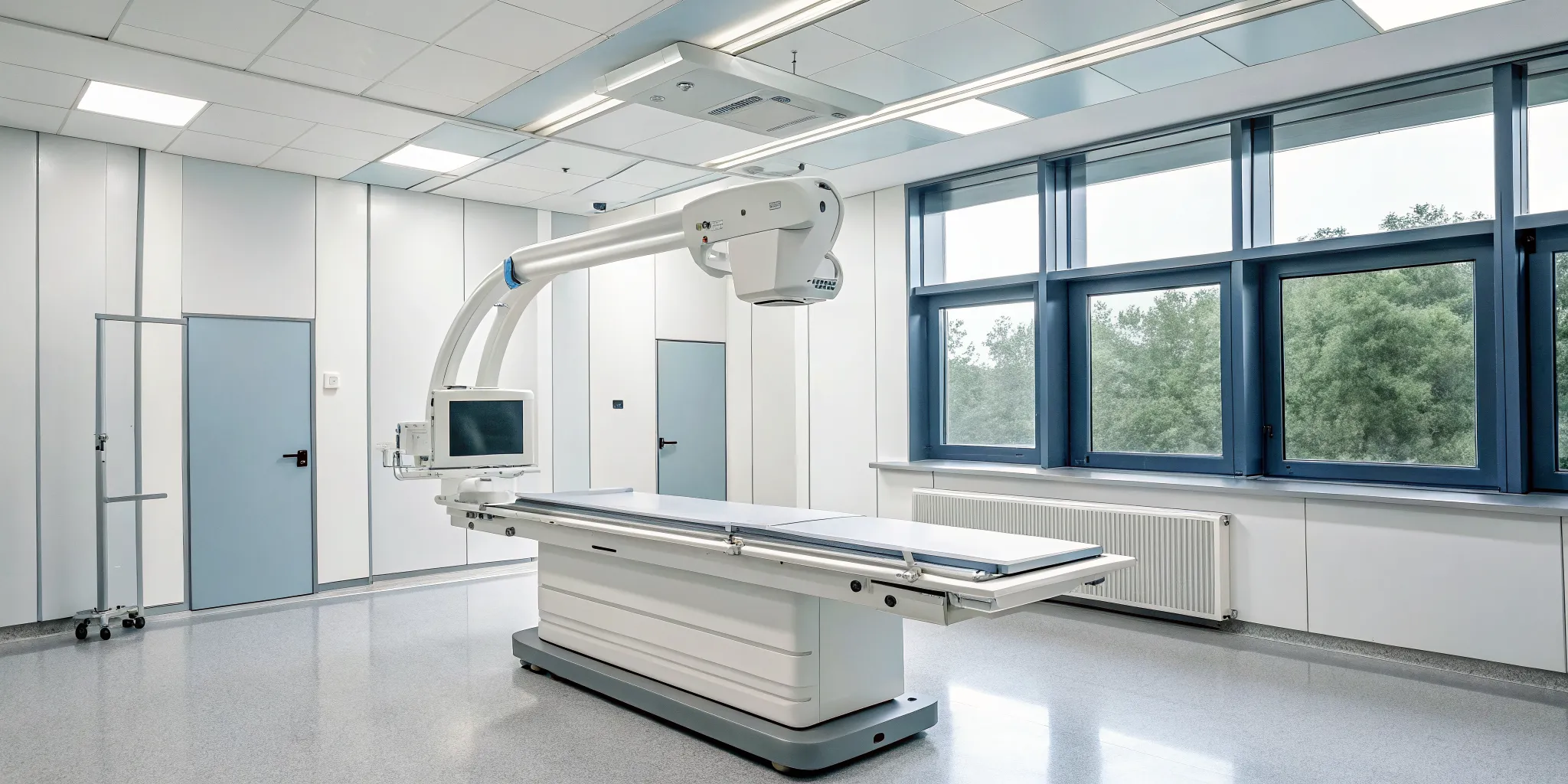
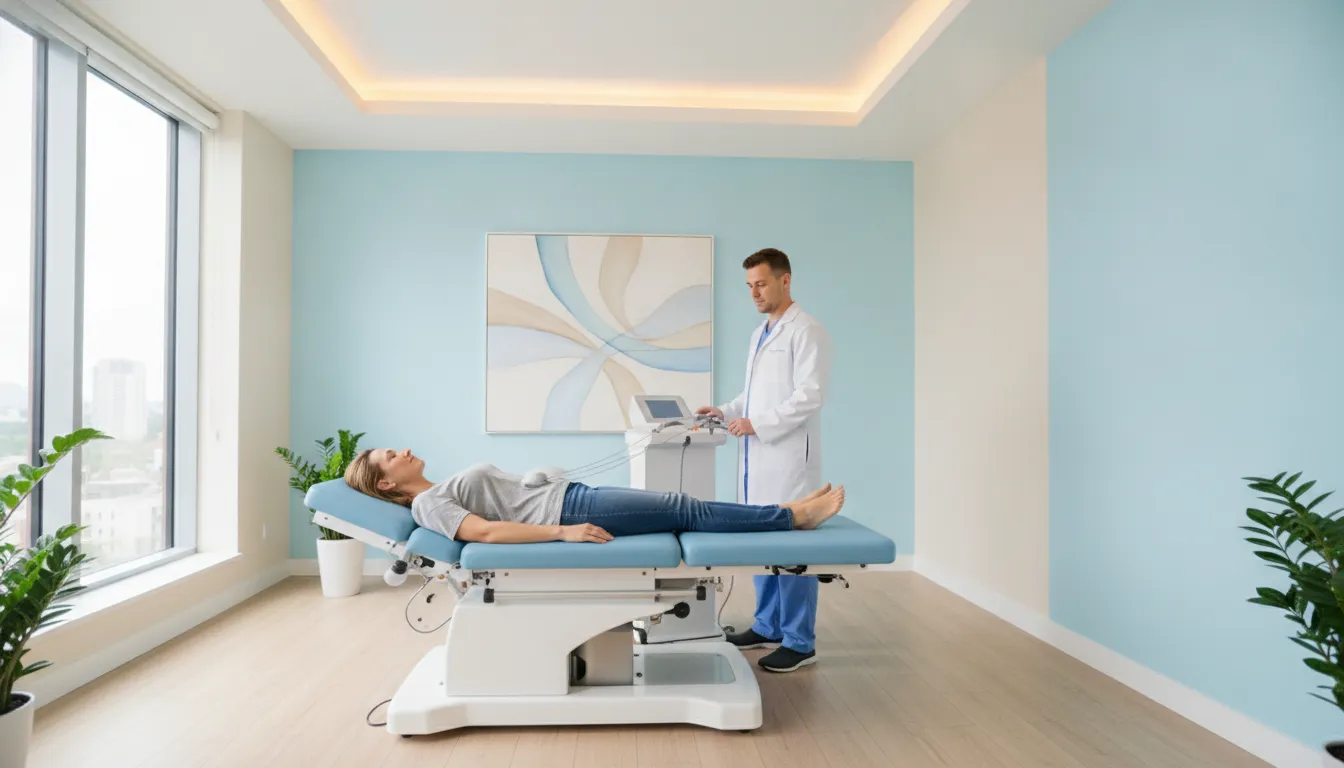
Spinal decompression is a game-changer for many people dealing with disc issues. It’s a gentle, non-invasive therapy where you lie on a specialized table that carefully stretches and relaxes your spine in a controlled way. This process creates negative pressure within the disc, which can help retract the bulging or herniated material and draw in healing nutrients. Our decompression protocols are specifically designed for conditions like disc herniation and sciatica. It’s one of the most powerful non-surgical tools available, and most of our patients report feeling a noticeable difference within just a few sessions.
Corrective Care and Physical Therapies
True healing goes beyond immediate pain relief. That’s where corrective care and targeted physical therapies come in. Instead of just masking symptoms, these therapies focus on strengthening the supporting muscles around your spine, improving your posture, and teaching you how to move in ways that prevent re-injury. This comprehensive approach supports your body’s natural healing process by reducing inflammation and building a stronger, more resilient back. By addressing the underlying weaknesses and imbalances that may have contributed to the herniated disc in the first place, we can help you build a foundation for long-term spinal health.
Platelet-Rich Plasma (PRP) Therapy
Imagine using your body’s own healing power to repair a damaged disc. That’s the idea behind Platelet-Rich Plasma (PRP) therapy. This innovative treatment is part of a field called regenerative medicine. The process involves drawing a small amount of your own blood, concentrating the platelets (which are rich in growth factors), and then precisely guiding this concentration to the injured area in your spine. These natural healing agents go to work repairing damaged tissue and reducing inflammation right at the source. It’s a sophisticated way to support your body’s own repair mechanisms, and it aligns perfectly with our focus on longevity medicine.
Soft Wave and PEMF Therapies
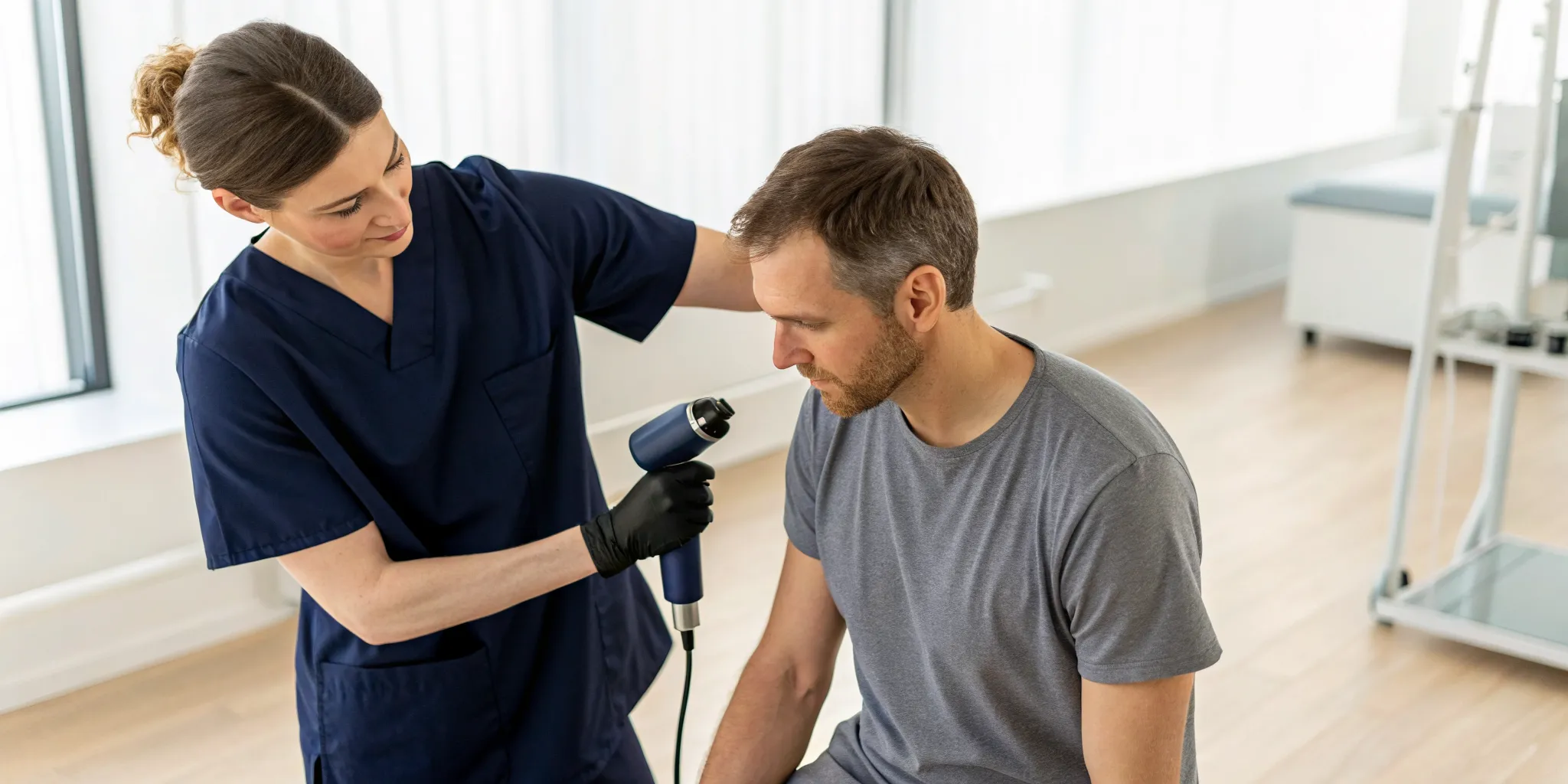
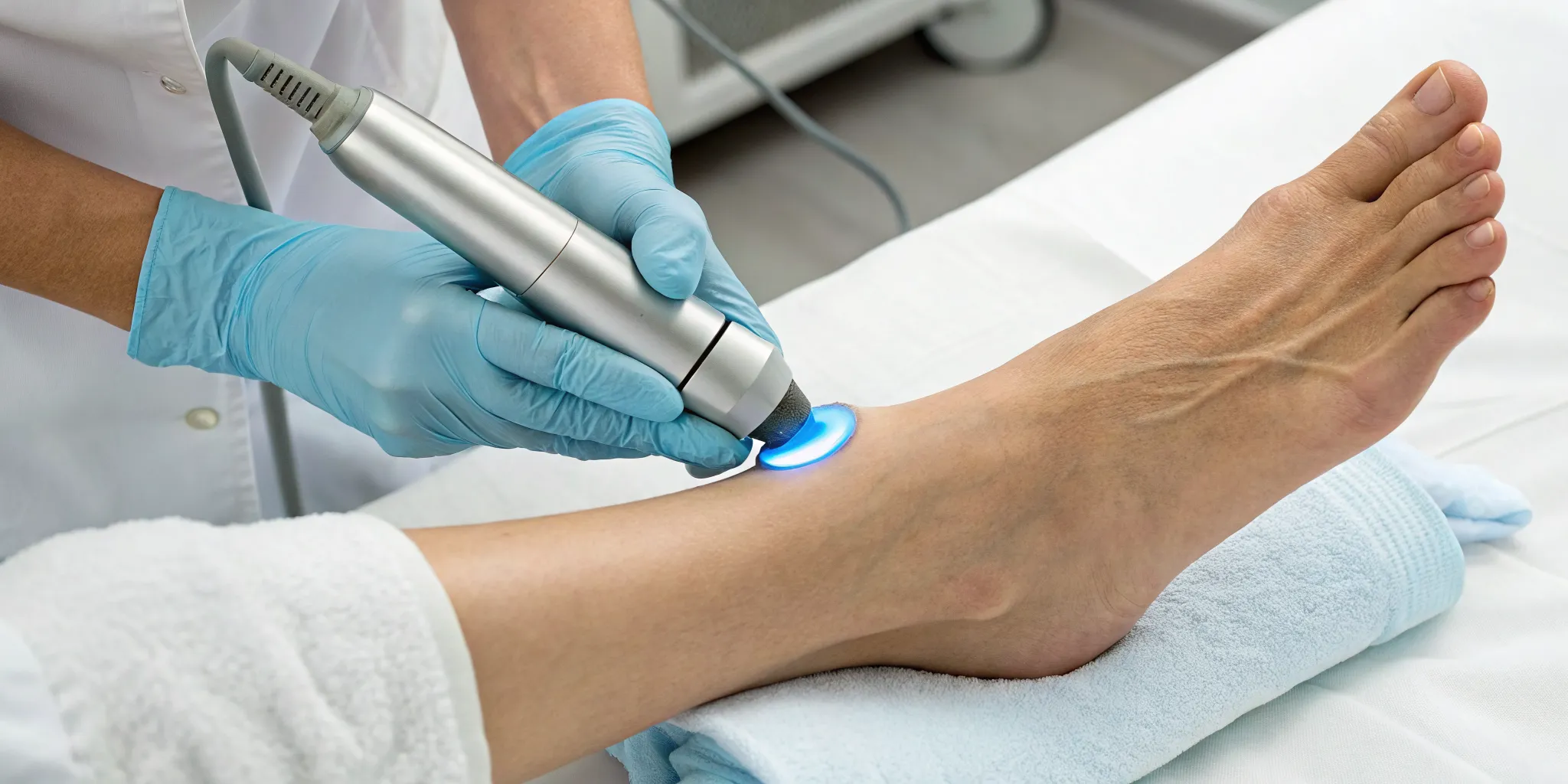
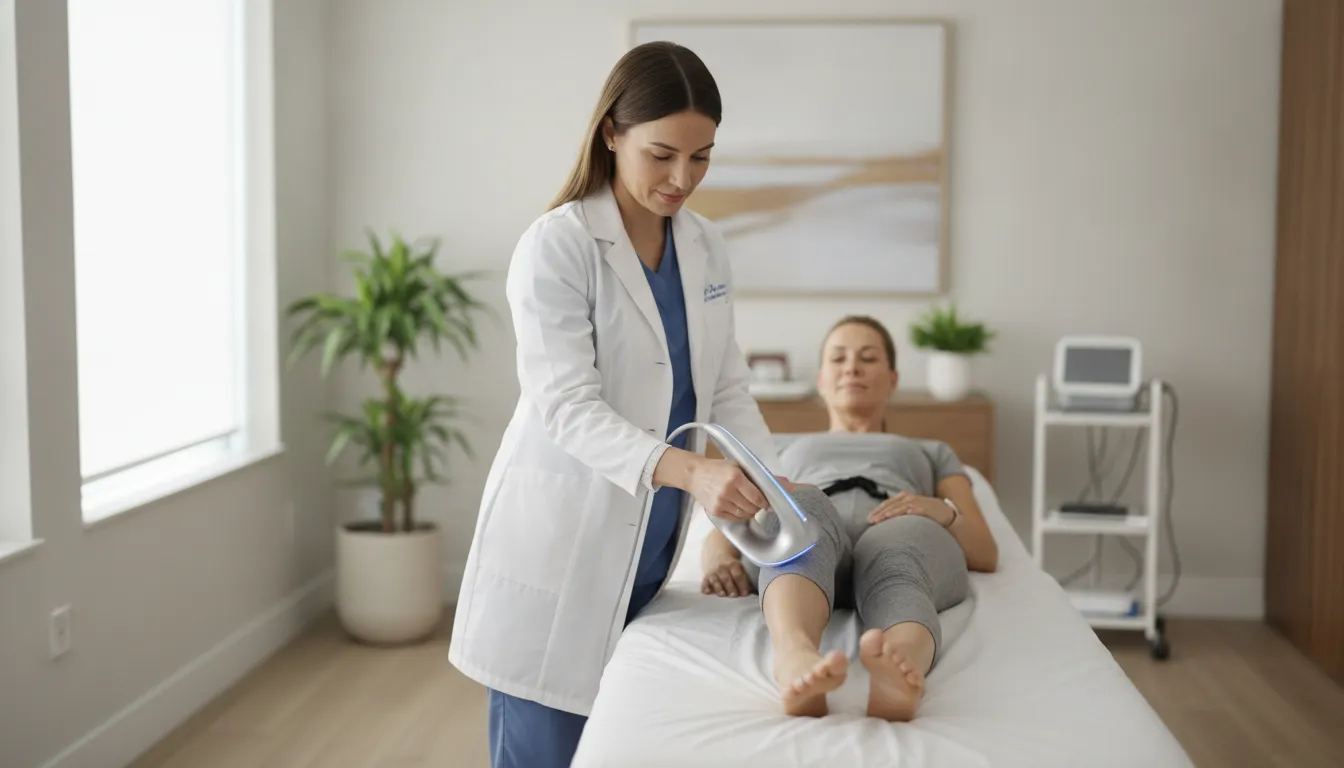
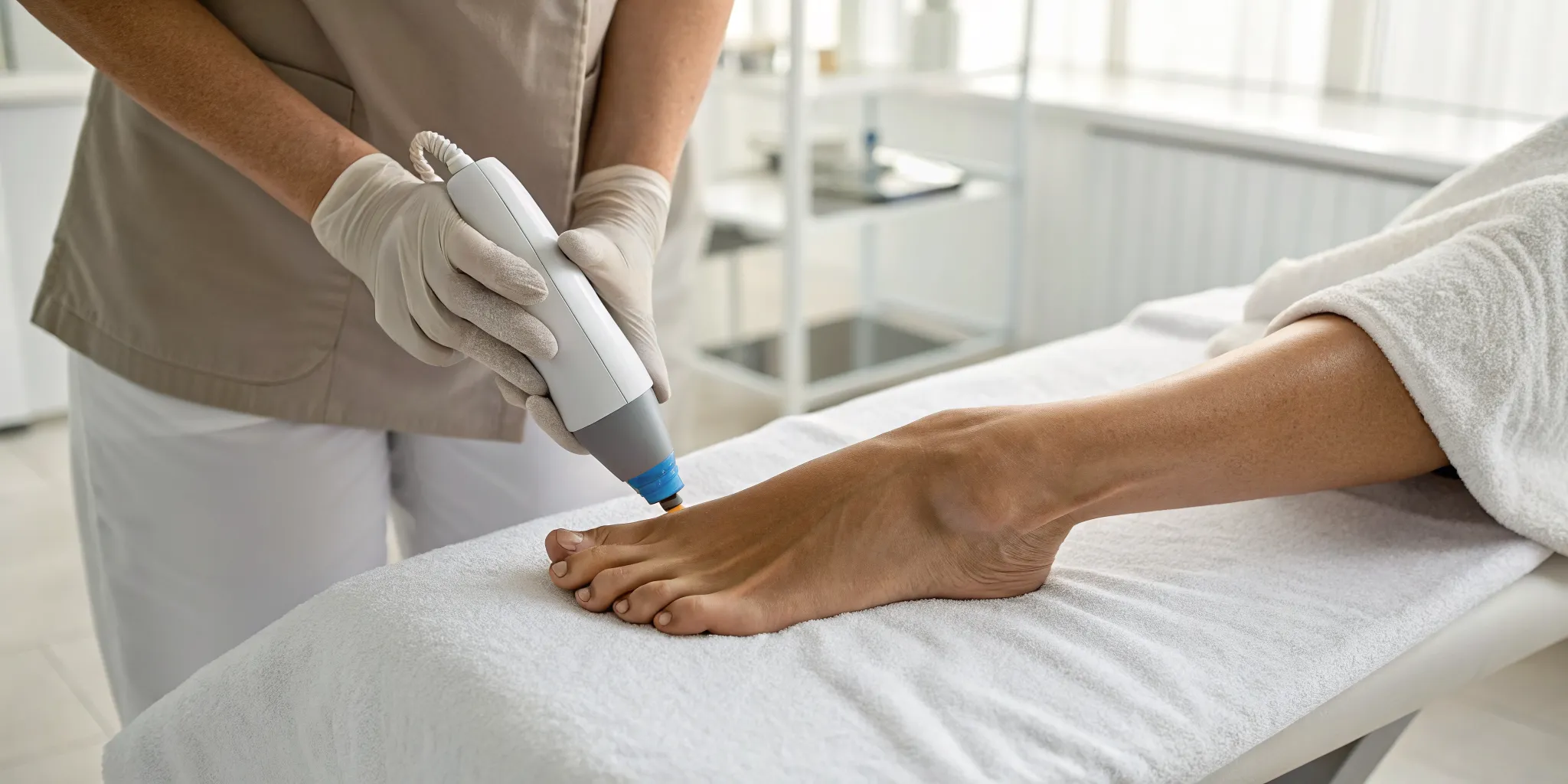
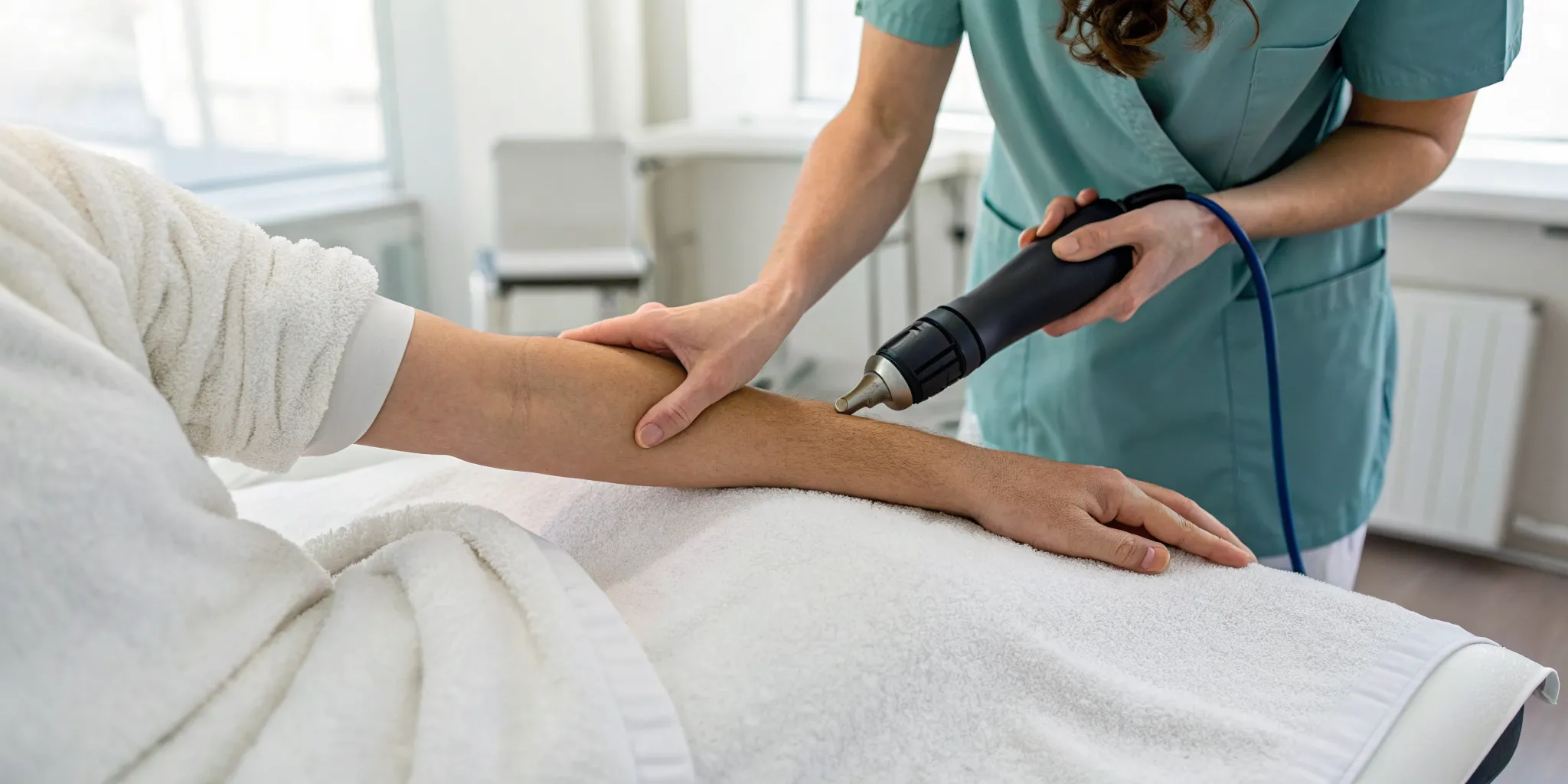
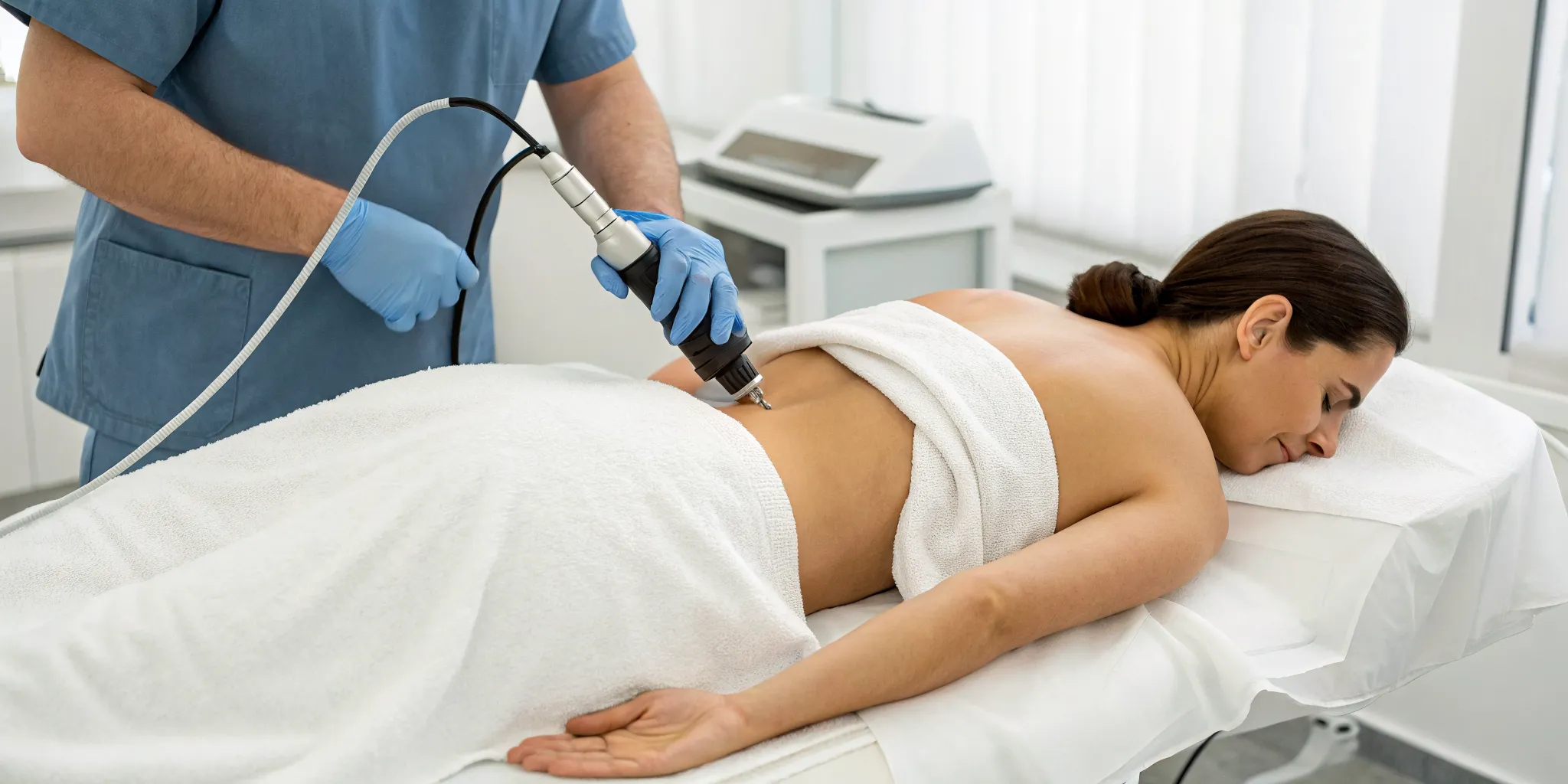
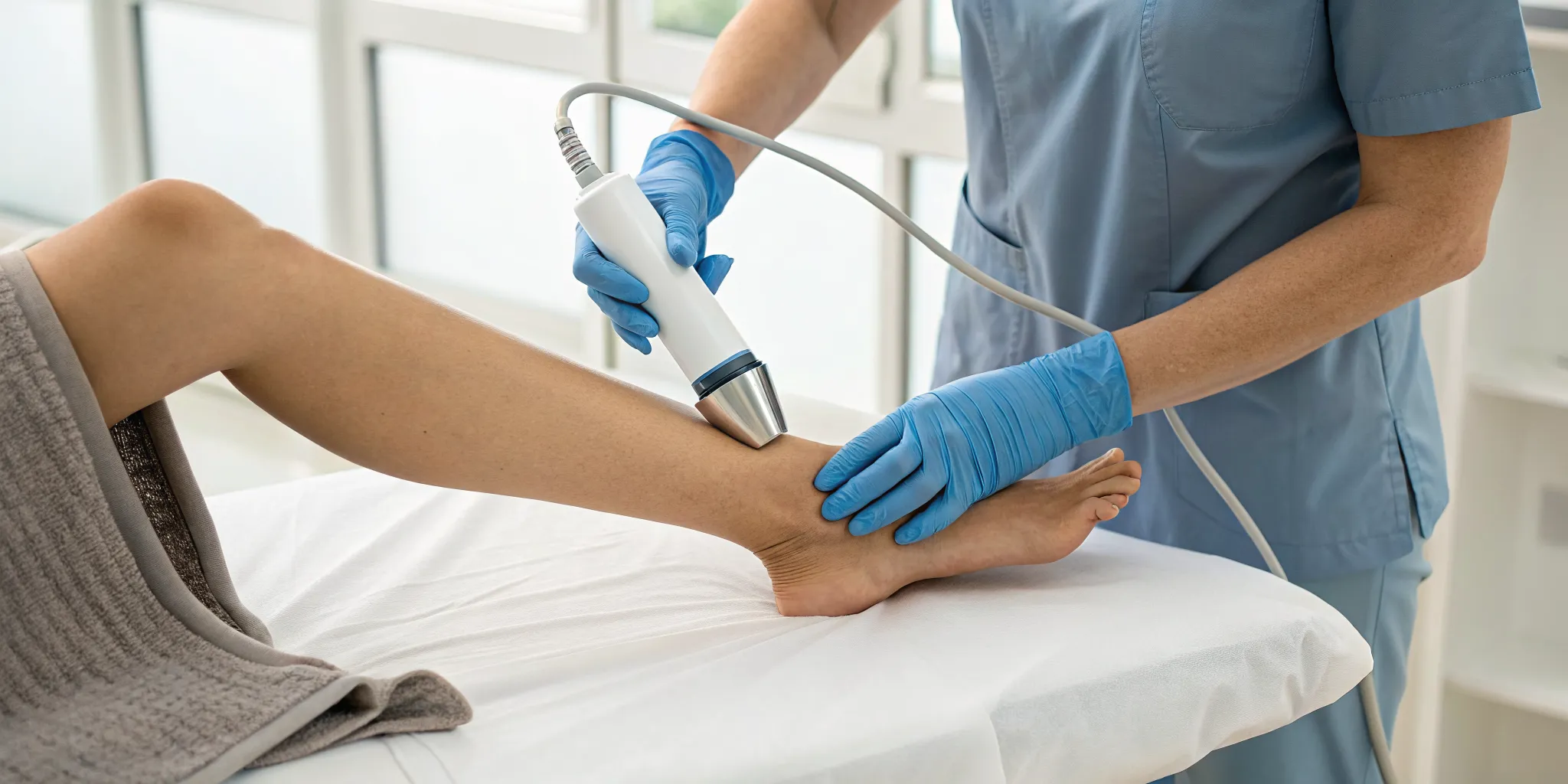
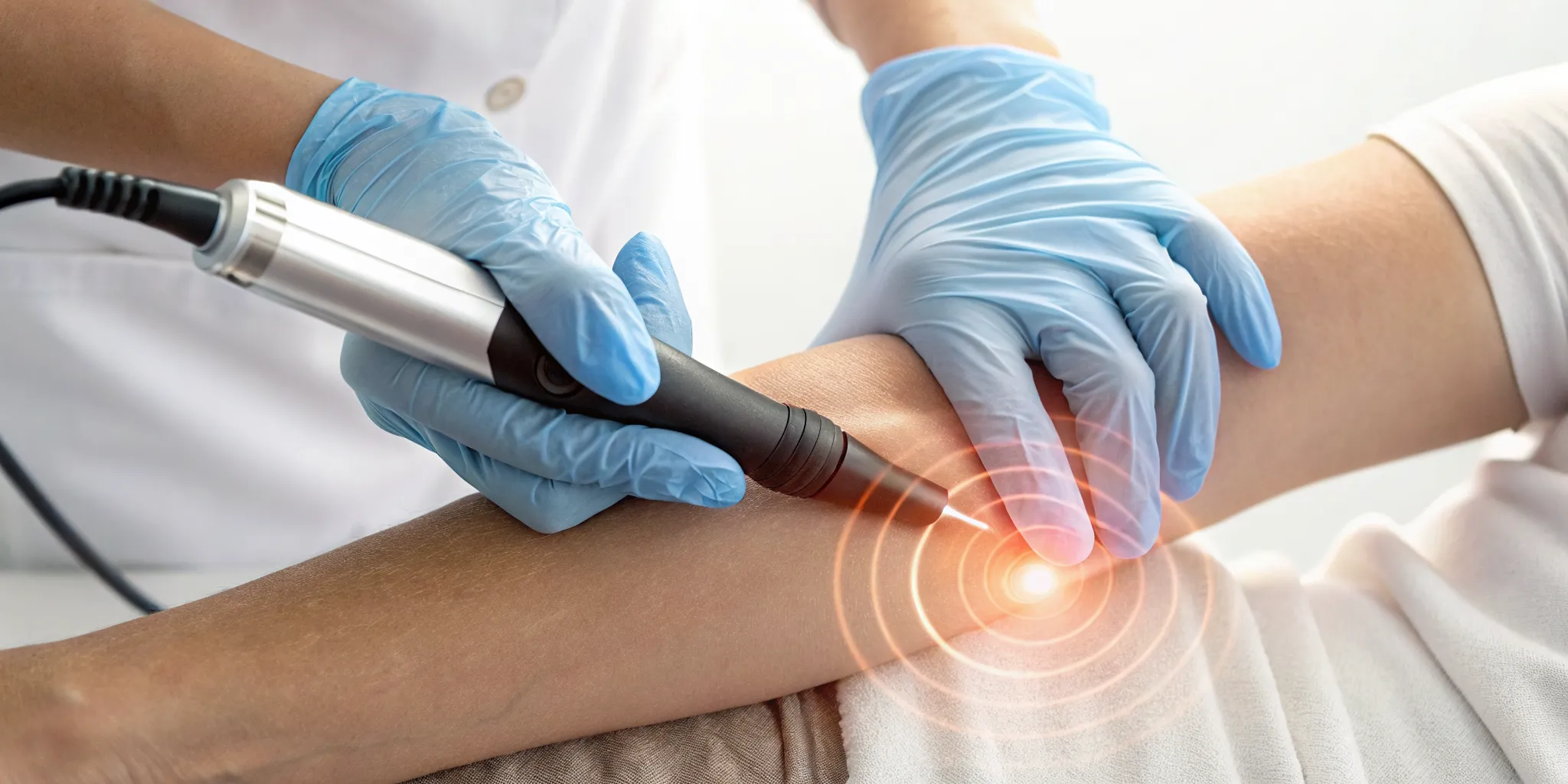
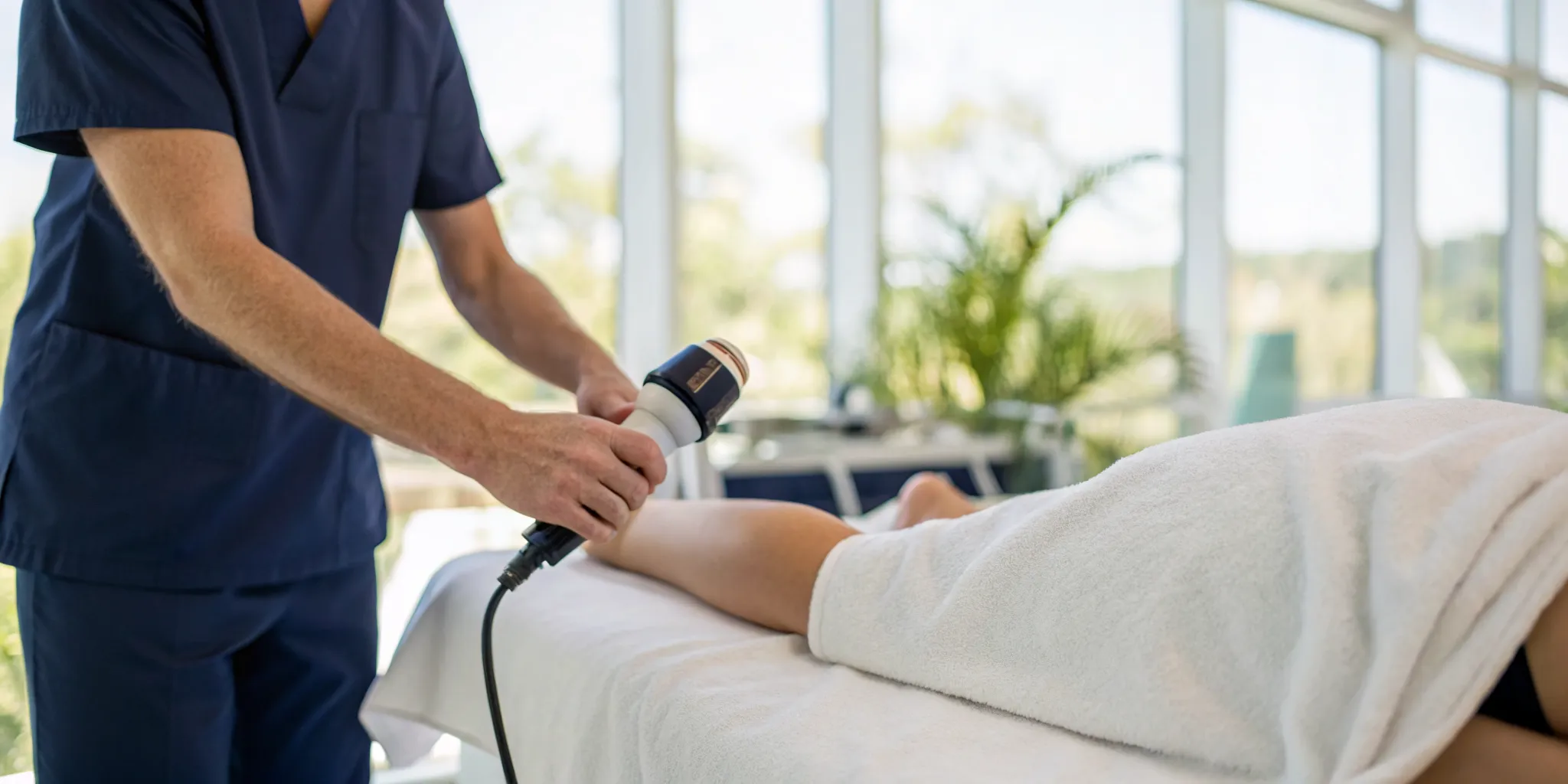
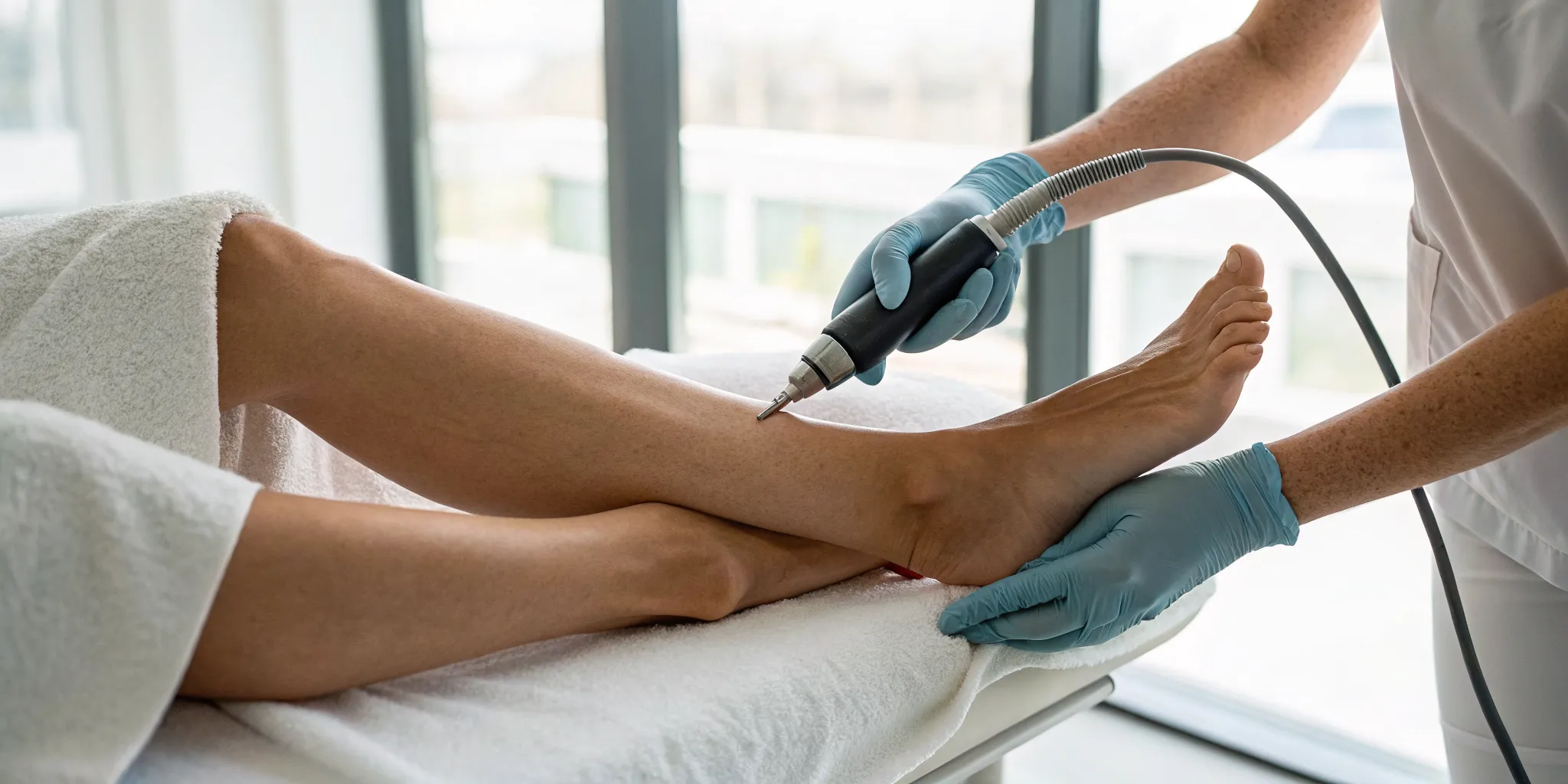
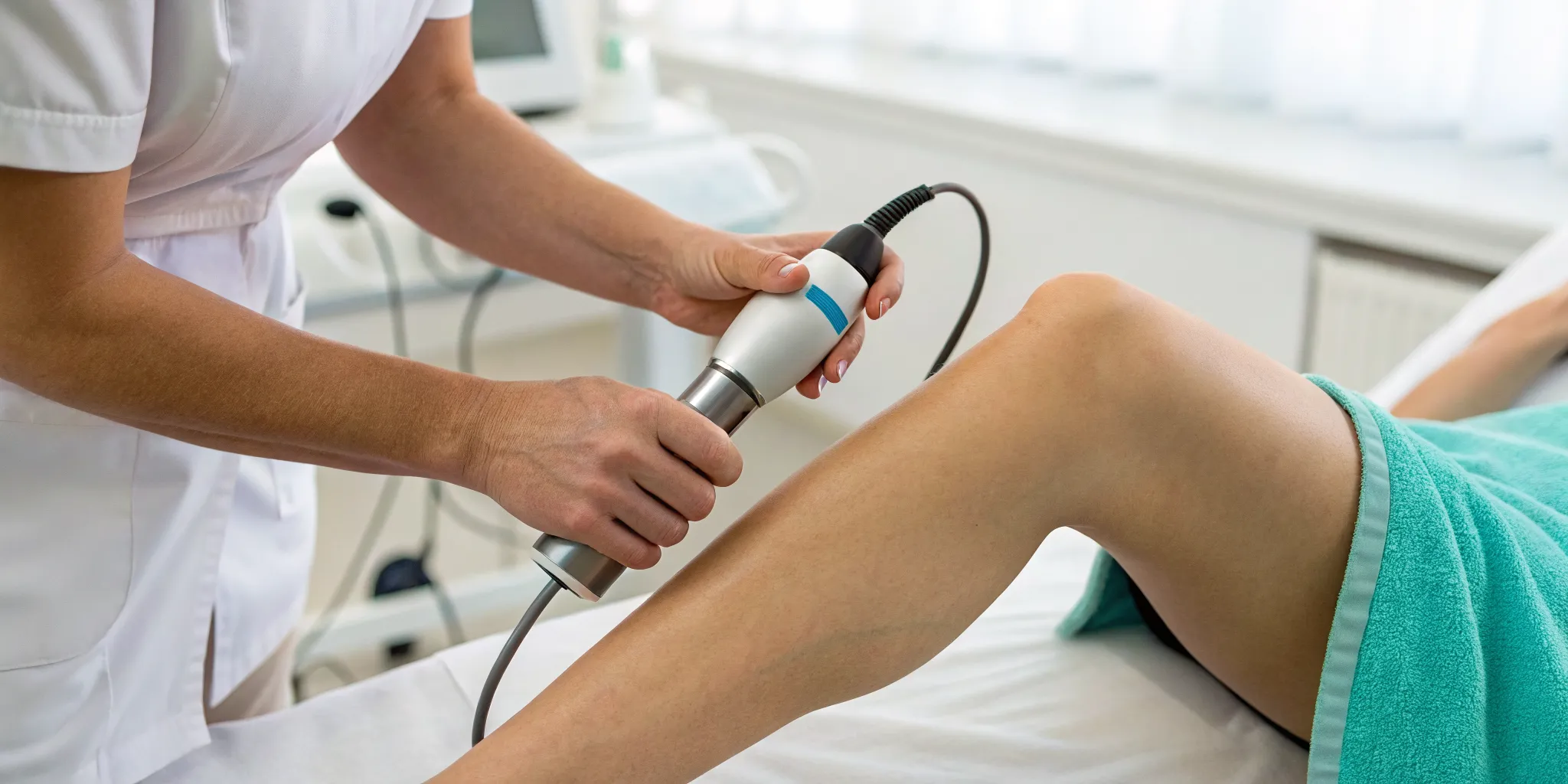
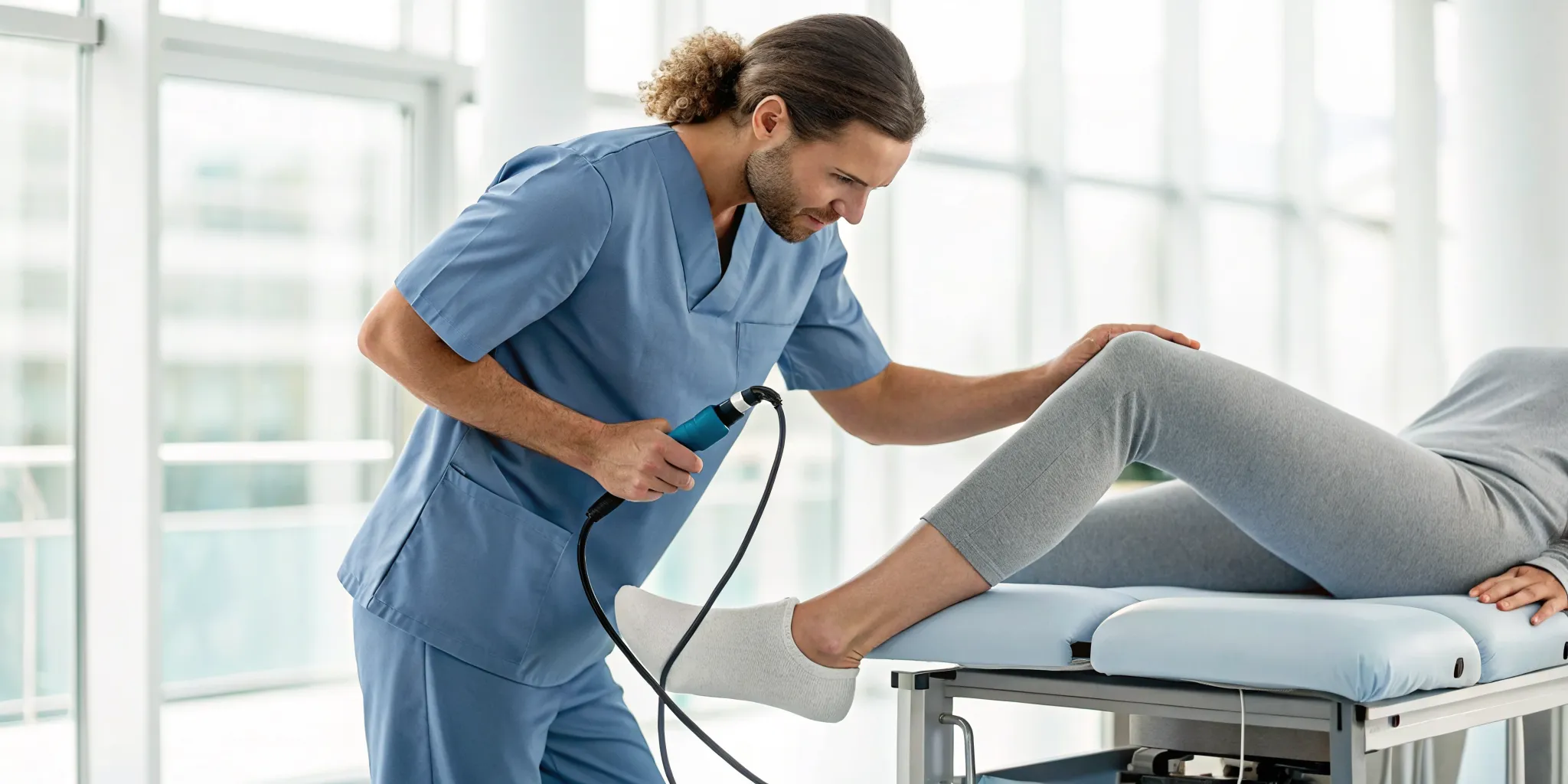
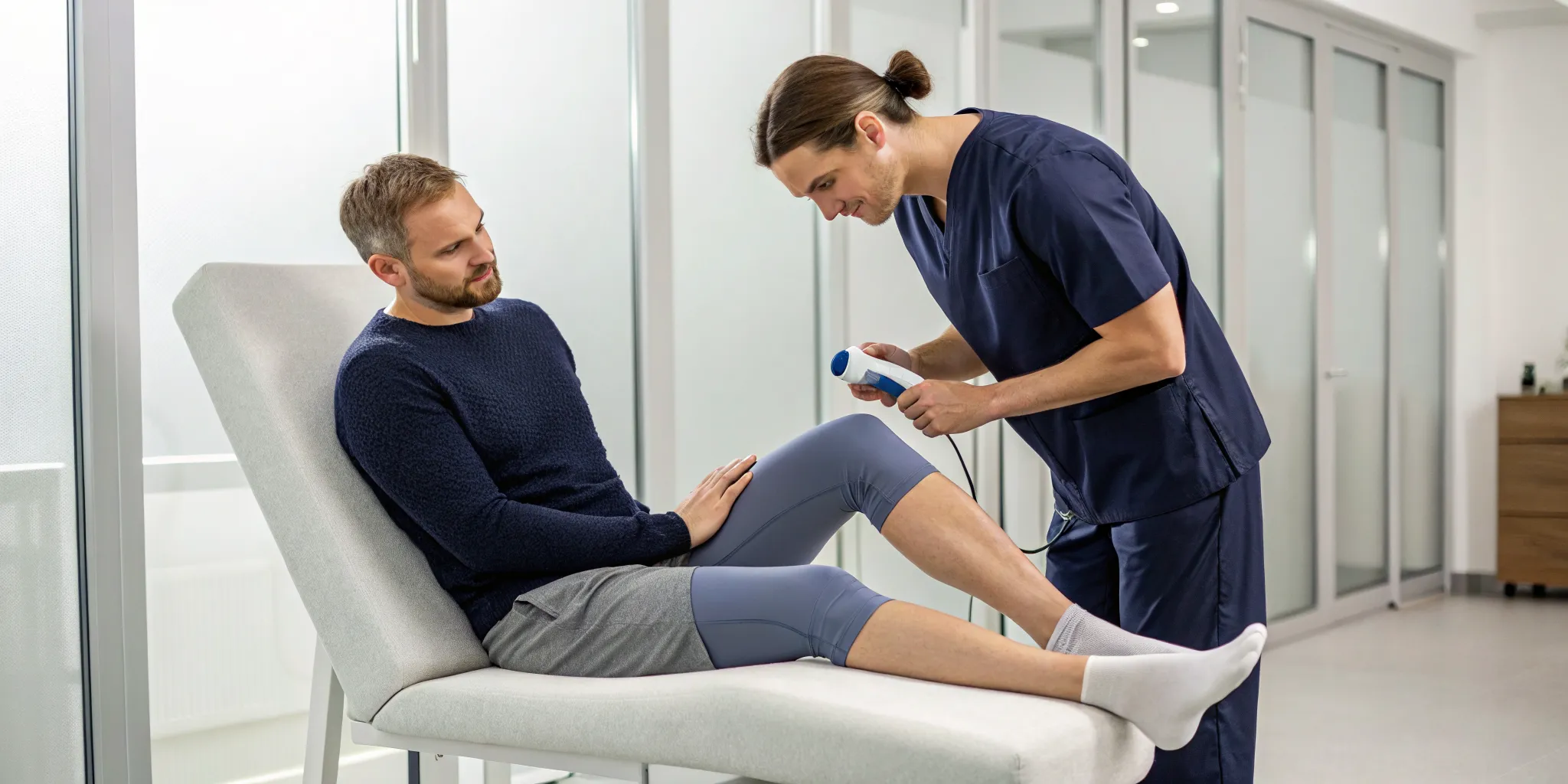
We often combine several advanced therapies to create a plan that’s tailored just for you. Two highly effective options are Soft Wave therapy and Pulsed Electromagnetic Field (PEMF) therapy. Soft Wave uses electrohydraulic sound waves to stimulate your body’s natural healing processes at a deep, cellular level, which can reduce inflammation and improve mobility. PEMF therapy uses gentle electromagnetic fields to recharge your cells, helping to decrease pain and accelerate recovery. As our patients often share, combining these therapies as part of a personalized plan can lead to incredible relief and a significant improvement in quality of life.
Is a Non-Surgical Approach Right for You?
Deciding on the best path forward for a herniated disc can feel overwhelming, especially when you hear the word “surgery.” The good news is that for many people, surgery isn’t the first or even the necessary step. A non-surgical approach focuses on helping your body heal itself through targeted therapies and corrective care. It’s about finding lasting relief by addressing the root cause of your pain, not just masking the symptoms. Let’s explore what this path looks like and if it’s the right fit for you.
When to Choose Non-Surgical Care
For the majority of herniated disc cases, non-surgical treatment is the recommended starting point. Think of it as giving your body a real chance to recover without the risks and downtime of an operation. This approach often involves a combination of treatments designed to reduce inflammation, restore mobility, and relieve pain. Our physical medicine services, for example, include chiropractic adjustments and spinal decompression that directly address the mechanical issues causing your discomfort. By starting with conservative care, you’re choosing a path that works with your body’s natural healing process. Most people find significant relief and can return to their daily activities with this strategy alone.
Understanding When Surgery Might Be Needed
While our goal is always to help you heal without invasive procedures, it’s also important to be realistic. Surgery may become a consideration if your symptoms don’t improve after a consistent and structured non-surgical treatment plan. This isn’t a sign of failure; rather, it’s the next logical step in a comprehensive care strategy. Trying non-surgical options first is never a waste of time. This period allows your body to respond to treatment and, in many cases, helps you postpone or completely avoid an operation. We believe in a patient-first approach, which means exploring all effective, less invasive alternatives for the conditions we treat.
Are You a Candidate for Non-Surgical Treatment?
You are likely a great candidate for non-surgical care if you’re looking for a solution that addresses the underlying problem and offers long-term stability. It’s important to understand that this approach requires commitment, as results build over time. Unlike a quick fix, these treatments work to create lasting change. The significant upside is that they typically have far fewer risks and side effects than an operation. Many joint and disc issues respond incredibly well to a combination of regenerative therapies, corrective care, and lifestyle adjustments. Our root-cause approach is designed to create a personalized plan that fits your specific needs, health history, and goals for recovery.
Your First Consultation: What to Expect
Walking into a new clinic can feel a little overwhelming, especially when you’re dealing with persistent pain. We want to make your first visit with us as clear and comfortable as possible. The entire goal of this initial meeting is to listen to your story, understand the root cause of your discomfort, and determine the best path forward for you. This isn't about a one-size-fits-all solution. It’s about building a partnership and a plan that is tailored specifically to your body, your lifestyle, and your health goals. From the moment you arrive, our focus is on making you feel heard and confident in the care you’re about to receive.
Your Health History and Physical Assessment
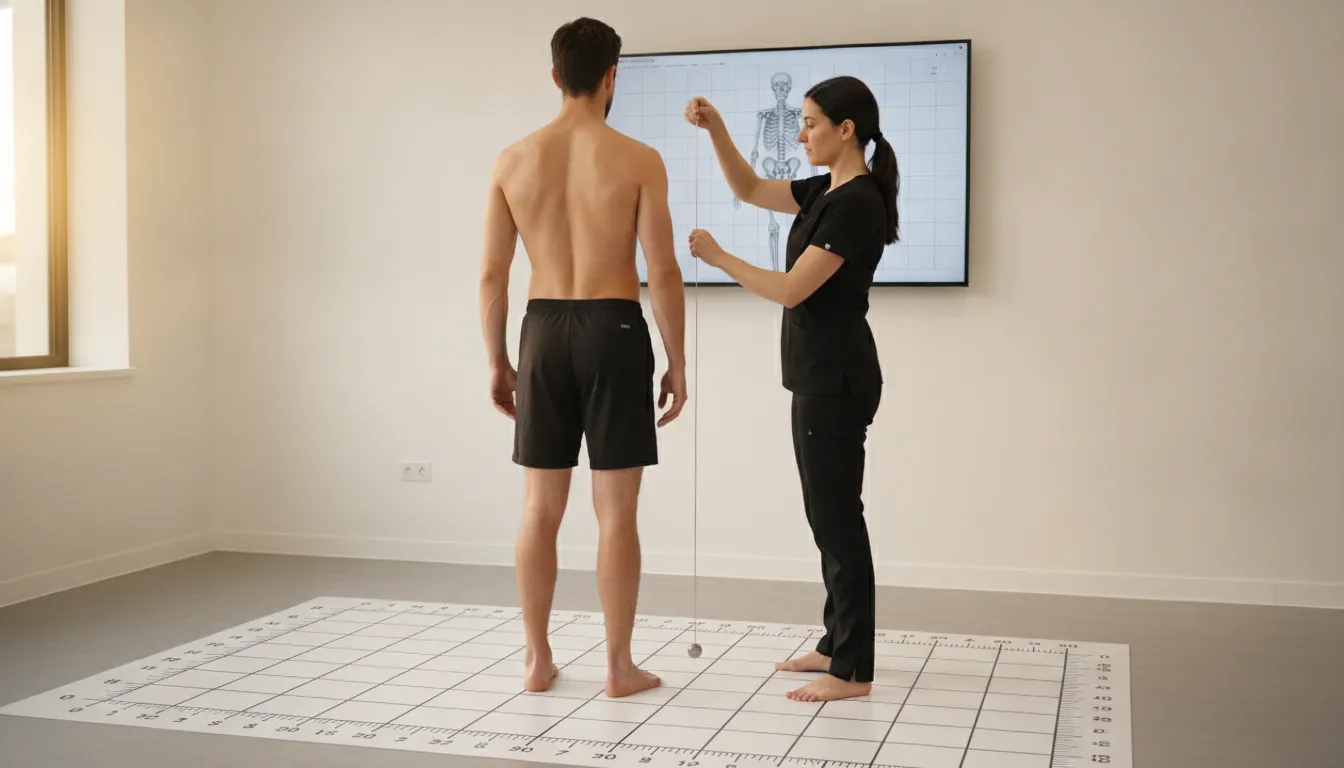
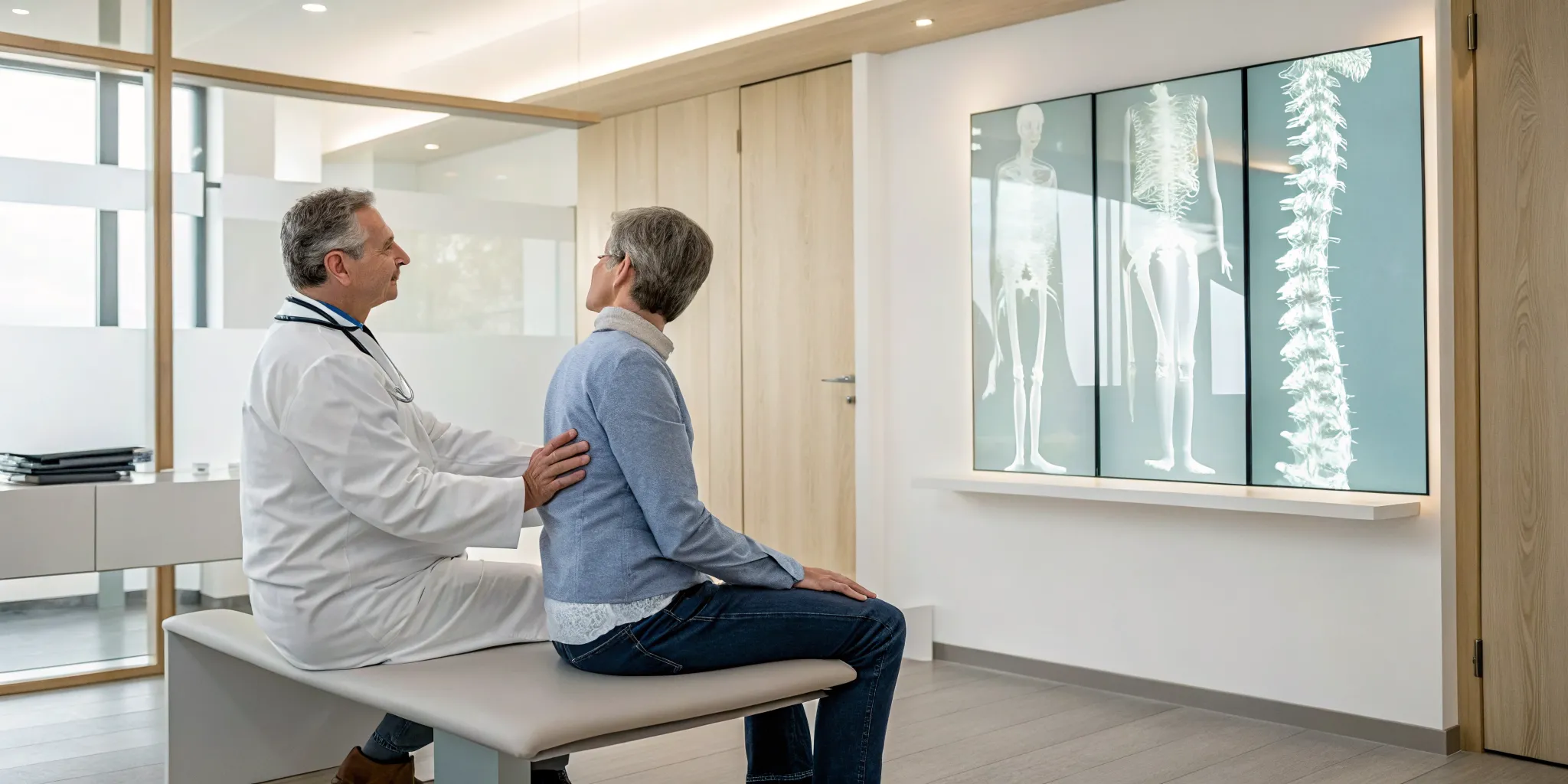
The first and most important step is a detailed conversation about you. We’ll discuss your complete health history, the specifics of the pain you’re experiencing, and any previous treatments you’ve tried. We also want to know what your goals are. Do you want to get back to gardening, play with your kids without pain, or simply get through a workday comfortably? This conversation helps us understand the full picture. Following our discussion, we’ll conduct a thorough physical assessment to evaluate your posture, range of motion, and nerve function. This hands-on approach is foundational to our holistic philosophy and ensures we understand your unique physical condition.
Diagnostic Imaging and Planning Your Next Steps
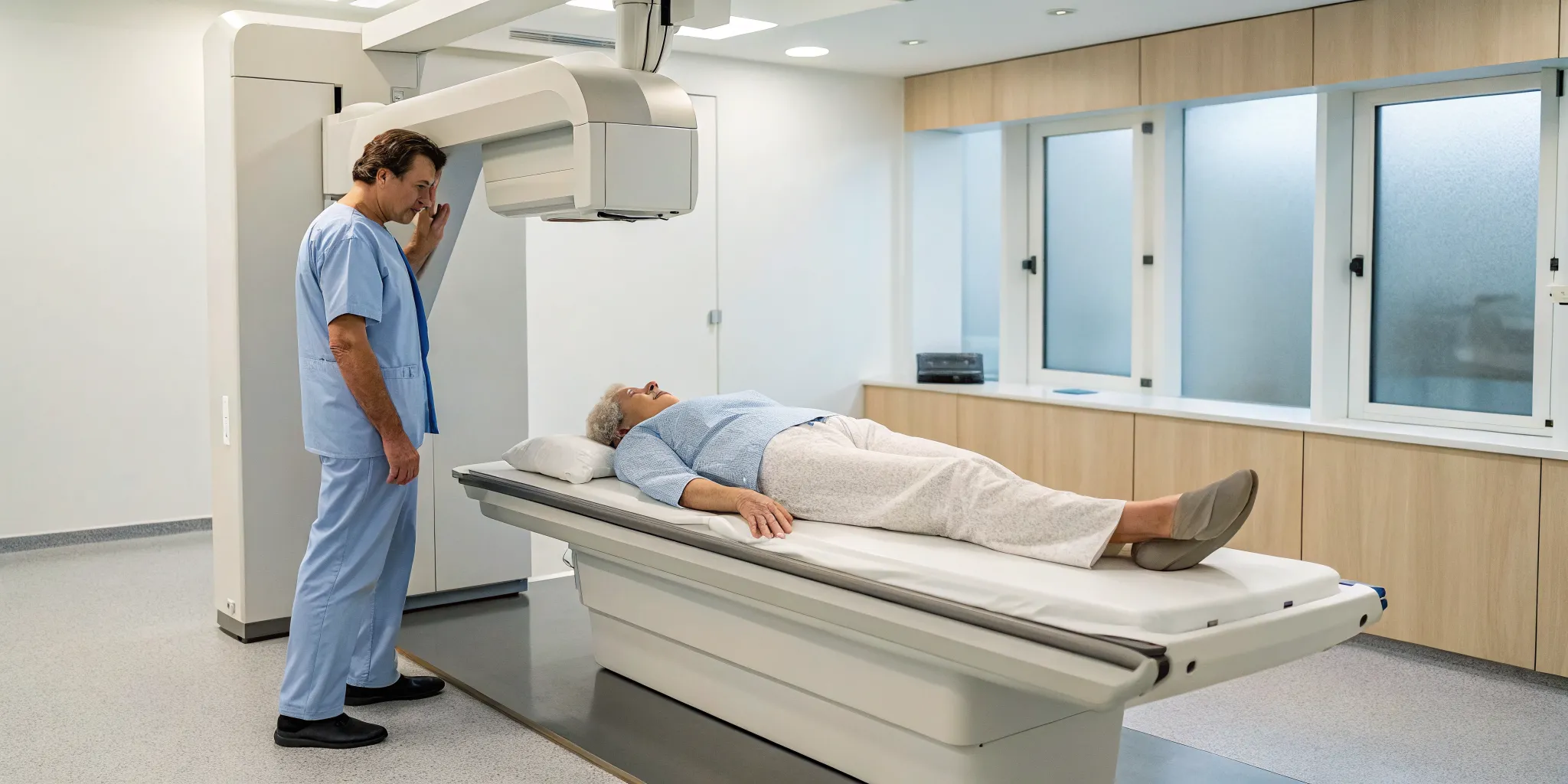
To get a precise look at what’s happening with your spine, we may recommend diagnostic imaging. While not always necessary, an MRI can provide a clear image of the herniated disc, showing its exact location and severity. This information is incredibly valuable, as it helps us confirm the diagnosis and rule out other potential issues. Once we have all the necessary information, we’ll sit down with you to review the findings and explain what they mean in plain language. Together, we will outline the next steps and discuss which of our physical medicine therapies are best suited to help you heal.
Creating Your Personalized Recovery Plan
This is where all the pieces come together. Using your health history, physical assessment, and any imaging results, we will create a personalized recovery plan just for you. This plan will draw from our comprehensive suite of non-surgical treatments, potentially combining chiropractic adjustments, spinal decompression, and corrective therapies to address your pain from multiple angles. Our goal is to not only provide relief but to correct the underlying issue, helping you build strength and resilience for long-term health. Your plan is designed to fit into your life, allowing you to remain active while your body heals. We’ll map out the entire strategy, so you know exactly what to expect on your journey toward recovery.
How to Choose the Right Specialist in Tampa
Finding the right partner for your health journey is a big decision, especially when you’re dealing with the pain and frustration of a herniated disc. You want a team in Tampa that sees you as a whole person, not just a symptom on a chart. The best specialists will take the time to understand your unique situation, listen to your goals, and work with you to create a path toward lasting relief. It’s about finding a guide who can help your body heal itself.
Look for a Comprehensive, Root-Cause Approach
A herniated disc is often a symptom of a larger issue, like poor posture, movement imbalances, or even chronic inflammation. A truly effective specialist won’t just focus on the disc itself; they’ll investigate the underlying cause. Look for a clinic that combines different healing modalities. Many people find that their recovery is more successful when treatments are supported by therapies that correct movement and strengthen the body.
Your care should be a collaborative effort. A comprehensive plan might integrate physical medicine to address structural issues with functional medicine to support your body’s internal environment. This root-cause approach is what leads to long-term wellness, not just temporary relief.
Ask About Their Diagnostic Process
A personalized treatment plan starts with a thorough diagnosis. Before you commit to a specialist, ask them to walk you through their process. How do they get to the bottom of what’s causing your pain? A detailed assessment should include a deep dive into your health history, a physical evaluation, and a clear plan for any necessary imaging. This initial step is the foundation for your entire recovery.
It’s also important to understand how they measure success. You can ask, “How will we track my progress?” and “How often will we adjust my treatment plan?” The best care involves regular assessments and open communication, ensuring your plan evolves as you heal. A provider who is confident in the conditions they treat will have a clear and transparent process.
Inquire About Their Available Technologies
Modern technology can play a significant role in supporting your body’s healing process without invasive procedures. When speaking with a potential specialist, ask about the tools and technologies they use. Advanced equipment can help make treatments more precise, comfortable, and effective. For example, non-surgical spinal decompression is a technology that gently unloads compressed discs, creating an environment where they can heal naturally.
Other therapies like Soft Wave or PEMF can also support tissue repair and reduce discomfort. The key is to find a clinic that invests in proven, cutting-edge technologies that complement their hands-on care. Ask how these tools would fit into your specific recovery plan to ensure they are being used to help you meet your unique health goals.
Understanding Your Recovery Timeline
It's completely normal to wonder, "How long will this take?" when you're dealing with the discomfort of a herniated disc. While there's no single answer, understanding the recovery process can help you set realistic expectations for your healing journey. Think of it not as a race, but as a path with two distinct phases: finding initial relief and achieving true, long-term healing. Your body has an incredible capacity to repair itself, and our goal is to create the ideal conditions for that to happen. We focus on a supportive, non-invasive approach that works with your body, not against it, helping you get back to your life without the long downtimes associated with more aggressive options.
Initial Relief vs. Long-Term Healing
Many people feel a sense of relief after their first few treatments, which is a fantastic sign. It means we're successfully reducing inflammation and taking pressure off the affected nerves. This is the first step: calming the immediate issue so your body can get to work on the deeper problem. But this initial improvement is different from long-term healing. True recovery happens as your body gradually reabsorbs the protruding disc material and the supporting muscles and ligaments grow stronger. Our approach to physical medicine is designed to facilitate both, providing comfort right away while supporting your body's own healing mechanisms for a lasting solution.
Factors That Influence Your Recovery Speed
Your personal recovery timeline depends on several things, including the specifics of your disc issue, your overall health, and how consistently you follow your care plan. The most important factor, however, is the partnership we build together. Your progress is a direct result of our teamwork. Open communication is essential; letting us know what’s working and what isn’t allows us to fine-tune your personalized plan along the way. By addressing the complete picture of your health, we can better support your recovery from a herniated disc and other conditions we treat, ensuring you get back to feeling your best as efficiently as possible.
Investing in Your Long-Term Health
Thinking about the cost of care is a practical part of any health journey. It’s helpful to see it not just as an expense, but as a true investment in your future mobility, comfort, and overall quality of life. While surgical procedures for herniated discs can come with a hefty price tag, a non-surgical approach often presents a more sustainable path forward, both for your body and your finances. By focusing on the root cause of your pain, you’re investing in lasting relief rather than a temporary fix that might require more attention down the road.
Our goal is to make your recovery accessible. We believe in transparent conversations about the costs associated with your personalized care plan and will work with you to find a comfortable solution. We want you to feel confident and clear about every aspect of your healing process, including the financial side. Understanding your options empowers you to make the best decision for your health without added stress. Let’s walk through some of the ways you can manage this important investment in your well-being.
Understanding the Cost of Non-Surgical Care
When you choose a non-surgical path, you’re investing in a comprehensive plan designed to help your body heal itself. This is different from conventional approaches like certain injections, which may offer temporary relief but can come with side effects and don't address the underlying problem. In contrast, surgical interventions can range from $20,000 to over $100,000. A dedicated physical medicine plan that corrects the root cause is often a more sensible financial decision for long-term health. By focusing on lasting results, you avoid the cycle of recurring treatments and expenses.
Exploring Your Payment Options
We understand that managing the cost of care is a major consideration. That’s why many clinics offer flexible payment plans that allow you to break down the total cost into manageable monthly installments. This makes it possible to get the care you need without feeling overwhelmed by the upfront expense. Additionally, medical credit cards can provide another way to finance your treatment, often with special financing options that make payments more predictable. If you have questions about what might work for you, we encourage you to contact our office to discuss your options.
Using HSAs, FSAs, and Medical Credit
If you have a Health Savings Account (HSA) or a Flexible Spending Account (FSA), you can use those pre-tax dollars to pay for your treatment. These accounts are designed specifically for medical expenses, and using them can significantly reduce your out-of-pocket costs for non-surgical herniated disc care. Everything from your initial consultation and diagnostic imaging to your full treatment plan can qualify. This is a smart and effective way to make your money work for you while you focus on your recovery and explore our services.
Related Articles
- Herniated Disc Treatment in Tampa, FL | Non-Surgical | Ascend Health & Wellness
- How Chiropractic Care Helps Herniated Disc Pain
- Revitalize Your Spine with Spinal Decompression Therapy in Tampa, FL
- Disc Bulge Therapy: A Complete Guide to Healing
- Avoid Back Surgery with Spinal Decompression
Frequently Asked Questions
How do I know if a non-surgical approach is right for my specific situation? The best way to determine your path forward is through a thorough initial consultation. During this visit, we take the time to understand your health history, your symptoms, and your goals for recovery. For the vast majority of people with herniated discs, a non-surgical plan is the most effective and logical starting point. It allows us to address the root cause of your pain without the risks and recovery time of an operation.
Are the treatments you described, like spinal decompression, painful? Not at all. Our primary goal is to get you out of pain, so our therapies are designed to be gentle and restorative. Treatments like spinal decompression, for example, involve a controlled and comfortable stretching of the spine. Many of our patients find these sessions to be quite relaxing. We are always communicating with you to ensure you feel safe and comfortable throughout every step of your care.
How is your approach different from standard physical therapy or chiropractic care? Our approach is different because we integrate multiple therapies into one comprehensive plan. Instead of focusing on just one method, we combine the benefits of chiropractic adjustments, spinal decompression, corrective exercises, and advanced technologies to address your pain from every angle. This allows us to create a truly personalized strategy that not only relieves your immediate discomfort but also corrects the underlying imbalances that led to the herniated disc in the first place.
How long does it typically take to feel better and return to my activities? Your recovery journey has two main phases: initial relief and long-term correction. Many people start to feel a noticeable improvement within the first few sessions as inflammation decreases and pressure is taken off the nerve. True, lasting healing takes more time, as it involves strengthening your body and correcting the root issue. Your personal timeline will depend on your specific condition and consistency with care, but our goal is always to help you return to your life with strength and confidence.
What does a "personalized recovery plan" actually involve? A personalized plan is a roadmap built just for you. It begins with our detailed assessment and is based on your unique diagnosis and health goals. Your plan will outline a specific combination of therapies, their frequency, and the phases of your recovery. For instance, it might start with spinal decompression to relieve pressure on the disc and then integrate corrective exercises to build core strength and prevent re-injury. It’s a dynamic strategy that we adjust based on your progress, ensuring your care always matches your body’s needs.