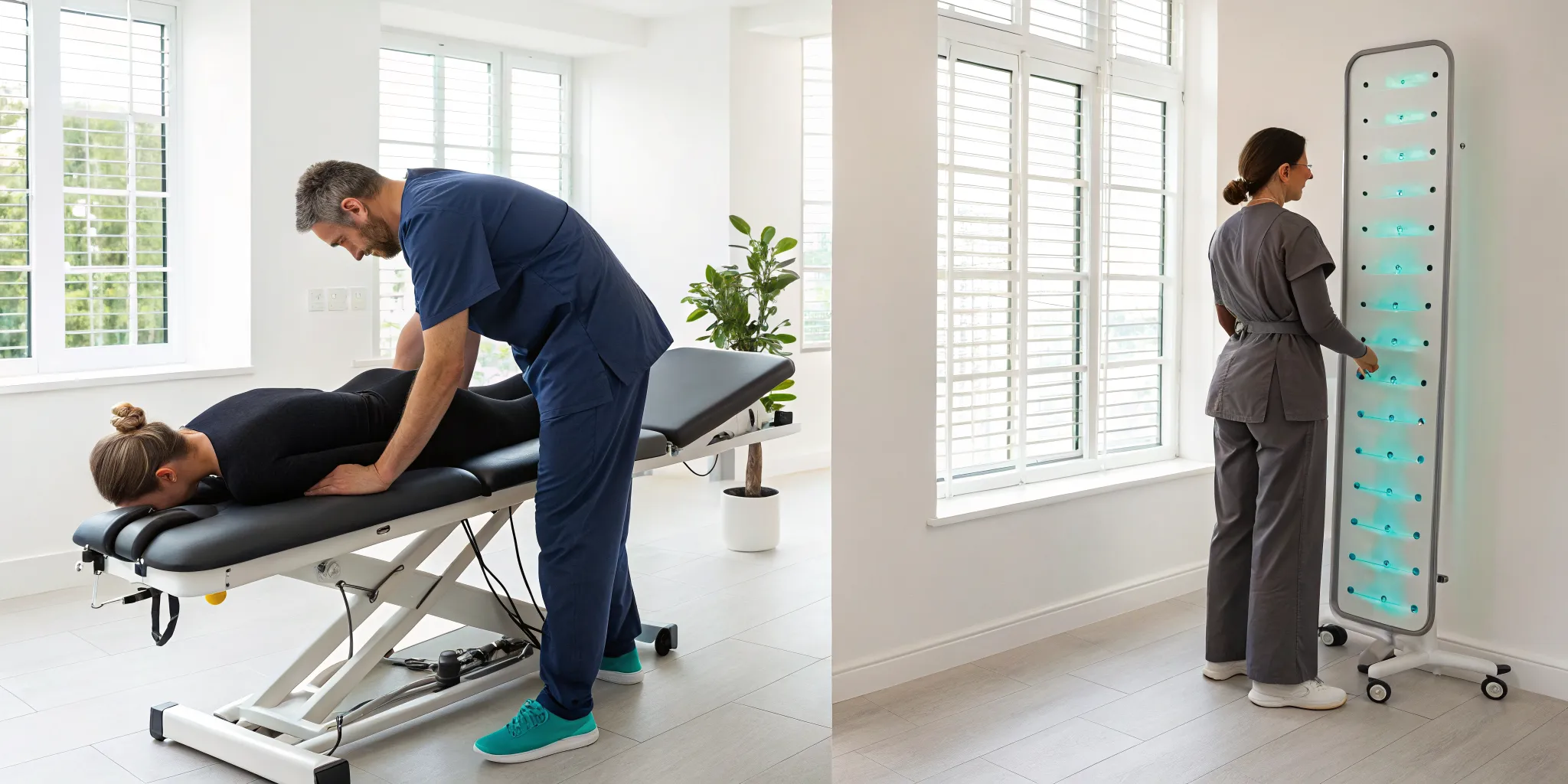
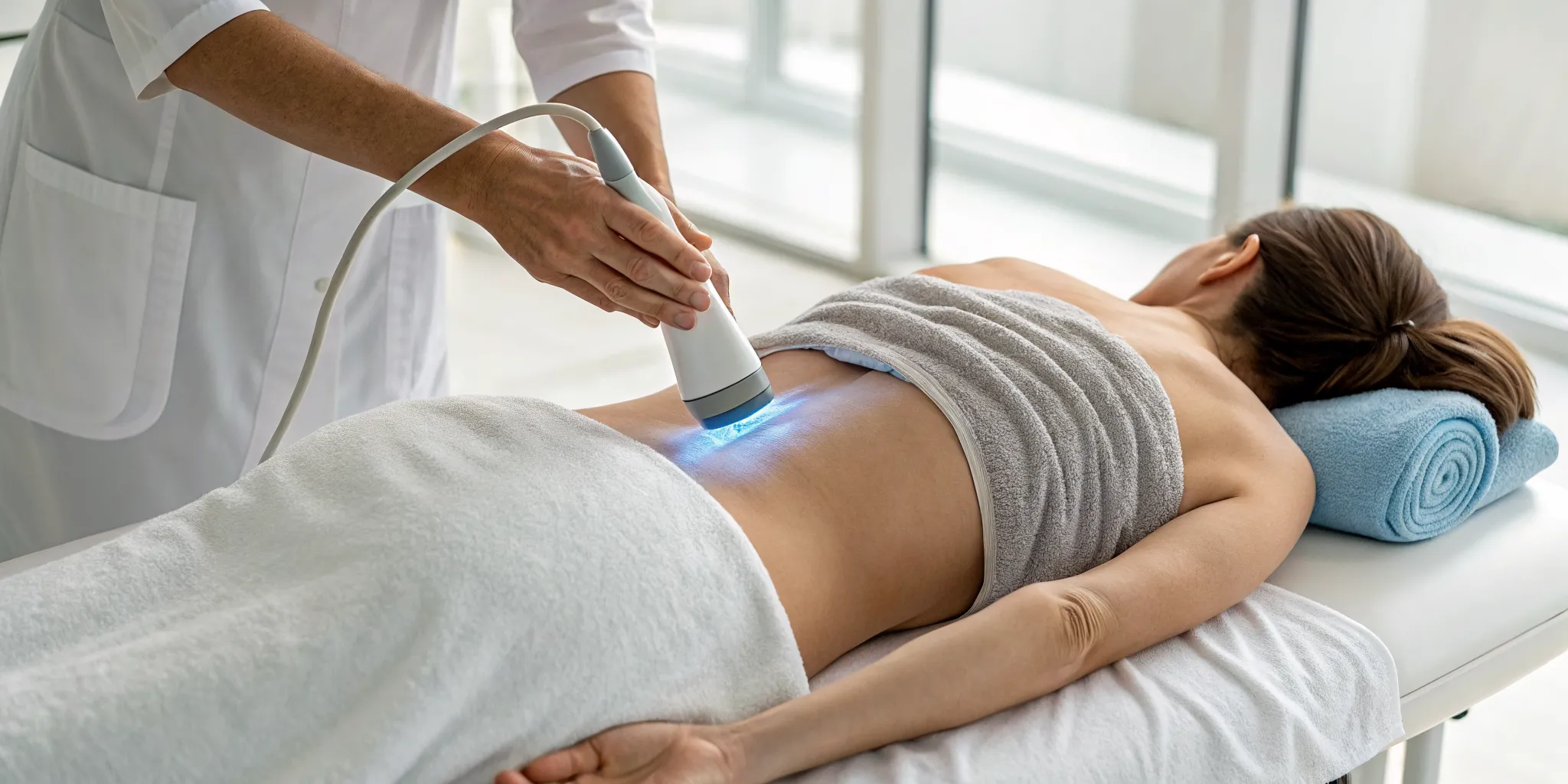
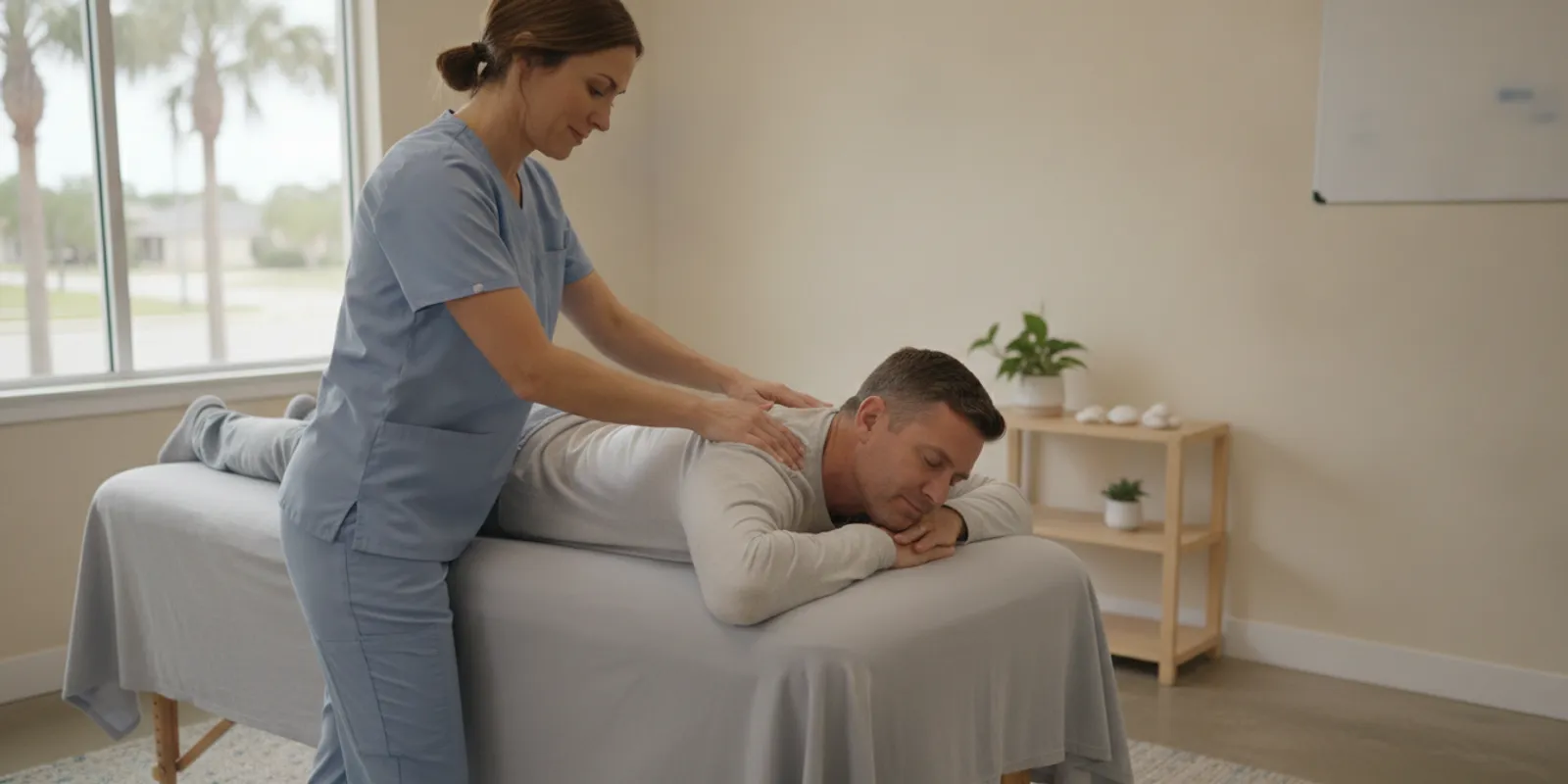
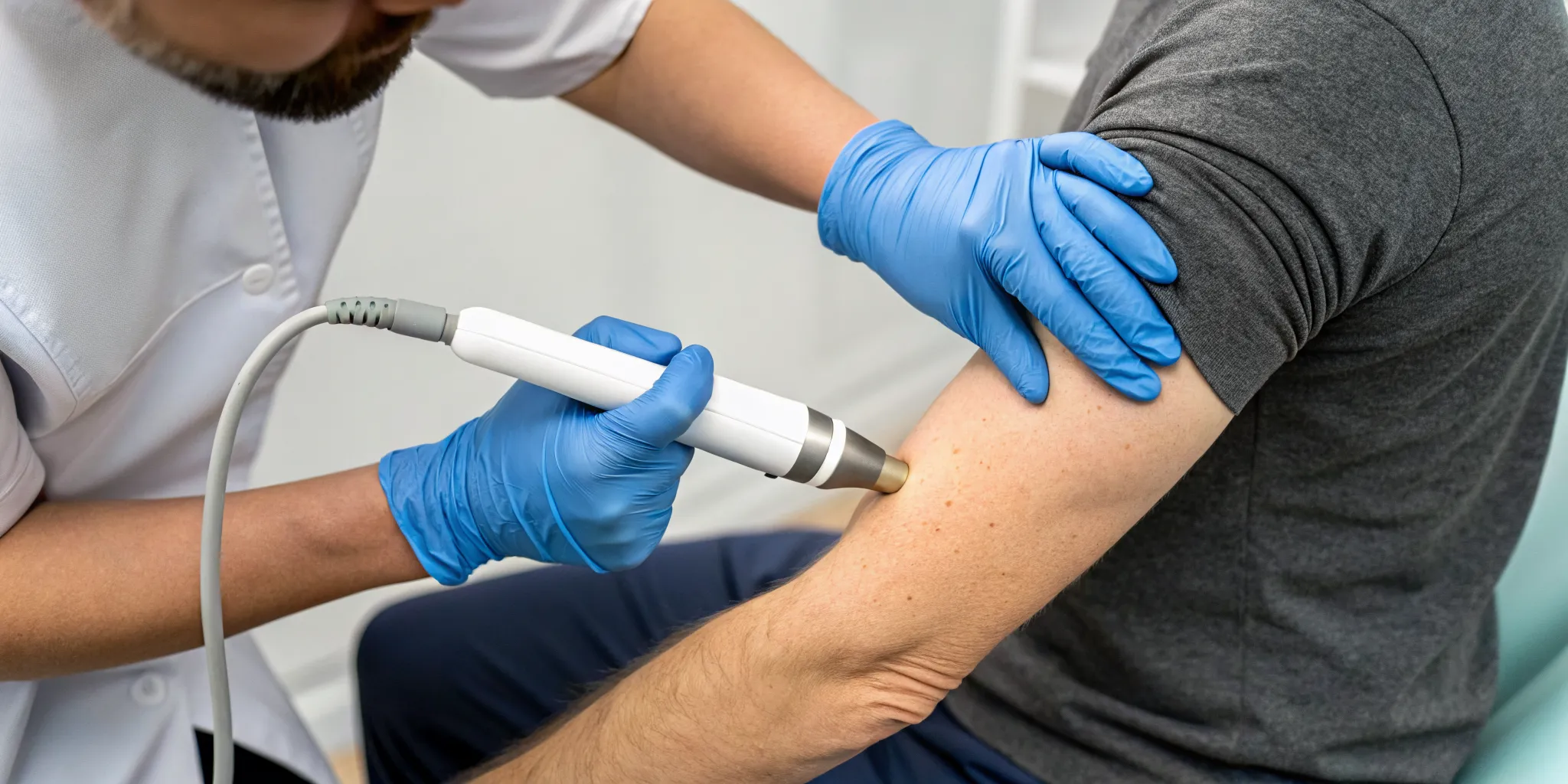
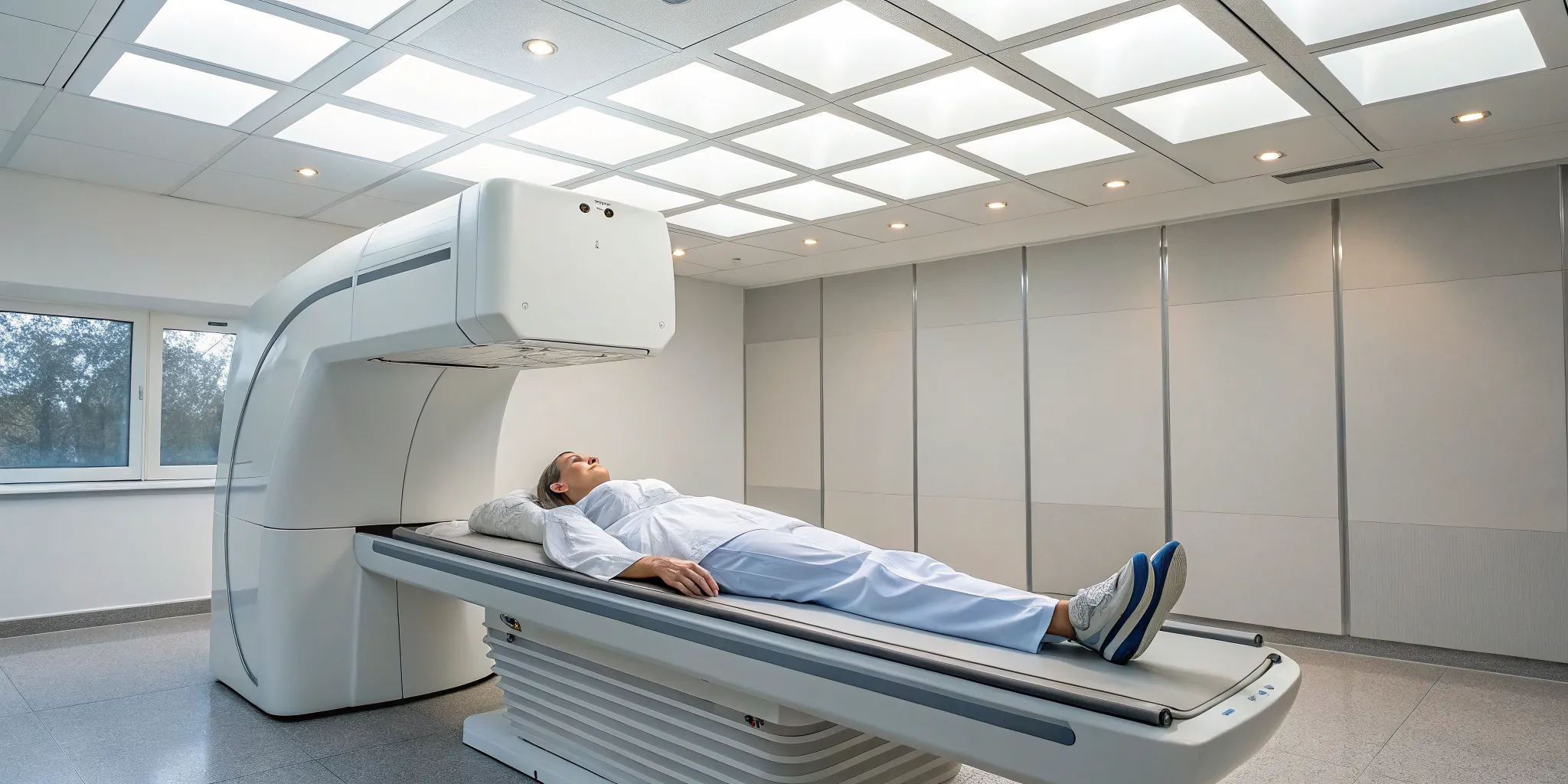
Pain recovery for former athletes over 40 often starts with a better conversation, not a rushed conclusion. If an old training habit, injury history, or recurring ache now affects walking, lifting, recreation, or sleep, organize the details before choosing a direction. A focused evaluation can connect your history, current movement, and personal goals.
Discuss your movement goals with Ascend

Why can persistent pain feel different after sports?
Persistent pain may reflect several interacting factors, so describe the current pattern rather than assume the old sports history tells the whole story. Age, activity changes, previous injuries, work demands, sleep, and general health can all shape how movement feels. A problem that once appeared only after a long game may later show up during stairs, a morning walk, time at a desk, or a simple reach.
Former athletes are often skilled at pushing through discomfort and reading physical signals. Those skills can help during a consultation, but they can also make it easy to minimize a gradual change. Pay attention to the difference between a short-lived response to unusual activity and a pattern that keeps returning or changes the way you move.
Location matters, but it is not the only useful detail. Note whether the sensation stays in one area, travels, feels deep or close to the surface, or appears alongside stiffness, weakness, altered balance, or reduced confidence. Use ordinary language. You do not need to name a condition before meeting with a clinician.
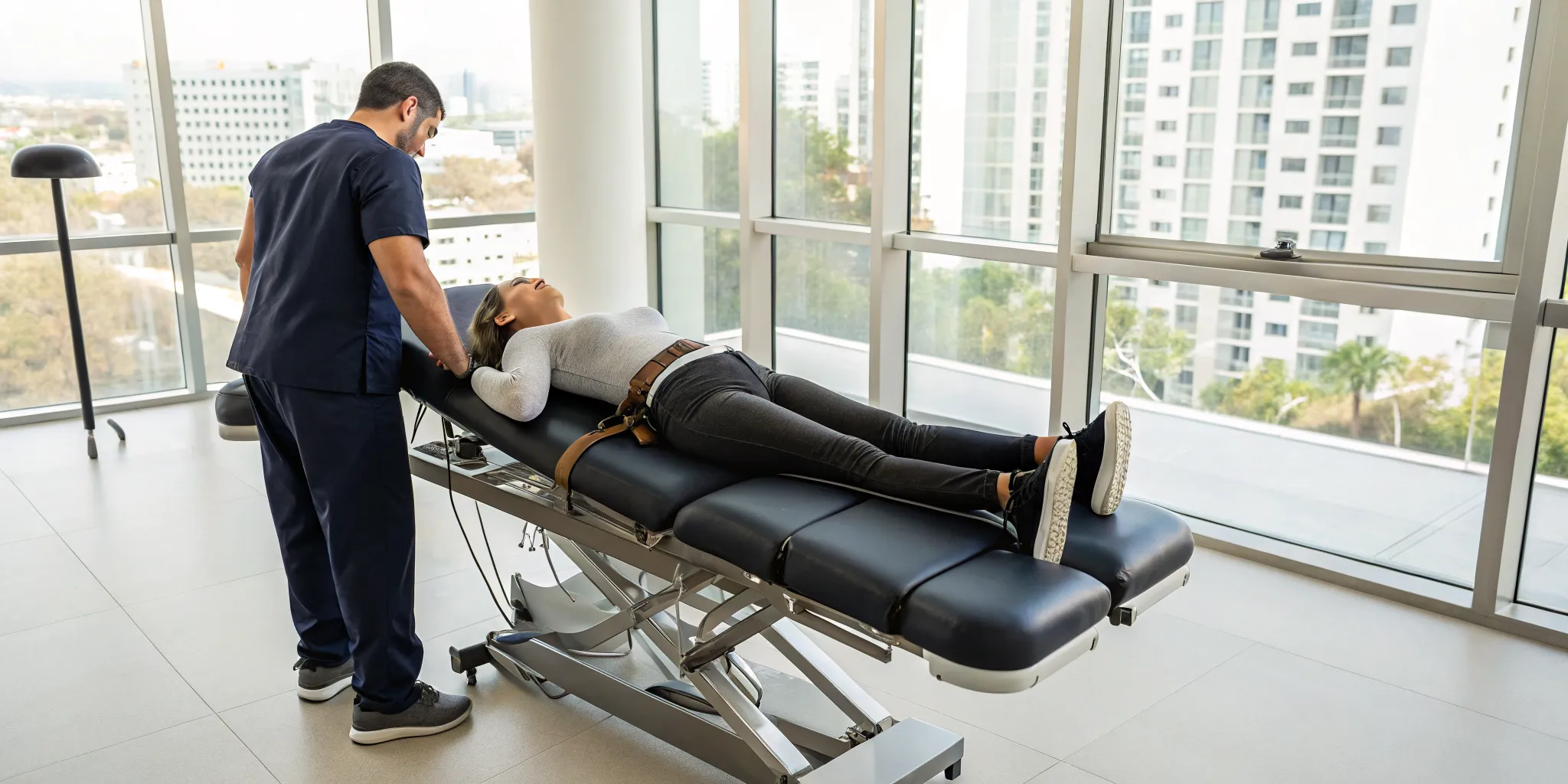
The goal is not to prove that one structure is responsible. The goal is to create a clear starting point for an evidence-informed discussion. Ascend describes its Physical Medicine services around personalized assessment and approaches such as chiropractic care, decompression, lumbar care, corrective care, and myofascial or soft-tissue work.
Which details should you prepare before an evaluation?
A short timeline, practical examples, and a list of priorities can make an evaluation more focused and help the clinician understand how symptoms affect your life. Bring notes if that makes the conversation easier. A phone note or one-page outline can include:
- Beginning and pattern: Record when you first noticed the change, whether it followed a particular event, and whether it is steady, occasional, or tied to certain activities.
- Location and quality: Describe where you feel it and use familiar terms such as aching, tightness, pulling, burning, or pressure if those words fit.
- Triggers: List movements, positions, distances, times of day, or tasks that tend to increase the problem.
- Helpful changes: Note whether rest, changing position, gentle movement, or another prior approach seemed to alter the experience. Do not stop or change prescribed care without discussing it with the appropriate clinician.
- Activity impact: Name the activities that have changed, such as carrying groceries, playing with family, cycling, swimming, walking on uneven ground, or working at a computer.
- Previous care: Include prior evaluations, imaging reports, therapies, procedures, and the response you remember. Bring records when available.
- Health context: Share relevant conditions, recent changes in health, and other care you currently receive so the discussion is based on a fuller picture.
Choose two or three goals that matter most. “Move better” is a useful starting idea, but “walk through the neighborhood without changing my pace” or “lift a suitcase with more confidence” gives the conversation a clearer target. Goals do not guarantee a particular result. They help define how a plan might be reviewed.
It can help to keep a brief activity log for several days. Do not try to measure every sensation or turn the log into a test. Instead, jot down the task, how long you did it, what changed, and what you did next. For example: “Walked the usual loop for 20 minutes; felt tightness after the hill; slowed down for the final block.” This is more useful than a vague note that the day was good or bad.
Use a consistent frame when comparing days. Record whether the task was similar, whether the setting changed, and whether you had an unusually demanding day. A shorter walk on a hot afternoon is not directly comparable with an easy morning stroll. The point is to notice patterns, not to make a diagnosis or score yourself.
How can an evaluation clarify the movement picture?
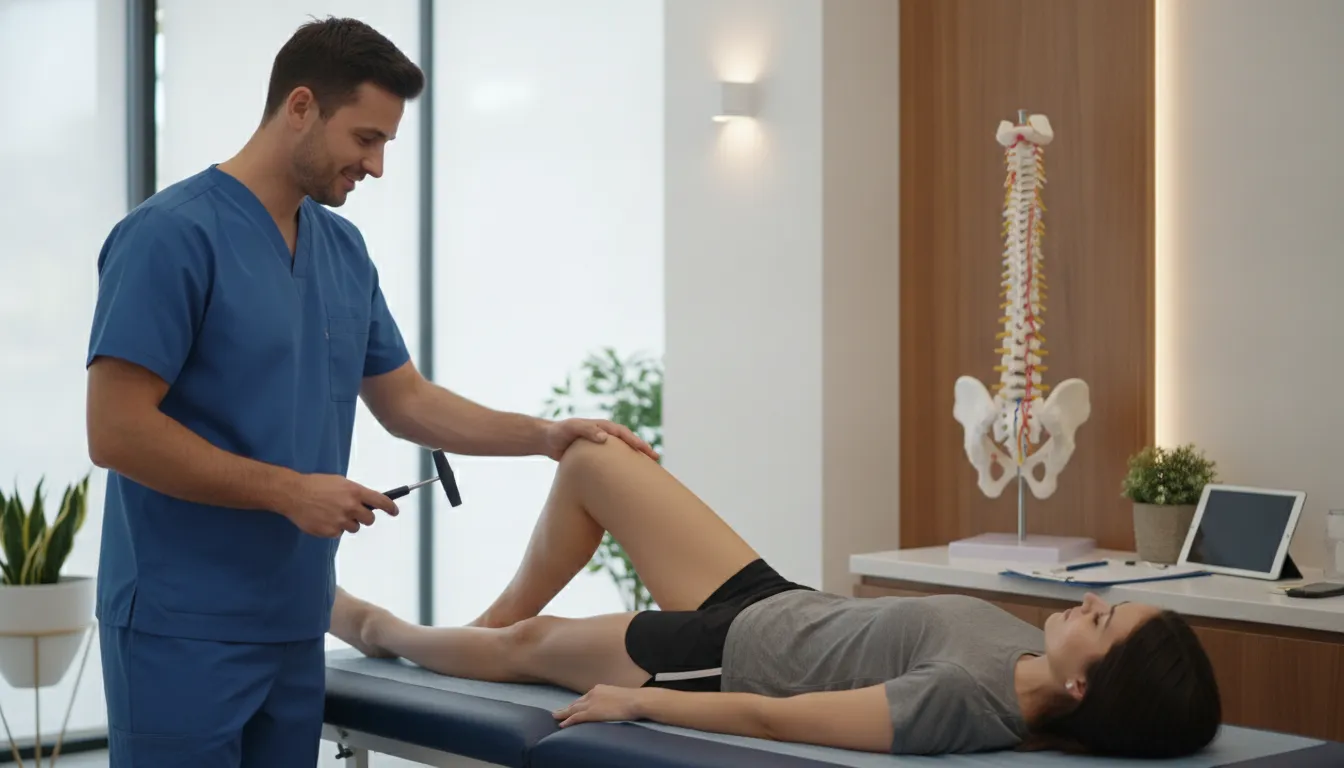
An evaluation connects your account with observed movement and examination findings, then identifies which questions are clear and which may need more assessment. The clinician may ask you to describe a daily task, perform a controlled movement, or compare how your body responds in different positions. The process should be explained in understandable terms.
Relevant areas may include mobility, posture, strength-related tasks, balance, coordination, and symptom response. The clinician may also discuss how the spine, pelvis, joints, and surrounding soft tissue contribute to a movement pattern. That does not mean every concern has one mechanical source. It means the examination looks for useful relationships rather than relying on a single symptom location.
Records and testing can be part of the discussion when they answer a meaningful clinical question. Ask why a test is being considered, what information it may add, and how the result could change the next step. A test is not automatically necessary for every person, and a normal result does not make your experience unimportant.
Ascend presents its care through three connected pillars: Physical Medicine, Functional Medicine, and Regenerative Medicine. For a former athlete with a movement concern, the initial conversation may center on Physical Medicine. Broader health history or other concerns may lead to a different discussion. The pillars are not interchangeable, and an individual evaluation guides suitability.
Think of the evaluation as a sequence of questions rather than a single verdict. First, which task is affected? Next, what can the clinician observe safely and meaningfully? Then, which findings fit together, and what remains uncertain? A careful explanation should distinguish an observation from a conclusion. You can ask the clinician to show which part of your history or examination supports a recommendation.
For example, a former soccer player might mention that turning to one side feels different while getting out of a car. That description gives more context than simply reporting a sore hip. The clinician can ask whether the issue appears with other turns, during walking, or only after sitting. Another person may notice that lifting a laundry basket is the main limitation. The task, load, and movement strategy can help focus discussion without assuming a cause.
How should you compare common next-step discussions?
Different parts of a care conversation serve different purposes, so compare them by the question they address rather than by a promise of a specific outcome. The table below is a planning tool. It does not predict which option belongs in your situation.
| Discussion area | Purpose | Questions to bring |
|---|---|---|
| History and goals | Clarifies timing, activity limits, prior care, and personal priorities. | Which details matter most for my concern? |
| Movement evaluation | Reviews mobility, posture, balance, and symptom response during relevant tasks. | What did you observe, and what remains uncertain? |
| Physical Medicine | Considers whether chiropractic, decompression, lumbar care, corrective care, or soft-tissue work may fit the findings. | How does this approach relate to my goals? |
| Additional assessment | Considers whether records, imaging, or other testing could clarify an important clinical question. | How could the result change the plan? |
| Follow-up review | Sets a point for discussing response, limitations, and a possible change in direction. | Which signs should we track together? |
A comparison is more useful when it includes fit, effort, uncertainty, and review. Ask how often a proposed visit or approach may be considered, what you would do during or after it, and how the clinician will decide whether to continue, adjust, or reconsider the plan. A responsible discussion includes alternatives and limitations.
For readers who want broader context about physical activity and pain management, Columbia Pain Management discusses the role of fitness and conditioning in recovery and pain management. This general information can help you prepare questions, but it does not replace an individual evaluation.
When comparing approaches, separate the purpose of an option from the way its value will be reviewed. A technique may be considered for one part of a plan, while another step may focus on movement patterns or soft tissue. Ask how the pieces relate instead of assuming that a service name explains its purpose. Also ask what would prompt a pause, a revision, or referral for another type of assessment.
A practical comparison might include these dimensions:
- Relevance: Which finding or goal connects the option to your situation?
- Commitment: Which visits, activities, or follow-up discussions are involved?
- Uncertainty: What can the clinician reasonably expect to learn, and what cannot be known in advance?
- Review: When will you look at function and decide whether to continue or revise?
- Coordination: Does the approach fit alongside care you already receive?
This comparison helps keep the conversation grounded. It also gives you permission to ask for a slower explanation if several options are introduced at once.
Which questions can help you assess a proposed plan?
A suitable plan should have a clear reason, realistic expectations, and a way to review your response over time. Consider asking:
- Which findings are guiding this recommendation?
- How does the proposed approach connect with the activity I value most?
- Which part of the plan is intended to address movement, comfort, or function?
- What will the visit or process involve?
- Which changes should I report promptly?
- How will we measure progress: a daily task, walking tolerance, range of motion, confidence, or another agreed-upon marker?
- When will we review the response?
- Under which circumstances would you adjust the approach or suggest another evaluation?
- What are the limitations, potential risks, and alternatives?
Ask for plain explanations and repeat the plan in your own words. If two options are being discussed, ask how they differ in purpose and which information would make one more appropriate. You can also ask how the plan fits alongside care from another clinician.
Progress may not move in a straight line. A useful review looks at function and the person's experience, not only whether a symptom changed from one day to the next. A former athlete may care about walking farther, tolerating a workday, sleeping more comfortably, or feeling more secure during a recreational activity. Those are meaningful details to bring back to the discussion.
One way to make a follow-up review concrete is to choose a simple baseline task before a plan begins. It might be a comfortable walk to a familiar landmark, reaching to a shelf, or getting through a usual workday. Record the conditions in ordinary language: where you did it, how long it took, and what changed afterward. At review, repeat the same task when practical and compare the experience. This is not a substitute for clinical judgment, but it can help both of you discuss change with more detail.
Agree on how to handle an uneven response. Ask whether the clinician wants you to report a change at the next visit or sooner, and which kind of change would warrant reassessment. Avoid making a plan more demanding simply to test yourself. The purpose of tracking is to inform a conversation, not to push through a symptom or prove toughness.
If a recommendation does not make sense to you, say so. You can ask for the explanation in another way, request time to consider options, or clarify how the recommendation connects to the goal you named. Shared understanding makes it easier to take part in decisions and to report accurately what happens afterward.
How can broader health context support movement goals?
Movement concerns sometimes deserve a wider health discussion, especially when fatigue, sleep disruption, digestive concerns, or other changes affect daily function. Broader context should add clarity, not distract from the immediate concern.
Functional Medicine at Ascend may involve a review of health history and appropriate testing for concerns such as gut health, bloating, fatigue, bloodwork, or stool testing. That work is distinct from a movement evaluation, although health factors can influence how a person feels and functions. The appropriate scope depends on the person's history and goals.
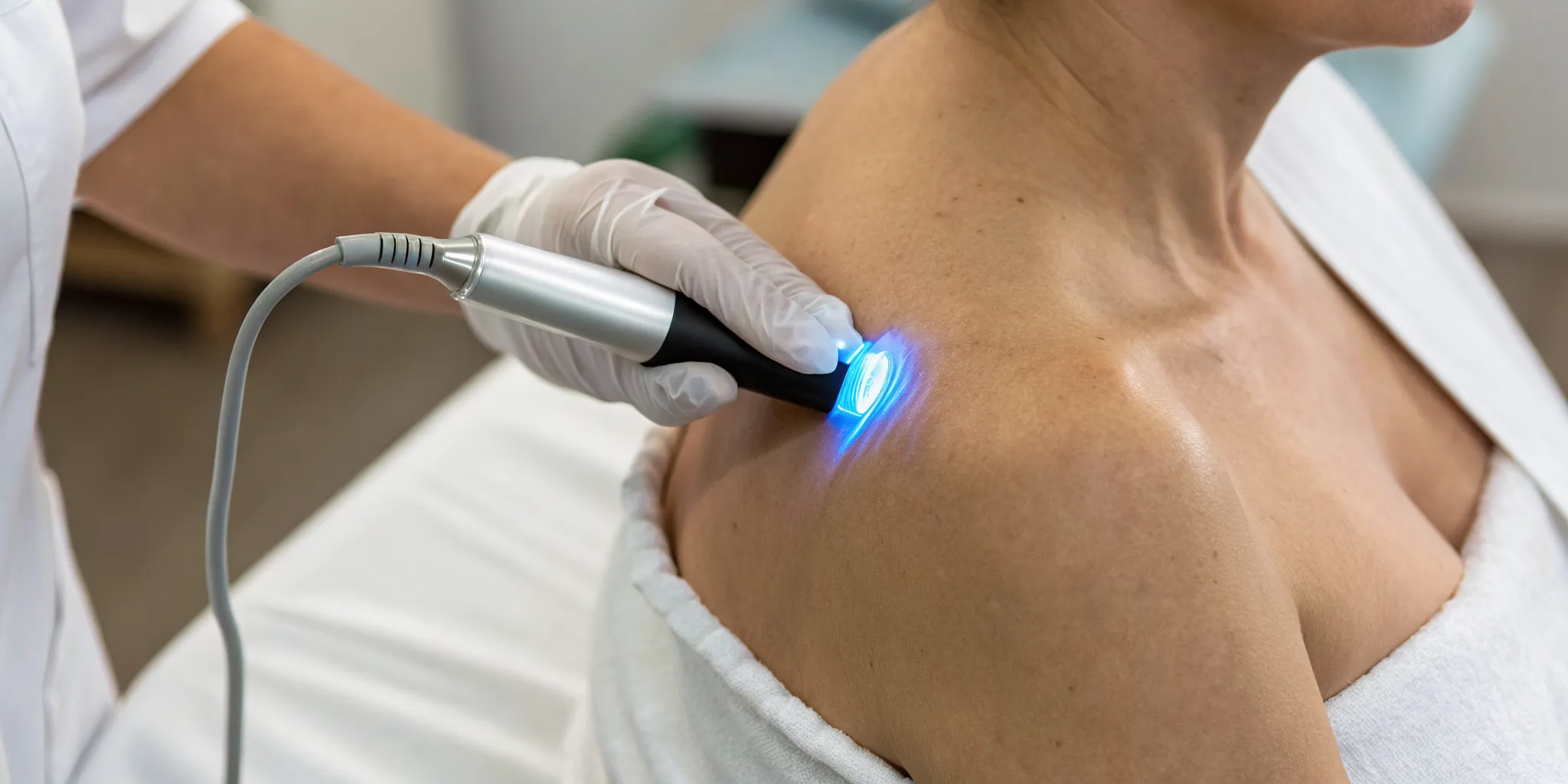
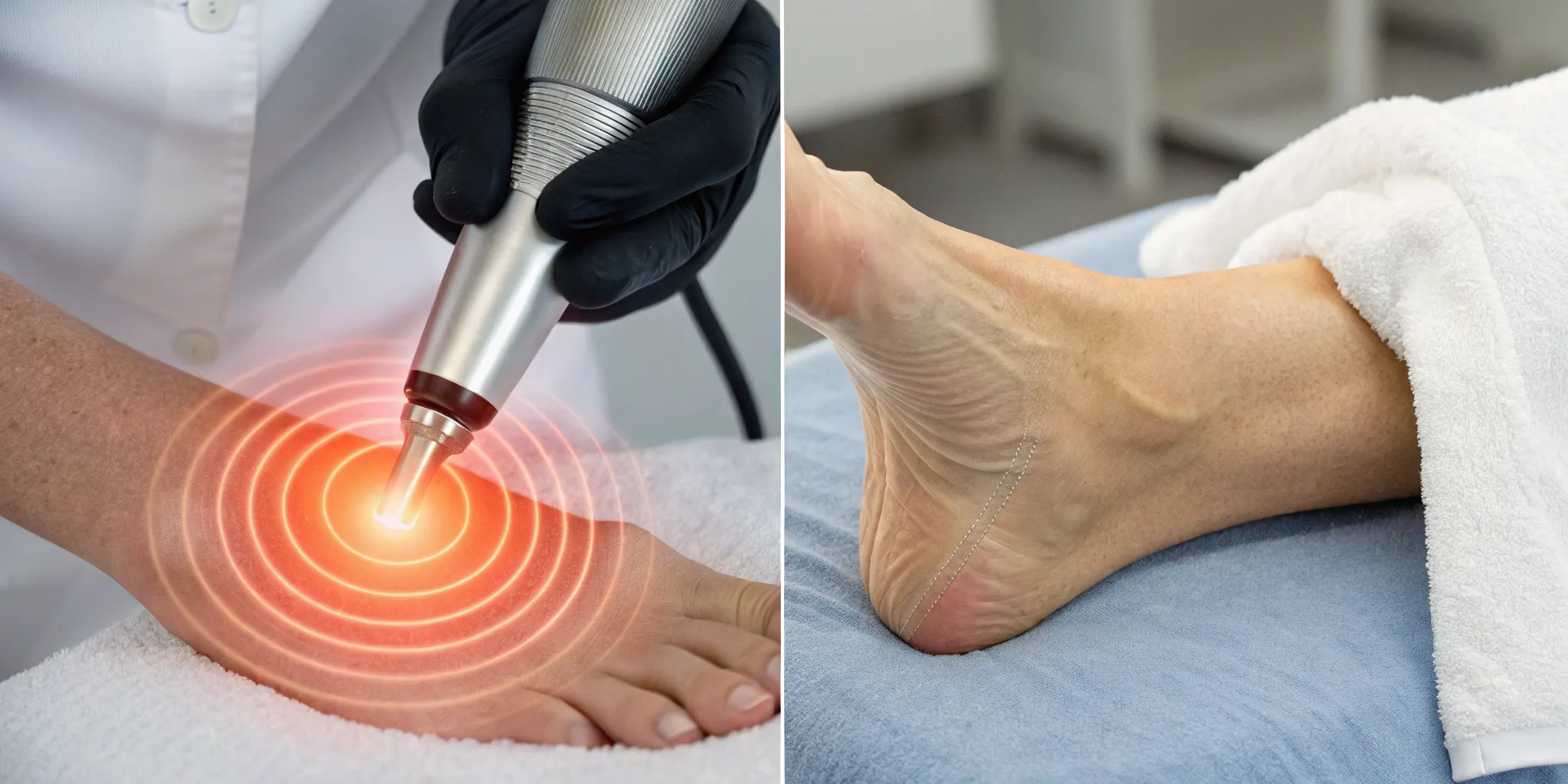
Regenerative Medicine is another distinct pillar. Ascend describes this area through options such as PRP, peptide therapy, red light therapy, and hormone replacement or optimization involving testosterone, estrogen, and thyroid health. These options require an individual clinical workup and a discussion of suitability. They should not be treated as universal answers to persistent pain or reduced activity.
You can review the practice's health services to understand the broader structure, then bring specific questions to a consultation. The practice's about page provides additional context about Ascend and its clinician. A website overview cannot determine which service, if any, fits your situation.
Keep the immediate movement concern visible if a wider conversation is appropriate. For instance, if disrupted sleep and a recurring back concern both affect your day, describe each one and explain how they interact from your perspective. The clinician can then decide whether the discussion should remain focused on movement or whether another aspect of health warrants attention. Avoid assuming that one concern explains the other.
It is also reasonable to ask which pillar is relevant to each question. Physical Medicine discussions may concern movement and musculoskeletal care; Functional Medicine may review broader health concerns and appropriate testing; Regenerative Medicine involves a separate workup and suitability discussion. Knowing the distinction helps prevent a broad service list from feeling like a one-size-fits-all plan.
How can Tampa Bay former athletes plan a useful consultation?
A useful consultation begins with a specific activity goal, an honest timeline, and questions about how findings will guide the next step. Before reaching out, write down the two activities you most want to discuss, the main change you have noticed, and the three questions you do not want to forget.
Think through a recent example. Perhaps you once handled a long weekend of activity but now feel limited after a shorter walk. Perhaps a shoulder concern affects reaching overhead, or a low-back concern changes how you lift a household item. Describe the task, the point at which it changes, and what you do differently afterward. Concrete examples are easier to discuss than a broad label.
Bring relevant records and a list of current care. Tell the clinician which goals are most important and which approaches you have already considered. If you are unsure whether Ascend's Physical Medicine approach is a reasonable place to begin, use the contact page to ask about the conversation you want to have.
For additional preparation, the practice's frequently asked questions page may address common process questions, while the health articles offer more educational context. These resources can help you prepare, but personal recommendations require personal review.
Before the appointment, make a small “bring and ask” list. Bring the timeline, records you already have, and a note of other care you receive. Ask how the clinician interprets the pattern, which findings support the next recommendation, and how progress will be reviewed. Keep the list short enough that the highest-priority concerns do not get lost.
During the conversation, describe what matters in your own terms. You might say, “I want to return to weekend cycling, but right now I change how I get on the bike,” or “I can finish a workday, but sitting through a meeting makes the stiffness more noticeable.” These examples connect symptoms to real roles without claiming that a particular treatment is required.
Afterward, write down the explanation and the next agreed step while it is fresh. If you are comparing options, note the intended purpose of each, what the clinician said remains uncertain, and when you will revisit the decision. This simple record can make a later conversation more precise, especially if you are coordinating with another clinician.
For a useful appointment, prepare a few specifics rather than trying to reconstruct every past training season. A concise account of the current pattern, the tasks that have changed, and any past care that seemed relevant gives the clinician a practical starting point. If a detail feels uncertain, label it that way; a clear admission that you do not remember the date or sequence is more helpful than a guess.
Set expectations for the conversation itself. You can ask for the evaluation process to be explained before a movement task begins, and you can say when an action feels uncomfortable or unclear. Share what you hope to return to, but avoid treating a former performance level as the only useful measure. Daily function, confidence with familiar tasks, and the ability to participate at a personally meaningful level may also be useful reference points.
Request a conversation about your next steps
Frequently Asked Questions
These answers provide general preparation guidance for former athletes discussing persistent pain and movement concerns.
Can a past sports injury still matter years later?
It can be relevant, but it may not explain every current symptom. Activity, work, sleep, general health, and changes in movement can also shape the present pattern. Share the history and let the evaluation place it in context.
Do I need to identify the cause before a consultation?
No. Bring the timeline, affected activities, triggers, and questions instead of trying to reach a conclusion on your own. Those details give the clinician a practical starting point.
Will the same Physical Medicine approach fit every former athlete?
No. Recommendations depend on history, findings, health context, goals, and personal preferences. Ask about the rationale, alternatives, limitations, and the method for reviewing progress.
Should I bring records to a movement consultation?
Bring relevant records when they are available, along with a brief timeline and a list of affected activities. Mention other care you receive so the conversation reflects your full situation.
How can I define a useful recovery goal?
Choose a specific task that matters to you, such as walking a familiar route, carrying an item, reaching overhead, or participating in a recreational activity. A concrete task gives you and the clinician something practical to discuss and review.
Talk with Ascend about your recovery goals
When persistent pain changes the activities you value, a clear history and focused questions can make the next conversation more useful.
This article is educational and not medical advice; consult your clinician before acting on it.