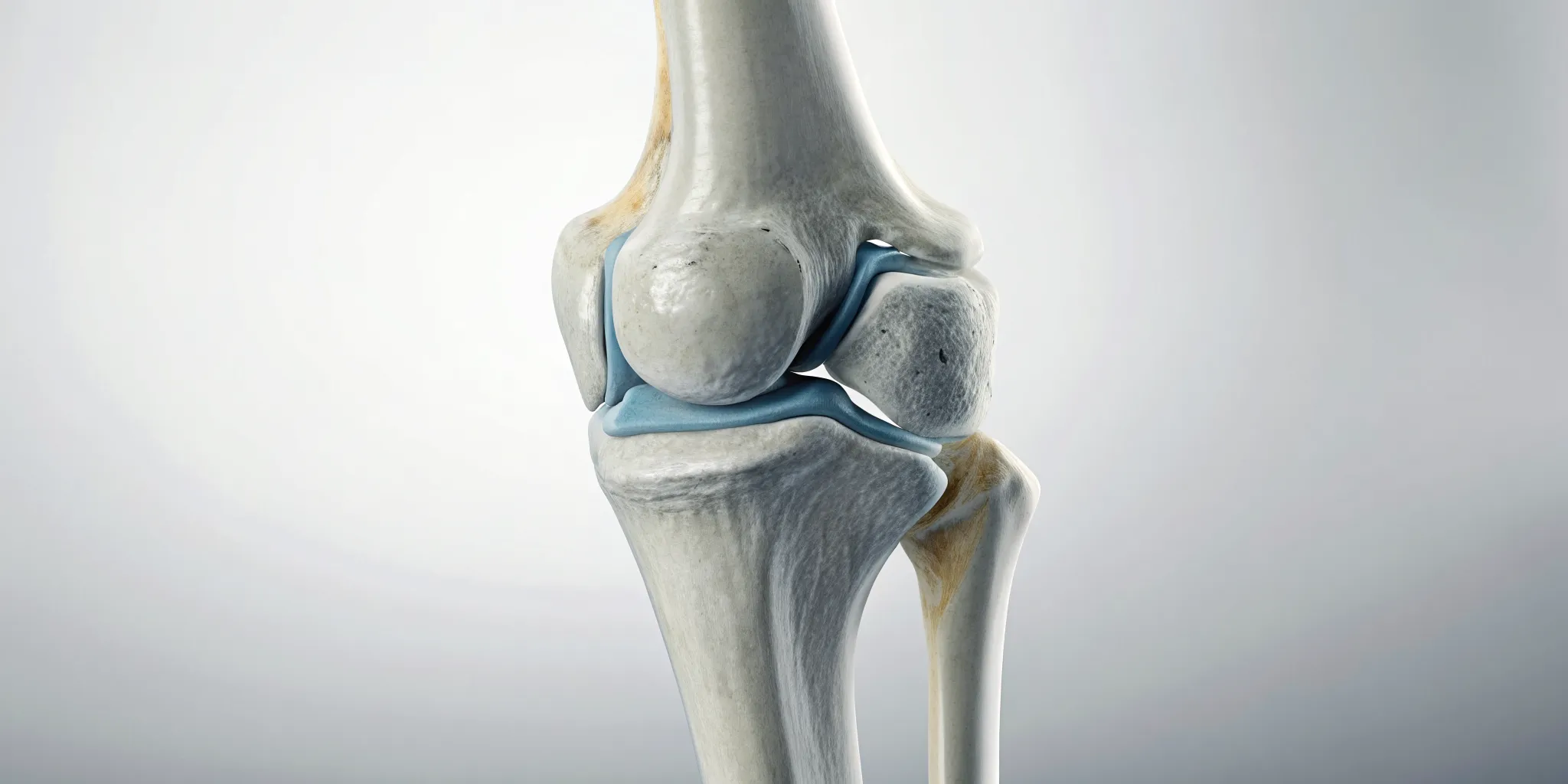
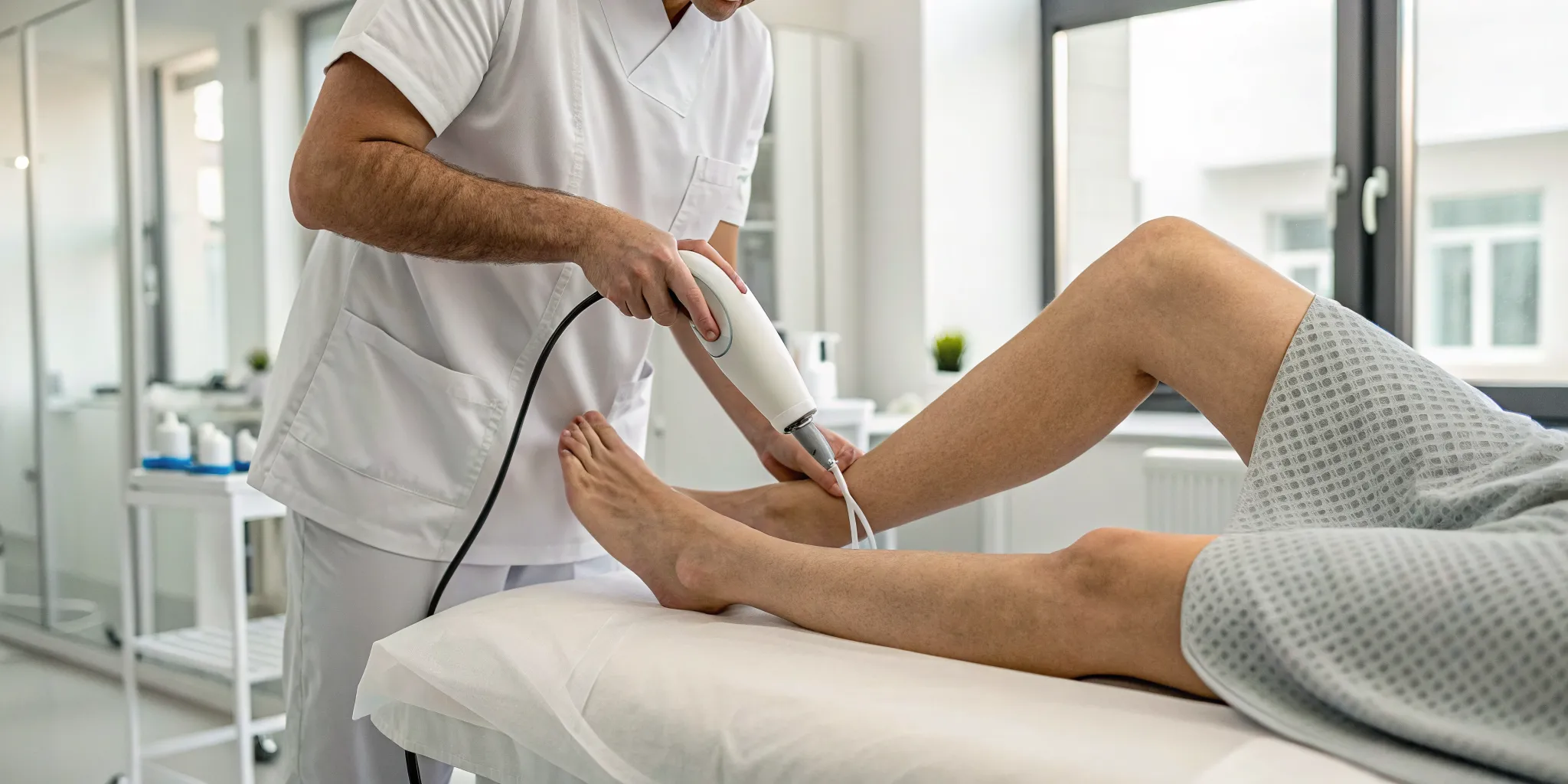
Lumbar myofascial derangement is a phrase that may be used to describe low-back symptoms involving muscle and related soft tissue, but the words alone do not explain the cause. A careful evaluation looks at how symptoms behave, how the back moves, and what else may be contributing, so a care discussion can be specific without assuming a guaranteed result.
Schedule a consultation to discuss your next steps
What does lumbar myofascial derangement describe?
Lumbar myofascial derangement is a descriptive phrase, not a complete explanation of why a person has symptoms. “Lumbar” refers to the lower back, while “myofascial” relates to muscles and the connective tissue around them; “derangement” may be used differently by different practitioners.
In a care conversation, the phrase can point to a question: could muscles and surrounding soft tissue be part of the person’s lower-back concern? It does not, by itself, confirm a specific tissue problem or rule out other explanations. A clinician needs to consider symptom history, movement, daily activities, examination findings, and whether further assessment is appropriate.
People may notice stiffness, sensitivity, restricted movement, or discomfort with certain positions or tasks. These experiences can overlap with many other lower-back concerns. The pattern and context matter more than assigning a label based on one symptom.
A clinical report describing lumbar derangements in people with low-back and neck symptoms shows how a clinician may consider movement findings as part of a broader assessment. It is an example, not a basis for assuming that the same explanation or approach applies to every person. Read the academic report on outpatient management of low-back and neck symptoms.
Which symptoms and patterns are useful to describe?
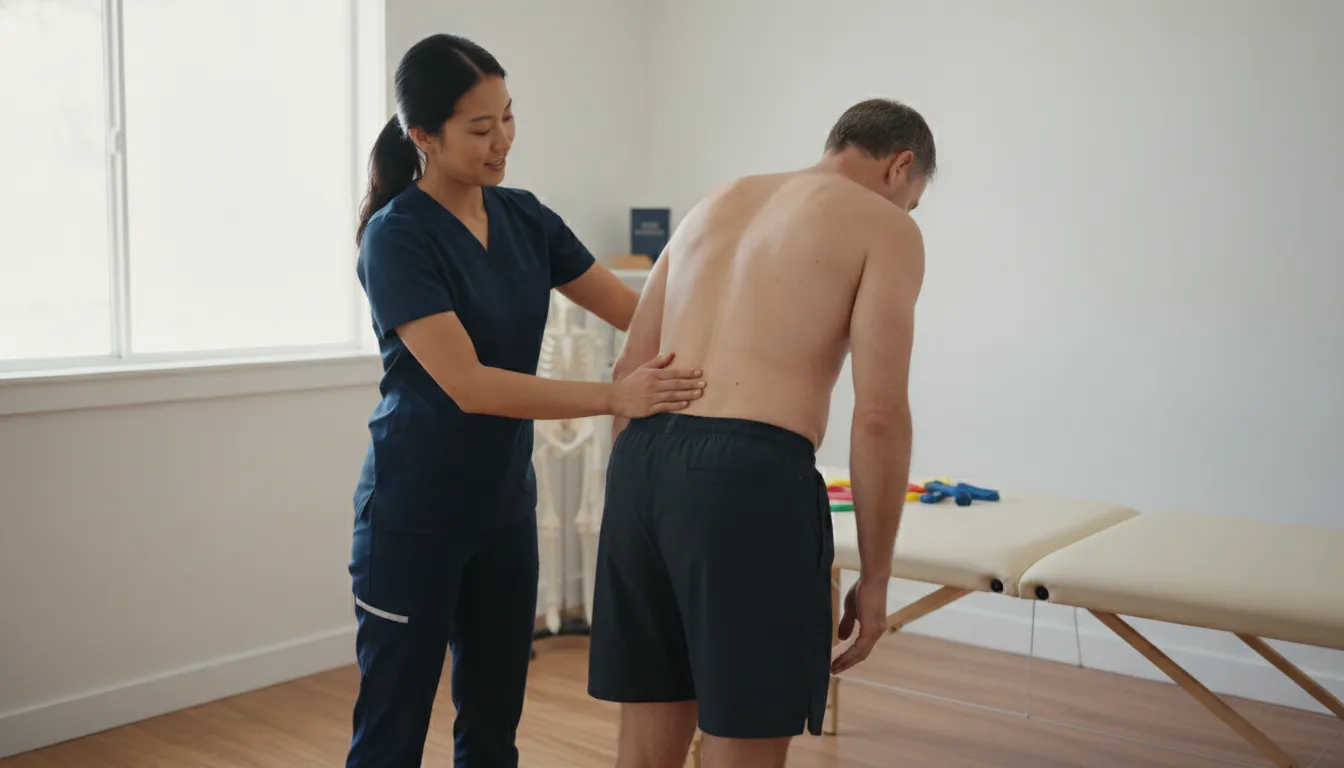
The most useful starting point is a clear account of what you notice and how it changes. A symptom pattern can help guide the evaluation, but it cannot establish a diagnosis on its own.
Before a visit, consider noting where you feel discomfort or tightness, when it began, and whether it stays in one area or seems to spread. Describe which positions, movements, or ordinary tasks change it. For example, is it different after sitting for a while, during bending, while standing, or after a change in routine? Be specific without trying to interpret the cause.
- Timing: When did you first notice the issue, and has it changed over time?
- Location: Where do you notice it, and does that location vary?
- Movement: Which motions or positions seem to affect it?
- Daily impact: What activities have become harder, or what adjustments are you making?
- Prior steps: What care or changes have you already tried, and what did you observe?
A symptom log is simply a way to communicate more clearly; it is not a self-assessment tool. Avoid forcing a movement to test yourself. If a symptom changes substantially or raises concern, share that with a qualified clinician rather than trying to fit it to a label.
For a practical example, a note might say, “I noticed tightness after a long drive on Tuesday; it eased after changing position, then returned during a prolonged meeting.” That description records timing, context, and what changed without claiming that a particular tissue caused it. A brief record of a few relevant episodes is often easier to discuss than trying to recall every detail during a visit.
It can also help to separate an activity from the conditions around it. If sitting seems to affect symptoms, note how long you were seated, whether you had breaks, and what happened after standing. If bending is a concern, describe the everyday task involved rather than repeatedly testing the motion. These details can make the history more useful while keeping the focus on your normal experience.
How can a clinical evaluation clarify the picture?
An evaluation brings together your history and appropriate examination findings to develop a more useful picture than a label alone. The goal is to understand what may be relevant, consider whether another kind of assessment is needed, and discuss reasonable next steps.
A clinician may ask when the symptoms began, what affects them, how they influence everyday activities, and whether you have experienced similar concerns before. Be ready to mention relevant health history and previous care. These details help place a movement finding in context instead of treating it as a stand-alone answer.
Depending on the individual situation, an examination may include observing posture and movement, checking comfortable ranges of motion, and assessing areas of sensitivity or soft-tissue tension. The clinician may also consider how the hips, pelvis, or nearby regions move in relation to the lower back. Any test should have a clear reason, and the clinician should explain what it can and cannot tell you.
One finding rarely settles every question. A movement that feels restricted, for example, is information to interpret alongside your history and other findings. If the picture suggests that additional evaluation is appropriate, a clinician can explain why and discuss the next step. You can ask what a finding means for your situation, what remains uncertain, and how progress would be reviewed.
It may also help to distinguish what you feel from what an examination shows. Describe your own experience in ordinary terms, then let the clinician explain how it relates to observed movement or soft-tissue sensitivity. If a finding does not match your experience, say so and ask how the difference affects the working explanation. This exchange can keep the discussion collaborative and prevent a descriptive term from becoming a substitute for the person’s full history.
Goals belong in this conversation as well. One person may want to move through a workday more comfortably; another may want to return to a valued daily activity. Naming a practical goal helps you and the clinician discuss which changes would matter to you and when to revisit the plan.
One way to make the visit more organized is to move through three questions in order. First, when does the person's experience occur, and how would they describe it? Second, which history and examination findings appear relevant, and what do they not establish? Third, what options or further assessment, if any, follow from those findings? This sequence keeps the care discussion tied to an actual concern instead of jumping from a phrase to a predetermined service.
Ascend Functional Health describes its approach through three connected pillars. Physical Medicine includes chiropractic care, decompression, lumbar and corrective care, and soft-tissue approaches. Functional Medicine considers broader health context when it is relevant. Regenerative Medicine may include discussions of options such as PRP, peptide therapy, red light therapy, or hormone optimization when they fit the person's history and goals. Which areas belong in a conversation depends on your history and goals; not every person needs every service.
When might broader health context matter?
Lower-back concerns do not occur in a vacuum, but broader testing or a second care pillar is not automatically needed. The relevant question is whether personal history or other concerns make a wider discussion useful.
Sleep, activity patterns, work demands, previous episodes, and general health can help explain how a concern fits into daily life. If you also have concerns such as fatigue or digestive symptoms, mention them during the conversation. A clinician can consider whether those details are relevant to the visit or belong in a separate evaluation.
Functional Medicine at Ascend may include a review of health history and, when appropriate, discussion of bloodwork or stool testing for concerns such as fatigue, bloating, or gut health. Those evaluations do not establish the cause of a lower-back symptom by themselves. They are considered only when they fit the person’s concerns and clinical context.
The purpose of a broader conversation is not to assume that every symptom shares one cause. It is to make sure the discussion reflects the person rather than focusing narrowly on a phrase. Ask why a proposed assessment is being considered, what question it is intended to answer, and how the result might affect the care discussion.
For instance, a person might mention both recurring back tightness and fatigue. The two concerns should be described separately, including when each began and how each affects daily life. A clinician can then explain whether they belong in the same evaluation or whether separate questions and next steps make more sense. Raising a wider concern does not mean that a specific lab test or care pillar is automatically indicated.
How do common care approaches compare?

Different approaches answer different needs, and the right discussion depends on examination findings, goals, and personal circumstances. A comparison can help you ask what each option is intended to address rather than treating any one approach as a guaranteed solution.
| Approach to discuss | What it may focus on | Useful question |
|---|---|---|
| Clinical evaluation | History, movement, relevant examination findings, and next-step planning | What findings are most relevant, and what remains uncertain? |
| Chiropractic and corrective care | How spinal movement, posture, and function relate to the person’s goals | Why is this approach being considered, and how will we review it? |
| Soft-tissue or myofascial work | Areas of muscle or connective-tissue sensitivity and movement comfort | Why might this be appropriate based on my evaluation? |
| Decompression or other lumbar care | A specific lumbar care option considered in light of the individual assessment | What findings support considering this, and what are the alternatives? |
| Functional health discussion | Relevant wider health concerns, history, and appropriate testing questions | How does this relate to the concern I brought in? |
The table is a conversation aid, not a treatment recommendation. A service name does not establish that the service is appropriate for a particular person. Ask about the intended purpose, what the evaluation supports, what other options are reasonable, and how the plan may be adjusted if your experience or goals change.
Ascend’s services overview provides context about its care pillars. For information about a specific approach, you can also review the practice’s pages on spinal decompression and myofascial release and soft-tissue care. Use those pages to prepare questions, not to decide on a care plan before an evaluation.
When comparing options, consider fit, not just the name of a technique. Ask whether an approach is intended to support a specific movement or daily activity, how it relates to the evaluation, and what alternatives may be reasonable. Clarify how often the plan will be revisited and what observations would lead to changing it. This makes the comparison useful even when more than one approach could be considered.
How can you set expectations and review progress?
A useful care plan has a clear rationale, a way to review how things are going, and room to change course as appropriate. No particular approach can promise a specific outcome for every person.
Before beginning an approach, ask what it is intended to address and how you and the clinician will assess whether it remains useful. Depending on your goals, the conversation might include changes in movement, comfort during a meaningful daily task, or how consistently you can take part in usual activities. Agree on measures that make sense for you rather than relying on a vague promise.
Progress may not be perfectly steady. If something changes, record what you notice and tell the clinician. If an approach does not seem to fit your needs, ask whether the plan should be reassessed. A measured review helps keep decisions tied to your experience and the available findings, rather than an assumption that one method fits everyone.
Ascend positions its care as personalized and evidence-informed. That means asking how a recommendation connects to your evaluation and which aspects of the option are established or remain uncertain, rather than assuming that a service will resolve every concern. You remain part of the decision, and it is reasonable to ask for an explanation in plain language.
A simple review can use the same reference points you chose at the start. For example, if your goal is to manage a workday with fewer interruptions, discuss whether that task has become easier, stayed the same, or become harder, and what else changed during that period. If the observation is mixed, record the conditions: the type of work, schedule, or other routine factors. That context does not prove why a change occurred, but it gives the next conversation something concrete to examine.
It is also reasonable to agree on when to check in again and what would prompt an earlier conversation. The timing and measures depend on the individual plan; there is no single timeline that fits every concern. A clear review point helps prevent a care plan from becoming automatic and creates an opportunity to discuss whether the original goal still reflects your priorities.
How can Tampa Bay readers prepare for a consultation?
A little preparation can make the first conversation more focused. Bring a short timeline, your questions, and a practical description of what you hope to do more comfortably.
- Write down when the concern began and any changes you have noticed.
- List movements or daily tasks that seem to affect it, without deliberately provoking symptoms.
- Bring a summary of relevant health history and prior evaluations or care.
- Choose one or two activities that matter to you as possible progress markers.
- Ask what the evaluation includes, what the findings could mean, and whether any further assessment is appropriate.
- Discuss the options, their purpose, expected follow-up, and how recommendations may change.
It may be useful to bring a concise list rather than a long narrative. Start with the main reason for the visit, then note two or three examples that show when the concern occurs. Include any question you do not want to forget, such as what a term in a prior note refers to or how a recommendation connects to your goals. You can ask the clinician to explain unfamiliar wording in everyday language.
Ascend Functional Health serves the Tampa Bay area and offers a consultation-focused starting point for people who want to discuss personalized options. To learn about the practice’s location and background, visit its Tampa service-area page or practice overview. A conversation can help determine whether the practice’s approach aligns with your needs; it does not commit you to a particular service.
Request a consultation to review your options
Frequently Asked Questions
These answers offer general context for discussing lower-back concerns. Individual evaluation is needed to consider what applies to you.
Is lumbar myofascial derangement a diagnosis?
The phrase alone does not establish a specific diagnosis or identify the cause of symptoms. Ask the clinician using it to explain what they mean, which findings support the description, and what other possibilities they considered.
Can muscle or soft-tissue findings explain every lower-back concern?
No single explanation fits every person. Muscle and related soft tissue may be one consideration, but history and examination findings need to be reviewed in context. A clinician can explain whether another assessment is appropriate.
Does everyone with this phrase need imaging or testing?
Not necessarily. Whether any additional assessment is useful depends on the person’s history and examination. Ask what question a proposed test would answer and how its result could affect next steps.
What should I ask before considering a care approach?
Ask what the approach is intended to address, how it relates to your evaluation, what alternatives are available, and how you will review progress. You can also ask what remains uncertain and when the plan would be reconsidered.
Talk with Ascend about a consultation
Health information in this article is educational and is not medical advice; consult your clinician before acting on it.