For many people living with chronic pain, the path often seems to lead toward more invasive options like repeated injections or even surgery. But what if there was another way? Shockwave therapy offers a powerful, non-invasive alternative for stubborn musculoskeletal conditions. It can help you avoid the risks and lengthy recovery times associated with more aggressive procedures. There are no incisions and no required downtime. A real shockwave therapy treatment works by stimulating your body’s own healing mechanisms to resolve the problem at its source, offering a path to lasting relief without interrupting your life.
Key Takeaways
- Restart your body's healing process: Shockwave therapy uses targeted acoustic waves to stimulate repair in tissues with stalled or chronic injuries. This non-invasive approach works with your body to address the source of pain.
- Find relief from persistent injuries: This therapy is an effective option for chronic conditions like plantar fasciitis or tennis elbow that have not responded to traditional treatments. It directly targets the damaged soft tissue to promote long-term recovery.
- Expect a simple process with no downtime: Treatment involves a series of short sessions where you will feel a manageable pulsing sensation. Since the therapy is non-invasive, you can get back to your daily routine right after your appointment.
How Does Shockwave Therapy Work?
It might sound intense, but shockwave therapy is a sophisticated and non-invasive treatment. It doesn't use electricity. Instead, it uses acoustic pressure waves to stimulate your body’s own healing mechanisms. Think of it as a way to restart a healing process that has stalled, which is often the case with chronic pain and lingering injuries. By targeting a specific area, we can communicate directly with the tissue that needs attention, prompting it to get back to the business of repair. This approach is a cornerstone of our physical medicine services, as it works with your body, not against it.
The Science of Healing with Pressure Waves
At its core, shockwave therapy uses a special device to send high-energy sound waves into your injured tissue. These waves travel through your skin to the precise location of your pain. This process creates a controlled, microscopic response within the cells. This isn't a damaging event; rather, it's a targeted signal that wakes up the area. It tells your body to increase circulation and metabolic activity right where you need it most. This renewed activity helps break down scar tissue and calcification, effectively clearing the way for your body to build healthy new tissue and finally resolve the source of your discomfort.
Focused vs. Radial Therapy: What's the Difference?
Not all shockwave treatments are the same, and the type we use depends entirely on your unique situation. The two main types are focused and radial. Focused shockwave therapy uses a concentrated beam of energy to penetrate deep into the body, making it ideal for treating issues with tendons, joints, and even bones. Radial shockwave therapy spreads out more superficially, like ripples in a pond. This makes it excellent for larger surface areas or conditions closer to the skin. Determining which of these is right for you is a key part of creating a personalized plan for the conditions we treat.
How It Activates Your Body's Natural Repair Process
The magic of shockwave therapy lies in how it triggers your body’s natural repair cascade. The pressure waves stimulate the release of powerful biochemicals that reduce pain and inflammation. At the same time, they encourage the formation of new blood vessels in a process called neovascularization. More blood vessels mean more oxygen and nutrients can get to the injured site, which is essential for healing. This entire process is about creating the perfect environment for your body to do what it does best: heal itself. It’s a powerful, regenerative tool that aligns with our comprehensive approach to all our services.
What Conditions Can Shockwave Therapy Address?
If you’re dealing with a nagging injury that just won’t quit, you know how frustrating it can be. Maybe you’ve tried stretching, icing, and resting, but the pain always comes back. Shockwave therapy is a powerful option for these exact situations. It’s designed to treat a wide range of chronic musculoskeletal conditions, especially those involving tendons, ligaments, and other soft tissues that have been slow to heal.
This therapy works by targeting the injured area with acoustic pressure waves, which stimulates your body’s own repair mechanisms. Think of it as a way to restart the healing process in tissues that have become stuck in a chronic state of inflammation and pain. It’s a cornerstone of our Physical Medicine approach because it addresses the root cause of your discomfort instead of just masking the symptoms. From your feet all the way up to your shoulders, this treatment can help you get back to living without constant pain. It’s particularly effective for injuries that haven’t responded well to more traditional methods, offering a path forward when you feel like you’ve run out of options.
Persistent Foot and Ankle Pain
Foot and ankle pain can bring your entire life to a standstill. Simple activities like walking the dog or standing at your desk become a painful chore. Shockwave therapy is especially effective for chronic foot conditions because it targets the dense connective tissues that are often the source of the problem. It’s a well-regarded treatment for plantar fasciitis, that sharp, stabbing pain in your heel, and for Achilles tendinopathy, the persistent ache in the back of your ankle. Research from Washington University Orthopedics highlights how shockwave therapy can be used for these exact issues, helping to break down scar tissue and encourage blood flow to finally let the area heal properly.
Stubborn Elbow and Shoulder Issues
Repetitive motions from work, sports, or hobbies can lead to stubborn pain in your elbows and shoulders. Conditions like tennis elbow, golfer’s elbow, and calcific tendonitis in the shoulder are notoriously difficult to resolve. These overuse injuries often involve chronic inflammation and degeneration of the tendon. When rest and other therapies don't provide lasting relief, shockwave therapy can be a game-changer. It directly addresses the damaged tissue, promoting regeneration and reducing pain. Experts at UT Southwestern Medical Center explain how this therapy helps heal sports and overuse injuries by stimulating the body’s natural recovery process, making it an excellent option for getting you back to your activities without discomfort.
Chronic Back and Knee Pain
Chronic back and knee pain can be incredibly debilitating, affecting your ability to work, exercise, and enjoy your life. Whether it’s a persistent ache in your lower back or knee pain from conditions like jumper’s knee or IT band syndrome, finding a solution is key. Shockwave therapy offers a non-invasive way to address the underlying tissue dysfunction that contributes to this long-term pain. By delivering targeted energy waves, the treatment can help reduce inflammation and trigger repair in ligaments and tendons that are under constant strain. Studies have demonstrated the efficacy and safety of extracorporeal shockwave therapy for issues like chronic low back pain, offering a promising alternative to more invasive procedures.
Other Lingering Musculoskeletal Conditions
The benefits of shockwave therapy aren't limited to just a few specific areas. It has proven to be a versatile and effective treatment for a variety of lingering musculoskeletal problems. If you're dealing with chronic tendonitis in any joint or other soft tissue injuries that have failed to heal, this therapy may be the solution you need. It’s designed to work on tissues that have been in a state of chronic injury for months or even years. A systematic review of various studies has confirmed that shockwave therapies show promising results for a wide range of soft tissue conditions, making it a valuable tool for anyone struggling with persistent pain that interferes with their quality of life.
What to Expect During Your Shockwave Session
If you’re considering shockwave therapy, you probably have questions about what the treatment process involves. It’s completely normal to want to know what will happen during your appointment and what it will feel like. The good news is that the process is straightforward, non-invasive, and designed around your comfort. We’ll walk you through every step, from the moment you arrive for your session to what you can expect in the days and weeks that follow. Our goal is to make sure you feel informed and confident about your care.
A Step-by-Step Guide to Your Appointment
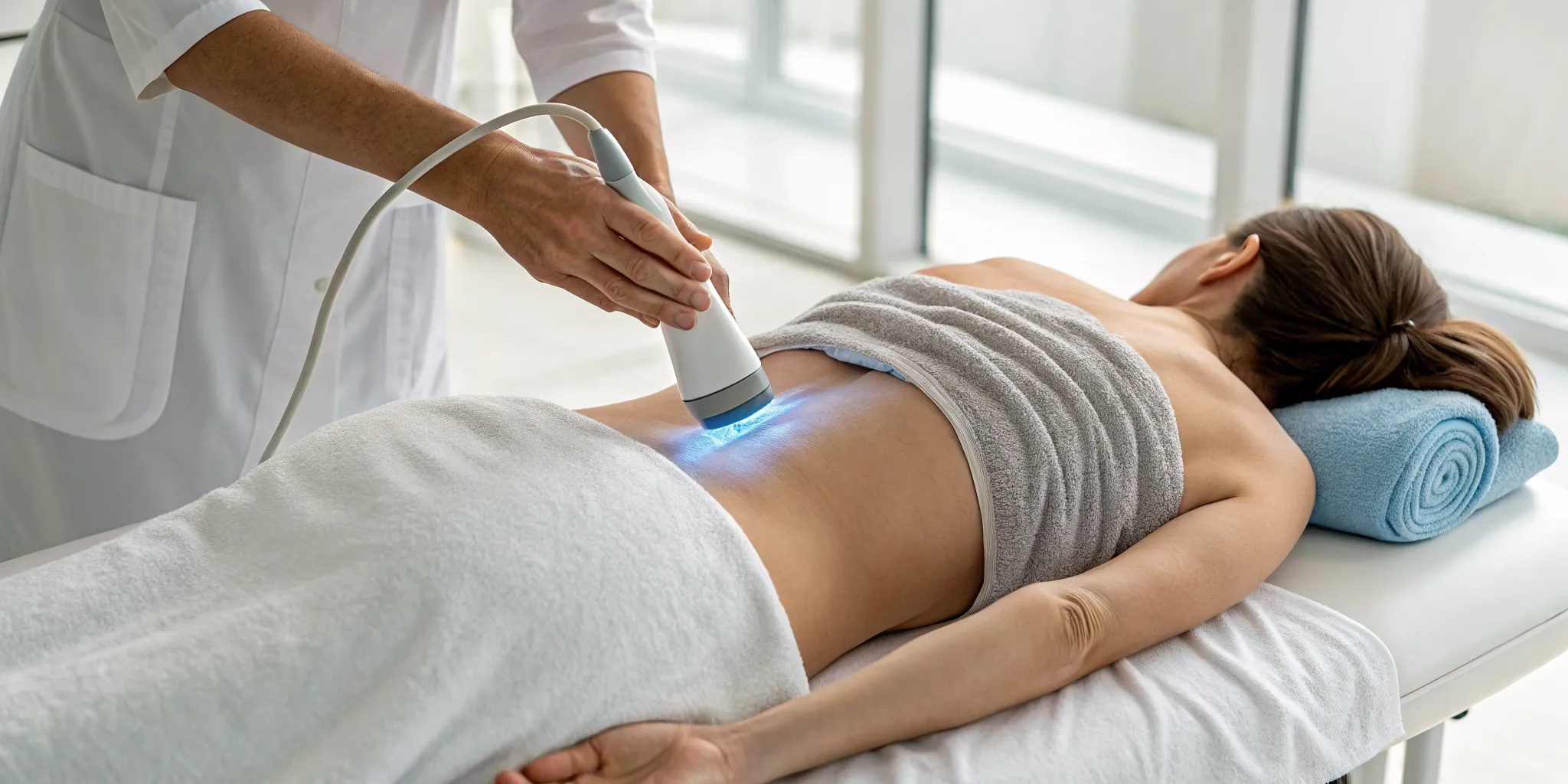
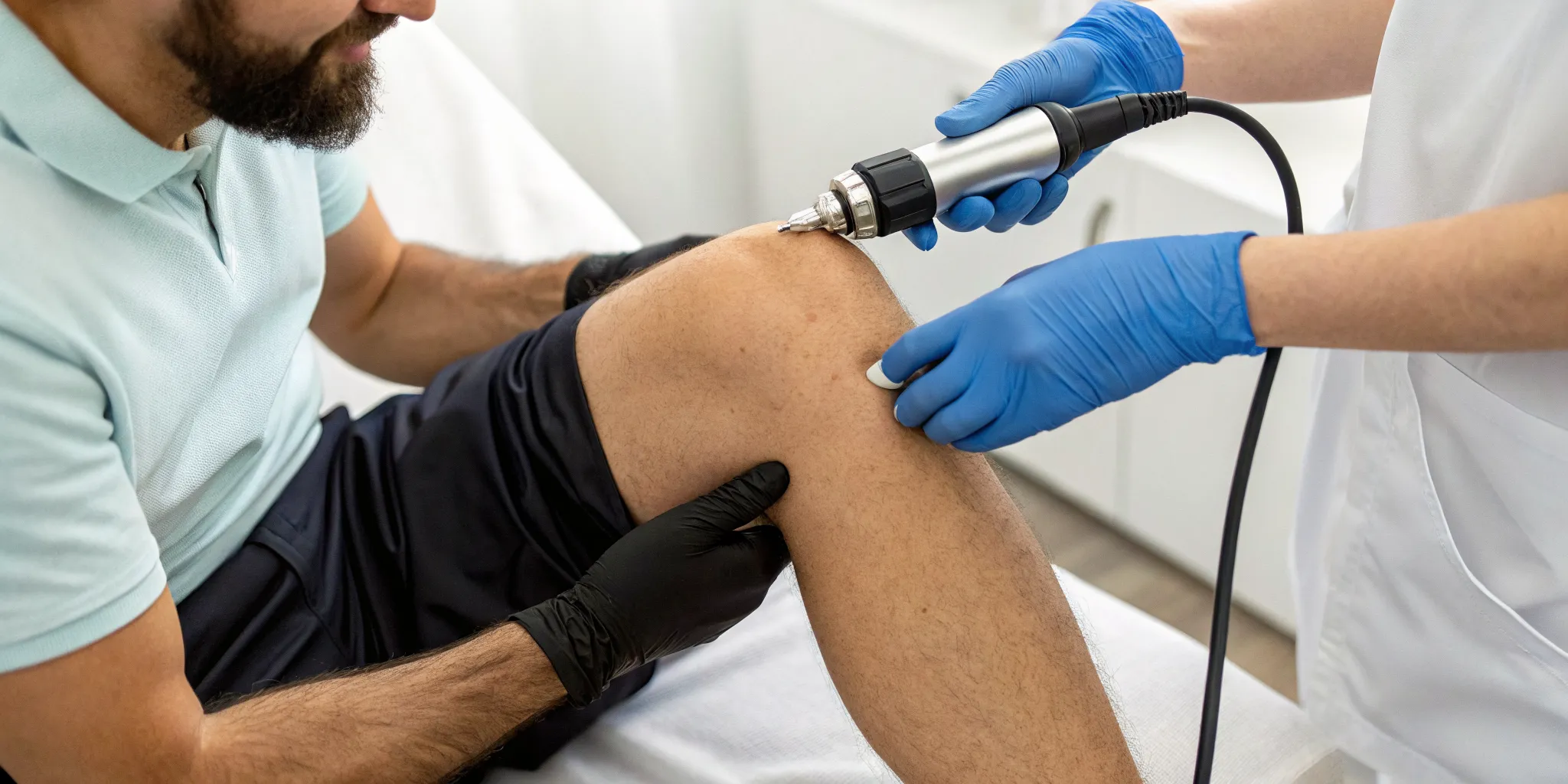
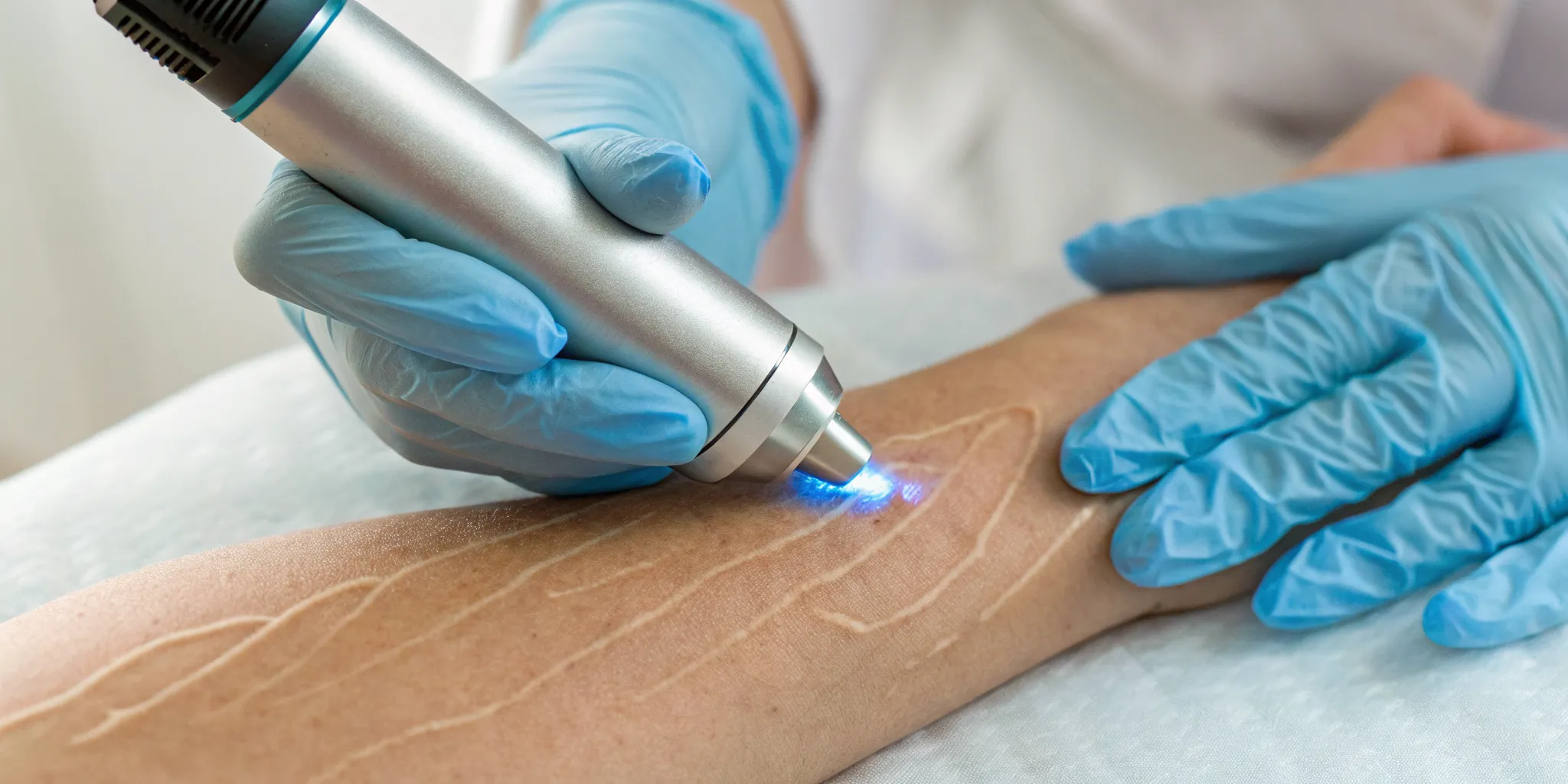
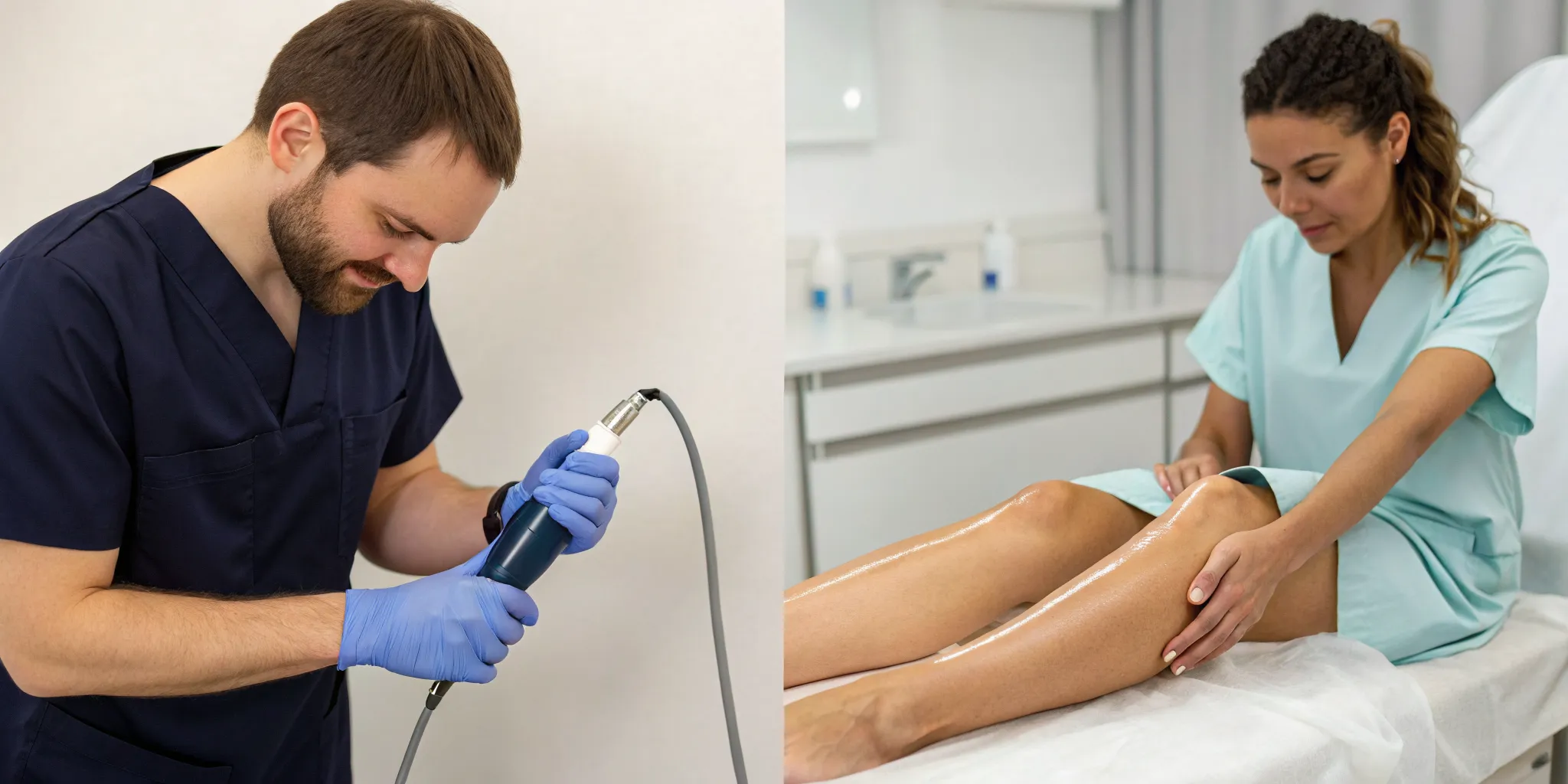
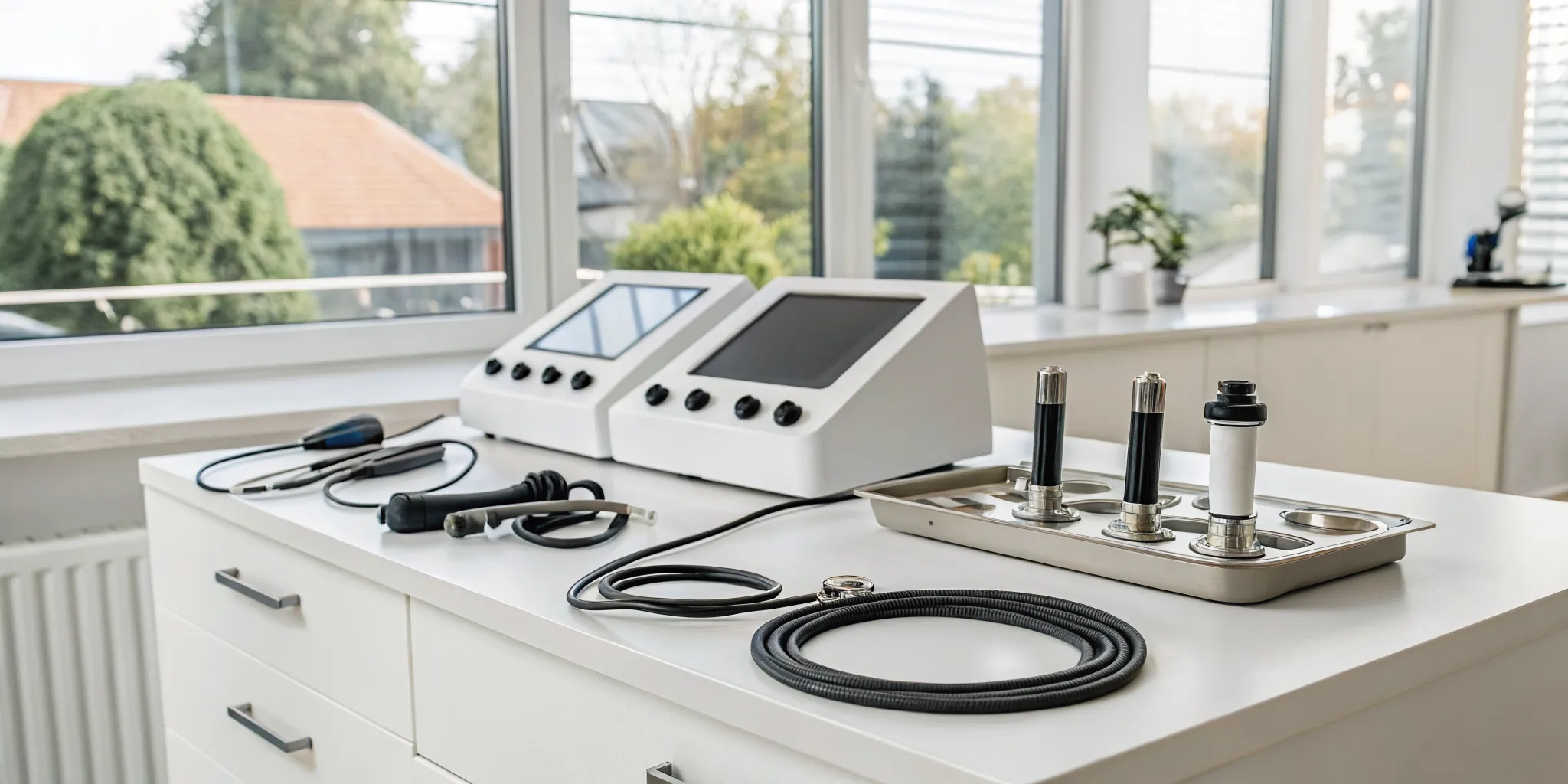
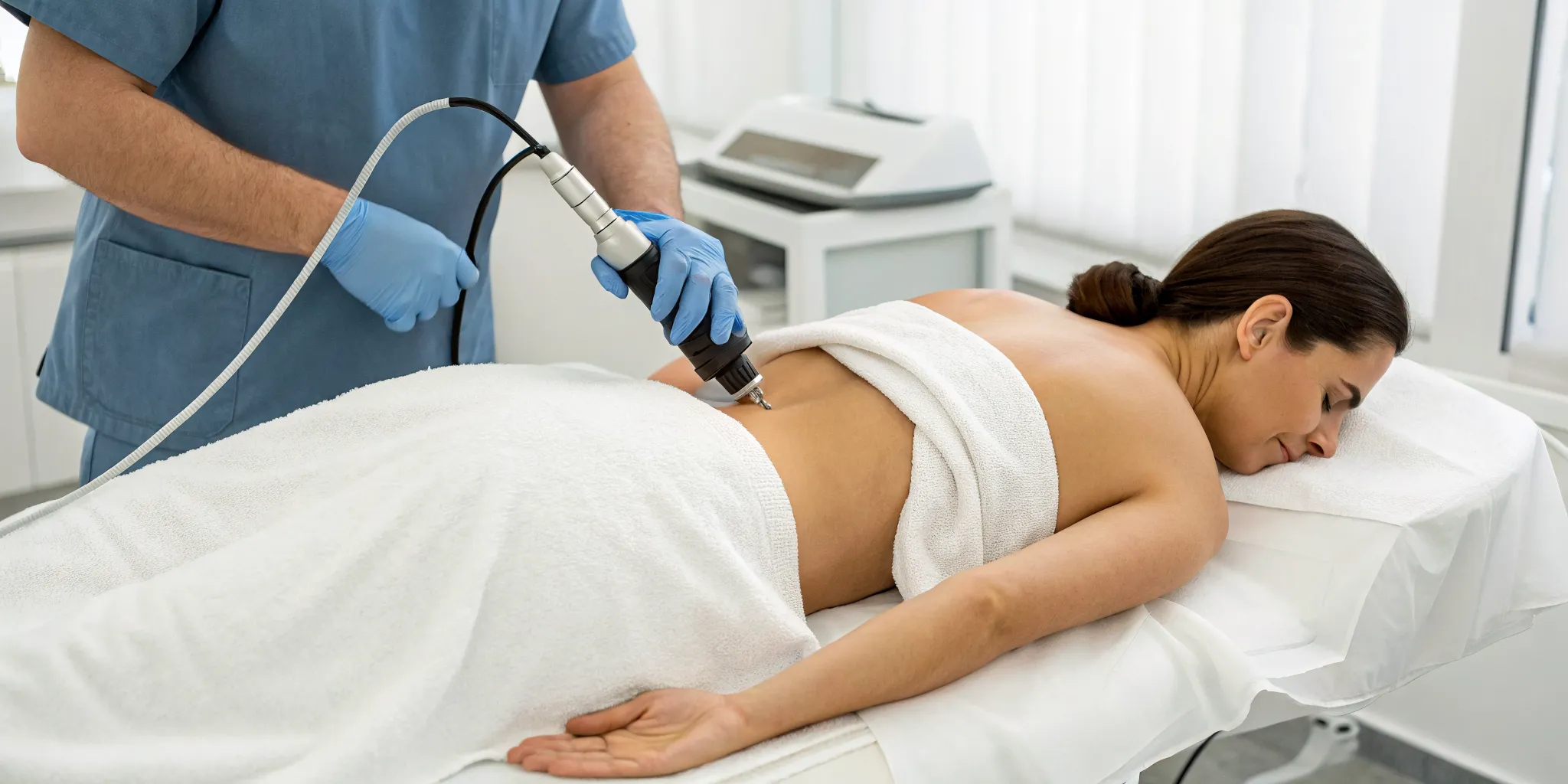
Your shockwave therapy appointment is simple and efficient. We recommend wearing comfortable clothing that allows easy access to the area being treated. When your session begins, we’ll have you get settled, and then a water-based gel will be applied to your skin over the target area. This gel helps ensure the pressure waves are delivered effectively to the underlying tissue. Our practitioner will then use a handheld device, moving it gently over the injured area. The entire session typically lasts about 15 minutes. We will communicate with you throughout the treatment, adjusting the intensity to keep you comfortable. Most of our patients find that a series of treatments provides the best results for the conditions we treat.
What the Treatment Actually Feels Like
Most people describe the sensation of shockwave therapy as a series of quick, deep pulses. You might also feel some warmth in the area as blood flow increases. Our aim is to find a level of intensity that is effective but not painful, usually around a "5 out of 10" on a discomfort scale. It’s a productive sensation that tells you the therapy is working. Some spots, especially those closer to bone, might feel a bit more sensitive. It’s also common to see some mild redness or swelling after the session. This is a positive sign that your body is responding by sending healing resources to the area. We can always adjust the machine’s settings, as our approach to physical medicine is always personalized.
Your Personalized Treatment Timeline
Many patients report feeling a noticeable improvement right after their first session. While results vary for everyone, shockwave therapy is known for producing relatively quick feedback if it’s the right fit for your condition. After your appointment, you might feel a little sore, similar to how you’d feel after a deep tissue massage. One important instruction we give our patients is to avoid taking anti-inflammatory medications afterward. The treatment works by creating a controlled inflammatory response, which is your body’s natural signal to start repairing tissue. The best part is there’s no downtime, so you can return to your normal daily activities, including exercise, immediately after you leave our office.
Is Shockwave Therapy a Good Fit for You?
Deciding on a new treatment can feel overwhelming, but it really comes down to one question: Is this the right path for me? Shockwave therapy is a powerful tool, but it’s not a one-size-fits-all solution. It’s designed for specific types of problems, particularly those nagging, long-term injuries that have stopped responding to conventional methods like rest, ice, or stretching. If you’re feeling stuck with a persistent pain that limits your daily life, this could be the breakthrough you’ve been looking for.
The best way to determine if you’re a candidate is to understand who benefits the most and who should steer clear. This therapy shines when applied to the right conditions, helping your body restart its own healing process. By looking at the common conditions we treat and the important safety guidelines, you can get a clearer picture of whether shockwave therapy aligns with your health goals. Let’s walk through it together.
Who Benefits Most from This Treatment
Are you dealing with pain that just won’t quit? Shockwave therapy is often most effective for people with chronic musculoskeletal conditions that haven't improved with other treatments. It’s particularly helpful for issues involving tendons and connective tissues. Many find relief from stubborn foot pain like plantar fasciitis, Achilles tendinopathy, and nagging elbow pain, often called tennis elbow.
This treatment can also help with a wide range of other persistent problems, including shoulder pain from calcium buildup, hip pain, and even certain stress fractures. It’s a non-invasive option for those who have been struggling for months or even years to heal sports and overuse injuries. If you feel like you’ve tried everything for a lingering injury, shockwave therapy may offer a new path forward.
Important Safety Considerations and Contraindications
While shockwave therapy is very safe, your well-being is always the top priority. This treatment is not suitable for everyone. It should be avoided by pregnant women and individuals with active infections, blood clotting disorders, or a history of tumors in the treatment area. It’s also not used over a ruptured tendon. A thorough health assessment is essential to ensure this is a safe and effective choice for you.
During the session, most people feel a tapping or pulsing sensation. You might experience some mild discomfort, but the intensity is adjusted to your tolerance, and the treatment is typically very manageable. The best first step is always a conversation with a qualified professional who can review your health history and confirm if you are a good candidate. We encourage you to contact our team to discuss your specific situation.
Is Shockwave Therapy a Safe Treatment Option?
When you're dealing with persistent pain, the last thing you want is a treatment that introduces new risks or a long recovery. It’s completely normal to ask questions about the safety of any new therapy. The good news is that shockwave therapy has a strong track record of being both safe and effective. Let’s walk through what the research says and what you can realistically expect.
A Look at Its Established Safety Record
First, let's clear up a common misconception: shockwave therapy does not involve electrical shocks. Instead, this non-invasive treatment uses acoustic pressure waves to target injured tissue and stimulate healing. It has been used for decades and is well-researched, making it a reliable option for many musculoskeletal conditions that haven't responded to other treatments. Because it works with your body to repair damage, it’s considered a very safe procedure for most people. Our approach to physical medicine focuses on these kinds of effective, low-risk solutions to help you get back to feeling your best without unnecessary interventions. It’s a trusted method for reducing pain and improving mobility.
Understanding Potential Temporary Side Effects
It's fair to wonder what the treatment actually feels like. Most people describe the sensation as a tapping or pulsing feeling on the skin. While it can cause mild discomfort over a particularly tender area, the intensity is adjusted for your comfort and the session is usually quite short. After a session, it’s possible to experience some temporary, minor side effects like redness, slight swelling, or bruising in the treated area. This is actually a positive sign, as it indicates increased blood flow and a healing response being triggered. These effects are typically mild and resolve on their own within a day or two. We are always here to answer any specific questions you may have, so please feel free to contact our team.
Comparing Shockwave Therapy to Injections and Surgery
For many people living with chronic pain, the path often leads toward more invasive options like repeated injections or even surgery. Shockwave therapy presents a powerful alternative. It can help you avoid those more aggressive procedures and their associated risks and recovery times. Unlike surgery, there are no incisions to heal from, and unlike some injections, you aren't introducing a substance into your body. There is no required downtime, so you can get back to your daily life right after your appointment. This treatment is all about activating your body’s own powerful repair mechanisms, which is a core part of our philosophy at Ascend. It’s one of the many services we offer to help you heal from the inside out.
5 Common Myths About Shockwave Therapy
When you’re exploring new ways to manage chronic pain, it’s easy to run into conflicting information. Shockwave therapy is a powerful tool in our physical medicine toolkit, but it’s also surrounded by a lot of confusion. Let's clear the air and separate fact from fiction so you can understand how this treatment actually works and if it might be the right step for you.
Myth #1: "It's only for professional athletes."
It’s true that many elite athletes use shockwave therapy to recover from injuries and stay at the top of their game, but this treatment is definitely not exclusive to them. The reality is that shockwave therapy is for anyone dealing with chronic soft tissue pain that gets in the way of their life. Whether you’re a weekend warrior, a busy parent, or someone whose job involves repetitive motion, this therapy can address the root of your discomfort. It’s an effective option for a wide range of conditions we treat, helping everyday people get back to their activities without nagging pain.
Myth #2: "It's the same thing as ultrasound."
This is a very common point of confusion, but shockwave therapy and therapeutic ultrasound are two completely different technologies. While both use sound waves, they operate on different principles and for different purposes. Therapeutic ultrasound uses high-frequency sound waves to generate deep heat in tissues, which can help with circulation and muscle relaxation. In contrast, shockwave therapy uses higher-energy acoustic pressure waves to create a strong stimulus in the tissue. This process triggers your body’s natural healing and repair mechanisms, promoting cell regeneration and breaking down scar tissue. Think of it as actively kickstarting a healing process, not just providing gentle heat.
Myth #3: "The treatment is painful and invasive."
The word "shockwave" can sound intimidating, but the treatment is non-invasive. This means there are no needles, no incisions, and no lengthy recovery times. During a session, a provider uses a handheld device to deliver pressure waves to the targeted area. Most people describe the sensation as a strong, deep tapping or pulsing. While you will certainly feel it, the intensity is adjusted to your comfort level. Some might experience mild discomfort, but it’s temporary and a sign that the therapy is stimulating the tissue correctly. It's a core part of our physical medicine approach, which focuses on healing without invasive procedures.
Myth #4: "It's a new, experimental therapy."
While shockwave therapy has become more popular for musculoskeletal issues in recent years, the technology itself is far from new. It has a long and successful track record in medicine, having been used since the 1980s to break up kidney stones. Its effectiveness in that field led researchers to explore its potential for healing soft tissues, and decades of studies have supported its use for conditions like plantar fasciitis and tendonitis. At Ascend Functional Health, we only use treatments that are supported by solid evidence, and our research-backed protocols ensure you receive care that is both safe and effective.
Myth #5: "You'll be fixed in one session."
While we’d all love a single-session solution, true healing is a process. Shockwave therapy works by stimulating your body’s own repair systems, and that takes time. It is not a one-and-done fix. A typical treatment plan involves a series of sessions, usually spaced about a week apart, to allow your body to respond and regenerate tissue between appointments. This cumulative effect is what leads to lasting relief and restored function. Many of our patients' testimonials highlight how sticking with their personalized plan was the key to achieving their health goals and finally finding a solution to long-term pain.
Experience Shockwave Therapy at Ascend Functional Health
If you're dealing with a nagging injury or chronic pain that just won’t quit, it can feel incredibly frustrating. Here at Ascend Functional Health, we believe in getting to the root of the problem, not just masking symptoms. That’s why we’re proud to offer Shockwave Therapy as part of our Physical Medicine services. This cutting-edge, non-invasive treatment is a powerful tool we use to help your body heal itself from the inside out, aligning perfectly with our holistic approach to wellness.
So, what exactly is Shockwave Therapy? It uses targeted sound waves, also called pressure waves, to stimulate healing in areas with chronic musculoskeletal issues. Think of conditions like plantar fasciitis, tennis elbow, or persistent shoulder pain. The therapy works by helping to break up scar tissue, promote the formation of new collagen, and increase blood flow to the affected area. This process kickstarts your body’s own natural repair mechanisms, which is the key to long-term relief and recovery.
Many people are curious about what the treatment feels like. Most of our patients describe it as a tapping or pulsing sensation that is very manageable. Our team will walk you through every step, ensuring you feel comfortable and informed. We see Shockwave Therapy not as a one-size-fits-all solution, but as a component of your unique recovery plan. By understanding your complete health picture, we can determine if this therapy is the right step for you on your path to a pain-free life. If you're ready to explore a different approach to healing, we invite you to get in touch with our team to learn more.
Related Articles
- Regenerative Medicine for Pain Recovery | Ascend Functional Health
- What Is Soft Tissue Therapy? A Complete Guide
- Is Deep Tissue Massage Good for You? An Expert Explains
- What Is Joint Mobilization & How Does It Work?
- Is Myofascial Release Legitimate? What Science Says
Frequently Asked Questions
How do I know if shockwave therapy is the right choice for my pain? This is a great question. Shockwave therapy is most effective for chronic conditions, especially those involving tendons and soft tissues that have been bothering you for months or even years. If you have a nagging injury like plantar fasciitis, tennis elbow, or shoulder tendonitis that hasn't improved with rest or other conventional methods, you are likely a good candidate. The best way to know for certain is to have a conversation with a professional who can assess your specific injury and health history to create a personalized plan.
Is the treatment painful? Most people describe the sensation as a strong, deep tapping or pulsing feeling rather than outright pain. You will definitely feel it working. We communicate with you throughout the short session to adjust the intensity to a level that is productive but still comfortable for you. Some spots may feel more sensitive than others, but it should never be unbearable.
How many treatments will I need before I see results? True healing is a process, not an event, so this isn't a one-and-done fix. While some people feel a degree of relief after their first session, lasting improvement comes from a series of treatments. A typical plan involves several appointments spaced about a week apart. This schedule gives your body the time it needs to respond to the therapy, reduce inflammation, and begin building healthy new tissue.
What can I do after a session, and is there any downtime? One of the best parts about shockwave therapy is that there is no downtime. You can walk out of our office and get right back to your daily activities, including work and exercise. You might feel a little soreness in the treated area, similar to after a deep massage, but this is temporary. We do ask that you avoid taking any anti-inflammatory medications, as the therapy works by creating a controlled inflammatory response which is essential for your body's natural healing cascade.
How is this different from other treatments like ultrasound or injections? While both use sound waves, shockwave therapy is very different from therapeutic ultrasound. Ultrasound uses gentle waves to create heat, while shockwave uses stronger acoustic pressure waves to actively stimulate cell repair and break down scar tissue. Compared to injections, shockwave therapy is completely non-invasive and works by triggering your body’s own healing abilities instead of introducing an external substance. It offers a way to address the root cause of the problem without the recovery time associated with more aggressive procedures.