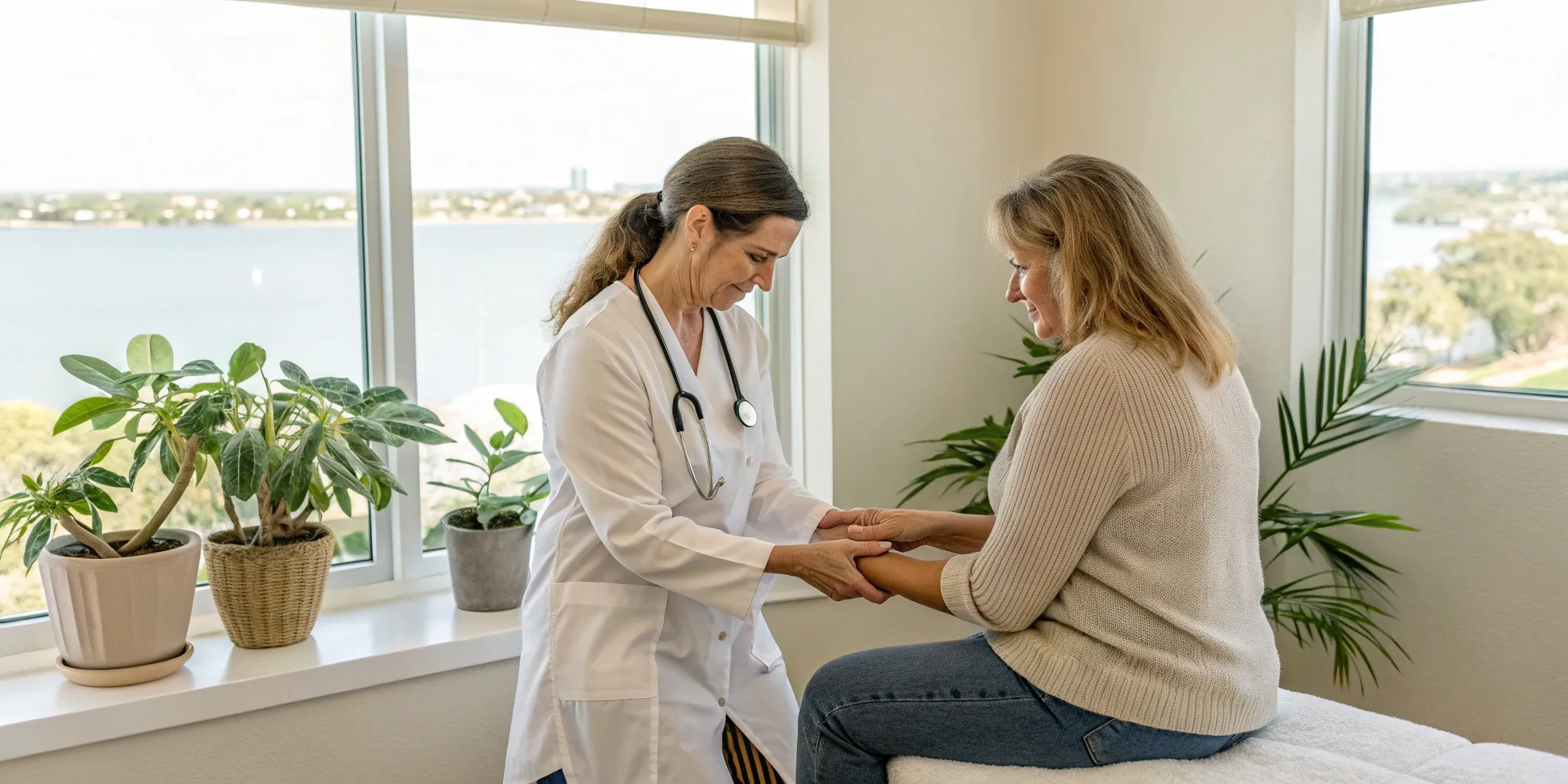
True healing is rarely about a single magic bullet. It’s about creating a comprehensive plan where different therapies work together to support your body’s recovery. While chiropractic care can align your structure and functional medicine can optimize your internal health, what do you do about the physical barrier of scar tissue? This is where shockwave therapy for scar tissue plays a crucial role. It acts as the specialist that breaks down the dense, fibrous tissue that restricts your movement. By clearing this roadblock, it allows other physical medicine treatments to be more effective, creating a synergistic approach for a more complete and lasting recovery.
Key Takeaways
- It kickstarts your body's natural repair process: Shockwave therapy uses acoustic waves to break down stiff, fibrous scar tissue, which then signals your body to build new, flexible collagen and increase blood flow to the area.
- It treats a wide range of scar-related issues: This non-invasive therapy is effective for more than just surface scars; it can address deep adhesions from old injuries, post-surgical tightness, and even raised scars that limit your mobility.
- Your results are tied to a consistent plan: Lasting improvement is a process, not a quick fix. The best outcomes come from following a personalized treatment schedule that allows the therapy's effects to build over time, supporting your body's healing cycle.
How Does Shockwave Therapy Break Down Scar Tissue?
When your body heals from an injury, it forms scar tissue. While this is a natural part of the repair process, sometimes this new tissue is dense, stiff, and disorganized, leading to chronic pain and limited movement. Instead of just managing the symptoms, shockwave therapy gets to the source of the problem by using targeted acoustic waves to remodel this tissue from the inside out. The process works through a few key actions: breaking down the old, fibrous tissue, signaling the body to create new and healthy tissue, and improving blood flow to support the entire healing process.
Using Acoustic Waves to Target Fibrous Tissue
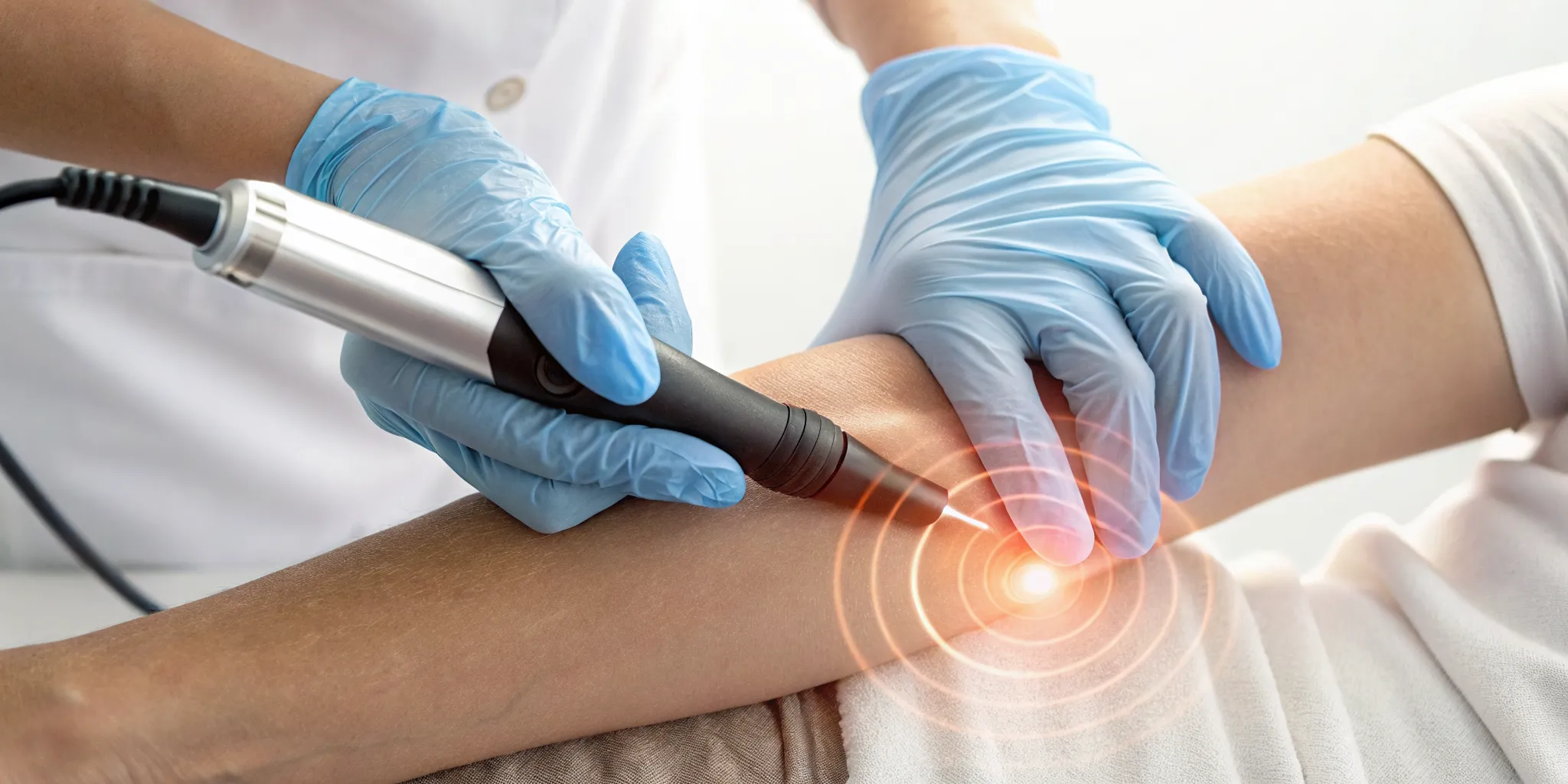
Think of stubborn scar tissue as a tight, tangled knot of fibers. Shockwave therapy sends high-energy acoustic waves directly to this area, creating a process called mechanotransduction. This is a fancy way of saying the physical energy of the waves creates a biological response. The waves act like a targeted, deep-tissue massage on a microscopic level, stimulating the breakdown of the dense, fibrous scar tissue that restricts your movement. As this inflexible tissue is broken apart, it allows for greater flexibility and a better range of motion in the affected joint or muscle, helping you move more freely and with less pain.
Promoting New Collagen and Tissue Regeneration
Breaking down old scar tissue is just the first step. The truly transformative part of shockwave therapy is its ability to kickstart your body’s own healing and regeneration. The acoustic waves signal your cells to get to work, initiating a powerful healing cascade. This process encourages the formation of new, healthy collagen fibers, which are the essential building blocks for strong and flexible tissues. Instead of just patching the area with disorganized scar tissue, your body begins to remodel the area, laying down a new, organized tissue matrix. This focus on true tissue regeneration is a core part of our physical medicine approach to long-term healing.
Increasing Blood Flow to Support Healing
For any tissue to heal properly, it needs a steady supply of oxygen and nutrients, which are delivered through your bloodstream. A major problem with scar tissue is that it often has poor circulation, which can stall the healing process indefinitely. Shockwave therapy helps solve this by stimulating the formation of new blood vessels in and around the treated area. This improved blood flow acts like a superhighway for healing, delivering all the vital nutrients your body needs to repair and regenerate the tissue. It also helps flush away waste products, further reducing inflammation and supporting a healthier cellular environment for lasting recovery.
What Types of Scar Tissue Does Shockwave Therapy Treat?
Scar tissue can show up in many forms, and it’s not just a cosmetic concern. It can run deep, creating tightness, restricting movement, and causing chronic pain that affects your daily life. The good news is that shockwave therapy is incredibly versatile and can address several different types of scar tissue, whether they’re on the surface or hidden in deeper tissues. Because this technology targets the fibrous, disorganized collagen that makes up scar tissue, it can be applied to a wide range of issues.
This approach is all about addressing the root of the problem. Instead of just managing symptoms, shockwave therapy helps your body remodel the tissue itself, promoting more organized and flexible healing. Whether your scar is from a recent operation, an old injury, or a condition that causes tissue to bind together, this non-invasive treatment can help restore function and bring relief. Let’s look at some of the specific types of scar tissue that respond well to this innovative therapy.
Scars from Surgery
After any surgical procedure, your body’s natural healing process creates scar tissue. While this is a normal part of recovery, the resulting scar can sometimes be thick, tight, and restrictive, especially around a joint. This can limit your range of motion and make movement uncomfortable. Shockwave therapy is an excellent tool for post-surgical recovery because it uses acoustic waves to gently break down this dense, fibrous tissue. By reducing the scar’s density, the therapy helps make the tissue more flexible. This can significantly improve your mobility and help you get back to your activities with greater ease after procedures like a C-section, joint replacement, or rotator cuff repair.
Raised Scars (Hypertrophic and Keloid)
Hypertrophic and keloid scars are raised, often discolored scars that form when the body produces too much collagen during the healing process. They can be itchy, sensitive, and can make you feel self-conscious. Beyond appearance, if they form over a joint like an elbow or knee, they can physically restrict movement. Research has shown that shockwave therapy can be effective in reducing the thickness and hardness of these scars while also increasing the tissue’s elasticity. This dual-action approach helps improve both the scar’s appearance and your functional mobility, leading to smoother skin and more comfortable movement.
Tendon and Soft Tissue Adhesions
Sometimes, scar tissue forms internally as adhesions, which are fibrous bands that cause tissues and organs that are normally separate to stick together. You can’t see them, but you can certainly feel them as pain, stiffness, and a frustrating loss of flexibility. These adhesions are common after injuries, inflammation, or certain medical procedures and can prevent muscles and tendons from gliding smoothly. Shockwave therapy can precisely target and help break up these internal adhesions. By doing so, it helps restore normal, pain-free movement and allows your body to function the way it was meant to.
Scar Tissue Causing Chronic Pain
For many people, the most frustrating part of scar tissue is the chronic pain that comes with it. When scar tissue forms excessively, it can entrap nerves, restrict blood flow, and create constant tension in an area, leading to persistent pain and limited function. If you’re dealing with long-term discomfort from an old injury, this might be the underlying cause. Shockwave therapy offers a promising solution by directly targeting and breaking up the problematic scar tissue that contributes to many conditions we treat. By promoting healing at the source, it can help you find lasting relief from chronic pain and get back to living your life more fully.
How Effective Is Shockwave Therapy for Scar Tissue?
When you’re dealing with scar tissue, you want a solution that actually works. You want to move freely again and feel comfortable in your own skin. Shockwave therapy is a highly effective, research-backed treatment that addresses scar tissue at its source. Instead of just managing the symptoms, this therapy uses acoustic waves to promote your body’s own healing mechanisms, remodeling the tissue from the inside out. It’s a cornerstone of our physical medicine approach because it gets real results for our patients.
The effectiveness of shockwave therapy isn't just anecdotal; studies show it makes a measurable difference. It works by stimulating blood flow, encouraging new cell growth, and breaking down the tough, fibrous bands that make scars problematic. This process can lead to significant improvements in mobility, a reduction in chronic discomfort, and a visible change in the scar’s appearance. It’s a powerful way to help your body resolve old injuries and adhesions that hold you back from living fully.
Improving Scar Texture and Flexibility
Scar tissue often feels tight, dense, and inflexible, restricting your movement and causing a constant pulling sensation. Shockwave therapy directly targets this problem by stimulating the breakdown of that tough, fibrous tissue. The acoustic waves create micro-trauma in the treatment area, which signals your body to clear out the old, disorganized collagen fibers and lay down new, more flexible tissue.
This process helps to soften the scar, making it more pliable and less dense. As the scar tissue becomes more like healthy tissue, you’ll notice an improvement in your range of motion and a decrease in that feeling of tightness. It’s an effective way to address the underlying stiffness that so many chronic conditions can cause, helping you move with greater ease and freedom.
Reducing Scar Height and Hardness
If you have a raised or hardened scar, you know it can be both a cosmetic concern and a source of physical irritation. This happens when your body produces too much disorganized collagen, resulting in fibrosis. Research has shown that shockwave therapy can reduce this fibrosis and decrease the thickness of scar tissue while improving its elasticity.
The therapy essentially helps to remodel the scar, encouraging the hard, lumpy tissue to flatten and soften. Over a series of treatments, many people find their scars become less noticeable and blend more naturally with the surrounding skin. Our patients often share how happy they are with the visible changes, which you can read about in their testimonials. This improvement in texture can make a huge difference in how you feel about your scar and your body.
Shockwave Therapy vs. Other Scar Treatments
While there are many ways to address scar tissue, from topical creams to more intensive procedures, they often have limitations. Some treatments only work on the surface, while others may not be effective for older, more established scars. Shockwave therapy has emerged as a standout option because it offers a non-invasive yet powerful solution for breaking up stubborn scar tissue.
Unlike treatments that require cutting or injections, shockwave therapy works from outside the body, making it a much more comfortable experience with minimal downtime. It’s particularly effective for adhesions and deep fibrosis that other methods can’t reach. By offering a way to resolve scar tissue without more aggressive interventions, it has become an essential part of the comprehensive services we provide for lasting healing.
What Are the Benefits of Shockwave Therapy for Scars?
When you're dealing with scar tissue, you want a solution that does more than just manage the symptoms. You want real, lasting improvement that helps your body heal from the inside out. Shockwave therapy offers some incredible benefits that go beyond the surface, addressing the root cause of scar-related pain and stiffness. It’s a modern approach that supports your body’s own healing mechanisms to restore function and comfort.
It's Non-Invasive with Minimal Downtime
One of the biggest advantages of shockwave therapy is that it’s completely non-invasive. This means no incisions, no needles, and no lengthy recovery periods. The treatment uses gentle acoustic waves applied to the surface of your skin to target the scar tissue underneath. It’s a safe and well-tolerated procedure that can be performed right in our office, allowing you to get back to your day immediately after your session.
Unlike more intensive options that require you to put your life on hold, shockwave therapy fits easily into your schedule. This makes it an ideal treatment for anyone who wants effective results without the hassle and discomfort of a long recovery. Our approach to physical medicine prioritizes methods that are both effective and convenient for your lifestyle.
Regain Mobility and Range of Motion
Scar tissue can feel like an internal anchor, pulling on your skin and muscles and restricting how you move. This tightness can make simple actions feel difficult and even painful. Shockwave therapy works to release that tension. The acoustic waves help break down the dense, fibrous bands of scar tissue, making the tissue more pliable and flexible. By reducing the density of the scar, the treatment can significantly improve your mobility.
This could mean finally being able to stretch fully without that pulling sensation or getting back to your favorite activities without wincing. By restoring flexibility to the affected area, you can regain your full range of motion and move with greater ease and confidence. We see many patients with these types of conditions we treat find significant relief and improved function.
Achieve Long-Term Healing, Not Just Temporary Relief
Many treatments for scar tissue offer only temporary fixes, but shockwave therapy is different. It’s designed to create lasting change by working with your body’s natural healing abilities. While some traditional methods have their limits, shockwave therapy provides an effective way to resolve scar tissue at its source. Instead of just masking the tightness or appearance, it stimulates new collagen production and increases blood flow to the area.
This process helps your body remodel the damaged tissue into a healthier, more flexible state for results that last. The goal isn’t just to make you feel better for a little while; it’s to promote genuine, long-term healing. By addressing the underlying structure of the scar, our services aim to provide a permanent solution, not just a temporary patch.
Who Can Benefit from Shockwave Therapy?
You might be surprised by the wide range of people who find relief with shockwave therapy. It’s not just for a specific injury or condition. Instead, it’s a versatile treatment for anyone struggling with the effects of scar tissue, whether it’s from a recent procedure, an old sports injury, or chronic pain that just won’t go away. If you feel like stiff, painful tissue is holding you back, this therapy could be a key part of your recovery plan.
People Recovering from Surgery
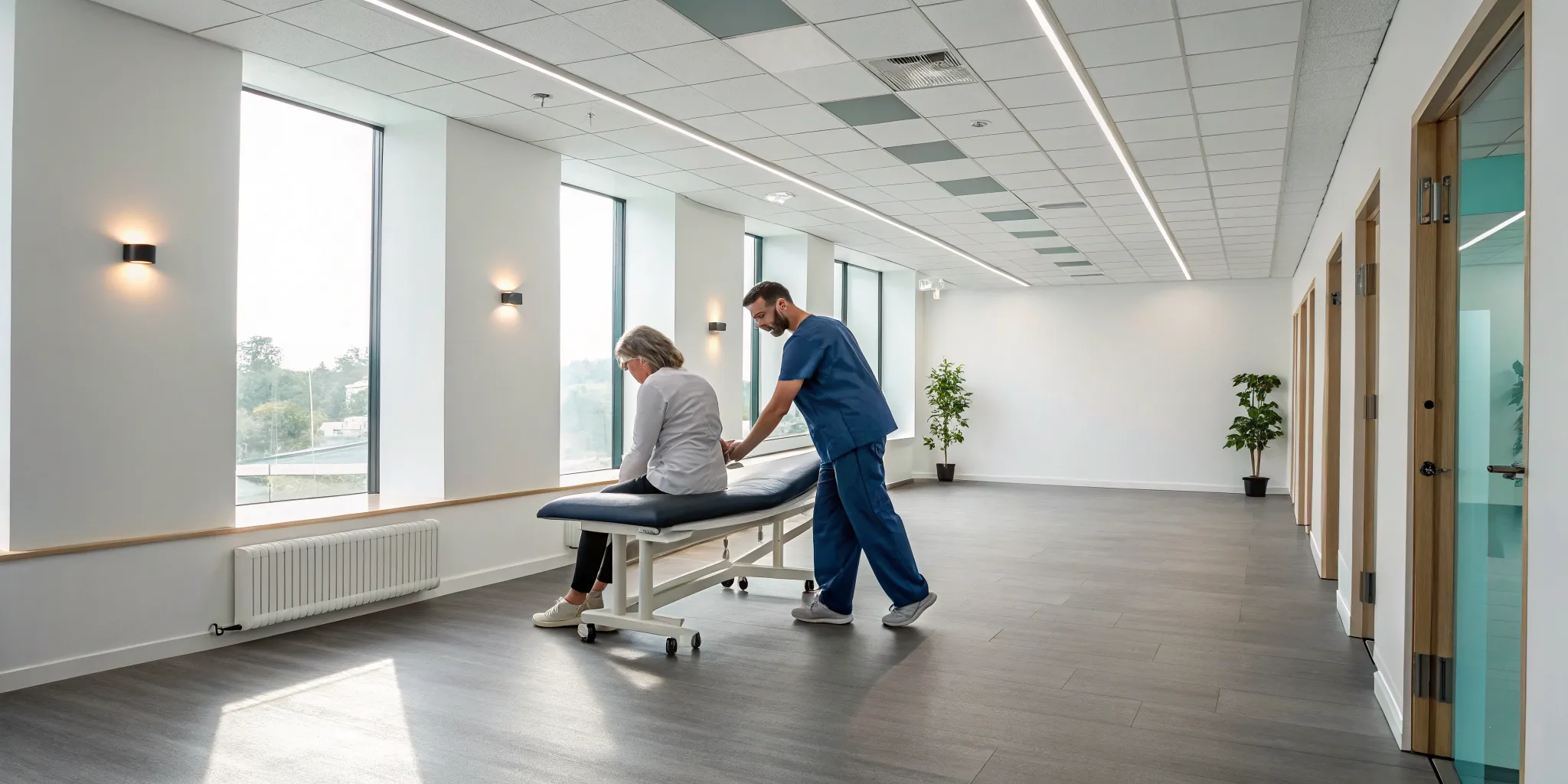
After any surgical procedure, your body’s natural healing process involves creating scar tissue. While this is normal, sometimes the tissue can become thick, tight, and form adhesions that restrict movement and cause discomfort. If you’re in post-operative recovery and feel like your progress has stalled due to stiffness or pain around the surgical site, shockwave therapy can help. It’s a non-invasive way to manage scar tissue formation, helping to break down adhesions and restore more fluid, pain-free movement. This can be an important step in getting you back to your daily life, supported by our physical medicine services.
Athletes and Active Individuals
For athletes and anyone who loves to stay active, injuries are often part of the game. Repetitive strain and acute injuries can lead to scar tissue in tendons, ligaments, and muscles, causing chronic issues like tendonitis or plantar fasciitis. This fibrous tissue can limit your range of motion and keep you from performing at your best. Shockwave therapy directly targets this dense, dysfunctional tissue, helping to break it down and stimulate the regeneration of healthy, flexible tissue in its place. By improving tendon function and mobility, it helps you move past nagging injuries and get back to your activities with more confidence.
Anyone with Chronic Pain from Scar Tissue
Sometimes, the source of chronic pain is hidden scar tissue from an injury you sustained years ago. You might not even connect the old injury to the daily aches and stiffness you feel now. This internal scar tissue can restrict nerves, limit blood flow, and cause persistent discomfort that affects your quality of life. Shockwave therapy offers a way to address these long-standing issues by targeting the root cause. It helps to break down old adhesions and kickstart a new healing cycle, even years after the initial injury. If you’re dealing with chronic pain, we can help you identify the source of your discomfort and see if this treatment is right for you.
What Factors Influence Your Results?
When it comes to healing, your body has its own unique timeline and set of needs. The success of shockwave therapy for your scar tissue isn't based on a magic number of sessions but on a combination of factors working together. Think of it less like a simple fix and more like a personalized recipe for recovery. Your results will depend on the specifics of your treatment plan, the nature of your scar, your overall health, and your commitment to the process. It's a partnership between the therapy, your practitioner's expertise, and your body's incredible ability to heal.
Understanding these elements can help you set realistic expectations and play an active role in your healing journey. At Ascend Functional Health, we look at the complete picture to create a strategy that addresses your specific situation. By tailoring the approach, we can better support your body’s ability to break down old tissue and build something new and healthy in its place. The goal is to create lasting change, not just a temporary patch. That process starts with a plan designed just for you, considering every aspect of your well-being to give you the best possible outcome.
Your Personalized Treatment Protocol
A one-size-fits-all approach doesn’t work for complex issues like scar tissue, which is why your treatment protocol will be completely personalized. We design a plan that specifies the intensity and depth of the acoustic waves to match your scar’s unique characteristics. This targeted application is key, as the therapy works to stimulate the breakdown of dense, fibrous scar tissue. By carefully adjusting the settings, we can encourage your body to replace rigid scar tissue with more flexible, healthy tissue. This process is central to our physical medicine approach, as it helps restore mobility and reduce the tightness that often comes with scarring.
The Number and Frequency of Sessions
One of the most common questions we hear is, "How many sessions will I need?" The answer depends on several clinical factors, including the intensity of the waves (energy flux density), the number of pulses per session, and the speed at which they are delivered. Your practitioner will determine the right combination for your specific needs. The timing of your treatments is also critical. Sessions are spaced out strategically to give your body time to respond and begin its natural healing cascade. This cumulative effect is what leads to significant, long-term improvement for the conditions we treat with this therapy.
Your Unique Health Profile and Scar Type
Every person and every scar tells a different story. The age of your scar, its location, its size, and whether it’s a raised keloid or a flat surgical scar all play a role in how it responds to treatment. Your overall health is another major factor. Because shockwave therapy relies on your body’s own healing mechanisms, things like your nutrition, circulation, and inflammation levels can influence your outcome. This is where our focus on functional medicine becomes so important. By supporting your whole-body health, we can create an internal environment that is primed for effective tissue repair and regeneration.
Consistency and Timing of Your Treatments
Consistency is arguably one of the most important factors in achieving the results you want. Shockwave therapy is a process that builds on itself with each session. Skipping appointments or spacing them too far apart can interrupt the healing cycle and slow your progress. Sticking to the recommended schedule allows the acoustic waves to have a cumulative impact, continually stimulating blood flow and cell activity in the targeted area. Think of it as a consistent reminder to your body to keep healing the damaged tissue. To get started on a consistent plan tailored to you, you can contact our team to schedule a consultation.
What to Expect During Your Shockwave Therapy Session
Stepping into any new treatment can feel a little uncertain, but knowing what’s ahead can make all the difference. We believe in making your healing journey as clear and comfortable as possible. From the moment you walk in, our team is here to guide you, answer your questions, and make sure you feel confident in your care. A shockwave therapy session is straightforward, quick, and designed to set your body’s healing process in motion. Here’s a simple breakdown of what your appointment will look like.
How Long Each Session Takes
One of the best parts of shockwave therapy is how efficiently it works. You can expect your session to last between 15 and 30 minutes, making it easy to fit into a busy schedule. The exact duration depends on the size of the area being treated and the specific condition we’re addressing. While some people feel a difference after just one appointment, most chronic conditions require a series of sessions to achieve lasting results. We’ll create a personalized protocol that outlines the number and frequency of treatments you need to support your body’s ability to heal and regenerate tissue.
What the Treatment Actually Feels Like
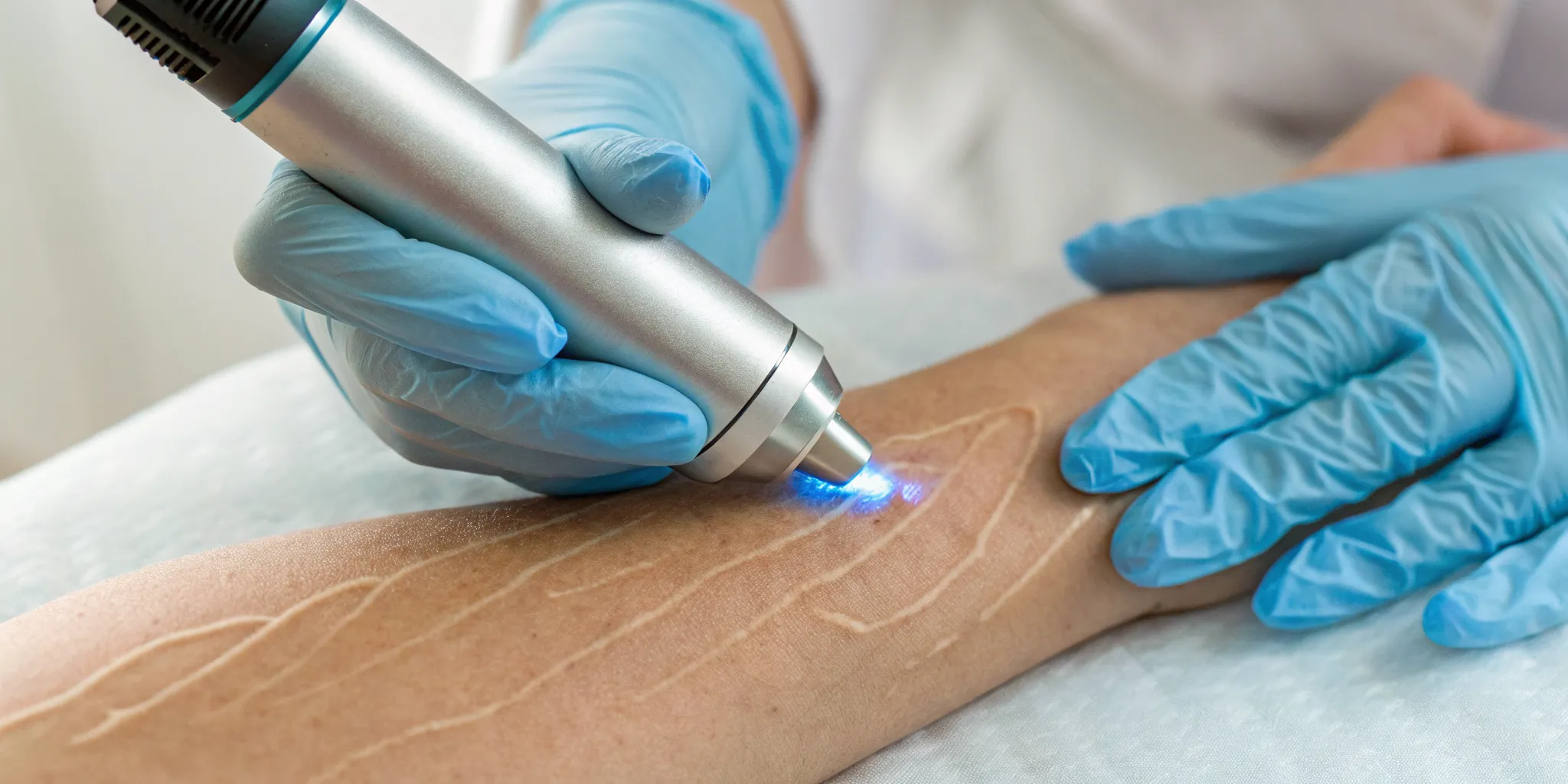
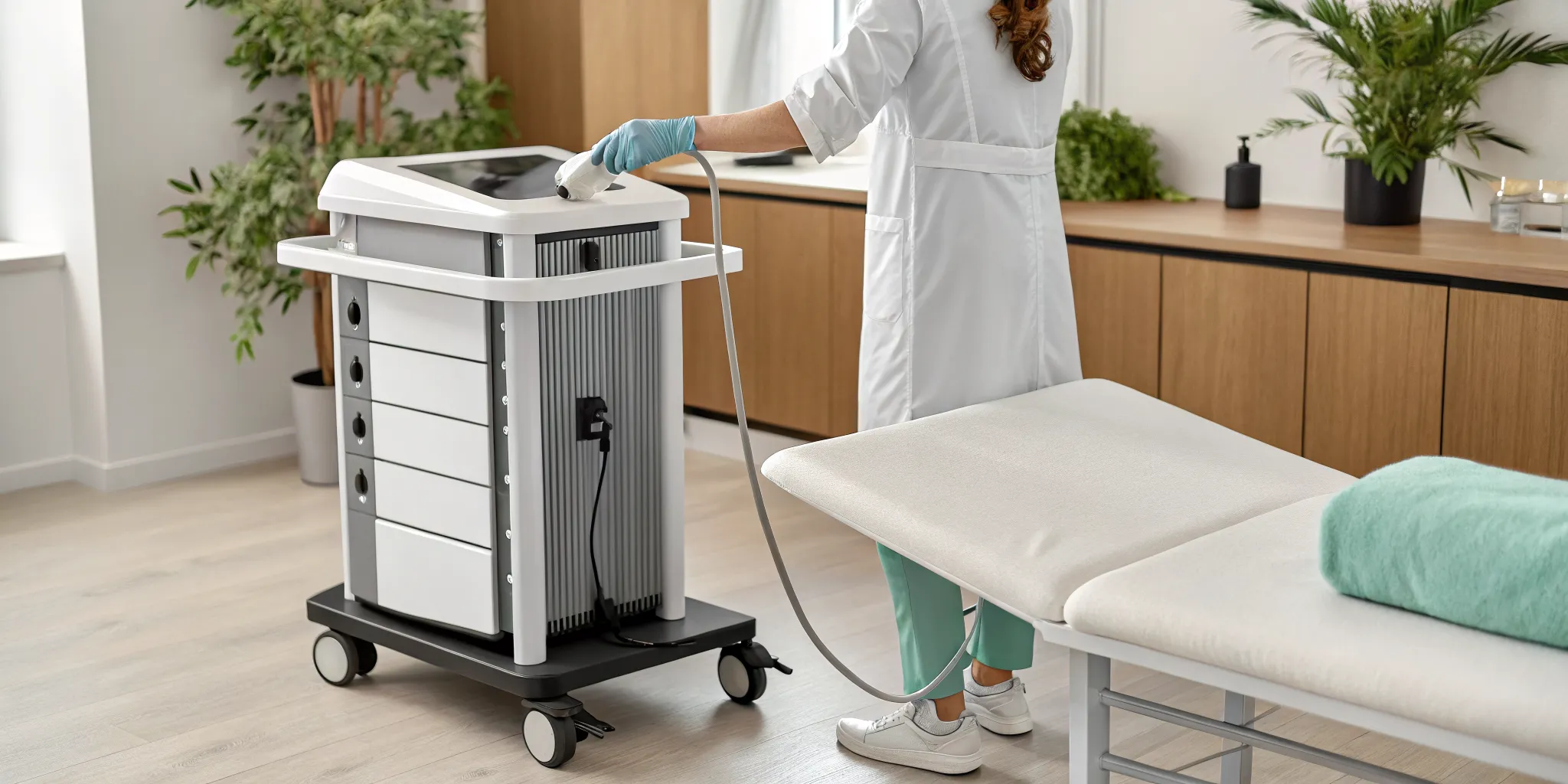
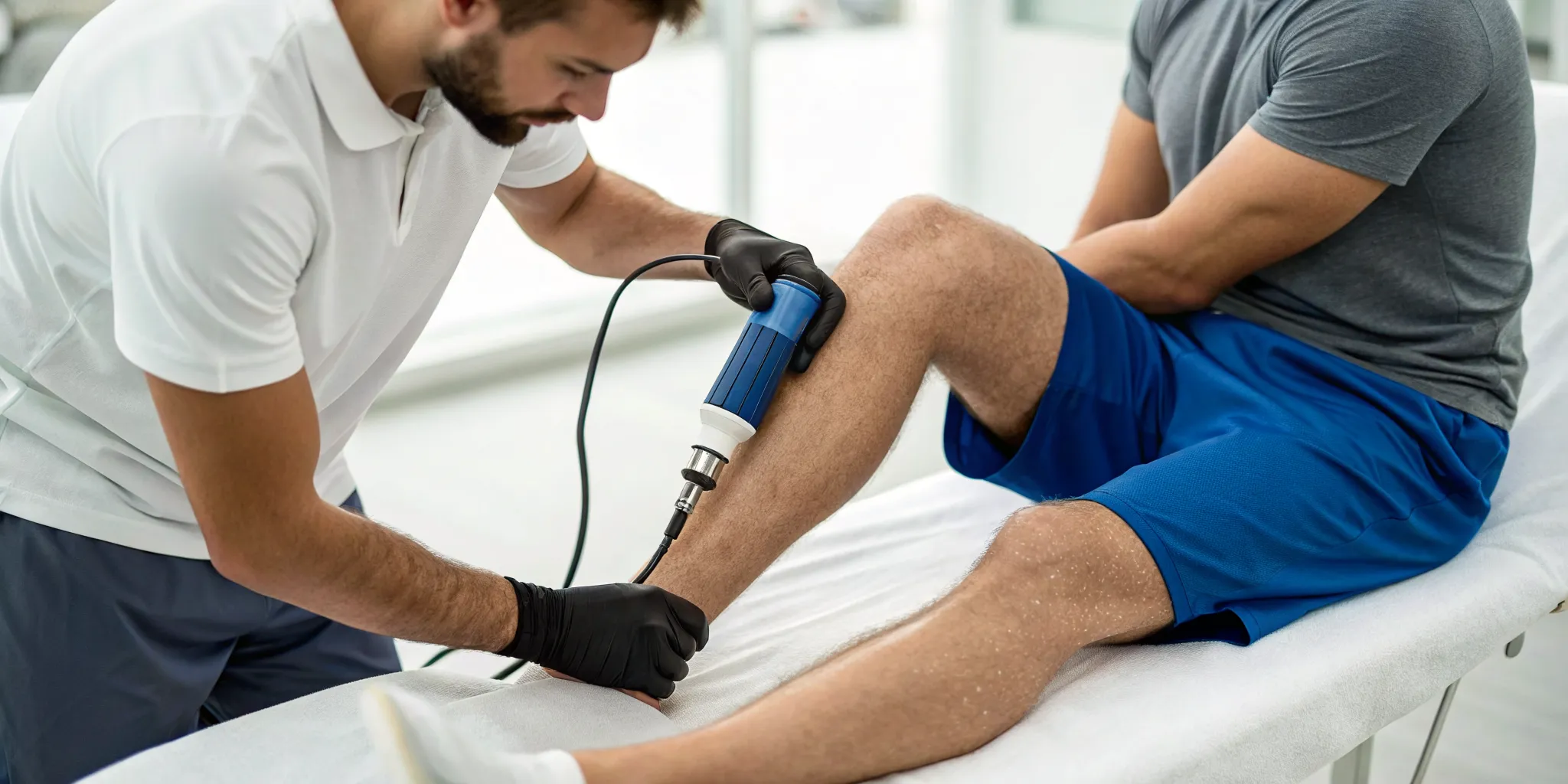
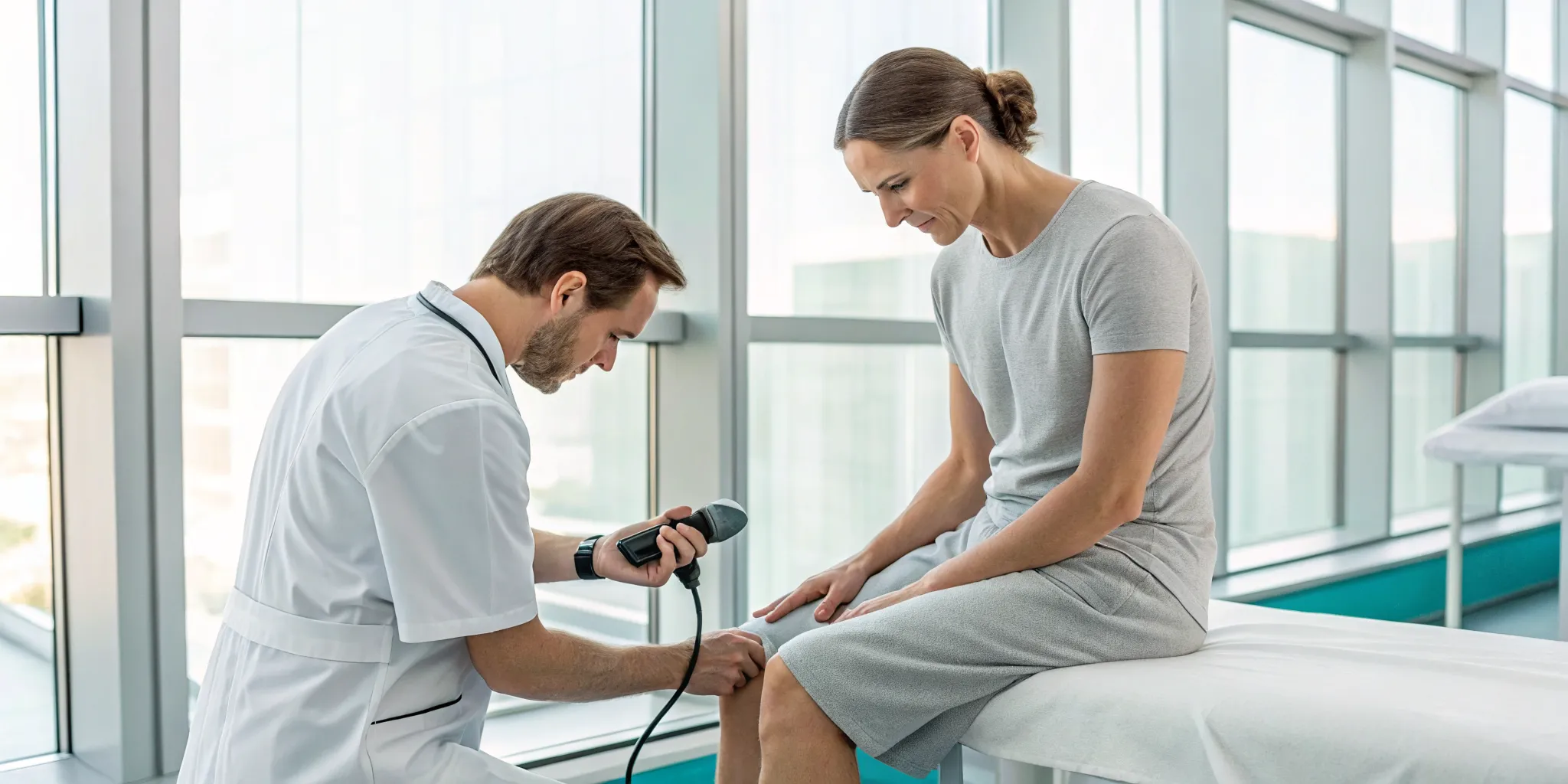
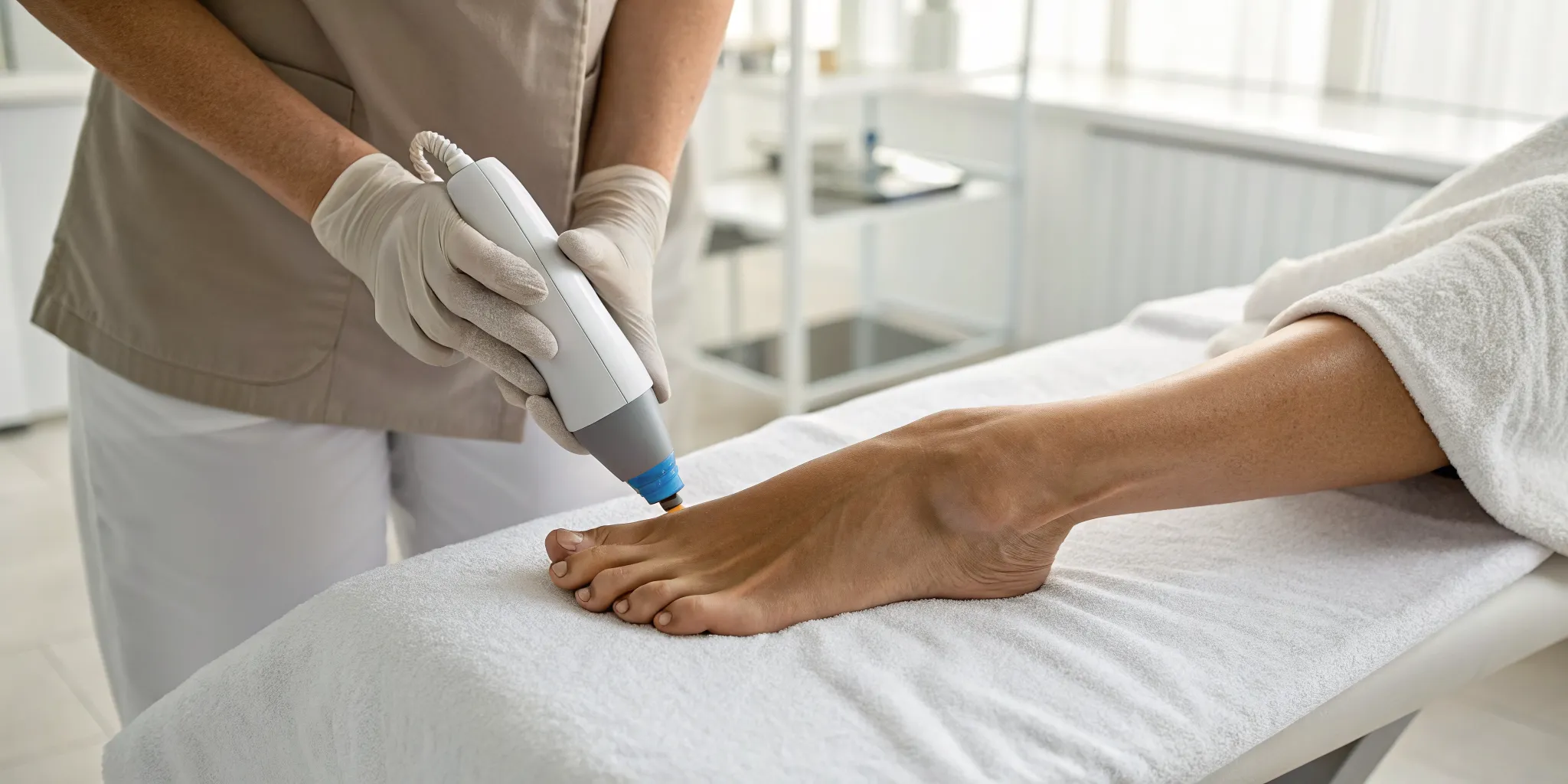
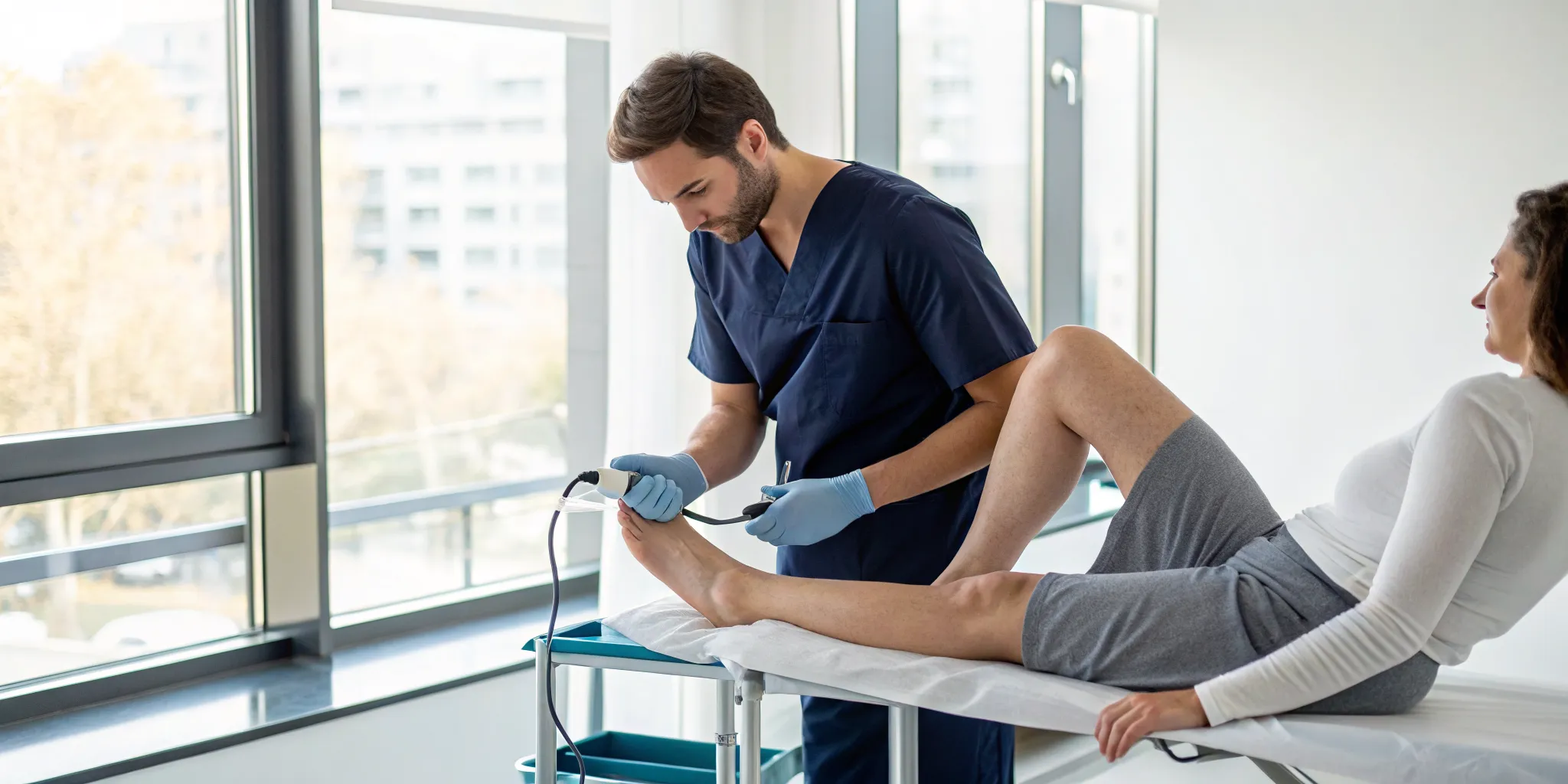
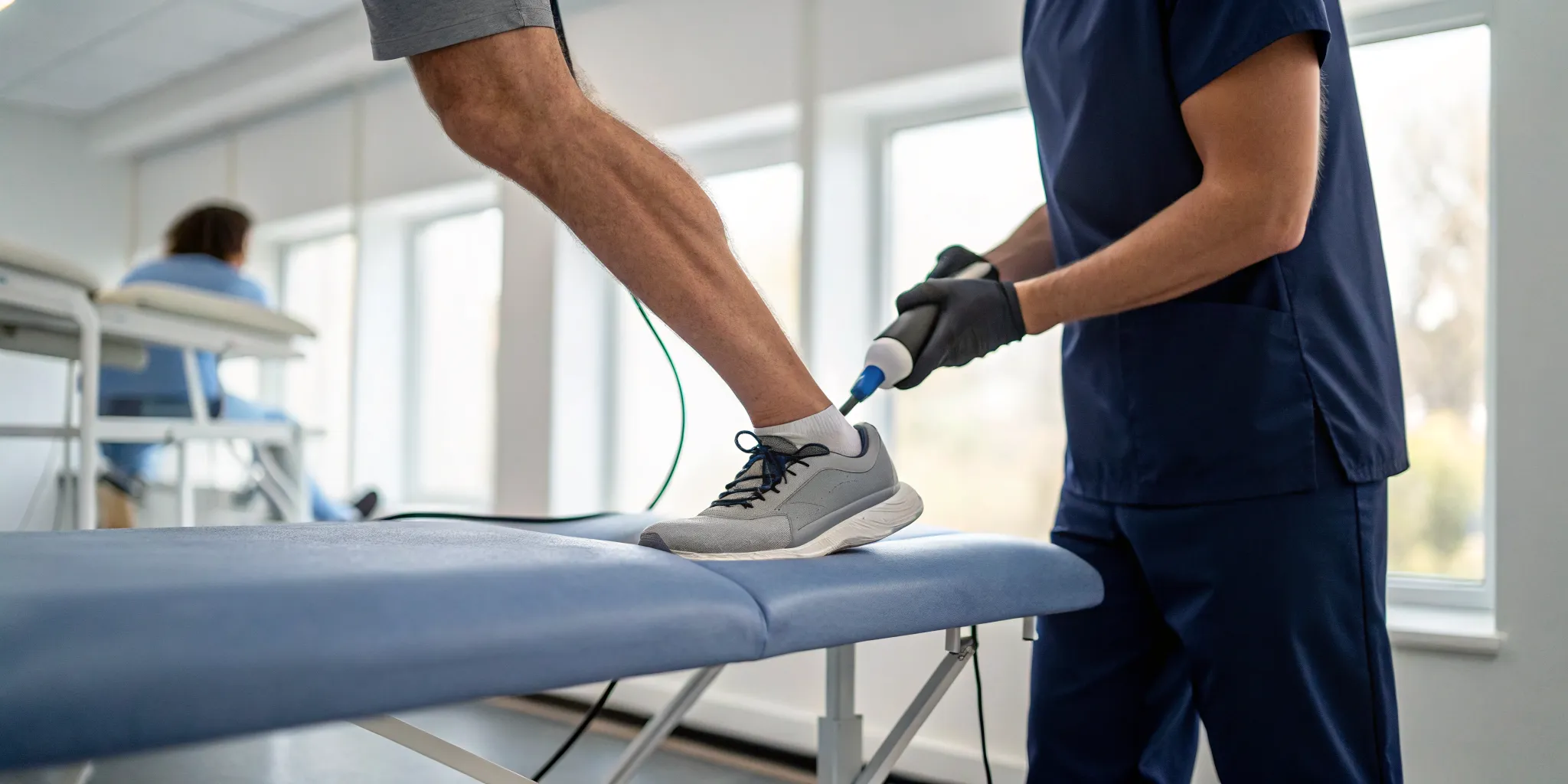
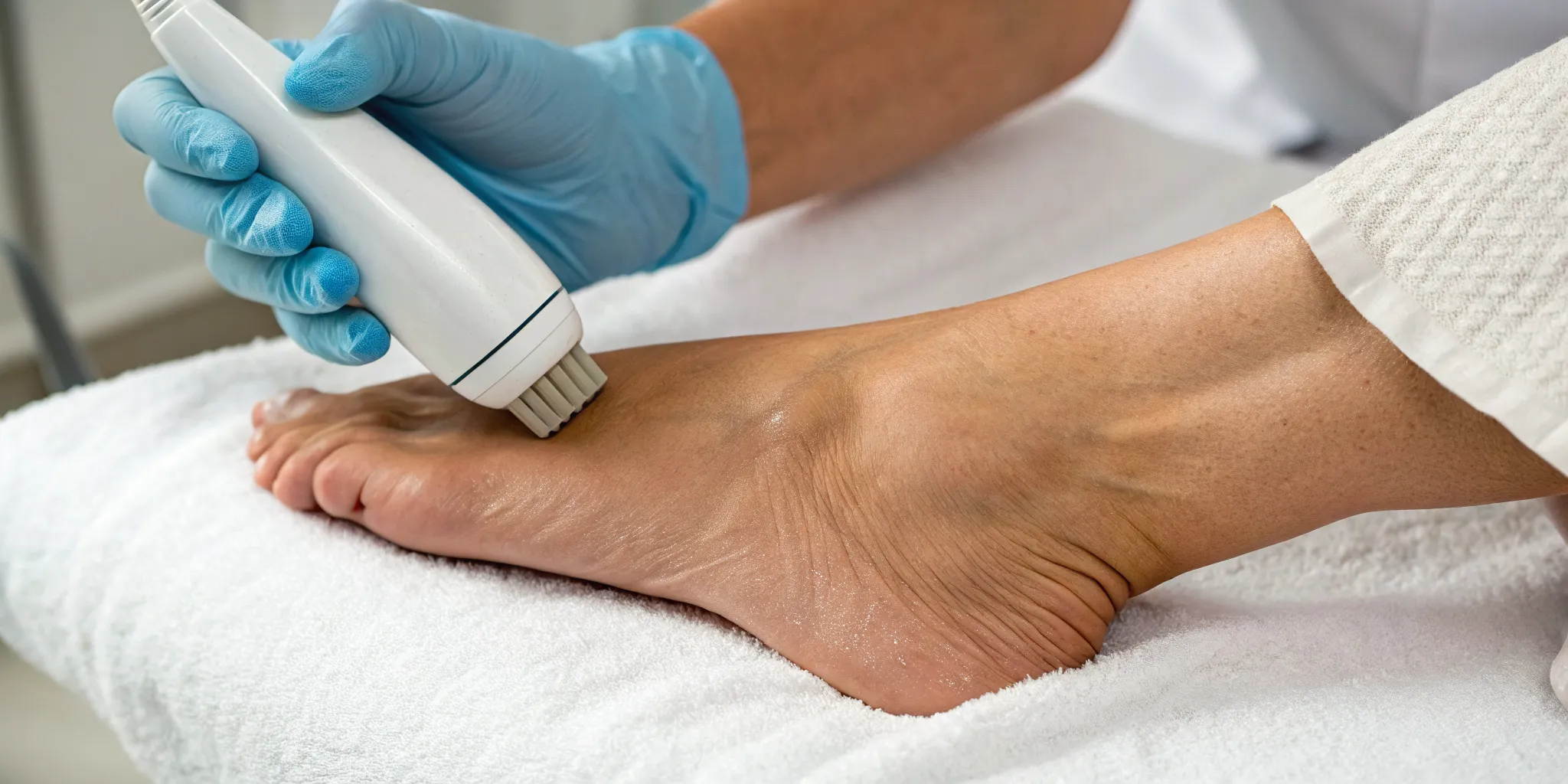
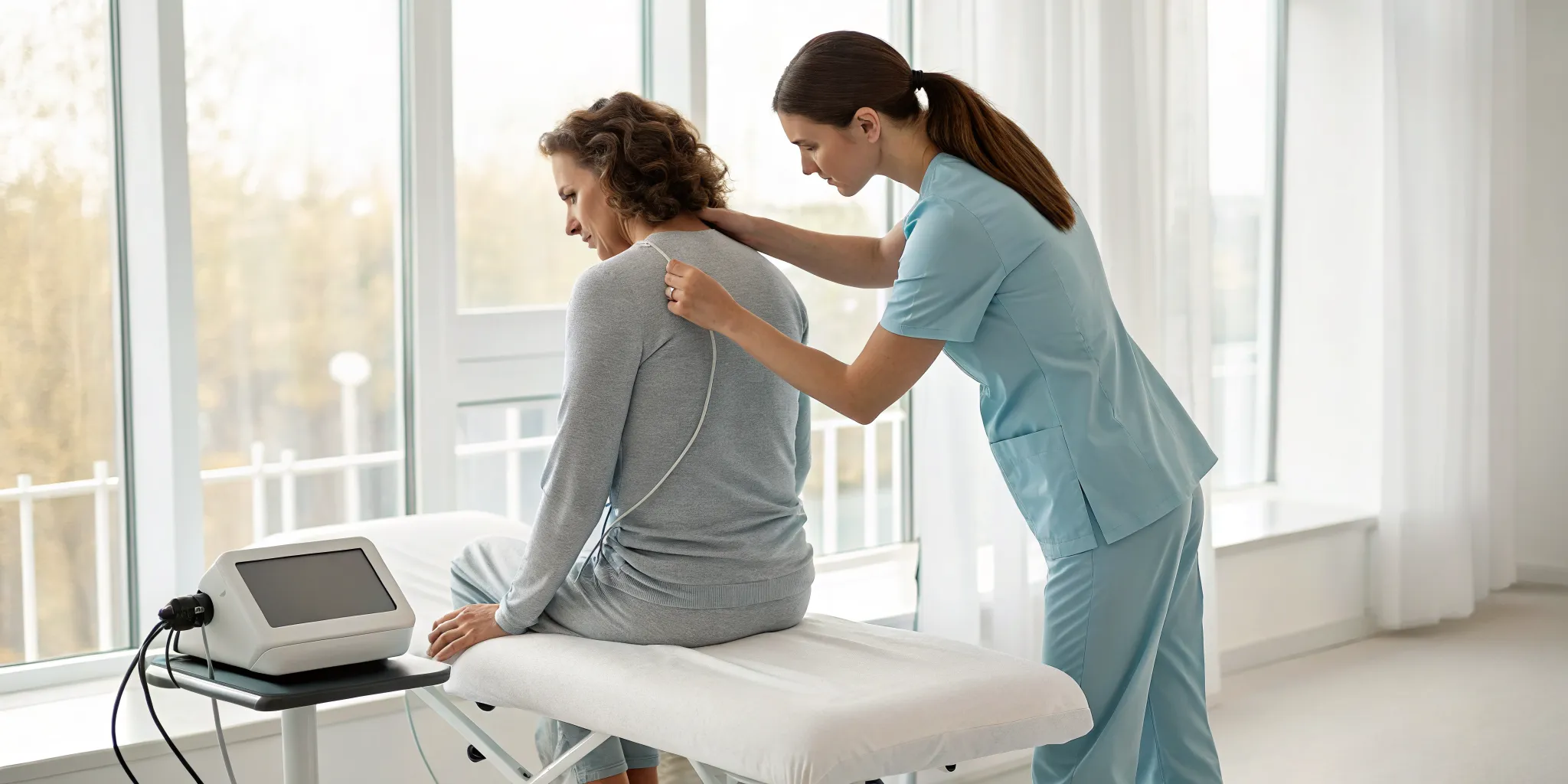
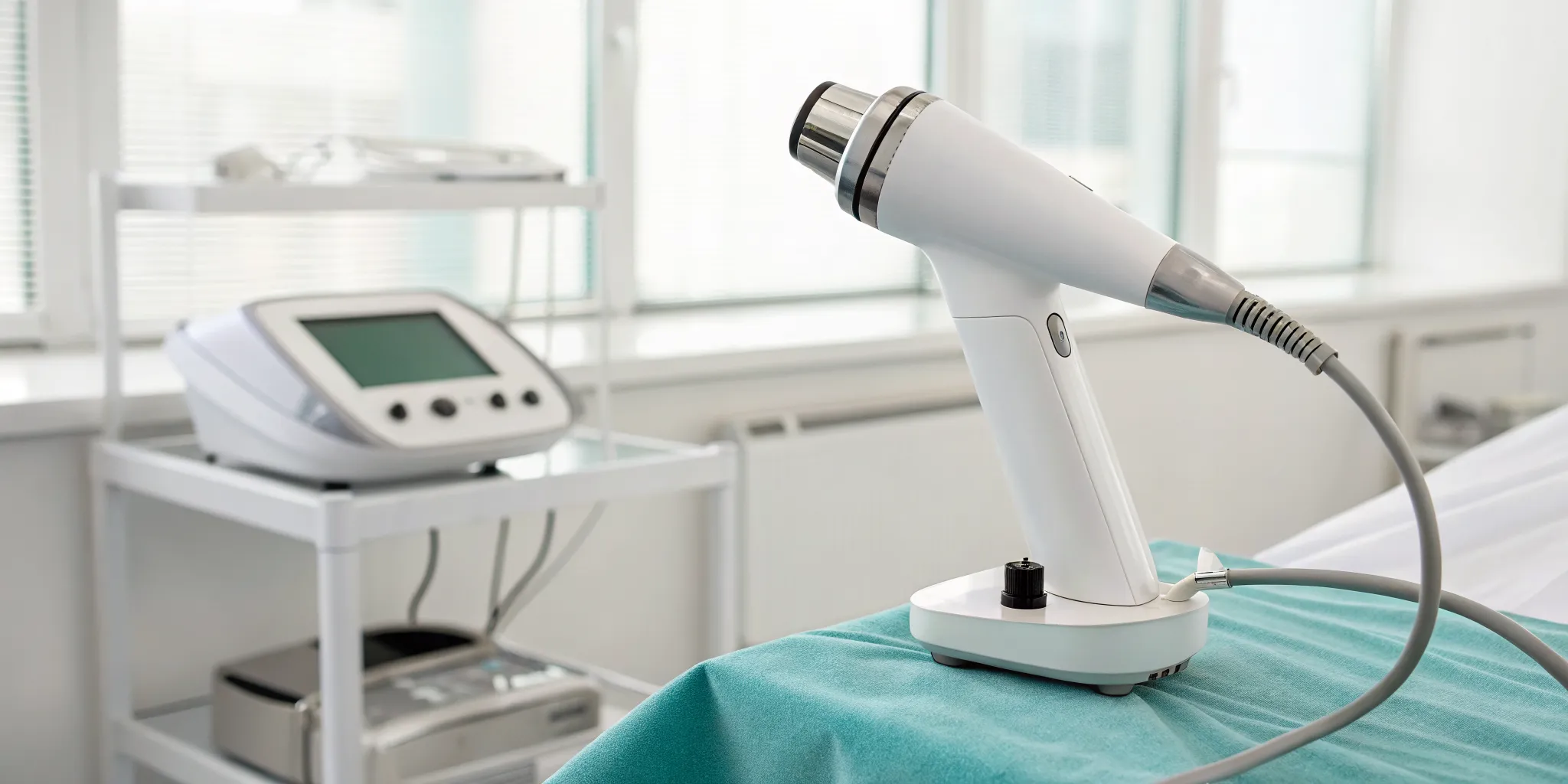
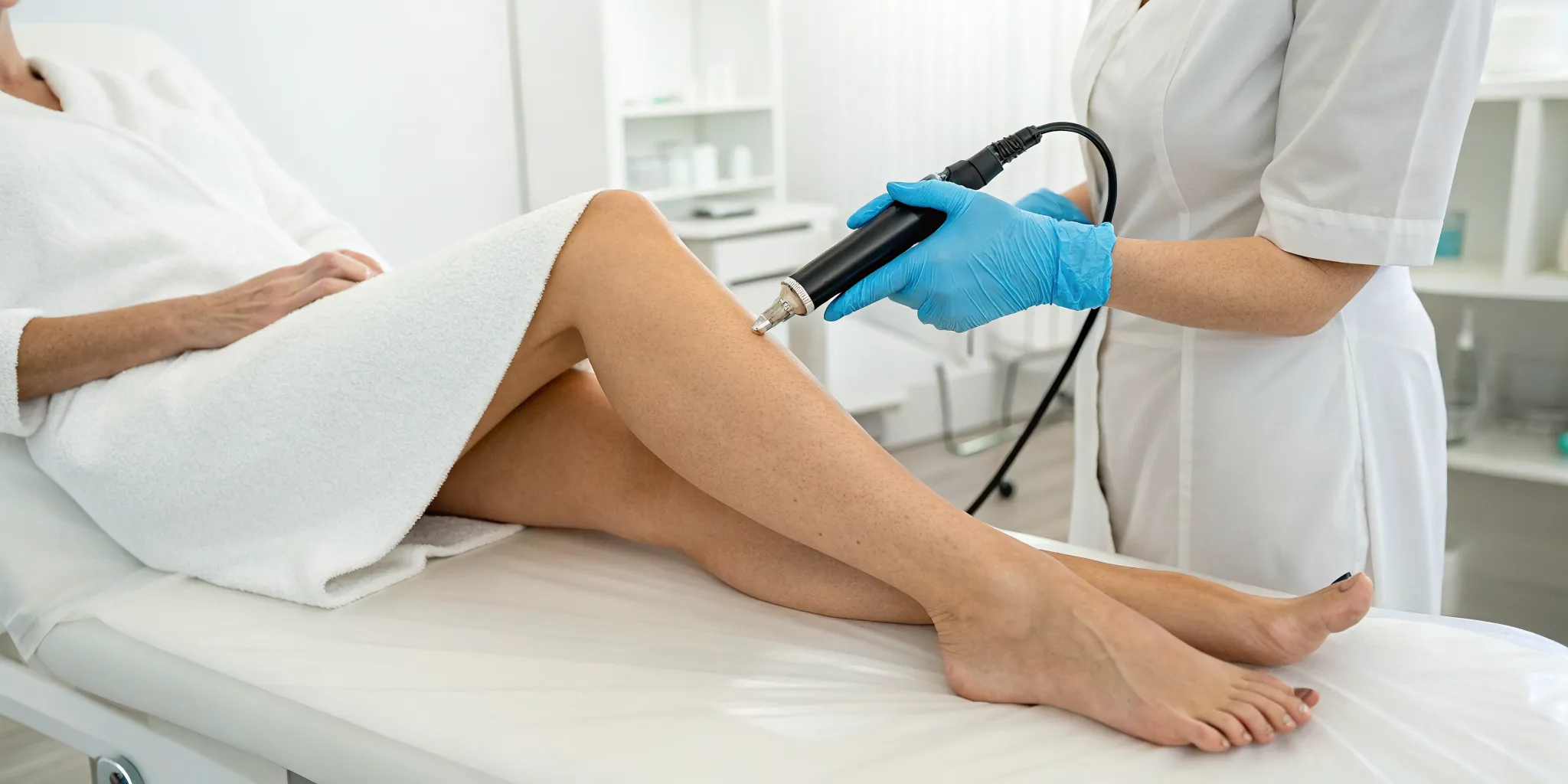
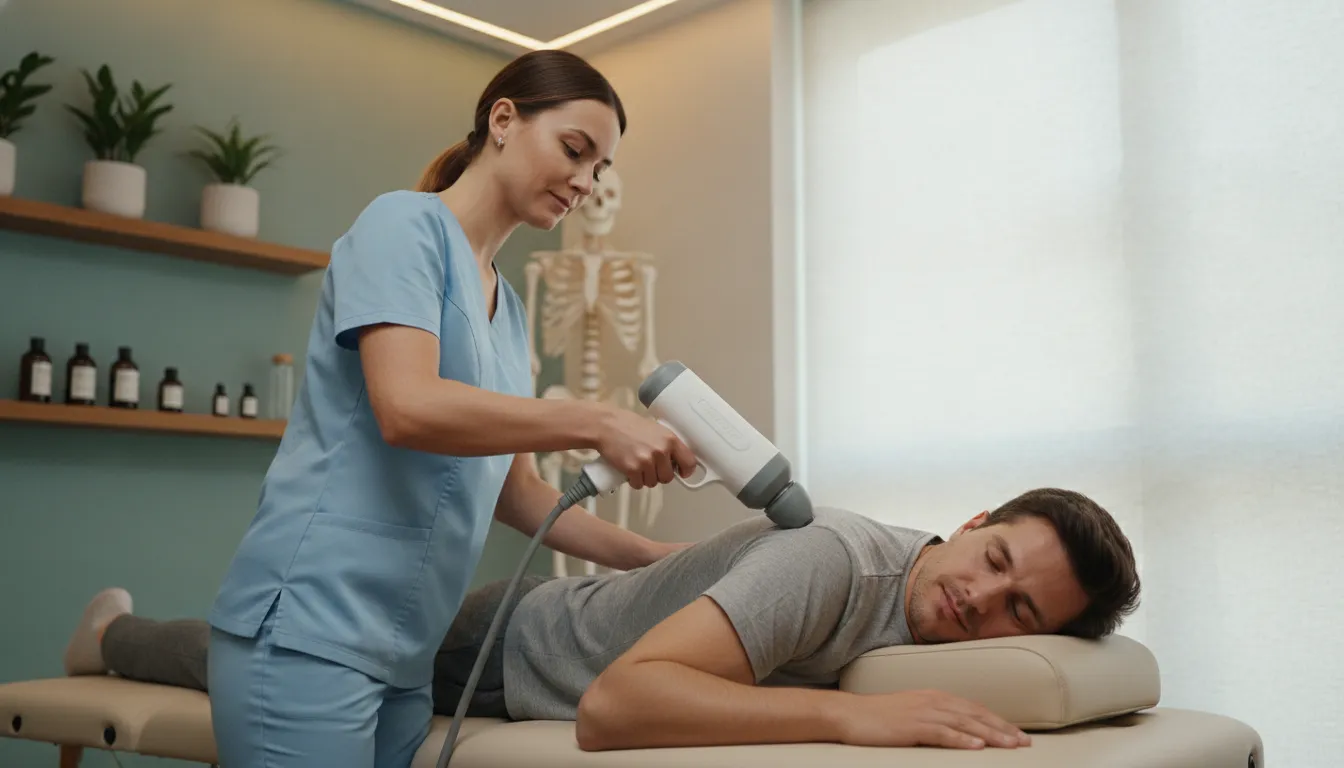
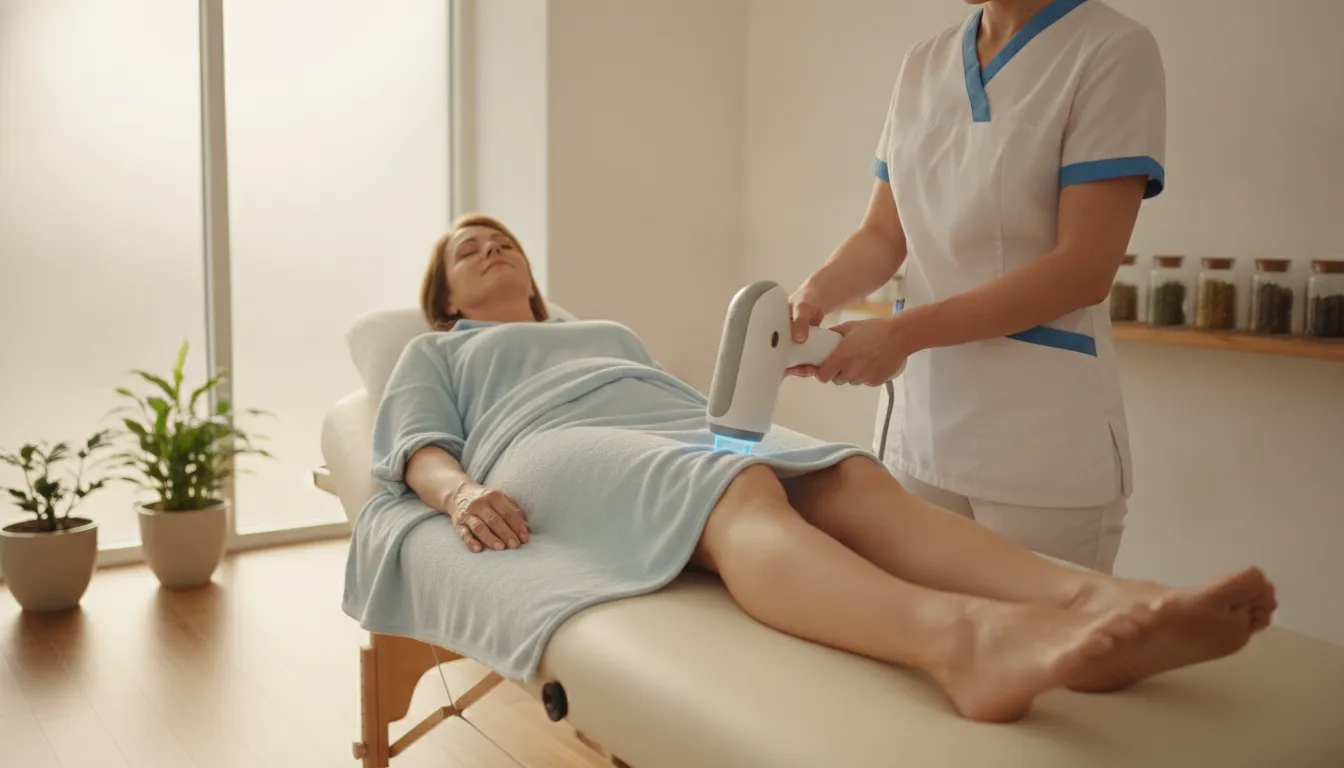
It’s completely normal to wonder if the treatment will be uncomfortable. During the session, a team member will apply a gel to your skin and use a handheld applicator to deliver the acoustic waves to the targeted tissue. Most people describe the sensation as a light tapping or pulsing feeling. While you might feel some mild discomfort, especially over a sensitive area, the treatment is generally very well-tolerated. Our clinicians can adjust the intensity at any time to match your comfort level, ensuring the session is both effective and manageable for you.
Aftercare and Recovery Tips
Your body does its most important healing work after the session is over. To give it the best chance to recover, we recommend avoiding strenuous activities, like heavy lifting or high-impact exercise, for at least 24 hours. You may feel some mild soreness, similar to what you’d feel after a deep tissue massage, but this usually fades quickly. Gentle stretching and movement can be beneficial. As part of our comprehensive services, we’ll provide you with specific aftercare instructions tailored to your body and your treatment plan to help you get the most out of every session.
Common Myths About Shockwave Therapy
When you first hear about shockwave therapy, it’s easy to let your imagination run wild. The name itself sounds intense, and like any advanced medical technology, it’s surrounded by a fair share of misinformation. These myths can create confusion and might even prevent you from exploring a treatment that could genuinely help you heal. Let's clear the air and separate fact from fiction so you can feel confident about your options.
Understanding what shockwave therapy is, and what it isn’t, is the first step toward making an informed decision about your health. Many common beliefs about this treatment are based on outdated information or simple misunderstandings. From concerns about pain to questions about who it’s for, we’re going to address the most prevalent myths head-on. Our goal at Ascend Functional Health is to empower you with clear, accurate information so you can feel confident in your healing journey. By debunking these myths, we can get a better picture of how this non-invasive therapy supports the body’s own repair processes, especially when it comes to stubborn scar tissue and chronic pain. It's a powerful tool in our approach to holistic health, designed to work with your body, not against it.
Myth: "It's a painful and invasive procedure."
Let's tackle the biggest misconception first. Shockwave therapy is a non-invasive treatment, which means it works from outside the body. There are no needles, no incisions, and no surgery involved. The therapy uses a special device to send acoustic waves through your skin to the targeted tissue underneath. Most people describe the sensation as a strong, deep tapping or a pulsing feeling. While you might experience some mild discomfort, especially over a sensitive area, the intensity is always adjusted to your tolerance. Our team ensures you remain comfortable throughout the entire session, which is a core part of our approach to physical medicine.
Myth: "It's only for professional athletes."
While it’s true that many elite athletes use shockwave therapy to speed up recovery, its benefits are available to everyone. This treatment is incredibly effective for a wide range of people dealing with soft tissue injuries and chronic pain. Whether you have scar tissue from a C-section, adhesions from an old injury, or persistent tendon pain like plantar fasciitis, shockwave therapy can help. It’s for office workers with chronic shoulder pain, weekend warriors with tennis elbow, and anyone whose movement is limited by fibrous tissue. The goal is to restore function and help you get back to your life, regardless of whether that involves a playing field or a walk in the park. We treat a variety of conditions with this effective modality.
Myth: "You only need one session to see results."
Healing is a process, not a one-time event. While some people feel improvement after their first shockwave session, lasting change happens over time. Shockwave therapy works by stimulating your body’s natural healing mechanisms, like increasing blood flow and promoting new cell growth. This biological response doesn't happen overnight. A typical treatment plan involves a series of sessions, usually spaced a week apart, to allow your body to respond and repair itself. Each treatment builds on the last, creating a cumulative effect that leads to long-term relief. Our focus is always on addressing the root cause of your symptoms for sustainable healing, not offering a temporary fix.
Myth: "All shockwave treatments are created equal."
The effectiveness of shockwave therapy depends heavily on the quality of the equipment and the expertise of the practitioner. Not all shockwave devices are the same; some are more powerful and precise than others. Furthermore, the treatment protocol itself, including the intensity, frequency, and number of pulses, must be tailored to your specific condition and scar tissue type. This is not a one-size-fits-all therapy. It’s also important to distinguish it from other modalities like therapeutic ultrasound, which uses sound waves to generate heat. Shockwave therapy uses acoustic pressure waves to create a direct mechanical force on the tissue, triggering a much different biological response. A personalized plan from a trained professional is key to achieving the best results from our services.
Are There Any Risks or Side Effects?
It’s completely normal to wonder about the safety of any new treatment. The good news is that shockwave therapy is a non-invasive procedure, which means it’s considered very safe with minimal risks. Unlike more aggressive options, it doesn’t involve any incisions or injections. The entire process works from outside the body to stimulate your own natural healing mechanisms. This approach is a core part of our physical medicine services, where the goal is always to support your body’s ability to repair itself.
That said, it’s helpful to know what to expect. Most people experience only minor, temporary side effects, if any at all. The treatment is designed to be therapeutic, not traumatic. It’s also important to recognize that shockwave therapy isn’t the right fit for every single person or condition. A thorough evaluation is key to making sure it’s the best and safest choice for you. We’ll walk through what the treatment feels like and who should approach it with caution, so you can feel confident and informed every step of the way.
Understanding the Mild Side Effects
During a shockwave therapy session, most people describe the feeling as a strong tapping or pulsing sensation on their skin. You might feel some mild discomfort or pressure over the treatment area, especially if it’s already tender, but it shouldn’t be painful. Our practitioners can always adjust the intensity to keep you comfortable. We believe in working with you, not just on you, and our dedicated team is here to ensure your experience is a positive one.
After the session, it’s possible to have some temporary redness, slight swelling, or tenderness in the treated area for a day or two. This is a normal response and a sign that the therapy is kicking off the healing process by increasing blood flow and cellular activity. These effects are typically mild and resolve on their own quickly.
Who Should Not Get Shockwave Therapy
While shockwave therapy is safe for most people, it’s not a universal solution. Certain health conditions or circumstances can make it an unsuitable option. For example, treatment is generally avoided during pregnancy, over areas with active tumors, or in people with certain blood-clotting disorders. It’s also not typically performed directly over open wounds or infections. This is why a detailed conversation about your health history is so important before beginning any new treatment.
The best way to know for sure if shockwave therapy is right for you is to have a professional evaluation. During your consultation, we’ll discuss your specific scar tissue, your overall health, and your healing goals to create a safe and effective plan. If you're curious about whether you're a good candidate, the first step is to reach out to our team so we can learn more about your unique situation.
How Shockwave Therapy Fits into a Broader Healing Plan
Think of your body’s healing process as a team effort. While shockwave therapy can be a star player in breaking down stubborn scar tissue, its true power shines when it’s part of a comprehensive game plan. At Ascend Functional Health, we don’t believe in single-solution fixes. Instead, we look at the whole picture of your health to create a strategy that supports deep, lasting healing.
Shockwave therapy is an incredible tool for targeting specific problem areas, but lasting wellness comes from addressing your health from multiple angles. Combining it with other therapies ensures we’re not just treating a symptom (like scar tissue) but also supporting the underlying systems that contribute to your body’s ability to repair and thrive. This integrated approach helps you achieve better results that stand the test of time.
Pairing Shockwave with Other Physical Medicine
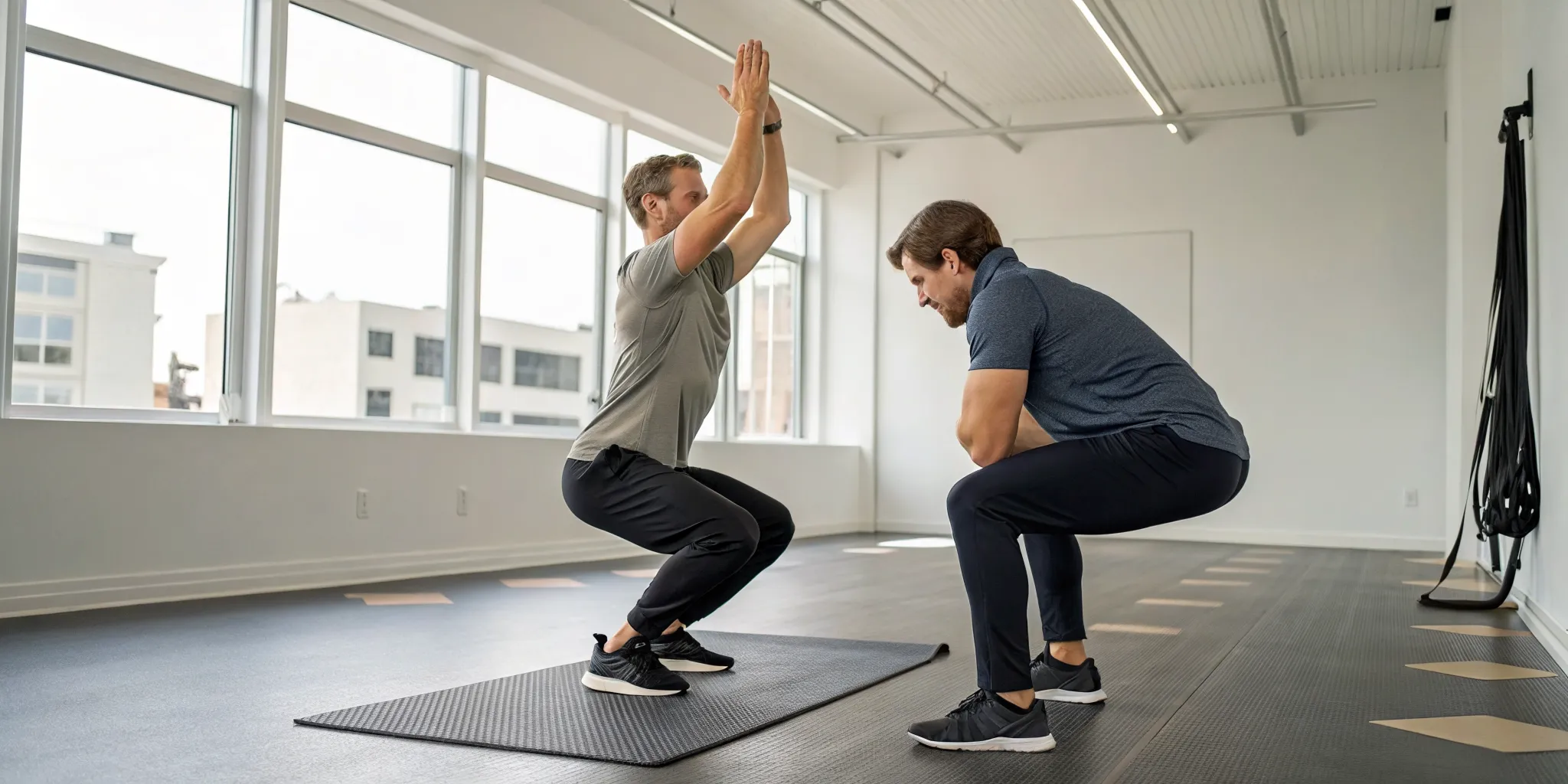
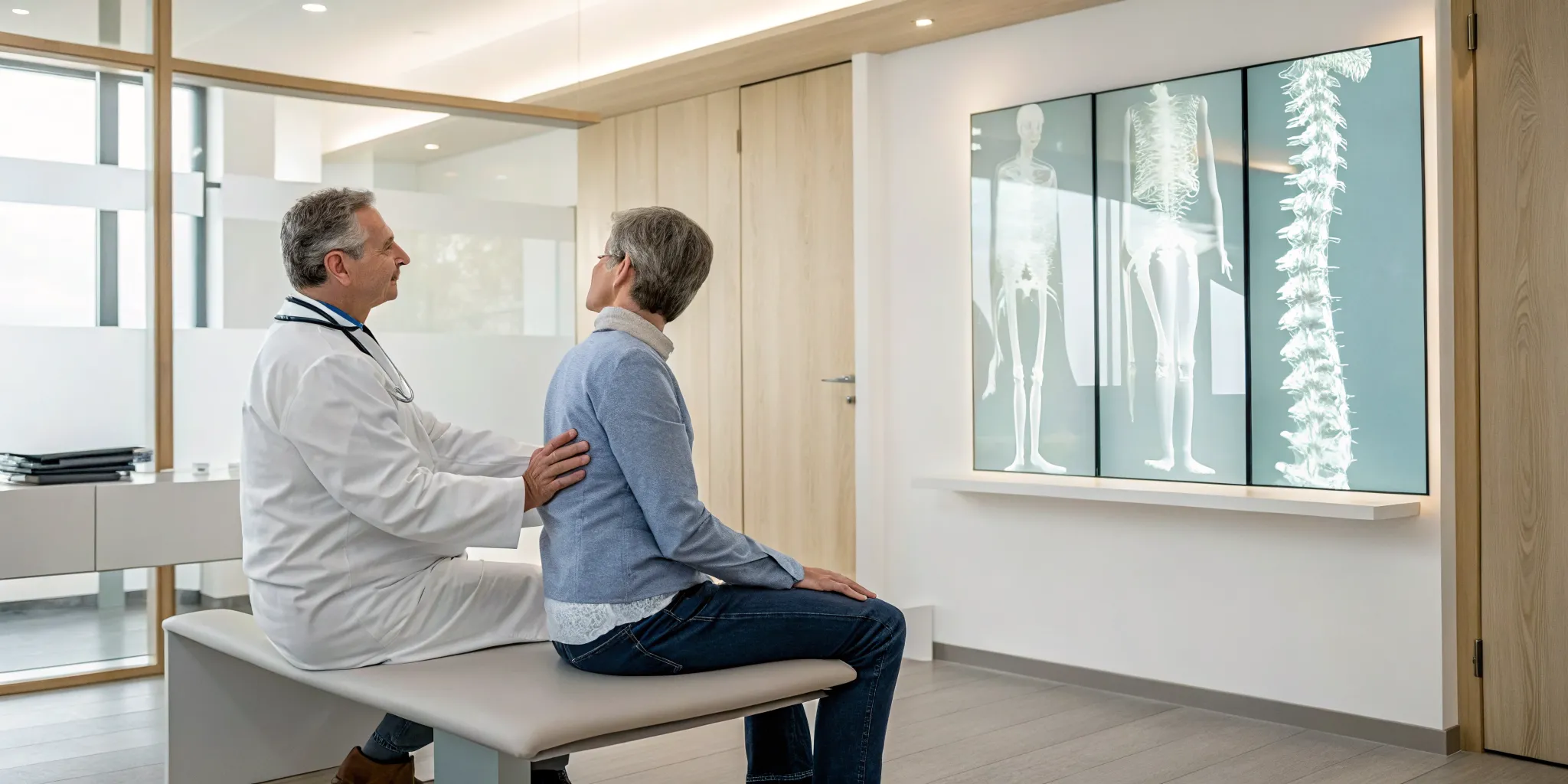
Shockwave therapy is fantastic for what it does best: stimulating the breakdown of fibrous scar tissue and improving flexibility in the affected area. But what happens after that tissue is addressed? That’s where pairing it with other forms of physical medicine becomes so important. Once shockwave therapy has done its job to improve mobility, chiropractic adjustments can help realign your joints and restore proper biomechanics.
Corrective exercises can then retrain the surrounding muscles to support this new, healthier movement pattern. This combination ensures that we’re not just breaking up the scar tissue but also correcting the imbalances that may have contributed to the injury in the first place. It’s a one-two punch that promotes more complete and stable healing.
Why a Combined Approach Is Often Best
While traditional methods for managing scar tissue have their limits, shockwave therapy offers a promising and effective solution for breaking it up without invasive procedures. However, simply breaking up scar tissue doesn't always resolve the root cause of why it formed. A combined approach is often best because it addresses your health holistically. For instance, chronic inflammation can hinder your body's healing process and contribute to excessive scarring.
By integrating Functional Medicine, we can investigate and address sources of inflammation through nutrition and lifestyle changes. This supports the work of shockwave therapy on a systemic level, creating an internal environment that is primed for healing. This strategy helps you recover from the current issue while reducing the likelihood of future problems.
Find Out if Shockwave Therapy Is Right for You
Every person and every scar is unique, which is why a personalized plan is key. The effectiveness of shockwave therapy can depend on your specific health profile, the type of scar you have, and your overall wellness goals. While research shows it has a powerful modulating effect on the cells responsible for tissue repair, the best protocol for you is one designed just for you.
If you’re dealing with chronic pain, limited mobility, or discomfort from scar tissue, you don’t have to figure it out alone. The best way to know if this treatment is a good fit is to have a conversation with a provider who understands the complexities of healing. We can help you build a personalized plan that integrates the right therapies to help you feel and move your best.
Related Articles
- SoftWave Tissue Regeneration Therapy in Tampa | Alessi Functional Health
- What Is Graston Technique Therapy? A Beginner's Guide
- SoftWave TRT Therapy in Tampa, FL - Alessi Functional Health
- What Is Soft Tissue Therapy? A Complete Guide
- Regenerative Medicine for Pain Recovery | Ascend Functional Health
Frequently Asked Questions
What does shockwave therapy actually feel like? Is it painful? It’s completely understandable to be curious about the sensation. Most people describe it as a series of strong, deep taps or pulses against the skin. While you might feel some mild discomfort, especially if the area is already tender, the treatment is not meant to be painful. Your practitioner will be in constant communication with you and can adjust the intensity at any point to ensure the session is both effective and comfortable for you.
How soon will I see changes in my scar tissue? Healing is a gradual process, and your results will depend on factors like the age and type of your scar, as well as your overall health. While some people notice improved flexibility or reduced tightness after just a few sessions, the most significant changes happen over time. The therapy works by prompting your body’s own repair cycle, and each session builds on the last to remodel the tissue. Lasting improvement is a cumulative effect, not an overnight fix.
Can this therapy help a scar that I've had for years? Yes, it absolutely can. One of the most impressive things about shockwave therapy is its ability to work on chronic, long-standing scar tissue. Old scars and adhesions can be the hidden source of persistent pain and stiffness. This treatment helps to kickstart a new healing response in that dormant tissue, breaking up the old fibrous bands and stimulating fresh blood flow to the area, even years after the initial injury.
What is the recovery like after a session? Can I go right back to my day? The recovery is one of the best parts: there is virtually no downtime. You can return to your daily routine immediately after your appointment. We do recommend avoiding any strenuous or high-impact activities for about 24 hours to give your body a chance to begin its healing work. You might feel some mild soreness in the treated area, similar to how you’d feel after a deep massage, but this typically fades within a day or two.
Why should I consider shockwave therapy instead of just using creams or getting a massage? While topical creams and massage can be helpful, they often work only on the surface. Shockwave therapy is different because it addresses the problem at a much deeper, cellular level. The acoustic waves penetrate the skin to mechanically break down the tough, disorganized fibers that make up stubborn scar tissue and internal adhesions. It goes beyond temporary relief to stimulate true tissue regeneration, helping your body build healthier, more flexible tissue from the inside out for a more permanent solution.