We’re often taught that for something to work, it has to be intense. So when you’re feeling worse after myofascial release, it’s easy to think something is wrong or that the treatment was too aggressive. But the old "no pain, no gain" mindset doesn’t apply to this kind of deep tissue work. True healing is a conversation with your body, not a battle against it, and that post-session soreness is part of the dialogue. It’s a sign that your fascia is finally letting go of old patterns. This article will help you understand your body’s signals, so you can confidently tell the difference between productive healing and a sign to check in with your provider.
Key Takeaways
- Reframe soreness as a sign of progress: Feeling achy after a session is usually a positive signal that your body is adapting and releasing long-held tension. Think of it as a productive step in your healing process, not a setback.
- Support your body's recovery with simple steps: You can ease discomfort and improve your results by drinking plenty of water, allowing for adequate rest, and incorporating gentle movement like walking. These actions help your body integrate the therapeutic work.
- Know when to check in with your provider: While a dull, muscular ache is normal, you should reach out if you experience sharp or shooting pain, numbness, or soreness that gets worse or lasts longer than three days.
What is Myofascial Release?
If you’ve ever felt a persistent tightness or a deep, nagging ache that stretching just can’t seem to touch, you might be dealing with an issue in your fascia. Myofascial release is a hands-on bodywork technique designed to address this very problem. Think of it as a highly targeted approach that focuses on releasing tension in the fascia, which is the intricate web of connective tissue that wraps around your muscles, bones, nerves, and organs.
Unlike a typical massage that often uses oils or lotions for broad, gliding strokes on the muscles, myofascial release is performed on dry skin. This allows the practitioner to accurately detect fascial restrictions and apply the precise, sustained pressure needed to release them. The goal is to smooth out these restrictions, improve your body’s mobility, and reduce pain. It’s a cornerstone of many physical medicine protocols because it helps restore the body's natural alignment and function. By addressing the fascial system, we can often get to the bottom of chronic discomfort that other methods might miss, helping your body move more freely and feel its best. It’s a patient, gentle process that works with your body, not against it, to create lasting change.
A Quick Look at Fascia
So, what exactly is this fascia we keep mentioning? Imagine a thin, strong, web-like suit that you wear under your skin. This suit, or fascia, covers everything inside your body, from individual muscle fibers to entire organs. When it’s healthy, it’s flexible and glides smoothly, allowing you to move without restriction.
However, things like physical trauma, inflammation, or even poor posture can cause the fascia to become tight and stuck. When this happens, it can exert an incredible amount of pressure (up to 2,000 pounds per square inch) on the sensitive structures it surrounds, including your muscles and nerves. This immense pressure is often the hidden source of chronic pain, stiffness, and a limited range of motion.
What to Expect During a Session
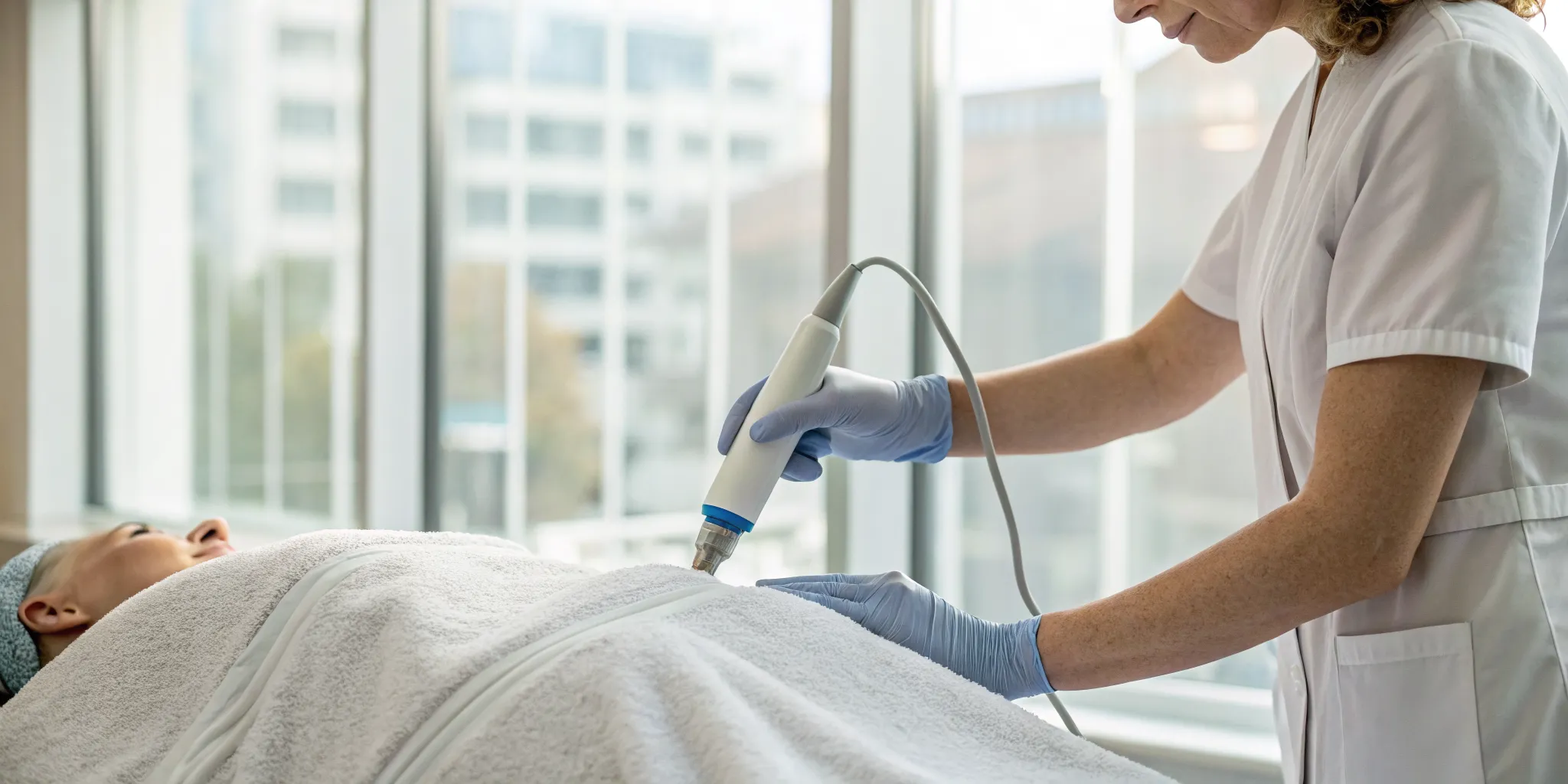
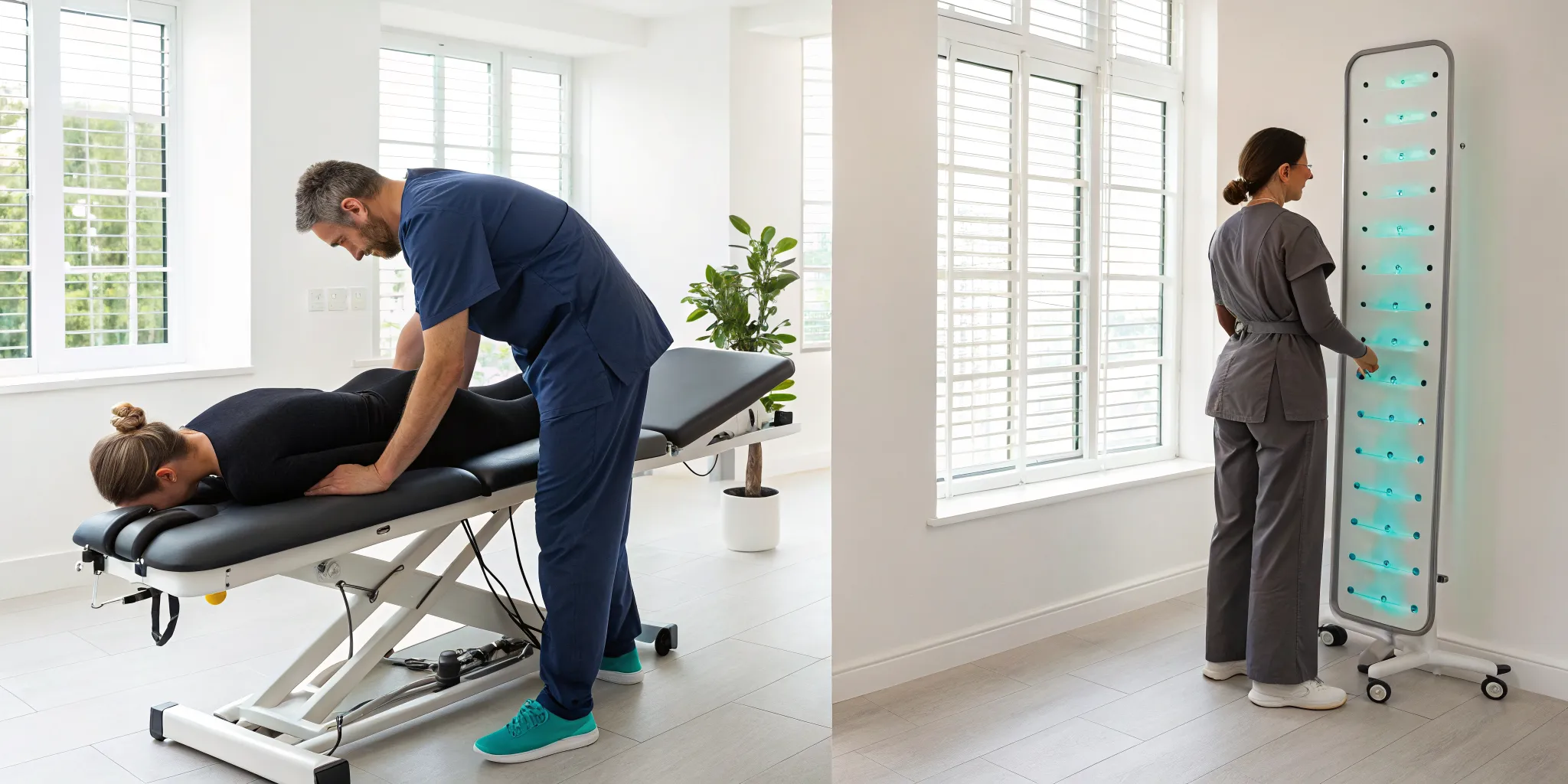
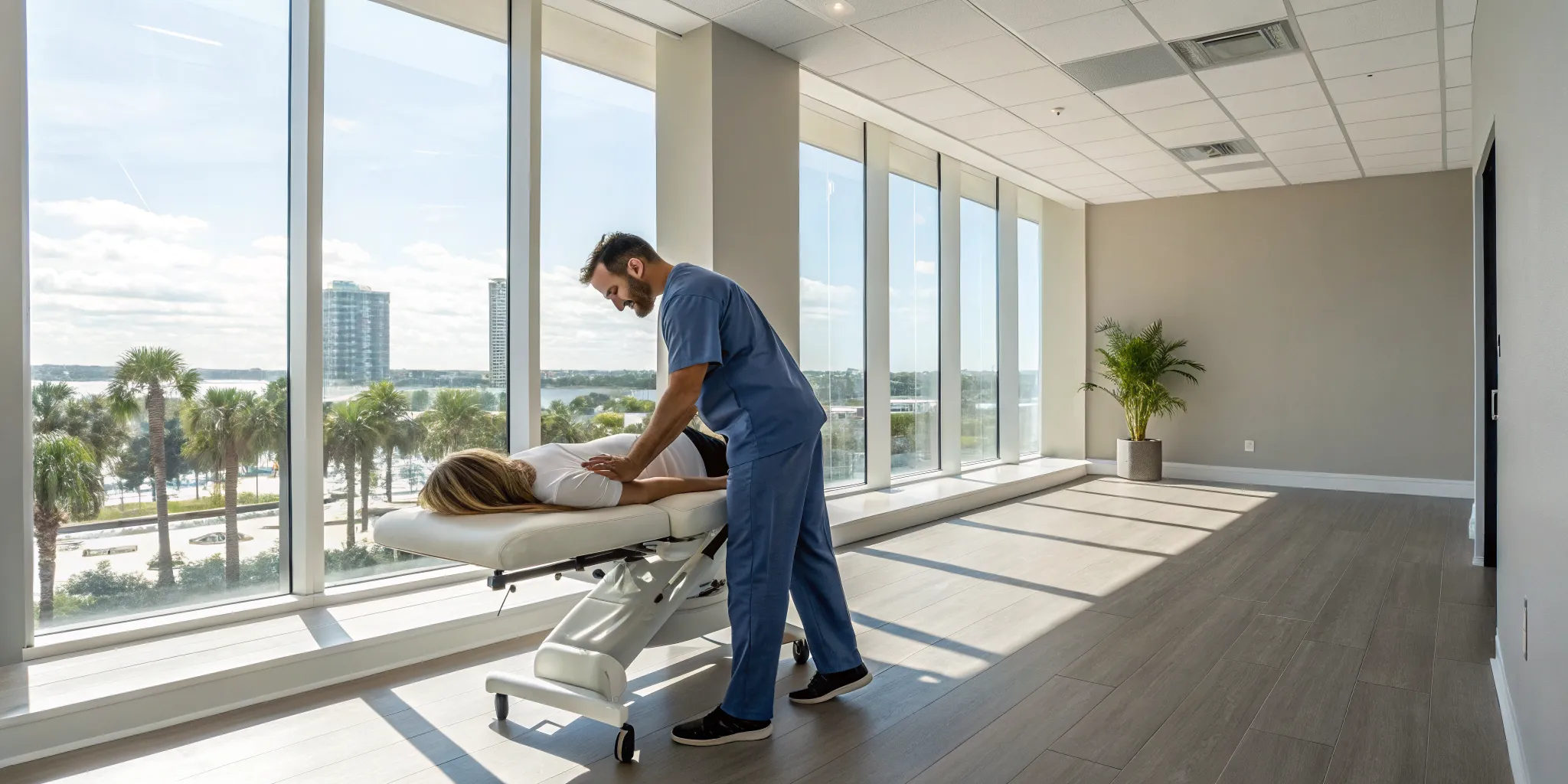
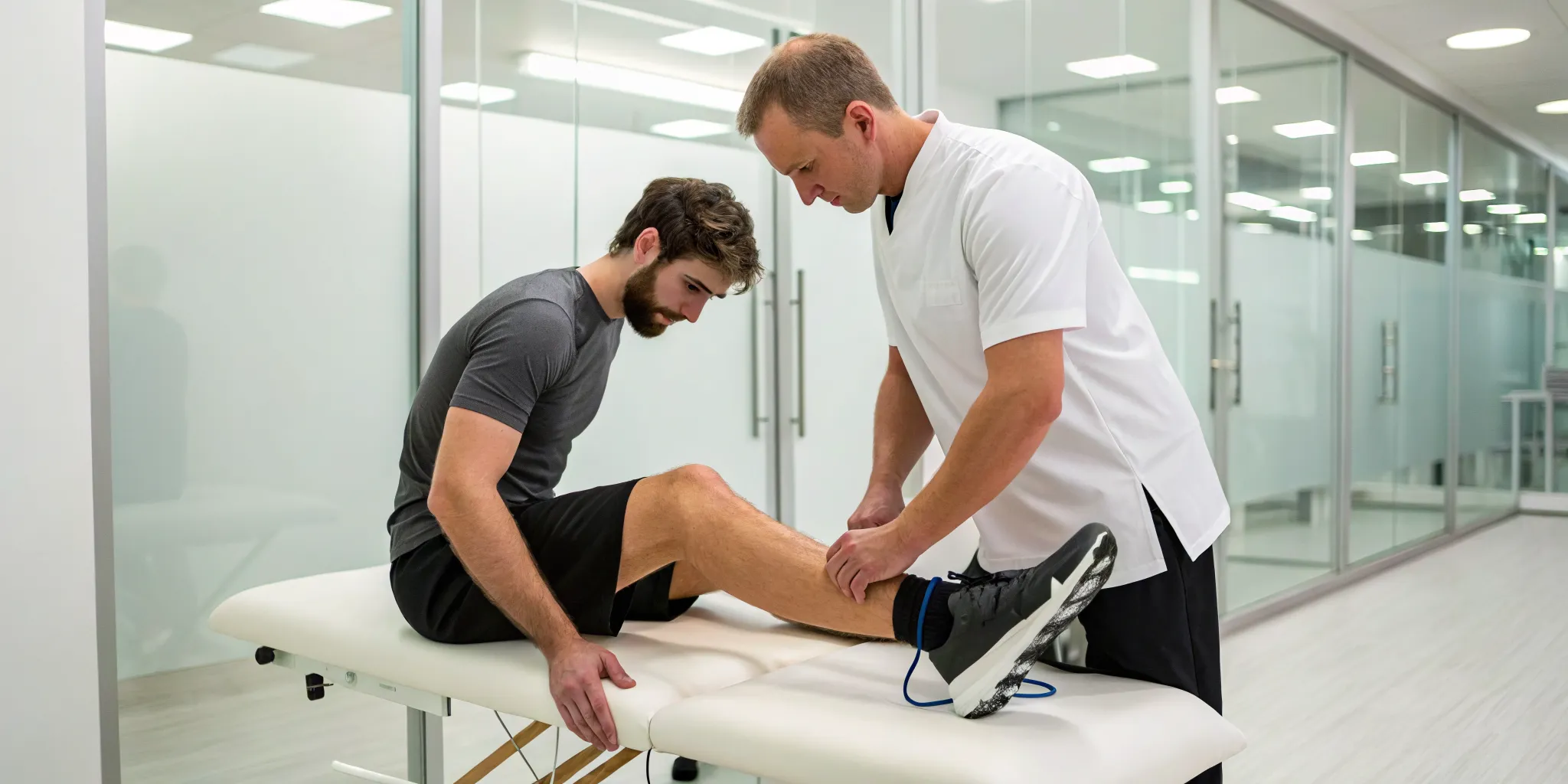
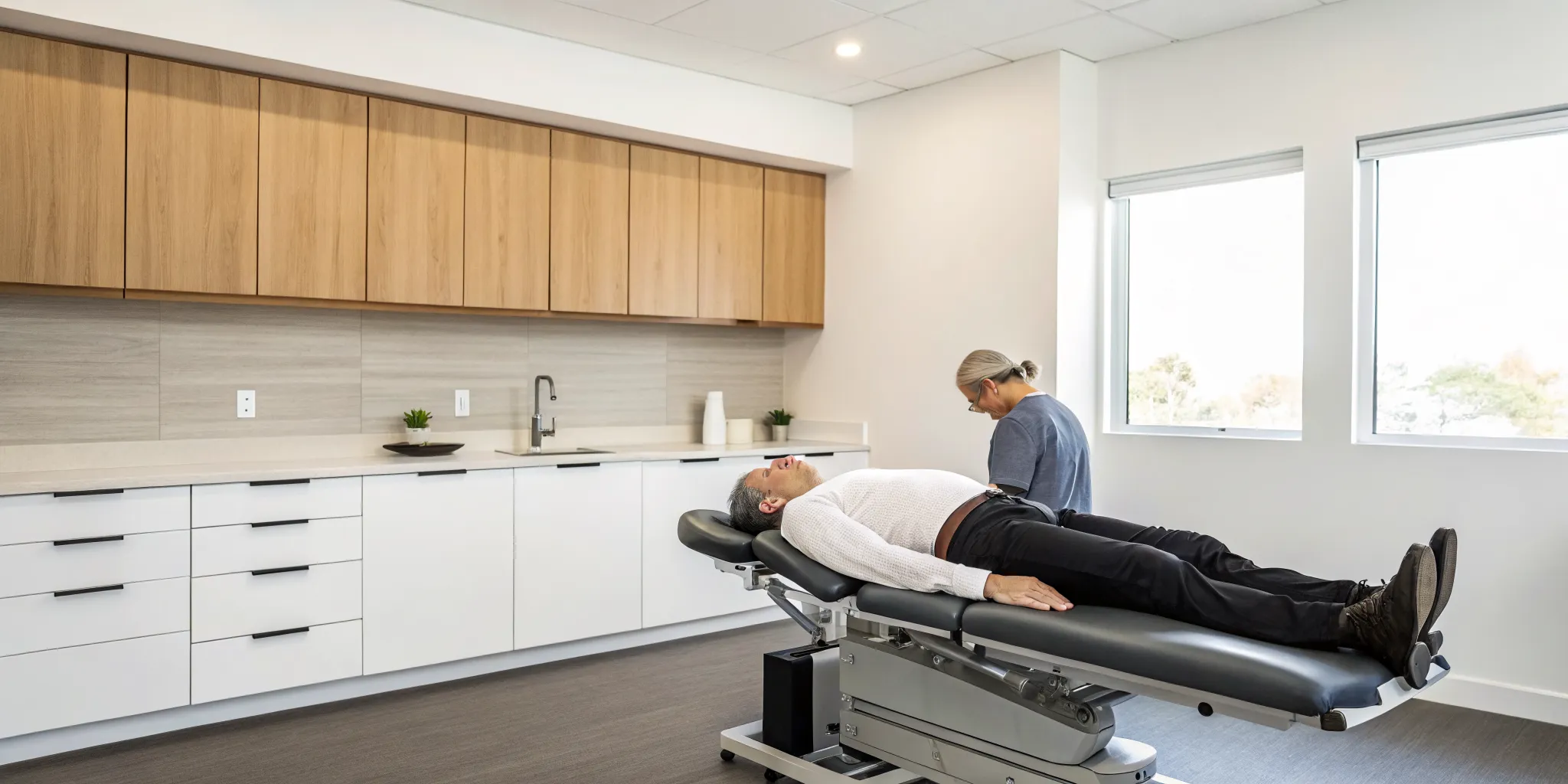
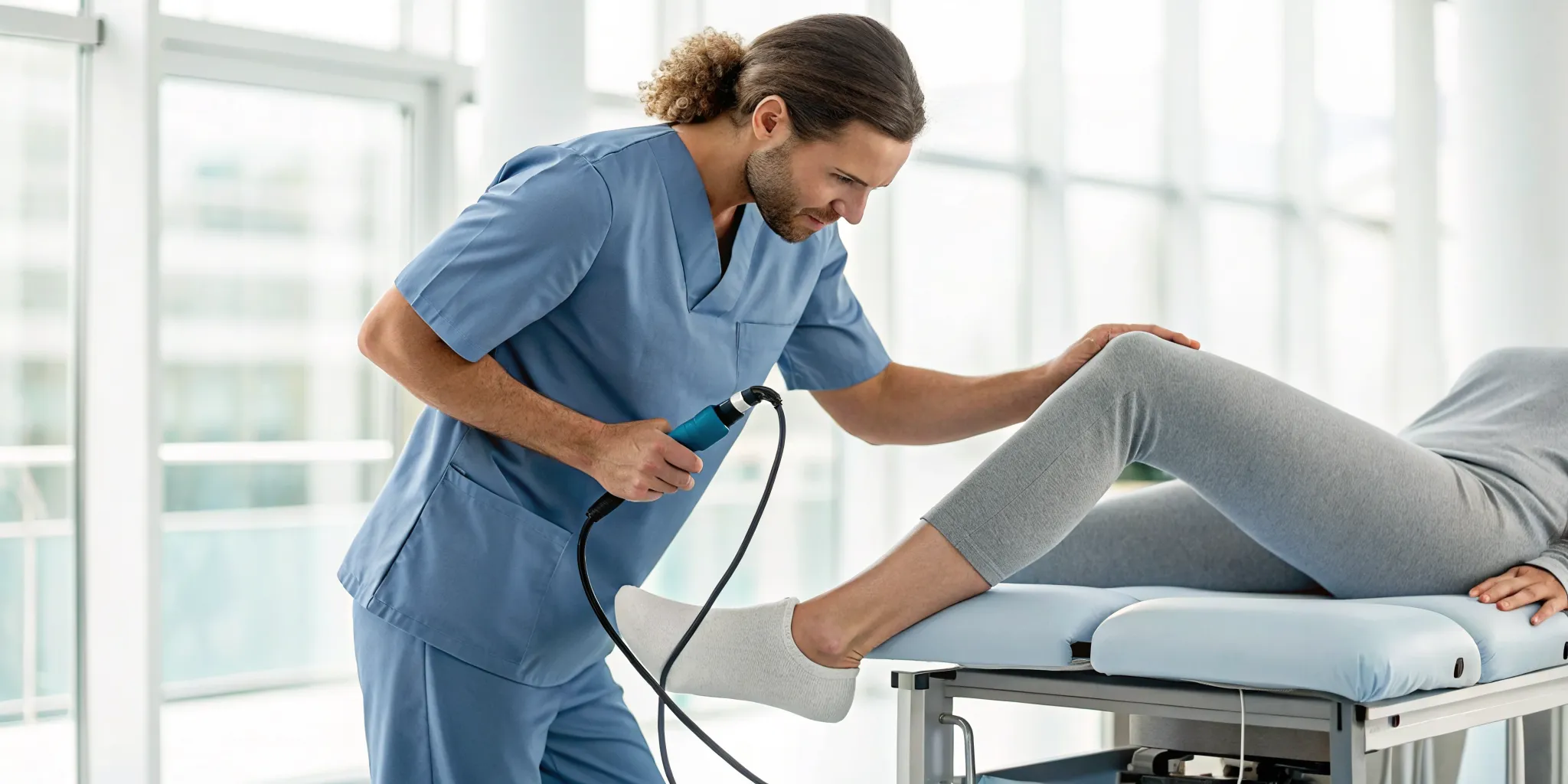
During a myofascial release session, your practitioner will use their hands to slowly and gently apply steady pressure to areas where the fascia feels restricted. They will wait for the tissue to soften and release, which helps your body begin to heal itself, reduce pain, and improve how you move. This isn't about forceful manipulation; it's about working with your body to encourage a natural release.
It’s completely normal to feel a bit achy, tired, or even notice a temporary increase in your symptoms after a session. As the tightened fascia shifts back to a healthier, more fluid state, the stored tension and metabolic waste products are released into your system. This is a positive sign that the treatment is working and your body is beginning to process and clear out what was causing the discomfort, which is a key step in addressing many of the conditions we treat.
Why You Might Feel Sore After Myofascial Release
It can be confusing to leave a session aimed at relieving discomfort only to feel sore the next day. If this has happened to you, please know it’s not only common but often a sign that your body is responding to the treatment. Think of it as your body starting a deep-cleaning process. The work done during your session kickstarts a series of changes, and that process can create some temporary aches as your body adjusts and heals. Let’s walk through exactly what’s happening.
Understanding the "Healing Crisis"
Sometimes, after a particularly effective session, you might experience what’s known as a "healing crisis" or therapeutic response. This can feel like a brief return of your original symptoms, along with some general achiness or fatigue. It’s a positive sign that your fascia is finally letting go. As those tight, restricted tissues begin to relax and return to a healthier state, they release stored metabolic waste and tension. Your body then has to process and flush all of this out. This response is your body’s signal that it’s actively clearing out the old to make way for the new. This phase typically only lasts for 24 to 48 hours.
Releasing Stored Tension
For months or even years, your body may have been compensating for tight fascia by creating patterns of tension. Myofascial release works to unwind these patterns, but that can temporarily leave the surrounding muscles feeling a bit lost. When we release a chronically tight area, the newfound looseness can feel unfamiliar, almost unstable, to a body that has grown accustomed to the restriction. This feeling is your muscular system recalibrating. It’s learning how to function without the old tension, and that adjustment period can cause some soreness as your body finds its new, healthier alignment. Our approach to physical medicine focuses on guiding your body through this readjustment safely.
How Your Muscles Readjust
It’s important to remember that fascia is not the same as muscle. It’s a tough, fibrous connective tissue that forms a web throughout your entire body. Because of its dense nature, fascia changes and heals more slowly than muscle tissue. While a muscle might feel better after a good stretch, fascia requires a more patient approach. The soreness you feel is part of a profound structural change happening deep within your body’s connective tissue. This is why consistent treatment is so important; we are retraining tissue that has held patterns for a long time. It’s a gradual process of helping your body build a more resilient and balanced framework from the inside out.
Your Body's Natural Response
Your body is incredibly smart, and learning to listen to its signals is a key part of healing. Post-session soreness is a normal response, but it’s also important to know when to check in with your provider. A good rule of thumb is the 48-to-72-hour window. If you’re still feeling sore, achy, or fatigued after three days, or if the discomfort feels much worse than your original symptoms, it’s time to reach out. This doesn’t mean something is wrong; it simply means your treatment plan may need a small adjustment. Open communication helps us tailor your care perfectly to your body’s needs, so never hesitate to contact us with questions.
Is It Normal to Feel Worse After Myofascial Release?
You left your myofascial release session feeling hopeful, but now you’re achy, tired, and maybe even a little more sore than when you went in. It’s natural to wonder if this is normal, and the short answer is yes, it often is. This temporary discomfort is usually a sign that your body is responding to the treatment. As your fascia begins to release long-held tension, your body starts a process of readjustment and healing. Think of it as your system recalibrating. Let's walk through what you can expect, how long it should last, and how to tell the difference between productive soreness and a sign you should call your provider.
Common (and Temporary) Side Effects
It’s very common to feel achy, fatigued, or notice a brief flare-up of your original symptoms after a session. This experience is sometimes called a "healing crisis." As the tight, restricted fascia is encouraged to shift back into a healthier, more fluid state, the body releases stored tension and metabolic waste products that were trapped in the tissue. This process is a positive sign of change, but it can temporarily make you feel a bit run down or sore. Your body is essentially doing some deep cleaning, and this is the temporary mess that comes with it before things get better.
The 48-72 Hour Recovery Timeline
While soreness is normal, it shouldn’t last forever. A good rule of thumb is to expect any post-session discomfort to resolve within 48 to 72 hours. During this window, your body is working hard to adapt to the changes made during your treatment. If you find that your pain, nausea, or dizziness continues beyond this three-day period, or if it feels significantly more intense than your initial symptoms, it’s important to get in touch with your provider. Open communication helps us adjust your treatment plan to ensure you get the best possible results.
Good Soreness vs. Bad Soreness
Learning to distinguish between "good" and "bad" soreness is key. Good soreness feels similar to the muscle aches you’d get after a challenging workout. It’s a dull, tired ache that signals your tissues are adapting and healing. This type of discomfort is sometimes called "therapeutic pain" because it’s a direct result of the fascia rearranging itself into a more functional pattern. Bad soreness, on the other hand, is typically sharp, shooting, or electric. It feels less like muscle fatigue and more like an injury. Trust your intuition; if the sensation feels wrong or alarming, it’s always best to check in.
7 Tips for Easing Post-Session Discomfort
Feeling a bit tender after a myofascial release session is a sign that your body is responding to the treatment. Think of it as your tissues waking up after being stuck for a long time. While this discomfort is temporary, you can take simple, active steps to support your body through this phase of healing. These tips will help you manage soreness and make your recovery smoother, allowing you to get the most out of your treatment.
1. Hydrate to Help Your Body Recover
One of the simplest yet most effective things you can do after your session is to drink plenty of water. Myofascial release works by breaking up adhesions in your connective tissues, which can release metabolic byproducts that have been stored there. Proper hydration helps your lymphatic system and kidneys flush these substances out of your body more efficiently. Aim to sip water consistently throughout the day rather than chugging it all at once. This supports not just your recovery from treatment but your overall wellness, which is a core part of functional medicine. Staying well-hydrated ensures your cells have the resources they need to repair and rebuild, making your recovery quicker and more comfortable.
2. Prioritize Rest and Gentle Activity
Your body does its best repair work when it's at rest. After a session, it’s important to give your nervous system and muscles time to process the changes. This doesn't mean you have to be completely sedentary, but you should avoid any strenuous workouts or heavy lifting for at least 24 to 48 hours. A good night's sleep is particularly beneficial. Allowing for this downtime is a key component of any physical medicine plan, as it lets your body integrate the therapeutic work without being subjected to new stress. Listening to your body and giving it the quiet time it asks for is a powerful way to honor the healing process.
3. Keep Moving to Encourage Circulation
While intense exercise is off the table, gentle movement is highly encouraged. Light activities like walking, tai chi, or simple range-of-motion exercises can make a big difference in how you feel. Movement encourages blood flow, delivering oxygen and nutrients to the tissues that were just worked on and helping to clear out any lingering waste products. This can prevent stiffness from setting in and may even shorten the duration of your soreness. The goal is to keep your body moving fluidly without putting any strain on the muscles and fascia as they adapt. This gentle encouragement helps your body settle into its new, healthier patterns of movement.
4. Use Heat or Cold to Soothe Sore Spots
Applying temperature therapy can provide significant relief for post-session soreness. If you’re experiencing sharp or inflamed-feeling spots, a cold pack wrapped in a thin towel can help reduce that sensation. Apply it for about 15 minutes at a time. For general muscle achiness and stiffness, a warm bath (especially with Epsom salts) or a heating pad can be incredibly soothing. Heat helps relax tight muscles and increases circulation to the area. You can listen to your body to determine what feels best for the specific conditions we treat and your unique response. This simple self-care step can make your recovery period much more pleasant.
5. Incorporate Light Stretching
Gentle stretching can help maintain the newfound flexibility in your fascia and prevent your muscles from tightening back up. Focus on slow, mindful stretches that feel supportive, not forceful. You should never push into sharp pain. Think about lengthening the muscles around the areas that were treated. For example, if your shoulders and neck were the focus, you might do some gentle neck tilts and shoulder rolls. This helps your body get comfortable with its new, improved range of motion and reinforces the positive changes from your session. It’s a great way to actively participate in your own healing and connect with your body’s progress.
6. Give the Area Time to Heal
It can be tempting to want to immediately work on a sore spot again, but your tissues need a break. The body requires time to adapt to the structural changes made during a myofascial release session. Continuously pressing on the same area can interfere with the natural healing process and may lead to increased irritation. As a general guideline, it’s best to wait at least 48 to 72 hours before having the same area worked on again. This patience allows the inflammation to subside and the tissues to fully recover, leading to better long-term results. Trusting the timeline of your body's healing capabilities is essential for sustainable relief.
7. Talk to Your Provider
Your feedback is a vital part of the healing process. If your soreness feels excessive, lasts longer than three days, or if you experience any new or concerning symptoms, it's important to communicate with your practitioner. We are here to support you and can adjust your treatment plan based on how your body is responding. Open communication ensures your care is truly personalized and effective. Never hesitate to reach out to us with questions or concerns; we see it as a partnership in your health journey. Your experience helps us tailor our approach to best suit your body’s needs.
Mindset Traps That Can Make Soreness Feel Worse
How you think about your recovery can play a huge role in how you feel. When you’re sore after a session, it’s easy to fall into mental traps that make you worry something is wrong. Let’s clear up a few common myths so you can approach your healing process with confidence and peace of mind. Understanding what’s happening in your body allows you to see the soreness not as a setback, but as a productive step forward.
Myth: All Pain Is a Bad Sign
It’s completely understandable to feel a little alarmed if you’re achy after your appointment. But in this case, soreness isn’t a red flag. Think of it as a sign of change. As your tight fascia begins to release and return to a healthier state, stored tension and metabolic byproducts are flushed out of the tissue. This process can cause a temporary feeling of achiness or fatigue, which typically lasts for a day or two. This is a normal part of the body’s response to effective physical medicine and shows that deep, restorative work is happening. Your body is simply processing the changes and clearing out what no longer serves it.
Myth: You Should Feel Better Instantly
We all want immediate relief, especially when dealing with chronic discomfort. However, it’s important to view myofascial release as a process, not an instant fix. Because it’s a form of deep tissue work, it’s very common to feel sore for a few days afterward, much like you would after a challenging workout. Your muscles and connective tissues are adapting to a new, more aligned state. This delayed soreness is a sign that your body is responding to the therapy. It’s a productive step on the path to addressing the root cause of the conditions we treat and achieving lasting results, so try to be patient with your body as it adjusts.
Myth: More Pressure Means Better Results
The old "no pain, no gain" philosophy doesn’t apply here. While myofascial release involves firm pressure, more is not always better. The goal is to work with your body, not against it. An experienced practitioner knows how to apply precise pressure to release restrictions without causing unnecessary harm. In fact, too much force can be counterproductive, potentially irritating an already sensitive nerve and causing more pain. That’s why communication is key. Always let your provider know if the pressure feels too intense. A skilled therapist, like the members of our team, will adjust their technique to ensure the session is both effective and comfortable for you.
When to Be Concerned After Myofascial Release
While post-session soreness is a sign of your body adapting and healing, it’s important to listen when it sends signals that something more might be going on. Think of the recovery period as a conversation with your body. Most of the time, it’s just a bit of chatter, but sometimes it’s a clear request for a follow-up. Knowing the difference empowers you to take the best care of yourself. Here are a few signs that indicate it’s time to check in with your provider.
Pain That Worsens or Lasts Beyond 72 Hours
Soreness after myofascial release should follow a predictable arc. It might increase slightly in the first day or two, but it should peak and then steadily decrease. If you find your pain is getting progressively worse, or if significant discomfort is still present after the 72-hour mark, it’s a clear signal to get in touch. This doesn't mean the treatment failed; it simply suggests that your body may need a different approach. A quick conversation with your practitioner can help them adjust your personalized recovery plan to better match your body’s response.
New or Unexpected Symptoms
Releasing long-held tension can create new sensations as your body adjusts. For instance, if your body has been compensating for a stiff area for a long time, the surrounding muscles might be weak. Releasing that tightness can create a temporary feeling of looseness or instability. This is different from new, sharp, or shooting pains, numbness, or significant weakness in a muscle. These types of symptoms are not a typical part of the healing process. If you experience any of these, it's important to contact us so we can understand what’s happening.
Lingering Nausea or Dizziness
A brief wave of lightheadedness or even mild nausea can occur during or shortly after a session. This is often part of the body’s response to the release of metabolic waste from the tissues. However, these feelings should be fleeting. If you are still feeling dizzy or nauseous a day or two later, it’s a sign that your body is having a harder time processing the changes. This is another instance where checking in with your provider is a good idea. It provides valuable information that helps us support your body’s healing journey more effectively.
Discomfort That Doesn't Improve With Self-Care
You’re doing everything right, including hydrating, getting gentle movement, and resting, but the soreness just isn’t letting up. If your discomfort isn't responding to these simple and effective self-care strategies, it might be a clue that something else is at play. It could indicate that the technique needs to be modified or that the true source of your tension lies elsewhere. This isn’t a setback; it’s a discovery. Sharing this feedback helps your practitioner get a clearer picture of the conditions we treat and refine your care for better, more lasting results.
How We Support Your Long-Term Healing
Feeling sore after a session can be part of the process, but it’s not the end of the story. Our goal is to move beyond temporary relief and guide you toward lasting wellness. We see healing as a partnership. It involves skilled, in-clinic care combined with a clear, actionable plan that empowers you to maintain your progress long after you leave our office. This process isn’t about a quick fix. It’s about understanding your body’s unique history and giving it the support it needs to truly repair itself.
We start by identifying the source of your discomfort and then build a strategy that works for you. This ensures that each session builds on the last, creating momentum that carries you toward your health goals. Our team is here to support you at every step, providing the tools and knowledge you need for sustainable healing. We believe that true health comes from addressing the underlying issues, not just masking the symptoms. That's why our approach integrates different aspects of your well-being, from physical structure to internal function. By looking at the whole picture, we can create a more effective and resilient path to recovery. It's a journey we take together, and our commitment is to provide you with the clarity and confidence you need to feel your best.
Getting to the Root Cause of Your Discomfort
Lasting relief begins with a deep understanding of why you’re feeling pain in the first place. Our method is designed to look for the root cause, which is often hidden within tight or restricted fascia, the connective tissue that runs through your entire body. Before any treatment begins, we conduct a thorough evaluation to map out your body’s specific patterns of tension and understand why other approaches may not have worked. This detailed assessment allows us to see the full picture of your health and pinpoint the source of your discomfort, rather than just chasing symptoms. This comprehensive approach is the foundation of our care.
Creating Your Personalized Recovery Plan
Once we understand the source of your discomfort, we create a recovery plan tailored specifically to you. In our sessions, we use gentle, sustained pressure to carefully release fascial restrictions, which helps reduce pain, improve movement, and encourage your body’s natural healing abilities. But our support doesn’t end there. A crucial part of your long-term success is learning how to care for your own body. We teach you specific exercises and self-care techniques to continue your progress at home. This empowers you to maintain your results without becoming dependent on endless appointments. We believe in open communication, so if your soreness lasts beyond 48-72 hours, we want you to reach out so we can adjust your physical medicine plan accordingly.
Related Articles
Frequently Asked Questions
Is it really normal to feel sore after a treatment that's supposed to relieve pain? Yes, it's very normal and often a good sign. The soreness you feel is your body adjusting to the release of long-held tension. As your connective tissue, or fascia, begins to unwind, it releases metabolic waste and your muscles have to recalibrate to their new, healthier alignment. This adjustment period can create a temporary, workout-like ache that usually fades within a couple of days.
How is myofascial release different from a deep tissue massage? While both can address discomfort, they focus on different tissues. A deep tissue massage typically uses oils or lotions to work on the muscles themselves. Myofascial release, however, is performed on dry skin to allow the practitioner to grip and apply slow, sustained pressure to the fascia. This technique specifically targets the web of connective tissue that surrounds your muscles, helping to resolve restrictions that a traditional massage might not reach.
What's the most important thing I can do to feel better after my session? The best things you can do are hydrate and allow for gentle movement. Drinking plenty of water helps your body flush out the metabolic byproducts released from your tissues. Gentle activities, like a slow walk, keep your body from stiffening up and encourage healthy circulation to the treated areas. It's a simple combination that supports your body's natural recovery process.
How many sessions will I need to feel a lasting difference? The number of sessions is unique to each person and depends on the chronicity of your condition and your specific health goals. Myofascial release is a process of retraining your body's tissues. While some people feel a significant change after just one session, most find that a series of treatments is needed to create lasting structural change. We create a personalized recovery plan for you and will discuss a realistic timeline during your evaluation.
You mentioned a 'healing crisis.' What does that feel like and should I be worried? A healing crisis is nothing to worry about; it's a term for the temporary achiness or fatigue you might feel as your body processes deep changes. It can feel like you have a mild flu or a brief return of your old symptoms. This happens as your fascia releases stored tension and your body works to clear out old metabolic waste. It's a sign of progress and typically passes within 24 to 48 hours.