Treating back pain without checking spinal structure is like painting over rust on a bridge. You might hide the problem for a while, but the framework remains weak and unsafe.
Ready to find the root cause of your spinal issues? Schedule a consultation with Ascend Functional Health today to start your customized structural care plan.
Choosing the best care for your body starts with knowing these big differences. You might ask how this way of looking at the spine is different from what you have tried before. The path to better health begins with What is Structural Chiropractic Care?
What Is Structural Chiropractic Care?
Structural chiropractic care is a clear way to help your spine by fixing alignment instead of just masking pain with small, short-term fixes that do not last long. By finding the root cause of back issues through tests and X-rays, this model works to lower the physical stress on your body so you can heal properly. Research on spinal health shows that pain is not the only sign of health, so fixing the spine helps your body work well for a long time. By restoring the framework of your body, you can achieve health results that last far beyond the first relief of an adjustment and support your long-term wellness goals.
Spinal health operates on fundamental engineering principles. When the structural integrity of the spinal column is compromised, it alters the biomechanical load distribution across the entire musculoskeletal frame. Rather than merely addressing local soft-tissue tension or transient joint restriction, structural chiropractic care focuses on evaluating the objective alignment of the spine relative to established physiological norms.
Building a Better Body Frame
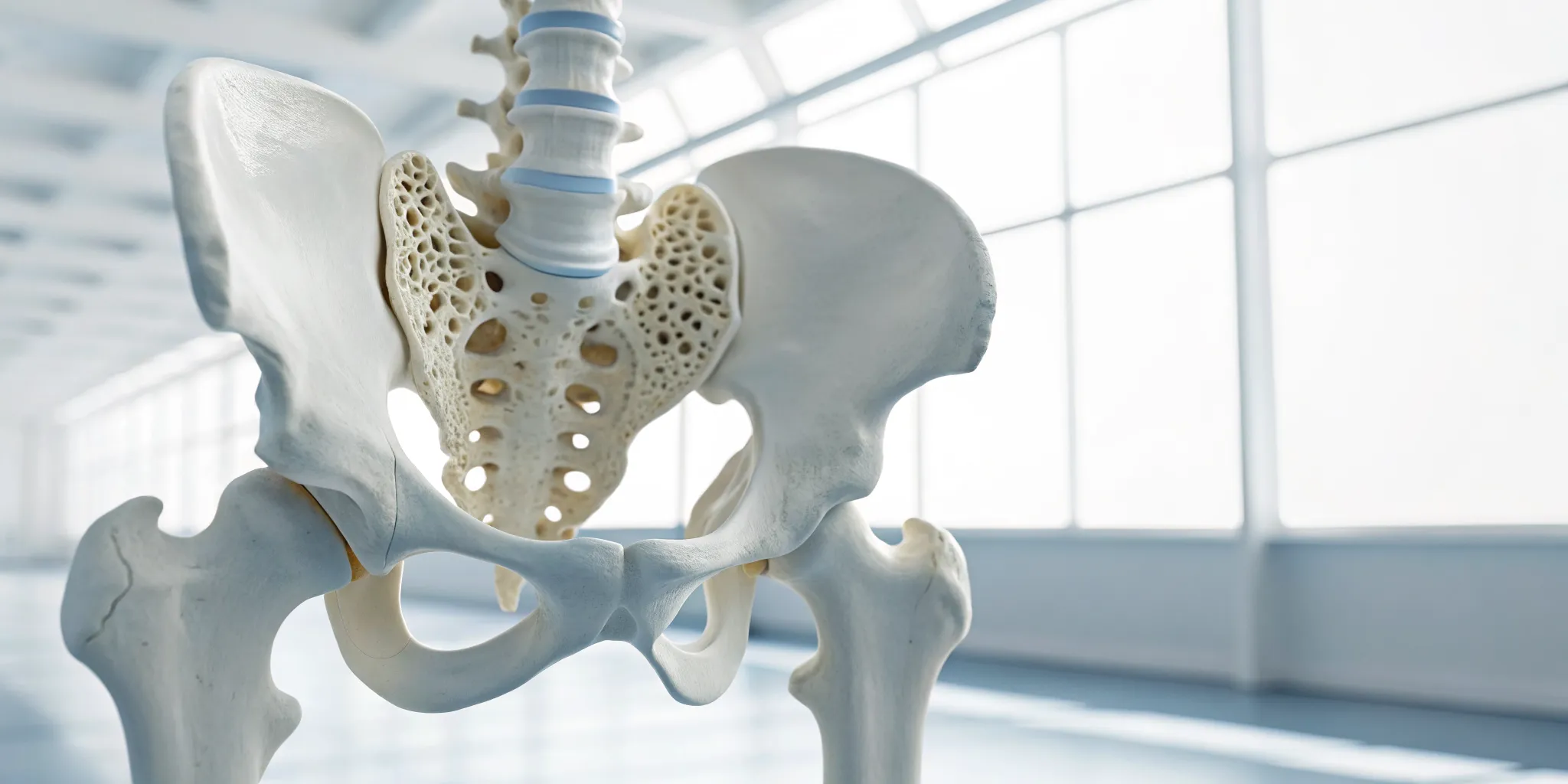
Your spine is the main support for your whole body. It holds you up and protects your nerves. When your spine is in the right place, your body can work at its best. But life can push your spine out of line. This can come from old injuries, poor posture, or daily stress. Structural chiropractic care does more than just move a joint. It aims to move your spine back toward its normal, healthy shape.
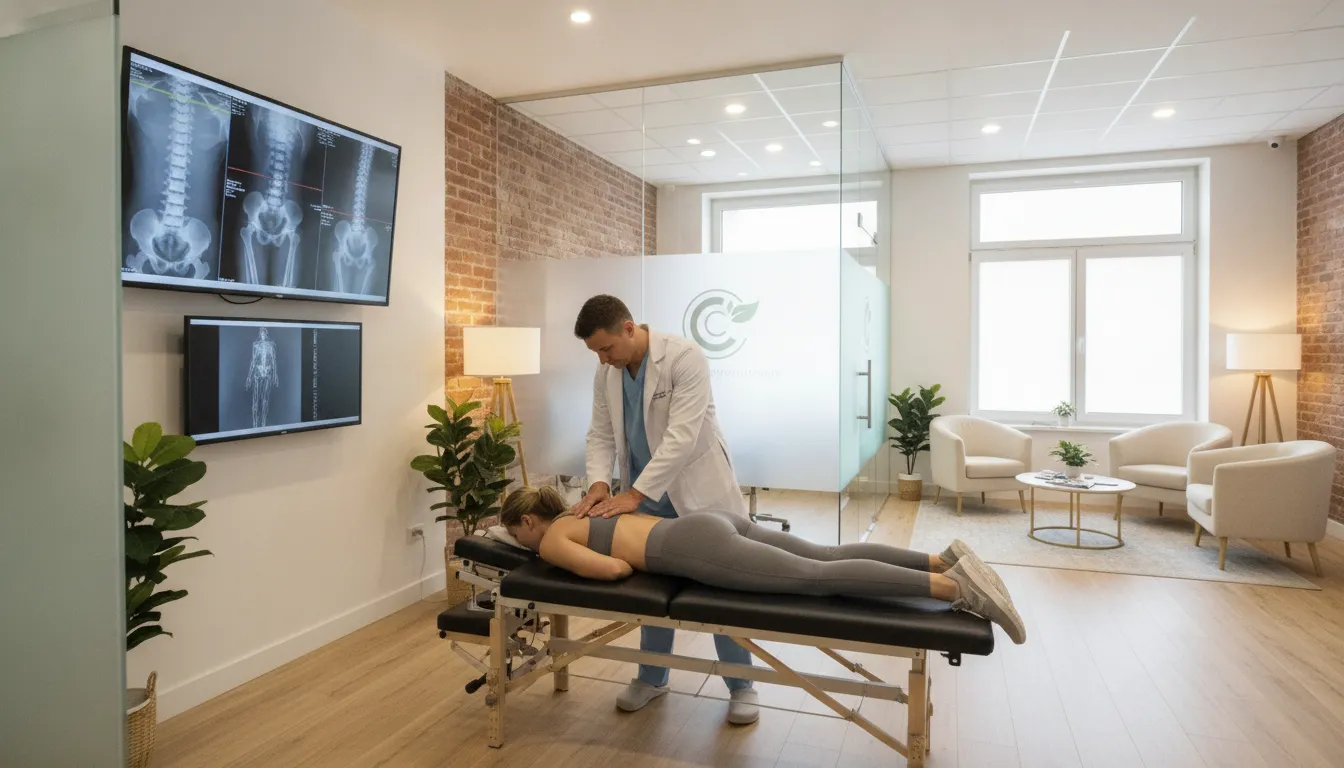
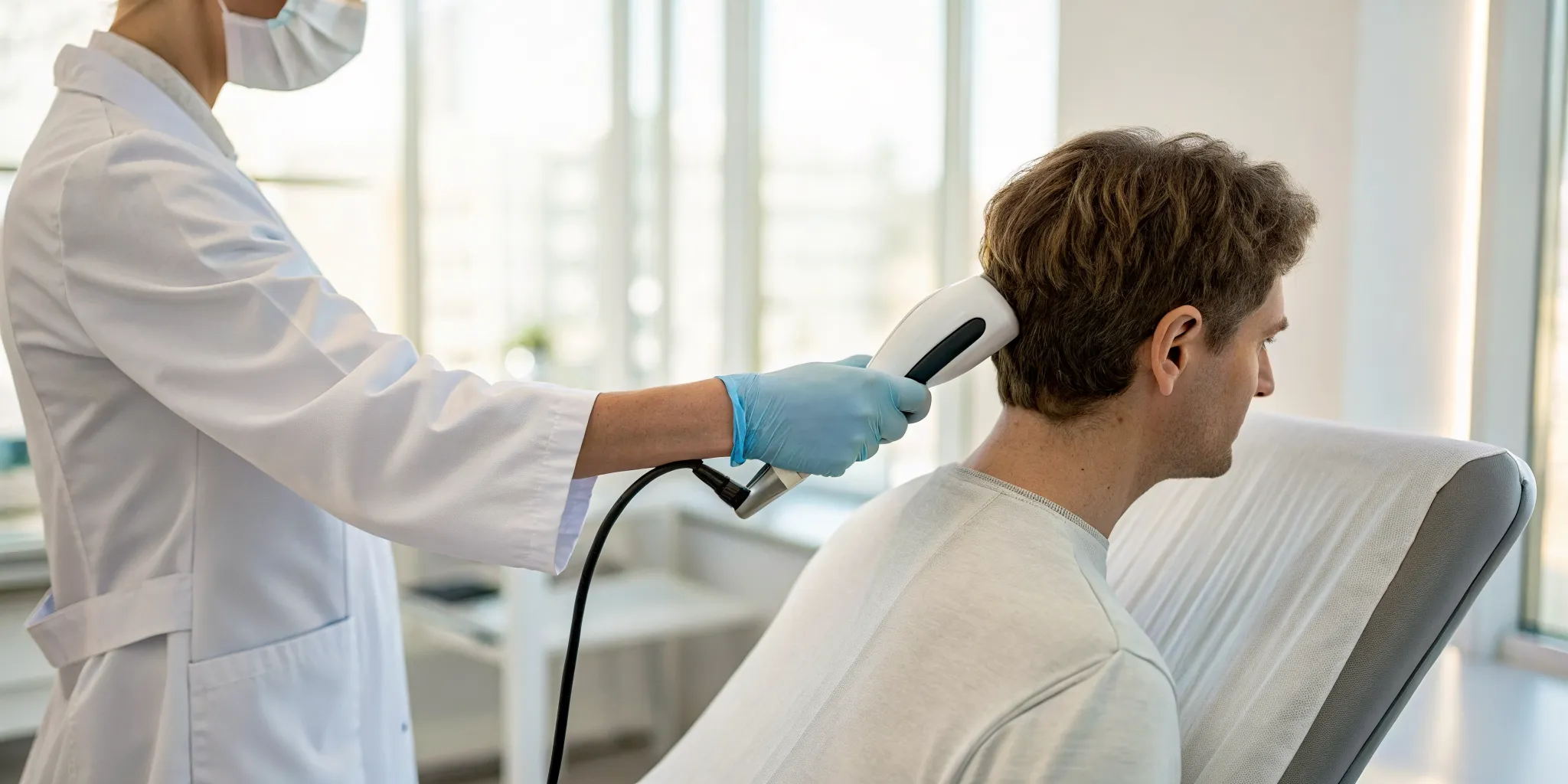
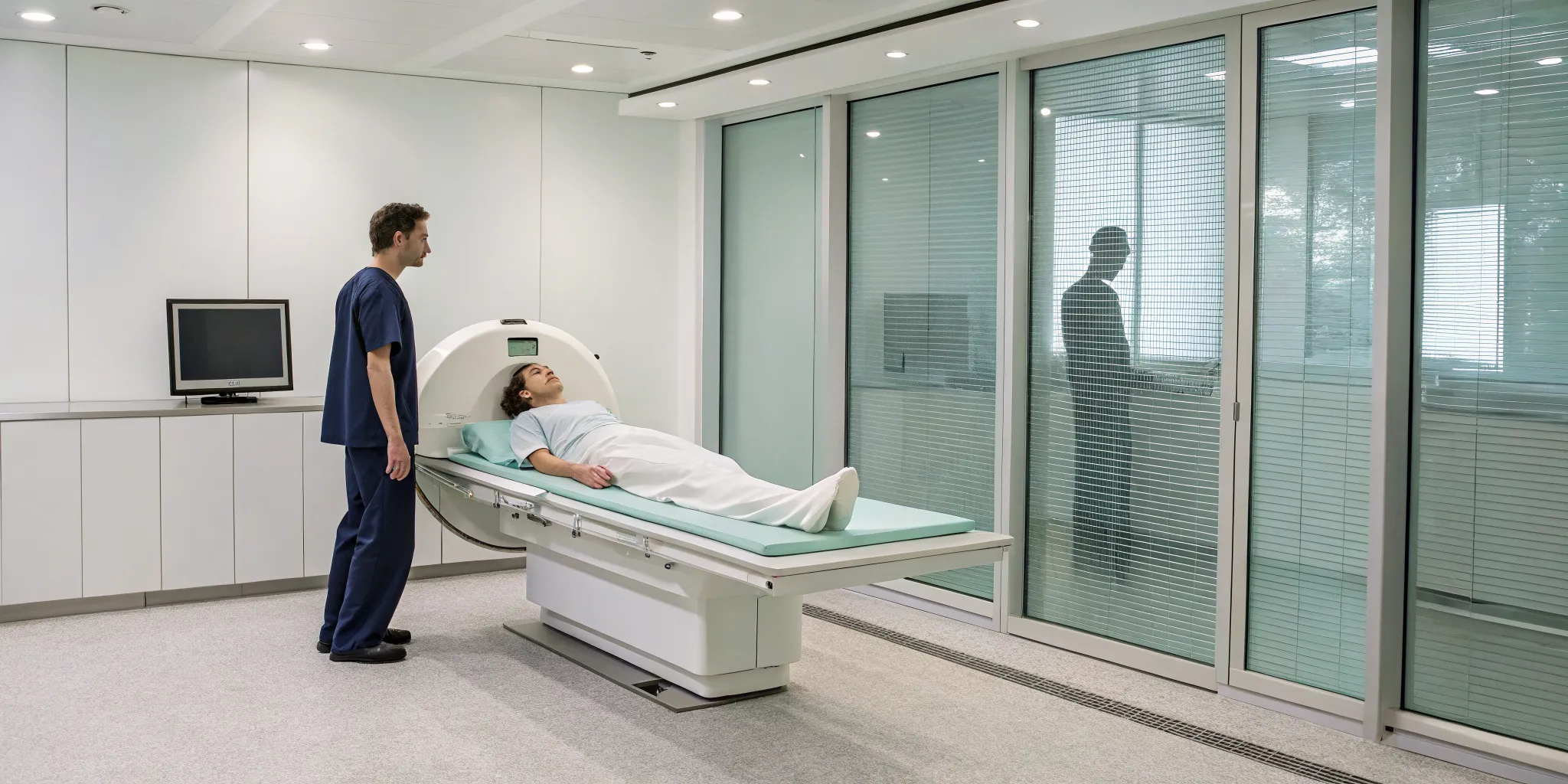
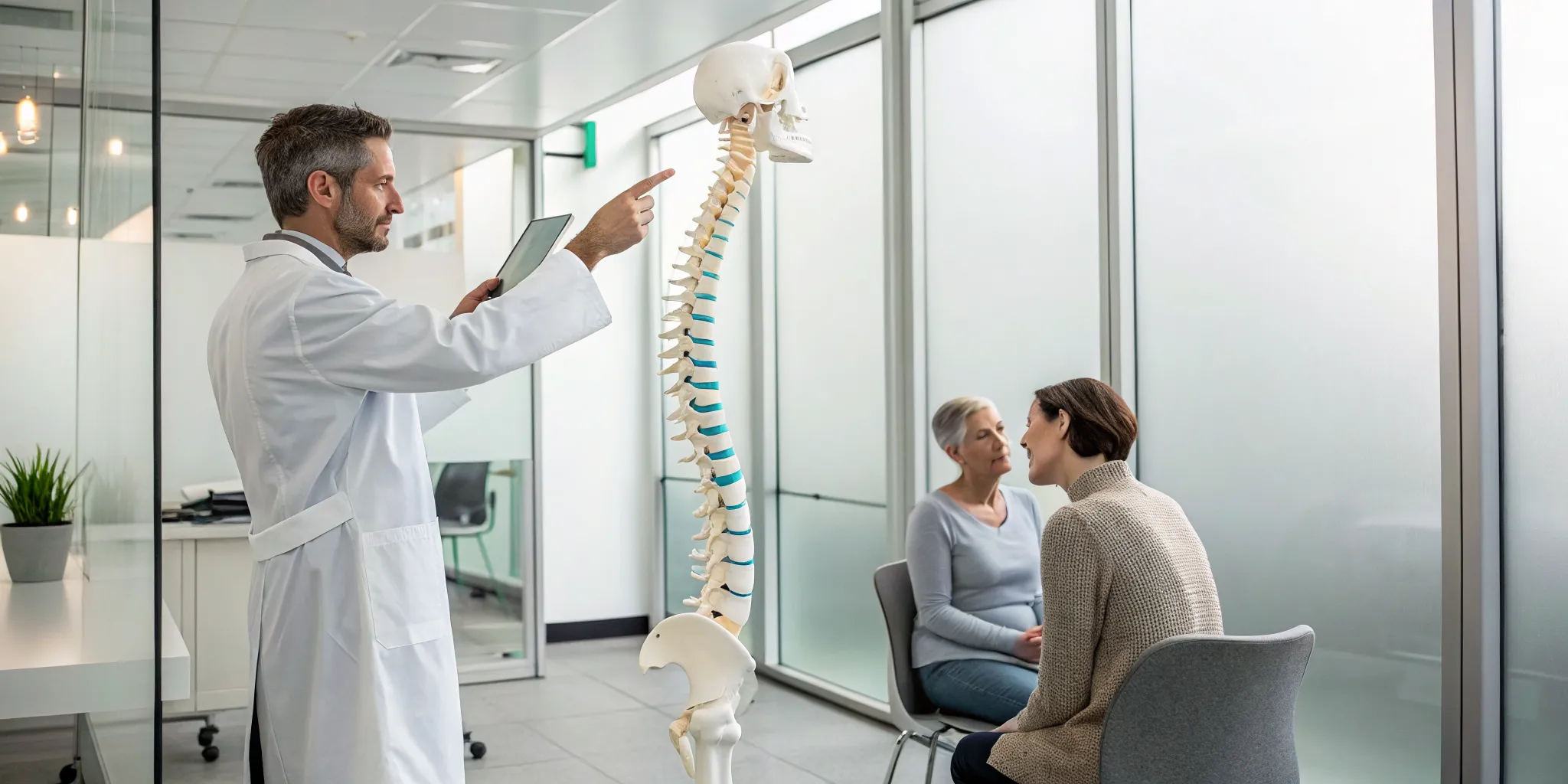
This method is part of our Physical Medicine pillar. We focus on how your spine sits and moves. We use tools like X-rays to see the true state of your frame. This helps us find the root cause of your health issues. We do not just look for where it hurts. We look for why it hurts.
The Science of Spinal Health
At Ascend Functional Health, we use a method called Chiropractic BioPhysics (CBP). This is a top way to fix the spine. It is a key part of our corrective care chiropractic model. It uses math and physics to plan your care. We look at your spine from the side and the front. We check for curves that are too big or too small. CBP helps us make a clear plan to guide your spine back to its best state.

Fixing the shape of your spine does more than stop pain. It supports how your body grows and repairs its own tissues. Research shows that focusing on spinal alignment leads to better tissue health than just chasing symptoms. This root-cause path helps your body heal from the inside out. It gives you a strong foundation for long-term health.
Function Over Feeling
Many people go to a doctor only when they feel bad. They want the pain to stop right away. But pain is often the last sign that something is wrong. By the time you feel it, the shift in your frame may have been there for a long time. Our goal is to fix the function of your body. When your spine is set right, your nerves can send signals without any blocks.
- Focus on the root cause of pain.
- Use clear data like X-rays.
- Create a plan for long-term health.
- Support natural tissue repair.
We want to help you reach your health goals. By fixing your body's frame, we help you stay active and strong. This path is not about a quick fix. It is about a better life through a better spine. We aim for real changes that last.
What Is the Difference Between Symptom-Focused Care and Structural Chiropractic Care?
Many people view health by how they feel in the moment. When back pain or neck stiffness starts, the first goal is often to find quick relief. This path is the heart of symptom-focused care. It treats the signal of distress but may miss the core issue. By itself, a patient's sense of pain is not a full or sure sign of health.
The risk of quick fixes
In a standard model, a doctor might use a fast move to help a joint shift. While this can give quick comfort, it often acts as a short patch. If the spine stays out of its best place, the stress on your body remains. This creates a loop where the pain goes away for a few days but returns because the frame is still weak. A corrective care chiropractic model looks past these short gains to find long-term fixes.
Symptom-focused care often relies on these brief acts. It may not find the root cause of spinal shifts. When you only look at how you feel, you might miss the slow wear and tear deep inside your body. Structural care seeks to lower the aberrant stresses on the spine. This helps protect you from future harm and supports true healing over time.
Anatomy of the spinal discs
To see why structure matters, you must look at the parts of your spine. Your spinal discs are the body's natural shock pads. They sit between the bones of your spine to keep them from rubbing. Each disc has two main parts that must work in balance. If the spine is out of place, these parts cannot do their job well.

The center of the disc is the nucleus pulposus. This soft core takes in pressure and keeps the disc springy. Around it is the annulus fibrosus, a tough outer ring that holds the bones together. In a healthy spine, these discs spread weight evenly. But when your frame is off, one side of the disc might take too much load. Over time, this can lead to tears that cause nerve pain.
Why pain is a late sign
Pain is often the last thing to show up when something is wrong. Your body is very good at changing to fit small shifts. You might have a structural problem for months before you feel a single ache. By the time you feel pain, the stress on your body is usually quite high. This is why a lack of pain does not always mean you are in good health.
Waiting for symptoms before seeking care is the "structural trap." It leads to a way of life where you are always chasing relief. Structural care moves you toward a plan of action. By fixing the place of your frame, you give your discs and nerves the space they need to thrive. This leads to a life built on a firm base rather than one ruled by the next flare-up.
Structural Chiropractic Care vs Traditional Care: Side-by-Side
Most people seek help only when they feel pain. This is how traditional care works. It focuses on the symptoms you feel right now. It uses quick steps to find relief. But these steps often do not fix the real cause. Structural chiropractic care takes a different path. It looks at your spine as a whole unit. It finds shifts in your frame that lead to pain and poor health.
Different Goals and Exams
The goals of these two models are quite different. Traditional care seeks to hide pain. Structural care aims to fix the root cause of that pain. To do this, structural care needs a full plan. This starts with a deep talk and spinal X-rays. These tools show how your spine has shifted over time. Research shows that reducing stress on spinal tissues is key to real healing.
Traditional care often relies on how you feel. But how you feel can be a poor guide. A person may feel fine while their spine is under great stress. This is why structural doctors use exact tests. They do not guess about your health. They measure the state of your spine to find the best way forward. This data helps them create a path to lasting health rather than a quick fix.
In many cases, traditional care treats the site of the pain. If your neck hurts, the doctor looks at your neck. But the cause might be a shift in your low back. Structural care finds these links. It looks at the whole chain to find where the breakdown began. This full-body view is what sets it apart from common care models.
| Feature | Traditional Care | Structural Care |
|---|---|---|
| Main Goal | Short pain relief. | Root cause correction. |
| Initial Check | Short physical exam. | X-rays and full consult. |
| Treatment Plan | As needed for pain. | Planned series of visits. |
| Health View | Lack of pain. | Best spinal function. |
| Outcome | Symptom care. | Long-term strength. |
Why a Planned Approach Matters
Structural care uses a set plan to reach a goal. Each visit builds on the one before it. This process helps your body heal and stay strong. It is not just about the next few days. It is about your health for the next few years. Studies suggest that this long-term support is more helpful than just treating pain as it pops up.
Choosing corrective chiropractic care means you value your future self. You want a body that works well, not just one that hurts less today. This model provides the tools for lasting change. It moves you from a state of crisis to a state of strength and balance. You get a clear map for your health journey.
Structural care also helps stop new issues. A spine that is in its right place handles daily stress well. It does not wear out as fast. By fixing the frame now, you avoid bigger problems later. This active view is the core of what we do. It is why we focus on the structure first and the symptoms second.
How Does Spinal Alignment Support Long-Term Health Outcomes?
Clinical research shows that structural chiropractic care does more than just stop pain. It helps the body heal at a deep level. When your spine is in the right place, it changes how your body handles weight and stress. This process is known as mechanical loading. It is vital for how your spinal tissues grow and fix themselves over time.
How Loading Helps Tissue Repair
Your spinal tissues respond to the forces placed on them every day. If your spine is out of line, it creates uneven stress on your muscles, bones, and joints. This extra strain can slow down your body's ability to heal. Studies show that rehab focused on spinal alignment helps proper tissue growth by lowering this stress. By fixing the root cause, you give your body a better chance to heal fully.
This approach is a key part of the corrective care chiropractic model. It moves away from quick fixes that only hide signs of pain. Instead, it looks at how the spine works as a full system. When the structure is sound, the rest of the body can work as it should. This leads to better health that lasts much longer than a simple adjustment.
Beyond Pain: The Goal of Long-Term Alignment
Most people only think about their spine when it hurts. But pain is not always a good way to tell if you are healthy. You can have a structural problem for a long time before you feel it. The goal of structural chiropractic care is to find and fix these issues early. This helps prevent bigger problems later on. It keeps your framework strong so you can stay active as you age.
When you choose structural chiropractic care, you are helping your future self. Fixing your posture and alignment helps your nerves work better. It also protects your discs and joints from wearing out too fast. Using a corrective chiropractic care plan helps you:
- Keep your spine in balance.
- Avoid the cycle of pain and short-term relief.
- Stay active and move with ease.
Better Results with Maintenance Care
Science shows that keeping your spine in line is better than waiting for pain to return. One study looked at people with back pain over a full year. It found that maintenance care worked better than only treating pain when it showed up. People who had regular care had fewer days of bad pain. This shows that staying ahead of the problem is the best path to long-term health.
Maintenance care provides a way to support your body's health for years to come. It is about more than just your back. It is about how you move and feel every day. By keeping your spine in the best shape possible, you reduce the risk of new injuries. This smart step helps you live a full and healthy life in the Tampa Bay area.
Frequently Asked Questions
What health issues can structural chiropractic care help with?
Structural chiropractic care finds the root cause of many health issues. It is often used for back pain, neck pain, and headaches. By fixing the alignment of your spine, it also helps with issues like sciatica and numbness. Ascend Functional Health says this method fixes the shape of the spine to help the body work the right way. This helps you heal in a natural way instead of just hiding the pain for a short time.
Can structural chiropractic care improve posture?
Yes, this type of care is made to fix your posture. It looks at the spine as the frame of your body. By moving the spine back to its natural shape, your body can stand and move better. Research shows that spinal care that focuses on alignment helps tissues grow and heal in the right way. This is more than just feeling good for a day. It helps your body stay strong for many years.
What should I expect during my first structural chiropractic visit?
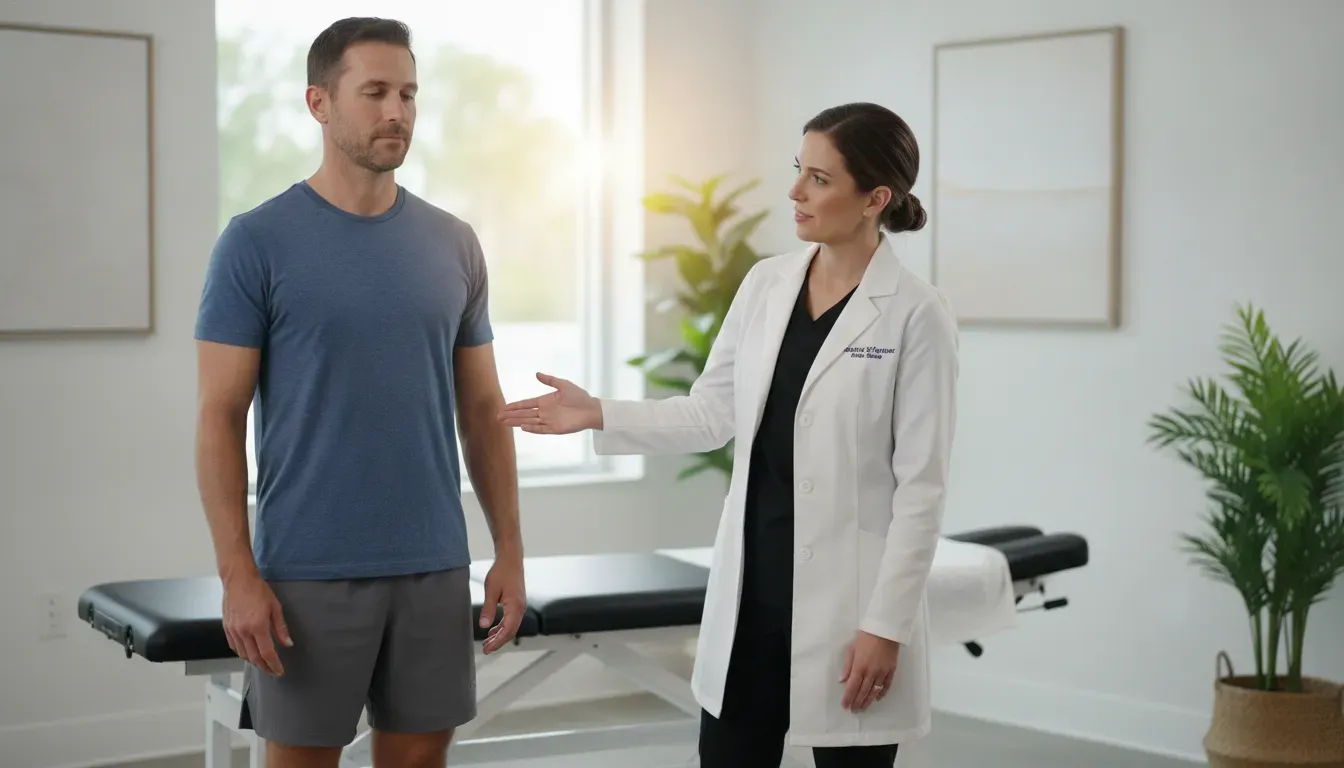
Your first visit is a deep look at your spinal health. You will have a sit-down talk with a doctor to discuss your health goals. The team will do a physical exam and take X-rays to see the structure of your spine. This planned path is key to finding the real cause of your pain. You will get a clear map of how to reach your goals during your sit-down meeting.
How does this care help in the long run?
Structural care aims for a long-term fix by changing the shape of your spine. This is different from care that only treats pain for a short time. Clinical data shows that long-term care is better at reducing pain over a full year than just treating symptoms as they show up. By fixing the root cause, you help your body stay healthy. Your doctor will give you the best plan for your needs.
Ready to Find the Root Cause of Your Spinal Pain?
Leaving a spine that is out of line can lead to more pain and tight muscles over time. Small shifts often get worse if you do not fix the source of the issue. When you wait too long, your body must work much harder to heal. Starting your care today means you can stop the damage before it becomes a much bigger problem. Our team uses a clear path to help you find what is truly wrong. Here is what to expect during your visits:
- Day 1 Discovery: A sit-down consultation and detailed exam to discuss your health goals.
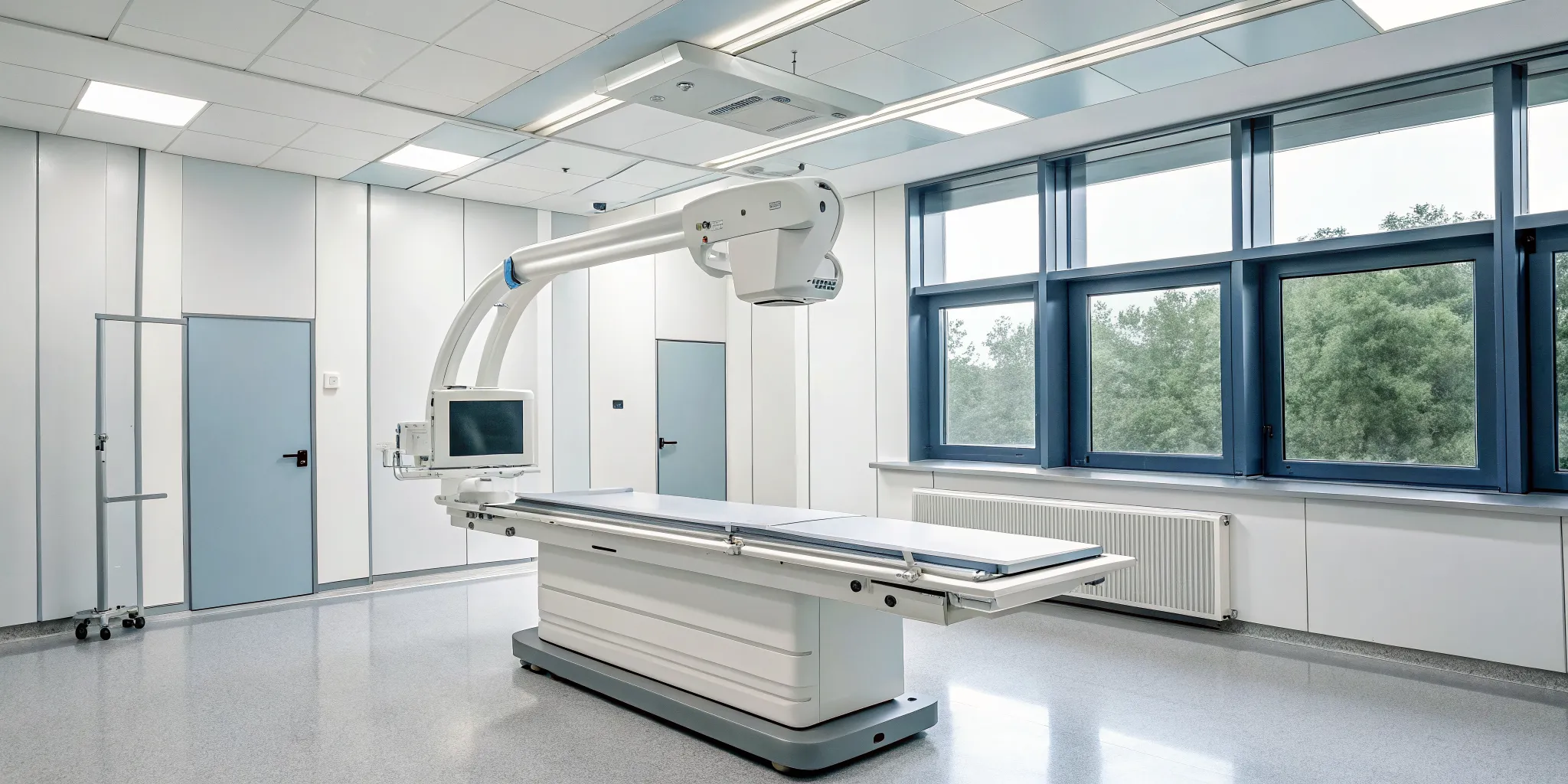
- Diagnostic X-rays: State-of-the-art imaging to get a precise look at your spinal alignment.
- Report of Findings: A sit-down strategy session where the doctor shares recommendations and your custom care plan.
Ready to schedule a consult? Book a physical medicine session to start your path to real health.