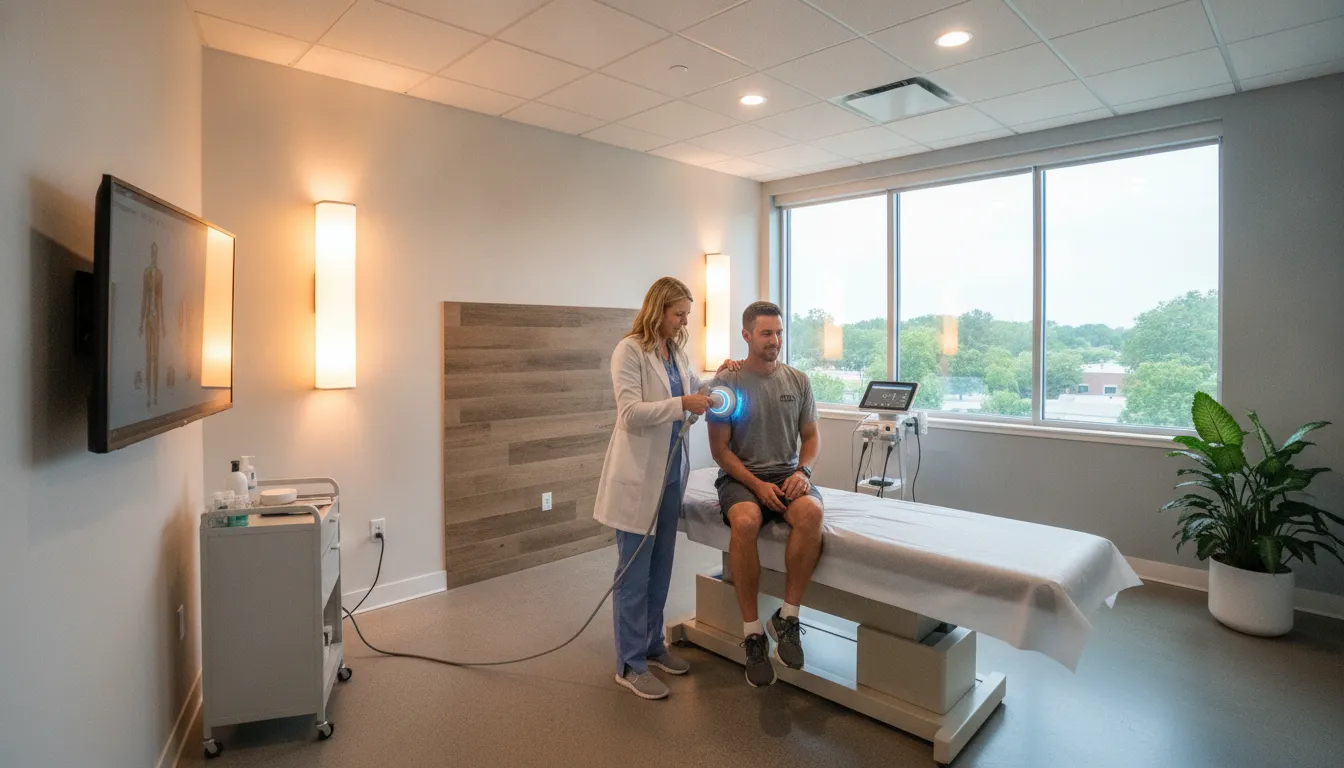
The term “shockwave” might sound intense, but the reality of the treatment is far from it. When you’re looking for a solution to chronic wrist pain, you want something effective, safe, and gentle. This therapy isn’t about electrical shocks or jarring impacts; it’s a sophisticated procedure that uses the power of acoustic sound waves. Think of it as a highly targeted deep tissue massage that communicates directly with your cells. Using shockwave therapy for wrist pain allows us to pinpoint the exact source of your discomfort and trigger a natural healing response, all without a single incision or needle.
Key Takeaways
- It Stimulates Your Body's Natural Healing Process: Shockwave therapy is a non-invasive treatment that uses acoustic waves to improve circulation and break down restrictive scar tissue, encouraging your body to repair the underlying cause of wrist pain.
- It's Effective for Many Chronic Wrist Conditions: The therapy is well-suited for persistent issues that have not improved with rest, including carpal tunnel syndrome, tendonitis, and repetitive strain injuries, by reducing inflammation and helping restore function.
- A Professional Evaluation Is the First Step: Because this treatment is not a one-size-fits-all solution, a comprehensive evaluation is necessary to see if it is right for you and to create a personalized plan for lasting relief.
How Does Shockwave Therapy Work?
When you’re dealing with persistent wrist pain, finding a solution that works with your body instead of against it is key. Shockwave therapy is one of the most effective, non-invasive tools we use to address the root cause of musculoskeletal pain. It’s not about masking symptoms; it’s about creating a biological response that promotes true healing from within. This approach aligns perfectly with our philosophy of helping your body repair itself. Let’s look at how this technology accomplishes that.
The Science of Acoustic Wave Healing
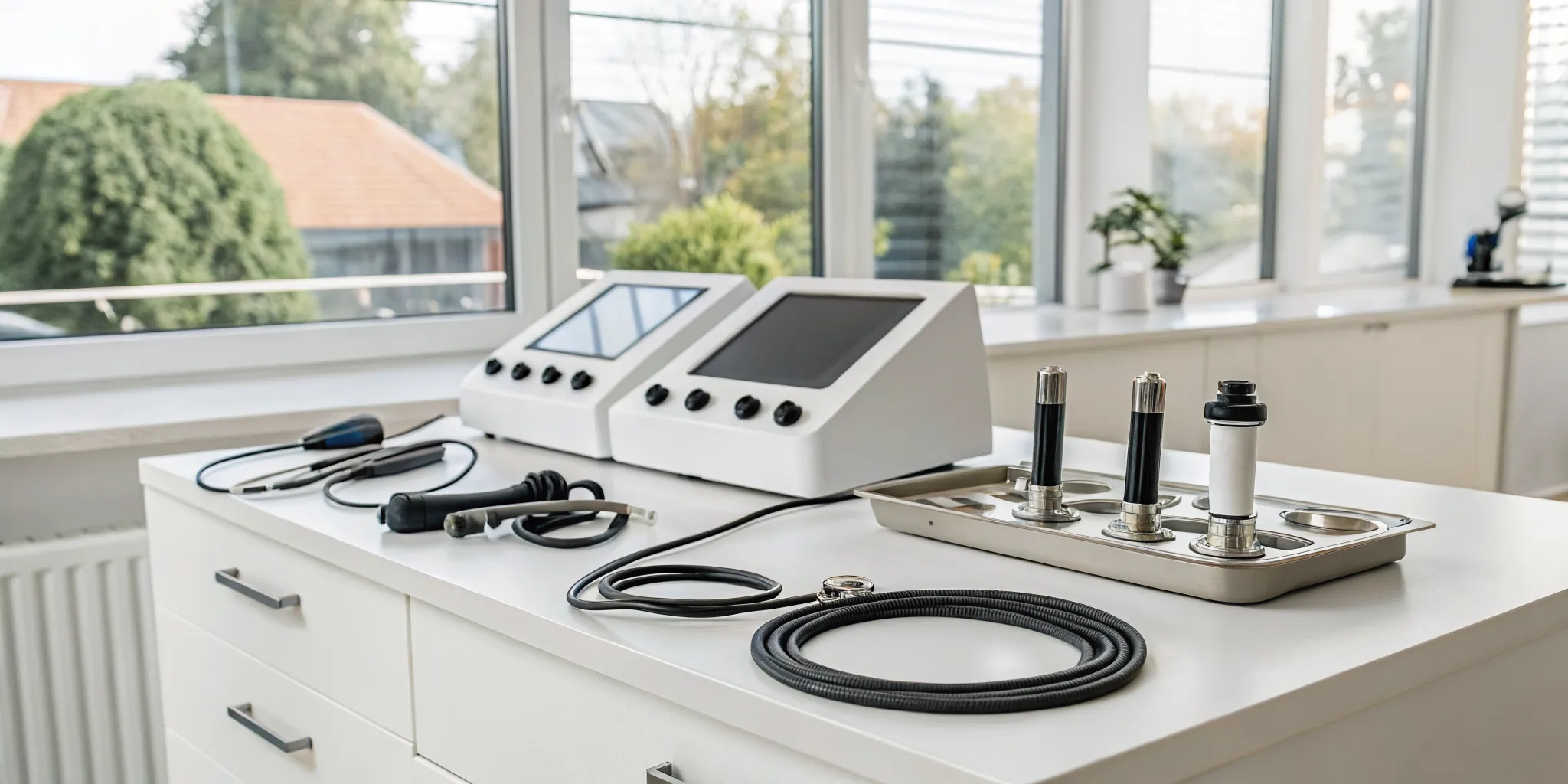
The term "shockwave" might sound intense, but the treatment itself is a gentle and non-invasive process. It doesn’t involve any incisions or lengthy recovery. Instead, it uses the power of acoustic waves, which are essentially highly focused sound waves, to target the precise area of your wrist pain. During a session, a special device sends these waves through your skin directly to the injured tissue. This method is a cornerstone of our physical medicine services because it works in harmony with your body. Think of it as a way to communicate directly with the cells that need attention, signaling them that it’s time to begin the repair cycle.
How It Triggers Your Body's Natural Repair Process
So, how do sound waves actually help your wrist heal? When the acoustic waves reach the damaged tissue, they create a response that essentially wakes up your body’s internal repair crew. This process stimulates increased blood flow to the wrist, delivering a fresh supply of oxygen and nutrients that are crucial for healing. At the same time, the waves help break down restrictive scar tissue and calcifications that often contribute to chronic pain and stiffness. By clearing out the old, damaged tissue, your body has a better environment to generate new, healthy cells. This targeted approach helps accelerate healing for many of the conditions we treat by addressing the root cause of the dysfunction.
What Wrist Conditions Can Shockwave Therapy Help?
If you’re dealing with persistent wrist pain, you know how much it can interfere with your life, from typing at work to enjoying your favorite hobbies. The good news is that shockwave therapy is a versatile treatment that can address a wide range of wrist-related issues. Because it works by stimulating your body’s own healing mechanisms, it’s effective for everything from nerve compression to joint inflammation and tendon damage. This approach is a cornerstone of our physical medicine services, as it targets the underlying cause of your pain instead of just masking the symptoms. Let's look at some of the specific wrist conditions that respond well to this innovative therapy.
Carpal Tunnel Syndrome
That tingling, numbness, or weakness in your hand could be carpal tunnel syndrome, which happens when the median nerve gets compressed as it passes through your wrist. This can make simple tasks like buttoning a shirt or holding a phone feel difficult. Shockwave therapy can provide significant relief by targeting the inflammation and fibrous tissue that contribute to this nerve compression. The acoustic waves help improve blood flow to the area and stimulate a healing response in the surrounding tissues. This process can reduce the pressure on your median nerve, easing the frustrating symptoms and helping you get back to using your hands without discomfort.
Wrist Tendonitis
Wrist tendonitis is the inflammation of one or more tendons around your wrist joint, often caused by repetitive motions. If your job involves a lot of typing, or if you play a sport like tennis or golf, you might be familiar with the sharp or aching pain that comes with this condition. Shockwave therapy directly addresses the inflamed tendons by promoting circulation and stimulating cellular repair. This process helps calm the inflammation and encourages the regeneration of healthy tendon tissue. It’s a way to actively heal the tendon, rather than just waiting for the pain to subside on its own.
Wrist Arthritis
Living with wrist arthritis means dealing with chronic joint inflammation, which causes pain, stiffness, and a loss of mobility. While shockwave therapy doesn't reverse arthritis, it can be an excellent tool for managing its symptoms and improving your quality of life. The therapy works by reducing inflammation within the joint and increasing blood flow to the surrounding tissues. This can lead to a noticeable reduction in pain and stiffness, making it easier to move your wrist. By helping to manage the inflammation, shockwave therapy allows you to maintain more function and stay active with less discomfort.
TFCC Tears
The Triangular Fibrocartilage Complex (TFCC) is a small but crucial structure of cartilage and ligaments on the pinky-side of your wrist that helps with stability and cushioning. Tearing it, whether from a fall or repetitive twisting, can cause a deep, aching pain and a clicking sound. Because the TFCC has a limited blood supply, it can be slow to heal on its own. Shockwave therapy is especially helpful for these injuries because it creates a powerful healing response in tough, fibrous tissues. The acoustic waves stimulate blood flow and tissue regeneration, helping to repair the tear and restore stability to your wrist.
Repetitive Strain Injuries
Many different wrist issues fall under the umbrella of repetitive strain injuries (RSIs). These develop over time from overuse, whether it's from working on an assembly line, playing a musical instrument, or spending hours on a computer. Conditions like tendonitis are a form of RSI, but you might also experience more general, chronic pain from accumulated micro-damage. Shockwave therapy is well-suited for these nagging injuries because it addresses the root of the problem: chronic inflammation and tissue breakdown. By stimulating metabolic activity and circulation, it helps your body finally repair the damage that rest alone can't seem to fix, which is why we treat so many of these chronic conditions.
The Benefits of Shockwave Therapy for Wrist Pain
When your wrists hurt, everything from typing an email to picking up your coffee cup can feel like a monumental task. If you're looking for a solution that works with your body's natural healing abilities, shockwave therapy offers some incredible benefits. This approach is a cornerstone of our physical medicine services, helping people find relief and get back to their lives without invasive procedures. Let's look at how it can specifically help with wrist pain.
Find Relief Without Surgery or Drugs
One of the most significant advantages of shockwave therapy is that it's a non-invasive treatment. This means there are no incisions, no needles, and no lengthy recovery times associated with surgery. Instead of masking pain with medication, this therapy gets to the heart of the problem by stimulating your body’s own repair mechanisms. It’s a way to encourage healing from the inside out, offering a path to relief that avoids the complications and downtime of more aggressive interventions. For many people dealing with chronic wrist discomfort, this is a welcome and effective alternative.
Regain Wrist Mobility and Function
Persistent wrist pain doesn't just hurt; it limits your ability to live your life fully. Simple actions like gripping a steering wheel, cooking dinner, or enjoying a hobby can become difficult or impossible. Shockwave therapy helps restore your wrist's range of motion and overall function. By addressing the root causes of stiffness and pain, like scar tissue and inflammation, the treatment allows the delicate structures in your wrist to move freely again. The goal is to help you regain not just comfort, but the ability to perform daily activities with ease and confidence.
Accelerate Healing by Improving Circulation
Healing requires a healthy supply of blood, which carries essential oxygen and nutrients to injured tissues. Shockwave therapy gives this process a major helping hand. The acoustic waves create what are called micro-ruptures in the tiny vessels of the treated area. In response, your body grows new, stronger vessels, a process called neovascularization. This new network dramatically improves blood flow and metabolism in the wrist, which speeds up the removal of waste products and accelerates your body's natural healing timeline. This is a key reason why it's effective for so many of the conditions we treat.
Break Down Restrictive Scar Tissue
Injuries and repetitive strain can lead to the formation of scar tissue, or adhesions, within the wrist. You can think of this like a tiny internal knot that restricts movement, compresses nerves, and causes pain. Shockwave therapy is uniquely effective at breaking down this restrictive tissue. The energy waves penetrate deep to the source of the problem, dissolving these adhesions and releasing the tension they create. This process helps restore elasticity to the tendons and ligaments, relieving pain and improving how your wrist moves and feels.
Get Lasting Relief with Minimal Side Effects
Because shockwave therapy helps your body rebuild and repair itself, the results are often long-lasting. Many people report a significant reduction in pain after just a few sessions. The treatment addresses the underlying dysfunction rather than just covering up symptoms, leading to sustainable improvement. It's also a very safe procedure with minimal side effects. Some people might experience temporary redness, mild swelling, or bruising in the area, which is a normal sign that a healing response has begun. If you're ready to explore a lasting solution, we can help you determine if this is the right fit for you when you schedule a consultation.
Your First Session: What to Expect
Walking into a new type of treatment can feel a little uncertain, but knowing what’s ahead can make all the difference. Shockwave therapy is a straightforward and non-invasive process. From the moment you sit down for your first session, our team is focused on your comfort and making sure you understand every step of your healing plan. Let’s walk through what you can expect during your visit.
A Step-by-Step Look at the Treatment
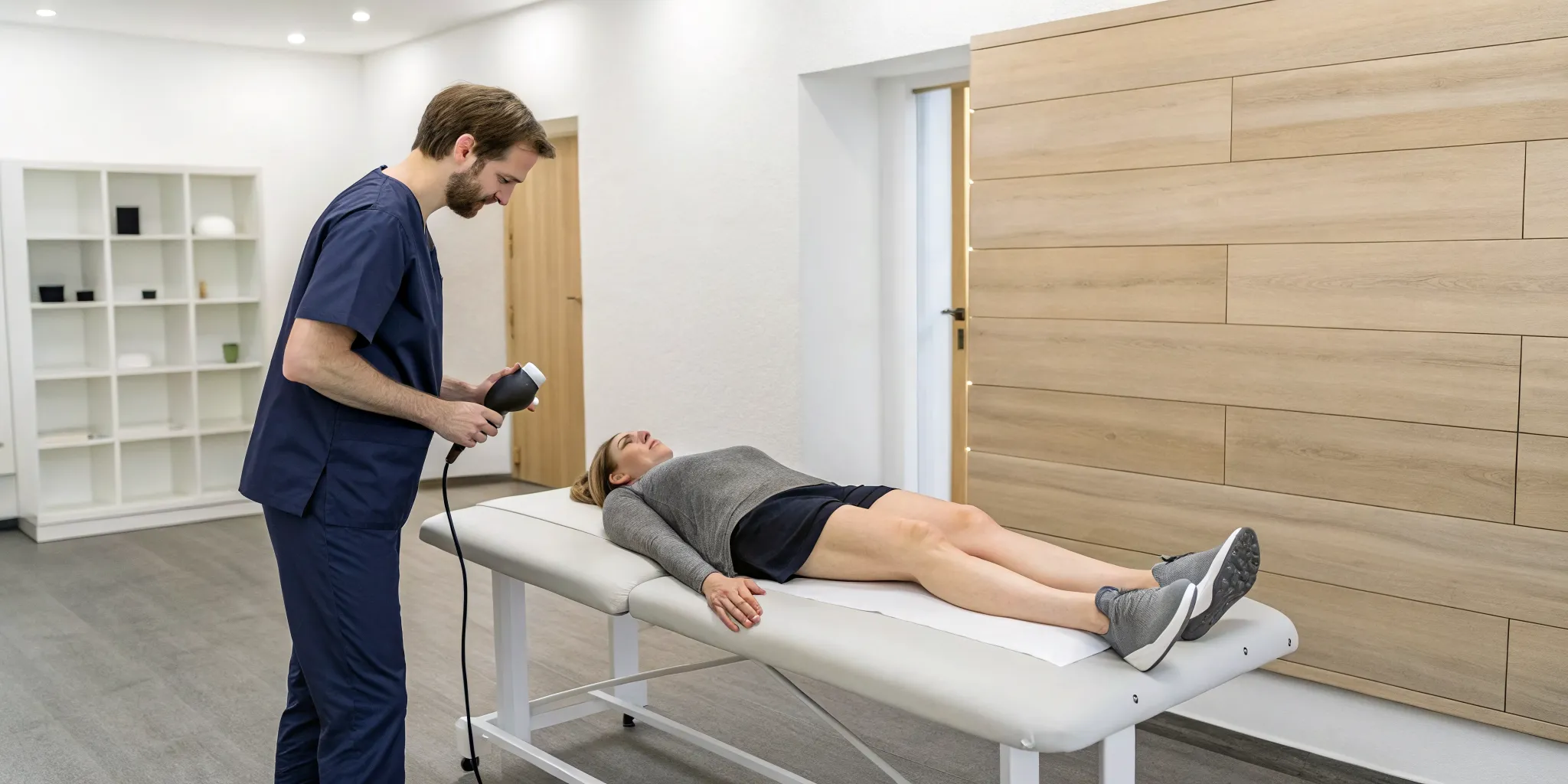
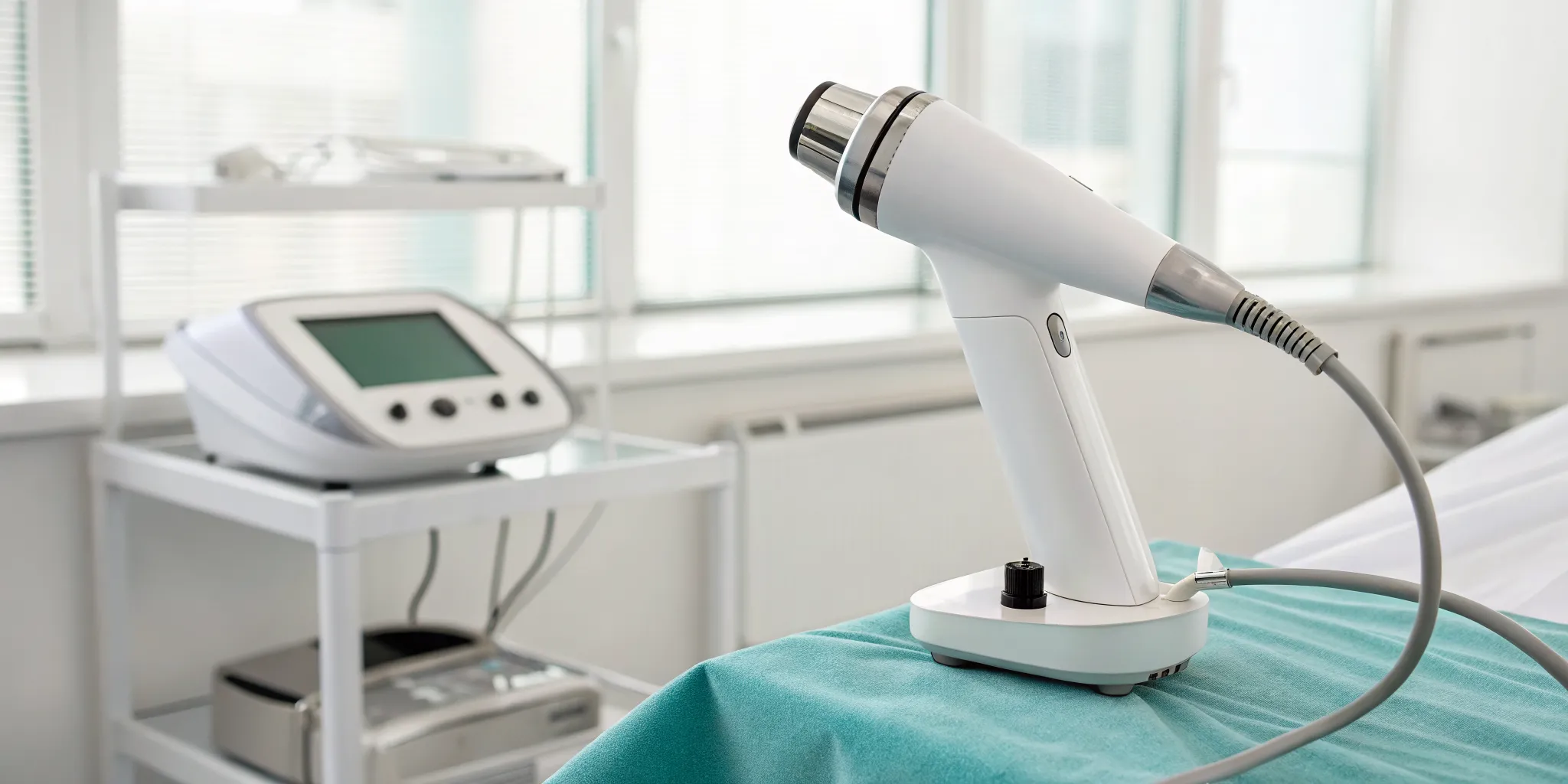
First things first, this is a non-surgical procedure, so you don’t have to worry about any incisions or lengthy recovery times. During the session, your practitioner will apply a special gel to the skin over your wrist. Then, they’ll use a handheld device to deliver acoustic waves directly to the painful area. The entire process is guided by our team, who will adjust the intensity and duration of the waves based on your specific injury and comfort level. This personalized approach is a core part of our physical medicine services, ensuring the treatment is tailored just for you.
What Does the Sensation Feel Like?
Most people describe the feeling of shockwave therapy as a series of strong pulses or a deep tapping sensation on the skin. It shouldn't be painful, but you will definitely feel it working. These sound waves create a controlled, microscopic response in your tissue, which is what signals your body to kickstart its natural healing process. Think of it as a wake-up call for your internal repair crew. After the session, it’s common to feel some mild soreness or see a little redness in the treated area, but this typically fades within a day or two. It’s just a sign that your body is getting to work on healing.
How Many Sessions Will You Need?
Your treatment plan is designed around you. Most people benefit from a series of short sessions scheduled over a few weeks. Each appointment is quick, usually lasting only about five to ten minutes, so you can easily fit it into your day. The exact number of sessions you’ll need depends on the specific wrist condition being treated, its severity, and how your body responds. We create a personalized protocol for every patient because we know that true healing isn’t one-size-fits-all. To get a clear picture of what your unique treatment plan would involve, the best first step is to schedule a consultation with our team.
Understanding the Potential Risks and Side Effects
It’s completely normal to have questions about the side effects of any new treatment. When you’re dealing with persistent wrist pain, you want a solution that works without creating new problems. The good news is that shockwave therapy is a non-invasive procedure with a strong safety profile, especially when compared to options like long-term medication use or surgical procedures. The side effects are generally mild, short-lived, and often a sign that your body’s natural healing response has been successfully activated. Instead of just masking symptoms, this treatment gets to the root of the issue by stimulating repair at a cellular level.
At Ascend Functional Health, your safety and comfort are our top priorities. We see treatments like shockwave therapy as a key part of our physical medicine services, designed to work with your body, not against it. Before beginning any treatment, we conduct a comprehensive evaluation to make sure it’s the right fit for you and your specific health picture. We’ll discuss your health history, the nature of your wrist pain, and your wellness goals. This allows us to create a truly personalized plan. Our goal is to give you all the information you need to feel confident and empowered in your healing journey. Most of our patients find that the minor, temporary discomfort is a small price to pay for the lasting relief and restored function they experience.
Common Short-Term Side Effects
After a shockwave therapy session, it’s common to experience some mild and temporary effects at the treatment site. You might notice a bit of redness, skin irritation, swelling, or even some light bruising. The area may also feel a little tender or sore for a day or two, similar to how a muscle feels after a new workout.
Think of this as a positive sign. These reactions indicate that the therapy has successfully created a controlled inflammatory response, which is the first step in your body’s healing cascade. It means increased blood flow is bringing essential nutrients and growth factors to the area to begin repairing the damaged tissue. These effects typically resolve on their own within a few days as your wrist starts to heal.
Who Should Consider Other Options
While shockwave therapy is safe and effective for many people dealing with wrist pain, it isn't the right choice for everyone. Certain conditions and circumstances can make other treatments a better option. For example, shockwave therapy is generally not recommended for women who are pregnant or for individuals who have a circulation or nerve disorder. It should also be avoided if you have an active infection or a tumor at the treatment site.
This is precisely why a thorough initial consultation is so important. A conversation with a qualified provider ensures your treatment plan is tailored to your unique health history and needs. If you have questions about whether shockwave therapy is right for you, we encourage you to contact our team to schedule an evaluation. We can explore all your options together.
How Shockwave Therapy Fits into Your Healing Plan
If you're dealing with persistent wrist pain, you're probably looking for a solution that provides real, lasting relief. Shockwave therapy is a powerful tool, but it's most effective when it's part of a bigger picture. We don't believe in one-size-fits-all fixes. Instead, we see shockwave therapy as a key component of a personalized plan designed to address the root cause of your pain and help your body heal itself. Let's look at how this treatment fits into a comprehensive approach to your well-being.
Comparing Shockwave Therapy to Surgery
When you're exploring options for wrist pain, the thought of surgery can be daunting. Shockwave therapy presents a compelling non-invasive alternative. Unlike a surgical procedure, it involves no incisions, which means you can avoid the risks and lengthy recovery time that often come with surgery. For many people, it’s a way to find significant relief and get back to their lives faster, without the need for more aggressive interventions. This approach is a cornerstone of our physical medicine services, focusing on stimulating your body’s own healing mechanisms first.
Combining Treatments for the Best Results
Shockwave therapy rarely works in a vacuum. True healing happens when we support the body from multiple angles. Combining shockwave treatments with other therapies can create a synergistic effect, leading to better and more durable results. For example, we might pair it with corrective exercises to restore proper joint mechanics, chiropractic adjustments to ensure your nervous system is functioning optimally, or even nutritional guidance to lower inflammation throughout your body. Creating a multi-faceted plan is how we address the complete picture of your health, not just the isolated symptom. This integrated strategy is central to how we approach all conditions we treat.
Is Shockwave Therapy Right for Your Wrist Pain?
Thinking about shockwave therapy for your wrist pain is a great step, but you're probably wondering if it's the right choice for your specific situation. Like any effective treatment, it’s not a universal fix. The key is to understand if your symptoms and condition align with what this therapy does best. Let's walk through what makes someone a good candidate and why a proper evaluation is the most important starting point on your path to healing.
Signs You Might Be a Good Candidate
You might be a good fit for shockwave therapy if you're dealing with persistent wrist issues that haven't responded to rest or other initial treatments. This approach is often effective for chronic conditions like wrist tendonitis, carpal tunnel syndrome, and some forms of arthritis. If your goal is to find relief, improve your range of motion, and get back to your daily activities without discomfort, this could be a promising option. Many people who benefit from this therapy are looking for a way to support their body’s own healing process. If you're experiencing nagging pain from one of the many conditions we treat, shockwave therapy could be part of your solution.
Why a Thorough Evaluation Is the First Step
Before jumping into any new treatment, the most critical step is a thorough evaluation. Your health is a complex picture, and wrist pain is often just one piece of the puzzle. A comprehensive assessment allows a provider to understand the root cause of your discomfort, not just the symptoms. This is especially important because certain health factors can influence whether shockwave therapy is the best path for you. Choosing a provider who takes the time to listen and perform a detailed examination ensures you get a personalized plan. This initial conversation is the foundation for achieving the best possible results and making sure you feel confident in your care plan. Ready to find out more? Let's start the conversation.
Start Your Path to Wrist Pain Relief in Tampa
If persistent wrist pain is keeping you from doing the things you love, you don't have to accept it as your new normal. Finding lasting relief starts with understanding the true source of the problem, and our team in Tampa is here to help you do just that. We believe in a comprehensive approach that goes beyond just managing symptoms. Shockwave therapy is an incredible tool, but it’s most effective when it’s part of a plan tailored specifically to you and your body’s needs.
At Ascend Functional Health, we specialize in identifying the root cause of conditions like chronic wrist pain. Your path to healing begins with a thorough evaluation where we take the time to understand your health history, lifestyle, and unique situation. This allows us to determine if you are a good candidate for shockwave therapy and how it can be integrated with our other physical medicine services for the best possible outcome. We create a personalized roadmap designed to support your body’s natural healing process and restore function.
You deserve to live without the constant ache and limitation of wrist pain. Taking that first step is often the hardest part, but you don’t have to do it alone. Our team is committed to guiding you through every phase of your recovery. If you’re ready to explore a different approach to wellness, we’re ready to listen. Contact our Tampa office today to schedule your consultation and learn how we can help you get back to living your life to the fullest.
Related Articles
- SoftWave Tissue Regeneration Therapy in Tampa | Alessi Functional Health
- SoftWave TRT Therapy in Tampa, FL - Alessi Functional Health
- Regenerative Medicine for Pain Recovery | Ascend Functional Health
- Pain Free Future | Alessi Functional Health
- What Is Graston Technique Therapy? A Beginner's Guide
Frequently Asked Questions
Is shockwave therapy painful? Most people do not describe the treatment as painful, but you will feel it working. The sensation is often described as a series of strong, deep taps or pulses against the skin. Your practitioner will communicate with you throughout the short session and can adjust the intensity to keep you comfortable. The goal is to stimulate the tissue, not to cause pain.
How soon will I notice results for my wrist pain? While some people feel a degree of relief after their first or second session, the most significant benefits build over time. Shockwave therapy works by prompting your body to regenerate tissue, a process that doesn't happen overnight. The lasting improvement comes as your wrist heals over the full course of your personalized treatment plan, which typically involves several sessions.
Can I go back to my daily activities right after a session? Yes, one of the great things about this therapy is that there is no required downtime. The sessions are quick, and you can return to your work or daily routine immediately afterward. However, we generally recommend avoiding any strenuous activities that put a heavy strain on your wrist for about 24 to 48 hours to give the healing process a proper start.
Why is this treatment often combined with other therapies? We view shockwave therapy as a powerful component of a comprehensive healing plan. While it excels at stimulating tissue repair and reducing pain, combining it with other approaches like corrective exercises or chiropractic care addresses the root cause from all angles. This integrated strategy ensures we are not only healing the injured tissue but also correcting the underlying functional issues that may have caused the pain in the first place.
What if my wrist feels a little sore after the treatment? Experiencing mild soreness, tenderness, or even a bit of redness in the treated area is completely normal and expected. In fact, it’s a positive sign that the therapy has successfully activated your body’s natural healing response. This feeling is temporary and usually fades within a day or two as your body gets to work repairing the tissue.