Chronic pain can create a frustrating cycle: it hurts to move, but you need to move to heal. This is where technology can offer a helping hand. An FDA cleared pain relief device can act as a bridge, providing enough comfort to make essential activities possible again. By temporarily reducing pain signals, these tools create a valuable window of opportunity. This allows you to engage more effectively in the foundational work of recovery, like corrective exercises or other physical therapies. Think of it not as the final destination, but as the crucial first step on your path to wellness. This guide explains how these devices function and how they can be integrated into a comprehensive plan that addresses the source of your pain.
Key Takeaways
- Understand the "FDA Cleared" label: This label means a device meets specific safety standards, but it doesn't guarantee it will work for your unique pain. Think of it as a starting point for safety, not a promise of specific results.
- Use devices as a bridge to deeper healing: Pain relief devices are great for managing symptoms, which can give you the comfort needed to engage in corrective exercises or other therapies. They help you stay active while you and your provider work on fixing the root cause of the pain.
- Pair your device with professional guidance: A device works best when it's part of a larger, personalized treatment plan. A healthcare provider can help identify the source of your pain and create a holistic strategy that uses the right tools to help you find lasting relief.
What Does "FDA Cleared" Mean for Pain Relief Devices?
When you're looking for ways to manage pain, you’ll likely come across devices with an "FDA Cleared" label. This simply means the U.S. Food and Drug Administration (FDA) has reviewed the device to confirm it meets specific safety and effectiveness standards. This process is for devices considered to have a low to moderate risk. Seeing this label gives you a baseline of confidence that the product isn't just a gimmick; it has passed a formal review before being sold to you. It’s a helpful starting point for anyone trying to make an informed choice about their health and well-being.
FDA Cleared vs. FDA Approved: What's the Difference?
It’s easy to mix up "FDA Cleared" and "FDA Approved," but they represent different levels of review. The key is understanding the distinction between FDA-Registered, Cleared, and Approved labels. Most pain relief devices you see online or in stores are "FDA Cleared." This means the manufacturer demonstrated that their product is "substantially equivalent" to another device already legally on the market. "FDA Approved," on the other hand, is a much more intensive process reserved for higher-risk devices. It requires extensive clinical trials to prove safety and effectiveness from the ground up. So, while both labels show a device has met FDA standards, "Approved" signifies a higher degree of regulatory scrutiny.
Why FDA Clearance Matters for Your Safety
That "FDA Cleared" label is more than just marketing jargon; it’s a safeguard for you. The review process is designed to ensure a device is safe for its intended use, which is incredibly important when you’re trying to find relief from pain. This oversight helps you avoid products that could be ineffective or even harmful. The FDA has also been actively encouraging the development of pain management tools that don't rely on medication. By clearing devices that offer alternative ways to manage discomfort, the FDA helps promote safer healthcare solutions for everyone. This is a positive step toward giving people more control over their pain management journey.
How Do FDA Cleared Pain Relief Devices Work?
It's fascinating how different technologies can help manage pain without relying on medication. FDA cleared devices work in several distinct ways, each targeting pain from a different angle. From gentle electrical pulses to targeted light, these methods are designed to work with your body’s own systems to provide relief. Understanding how they function can help you see why they are a key part of a comprehensive, holistic health plan. Let's look at some of the most common approaches you might encounter in a clinical setting.
TENS and Electrical Stimulation
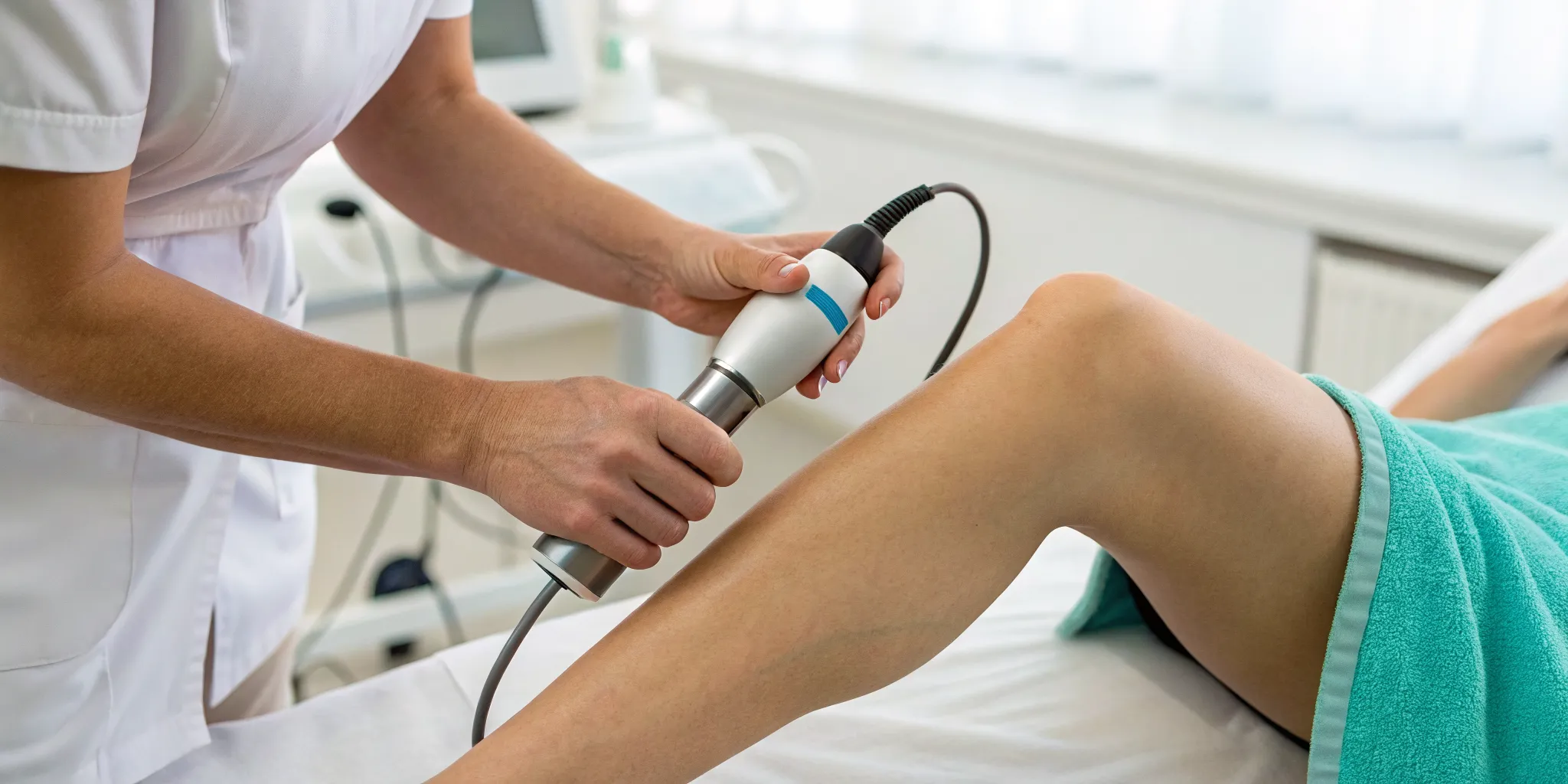
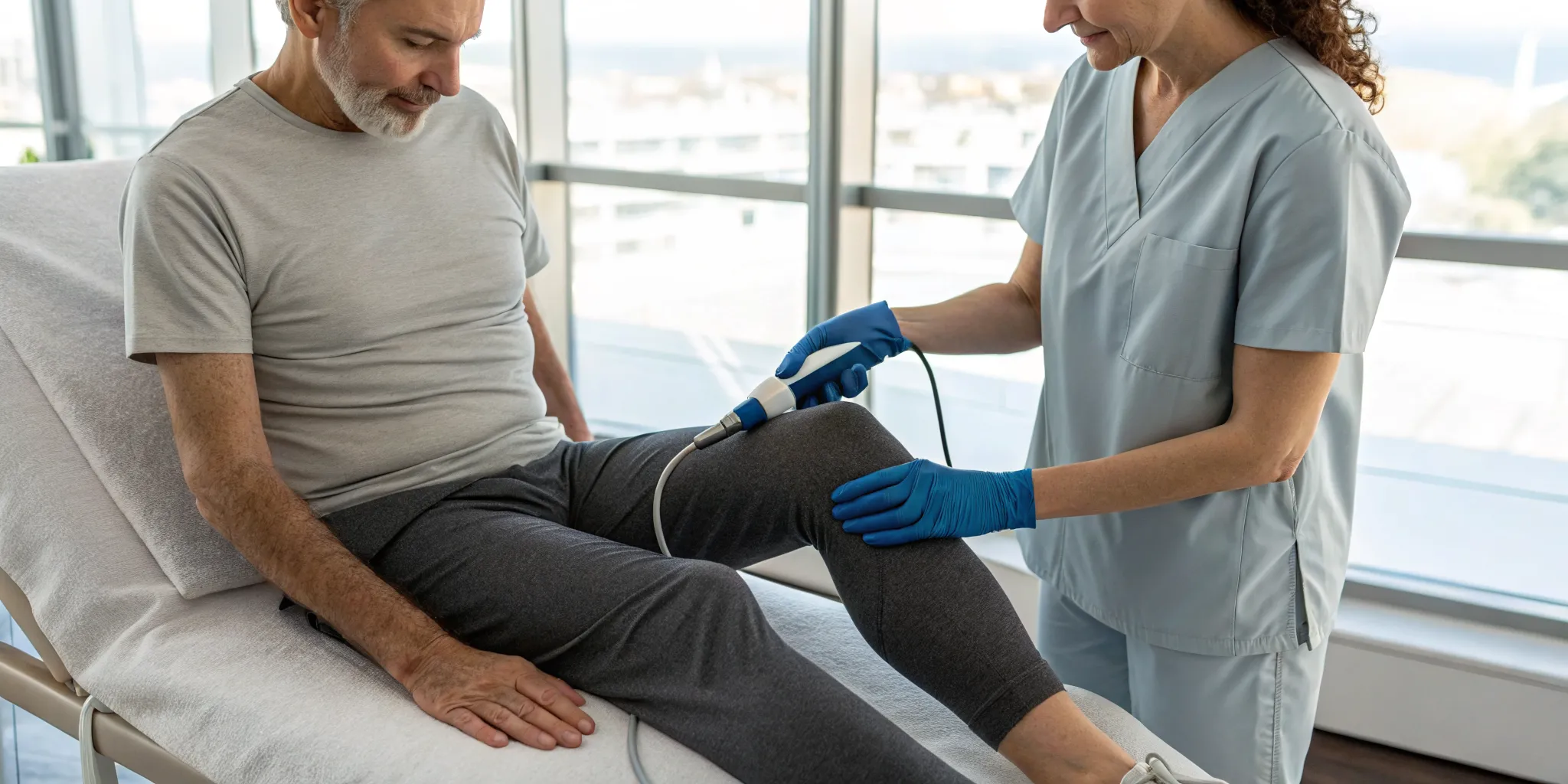
TENS, which stands for Transcutaneous Electrical Nerve Stimulation, might sound intense, but it's actually a very controlled and gentle approach to pain relief. These devices work by sending low-voltage electrical currents through small adhesive pads placed on your skin. The sensation isn't painful; instead, it works in two ways. First, it can stimulate the nerves in the affected area and send signals to the brain that compete with, and override, the pain signals. Second, the stimulation can encourage your body to produce more of its own natural pain-relieving chemicals, called endorphins. This approach is a cornerstone of modern physical medicine, offering a way to manage discomfort directly at the source.
Wearable Neurostimulation
Imagine getting consistent pain relief while you go about your day. That’s the idea behind wearable neurostimulation devices. These are typically small, discreet gadgets that you can wear under your clothing to provide ongoing therapy for joint and muscle pain. Like a TENS unit, they use electrical stimulation to calm nerve activity. The real advantage is their convenience and the ability to deliver sustained relief without interrupting your life. Research shows that when these devices are used alongside therapeutic exercise, they can significantly improve outcomes. This combination aligns perfectly with a holistic approach that pairs innovative technology with the foundational need for movement to achieve lasting pain relief.
Infrared Light and Laser Therapy
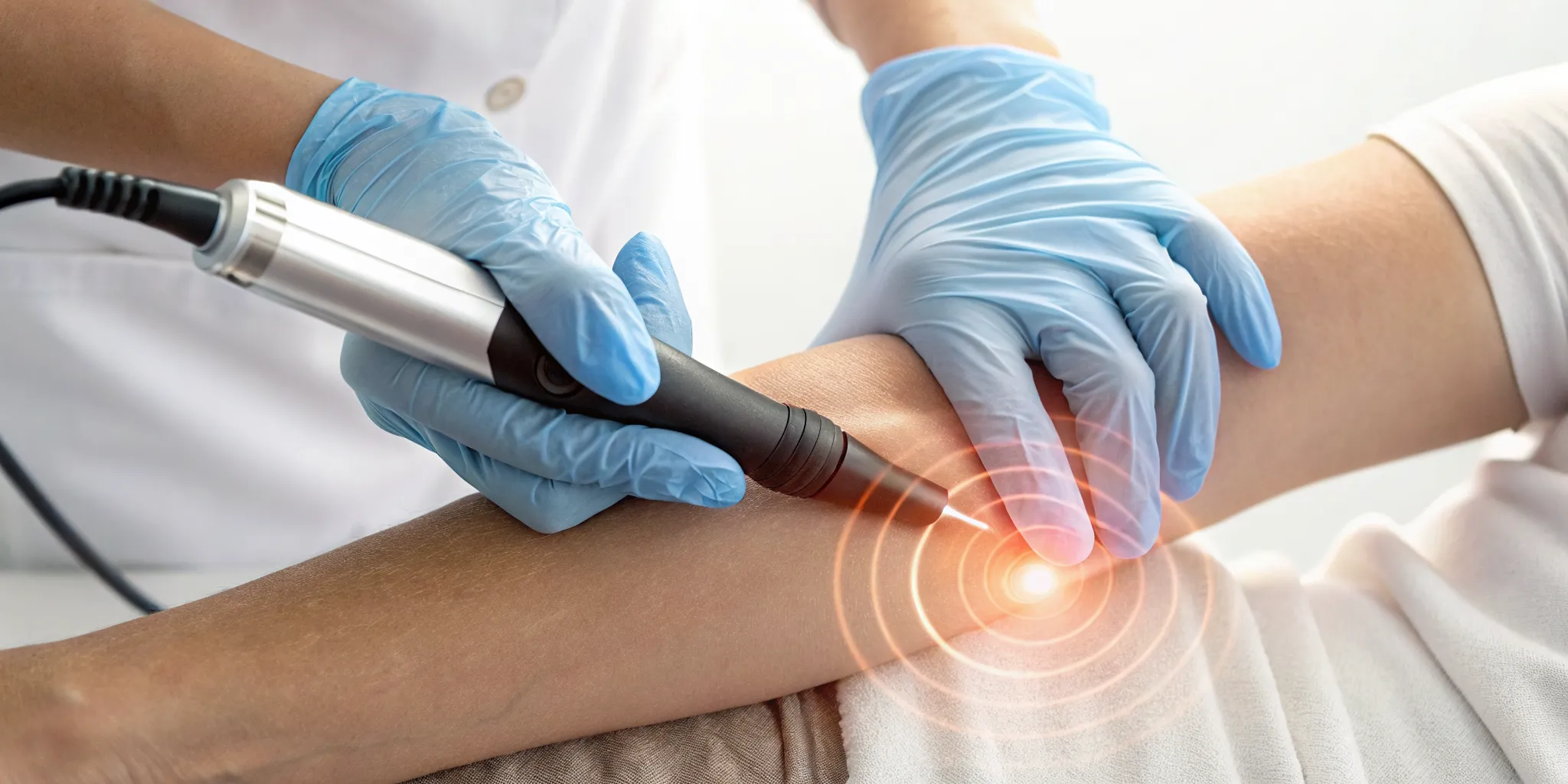
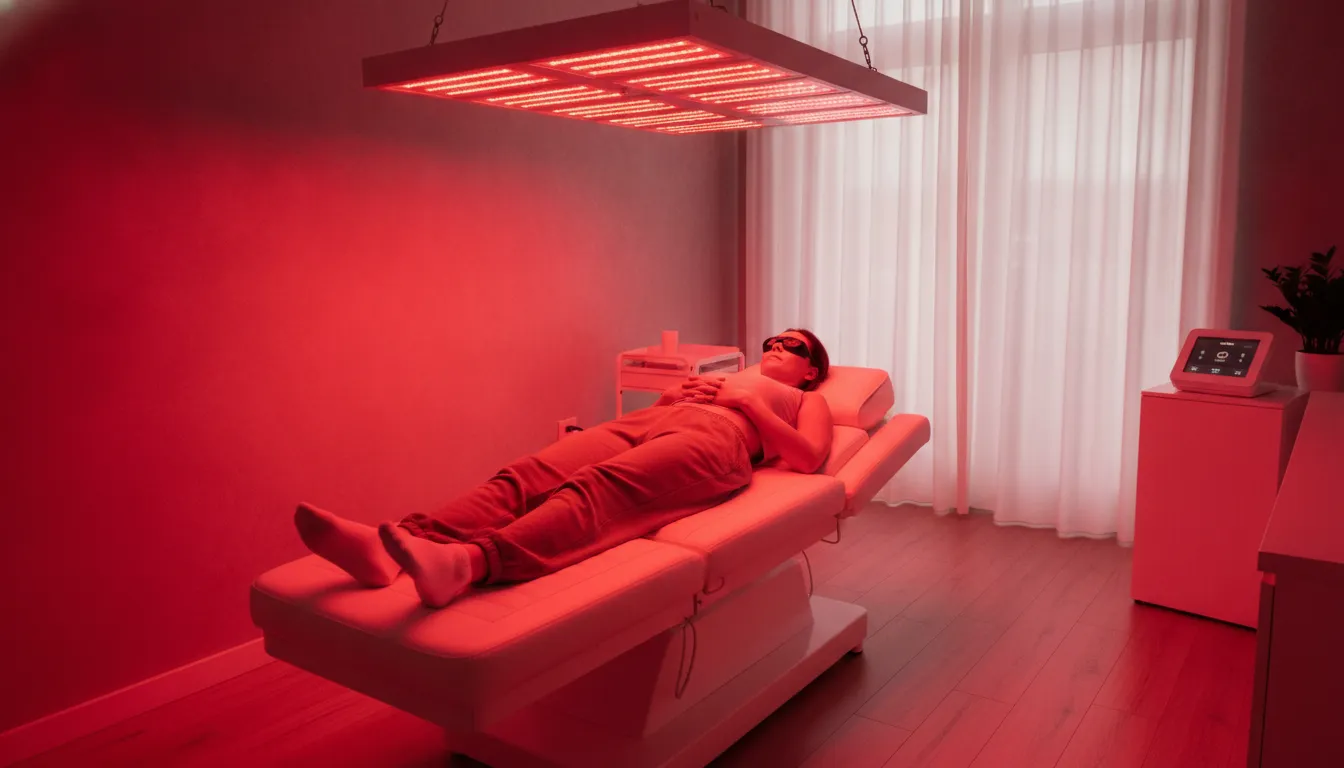
This method uses specific wavelengths of light to penetrate the skin and stimulate healing at a cellular level. Often called low-level laser therapy (LLLT) or cold laser therapy, it doesn't generate heat and is completely painless. The light energy is absorbed by your cells, which can help kickstart the repair process, reduce inflammation, and improve circulation in the targeted area. It’s an effective tool for a wide range of musculoskeletal conditions, from nagging joint pain to muscle soreness. By addressing issues like inflammation, this therapy gets closer to the root of the problem, which is a central goal of functional medicine.
Spinal Decompression
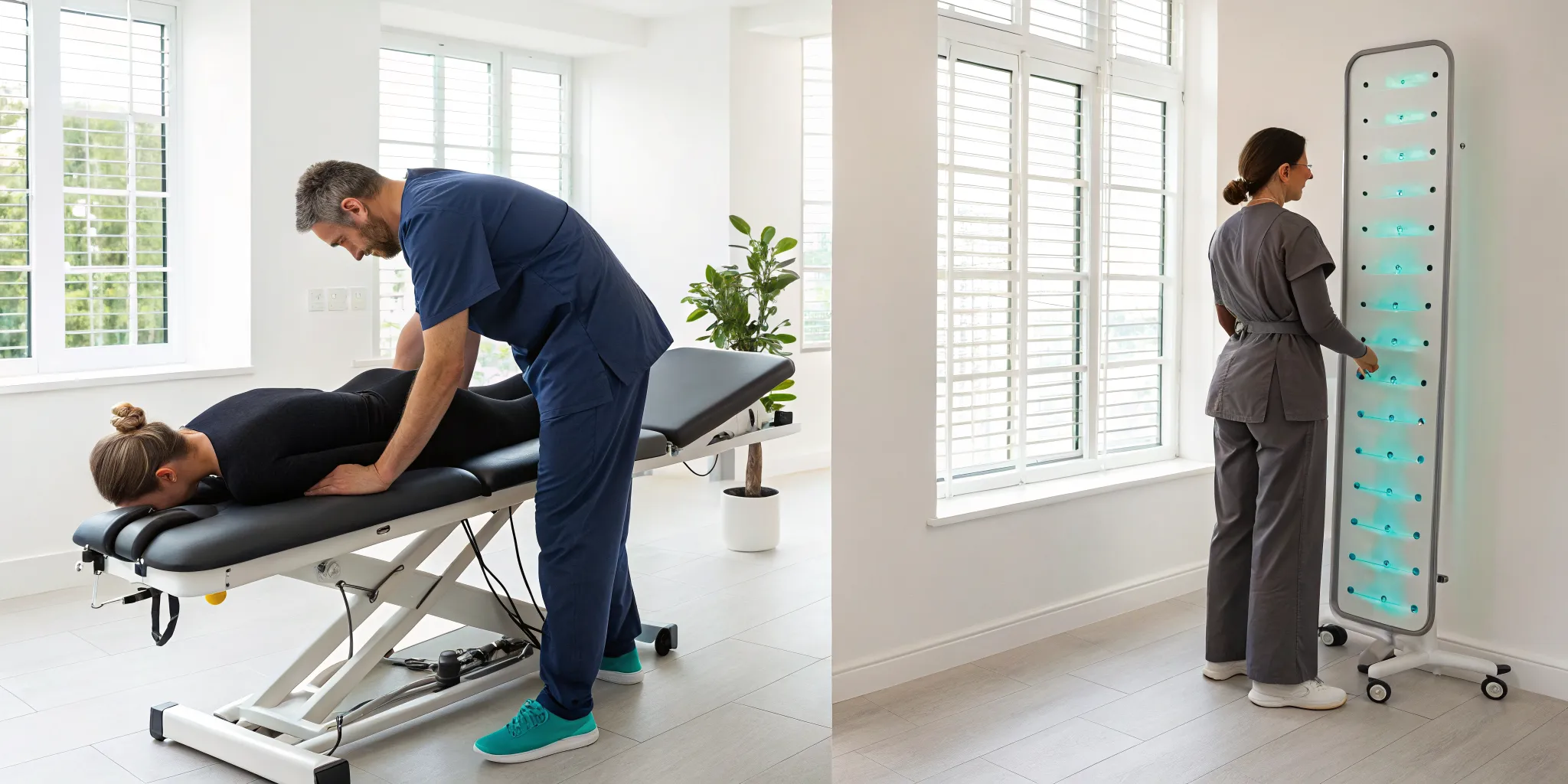
For those dealing with back, neck, or radiating leg pain from conditions like herniated discs or sciatica, spinal decompression can be a game-changer. This non-surgical therapy uses a specialized table to gently and methodically stretch the spine. This process creates negative pressure within the discs, which can help retract bulging or herniated disc material and take pressure off pinched nerves. Think of it as creating space in your spine for everything to settle back into its proper place, allowing for better circulation of water, oxygen, and nutrients to the discs so they can heal. It's a highly controlled and comfortable procedure that our team uses to address specific spinal conditions.
What Conditions Can These Devices Help With?
FDA-cleared pain relief devices aren't a one-size-fits-all solution, but they are surprisingly versatile. They are designed to address a wide spectrum of pain, from the persistent, dull ache of a chronic condition to the sharp, specific pain that follows an injury. Whether you're dealing with discomfort in your joints, muscles, or nerves, there's likely a device designed to offer some level of relief. These tools can be particularly helpful for managing daily symptoms and improving your quality of life while you and your practitioner work on addressing the deeper issues.
The real power of these devices is unlocked when they are used as part of a comprehensive treatment strategy. Think of them as a supportive tool that helps you stay comfortable and active, allowing you to engage more effectively with other therapies like corrective exercise or dietary changes. By managing the symptom of pain, you create the space needed to treat the underlying conditions that are causing it in the first place. This integrated approach is where lasting relief is truly found.
Chronic Joint and Muscle Pain
If you live with persistent joint and muscle pain, you know how draining it can be. Conditions affecting the back, knees, and shoulders can make even simple daily activities feel like a challenge. This is where many FDA-cleared devices shine. Wearable devices, for example, can offer targeted relief by delivering gentle electrical pulses that help calm pain signals. Some people find this provides a significant reduction in discomfort without relying on medication.
These devices often work by using technology like TENS (transcutaneous electrical nerve stimulation) to interrupt the pain messages your nerves send to your brain. This process can provide temporary but effective relief, making it easier to move through your day. When combined with a holistic treatment plan that includes physical medicine and corrective care, these tools can be an excellent way to manage symptoms and support your body’s long-term healing.
Nerve-Related and Radiating Pain
Nerve-related pain, which can feel like a shooting, burning, or tingling sensation, requires a different approach. This type of discomfort, often associated with conditions like sciatica, can be particularly stubborn. Certain FDA-cleared devices, such as those using low-level laser therapy (LLLT), are designed to help. Some have even received clearance for widespread musculoskeletal pain, which can include discomfort stemming from nerve irritation.
Instead of just blocking pain signals, LLLT works at a cellular level to help reduce inflammation and promote tissue repair. By calming inflammation, these devices can help relieve pressure on irritated nerves, addressing a key source of the pain. While this can provide significant relief, it’s important to remember that nerve pain often points to a deeper imbalance. A functional medicine evaluation can help identify the root cause, whether it's a structural issue, a nutritional deficiency, or systemic inflammation.
Supporting Post-Injury Recovery
Recovering from an injury is about more than just waiting for it to heal. It’s an active process, and managing pain is a critical part of it. FDA-cleared devices can be incredibly helpful here, as they provide a non-invasive way to control discomfort. This allows you to participate more fully in your rehabilitation program, whether it involves specific stretches, exercises, or other therapies. For instance, some wearable devices are designed to be used alongside exercise therapy to manage pain during movement.
By keeping pain at a manageable level, you can perform your recovery exercises with better form and consistency, which speeds up your return to strength and function. These devices are not a substitute for a proper recovery plan, but they are a powerful component of one. They work best when integrated into a strategy created by a professional who understands your specific injury and goals. If you're looking for a personalized recovery plan, we can help you find your path to relief.
How Devices Compare to Traditional Pain Management
When you’re dealing with persistent pain, it’s easy to focus only on finding relief. Traditional pain management often centers on masking symptoms with ongoing oral substances. While that can provide a temporary break, it rarely addresses what’s actually causing the pain. FDA-cleared devices offer a different path. Instead of introducing a substance into your body, these tools work from the outside to influence your body’s pain signals and healing responses.
This represents a significant shift in how we can approach pain. Rather than just turning down the volume on a warning signal, these devices can help create a window of opportunity. With reduced pain, you might find it easier to engage in the very activities, like corrective exercises or physical therapy, that are essential for long-term healing. They aren’t a replacement for a comprehensive strategy, but they are a powerful, non-invasive tool that can make your healing journey more manageable and effective. This approach puts you back in control, working with your body instead of against it.
A Drug-Free, Non-Invasive Approach
One of the biggest draws of these devices is that they offer a way to manage pain without drugs or invasive procedures. For many people, the idea of long-term reliance on pharmaceuticals is concerning. A device like Enso, for example, is a "small, wearable device that helps calm joint and muscle pain quickly." Because it's "approved by the FDA, meaning it's safe and effective," it provides a sense of security. This method aligns perfectly with a physical medicine philosophy that aims to support the body’s own ability to heal. It’s about calming the nervous system and reducing pain so you can move better and get back to your life.
Understanding the Side Effects and Risks
While these devices are non-invasive, it’s important to have realistic expectations. "Non-invasive" doesn't automatically mean zero side effects. The FDA notes that for some devices, "common side effects include itching, muscle spasms, a rise in a certain blood enzyme, and rash." These reactions are typically localized to the application area and are often much milder than the systemic side effects associated with some oral substances. Understanding these potential risks is part of making an informed decision and helps you know what to watch for as you begin using a new device for any of the conditions we treat. Following the device’s instructions carefully is key to a positive experience.
Why They Work Best Within a Broader Treatment Plan
A pain relief device is a fantastic tool, but it’s most powerful when it’s part of a bigger plan. Think of it as a facilitator. The device reduces your pain, which then allows you to do the foundational work needed for lasting recovery. For instance, research shows that "when used with exercise therapy, Enso is 2.8 times more likely to reduce pain than exercise therapy alone." Even more telling, people using the device "complete their exercise therapy 30% more often." This shows that the true value isn't just the immediate relief; it's how that relief enables you to tackle the root cause through a holistic, functional medicine approach.
Examples of FDA Cleared Pain Relief Devices
To give you a better idea of what these devices look like in practice, let's explore a few common examples. Each one uses a slightly different approach to pain relief, showcasing the variety of technologies available. Keep in mind, these are just illustrations of the types of tools that can be part of a comprehensive pain management plan.
TENS 7000
TENS stands for Transcutaneous Electrical Nerve Stimulation, and devices like the TENS 7000 are a common entry point for many people exploring electrical stimulation. These units work by delivering controlled, low-voltage electrical currents through adhesive pads placed on the skin near the source of pain. The sensation can feel like a gentle tingling or buzzing. The goal is to stimulate the nerves and either block pain signals from reaching the brain or encourage the body to release its own natural pain-relieving endorphins. This type of physical medicine is often used for muscle soreness, joint stiffness, and other localized discomforts.
Enso by Hinge Health
A more modern take on wearable pain relief, Enso by Hinge Health is a small, flexible device that you wear directly on your body. It's designed to deliver high-frequency impulses that calm irritated nerves and muscles. According to its creators, it provides a drug-free and non-surgical way to manage joint and muscle pain. Because it's FDA-cleared, it has been reviewed for safety and its ability to perform as intended. This type of targeted, on-the-go device is appealing for people who need relief while staying active, without being tethered to a larger unit. It represents a shift toward more discreet and user-friendly pain management technologies.
Quell Wearable Pain Relief
Quell is another well-known wearable device that uses neurostimulation to address chronic pain. Unlike a traditional TENS unit that you might use for short periods, Quell is designed for extended wear, even during sleep. It's typically worn on the upper calf, regardless of where your pain is located, and works by stimulating sensory nerves. This stimulation is thought to trigger a natural pain relief response from your central nervous system, helping to block pain signals throughout the body. Its FDA clearance is specifically for managing chronic pain, making it a tool for those dealing with persistent conditions we treat like nerve-related discomfort or widespread body aches.
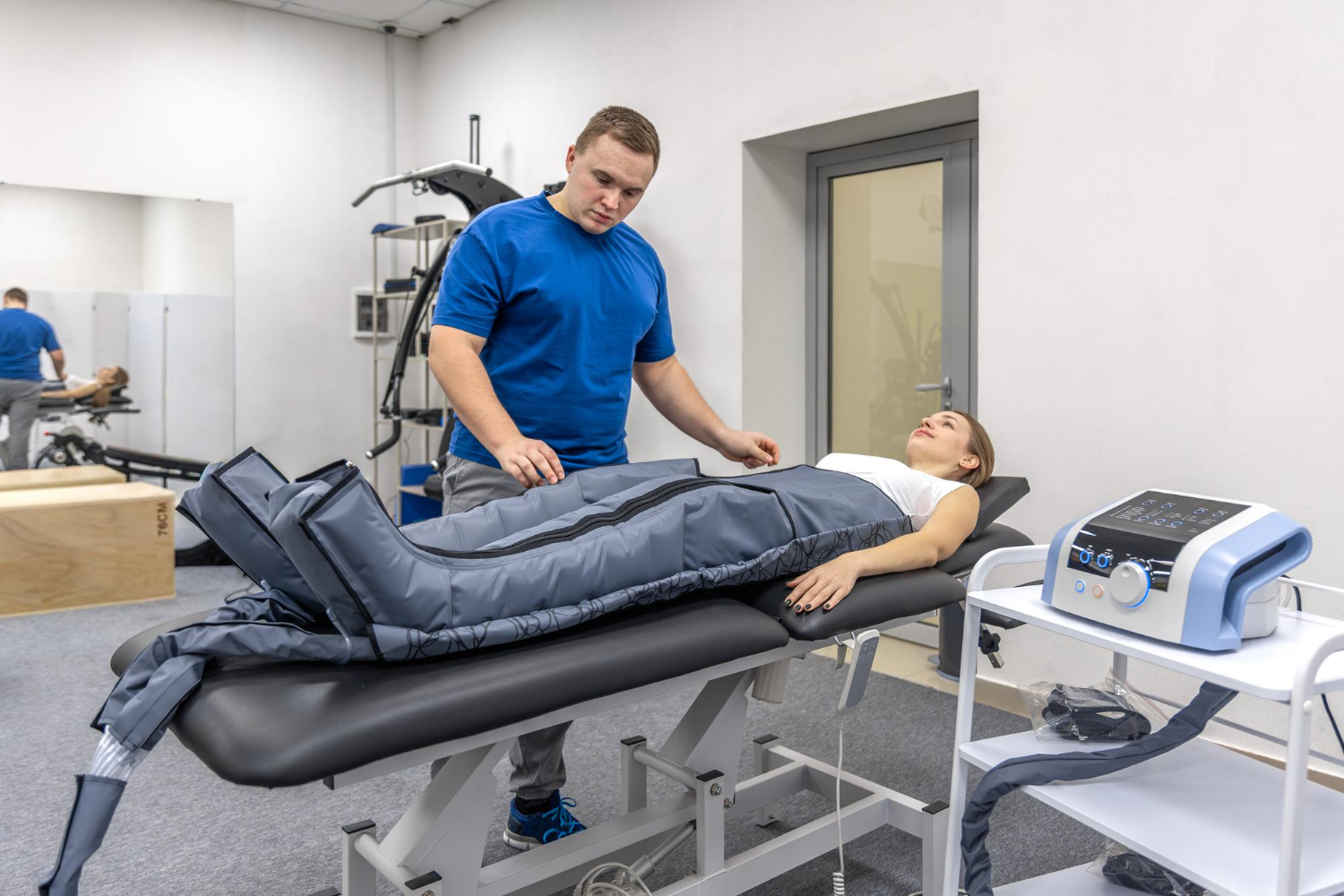
Game Ready Cold and Compression Therapy
Game Ready is a system you'll often find in professional athletic training rooms and physical rehabilitation clinics. It takes the classic R.I.C.E. (Rest, Ice, Compression, Elevation) method to the next level by combining active compression with cold therapy. A specialized wrap, designed for a specific body part like a knee or shoulder, circulates ice-cold water while intermittently inflating and deflating. This combination is more effective at reducing swelling and pain than a static ice pack alone. It’s an excellent example of how advanced physical medicine tools can support recovery from acute injuries and post-activity soreness.
How to Choose the Right Device for Your Pain
With so many options on the market, picking the right pain relief device can feel overwhelming. The key is to think like a detective and match the tool to your specific situation. Consider your type of pain, your lifestyle, and the evidence behind the device before making a choice. This ensures you find a solution that not only works but also fits seamlessly into your life.
Match the Device to Your Type of Pain
Not all pain is the same, and your device shouldn't treat it that way. Some devices, like TENS units, are great for muscle soreness, while others using low-level laser therapy might be better suited for joint inflammation. The first step is to get clear on what you're dealing with. Is your pain acute from a recent strain, or is it a chronic issue you've managed for years? Effective pain management strategies are always tailored to your individual needs. Understanding the source of your discomfort helps you narrow down the options to devices designed to address your specific symptoms, which is a core part of our approach to treating conditions at Ascend.
Consider Adjustability and User Control
Your pain isn't static, so your relief shouldn't be either. Look for devices that put you in the driver's seat. The ability to adjust the intensity, frequency, or placement of the treatment is essential for both comfort and effectiveness. Some days you might need gentle stimulation, while on others, a stronger setting might be necessary to manage a flare-up. For example, some wearable devices allow you to control your care directly through an app, increasing or decreasing the intensity as needed. This level of personalization ensures the device adapts to you, not the other way around, making it a more useful part of your long-term health toolkit.
Factor in Portability and Ease of Use
The most advanced device in the world won't help if it's too complicated or cumbersome to use regularly. Think about your daily routine. Do you need something you can wear discreetly at work or while running errands? If so, a small, wireless device might be your best bet. If you plan to use it only at home, a larger model could be fine. The goal is consistency. A user-friendly interface, clear instructions, and a design that fits your lifestyle will make it much easier to incorporate the device into your pain management plan and get the relief you’re looking for.
Look for Clinical Evidence, Not Just Marketing Hype
Flashy marketing can be persuasive, but it’s no substitute for solid science. When evaluating a device, look for proof that it works. FDA clearance is a good starting point, as it indicates the device is substantially equivalent to another legally marketed device. For example, the FDA has granted clearance to devices for treating widespread musculoskeletal pain. Beyond that, check if the manufacturer can point to clinical studies demonstrating its effectiveness. A truly effective product will have data to back up its claims. This commitment to research-backed protocols is central to how we provide holistic health solutions for our patients.
4 Common Myths About FDA Cleared Pain Relief Devices
While FDA cleared devices can be a valuable part of a pain management strategy, there's a lot of confusing information out there. It’s easy to get the wrong idea about what these tools can and can’t do for you. Let's clear up some of the most common myths so you can approach pain relief with a clear and realistic perspective. Understanding the truth behind these devices is the first step toward making informed decisions for your health and finding a path to lasting relief.
Myth #1: FDA clearance is a guarantee of results
It’s a common assumption that if a device is "FDA cleared," it’s a surefire solution for your pain. However, this isn't quite right. FDA clearance means the device has been shown to be substantially equivalent to another legally marketed device in terms of safety and effectiveness. While this is an important safety benchmark, it doesn't guarantee that every person will experience the same outcome. Your body is unique, and factors like the root cause of your pain, your overall health, and your specific condition all play a role in how you respond to treatment. True success stories often come from a personalized approach to care, not a one-size-fits-all device.
Myth #2: These devices can replace professional guidance
Think of a pain relief device as a single tool. While helpful, it’s rarely the entire solution. Using a device without understanding the underlying cause of your pain is like trying to fix a car engine with just one wrench; you might get lucky, but you could also be ignoring a much bigger problem. These devices are most effective when used as part of a comprehensive treatment plan developed by a healthcare provider. A professional can properly identify the source of your pain and explain the most appropriate treatment options for your specific needs. Lasting relief comes from a strategic plan, not just a gadget.
Myth #3: All cleared devices deliver the same results
Not all FDA cleared devices are created equal. They use different technologies, from electrical stimulation (TENS) to infrared light or spinal decompression, each with a unique mechanism of action. A device designed for muscle soreness will have a different effect than one designed for nerve-related pain. Because different devices have varying levels of effectiveness for different conditions, you can't expect them all to provide the same relief. This is why our clinic utilizes a range of physical medicine modalities; it allows us to match the right tool to your specific diagnosis for a more targeted and effective treatment.
Myth #4: "Cleared" means zero side effects
The term "FDA cleared" indicates a review for safety, but it does not mean a device is completely free of potential side effects. Any medical device, no matter how safe, carries some level of risk. For many pain relief devices, side effects are often mild, such as skin irritation at the application site or temporary muscle soreness. However, improper use can lead to more significant issues. This is another reason why working with a knowledgeable provider is so important. Our experienced team can guide you on the proper use of any therapeutic tool to minimize risks and support your body’s healing process.
When a Device Isn't Enough: Getting to the Root Cause of Pain
Pain relief devices can be a fantastic tool in your wellness kit, offering a way to manage discomfort and make your day more manageable. But it’s important to see them for what they are: a way to manage symptoms, not a cure for the underlying issue. Think of it like turning down the volume on a fire alarm. It provides immediate relief from the noise, but it doesn’t put out the fire. If you’re only focused on silencing the alarm, you might miss the chance to find and address the source of the smoke.
Relying solely on a device for chronic pain can mean you’re stuck in a cycle of temporary fixes. While that relief is valuable, true and lasting wellness comes from understanding why the pain is there in the first place. This is where a comprehensive approach becomes so important. Instead of just masking the pain, we can work to resolve the root cause, helping you find a more permanent solution.
Understanding the Limits of Pain Relief Devices
Pain relief devices are excellent at providing on-demand, targeted relief. For someone dealing with persistent discomfort, this can be a game-changer, allowing them to get through a workday or enjoy an evening with family. However, these devices primarily work by interrupting or masking pain signals sent to your brain. They don’t typically resolve the inflammation, structural imbalance, or metabolic issue that is generating those signals. For many of the conditions we treat, simply blocking the pain is not enough for long-term healing. True progress requires a strategy that goes deeper than just symptom management.
How We Bridge the Gap with a Holistic Approach
At Ascend Functional Health, we see pain relief devices as a bridge, not a destination. The temporary relief they provide can be the crucial first step that allows you to engage in deeper, more restorative therapies. For example, if back pain is so intense that you can’t move comfortably, a device might reduce it enough for you to participate in corrective exercises or spinal decompression. We use this window of opportunity to apply our Functional Medicine principles, using advanced diagnostics to uncover the root cause of your inflammation and pain, whether it stems from your gut, hormones, or musculoskeletal system.
Find Your Personalized Path to Relief at Ascend Functional Health
Your pain is unique to you, and your path to relief should be too. A device that works for one person might not be the right fit for another, because the underlying causes of their pain are completely different. That’s why we start by listening. Our team takes the time to understand your complete health story, from your symptoms and lifestyle to your personal wellness goals. From there, we develop a personalized protocol that addresses your specific needs. As you can see from our patient testimonials, this tailored approach is designed to guide your body’s innate ability to heal, leading to lasting results that a one-size-fits-all device simply can't offer.
Related Articles
- Disc Bulge Therapy: A Complete Guide to Healing
- Spinal Decompression Hurts Lower Back: Normal or Not?
- Is Lumbar Decompression Chiropractic for You?
- Is Myofascial Release Legitimate? What Science Says
- Pain Free Future | Alessi Functional Health
Frequently Asked Questions
Is "FDA Cleared" the same thing as "FDA Approved"? They sound similar, but they represent two different review processes. "FDA Cleared" is the most common label you'll see on pain relief devices. It means the manufacturer has shown their product is safe and effective because it's substantially similar to another device already on the market. "FDA Approved" is a much more rigorous and lengthy process reserved for higher-risk devices that must be proven safe and effective through extensive clinical trials.
Can I just use one of these devices on my own instead of seeing a doctor? While these devices are available directly to consumers, using one without professional guidance is like trying to navigate without a map. A device can help manage your pain, but it won't tell you why you're hurting in the first place. A healthcare provider can help diagnose the root cause of your discomfort and create a complete treatment plan where a device might be one helpful component, not the entire solution.
Will a pain relief device permanently fix my chronic pain? These devices are primarily designed to manage symptoms by providing temporary relief from pain. Think of them as a tool that creates a window of opportunity. By reducing your discomfort, they can make it possible for you to engage in other therapies, like corrective exercises or physical therapy, that address the underlying cause of the pain. Lasting relief typically comes from a comprehensive strategy, not just from a single device.
Are there any side effects or risks I should know about? The FDA clearance process confirms a device is generally safe for its intended use, but "non-invasive" doesn't mean there are zero potential side effects. For many of these devices, the most common issues are mild and localized, such as skin irritation or redness where the device is applied. Following the manufacturer's instructions carefully and working with a professional can help you use the device correctly and minimize any risks.
With so many types, how do I know which device is right for me? The best device for you really depends on the specific type and source of your pain. For example, a TENS unit that uses electrical stimulation might be great for general muscle soreness, while spinal decompression therapy is designed for specific conditions like a herniated disc. The most important first step is getting an accurate diagnosis from a professional who can then recommend the most appropriate tool for your unique situation.