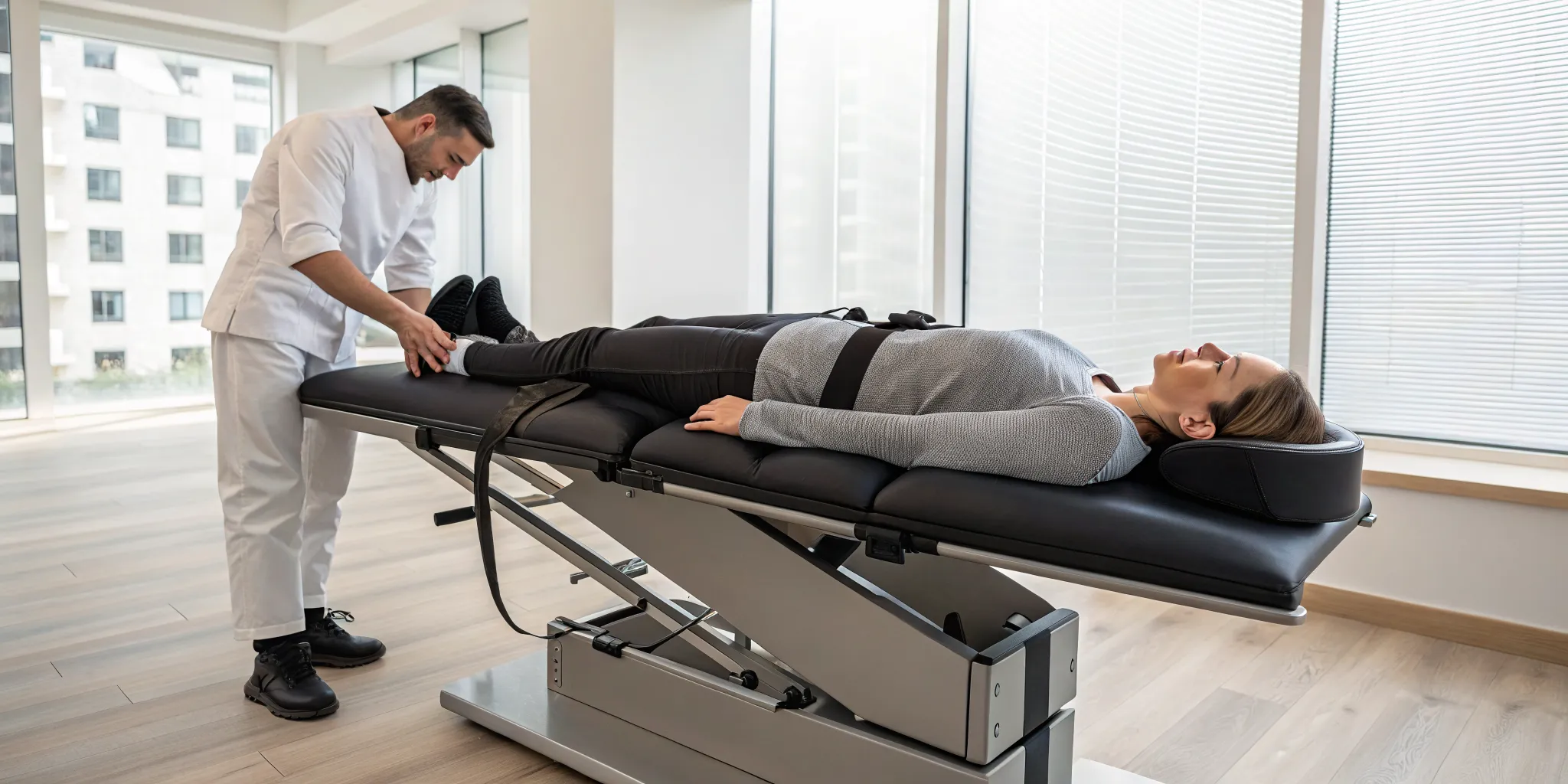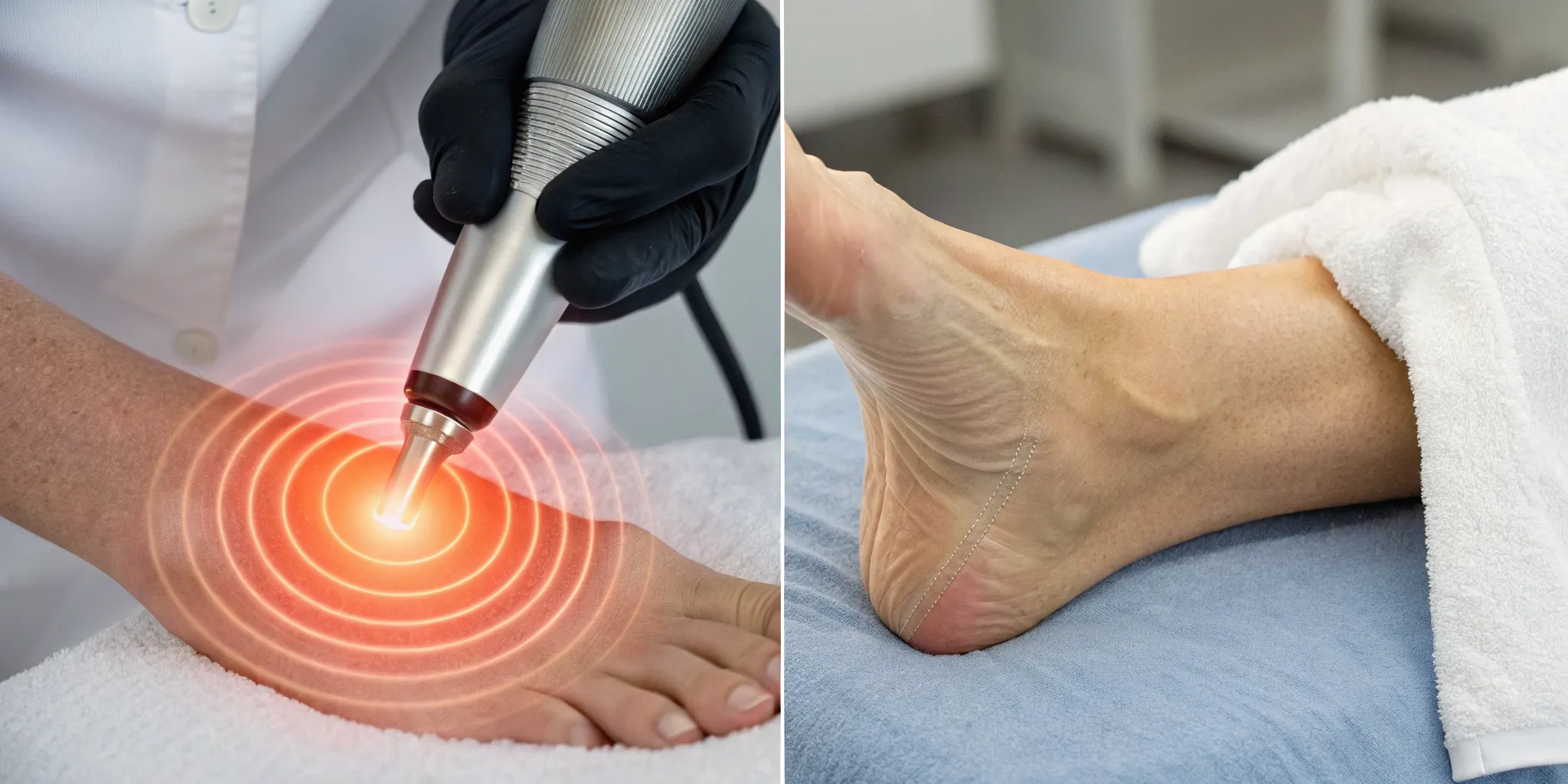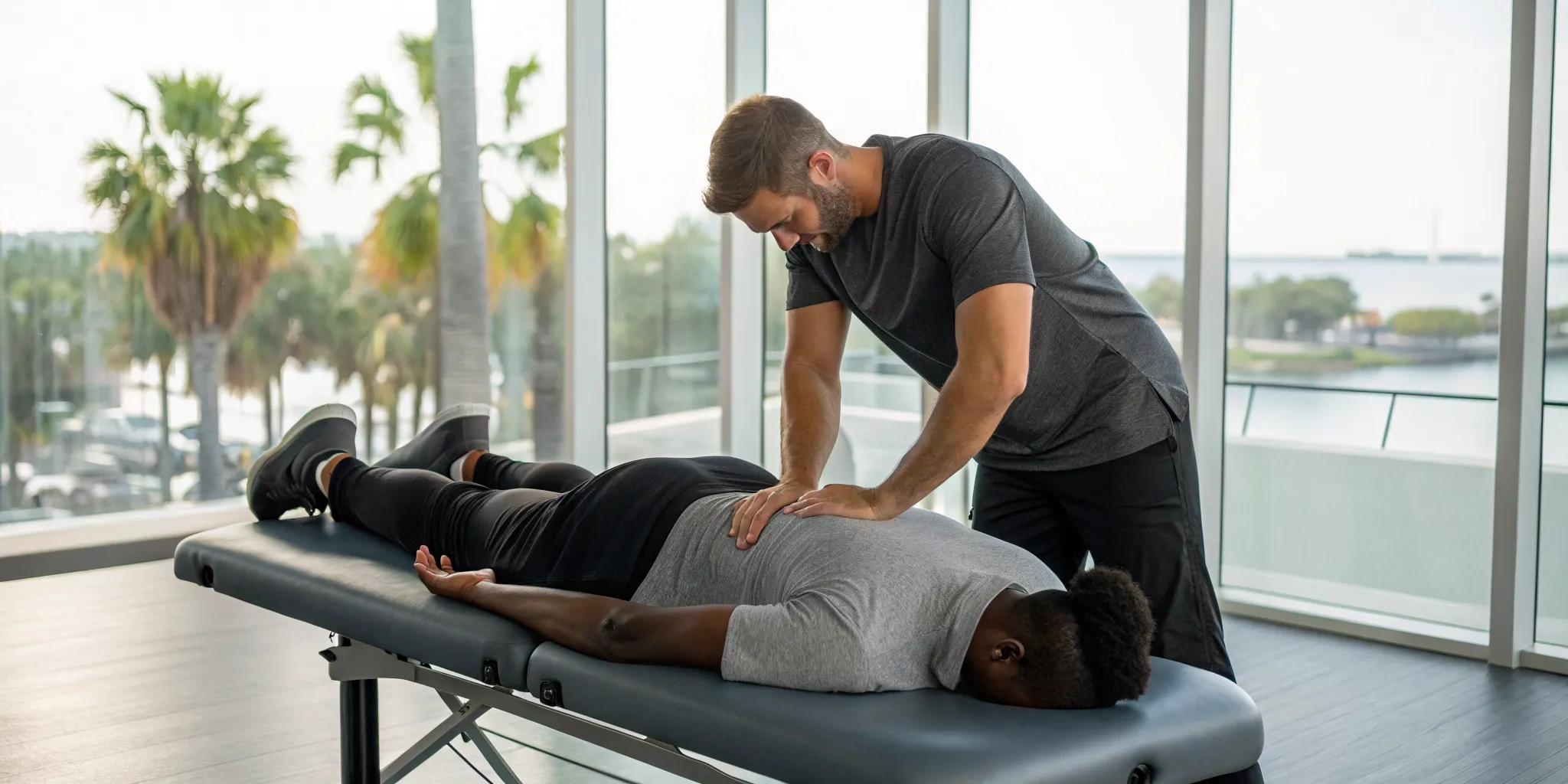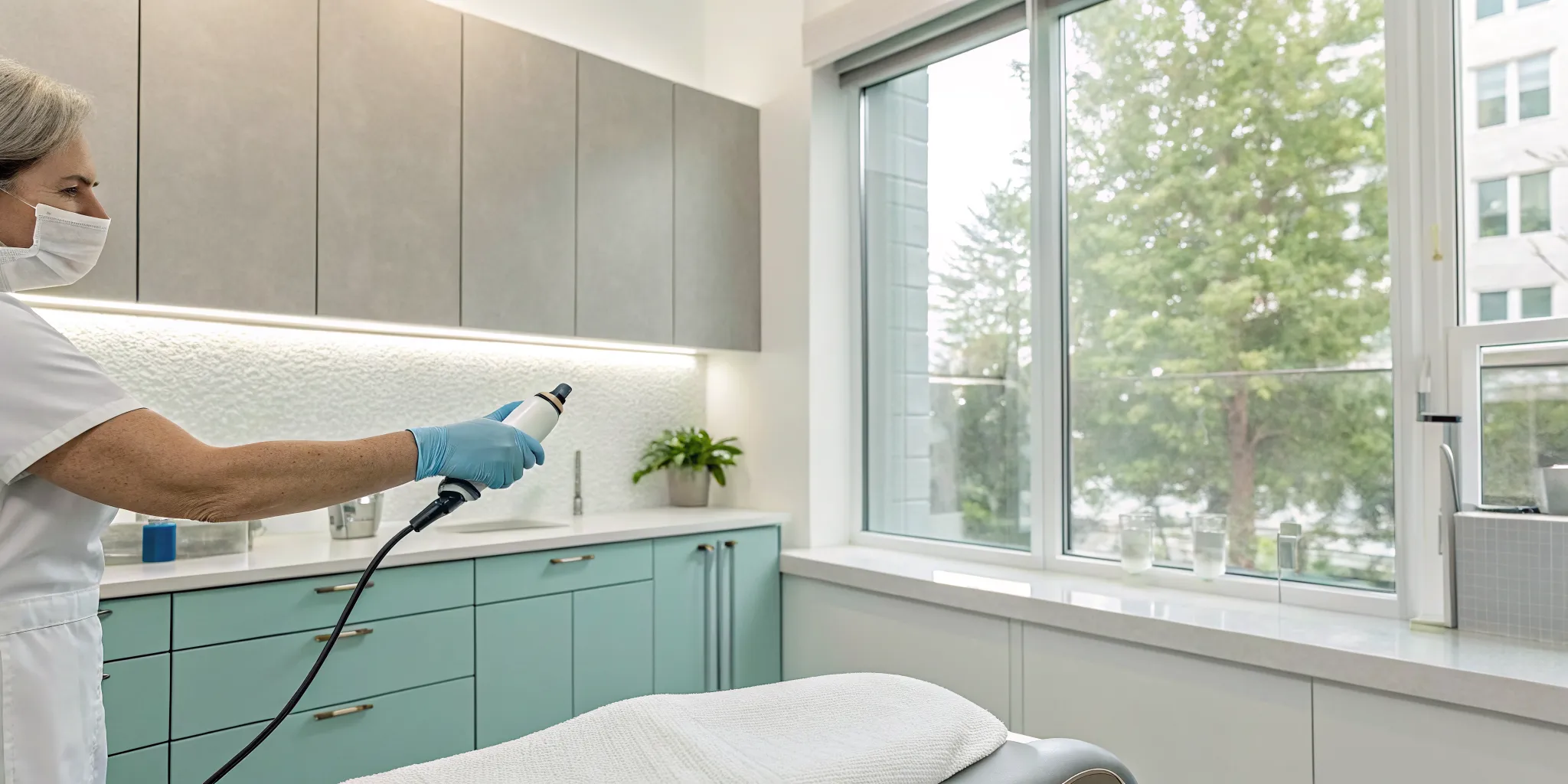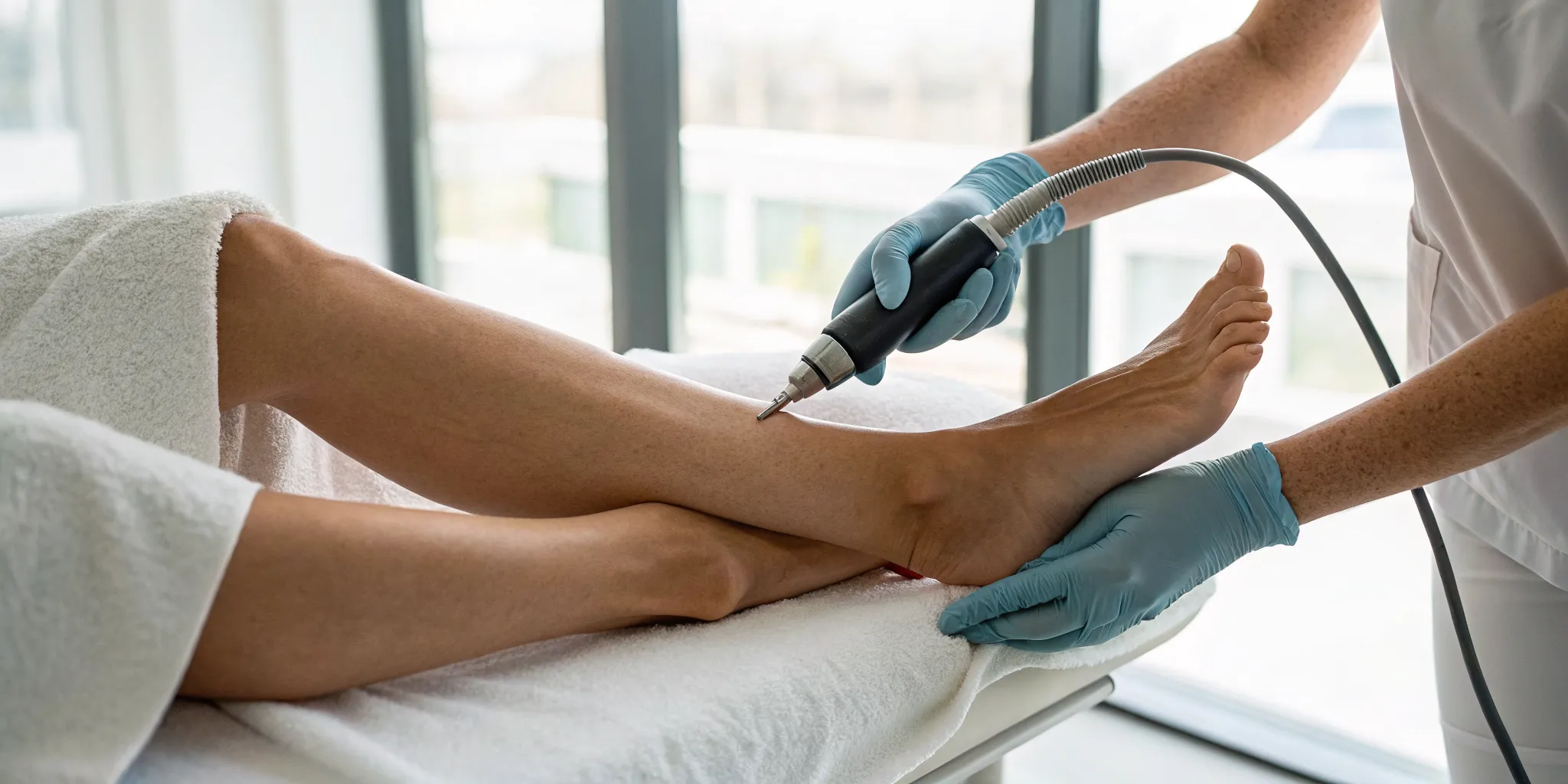
The name "shockwave therapy" might sound a bit intense, but the treatment itself is a straightforward, non-surgical approach to healing. It uses the power of targeted sound waves to restart your body’s natural repair process right at the source of your discomfort. If you're dealing with a nagging injury that just won’t go away, this could be the key to breaking the cycle of pain. In this article, we’ll explain exactly how shockwave therapy for hip pain works, what conditions it helps, and what you can expect during your sessions on the path to recovery.
Key Takeaways
- It works with your body's natural healing process: Shockwave therapy is a non-invasive treatment that uses acoustic waves to restart your body's repair mechanisms, targeting the root cause of pain like scar tissue instead of just masking symptoms.
- The process is efficient but results are gradual: A typical plan involves a few short sessions with no downtime. The most significant, long-term healing happens in the weeks following your final treatment as your body works to regenerate tissue.
- It's a key part of a complete recovery plan: This therapy is highly effective for chronic issues like gluteal tendinopathy and hip bursitis. It helps reduce pain, which allows you to better engage in other crucial recovery activities like corrective exercises.
How Shockwave Therapy Heals Hip Pain
It might sound intense, but shockwave therapy is a straightforward and non-invasive treatment that uses the power of sound to address chronic hip pain. Instead of just masking symptoms, this approach works by prompting your body’s own healing mechanisms. It’s all about giving your tissues the nudge they need to repair themselves. By targeting the precise location of your discomfort, we can help your body get back to the business of healing.
How Sound Waves Trigger Natural Healing
Think of shockwave therapy as a way to restart a stalled healing process. The device delivers high-energy acoustic pulses, or sound waves, directly to the injured tissues deep within your hip. This creates a controlled, localized inflammatory response. While "inflammation" might sound like a bad word, in this context, it’s exactly what we want. This response signals your body to increase circulation, bringing a fresh supply of blood, oxygen, and nutrients to cells that have been dormant or damaged. It’s a targeted wake-up call for your body's internal repair crew, guiding resources to where they’re needed most as part of our physical medicine protocols.
Focused vs. Radial Shockwave Therapy
Not all shockwaves are created equal, and that’s a good thing. There are two main types of shockwave therapy, and the one we choose depends entirely on your specific condition. Focused shockwave therapy sends sound waves deeper into the body, pinpointing a very specific target, like a particular spot on a tendon. In contrast, radial shockwave therapy works closer to the skin’s surface, with the waves spreading out over a wider area. This makes it ideal for larger muscle groups or more superficial tissues. This ability to tailor the treatment ensures we’re addressing the unique source of your hip pain, whether it's deep within the joint or in the surrounding muscles. We determine the best approach after a thorough assessment of the conditions we treat.
Stimulating Your Body's Own Repair Process
The ultimate goal of shockwave therapy is to get your body to heal itself more effectively. The sound waves do more than just call for backup; they actively help break down scar tissue and calcifications, which are often the culprits behind chronic stiffness and pain. By clearing out this old, injured tissue, we make room for healthy new cells to grow. This stimulation of cellular repair and regeneration is what leads to lasting relief. It’s not about a temporary fix. It’s about rebuilding stronger, healthier tissue so you can move with more comfort and confidence. This method is a key part of the comprehensive services we offer to help you find long-term wellness.
Hip Conditions That Benefit from Shockwave Therapy
This therapy is a powerful tool, but it’s most effective when aimed at the right target. It’s particularly successful for chronic soft tissue and tendon problems that haven’t responded well to traditional rest and ice. If you’re dealing with persistent hip pain that limits your daily life, there’s a good chance it stems from one of several common conditions that shockwave therapy is well-suited to address. By targeting the damaged tissue directly, this approach helps your body restart its own healing process. Let’s look at some of the specific hip issues where we see great results.
Gluteal Tendinopathy (Greater Trochanteric Pain Syndrome)
If you feel a sharp, nagging pain on the outside of your hip, especially when you lie on your side or stand up after sitting, you might be dealing with gluteal tendinopathy. This condition, also known as Greater Trochanteric Pain Syndrome (GTPS), involves damage to the tendons that connect your gluteal muscles to your hip bone. Shockwave therapy is excellent for this because it helps reduce pain and improve movement, allowing you to engage in the corrective exercises that are crucial for long-term healing. It can break the frustrating cycle where pain prevents you from doing the very things you need to do to get better, forming a key part of a comprehensive physical medicine plan.
Hip Bursitis
Hip bursitis is the inflammation of the small, fluid-filled sacs (bursae) that cushion your hip joint, leading to tenderness and pain. While it’s an inflammatory issue, it often goes hand-in-hand with underlying tendinopathy. Shockwave therapy is a fantastic non-surgical treatment that uses acoustic waves to promote healing in the surrounding tendons and reduce pain. Instead of just masking the inflammation, it gets to the heart of the problem by stimulating repair in the tissues that are causing the irritation in the first place. This focus on the root cause is central to how we approach the different conditions we treat and helps create lasting relief.
Proximal Hamstring Tendinopathy
This condition causes a deep pain right at the bottom of your glutes, where the hamstring tendon attaches to your sit bone. It’s a common complaint among runners and even people who sit for long periods. For active individuals, it can be incredibly frustrating. Research shows that shockwave therapy can be highly effective, helping athletes reduce pain and get back to their sport. One study even found that 80% of professional athletes returned to their activities within three months of treatment. Our goal is to help you get back to your life, whether that’s training for a race or simply sitting comfortably, and our approach to healing is designed to do just that.
Calcific Tendinopathy of the Hip
Sometimes, tiny calcium deposits can form within the tendons of your hip, causing a condition known as calcific tendinopathy. These deposits can create pressure and inflammation, leading to chronic pain and stiffness. Shockwave therapy offers a unique advantage here, as the acoustic waves can help break down these calcium deposits. This process not only alleviates pain but also helps restore the tendon’s normal function and improves your range of motion. By addressing the calcifications directly, shockwave therapy provides a targeted, non-invasive solution that fits within a broader range of healing services designed to get you moving freely again.
Is Shockwave Therapy the Right Choice for You?
Deciding on the best path forward for your hip pain can feel overwhelming, but you don’t have to make that choice alone. While shockwave therapy is a fantastic tool for healing, its effectiveness depends on your unique situation. The right treatment for you is one that aligns with your specific diagnosis, health history, and wellness goals. At Ascend Functional Health, we start by understanding your complete story to determine if you’re a good fit for this therapy.
Our goal is to find the true source of your discomfort and create a plan that facilitates genuine, long-term healing. For many people struggling with chronic hip pain, shockwave therapy is a key part of that plan. For others, a different combination of our holistic health solutions might be more appropriate. Let’s explore what makes someone a great candidate for shockwave therapy and when other avenues might be better suited.
Who Makes a Good Candidate?
You might be an ideal candidate for shockwave therapy if you've been dealing with persistent hip pain that just won’t go away. This treatment is particularly effective for chronic conditions involving muscles and tendons that haven't improved with rest or basic exercises. If you're experiencing issues like gluteal tendinopathy (pain on the outside of your hip), hip bursitis, or proximal hamstring tendinopathy (pain high up in the back of your thigh), shockwave could be the answer. It’s an excellent option for active individuals who want to get back to their lives without resorting to invasive procedures. Our physical medicine approach uses therapies like this to help your body heal itself from the inside out.
When to Consider Other Options
Shockwave therapy is incredibly safe, but it isn't the right fit for every person or every condition. We would explore other options if you are pregnant, have a bleeding disorder, or have an active infection in the treatment area. It’s also important to have realistic expectations. Some people experience minor, temporary side effects like increased soreness or skin redness after a session, though this usually fades quickly. A thorough conversation about your health history is the first step we take. Our team is dedicated to creating a safe and effective plan, and being transparent about what you can expect is a huge part of that process. We want to ensure any treatment you receive is perfectly matched to your body's needs.
Comparing Shockwave to Other Hip Pain Treatments
When you’re in pain, it’s tempting to look for a temporary solution. Treatments like injections can offer short-term relief, but they often mask the problem instead of solving it. Shockwave therapy is different because it works to repair the damaged tissue and address the root cause of your pain. Studies show it can be more effective than other common approaches, including rest and even some forms of physical therapy. With success rates reported between 56% and 91% for various conditions, it presents a powerful alternative for those hoping to avoid more invasive procedures. By stimulating your body’s natural healing mechanisms, shockwave therapy helps you build a foundation for lasting comfort and mobility.
What to Expect During Your Shockwave Session
If you're considering shockwave therapy, you probably have a few questions about what the process actually involves. It’s completely normal to want to understand what your appointments will look like from start to finish. The good news is that the process is straightforward, quick, and designed to fit into your life without causing major disruptions.
Our goal at Ascend Functional Health is to make your healing journey as clear and comfortable as possible. We believe in empowering you with knowledge so you can feel confident in your care. From the length of each session to what you’ll feel during the treatment, here’s a simple breakdown of what you can expect when you come in for shockwave therapy for your hip pain.
Your Session: Length and Process
One of the best parts of shockwave therapy is how efficient it is. A typical session is surprisingly quick, usually lasting only about 10 to 15 minutes. This makes it easy to schedule an appointment during a lunch break or on your way home from work without rearranging your entire day.
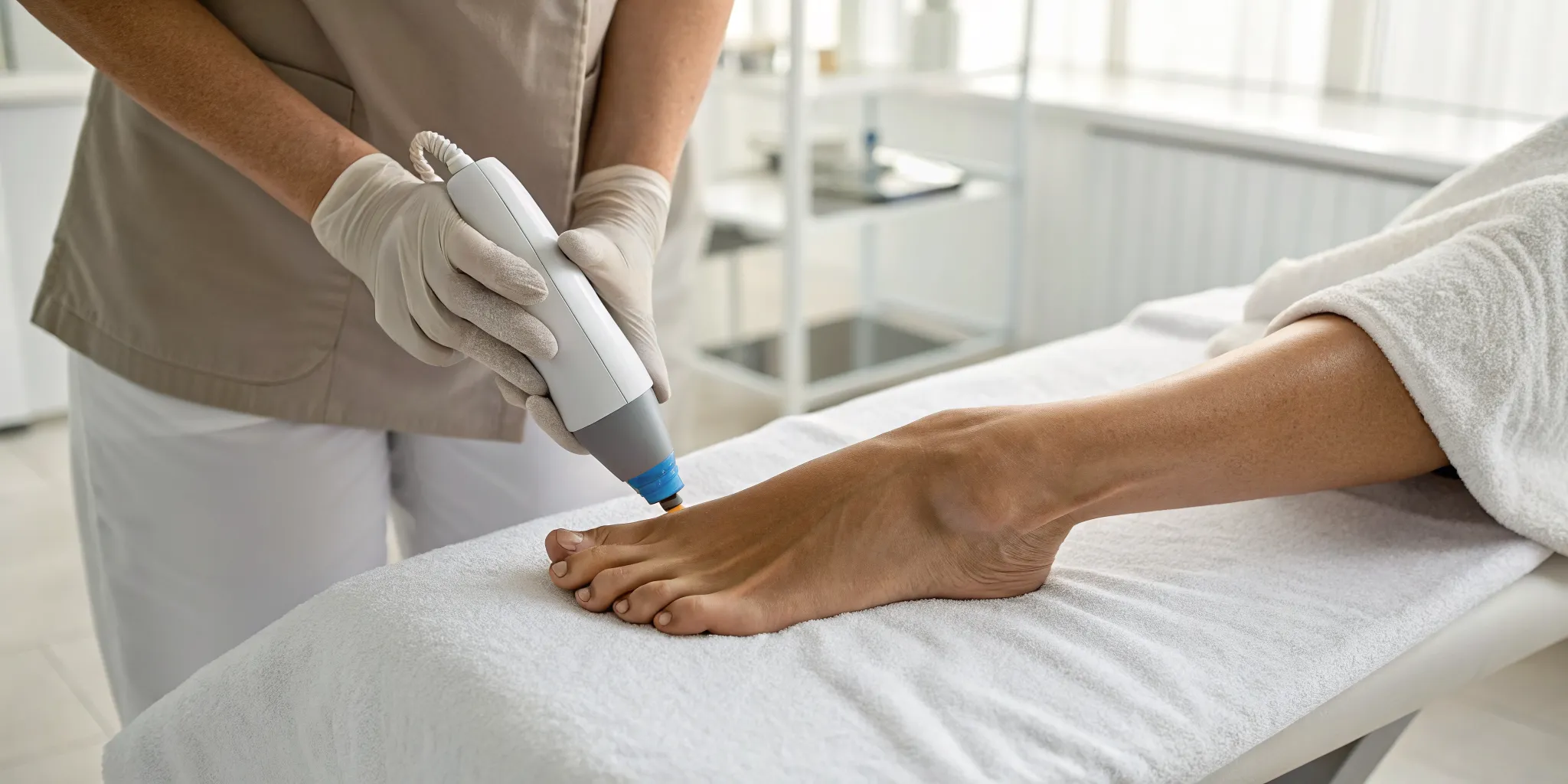
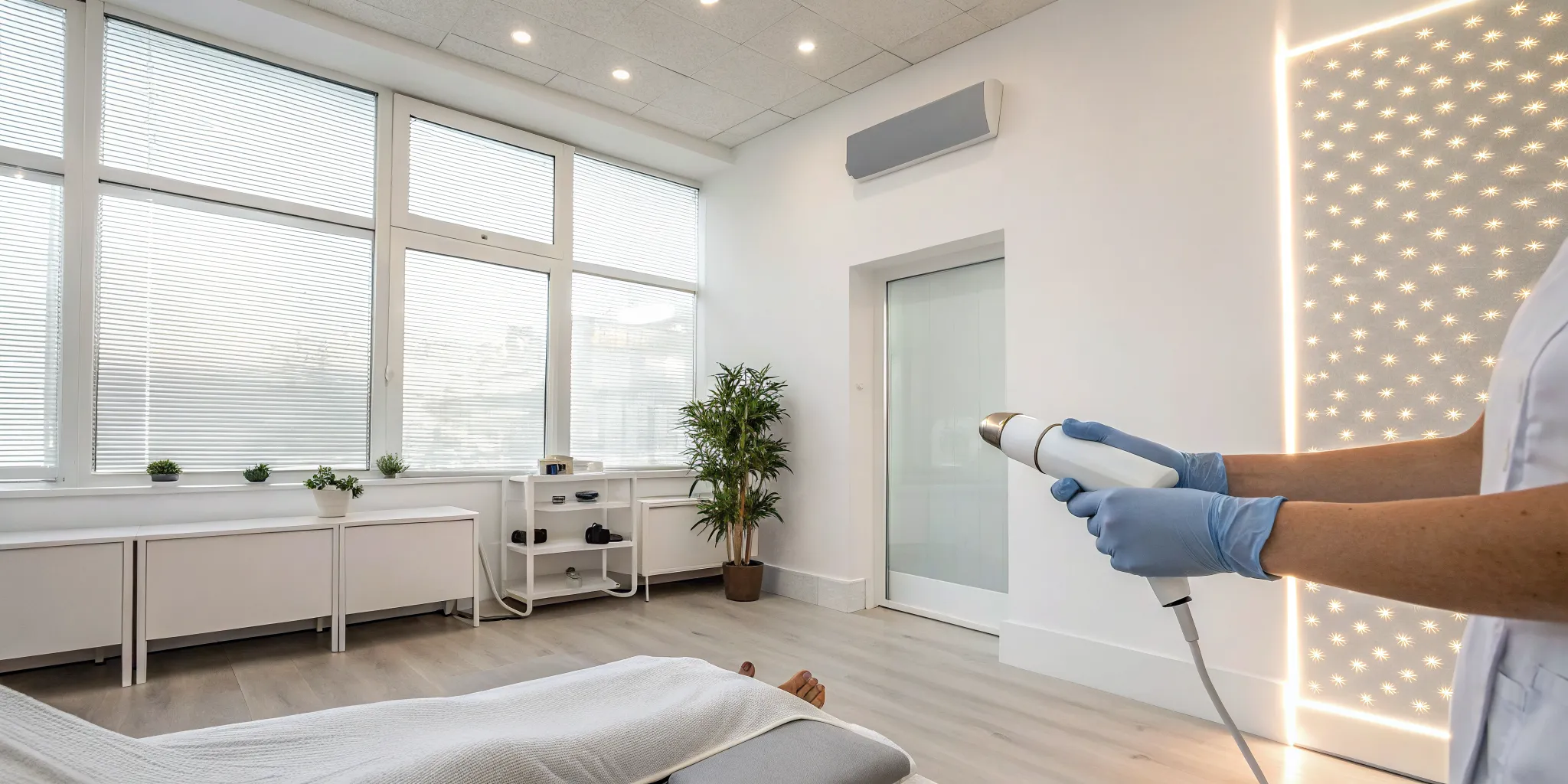
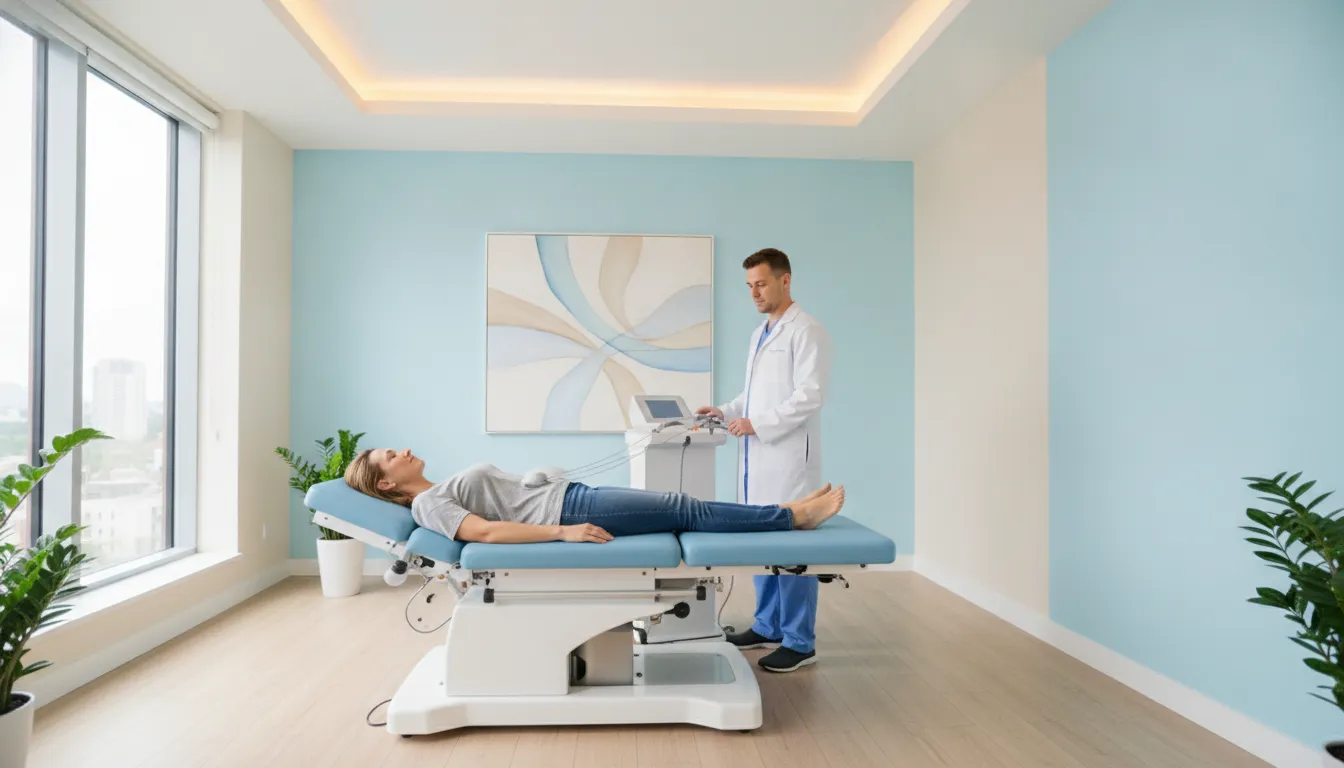
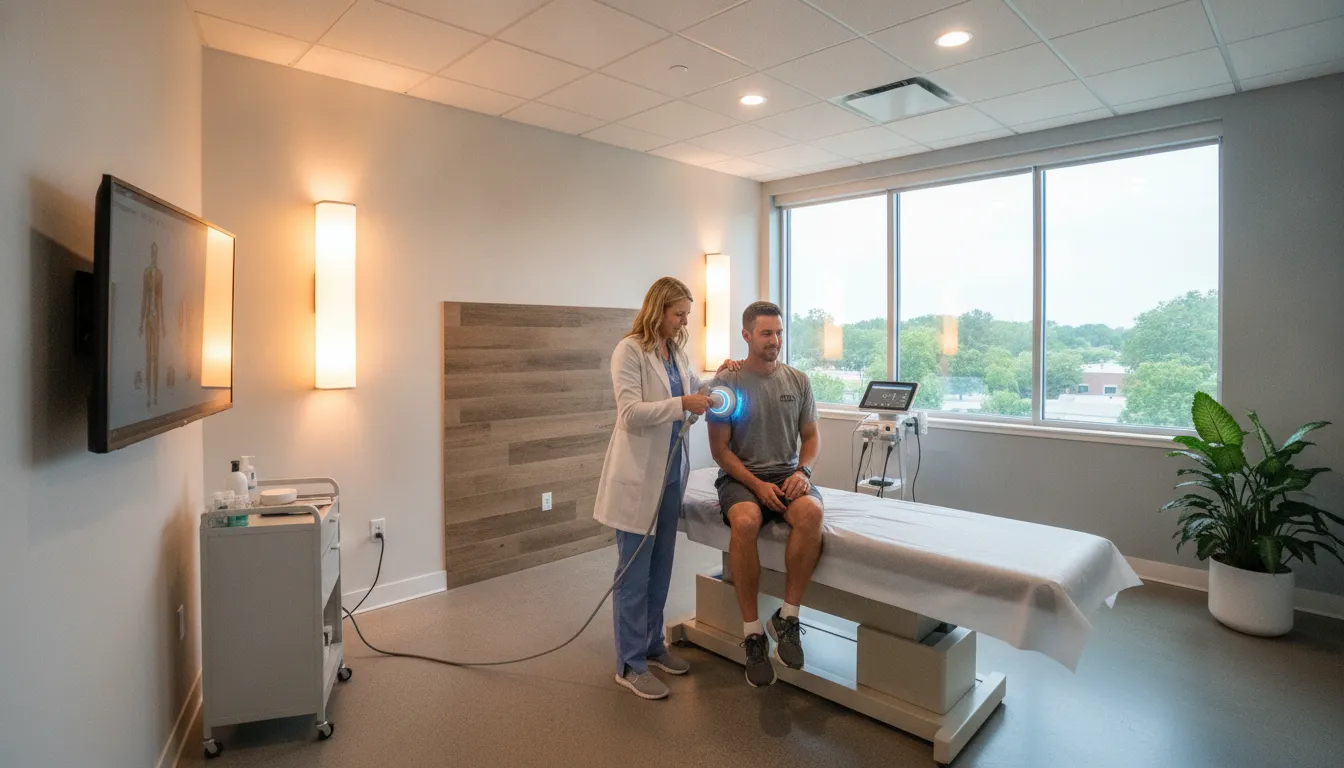
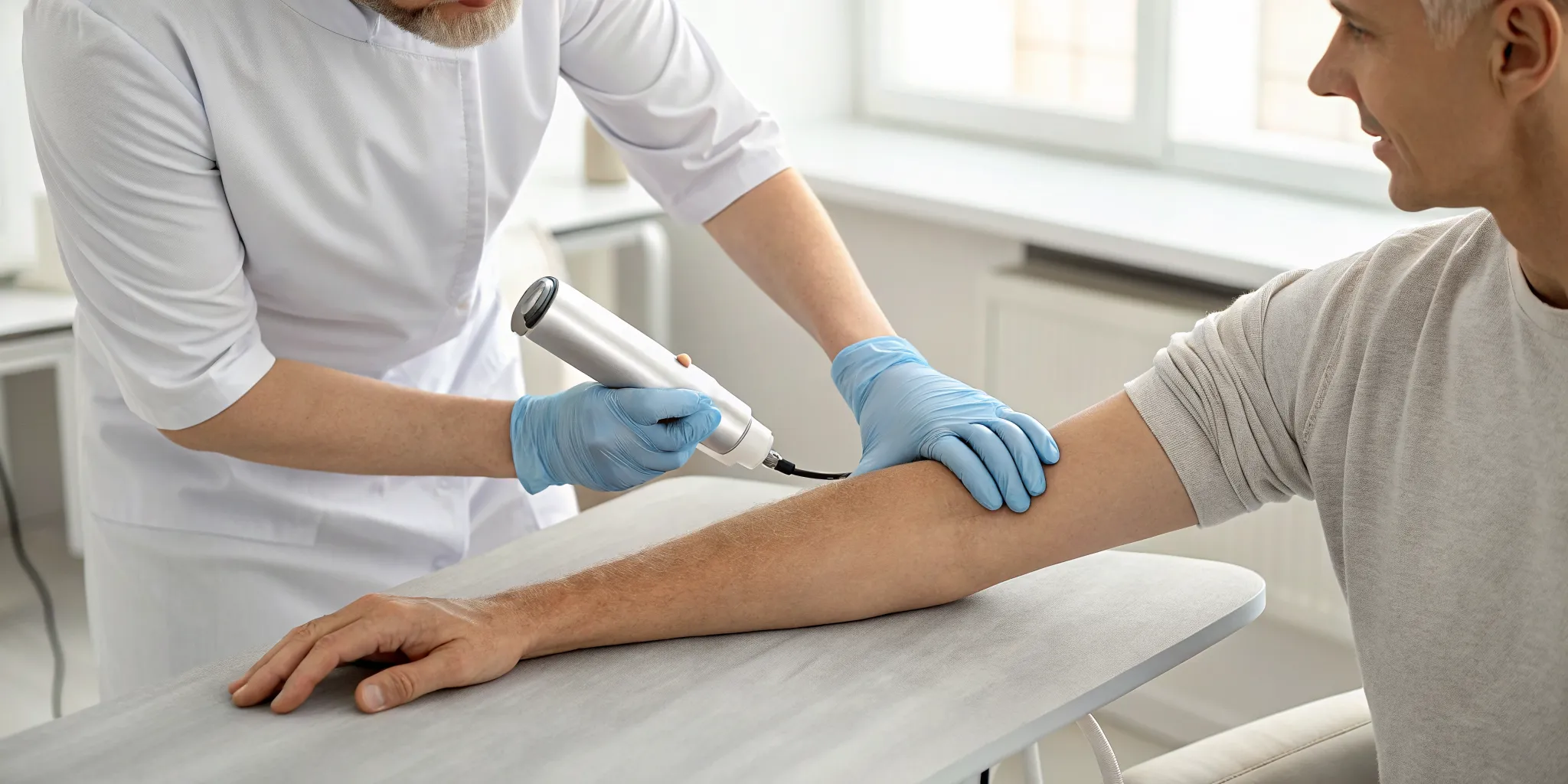
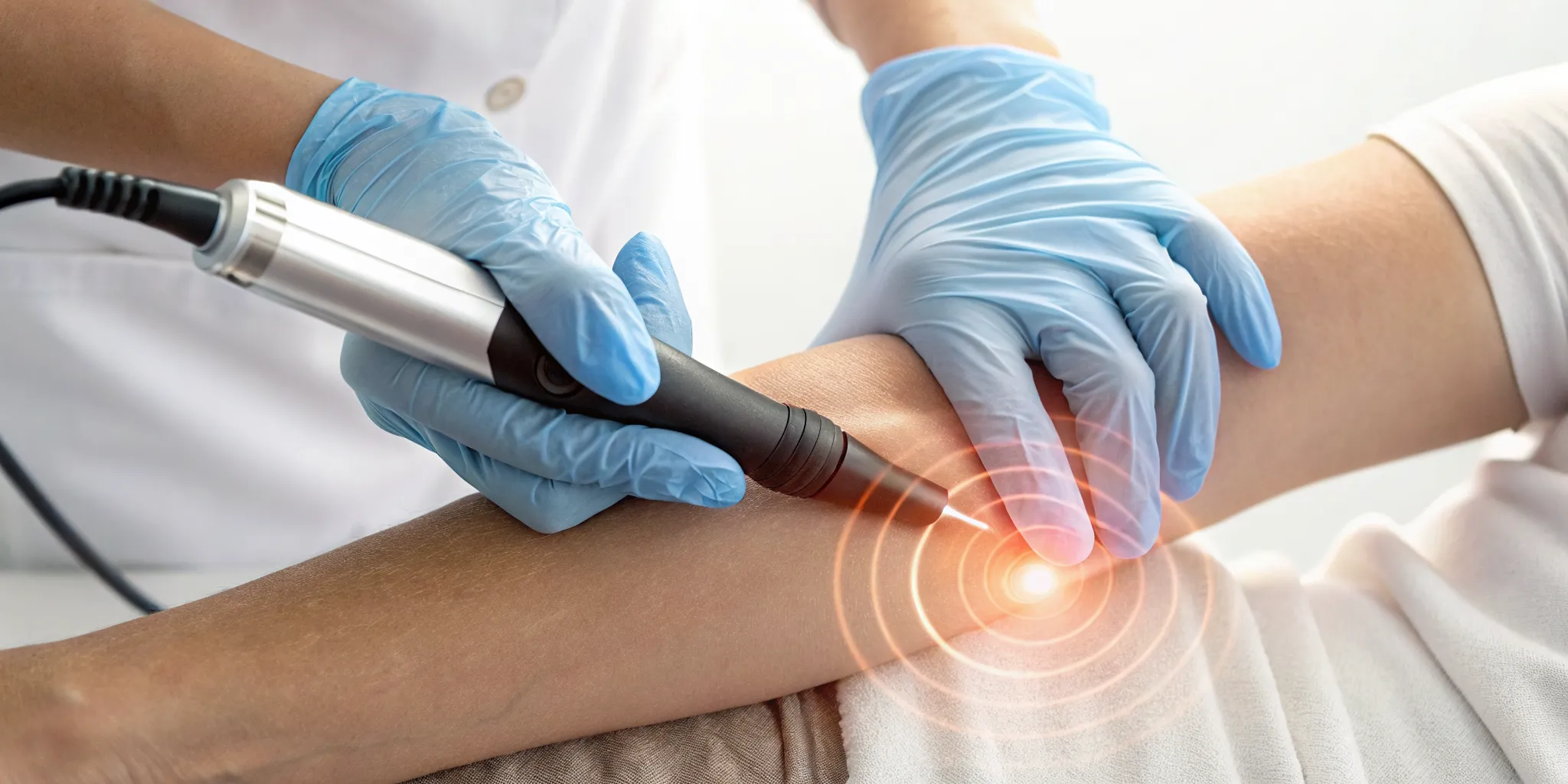
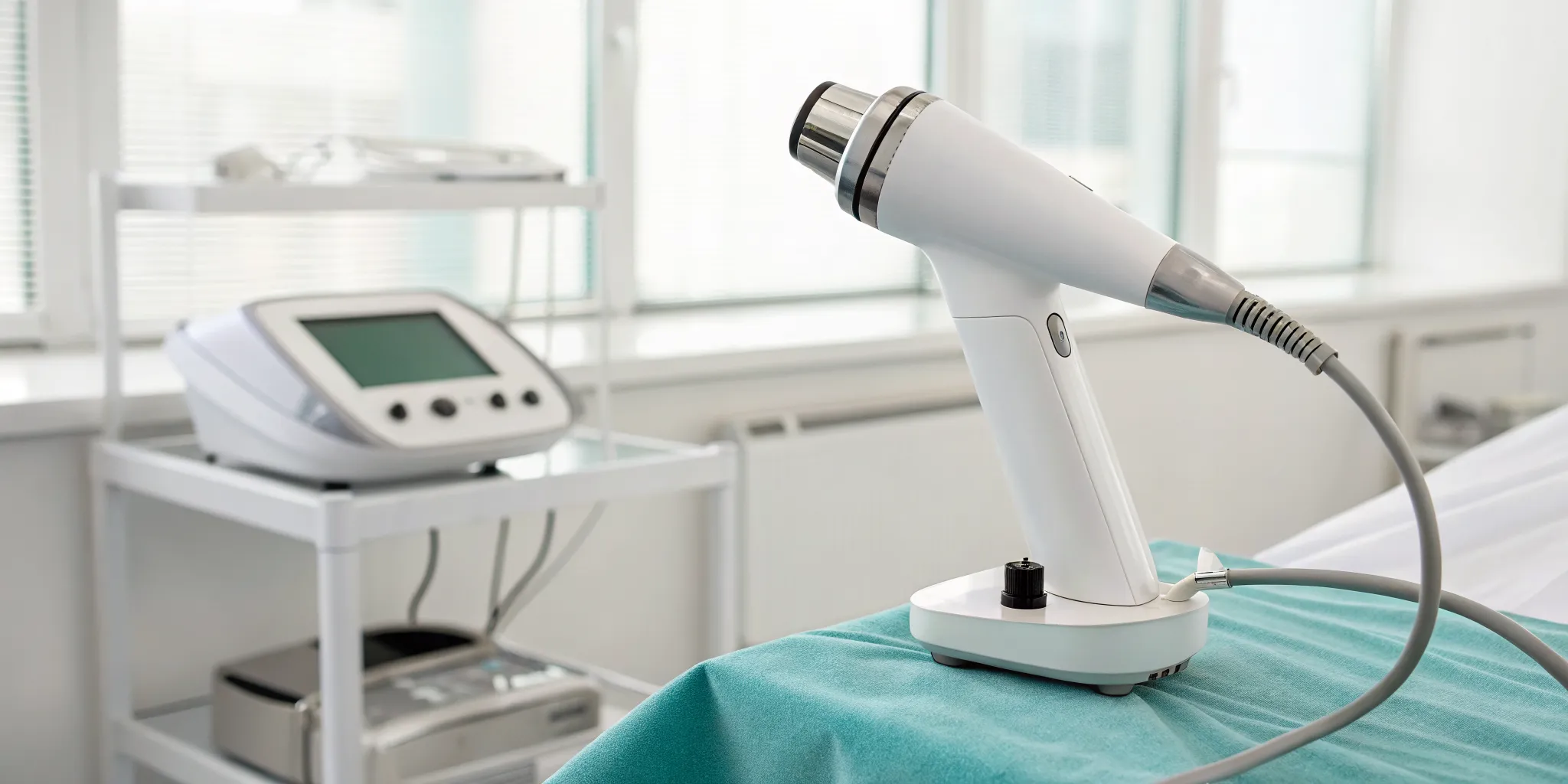
During the treatment, your practitioner will apply a special gel to the skin over your hip. Then, they will use a handheld device to deliver the acoustic waves directly to the painful area. The process is non-invasive and happens right in our office. We'll walk you through every step, ensuring you feel informed and at ease before we begin. If you're ready to see how this can fit into your schedule, you can contact our Tampa office to find a time that works for you.
How Many Sessions Will You Need?
Healing is a process, not a single event. For shockwave therapy to be most effective, a series of treatments is usually necessary to stimulate long-term tissue repair. Most people find they get the best results from about three sessions, scheduled one week apart. This consistent approach gives your body the repeated signal it needs to kickstart and sustain its natural healing mechanisms.
Of course, every person is unique, and your specific condition will guide your care plan. During your initial consultation, we’ll assess your hip pain and create a personalized protocol tailored to your body’s needs. Our physical medicine services are always customized because your path to healing should be as individual as you are.
Does Shockwave Therapy Hurt?
It’s natural to wonder if the treatment will be painful. Most people don't describe shockwave therapy as painful, but rather as a bit uncomfortable or sore, especially at first. You might feel a sensation like a dull ache or a light tapping as the acoustic waves work on the tissue. Some have even compared it to a rubber band snapping against the skin.
Your comfort is our priority. We can easily adjust the intensity of the treatment to a level that is manageable for you. The sensation typically lessens as the session goes on, and our team will be checking in with you the entire time. The practitioners at Ascend Functional Health are experienced in making sure your treatment is both effective and comfortable.
Life After Your Session
After your 10- or 15-minute session, you can get right back to your day. There is no downtime required, so you can return to work or your usual activities immediately. Many people report feeling some relief right away, which is a welcome change.
However, the most significant and lasting results come from the healing that happens deep within your tissues over time. While initial relief is great, the true magic happens in the weeks following your final session. The full benefits of the treatment, like reduced pain and improved mobility, are often most noticeable about 12 weeks after your last appointment as your body completes its repair cycle. You can read about the lasting results our patients have experienced on their own healing journeys.
How Effective Is Shockwave Therapy for Hips?
When you're dealing with persistent hip pain, you want a solution that actually works. The good news is that shockwave therapy has a strong track record for not just managing, but resolving, chronic hip issues. Research consistently shows that it’s a highly effective option for reducing pain and, just as importantly, restoring your ability to move freely and get back to your life. Unlike treatments that only offer temporary relief, shockwave therapy is designed to create lasting change by addressing the problem at its source. Let's look at what the science says about its success and what you can realistically expect from the healing process.
Success Rates for Common Hip Issues
It’s natural to wonder if a treatment will be successful for your specific issue. When it comes to shockwave therapy, the data is very encouraging. Studies consistently find it to be highly effective for chronic tendinopathies around the hip, often outperforming more traditional approaches. In fact, a major review of research found that in 17 out of 18 studies, patients experienced significant pain reduction and improved function for common conditions we treat like gluteal tendinopathy and proximal hamstring tendinopathy. This level of success shows that shockwave isn't just a hopeful idea; it's a proven method for helping people find real relief from stubborn hip pain.
Short-Term Relief vs. Long-Term Healing
While shockwave therapy is focused on long-term healing, many people start to feel better sooner than they expect. It’s possible to notice some improvement almost immediately after a session, as the therapy begins to calm inflammation and pain signals. However, the most significant changes typically occur in the weeks following your treatment course. Many people report feeling a noticeable difference about six to eight weeks after starting their physical medicine plan. The greatest improvement is often felt around 12 weeks after your final session, once your body has had ample time to complete the initial healing and regeneration phase.
Why Lasting Results Take Time
The reason shockwave therapy provides such durable results is that it works with your body, not just on it. The sound waves create a controlled, localized inflammatory response in the targeted tissue. This process signals your body to increase blood flow, bringing essential oxygen and nutrients to the area. This jump-starts your body’s own repair mechanisms, helping to regenerate damaged cells and build healthier, stronger tissue. This is why true healing takes time. It’s a gradual, biological process of rebuilding from the inside out. By stimulating this natural repair cycle, shockwave therapy helps you achieve a more complete and lasting recovery.
The Benefits of Choosing Shockwave Therapy
When you're dealing with persistent hip pain, you want a solution that does more than just quiet the symptoms. You want real healing. Shockwave therapy offers a path forward that works with your body’s natural processes. It’s a modern approach that aligns perfectly with our goal of addressing the root cause of your discomfort, helping you find lasting relief and get back to the life you love. Let’s explore some of the key benefits of choosing this innovative treatment.
A Non-Surgical Approach with No Downtime
One of the most significant advantages of shockwave therapy is that it’s a non-invasive treatment. You can get the benefits of targeted healing without the risks and recovery time associated with a surgical procedure. Each session is surprisingly quick, typically lasting only about 10 to 15 minutes. This means you can easily fit your treatment into a busy schedule and get right back to your day afterward. There’s no need to plan for downtime or a long, complicated recovery. It’s a powerful and efficient way to support your body’s healing journey without putting your life on hold.
Targets the Root Cause of Pain
Unlike treatments that simply mask pain, shockwave therapy gets to the heart of the problem. The acoustic waves stimulate your body’s own healing mechanisms right at the source of your injury. This process increases blood flow to the area, reactivates healing in older injuries, and helps break down scar tissue and calcifications that can cause stiffness and pain. By addressing the underlying tissue damage, we’re not just providing temporary relief; we’re creating the conditions for your body to genuinely repair itself. This focus on the root cause is central to our physical medicine approach.
Find Lasting Comfort
If you’ve been living with chronic hip pain, you know how frustrating temporary fixes can be. Shockwave therapy is different. Research shows it’s highly effective for chronic conditions like gluteal tendinopathy, often providing more sustained relief than other conventional methods. Because the therapy promotes true tissue regeneration, the results are built to last. Our goal is to help you find a level of comfort that allows you to move freely and confidently again. Many of our patients have shared how this treatment finally gave them the lasting relief they were searching for, which you can read about in their testimonials.
Regain Mobility and Function
Hip pain doesn’t just hurt; it limits your life. It can stop you from walking, playing with your kids, or enjoying your favorite hobbies. Shockwave therapy is excellent at reducing pain, which is the crucial first step toward restoring your mobility. Once the pain subsides, you can more effectively engage in the corrective exercises and stretches that are essential for full rehabilitation. This treatment doesn’t just help you feel better, it helps you move better. It empowers you to actively participate in your own recovery, helping you regain function and get back to doing all the things you’ve been missing out on.
Achieve Long-Term Results
The ultimate goal of any treatment should be results that stand the test of time. Shockwave therapy has a strong track record of delivering just that. Studies consistently show high rates of success in reducing pain and improving daily function for people with common hip conditions. This is because the healing it stimulates is your body’s own. By repairing damaged tissue and improving blood flow, you’re building a stronger, more resilient foundation for the future. This commitment to sustainable health is a core part of our functional medicine philosophy, ensuring you don’t just feel better now, but continue to thrive long-term.
Safety and Potential Side Effects
One of the biggest draws of shockwave therapy is its excellent safety profile, especially when you compare it to more invasive procedures. Since it works by stimulating your body’s own healing mechanisms, the risk of complications is very low. It’s a gentle yet effective way to address the root cause of your hip pain without the downtime or risks associated with other interventions.
That said, it’s completely normal to have questions about what to expect after a session. Like any effective therapy, your body will have a response as it begins the repair process. Most reactions are minor and temporary, signaling that the treatment is working. To ensure your safety and comfort, we believe in open communication. We’ll discuss your health history thoroughly to make sure shockwave therapy is the right fit for you and will always be here to answer any questions you have along the way. Our goal is to make your healing journey as smooth and predictable as possible.
Common, Temporary Reactions
After your shockwave session, it’s common to experience a few mild and temporary reactions. Most people describe a slight soreness in the treated area, similar to how you might feel after a deep tissue massage. This discomfort usually fades within a day or two. You might also notice some minor redness, swelling, or bruising on the skin around your hip, which is simply a sign of the increased blood flow and healing activity happening beneath the surface.
These reactions are a normal part of the healing process and show that your body is responding to the therapy. Research shows that only a small percentage of patients experience these temporary effects, and they typically resolve on their own very quickly. Our physical medicine approach prioritizes treatments that work with your body, and these mild responses are a positive sign of that partnership.
Important Health Considerations to Discuss
To ensure shockwave therapy is both safe and effective for you, it’s crucial to have an open conversation about your overall health. During your initial consultation, we’ll go over your complete health history. Please be sure to tell your provider if you are pregnant, have a pacemaker, or take blood-thinning medications.
It’s also important to let us know if you have any nerve or circulation disorders, a current infection, or a history of tumors in the area we’ll be treating. This information allows us to create a personalized treatment plan that is perfectly suited to your body’s needs. Our team at Ascend Functional Health is dedicated to providing care that is not only effective but also completely safe for your unique situation.
When to Contact Your Provider
We want you to feel supported and confident throughout your entire treatment journey. While mild soreness is a normal response, you should never hesitate to reach out if you have concerns. We encourage you to contact our office if you experience any significant pain, excessive swelling, or any other symptoms that feel unusual to you after a session.
Listening to your body is key, and we are your partners in this process. Keeping the lines of communication open helps us ensure you are comfortable and progressing as expected. If anything feels off, a quick phone call can provide peace of mind and allow us to make any necessary adjustments to your care plan. You can always contact our team with any questions that come up between your appointments.
Common Myths About Shockwave Therapy
When you’re exploring new ways to manage pain, it’s easy to run into conflicting information. Shockwave therapy is a powerful tool for healing, but it’s also surrounded by a few common misconceptions. Let's clear up some of the biggest myths so you can feel confident about your treatment path. Understanding the facts is the first step toward making an informed decision about your health and getting back to the life you love.
Myth: "It's an experimental treatment."
While shockwave therapy might be new to you, it’s far from experimental. This technology has been used and studied for decades, with a strong track record of success. In fact, extensive research shows it’s a highly effective approach for chronic tendon issues around the hip and pelvis, often providing better long-term results than more conventional methods. Because it’s a specialized treatment, it’s not as widely known as some other options. However, its status as a well-documented therapy is why we confidently include it in our physical medicine protocols to help our patients achieve lasting relief.
Myth: "One session is all you need."
Healing chronic pain is a process, not an instant fix. While it would be wonderful if one session could resolve everything, shockwave therapy works by stimulating your body’s natural repair cycles over time. A typical treatment plan involves a series of sessions, usually three to four, scheduled about a week apart. This consistent approach gives your tissues the repeated signal they need to regenerate and heal properly. Think of it as a structured workout for your cells, where each session builds on the progress of the last to create strong, resilient tissue.
Myth: "You should feel better immediately."
Patience is a key part of the healing journey. While some people report feeling a bit better right after a session, the most significant and lasting improvements happen in the weeks that follow. The sound waves trigger a healing cascade within your body, and this process takes time to unfold. You might start noticing a real difference in your pain levels within four weeks, with the most substantial healing occurring between six and nine weeks after your treatment begins. The ultimate goal is long-term recovery, which continues to build for about three months after your final session.
Myth: "It's a replacement for all other treatments."
Shockwave therapy is an incredibly effective tool, but it works best as part of a comprehensive healing strategy. It’s not meant to be a standalone solution that replaces all other care. Instead, its greatest strength is its ability to reduce pain and inflammation, which then allows you to engage more effectively in other essential therapies, like corrective exercises and lifestyle adjustments. By calming the pain, we create a window of opportunity to address the root cause of your hip issue through our integrated services. This teamwork approach is what leads to true, sustainable results.
Your Path to Healing at Ascend Functional Health
Our Integrated Approach to Hip Pain
We know how much persistent hip pain can get in the way of your life. At Ascend Functional Health, we don’t just mask the symptoms; we create a personalized plan to address the source of your discomfort. Our integrated approach combines different therapies to support your body’s ability to heal itself. One of the key treatments we use for chronic hip pain is shockwave therapy. This non-invasive therapy uses targeted sound waves to stimulate healing deep within the tissue. It works by increasing blood flow to the area and helping to break down old, injured tissue and calcifications that can contribute to pain and stiffness. It’s a way of telling your body to restart the repair process right where you need it most.
What to Expect at Your First Appointment
Your journey to relief begins with a comprehensive evaluation. During your first appointment, we’ll take the time to fully understand your hip pain, your health history, and your goals. If shockwave therapy is part of your plan, we’ll walk you through every step. Most people describe the treatment as a manageable, mild soreness. Afterward, you might feel a bit sore for a few hours or up to a day, similar to after a good workout. While it’s not an overnight solution, the results are worth the wait. Many of our patients begin to notice significant improvements within six to eight weeks. Ready to take the first step? You can contact us to schedule your initial consultation.
Related Articles
- SoftWave Tissue Regeneration Therapy in Tampa | Alessi Functional Health
- Discover SoftWave TRT Therapy
- What's Going On When Your Hips Are Making Noise?
- Pain Free Future | Alessi Functional Health
- What Is Joint Mobilization & How Does It Work?
Frequently Asked Questions
Does shockwave therapy hurt? Most people describe the sensation as a bit uncomfortable or sore, but not painful. You might feel a tapping or a dull ache in the treatment area as the acoustic waves get to work. Your comfort is our priority, so we can always adjust the intensity to a level that feels manageable for you. The feeling usually becomes less noticeable as the short session progresses, and our team will check in with you throughout the process.
How soon will I feel better after starting shockwave therapy? While some people notice a bit of relief right away, the most significant and lasting results happen over time. The therapy works by triggering your body’s natural repair cycle, which is a gradual process. You can expect to feel a noticeable improvement in the weeks following your sessions, with the most substantial benefits often appearing around 12 weeks after your final treatment as your tissue continues to heal and strengthen.
Why choose shockwave therapy over something like a cortisone shot? While injections can provide temporary relief, they often just mask the pain without addressing the underlying tissue damage. Shockwave therapy is different because it works to solve the problem at its source. By stimulating blood flow and cell regeneration, it helps your body actively repair the injured tendon or muscle. It’s a strategy focused on creating genuine, long-term healing rather than just quieting the symptoms for a little while.
How many treatments will I need? Healing chronic injuries requires consistency, so a series of treatments is usually needed for the best outcome. Most of our patients achieve great results with about three sessions, scheduled one week apart. This regular stimulation gives your body the repeated signal it needs to fully engage its repair mechanisms. Your specific plan will be tailored to you, and we’ll determine the right number of sessions after your initial evaluation.
What can I do after a shockwave session? Are there any restrictions? One of the best parts of this therapy is that there is no downtime. You can go right back to your daily routine, including work, immediately after your 15-minute session. While you can get back to your day, we generally suggest avoiding any strenuous, high-impact activities that stress your hip for about 24 hours. This gives the area a chance to respond to the treatment and begin the healing process without any extra strain.