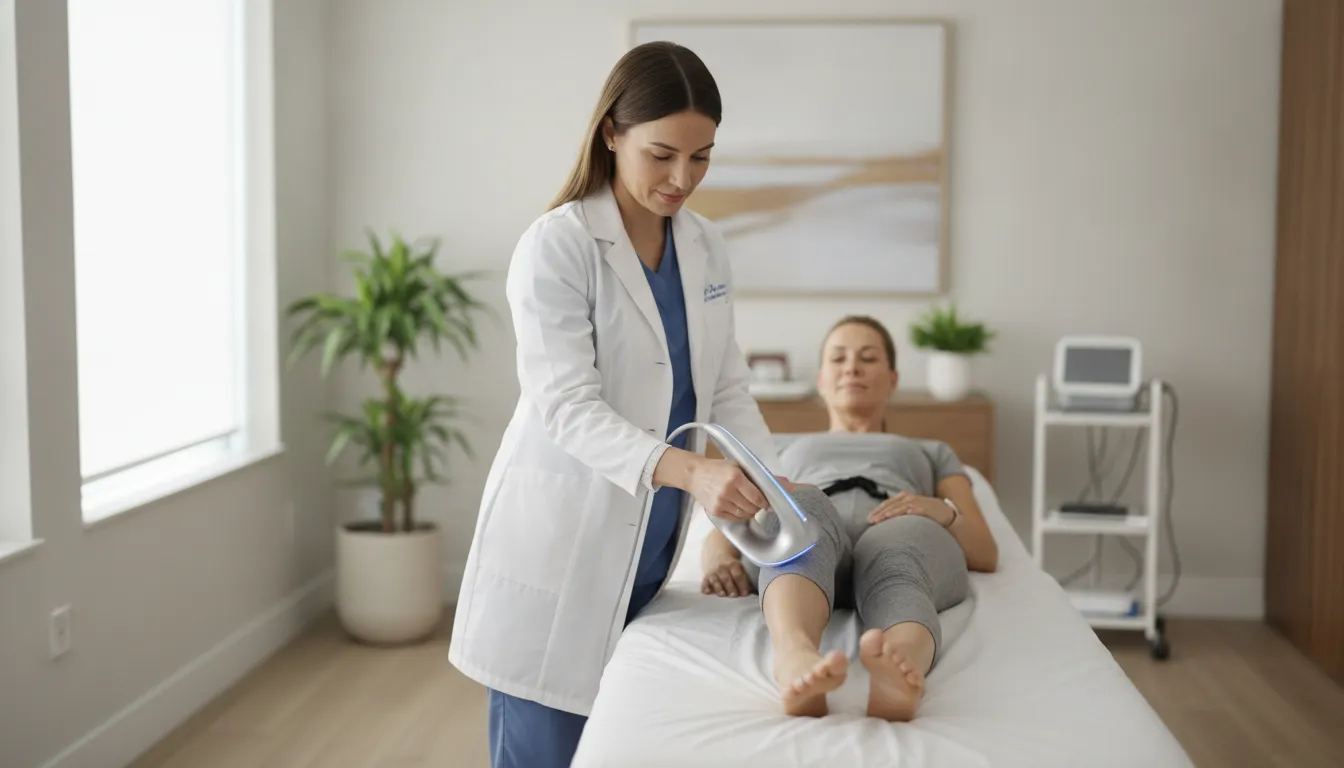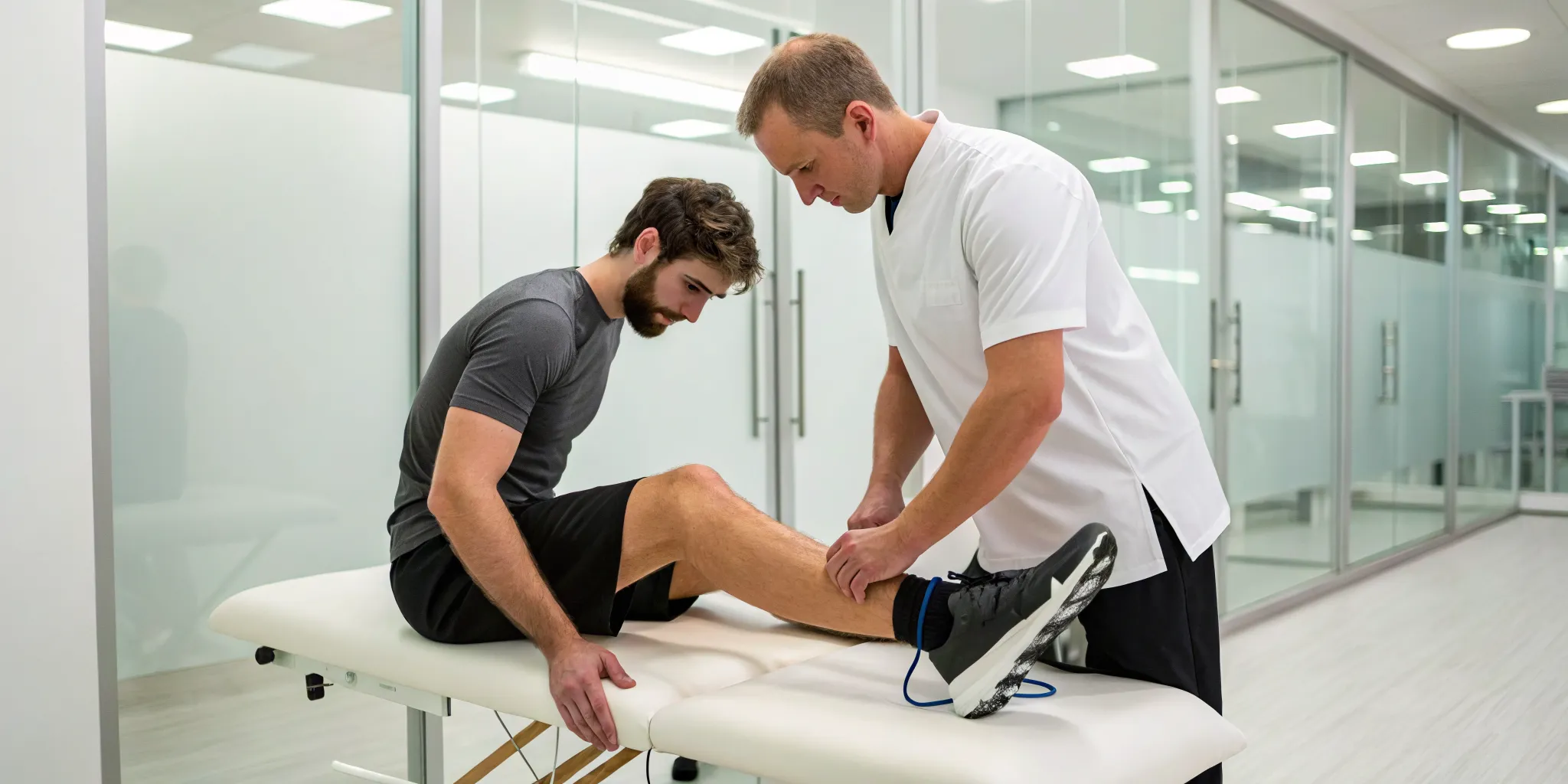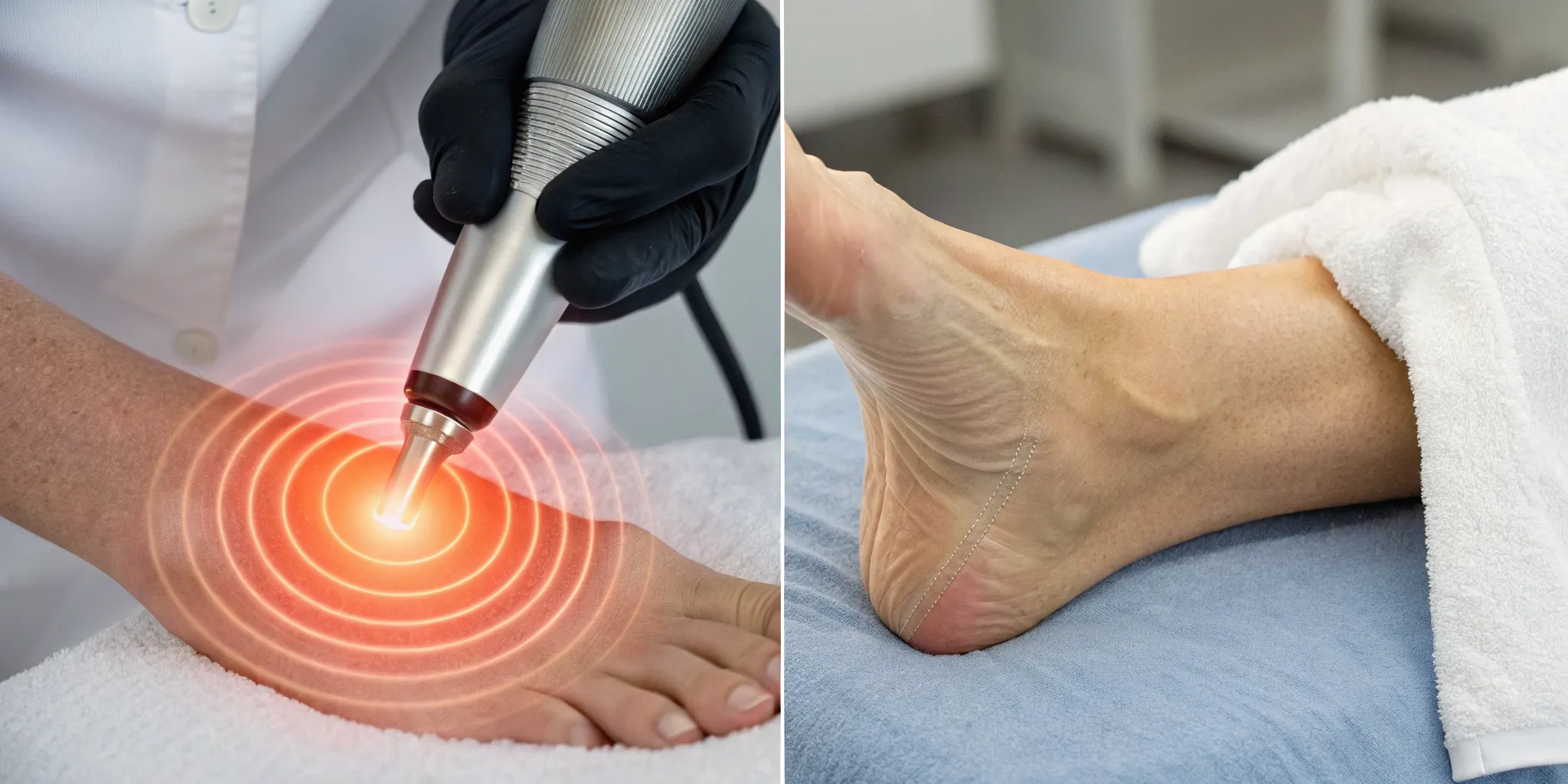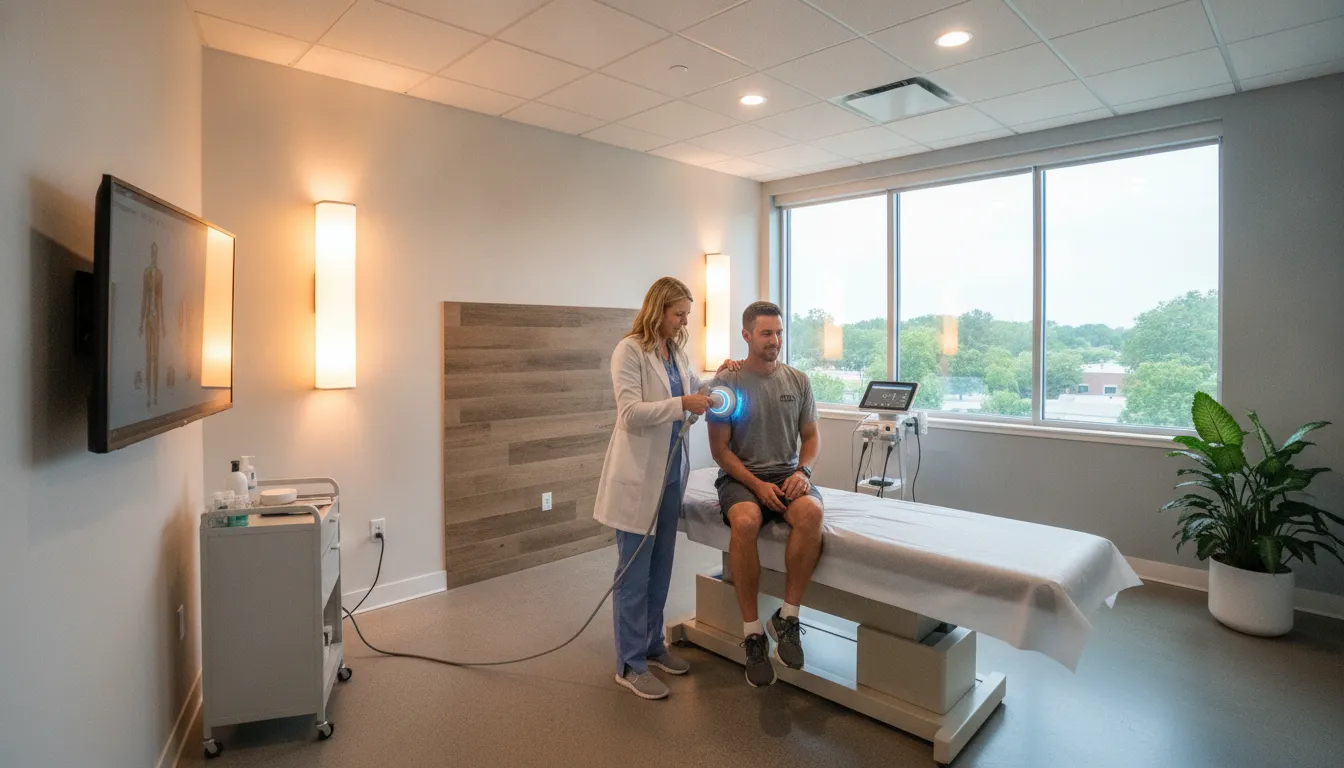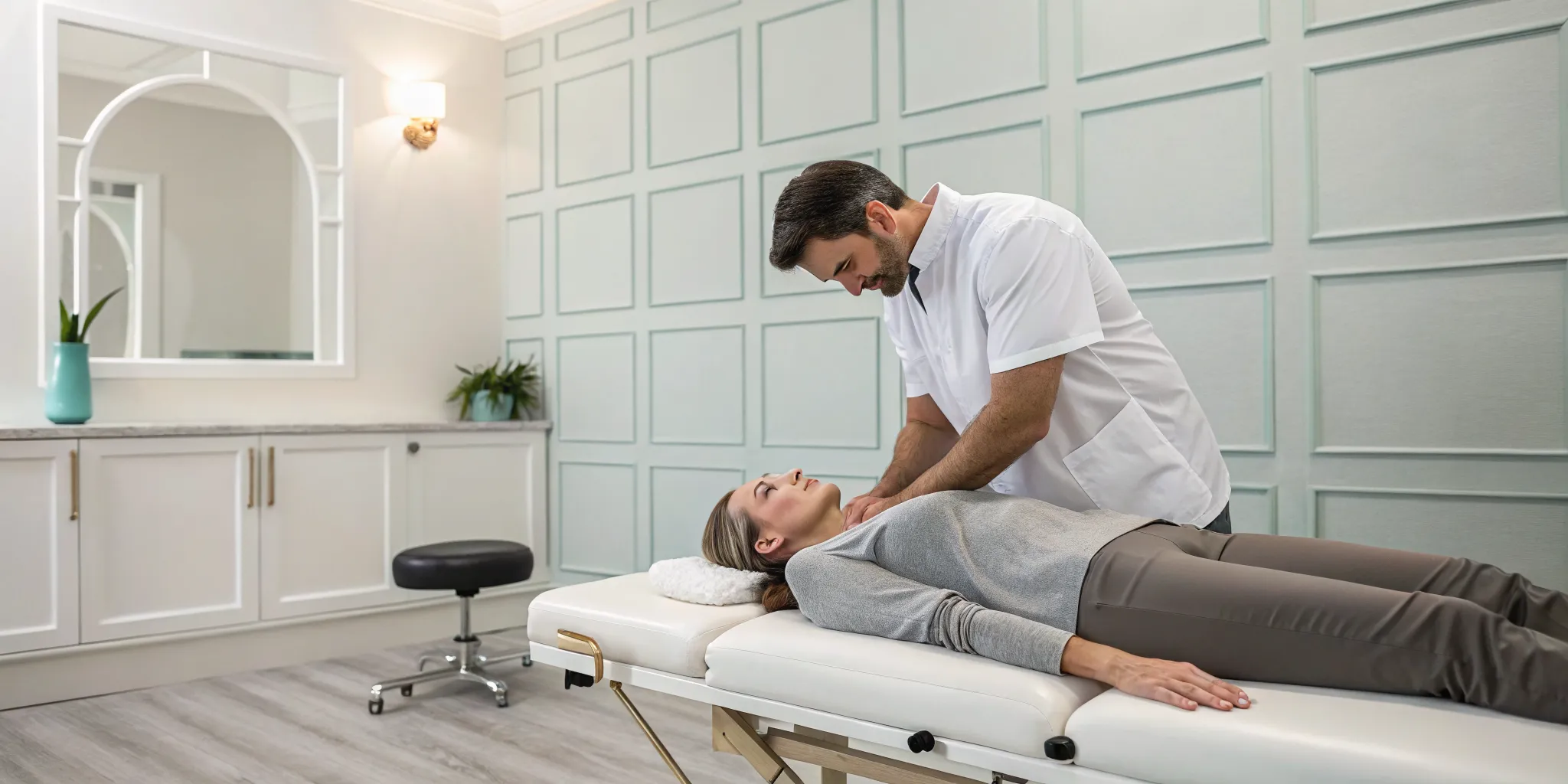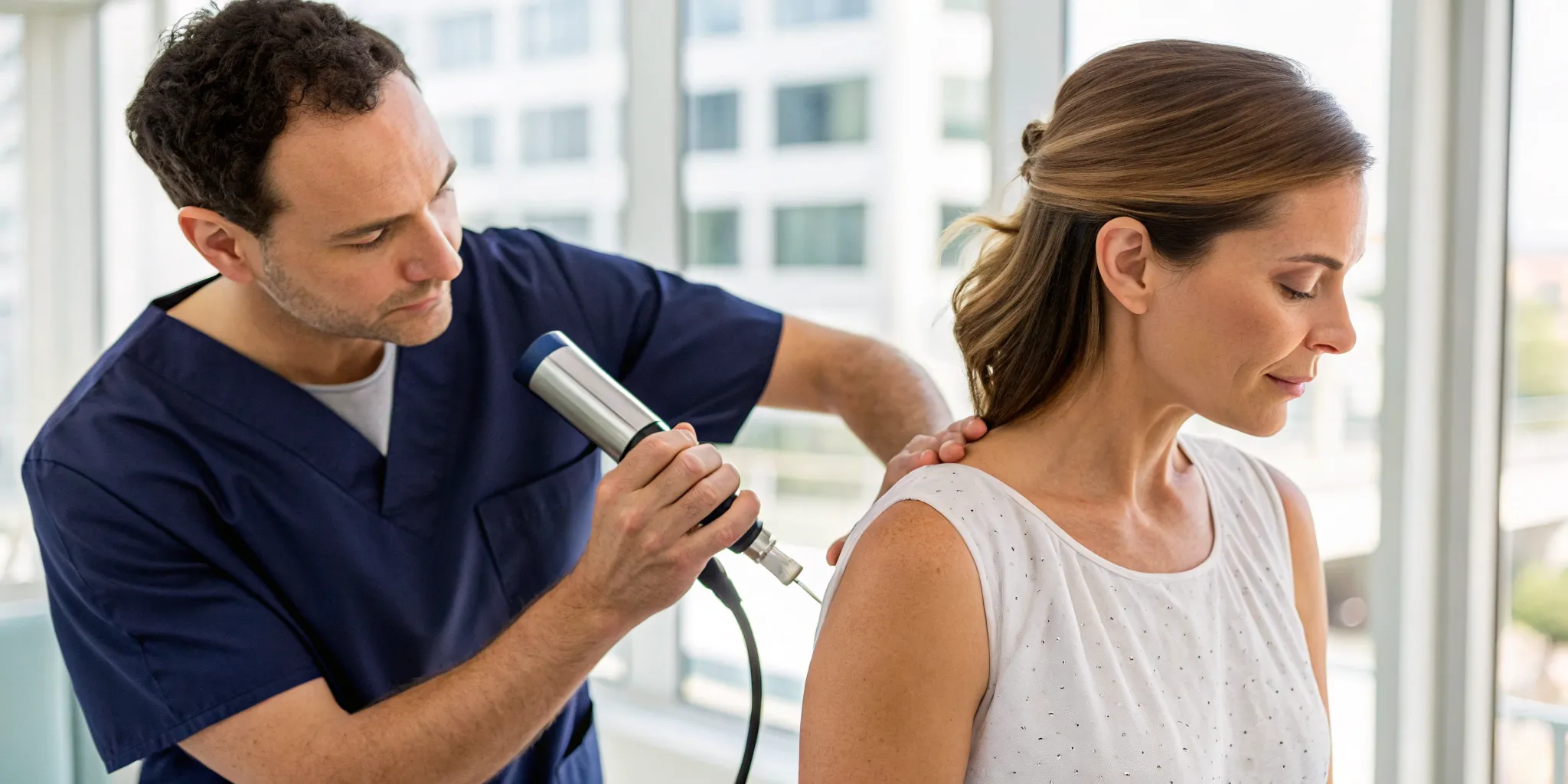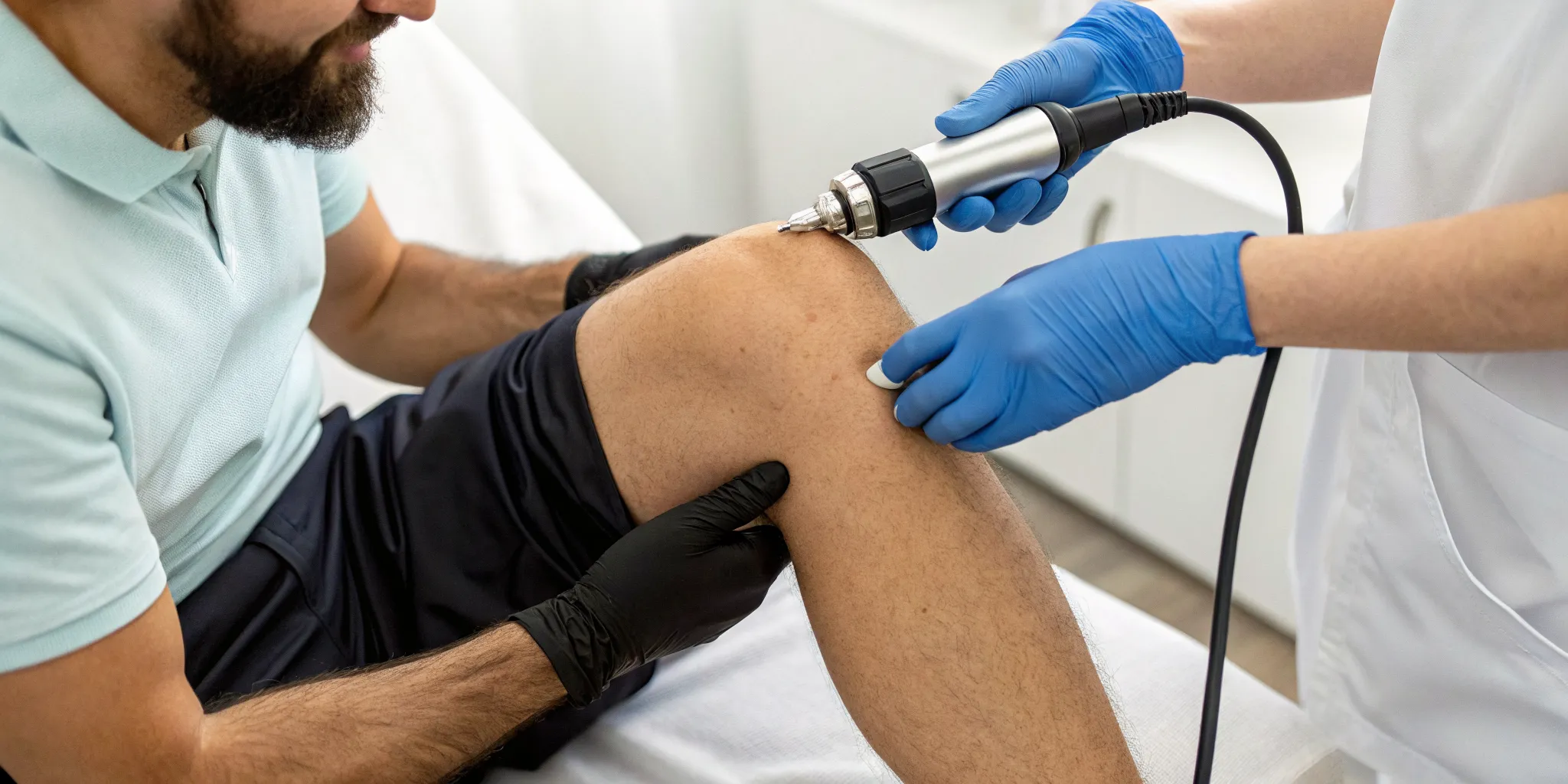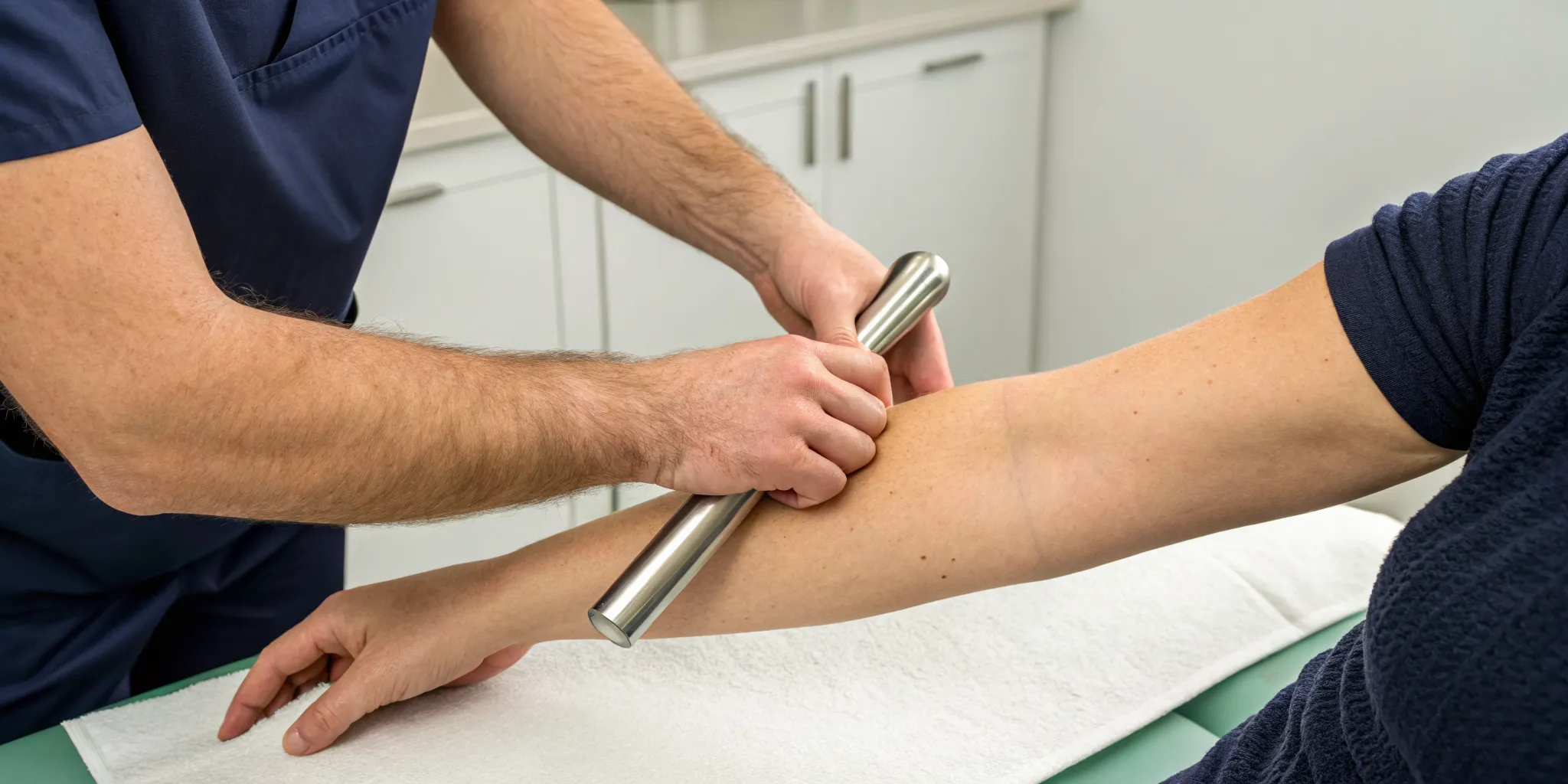
Let’s be honest, the idea of someone using stainless steel tools on your muscles might sound a little intense at first. But these instruments aren’t just random pieces of metal; they are highly specialized tools designed for healing. Think of them less as scrapers and more as stethoscopes for your soft tissue. They amplify what a practitioner can feel, allowing them to detect the precise location of scar tissue and fascial adhesions that their hands might miss. This innovative approach, known as Graston Technique therapy, allows for a level of precision that can make all the difference in your recovery from chronic pain and injury.
Key Takeaways
- It targets the root cause of soft tissue pain: The Graston Technique uses specialized instruments to find and release the scar tissue and fascial restrictions that limit your movement, which helps kickstart your body's natural healing response.
- It accelerates healing and improves mobility: By breaking down restrictive tissue, this therapy helps reduce inflammation and restore your full range of motion, making it a powerful, non-invasive option for chronic pain and sports injuries.
- Your aftercare supports the treatment's success: While the technique is performed by a certified professional, your recovery is supported by simple steps like icing, hydrating, and gentle stretching to help your body rebuild healthier tissue.
What Is the Graston Technique?
If you're dealing with persistent pain from an old injury or chronic muscle tightness, you've probably tried a few different therapies. The Graston Technique is a specialized form of treatment that uses unique stainless steel tools to find and treat the source of your soft tissue problems. It’s a non-invasive approach designed to break down scar tissue and fascial restrictions, helping to reduce pain and restore your natural range of motion. Think of it as a targeted, deep-tissue massage, but with instruments that can detect issues your therapist’s hands might miss. This method is a key part of our Physical Medicine services, helping patients get back to feeling their best.
The Story Behind This Unique Therapy
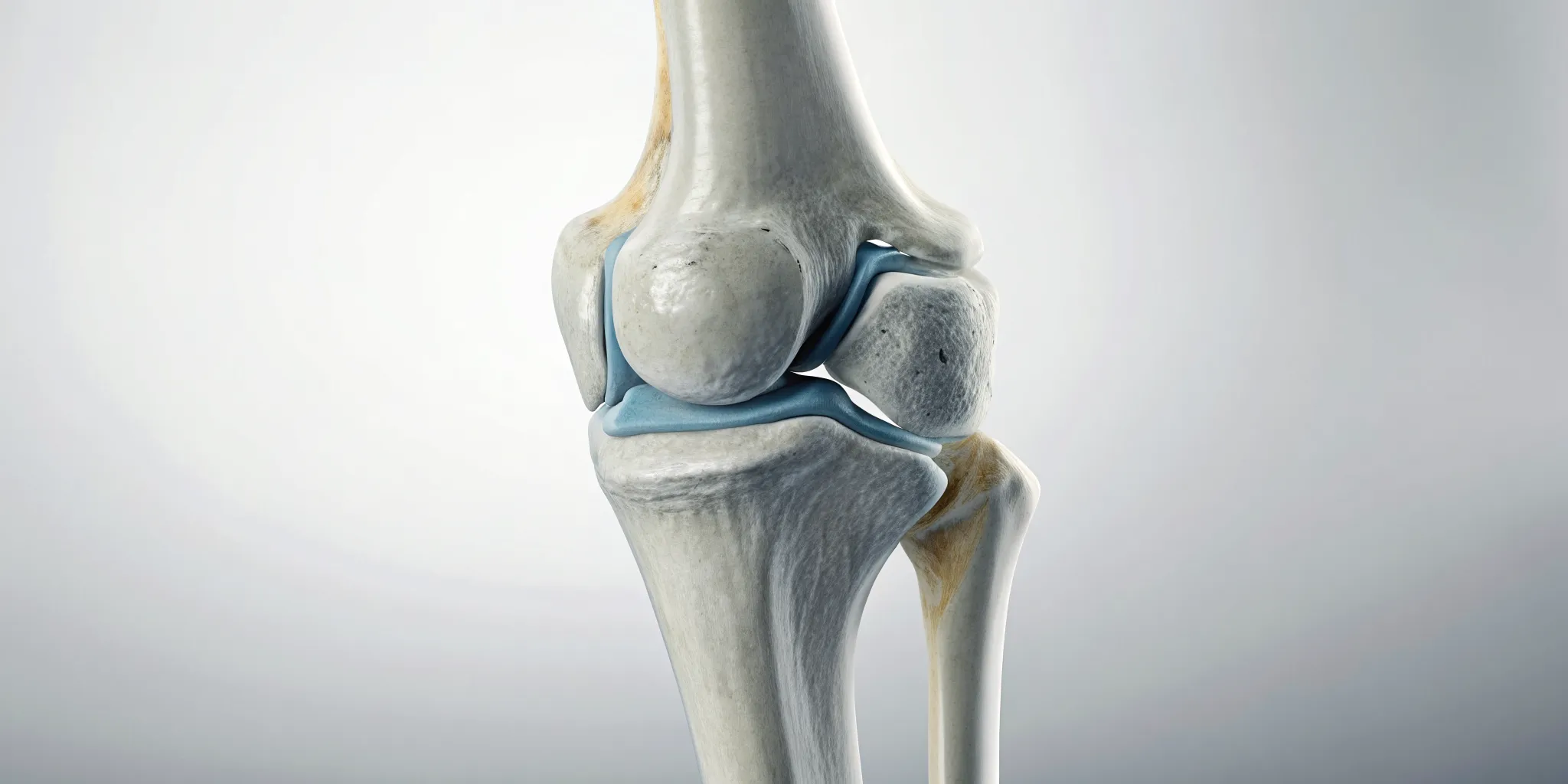
The origin of the Graston Technique is quite unique. It was developed by an amateur water-skier who suffered a significant knee injury. Frustrated with the slow progress of conventional therapies, he decided to take matters into his own hands. Using his professional background in machining, he created the first set of stainless steel instruments designed to treat his own soft tissue injury more effectively. After seeing success, he collaborated with medical professionals to refine the tools and the treatment protocol. The technique was officially patented in 1994 and has since become a trusted method used by thousands of clinicians worldwide to treat soft tissue injuries.
The Science of How It Heals Soft Tissue
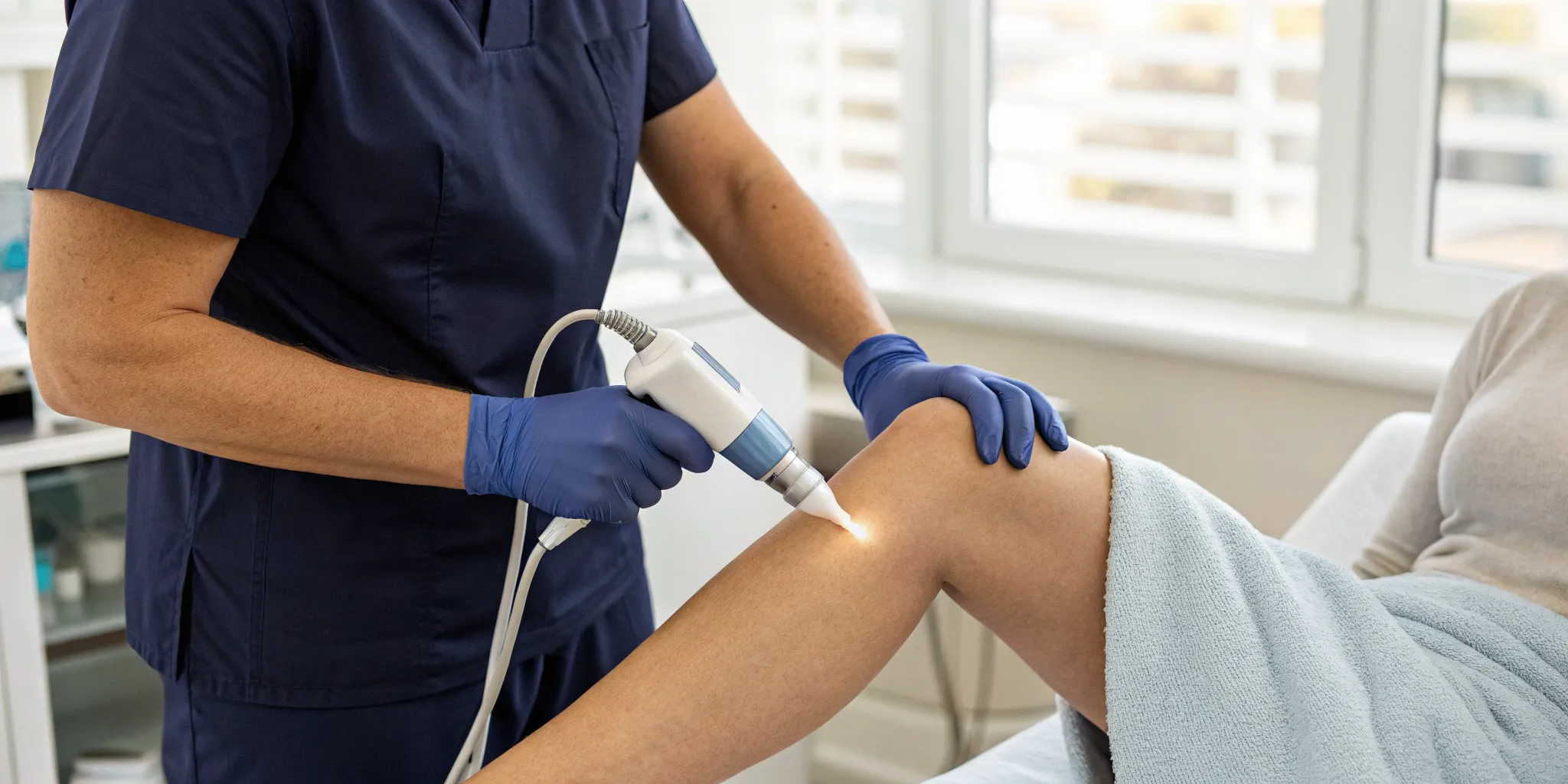
So, how does rubbing stainless steel tools on your skin actually work? The Graston Technique is a form of instrument-assisted soft tissue mobilization, or IASTM. During a session, a trained practitioner glides the tools over your skin to detect areas of scar tissue, muscle knots, or fascial restrictions that can cause pain and limit movement. These tools act like a stethoscope for soft tissue, amplifying texture changes that the hands alone might not feel.
Once these problem spots are identified, the practitioner uses the tools to apply precise pressure, breaking down the restrictive tissue. This process creates a controlled micro-trauma in the area, which stimulates your body’s natural healing response. It increases blood flow, bringing fresh oxygen and nutrients to the tissue while flushing out inflammatory byproducts. This evidence-based therapy effectively helps your body rebuild healthier, more functional tissue, leading to less pain and better mobility.
How Does the Graston Technique Work?
So, how exactly do a few stainless steel tools help your body heal? The Graston Technique is a form of instrument-assisted soft tissue mobilization, or IASTM. It’s a targeted approach that allows your practitioner to find and treat the root cause of your soft tissue pain. Think of it as a way to press the reset button on the healing process for old injuries or chronic tightness. Using specially designed instruments, your therapist can detect and break down scar tissue and fascial restrictions that are causing pain and limiting your movement. This process helps to reduce inflammation, improve your mobility, and get you back to feeling your best.
A Look at the Specialized Stainless Steel Tools
The Graston Technique isn't performed with just any tool. It uses a set of six core instruments made of surgical-grade stainless steel. Each tool has a unique shape, with rounded or convex edges, designed to fit the natural contours of different body parts, from your neck and shoulders to your ankles and feet. These instruments act as an extension of your practitioner's hands. As they glide the tools over your skin, they can feel vibrations that pinpoint the exact location of fibrotic scar tissue or adhesions. This allows for a much more precise and effective treatment than using hands alone, as the tools essentially scan the tissue to find the problem spots that need attention.
The Treatment Process: Healing Through Micro-Trauma
Once the problem areas are identified, the tools are used to apply precise pressure, breaking down the restrictive tissue. This process creates what’s known as controlled micro-trauma. It might sound a little intense, but it’s actually a good thing. This controlled stress sends a signal to your body to restart the healing process in that specific area. This response increases blood flow, bringing oxygen and nutrients to the tissue while carrying away waste products. It’s a way of re-initiating the body’s natural repair cycles in a focused way. This is a core part of our physical medicine approach, as it helps your body heal itself more effectively.
Breaking Down Scar Tissue and Fascial Restrictions
After an injury, your body creates scar tissue to patch things up. While it’s a natural part of healing, this tissue is often weaker and less flexible than your original tissue, which can lead to chronic pain and stiffness. The Graston Technique directly targets and helps break apart this scar tissue, allowing your body to absorb it and lay down new, healthy tissue. Similarly, the technique addresses fascial restrictions. Fascia is the thin web of connective tissue that wraps around every muscle and organ. When it becomes tight or stuck, it can pull on your body and restrict movement. The Graston tools help to release these adhesions, restoring flexibility and relieving pain.
What Conditions Can the Graston Technique Help With?
The Graston Technique is a versatile therapy that can address a wide range of issues, particularly those involving soft tissue. It’s effective for both new injuries and chronic pain that hasn’t improved with other treatments. By targeting the underlying scar tissue and fascial restrictions that cause pain and limit mobility, this method helps your body heal more efficiently. Whether you're dealing with nagging pain from an old injury, recovering from surgery, or trying to manage a chronic condition, the Graston Technique offers a focused approach to get you moving comfortably again. It’s a valuable part of a comprehensive physical medicine plan designed to address the root cause of your discomfort.
Relief for Chronic Musculoskeletal Conditions
If you're living with persistent pain, you know how frustrating it can be. The Graston Technique is particularly effective for chronic conditions because it directly addresses the fibrotic tissue that contributes to ongoing stiffness and discomfort. It can provide significant relief for long-lasting neck and back pain, shoulder issues like rotator cuff tendinopathy or frozen shoulder, and painful foot conditions like plantar fasciitis. By breaking down these old patterns of restriction, the technique helps restore healthy function to muscles and connective tissues, allowing them to move freely without pain. This process encourages fresh blood flow and stimulates a new, more organized healing response in tissues that have been "stuck" for months or even years.
Healing Common Sports Injuries and Tendonitis
Athletes and active individuals often deal with repetitive strain injuries that lead to inflammation and pain. The Graston Technique is a go-to therapy for many common sports-related ailments, including tennis elbow, golfer's elbow, and jumper's knee (patellar tendinitis). It’s also highly effective for carpal tunnel syndrome, which can result from repetitive hand and wrist motions. These conditions often involve inflamed or degenerated tendons that are slow to heal. The specialized instruments allow your practitioner to precisely detect and treat the affected tissue, helping to reduce inflammation and kick-start a more effective healing process so you can get back to the activities you love.
Addressing Post-Surgical Scar Tissue
After surgery, your body naturally forms scar tissue to heal the incision site. While this is a normal part of recovery, the scar tissue can sometimes become thick, dense, and restrictive, leading to pain and a limited range of motion. The Graston Technique is an excellent tool for managing post-surgical scarring. The instruments help to break down and realign these disorganized collagen fibers, making the scar more mobile and less painful. By improving the flexibility of the scar tissue, this therapy can help you regain full movement and function in the affected area. It’s a gentle yet effective way to ensure your recovery is as complete as possible.
What Are the Benefits of Graston Therapy?
When you're dealing with persistent pain or an injury that just won't heal, finding an effective treatment can feel like a full-time job. The Graston Technique offers some significant advantages by working directly with your body's own healing capabilities. It’s not just about temporarily masking pain; it’s about creating real, lasting change in the soft tissues that are causing the problem.
The primary goal is to break down restrictive scar tissue and fascial adhesions, which opens the door to a whole host of benefits. By addressing the root cause of the restriction, this therapy can help you move more freely, recover from injuries faster, and find relief without resorting to invasive procedures. Let’s look at what that means for you.
Speed Up Recovery and Reduce Inflammation
One of the most compelling benefits of the Graston Technique is its ability to accelerate your recovery timeline. By using specialized instruments to treat the affected area, we stimulate a local inflammatory response that brings fresh blood and nutrients to the tissue. This process helps flush out waste and kickstarts cellular repair. The result is often a faster rehabilitation process that can lessen the need for anti-inflammatory medication. It’s a way to support your body’s healing from the inside out, which is a core part of our physical medicine philosophy.
Improve Your Mobility and Range of Motion
If you’ve ever felt a tight, pulling sensation when you move, you’re likely experiencing the effects of scar tissue or fascial adhesions. These "sticky" tissues can bind up muscles and limit how far you can stretch or move. The Graston Technique is specifically designed to locate and break down these restrictions. By smoothing out the tangled fibers, the therapy helps restore flexibility and increases your range of motion. This can make a world of difference in daily activities, from reaching for a high shelf to getting back to your favorite sport without pain. Many of the conditions we treat involve this kind of soft tissue dysfunction.
A Non-Invasive Path to Healing
For many people, the idea of surgery or long-term medication is a major concern. The Graston Technique offers a powerful, non-invasive alternative. It’s a natural way to address soft tissue pain without drugs or operations, helping you recover by breaking down problematic scar tissue and encouraging healthy tissue to regrow. This approach aligns perfectly with a functional medicine mindset, as it focuses on helping the body heal itself. By incorporating it into a comprehensive treatment plan, we can address the underlying issues and help you build a stronger foundation for long-term health. It's one of the many services we use to help our patients achieve their wellness goals.
What to Expect During a Graston Session
If you're considering the Graston Technique, you're probably wondering what it actually feels like. Knowing what to expect can help you feel more relaxed and get the most out of your treatment. A session is a collaborative process between you and your practitioner, focused on finding and treating the root cause of your soft tissue restrictions. It’s a targeted approach that feels very different from a general massage.
We’ll walk through what a typical session involves, the difference between productive discomfort and actual pain, and why you might see a little bruising afterward. Our goal is to make sure you feel informed and comfortable every step of the way as part of your physical medicine plan.
What a Typical Session Feels Like
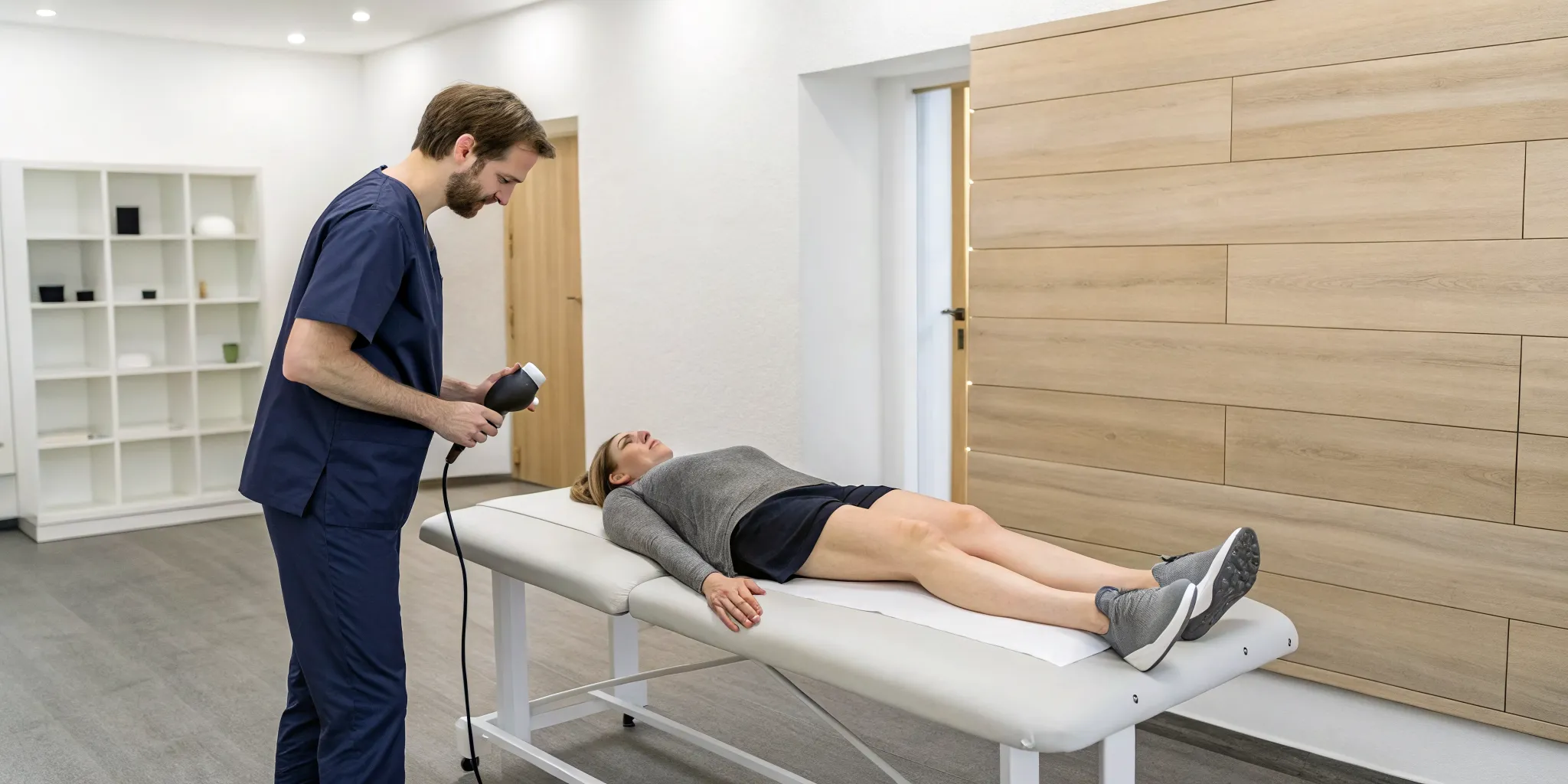
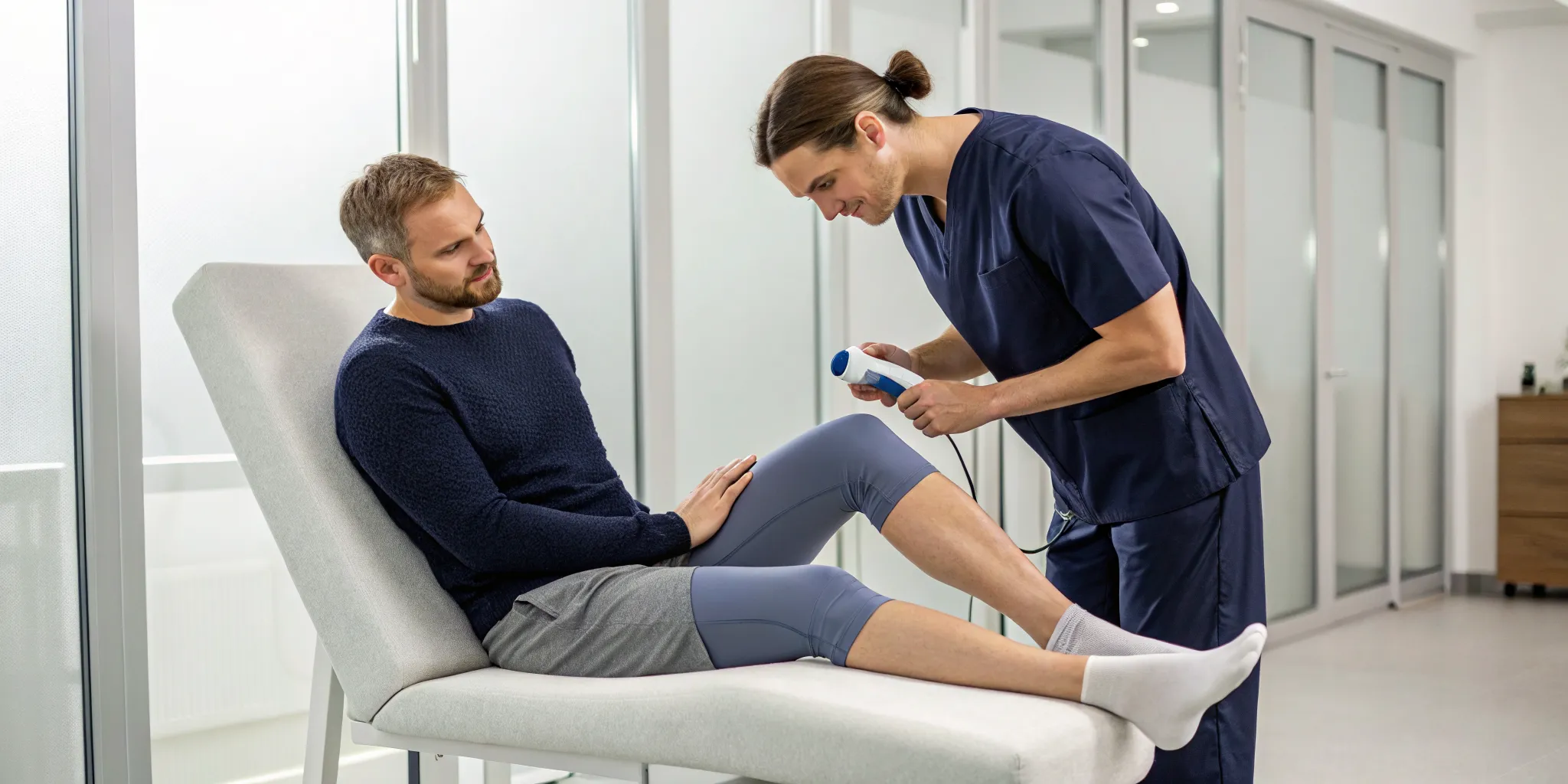
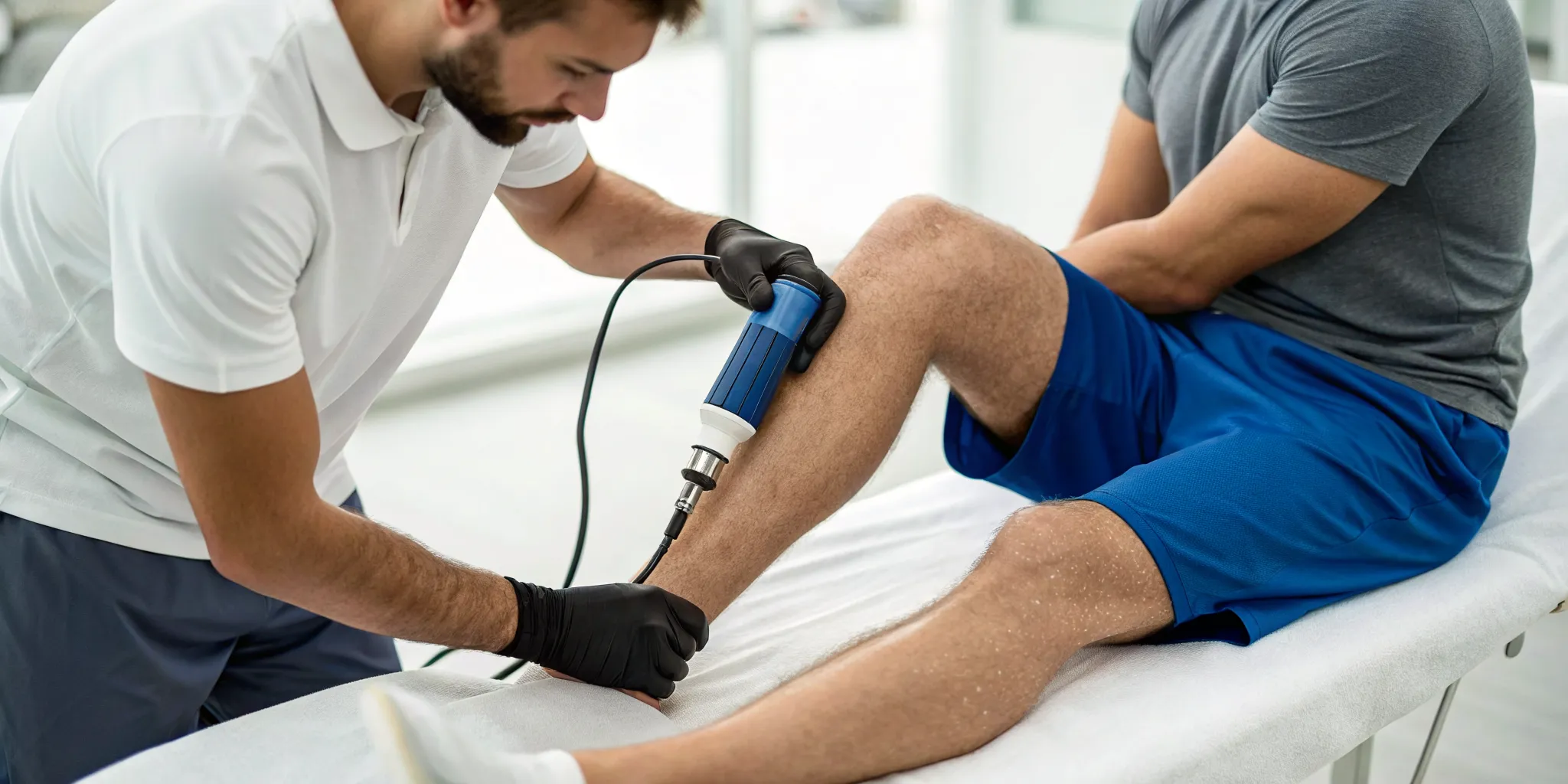
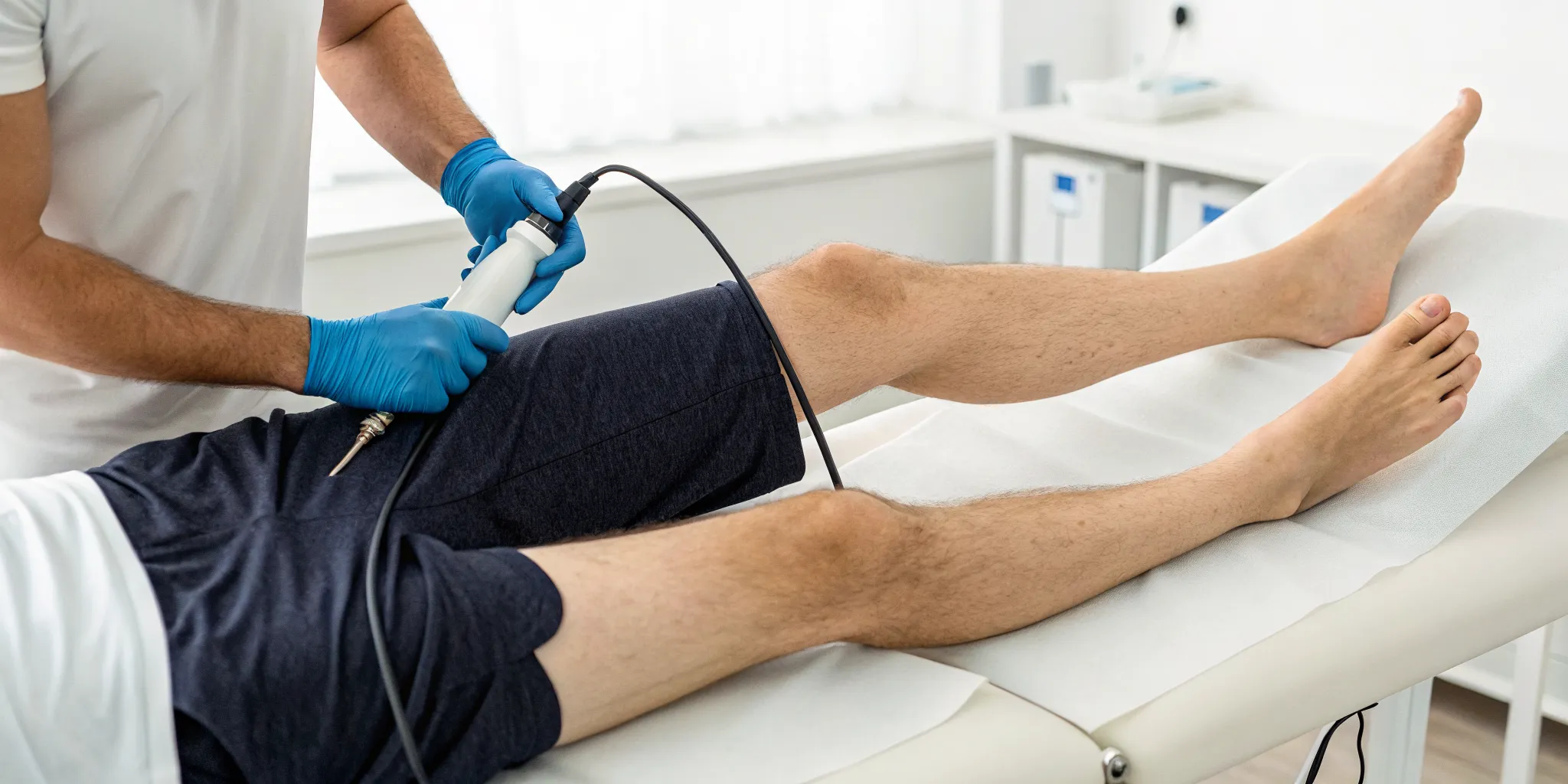
First, your practitioner will apply a lubricant, like lotion or oil, to your skin. This helps the specialized stainless steel tools glide smoothly over the treatment area. They will then use the tools to gently scan the area, feeling for the fibrotic or scarred tissue that’s causing problems. It often feels a bit gritty or bumpy to them.
Once they locate the adhesions, they will use the tools to apply precise pressure, moving across the tissue to break up the restrictions. You might feel a mild scraping or rubbing sensation. Most people don't find it painful. A typical session is relatively short, usually lasting between 15 and 20 minutes, making it an efficient and effective therapy for many of the conditions we treat.
Understanding the Difference Between Discomfort and Pain
It’s important to know that the Graston Technique is designed to relieve pain, not cause it. That said, breaking up long-standing scar tissue can create some discomfort. Think of it as a deep, productive sensation, similar to a deep tissue massage. It’s the feeling of tight knots being worked out.
You should never feel sharp, shooting, or unbearable pain during a session. Communication with your practitioner is key. We encourage you to provide feedback throughout the treatment so we can adjust the pressure to a level that is effective but still comfortable for you. The goal is to work with your body, not against it, to facilitate healing.
Why You Might See Some Bruising (and Why It's Okay)
After a Graston session, it’s common to see some minor redness or small, red dots on your skin, which can look like bruising. This is called petechiae, and it’s actually a good sign. It indicates that we’ve successfully created blood flow in an area that had poor circulation due to scar tissue.
This response is a normal part of the healing process and shows that the treatment is working to stimulate your body’s natural repair mechanisms. Any soreness or bruising is typically mild and should fade within a couple of days. It’s simply a temporary side effect on the path to restoring healthy function to your muscles and tissues.
How to Care for Yourself After Treatment
Your Graston session is a powerful step toward healing, but the care you take afterward is just as important. Following a few simple guidelines can help you manage discomfort, support your body’s recovery process, and get the best possible results from your treatment.
The Importance of Ice and Hydration
After your Graston session, your two best friends are an ice pack and a water bottle. Applying ice to the treated area for about 15-20 minutes helps calm the controlled inflammation that the technique creates. This is a crucial part of the healing process. We recommend icing as soon as you can after your appointment and then again within the next few hours. Just as important is staying hydrated. Drinking plenty of water helps your body flush out metabolic byproducts released from the treated tissue and gives your cells the hydration they need to repair and rebuild. So, make sure to keep your water bottle filled and nearby for the rest of the day.
Recommended Activities and Stretches
While you should avoid strenuous activity right after treatment, gentle movement is highly encouraged. The goal is to help the treated tissues heal in a longer, more flexible pattern. Your practitioner will show you specific stretches and light exercises designed for the area that was worked on. Following their guidance is key. These movements help you maintain the new range of motion you’ve gained and prevent the old restrictions from returning. Think of it as re-educating your muscles and fascia. This active participation is a core part of our physical medicine approach, making you a partner in your own recovery journey.
Supporting Your Body's Natural Healing Response
It’s common to see some redness or feel mild soreness in the treated area for a day or two after your session. You might even notice some light bruising. This is completely normal and is actually a good sign. It shows that the treatment successfully stimulated the tissue and initiated your body's natural healing response. Your body is now hard at work clearing out the old, disorganized fibers and laying down new, healthy tissue. By icing, hydrating, and performing your recommended stretches, you are giving your body exactly what it needs to do this job well. This philosophy of working with the body’s innate ability to heal is central to functional medicine and is the key to lasting relief.
Common Myths About the Graston Technique, Busted
When you first hear about the Graston Technique, with its specialized steel tools and focus on breaking up scar tissue, it’s easy to let your imagination run wild. A few common misconceptions float around that can make people hesitant to try it. Let's clear the air and separate fact from fiction so you can feel confident about this powerful therapy.
Myth: It's Unbearably Painful
Let’s tackle the biggest fear first: pain. Many people assume that a technique designed to break down tough scar tissue must be incredibly painful. The truth is, the Graston Technique is meant to relieve pain, not cause it. While you might feel some discomfort during the session, similar to a deep tissue massage, it shouldn't be unbearable. Your practitioner will communicate with you to ensure the pressure is within your tolerance. Some minor bruising or soreness can occur afterward, but this is a normal sign that your body is beginning its natural healing response.
Myth: It's a Cure-All for Everything
While the Graston Technique is incredibly effective for a wide range of issues, it isn't a magic wand for every ache and pain. It’s a specialized therapy best suited for soft tissue injuries, chronic pain, and mobility restrictions caused by scar tissue. Conditions like tennis elbow, plantar fasciitis, and post-surgical scarring often respond very well. However, it’s not a universal solution. That’s why a thorough assessment is so important. We use it as one part of a comprehensive functional medicine plan to address the root cause of your specific condition.
Myth: Anyone Can Perform the Technique
This is a critical myth to bust. The Graston Technique requires specific training and a deep understanding of anatomy to be performed safely and effectively. In untrained hands, the therapy would not only be ineffective but could also be harmful. There is no scientific evidence that the technique causes nerve damage when performed by a certified and experienced practitioner. These professionals are trained to use the tools with precision, applying the right amount of pressure to the right areas to facilitate healing without causing injury. Always ensure your provider is certified.
Is the Graston Technique Right for You?
Deciding on a new therapy can feel like a big step, but understanding who it helps and what to look for in a provider makes the process much clearer. The Graston Technique is a powerful tool for many, but it’s not a one-size-fits-all solution. Let’s walk through what makes someone a good candidate and how this therapy fits into a larger wellness picture.
Who It's For (and Who Should Avoid It)
The Graston Technique is designed for people dealing with soft tissue injuries and the chronic pain that often comes with them. If you have persistent issues like tennis elbow, plantar fasciitis, or stubborn muscle knots that limit your movement, this could be a great option. The goal is always to relieve pain, though some mild discomfort or bruising can occur as your body begins to heal.
However, this therapy isn't suitable for everyone. It’s best to avoid the Graston Technique if you have open wounds, active skin infections, or certain blood vessel conditions. People who take blood thinners or have bleeding disorders should also steer clear. Your safety is the top priority, so a thorough consultation is essential to determine if this is the right path for the conditions we treat and your specific health profile.
How It Complements a Functional Medicine Plan
Think of the Graston Technique as one important piece of your overall health puzzle. While it’s fantastic for addressing physical scar tissue and fascial restrictions, its true power is unlocked when it’s part of a comprehensive care plan. From a functional medicine perspective, we look at the whole body to find the root cause of your symptoms.
This technique works hand-in-hand with other treatments like chiropractic adjustments, targeted exercises, and nutritional changes. By breaking down old scar tissue and improving blood flow to an injured area, the Graston Technique helps create a better environment for healing. This allows your body’s natural recovery processes to work more efficiently, supporting the foundational healing we aim for in a holistic health plan.
Finding a Qualified, Certified Practitioner
When it comes to this technique, who performs the treatment matters immensely. The Graston Technique requires specialized training and a deep understanding of anatomy to be performed safely and effectively. Without formal training, a practitioner could fail to get results or even cause further injury.
A certified provider will use authentic Graston Technique® instruments, which are specifically designed to detect and treat soft tissue fibrosis. When looking for a practitioner, ask about their certification and experience. At Ascend Functional Health, our team is highly trained to ensure you receive the highest standard of care. You can learn more about our practitioners and our approach to see if we're the right fit for your health journey.
Graston vs. Other Soft Tissue Therapies
If you’re dealing with soft tissue pain, you’ve likely explored a few different treatment options. From deep tissue massage to foam rolling, there are many ways to address muscle and fascia discomfort. So, where does the Graston Technique fit in? While it falls under the umbrella of manual therapy, it’s a distinct and highly specialized approach.
Think of it as a precision tool in a practitioner’s toolkit. While other therapies provide broad relief, the Graston Technique is designed to zero in on the underlying cause of chronic pain and restricted movement: scar tissue and fascial adhesions. Its unique instruments and methodology set it apart from more generalized treatments, offering specific advantages for certain conditions. Understanding these differences can help you see why it might be the effective solution you’ve been looking for to finally address stubborn injuries and regain your mobility.
How It Differs from Traditional Massage
A traditional massage is fantastic for easing general muscle tension and promoting relaxation. The therapist uses their hands, forearms, and elbows to apply broad pressure, helping to soothe sore muscles and calm your nervous system. It’s a wonderful therapy for overall wellness.
The Graston Technique, however, is much more targeted. Instead of hands, a certified practitioner uses specially designed stainless steel instruments to scan the body and detect specific areas of scar tissue or fascial restriction that hands might glide right over. This approach isn't about general relaxation; it's a form of physical medicine designed to precisely locate and break down the adhesions that are limiting your movement and causing pain.
The Unique Advantages of This Approach
The targeted nature of the Graston Technique offers some clear benefits. Because the instruments provide such precise feedback, your practitioner can identify and treat problem areas with incredible accuracy. This often leads to faster and more effective results than other manual therapies alone.
By breaking down restrictive scar tissue, this technique helps restore proper function to your muscles and joints, which can significantly improve your range of motion and reduce pain. This process also creates a local inflammatory response that increases blood flow, bringing vital oxygen and nutrients to the area to accelerate healing. For many people, this means a quicker rehabilitation period, less reliance on anti-inflammatory medications, and a faster return to the activities they love. It's a powerful tool for many of the conditions we treat.
Related Articles
- Graston Technique Side Effects: What's Normal?
- SoftWave Tissue Regeneration Therapy in Tampa | Alessi Functional Health
- Physical Medicine | Alessi Functional Health Tampa, FL
Frequently Asked Questions
How is the Graston Technique different from a deep tissue massage? While both treatments can help with muscle tightness, they work very differently. A deep tissue massage uses hands and elbows to apply broad pressure for general muscle relief and relaxation. The Graston Technique is much more specific. It uses specially designed steel tools that act like a stethoscope for your soft tissue, allowing your practitioner to find the exact location of scar tissue and fascial restrictions that their hands might miss. The treatment is a targeted process designed to break down these specific problem spots to restore mobility.
Does the treatment actually hurt? This is the most common question, and the answer is that it shouldn't be painful. You will likely feel some discomfort, similar to the sensation of working out a deep muscle knot, but it should feel productive, not painful. Your practitioner will be in constant communication with you to make sure the pressure is at a level that is both effective and comfortable for you. The goal is always to relieve pain, not create it.
How many sessions will I need to feel better? The number of sessions you'll need really depends on your specific situation. Factors like how long you've had the issue, the severity of your condition, and your personal health goals all play a role. Many people start to feel a difference within a few sessions. Your practitioner will work with you to create a personalized treatment plan and give you a clearer idea of what to expect after your initial assessment.
Is the bruising after a session a bad sign? It's very common to see some redness or small, red dots (called petechiae) on your skin after a session, which can look like a light bruise. This is actually a good sign. It shows that the treatment has successfully increased blood flow to an area that was previously restricted by scar tissue. This response is a normal part of the healing process and indicates that your body is getting to work repairing the tissue. The redness is usually mild and fades within a day or two.
Are the results from the Graston Technique permanent? The goal of the Graston Technique is to create lasting change, not just temporary relief. By breaking down the restrictive scar tissue that is the root cause of your pain and stiffness, we help your body rebuild healthier, more flexible tissue. To make these results stick, your practitioner will likely give you specific stretches and exercises to do at home. This follow-up care is key to maintaining your improved range of motion and preventing the problem from returning.