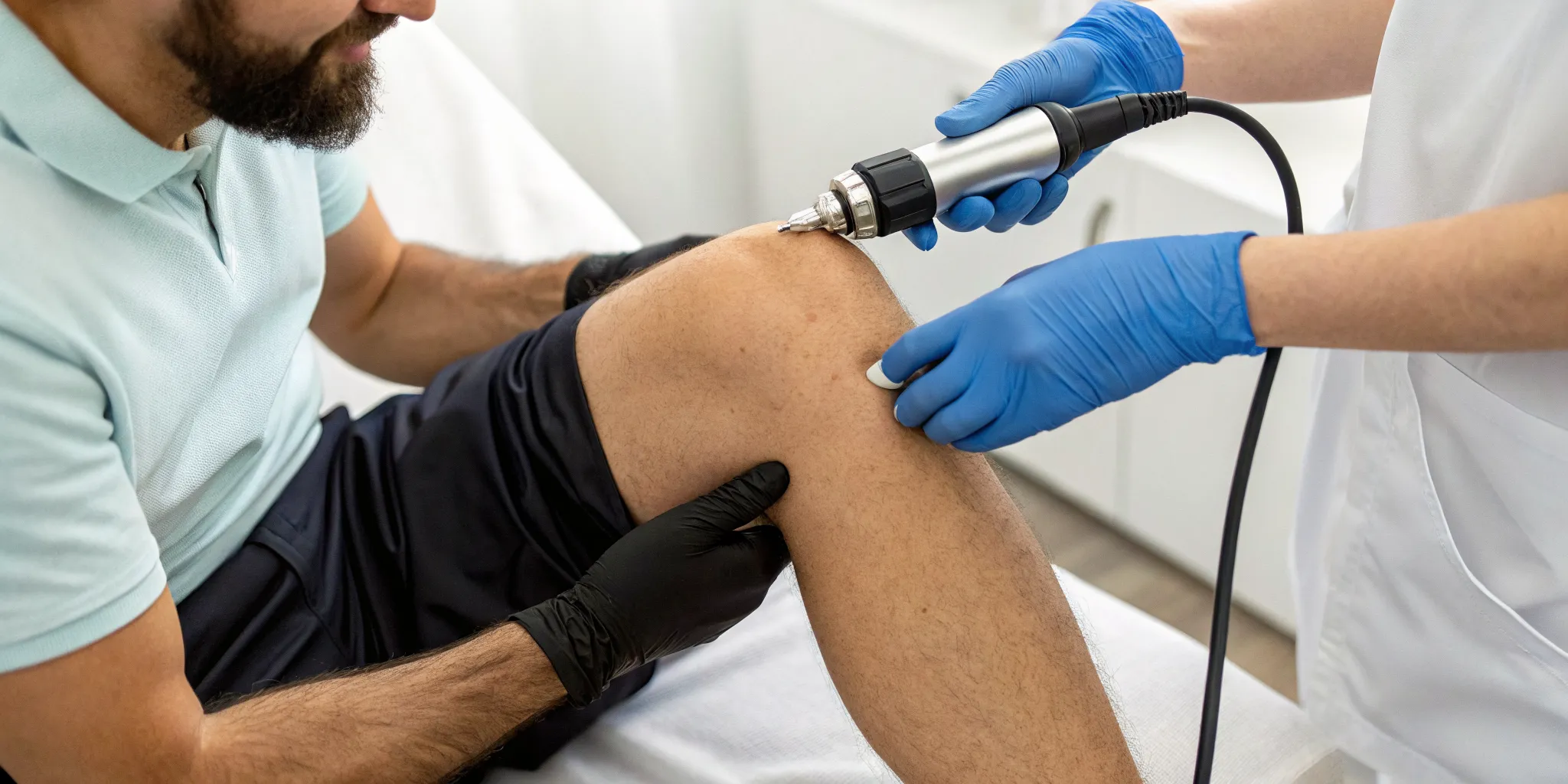
When you hear terms like "stem cell therapy," it can sound more like science fiction than a real medical treatment. But the truth is, this field is grounded in a deep understanding of your body's own biology. The core idea is simple: concentrate the natural healing agents already inside you and deliver them directly to where they're needed most. This isn't about a miracle cure; it's about creating the ideal conditions for your body to repair itself. We'll break down the science behind regenerative medicine for knee arthritis, explaining what the research shows and what you can realistically expect from these innovative, non-surgical treatments.
Key Takeaways
- Address the root cause of knee pain: Regenerative medicine uses your body's own healing components, like platelets and stem cells, to reduce inflammation and support tissue repair, aiming for long-term improvement by working with your body's natural abilities.
- Success depends on your unique situation: These treatments are highly personalized, not a one-size-fits-all solution. Factors like the severity of your arthritis and your overall health play a major role, making a thorough consultation essential to see if you're a good candidate.
- Choose a provider who prioritizes transparency: Finding an experienced professional is crucial for a positive outcome. A great provider will help you set realistic expectations, clearly explain the process and costs, and create a comprehensive aftercare plan to support your healing.
What Is Regenerative Medicine for Knee Arthritis?
If you're dealing with the daily grind of knee arthritis, you’ve likely explored many options to manage the pain. Regenerative medicine offers a different path. Instead of just masking symptoms with medication or resorting to surgery, this approach uses your body's own powerful healing abilities to address the root cause of your discomfort. Think of it as giving your body the tools it needs to repair itself from the inside out.
At its core, regenerative medicine for knee arthritis involves using substances from your own body, like platelets or stem cells, to reduce inflammation, manage pain, and support the health of your cartilage. It’s a non-surgical option that aims to improve function and help you get back to the activities you love. By concentrating your body’s natural healing agents and delivering them directly to your knee joint, we can create an environment that encourages tissue repair and slows down the degenerative process. This isn't about a temporary fix; it's about working with your body's innate intelligence to foster lasting improvement and restore your quality of life.
How It Works on a Cellular Level
So, how does this actually work? It all comes down to the incredible cells within your body. Treatments often use stem cells, which are like blank slates that can transform into the specific cells your body needs for repair. When introduced into your knee, they have the potential to support damaged cartilage. Another common treatment, Platelet-Rich Plasma (PRP), uses a concentration of platelets from your own blood. These platelets are packed with growth factors, the proteins that act as first responders when you have an injury, signaling your body to start the healing process.
Why Traditional Treatments Can Fall Short
Traditional treatments like steroid injections and pain medications can be effective for short-term relief, but they often don't address the underlying joint damage. They can act more like a temporary patch, quieting the pain without fixing the problem. Over time, their effectiveness can decrease, and they may come with unwanted side effects. Regenerative medicine, on the other hand, is designed to work with your body to manage pain and potentially slow the progression of arthritis. It’s not about a quick fix; it’s about fostering long-term healing and improving the overall health of your joint.
The Science Behind How Your Body Heals
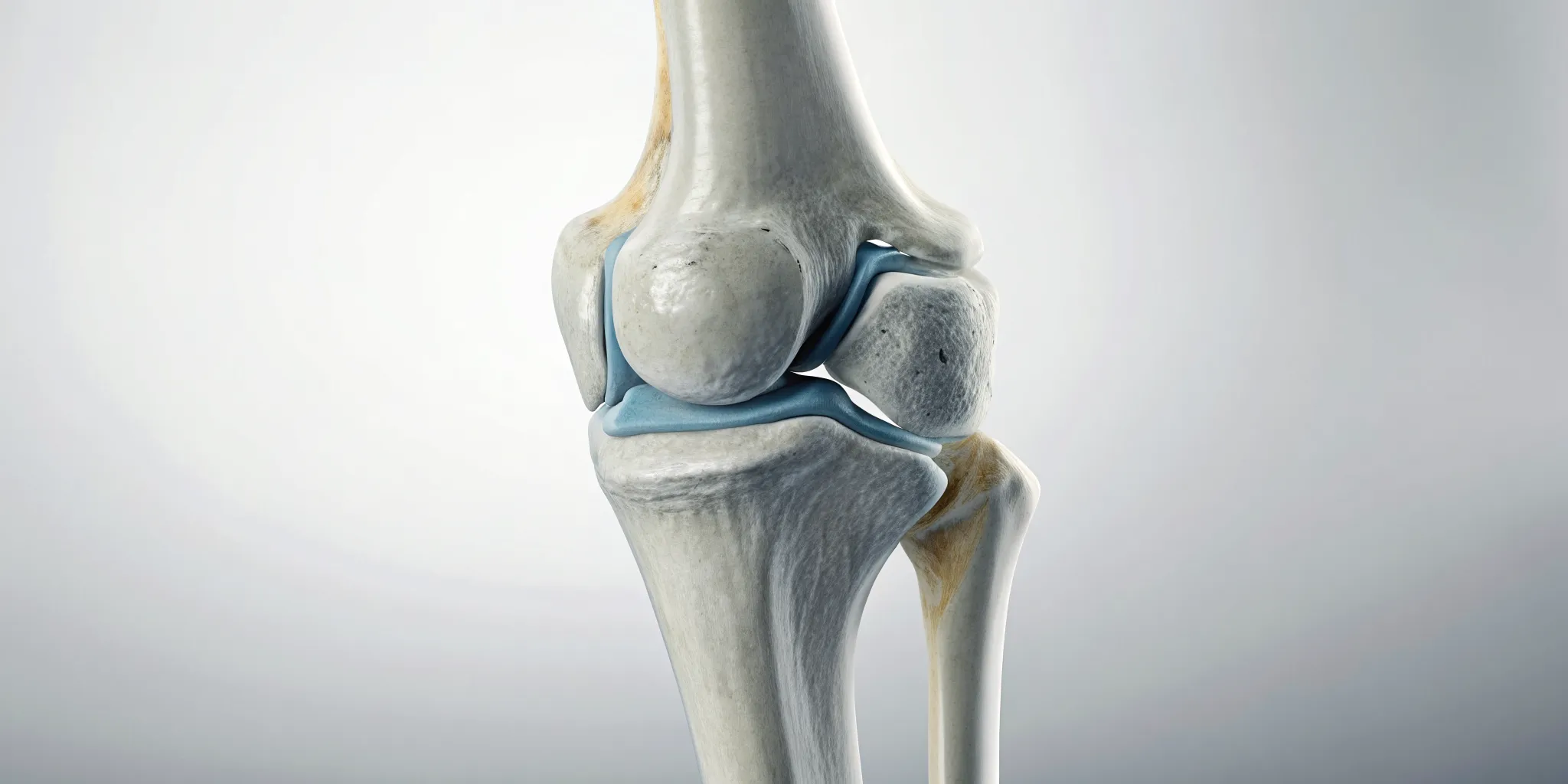
It’s important to understand that regenerative medicine isn't about magically regrowing a brand-new knee. Instead, the science shows these treatments work by creating a pro-healing environment. When PRP or stem cells are injected into the joint, they release powerful growth factors and signaling proteins. These signals help to significantly reduce inflammation, which is a major source of arthritis pain. They also act like a call to action, recruiting your body's own repair cells to the area to clean up damage and begin the rebuilding process. This helps your body heal itself more effectively.
What Regenerative Treatments Are Available?
When it comes to regenerative medicine, there isn't a one-size-fits-all solution. Instead, several innovative treatments use your body's own healing mechanisms in slightly different ways. The right approach depends on your specific condition and health goals. Understanding these options is the first step toward finding lasting relief. Let's look at some of the most common and effective regenerative treatments for knee arthritis so you can have an informed conversation with your provider.
Platelet-Rich Plasma (PRP) Therapy
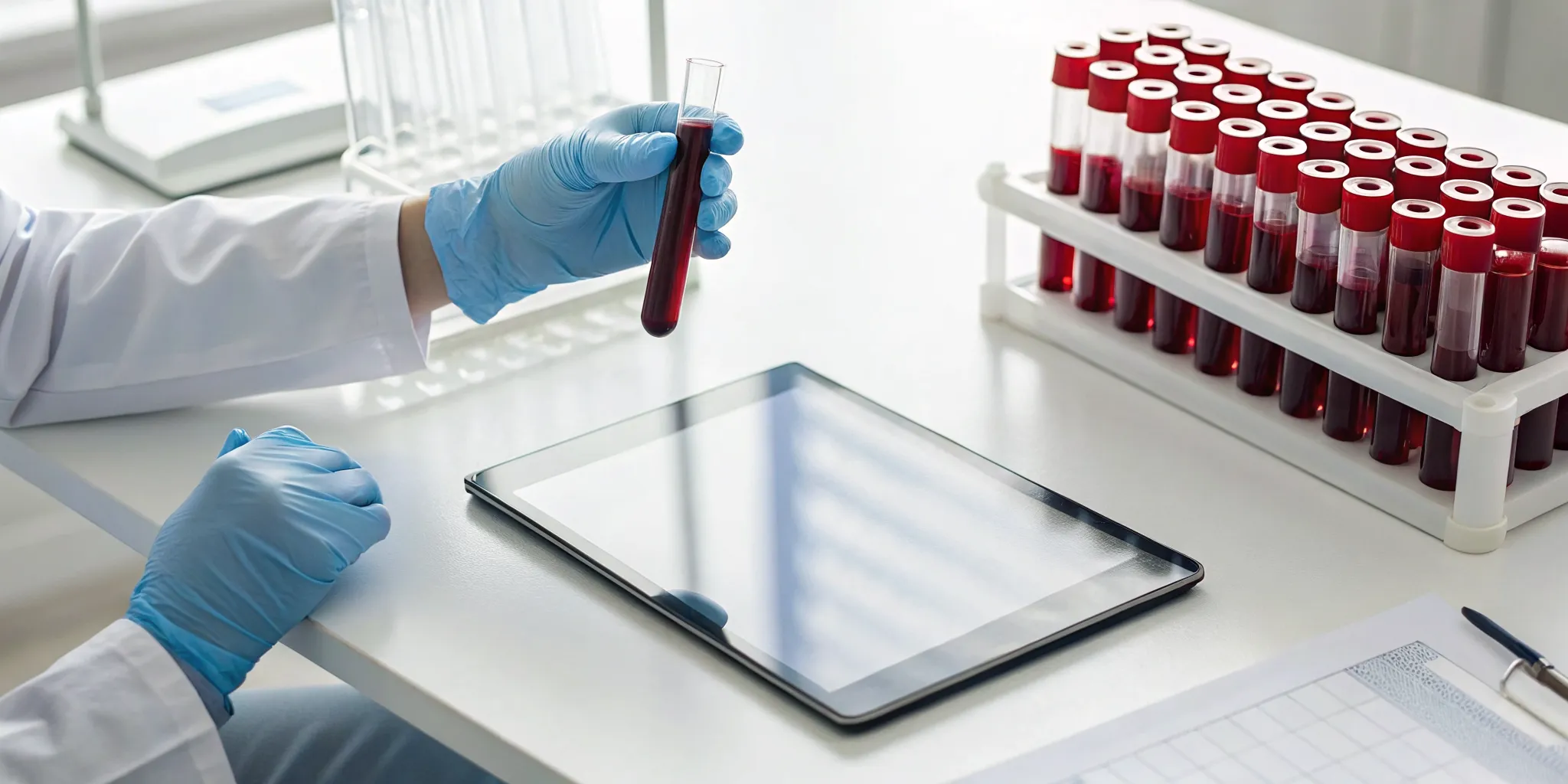
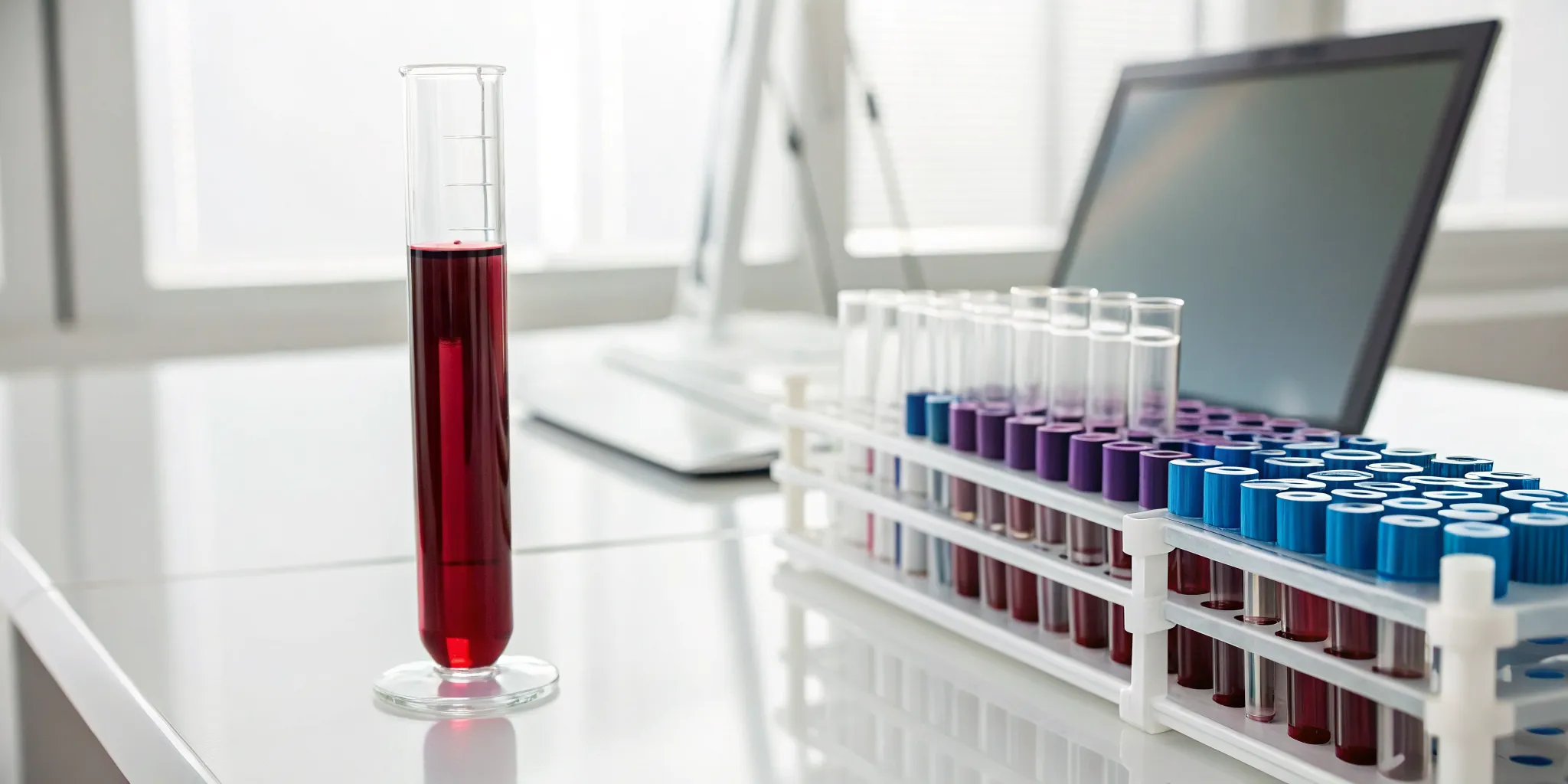
Platelet-Rich Plasma (PRP) therapy uses the healing power already inside your own blood. The process involves drawing a small amount of your blood and spinning it to concentrate the platelets. These platelets are packed with growth factors, which are proteins that signal your body to repair damaged tissue. This concentrated plasma is then injected directly into your knee joint as part of our Regenerative Medicine services. According to the Arthritis Foundation, this can reduce inflammation and manage pain for six months or more, offering a natural way to find relief and improve function without invasive surgery.
Stem Cell Therapy
Stem cells are your body's master cells. They have the remarkable ability to develop into many different cell types, from muscle cells to cartilage cells. This makes them a powerful tool for healing, aligning with our Functional Medicine approach. In stem cell therapy for knee arthritis, these cells are introduced into the joint to help repair or replace damaged tissue. The Arthritis Foundation highlights their potential, noting that research shows stem cells could even regrow cartilage. By addressing the root cause of the pain, which is often worn-down cartilage, this treatment aims to provide long-term structural improvement and not just temporary symptom relief.
Bone Marrow Aspirate Concentrate (BMAC)
Bone Marrow Aspirate Concentrate (BMAC) is another treatment that uses your body's own stem cells, but they are sourced from your bone marrow. The procedure involves collecting a small sample of bone marrow, usually from the back of the hip, which is a rich source of regenerative cells. This sample is then concentrated to isolate the stem cells and growth factors. According to the Mayo Clinic, this concentrate is then precisely injected into the knee joint to promote tissue repair. It’s a comprehensive approach for many of the conditions we treat, providing a powerful mix of healing components directly where they are needed most.
Micro-fragmented Adipose Tissue (MFAT)
It might be surprising, but your body's fat tissue is an excellent source of regenerative cells. Micro-fragmented Adipose Tissue (MFAT) therapy is a type of Regenerative Medicine that takes advantage of this. The process involves collecting a small amount of adipose (fat) tissue, often from the abdomen, and gently processing it to isolate the stem cells and other healing components. This micro-fragmented tissue is then injected into the knee. The Arthritis Foundation explains that this creates a supportive environment for cartilage repair and regeneration. The fat tissue itself provides cushioning, while the cells within it go to work on healing the joint from the inside out.
What Are the Benefits and Risks?
When you’re considering a new treatment, it’s smart to weigh the good with the not-so-good. Regenerative medicine is an exciting field, but it’s important to have a clear picture of what it can realistically offer. Let’s walk through the potential advantages, safety considerations, costs, and common misconceptions so you can feel confident in your decision-making process. Understanding both sides of the coin is the first step toward finding the right path for your knee health.
The Potential Upsides
One of the biggest draws of regenerative medicine is its goal to work with your body’s natural healing abilities. Treatments like PRP and stem cell therapy use your own cells to help reduce pain and inflammation in the knee joint. Some studies show these therapies can improve joint function and may even help repair damaged cartilage. For many people dealing with chronic knee pain, this presents a powerful non-surgical alternative to joint replacement. It’s not just about temporary relief; these treatments may also help slow the progression of osteoarthritis, offering a more lasting solution than temporary fixes like cortisone injections.
Understanding Safety and Side Effects
Because most regenerative medicine therapies are autologous, meaning they are derived from your own blood or tissue, they are generally considered very safe. This process minimizes the risk of allergic reactions or rejection that can happen with foreign substances. The most common side effects are temporary, like localized pain, swelling, or stiffness at the injection site. It is important to know, however, that the quality and preparation of treatments like PRP can vary between providers. This variation can sometimes lead to different outcomes, which is why choosing an experienced and qualified clinic is so crucial for achieving the best possible results.
Breaking Down Costs and Insurance
Let's talk about the financial side of things, because it’s a major factor for most people. Currently, many regenerative medicine treatments for knee arthritis are not covered by insurance plans. This means you should be prepared for out-of-pocket costs. The price can vary depending on the specific therapy and the number of injections you need, but it’s common for a single injection to cost around $1,000 or more. We believe in transparency, which is why we offer clear information on our financing options to help make these transformative treatments more accessible for our patients in the Tampa community.
Common Myths, Debunked
It’s easy to get swept up in the hype, so let’s clear up a few common myths. First, regenerative medicine is not a magic cure that can completely reverse severe, "bone-on-bone" arthritis. Instead, its primary goals are to manage pain, improve function, and slow the disease's progression. Second, while many people experience significant improvement, results aren't guaranteed for everyone. Some research indicates that in certain cases, these therapies may not offer significantly better pain relief than traditional treatments. Setting realistic expectations is key to a positive experience and a successful outcome.
Is Regenerative Medicine Right for You?
Figuring out if regenerative medicine is the right move for your knee pain isn't a simple yes or no. It’s a highly personal decision that depends on your specific health profile, the condition of your knee, and your long-term goals. These treatments harness your body's own healing abilities, but their effectiveness is closely tied to your individual circumstances. The best way to get clarity is by having an open conversation with a healthcare provider who specializes in this field. They can help you weigh the pros and cons based on your unique situation. At Ascend Functional Health, we start with a comprehensive evaluation to see if our regenerative medicine services are a good fit for you. Let’s walk through some of the key factors we consider.
What Makes an Ideal Candidate
The ideal candidate for regenerative medicine is often someone who has persistent knee pain that hasn't responded well to more conservative treatments like physical therapy or injections, but who isn't quite ready for a full knee replacement. Your overall health plays a big role, too. Since these therapies rely on your body's natural healing processes, being in good health otherwise can lead to better outcomes. As the Pain & Wellness Institute notes, "Regenerative medicine requires a personalized approach to determine if you are a candidate, based on the severity of your arthritis and overall health." A thorough assessment with a specialist is the first step to understanding if you fit the profile for successful treatment.
The Importance of Timing and Severity
When it comes to knee arthritis, timing can make a significant difference. Regenerative treatments are most effective when there is still some cartilage left in the joint to work with. The goal is to repair and regenerate damaged tissue, which is much more challenging once the cartilage has completely worn away. In fact, as Palmdale Regional Medical Center points out, it "is not for people who have 'bone on bone' arthritis, which means the cartilage is completely gone." This is why seeking a consultation sooner rather than later can be beneficial. Addressing the issue in the mild to moderate stages may give you more options and a better chance at a successful outcome.
Health Conditions That Can Affect Outcomes
Your overall health profile is a critical piece of the puzzle. Certain underlying health issues can affect how well your body responds to regenerative therapies. For example, active infections, uncontrolled diabetes, or certain autoimmune disorders might make these treatments less suitable for you. Lifestyle factors, such as smoking or poor nutrition, can also slow down your body's natural healing capacity. Our approach with functional medicine is to look at the whole picture of your health to identify and address any factors that could stand in the way of your recovery. A detailed health history and evaluation will help determine if you're ready to move forward.
How Effective Is This Treatment for Knee Arthritis?
When you’re dealing with chronic knee pain, the big question is always: will this actually work for me? The honest answer is that the effectiveness of regenerative medicine can vary from person to person. However, the field is incredibly promising, and many people experience significant relief. The goal of these treatments is to work with your body’s natural healing processes to reduce inflammation, manage pain, and improve your knee function over the long term.
Current research is exciting and continues to grow, showing positive outcomes for many patients with knee arthritis. Unlike temporary fixes that just mask the pain, regenerative medicine aims to address the underlying issues in the joint. The key is understanding what the science says, what you can realistically expect, and what factors play a role in your success. This isn't about finding a miracle cure, but about finding a sustainable path toward better movement and less pain, so you can get back to living your life.
What the Current Research Shows
So, what does the science say? Many studies indicate that regenerative therapies are effective for relieving the symptoms of knee arthritis and improving overall joint function. For example, clinical trials on Platelet-Rich Plasma (PRP) have shown significant clinical improvement in patients, helping them move more freely with less pain.
Of course, it’s important to be balanced. The research is still evolving, and results can be mixed depending on the specific therapy and the patient. Some studies have found that certain treatments may not offer better pain relief than traditional methods in every single case. This is why a personalized approach is so important. A qualified provider can help you understand which treatment has the strongest evidence for your specific situation.
Setting Realistic Expectations for Your Results
It’s helpful to think of regenerative medicine as a tool for managing your condition, not necessarily reversing it completely. The primary goal is to manage pain and slow the progression of arthritis, especially for those with advanced, "bone-on-bone" cases. While it can’t turn back the clock entirely, it can make a huge difference in your daily comfort and mobility.
Think of it this way: while a cortisone shot might offer quick but temporary relief, treatments like PRP can offer a more durable, long-term solution by helping your body heal from within. Many of our patients find that this approach gives them lasting relief and a better quality of life. You can see some of their stories and results to get a better idea of what’s possible.
Factors That Influence Success
Your outcome with regenerative medicine depends on a few key factors. It’s not a one-size-fits-all solution, which is why a personalized treatment plan is essential. The severity of your arthritis is a major consideration; someone with mild to moderate arthritis may have a different outcome than someone with a more advanced condition. Your overall health also plays a big role, as your body’s ability to heal is a critical part of the process.
The quality of the treatment itself matters, too. For instance, the way PRP is prepared can influence its effectiveness, which is why it’s so important to choose an experienced provider. Our team at Ascend Functional Health always starts with a thorough evaluation to determine if you are a good candidate and to create a plan tailored specifically to you.
How to Choose the Right Provider
Finding the right healthcare provider is one of the most important steps in your healing journey. You’re not just looking for someone with technical skills; you’re looking for a partner who will listen to you, understand your goals, and guide you with expertise and honesty. The quality of your provider directly influences your experience and your results. A great practitioner will take the time to understand your specific case of knee arthritis, explain your options clearly, and create a personalized plan that feels right for you. They should be your biggest advocate, helping you make informed decisions every step of the way.
Key Qualifications to Look For
When you're researching providers, start with the basics. Look for a licensed medical professional with advanced training and board certification in their specialty. Specifically, you want someone with extensive experience in regenerative medicine for orthopedic conditions. Don’t hesitate to ask about their specific training and how many knee arthritis procedures they’ve performed. A qualified provider will have a deep understanding of different patient needs and will be able to tailor treatment accordingly. You can often find this information on their website, which should clearly list the credentials of their medical team. A practice that is transparent about its qualifications is a great first sign.
Questions to Ask During Your Consultation
Your initial consultation is your chance to interview a potential provider. Come prepared with a list of questions to make sure they’re the right fit. A good provider will welcome your questions and answer them in a way that is easy to understand.
Here are a few essential questions to ask:
- What are all of my treatment options, both regenerative and traditional?
- Based on my specific condition, what kind of results can I realistically expect?
- What does the current research say about the effectiveness of this treatment for someone like me?
- Can you walk me through the entire procedure, from preparation to recovery?
- What are the potential risks or side effects?
- Who can I speak with who has had a similar procedure done here?
Pay attention to how they communicate. You should feel comfortable, heard, and confident in their expertise. Reading patient testimonials can also give you a sense of their communication style and patient care.
What to Expect from Treatment and Aftercare
A trustworthy provider will give you a clear and realistic picture of what to expect. Be wary of anyone who guarantees a specific outcome or dismisses your concerns. Some studies show that certain regenerative therapies may not be significantly more effective than a steroid shot for some conditions, so it's crucial to have an honest conversation about the evidence. Your provider should discuss the full range of possible results and create a comprehensive plan for your regenerative medicine treatment. This includes detailed aftercare instructions, which are vital for supporting your body’s natural healing process. A solid follow-up plan shows that your provider is invested in your long-term success, not just the procedure itself.
Related Articles
- Regenerative Medicine | Alessi Functional Health Tampa, FL
- Stem Cells | Alessi Functional Health
- SoftWave Tissue Regeneration Therapy in Tampa | Alessi Functional Health
- Physical Medicine | Alessi Functional Health Tampa, FL
- Pain Free Future | Alessi Functional Health
Frequently Asked Questions
How long will it take before I feel a difference in my knee? Patience is key with regenerative medicine because it works with your body's natural healing timeline. Unlike a steroid injection that provides quick, temporary relief, these treatments need time to reduce inflammation and support tissue repair. Most people start to notice a gradual improvement in pain and function within four to six weeks, with continued progress over the following months.
Are the injections painful? It's normal to be concerned about discomfort. We use a local anesthetic to numb the area before the injection, so the procedure itself is typically well-tolerated. You might feel some pressure or a dull ache. Afterward, it's common to experience some soreness and swelling at the injection site for a few days as your body's healing response kicks in, but this is a normal part of the process.
How is this different from getting a cortisone shot? Think of it as fixing the problem versus just quieting the alarm. A cortisone shot is a powerful anti-inflammatory that can provide fast pain relief, but it doesn't address the underlying joint damage and its effects are temporary. Regenerative medicine, on the other hand, uses your body's own growth factors and cells to create a healing environment, reduce inflammation naturally, and support the long-term health of your joint.
What does the recovery process involve? Recovery is generally straightforward and doesn't require significant downtime. We typically recommend taking it easy for the first few days after the procedure to let the healing process begin. This usually means avoiding strenuous activities and high-impact exercise. Your provider will give you specific aftercare instructions, which often include a plan to gradually reintroduce activity and may involve physical therapy to help you get the best possible results.
Since insurance doesn't usually cover this, are there ways to make it more affordable? We understand that the cost is an important consideration, especially since these treatments are often paid for out-of-pocket. That's why we are committed to making our services accessible. We offer several financing options that can help you fit the cost of your treatment into your budget. We are happy to walk you through these plans so you can make a decision that feels right for you financially.