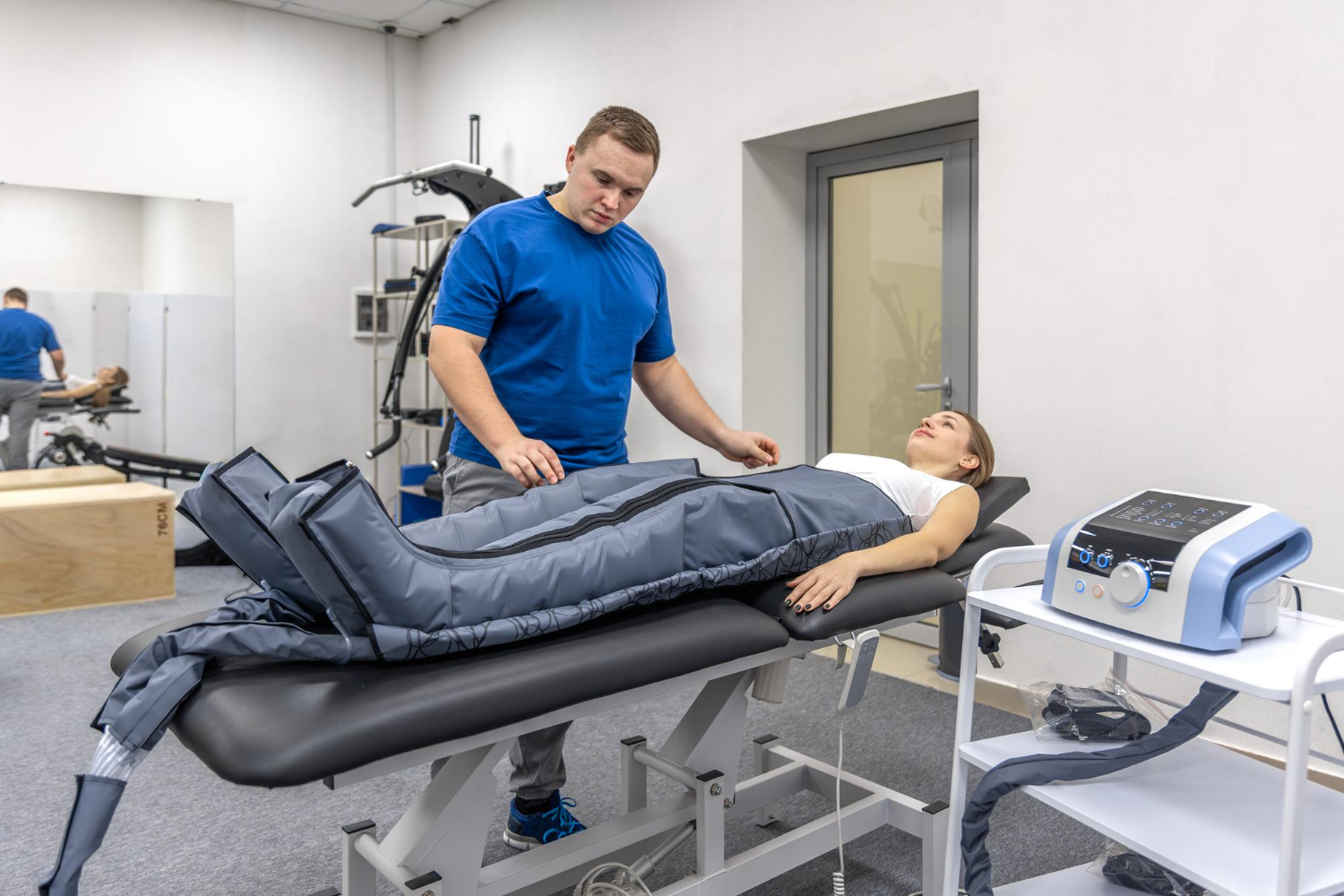
It often starts subtly, a little morning stiffness or a dull ache after a long walk. It’s easy to brush these signs off as a normal part of life, but they are your body’s early warning system. When it comes to cartilage health, being proactive is your greatest advantage. Waiting until the pain is constant and debilitating makes the path to recovery much harder. The best medicine for cartilage repair is a strategy you start sooner rather than later. This guide will help you recognize the early signs of cartilage damage and explore the most effective supplements and treatments you can use to protect your joints for years to come.
Key Takeaways
- Protect your cartilage with smart lifestyle choices: Your daily habits are a powerful tool for joint health. Maintaining a healthy weight and choosing low-impact exercises, like swimming or walking, can significantly reduce stress on your joints and slow down cartilage wear.
- Combine treatments for a powerful effect: The best results often come from a layered approach. Pairing foundational supplements, such as collagen and glucosamine, with medical treatments and healthy habits creates a comprehensive plan that supports your body's healing process.
- Work with a provider for a personalized plan: A one-size-fits-all approach doesn't work for joint health. Consulting a healthcare professional is key to creating a safe and effective strategy, ensuring you get the right dosages, choose quality products, and avoid harmful drug interactions.
What Is Cartilage and Why Is It So Important for Joint Health?
If you’re dealing with stiff, achy joints, you’ve probably heard the word “cartilage” thrown around. But what is it, really? Understanding this vital tissue is the first step toward finding real relief and getting back to the activities you love. Cartilage is the unsung hero of your skeletal system, working behind the scenes to keep you moving smoothly and comfortably.
When your joints feel great, you don’t even think about it. But when cartilage starts to break down, its absence becomes impossible to ignore. Pain, swelling, and a grinding sensation can make simple movements feel like a chore. Getting to the root of joint pain means starting with the basics, and it all begins with this essential connective tissue. Let’s explore what cartilage does, the different forms it takes, and what happens when it becomes damaged.
The role of cartilage in your body
Think of cartilage as the natural cushion between your bones. This firm, flexible tissue covers the ends of bones within a joint, creating a smooth, low-friction surface that allows them to glide over each other effortlessly. Without this protective layer, your bones would grind together, causing significant pain and damage.
Cartilage also acts as a shock absorber, distributing weight and stress across the joint during activities like walking, running, or lifting. It’s what lets you bend your knees, flex your elbows, and move freely without discomfort. This amazing connective tissue is crucial for maintaining mobility and an active lifestyle. When it’s healthy, your joints are happy, stable, and ready for action.
Different types of cartilage
Your body actually has a few different kinds of cartilage, each designed for a specific job. The most common type, and the one we’re most concerned with for joint health, is hyaline cartilage. This is the smooth, glassy tissue that lines your joints, like in your knees and shoulders. It provides that essential cushioning and allows for fluid movement.
Then there’s elastic cartilage, which is more flexible and found in places like your ears and nose. It gives them their shape while allowing them to bend. The third type is fibrocartilage, the toughest of the bunch. It acts as a shock absorber in high-impact areas, such as the discs between your vertebrae and the meniscus in your knee. While all are important, it's the hyaline cartilage that takes center stage when we talk about joint pain.
How damaged cartilage impacts your movement
When cartilage gets worn down or injured, it can’t protect your bones the way it’s supposed to. This damage can happen gradually from everyday wear and tear or suddenly from an injury. As the cartilage thins, the smooth gliding motion is lost, and bones may start to rub against each other. This friction is what leads to the classic symptoms of joint problems: pain, inflammation, stiffness, and a reduced range of motion.
Suddenly, activities you once enjoyed, like gardening or playing with your kids, can become difficult. This loss of mobility can significantly affect your quality of life. Addressing the root cause of your joint pain is key to preventing further damage and reclaiming your ability to move comfortably and confidently through your day.
What Causes Cartilage to Break Down?
Think of your cartilage as the unsung hero of your joints, providing that smooth, gliding motion you often take for granted. When it starts to break down, movement can become painful and stiff. This breakdown isn't usually caused by one single event. Instead, it’s often the result of several factors working together over time. Understanding these root causes is the first step toward finding the right path to relief and recovery.
Everyday wear and tear
Just like the soles of your favorite walking shoes, your cartilage can wear down from repeated use. Every step, bend, and twist puts pressure on your joints. Over many years, this cumulative stress can cause the cartilage to thin out and lose its cushioning effect. This process is a natural part of aging for many people, but it can be accelerated by high-impact activities or jobs that require repetitive motion. Our approach to Physical Medicine can help you build strength and improve mechanics to better support your joints through life’s daily demands.
Injuries and trauma
A sudden injury from a fall, a car accident, or a sports-related incident can cause immediate and significant damage to your cartilage. These traumatic events can create tears or cracks in the cartilage surface. Unfortunately, cartilage has a very limited blood supply, which makes it notoriously difficult to heal on its own. An old injury that never fully healed can lead to persistent joint problems and increase your risk of developing arthritis later on. Addressing these issues early is key, as we see with many of the conditions we treat in our clinic.
Inflammatory conditions like osteoarthritis
Chronic inflammation is a major driver of cartilage destruction. In conditions like osteoarthritis, the body’s inflammatory response can get stuck in overdrive, slowly eroding the protective cartilage in your joints. As the cartilage wears away, the bones can start to rub against each other, causing pain, swelling, and stiffness. This isn't just a simple case of wear and tear; it's a complex biological process. Getting to the bottom of what’s causing that inflammation is a core principle of Functional Medicine, as it allows us to address the problem at its source.
How lifestyle choices affect cartilage
Your daily habits have a bigger impact on your joint health than you might think. Carrying extra body weight, for example, places significantly more stress on your weight-bearing joints like the knees and hips, speeding up cartilage wear. A diet lacking in essential nutrients can also rob your body of the building blocks it needs to maintain and repair cartilage tissue. On the flip side, a nutrient-dense diet and a healthy weight can provide powerful protection for your joints. You can find more tips on our blog for building a lifestyle that supports long-term joint health.
The Best Supplements for Cartilage Repair
When you’re dealing with joint pain, the idea of rebuilding your cartilage can feel like a distant dream. While there’s no magic pill, certain supplements have shown real promise in supporting cartilage health, reducing inflammation, and easing discomfort. Think of them as your body's support crew, providing the essential building blocks it needs to repair and maintain healthy joints. But it's important to remember that supplements work best as part of a comprehensive strategy. Simply grabbing a bottle off the shelf isn't a complete solution.
A truly effective plan is holistic, combining the right nutrients with targeted physical therapies, lifestyle adjustments, and personalized care. This is where our approach to functional medicine comes in. We focus on finding the unique combination that works for your body, addressing the root cause of your joint issues instead of just masking the symptoms. This might mean looking at your diet, stress levels, and movement patterns in addition to recommending specific supplements. By understanding the full picture of your health, we can create a plan that gives your body the best possible chance to heal. Let’s look at some of the most effective supplements that can be part of that plan and help you get back to moving with ease.
Glucosamine and chondroitin
If you’ve ever looked into joint health, you’ve likely heard of this power duo. Glucosamine and chondroitin are natural components of cartilage. Glucosamine helps form and repair cartilage, while chondroitin gives it elasticity and helps it retain water. Together, they can help reduce joint pain and stiffness, particularly for those with osteoarthritis. Studies suggest that a specific form, Glucosamine Sulfate (GS), is especially beneficial because it helps deliver sulfur into the cartilage, a crucial element for its structure. Long-term use has been shown to not only improve symptoms but also help preserve cartilage over time. It’s a foundational supplement for anyone serious about long-term joint support.
Type II collagen
Collagen is the most abundant protein in your body, acting like the glue that holds everything together, including your cartilage. While there are many types of collagen, Type II is the specific kind that makes up your joint cartilage. Supplementing with it can provide your body with the raw materials needed for repair. Specifically, a form called Undenatured Type II Collagen (UC-II) has been shown to help reduce joint inflammation and improve mobility. Instead of just providing building blocks, UC-II works with your immune system to prevent it from attacking the collagen in your cartilage, a common issue in some types of joint pain. This makes it a smart choice for supporting overall joint function.
MSM (Methylsulfonylmethane)
MSM is a bit of a mouthful, but its role is simple: it’s a rich source of sulfur. Why does that matter? Sulfur is a critical mineral for maintaining the strength and integrity of your cartilage, tendons, and ligaments. Without enough sulfur, these connective tissues can become weak and prone to damage. Think of MSM as the ingredient that reinforces your joint structure. It’s particularly effective when paired with glucosamine, as the two work together to support cartilage health and reduce inflammation. If you’re already taking glucosamine, adding MSM could give you an extra edge in managing joint discomfort and supporting tissue repair.
Omega-3 fatty acids
You probably know omega-3s are good for your heart and brain, but they’re also fantastic for your joints. Found in sources like fish oil and algal oil, these healthy fats are powerful anti-inflammatories. Inflammation is a major driver of joint pain and cartilage breakdown, so keeping it in check is key. By reducing swelling and inflammation, omega-3s can lessen joint stiffness and pain. Some people even find that taking a consistent dose of fish oil allows them to reduce their reliance on NSAID pain relievers. A daily dose of 1,000 to 2,000 mg of EPA and DHA can make a noticeable difference in protecting your joints, especially if you lead an active lifestyle.
Natural eggshell membrane (NEM)
This might be a new one for you, but it’s gaining a lot of attention for good reason. Natural eggshell membrane (NEM) is the thin layer you find just inside an eggshell. It’s naturally packed with compounds your joints love, including collagen, hyaluronic acid, and other key components of connective tissue. What’s really exciting about NEM is how quickly it can work. Studies have shown that it can offer faster relief from pain, stiffness, and mobility issues compared to glucosamine sulfate alone. For those looking for quicker results, NEM is a compelling and effective option to add to your joint health toolkit.
Medical Treatments That Can Help Your Cartilage
When supplements and lifestyle changes aren't enough, medical treatments can offer more targeted relief for cartilage damage. These therapies often focus on reducing inflammation, lubricating the joint, and stimulating your body's natural healing processes. They can be a powerful part of a comprehensive plan to manage joint pain and improve function.
Working with a provider who understands the full picture of your health is key to finding the right approach. At Ascend Functional Health, we explore all avenues of healing, from physical medicine to regenerative therapies, to create a plan that addresses the root cause of your discomfort. Let's look at a few common medical options.
Hyaluronic acid injections
Think of hyaluronic acid (HA) as your body's natural joint lubricant. It's a substance that helps your joints move smoothly and absorb shock. When a joint is injured, HA levels can drop, leading to more pain and stiffness. HA injections replenish this substance, helping to protect existing cartilage, calm swelling, and even encourage the growth of new cartilage cells. This treatment is often used for smaller cartilage issues or to help athletes recover from injuries that cause bone bruises. It’s generally well-tolerated and can be a great option for reducing pain after knee surgery.
Platelet-rich plasma (PRP) therapy
Platelet-rich plasma (PRP) therapy is a regenerative treatment that uses your body's own healing abilities. The process involves drawing a small amount of your blood and spinning it in a centrifuge to concentrate the platelets, which are packed with powerful growth factors. This platelet-rich solution is then injected back into the injured joint. Research shows that PRP injections can significantly reduce pain and improve quality of life for people with knee cartilage damage. One study even found it to be more effective than hyaluronic acid injections six months after treatment.
Corticosteroid treatments
Corticosteroid injections are a common treatment for managing the inflammation and pain associated with cartilage damage. They work by delivering a strong anti-inflammatory medication directly into the joint, providing significant pain relief that can last for several weeks. While effective for short-term relief, it's important to use them carefully. According to the Mayo Clinic, receiving too many injections over time can potentially harm the joint. They are best used as a temporary measure to calm a painful flare-up while you work on a long-term healing strategy.
How Do These Treatments Actually Work?
It’s one thing to know what can help your cartilage, but it’s another to understand how. When you know the mechanics behind these supplements and treatments, you can make more confident choices about your health. Each approach targets a different part of the cartilage repair process, from providing raw materials for rebuilding to calming down inflammation. Let's look at how some of the most common options get the job done.
How glucosamine and chondroitin work
Your body naturally produces glucosamine to help build cartilage, the essential cushion in your joints. Chondroitin is another substance found in cartilage that helps it retain water and stay elastic. When you take them as supplements, the idea is to give your body more of these key building blocks. Together, they can help reduce joint pain and stiffness. While some research shows promising results, studies have been mixed. This is why it's so important to work with a healthcare provider who can help you figure out if this combination is the right fit for your specific needs and guide you on proper dosage.
The role of collagen in rebuilding
Collagen is the most abundant protein in your body and the main component of your connective tissues, including cartilage, tendons, and ligaments. Think of it as the scaffolding that holds everything together. When you take a hydrolyzed collagen supplement, you’re providing your body with the raw materials it needs to repair and maintain these tissues. These supplements deliver the specific amino acids required to support cartilage structure and integrity. For people with osteoarthritis or those who are very active, this can be a game-changer in managing joint pain and supporting overall joint health.
How medical treatments reduce inflammation
Inflammation is a major driver of joint pain and cartilage breakdown. Many treatments focus on reducing it to give your body a chance to heal. For example, omega-3 fatty acids are well-known for their anti-inflammatory properties. Medical interventions like Hyaluronic Acid (HA) injections work by lubricating the joint, which can reduce swelling and protect existing cartilage. Some studies even suggest HA can encourage new cartilage cells to grow. Other treatments, like Platelet-Rich Plasma (PRP) therapy, use your body's own growth factors to reduce inflammation and kickstart the natural repair process, offering a more targeted approach to healing.
What Does the Science Say About These Treatments?
When you're exploring options for joint pain, you want to know what actually works. It's helpful to look at the science behind these popular treatments for cartilage repair. Fortunately, many common supplements and medical therapies have been studied, giving us a clearer picture of what to expect. This evidence can help you and your provider at Ascend Functional Health build a plan that’s grounded in research and tailored to your body’s needs. Here’s a look at what the studies show.
Evidence for supplements
When it comes to supplements, glucosamine and chondroitin sulfate are two of the most researched options for joint health. Many studies have shown they can be quite effective, especially for people with moderate to severe knee pain. The typical recommendation is around 1,500 mg of glucosamine and 800-1,200 mg of chondroitin daily. These two are often taken together because they work as a team to support cartilage, reduce pain, and improve how your joints function. They aren't a quick fix, but consistent use can make a real difference in your daily comfort.
Research on medical treatments
Beyond supplements, certain medical treatments have also shown promising results. Hyaluronic acid (HA) injections, for example, can help protect existing cartilage, calm swelling, and even encourage new cartilage cell growth. Another option is Platelet-Rich Plasma (PRP) therapy. New frontiers for cartilage repair are being explored with PRP, which uses your body's own platelets to reduce pain and improve quality of life, particularly for athletes with knee cartilage damage. These treatments are more direct, targeting the joint itself to provide relief and support the healing process.
What to expect long-term
It’s important to go into any treatment with realistic expectations. While many people find significant relief, results can vary, and it often takes a few months to feel a noticeable change. Patience is key. Long-term studies on supplements like glucosamine and chondroitin suggest that consistent use can help preserve your cartilage over time, with some people seeing benefits for up to three years. The goal is not just immediate pain relief but also supporting the long-term health of your joints. Working with a provider helps you track progress and adjust your plan as needed.
How to Get the Most Out of Your Supplements
Choosing the right supplements is the first step, but how you take them makes all the difference. Simply having a bottle on your counter won’t do much for your joints. To truly benefit from supplements like glucosamine, chondroitin, and collagen, you need a smart and consistent approach. Think of it as creating the ideal environment for these ingredients to work their magic.
Creating a solid routine helps ensure your body gets a steady supply of the nutrients it needs to support and repair cartilage. It’s less about finding a single "perfect" way to take them and more about finding a sustainable method that fits your life. From timing your doses to understanding the long-term commitment, a little strategy goes a long way in helping you feel better and move more freely. Let’s walk through how you can create a supplement plan that delivers real results.
Finding the right dose and schedule
There isn’t a universal dosage that works for everyone. The right amount for you depends on your body, your activity level, and your specific health goals. For example, research suggests that athletes with more joint stress may need higher doses, sometimes up to 3,000 mg of glucosamine daily, to see benefits. While the product label is a good starting point, your ideal dose might be different.
This is why it’s so helpful to work with a provider who can tailor a plan to your unique needs. At Ascend, we create personalized protocols to make sure you’re taking the right amount at the right time. Splitting your dose, such as taking it in the morning and evening, can also help maintain more stable levels in your system throughout the day.
Taking supplements with or without food
A common question is whether to take joint supplements with a meal. For many people, taking supplements like glucosamine and chondroitin with food is a good idea. It can help prevent any potential stomach upset and may even improve how well your body absorbs the nutrients. These supplements work to build cartilage and keep it flexible, so you want to give them the best possible chance to get where they need to go.
That said, the most important thing is simply remembering to take them. If you forget during a meal, don't sweat it. It’s far better to take your supplement on an empty stomach than to skip a dose entirely. The key is consistency, so find a time that works for you and stick with it, whether that’s with your breakfast or right before bed.
The importance of a consistent routine
When it comes to cartilage repair, patience and consistency are your best friends. These supplements aren't a quick fix; they work gradually to support your body's natural healing processes. In fact, it can take several months of daily use before you start to notice significant relief from joint pain. If you give up after a few weeks, you might miss out on the benefits entirely.
To stay on track, try tying your supplement routine to an existing daily habit. You could keep the bottle next to your toothbrush or set a daily alarm on your phone. A pill organizer can also be a huge help, especially if you’re taking multiple supplements. The goal is to make it an automatic part of your day, just like brushing your teeth. A consistent routine is what builds momentum for long-term joint health.
How long should you take them?
Supporting your cartilage is a marathon, not a sprint. For chronic conditions like osteoarthritis, think of supplementation as a long-term strategy for managing symptoms and protecting your joints over time. Studies have shown that long-term use can be particularly effective. For instance, one study found that taking glucosamine for three years helped preserve cartilage structure.
Because this is an ongoing commitment, it’s important to check in with your healthcare provider periodically. They can help you assess your progress, adjust your plan as needed, and ensure your supplement strategy continues to align with your overall health goals. Working with a professional helps you stay on the right path and make informed decisions about your long-term wellness.
Are There Any Side Effects to Consider?
Starting any new health regimen, whether it involves supplements or medical treatments, means thinking about safety first. While many options for cartilage support are well-tolerated, it’s smart to be aware of potential side effects and know when to be extra cautious. This isn't about causing alarm; it's about empowering you to make the best, most informed decisions for your body. Working with a provider who understands your full health picture is the best way to create a plan that is both effective and safe for you.
Potential side effects of supplements
Most people handle supplements like glucosamine and chondroitin without any issues. They are generally considered safe and can be a great first step. However, it’s important to remember that the supplement industry isn't regulated by the FDA. This means the quality and purity of products can vary widely from one brand to another. What's on the label isn't always what's in the bottle. That’s why we always recommend choosing professional-grade, third-party tested supplements to ensure you’re getting a safe and effective product.
Risks associated with medical treatments
Medical treatments like corticosteroid or hyaluronic acid injections can offer significant relief, but they come with their own set of considerations. Research on their effectiveness can be mixed; some studies show they provide excellent pain relief and improve joint function, while others suggest they may not be more effective than a placebo. The outcome often depends on your individual situation, such as the severity of your joint pain and your overall health. A thorough evaluation of your condition can help determine if these treatments are the right fit for your specific needs.
When to avoid certain treatments
The most important rule is to always talk with your doctor before starting a new supplement or treatment. This is especially critical if you are taking other medications. For example, some supplements can interact with blood thinners, diabetes medications, or drugs that affect your immune system. It’s also good to set realistic expectations. Cartilage repair takes time, and you may not notice a difference for several months. A healthcare professional can help you weigh the pros and cons and create a safe, personalized plan. If you have questions, we're here to help you find the right path forward.
Can You Combine Treatments for Better Results?
When you’re dealing with joint pain and cartilage damage, it’s natural to look for a single solution that will fix the problem. But the most effective approach is rarely about finding one magic bullet. Instead, think of it as building a comprehensive support system for your joints. Combining different treatments often leads to better, more lasting results because each one addresses a different piece of the puzzle. A holistic strategy allows you to tackle the issue from multiple angles, creating a powerful synergy that supports your body’s natural healing processes.
For example, while a specific medical treatment might target inflammation, a supplement could provide the essential building blocks your body needs to repair tissue. At the same time, lifestyle changes can create an environment where healing is more likely to happen. This integrated approach is at the heart of functional medicine, where the goal is to understand and address the root causes of your health concerns. By layering treatments thoughtfully, you can create a personalized plan that not only manages symptoms but also promotes long-term joint health. Working with a provider who understands this approach is key to developing a protocol that’s right for you.
Pairing supplements effectively
Think of certain supplements as a team that works better together. One of the most well-known duos for joint health is glucosamine and chondroitin. Glucosamine helps provide the raw materials to build cartilage, while chondroitin helps cartilage retain water and stay elastic. Some research suggests that they are particularly effective when used in combination, especially for those with moderate to severe knee pain. By taking them together, you’re giving your body both structural support and improved flexibility. This same principle can apply to other pairings, like taking an anti-inflammatory supplement such as omega-3s alongside a structural one like collagen to both calm irritation and support tissue repair.
Using supplements alongside medical treatments
Supplements can play a valuable supportive role when you’re undergoing medical treatments for cartilage damage. For instance, if your doctor recommends Hyaluronic Acid (HA) injections to help lubricate your joints and reduce inflammation, continuing with your supplement routine can support the long-term health of your cartilage. While the injections provide immediate relief and protection, supplements like glucosamine and chondroitin can supply the building blocks for ongoing maintenance. It’s important to have realistic expectations; while many people find relief with supplements, some clinical studies show mixed results. The key is to view them as one part of a larger, comprehensive care plan, not as a standalone cure.
Lifestyle habits to support your treatment plan
No supplement or medical treatment can do its job effectively without the foundation of a healthy lifestyle. The daily choices you make have a huge impact on your joint health and the success of your treatment plan. Gentle, low-impact exercise like walking, swimming, or biking is crucial. It strengthens the muscles that support your joints, which takes pressure off the cartilage and improves stability. Your diet also plays a major role. Eating plenty of fruits and vegetables provides your body with antioxidants that help protect your joints from damage. These simple, consistent habits create an internal environment that reduces inflammation and supports your body’s ability to heal.
When Is the Right Time to Start Treatment?
Deciding when to address joint pain can feel tricky. It’s easy to dismiss a little stiffness or an occasional ache as a normal part of life. But when it comes to your cartilage, being proactive is one of the best things you can do for your long-term mobility and comfort. The ideal time to start treatment isn’t when the pain becomes unbearable; it’s when your body first starts sending you signals that something is off.
Ignoring these early warnings can allow minor issues to become more significant over time. The goal is to support your joints before damage becomes extensive, which gives treatments a much better chance of being effective. Understanding the early signs of cartilage wear, knowing your personal risk factors, and partnering with a healthcare provider are the key steps to getting ahead of joint problems. At Ascend, we help patients identify the root cause of their discomfort and create a plan to address it, covering a wide range of conditions we treat. By taking action sooner rather than later, you can protect your joints and maintain an active, healthy lifestyle for years to come.
Early signs of cartilage damage
Your body is great at letting you know when something needs attention. For cartilage damage, the initial signs are often subtle. You might notice a dull, aching pain in a joint during or after activity, or maybe some stiffness first thing in the morning that eases as you get moving. Swelling around a joint is another common indicator that the smooth cartilage is beginning to wear away.
These symptoms are easy to brush off, but they are important clues. Think of them as your body’s early notification system. Paying attention to these signs and noting when they occur can provide valuable information. Instead of waiting for the pain to interfere with your daily life, acknowledging these early symptoms is the first step toward taking control of your joint health.
Key risk factors to watch for
Certain factors can make you more susceptible to cartilage breakdown. Age is a common one, as cartilage can naturally wear down over time. Repetitive stress from a job or sport can also accelerate this process. If you’ve had a previous joint injury, that area may be more vulnerable to future cartilage damage.
Lifestyle also plays a huge role. Carrying extra body weight puts significant pressure on your knees, hips, and back, straining the cartilage in those joints. Additionally, a diet lacking in essential nutrients can deprive your body of the building blocks it needs for healthy tissue. Understanding these risk factors helps you see where you can make supportive changes. Our approach to functional medicine focuses on these foundational aspects of health to help your body heal from within.
How to work with your provider for the best outcome
While it’s great to be informed about your health, starting any new supplement or treatment plan should always begin with a conversation with your healthcare provider. This is especially important if you are taking other medications, like blood thinners or diabetes medication, as some supplements can cause interactions. A professional can help you get to the bottom of what’s causing your joint pain instead of just masking the symptoms.
Come to your appointment ready to discuss your symptoms, lifestyle, and any supplements you’re considering. Your provider can offer personalized guidance and ensure your treatment plan is both safe and effective for your specific needs. The best outcomes happen when you and your provider work together as a team. If you're ready to start that conversation, we're here to help you get in touch.
Related Articles
Frequently Asked Questions
Can my cartilage actually grow back? This is the big question, and the answer is complex. While the body has a very limited ability to regrow cartilage on its own, certain treatments and supplements can create an environment that supports repair and helps protect what you have left. The goal of most treatments is to reduce inflammation, manage pain, and improve joint function, which can make a huge difference in your quality of life. Think of it less as a complete rebuild and more as providing your body with the best possible tools to heal and maintain your joints for the long haul.
I've started taking supplements for my joints. How long until I feel a difference? Patience is key when it comes to joint supplements. They aren't like pain relievers that work within an hour; they work by gradually supporting your body's tissues over time. Most people need to take them consistently for at least two to three months before they start to notice a real improvement in pain and stiffness. Sticking with a daily routine is the most important factor for seeing results.
If my joints already hurt, should I avoid exercise? It might seem counterintuitive, but the right kind of movement is actually one of the best things for sore joints. High-impact activities can be stressful, but gentle, low-impact exercises like swimming, walking, or cycling are fantastic. This type of movement helps strengthen the muscles that support your joints, which takes pressure off the cartilage. It also improves blood flow, delivering important nutrients to the area.
With so many options, which supplement should I start with? If you're just starting out, a combination of glucosamine and chondroitin is a great foundational choice. These two compounds are natural components of cartilage and have the most research behind them for supporting joint structure and reducing discomfort. Another excellent option is a quality collagen supplement, which provides the essential protein building blocks for all of your connective tissues.
Why is it important to work with a provider instead of just buying supplements on my own? Navigating joint health can be confusing, and what works for one person might not work for you. A knowledgeable provider can help you get to the root cause of your pain instead of just guessing. They can recommend the right supplements and dosages for your specific needs, ensure they won't interact with other medications you're taking, and create a comprehensive plan that includes lifestyle and dietary support for the best possible outcome.