The idea that sound waves can help heal your body might seem futuristic, but the science is surprisingly straightforward. SoftWave Therapy uses a special type of acoustic wave to send a message deep into your injured tissues. This signal essentially wakes up your body’s internal repair crew, telling it to increase blood flow, reduce inflammation, and get to work regenerating healthy cells. It’s a way to support your body’s natural healing process from the inside out. If you’re looking for a solution that gets to the root of the problem, it’s important to understand What Is SoftWave Therapy and Who Is It For? This guide will explain how it works and help you see if it’s the right fit for your health goals.
Key Takeaways
- It prompts your body to heal itself: SoftWave therapy uses acoustic waves to activate your natural repair mechanisms, like stem cells and increased blood flow, to help regenerate damaged tissue at the source.
- It's a non-invasive path to relief: This treatment is a drug-free option for stubborn soft tissue injuries and chronic joint pain, letting you address the root cause of your discomfort and get right back to your day after each session.
- Consistency is key for lasting results: While sessions are quick, true tissue regeneration happens over time, so completing your recommended series of treatments is essential for achieving genuine, long-term healing.
What Is SoftWave Therapy?
If you're dealing with persistent pain or an injury that just won’t heal, you’ve probably explored a lot of options. SoftWave Therapy is a non-invasive treatment that helps your body repair itself from the inside out. It uses patented technology to send acoustic sound waves, sometimes called "shock waves," deep into your tissues. This process is also known as Extracorporeal Shockwave Therapy (ESWT), and it’s designed to help mend damaged muscles, tendons, ligaments, and joints without requiring injections or more intensive procedures.
Think of it as a way to jumpstart your body’s own healing crew. Instead of just masking symptoms, SoftWave gets to the source of the problem by stimulating a natural biological response. It’s a cornerstone of our physical medicine approach because it aligns perfectly with our goal: to help your body heal itself. This treatment can be a fantastic option for anyone looking for a solution that supports long-term recovery and wellness, rather than a temporary fix. By encouraging cellular repair and reducing inflammation, it helps you get back to feeling your best, naturally.
How Does It Work?
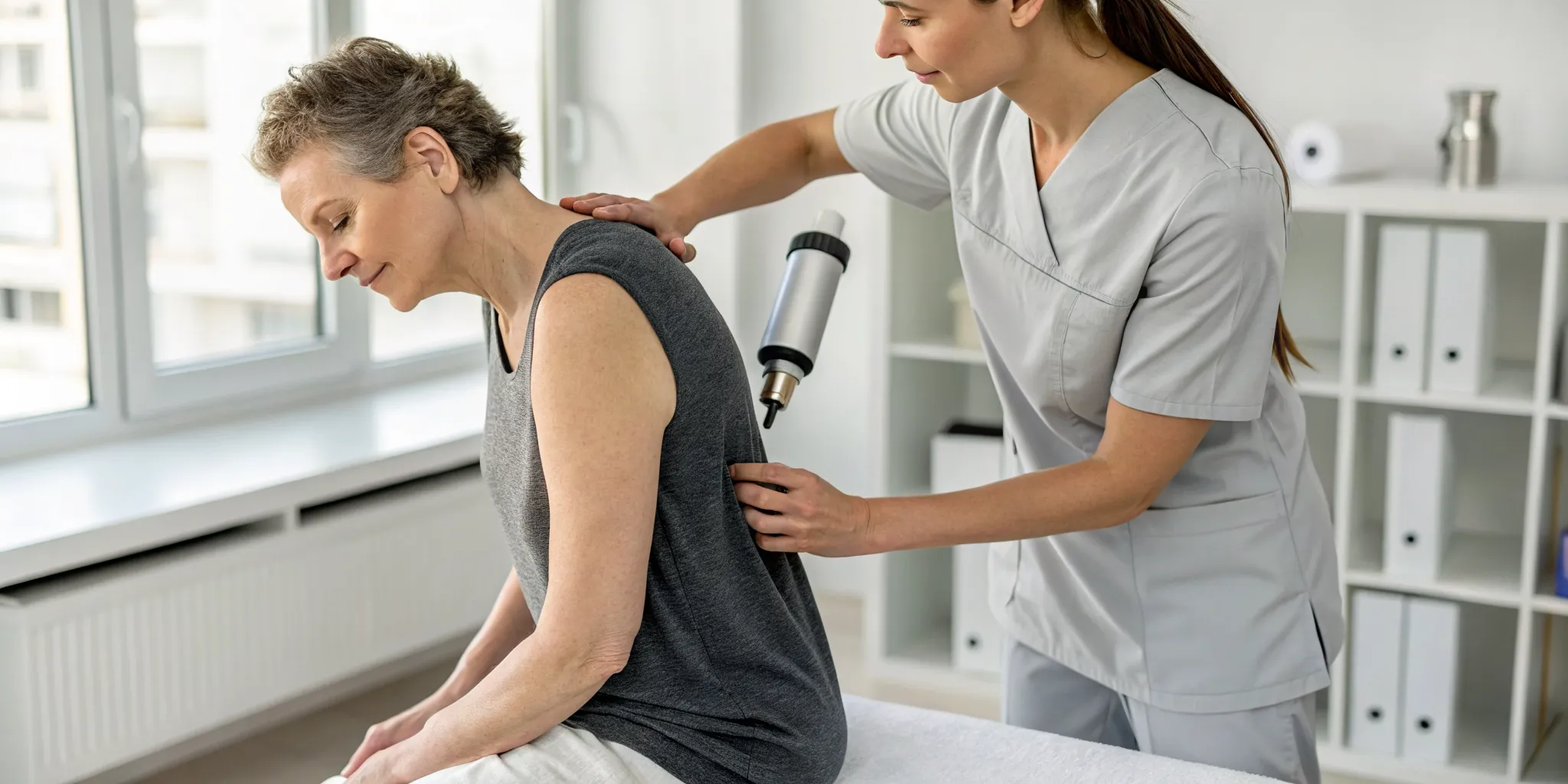
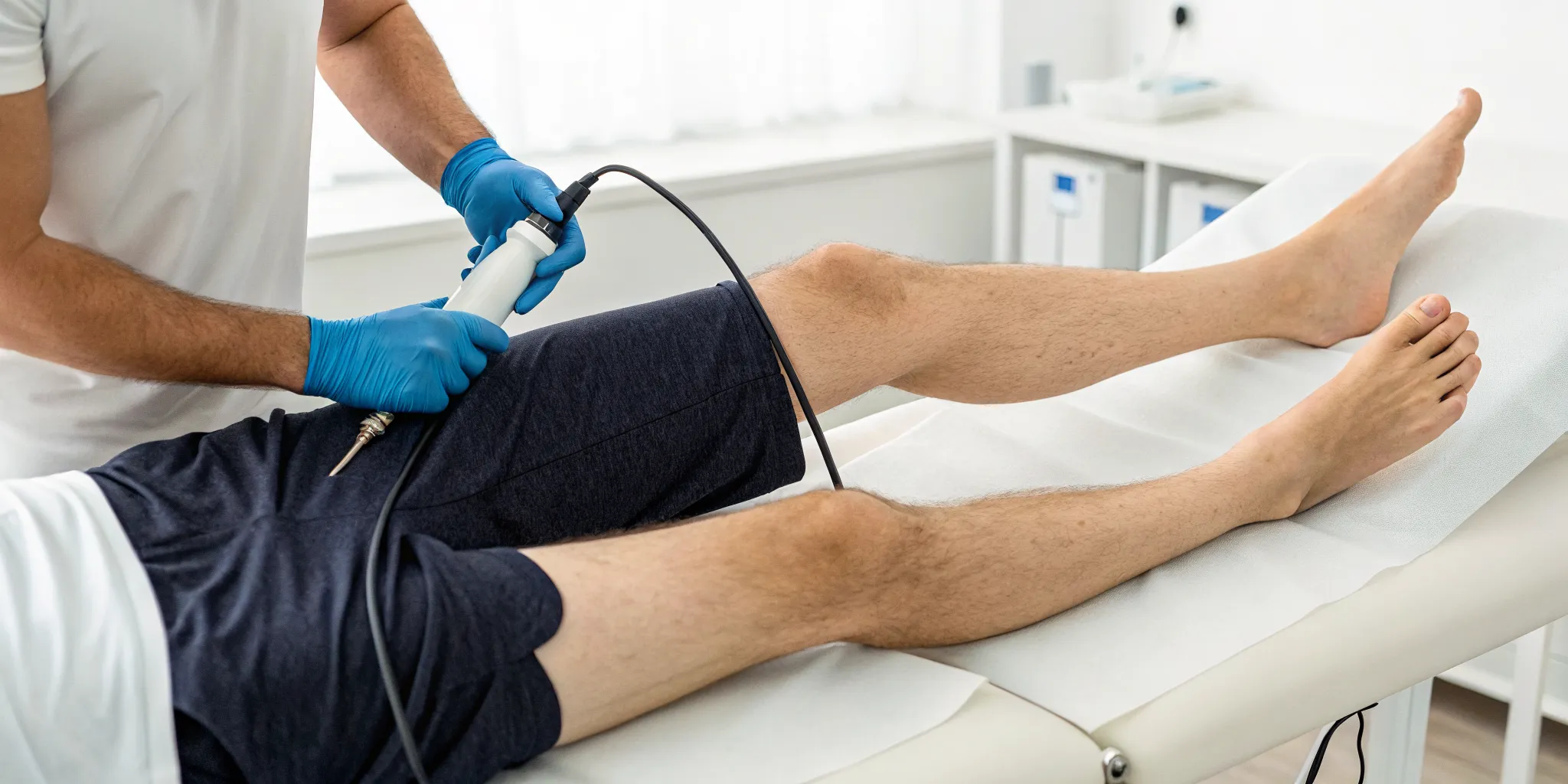
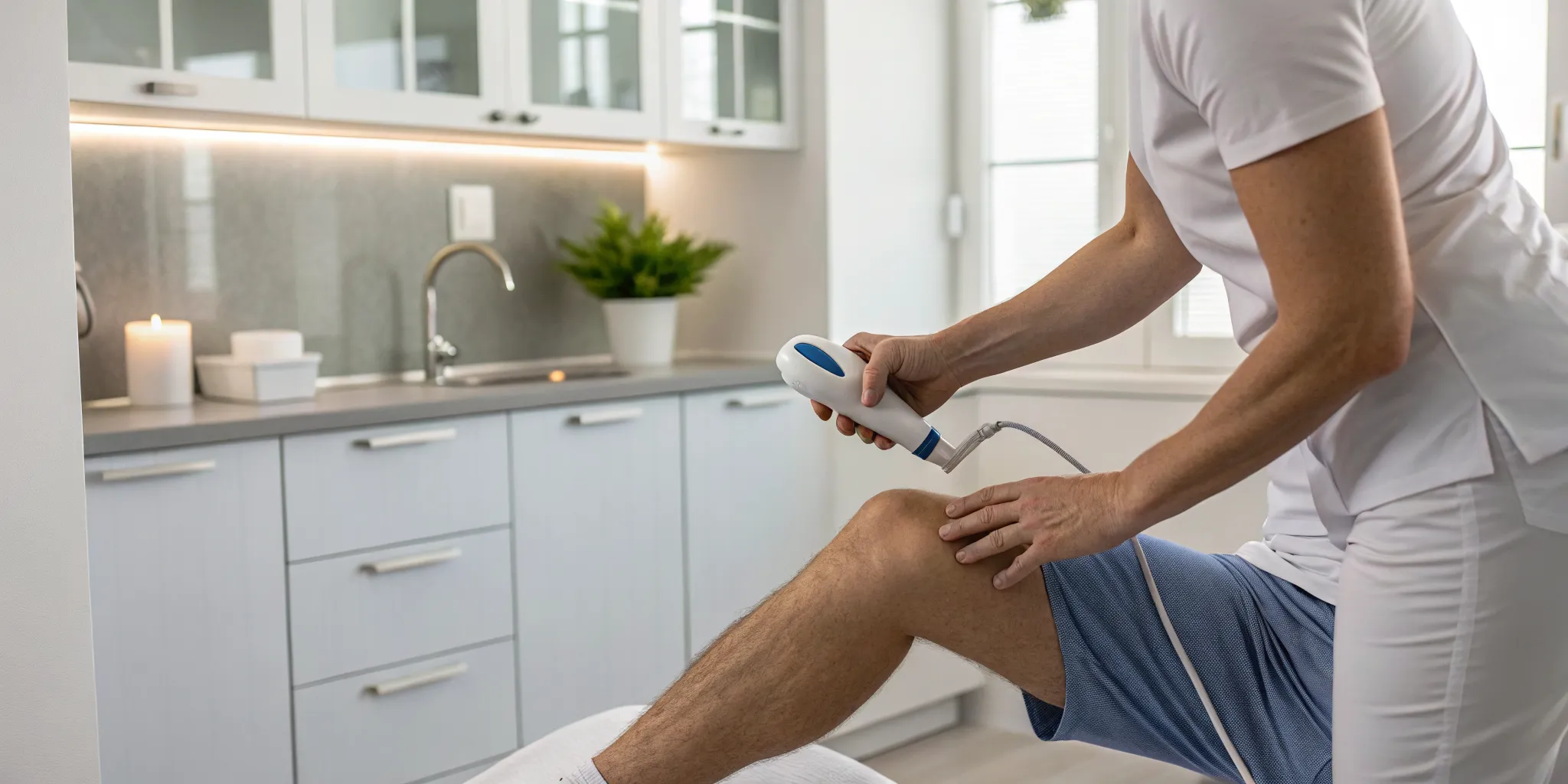
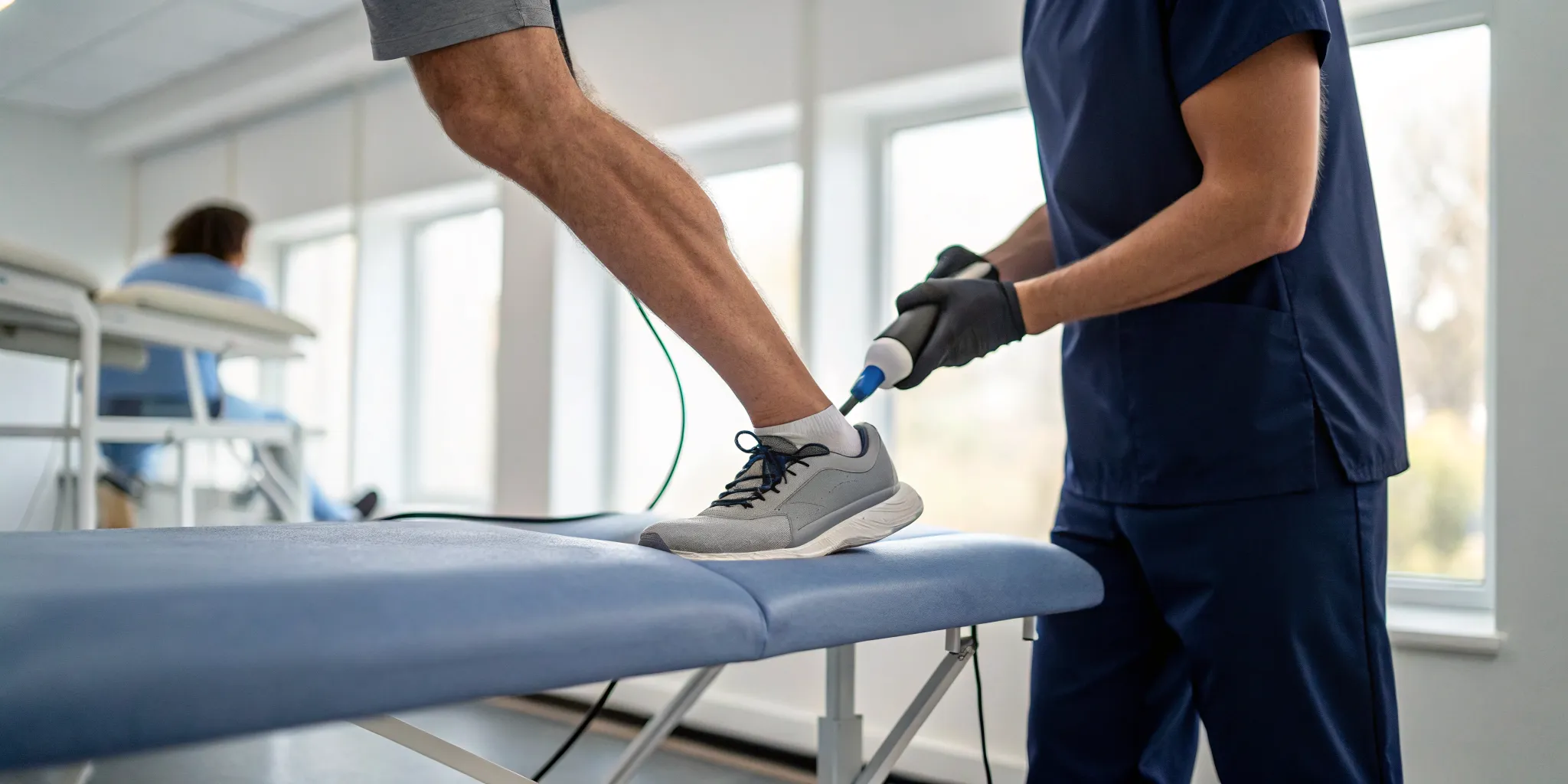
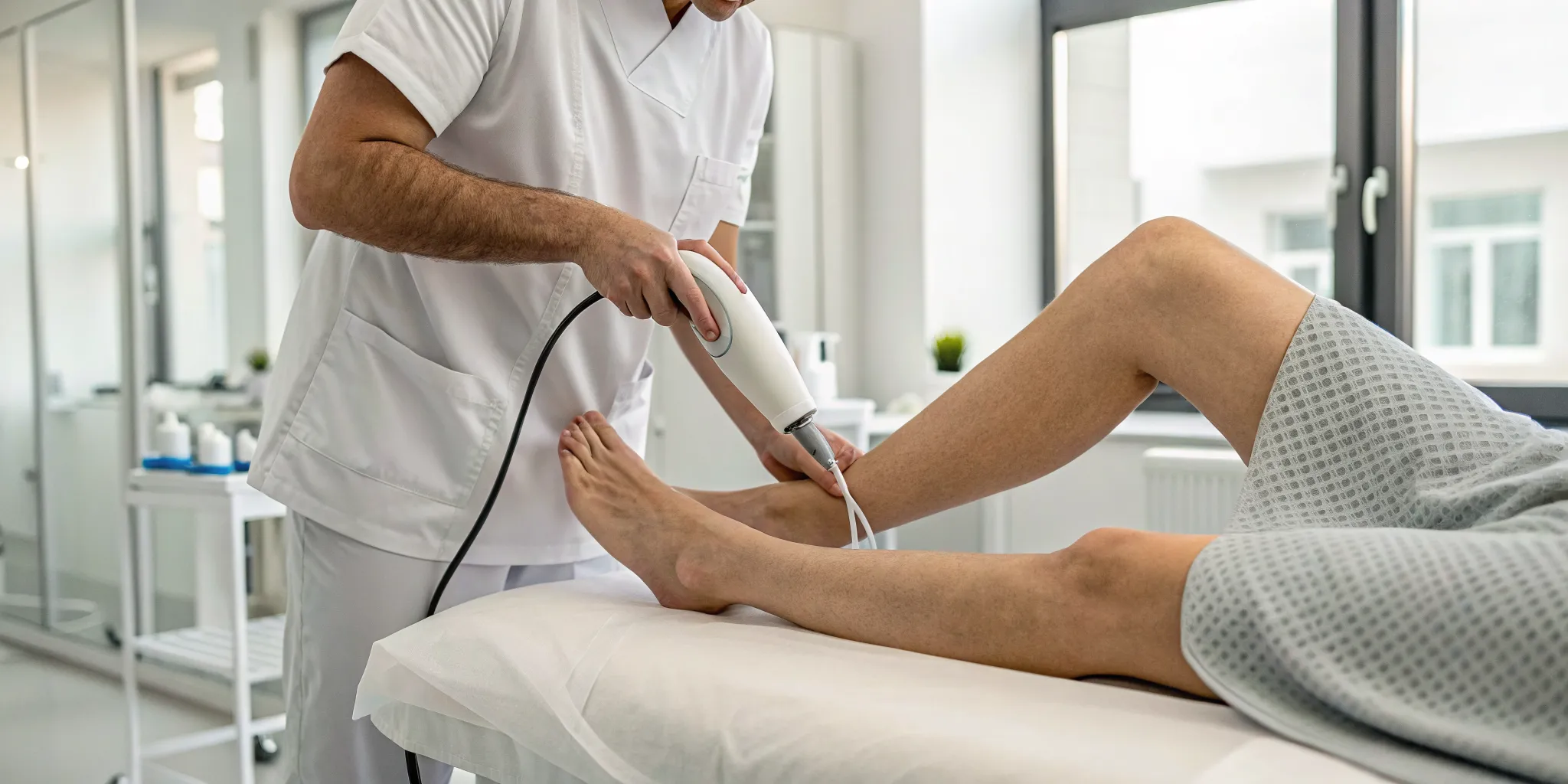
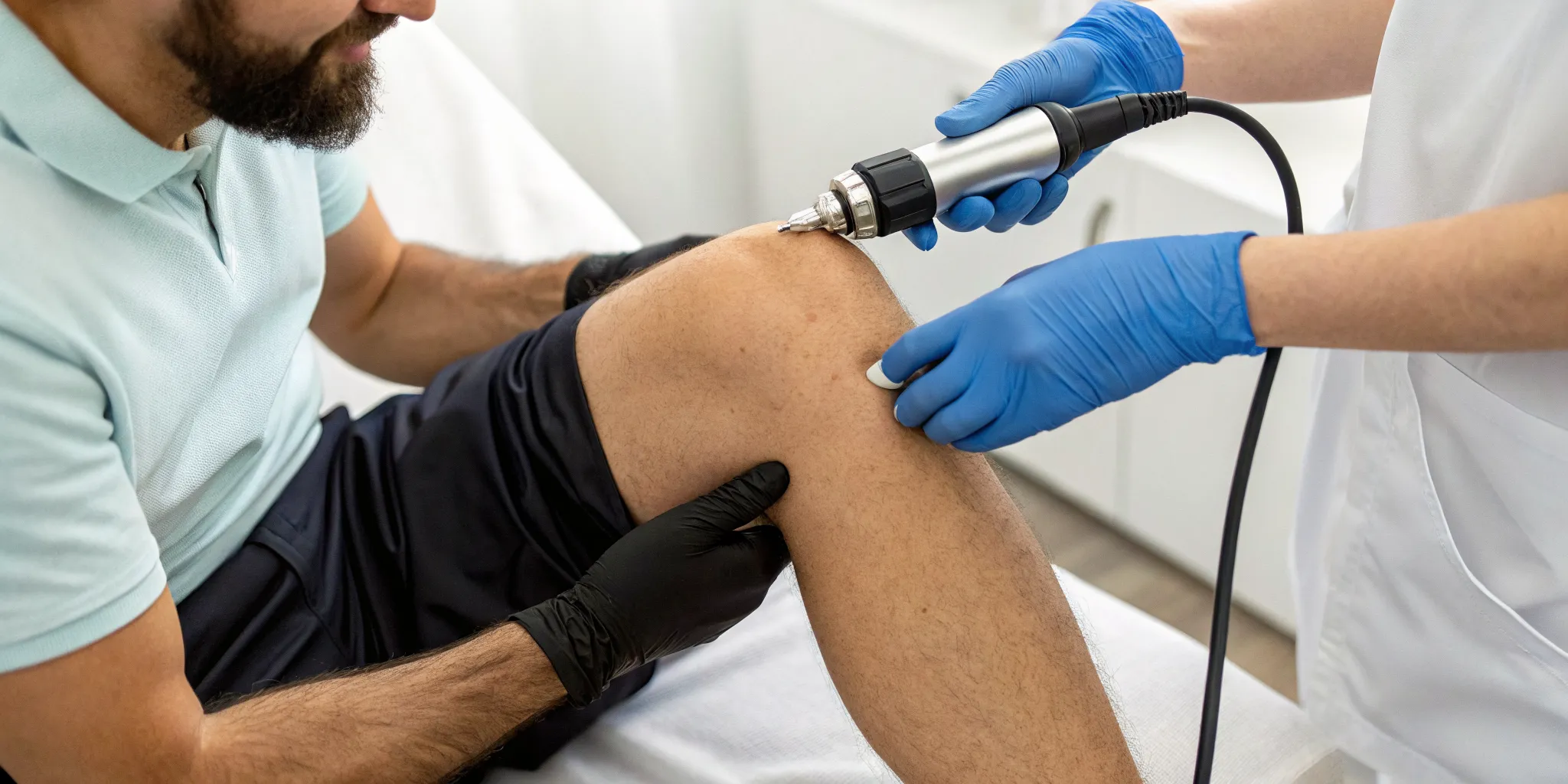
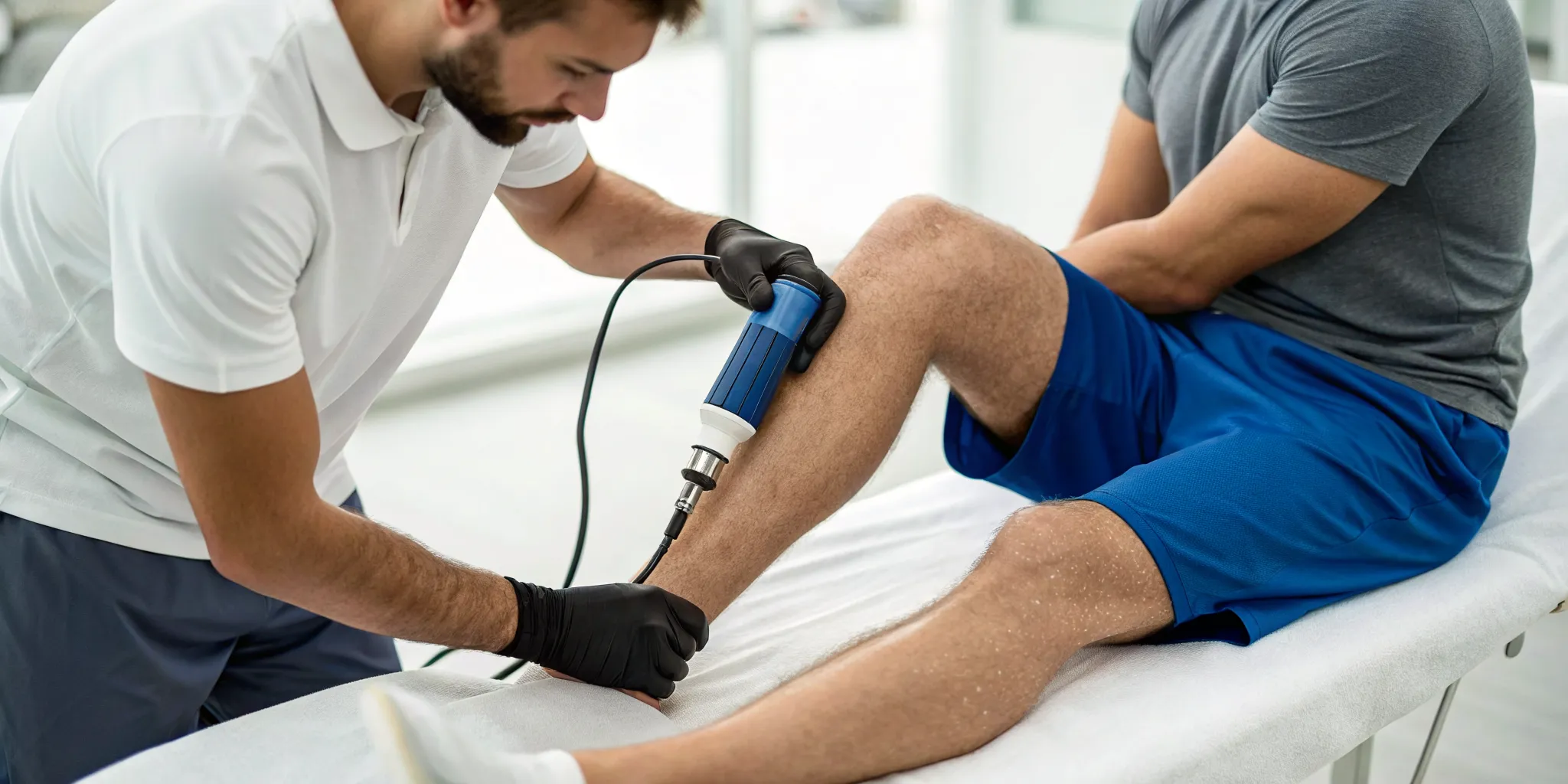
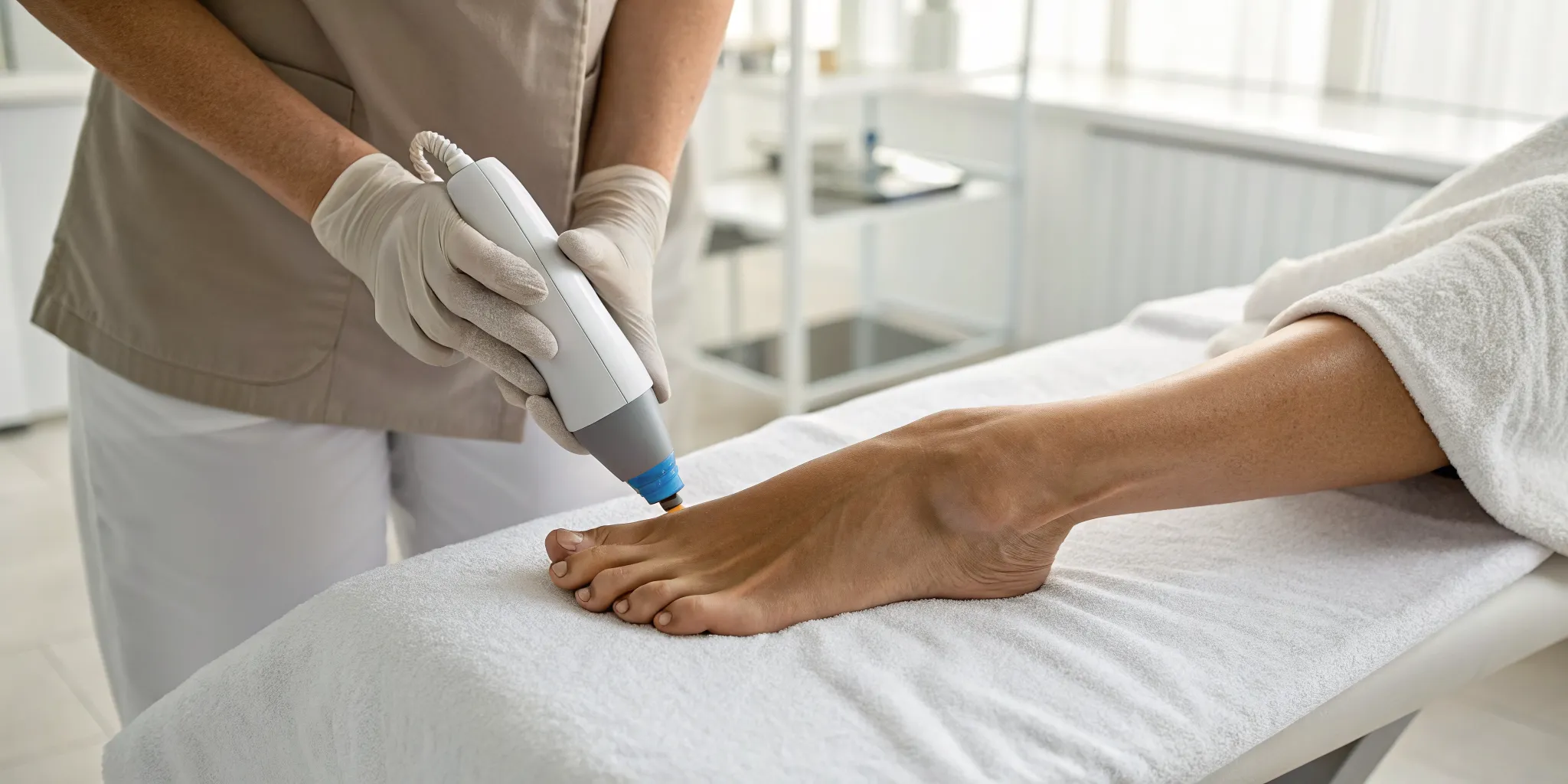
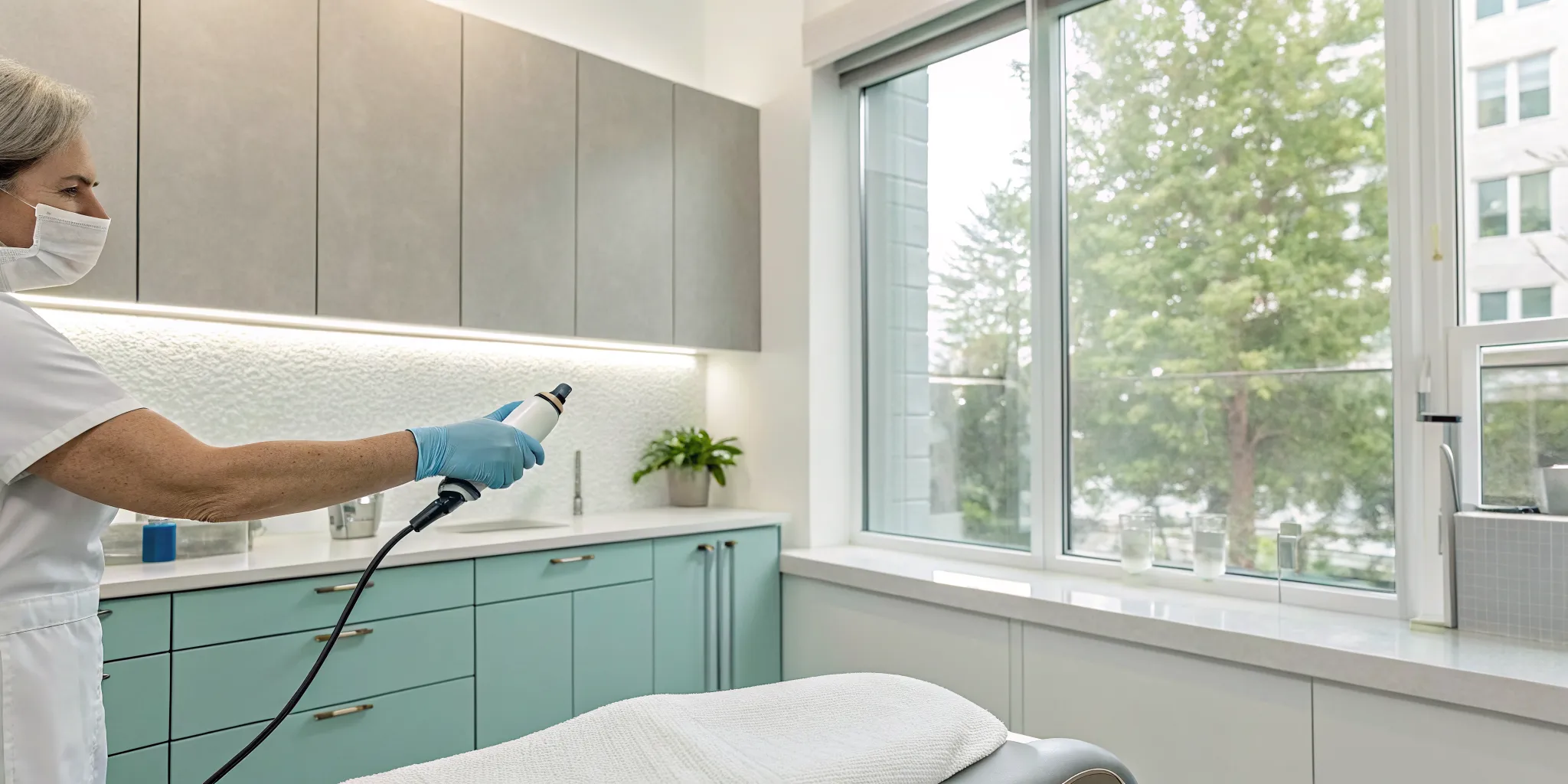
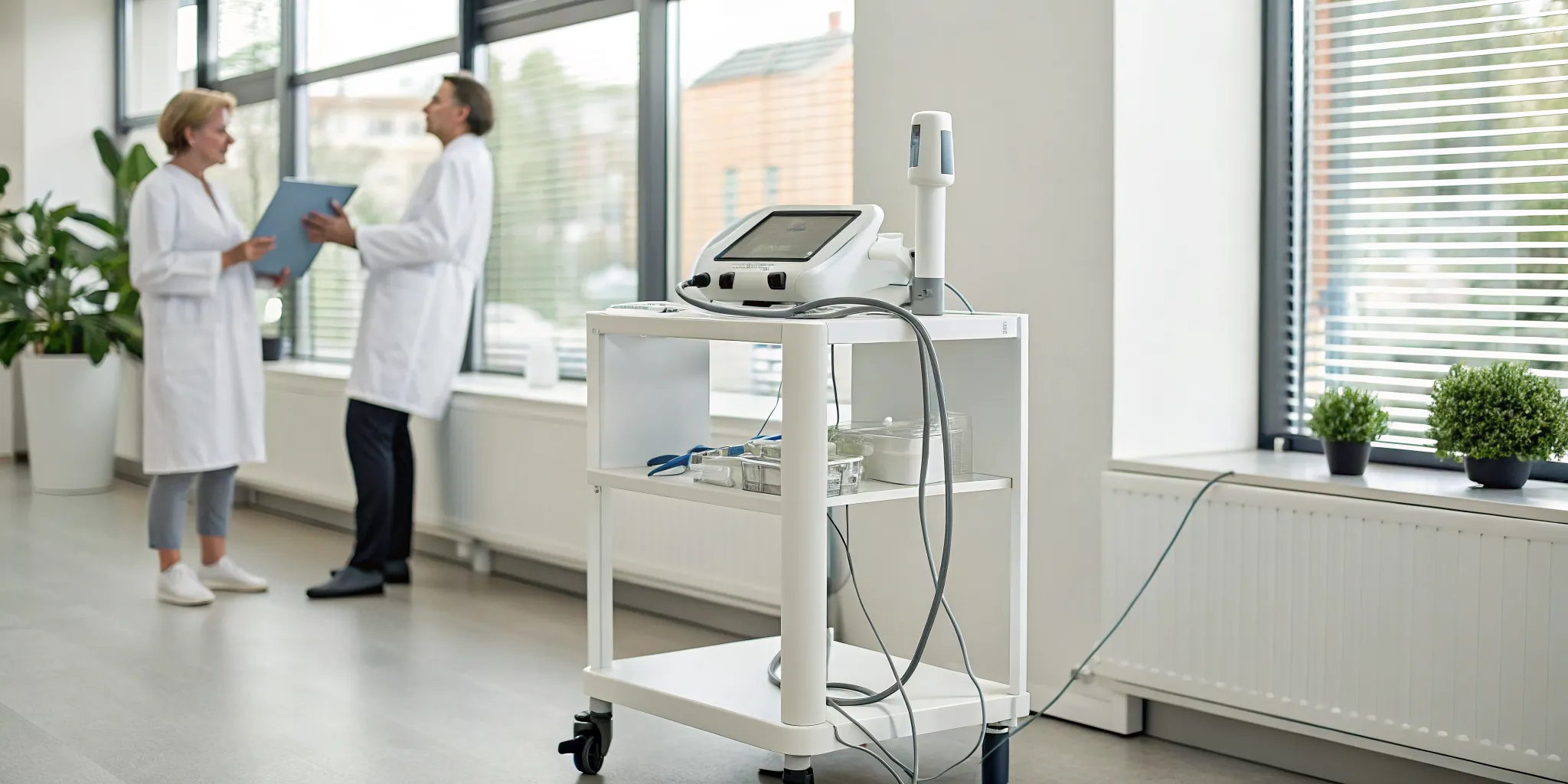
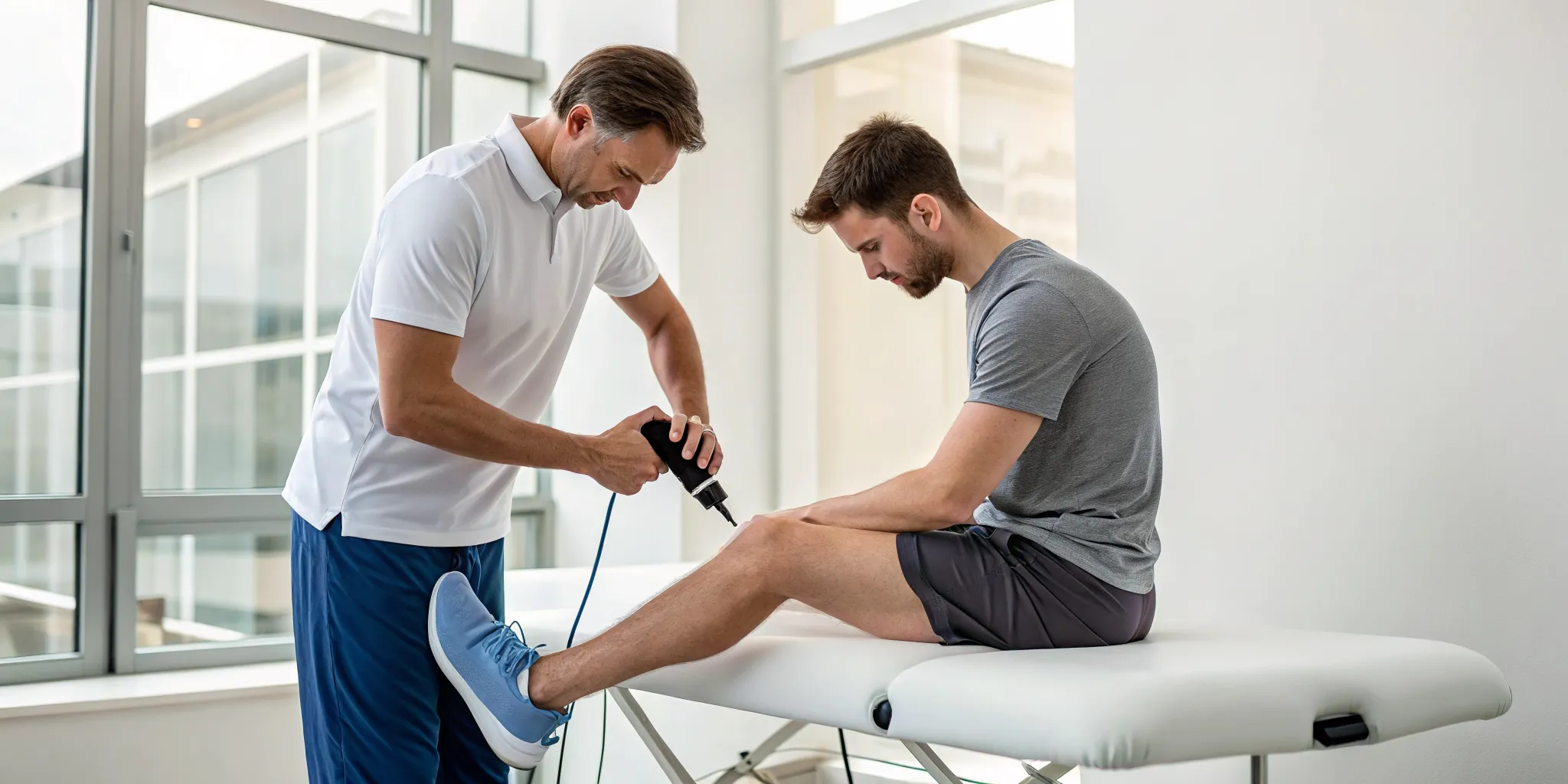
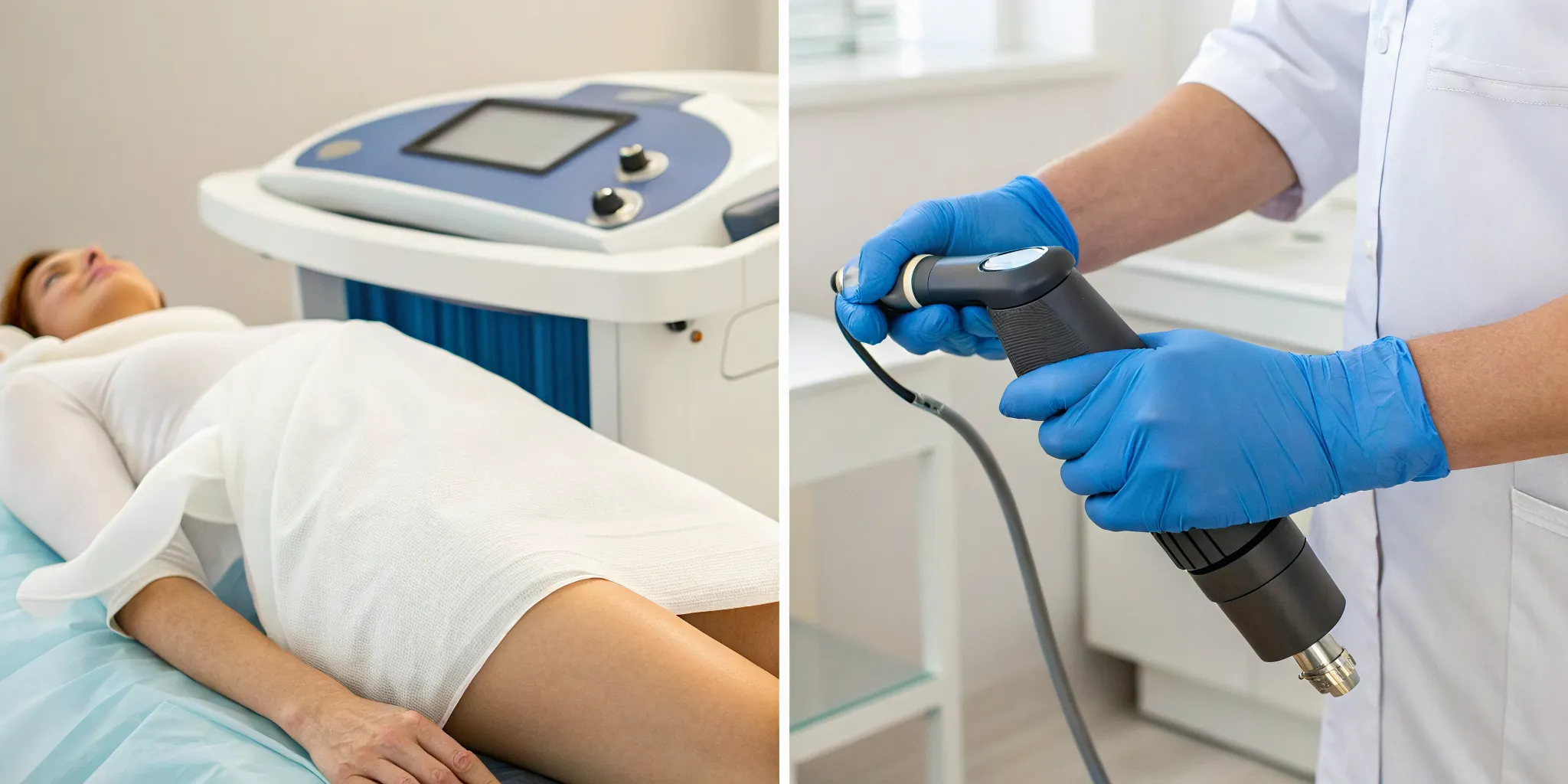
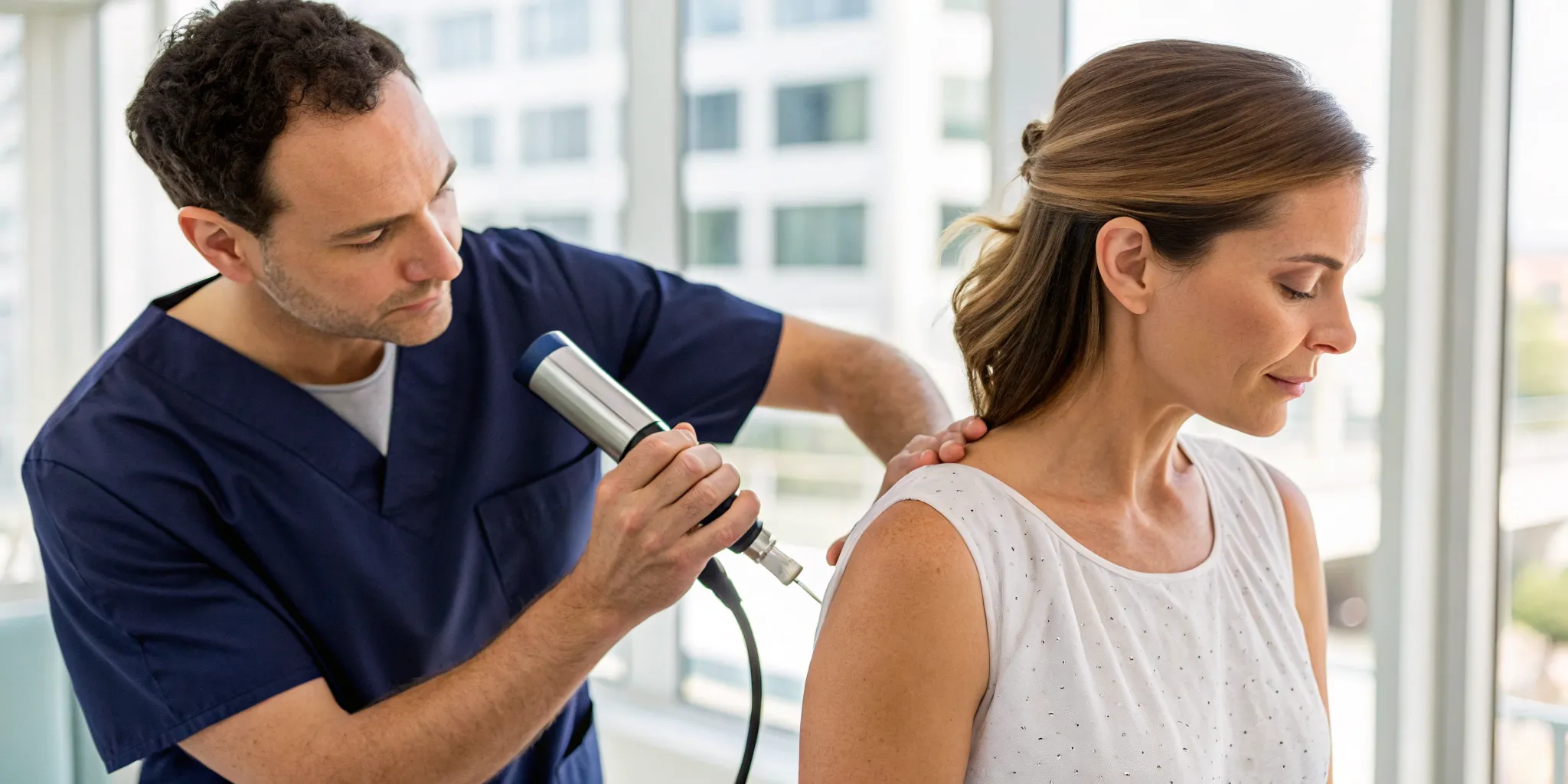
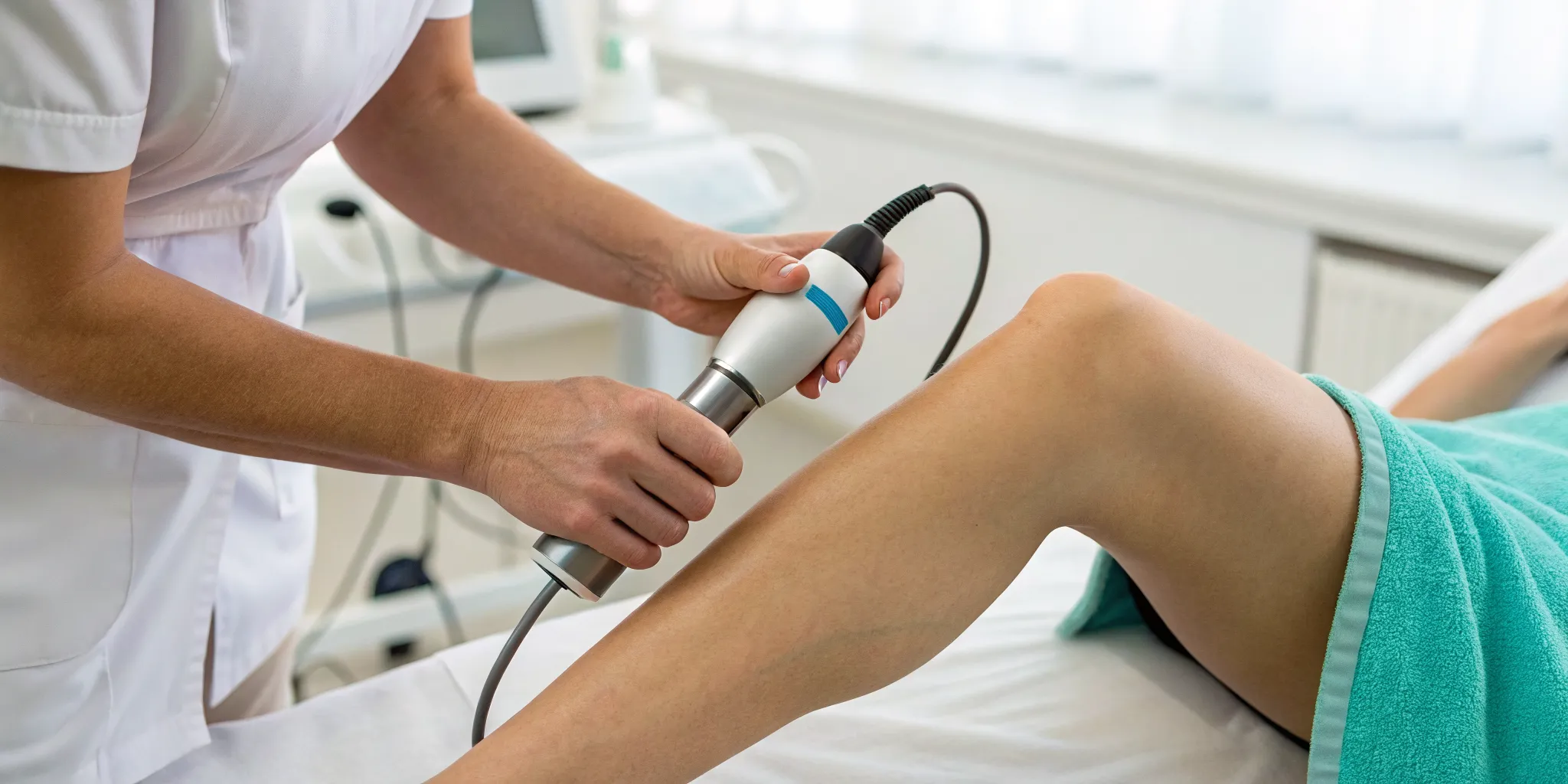
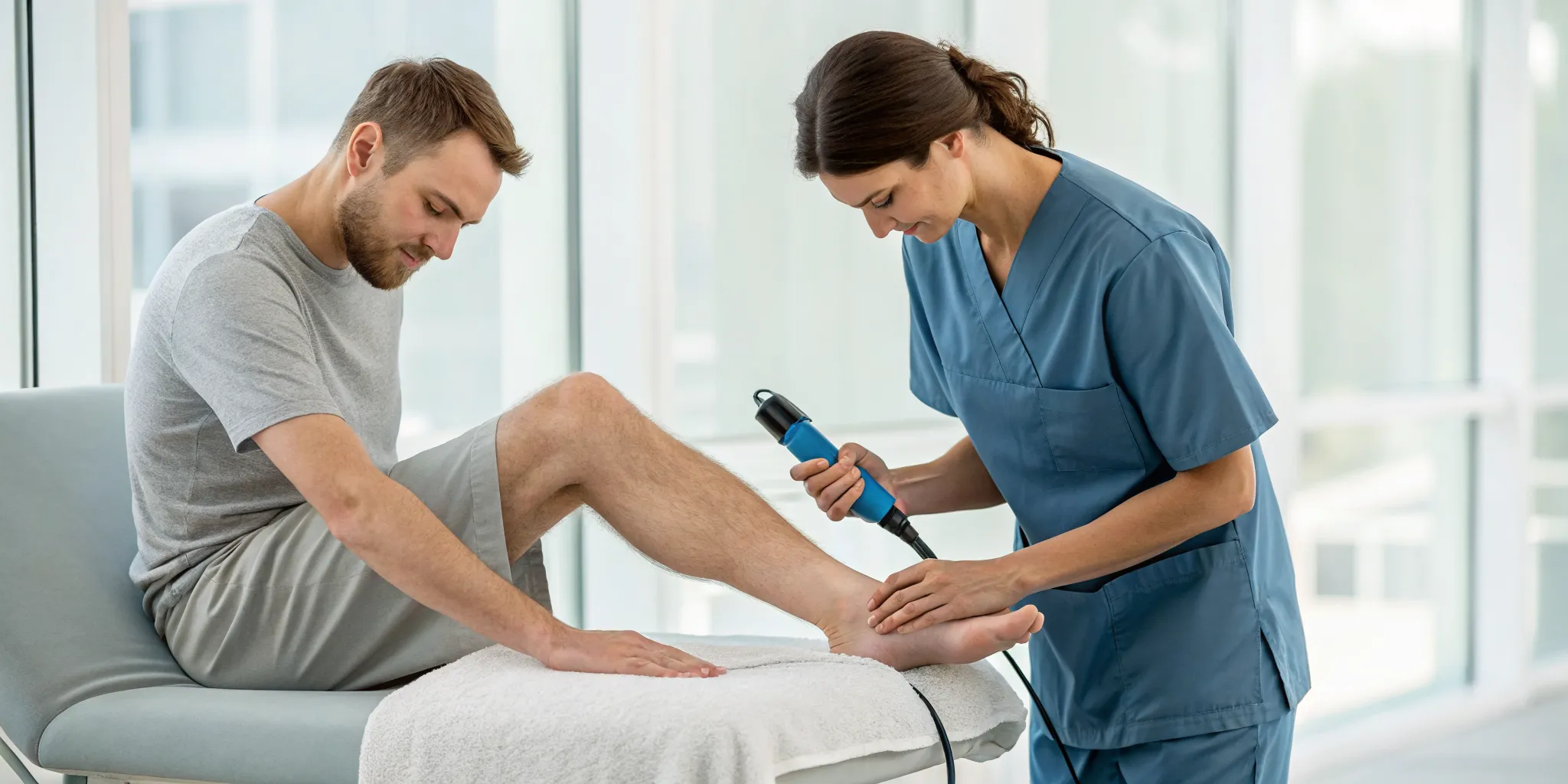
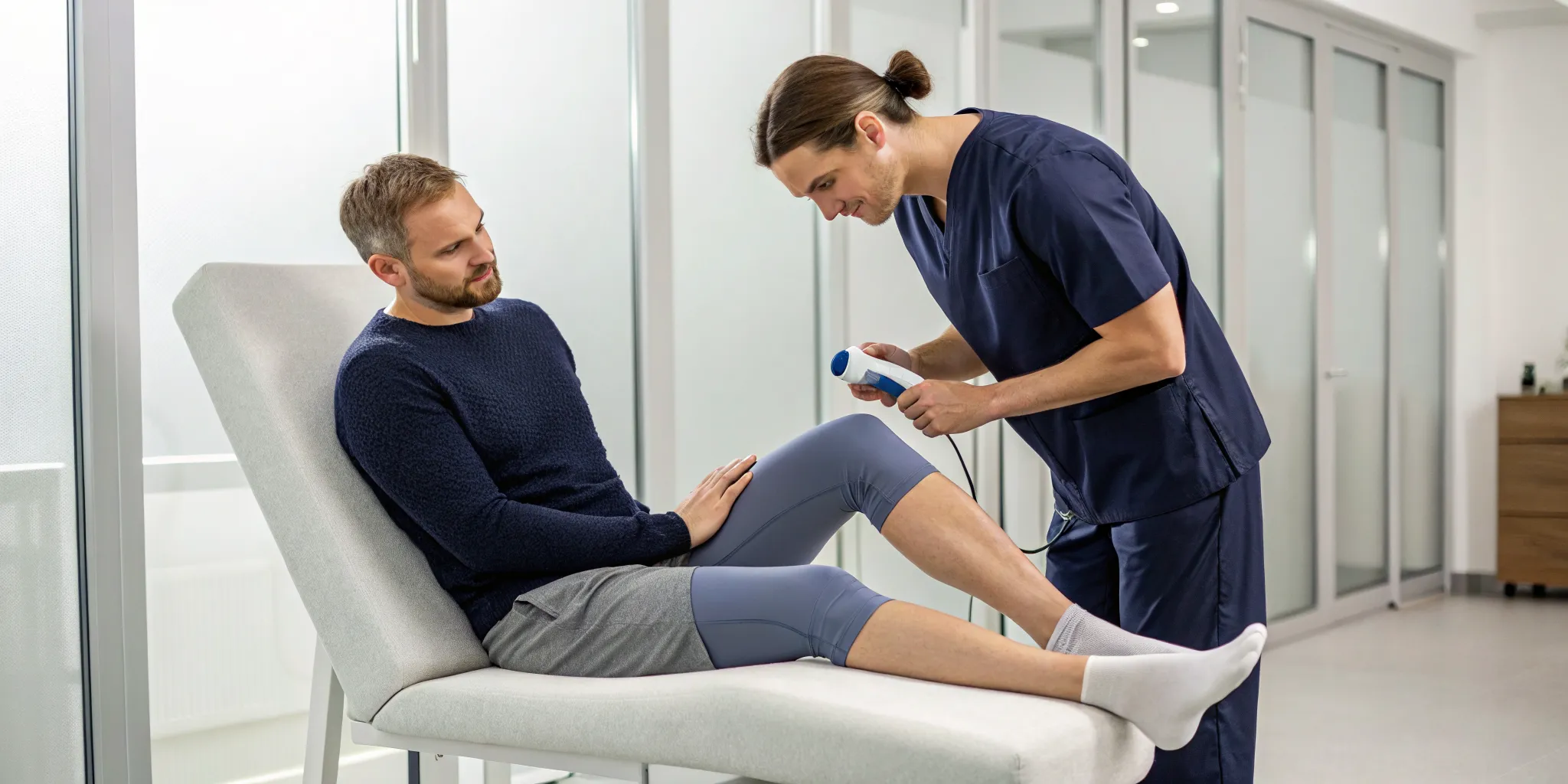
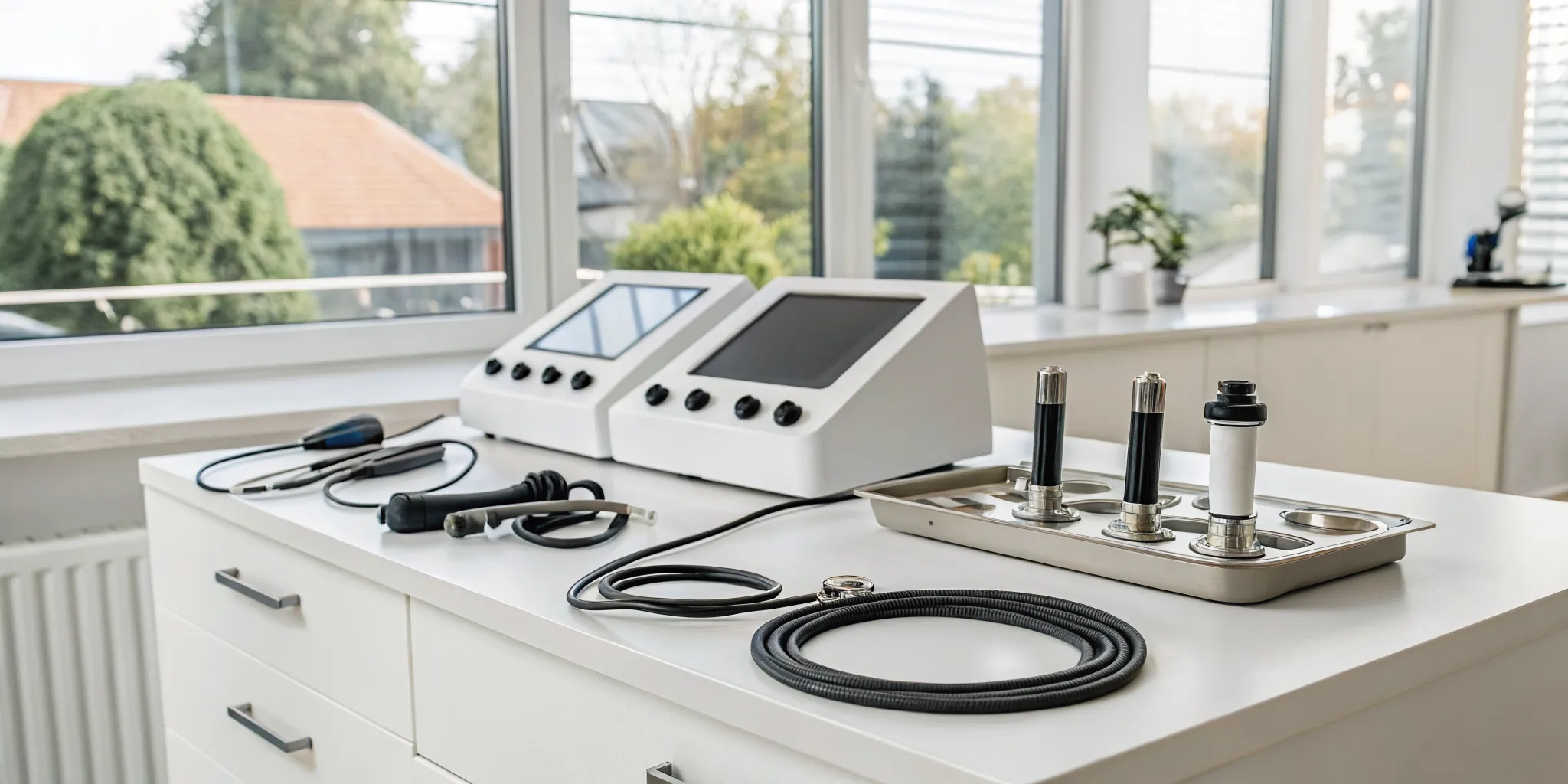
During a session, a team member will use a handheld device that gently glides over the area you’re having trouble with. This device sends unfocused sound waves into the tissue, and from there, the therapeutic process begins. These waves create a mild response in your cells that serves several key purposes: it improves blood circulation to bring more oxygen and nutrients to the area, calms inflammation and pain signals, and helps break down old, restrictive scar tissue. Most importantly, it activates and recruits your body’s own stem cells to the site of injury, which are essential for rebuilding and repairing tissue.
Is It the Same as Ultrasound or Shockwave Therapy?
This is a great question, and it’s easy to get the terms mixed up. While SoftWave is a type of shockwave therapy, it’s a highly advanced and specific version. It is an FDA 510(k) cleared technology, which means it meets stringent standards for safety and effectiveness. Unlike traditional focused shockwave devices that concentrate energy on a very small point, SoftWave uses a wider, parallel wave pattern. This allows us to treat a much larger area of tissue more comfortably and efficiently during a session. This unique approach is part of our commitment to using research-backed protocols that deliver real results for our patients.
How Acoustic Sound Waves Heal Your Body
It might sound like something from a science fiction movie, but the technology behind SoftWave therapy is grounded in real science. It uses patented electrohydraulic acoustic waves to create a healing response deep within your tissues. Think of it as a way to gently wake up your body’s internal repair crew. These sound waves travel through your skin and muscle to reach the areas that are injured or inflamed, signaling your cells to get to work.
This process is all about stimulating your body’s own powerful healing mechanisms. Instead of just masking symptoms, SoftWave therapy helps address the root cause of your pain by promoting genuine tissue regeneration. It’s a key part of a holistic health plan because it supports your body’s natural ability to recover. By improving circulation, reducing inflammation, and activating stem cells, this therapy creates an ideal environment for healing to occur from the inside out.
What Happens During a Session
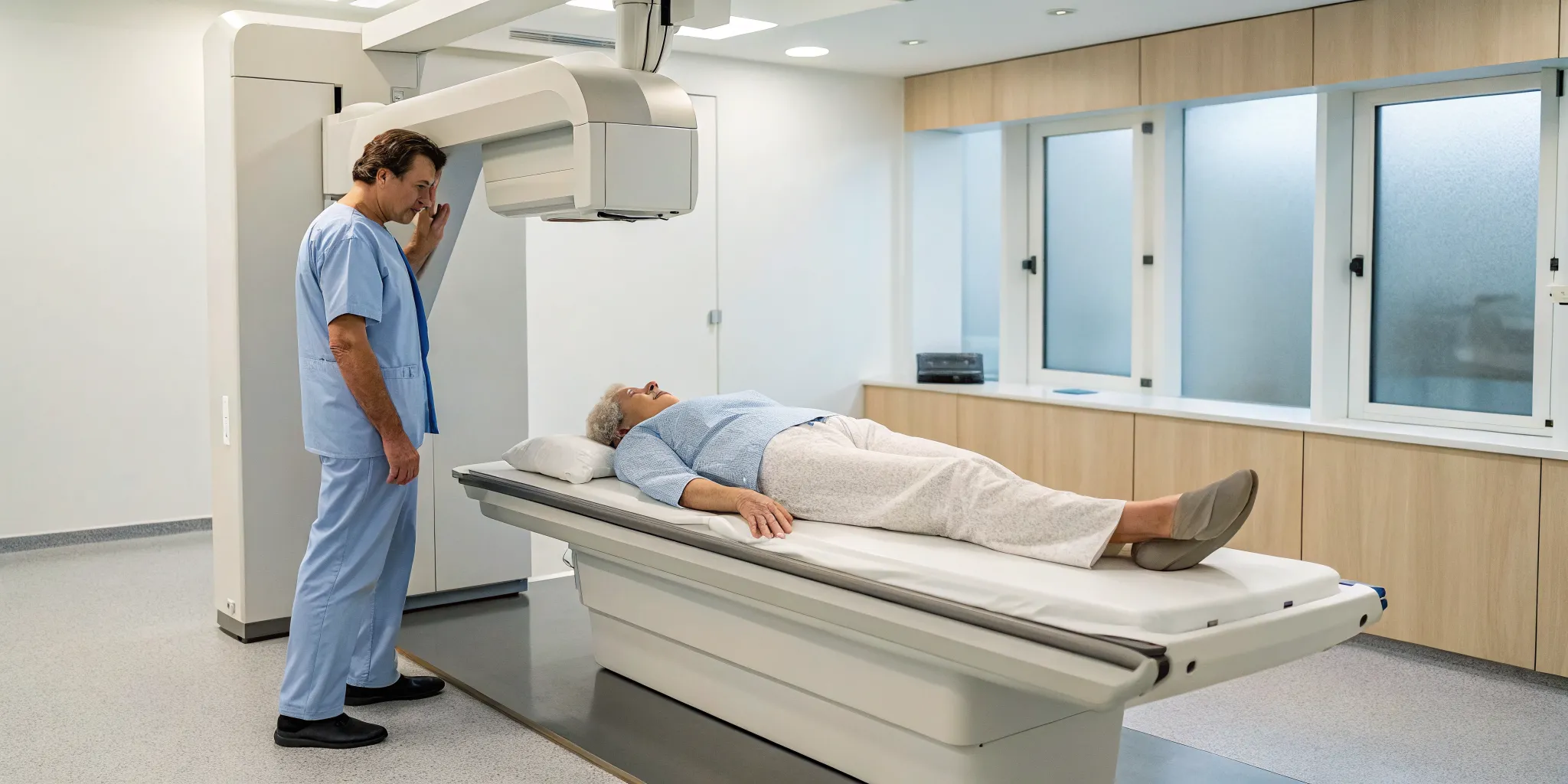
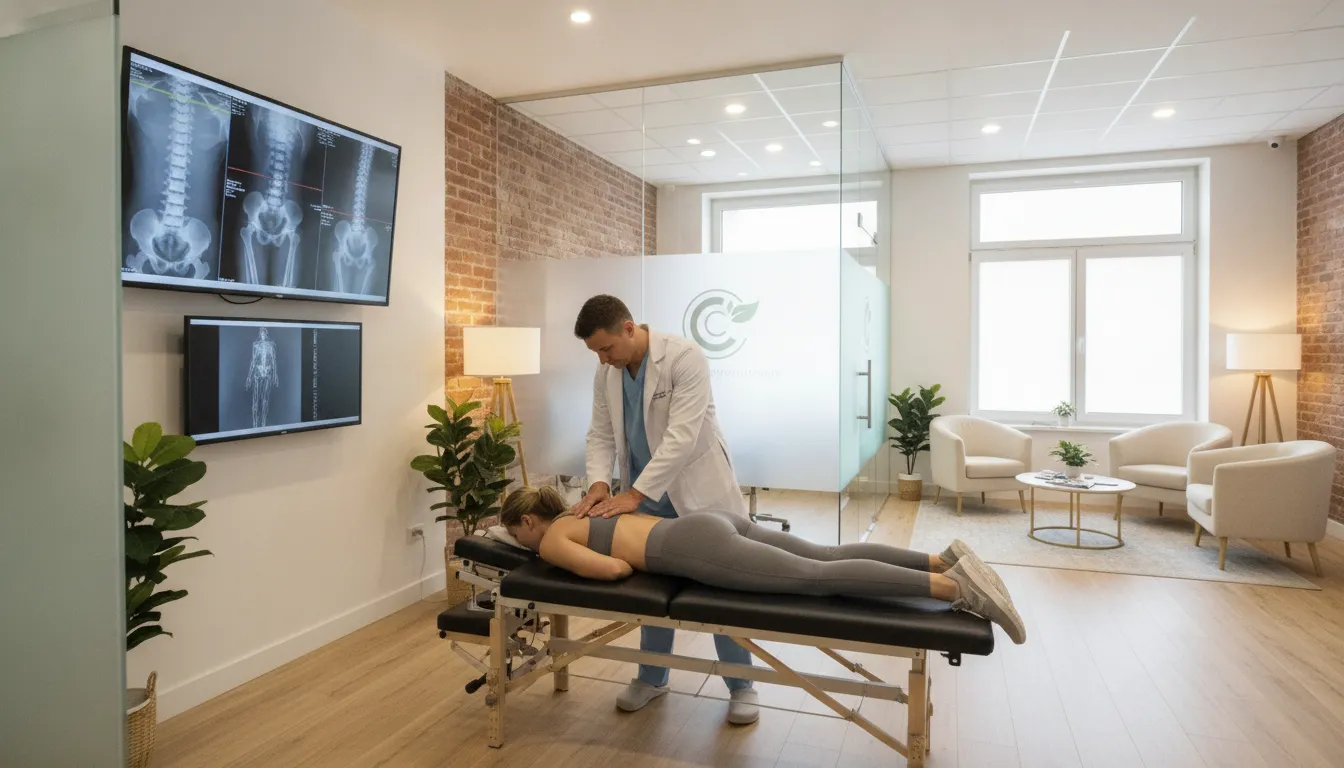
If you're worried about a complicated or uncomfortable procedure, you can relax. A SoftWave therapy session is straightforward and generally pain-free. When you come in, one of our trained team members will apply a gel to the skin over the area being treated. They will then use a small, handheld device to deliver the acoustic waves.
The entire session typically lasts only 10 to 15 minutes. As the device moves over your skin, you might feel a light tapping or pulsing sensation, but most people find it very tolerable. There’s no need for any numbing agents, and you can get right back to your day as soon as the session is over.
Encouraging Tissue Repair and Blood Flow
The real magic of SoftWave therapy happens beneath the surface. The acoustic sound waves penetrate deep into your body to reach damaged muscles, tendons, and other soft tissues that are difficult to treat with other methods. This energy kickstarts a few important biological processes. First, it significantly increases blood flow to the area, bringing more oxygen and nutrients that are essential for repair.
At the same time, it helps reduce pain and swelling. Most importantly, the sound waves activate and recruit your body’s own stem cells. These are your natural repair cells, and mobilizing them to the site of an injury is a critical step in regenerating healthy tissue. This is a core component of our physical medicine approach, focusing on true healing rather than temporary fixes.
Why Deeper Tissue Penetration Matters
Not all wave therapies are created equal. What makes SoftWave unique is its ability to treat a larger and deeper area of tissue comfortably. Unlike older technologies that use a focused, high-intensity beam, SoftWave uses a wider, parallel wave pattern. This design spreads the energy out, allowing it to penetrate deeply without causing the discomfort often associated with more concentrated shockwave treatments.
This means we can effectively target the source of your chronic pain, whether it’s in a large muscle or a deep joint, without irritating the surface tissues. It’s a more efficient and comfortable way to stimulate healing exactly where you need it most. This advanced approach is just one of the many services we offer to help you get back to feeling your best.
What Conditions Can SoftWave Therapy Help With?
One of the most encouraging things about SoftWave therapy is its versatility. It’s not a one-trick pony for a single type of ache or pain. Instead, this technology addresses a wide range of musculoskeletal problems by getting to the heart of the issue: stalled healing and chronic inflammation. By stimulating your body’s own repair mechanisms, it can bring relief and restore function to areas that have been causing you trouble for months or even years.
Whether you’re dealing with a nagging sports injury, persistent joint pain that’s limiting your daily life, or frustrating lower back pain, SoftWave offers a path forward. It’s designed to work on everything from deep joint issues to superficial tissues, making it a comprehensive tool in our approach to your health. Let’s look at some of the specific conditions where this therapy truly shines.
Tendon and Soft Tissue Injuries
If you’ve ever had an injury that just won’t quit, like tennis elbow or rotator cuff pain, you know how frustrating it can be. These types of injuries often involve tendons and ligaments, which have limited blood flow and can be slow to heal. SoftWave therapy is particularly effective for these stubborn conditions. The acoustic waves penetrate deep into the tissue to restart the healing process. By stimulating cellular activity and increasing blood flow, it helps your body repair nagging problems like Achilles tendonitis, plantar fasciitis, and other chronic soft tissue injuries that haven't responded to rest or other treatments. It’s a way to finally address the root of these persistent shoulder and elbow pains.
Joint Pain and Chronic Conditions
Achy joints can seriously impact your quality of life, making simple movements feel like a chore. SoftWave therapy can provide significant relief for chronic pain in the knees, hips, shoulders, and other joints. It’s an excellent option for athletes dealing with overuse injuries, as well as for adults experiencing age-related joint discomfort. The treatment helps reduce inflammation and encourages the regeneration of healthy tissue within the joint, improving mobility and decreasing pain. By supporting your body’s innate ability to heal, our physical medicine services aim to restore long-term function, not just provide a temporary fix, so you can get back to the activities you love.
Lower Back Pain and Muscle Strains
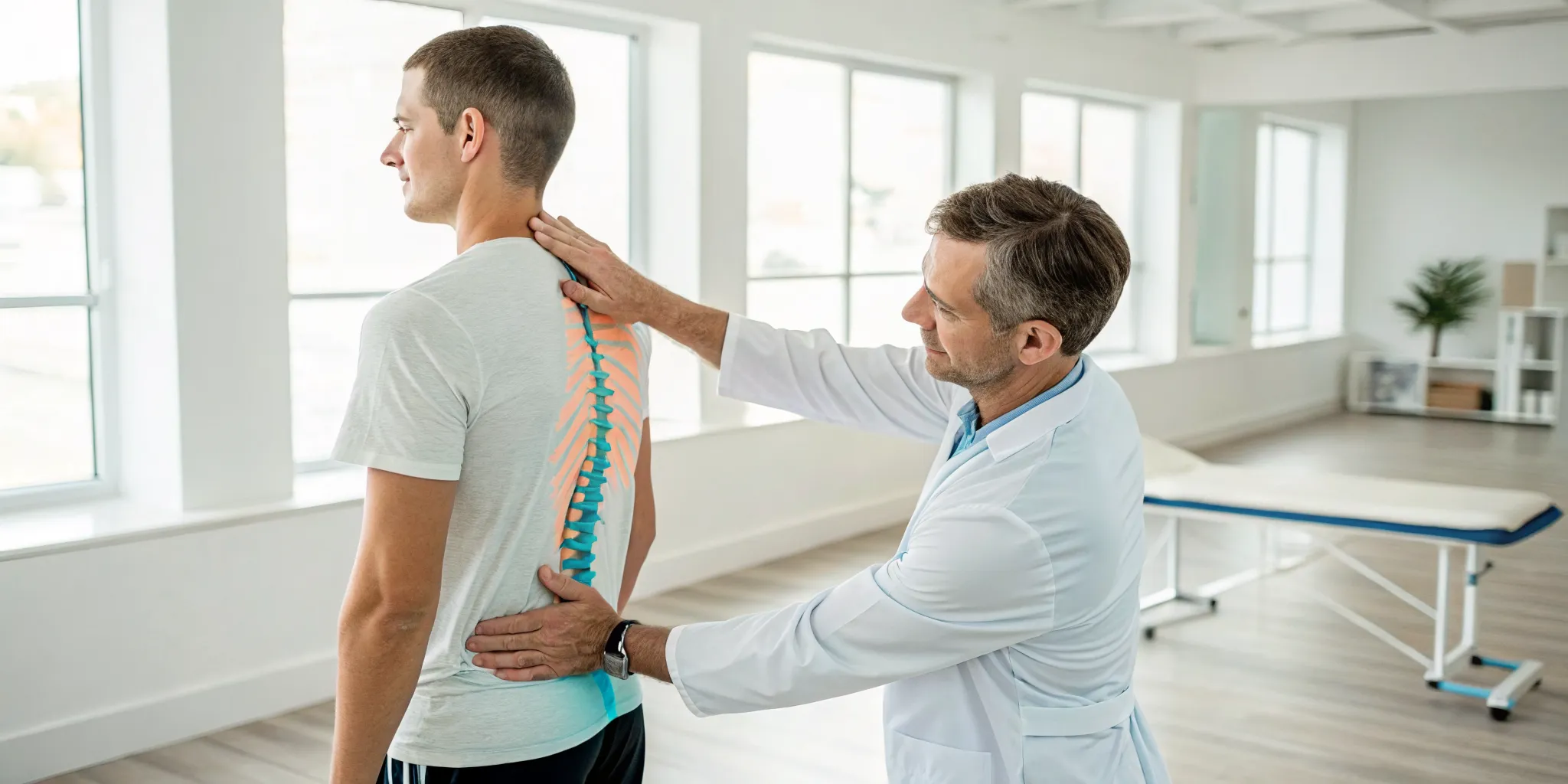
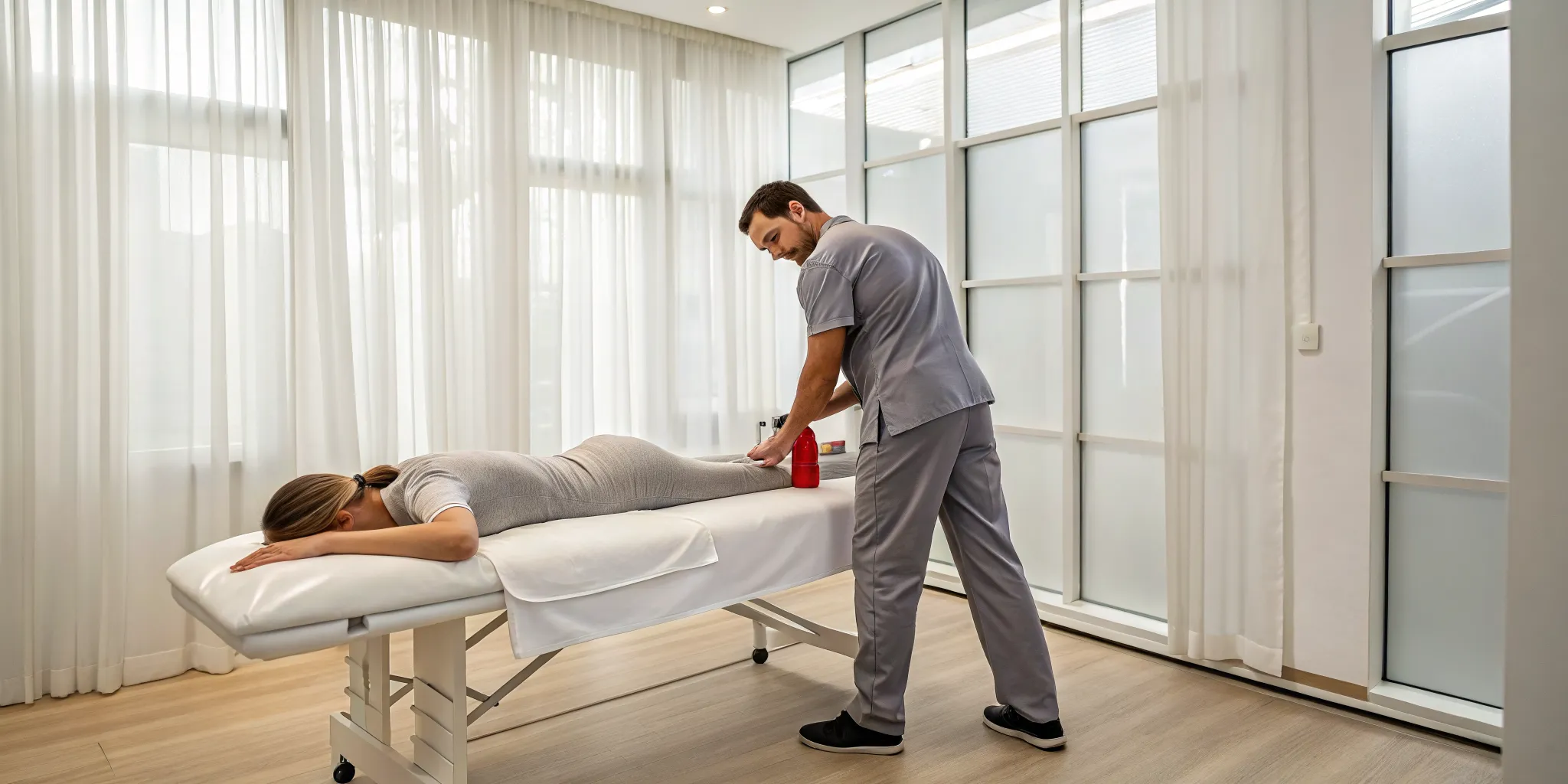
Lower back pain is incredibly common and can stem from a variety of issues, including muscle strains and ligament sprains. SoftWave therapy offers a targeted approach to address this debilitating condition. The applicator allows us to pinpoint the exact source of your pain and deliver healing energy right where it’s needed most. This process helps relax tight muscles, reduce inflammation, and trigger repair in the underlying tissues. For many of our patients, it’s a powerful tool for breaking the cycle of chronic low back pain and building a foundation for a stronger, more resilient back without resorting to more invasive options.
Wound Healing and Inflammation
Beyond just aches and pains, SoftWave therapy is a powerful tool for promoting healing and managing inflammation throughout the body. The acoustic waves activate your connective tissues and create a temporary increase in blood flow to the treated area. This is a critical part of any healing process, as blood carries the oxygen and nutrients your cells need to repair and rebuild. This makes the therapy effective for helping the body recover from a variety of injuries. By addressing inflammation at the source, we can support your body’s systems and create an optimal environment for healing, which is a core principle of functional medicine.
Is SoftWave Therapy Right for You?
Deciding on a new treatment can feel overwhelming, but understanding who benefits most can make the choice clearer. SoftWave Therapy is a versatile technology that helps a wide range of people find relief and get back to doing what they love. It’s particularly effective for issues that have lingered for months or even years. Whether you're dealing with an old injury that just won’t quit, the physical demands of an active lifestyle, or the natural wear and tear that comes with age, this therapy could be the key to activating your body’s healing potential. Let’s explore some of the specific situations where SoftWave truly shines.
If You Have Stubborn Chronic Pain
Living with chronic pain is exhausting. When you’ve tried various approaches without finding lasting relief, it’s easy to feel stuck. SoftWave Therapy is an excellent option for many types of pain and injuries, especially those that have become chronic. Because it works by stimulating your body’s own repair mechanisms at a cellular level, it gets to the source of the problem instead of just masking symptoms. If you're struggling with a persistent issue like plantar fasciitis, tennis elbow, or shoulder tendinitis, this non-invasive approach can help restart the healing process. It’s a way to address those stubborn conditions we treat that have been holding you back.
Athletes and Active People
If you lead an active life, you know how frustrating an injury can be. Whether you’re a dedicated athlete or a weekend warrior, overuse injuries and strains can sideline you from your favorite activities. SoftWave Therapy is a powerful tool for recovery because it helps accelerate healing in muscles, tendons, and ligaments. It’s often used to address common athletic complaints and can even be part of a recovery plan to get you back in the game faster. By promoting blood flow and reducing inflammation, this special shockwave technology helps your body heal itself, making it a go-to for anyone looking to maintain their physical medicine and stay active for the long haul.
If You Have Age-Related Joint Issues
As we get older, our joints can start to show signs of wear and tear, leading to stiffness and discomfort that can impact our quality of life. Conditions like osteoarthritis can make simple movements feel like a chore. SoftWave Therapy offers a modern, non-surgical way to manage long-lasting joint pain, particularly in areas like the feet, ankles, knees, and shoulders. By stimulating tissue regeneration deep within the joint, it can help reduce inflammation and improve mobility. This approach aligns perfectly with a proactive strategy for healthy aging, helping you maintain your independence and continue enjoying your daily activities with greater comfort and ease.
Who Should Avoid This Treatment
While SoftWave Therapy is safe and effective for many people, it isn't the right choice for everyone. It’s important to be transparent about your health history to ensure your safety. Specifically, you should not receive this therapy if you are pregnant, have an active cancer diagnosis in the treatment area, or have a pacemaker. These contraindications are in place to protect your health and well-being. During your initial consultation, we will thoroughly review your medical history to confirm that you are a suitable candidate for the treatment, ensuring a safe and positive experience from start to finish.
Key Benefits of SoftWave Therapy
If you're looking for a way to address pain and injury without invasive procedures or pharmaceuticals, SoftWave therapy offers some compelling advantages. It’s designed to work with your body’s own healing systems, making it a powerful component of a holistic health plan. Let’s look at what makes this treatment a standout option for so many of our patients here in Tampa.
A Non-Invasive, Drug-Free Solution with No Downtime
One of the biggest draws of SoftWave therapy is that it's completely non-invasive. This means no needles, no injections, and no surgery. Instead, it uses patented acoustic waves to target injured areas from outside the body. Because it’s a drug-free approach, you’re not just masking pain; you’re addressing the underlying issue without the potential side effects of long-term pharmaceuticals. Best of all, there’s no downtime required. You can walk out of your session and get right back to your day, making it easy to fit treatment into a busy schedule. It's a cornerstone of our physical medicine services for this very reason.
Activates Your Body's Natural Healing Process
SoftWave therapy doesn’t just treat symptoms; it prompts your body to heal itself. The acoustic waves send a signal to your system, increasing blood flow and waking up your body’s own stem cells. Think of these as your personal repair crew. By recruiting these cells to the site of an injury, the therapy helps regenerate damaged tissue and reduce inflammation from the inside out. This approach aligns perfectly with our philosophy at Ascend Functional Health: we focus on solutions that support and facilitate your body’s incredible, innate ability to repair and restore itself. It’s about getting to the root cause of your discomfort and building true, lasting health.
Experience Minimal to No Side Effects
When you’re already dealing with pain, the last thing you want is a treatment with a long list of side effects. With SoftWave therapy, most people experience no adverse effects at all. A small number of patients might notice minor soreness or redness in the treated area, but this typically fades within a day or two. The treatment itself is quick, usually lasting only five to ten minutes. This makes it a gentle yet effective option compared to more aggressive procedures that come with a greater risk of complications. If you have questions about what to expect, our team is always here to help you feel comfortable and informed.
Does SoftWave Therapy Hurt?
It’s a fair question, and one we hear a lot. When you’re dealing with persistent pain, the last thing you want is a treatment that causes more of it. The good news is that SoftWave Therapy is designed with your comfort in mind. While every person’s experience is a little different, the feedback is overwhelmingly positive. Let’s walk through what you can expect to feel during a session and how it stacks up against other types of therapies.
What a Session Feels Like
Most people describe the feeling of SoftWave Therapy as a light tapping or pulsing on the skin. As the applicator moves over the target area, you might notice the sensation intensifies slightly over regions with more inflammation or damaged tissue. Some say it feels like a rubber band gently snapping against their skin, but it’s generally considered a very tolerable and non-painful experience. This feedback helps your practitioner identify the primary areas that need attention. It’s a unique process where the treatment itself provides real-time information about your body, helping us tailor the session to your specific health concerns.
How It Compares to Other Treatments
SoftWave stands apart from older technologies because of how it delivers its acoustic waves. Instead of a sharp, focused beam, it uses a patented design to spread the energy over a wider and deeper area. This is why it’s so much more comfortable than many traditional shockwave treatments. This method doesn't just feel better; it’s also highly effective at stimulating circulation, reducing swelling, and addressing both new and chronic pain without being harsh on the body. It’s a key part of our physical medicine approach because it works with your body’s systems to promote healing from within, rather than just masking symptoms.
Your First SoftWave Therapy Session: What to Expect
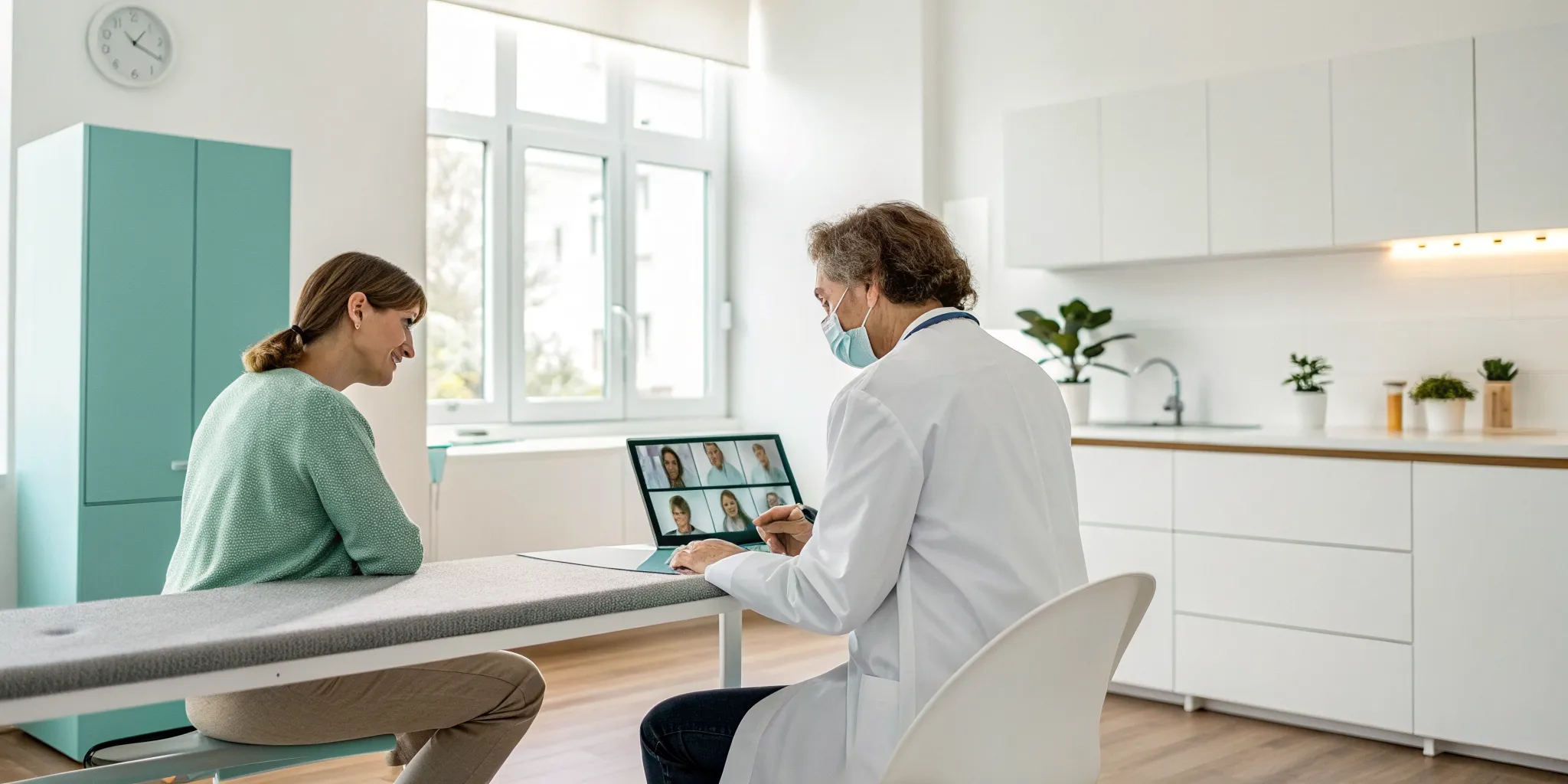
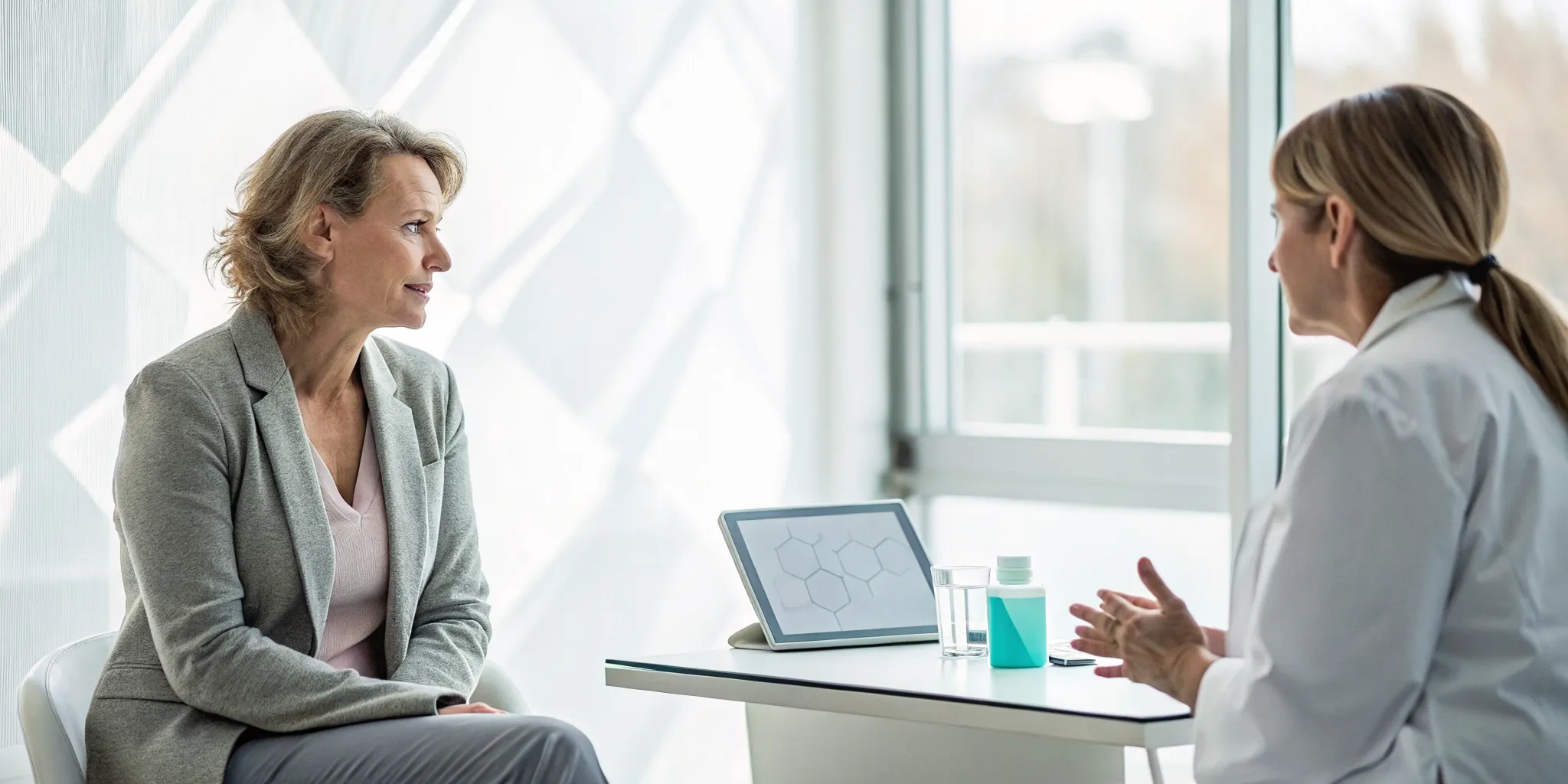
Walking into any new treatment can feel a little uncertain, but your first SoftWave therapy session is a simple and straightforward experience. Our team is here to make you feel comfortable and answer any questions you have from the moment you arrive. Knowing what to expect can make the process feel much more familiar. The two biggest questions people usually have are about how long it takes and how many appointments they'll need. Let's walk through what a typical treatment plan looks like.
How Long Does a Session Take?
One of the best parts of SoftWave therapy is how efficient it is. A typical session only takes about 10 to 15 minutes. This allows us to focus powerful, healing energy on the exact area that needs it without taking up a huge chunk of your day. The exact duration might vary slightly depending on the size of the treatment area, but it’s a quick process. You can easily schedule an appointment during your lunch break and get right back to your day. It’s a key part of our physical medicine approach, designed to deliver results without disrupting your life.
How Many Sessions Will I Need?
SoftWave therapy works with your body’s natural healing timeline, so it’s a process, not a one-time fix. Most people find that a series of 3 to 6 treatments, usually spaced a week apart, delivers the best results. While many of our patients report feeling a noticeable improvement after just one or two sessions, completing the full plan is key for long-term relief. Your specific plan will be tailored to you. We’ll consider the conditions we treat and your unique health goals to determine the right number of sessions to help you feel your best and achieve lasting healing.
3 Myths About SoftWave Therapy
When a new health technology comes along, it’s natural for some confusion and myths to pop up. SoftWave therapy is no exception. Let's clear the air and separate fact from fiction so you can understand what this treatment is really about. By getting to the truth, you can make a more informed decision about whether it’s the right step for your healing journey.
We'll look at some of the most common misunderstandings, from what the technology actually is to who can benefit from it. Getting the facts straight is the first step toward finding lasting relief.
Myth #1: It's Just Another Ultrasound Treatment
It’s easy to see why this myth exists; both treatments use sound waves. However, they work in very different ways. A diagnostic ultrasound uses high-frequency sound waves to create an image of what’s inside your body. Therapeutic ultrasound uses sound waves to create gentle heat in the tissues. SoftWave, on the other hand, uses patented electrohydraulic acoustic waves, often called "shock waves." These waves are more powerful and travel wider and deeper into the body. Instead of just providing heat, they create a biological response that helps your body initiate its own healing process by recruiting stem cells and improving blood flow to the injured area.
Myth #2: You'll See Results After One Session
While many people report feeling better after their first or second session, SoftWave therapy is designed to create lasting change, and that takes time. The acoustic waves stimulate your body’s natural repair mechanisms, a process that unfolds over several weeks. The goal isn't just temporary relief; it's true tissue regeneration. Think of it like planting a seed. You won't see a full-grown plant overnight, but the growth process has started. Many of our patients report a significant reduction in pain and improved mobility after completing their recommended treatment plan, as their body has had time to properly heal.
Myth #3: It's Only for Athletes
While SoftWave is an incredible tool for athletes looking to recover faster and manage injuries, its benefits are much broader. This therapy is effective for a wide range of common conditions that affect people from all walks of life. It’s a fantastic option for anyone dealing with chronic pain from old injuries, older adults with persistent joint discomfort, or office workers struggling with repetitive strain injuries like carpal tunnel or tennis elbow. If you have stubborn pain that hasn't responded to other treatments, SoftWave could be the solution you’ve been looking for, regardless of your activity level.
Investing in Your Health: The Cost of SoftWave Therapy
Thinking about a new treatment always brings up questions about the financial commitment. It’s smart to consider what you’ll invest, not just in terms of money, but also time and energy. When it comes to SoftWave therapy, it’s helpful to see it as a direct investment in your long-term well-being and quality of life. This treatment is part of a proactive approach to health, focusing on healing from within rather than just managing symptoms. By choosing a path that supports your body's own restorative abilities, you're prioritizing a future with more freedom, mobility, and comfort.
Why It's a Worthwhile Investment
When you’re dealing with persistent pain, the goal is to find a real, lasting solution. While many people first look to conventional options, they often find themselves managing symptoms instead of addressing the root cause. SoftWave therapy offers a different path. The financial commitment for this treatment is often weighed against the alternative of more invasive procedures or a long-term reliance on pharmaceuticals. For many, choosing a non-invasive approach that avoids incisions and lengthy recovery periods is an invaluable benefit.
Investing in SoftWave means you are investing in your body’s innate power to heal. This treatment helps you get back to your life and the activities you love, whether that’s playing with your kids, enjoying a round of golf, or simply moving through your day without discomfort. At Ascend Functional Health, we see this as a key part of a comprehensive holistic health plan designed to restore your body’s function for good. When you consider the potential to regain your mobility and vitality, the choice becomes much clearer.
How SoftWave Fits into a Holistic Health Plan
True healing isn’t about chasing symptoms; it’s about understanding how every system in your body works together. A holistic health plan looks at the big picture, and SoftWave Therapy fits perfectly into this approach by supporting your body’s innate ability to repair itself. Instead of simply masking pain, it gets to the root of the problem at a cellular level. This makes it a powerful tool within a comprehensive wellness strategy, rather than just a standalone treatment. It’s about working with your body, not just on it.
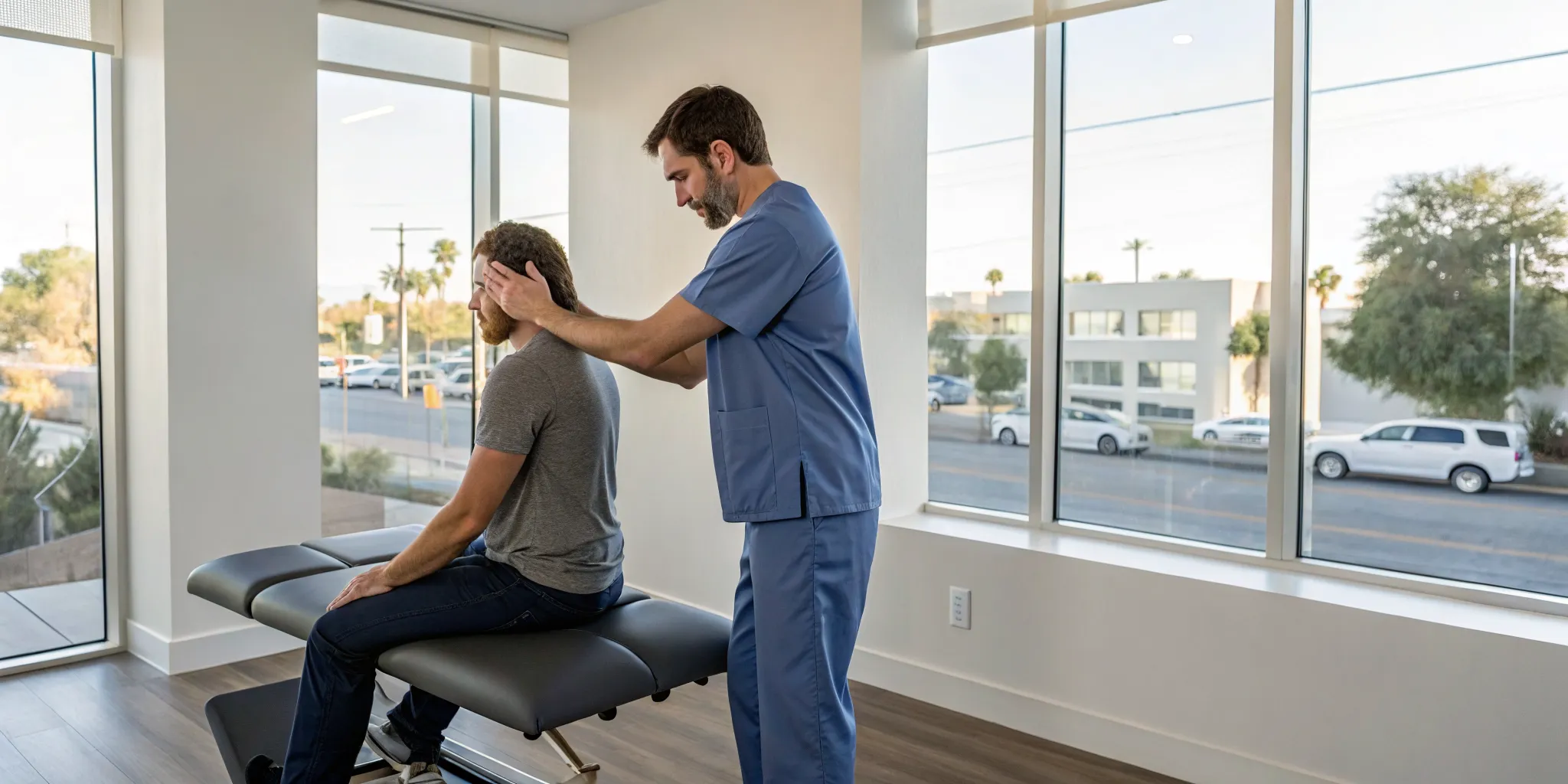
SoftWave beautifully complements other therapies. By reducing inflammation and improving blood flow, it can make treatments like chiropractic adjustments more effective and help the results last longer, which is a key part of our Physical Medicine services. From a Functional Medicine standpoint, we know that chronic pain is a massive stressor that can disrupt everything from your gut health to your hormones. By helping resolve that source of physical stress, SoftWave contributes to your body's overall resilience and creates a better internal environment for widespread healing.
Ultimately, staying active and mobile is crucial for long-term health and vitality. Chronic pain can force you into a sedentary lifestyle, which can make you feel older than you are. SoftWave helps break that cycle by repairing tissue and restoring function, allowing you to move freely and enjoy your life. It’s a key component of proactive Longevity Medicine, focused on maintaining your body's performance for years to come. At Ascend Functional Health, we see it as one powerful piece of your unique health puzzle, helping you build a foundation for a healthier future.
Related Articles
- SoftWave Tissue Regeneration Therapy in Tampa | Alessi Functional Health
- SoftWave TRT Therapy in Tampa, FL - Alessi Functional Health
- What Is Soft Tissue Therapy? A Complete Guide
Frequently Asked Questions
What if I'm really sensitive to pain? Will this treatment be uncomfortable for me? This is a very common concern, and it's completely understandable. The therapy is designed to be tolerable, and most people describe it as a light tapping sensation. What's interesting is that the feeling itself gives us feedback; you might notice it more over areas with inflammation. This helps us pinpoint exactly where to focus. We can always adjust the intensity to keep you comfortable, and the session itself is very quick.
How will I know if the therapy is actually working? Progress looks different for everyone, but it's often a gradual improvement rather than a sudden change. You might first notice that you can move with a little more freedom or that your pain isn't as sharp as it used to be. Many people find they can stand for longer periods or get back to an activity they had to stop. True healing happens over weeks as your tissues repair, so tracking these small but significant gains in function is the best way to see your progress.
Can I still exercise or do my normal activities while getting treatments? Yes, and in many cases, we encourage it. Because SoftWave therapy is non-invasive and has no downtime, you can get right back to your life after a session. Continuing with gentle movement and your normal routine can even support the healing process by maintaining blood flow and mobility. We will always discuss your specific activities and give you personalized recommendations to make sure you're doing what's best for your body as it heals.
Why is SoftWave a better choice than other types of shockwave therapy? While they sound similar, the technology is quite different. Many older shockwave devices use a focused, high-intensity beam that can be uncomfortable and only treats a small spot. SoftWave uses a patented, wider wave pattern that spreads the energy out. This allows us to treat a larger and deeper area of tissue much more comfortably, stimulating a more widespread healing response without irritating the surface.
If I feel better after one or two sessions, why do I need to complete the full series? Feeling relief early on is a great sign that your body is responding well, usually due to a quick reduction in inflammation. However, the main goal of the therapy is to regenerate tissue, which is a process that takes time. Completing the full series of treatments ensures we give your body the consistent stimulation it needs to fully repair the underlying injury. This is what creates lasting results, rather than just providing temporary relief.