Gas after a meal is common. Treatment for excessive gas after eating Tampa readers ask about is different. The same pressure, belching, or odor shows up after ordinary meals and starts to shape the day. Some gas is part of digestion. A pattern that is new, painful, or tied to certain meals is worth a closer look.
The National Institute of Diabetes and Digestive and Kidney Diseases (NIDDK) notes that gas symptoms can be a problem when they happen often, bother you, or affect daily activities. That is the line this guide uses. It is not a home protocol and it is not a promise of relief.
Call (813) 284-7222 to schedule a functional medicine consultation
What Does Excessive Gas After Eating Usually Mean?
Excessive gas after eating usually means the symptom clusters around meals, not that the body is making a dangerous amount of gas all day. Timing is the clue. Belching in the first hour often points to air swallowed with the meal. Gas that builds later can point to food that reached the colon undigested.
NIDDK describes two normal sources. You swallow a little air with every bite and sip. Bacteria in the large intestine then break down some carbohydrates that were not absorbed higher up. MedlinePlus, drawing on the same NIH review, says most people pass gas 13 to 21 times a day. Experts still count up to about 25 times as within a normal range. Odor usually comes from small amounts of sulfur gases made by those bacteria, not from a single "bad" food.
People often use "excessive" for three different things. One is frequency, more episodes than their own usual baseline. One is intensity, pressure or pain that interrupts work or a meal out. One is social impact, odor or belching they plan around. A clinician needs to know which of those you mean, because the next question changes.
Gas is also not the same as bloating. Bloating is a feeling of fullness. Distention is a belly that looks larger. NIDDK reports that only about half of people with bloating also have visible distention. If your main issue is a swollen abdomen that lasts all day, the better starting page is the clinic's guide to persistent bloating evaluation. This article stays with gas that follows eating.
Why Does Gas Show Up Right After a Meal?
Gas that shows up right after a meal often comes from swallowed air, carbonated drinks, or eating speed, before gut bacteria have time to ferment food. Fermentation gas usually arrives later, once food reaches the colon.
Air enters when you eat or drink quickly, talk through bites, chew gum, suck on hard candy, or use a straw. Loose dentures can do the same. Fizzy drinks add gas that is already in the liquid. Most of that stomach gas leaves as a belch. What does not leave can move downstream and pass later.
Later gas is more about the meal itself. NIDDK lists cruciferous vegetables such as broccoli, cauliflower, kale, and collards, plus beans, peas, and lentils. High-fiber foods, large fructose or lactose loads, and products sweetened with ingredients ending in "-ol" (sorbitol, mannitol, xylitol) are common triggers for some people. Fiber still matters for bowel regularity. Cutting it out across the board is not a plan. The useful step is noticing which items line up with your symptoms.
A simple timing map helps a visit:
- Within about 30 to 60 minutes: more often swallowed air, carbonation, or a large volume eaten fast.
- A few hours later: more often fermentation of carbohydrate that was not fully absorbed.
- Only after dairy, wheat, or sweets made with sugar alcohols: a pattern worth naming, not diagnosing yourself.
- With pain, diarrhea, constipation, or weight change: bring that cluster to a clinician rather than adjusting food alone.
Ascend Functional Health looks at patterns like these inside a functional medicine visit, not as a one-food rule. The functional medicine page describes that root-cause style of care for Tampa Bay patients.
How Is Treatment for Excessive Gas After Eating Tampa Patients Can Discuss Chosen?
Treatment for excessive gas after eating Tampa patients can discuss starts with the pattern, not a single product. A clinician matches the first step to belching versus later gas, and to any other symptom that rides along.
NIDDK groups clinician advice into three buckets. Swallow less air if belching leads. Change eating pace, meal size, or specific foods and drinks if symptoms track the menu. Consider a medicine or a supplement only when the symptom and any related condition justify it, and only after you talk with a clinician. Lactase products are one example people use for lactose intolerance. They are not a fit for every person with gas.
At Ascend, that conversation sits inside functional medicine rather than a supplement aisle. The practice is a Tampa Bay integrative clinic organized around physical medicine, functional medicine, and regenerative medicine. Digestive concerns such as gas, bloating, and fatigue are part of the functional medicine pillar, alongside stool testing and bloodwork when the history supports them. Care is personalized. It is not a script you can copy from a blog.
What a first conversation can cover:
- When the gas starts relative to meals, and whether belching or later passage dominates.
- Which foods, drinks, or habits show up on the days that feel worse.
- Bowel pattern, pain, nausea, unintended weight change, or blood in the stool.
- Medicines, sugar-alcohol sweets, and prior "IBS" labels that never got testing.
- Whether stool testing, breath testing, or bloodwork would actually change the next step.
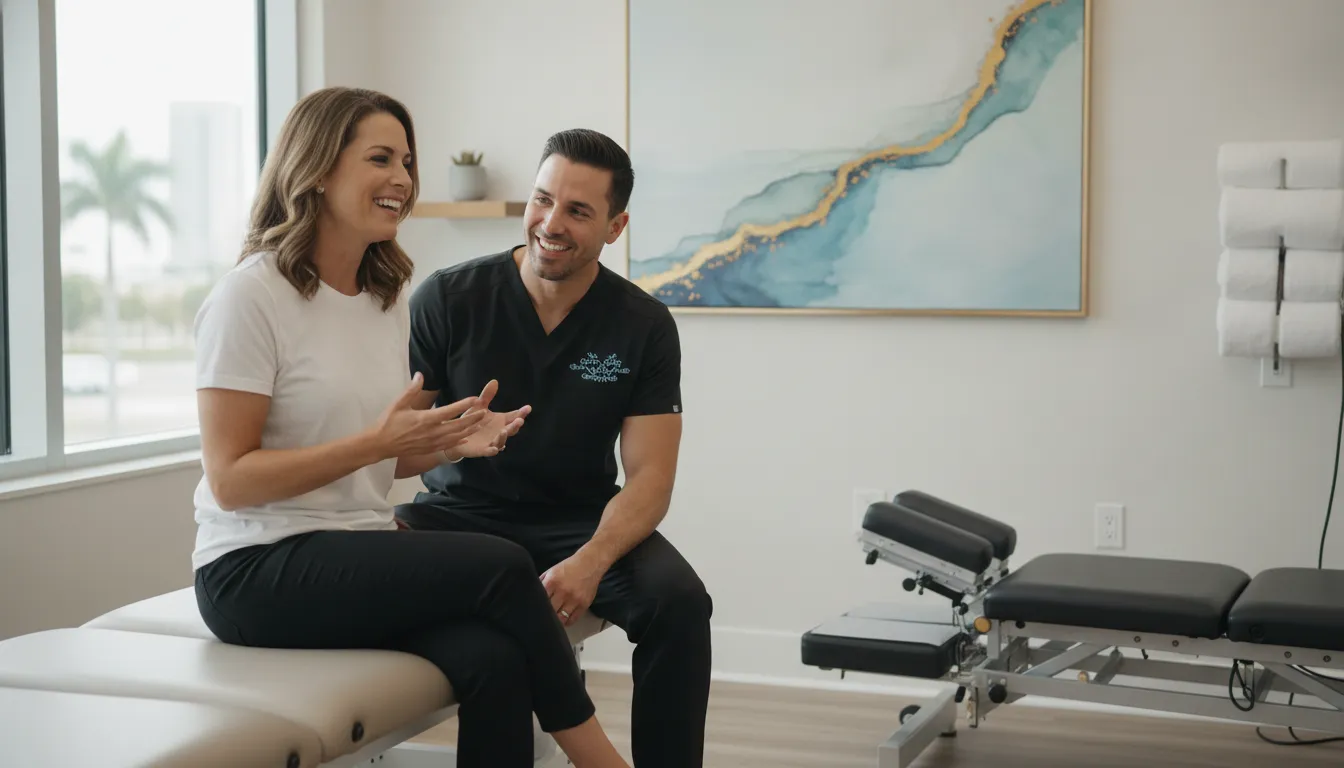
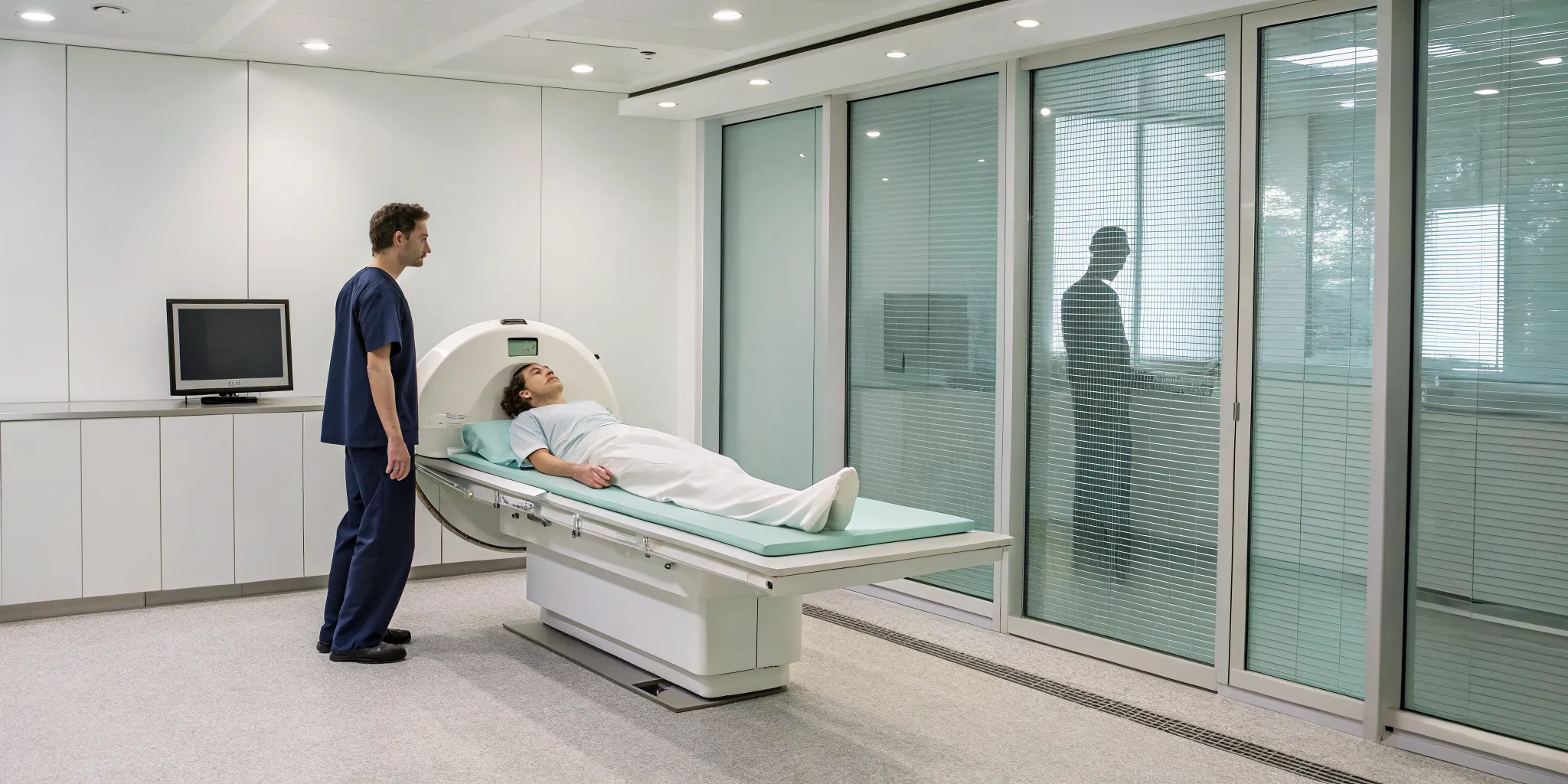
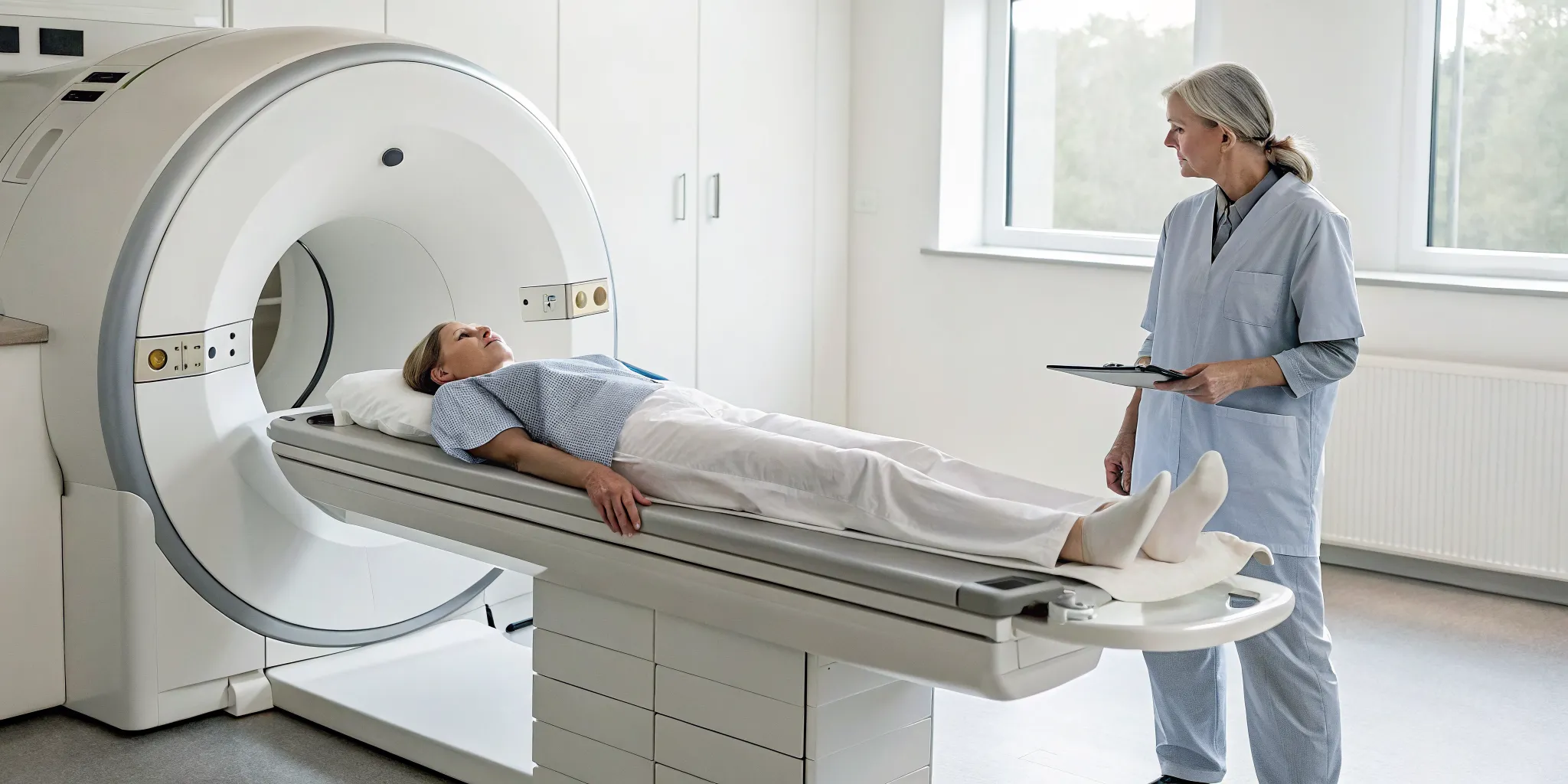
Day 1 at the practice is a discovery visit: a sit-down consultation, and imaging or treatment only if the doctor deems it appropriate. Day 2 is a report of findings, a strategy session, and the doctor's recommendations. Digestive visits follow that same two-step rhythm when the clinician uses it. They do not start with a promise about how fast symptoms should change.
The live service page for bloating, gas, and digestive health lists contributors the clinic may look for. Those include bacterial overgrowth, H. pylori, microbiome imbalance, and food reactions. This article does not re-teach each of those. It tells you when a meal-timed gas pattern is a reason to ask about them.
Which Meal Patterns Are Worth Tracking Before a Visit?
The meal patterns worth tracking are timing, the specific food or drink, and what else you feel, kept for one to two weeks. A short log is more useful than a long list of foods you already cut out.
Write four things after the meals that bother you. Note the clock time you ate and the clock time the gas started. Name the food or drink, especially beans, cruciferous vegetables, dairy, fruit juice, wheat, and gum or candy made with sugar alcohols. Mark whether the main event was belching, pressure, odor, or all three. Add any partner symptom: loose stool, constipation, nausea, or pain that stops you.
Also note pace. Eating in the car, talking through lunch, or finishing a carbonated drink with a straw is data. So is a new denture or a new medicine. NIDDK specifically flags gum, hard candy, fizzy drinks, eating fast, smoking, and loose dentures as reasons people swallow more air.
Skip two traps. Do not start a long elimination diet before anyone has seen the log. Do not buy a stack of enzymes, charcoal, or probiotics to "test" on yourself. NIDDK says to talk with a doctor before using supplements, probiotics, or other complementary products. The wrong product can muddy the history a clinician needs.
If food reactions are the pattern you already see, Ascend's note on food sensitivities management is the adjacent read. It is about reactions over time, not about this meal-timing question. Nutrition changes, when they are used, belong in a plan. The medical nutrition protocols page is where that kind of care is described.
| What you notice after eating | What it may suggest | What to bring to a visit |
|---|---|---|
| Belching during the meal or within the hour. | Swallowed air or carbonation more than fermentation. | Pace, straws, gum, dentures, and fizzy drinks. |
| Pressure or odor a few hours later. | Carbohydrate reaching colon bacteria. | The foods and the clock times, not a full ban list. |
| Symptoms mainly after dairy or sugar-alcohol sweets. | A lactose or sugar-alcohol pattern to test carefully. | Exact products and whether lactase was already tried. |
| Gas plus diarrhea, constipation, pain, or weight loss. | A broader digestive question, not a food tweak alone. | Stool changes, bleeding, fever, or unexplained weight loss. |
| Daily gas that does not follow meals. | This may not be a post-meal problem. | A one-week pattern so the visit is not built on one bad lunch. |
When Should Gas After Eating Lead to Testing?
Gas after eating should lead to testing when the pattern is persistent, sudden, or paired with pain, bowel changes, or weight loss. A single gassy meal after beans is not that visit. A month of the same pressure after ordinary lunches can be.
NIDDK says to talk with a doctor if gas bothers you, if symptoms change suddenly, or if you also have abdominal pain, constipation, diarrhea, or weight loss. Testing is not automatic. A history and an exam come first. Labs, stool studies, or breath tests are added when the story suggests a condition that those tests can actually clarify.
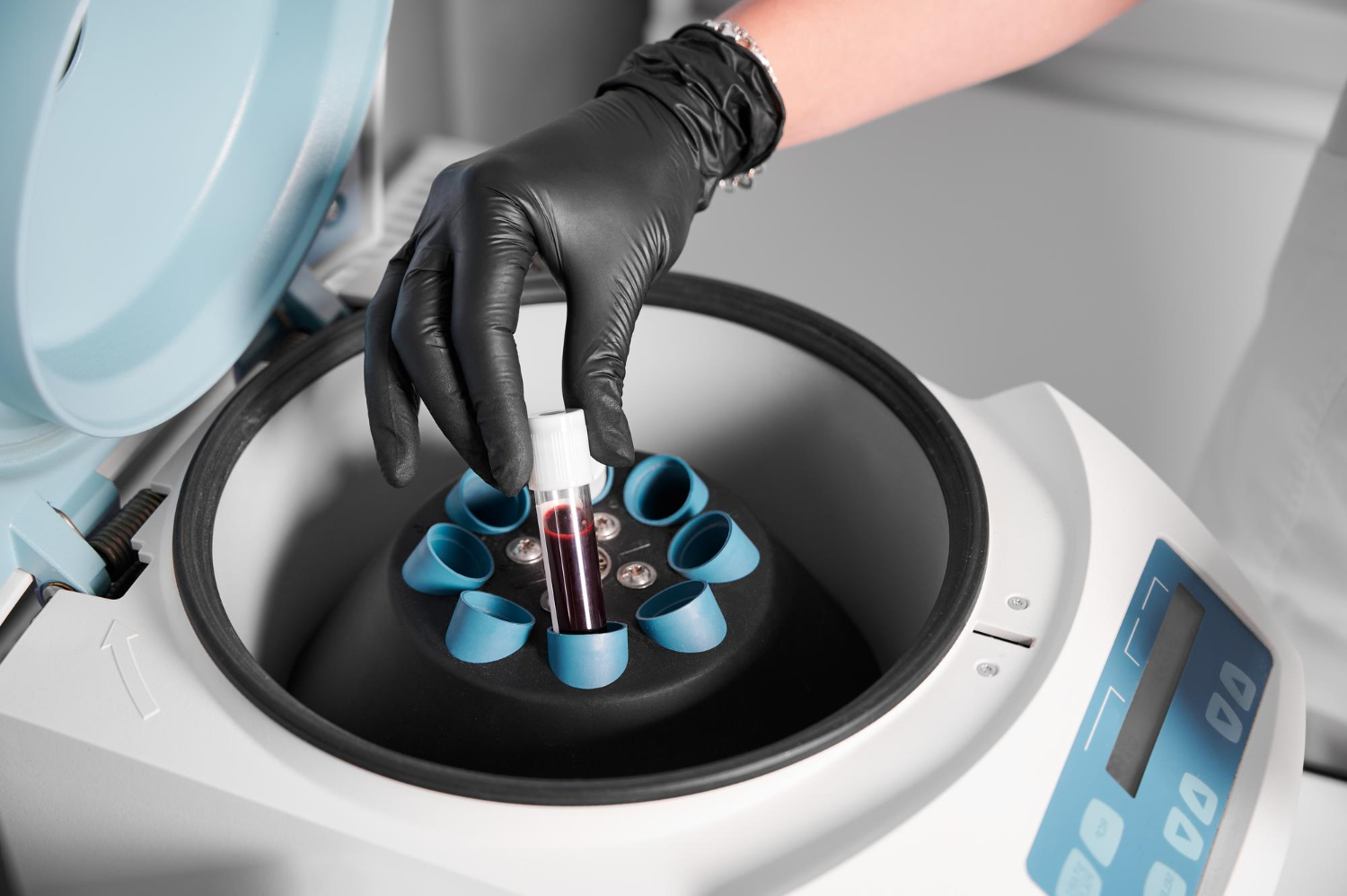
On the Tampa service page, the workup often starts with comprehensive stool and microbiome testing. Sometimes with bloodwork and hydrogen or methane breath testing when small intestinal bacterial overgrowth is a real question. That is a clinician decision after the history, not a panel to order because a blog named it. You can read how stool and microbiome testing are framed on the gut health testing page, and how broader labs fit on the comprehensive bloodwork page.
Bring the log, a medicine list, and the result of any prior GI visit that ended with "it is just IBS." Ascend is a cash-pay practice. The plan is not written around what a policy will reimburse. The point of that model is to look for contributors to the symptom instead of stopping at a reactive label. Ask what each test would change before you agree to it.
Some symptoms should not wait for a scheduled visit. Severe or prolonged belly pain is one. So are chest pain, vomiting that will not stop, black or bloody stool, and fainting. Call 911 if those are happening now. This page cannot sort them for you.
How Does a Tampa Functional Medicine Visit Differ From Cutting Foods?
A Tampa functional medicine visit differs from cutting foods because someone maps the pattern, decides whether testing is useful, and then chooses a plan with you. Removing random foods can quiet a week and hide the reason the gas keeps returning.
Self-directed cuts also tend to pile up. People drop dairy, then wheat, then fruit, then fiber, and arrive under-eating without a clearer answer. A visit can still include food changes. Those changes should be specific, time-limited, and tied to what the history or tests showed. Nutrition counseling at Ascend is described as a protocol, not a list of forbidden meals.
The same is true for products. Targeted supplementation is a service the clinic offers when a clinician includes it in a plan. It is not something this article can match to your symptom. Read the targeted supplement protocols page if you want to see how that care is framed, then ask at the visit whether any product belongs in your case.
If bloating, not meal-timed gas, is the symptom you want explained first, use the existing guide to bloating causes. If you want the wider view of stubborn digestive symptoms, the article on functional medicine for digestive symptoms is the companion, not a repeat of this one.
Review bloating and gas care in Tampa
Frequently Asked Questions
Is gas after every meal a sign something is wrong?
Not by itself. NIDDK says some gas during or after meals is normal, and passing gas up to about 25 times a day can still fall in a normal range. It is more concerning when the pattern is new, painful, tied to bowel changes or weight loss, or disruptive enough that you plan your day around it.
How do belching after eating and later gas differ?
Belching soon after a meal often reflects air swallowed while eating or gas from carbonated drinks. Gas that builds hours later is more often produced when colon bacteria break down carbohydrates that were not absorbed earlier. Telling those apart is more useful than treating both the same way.
Should I stop eating fiber, beans, or vegetables?
No. Those foods are common gas triggers for some people, and fiber still supports digestion. A short log can show your personal triggers. A long-term ban, started on your own, can leave you with a thinner diet and no clearer cause.
When should I book a visit instead of trying another over-the-counter product?
Book when symptoms persist, change suddenly, or come with pain, constipation, diarrhea, or weight loss. Also book if products and food cuts have not clarified the pattern. Talk with a clinician before adding supplements or probiotics, since they can confuse the history.
Does Ascend treat meal-timed gas as a fast result?
No. The practice looks for contributors such as microbiome imbalance, food reactions, or bacterial overgrowth only when the history supports that look. Recommendations follow a consultation and, when needed, testing. Nothing on this page promises a specific symptom result.
Talk With Ascend About Gas That Follows Your Meals
If excessive gas after eating is steady enough to affect meals, work, or sleep, a Tampa consultation can sort the pattern. A clinician can separate swallowed air from a food pattern. Together you can decide whether any testing belongs. Bring a one- to two-week log. Ask what each next step would change.
Call (813) 284-7222 to request a consultation
This article is educational. It is not medical advice, and it is not a diagnosis. Talk with your own clinician before you change how you eat, stop a medicine, or start a supplement. If pain is severe, call 911. Do the same for chest pain, persistent vomiting, black or bloody stool, or fainting.