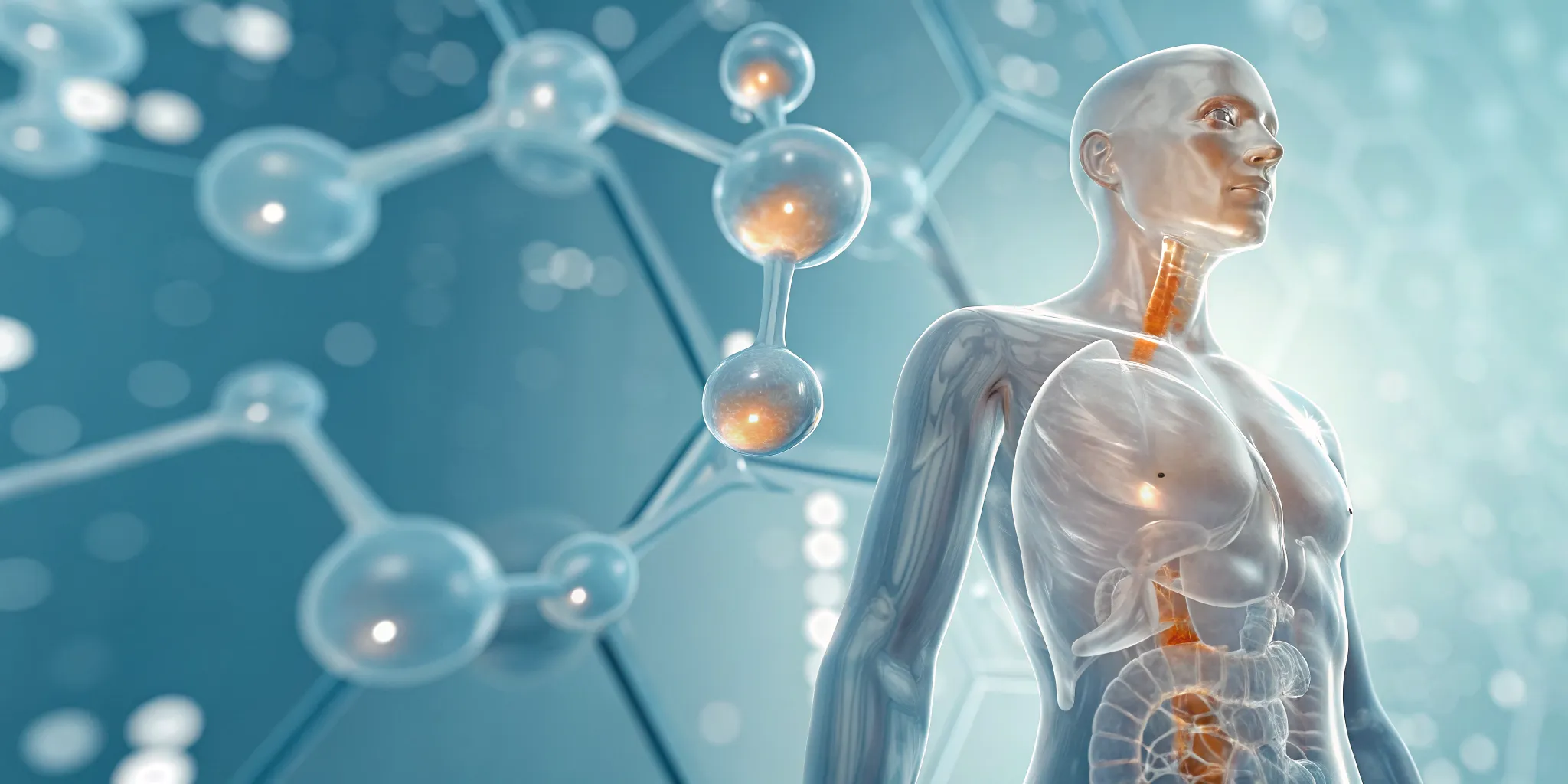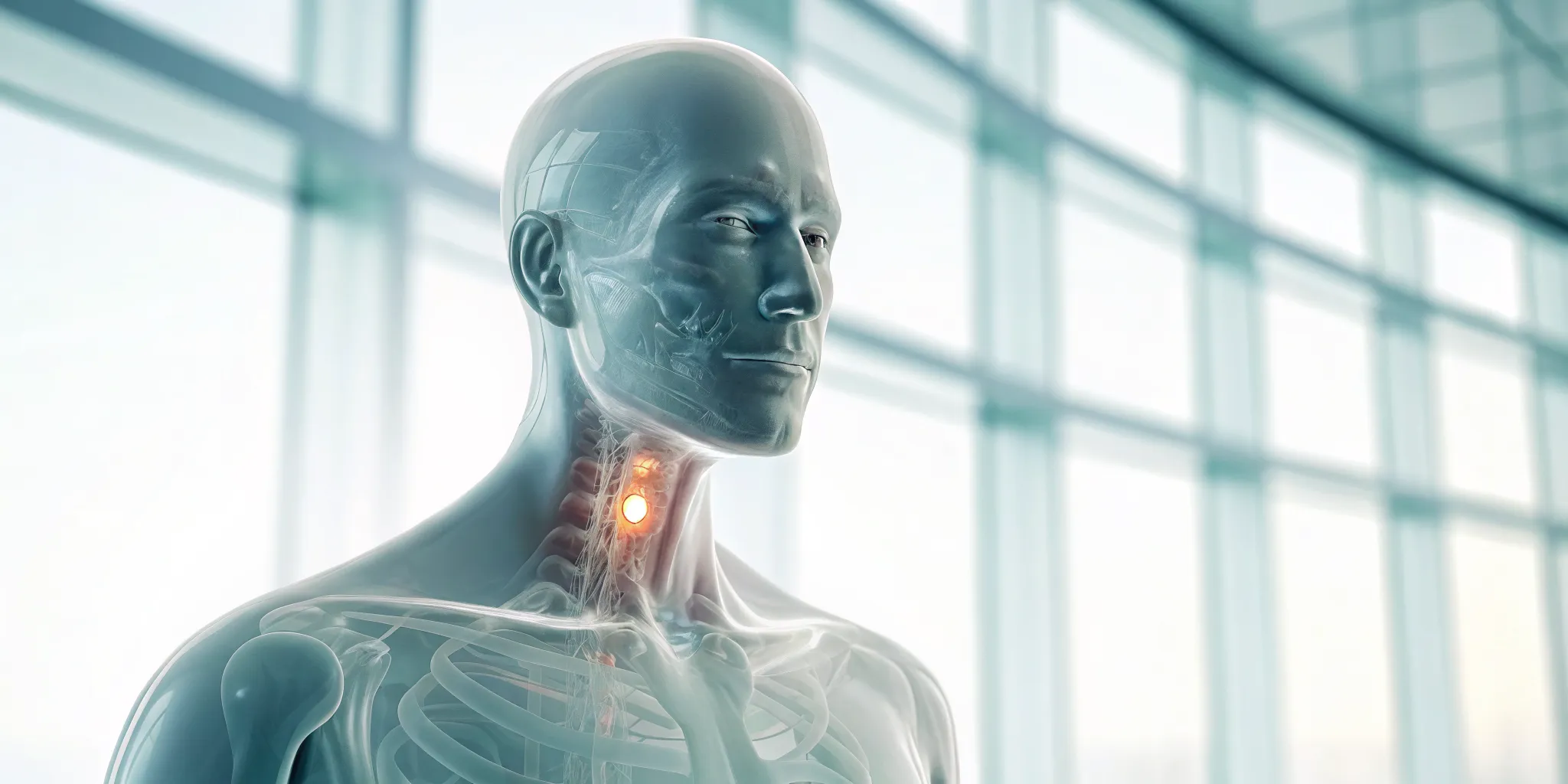
Your body has an incredible, built-in capacity to heal itself. When you get a cut, you see this process in action. But with deeper tissue injuries or chronic inflammation, that natural repair system can get stalled or become inefficient. It needs a signal to get back to work. Instead of just covering up the pain, we can use advanced technology to send that signal directly to the source of the problem. SoftWave therapy for injury recovery does exactly that. It uses acoustic waves to wake up your body’s dormant repair crews, like stem cells, and directs them to the injured area. This guide will explain how this non-invasive approach helps your body fix itself.
Key Takeaways
- Stimulates Your Body's Natural Healing: SoftWave therapy uses patented sound waves to activate your body's own repair mechanisms, including stem cells and increased blood flow, to address injuries at their source.
- Addresses the Root Cause of Chronic Pain: This therapy is effective for many stubborn conditions like tendonitis, joint pain, and plantar fasciitis because it helps repair the underlying tissue damage, not just mask symptoms.
- Provides an Efficient and Non-Invasive Option: Each session is quick, usually lasting 10 to 15 minutes, and because the treatment is non-invasive, you can resume your daily activities immediately with no downtime.
How Does SoftWave Therapy Work?
It might sound like something from the future, but SoftWave therapy is a straightforward and effective technology. It uses patented, unfocused sound waves to stimulate your body’s natural healing mechanisms. Think of it as a way to gently wake up and direct your body’s own repair crew to the exact spot that needs help. This approach gets to the heart of the problem by promoting genuine tissue repair, rather than just masking pain.
Using Sound Waves to Kickstart Healing
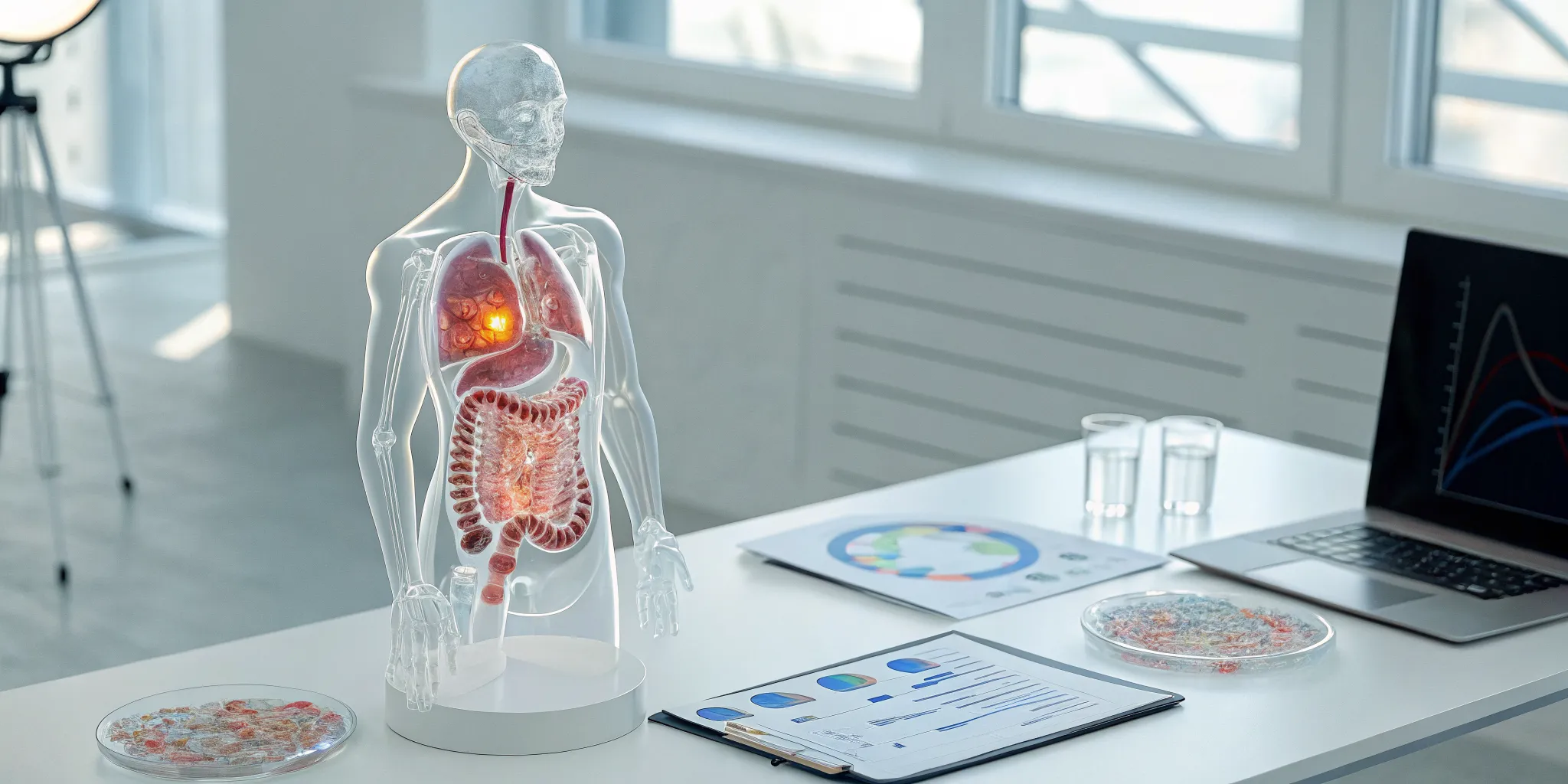
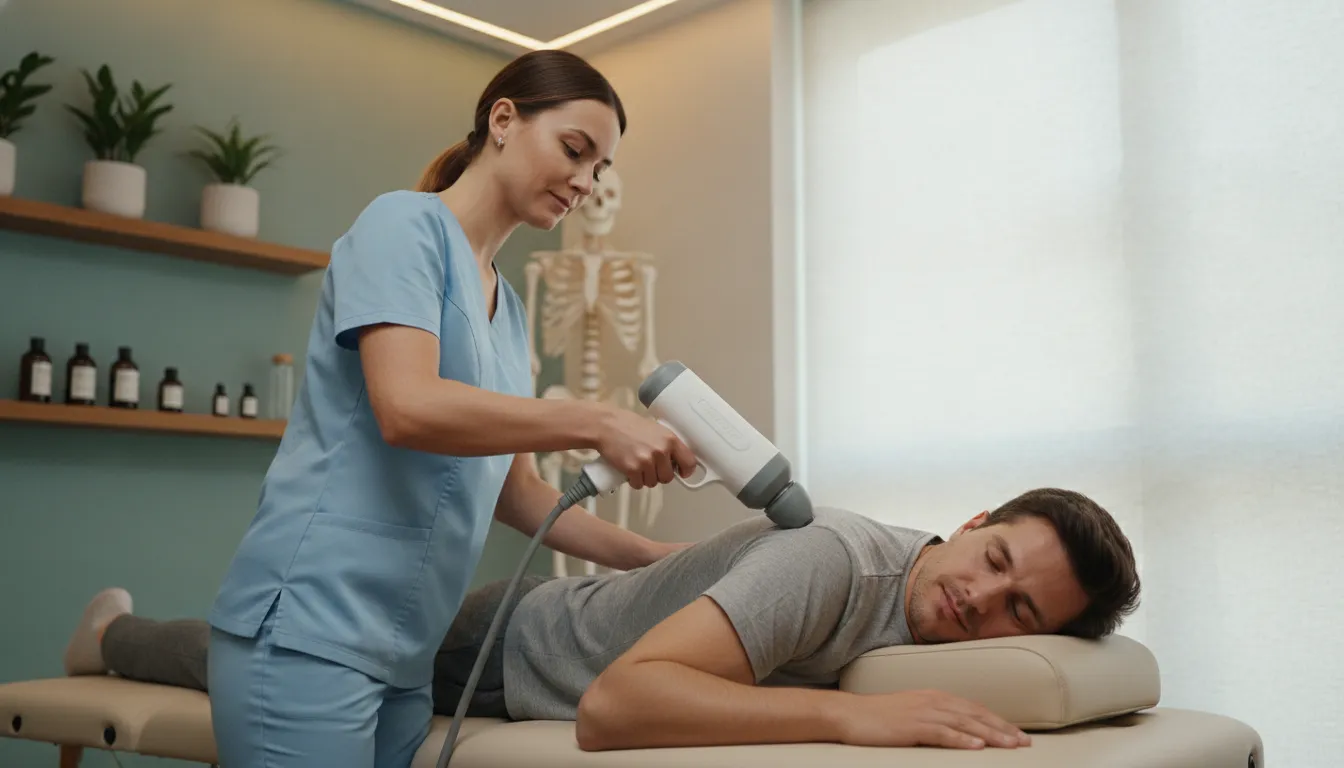
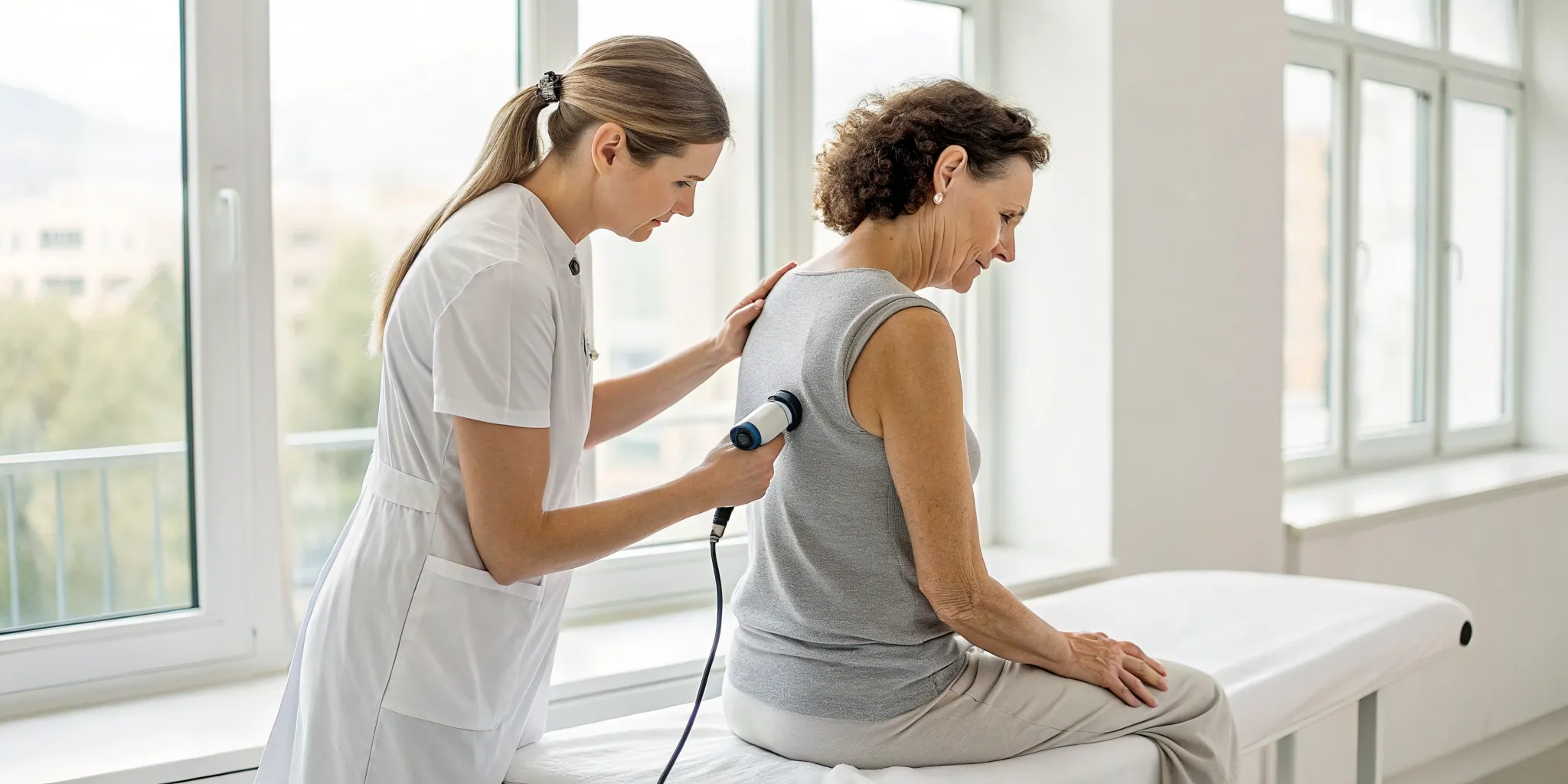
So, how do sound waves actually heal you? During a session, a specialist uses a handheld device to send gentle, low-intensity sound waves through your skin and into the injured tissue. These aren't just any sound waves; they are unfocused, which allows them to cover a wider and deeper area. This process immediately gets to work by increasing blood flow, which is essential for healing. It also helps reduce inflammation and pain. More importantly, these waves act as a signal, activating your body’s own stem cells and encouraging them to migrate to the site of injury to begin the repair process. It's a cornerstone of our physical medicine approach because it empowers your body to heal itself.
What Happens Inside Your Tissue
On a cellular level, SoftWave therapy creates a powerful chain reaction. The treatment works in a few key phases. First, the physical pressure from the sound waves creates a subtle stress on the cells. This signals a chemical response in your body, prompting it to form new blood vessels in and around the injured area. This process, called angiogenesis, brings more oxygen and nutrients to the tissue, which are critical for recovery. This biological cascade helps control inflammation and encourages your cells to regenerate and repair themselves. By working at this foundational level, we can address many of the chronic conditions we treat that haven't responded to other methods.
How SoftWave Repairs and Regenerates Tissue
When your body sustains an injury, it has a natural healing process. Sometimes, though, that process gets stuck, especially with chronic pain or old injuries. SoftWave therapy doesn't just mask the pain; it works on a cellular level to restart and support your body’s own repair mechanisms. Think of it as a powerful nudge that reminds your tissues how to heal themselves. The technology uses patented electrohydraulic acoustic waves to create a cascade of healing responses deep within the injured area.
This process unfolds in three key ways: it activates your internal repair crew, clears out old damage, and improves the supply lines needed for recovery. By addressing the root cause of the dysfunction, SoftWave helps your body build stronger, healthier tissue for lasting results. It’s a cornerstone of the physical medicine approach we use to help our patients find relief and regain function.
Activating Your Body's Stem Cells
Your body has its own internal repair system made up of stem cells. These are special cells that can transform into the specific type of cell your body needs to repair damage, whether it's muscle, tendon, or other soft tissue. However, these stem cells can lie dormant, waiting for a signal to get to work. SoftWave therapy provides that signal. The acoustic waves penetrate the tissue and essentially "wake up" your resident stem cells.
Once activated, these cells migrate to the site of injury and begin the process of regeneration. They help reduce inflammation and start rebuilding the damaged structures. This is your body’s own healing power, simply switched on and directed to where it’s needed most.
Breaking Up Old Scar Tissue
After an injury, your body forms scar tissue. While this is a normal part of healing, the new tissue is often dense, fibrous, and less flexible than your original tissue. Over time, this can lead to stiffness, restricted movement, and chronic pain. SoftWave therapy is incredibly effective at addressing this. The powerful acoustic waves create a shearing force that helps to break down old, dysfunctional scar tissue and calcifications that may have built up in tendons or joints.
By clearing out this restrictive tissue, we create space for new, healthy, and properly organized tissue to grow. This not only helps alleviate pain but also restores mobility and function to the area, addressing many of the chronic conditions we treat at our clinic.
Improving Blood Flow and Healing Signals
For any tissue to heal properly, it needs a steady supply of oxygen and nutrients, which are delivered by your blood. Injuries and chronic inflammation can compromise blood flow to an area, slowing down or stalling the healing process. SoftWave therapy helps re-establish this critical supply line by promoting angiogenesis, the formation of new blood vessels.
This increased circulation floods the area with everything it needs to repair itself. Better blood flow also helps flush out waste products and reduce inflammation. It creates the ideal environment for those newly activated stem cells to do their job effectively. This comprehensive approach is central to the services we offer, ensuring we support every phase of your body's healing journey.
What Conditions Can SoftWave Therapy Address?
One of the most encouraging things about SoftWave therapy is its versatility. It’s not a one-trick pony. This technology can be applied to a wide range of musculoskeletal problems, helping to address the pain and dysfunction that hold you back from living your life fully. It’s particularly effective for chronic conditions that have lingered for months or even years, as well as nagging injuries that just won’t seem to heal completely. Many people come to us feeling stuck, thinking they just have to live with the pain, but this therapy offers a new perspective.
Whether you're dealing with an old sports injury that flares up, persistent joint pain that limits your daily activities, or a newer strain that’s taking too long to recover, SoftWave can be a powerful tool. By targeting the underlying cause of the problem, stimulating your body’s natural repair mechanisms, and improving blood flow to the affected area, it helps create the ideal environment for true healing. We see it help with many of the conditions we treat in our clinic, offering a new path forward for many who feel they’ve run out of options. It's about getting your body back to a state where it can do what it's designed to do: heal itself.
Tendon and Ligament Injuries
If you’ve ever had tennis elbow, rotator cuff pain, or Achilles tendonitis, you know how frustrating these injuries can be. Tendons and ligaments have limited blood supply, which is why they are notoriously slow to heal. SoftWave therapy directly addresses this challenge. The acoustic waves penetrate deep into the tissue, creating a biological response that increases blood flow and wakes up the dormant healing factors in the area. This process helps deliver the oxygen and nutrients needed to repair damaged tendons and ligaments, providing relief from pain and restoring strength and function to the injured area.
Joint Pain and Chronic Lower Back Pain
Living with chronic joint pain in your knees, hips, or shoulders can make even the simplest movements feel like a major effort. The same goes for persistent lower back pain that just won’t quit. These conditions often involve a cycle of inflammation, tissue breakdown, and pain. SoftWave therapy can help break that cycle. By reducing inflammation and stimulating the regeneration of healthy tissue, it addresses the root of the problem instead of just masking the symptoms. This approach is a key part of our physical medicine services, helping you regain mobility and find lasting relief from the aches and stiffness that have been controlling your life.
Plantar Fasciitis and Muscle Strains
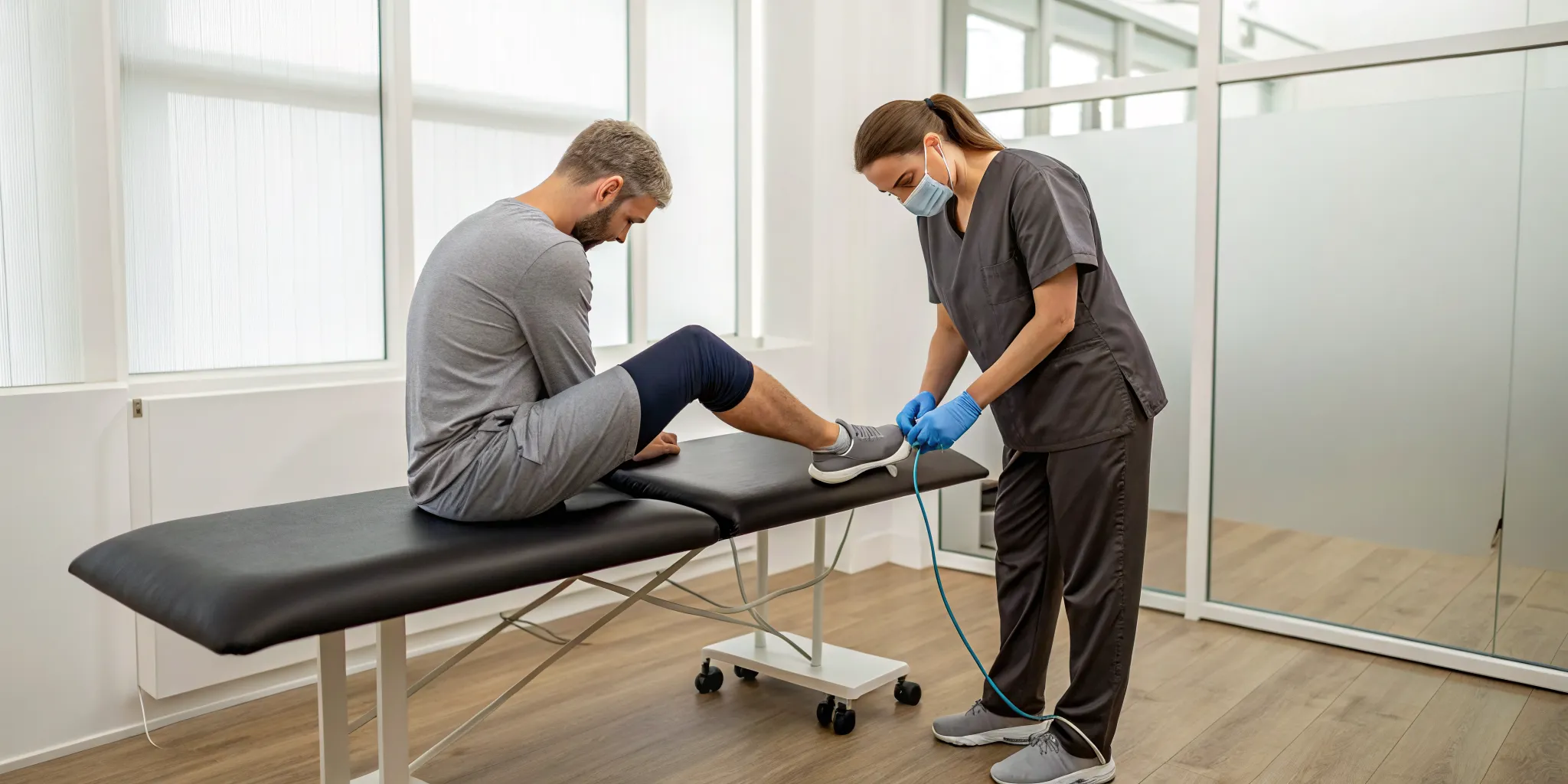
That sharp, stabbing pain in your heel when you first step out of bed is the classic sign of plantar fasciitis, a stubborn condition that can be difficult to resolve. SoftWave is an excellent option for this and other soft tissue injuries like muscle strains and ligament sprains. The therapy works to break up scar tissue and adhesions that can restrict movement and cause pain. At the same time, it promotes the formation of new blood vessels, which accelerates the healing process. This allows you to recover more quickly and get back on your feet without the constant discomfort.
Chronic Issues That Haven't Responded to Other Treatments
Perhaps the most hopeful application of SoftWave therapy is for those who feel like they’ve already tried everything. If you’ve been through rounds of other treatments without finding the relief you need, it’s easy to feel discouraged. SoftWave offers a fundamentally different approach. It works on a cellular level to restart your body’s own healing cascade, often succeeding where other methods have failed. We’ve seen incredible results for people who had almost given up hope of finding a solution. Hearing their stories is a powerful reminder that there is always a path to better health, which you can see in our patient testimonials.
How Does SoftWave Therapy Compare to Traditional Options?
When you're dealing with persistent pain, it’s easy to feel like your only choices are temporary fixes. Many conventional treatments focus on managing symptoms with pain relievers, recurring injections, or even invasive surgical procedures. While these can have their place, they often don't address the fundamental reason you're in pain. This is where SoftWave Therapy offers a completely different path forward. It’s not about masking the problem; it’s about helping your body resolve it.
Instead of just silencing pain signals, SoftWave works to restart your body's own healing processes at the cellular level. This approach aligns with a modern understanding of physical medicine, where the goal is to facilitate true healing and restore function for the long term. By comparing SoftWave to more traditional methods, you can see why it’s becoming a go-to for people seeking lasting relief without the drawbacks of invasive procedures. It’s a powerful tool for anyone who wants to get back to living their life, not just getting through the day. It empowers your body to do what it's designed to do: heal itself. This method moves beyond the limitations of symptom-based care and offers a proactive strategy for regaining your health and mobility.
A Non-Invasive Approach: No Needles, No Downtime
One of the most significant advantages of SoftWave Therapy is that it's completely non-invasive. As one source puts it, this is a treatment that "doesn't involve surgery or needles." Instead, it uses powerful, yet gentle, sound waves to stimulate healing from outside the body. This means no injections, no anesthesia, and no lengthy recovery periods.
You can walk into your appointment, receive the treatment, and walk out ready to continue your day. This is a stark contrast to procedures that require you to take time off work and put your life on hold to recover. With SoftWave, you get the benefits of deep tissue repair without the associated risks and downtime of more aggressive interventions.
Address the Root Cause, Not Just the Symptoms
Many common treatments offer temporary relief by simply masking pain. SoftWave Therapy is different because it "aims to address the underlying cause of discomfort." It doesn't just turn down the volume on your pain signals; it helps repair the damaged tissue that’s sending those signals in the first place. By stimulating stem cell activity and increasing blood flow, SoftWave gives your body the resources it needs to genuinely regenerate.
This focus on foundational healing is why it's effective for so many chronic conditions we treat, from tendonitis to nagging back pain. Instead of getting caught in a cycle of temporary fixes, you’re actively resolving the source of the problem, leading to more sustainable and meaningful results.
Fewer Sessions, Lasting Results
When you're in pain, you want relief that is both effective and efficient. Because SoftWave uses a broad-focused sound wave to cover a larger treatment area, many people find they "feel better after just a few sessions." The technology is designed to kickstart a powerful healing response, which can lead to noticeable improvements faster than you might expect.
While the exact number of treatments depends on your specific condition and how your body responds, the goal is always lasting change. The results aren't temporary because the therapy helps your body build new, healthy tissue. This means you’re not just patching a problem but creating a durable solution, allowing you to move past the injury and get back to your life with confidence.
What to Expect During Your SoftWave Session
Walking into any new treatment can feel a little uncertain, but the process for SoftWave therapy is simple and straightforward. From your first assessment to the treatment itself, our team is here to make sure you feel comfortable and informed every step of the way. The entire session is designed to be efficient, non-invasive, and focused on getting you the best possible results without any downtime. Here’s a clear breakdown of what your visit will look like.
Your First Assessment and Personalized Plan
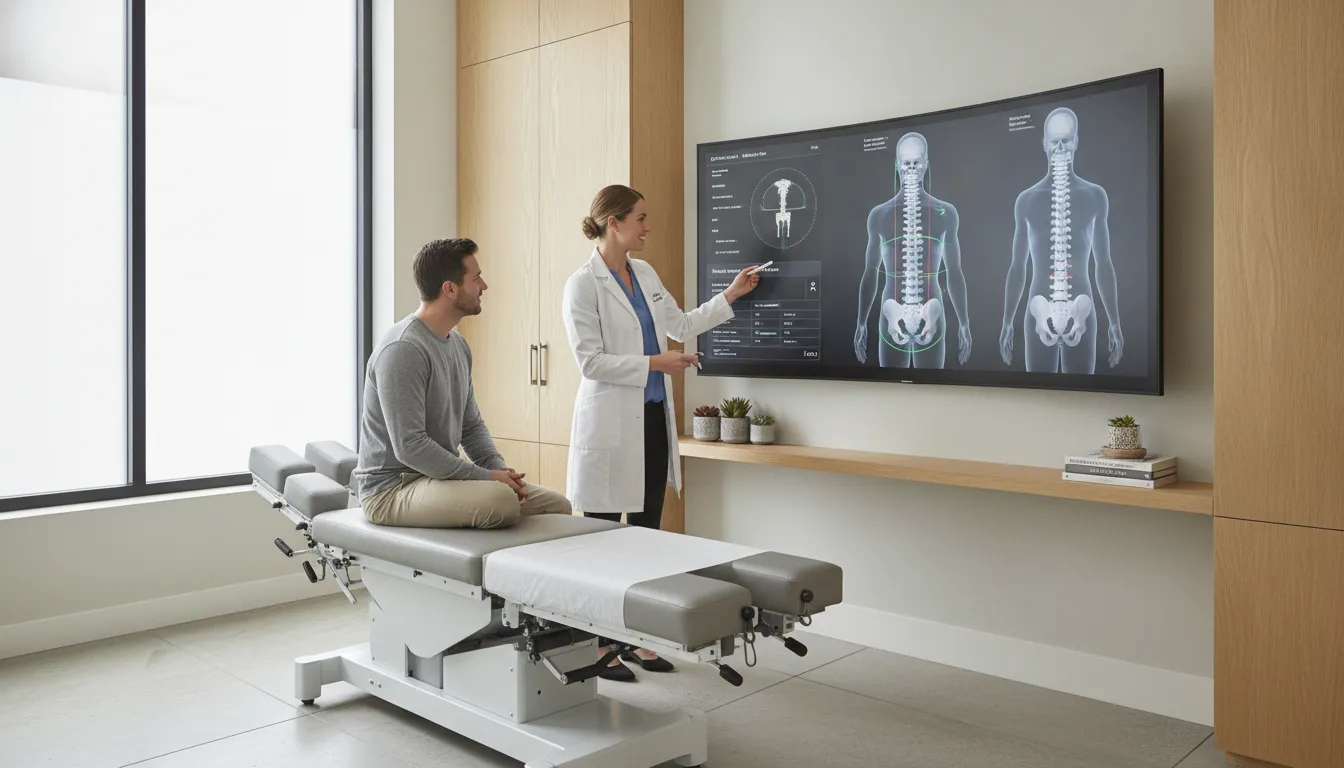
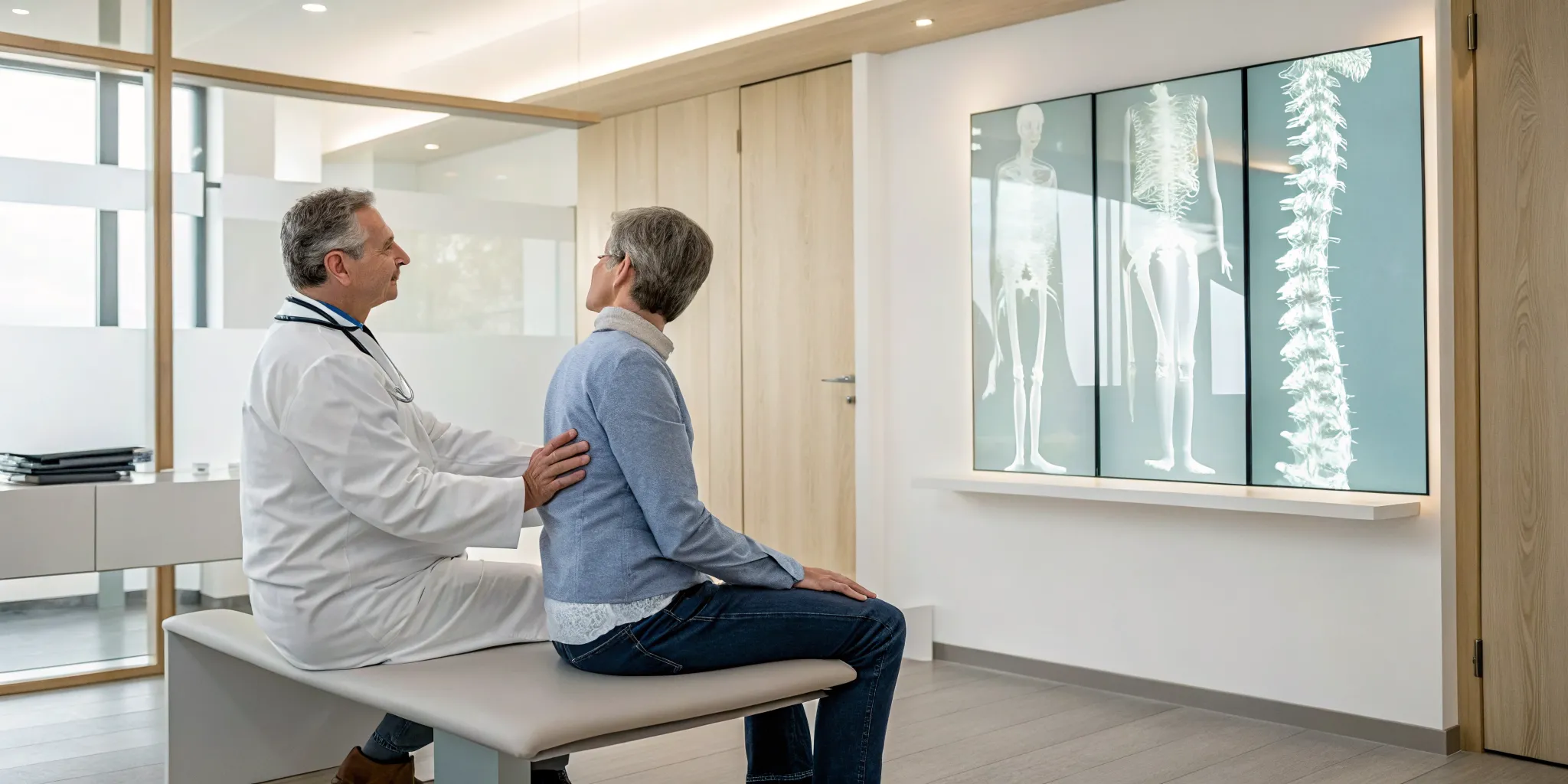
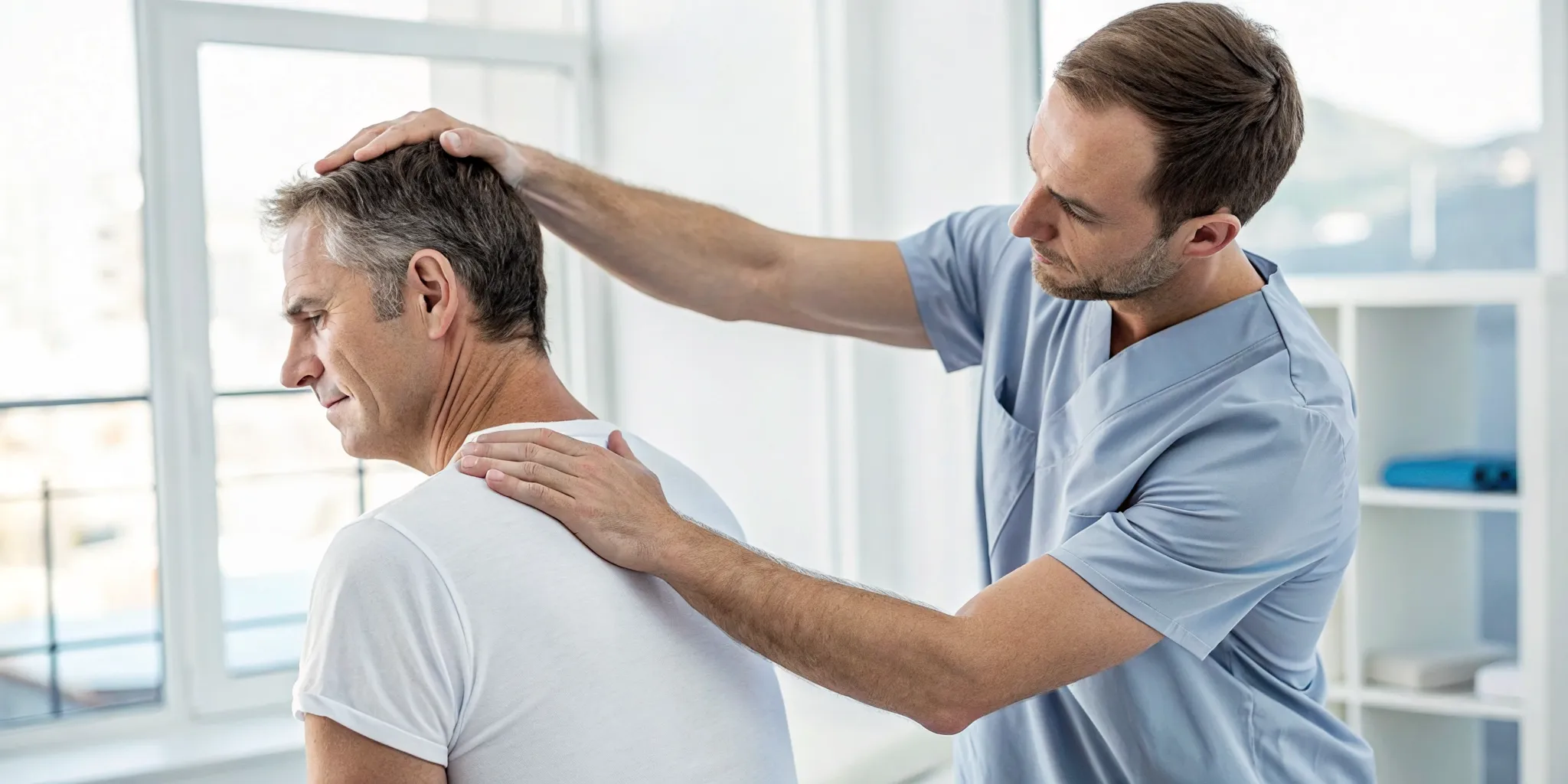
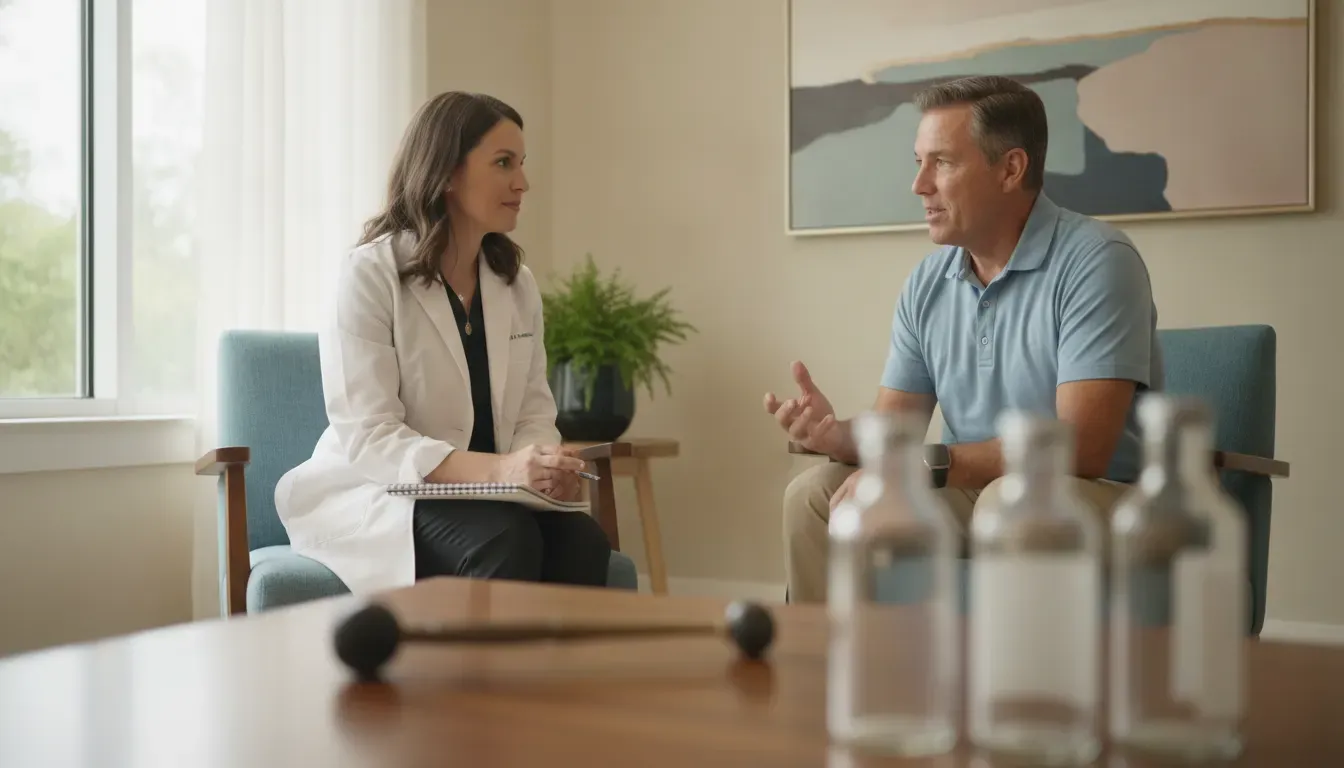
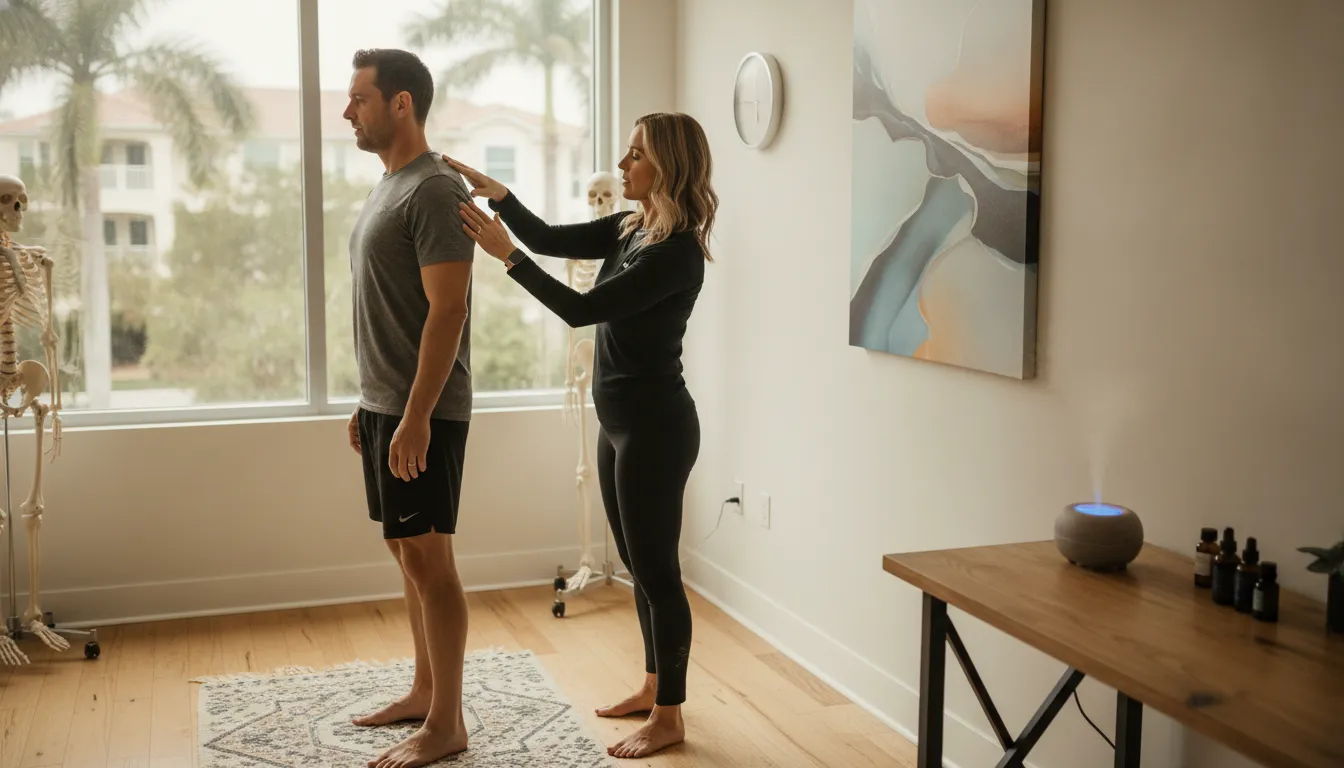
Before we begin any treatment, we start with a conversation. Your first visit includes a thorough assessment where our practitioner will talk with you about your injury, pinpoint where you feel pain, and observe your range of motion. This initial check helps us understand the precise area that needs attention and allows us to create a personalized plan just for you. We believe that effective healing starts with a deep understanding of your unique situation. By mapping out the affected tissue, we can ensure the therapy is targeted for maximum benefit, setting a clear path for your recovery journey.
What Happens During Treatment
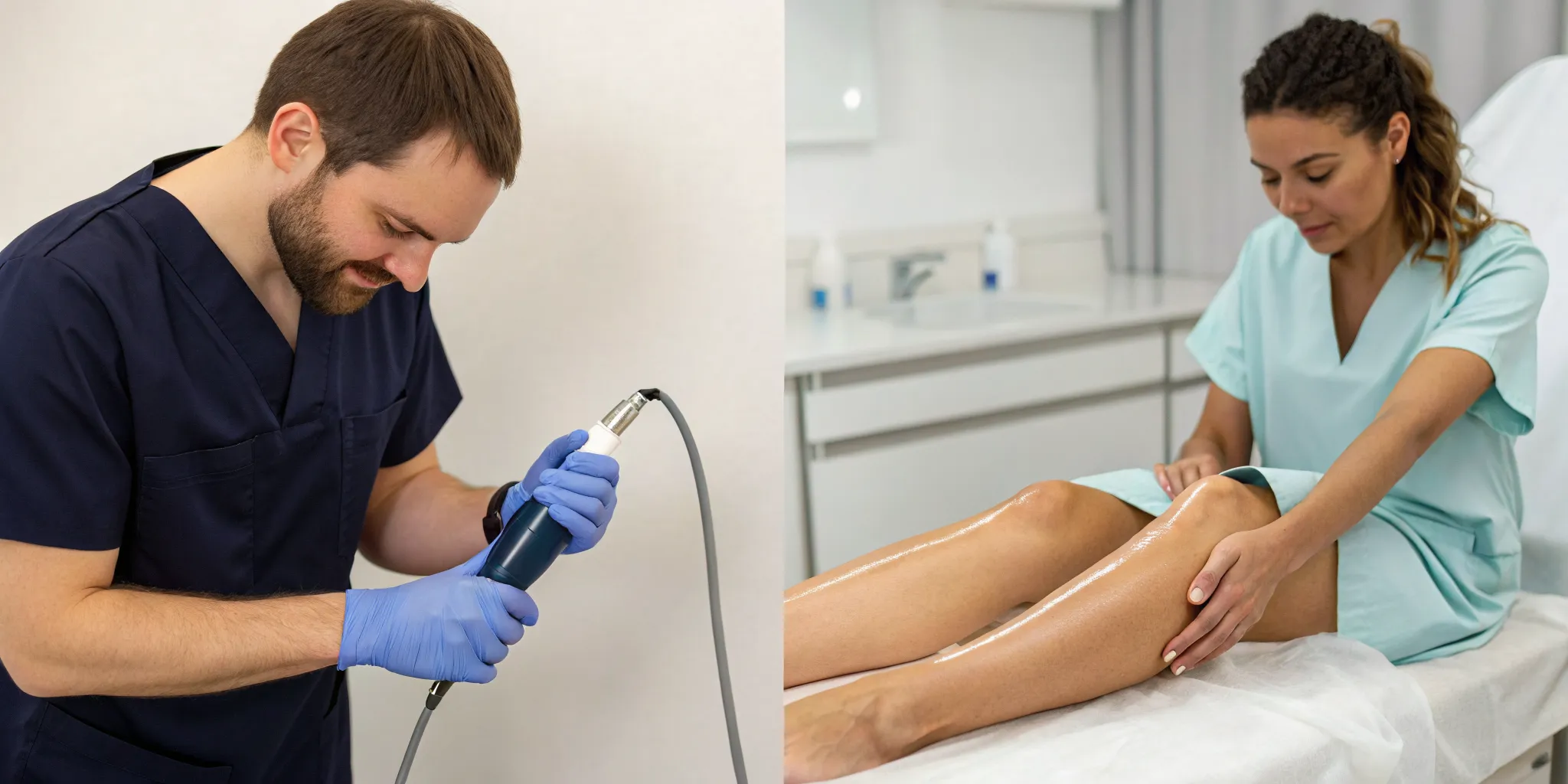
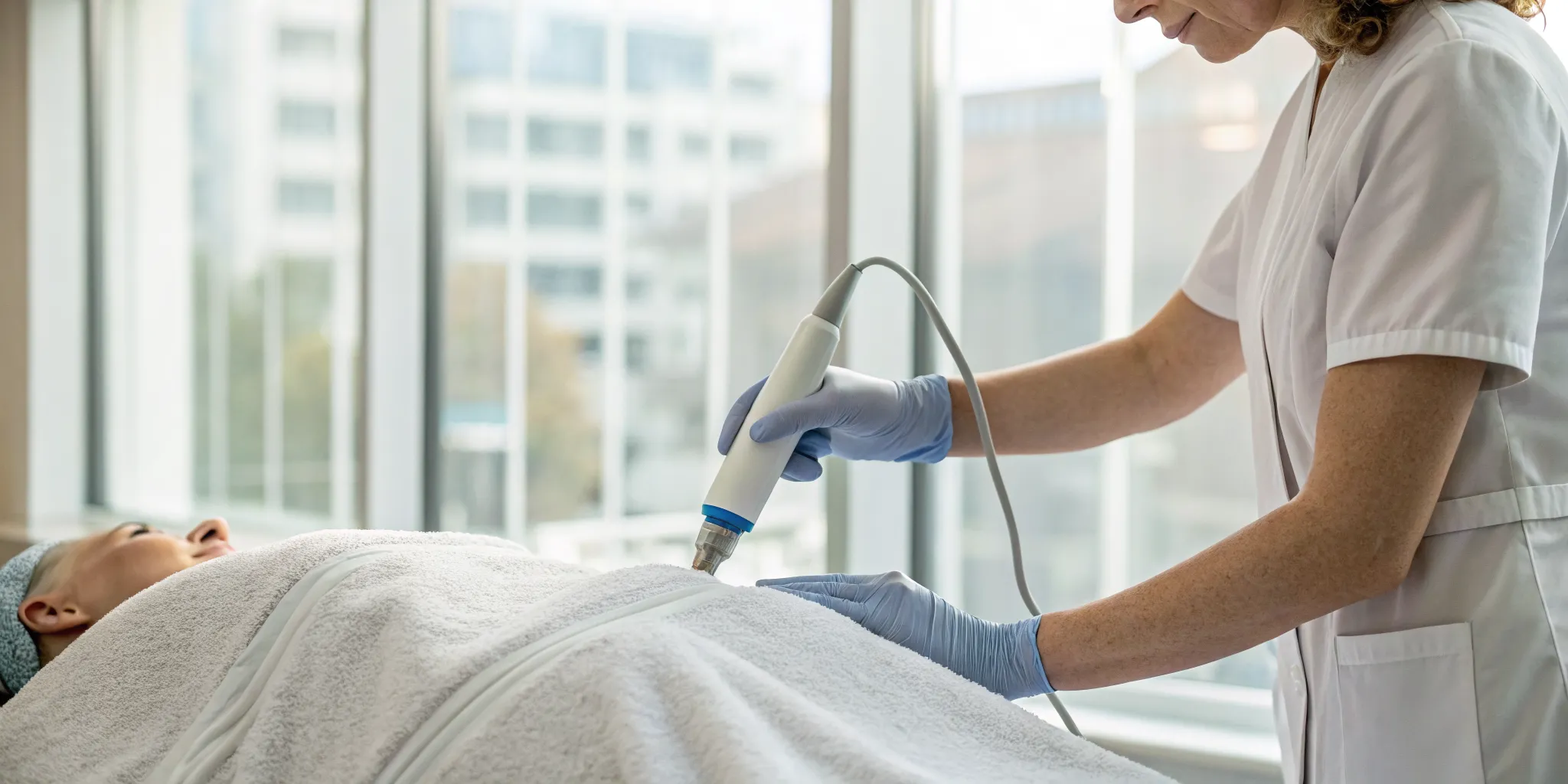
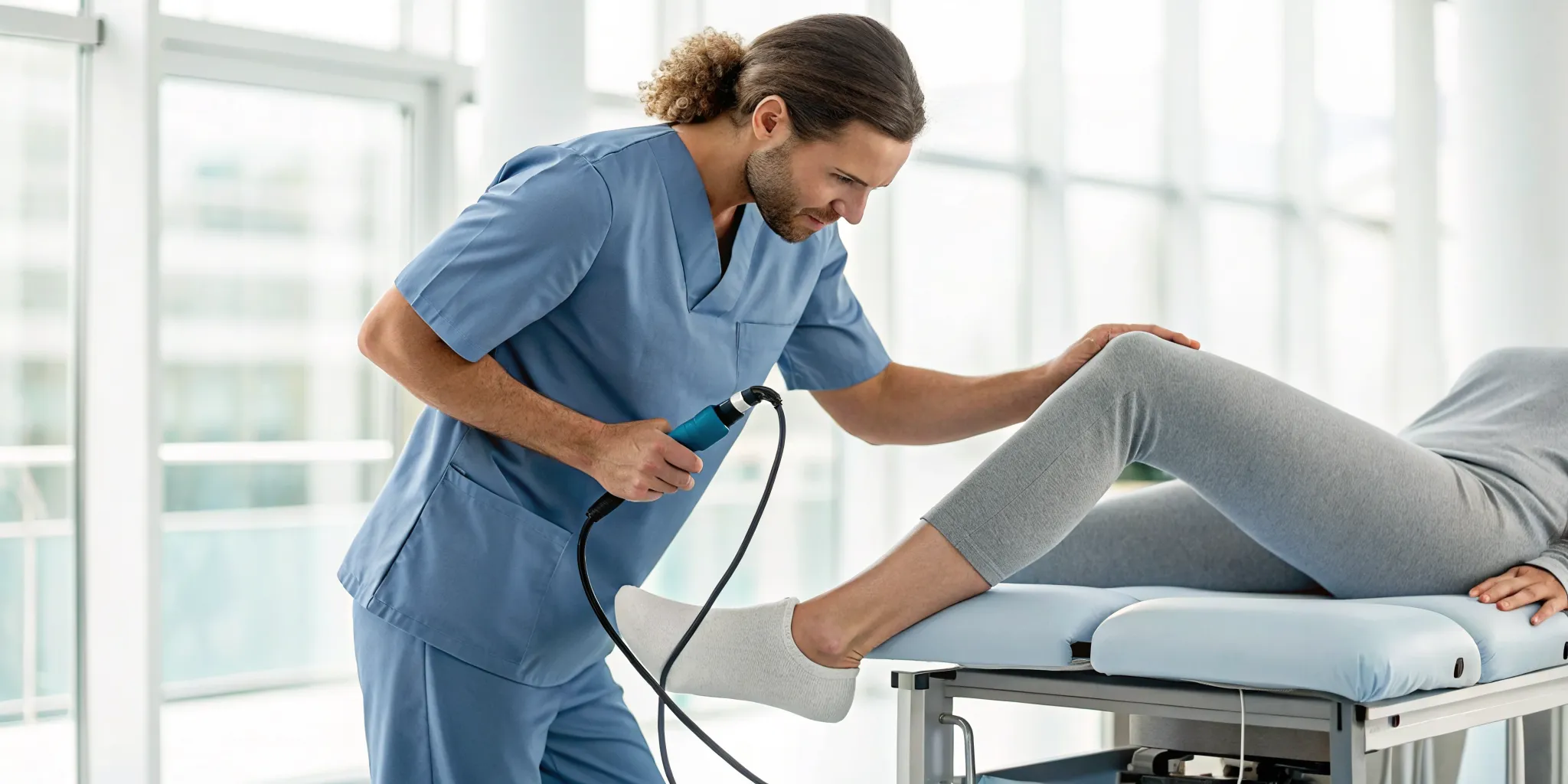
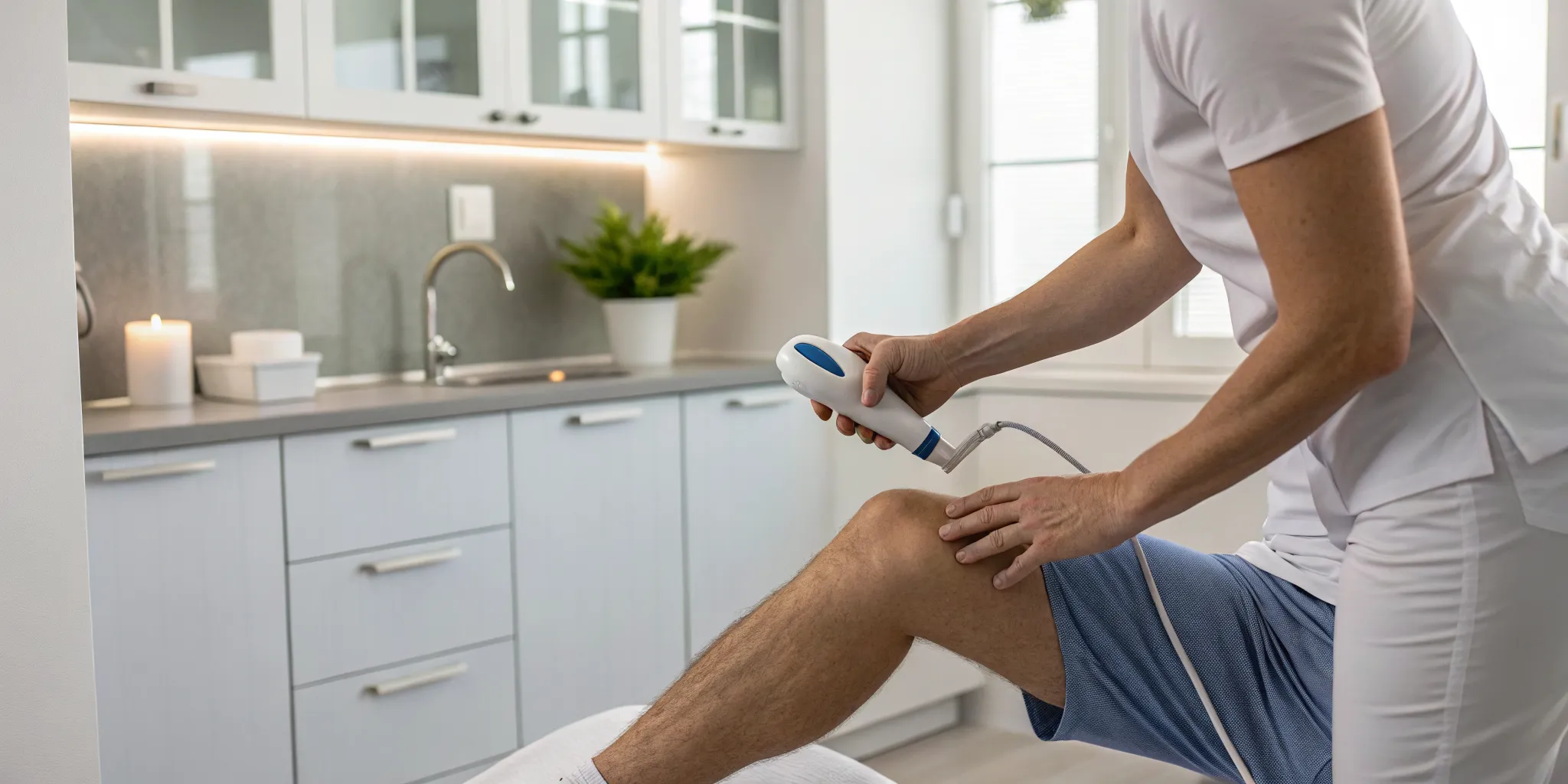
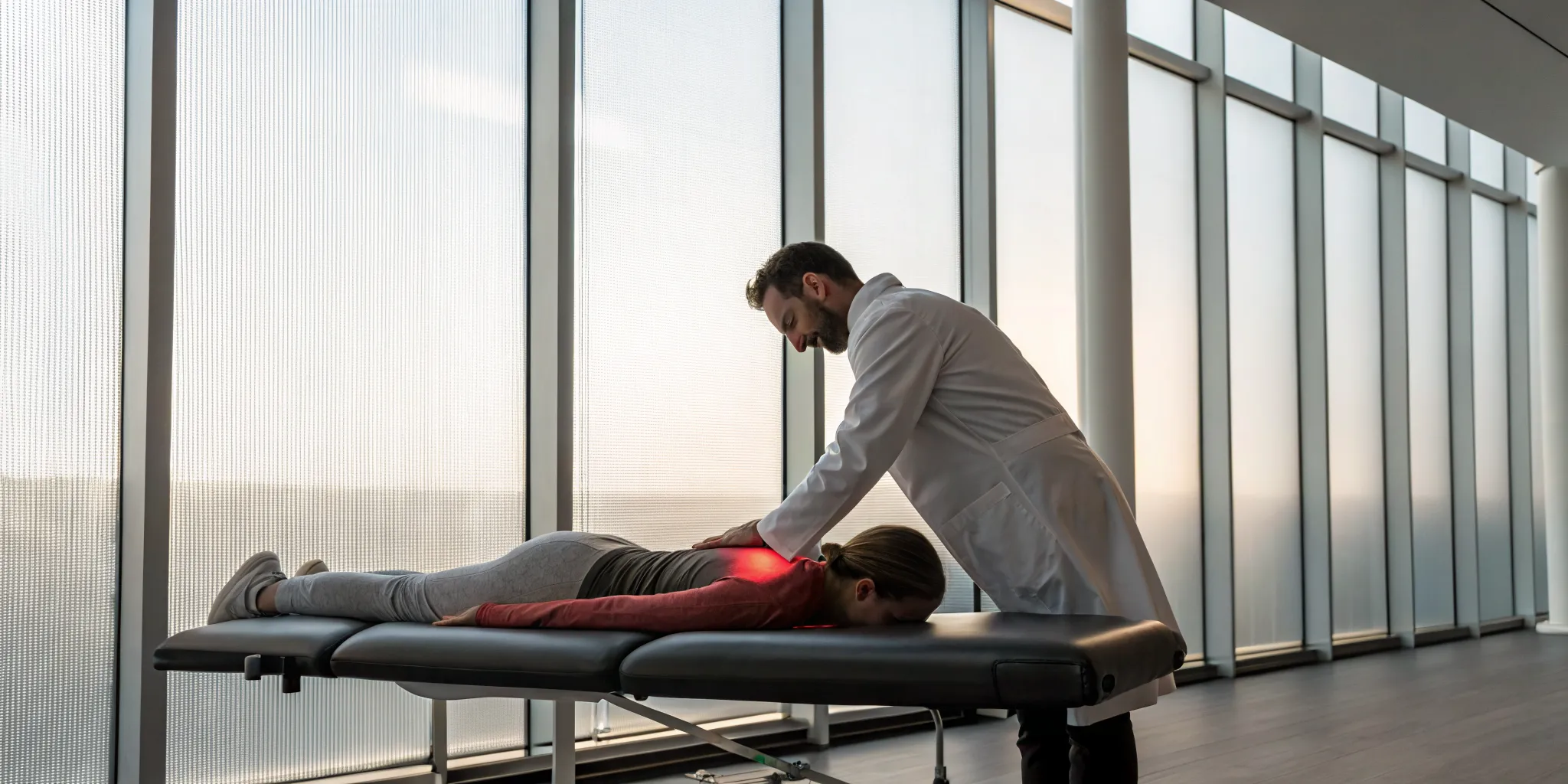
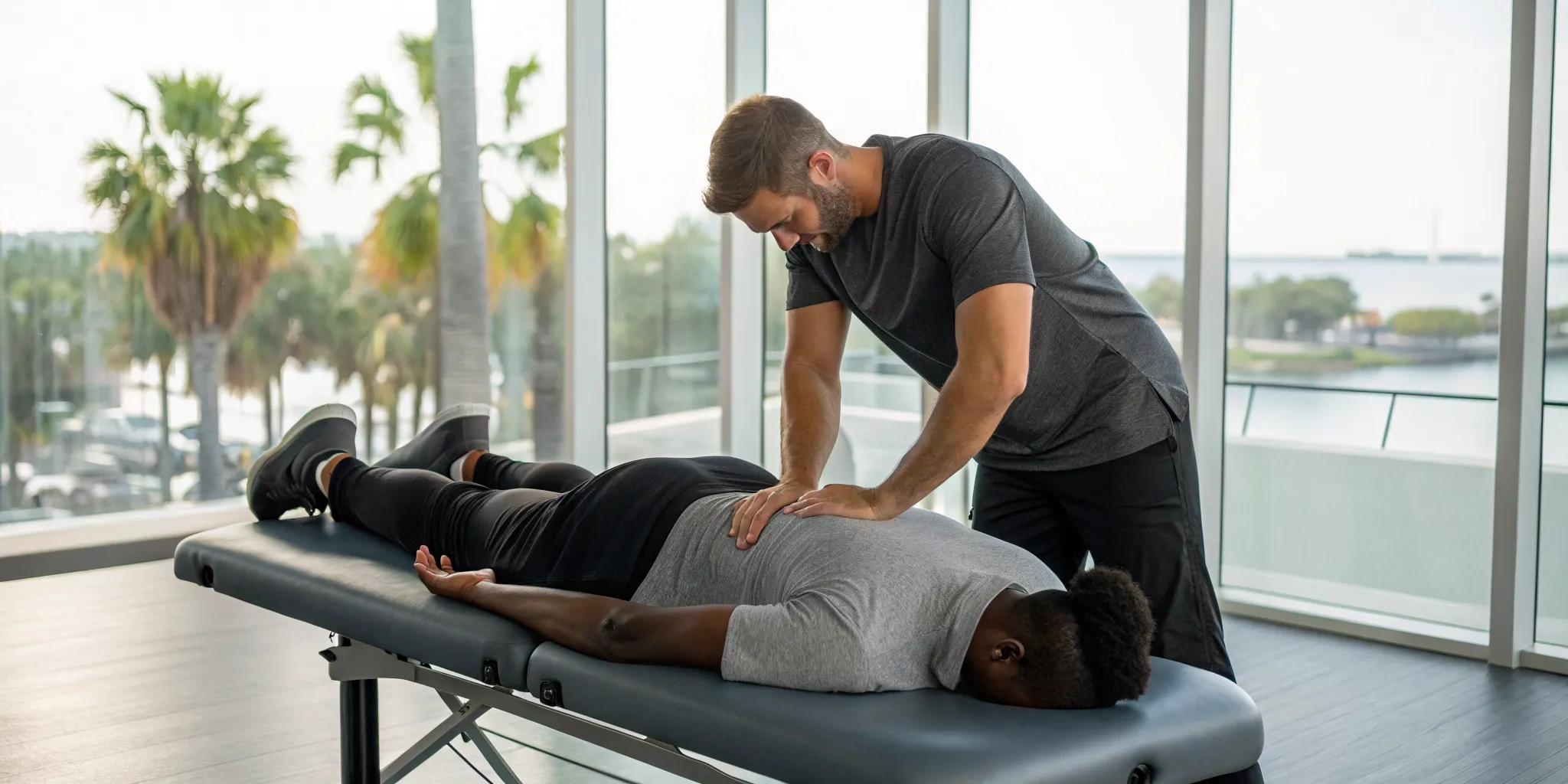
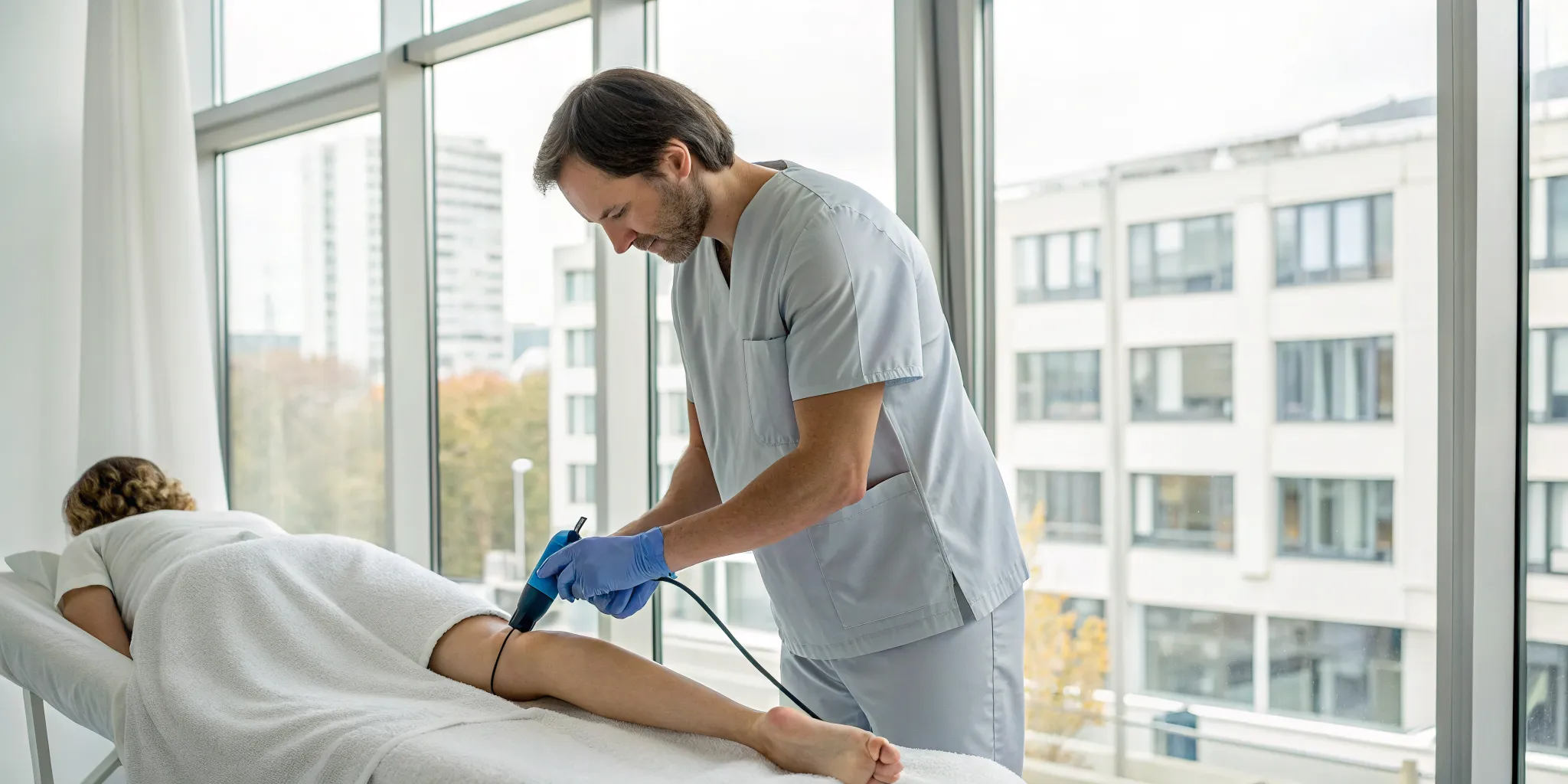
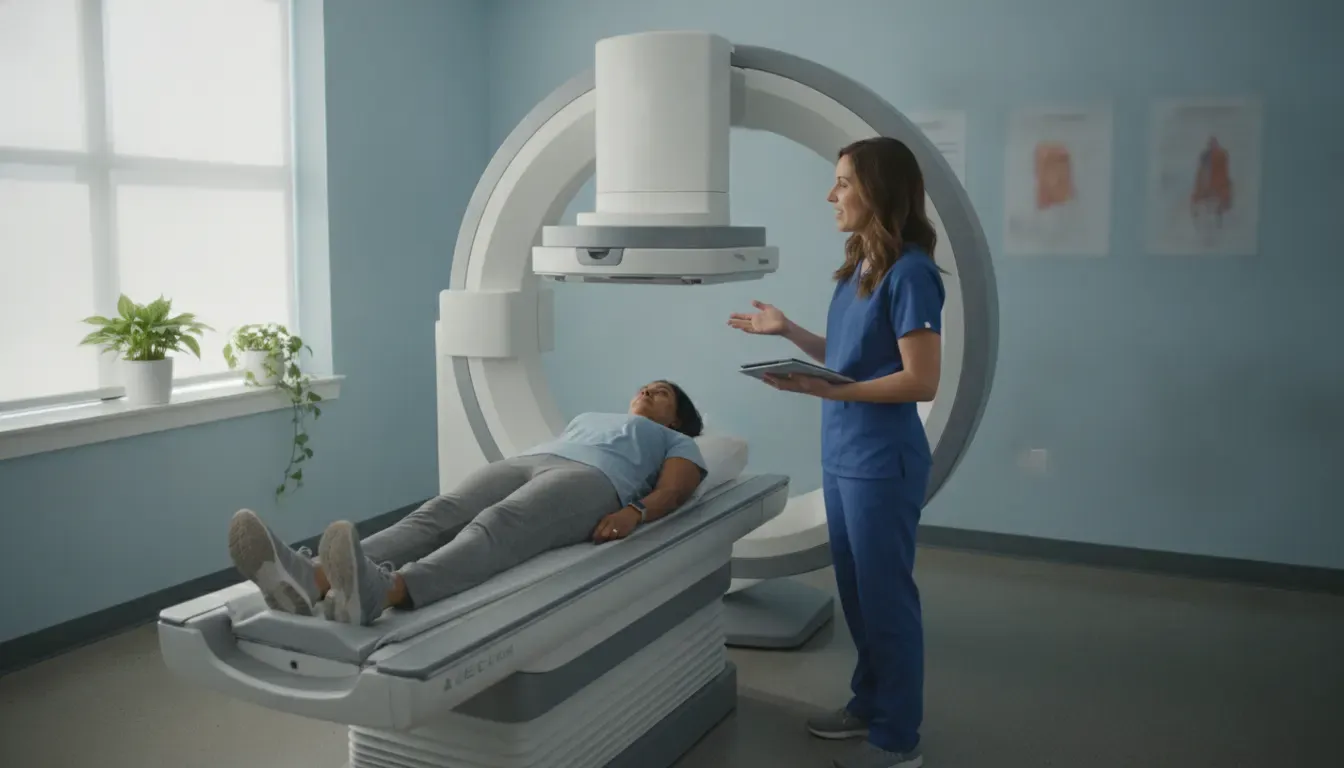
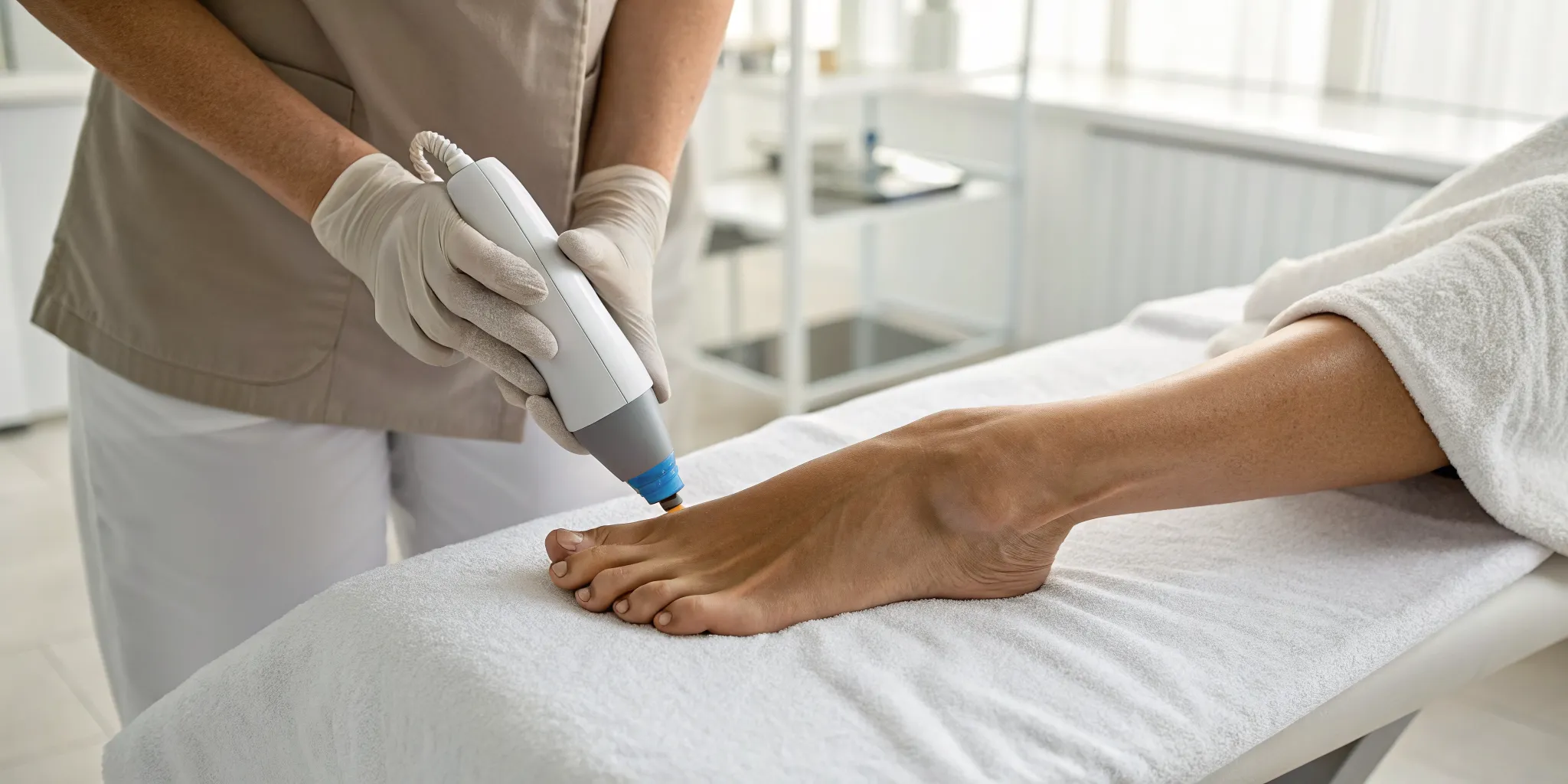
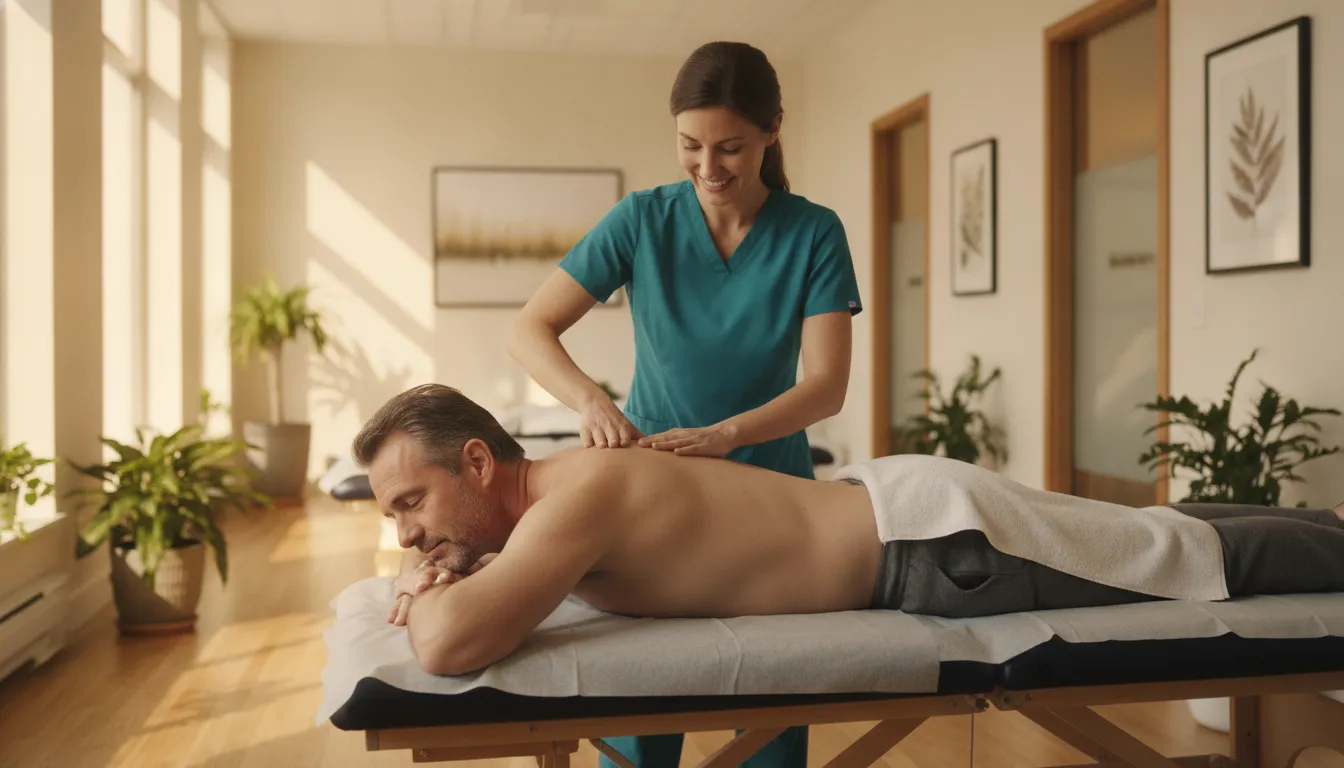
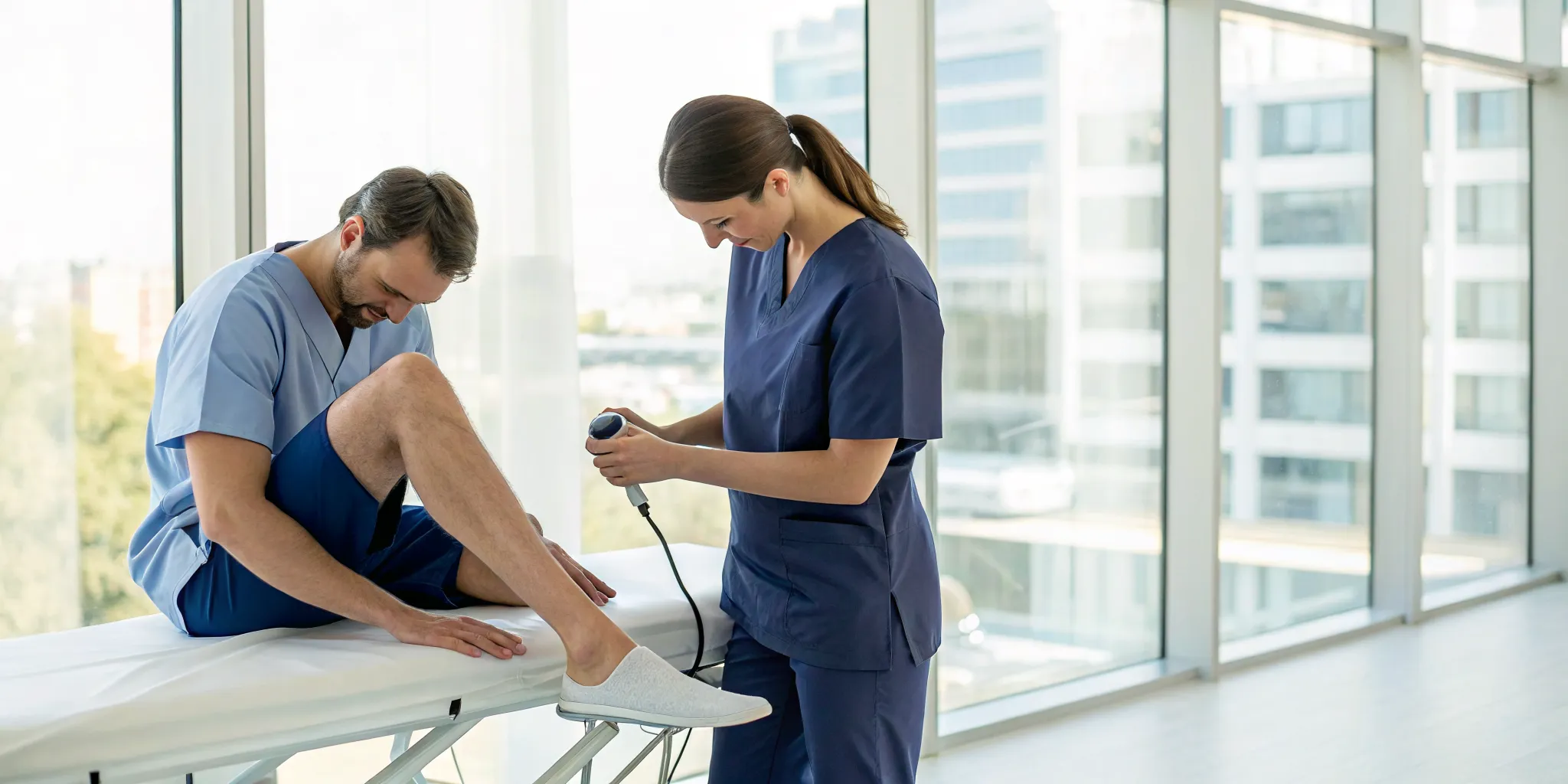
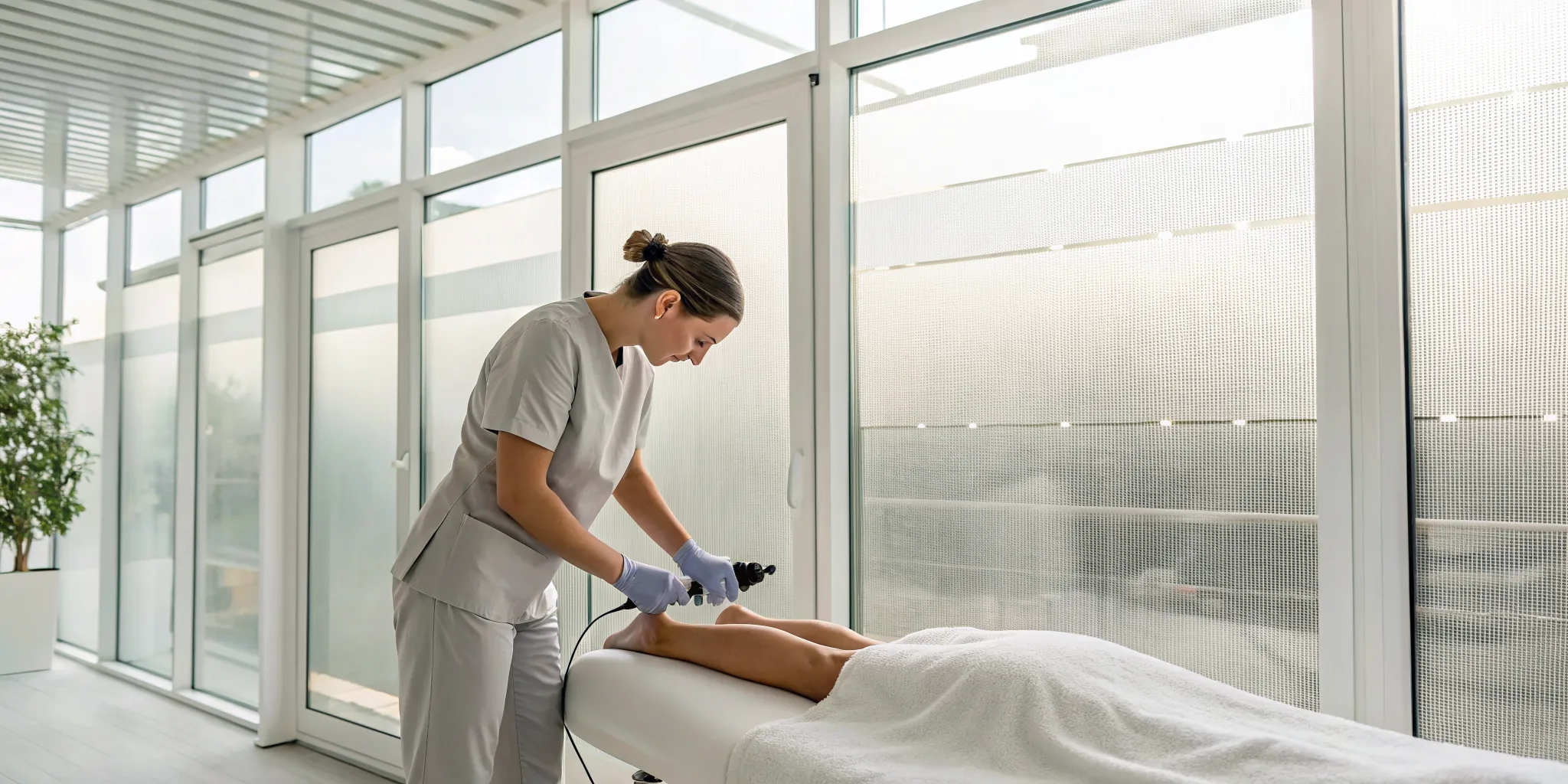
Once we’ve identified the target area, the treatment itself can begin. We’ll apply a layer of gel to your skin, which helps the sound waves travel effectively into the tissue. Then, your practitioner will use a handheld applicator, moving it gently over the injured area. This device delivers the patented SoftWave sound waves deep into your body to stimulate your natural healing processes. The whole procedure is done right in our office, and you can relax knowing you’re in good hands. Our team will guide you through every moment, ensuring the process is as smooth and comfortable as possible.
What Does It Feel Like?
Most people describe the sensation of SoftWave therapy as a light tapping or pulsing on the skin. As the applicator moves over the area, you might notice the feeling becomes stronger over damaged or inflamed tissue. This is completely normal and actually helps your practitioner confirm they are treating the right spot. While it can feel intense in these specific areas, the sensation is temporary and generally very manageable. We will communicate with you throughout the session to ensure you remain comfortable. This feedback helps us deliver the most effective physical medicine treatment possible.
How Long Are Sessions and How Many Will I Need?
One of the best parts of SoftWave therapy is how quick the sessions are. Each treatment typically lasts only 10 to 15 minutes, making it easy to fit into a busy schedule. The total number of sessions you’ll need depends on your specific situation, including the type of injury and how long you’ve had it. Most people see significant improvement within 3 to 6 treatments, which are usually scheduled over a few weeks. We will work with you to determine the right plan for the conditions we treat and adjust as we track your progress together.
Does SoftWave Therapy Hurt? (And Other Common Questions)
Let’s get right to it: most people do not find SoftWave therapy painful. During the treatment, you’ll feel a light tapping or pulsing sensation on your skin. If the applicator passes over an area with damaged or inflamed tissue, you might feel some discomfort. This response is actually a good thing, as it helps your practitioner pinpoint exactly where the injury is. This process, called mapping, ensures we target the precise source of your pain for the most effective treatment. The sensation is temporary and a sign that the therapy is working right where you need it most.
Now, let's clear up a few other common questions we hear from patients.
How Is It Different from Ultrasound or TENS?
It’s easy to group SoftWave with other therapies you might have tried, but it works in a completely different way. Treatments like therapeutic ultrasound use heat, and TENS units use electrical pulses to manage symptoms. SoftWave therapy, on the other hand, delivers mechanical acoustic energy (sound waves) deep into your tissues without heat or electricity.
This unique approach allows the waves to reach deeper layers of tissue that other modalities can’t, all without causing thermal damage. Think of it as a way to communicate directly with your body’s internal repair crews, telling them exactly where to go. This is a key part of our physical medicine philosophy: using advanced technology to help your body heal itself from the inside out.
Is It Just for Athletes?
This is a common misconception we love to clear up. While SoftWave is an incredible tool for athletes dealing with sports injuries, its benefits are for everyone. Our patients come from all walks of life and range in age from young adults to seniors. You don’t have to be a professional athlete to experience chronic pain or a nagging injury.
SoftWave is effective for both recent (acute) injuries and long-term (chronic) pain that hasn’t responded to other treatments. Whether your pain comes from a weekend tennis match, years of sitting at a desk, or an old injury that never quite healed, SoftWave can be a powerful solution. It’s a versatile option for many of the conditions we treat, helping everyday people get back to living without limitations.
Are There Any Side Effects or Risks?
It’s completely normal to ask about the safety of any new treatment, and the good news is that SoftWave Therapy has an excellent safety profile. This technology is FDA-cleared and non-invasive, meaning it doesn’t break the skin or require any injections. Because the therapy works by stimulating your body’s own healing mechanisms, the potential for side effects is very low. Most people find the treatment to be a comfortable and straightforward experience.
If any side effects do occur, they are typically mild and temporary. You might notice some minor soreness, redness, or slight swelling in the treated area, much like you’d feel after a deep-tissue massage. These feelings usually disappear within a day or two as your body’s healing response gets to work. This is a significant advantage over more invasive options that can come with longer recovery periods and greater risks.
The key to a safe and successful outcome is working with a qualified provider who understands how to apply the technology correctly. Before you begin, a trained professional should conduct a thorough assessment to confirm that SoftWave is the right approach for your specific condition. During your initial consultation, we take the time to review your complete health history and answer all of your questions. This personalized approach ensures your treatment is not only effective but also performed with the highest standard of care, helping you feel confident in your recovery plan.
How to Prepare for Your First Session (And What to Do After)
Getting ready for your first SoftWave therapy session is simple. There’s not much you need to do beforehand, but knowing what to expect can help you feel comfortable and confident from the moment you walk in. The entire process is designed to be straightforward, from the initial assessment to what you can do after treatment to support your healing.
Your Initial Consultation
Your first visit starts with a conversation. Before any treatment begins, our team will sit down with you for a thorough assessment. We’ll talk about your injury, pinpoint exactly where you feel pain, and look at your range of motion. This step is all about creating a personalized plan that targets the specific conditions we treat and gets to the root of your discomfort. This initial check-in ensures that the therapy is tailored precisely to your body’s needs, setting you up for the best possible results.
During Your SoftWave Treatment
The session itself is quick, usually lasting about 10 to 15 minutes. We’ll apply a gel to your skin over the target area, similar to what’s used for an ultrasound. Then, we’ll use a handheld applicator to deliver the SoftWave energy. You’ll likely feel a light tapping or pulsing sensation as the device works. While some areas might be more sensitive than others, the treatment is designed to be very manageable and is not considered painful. Our practitioners are there to guide you through it, making sure you feel at ease the entire time.
After Your Session: What's Next?
One of the best parts about SoftWave is that there’s no downtime. You can head right back to your daily activities immediately after your session. Many people start to notice less pain and better movement within just a few visits. The real progress happens over time, as the therapy continues to support your body’s natural healing and regeneration. It’s a key part of our physical medicine approach to achieving long-term wellness by addressing the underlying cause of your pain, not just masking the symptoms.
Could SoftWave Therapy Be Right for You?
If you're dealing with a nagging injury or chronic pain that just won’t quit, you've probably wondered if there's another option out there. SoftWave Therapy could be that answer, especially if you've tried other treatments without getting the relief you need. It’s a powerful option for people struggling with long-term issues like persistent tendon pain, joint discomfort, or stubborn muscle strains that interfere with daily life. Many of the conditions we treat respond incredibly well to this approach.
What makes someone a great candidate is often the desire for a solution that does more than just mask the pain. SoftWave gets to the heart of the problem by using sound waves to kickstart your body’s own healing abilities. It helps increase blood flow, calm inflammation, and even signals your own stem cells to get to work repairing damaged tissue. This approach is a core part of our philosophy at Ascend, where we focus on addressing the root cause of your health concerns.
This therapy isn't limited to a specific age group or activity level; we've seen it help a wide range of people find relief. If you're looking for a non-invasive way to support your body's recovery and finally move past a persistent injury, it's definitely worth exploring. The best way to know for sure is to have a conversation about your specific situation. We can help you determine if SoftWave aligns with your health goals and create a personalized plan that’s right for you.
Your Next Step: SoftWave Therapy at Ascend Functional Health
If you’re tired of pain holding you back and are looking for a solution that works with your body, SoftWave Therapy could be the answer. At Ascend Functional Health, we use this advanced technology as part of our physical medicine services to help you heal from the inside out. This isn't about temporarily masking symptoms; it's about addressing the root cause of your injury and stimulating your body’s own powerful repair mechanisms. Because the treatment is non-invasive, you can get back to your life right after a session, without any downtime.
What makes the experience at Ascend different is our commitment to personalized care. We don't believe in a one-size-fits-all approach. Your journey begins with a thorough assessment where our team takes the time to understand your specific condition, your health history, and your goals. We see you as a whole person, not just an injury. This comprehensive view allows us to create a targeted treatment plan that integrates SoftWave Therapy in a way that makes the most sense for your unique situation. Our patient testimonials often highlight this dedicated and personal approach to recovery.
A typical SoftWave session is quick and straightforward, usually lasting only 10 to 15 minutes. During the treatment, a handheld device delivers gentle, unfocused sound waves to the injured area, promoting blood flow and activating your body’s natural healing agents. Many people describe the sensation as a light tapping. Our team will ensure you are comfortable throughout the entire process.
Taking the first step toward a life with less pain is a big decision, and we're here to guide you. If you're ready to explore how SoftWave Therapy can fit into your recovery plan, we invite you to connect with our team. We can answer your questions and help you determine if this innovative treatment is the right choice for you.
Related Articles
- SoftWave Tissue Regeneration Therapy in Tampa | Alessi Functional Health
- SoftWave TRT Therapy in Tampa, FL - Alessi Functional Health
- What Is Soft Tissue Therapy? A Complete Guide
- Regenerative Medicine for Pain Recovery | Ascend Functional Health
- The Ultimate Guide to Myofascial Release Therapy
Frequently Asked Questions
What does SoftWave therapy actually feel like? Most people describe the sensation as a light tapping or pulsing against their skin. As the applicator moves over the injured area, you might notice that feeling becomes more pronounced over spots with inflammation or damaged tissue. This is a normal and helpful response, as it confirms for your practitioner that they are targeting the precise source of your pain. The feeling is temporary and a good sign that the therapy is getting to work right where you need it.
Is there any downtime after a session? No, there is no downtime required after a SoftWave session. You can return to your normal daily activities immediately after your appointment. Some people experience mild soreness or redness in the treated area for a day or so, similar to how you might feel after a deep tissue massage. This is simply a sign that your body’s natural healing response has been activated.
How quickly will I see results from the treatment? Every person and every injury is different, so the timeline can vary. However, many of our patients report feeling a noticeable reduction in pain and an improvement in their mobility after just a few sessions. The therapy is designed to create a cumulative effect, meaning the real, lasting results build over the course of your treatment plan as your body regenerates healthier tissue.
I've tried other treatments without success. Why would SoftWave be any different? This is a common situation for many people who come to see us. The key difference is that SoftWave therapy doesn't just manage your symptoms; it works on a cellular level to address the root cause of your pain. Instead of providing a temporary fix, it stimulates your body’s own repair mechanisms, activating stem cells and promoting new blood vessel growth. This is why it is often effective for chronic issues where other methods that only mask pain have failed to provide lasting relief.
Do I need a referral to be considered for SoftWave therapy? You do not need a referral from another doctor to explore SoftWave therapy. Your journey with us begins with a thorough consultation and assessment right here in our office. During this initial visit, our team will discuss your health history and condition to determine if you are a good candidate for the treatment and create a personalized plan for you.