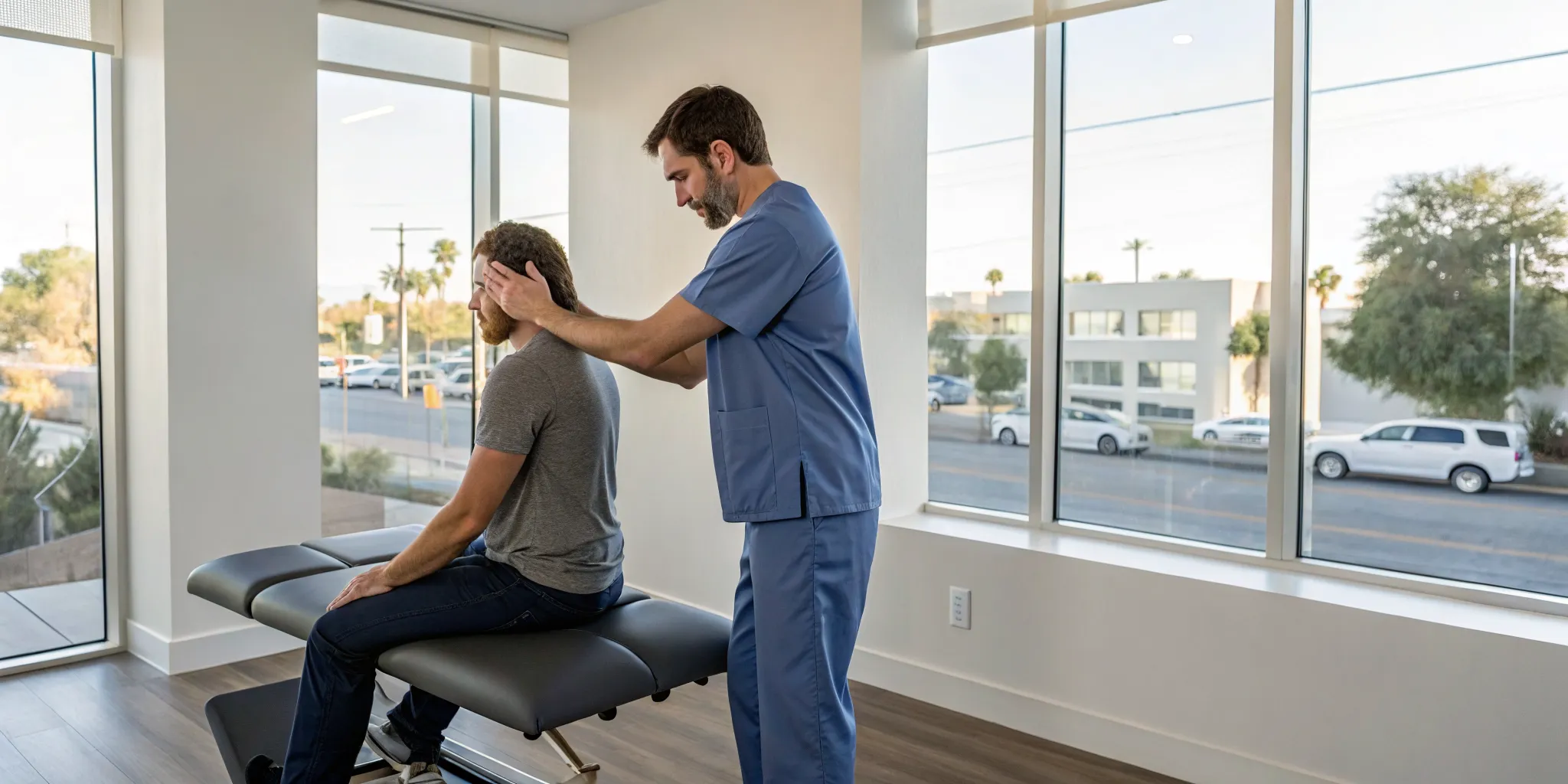
The term “shockwave” can sound intense, but the reality of the treatment is much less intimidating. This modern therapy doesn’t use electrical shocks; instead, it uses focused acoustic waves to gently stimulate healing deep within injured tissue. Think of it as a way to wake up your body’s own repair crew in an area that has become “stuck” with chronic inflammation and pain. For conditions like plantar fasciitis and Achilles tendinopathy, shockwave therapy for foot pain is a powerful, non-invasive tool that addresses the problem at its source. This guide will explain how it works and what to expect.
Key Takeaways
- It targets the source of chronic pain: This non-invasive therapy uses acoustic waves to prompt your body to repair stubborn injuries like plantar fasciitis, addressing the problem directly instead of only managing symptoms.
- Lasting results are gradual: While sessions are quick, true healing happens over weeks. A series of treatments is necessary to give your body time to regenerate tissue, so committing to the full plan is essential.
- A holistic plan is most effective: Shockwave therapy works best when combined with other supportive care. Integrating it with corrective exercises addresses the underlying issues that caused the pain, leading to more sustainable relief.
How Shockwave Therapy Helps Foot Pain
If you’ve been struggling with persistent foot pain, you know how frustrating it is when rest and stretching don’t provide lasting relief. Shockwave therapy is a modern, non-invasive treatment that works by stimulating your body’s own healing mechanisms. It uses targeted acoustic waves to address the root cause of chronic pain in tendons and ligaments, helping you get back on your feet without invasive procedures. This approach is a cornerstone of our physical medicine services, focusing on long-term healing rather than temporary fixes.
How Acoustic Waves Promote Healing
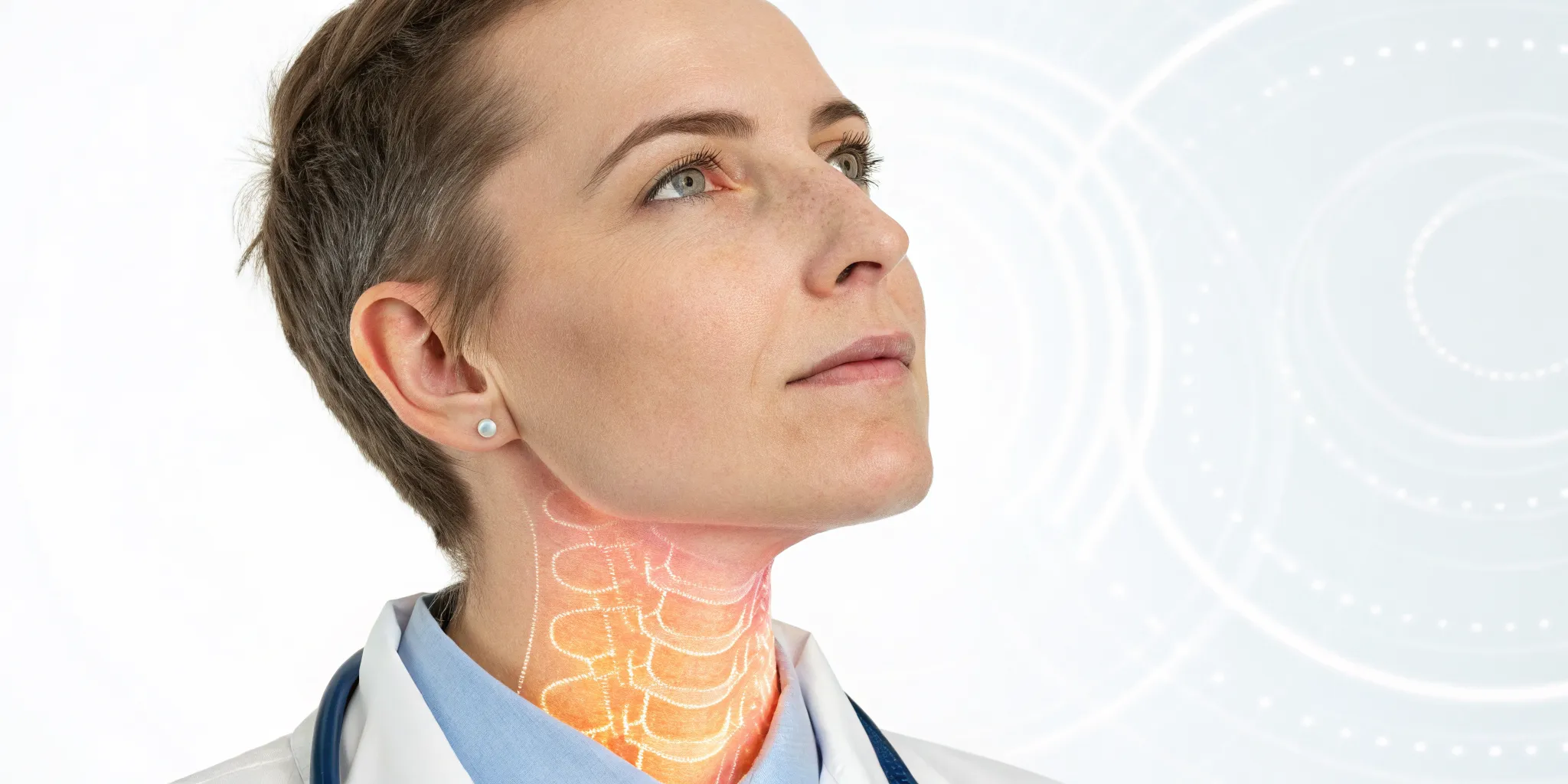
Think of shockwave therapy as a way to restart the healing process in an area that’s become “stuck.” The device sends high-energy acoustic waves through your skin to the injured tissue. These waves create a controlled, micro-level response that increases blood flow and metabolic activity in the area. This process helps wake up dormant healing cells, encouraging the repair of damaged connective tissues like tendons and ligaments. It’s an effective way to prompt your body’s natural repair crew to get back to work on stubborn injuries that haven’t resolved on their own.
Radial vs. Focused: What's the Difference?
Not all shockwave therapy is the same; the treatment can be delivered in two ways: radial or focused. Radial shockwave therapy uses pressure waves that spread out over a larger, more superficial area. This is great for treating broader regions of tenderness or larger muscle groups. Focused shockwave therapy, on the other hand, concentrates its energy on a single, precise point deeper within the tissue. The type of therapy we recommend depends entirely on your specific condition, the location of your pain, and the depth of the tissue we need to target for effective healing.
How It Compares to Other Treatments
Shockwave therapy is often recommended when more conservative treatments, like rest, ice, or orthotics, haven’t delivered the results you need. It’s a powerful, non-invasive option for chronic conditions that have lingered for months or even years. While some people feel a difference right away, the real magic happens over the following weeks as your body’s tissues remodel and repair themselves. For many, it’s a way to find significant relief and address the underlying cause of many of the chronic conditions we treat, helping them return to their daily activities with less pain.
What Foot Conditions Can Shockwave Therapy Treat?
Shockwave therapy is a versatile tool our team uses for stubborn, chronic foot conditions, especially those that haven’t improved with more conservative care. If you’ve tried rest, physical therapy, or custom orthotics without success, this treatment could be the key to finding relief. It works by targeting the root cause of your pain, stimulating your body’s natural healing processes right where you need it most. We find it particularly effective for a range of common and painful foot problems.
Plantar Fasciitis
If you’ve ever felt a sharp, stabbing pain in your heel with your first steps in the morning, you’re likely familiar with plantar fasciitis. This condition happens when the thick band of tissue connecting your heel to your toes becomes inflamed. While stretching and proper footwear can help, chronic cases often need more support. Shockwave therapy targets this persistent heel pain by breaking down damaged tissue and reducing inflammation in the fascia. It’s a non-invasive way to promote healing when other methods have fallen short, helping you get back on your feet without that dreaded morning pain.
Achilles Tendinopathy
Achilles tendinopathy causes pain and stiffness along the large tendon at the back of your ankle. It’s often the result of repetitive stress, making it common among runners and active individuals. Because tendons have a limited blood supply, they can be slow to heal on their own. Shockwave therapy directly addresses this by using acoustic waves to stimulate blood flow to the injured tendon. This process delivers essential nutrients and oxygen to the area, accelerating the repair of the damaged tissue and helping you regain strength and mobility.
Heel Spurs
Heel spurs are small, bony growths that can form on the underside of your heel bone. While the spur itself isn't always the source of pain, it’s often associated with the long-term inflammation of plantar fasciitis. The real discomfort usually comes from the inflamed and damaged soft tissue surrounding the spur. Shockwave therapy is highly effective for this kind of pain because it helps break down the unhealthy, calcified tissue and reduces inflammation. By addressing the irritated tissue, we can relieve the pressure and pain associated with heel spurs.
Morton's Neuroma
Do you ever feel like you’re walking on a pebble, or experience a stinging or numb sensation between your toes? You might be dealing with Morton's neuroma. This condition involves the thickening of the nerve tissue between your toes, which causes pain and discomfort that can make walking difficult. Shockwave therapy can help by targeting the thickened nerve tissue, reducing the inflammation and pressure that causes those painful symptoms. It’s a great option for alleviating the stinging and numbness, allowing you to walk more comfortably.
Stress Fractures and Arthritis
Shockwave therapy can also support healing for bone and joint issues like stress fractures and arthritis. For tiny cracks in the bone, known as stress fractures, the treatment encourages the production of new bone cells, which can help speed up the healing process. When it comes to arthritis, the main benefit is its ability to relieve joint inflammation, a primary source of pain and stiffness. By calming the inflammation, our physical medicine approach helps improve joint function and reduce the chronic pain associated with arthritis in the feet.
Is Shockwave Therapy Right for Your Foot Pain?
Deciding on a treatment path can feel overwhelming, especially when you've been dealing with persistent pain. Shockwave therapy is a powerful tool, but it’s not the right fit for everyone or every situation. The key is understanding if your specific condition and health history make you a good candidate. This therapy is most effective when applied strategically for certain types of chronic foot problems. Let's walk through who benefits most, when it's the logical next step, and who should explore other options.
Who It Helps Most
Shockwave therapy is primarily for those with chronic foot conditions that just won't quit. If you've been struggling for months with pain that hasn't improved with rest, stretching, or new shoes, this could be your answer. It’s especially effective for stubborn connective tissue injuries. Podiatrists and orthopedic specialists often turn to this treatment when more conservative methods have failed to provide lasting relief.
The two most common conditions we treat with shockwave therapy are plantar fasciitis (that sharp, stabbing pain in your heel) and Achilles tendinopathy. These issues are notoriously persistent, but they respond incredibly well to the healing process that acoustic waves stimulate. If you feel like you've hit a wall in your recovery from these specific injuries, you are the ideal candidate for this therapy.
When Other Treatments Fall Short
Think of shockwave therapy as the next logical step when first-line treatments haven't delivered the results you need. Many people first try things like custom orthotics, physical therapy, or activity modification. While these approaches are often successful, some injuries are simply too stubborn and require a different approach to restart the healing process. That’s exactly where shockwave therapy comes in.
It’s a non-invasive treatment that helps your body heal from the inside out, making it a great alternative to more intensive procedures. Instead of just managing symptoms, it targets the damaged tissue directly to promote regeneration. Our approach to physical medicine focuses on finding the right tool for your specific situation, and for many, shockwave therapy is the missing piece for finally overcoming chronic foot pain.
Who Should Avoid Shockwave Therapy
While shockwave therapy is a safe and effective option for many, it’s not suitable for everyone. Your safety is our top priority, so a thorough evaluation is always the first step. Certain conditions can make this treatment inappropriate. For example, you should not receive shockwave therapy if you are pregnant, have a pacemaker, or have a history of seizures.
Additionally, it's not recommended for individuals with poor sensation (neuropathy) in their feet, open sores, or active infections in the treatment area. We also avoid this therapy if you have had a recent steroid injection in the same spot or are under 18. The best way to know for sure if you're a candidate is to have a conversation with a professional. We encourage you to contact our team to discuss your health history and determine the best path forward for you.
What to Expect During Your Session
If you’re considering shockwave therapy, you probably have questions about what the appointment itself involves. Knowing what happens step-by-step can help you feel more comfortable and confident about your treatment. We believe in making sure you’re informed and at ease from the moment you walk through our doors. Let’s go through what a typical session looks like at our Tampa clinic, so you can feel fully prepared.
A Step-by-Step Look at Treatment
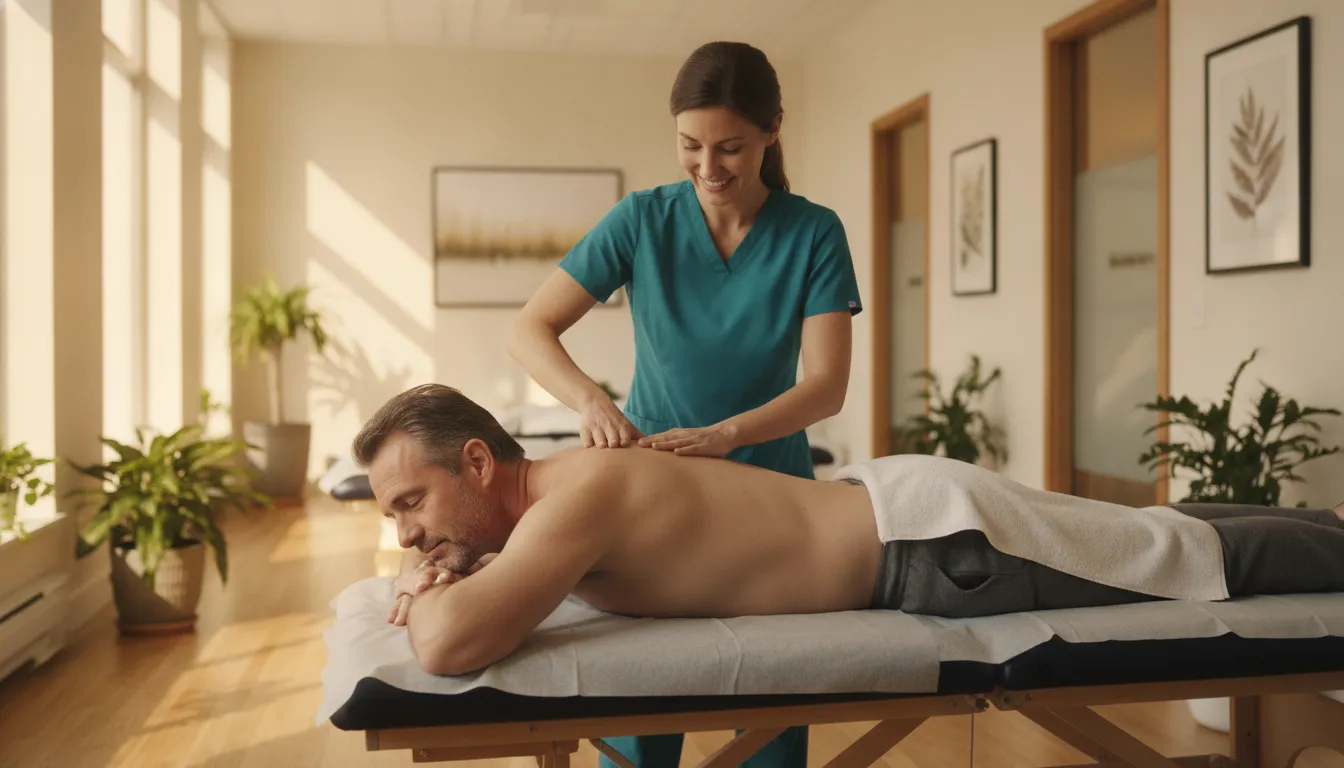
First, you’ll get settled in one of our private treatment rooms. We’ll have you sit or lie down in a comfortable position that gives us easy access to the area of your foot that needs attention. Next, we apply a layer of gel to your skin over the painful spot. This gel helps the acoustic waves travel from the device into the targeted tissue more effectively.
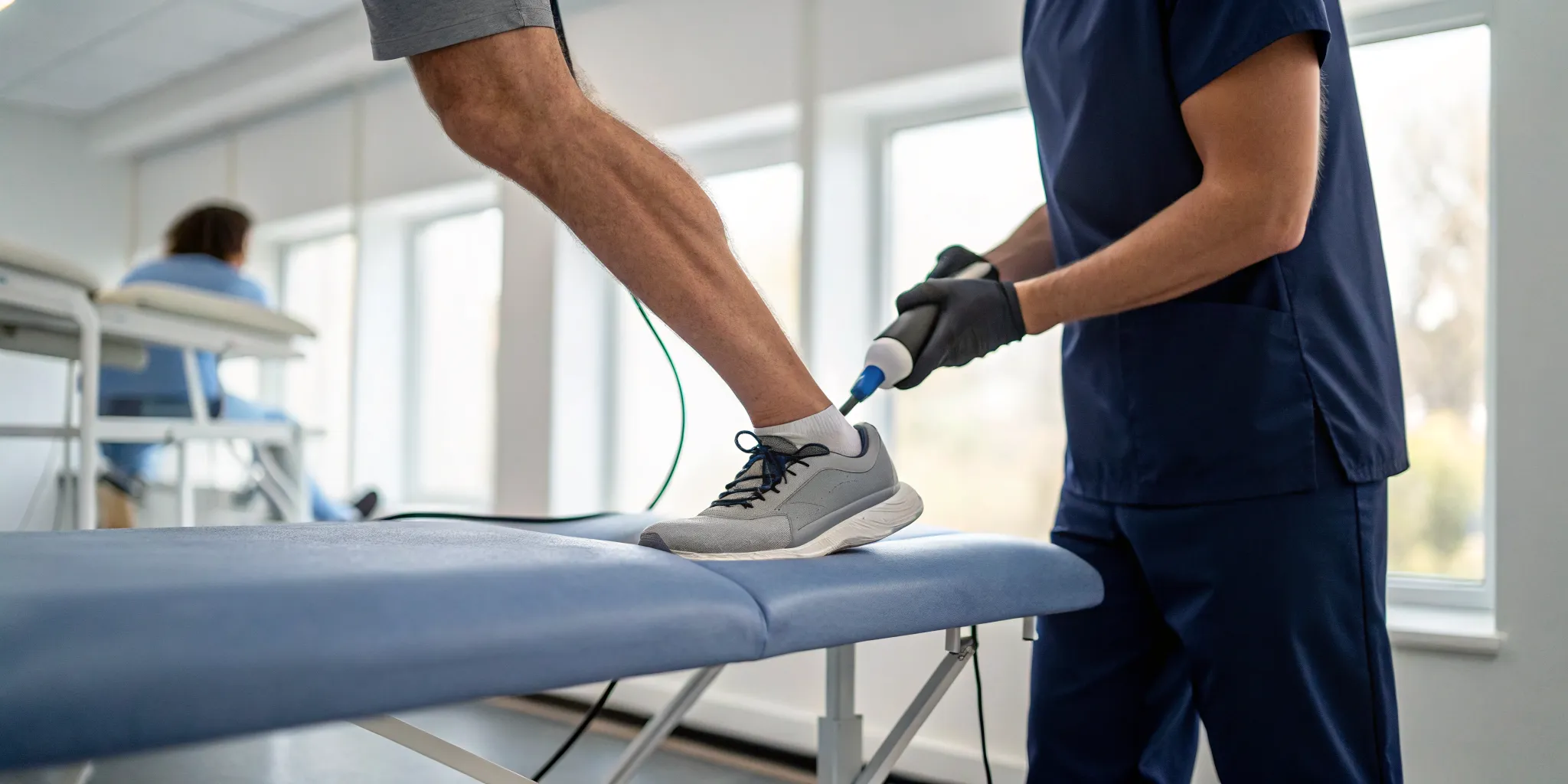
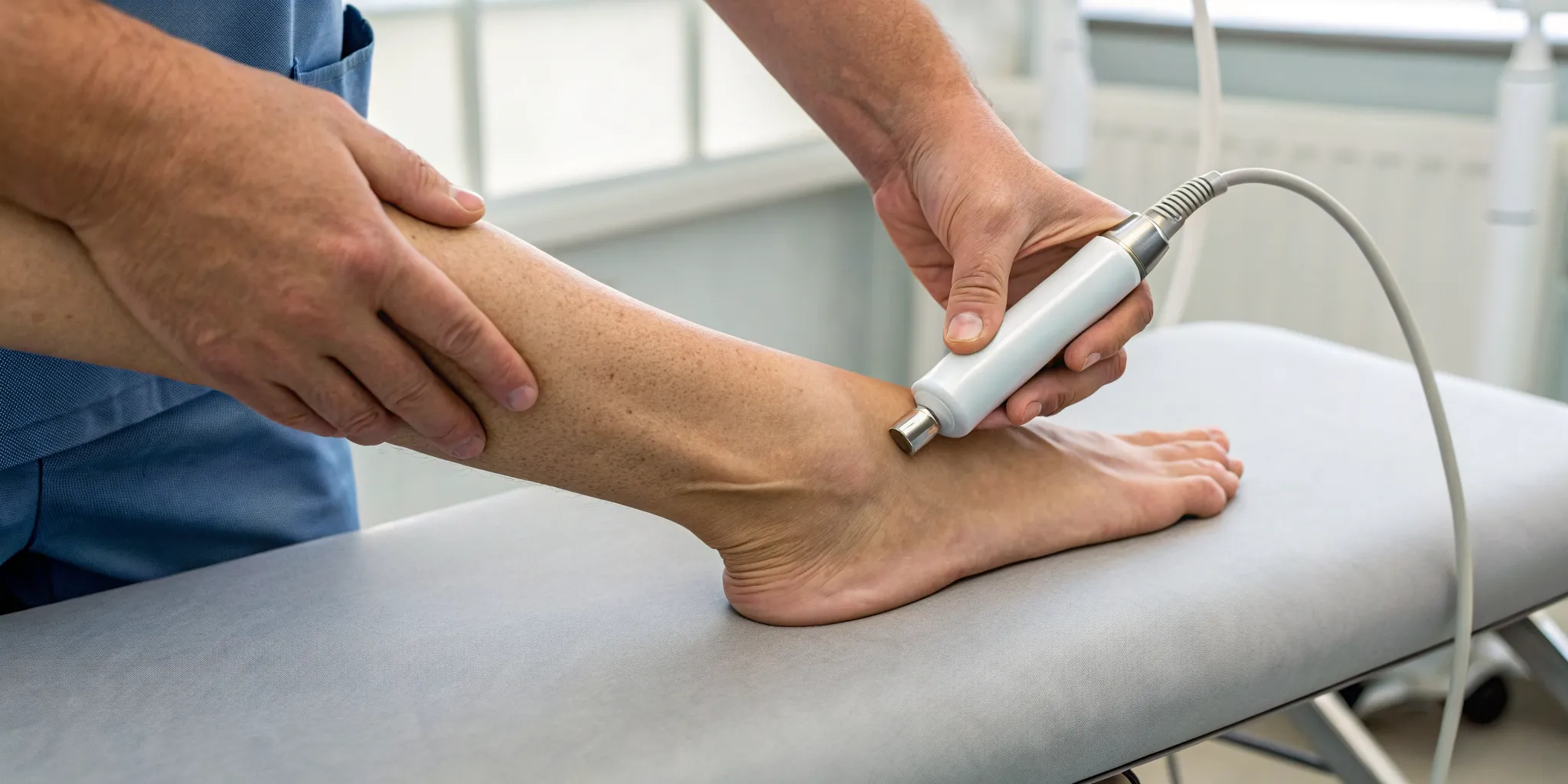
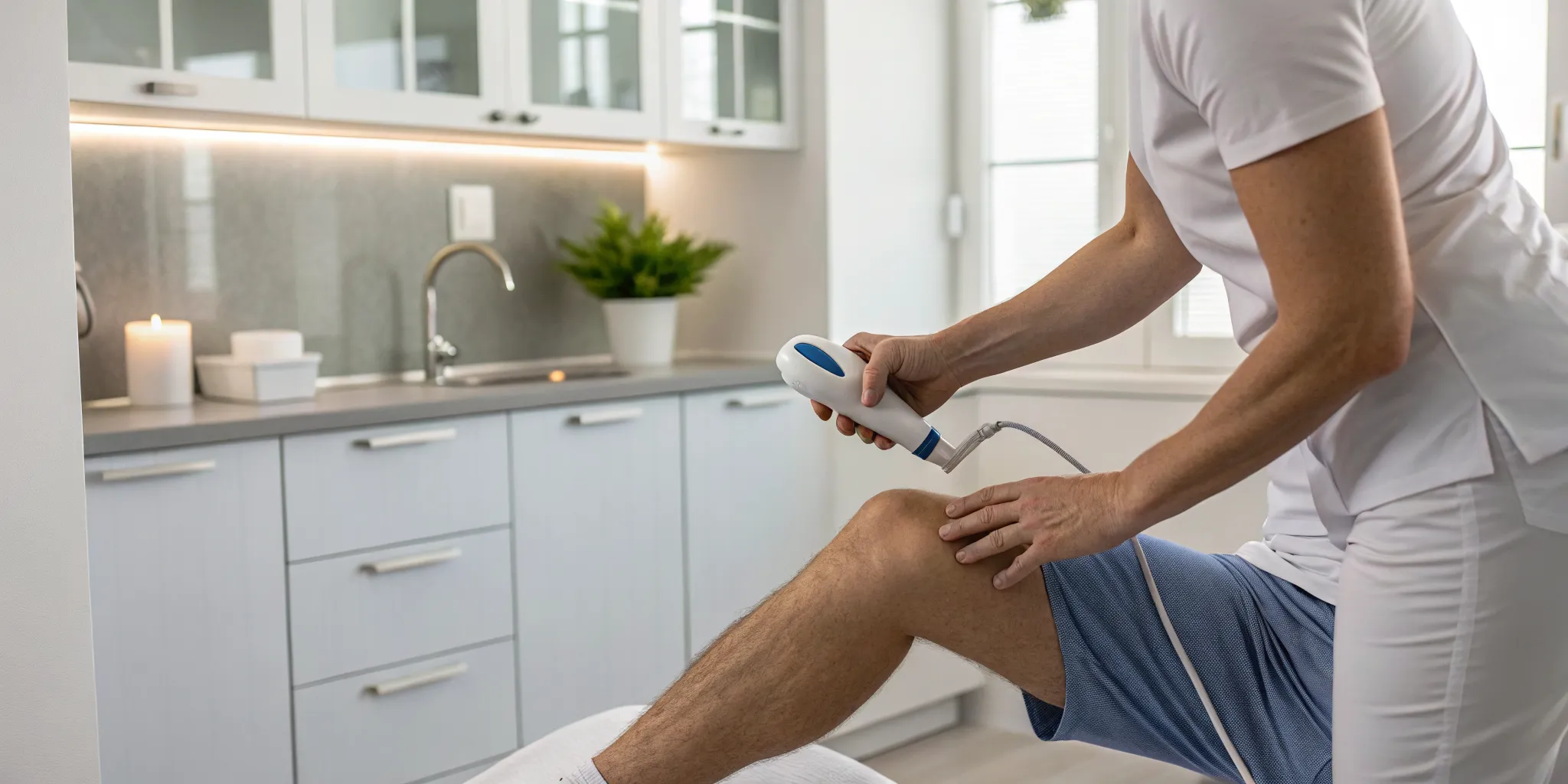
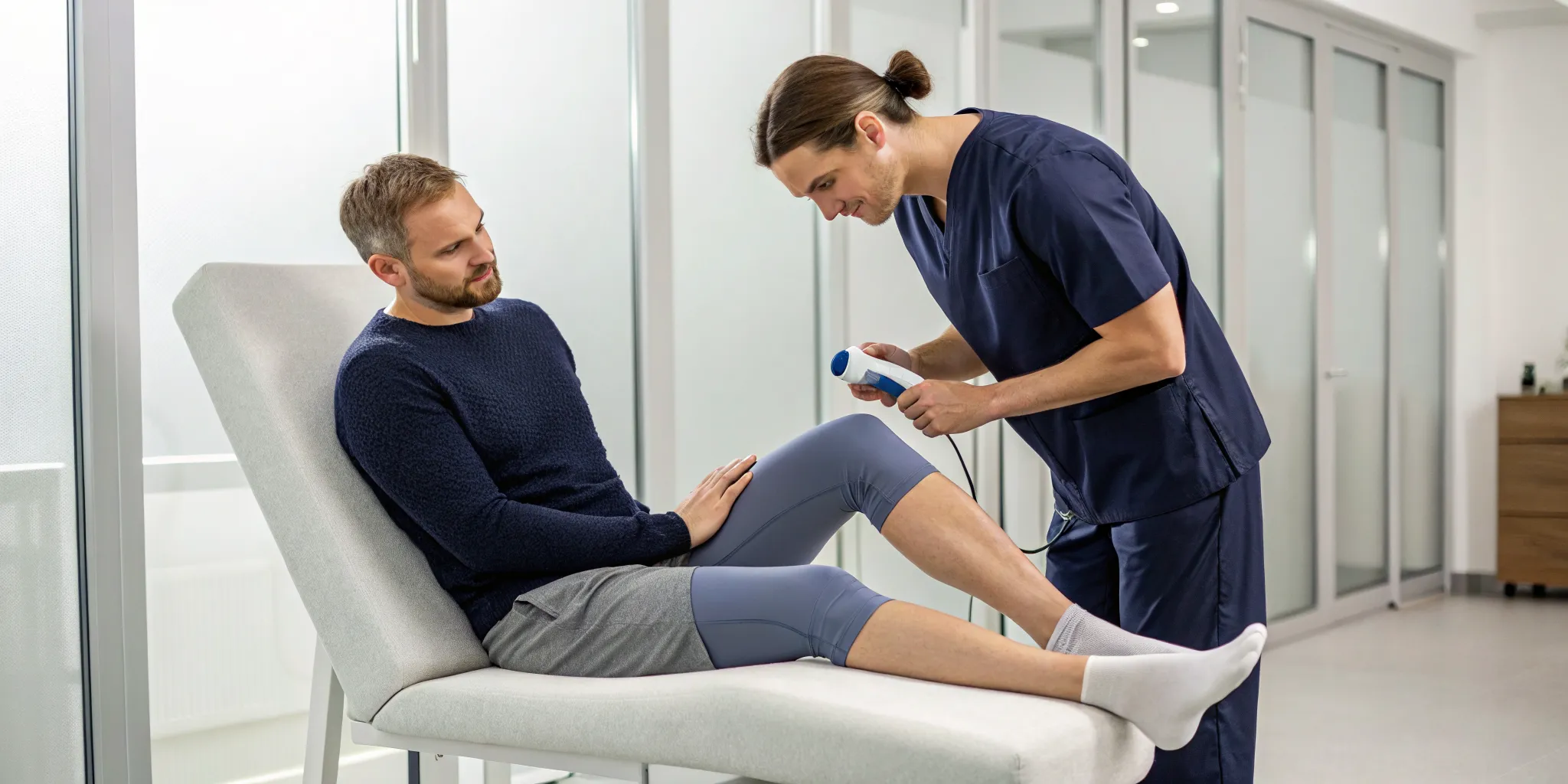
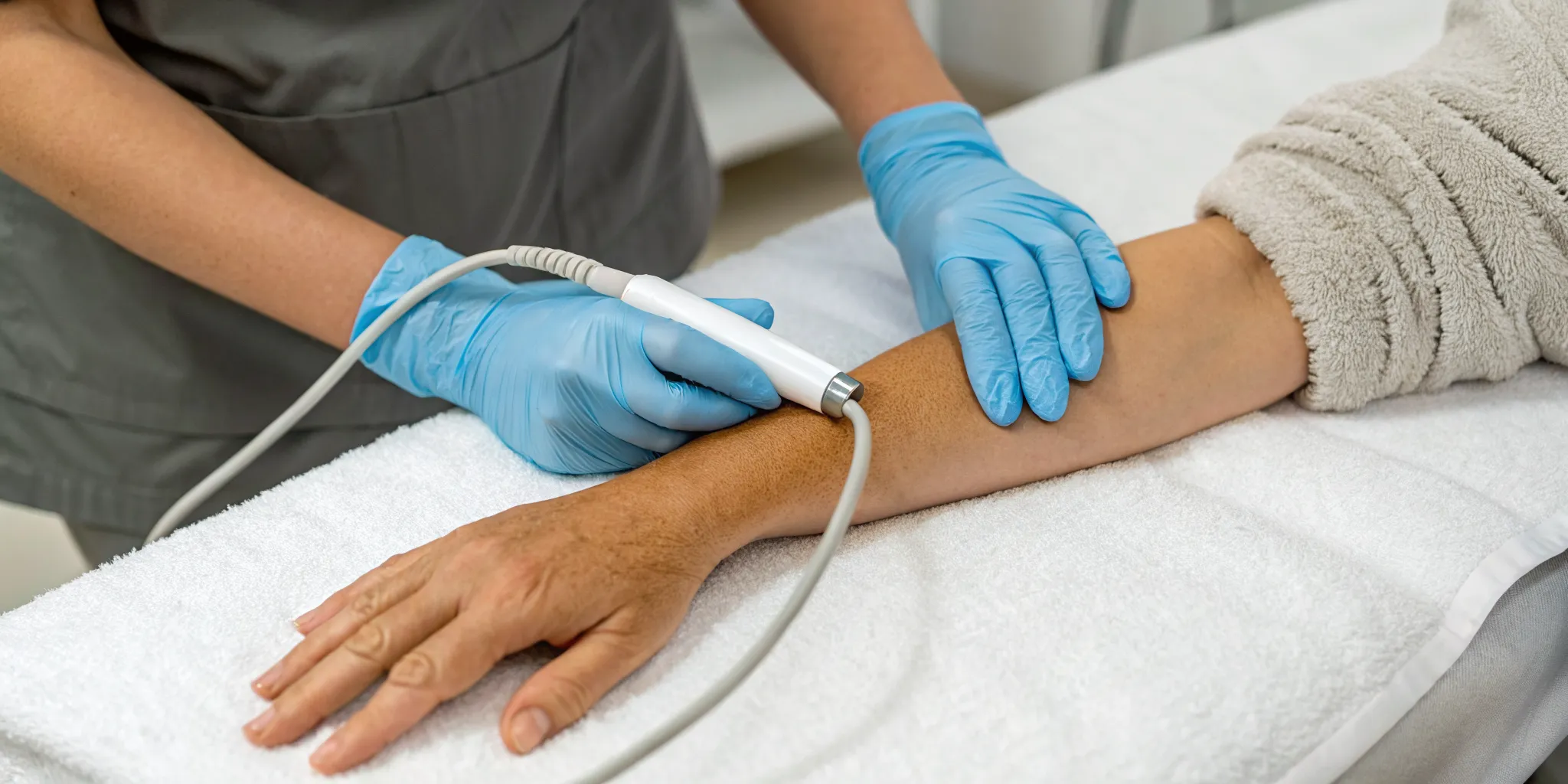
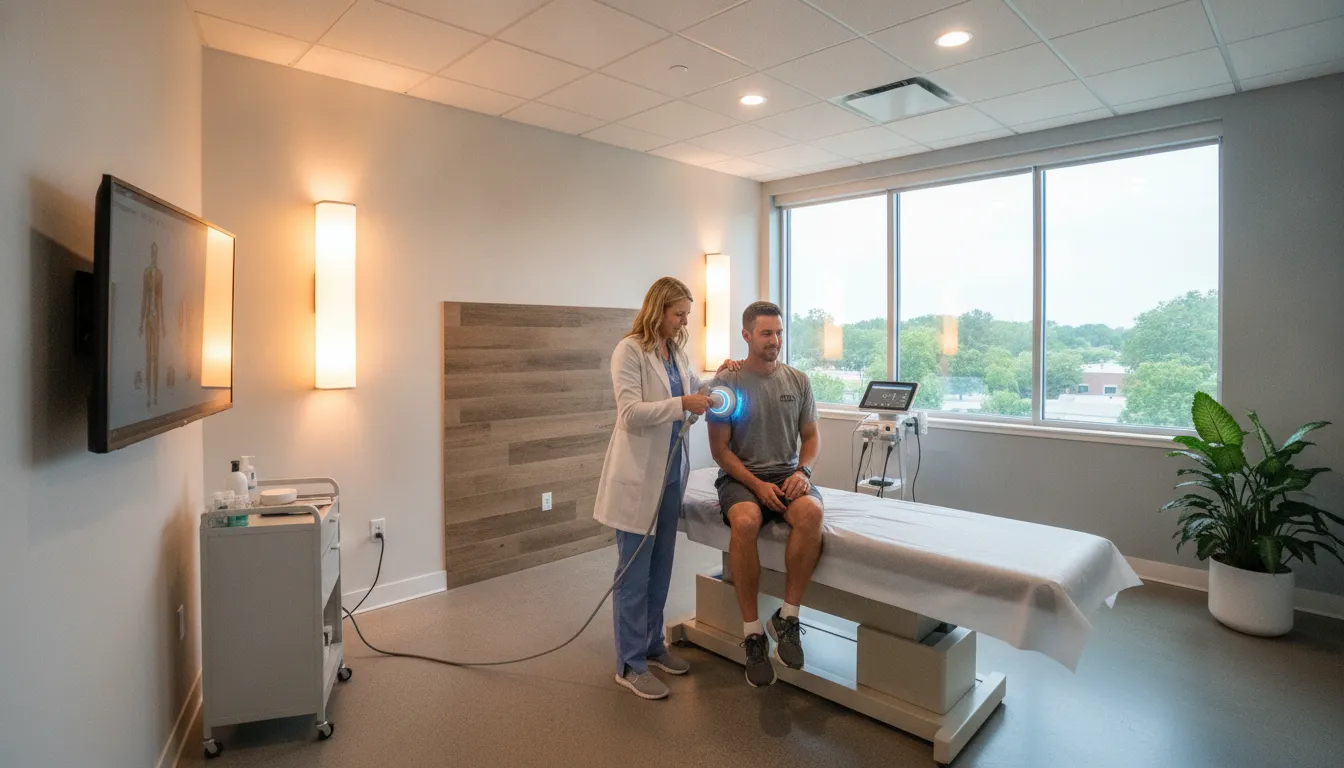
Once the gel is on, your practitioner will place a handheld applicator on the area. This device delivers the acoustic waves that stimulate your body’s healing response. You’ll hear a repetitive sound as the machine works. The entire process is non-invasive, meaning there are no needles or incisions involved. It’s a cornerstone of our Physical Medicine services, using technology to work with your body.
Session Length and Treatment Frequency
One of the great things about shockwave therapy is that the sessions are relatively quick, usually lasting between 15 and 20 minutes. This makes it a manageable appointment to fit into a busy day. While some people feel a difference after just one or two sessions, most conditions require a series of treatments to achieve lasting results.
Typically, a full treatment course involves three to six sessions, spaced about a week apart. The exact number of appointments you’ll need depends on your specific situation, including the severity of your foot pain and how your body responds. We create a personalized plan for you, taking into account the unique factors behind the conditions we treat to give you the best path toward recovery.
What Does Shockwave Therapy Actually Feel Like?
This is the most common question we get, and the answer is that it varies from person to person. Most people describe the sensation as a tapping, pulsing, or deep pressure on the area being treated. You might feel some mild discomfort, but it’s generally well-tolerated. It’s not a relaxing massage, but it shouldn’t be intensely painful either.
Your comfort is our priority. We can adjust the intensity of the waves throughout the session to a level that is effective yet manageable for you. Open communication is key, so we encourage you to give us feedback during the treatment. Our team is dedicated to making your experience as comfortable as possible, and you can learn more about our compassionate practitioners and their approach to patient care.
Your Results: A Realistic Timeline
When you’re dealing with persistent foot pain, you want relief, and you want it now. We get it. The great thing about shockwave therapy is that it works by stimulating your body’s own healing mechanisms, but it’s important to remember that true healing is a process, not an instant fix. Setting realistic expectations for your recovery timeline is a key part of the journey.
While some people report feeling better shortly after a session, the real magic happens behind the scenes. The acoustic waves trigger a cascade of biological responses that take time to unfold. Think of it as planting a seed; you won’t see a full-grown plant overnight. Your body needs time to repair tissues, reduce inflammation, and build stronger, healthier cells. This is why we focus on long-term healing, not just temporary relief. Our goal is to help you find a lasting solution, and that means giving your body the time it needs to do its work properly.
Short-Term Relief vs. Long-Term Healing
It’s common to feel some immediate relief after a shockwave session, which can be incredibly encouraging. However, the most significant and lasting benefits develop over several weeks. The therapy initiates a healing process at the cellular level, and this tissue remodeling can take anywhere from 4 to 12 weeks to complete.
Patience is your best friend during this phase. While you might be eager to get back to your favorite activities without pain, it’s crucial to respect your body’s timeline. This period of gradual improvement is a sign that the treatment is working and your body is actively repairing the underlying cause of your pain. Our team at Ascend Functional Health will guide you through each step, ensuring your physical medicine plan is tailored for sustainable results.
Understanding the Recovery Timeline
A typical course of shockwave therapy involves a series of treatments. Most people need between three and five sessions, usually scheduled about a week apart, to achieve the best outcome. The good news is that there’s virtually no downtime. You can walk and go about your day immediately after your appointment.
However, we do recommend taking it easy for a little while. It’s best to reduce strenuous physical activity, especially high-impact movements, for one to two weeks after your treatment series is complete. This gives the treated area an uninterrupted window to heal and regenerate. Every person’s healing journey is unique, and we create a personalized plan that respects your body’s specific needs and supports your recovery.
How to Support Your Recovery
What you do between sessions is just as important as the treatment itself. To get the most out of your shockwave therapy, you can take a few simple steps to support the healing process. For the first 24 to 48 hours after each session, it’s wise to rest your foot and avoid activities like running or long, strenuous walks. This allows the initial healing response to kick in without added stress.
Looking at the bigger picture, addressing factors that contribute to foot pain is essential for long-term success. For instance, managing your weight can significantly reduce the strain on your feet and prevent pain from returning. This holistic view is central to our functional medicine approach, where we work with you to identify and address the root causes of your health concerns for lasting well-being.
Does Shockwave Therapy for Foot Pain Actually Work?
When you’re dealing with persistent foot pain, you want to know one thing: will this treatment actually bring relief? It’s a fair question, and when it comes to shockwave therapy, the evidence is very encouraging. While every person’s experience is unique, understanding the data, the factors that shape your results, and the importance of a complete care plan can help you see why this therapy is a go-to for lasting foot pain relief.
A Look at the Success Rates
Let's talk numbers. Research shows that a significant majority of people find success with this treatment. For conditions like chronic heel pain, about 75-80% of individuals report good results after completing their sessions. Most people begin to notice a real difference in their pain levels about six to twelve weeks after their final treatment, as the body’s healing process continues to work.
While some patients report feeling better after just one appointment, most people need between three and six sessions to achieve optimal results. It’s a process that supports your body’s natural ability to repair itself, and that healing journey takes a little time.
What Influences Your Outcome?
Your results from shockwave therapy depend on a few key factors. The specific condition being treated plays a big role. For instance, one study found that shockwave therapy was highly effective for treating plantar fasciitis, leading to a major reduction in pain and better foot function. Your active participation during the session also matters. It’s helpful to communicate with your therapist about exactly where you feel the pain, as this allows them to target the acoustic waves with precision. The number of sessions you receive and your body’s individual response will also shape your recovery timeline, making a personalized treatment plan essential.
Why a Holistic Approach Matters
Shockwave therapy is a powerful tool, but it’s rarely a standalone solution. The best path to recovery often involves combining shockwave therapy with other supportive treatments. Studies show that results are most impressive when the therapy is integrated with physical therapy and specific rehabilitation exercises. This is because shockwave therapy kickstarts the healing process, while corrective exercises and other physical medicine techniques strengthen the area and address the underlying biomechanical issues that caused the pain in the first place. At Ascend, our approach to treating conditions like foot pain is built on this comprehensive model, ensuring we address the root cause for relief that truly lasts.
Debunking 3 Myths About Shockwave Therapy
When you’re dealing with persistent foot pain, you’ll try almost anything to find relief. Shockwave therapy is an effective tool we use, but it’s often misunderstood. Let's clear up some of the confusion and separate fact from fiction so you can feel confident about your treatment options.
Understanding what shockwave therapy is (and what it isn’t) is the first step toward making an informed decision about your health. We believe in empowering you with clear, honest information. Here are the truths behind three of the most common myths we hear.
"It works after just one session."
It’s tempting to believe in a single-session cure, but that’s not how true healing works. While some people feel a bit of relief after their first appointment, shockwave therapy isn’t a one-and-done solution. The therapy works by stimulating your body’s natural repair mechanisms, a process that takes time and consistency. Think of it like starting a new fitness routine; you don’t see lasting results after one trip to the gym. A series of treatments is typically needed to achieve the best, most durable outcome, allowing your tissues to fully regenerate and heal.
"It's an extremely painful procedure."
The word “shockwave” can sound intimidating, leading many to believe the treatment is painful. In reality, it’s a non-invasive procedure that doesn’t require any incisions or instruments entering the body. Most people describe the sensation as a series of strong pulses or tapping against the skin. While you might feel some mild discomfort, especially over a sensitive area, the intensity is adjusted to your tolerance level. Our practitioners at Ascend are dedicated to your comfort and will communicate with you throughout the short session to ensure the experience is manageable. This approach is a core part of our physical medicine philosophy, focusing on effective care that respects your body.
"It's only for athletes."
While shockwave therapy is popular among athletes for treating sports-related injuries, its benefits are available to everyone. It’s a common misconception that this treatment is only for chronic pain or high-performance individuals. In fact, it can be incredibly effective for a wide range of acute and persistent conditions we treat, from plantar fasciitis in office workers to Achilles tendinopathy in weekend walkers. If you're struggling with stubborn foot pain that disrupts your daily life, this therapy could be a valuable part of your recovery plan, regardless of your activity level.
Integrating Shockwave Therapy Into Your Health Plan
Adding shockwave therapy to your wellness strategy can be a pivotal step, especially if you’re dealing with persistent foot pain. It’s not just about masking symptoms; it’s about creating a plan that encourages your body’s own healing mechanisms. At Ascend Functional Health, we see shockwave therapy as a powerful tool within our physical medicine services. It works alongside other treatments to address the root cause of your discomfort.
By combining this therapy with corrective care and a deep understanding of your body’s mechanics, we can build a comprehensive plan tailored to you. This isn't about a single treatment but about an integrated approach that supports your long-term health goals. We focus on how different systems in your body connect, ensuring that your foot pain treatment contributes to your overall well-being. This method allows us to create a more complete and effective path toward lasting relief.
A Comprehensive Approach for Lasting Relief
Shockwave therapy can be a true game-changer for chronic foot pain. The treatment uses high-energy acoustic waves to stimulate healing in the tendons and ligaments that are causing you trouble. It’s particularly effective for conditions like plantar fasciitis and Achilles tendinopathy that haven't responded well to other conservative treatments. The mechanical waves help increase localized circulation, which is essential for kickstarting your body’s natural repair processes. Instead of just managing pain, this approach targets the underlying issues, helping you find more sustainable results and get back to the activities you love.
Find Lasting Foot Pain Relief in Tampa
If you’re in the Tampa area and searching for an effective solution for your foot pain, shockwave therapy is a promising option to consider. Many people report feeling significant improvement after just a few sessions. The treatment itself is non-invasive, making it an appealing alternative to more intensive procedures. In fact, for conditions like plantar fasciitis, experts now suggest trying shockwave therapy before considering options like long periods of rest or injections. By incorporating this therapy into your health plan, you can take a proactive step toward achieving genuine, lasting relief. If you're ready to learn more, you can contact our team to see if it's the right fit for you.
Related Articles
- SoftWave Tissue Regeneration Therapy in Tampa | Alessi Functional Health
- SoftWave TRT Therapy in Tampa, FL - Alessi Functional Health
- Pain Free Future | Alessi Functional Health
- Regenerative Medicine for Pain Recovery | Ascend Functional Health
Frequently Asked Questions
Does shockwave therapy hurt? This is a very common question, and it's a fair one. Most people describe the sensation as a strong, repetitive tapping or pulsing on the skin. While you may feel some discomfort, especially over a very tender spot, it shouldn't be truly painful. Your practitioner can adjust the intensity to a level that is both effective and manageable for you, and we'll communicate with you throughout the entire session to ensure you're comfortable.
What is the recovery like after a shockwave session? One of the best parts of this treatment is that there is no real downtime. You can walk out of the clinic and go about your day immediately after your appointment. However, we do advise you to avoid high-impact or strenuous activities, like running, for a day or two after each session. This brief period of relative rest gives the treated tissue a chance to begin its healing and regeneration process without added stress.
Why do I need multiple sessions instead of just one? True healing is a process, not a single event. Shockwave therapy works by prompting your body’s own repair crew to get to work on damaged tissue. Each session builds on the progress of the last, creating a cumulative effect that allows for deep, lasting tissue regeneration. A series of treatments ensures the healing process is thorough, leading to a more stable and permanent result than a one-time, temporary fix.
How do I know if shockwave therapy is the right next step for my foot pain? This therapy is typically recommended when you've hit a wall with other treatments. If you have been dealing with a chronic condition like plantar fasciitis or Achilles tendinopathy for months and haven't found lasting relief from rest, stretching, or orthotics, you are likely a great candidate. It’s a logical next step for stubborn pain that just won’t resolve on its own.
Once my foot pain is gone, will it stay gone? Shockwave therapy is excellent for repairing the damaged tissue that causes pain, but keeping that pain away for good often involves a more comprehensive plan. We focus on addressing the root cause of the problem. This means that in addition to the therapy, we may recommend specific exercises or other strategies to correct the underlying biomechanical issues that contributed to the injury in the first place. Our goal is to help you find lasting relief, not just a temporary solution.