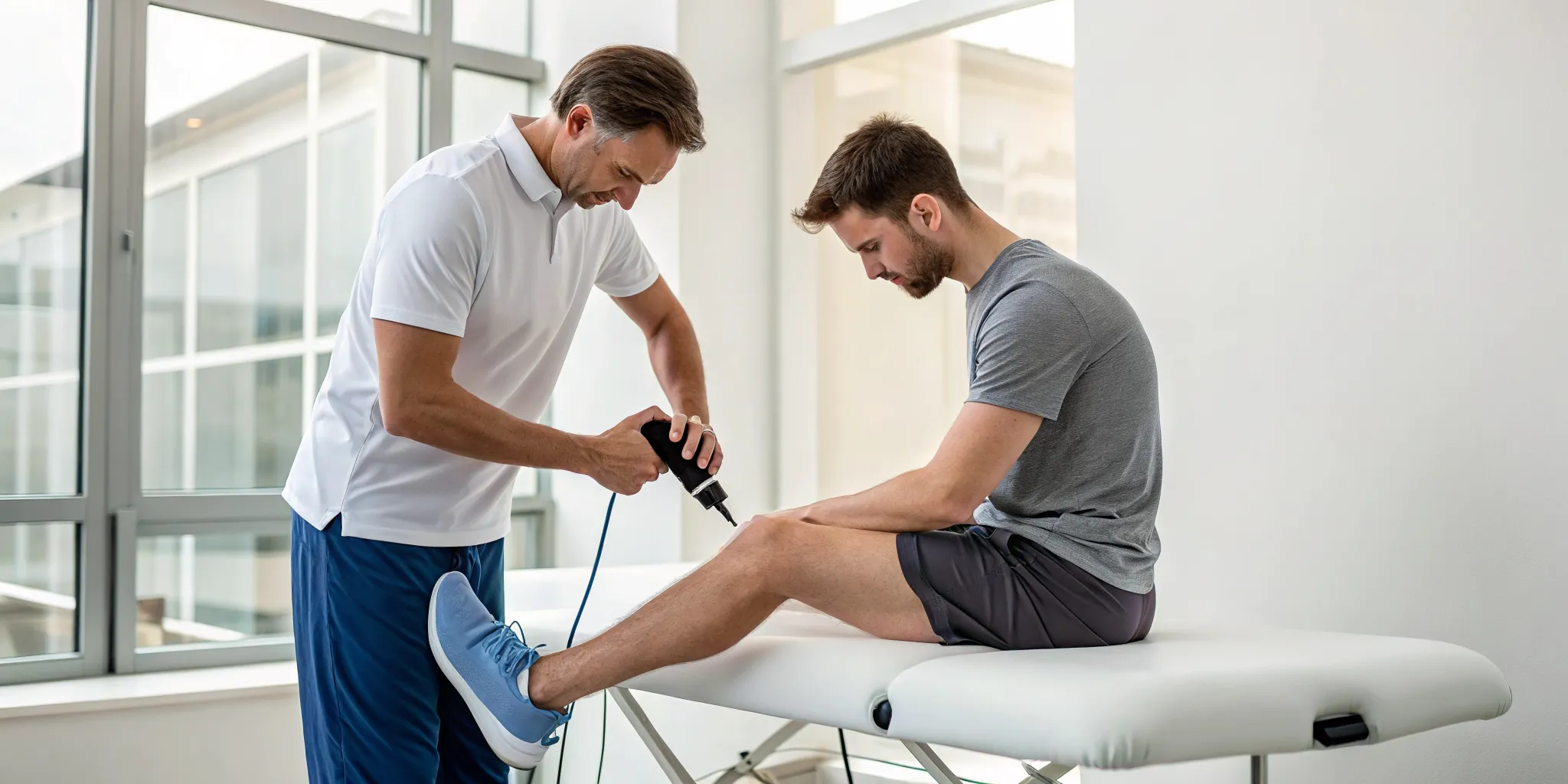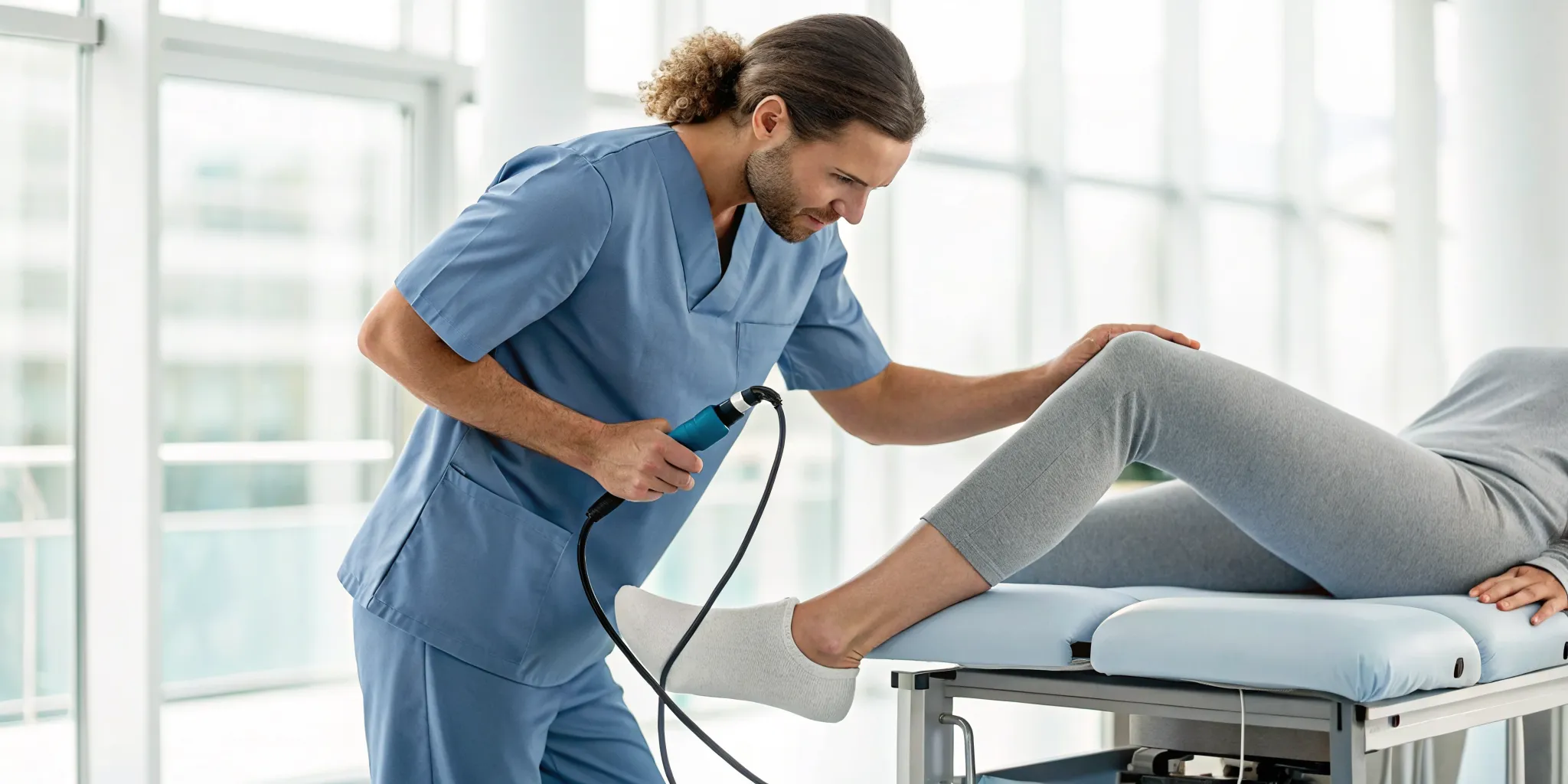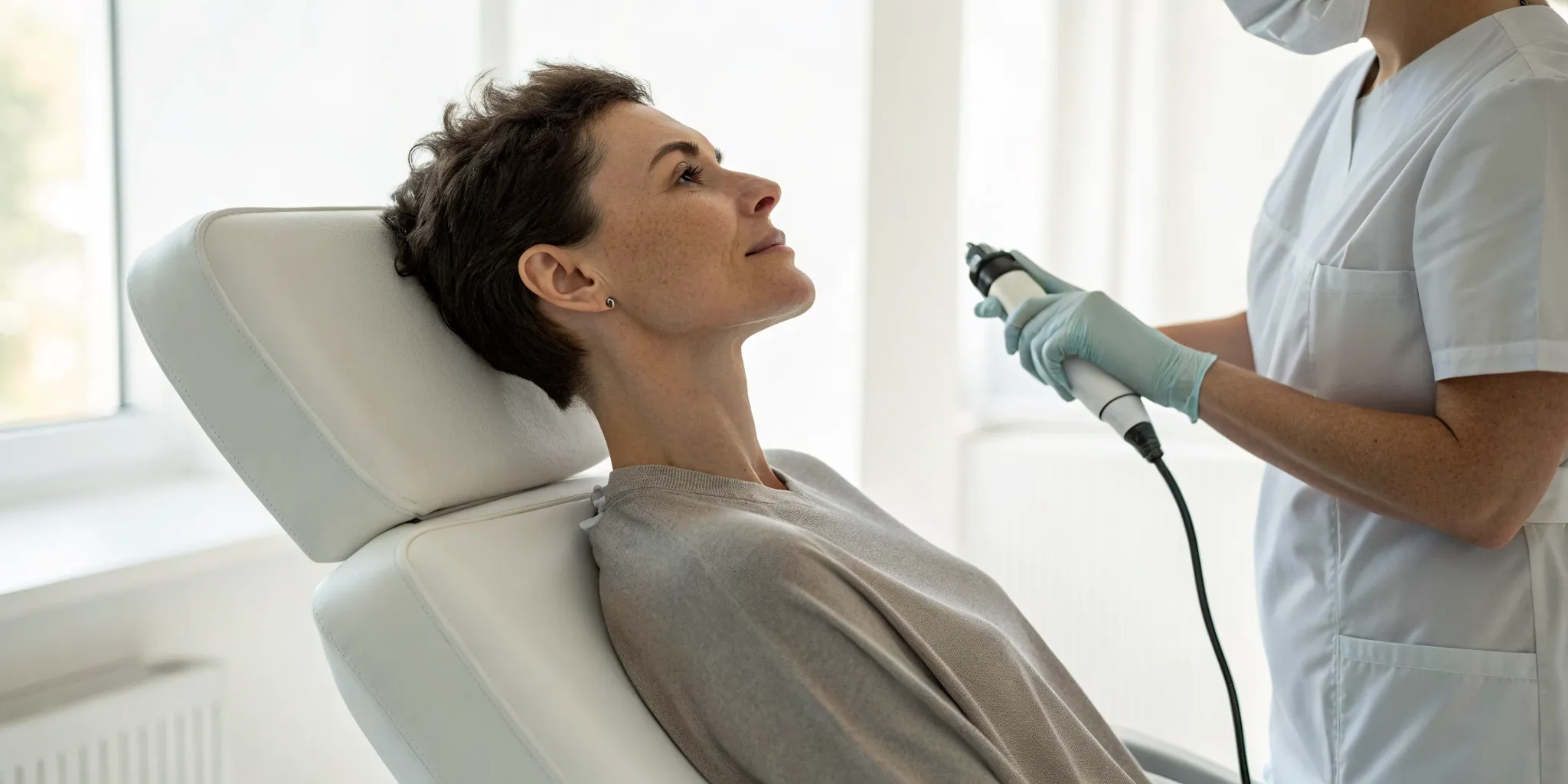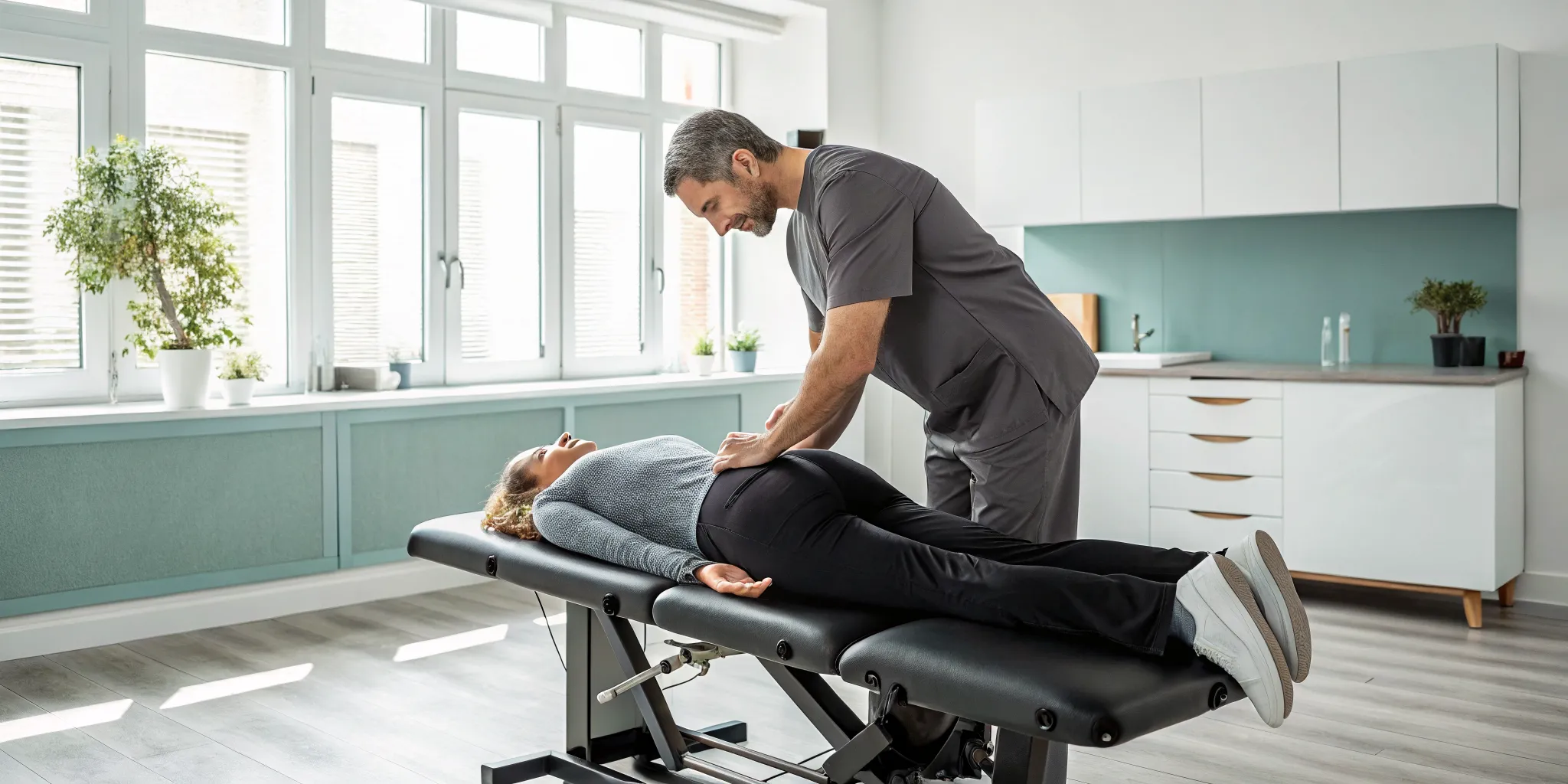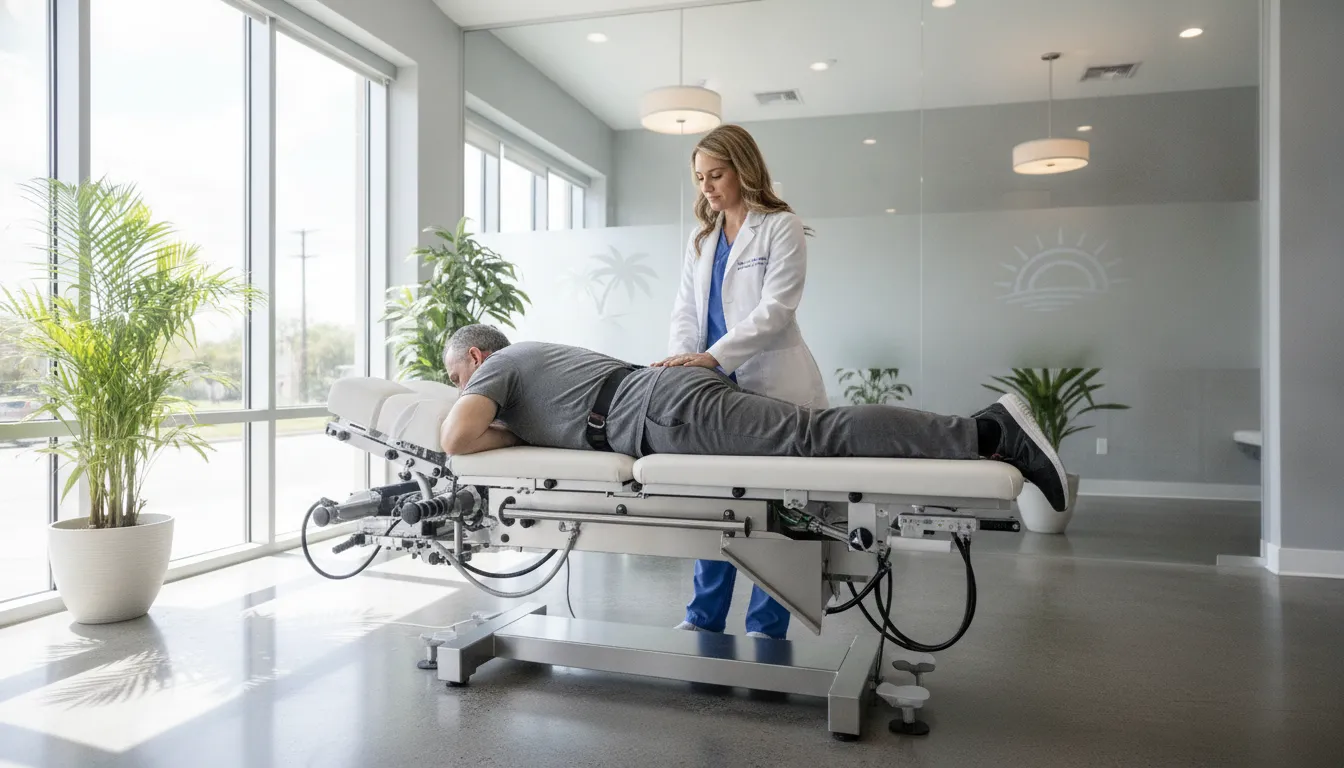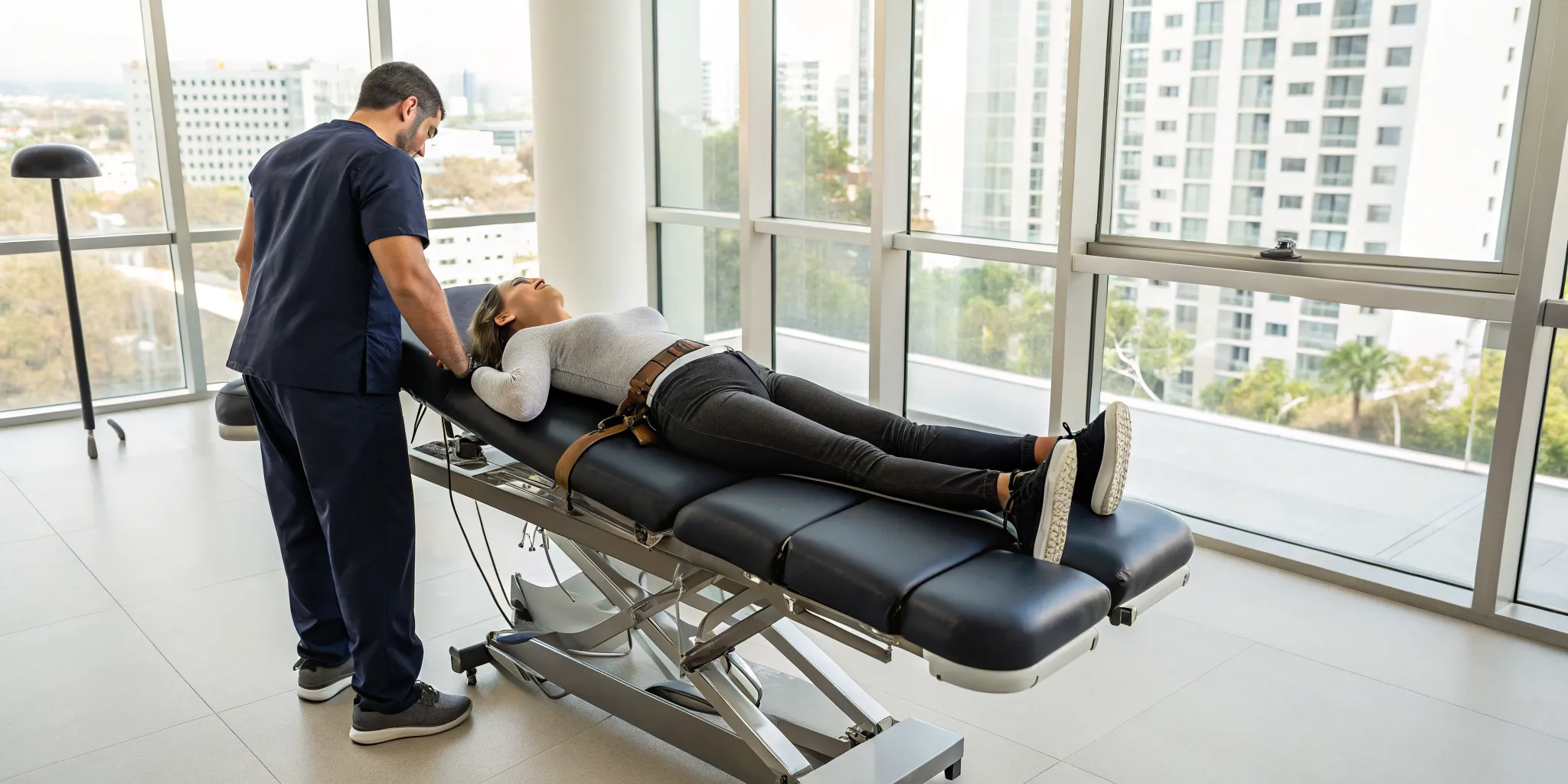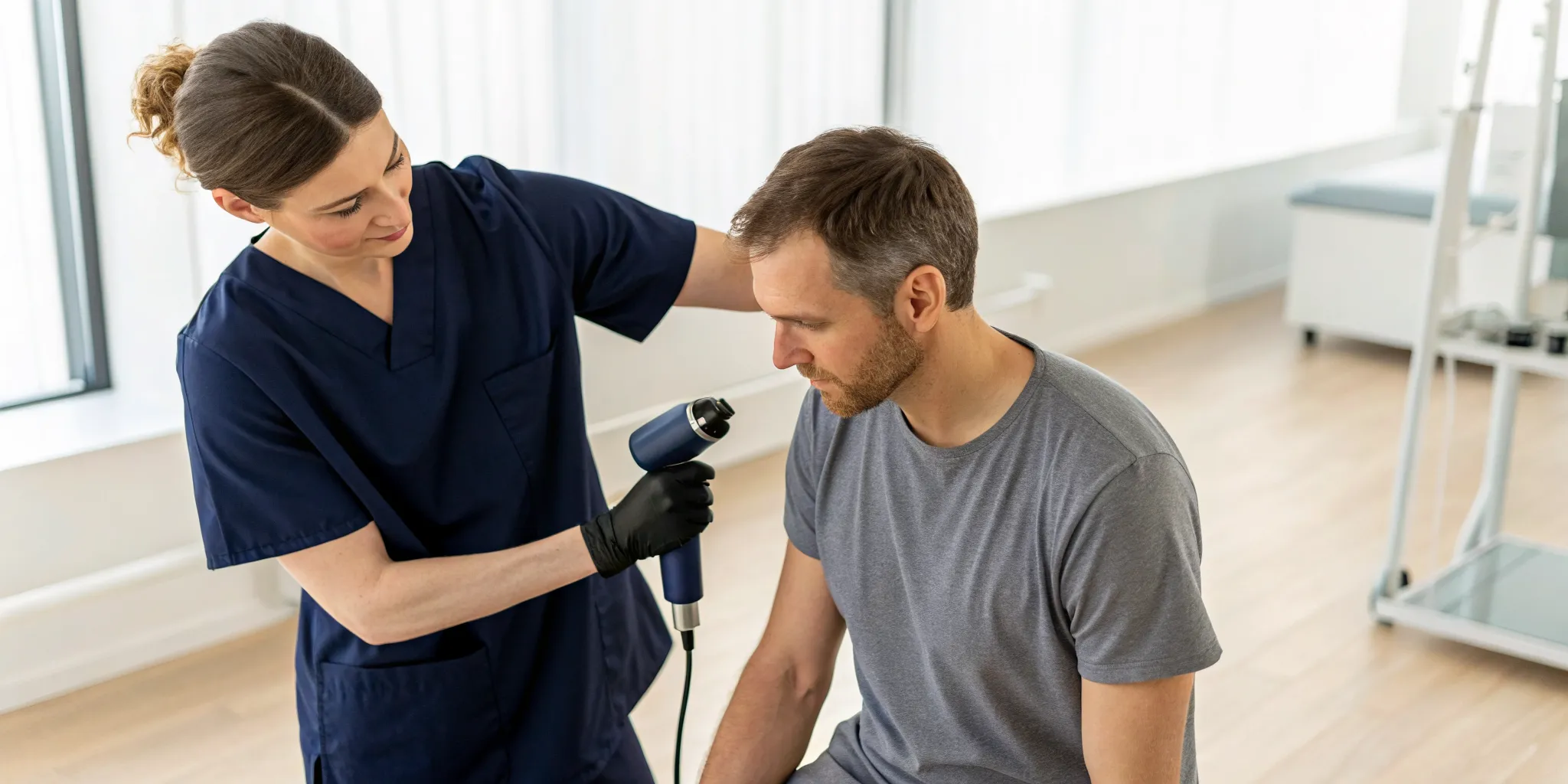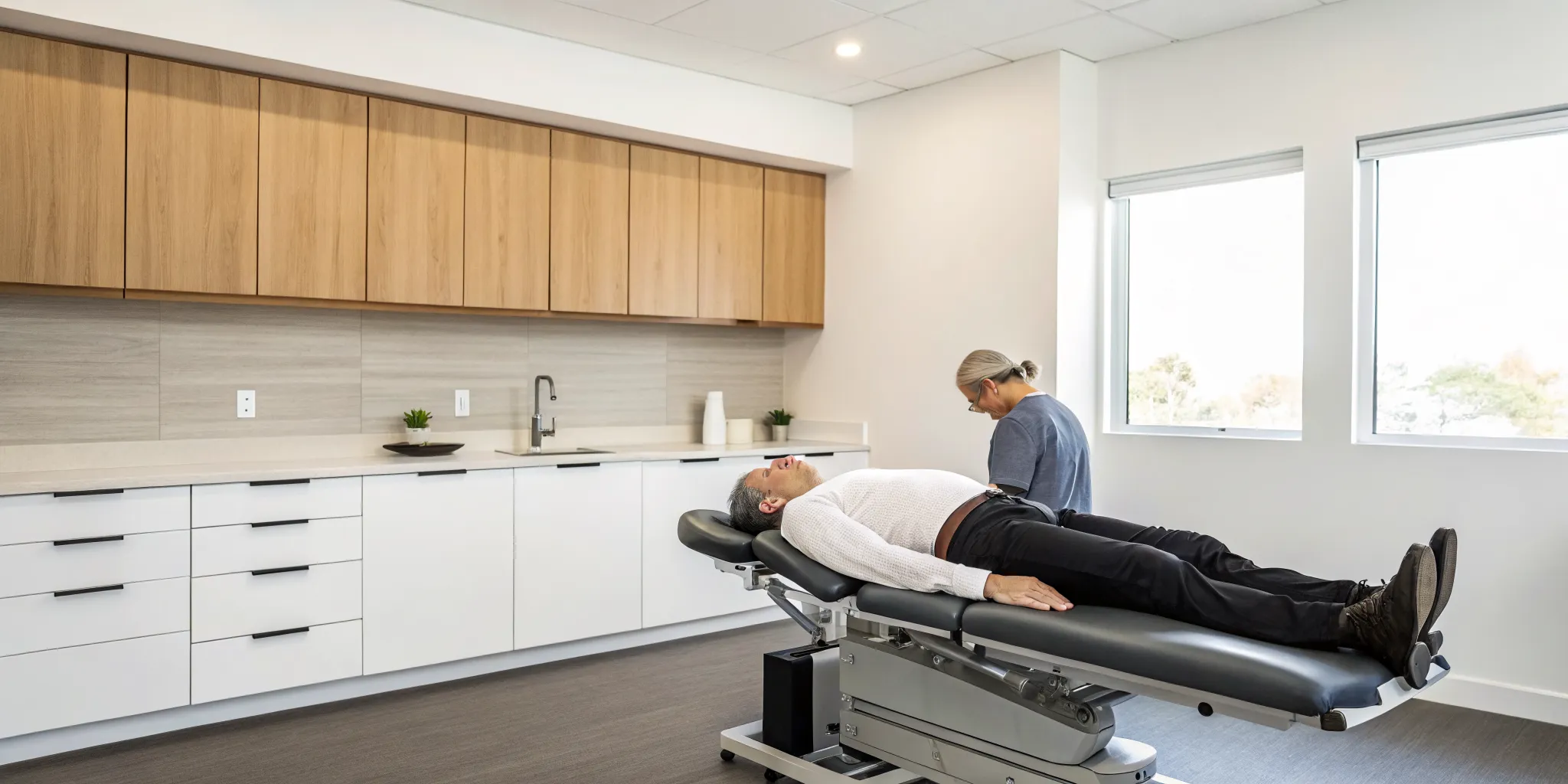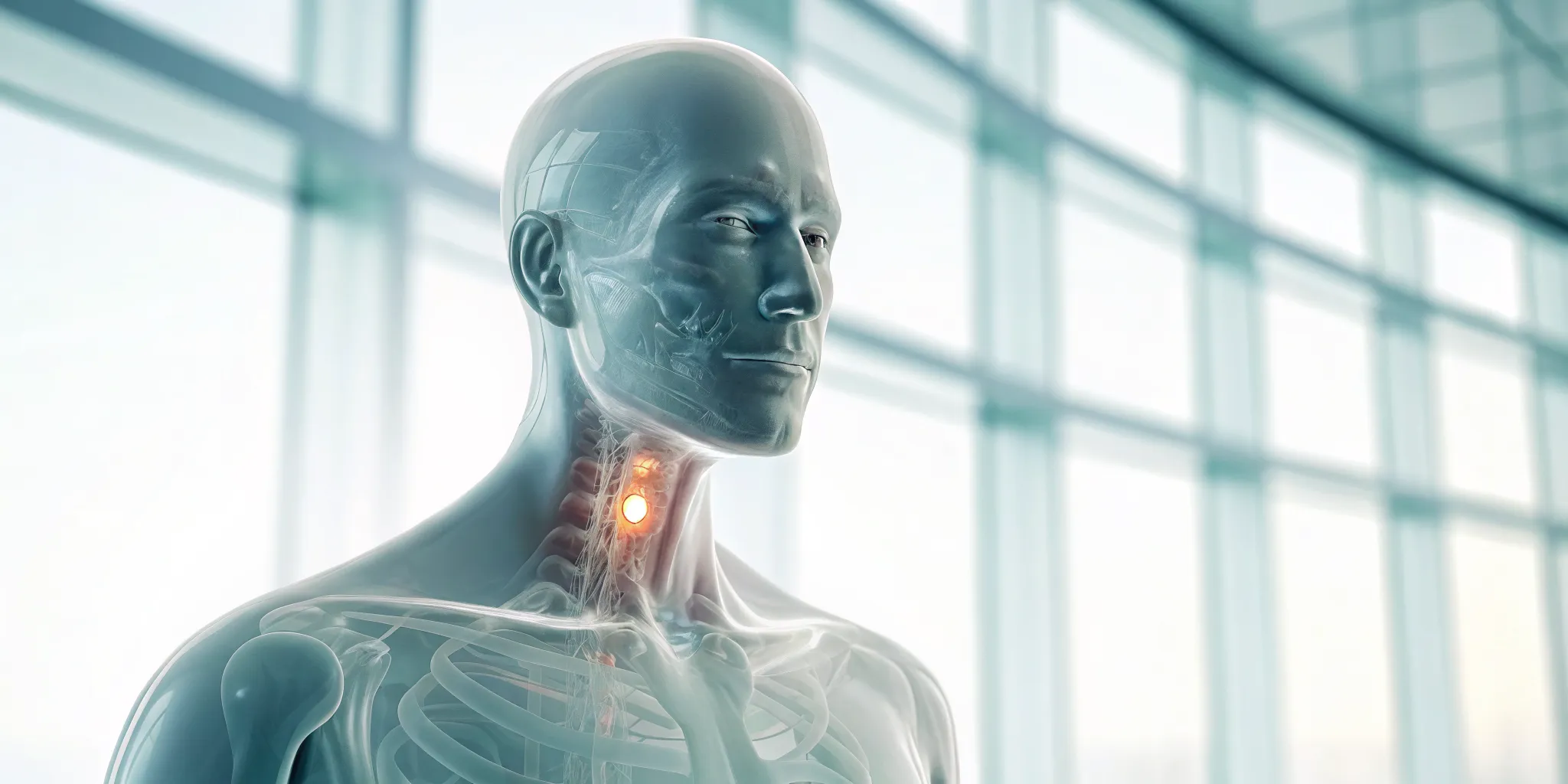
Persistent pain or postural changes can reflect more than a short-term symptom. They may point to how the spine is positioned, how it moves, and how those patterns affect daily function. That is why some patients seek a structural rehabilitation approach rather than relying on repeated symptom-focused adjustments alone.
Chiropractic BioPhysics Tampa is an evidence-based structural rehabilitation approach that uses linear algebra and mechanical engineering principles to assess spinal alignment. Then combines Mirror Image adjusting, exercise, and traction to support individualized correction.
CBP is not presented as a guaranteed cure or instant solution. Instead, it provides a measurable framework for understanding each person's posture and spinal structure, setting appropriate goals, and tracking progress over a planned course of care. Understanding the method begins with a clear look at what CBP is designed to evaluate and how its structural focus differs from a routine adjustment.
Chiropractic Biophysics Tampa: What Is Chiropractic BioPhysics (CBP)?
Chiropractic BioPhysics (CBP) is an evidence-based structural rehabilitation technique that applies linear algebra and mechanical engineering principles to spinal alignment. Rather than treating the spine as a collection of isolated joints. CBP evaluates how the full spinal structure functions together and uses a measured plan to support healthier posture and movement.
CBP was founded in 1980 by Drs. Donald Harrison, Deanne Harrison, and Daniel Murphy. The name reflects the field's central idea: applying physics to biology within chiropractic care. Since its development, CBP researchers and clinicians have investigated spinal alignment, posture, traction, and corrective procedures in a growing body of literature. Ideal Spine reports more than 341 scientific studies related to CBP, giving the technique a research base that extends beyond a single practitioner's approach.
A structural view of the spine
General chiropractic care can include many valuable methods, often with an emphasis on improving joint motion or addressing a patient's immediate symptoms. CBP differs in its primary objective. It focuses on structural correction of posture and spinal alignment, using tools such as Mirror Image adjusting, corrective exercises, and traction when clinically appropriate.
That does not mean every patient follows the same protocol or that structural care promises a particular result. A CBP-informed plan should be based on an individual's history, examination, posture, and spinal measurements. The goal is to identify the mechanical patterns that may be contributing to limited movement or recurring discomfort, then provide progressive rehabilitation designed around those findings.
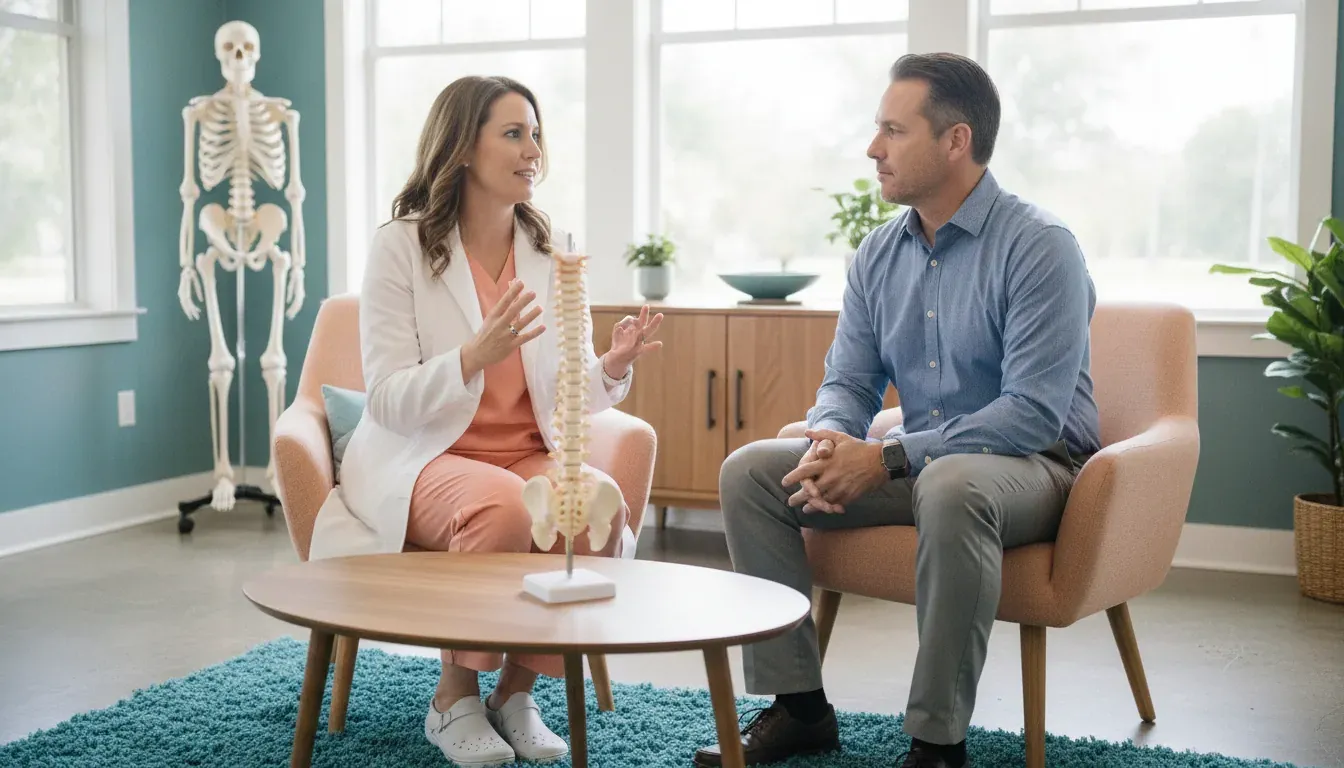
This distinction is important for anyone comparing structural chiropractic care with symptom-focused treatment. When evaluating a CBP provider in the Tampa area, look for a clear explanation of the assessment process, structural goals, and methods used to measure progress. At Ascend Functional Health, that conversation begins with understanding the patient's history and determining whether a structural rehabilitation approach is an appropriate fit.
How Is CBP Different from Traditional Chiropractic?
Chiropractic BioPhysics takes a structural rehabilitation approach, while traditional chiropractic often emphasizes managing symptoms through spinal manipulation. CBP is designed to assess posture and alignment, then apply a progressive plan intended to address underlying structural patterns rather than provide only temporary symptom relief.
| Area | Chiropractic BioPhysics | Traditional chiropractic |
|---|---|---|
| Primary focus | Structural rehabilitation, with attention to posture and spinal alignment. | Symptom relief and improved comfort through spinal care. |
| Adjustment strategy | Uses Mirror Image adjustments to apply forces in the opposite direction of a postural distortion when clinically appropriate. | Typically relies on spinal manipulation to address areas of restricted movement or discomfort. |
| Supporting care | Combines adjustments with corrective exercises and traction to reinforce the desired structural changes. | May center on manipulation alone, depending on the provider and the patient's goals. |
| Assessment | May include posture analysis and digital X-ray evaluation to guide a personalized plan. | Often uses the clinical examination and symptoms to guide the visit. |
| Visit pattern | Usually follows a defined rehabilitation plan, such as 30 to 40 sessions over 9 to 12 weeks. | Often involves as-needed visits based on symptom recurrence or current discomfort. |
Why the distinction matters
A quick adjustment can be appropriate for some goals, but recurring symptoms may lead you to ask whether the underlying postural or alignment pattern has been evaluated. CBP uses Mirror Image adjusting, exercise, and traction to pursue structural correction of posture and spinal alignment. That does not mean every patient needs the same protocol, or that results are guaranteed. It means the care plan is built around measurable assessment and progressive rehabilitation instead of treating each visit as an isolated event.
For people exploring chiropractic care in Tampa, the first step is understanding which approach matches their health history, findings, and goals. A consultation can help determine whether structural analysis and a longer-term corrective plan are appropriate.
The Evidence Behind CBP: 341+ Peer-Reviewed Studies
Chiropractic BioPhysics Tampa care is grounded in a developing body of peer-reviewed research, including more than 341 scientific studies examining different aspects of the CBP method. That evidence supports a measured, structural approach, while still requiring individualized assessment rather than promising the same outcome for every patient.
CBP was developed around the application of physics and engineering principles to spinal rehabilitation. The published research associated with the method evaluates posture, spinal curves, traction, exercise, and corrective procedures. According to Ideal Spine's overview of CBP research, contributors have published more than 341 studies and several CBP textbooks. The volume of research is meaningful, but the quality and design of each study still matter when interpreting what the evidence can and cannot show.
What systematic reviews say about extension traction
A systematic review indexed by PubMed examined extension traction methods used in rehabilitation programs for patients with lumbar hypolordosis, or a reduced inward curve in the lower back. The review concluded that the available evidence, described as limited but good quality, substantiates that extension traction definitively increases lumbar lordosis. It also reported preliminary indications of longer-term relief for some low-back disorders compared with conventional rehabilitation approaches included in the review. Read the PubMed systematic review.
This finding does not mean traction is appropriate for every person or that a specific result is guaranteed. It means the technique has a research-supported rationale that can be considered alongside examination findings, imaging, symptoms, and clinical judgment.
Long-term follow-up adds important context
A separate CBP case series reported improvements in pain, quality of life, and urinary dysfunction after correction of lumbar lordosis and reduction in lumbar spondylolistheses. The reported improvements were maintained at follow-up examinations more than one year later. Review the case series in PMC.
Because this was a case series rather than a randomized controlled trial. It should be viewed as supportive clinical evidence, not proof that every patient will experience the same change. CBP practitioners also use the Harrison Spinal Model as an evidence-based standard for evaluating spinal alignment and defining measurable structural targets. That combination of research, geometric analysis, and individualized planning helps keep care focused on observable findings instead of assumptions.
How CBP Works: Spinal Curve Analysis and Digital X-Ray
Chiropractic BioPhysics Tampa patients begin with a structural assessment designed to understand how posture and spinal alignment relate to their concerns. The process uses detailed diagnostics rather than relying on a quick adjustment or a symptom-based examination.
1. Comprehensive consultation and health history
Your first visit begins with a conversation about your health history, current concerns, previous injuries, daily demands, and goals. This context helps the care team understand more than where discomfort appears. It also helps identify factors that may influence posture, movement, and the way your spine functions over time.
2. Digital postural assessment and standing full-spine X-rays
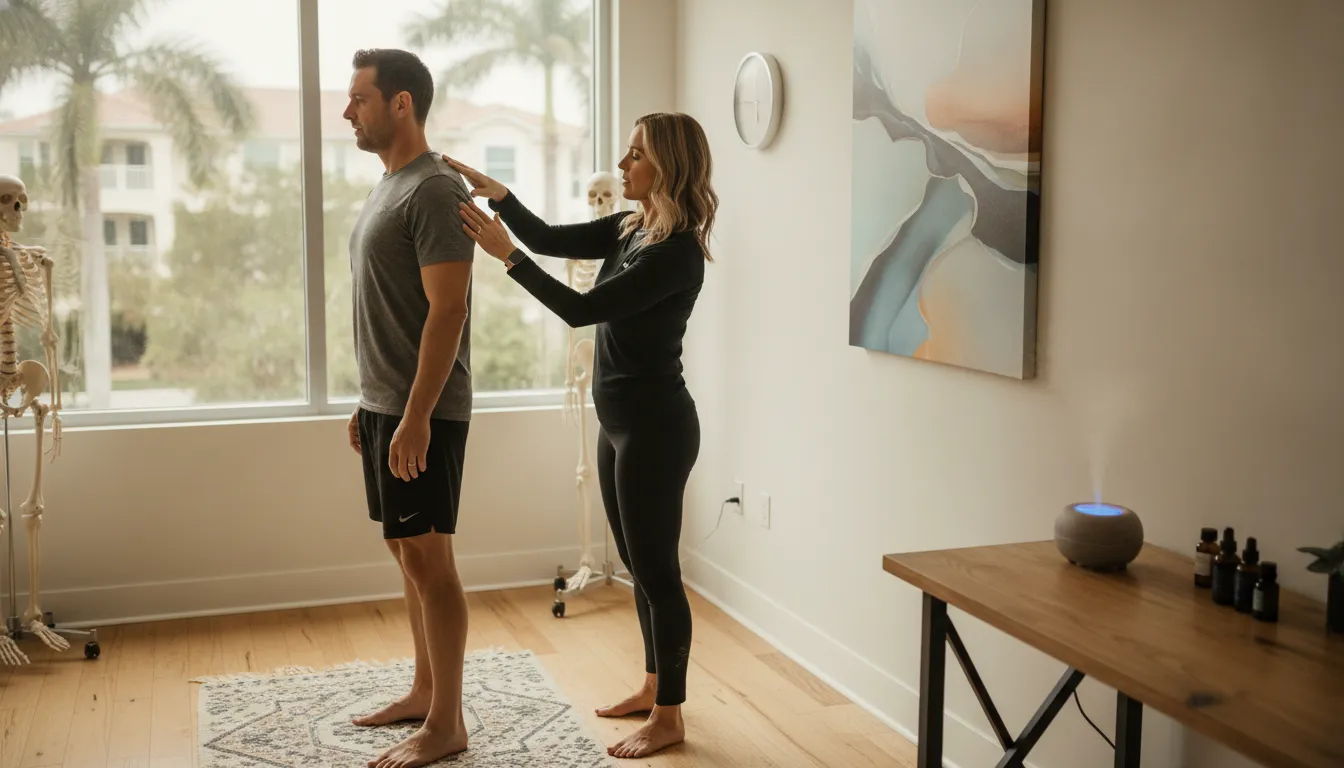
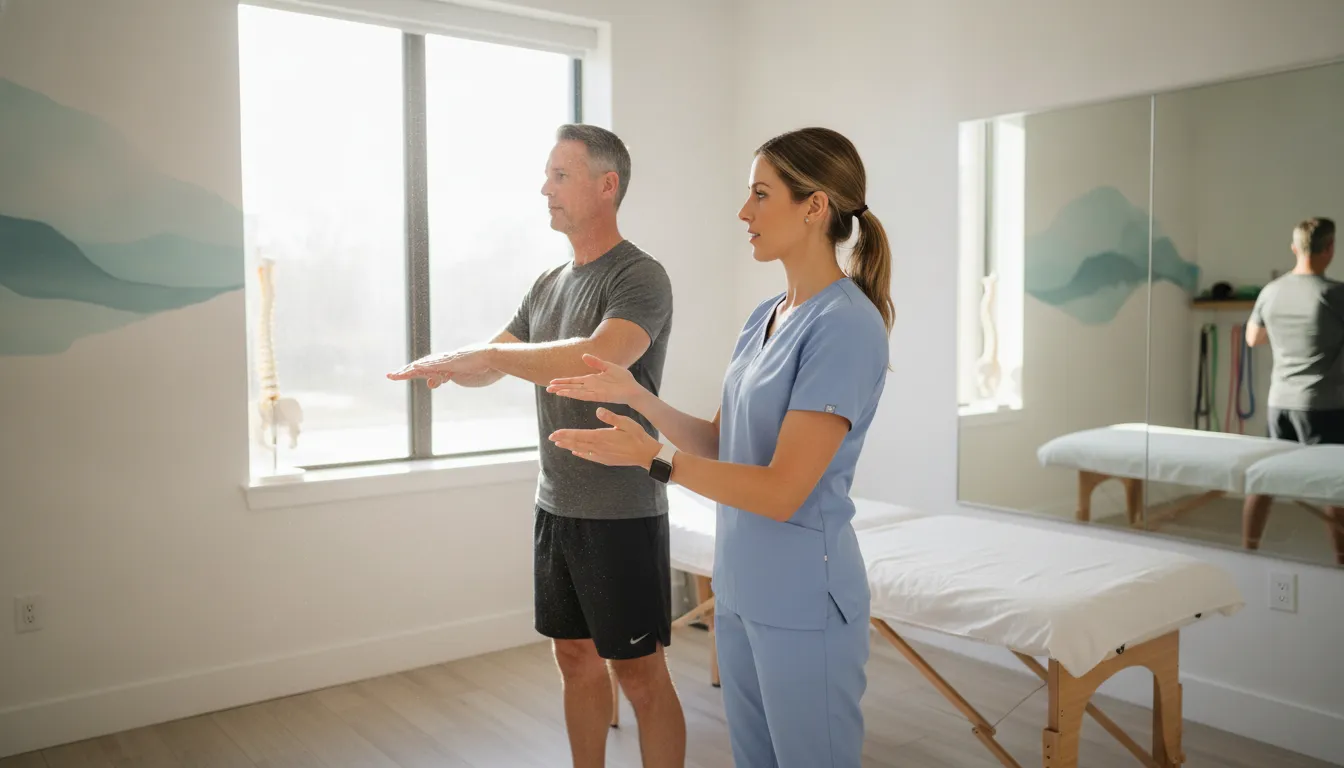
Next, the assessment examines your posture and spinal position while you are standing. When clinically appropriate, standing digital X-rays provide a view of the full spine under weight-bearing conditions. These images can reveal structural patterns that may not be apparent during a brief hands-on exam. Learn more about the process through this posture and movement assessment.
3. Geometric analysis of spinal curves
CBP uses specific geometric methods to quantify spinal alignment, including the Harrison posterior tangent method for sagittal images. This analysis turns visual observations into measurable information about spinal curvatures and posture. Full-spine posture assessments and standing radiographs are core components of structural rehabilitation programs using CBP, according to Ascend's clinical methodology documentation.
4. Diagnosis and a personalized corrective care plan
After reviewing your history, postural findings, and imaging, the doctor explains the assessment and discusses whether CBP is appropriate for your needs. If it is, your plan may combine Mirror Image adjusting, targeted exercises, and traction to address the identified structural pattern. The recommendations are individualized, with progress evaluated against your starting measurements rather than based on a one-size-fits-all schedule.
This thorough sequence gives Tampa patients a clearer basis for deciding on care. It replaces guesswork with a structured understanding of your spinal curves, movement patterns, and the next appropriate step.
What to Expect in a CBP Corrective Care Plan
A Chiropractic BioPhysics Tampa corrective care plan is a structured rehabilitation process, not a series of isolated adjustments. Your plan is individualized, but it commonly includes 30 to 40 sessions over 9 to 12 weeks. With regular assessments to evaluate how your posture and spinal alignment are responding.
Care typically progresses through three phases. The first phase focuses on relief and helping your body tolerate the corrective process. The second phase emphasizes correction and rehabilitation, using targeted procedures to address the structural patterns identified during your examination. The third phase supports stabilization and maintenance, helping you preserve functional changes as you return to daily activities.
Mirror Image adjustments and traction
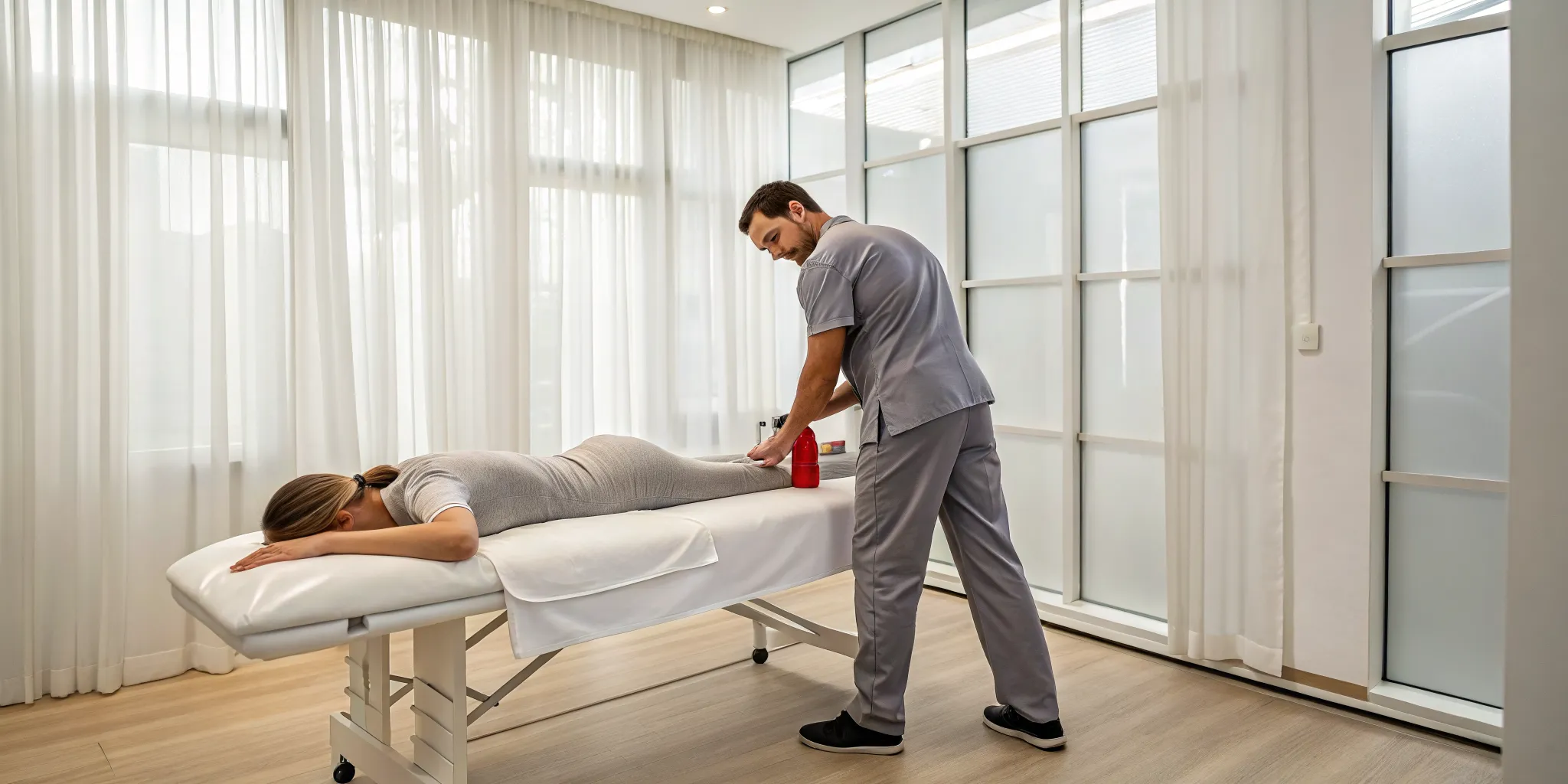
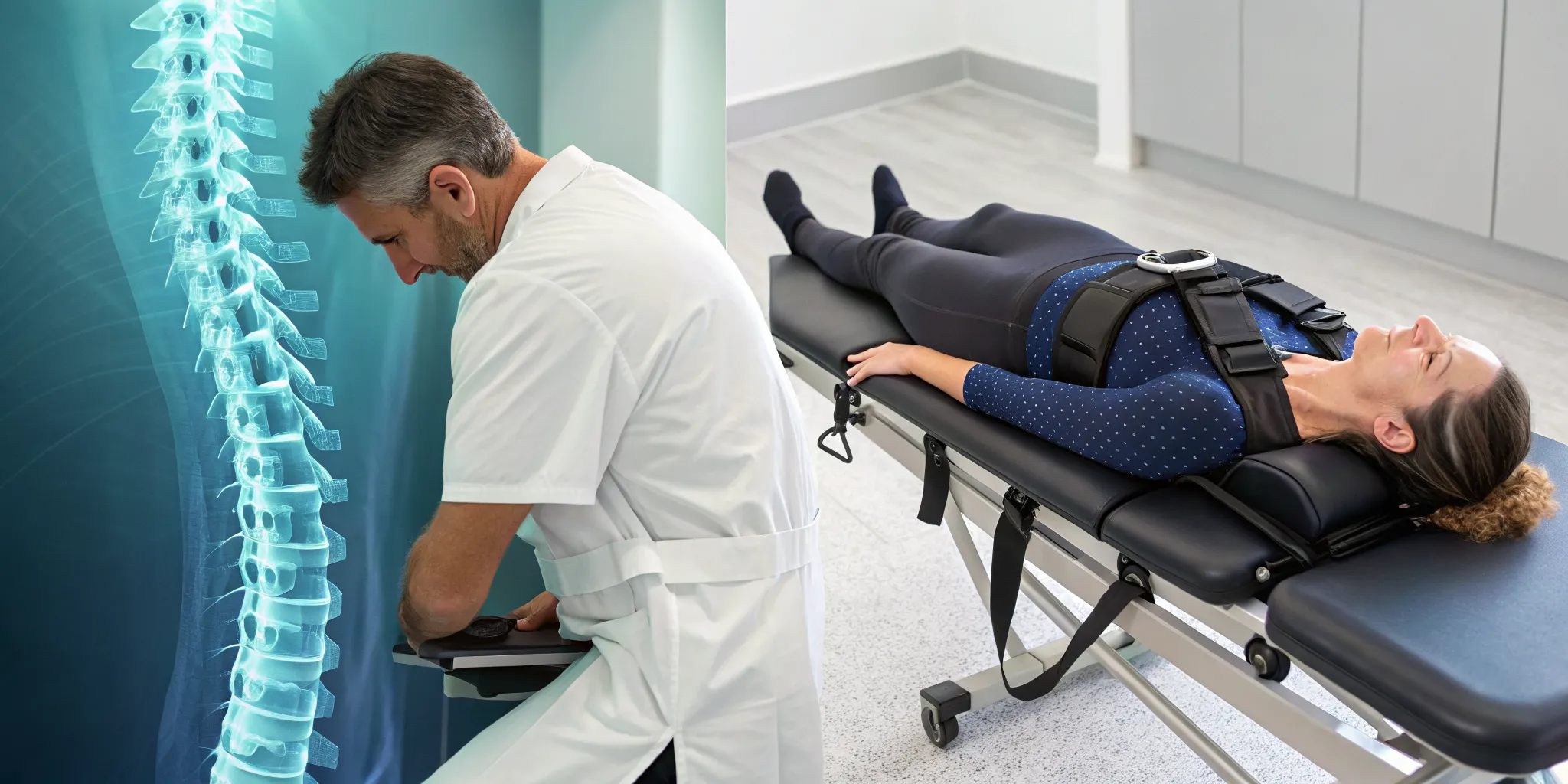
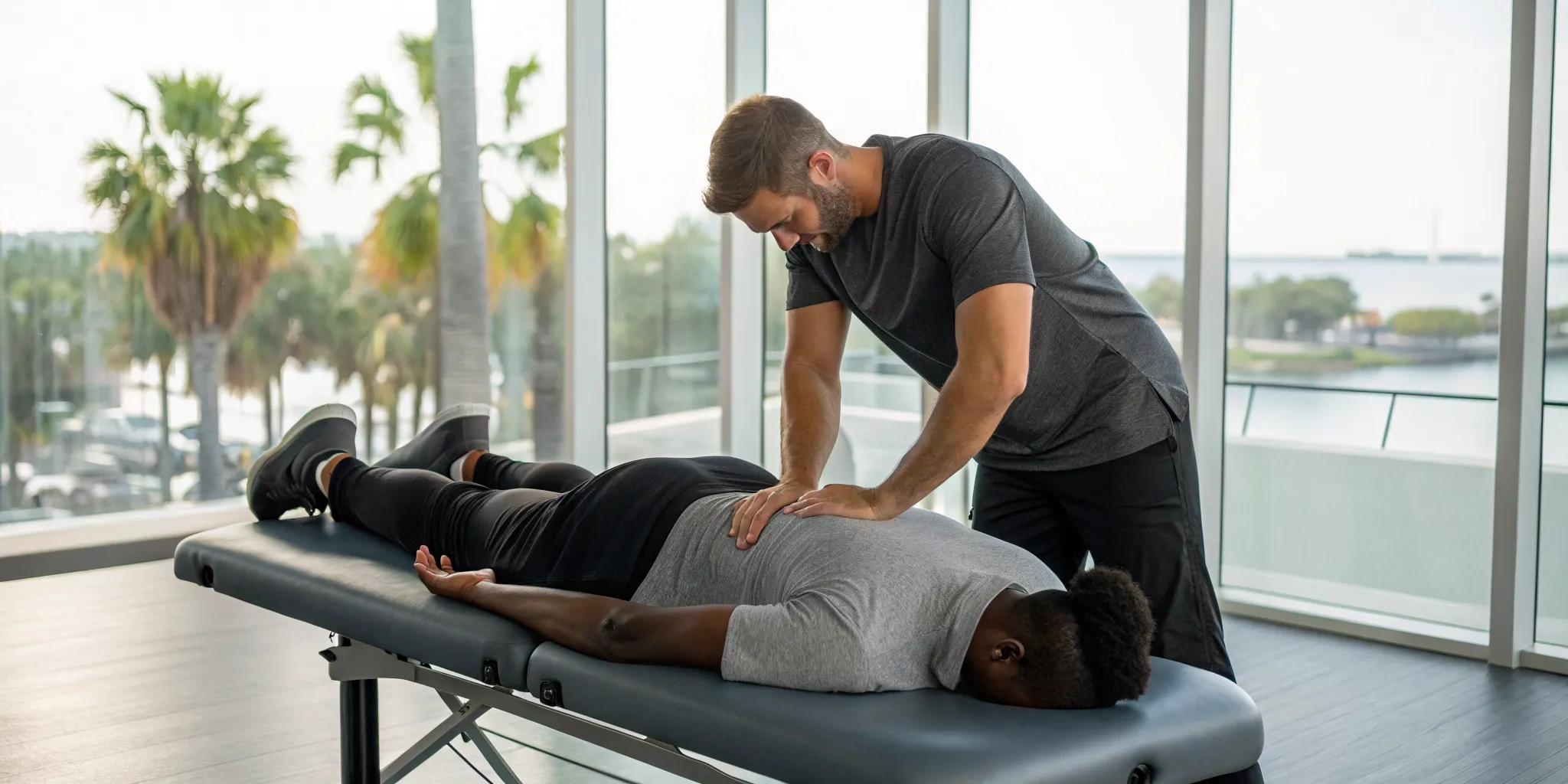
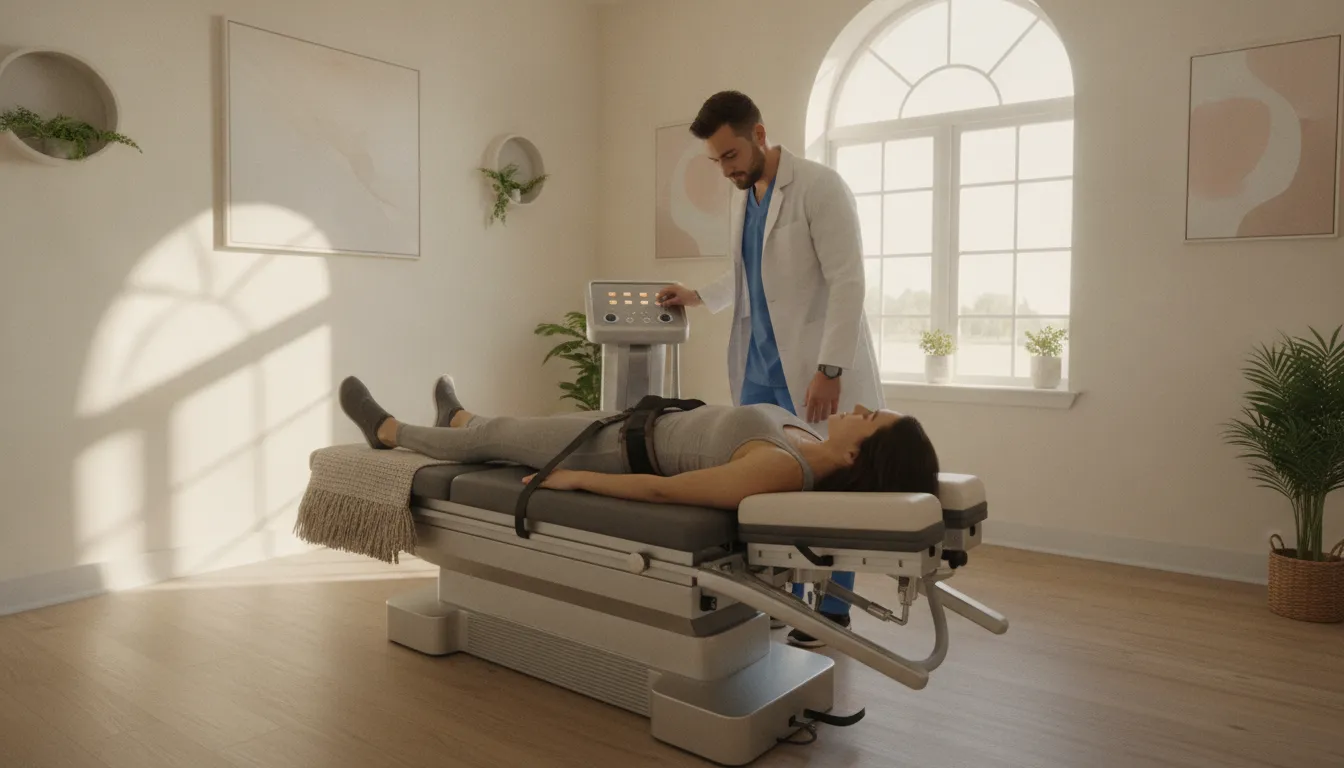
CBP uses Mirror Image adjustments to apply forces opposite the direction of a measured postural distortion. These adjustments may be paired with traction protocols selected for your spinal pattern, including cervical extension traction for the neck and lumbar extension traction for the lower back. The goal is to provide a consistent structural stimulus rather than rely only on short-term symptom changes.
Extension traction is one area of CBP research. A review identified limited but good-quality evidence supporting extension traction methods for increasing lumbar lordosis in people with hypolordosis, while noting that further research is needed. Your clinician should explain how the available evidence applies to your findings and goals.
Rehabilitation between visits
Targeted rehabilitative exercises are often part of the plan. Exercises may be selected to build strength, improve control, and help you use the corrected position during movement. Consistency matters, so your care team can adjust the exercise selection, traction approach, or visit frequency as your response is assessed.
Progress assessments may include repeat imaging and comparisons with your original measurements. These checkpoints help determine whether the plan is producing measurable changes and whether the next phase remains appropriate. Learn more about how Ascend tracks progress in a corrective chiropractic care plan.
Why Choose Dr. Alessi for Chiropractic BioPhysics in Tampa
Choosing Chiropractic BioPhysics Tampa care with Dr. Alfred Alessi means working with a practitioner who combines CBP structural rehabilitation with a whole-person approach to health. As one of the few CBP-certified practitioners in Tampa, Dr. Alessi evaluates more than an isolated symptom or a single area of discomfort.
Dr. Alessi is also recognized as Tampa's #1 Chiropractor and Functional Medicine Doctor in the Business Choice Awards 2025. That recognition reflects the distinctive model at Ascend Functional Health: Physical Medicine, Functional Medicine, and Regenerative Medicine work together rather than operating as disconnected services.
CBP certification with structural precision
Chiropractic BioPhysics is an evidence-based structural rehabilitation technique that applies principles from linear algebra and mechanical engineering to spinal alignment. Rather than treating an adjustment as the entire plan of care, CBP may use posture analysis, Mirror Image adjusting, targeted exercise, and traction to support structural correction. The objective is to understand how spinal position and movement relate to the patient's concerns, then build a measurable plan around that information.
This approach matters for people who want more than temporary symptom management. A personalized assessment can help clarify whether postural patterns, spinal alignment, movement limitations, or other factors deserve attention. Care remains individualized, and no structural program should be presented as a guarantee or instant solution.
Root-cause thinking beyond the spine
Dr. Alessi's integrative approach adds another layer to CBP care. Functional Medicine considers broader contributors to health concerns, while Regenerative Medicine may support appropriate strategies for tissue health and recovery. Together with Physical Medicine, these pillars create a framework for evaluating the person as a whole, including lifestyle, health history, movement, and the body's capacity to adapt.
Patients can explore Ascend's physical medicine services while discussing whether CBP fits their goals. The right next step is a consultation and structural assessment, not a one-size-fits-all protocol. Dr. Alessi can use that conversation to explain the findings, outline appropriate options, and identify how structural rehabilitation may fit within a broader plan for long-term health.
Frequently Asked Questions
What is Chiropractic BioPhysics (CBP)?
Chiropractic BioPhysics is a structural rehabilitation approach that applies principles from linear algebra and mechanical engineering to posture and spinal alignment. Rather than focusing only on temporary symptom relief, CBP uses assessment, targeted adjustments, exercises, and traction to support measurable structural change.
How does Chiropractic BioPhysics work for spinal correction?
A CBP plan begins with a detailed evaluation of posture and spinal curves, often including full-spine standing radiographs when clinically appropriate. The findings guide Mirror Image adjusting, corrective exercises, and traction intended to address specific alignment patterns. Care is tailored to the individual's structure, goals, and response over time.
Is Chiropractic BioPhysics evidence-based?
CBP is designed as an evidence-informed structural rehabilitation method, and research has evaluated components such as extension traction for lumbar alignment. The quality and relevance of evidence can vary by technique and patient presentation. So a qualified practitioner should review the research and explain how it applies to your assessment rather than promise a predetermined result.
What benefits may CBP treatment provide?
Depending on the person's condition and consistency with the plan, structural rehabilitation may support improvements in posture, movement, comfort, and quality of life. Results vary, and CBP is not a guarantee of correction or a substitute for individualized clinical evaluation.
How is CBP different from traditional chiropractic?
Traditional chiropractic care may emphasize joint mobility and symptom-focused adjustments. CBP adds a structured analysis of spinal geometry and combines corrective positioning, exercise, and traction with adjustments. The goal is a progressive rehabilitation process that addresses the patient's measured structural patterns, not simply a quick adjustment.
Ready to Explore CBP in Tampa?
A structural assessment can help clarify how your posture and spinal alignment relate to your goals, and whether Chiropractic BioPhysics fits your needs. Schedule a structural assessment consultation with Ascend Functional Health to discuss your concerns and possible next steps. Call 813-284-7222 to connect with the Tampa team.