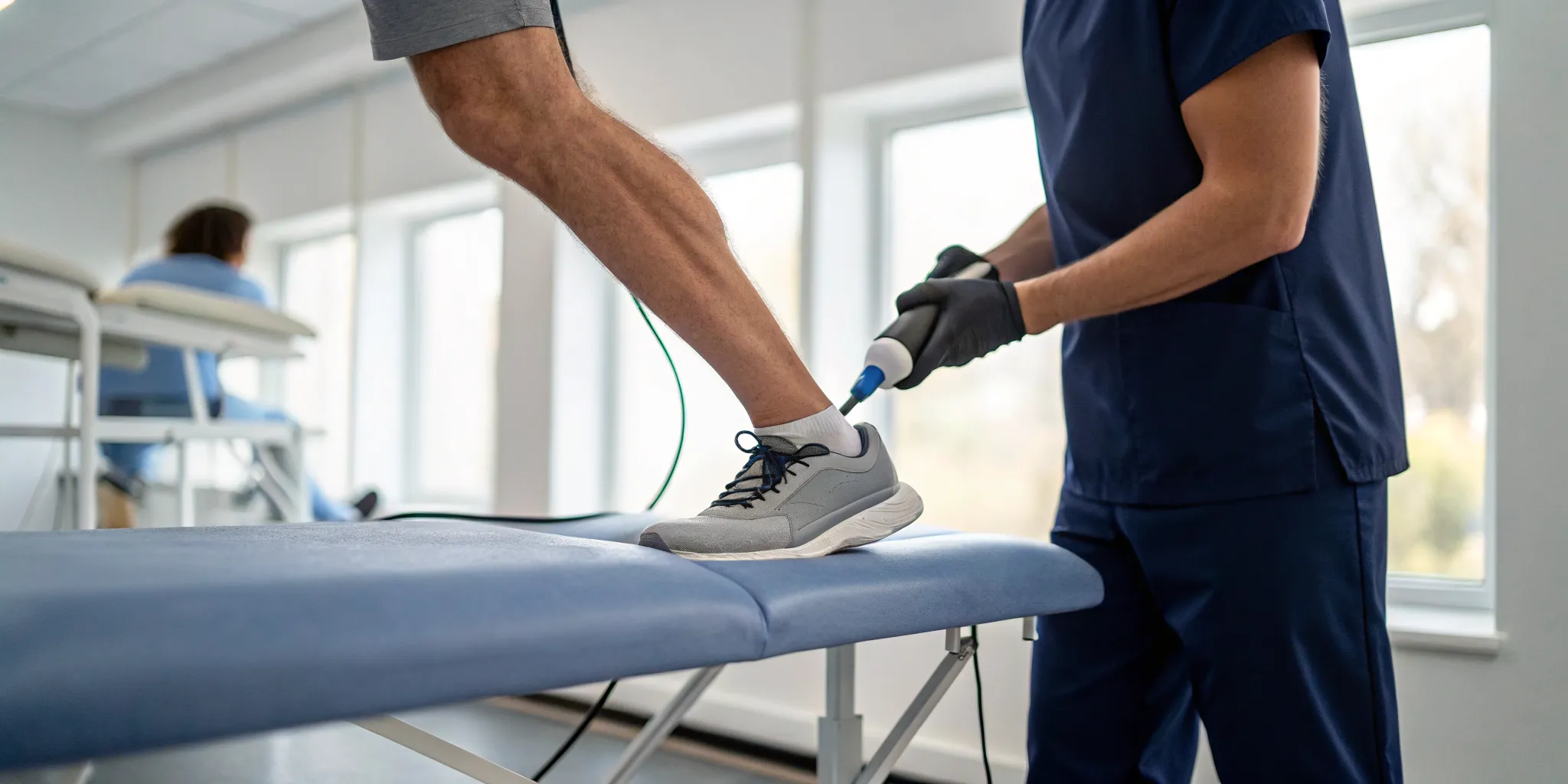
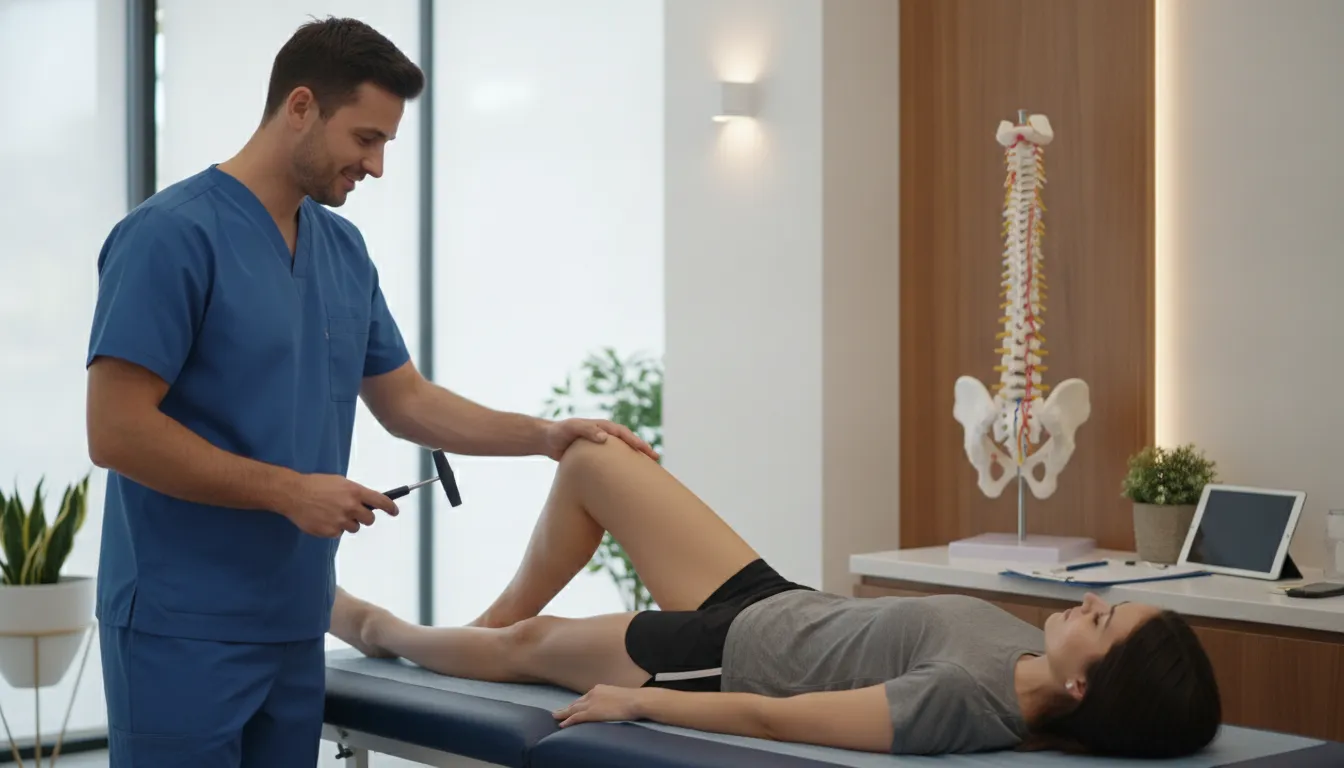
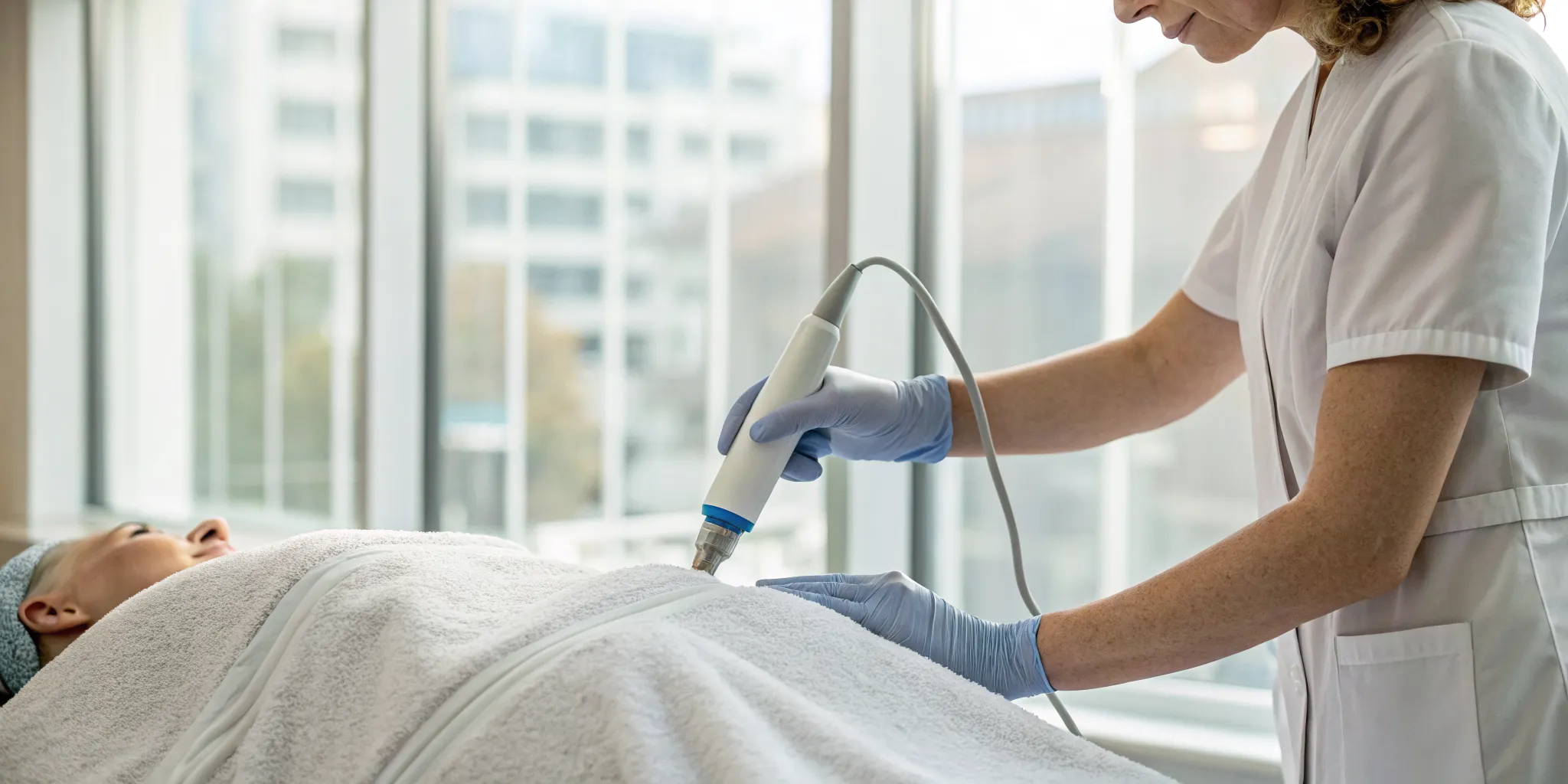
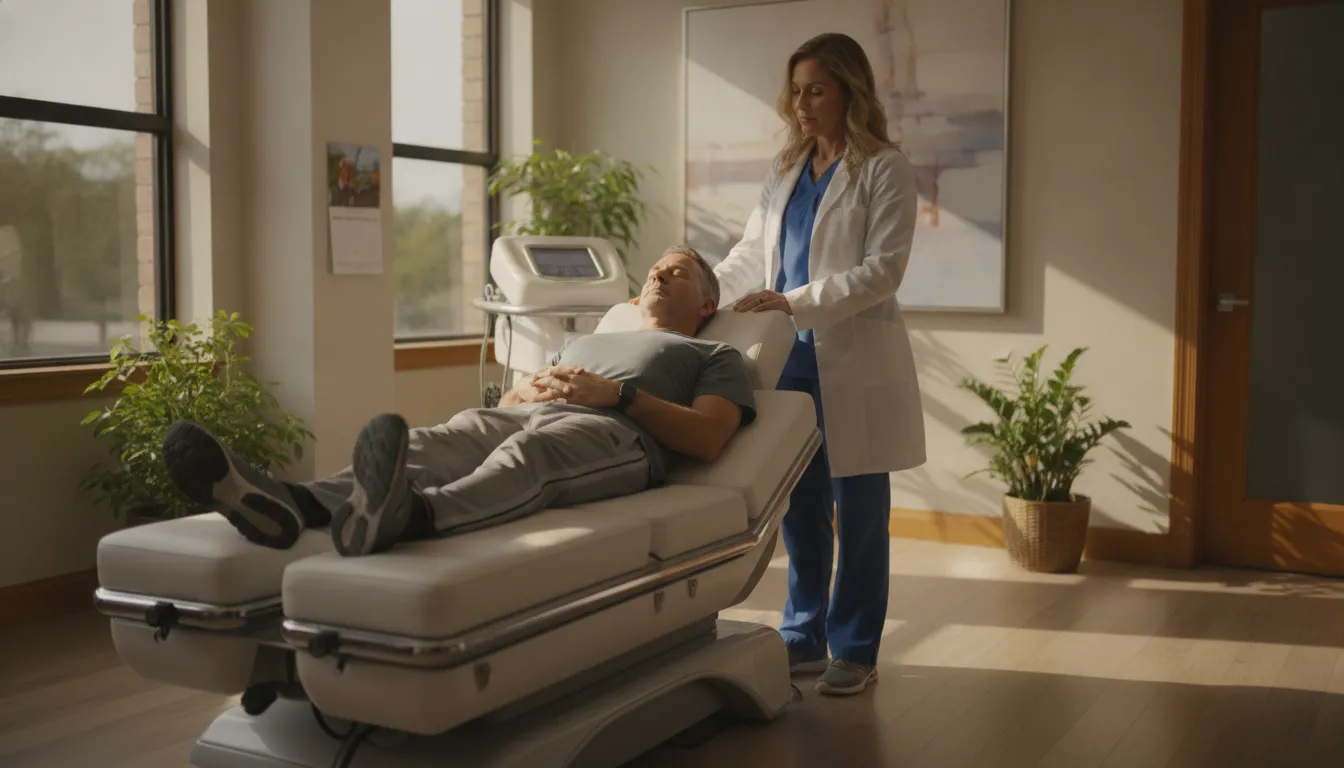
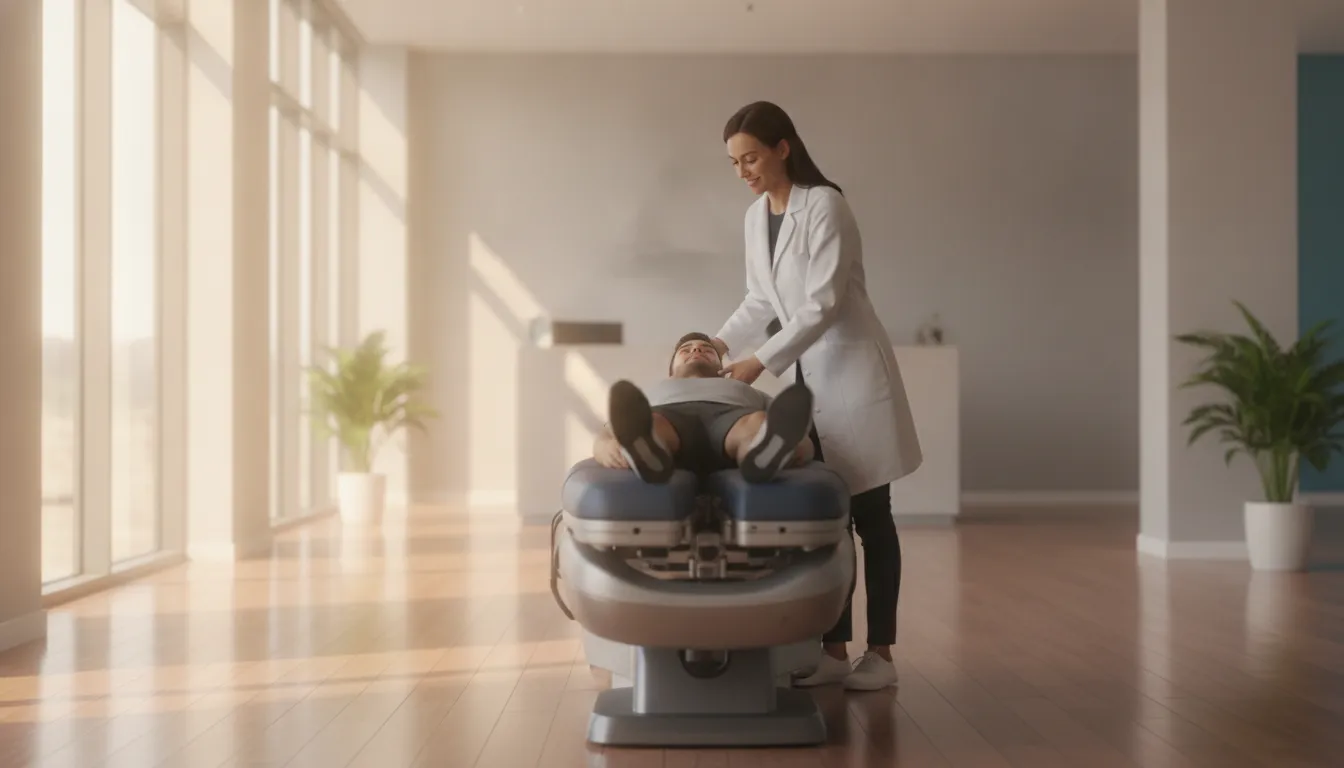
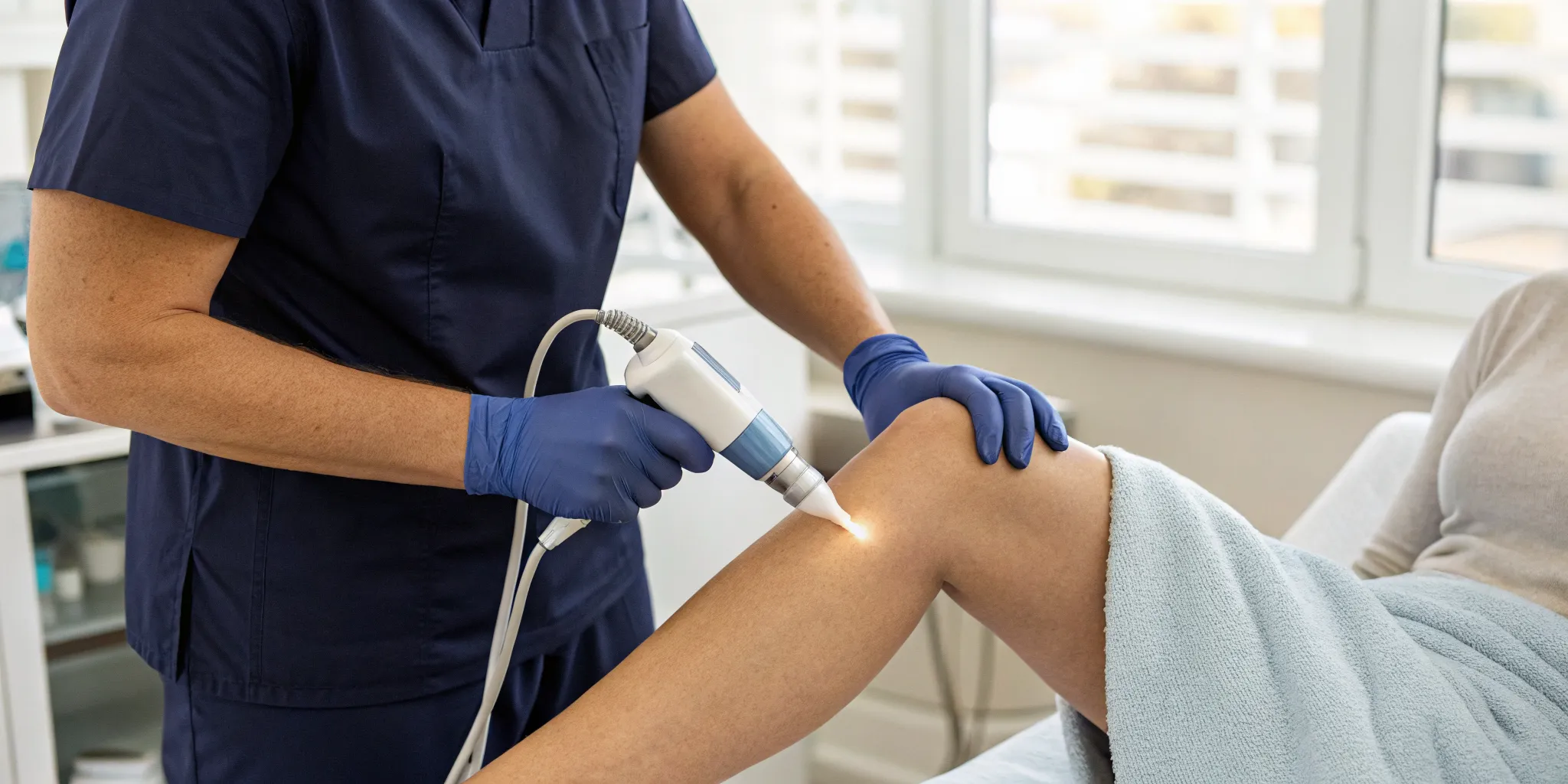
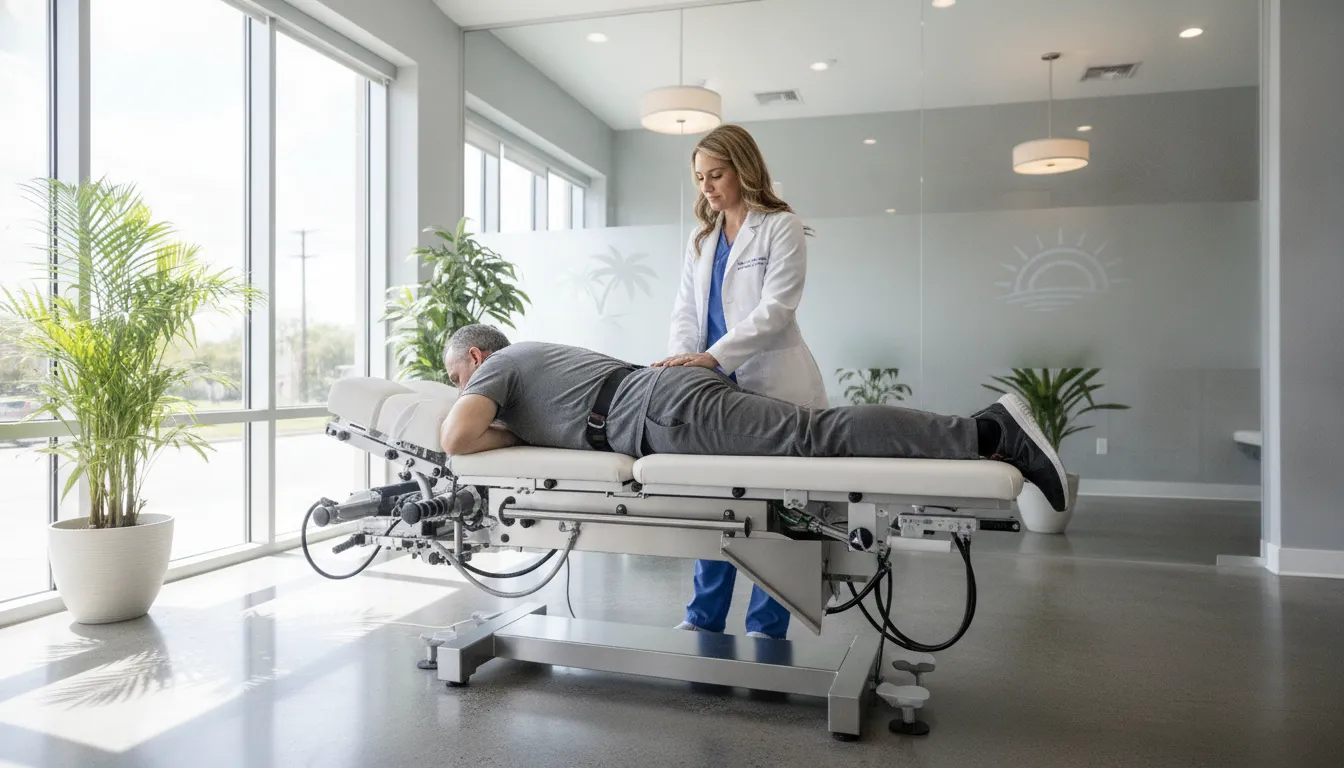
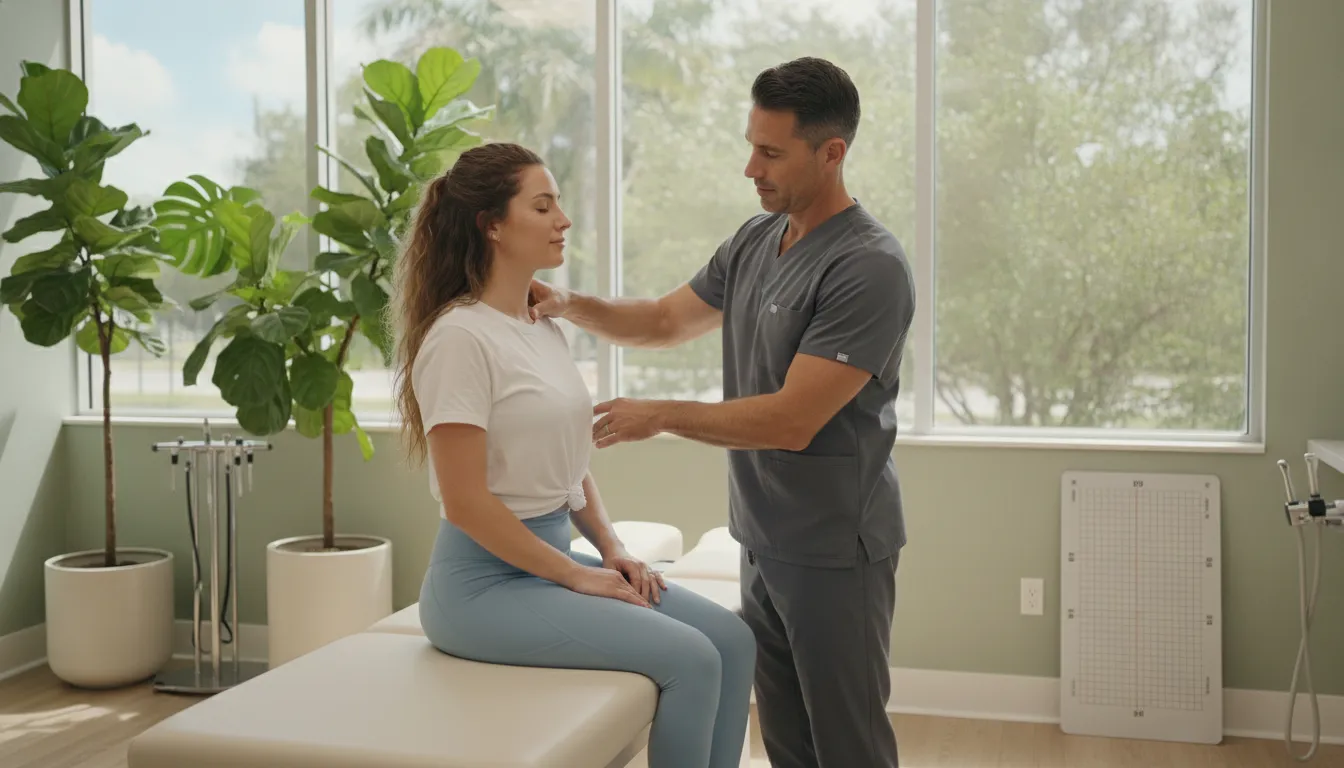
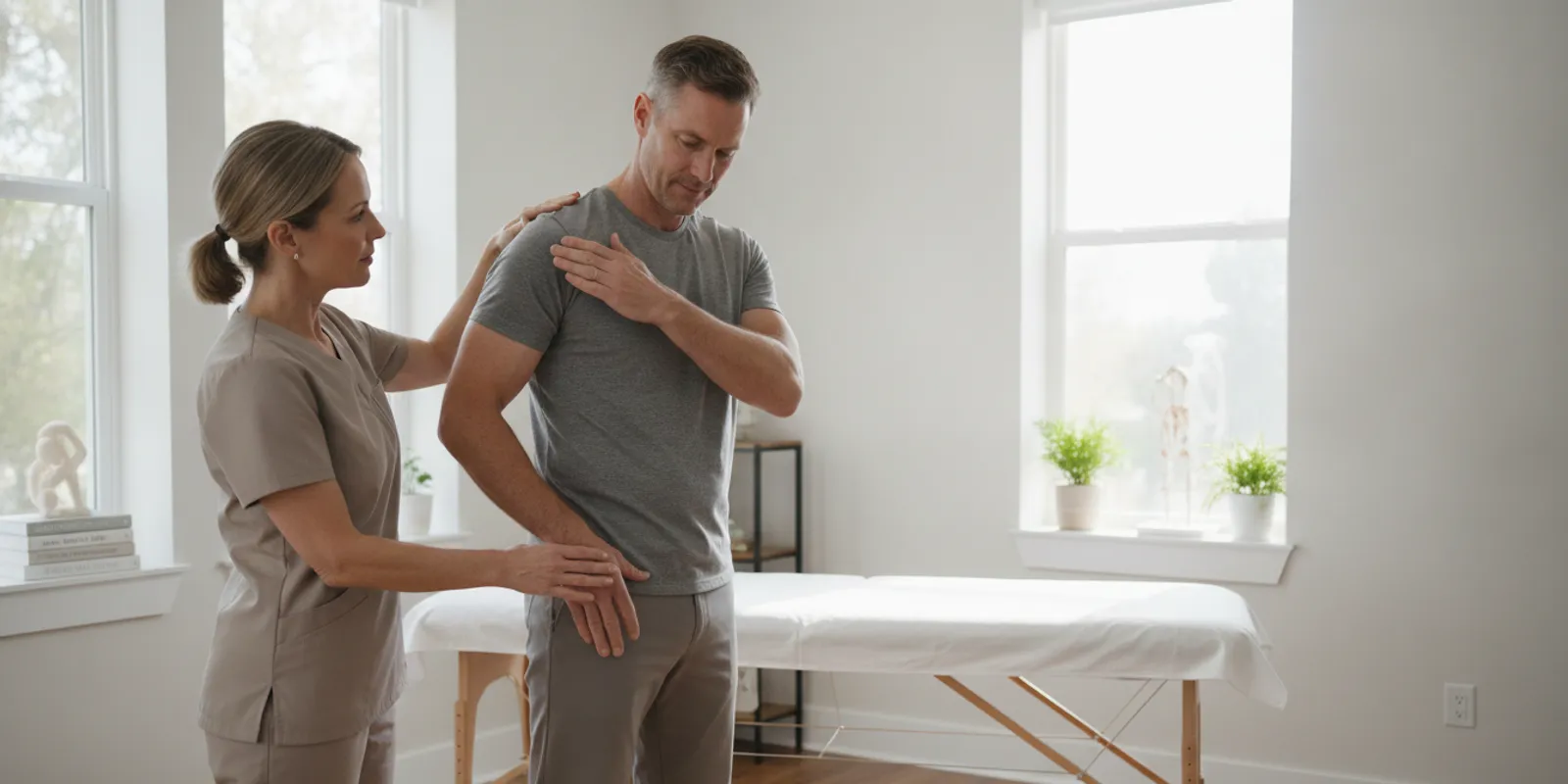
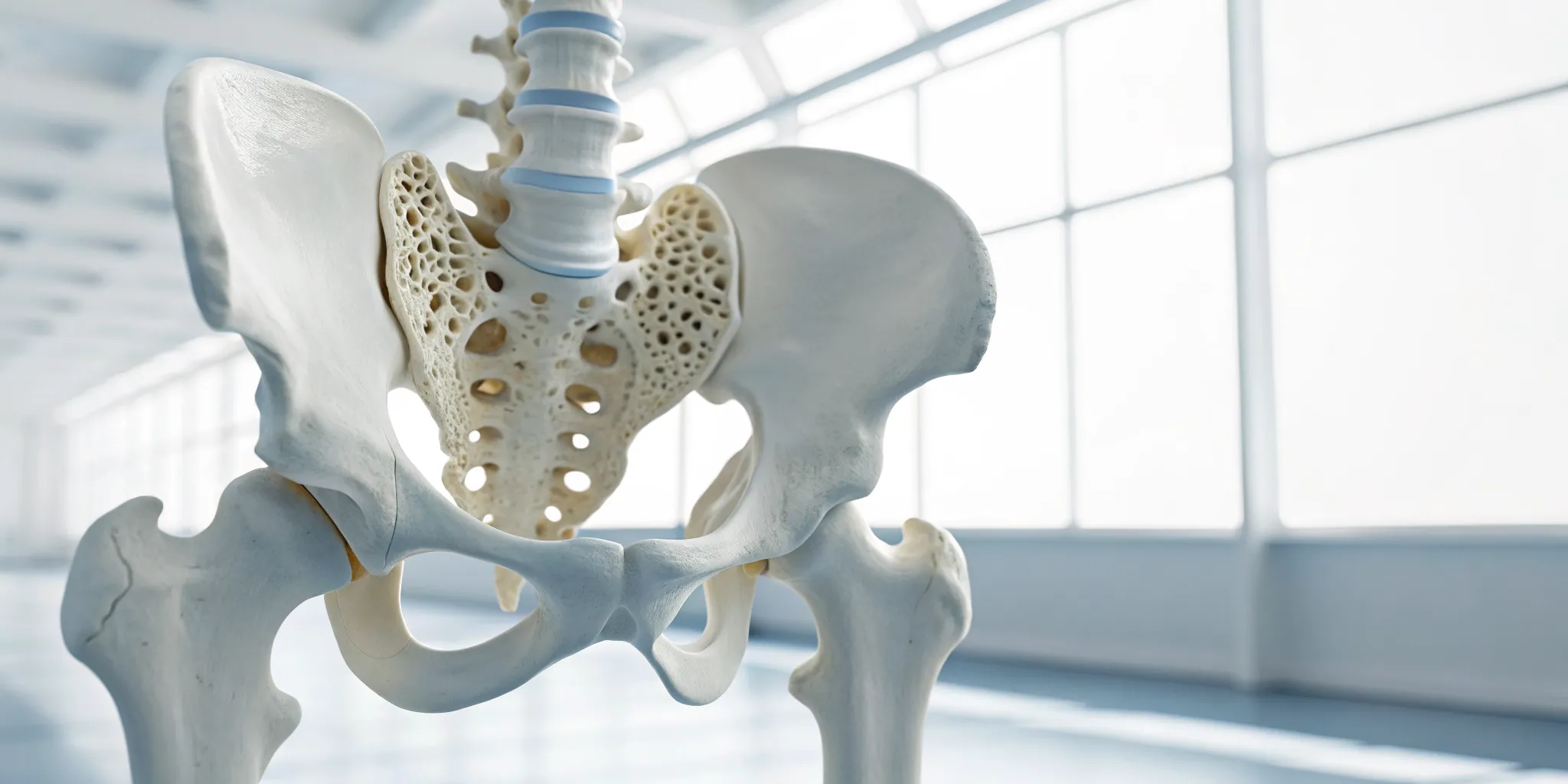
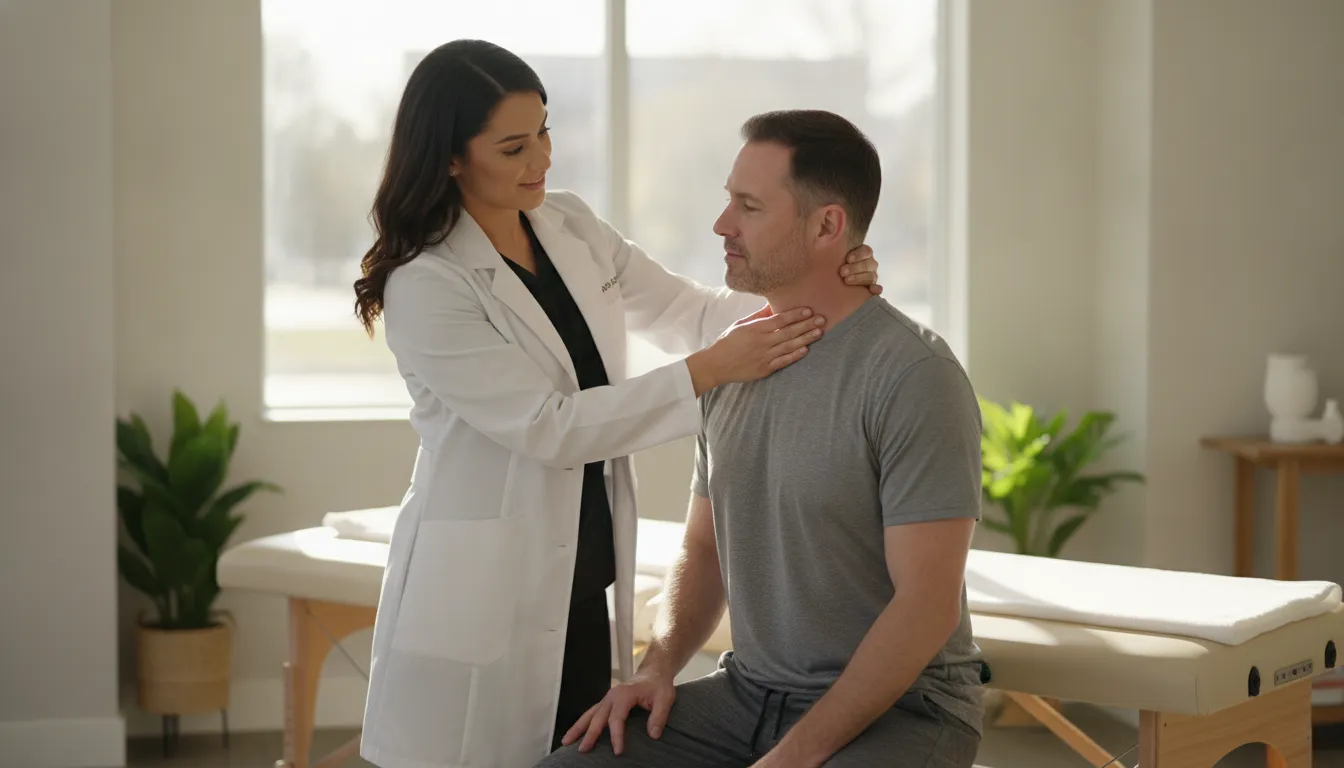
If jaw tension, clicking, tenderness, or changes in how you open and close your mouth are affecting your day, searching for a TMJ chiropractor Tampa patients can speak with may begin a broader care conversation. A qualified clinician can review jaw movement alongside the neck, shoulders, posture, and other musculoskeletal patterns without assuming that one symptom tells the whole story.
Schedule a jaw and movement consultation

Which Jaw Symptoms Are Useful to Describe?
A clear description of the symptom pattern helps a clinician decide which parts of the jaw, head, neck, and upper body deserve closer attention. The goal is not to label the concern from a search result. It is to create a useful starting point for an evaluation and determine whether the available care is an appropriate fit.
Before a visit, consider noting where you feel discomfort, whether it feels like pressure or stiffness, when it began, and which activities affect it. Track whether chewing, speaking, yawning, or turning your head changes the experience. Note clicking, popping, catching, uneven movement, or fatigue, and how often each occurs.
For example, “jaw feels tired after a long work call, with neck stiffness later that afternoon” gives more context than “my jaw hurts.” The detail does not prove a cause. It helps the clinician ask focused questions and compare your report with observed movement. A few dated notes about activity, duration, and intensity can reveal whether a pattern is consistent or varies from day to day.
Bring relevant evaluation notes, imaging reports, and the names of other clinicians involved in your care. Share history of jaw procedures, orthodontic work, head or neck injuries, or changes in bite that you believe are relevant. You can ask how information will be recorded and shared. Provide the details needed to make the conversation useful while protecting your privacy.
How Can the Jaw and Neck Be Considered Together?
The jaw does not move in isolation, so an evaluation may consider nearby joints, muscles, posture, and neck movement as one functional picture. This broader view can help identify relationships without assuming that a neck finding explains every jaw symptom.
The jaw is connected to the skull and works with muscles of the face, neck, and upper trunk during speaking and chewing. A clinician may observe opening and closing, forward and side-to-side movement, head position, neck rotation and bending, and shoulder or upper-back coordination. The extent of the assessment depends on your history and comfort.
Consider two examples. One person notices jaw tension after hours at a computer, but it is not present during other activities. Another reports neck stiffness and jaw fatigue after prolonged speaking. Those observations can guide questions about timing and movement. They do not establish that posture caused the symptoms, nor do they show that one treatment will address them.
Ascend Functional Health organizes its care around Physical Medicine services, which may include chiropractic care, corrective care, decompression, lumbar care, and myofascial or soft-tissue work. For a jaw-related concern, the relevant question is whether an individualized musculoskeletal assessment may fit, not whether one technique should be applied automatically.
What Might an Initial Musculoskeletal Evaluation Include?
An initial evaluation may combine a detailed conversation, movement observation, hands-on assessment, and review of relevant history to clarify an appropriate next step. The exact process should reflect your presentation and the clinician’s judgment.
A focused conversation may cover your main concern, timing and progression, activities that change it, relevant jaw and neck history, previous assessments, and your goals. Tell the clinician what you hope to understand and whether there are movements or examination steps you would prefer to discuss before proceeding. You can ask for an explanation at each stage.
A movement assessment may look at jaw opening, closing, side-to-side motion, and coordination. It may also include observation of neck and upper-body position, palpation of selected soft tissues, and basic range-of-motion checks when appropriate. The clinician can explain what an observation may suggest and what it cannot establish. Findings are considered alongside your account, not in place of it.
Imaging is not automatically required for every concern. If imaging or existing records could add useful context, ask why they matter and how the information could affect the plan. An evaluation should not be rushed into a predetermined sequence. It should conclude with a discussion of findings, reasonable options, and factors that might lead to coordination with another qualified professional.
Ascend describes its broader approach as personalized, research-backed care that addresses contributing factors and supports the body’s healing abilities. That approach does not promise a cure or instant change. It means recommendations should connect to individual findings, goals, and response over time. You can explore Ascend’s service overview to understand the practice’s broader care framework, while remembering that not every service is relevant to every jaw concern.
How Can Care Fit Be Discussed Without Overpromising?
Care fit is a question of goals, findings, scope, and follow-up—not a promise that chiropractic care treats every jaw disorder. A consultation should leave you with a realistic understanding of what the clinician can assess and which concerns may call for collaboration.
Useful questions include: Which movements or regions will you assess? How might jaw findings be considered alongside neck and upper-body findings? What would lead you to recommend another evaluation? How will we decide whether the plan is helping? What changes should I report? Which parts of the plan are optional, and what alternatives can we discuss?
A responsible conversation includes limits. Jaw symptoms can have different contributing factors, and a musculoskeletal evaluation cannot answer every clinical question. If the concern appears outside the clinician’s scope, referral or coordination may be the appropriate next step. That is part of matching a concern with the right expertise, not a failure of the evaluation.
When comparing care discussions, look for clear communication about assessment, privacy, scope, documentation, and follow-up. Ascend’s practice and care-team information can help you understand the setting before deciding whether to start a conversation. Florida HealthSource provides an online license verification tool for checking professional licensure information: Florida HealthSource.
When Might Coordination or Referral Be Appropriate?
Coordination may be appropriate when the presentation raises questions outside a musculoskeletal clinician’s scope or another professional’s assessment would add important information. The decision should be based on history, observed findings, and your goals.
A clinician may discuss coordination if symptoms do not fit a straightforward musculoskeletal pattern, jaw movement is notably limited or changing, the way the jaw tracks has changed, or prior procedures and persistent concerns call for additional review. Coordination may also be useful when another clinician is already evaluating the concern, or when your questions require expertise beyond the services available.
For example, if your concern includes a new change in how the teeth meet, mention when you first noticed it and whether it is constant or intermittent. If you have already had an assessment, bring the summary and ask what information would be useful to share. If more than one professional is involved, clarify who will explain the next step and how communication will happen with your permission.
Coordination does not require abandoning a whole-person perspective. It allows each professional to contribute within an appropriate role. Ask how information will be documented, who will guide the next step, and what changes would prompt a review of the plan. Ascend’s Physical Medicine page describes a range of musculoskeletal services, but a broad service menu does not mean every service is appropriate for every jaw concern.
How Can Progress Be Reviewed Over Time?
Progress can be reviewed by comparing the original concern with specific movement, activity, and daily-function observations over an agreed period. A useful follow-up considers both changes and non-changes instead of relying on one good or difficult day.
Depending on the goals of care, track how often jaw or neck discomfort appears, whether opening and closing feel smoother or remain restricted, and how speaking, eating, yawning, or work posture affects the pattern. Note whether associated neck or shoulder tension has changed, which activities feel easier or harder, and whether any new concern should change the discussion.
Use consistent language. “Less frequent during computer work this week” offers a clearer comparison than simply “better.” Keep the notes brief: the activity, what you noticed, how long it lasted, and whether it affected a daily task. Avoid turning the log into a diagnosis. Its purpose is to help you and the clinician review the pattern.
The clinician may repeat selected movement observations to compare function. These measures do not guarantee an outcome; they help determine whether the current approach remains reasonable. If change is limited, the next conversation might involve adjusting the plan, gathering additional information, or coordinating care. More of the same is not automatically the right answer. Ask whether the working explanation still fits and whether the next step remains aligned with your goals.
How Can Tampa Bay Patients Prepare for a Consultation?
Bring a concise symptom history, relevant records, and questions about evaluation, scope, and next steps. Preparation helps make the first conversation focused and collaborative.
Before contacting a Tampa-area practice, write down your main concern in one sentence, when it began, how it has changed, and which activities affect it. Add any related neck, shoulder, posture, or upper-body pattern. List prior assessments, imaging, procedures, and care that may be relevant. Finally, note what you hope to discuss and any concerns about examination or treatment.
It may help to organize your notes into three parts. First, describe what you notice: “clicking during opening,” for example. Second, add context: “more noticeable after a long day of calls.” Third, state the practical question: “Can you assess jaw movement and explain whether neck movement should be considered?” This structure keeps the conversation concrete without presuming a cause.
You can review the Ascend Functional Health FAQ before your visit. If broader health context is part of your questions, the Functional Medicine overview explains another part of the practice’s approach; it does not replace a focused evaluation of jaw and movement concerns.
| Conversation area | Useful information to bring | Possible next discussion |
|---|---|---|
| Jaw movement | Opening, closing, side-to-side motion, clicking, catching, or fatigue | Whether a focused musculoskeletal assessment is appropriate |
| Neck and posture | Desk time, head position, neck motion, and shoulder tension | Whether nearby movement patterns should be included |
| History | Prior evaluations, procedures, injuries, records, and changes over time | Whether existing records or coordination would add context |
| Goals | Activities you want to perform more comfortably and questions about scope | How progress could be measured and reviewed |
The first visit should be a two-way discussion. Ask for an explanation of findings in plain language, request time to consider recommendations, and confirm how follow-up will work. If the proposed plan does not address your questions, raise that concern before proceeding.
Discuss your questions with Ascend
Frequently Asked Questions
These answers explain how a Tampa-area jaw and movement conversation may begin while keeping the focus on evaluation, scope, and appropriate coordination.
Can a chiropractor evaluate jaw-related movement?
A qualified chiropractor may assess jaw movement and related musculoskeletal regions within the scope of practice. The evaluation should also consider whether the concern needs coordination with another clinician.
Does a jaw symptom automatically point to one cause?
No. Jaw discomfort or altered movement can have different contributing factors. A symptom description is a starting point for questions and examination, not a diagnosis by itself.
Should neck and posture be discussed during a jaw consultation?
They may be relevant because the jaw, neck, shoulders, and upper back work together during many daily activities. A clinician can decide which regions to assess based on the history and observed movement.
When should a clinician discuss coordination?
Coordination may be appropriate when the concern falls outside the clinician’s scope, the pattern is complex, prior care needs review, or another professional’s assessment would add useful information.
How can I decide whether a consultation is a good fit?
Ask how the first visit works, what the clinician can assess, how recommendations are made, how progress is reviewed, and when coordination may be suggested. Clear answers can help you make an informed choice.
Talk with Ascend about personalized care
Schedule a conversation with Ascend Functional Health to discuss your concerns, goals, and appropriate next steps in a respectful Tampa-area setting.
This article is educational and not medical advice; consult your clinician before acting on health information.