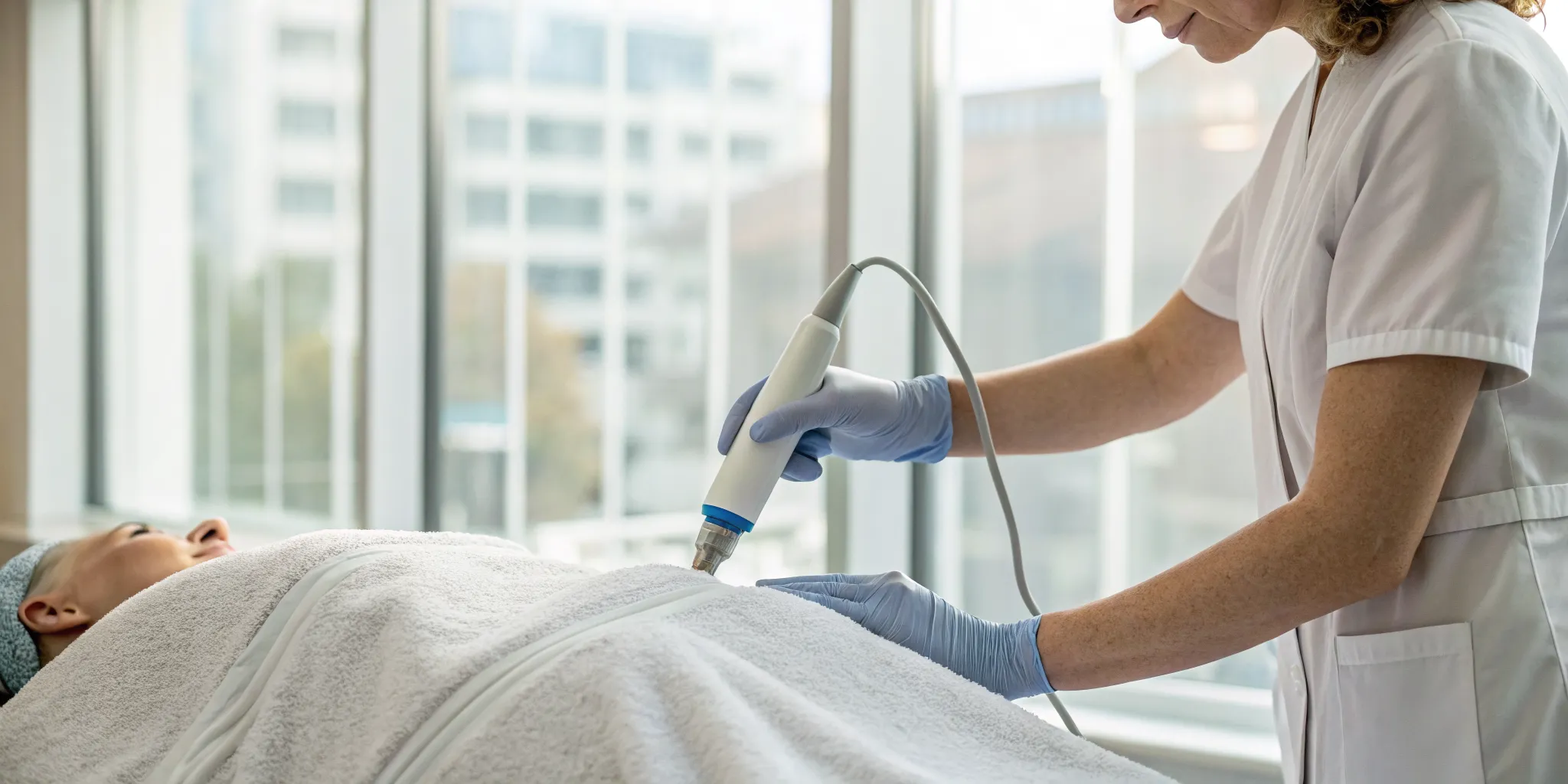
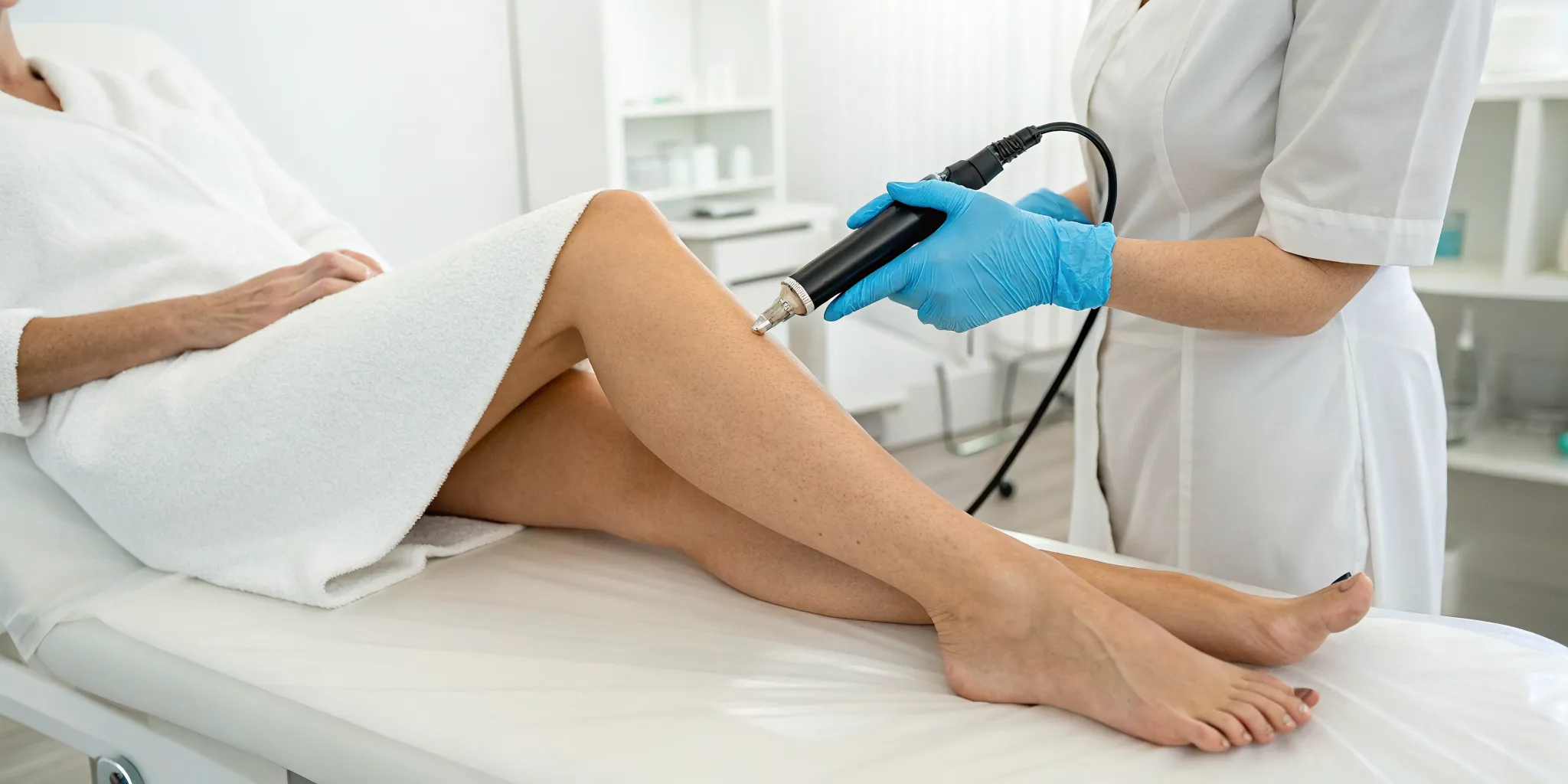
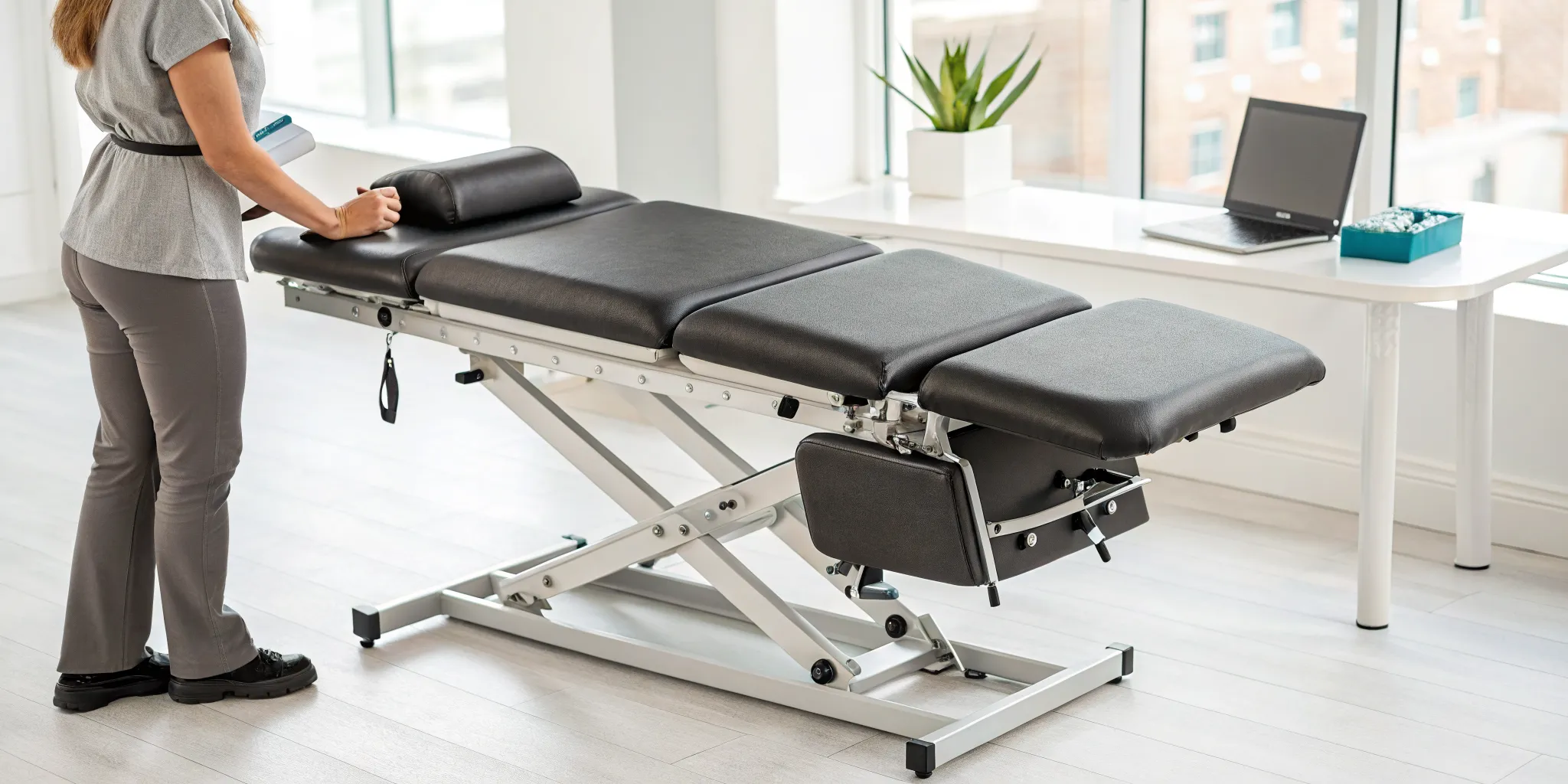
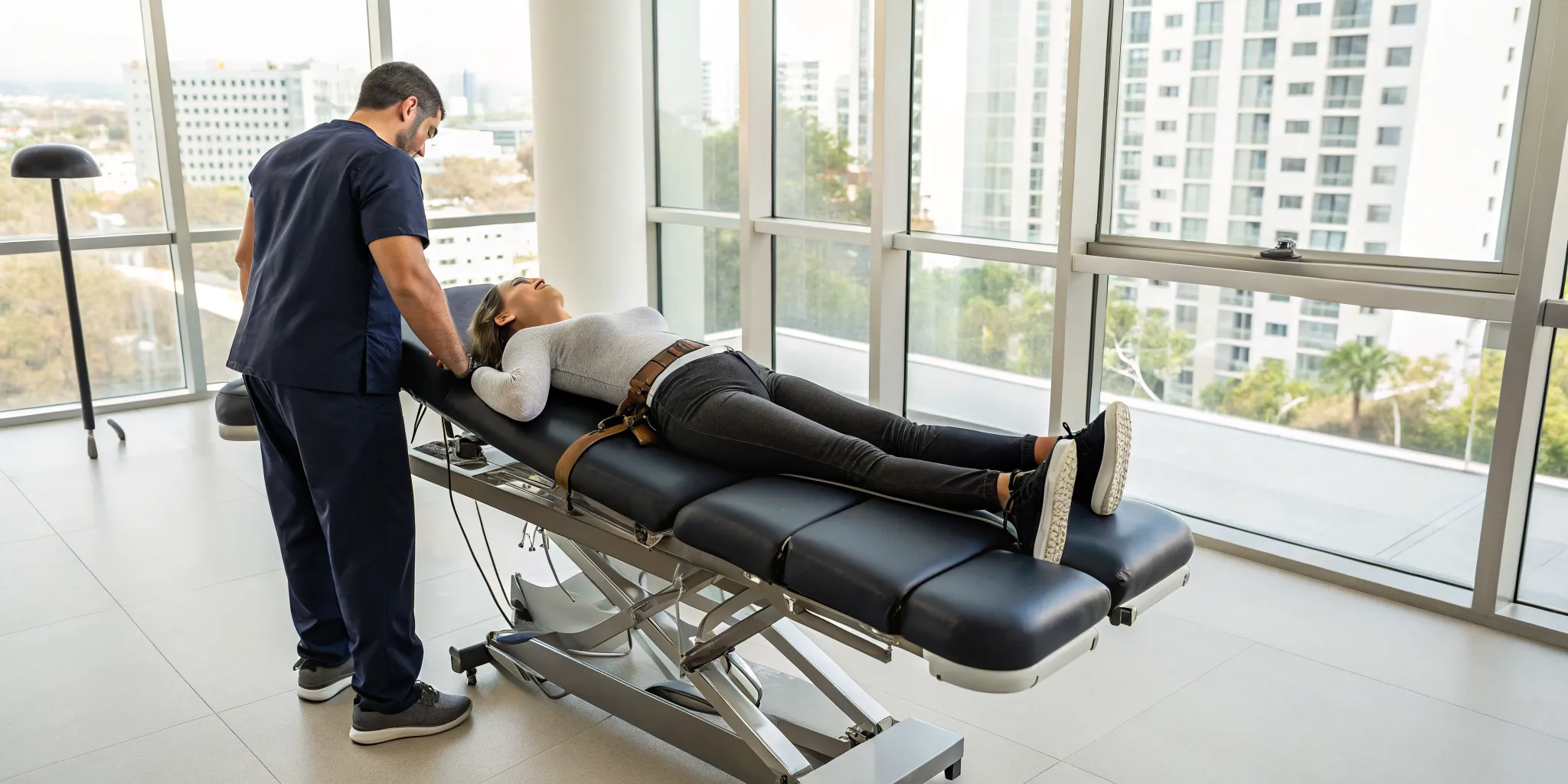
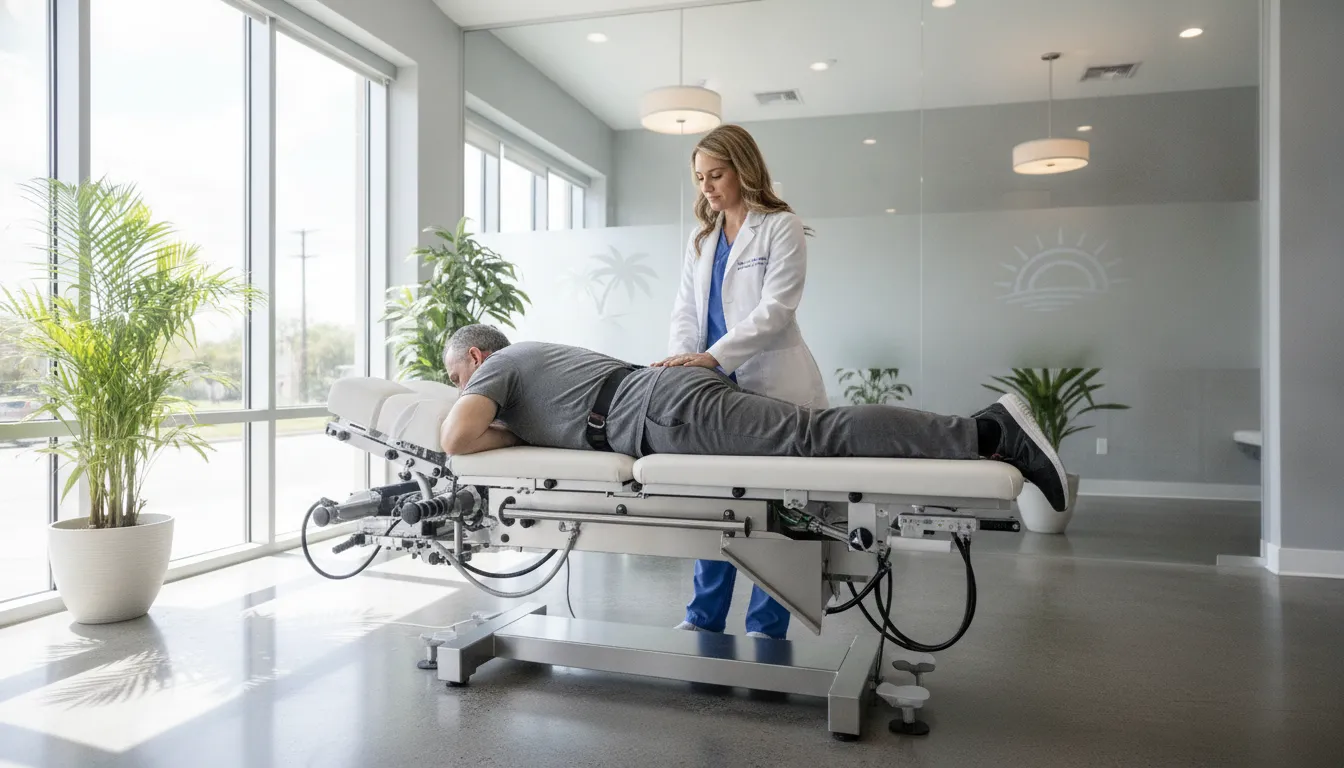
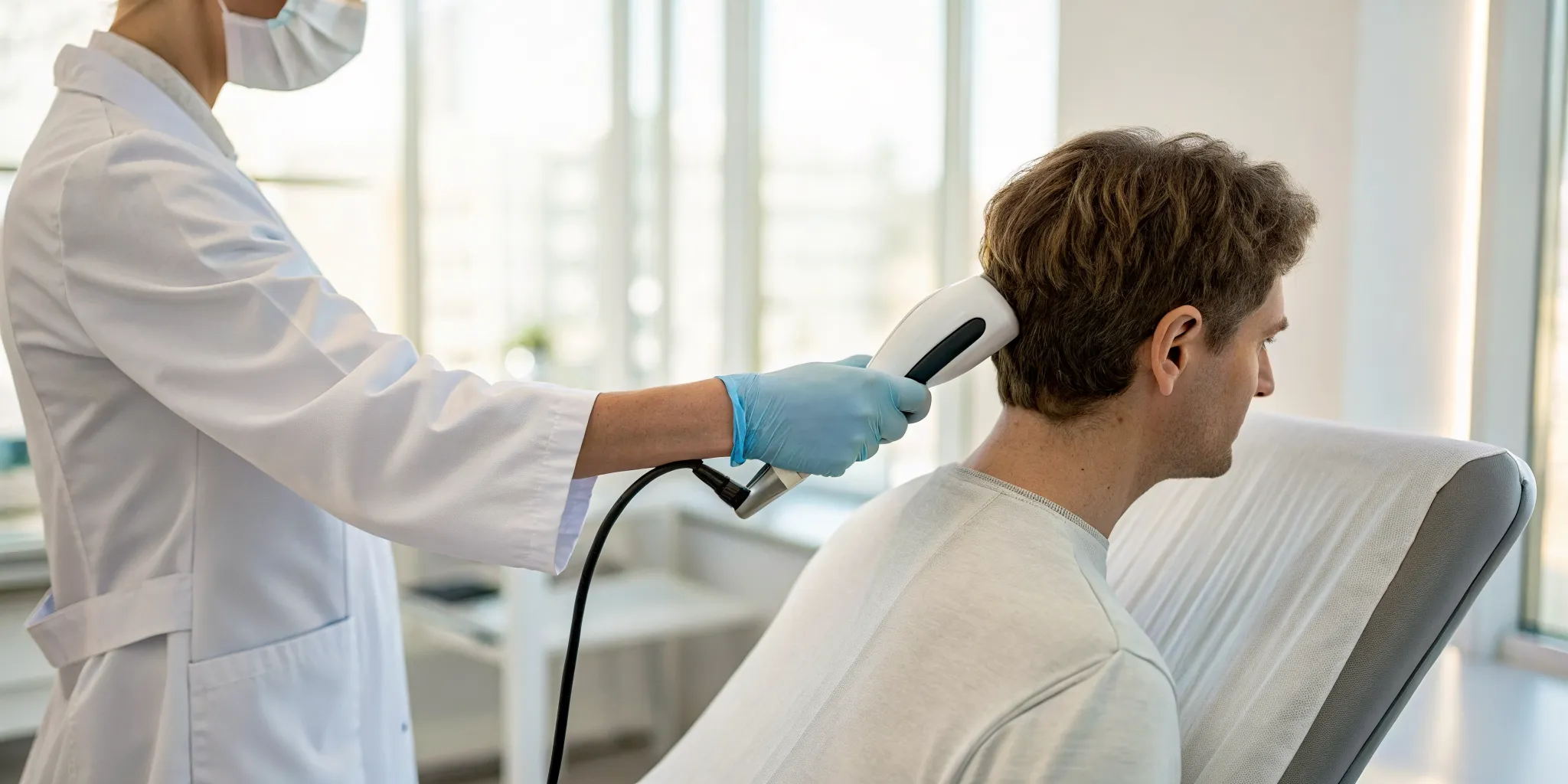
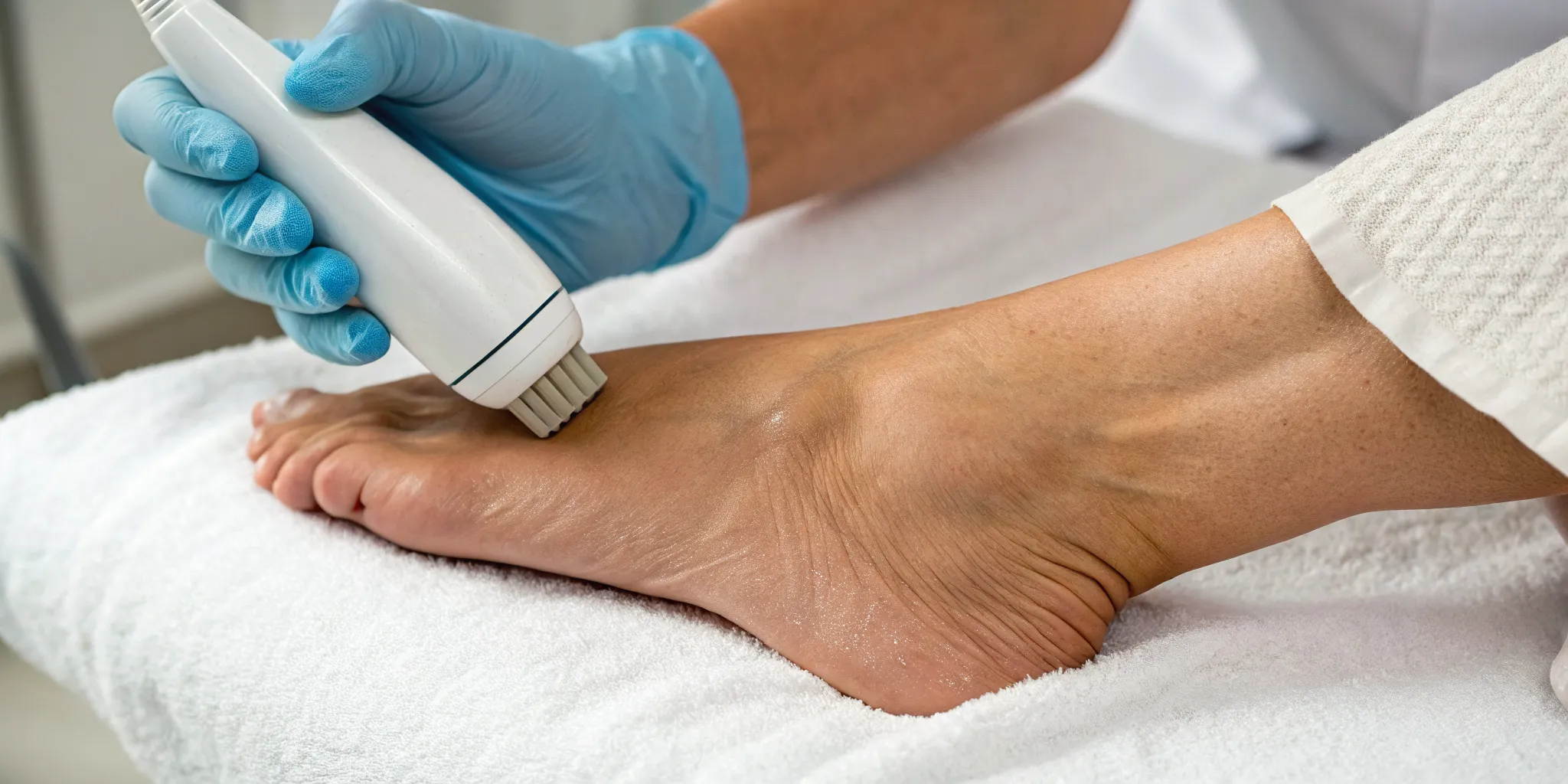
The hours after a myofascial release session can shape how comfortably your body adapts to the work done during your appointment. Myofascial release applies targeted, sustained pressure to soft-tissue and fascial restrictions, helping to reduce tension and restore ease of movement. When that work ends, the aftercare you choose matters. Small, deliberate steps, such as drinking water, taking a gentle walk, and giving yourself time to rest, help protect the mobility your clinician helped you reach and support a more comfortable recovery.
Knowing what to do after myofascial release means supporting your body with hydration, easy movement, rest, and attentive self-observation in the first 24 hours, then following an individualized plan for a fuller return to activity.
Schedule your discovery visit to discuss myofascial release and Physical Medicine care
You might notice mild tenderness as tight or restricted tissues respond. But aftercare should always be individualized to your goals, health history, and the recommendations of your Ascend Physical Medicine team. The first day gives you a useful window to focus on recovery, recognize what feels normal, and decide when a return to more demanding activity is appropriate. The sections below walk through the priorities for the first 24 hours, common responses you can expect, and how ongoing care helps your results last.
Your First 24 Hours: What to Do After Myofascial Release
During the first 24 hours after myofascial release, prioritize hydration, rest, gentle movement, and awareness of how your body responds. These simple steps give released tissues time to rehydrate and allow your nervous system to integrate the changes from the session without adding unnecessary strain.
Explore our physical medicine services
Drink Water and Support Hydration
Start by drinking water regularly throughout the day rather than waiting until you feel thirsty. Hydration helps tissues that have been released during treatment rehydrate, which can support comfortable movement as your body adjusts. Healthline notes the importance of hydration after myofascial release because the work can affect soft tissues and the surrounding fascial system.
Keep water accessible at home, at work, or while traveling around Tampa Bay. You do not need to force large amounts at once. Consistent intake is a more practical approach. Limiting alcohol during this period can also help you keep hydration a priority. If you regularly drink caffeinated beverages, balance them with water so your overall fluid intake does not fall behind.
Rest Without Becoming Completely Still
Rest means reducing demands on your body, not staying rigid or motionless for the entire day. A calm schedule can give your nervous system time to process the changes from treatment. Choose comfortable positions, avoid unnecessary rushing, and pay attention to whether a movement feels easy, restricted, or uncomfortable.
Gentle movement can help preserve the range of motion you accessed during the session. A short, relaxed walk or a few comfortable mobility movements may be appropriate, provided they stay well below the level of strain. Slow breathing can complement this approach. Deep belly breathing encourages a more relaxed state and gives you a chance to notice tension before it turns into overexertion.
Avoid Heavy Strain for the First Day
For at least the first 24 hours, avoid heavy lifting, intense physical demands, and strenuous exercise. Pushing through fatigue or trying to test the treated area can make it harder to tell how your body is responding. Instead, let light activity, hydration, and rest guide the day.
Some people notice temporary tenderness or mild soreness after soft-tissue work. That response can be similar to the achiness that follows a deep-tissue massage and often settles within a day or two. Sharp, persistent, or worsening pain is different. Contact your treating clinician or physician if symptoms concern you, and follow the individualized guidance provided by your Ascend Physical Medicine team.
Why Does Hydration Matter After Myofascial Release?
Hydration matters after myofascial release because released tissues need fluid to rehydrate as they adapt to the session. Drinking water and giving your body time to recover can support comfortable movement while the changes from treatment settle in.
Fascia is connective tissue that surrounds and connects muscles and other structures throughout the body. During myofascial release, targeted pressure is used to reduce tension in restricted areas. Afterward, the tissues may benefit from adequate hydration as they return to a more flexible, comfortable state. Water does not replace a complete care plan, but it is a simple recovery habit that helps you support the work done during your session.
For the first 24 hours, make water your primary beverage. You do not need to force large amounts at once. Sip consistently through the day and pay attention to ordinary signs that you may need more fluids, such as thirst or darker urine. Your needs can vary with body size, activity level, climate, and health conditions, so follow any individualized guidance from your clinician.
It is also wise to limit alcohol and caffeine during this initial recovery window. These beverages can make it harder to prioritize water intake, particularly if they displace water from your routine. Choosing water first keeps your recovery habits straightforward and gives your body the fluid it needs without adding another variable.
Make Hydration Part of a Broader Recovery Plan
Hydration works best alongside the other aftercare recommendations provided for your specific session. Gentle movement, restorative stretching, and a temporary pause from strenuous activity may help you notice how your body responds. If your practitioner recommends a different approach because of your health history or treatment goals, use that guidance instead of a general rule.
At Ascend Functional Health, Physical Medicine care looks beyond a single tight area and considers how movement patterns, tissue restrictions, and other contributing factors may affect comfort. That root-cause perspective can help shape a recovery plan that fits your needs rather than relying on one isolated intervention. Learn more about our physical medicine services and how they may fit into a personalized care strategy.
Healthline also recommends focusing on hydration after myofascial release as part of post-session self-care: read the Healthline overview of myofascial release.
What Gentle Movement Is Safe After a Myofascial Release Session?
After a myofascial release session, gentle movement is generally appropriate when it feels comfortable. Light walking, restorative stretching, deep belly breathing. And mindful posture can help you preserve the range of motion gained during care without asking treated tissues to do too much too soon.
Start with an easy walk
A short, relaxed walk is one practical way to keep your body moving after treatment. Walk at an easy pace and allow your arms and legs to move naturally. The goal is not to increase your heart rate or test your limits. Gentle movement can encourage circulation and help the body become familiar with the mobility available after restrictions have been addressed.
Pay attention to how the treated area responds. A mild sense of stretching or ease may be expected, but stop if you notice sharp pain. Increasing discomfort, or symptoms that feel different from what your provider described. The most useful approach is responsive rather than forceful.
Use restorative stretching, not forced stretching
Restorative stretching should feel slow, supported, and comfortable. Choose simple movements that take a joint through an easy range, then release rather than pushing toward a maximum stretch. Hold a relaxed position only as long as your body remains at ease. Gentle, mindful stretching can help maintain flexibility gained during myofascial release, while aggressive stretching may irritate an area that is still adapting.
At Ascend Physical Medicine, movement recommendations can be adjusted to your symptoms, examination findings, and treatment goals. This individualized approach is consistent with the broader role of physical medicine services, which may address mobility and soft-tissue restrictions as part of a more complete plan.
Let your breathing and posture support the change
Slow, deep belly breathing can help shift the nervous system toward a more relaxed state. Try breathing in gently through your nose, allowing your abdomen to expand, then exhaling without straining. A few quiet minutes can be more useful than trying to add intensity.
Mindful posture also matters in the hours after treatment. When sitting, keep your feet supported and avoid collapsing into one position for a long period. When standing, allow your shoulders and jaw to relax rather than bracing. These small adjustments may help you avoid immediately recreating the tension patterns addressed in the session.
For additional guidance on what to do after myofascial release, follow the aftercare instructions provided by your clinician. Healthline also recommends gentle movement and relaxation-focused care as part of post-session support: learn more about myofascial release aftercare. If symptoms worsen or pain becomes sharp or persistent, contact your healthcare provider before continuing.
Is Soreness After Myofascial Release Normal?
Mild soreness after myofascial release is common, especially in areas where the therapist worked through restricted or sensitive tissue. It often feels similar to the ache after a deep-tissue massage or a demanding physical activity and typically eases within 24 to 48 hours.
Contact Ascend Functional Health
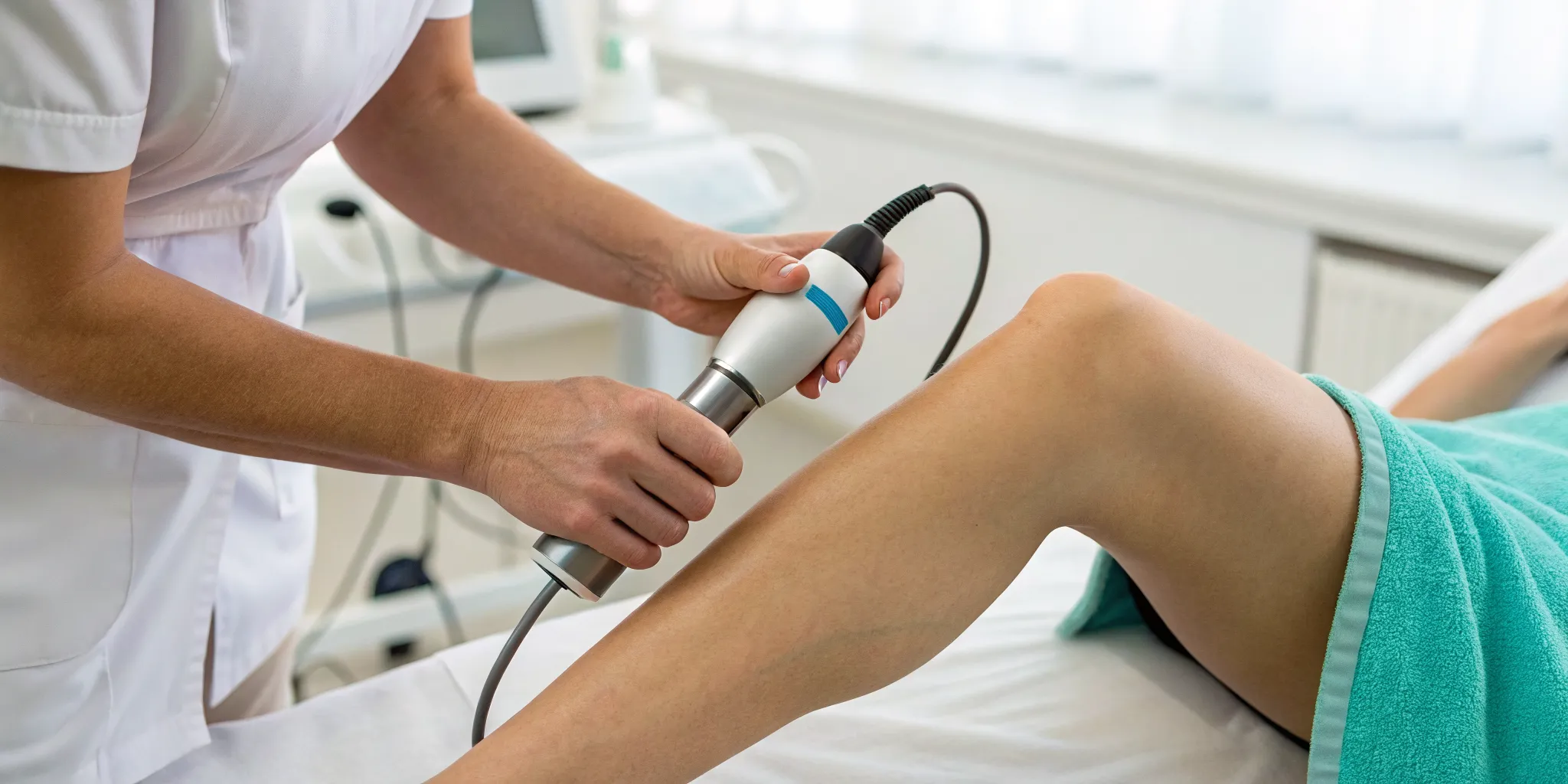
Myofascial release applies targeted pressure to fascial tissues, not only the muscles. As those tissues respond, you may notice tenderness, sensitivity, or a temporary feeling of soreness in the treated area. This response does not necessarily mean something is wrong. It can be part of how your body adapts after a Physical Medicine session, although every person responds differently.
What can help with normal soreness?
Follow the aftercare instructions provided by your clinician or therapist. Rest can give your body time to integrate the changes from the session, while gentle movement may help you stay comfortable without placing excessive demand on the treated tissues.
If your clinician recommends it, a heat pack or ice pack may soothe localized discomfort. Use the approach, duration, and temperature guidance they provide rather than assuming the same option is appropriate for every area or condition. Wearing comfortable clothing, changing positions regularly, and paying attention to how the treated area feels can also help you make sensible choices during the first day or two.
It is useful to track the overall pattern rather than focusing on a single moment. Normal post-session soreness should gradually become less noticeable. If it changes, spreads, or interferes with ordinary movement, make a note of when it began and what activities affect it. That information can help your care team refine your individualized plan.
When should you contact your clinician?
Sharper pain, worsening symptoms, or discomfort that remains persistent deserves a conversation with the clinician who provided your care. Cleveland Clinic advises reaching out to your therapist or physician if you experience sharp, persistent pain or if your symptoms worsen. Learn more about myofascial release therapy and safety considerations from Cleveland Clinic.
Do not push through a response that feels markedly different from the expected tenderness discussed before your session. Contact your Ascend care team for guidance if you are unsure whether what you are experiencing fits your normal recovery pattern. Sharing relevant health conditions and treatment information before care also helps your clinician make aftercare recommendations that are appropriate for you.
At Ascend Functional Health, myofascial release is considered within the broader context of your movement, symptoms, and health goals. Clear communication after a session helps your Physical Medicine team determine whether the next step is continued observation, an adjustment to your care plan, or further evaluation.
| Typical post-session response | When to contact your clinician |
|---|---|
| Mild tenderness or soreness that eases over 24 to 48 hours | Sharp, persistent, or worsening pain that does not settle |
| Sensations similar to a deep-tissue massage or post-workout ache | Discomfort that spreads or interferes with ordinary movement |
| Comfortable with gentle movement, hydration, and rest | Symptoms that feel markedly different from what you discussed before your session |
When Can You Resume Intense Activity?
Wait at least 24 hours before returning to intense activity, heavy lifting, or strenuous exercise after myofascial release. Light movement is generally more appropriate during this early period, while your tissues and nervous system adjust to the session.
Myofascial release applies focused pressure to areas of fascial and soft-tissue restriction. Afterward, the treated tissues may need time to settle, and your nervous system may continue adapting to changes in tension and movement. Cleveland Clinic recommends avoiding strenuous activity immediately after treatment, while WebMD also emphasizes allowing the body time to respond before resuming demanding physical effort. Cleveland Clinic explains what to expect from myofascial release therapy, and WebMD provides additional context on the treatment and recovery process.
What to Do During the First 24 Hours
Choose gentle, comfortable movement instead of pushing for maximum effort. An easy walk, relaxed range-of-motion movements, or restorative stretching may help maintain mobility without placing excessive demand on recently treated areas. Move slowly and stop if an activity causes sharp pain, increasing discomfort, or a noticeable worsening of symptoms.
This pause does not mean remaining completely still. Light activity can support circulation and help you stay aware of how your body is responding. The goal is to give your tissues room to stabilize while preserving the movement improvements you can comfortably maintain. Avoid testing the treated area with heavy loads, high-impact activity, or demanding sessions simply because you feel better right away.
How to Decide When to Increase Intensity
After the first 24 hours, return to more demanding activity gradually if your symptoms are calm and ordinary movement feels comfortable. Increase one variable at a time, such as duration or resistance, rather than immediately returning to your previous level. Your response over the next several hours can provide useful information about whether the pace is appropriate.
Recovery is individualized. A person receiving care for persistent pain, limited mobility, or a more complex physical concern may need a different timeline than someone receiving a brief soft-tissue session. At Ascend Functional Health, Physical Medicine care is shaped around your findings, goals, and response to treatment. Ask your clinician for specific guidance about lifting, activity progression, and any movements that should be temporarily modified. You can learn more about Ascend's physical medicine services and how individualized care may fit your needs.
Contact your clinician if pain is sharp, persistent, or worsening rather than gradually settling. Be sure to share relevant health conditions and medications so your care team can give advice that is appropriate for you.
How Does Follow-Up Care Support Lasting Results?
Follow-up care helps your body build on the changes made during myofascial release. Consistent sessions, appropriate movement, and an individualized physical medicine plan may help manage recurring restrictions, rather than treating each visit as a separate, one-time event.
Fascia is a continuous structure throughout the body, and areas of tightness can influence movement and comfort elsewhere. Myofascial release focuses on reducing tension in fascial tissues and lengthening shortened areas, with the broader goal of supporting mobility and quality of life. According to the Cleveland Clinic, myofascial release is often most effective when performed consistently, with regular follow-up helping maintain tissue health and reduce the chance that restrictive tightness returns.
That does not mean everyone needs the same schedule. Your follow-up plan should reflect your symptoms, movement patterns, health history, response to treatment, and goals. Some people may benefit from closer follow-up while they establish improved mobility, followed by a maintenance schedule. Others may need a broader evaluation first to understand how posture, joint mechanics, stress, recovery habits, or other factors are contributing to persistent tension.
Between visits, your clinician may recommend manageable steps that support the session's effects, such as gentle movement, mindful stretching, or adjustments to daily activities. The aim is not to push through pain or create a rigid routine. It is to give your tissues consistent, appropriate input while your care team monitors how you are progressing. Sharp or persistent pain, or symptoms that worsen instead of settling, should be discussed with your therapist or physician.
At Ascend Functional Health in Tampa Bay, myofascial release can be considered within a broader Physical Medicine plan. An individualized plan may combine soft-tissue care with other clinically appropriate strategies, depending on what your evaluation shows. This integrative approach keeps follow-up focused on your needs, measurable changes in movement and comfort, and the factors that may be sustaining your restrictions.
There is no guaranteed timeline for results, and follow-up care is not a promise of a cure. It is a structured opportunity to reassess, refine your plan, and support progress over time.
Frequently Asked Questions
How soon after myofascial release should I drink water?
Begin hydrating after your session and continue drinking water throughout the day. Fluids support tissue rehydration and recovery after treatment. It may also be helpful to limit alcohol and caffeine during the first 24 hours so hydration remains a priority (Healthline).
How long does it take for myofascial release to work?
Some people notice changes in comfort or movement soon after a session, while others need time and consistent care to recognize progress. Myofascial release is an ongoing process rather than a single instant fix. So your response can depend on the source of the restriction and your broader care plan (Cleveland Clinic).
What does it feel like when fascia is released?
You may notice a sense of softening, easier movement, or reduced tension in the treated area. Mild tenderness afterward can also occur and may feel similar to a deep-tissue massage or an ache after strenuous activity. This soreness typically settles within 24 to 48 hours (Medical News Today).
When should I contact my provider after a session?
Contact your therapist or physician if you experience sharp or persistent pain, or if symptoms worsen instead of gradually settling. Share relevant medical conditions and medications before treatment, and follow the individualized guidance provided for movement, rest, and follow-up care (Cleveland Clinic).
Schedule Your Myofascial Release Follow-Up
Aftercare can help you build on the changes made during a myofascial release session. An individualized follow-up plan gives you a clear way to discuss how your body is responding. Identify areas that may need continued attention, and support steady progress within Physical Medicine care. You do not have to navigate the next steps alone. Ascend Functional Health can help you determine whether follow-up care fits your needs and what a thoughtful care plan may include. Contact the team to discuss your goals and schedule a consultation when you are ready.