Softwave Therapy Reviews: What Patients and Outcomes Show
When joint or soft-tissue pain limits your movement, treatment reviews can offer useful context, but they should not replace a thoughtful clinical evaluation. The most meaningful reports look beyond whether a therapy felt comfortable and ask whether mobility, pain, and day-to-day function improved over time. Patient experiences vary, so the value of any review depends on how closely it matches your condition, your treatment plan, and how progress is measured.
Schedule a consultation to discuss whether Softwave therapy fits your recovery goals.
Many softwave therapy reviews describe meaningful pain reduction and better mobility, especially when treatment is matched to the patient's condition and broader care plan. At Ascend, SoftWave is the FDA-approved Shockwave device the practice recommends as a preferred, advanced option within a personalized regenerative medicine approach.
Softwave therapy reviews generally describe reduced pain and improved mobility, especially when treatment is paired with an accurate evaluation and a personalized care plan. At Ascend, SoftWave is delivered through a root-cause, regenerative medicine approach with measurable outcomes tracked over time.
That distinction matters because outcomes can vary with the underlying problem, the treatment protocol, and whether the therapy addresses more than symptoms alone. Understanding what patients tend to report, what the broader evidence shows, and how Ascend evaluates fit can help you interpret reviews with a more informed perspective.
What Do Softwave Therapy Reviews Really Say?
Softwave therapy reviews tend to be most useful when they describe measurable changes rather than promise a universal result. Patients commonly report less pain and better mobility after extracorporeal shock wave therapy. And the most meaningful experiences usually follow a personalized evaluation and a broader plan for addressing the factors that contribute to joint or soft-tissue dysfunction.
For tendinopathy and other musculoskeletal conditions, the outcomes discussed in clinical summaries include pain reduction and progress toward improved function. The Mayo Clinic describes research showing that ESWT can reduce pain and promote healing in appropriate cases, including tendinopathy and other musculoskeletal disorders. Patient experience can vary by diagnosis, tissue condition, treatment protocol, and whether the therapy is paired with rehabilitation or other supportive care. Read the Mayo Clinic overview of ESWT and musculoskeletal outcomes.
Look for function, not just a temporary sensation
A strong review does more than say that a session felt comfortable or that soreness changed for a day. It explains whether the person could walk, exercise, sleep, climb stairs, or use an affected joint with greater ease over time. Improved mobility and joint function are important outcome measures because they show how a treatment may affect daily life, not merely how it feels in the treatment room.
That does not mean every patient should expect the same timeline or degree of improvement. Softwave is used for joint pain and chronic soft-tissue conditions, but it is not presented at Ascend as a cure or instant solution. A clinical assessment helps determine whether the treatment fits the condition and how progress should be measured.
Why the care plan matters
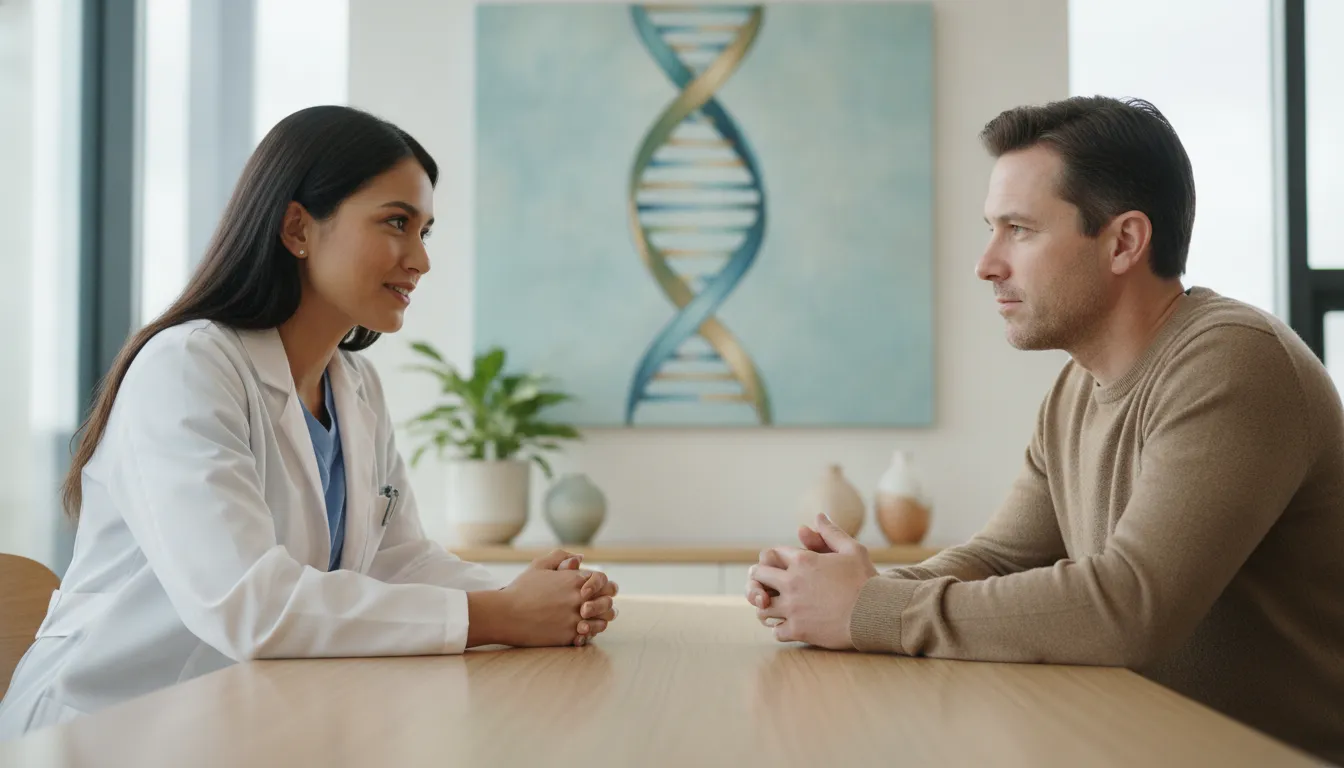
At Ascend, reviews that emphasize personalized care reflect the practice's root-cause approach. Diagnostic testing and a patient workup can help establish a baseline, identify functional imbalances, and clarify which outcomes deserve follow-up. Softwave sessions may also be complemented by chiropractic care or professional soft-tissue work, such as myofascial techniques, when those services support the patient's plan. This style of individualized assessment is central to the practice's functional medicine approach to health.
This combined approach helps place reported results in context. The goal is not to apply the same protocol to every person but to connect treatment decisions with the individual's symptoms. Examination findings, mobility goals, and response over time. For someone considering Softwave in the Tampa Bay area. The most informative reviews are those that describe this process and the functional changes it supports, while recognizing that candidacy and outcomes are personal.
How Does Softwave Therapy Work?
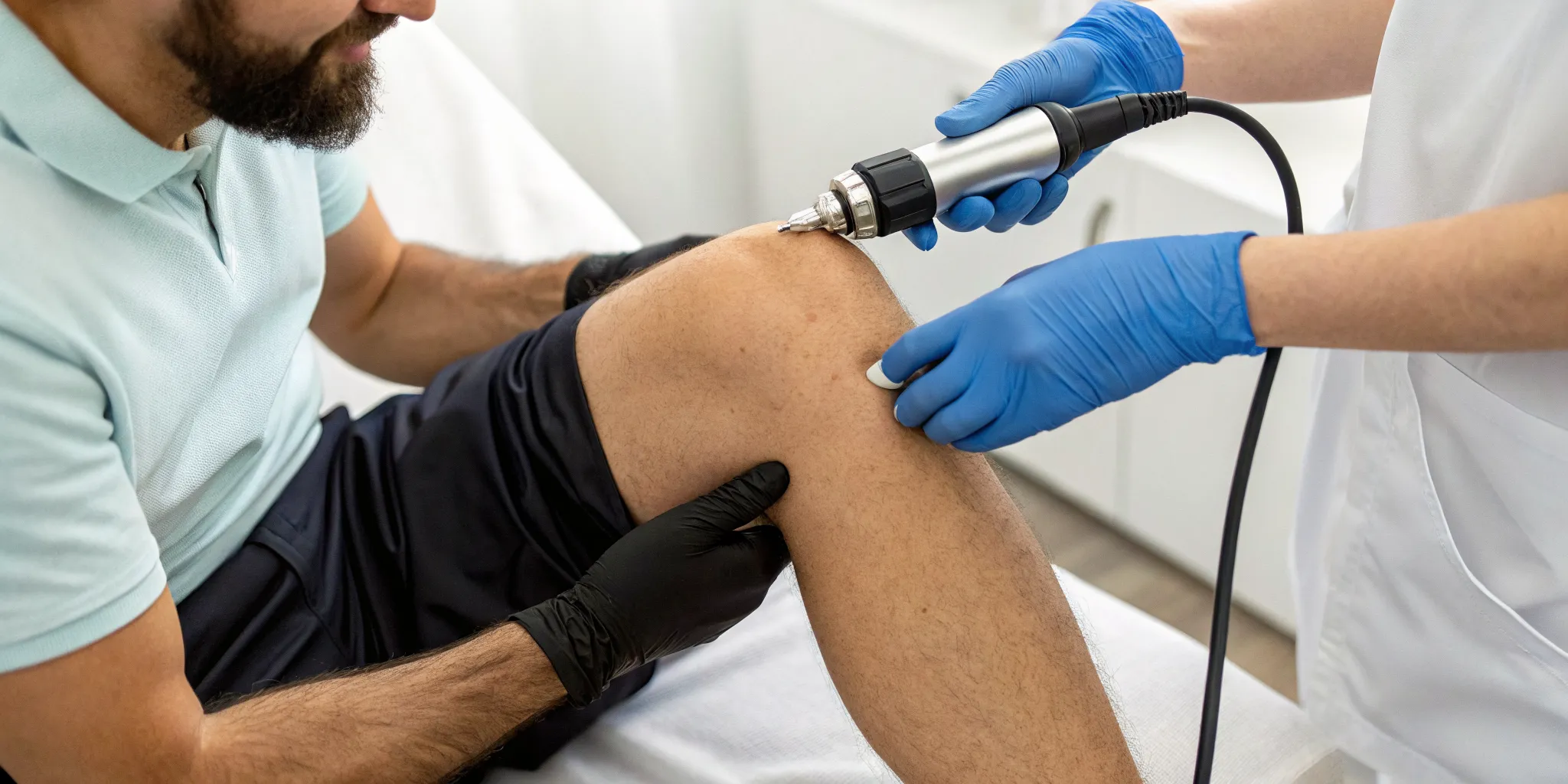
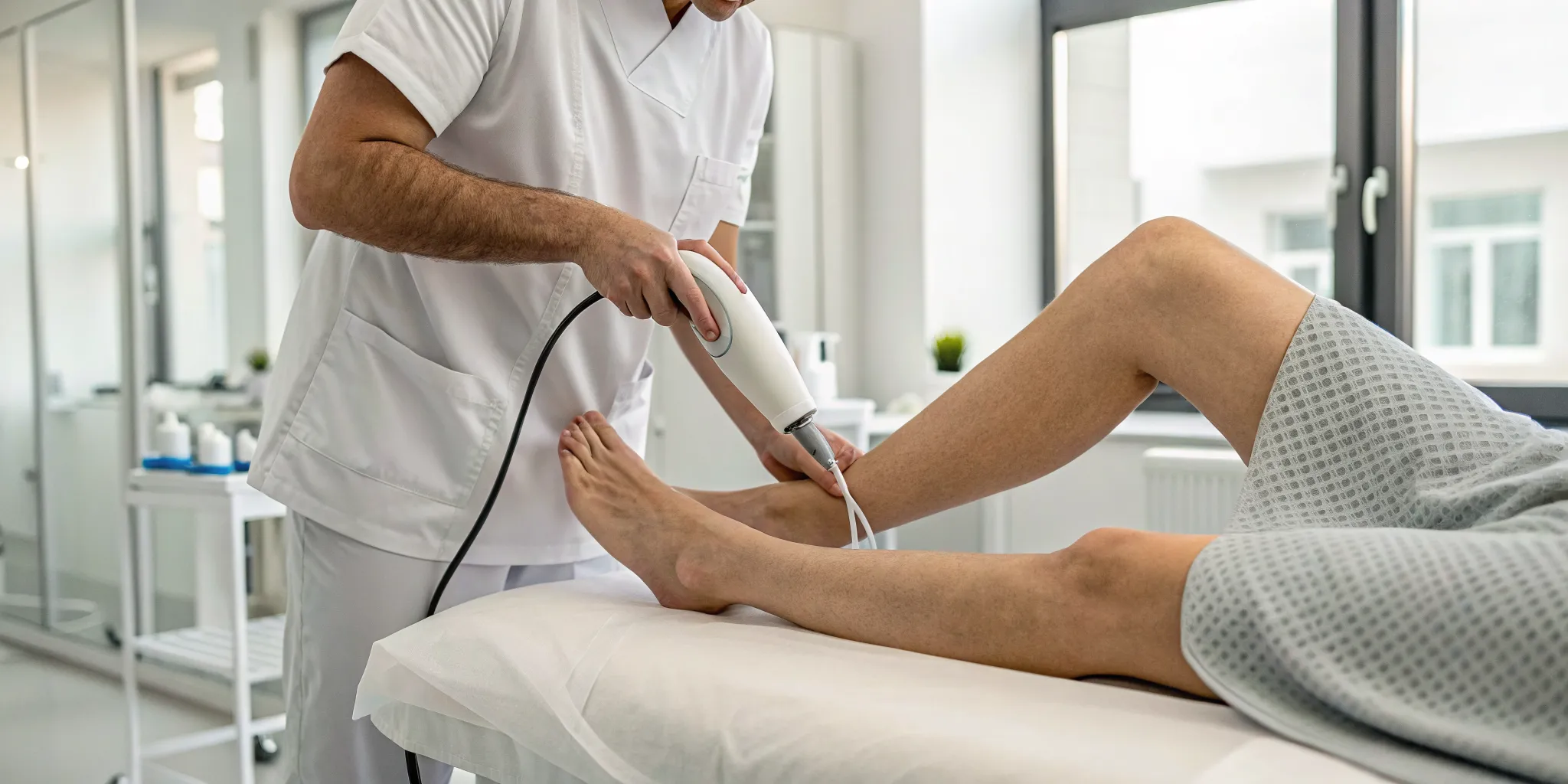
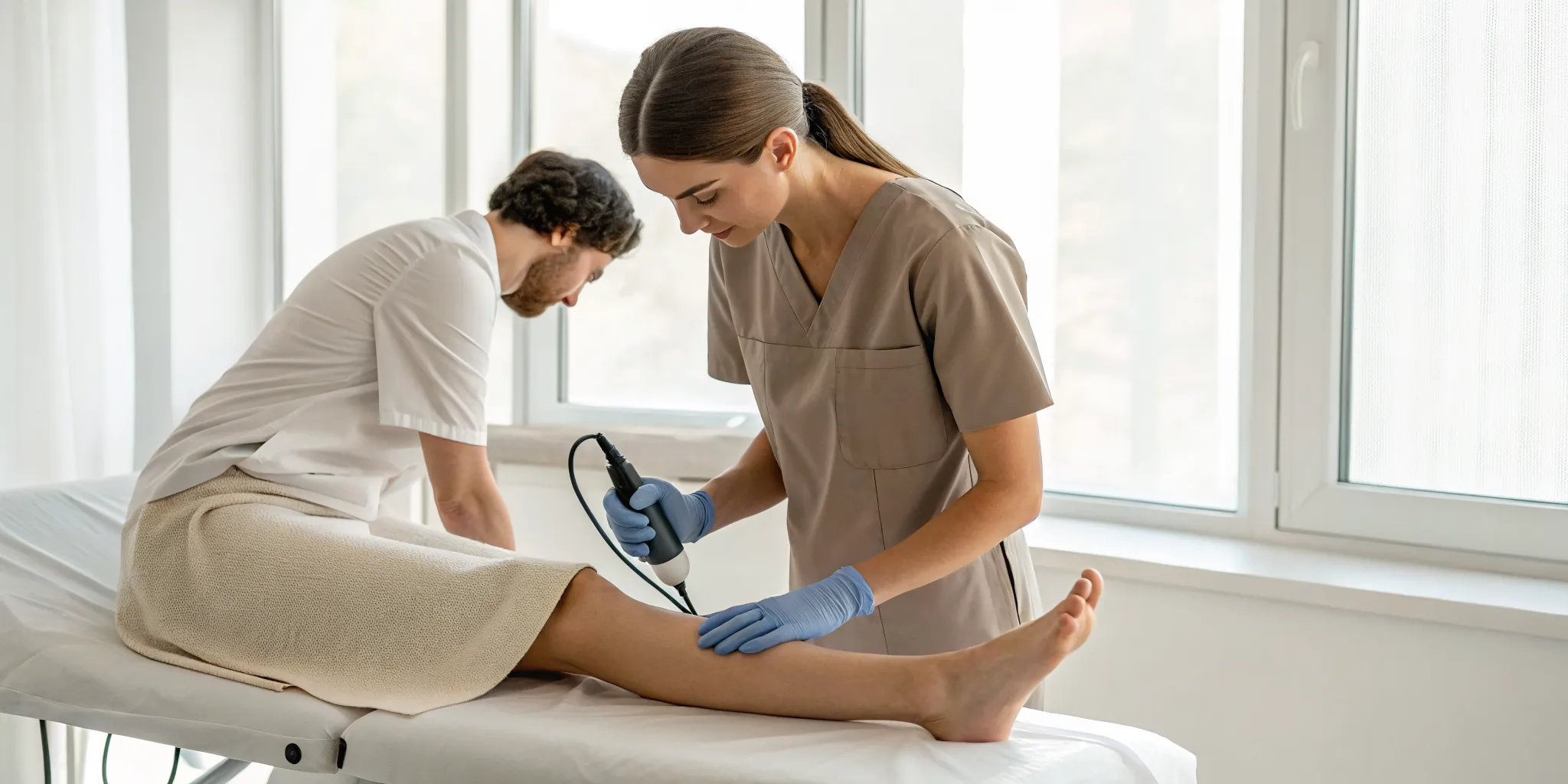
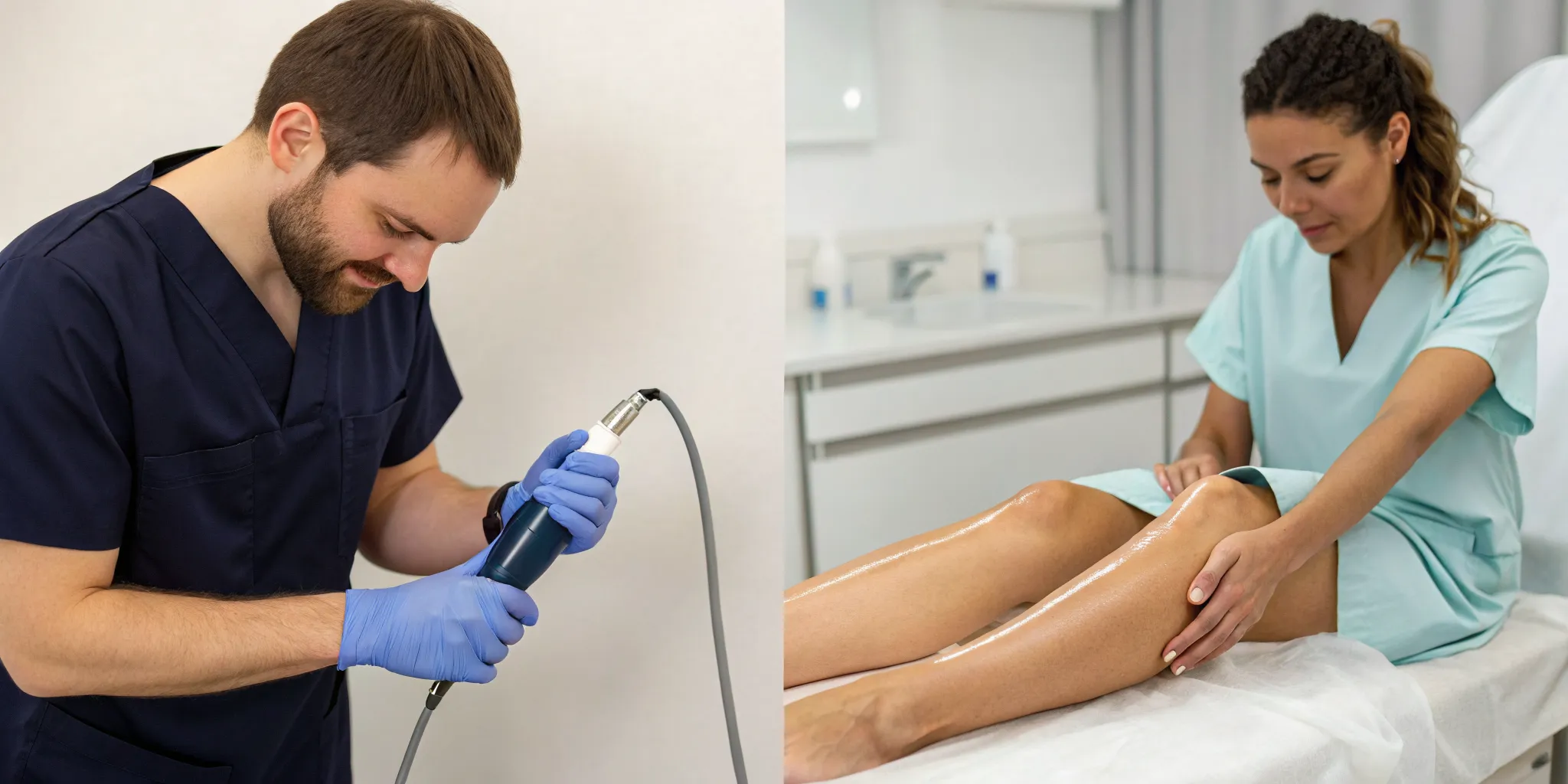
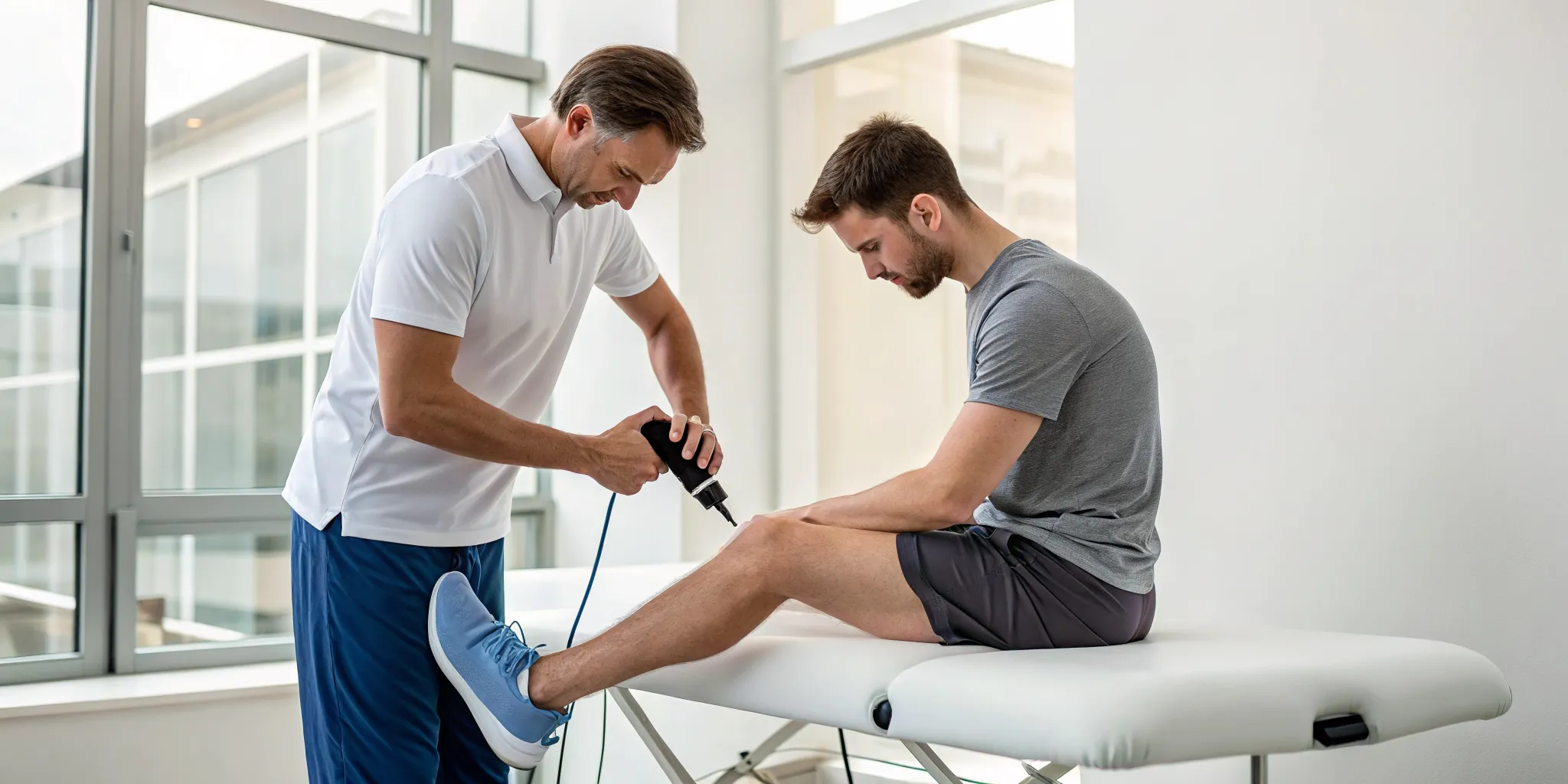
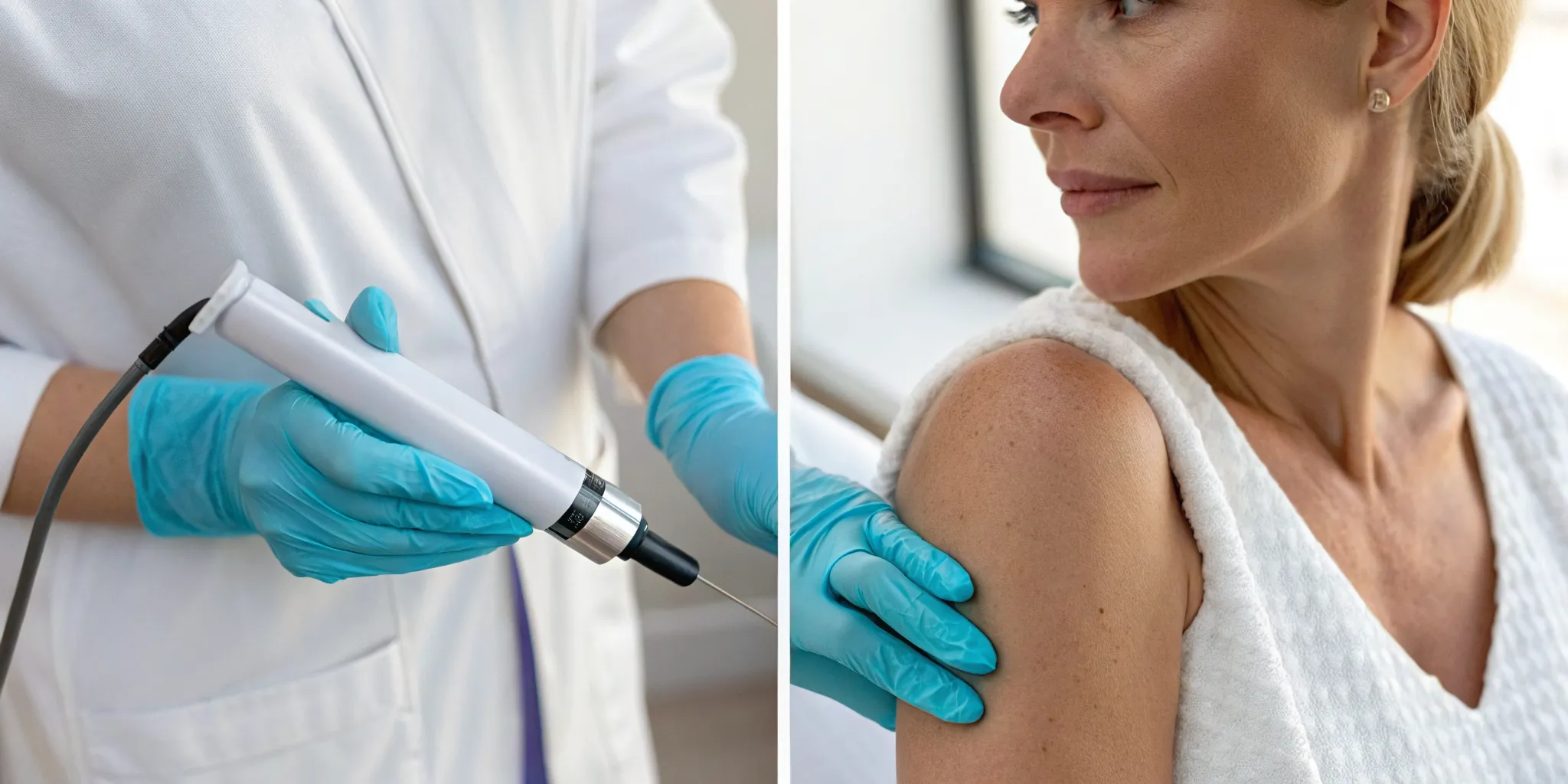
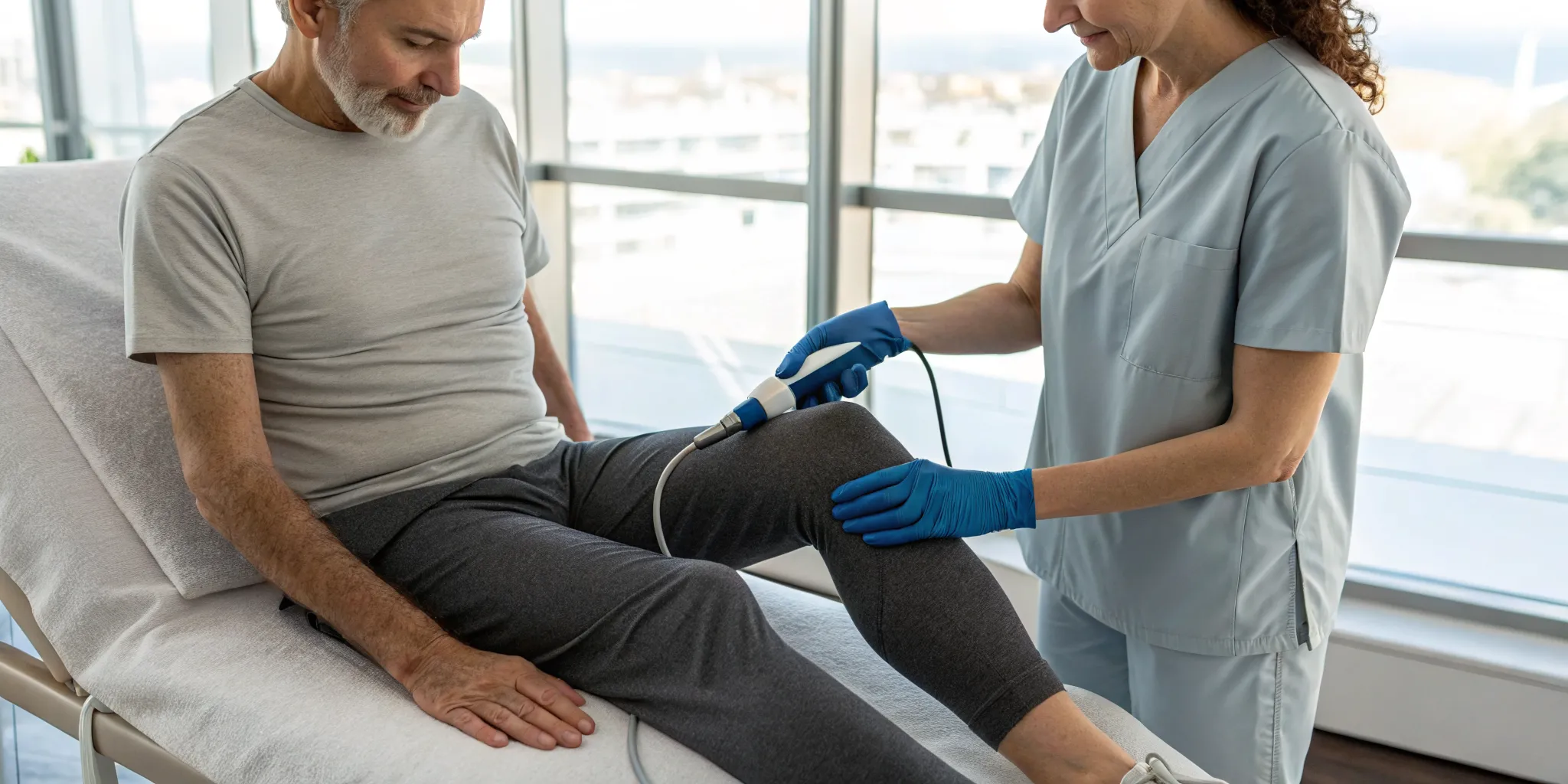
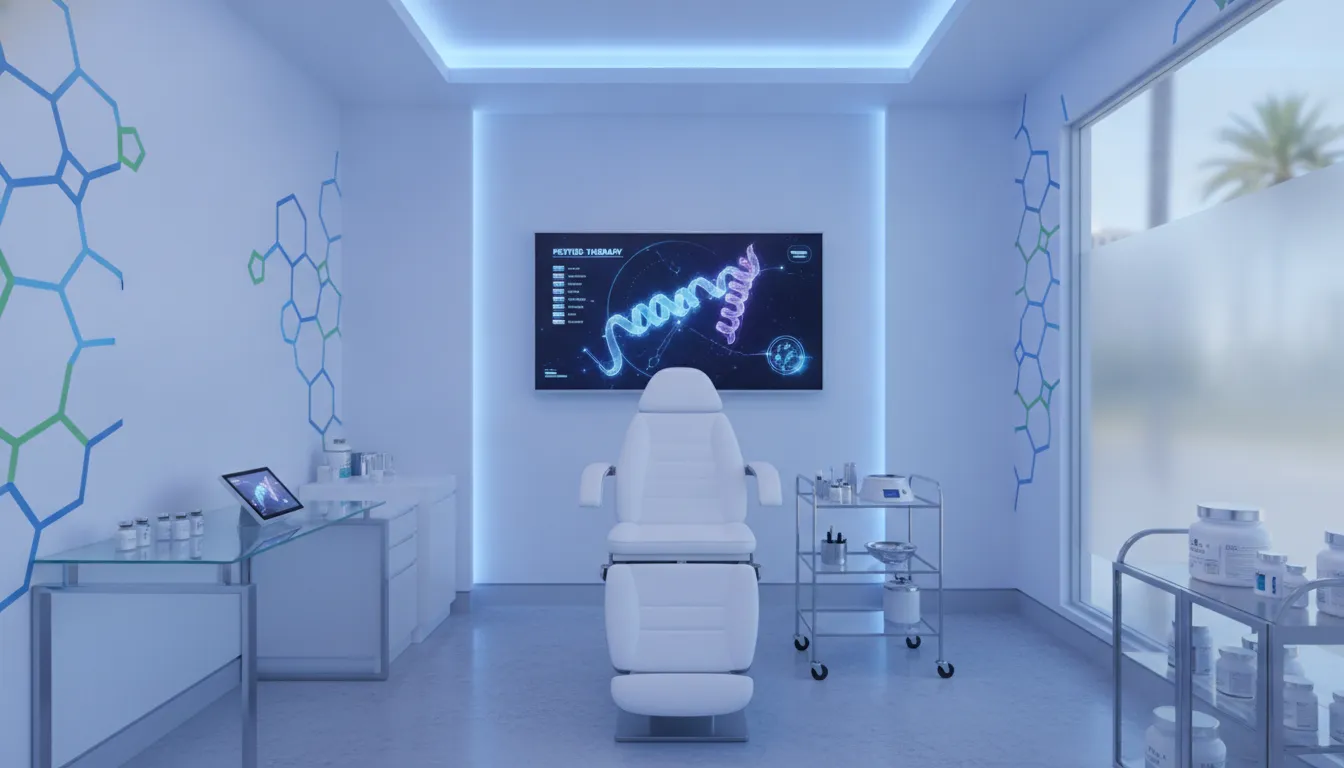
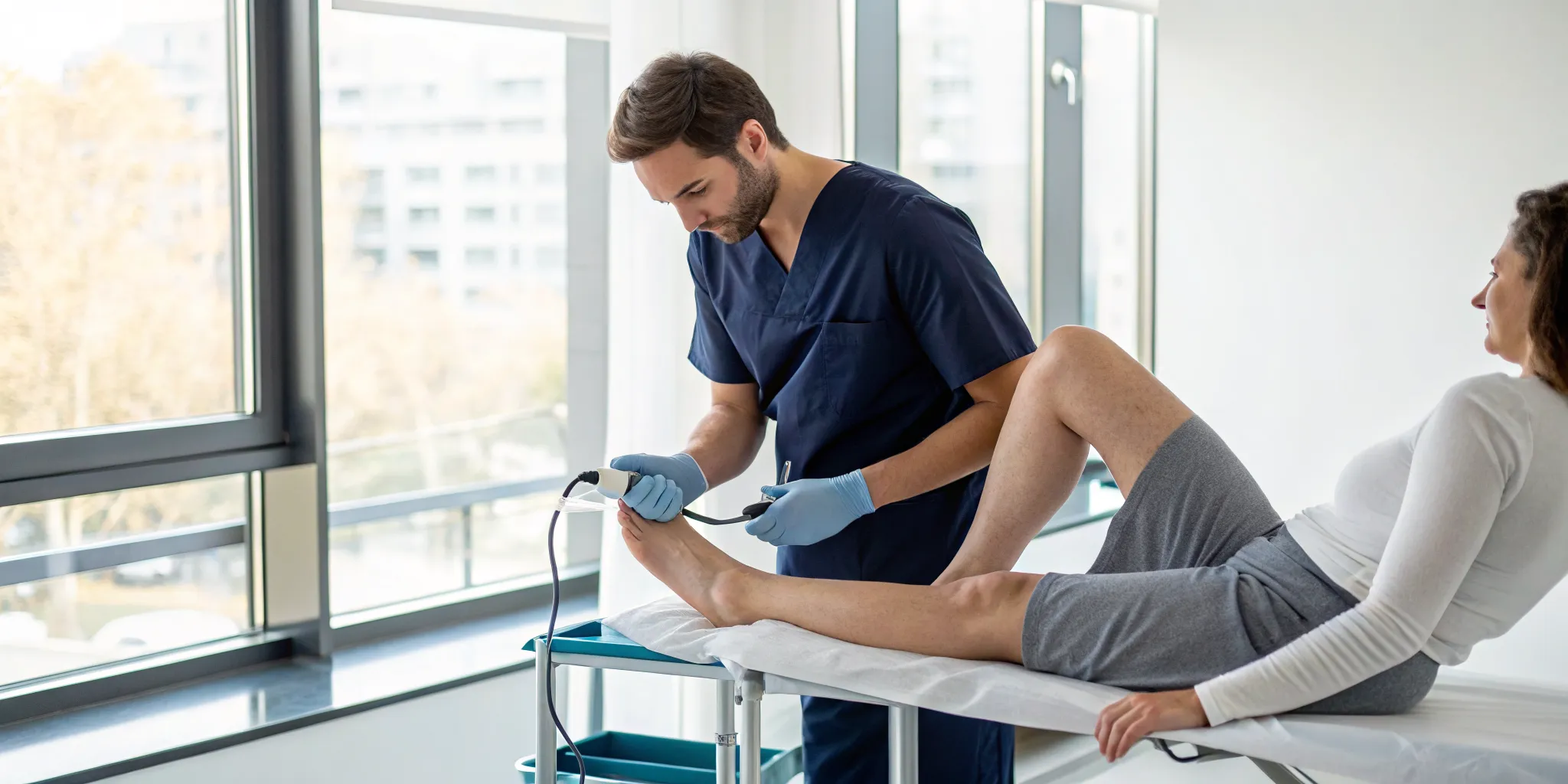
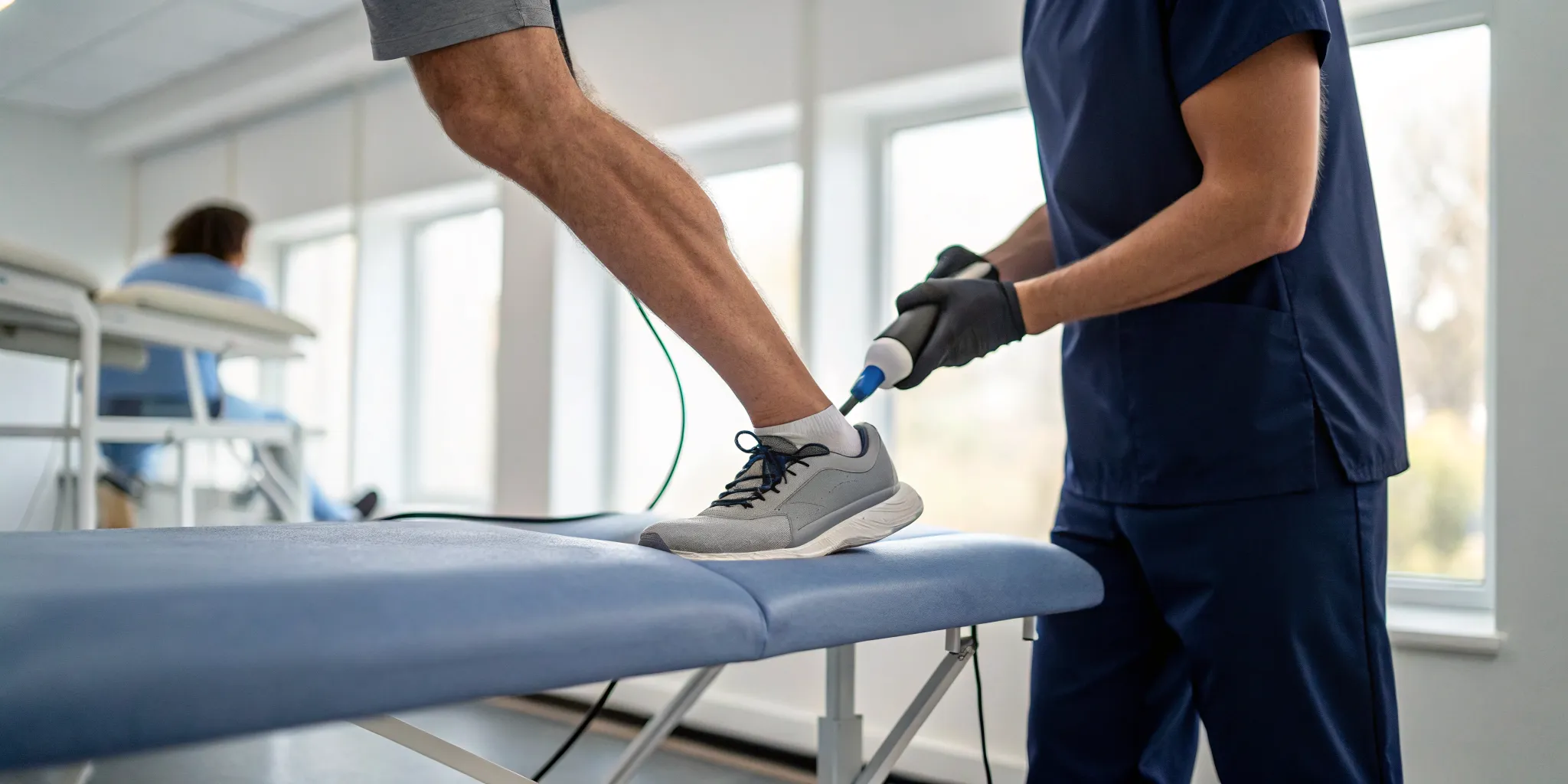
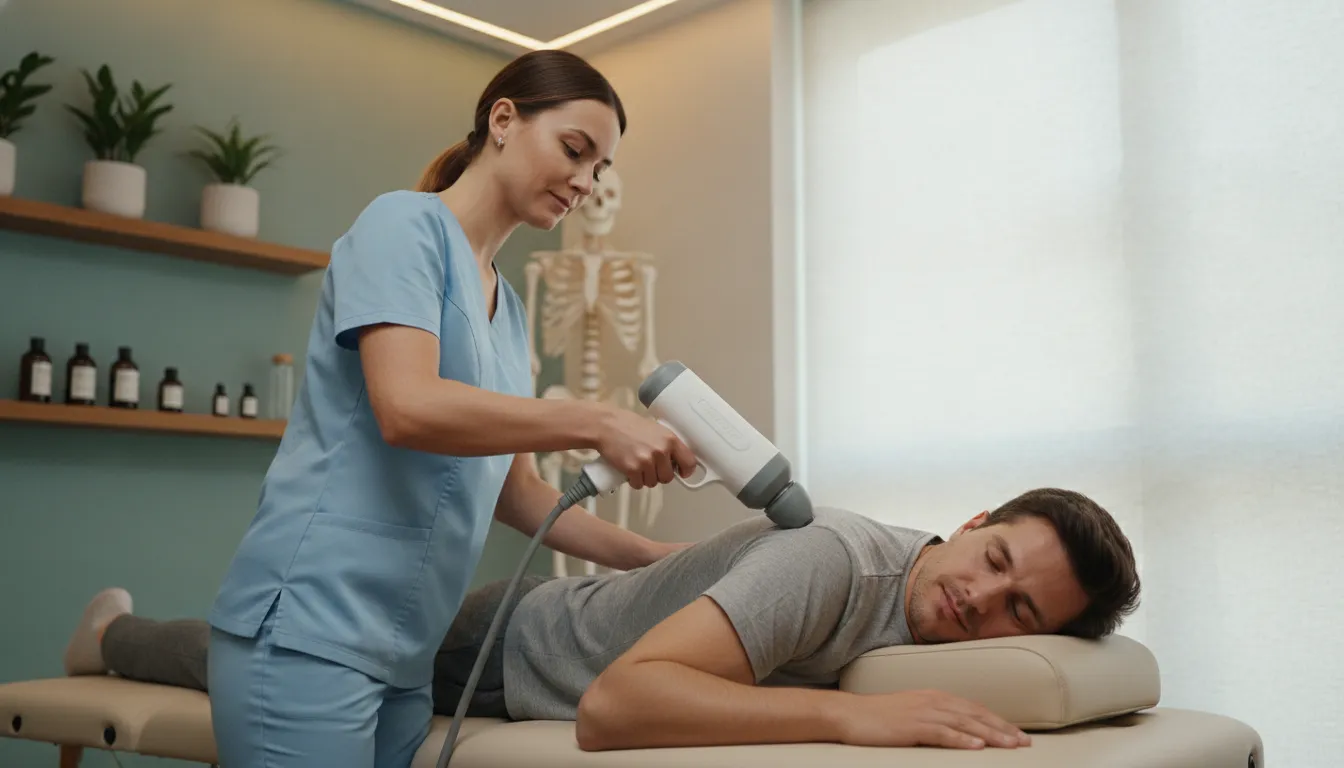
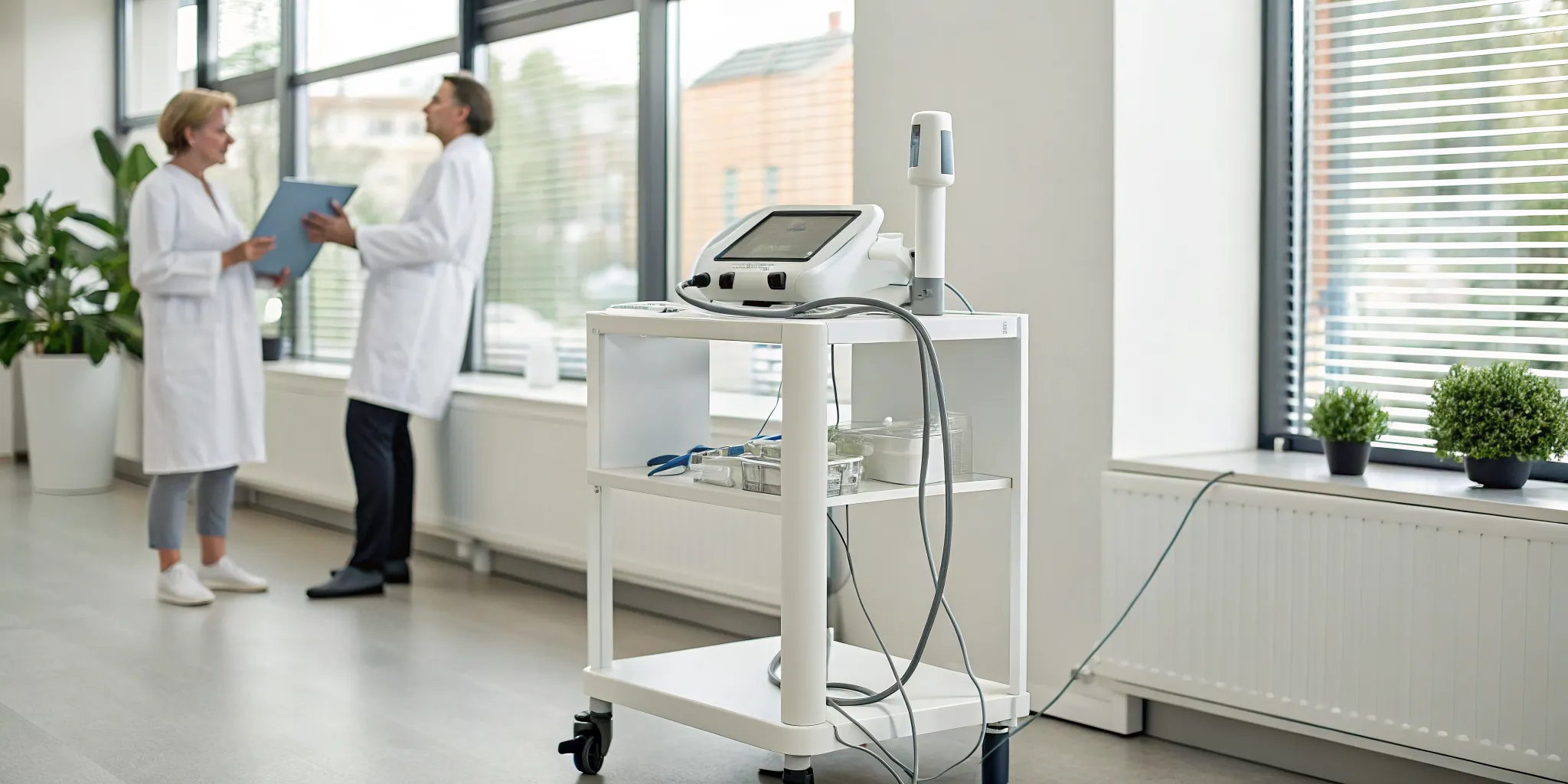
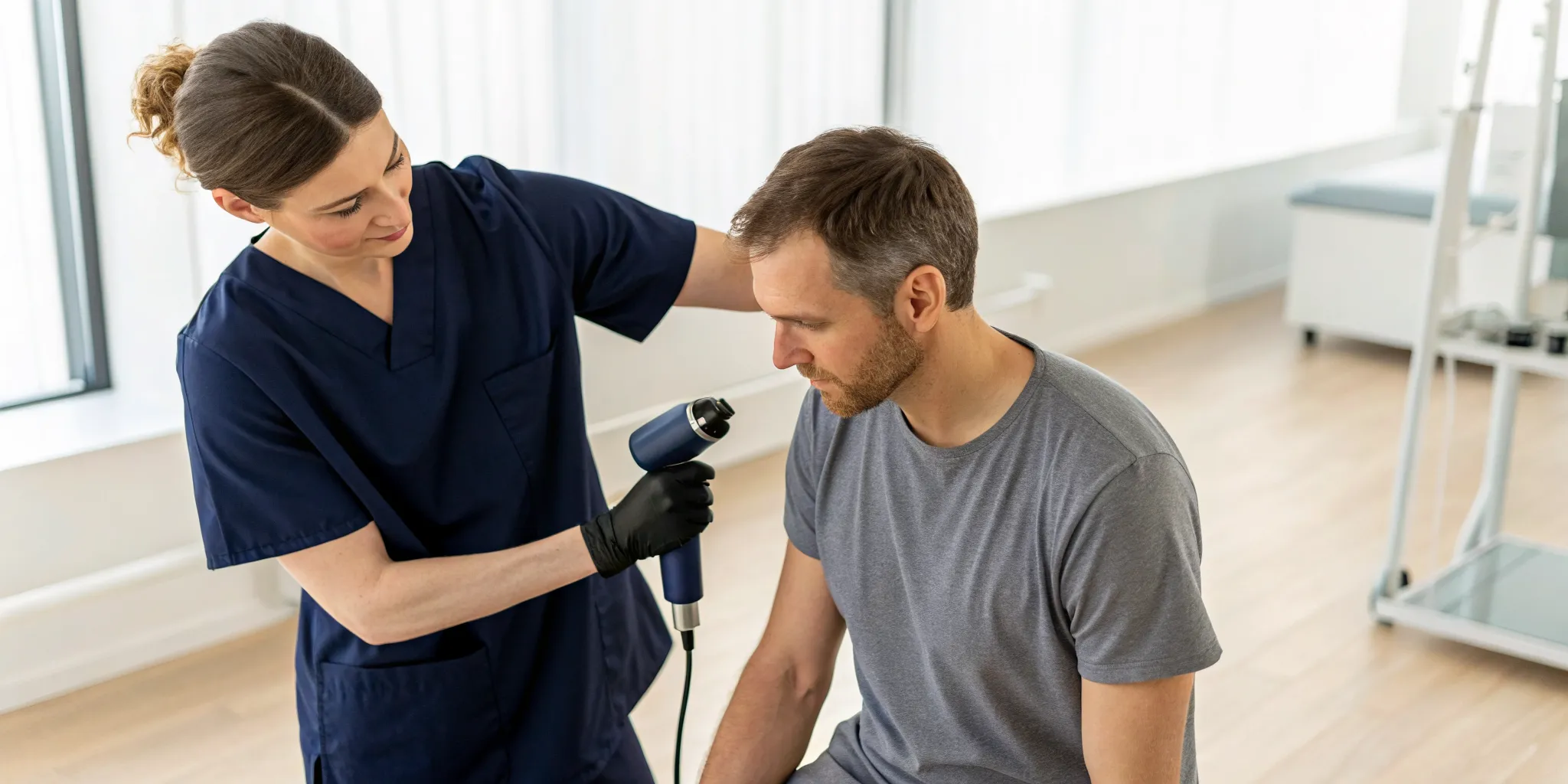
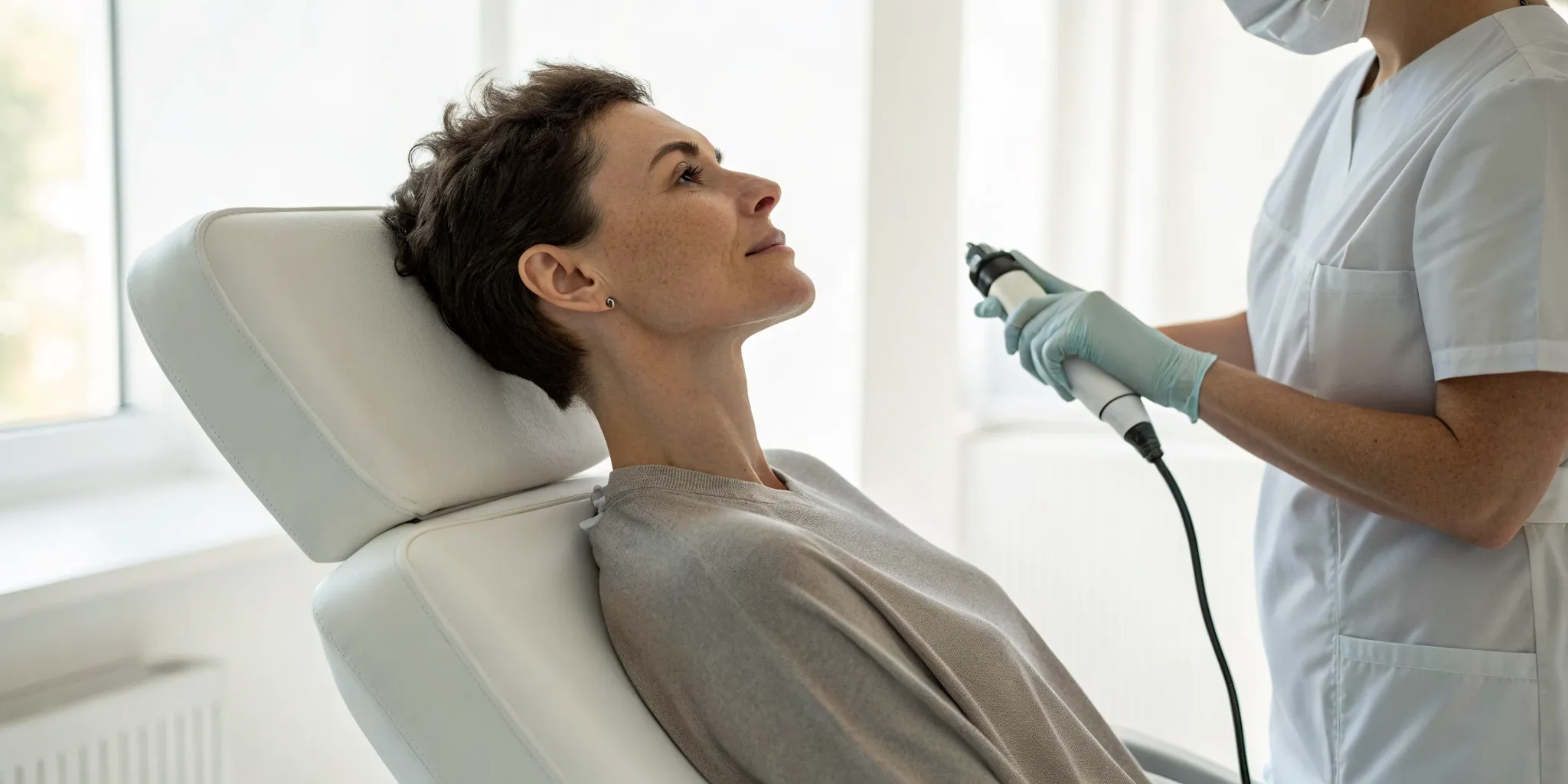
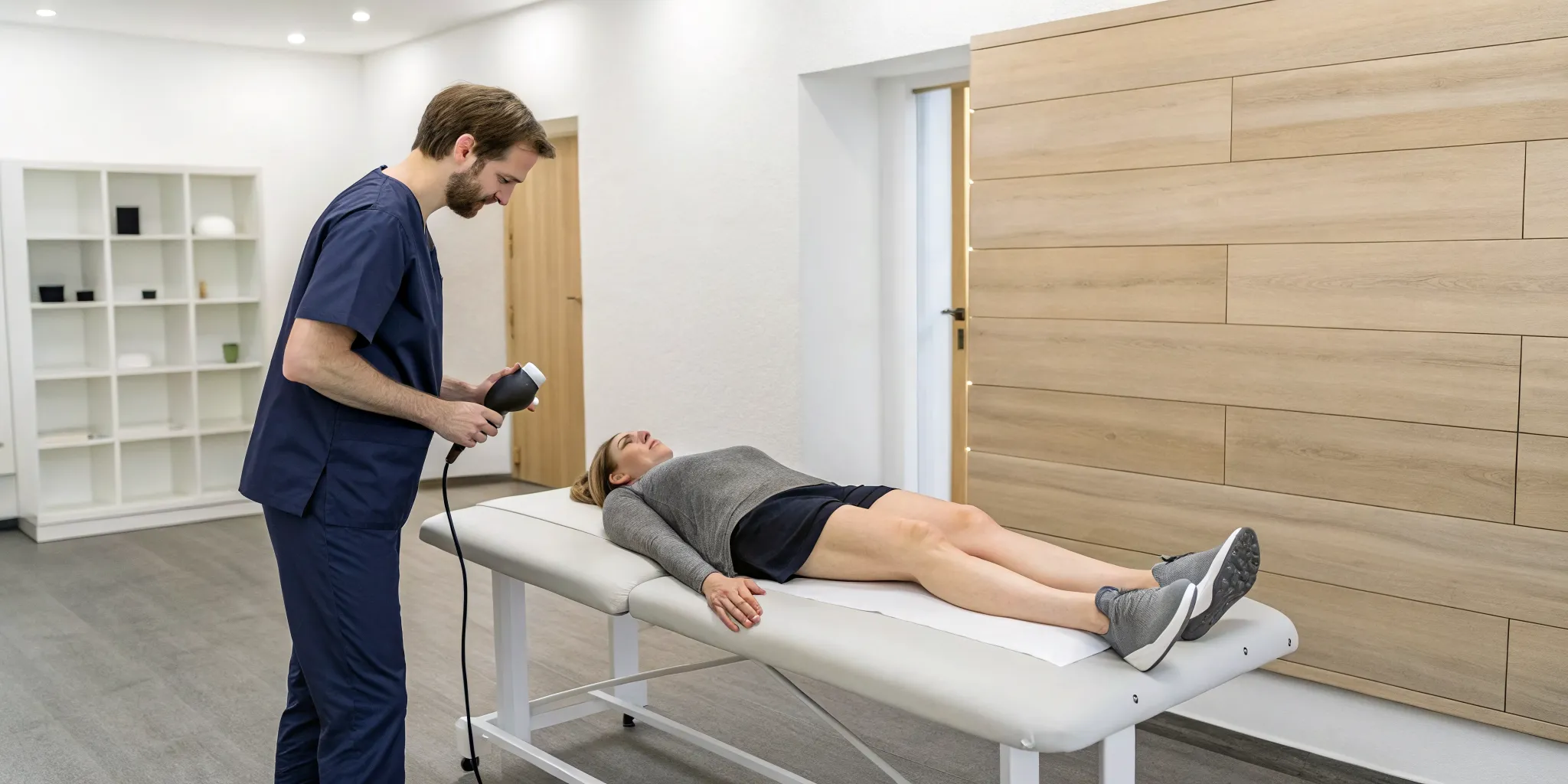
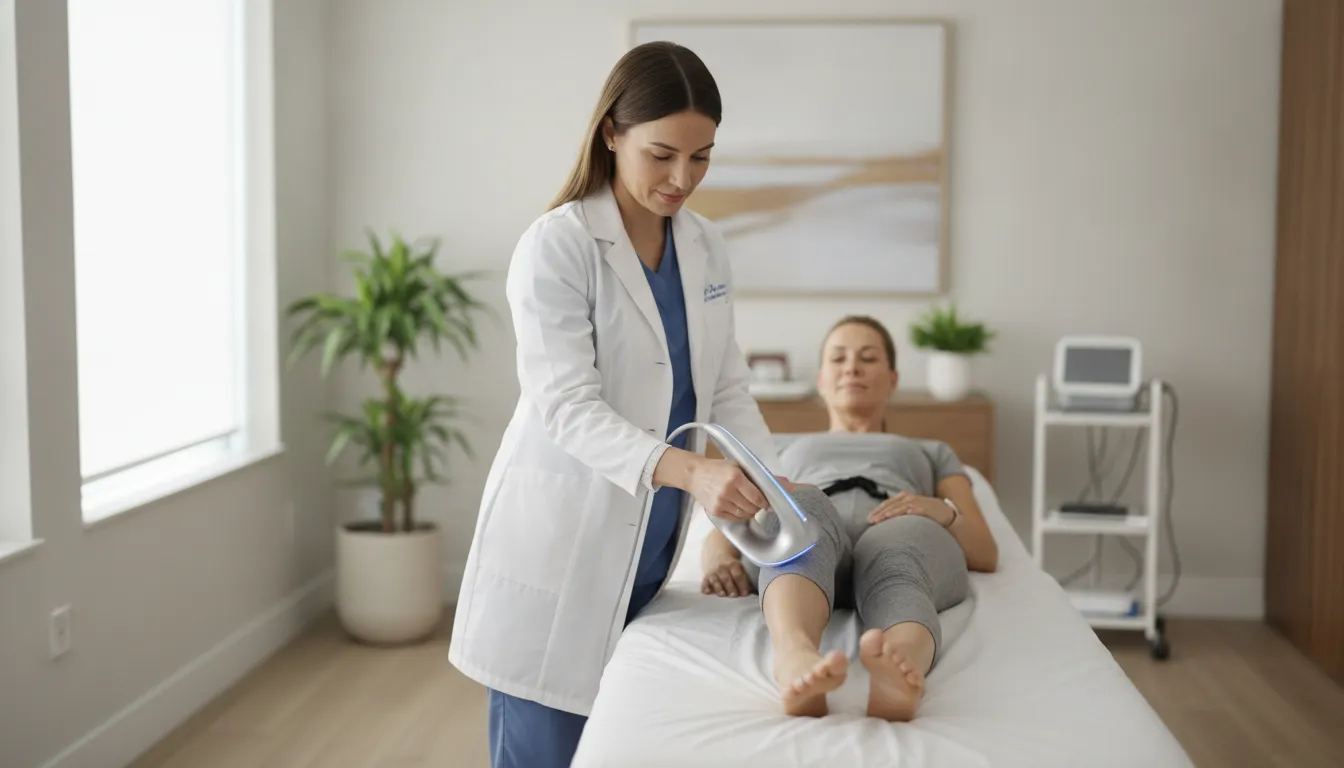
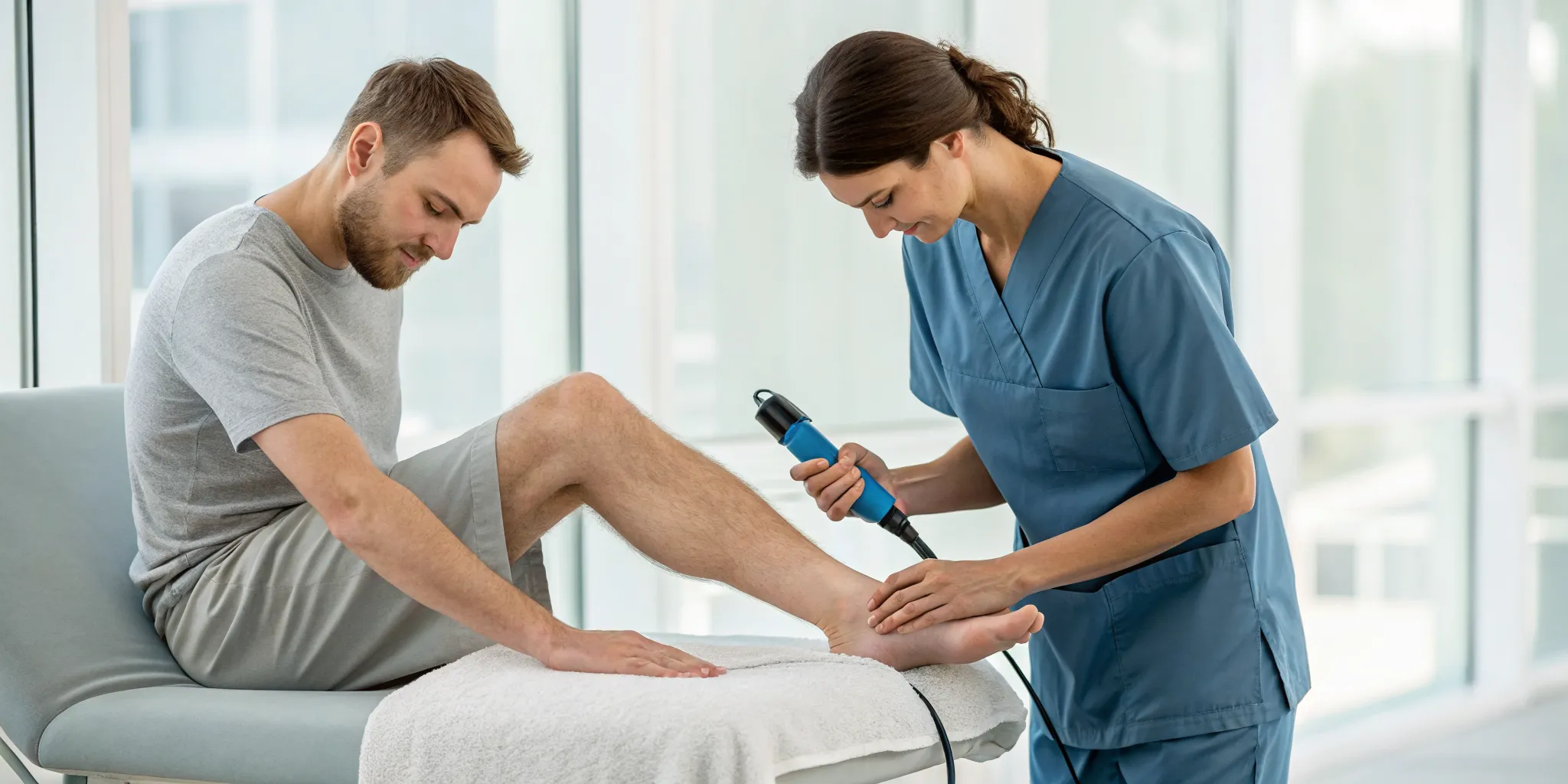
SoftWave therapy uses high-energy acoustic waves delivered through the skin to stimulate the body's healing and tissue-repair response. The treatment is noninvasive, and the energy pattern can be selected and adjusted according to the tissue and clinical goal being addressed.
To understand what SoftWave therapy is, it helps to start with the energy itself. Acoustic waves deliver mechanical stimulation to targeted tissue, which can encourage the body's repair mechanisms. The provider controls the energy, focus, and number of impulses, so the treatment can be tailored rather than applied as a generic setting.
Focused and radial energy patterns
Shockwave systems generally use two different energy patterns. Focused ESWT concentrates acoustic energy into a narrower treatment area, which can be useful when clinicians want to address a specific tendon or tissue site. Radial ESWT distributes energy more broadly across a wider surface. These are meaningful technical differences rather than interchangeable labels, and the choice of pattern is part of why individualized treatment design matters.
From kidney-stone treatment to musculoskeletal care
Shockwave technology was first recognized for its role in fragmenting kidney stones, and the same noninvasive delivery principle was later adapted for musculoskeletal care. Clinical research has since explored its use in tendinopathy, joint pain, and other soft-tissue conditions, with attention to how patient selection and protocol influence results. This history helps explain why the device and the plan matter as much as the therapy name.
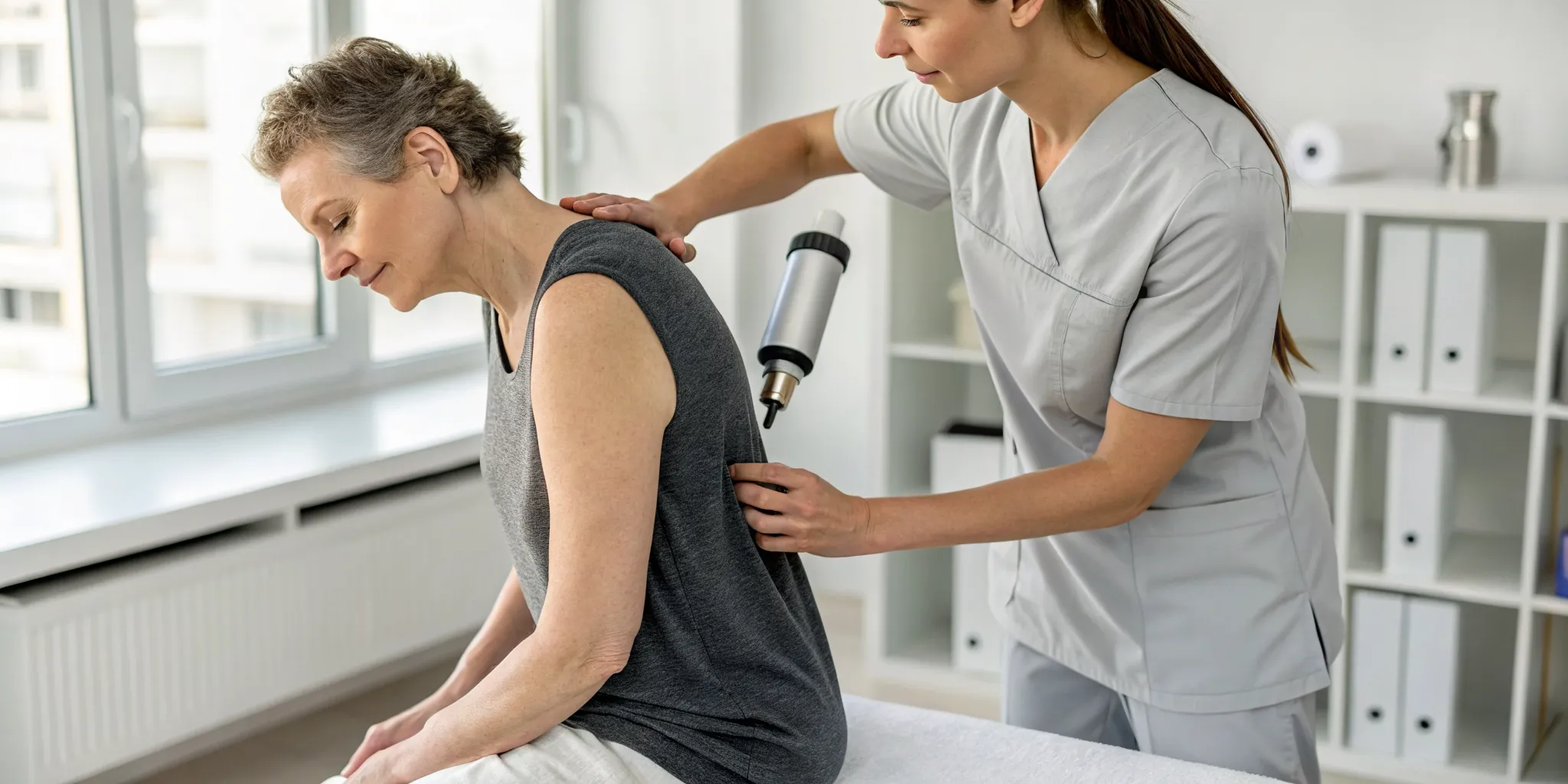
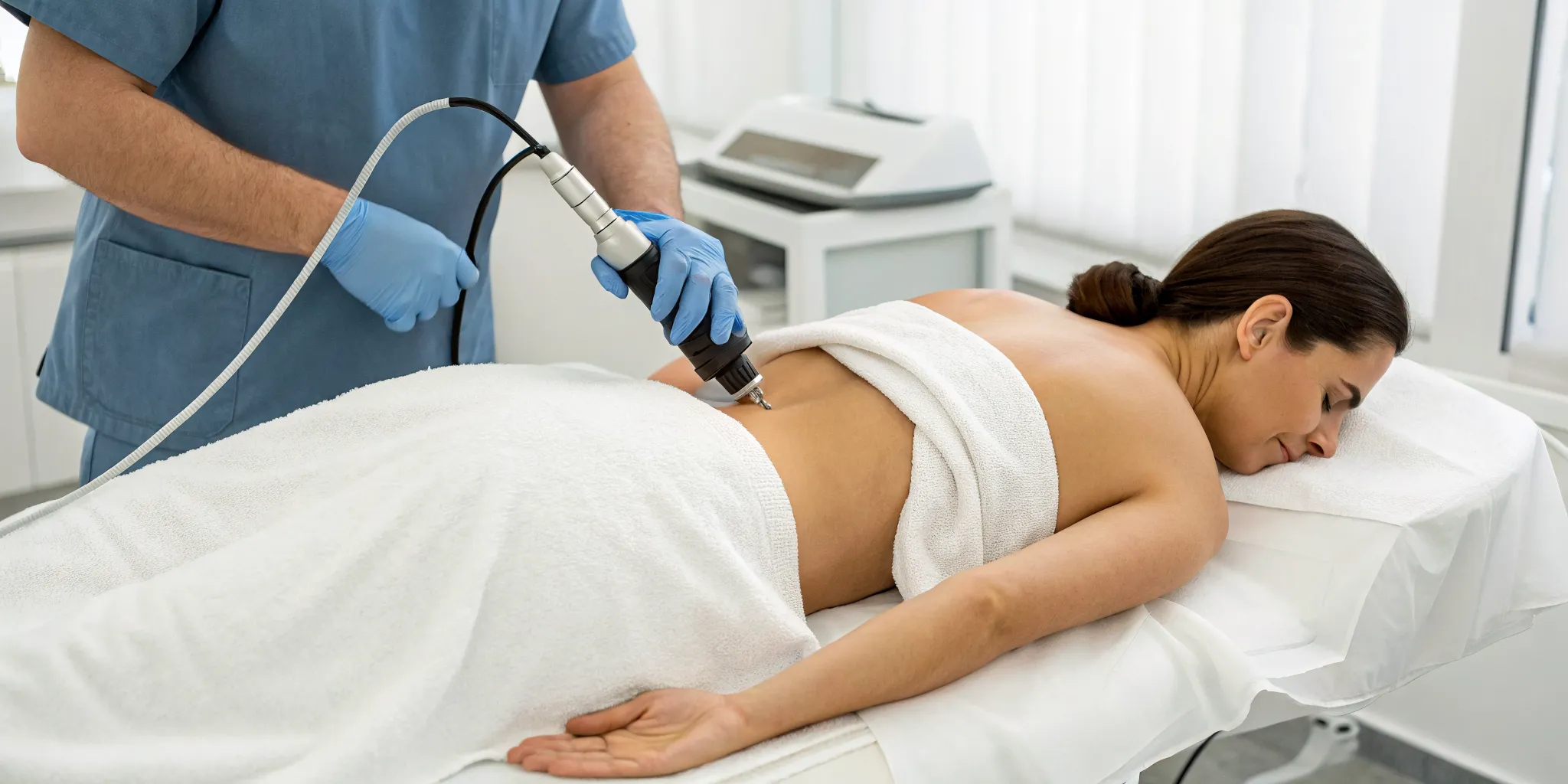
SoftWave delivers high-energy acoustic waves through the skin to stimulate healing and tissue-repair responses, with energy and focus adjusted to the specific tendon or soft-tissue site being treated.
What Do Softwave Therapy Reviews Show for Joint and Soft-Tissue Pain Outcomes?
Reviews are most informative when they connect patient experience with measurable outcomes such as pain, mobility, and function. The following outcomes are common themes across softwave therapy reviews and clinical discussions of extracorporeal shockwave therapy. The clinical evidence for SoftWave therapy provides a deeper look at the research behind these themes.
- Reduced pain in the treated area, with many people describing meaningfully lower discomfort after a course of treatment.
- Better function, including walking, climbing stairs, lifting, or participating in preferred activities.
- Improved mobility and range of motion as healing response develops over time.
- Changes in tissue tolerance and recovery as the body responds to a structured treatment and rehabilitation plan.
- Reduced reliance on pain medication or other measures that mask symptoms without addressing the underlying tissue concern.
- Better sleep and daily energy when pain no longer interrupts rest or disrupts everyday routines.
Clinical discussions of ESWT describe pain reduction and healing support across musculoskeletal conditions, including tendinopathy. Because the treatment is applied through the skin and does not depend on medication or an incision. It can offer a conservative option for people who want to explore non-invasive care before considering more invasive procedures. That does not remove the need for an accurate evaluation, since pain can come from more than one structure and treating the wrong source may limit progress.
Why does the overall plan matter?
Outcomes may improve when ESWT is paired with strengthening instead of used in isolation. In the knee osteoarthritis review, adding ESWT to isokinetic muscle-strengthening exercises produced better results than strengthening alone. This supports a practical principle: reducing discomfort is only one part of recovery. Building capacity, improving movement, and addressing contributing imbalances can help translate symptom improvement into better function.
There is also an important limitation. The same review found that ESWT was not effective as a standalone treatment for severe knee osteoarthritis. Advanced joint changes may require a broader medical strategy, and shockwave therapy should not be positioned as a substitute for every other form of care. A responsible recommendation considers symptom severity, imaging or other clinical findings, functional limitations, and prior treatment response.
At Ascend Functional Health, SoftWave is considered within a personalized clinical workup, with measurable outcomes such as pain, mobility, and function guiding the conversation. For more detail, explore the clinical evidence for SoftWave therapy and learn more about SoftWave therapy for pain and inflammation.
Why the Device Matters: Softwave vs Other Shockwave Devices
Not every device described as shockwave therapy delivers the same type of acoustic energy or supports the same clinical approach. At Ascend, Softwave is the FDA-approved device the practice selects as a preferred option for regenerative care. With treatment guided by the patient's condition, tissue involved, and measurable goals.
| Clinical consideration | Softwave at Ascend | Standard shockwave units |
|---|---|---|
| Device calibration | Uses Ascend's selected platform within a clinician-directed protocol. Energy and treatment settings can be matched to the patient's presentation and response. | Capabilities and treatment settings vary by device. A generic protocol may not account for the specific tissue or functional issue being evaluated. |
| FDA approval | Ascend identifies its Softwave device as FDA approved, supporting its use within a clinical regenerative medicine setting. | Approval and indications depend on the specific device and application. The word shockwave alone does not identify the equipment or its intended use. |
| Targeted delivery | Selected to provide a more purposeful treatment approach for areas of joint and soft-tissue concern, rather than treating pain as an isolated symptom. | Radial ESWT distributes acoustic waves in a more diffuse pattern, while focused ESWT uses a narrower pattern. These are meaningful technical differences, not interchangeable labels. Mayo Clinic explains the distinction between focused and radial ESWT. |
| Tissue regeneration focus | Positioned as a clinical regenerative tool that supports the body's healing and tissue-repair processes as part of a broader plan. | Shockwave therapy can be used for musculoskeletal conditions, but the device, treatment plan, and clinical context determine how appropriately it fits a patient's needs. |
| Clinical oversight | Placed within root-cause evaluation, diagnostic testing, patient workup, and tracking of outcomes such as mobility, pain, and function. | Quality depends heavily on the provider's assessment, treatment parameters, and ability to integrate the therapy with other appropriate care. |
The distinction matters because acoustic wave therapy is not a cosmetic gadget or a universal pain treatment. Research describes ESWT as the transcutaneous application of high-energy acoustic waves that can promote healing and repair in soft tissue. But the protocol still needs to fit the diagnosis and the patient's overall condition. Higher energy and a greater number of shocks may improve efficacy in some settings, which is one reason individualized treatment planning matters. A systematic review of ESWT for knee osteoarthritis also supports evaluating treatment in relation to the condition rather than assuming one device or protocol works for everyone.
At Ascend, Softwave is used as one part of a comprehensive regenerative medicine strategy. The goal is to understand what may be contributing to pain or restricted movement. Then use the appropriate technology and supporting care to help the body function and recover more effectively. That may include professional chiropractic or soft-tissue work when clinically appropriate, rather than relying on a device alone. If you are weighing your options, the care team can explain how this device fits a personalized plan during a consultation at Ascend.
What Softwave Therapy Reviews Reveal About Treatment at Ascend
At Ascend Functional Health, Softwave therapy is one part of a personalized regenerative care plan, not a standalone quick fix. Your protocol begins with a root-cause evaluation and is adjusted around your clinical findings, daily goals, and measurable progress.
Discovery and consultation
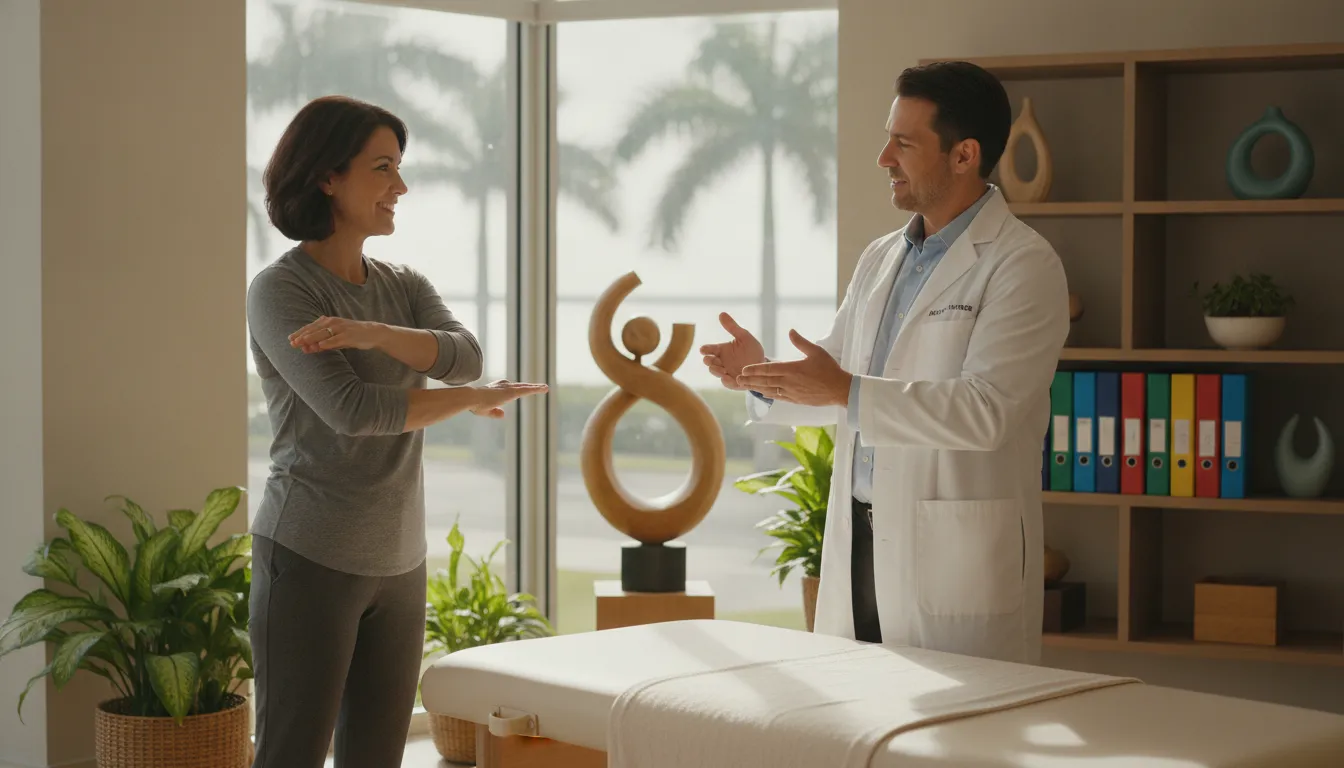
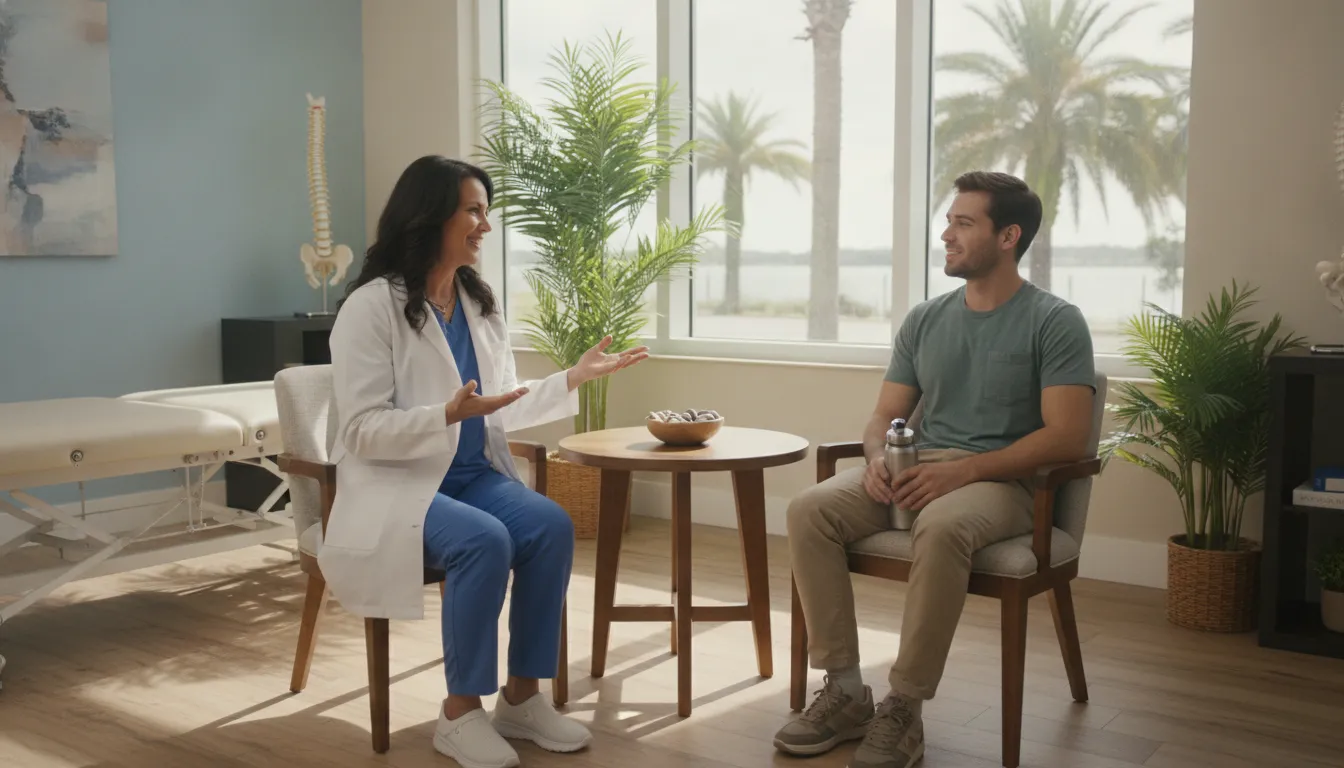
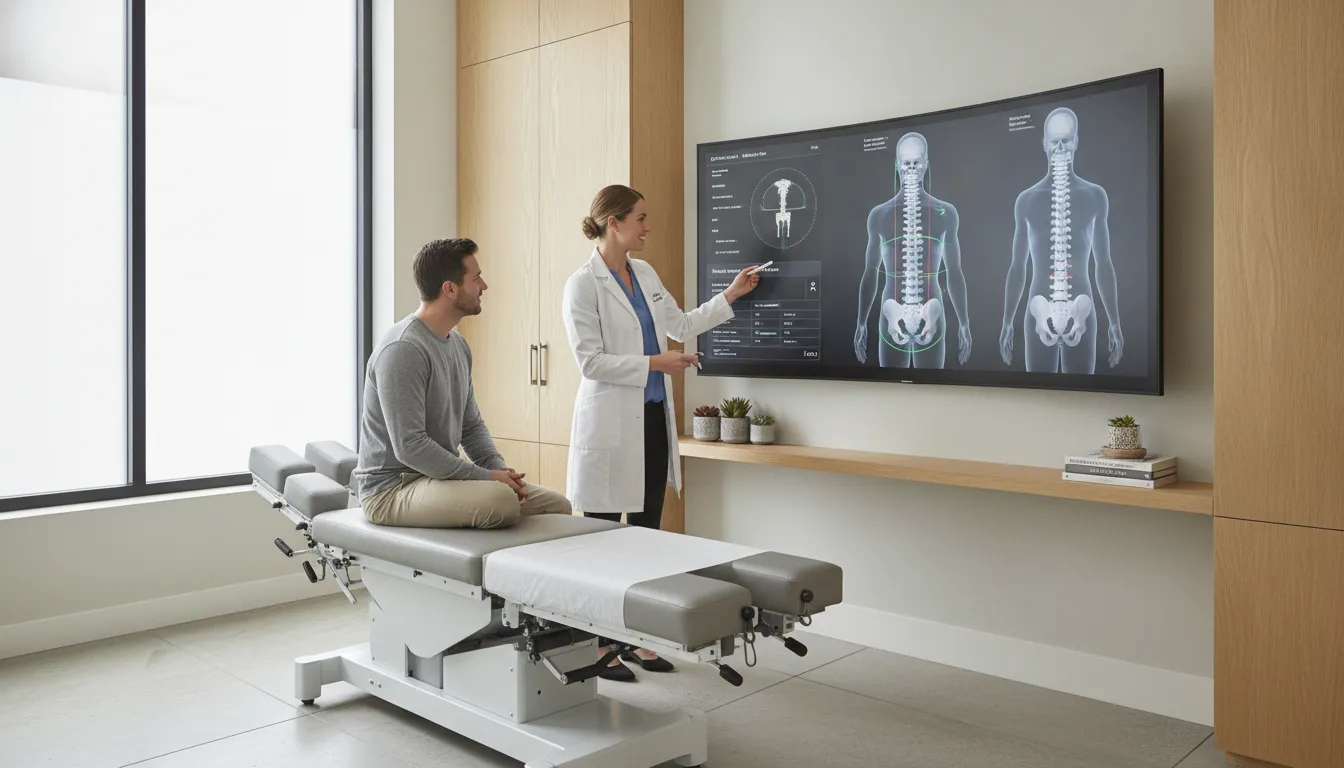
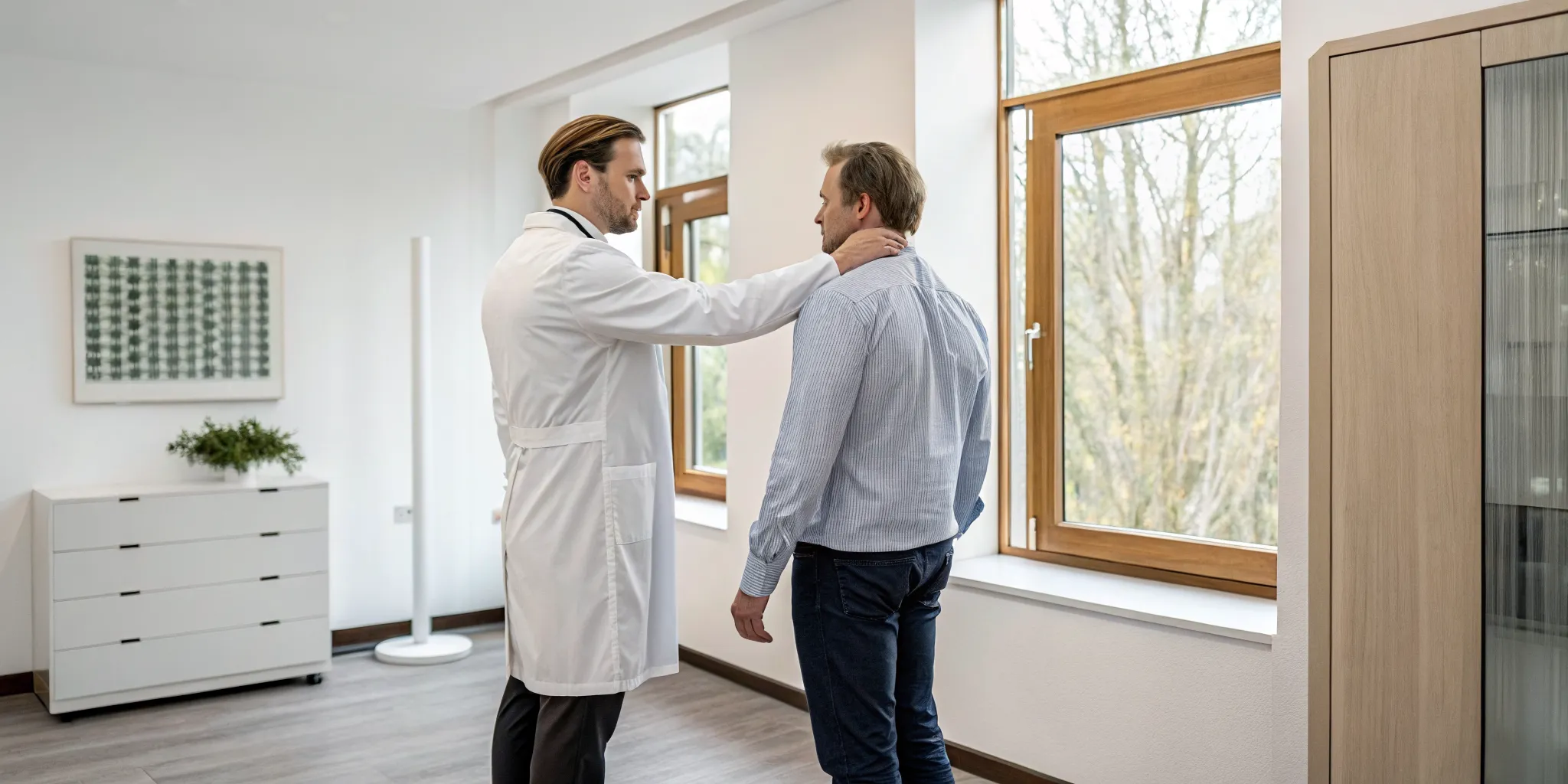
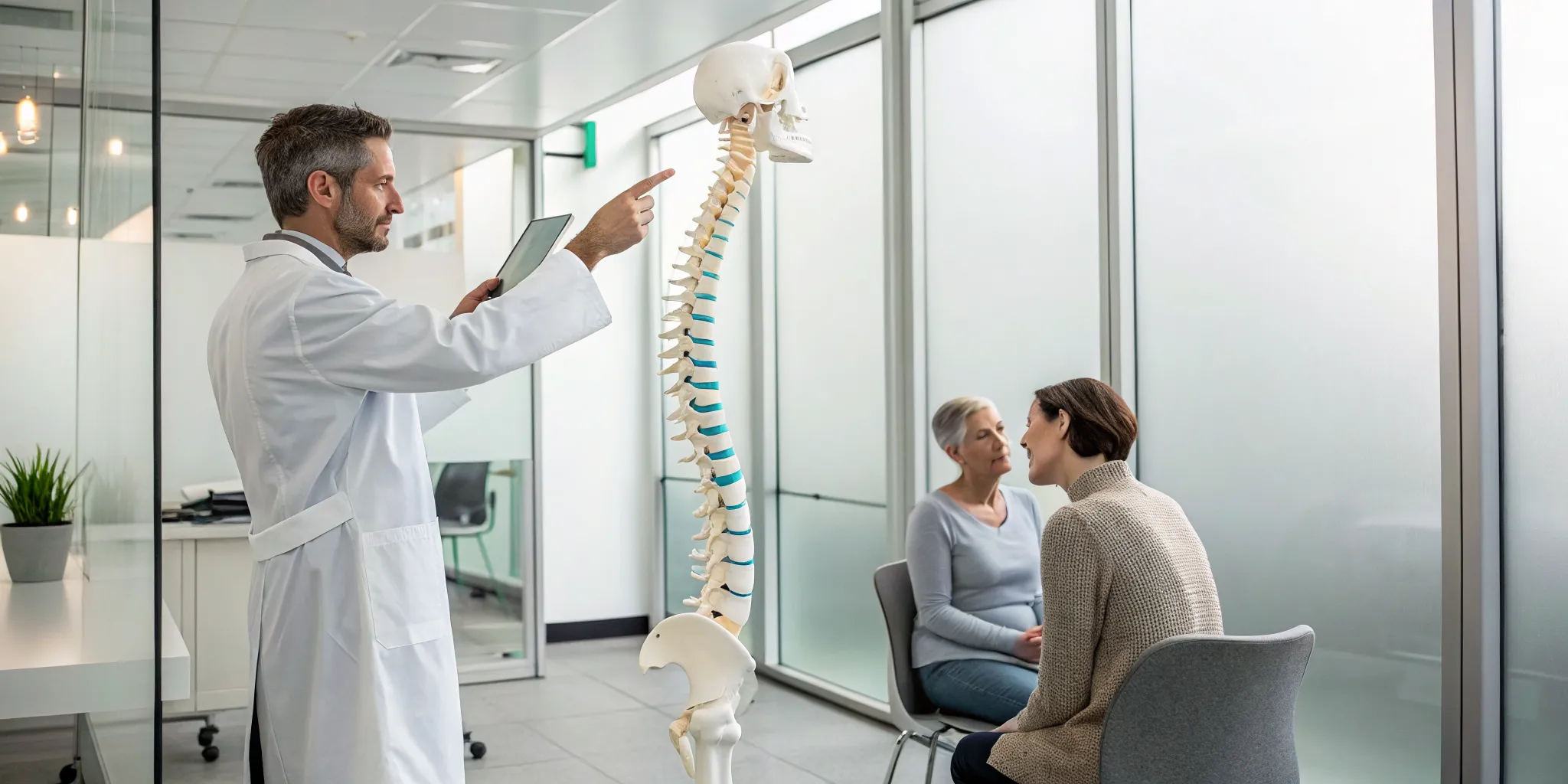
Your first visit gives the care team an opportunity to understand what you are experiencing. How it affects movement and quality of life, and what you have already tried. The discussion may include the location and pattern of your pain, previous injuries, activity demands, and other factors that can influence tissue recovery. This conversation helps determine whether Softwave is appropriate for your situation rather than assuming every concern should receive the same treatment.
Diagnostic testing and patient workup
Ascend looks beyond the symptom to identify functional imbalances and potential contributors to your condition. Depending on your needs, the workup may include diagnostic testing and clinical evaluation that establish a useful baseline. That kind of investigation reflects the practice's functional medicine focus on finding the underlying cause rather than treating a symptom alone. The information gathered helps the team understand the broader context of a joint or soft-tissue concern and gives you a clearer way to track change over time. The goal is a clinically informed plan, not a treatment selected solely because a body part hurts.
An individualized treatment plan
After the evaluation, your provider explains the recommended strategy and how Softwave fits into it. Ascend positions Softwave as an FDA-approved device that the practice recommends within its Regenerative Medicine approach. The plan is individualized to the tissue involved, the severity and duration of the concern, and your broader health goals. It may also include guidance that supports movement, recovery, and long-term function. This approach keeps expectations realistic, since progress may require a course of care and attention to contributing factors rather than an immediate result from one visit.
Softwave sessions with complementary physical medicine
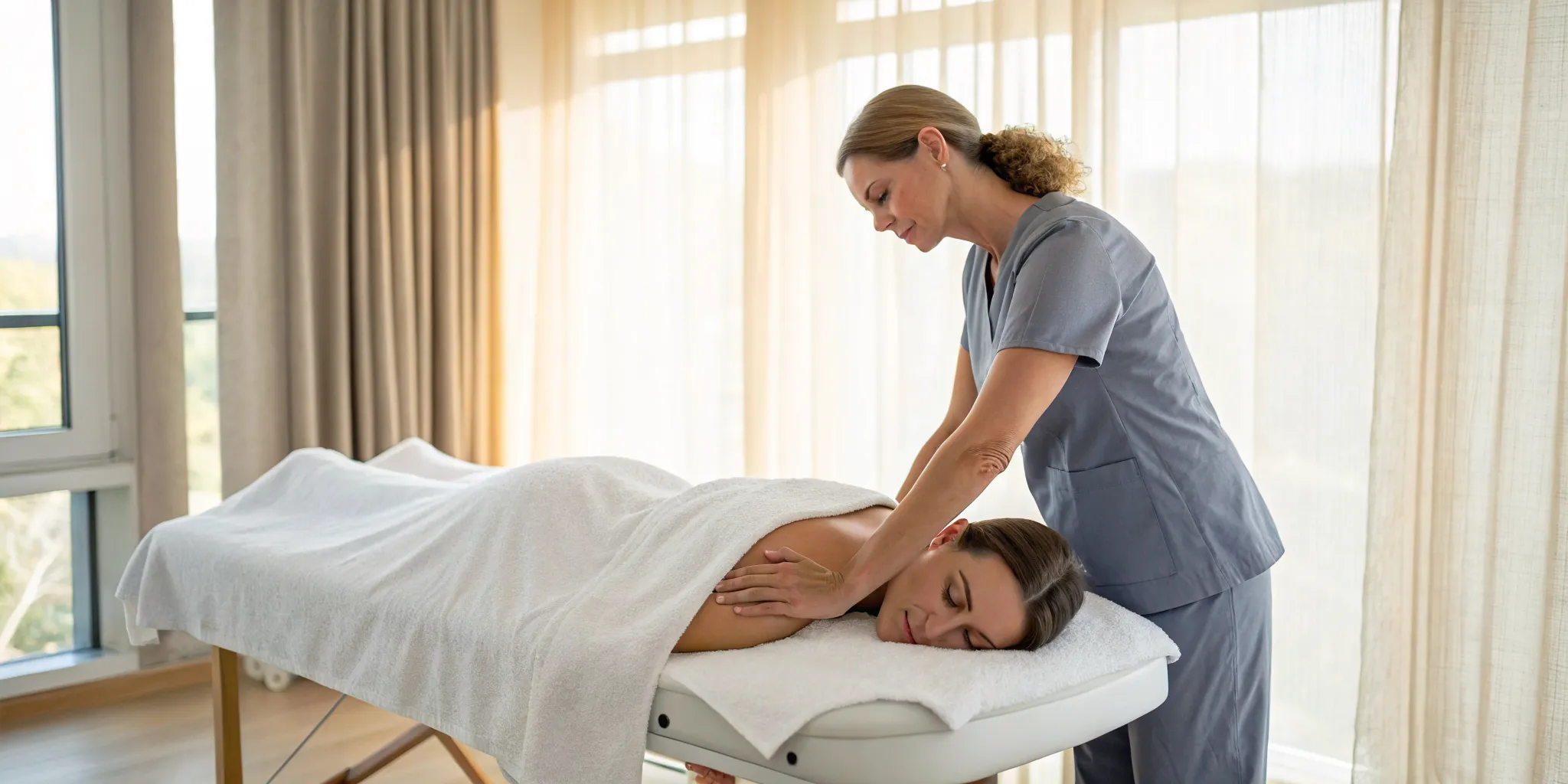
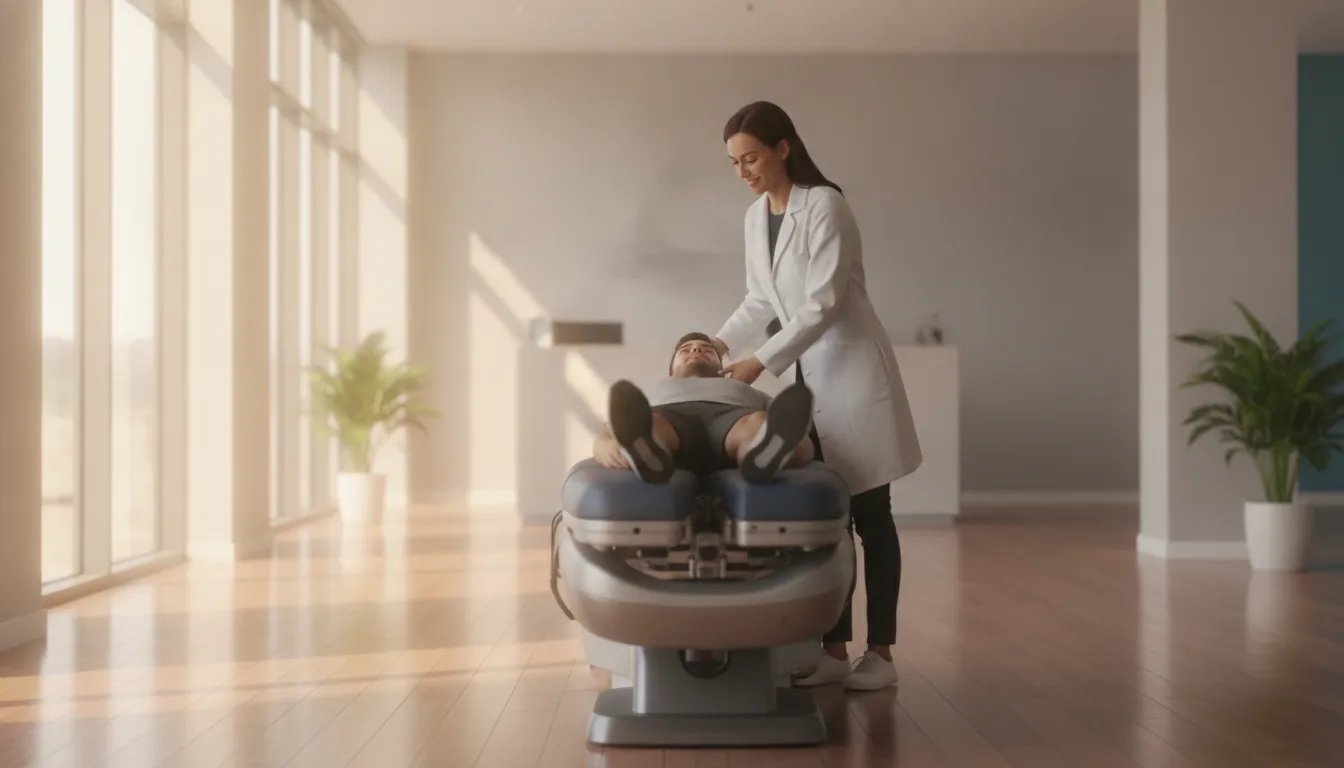
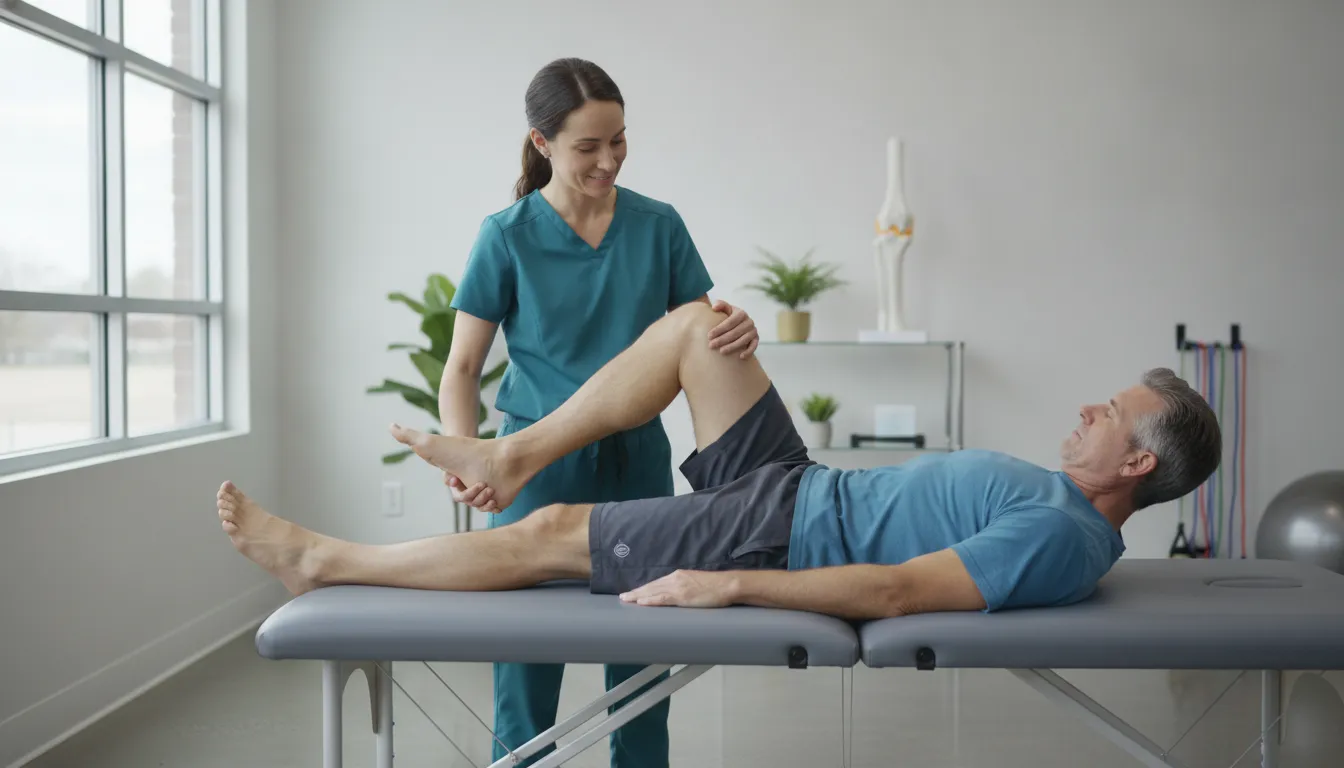
During treatment, Softwave sessions may be combined with chiropractic care, corrective care, decompression, or professional soft-tissue work when clinically appropriate. These complementary services can address movement patterns and surrounding tissues while the regenerative protocol focuses on the treatment area. Explore Ascend's physical medicine services to see how this pillar can support a more comprehensive plan. Your provider can explain what combination best fits your findings and response.
Progress tracking toward measurable outcomes
Follow-up care focuses on meaningful changes, such as mobility, function, pain patterns, and tissue recovery. Your feedback helps the team assess how you are responding and whether the plan needs to be refined. Ascend's clinical regenerative approach is health-outcome focused, not cosmetic. The purpose is to support your body's healing processes and build a longer-term wellness strategy grounded in your results, without promising a cure or guaranteed timeline.
Are There Downsides or Risks to Softwave Therapy?
Softwave therapy is not a cure, a guaranteed result, or an instant fix. It may be a useful part of care for the right patient. But candid treatment planning means recognizing its limits, tailoring the protocol, and addressing the condition behind the symptom.
One important limitation is disease severity. A review of extracorporeal shockwave therapy found that treatment was effective for knee osteoarthritis in some comparisons but not effective as a standalone approach for patients with severe knee osteoarthritis. That distinction matters because advanced joint degeneration may require a broader plan that addresses strength. Movement patterns, inflammation, load management, and other clinical considerations rather than relying on one modality alone. Read the research review on ESWT and knee osteoarthritis.
Response can also vary from person to person. The same review reported that higher energy and a greater number of shocks were associated with better efficacy. But that does not mean the strongest possible setting is appropriate for everyone. Tissue condition, pain sensitivity, the location of the problem, and the patient's overall health all influence how a protocol should be designed. And more is not automatically better when treatment is not individualized.
Some people may experience temporary tenderness or discomfort during or after a session, particularly when sensitive tissue is being addressed. Results may also develop over time rather than immediately. Softwave supports the body's healing response, so the meaningful outcome may be gradual improvement in pain, mobility, or function instead of a dramatic change after one visit. Anyone expecting a quick fix may be disappointed if the underlying contributors remain unaddressed.
The treatment may be most appropriate when a clearly defined tendon or soft-tissue problem has persisted despite other conservative care. Clinical guidance from Mayo Clinic describes ESWT as a treatment used in conditions such as tendinopathy, including cases where conservative approaches have not provided enough improvement. That does not make it the right next step for every type of pain. And it should not replace an evaluation when symptoms suggest a more complex injury or condition.
At Ascend, candidacy is determined through clinical evaluation and, when appropriate, diagnostic testing. The goal is to understand whether Softwave fits the patient's presentation and how it can work alongside a broader plan. Learn more about SoftWave therapy for pain and inflammation, or discuss your symptoms and next steps with the care team.
Frequently Asked Questions
Does SoftWave therapy actually work?
SoftWave therapy can help some people with joint pain and chronic soft-tissue conditions. Particularly when it is matched to the underlying problem and combined with an appropriate care plan. Research on extracorporeal shockwave therapy has reported pain reduction and improved mobility, but results vary by diagnosis, severity, tissue involved, and treatment protocol. A clinical evaluation is important before deciding whether it fits your situation.
What is the average cost of SoftWave therapy?
There is no single average cost that applies to every SoftWave treatment plan. The total depends on the area being treated, the number of sessions recommended, and the findings from your evaluation. Ascend discusses the recommended plan and fees during the consultation so you can understand the proposed care before moving forward.
What is the downside of SoftWave therapy?
SoftWave is non-invasive, but it is not appropriate for every person or every condition. Treatment may cause temporary tenderness or discomfort, and it should not be presented as a guaranteed solution. Evidence also indicates that extracorporeal shockwave therapy may not be effective as a standalone approach for severe knee osteoarthritis. Your provider should review your health history and consider other care options when appropriate.
Is SoftWave treatment worth it?
It may be worth considering when persistent pain or limited mobility has not improved with conservative care and your evaluation supports its use. The value comes from an individualized plan that connects treatment with measurable goals, such as better movement or reduced pain, rather than from the device alone. At Ascend, SoftWave is the FDA-approved Shockwave device the practice recommends within a broader root-cause and regenerative medicine approach.
Ready to Discuss Whether Softwave Therapy Fits?
Patient experiences and research can offer useful context, but the right next step depends on your symptoms, goals, and overall health picture. A consultation can help you discuss your joint or soft-tissue concerns and determine whether Softwave therapy is an appropriate part of a personalized plan.
Schedule a consultation with Ascend Functional Health to discuss whether Softwave therapy fits your recovery goals.
This article is for educational purposes only and is not a substitute for professional medical advice, diagnosis, or treatment. Always consult a qualified clinician before acting on any information you read here.