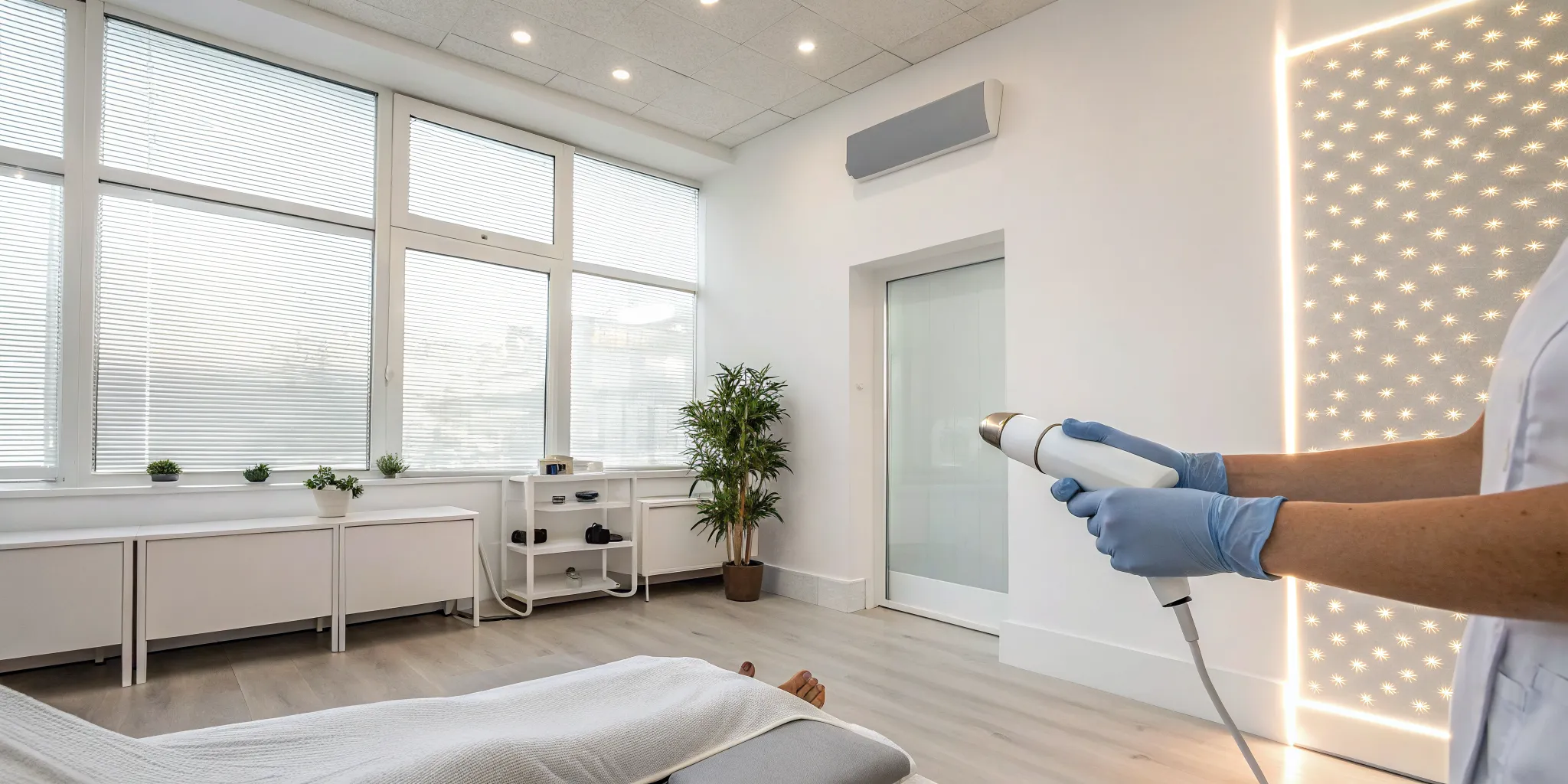
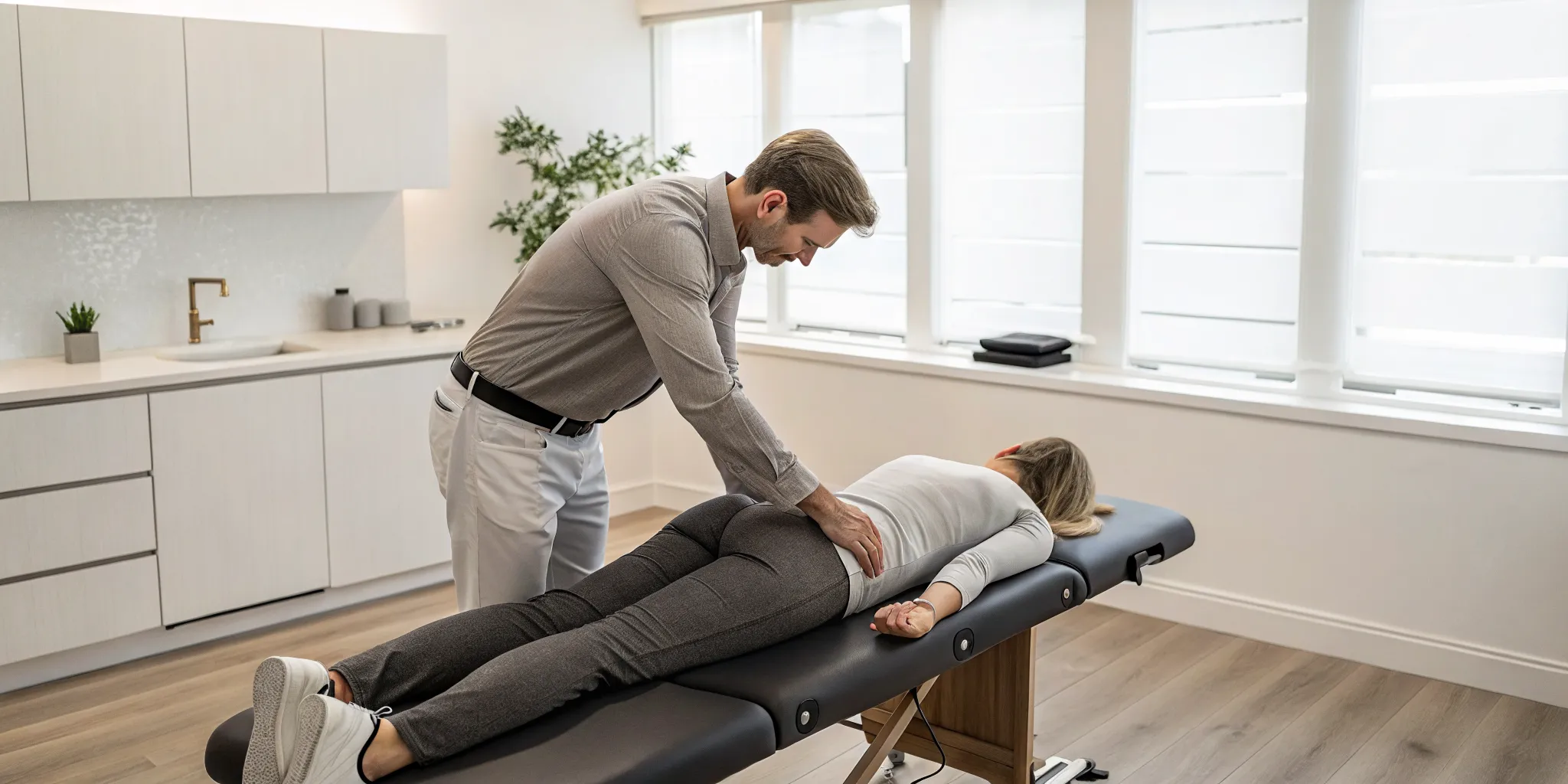
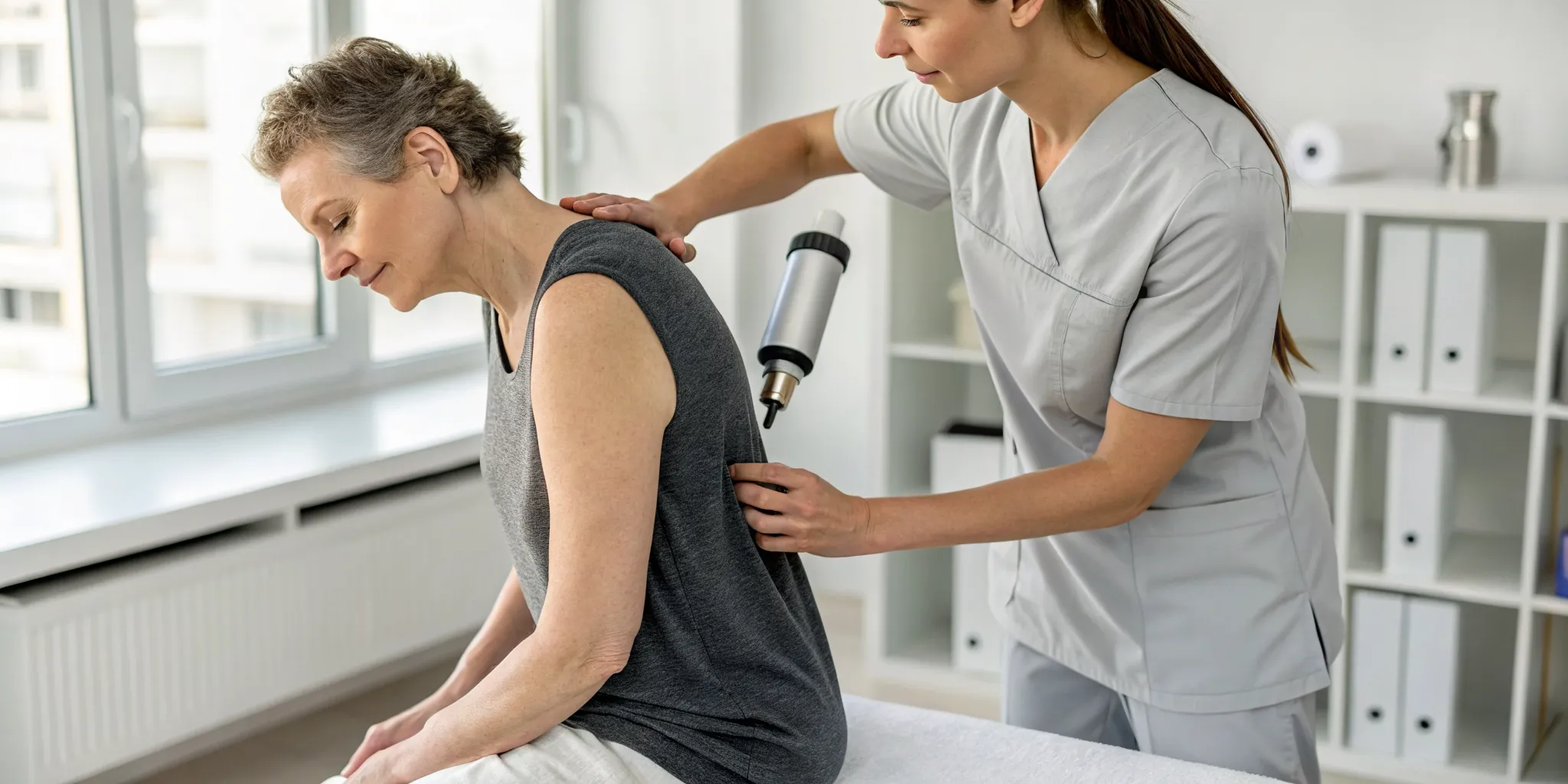
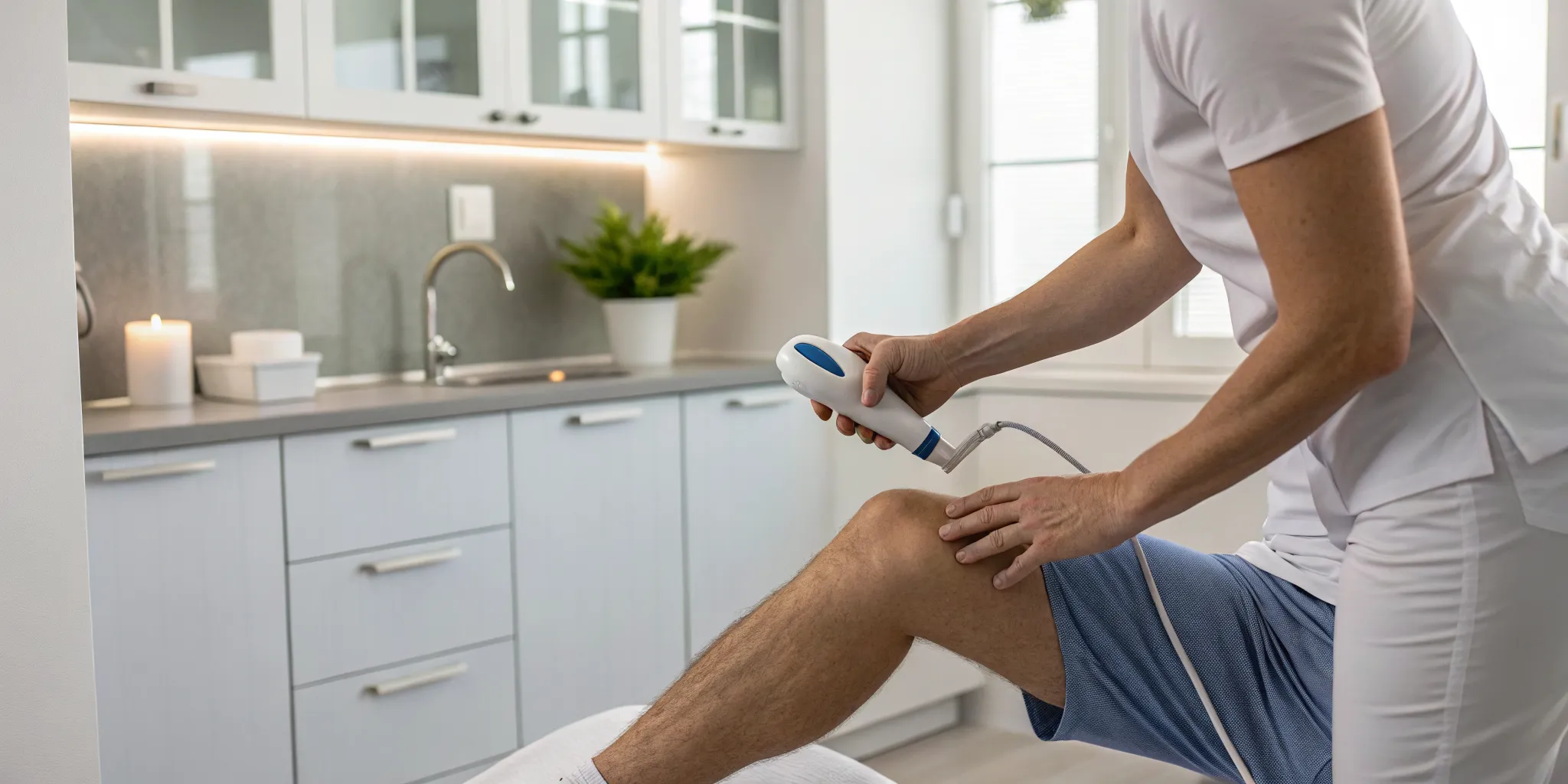
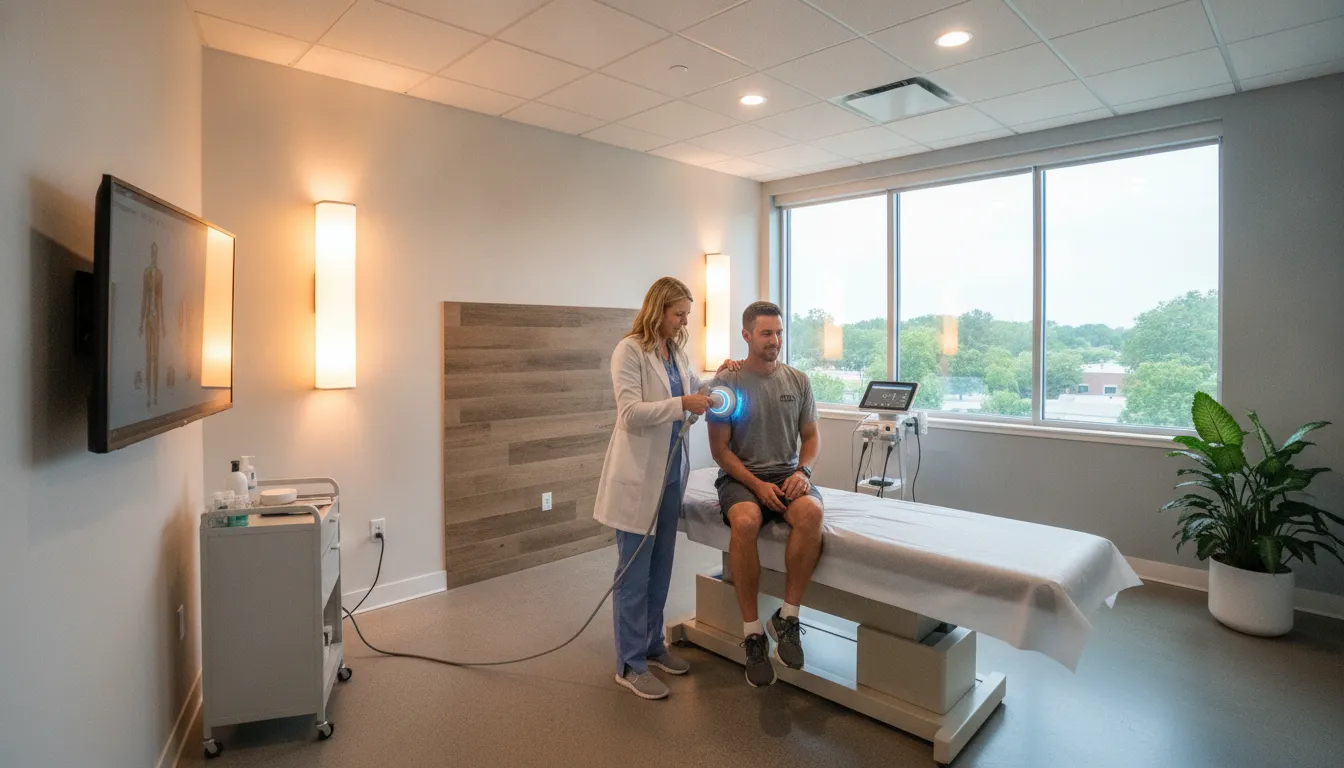
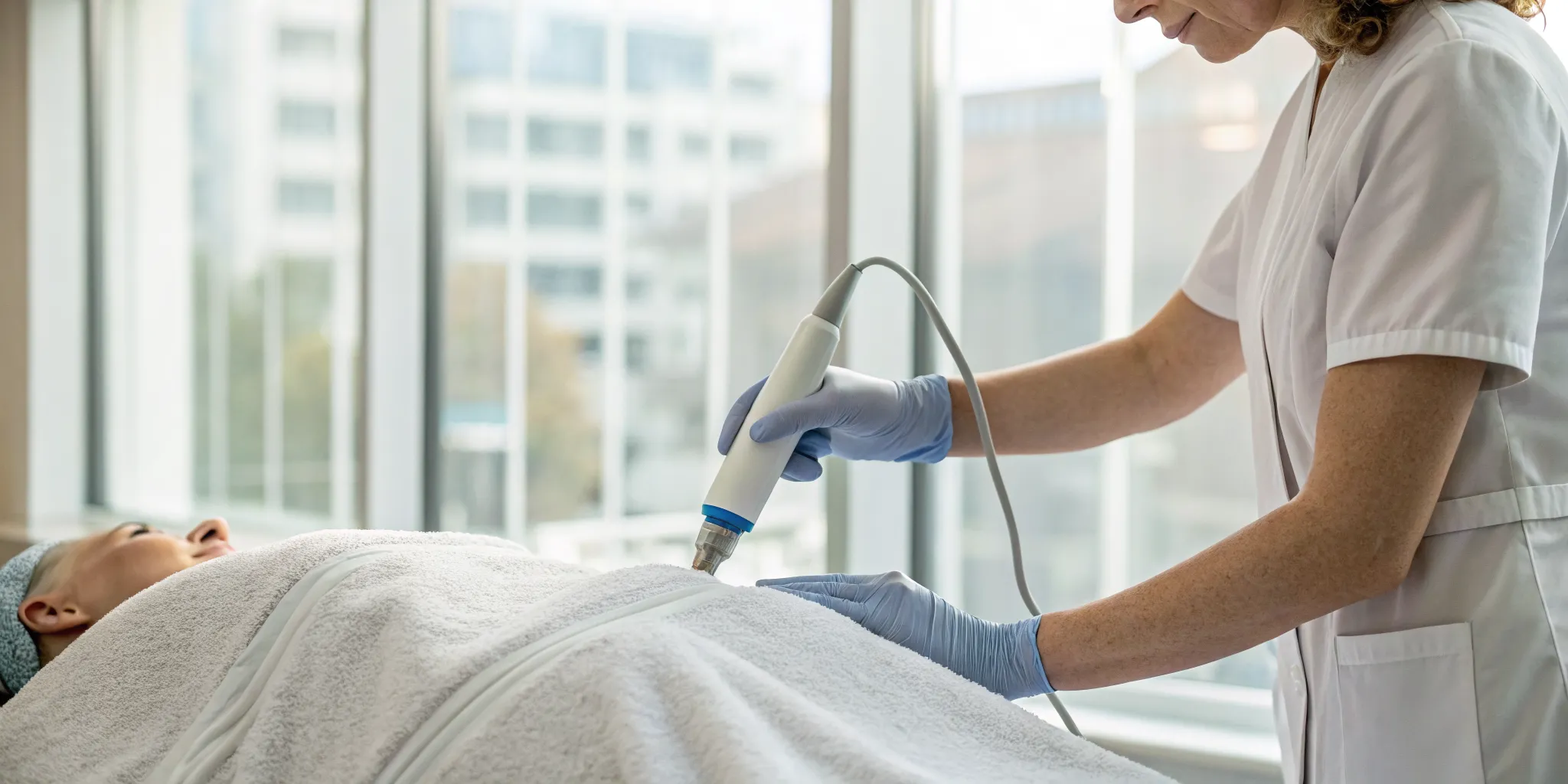
We’ve all had patients who feel like they’ve tried everything for their nagging injury. Whether it’s plantar fasciitis that ruins their morning run or tennis elbow that makes daily tasks painful, their frustration is real. These are the cases where symptom management isn’t enough. Shockwave therapy provides a regenerative approach that targets the underlying cause of their pain, but its success hinges on the quality of the equipment used. A clinical-grade, professional shockwave therapy machine delivers the precise energy needed to break down scar tissue and promote true healing. This article will break down what separates a high-performance device from the rest, helping you make an informed investment in your patients' long-term health.
Key Takeaways
- Focus on healing, not just symptom relief: Shockwave therapy works by using acoustic waves to trigger your body's natural repair processes, helping to resolve the underlying cause of pain instead of just masking it.
- Your provider and their equipment matter: For safe and effective treatment, seek a qualified professional who uses clinical-grade technology; at-home devices simply don't have the power or precision needed for true therapeutic results.
- Patience is part of the process: This therapy supports your body's ability to heal itself, which doesn't happen overnight. Lasting results are typically achieved through a series of treatments, with improvements continuing even after your sessions are complete.
How Does Shockwave Therapy Work?
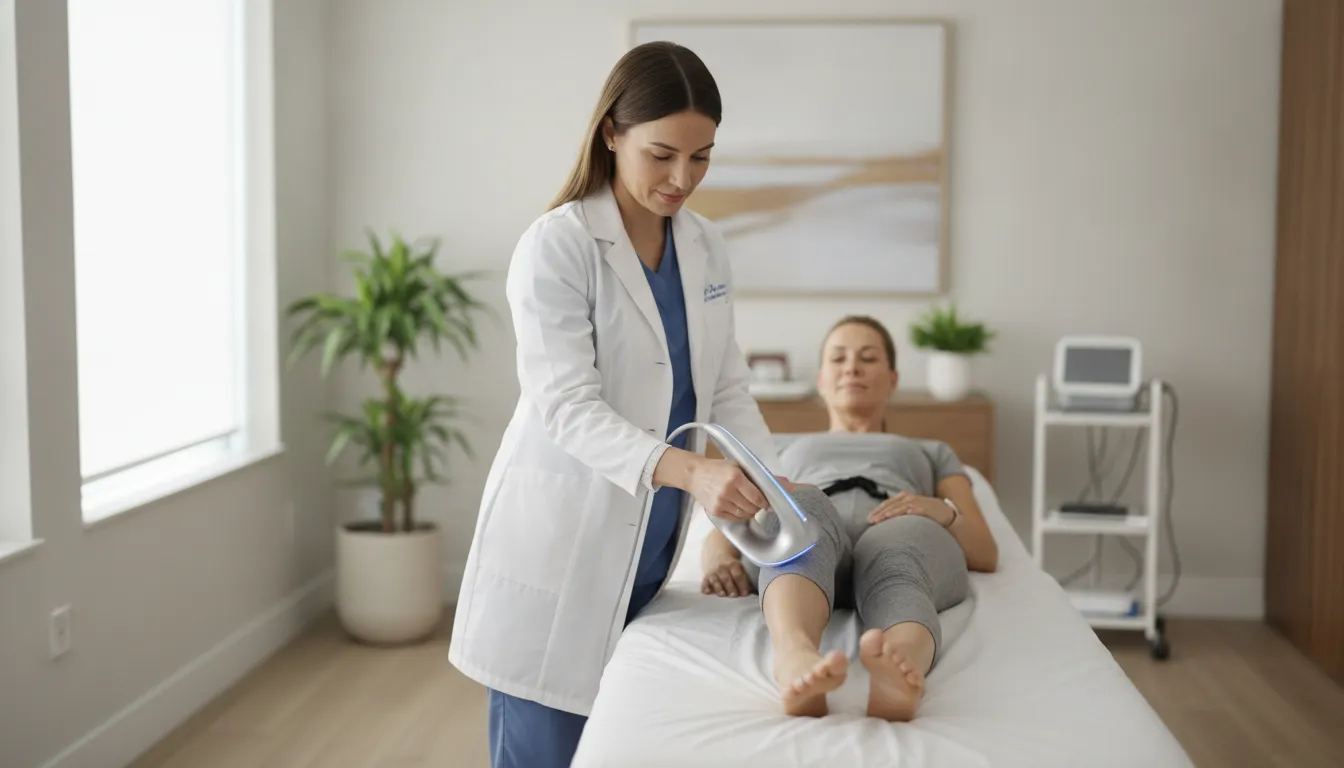
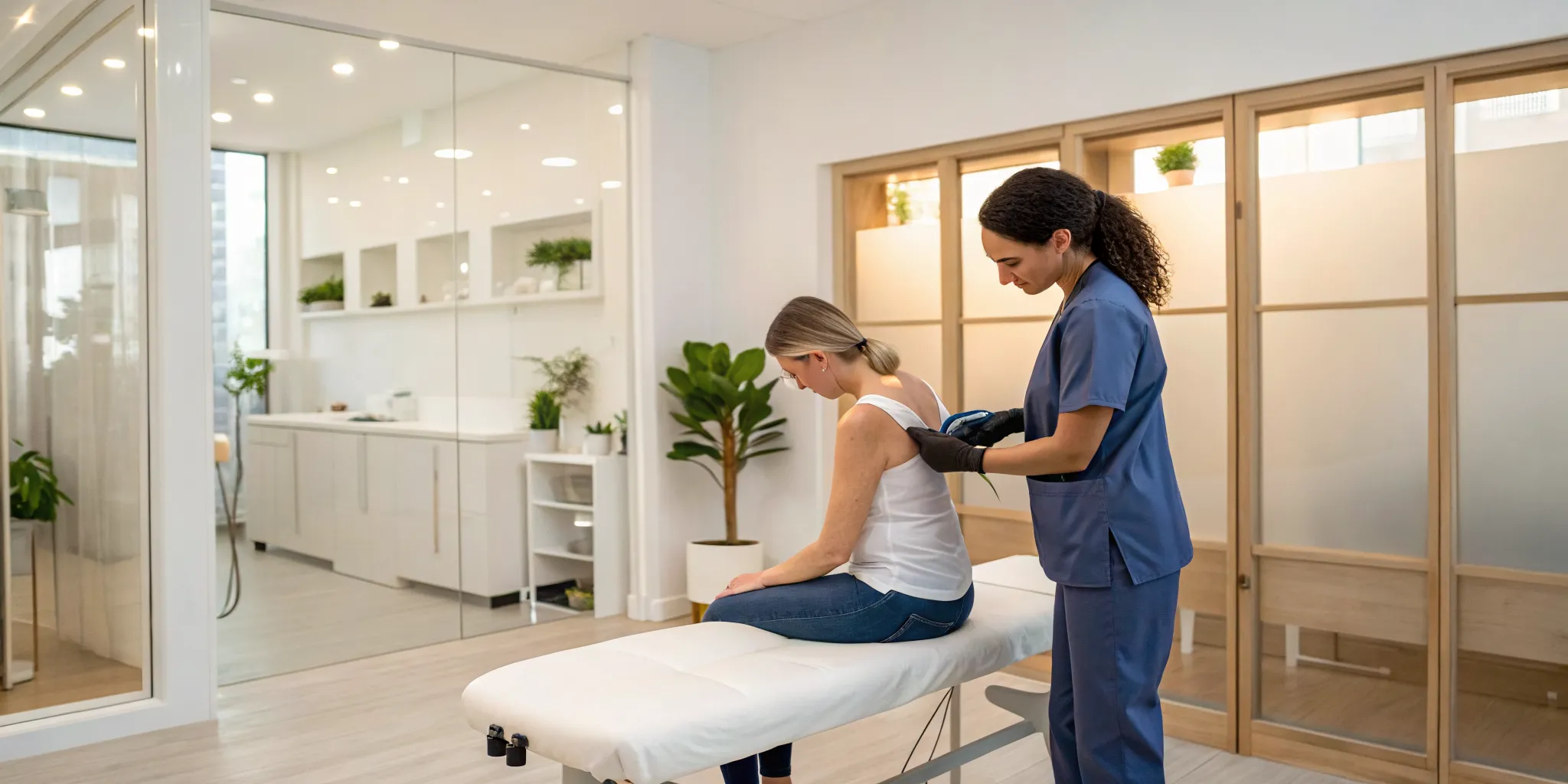
If you're dealing with chronic pain, you’ve likely heard about shockwave therapy. It might sound intense, but it’s a non-invasive treatment that uses acoustic waves to target injured areas and stimulate your body's own healing abilities. Think of it as a way to restart the healing process in tissues that have been stuck in a cycle of pain and inflammation. Instead of just managing symptoms, this approach helps your body repair the underlying problem.
At Ascend Functional Health, we use this technology as part of our physical medicine services to help our patients find lasting relief. The process is straightforward and is performed right in our office, helping you get back to your life with less discomfort.
Radial vs. Focused Technology
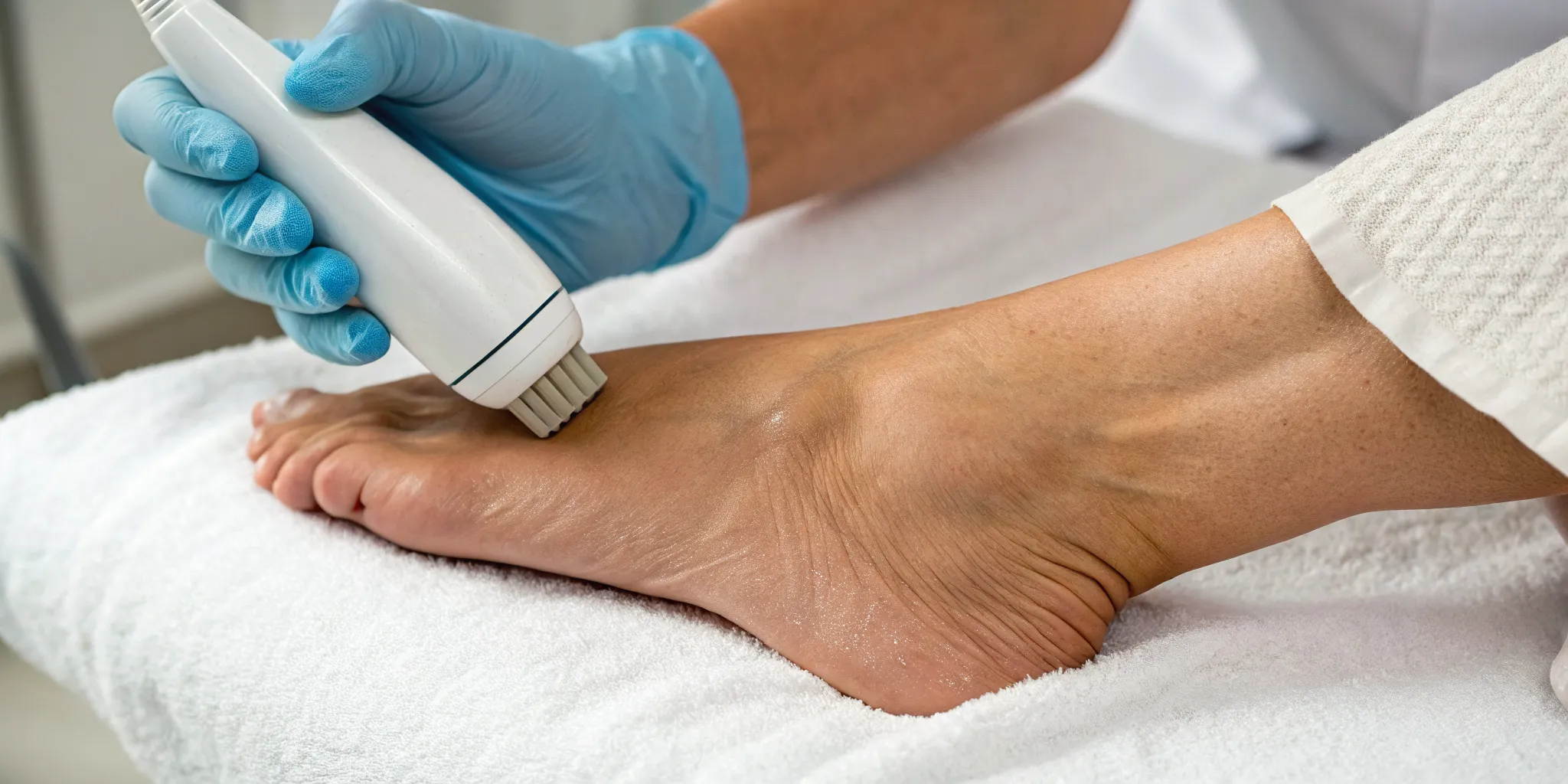
When we talk about shockwave therapy, it’s helpful to know there are two main types: radial and focused. Radial shockwave machines work on larger surface areas, like a tight shoulder or a broad section of your back. The waves spread out to treat a wider region. Focused shockwave technology, on the other hand, sends waves deeper into the body to pinpoint a very specific spot. This is ideal for targeting deep trigger points or a precise area of tissue damage.
Choosing between them depends entirely on your specific condition and the area being treated. A skilled practitioner will determine which technology is the right tool to address your unique source of pain effectively.
How It Promotes Healing and Reduces Pain
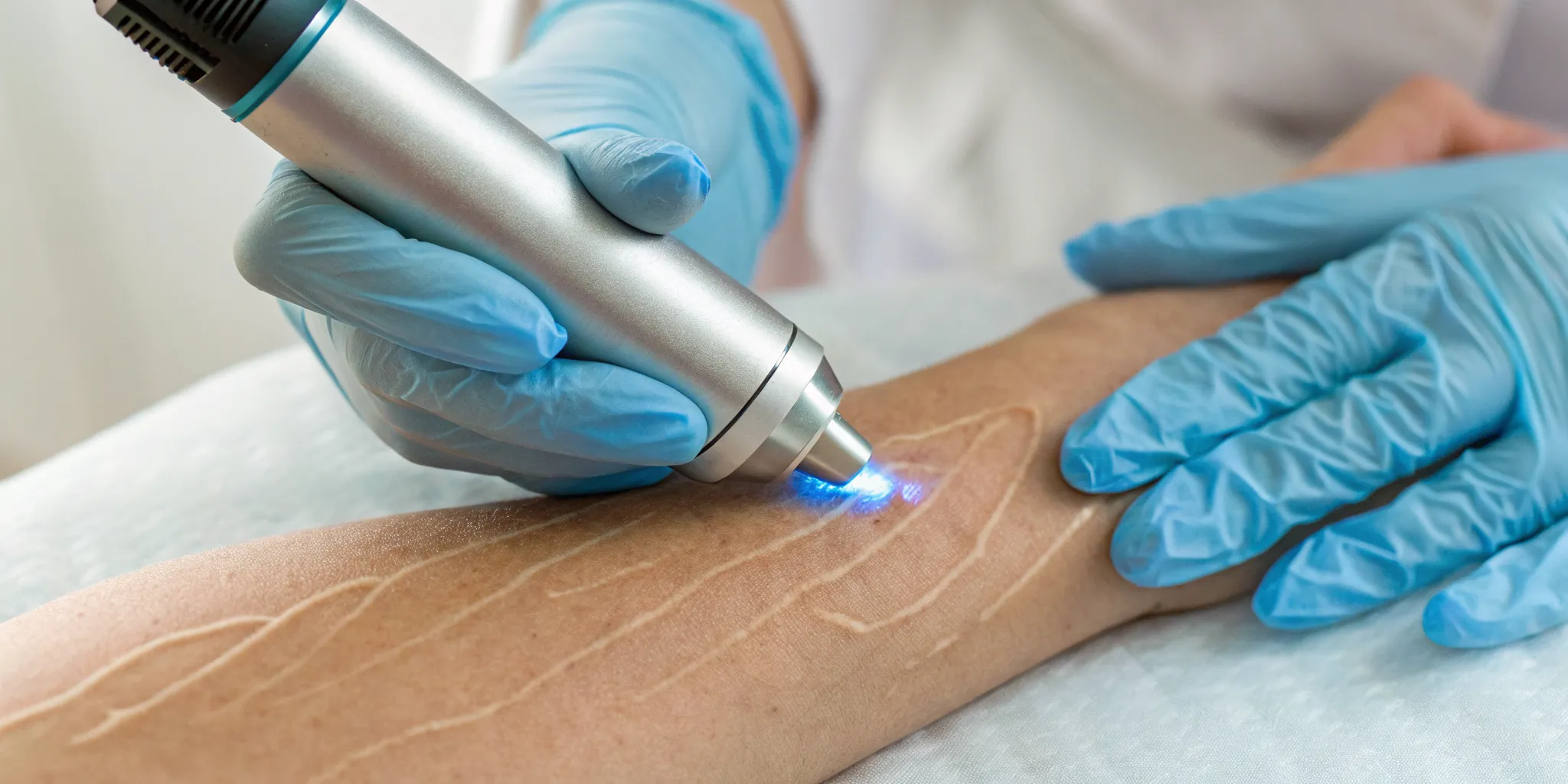
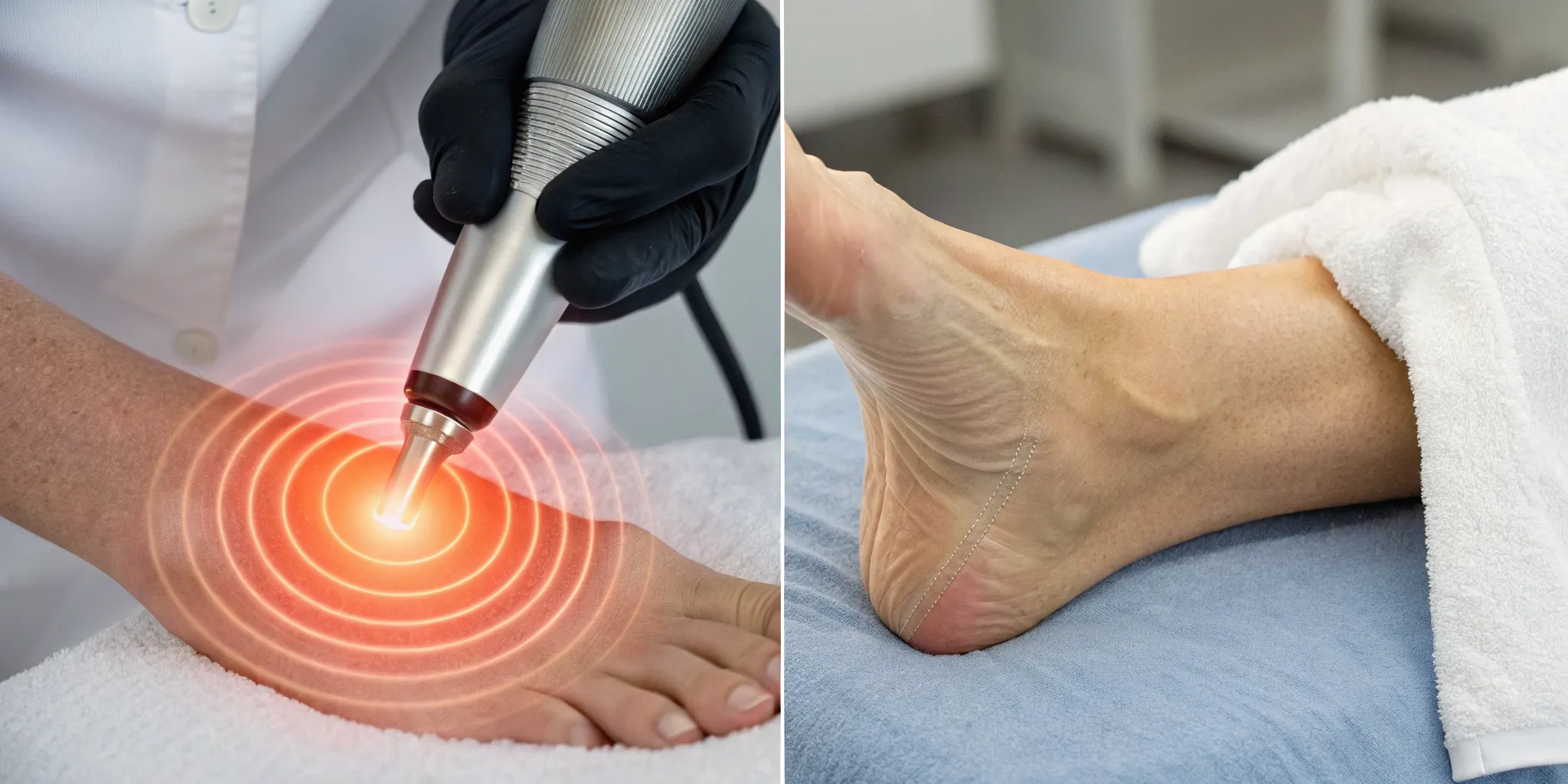
Shockwave therapy works by sending powerful, short sound waves to the painful area. This process creates a series of positive effects within the tissue. First, it helps increase blood flow and the formation of new blood vessels, which is critical for delivering oxygen and nutrients that your body needs to heal itself. The waves also help break down scar tissue and calcification that can limit movement and cause pain.
This stimulation awakens dormant cells and encourages your tissues to grow back stronger and healthier. It’s a regenerative approach that supports your body’s natural repair mechanisms, which is why it’s so effective for many of the chronic conditions we treat.
Common Conditions Treated with Shockwave
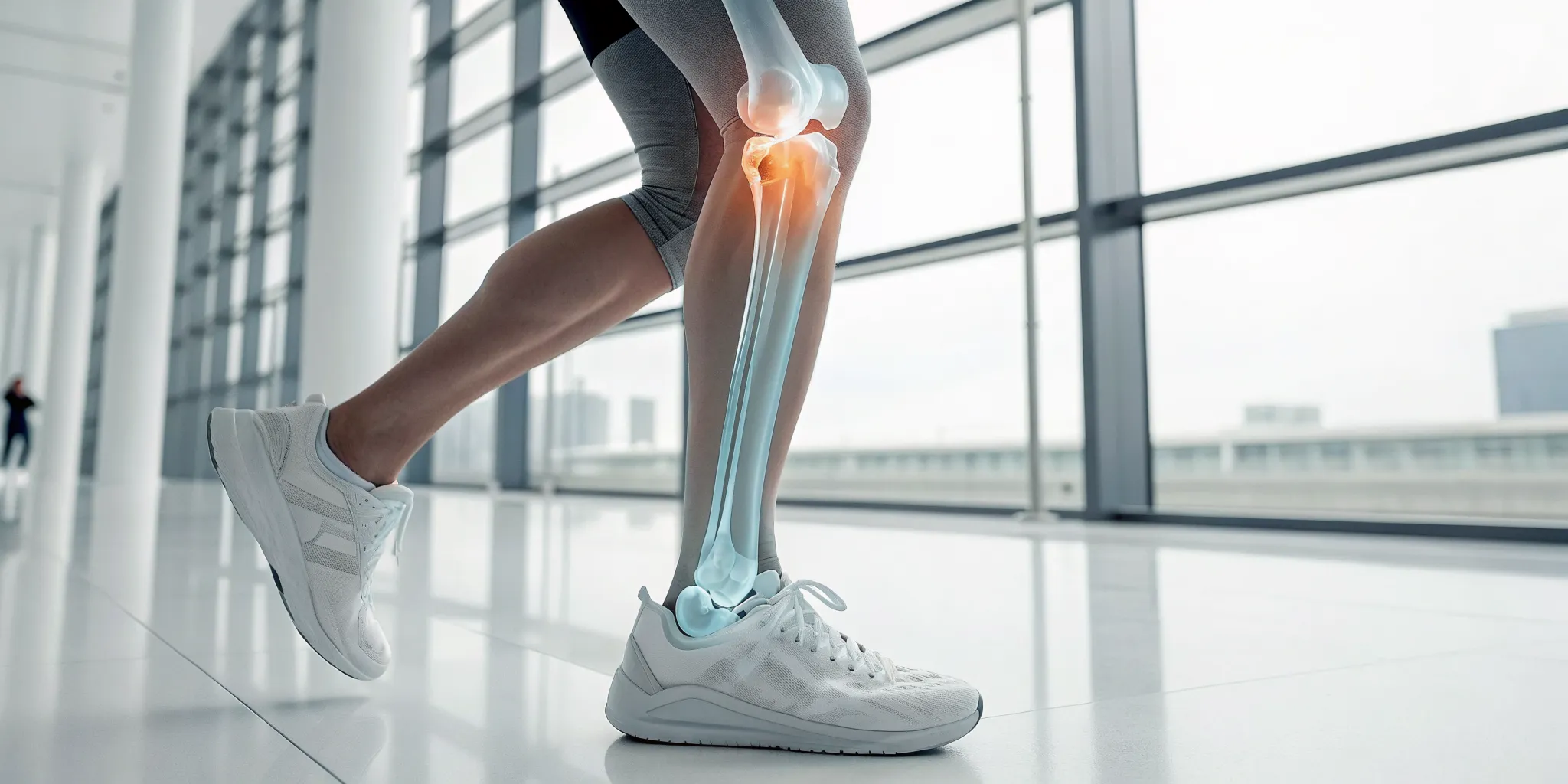
This therapy is incredibly versatile and can help with a wide range of muscle, tendon, and joint problems. It’s particularly effective for chronic tendinopathies, which are injuries that often don't respond well to other treatments. We frequently use it for conditions like plantar fasciitis (heel pain), tennis or golfer's elbow, Achilles tendinopathy, and rotator cuff pain in the shoulder.
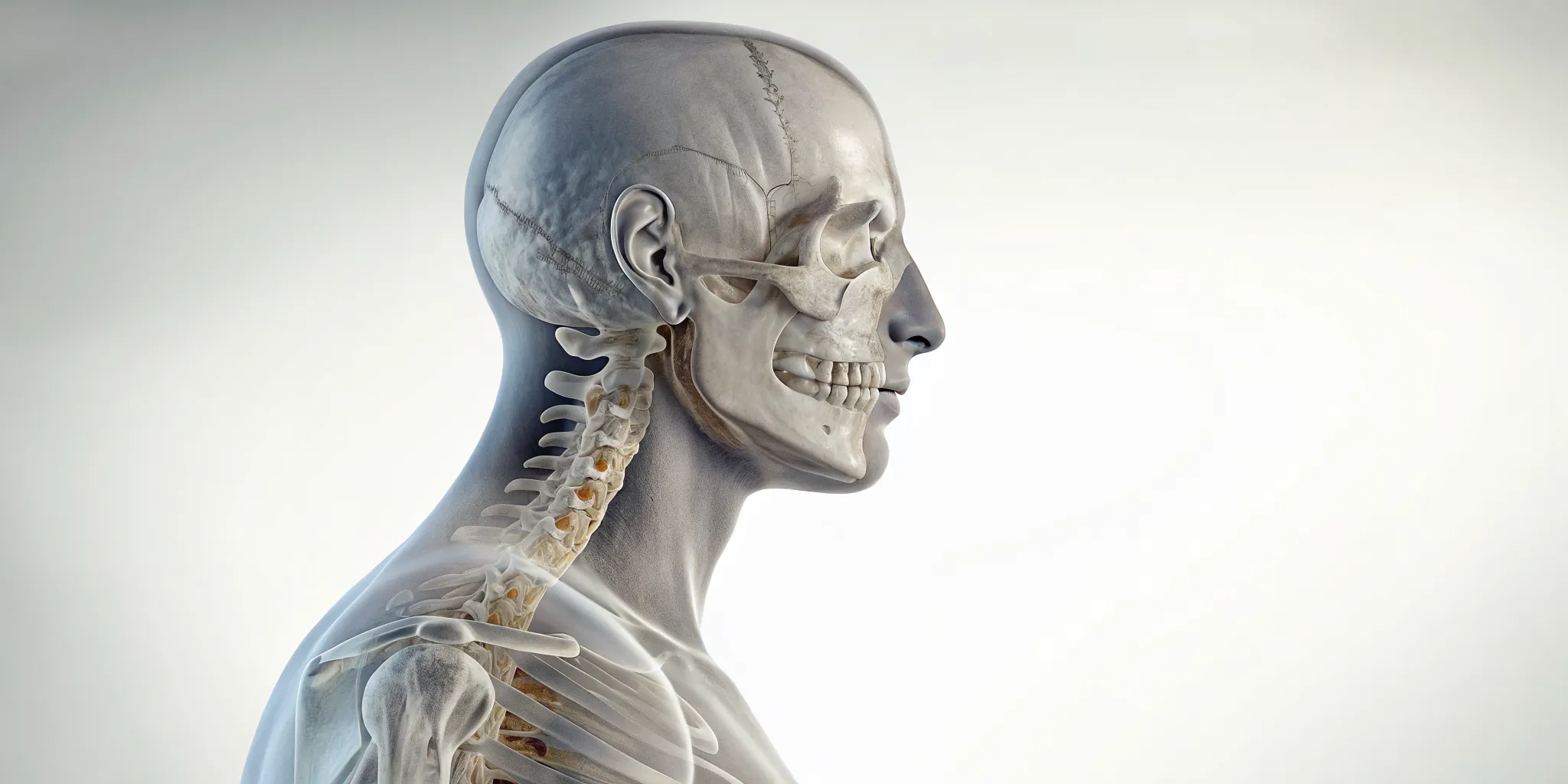
It can also address pain in the neck, back, hips, and legs. If you have a nagging injury that just won’t go away, shockwave therapy could be the key to finally resolving it. The best way to know if it’s right for you is to have a thorough evaluation, so feel free to contact us to discuss your specific situation.
Essential Features of a Professional Shockwave Machine
When you’re ready to bring a new modality into your practice, the technical specifications can feel overwhelming. With shockwave therapy, it’s not just about the brand name; it’s about matching the machine’s capabilities to your clinical needs and patient population. A device that’s perfect for a sports medicine clinic might not be the best fit for a practice focused on chronic pain. Understanding the core features will help you see past the marketing and choose a machine that truly serves your patients and your practice.
Think of it like this: you wouldn't use the same tool for every single adjustment or treatment. The same principle applies here. The right shockwave machine should offer a range of settings that allow you to tailor each session precisely to the individual. From the depth of the acoustic waves to the design of the applicator, every detail matters. We’ll walk through the most important features to look for, so you can feel confident in your decision and prepared to offer effective, evidence-based care. At Ascend Functional Health, we believe in using targeted, research-backed protocols, and that starts with having the right equipment for the job.
Treatment Depth and Pressure Range
One of the most critical distinctions in shockwave technology is its ability to reach different tissue depths. Focused shockwave (ESWT) machines use technology that converges energy at a specific point, allowing you to treat deep-seated issues like chronic joint pain or plantar fasciitis with incredible precision. In contrast, radial shockwave therapy disperses its energy more superficially, making it ideal for larger muscle groups and myofascial conditions. A professional machine should offer a versatile pressure range, giving you the control to start gently and increase intensity as needed. This adaptability is key to providing comfortable and effective physical medicine for a wide variety of patient needs.
Frequency and Energy Output
Beyond depth, you’ll want to look at the machine’s frequency (measured in Hertz) and energy output (measured in bar). Frequency determines how many pulses are delivered per second, which can influence the treatment’s goal, whether it’s for pain modulation or stimulating tissue regeneration. The energy output, or pressure, dictates the intensity of each pulse. For example, some high-end machines offer a frequency range of 1 to 21 Hz and a pressure of up to 5 bar. Having a wide range for both settings gives you the flexibility to customize protocols for the specific conditions we treat, from sensitive areas to dense, fibrous tissue.
Applicator Design and Ergonomics
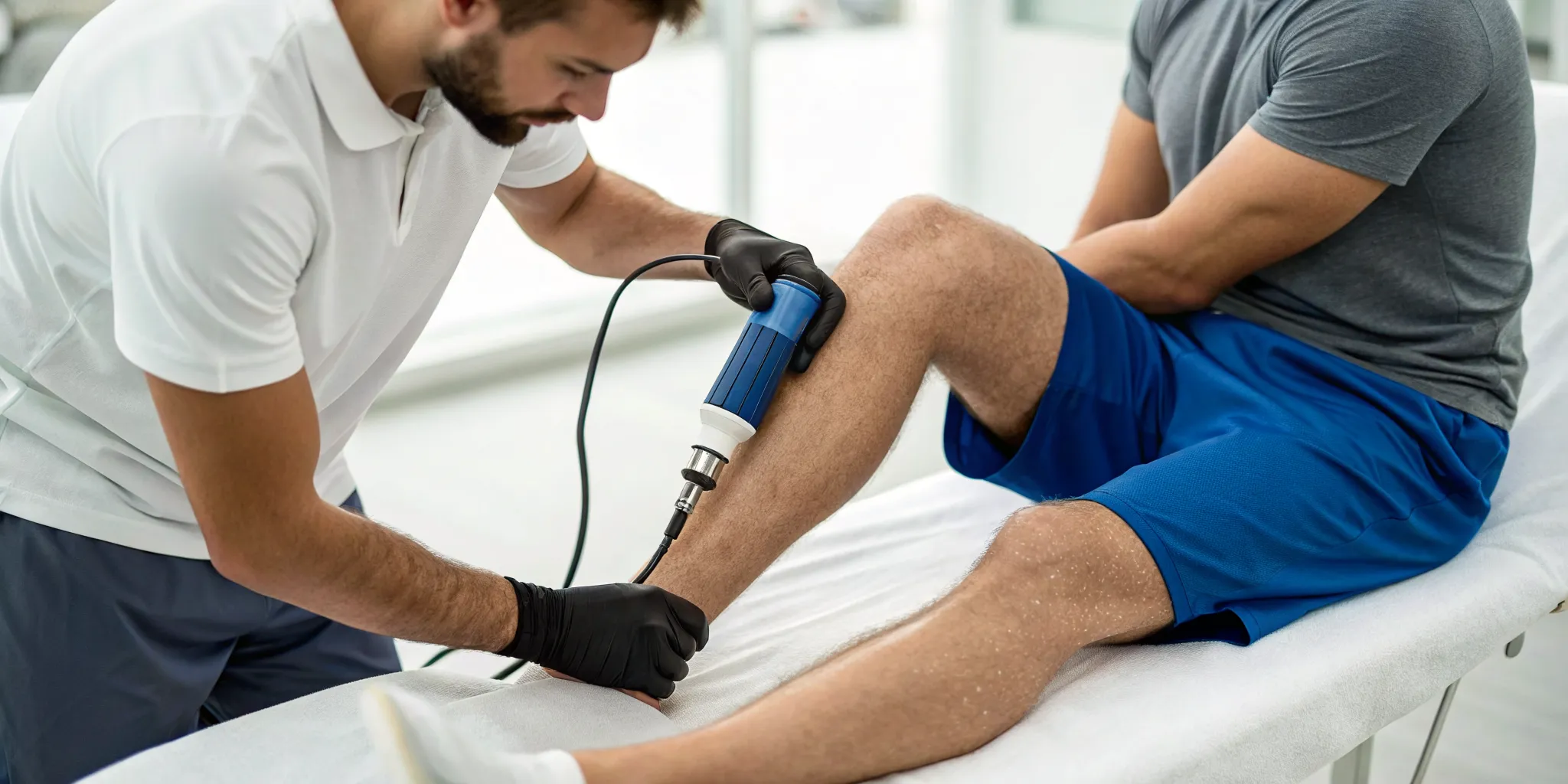
As a practitioner, you’ll be the one holding the applicator all day, so its design is more important than you might think. Look for an ergonomic handpiece that feels comfortable and balanced to reduce strain on your own body. Some of the best machines feature built-in controls directly on the applicator, which is a game-changer. This allows you to adjust the energy levels or frequency on the fly without having to step away from your patient or interrupt the flow of the treatment. Different applicator heads for various body parts also add to a machine’s versatility, ensuring you can deliver focused energy exactly where it’s needed.
Portability and Size
Consider the physical layout of your clinic. Do you have a dedicated room for shockwave therapy, or will you need to move the machine between treatment areas? Many of the most powerful units are larger and, while technically portable, are better suited for staying in one place. These robust, in-clinic models often provide the widest range of features and power. If you operate out of multiple locations or have limited space, a more compact and portable device might be a better choice. Just be sure to check that a smaller size doesn't compromise the power and features your patients require.
FDA Clearance and Clinical Research
In the world of functional and physical medicine, patient safety and trust are everything. That’s why choosing a device with FDA clearance is non-negotiable. This clearance indicates that the machine has been reviewed for safety and effectiveness, which is a critical standard for any professional medical equipment. Beyond that, look for brands that back their technology with solid clinical research. This not only gives you confidence in the machine’s capabilities but also provides you with evidence-based protocols to guide your treatments. Aligning your practice with well-researched services helps build credibility and ensures you’re delivering the highest standard of care.
Leading Shockwave Therapy Machine Brands
When you start looking at professional shockwave therapy machines, you'll quickly notice a few names that come up again and again. Just like in any industry, certain brands have built a solid reputation for quality, innovation, and reliable results. Understanding who these key players are can give you a great starting point in your search. These companies are known for their extensive research, durable equipment, and commitment to advancing the field of regenerative medicine. At Ascend Functional Health, we believe in using top-tier technology as part of our Physical Medicine services to get the best outcomes. Let's look at some of the leading brands you're likely to encounter.
STORZ Medical
STORZ Medical is often considered the industry gold standard, and for good reason. They are highly respected for their effective and innovative technology. Their elite focused shockwave units, like the DUOLITH® SD1, are praised for their precision and power in treating deeper tissues. On the other hand, their radial devices, such as the MASTERPULS® series, are workhorses in many therapeutic settings for addressing more superficial conditions. Choosing a STORZ device means you're investing in a machine backed by a long history of excellence and clinical validation, which is why many top clinics rely on their equipment.
BTL
If you're running a busy practice and need a machine that can keep up, BTL is a brand worth your attention. They are known for producing high-end, heavy-duty clinical radial therapy systems built for performance and longevity. Practitioners often choose BTL when durability and reliability are top priorities. These machines are designed to withstand the demands of a high-volume clinic without compromising on the effectiveness of the treatment. Their reputation is built on creating robust systems that consistently deliver powerful therapeutic results, making them a staple in many established practices.
Zimmer MedizinSysteme
Zimmer MedizinSysteme is another highly popular name, especially within physical therapy clinics. What makes their devices stand out is that they often provide both shockwave and complementary vibration therapies in one unit. This versatility can be a major advantage, allowing you to offer a more comprehensive treatment approach without needing multiple machines. This integrated functionality makes their devices a practical and valuable addition to a practice looking to expand its therapeutic toolkit. Many clinics find these combination therapy machines to be an efficient use of both space and capital.
CuraMedix
You will likely come across CuraMedix in your research, as they are a key distributor in the North American market. They have a close partnership with STORZ Medical, which is a leader in the global shockwave device market. This collaboration ensures that the devices they provide are of the highest quality and backed by STORZ's extensive research and development. For practitioners, working with a distributor like CuraMedix can simplify the process of acquiring and implementing a top-tier machine. Their focus is on providing healthcare professionals with effective shockwave therapy solutions and the support needed to use them successfully.
Radial vs. Focused: Choosing the Right Technology
When you start looking at shockwave machines, you’ll quickly see they fall into two main categories: radial and focused. Think of it like the difference between a floodlight and a spotlight. One covers a broad area, while the other hones in on a specific point. Neither is inherently better than the other; the right choice simply depends on the types of conditions you plan to treat and the depth of the tissue you need to reach.
Understanding this distinction is the first step in matching a device to your practice’s needs. Radial shockwave therapy works on more superficial layers and larger treatment zones, while focused shockwave therapy penetrates much deeper to target precise problem areas. Some of the most advanced systems on the market actually combine both technologies, giving practitioners the flexibility to create highly customized treatment plans. This versatility allows a clinic to address a wider spectrum of patient concerns, from widespread muscle tightness to deep, localized joint pain, aligning perfectly with a comprehensive approach to physical medicine. Making an informed decision here ensures you can provide the most effective care for your patients.
When to Use Radial Shockwave
Radial shockwave therapy is your go-to for conditions affecting larger or more superficial areas of the body. The device’s applicator generates pressure waves that radiate outwards, covering a broad treatment zone rather than a single point. This makes it incredibly effective for issues like plantar fasciitis, where the entire fascial band is inflamed, or for larger muscle groups in the back and legs experiencing chronic tightness or trigger points.
Because the energy spreads out, it’s a great option for treating conditions closer to the skin’s surface. Many practices find that radial machines are a solid starting point when first incorporating shockwave therapy. They are excellent for many of the common musculoskeletal conditions we treat and provide a fantastic tool for addressing widespread muscular pain and tendinopathies.
When to Use Focused Shockwave
When you need to address a problem located deep within the body, focused shockwave therapy is the answer. Unlike radial waves that disperse, focused waves converge on a single, precise point deep within the tissue, sometimes up to several inches below the skin. This pinpoint accuracy allows a practitioner to target a specific area, like a deep trigger point in the hip, a calcific deposit in a tendon, or a specific point within a joint, without significantly affecting the surrounding tissue.
This technology is essential for treating deeper injuries or chronic conditions that haven't responded to other therapies. The ability to send healing energy to a very specific location makes it a powerful tool for promoting regeneration in tissues that are otherwise hard to reach. It’s a sophisticated solution for complex cases that require a targeted approach.
Considering Combination Units
For a practice that aims to provide the most comprehensive care, a combination machine is often the best investment. These advanced systems are equipped with both radial and focused applicators, offering the ultimate in treatment flexibility. With a single device, you can seamlessly switch between treating a broad, superficial muscle group and targeting a deep, specific joint issue during the same session or for different patients.
This versatility means you’re prepared for nearly any condition that walks through your door. A practitioner can use the focused applicator to break up deep adhesions and then switch to the radial applicator to address compensatory muscle tightness in the surrounding area. Having both technologies available allows for truly personalized and holistic health solutions, ensuring every patient receives the exact type of care they need to heal effectively.
Understanding the Cost of a Professional Shockwave Machine
Investing in a professional shockwave therapy machine is a significant decision for any practice. The price points can vary dramatically, so it’s helpful to understand what you’re paying for. The cost reflects not just the hardware itself but also the technology, research, and support behind it. From more accessible radial units to advanced focused systems, the right machine for your clinic depends on your patient needs, treatment goals, and budget. Making an informed choice means looking beyond the initial price tag and considering the long-term value it brings to your patients and your practice.
Entry-Level vs. High-End Models
The cost of a professional shockwave machine covers a wide spectrum. Generally, clinical-grade devices start around $5,000 and can exceed $30,000. These machines are designed for and restricted to licensed healthcare professionals, including chiropractors, physical therapists, and orthopedic specialists. Entry-level models often fall at the lower end of this range and typically feature radial shockwave technology. They are a solid choice for practices introducing this modality or those with a smaller patient volume. High-end models, on the other hand, often include focused shockwave technology, higher energy outputs, and more sophisticated applicators, which accounts for their higher price.
Key Factors That Influence Price
Several key factors contribute to the final cost of a shockwave therapy machine. The most significant is the type of technology. Mid-range radial units from reputable brands often fall between $8,000 and $15,000. In contrast, premium focused shockwave systems can easily surpass $30,000 due to their precision and ability to treat deeper tissues. Beyond the core technology, other elements affect the price. These include the brand's reputation, the range of included applicators, the machine's energy output capabilities, and whether it comes with accessories like a dedicated cart. A comprehensive package with multiple treatment heads and a mobile cart will naturally have a higher initial investment than a basic, portable unit.
Exploring Financing and Leasing Options
The initial investment for a high-quality shockwave machine can be substantial, but there are ways to make it more manageable. Many practices explore financing or leasing arrangements through their equipment provider. This approach allows you to spread the cost over time, making it easier to integrate advanced technology without a massive upfront capital expense. When you’re ready to acquire a unit, it’s crucial to source it from authorized medical distributors. These partners not only facilitate the purchase but also provide essential warranties, technical support, and comprehensive training resources. This ensures your team can use the equipment safely and effectively from day one, protecting your investment and delivering excellent patient care.
Key Considerations Before You Buy
Choosing the right shockwave therapy machine is a significant decision that goes beyond comparing technical specifications. You are also choosing a partner in patient care. The quality of the manufacturer's support, the training provided, and how the technology fits into your existing clinical framework are all critical factors. Thinking through these points before you purchase will help ensure you select a device that serves your practice and your patients well for years to come.
Ease of Use and Training Requirements
A powerful machine is only effective if your team can use it correctly and with confidence. When evaluating different models, consider the user interface and the overall workflow. Is it intuitive? How steep is the learning curve for your staff? A key differentiator between manufacturers is the quality of their training. Look for a company that offers comprehensive initial training and ongoing educational support. This ensures your team can operate the device safely and effectively, which is essential for delivering consistent patient outcomes. Integrating this technology into your physical medicine protocols should feel seamless, not complicated.
Evaluating Manufacturer Support and Warranties
Think of this as a long-term partnership. Before committing, get a clear understanding of the warranty details, including what it covers and for how long. What does the service process look like if the machine needs maintenance or repairs? A reliable manufacturer will have a responsive support team ready to assist with clinical or technical questions. Many state regulatory boards also require specific clinical training for the use of these devices, so confirm that the manufacturer provides the necessary certification. This commitment to support and proper training reflects the company's dedication to quality and patient safety, which should align with your own practice standards.
Identifying Ideal Patients and Contraindications
Before investing in a shockwave machine, you need a clear picture of how it will serve your patient base. This therapy is highly effective for many musculoskeletal issues, but it isn't a one-size-fits-all solution. It's generally not the right approach for pain stemming from nerve-related problems or systemic inflammation. A thorough clinical assessment is always the first step. Take time to review the specific conditions we treat with shockwave therapy to see how it fits into a broader treatment model. Understanding both the ideal patient profile and the contraindications is fundamental to using this technology responsibly and achieving the best possible results.
Red Flags to Avoid When Purchasing
In your search, you will likely come across devices sold on large, general-purpose ecommerce sites. These should be avoided. Patient safety is the top priority, and that means investing in a professional-grade shockwave machine from a reputable and trusted vendor that specializes in medical equipment. These consumer-grade devices often lack the power, precision, and safety features of their professional counterparts. They are not built for a clinical setting and do not come with the necessary training or support. Sticking with established brands ensures you are providing legitimate, effective, and safe professional services to your patients.
Is a Shockwave Machine a Smart Investment for Your Practice?
Adding a new piece of equipment to your practice is a significant decision, and a shockwave therapy machine is no exception. It's a major investment of both capital and time, so it's natural to ask if it's truly worth it. Beyond the initial cost, you have to consider how it will fit into your workflow, benefit your patients, and ultimately, support your practice's growth. When you look at it from a clinical and business perspective, the right device can be a powerful asset. It’s about more than just offering a new service; it’s about enhancing your ability to deliver exceptional results for tough cases and building a stronger, more resilient practice. For many practitioners, it represents a bridge between providing excellent care and running a financially sound business. This technology can set you apart, attracting new patients who are actively looking for advanced, non-invasive solutions. Let's walk through the key factors that make a shockwave machine a worthwhile investment, helping you decide if it aligns with your practice's goals.
Improving Patient Outcomes and Retention
At the end of the day, our goal is to help patients feel better. Shockwave therapy offers a non-surgical way to accelerate healing and reduce pain for stubborn conditions, which can be a game-changer for patient satisfaction. When you can provide tangible relief for chronic issues like plantar fasciitis or tendonitis, patients notice. These positive outcomes not only build trust but also lead to higher retention rates. Happy patients are more likely to complete their treatment plans and refer their friends and family. By expanding your services with effective, modern technology, you position your practice as a leader in patient care and create a loyal community that grows organically through word-of-mouth.
Complementing Your Existing Treatment Protocols
A shockwave machine doesn't have to replace what you already do well; it can make your current treatments even more effective. Think of it as another tool in your physical medicine toolbox. Shockwave therapy pairs beautifully with other modalities like chiropractic adjustments, manual therapy, and corrective exercises. For example, using shockwave to increase blood flow and break down scar tissue can prepare an area for a more effective adjustment or soft tissue mobilization. This integrated approach allows you to create more comprehensive and personalized protocols, helping you address the root cause of complex musculoskeletal issues and achieve better, faster results for your patients.
Calculating the Return on Investment (ROI)
Let's talk numbers. Investing in a professional shockwave machine requires a clear look at the potential return. Prices can range significantly, from a few thousand dollars for a basic model to over $50,000 for a high-end device. To determine if it's the right move for you, start by calculating your break-even point. How many sessions would you need to perform each month to cover the cost? Also, consider that offering a specialized service like shockwave therapy can command a higher session rate. This not only helps you recoup the initial investment but also creates a new revenue stream that contributes to the long-term financial health and growth of your practice.
Debunking Common Shockwave Therapy Myths
Like any innovative treatment, shockwave therapy has its share of myths and misunderstandings. It’s easy to get confused by conflicting information you might find online. Let's clear the air and separate fact from fiction. Understanding the truth about this therapy can help you make an informed decision about your health and find the right path toward healing. Here, we’ll address some of the most common questions and concerns we hear from patients.
Professional Machines vs. At-Home Devices
You might have seen devices online marketed as "shockwave" machines for personal use. It's important to understand that these are not the same as the professional-grade equipment used in a clinical setting. The technology in professional machines is powerful, precise, and designed to deliver specific energy levels to targeted tissues. At-home devices lack this power and precision, making them ineffective for true tissue regeneration. Investing in one is often a waste of money and won't provide the therapeutic benefits you're looking for. True physical medicine is a medical procedure that should be administered with professional equipment by a trained provider to ensure both safety and results.
What Does Shockwave Therapy Feel Like?
Many people worry that shockwave therapy will be painful, but that’s a common misconception. While you will feel the treatment, it’s typically described as a tapping or pulsing sensation against the skin. Some areas may be more sensitive than others, especially if they are already inflamed, but the intensity is always adjustable. Your comfort is a top priority. A qualified provider will communicate with you throughout the session and can modify the settings to ensure the treatment is tolerable. You should never feel like you have to endure intense discomfort, so always speak up if the sensation feels like too much for you.
Setting Realistic Treatment Expectations
While shockwave therapy can produce incredible results, it's not an instant fix. The therapy works by stimulating your body's own natural healing processes, which takes time. It creates micro-trauma in the tissue to trigger an inflammatory response, which then leads to increased blood flow, cell regeneration, and the breakdown of scar tissue. Most people require a series of treatments, typically spaced about a week apart, to achieve their desired outcome. Many patients report feeling some relief after the first or second session, but the full benefits often appear in the weeks following the completion of their treatment plan as the body continues to heal.
Who Is Qualified to Perform Shockwave Therapy?
It’s a common myth that any doctor or therapist can perform shockwave therapy. This is a specialized treatment that requires in-depth knowledge of anatomy and the technology itself to be administered safely and effectively. The person performing the therapy must know how to accurately locate the target tissue and apply the correct energy output and frequency for your specific condition. At Ascend Functional Health, our team has extensive training and experience in providing shockwave therapy. When you’re ready to explore this service, it’s essential to contact a qualified care provider who can properly assess your needs and create a personalized treatment plan.
Experience Shockwave Therapy at Ascend Functional Health in Tampa
If you’re in the Tampa area and curious about how shockwave therapy could fit into your health journey, you’re in the right place. Making an informed decision about your care is important, and that includes choosing a provider who prioritizes your well-being with proven, effective treatments. At Ascend Functional Health, we are committed to helping our patients achieve lasting results, and we believe in using the right tools to get there.
We exclusively use professional-grade shockwave technology because patient safety and successful outcomes are our primary concerns. This non-invasive treatment is a proven and effective method for relieving pain and helping your body heal from various injuries, a fact that is well supported by medical literature. Our team doesn’t just operate the equipment; we understand the science behind how focused and radial waves stimulate your body’s natural healing processes at a cellular level. This expertise allows us to tailor the treatment to your specific needs for the best possible results.
Shockwave therapy is a key component of our Physical Medicine services, but we see it as one powerful element within a larger, personalized plan. We integrate it into a protocol designed to address the root cause of your discomfort, whether it's chronic joint pain, tendonitis, or another persistent condition. Our goal is to create a comprehensive strategy that supports your body’s innate ability to repair itself, leading to lasting relief and improved function. If you're ready to explore a research-backed path to healing, we invite you to contact our Tampa office to learn more about our approach.
Related Articles
- SoftWave Tissue Regeneration Therapy in Tampa | Alessi Functional Health
- SoftWave TRT Therapy in Tampa, FL - Alessi Functional Health
- Physical Medicine in Tampa | Chiropractic & Rehab Care | Ascend Functional Health
- Regenerative Medicine for Knee Arthritis: What to Know
- Regenerative Medicine for Pain Recovery | Ascend Functional Health
Frequently Asked Questions
Does shockwave therapy hurt? Most people describe the sensation as a strong, deep tapping or pulsing, not sharp pain. While you will certainly feel it working, the intensity is completely adjustable to your comfort level. Some areas might be more sensitive than others, particularly if they are inflamed, but we will communicate with you throughout the entire session to ensure the treatment remains tolerable. Your comfort is a priority.
How many treatments will I need to feel better? This therapy is not a one-time fix; it works by stimulating your body's long-term healing response. The exact number of sessions depends on your specific condition, how long you've had it, and how your body responds. Most patients undergo a series of treatments, typically one session per week for several weeks. We create a personalized plan after your initial assessment and will give you a clear idea of what to expect.
How do I know if this treatment is right for me? Shockwave therapy is incredibly effective for many chronic muscle, tendon, and joint issues, like plantar fasciitis or tennis elbow. However, it is not the best solution for every type of pain. The only way to know for sure is to have a thorough evaluation. A proper assessment allows us to identify the root cause of your discomfort and determine if shockwave therapy, as part of a larger treatment plan, is the most effective path for you.
What should I expect after a session? It is common to feel some mild soreness or tenderness in the treated area for a day or two after your session. This is a positive sign that the therapy has initiated a healing response in the tissue. We generally recommend taking it easy and avoiding strenuous activity for about 24 to 48 hours to allow your body to begin the repair process. Most people can return to their normal daily activities right away.
Why is your approach to shockwave therapy different? We see shockwave therapy as one powerful tool within a complete, personalized health strategy. We use only professional-grade, research-backed equipment because your safety and results are what matter most. More importantly, we don't just use the machine on a sore spot; we integrate it into a comprehensive physical medicine protocol designed to address the underlying cause of your pain and support your body's ability to heal itself for good.