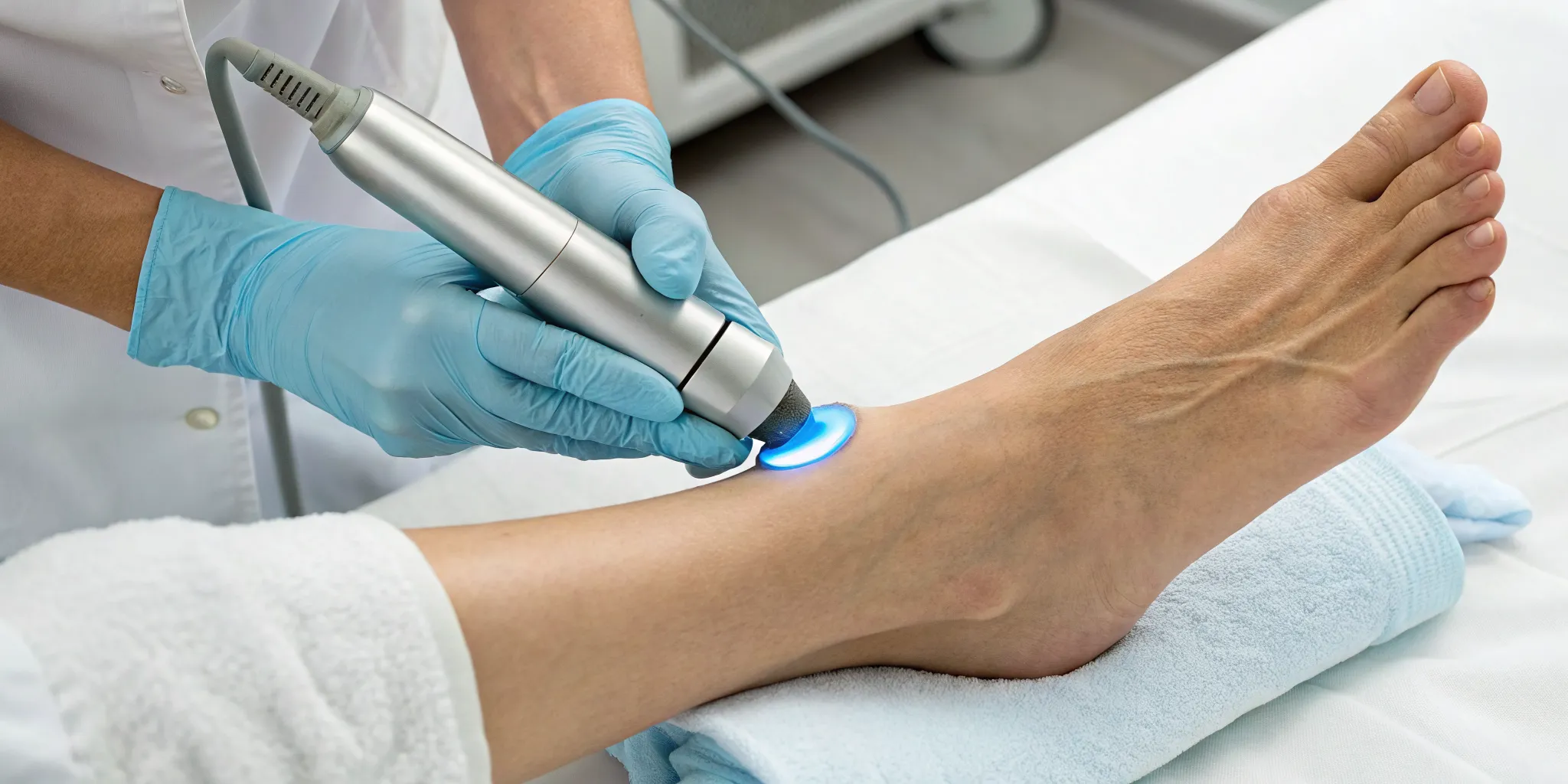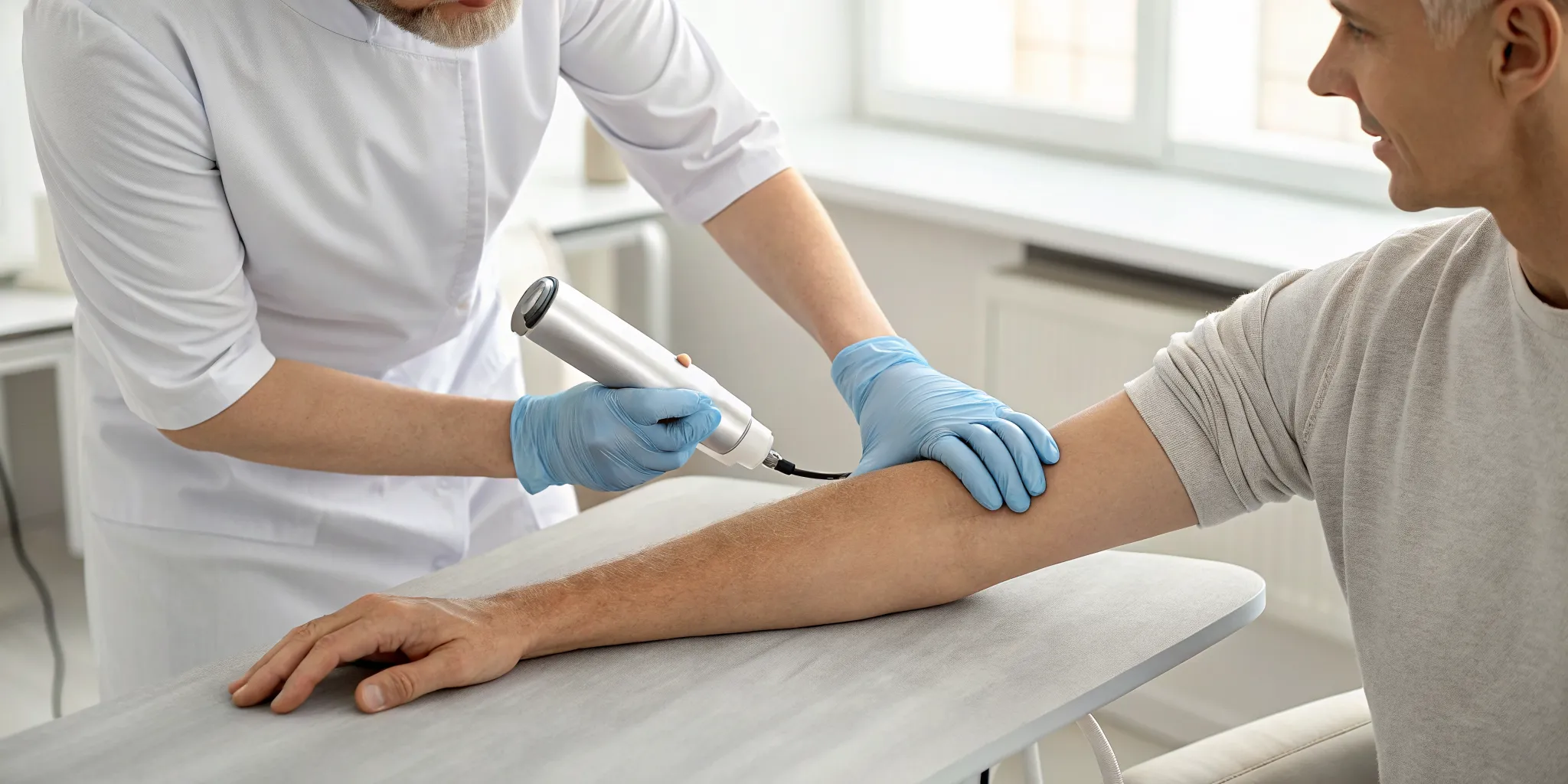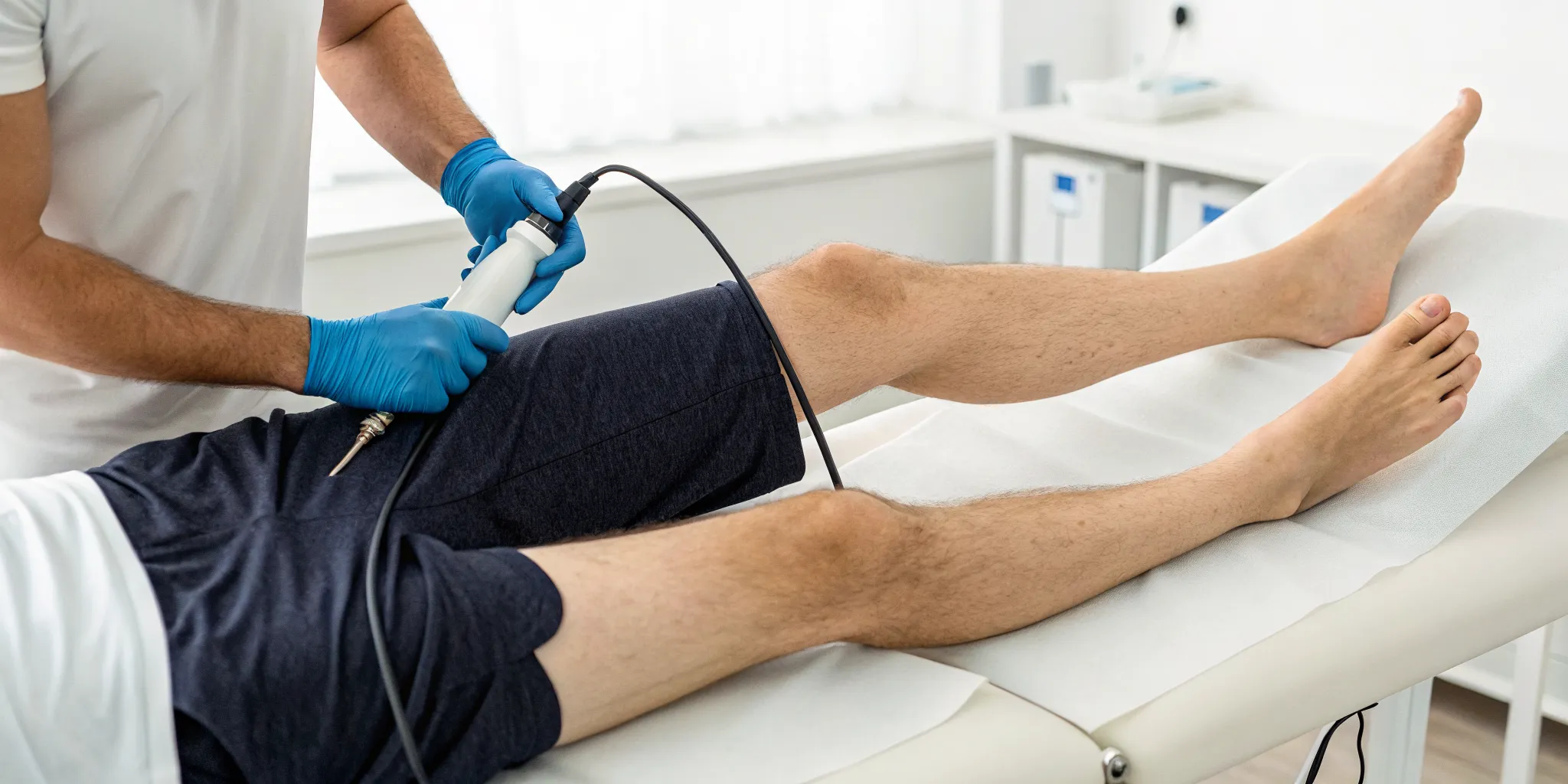
Dealing with a nagging injury that just won’t heal can be incredibly frustrating. You’ve rested, you’ve stretched, but the pain lingers. Often, this happens because your body’s natural healing process has stalled, leaving behind scar tissue and chronic inflammation. This is where a true shockwave therapy device comes in. Instead of just masking the symptoms, this technology uses powerful acoustic sound waves to create a controlled response at the cellular level. It essentially sends a signal to the injured area, telling your body it’s time to get back to work, increase blood flow, and finish the job of repairing the damaged tissue.
Key Takeaways
- Distinguish between true therapy and simple vibration: Clinical shockwave therapy uses powerful acoustic waves to signal healing deep within your tissue, a function that at-home massage guns and percussive devices can't perform.
- The right technology is tailored to your injury: Professional shockwave therapy includes both focused waves for deep issues and radial waves for superficial ones. A quality provider will determine the correct approach for you instead of using a one-size-fits-all method.
- Your provider’s expertise is key to your success: The best technology is only effective in the right hands. Choose a provider with the clinical training to accurately assess your pain, create a personalized plan, and ensure your treatment is both safe and successful.
How Does True Shockwave Therapy Work?
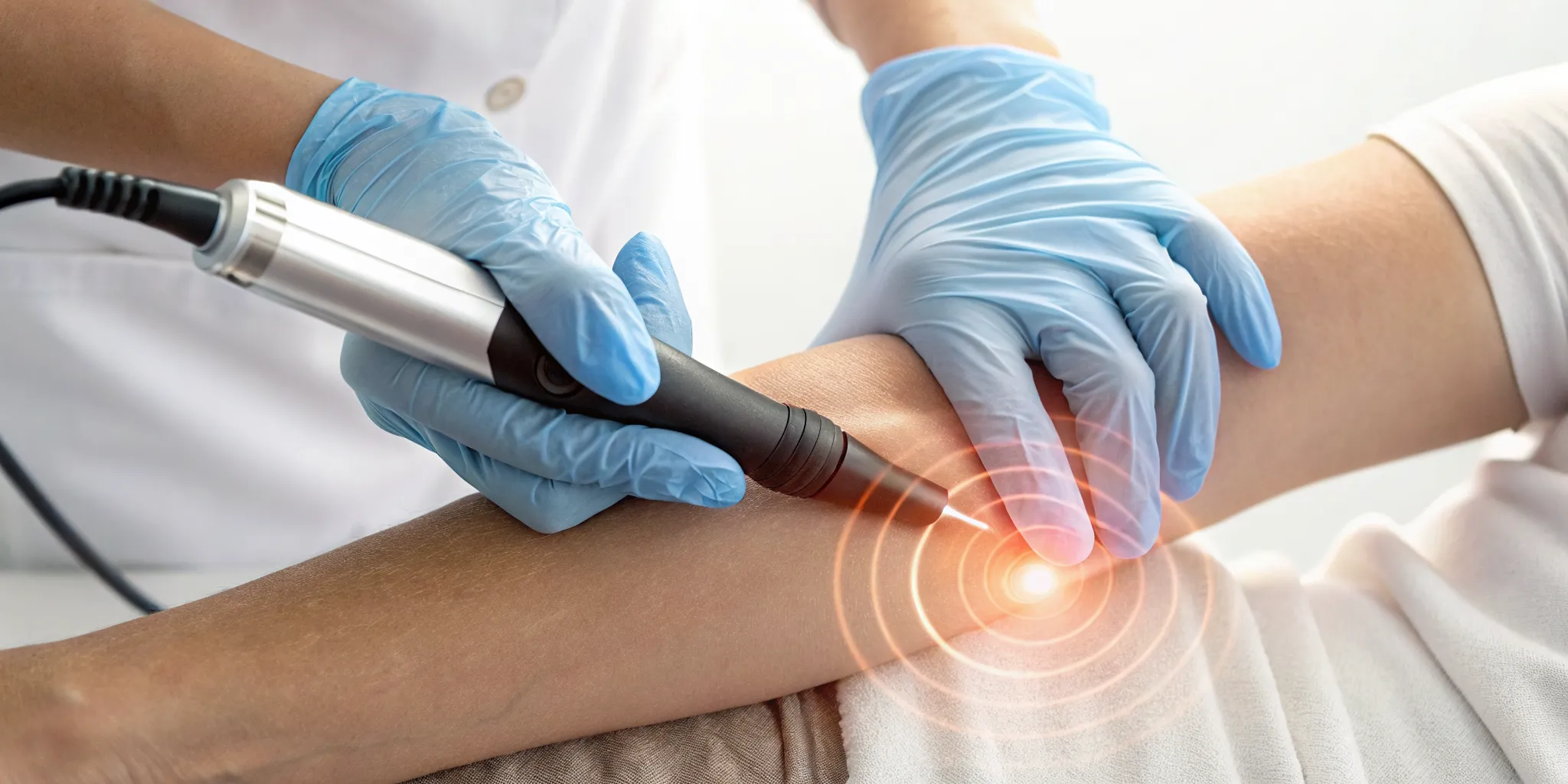
If you’ve heard of shockwave therapy, you might picture something intense or electrical, but the reality is much more precise and biological. True shockwave therapy is a non-invasive treatment that uses acoustic waves, essentially powerful sound waves, to target injured tissue deep beneath the skin. Unlike treatments that just manage symptoms, this technology is designed to restart your body’s own healing processes, especially for chronic issues that haven’t responded to other methods. It’s a way to communicate directly with your cells, telling them it’s time to get back to the work of repair and regeneration.
This approach is a cornerstone of modern regenerative medicine, offering a solution for people who feel stuck with persistent pain. Think of a nagging injury that never fully healed; your body may have stopped the repair process prematurely, leaving behind scar tissue and chronic inflammation. Shockwave therapy creates a controlled, focused energy pulse that reawakens that healing response. It signals to your body that an injury needs attention, drawing in the resources required for a complete recovery. This isn't about masking pain. It's about creating a genuine, biological change at the source of the problem, which is why it has become such a valuable tool for addressing the root cause of musculoskeletal conditions.
It's More Than Just Vibration: Acoustic Waves vs. Massage Guns
It’s easy to confuse shockwave therapy with percussive devices like massage guns, but they operate on completely different principles. A massage gun uses mechanical vibration to provide temporary relief to sore muscles, which can feel great but doesn't address the root of a chronic injury. True shockwave therapy, on the other hand, delivers high-energy acoustic waves that penetrate deep into the body to a specific, targeted area. This process is a key part of our approach to physical medicine, as it creates a biological signaling cascade that a simple vibration can’t replicate. It’s the difference between a surface-level massage and a targeted cellular repair signal.
How It Promotes Healing at a Cellular Level
So, how does a sound wave actually promote healing? When the acoustic waves reach the injured tissue, they create a controlled, microscopic response that stimulates your body’s natural repair mechanisms. This process, known as mechanotransduction, triggers the release of powerful biochemicals and growth factors. It increases blood circulation to the area, helps break down scar tissue, and can even activate stem cells to form new, healthy tissue. This approach perfectly aligns with our belief in the body's innate ability to heal by giving it the precise nudge it needs to resolve chronic inflammation and finally complete the healing cycle.
Why the Right Technology Matters for Your Results
Not all shockwave devices are created equal, and the quality of the technology has a significant impact on your outcome. Professional, clinical-grade devices are engineered to deliver a specific amount of energy to a precise depth, ensuring the acoustic waves reach the damaged tissue effectively and safely. Consumer gadgets or lower-quality machines simply can't produce the same focused, powerful waves needed for true tissue regeneration. The right device allows a trained provider to tailor the treatment exactly to your injury, which is why it’s so effective for many of the chronic conditions we treat. Using the correct technology is fundamental to achieving lasting relief.
Focused vs. Radial: The Two Types of Professional Shockwave Therapy
When you hear about shockwave therapy, it’s important to know that not all devices are created equal. In a clinical setting, there are two primary types of professional shockwave technology: focused and radial. The main difference between them is how they deliver energy into your body’s tissues and how deeply they penetrate. Choosing the right one is essential for getting the results you want, as each is designed to address different types of health concerns.
Focused Shockwave: Pinpoint Precision for Deeper Issues
Think of focused shockwave therapy as a specialist. It generates a powerful acoustic wave that converges at a single, precise point deep within the body, allowing a practitioner to target a specific area with incredible accuracy. This makes it ideal for addressing issues that are located far beneath the skin, like chronic problems at bone-tendon junctions or deep trigger points. Because of its pinpoint precision, focused shockwave is the go-to for stimulating healing in deep, hard-to-reach tissues that other therapies can’t effectively access. This targeted approach is a core component of modern physical medicine.
Radial Shockwave: A Broader Approach for Superficial Tissue
If focused shockwave is a specialist, radial shockwave is more of a generalist, but in the best way possible. Instead of converging on one point, its energy waves spread out over a wider, more superficial area, like ripples in a pond. This "wide and shallow" energy distribution is highly effective for conditions closer to the surface. It’s excellent for treating larger muscle areas or tendinopathies like plantar fasciitis, tennis elbow, and Achilles pain. Many of the common conditions we treat involving persistent joint and muscle pain respond beautifully to this type of therapy.
Matching the Technology to Your Condition
So, which one is better? The answer is neither. The choice between focused and radial shockwave therapy isn't about which technology is superior overall, but which one is right for your unique situation. A thorough assessment by a trained professional is key to determining the correct approach. For example, a deep-seated hip issue would likely require focused waves to reach the source of the problem, while widespread shoulder tension would benefit more from the broader application of radial waves. This is why a personalized treatment plan is so critical for lasting relief. Getting an expert opinion ensures you receive the most effective therapy for your body’s needs.
Professional vs. At-Home Devices: What's the Real Difference?
When you're dealing with persistent pain, the idea of a device you can use in your own living room is definitely appealing. You’ve probably seen ads for massage guns and other gadgets that claim to offer similar benefits to clinical treatments. But when it comes to shockwave therapy, the difference between a professional-grade machine and a consumer device is night and day. It’s not just about power; it’s about precision, safety, and the technology’s ability to create real, biological change in your tissues. Let's get into what truly sets them apart.
Clinical-Grade Power and Safety Standards
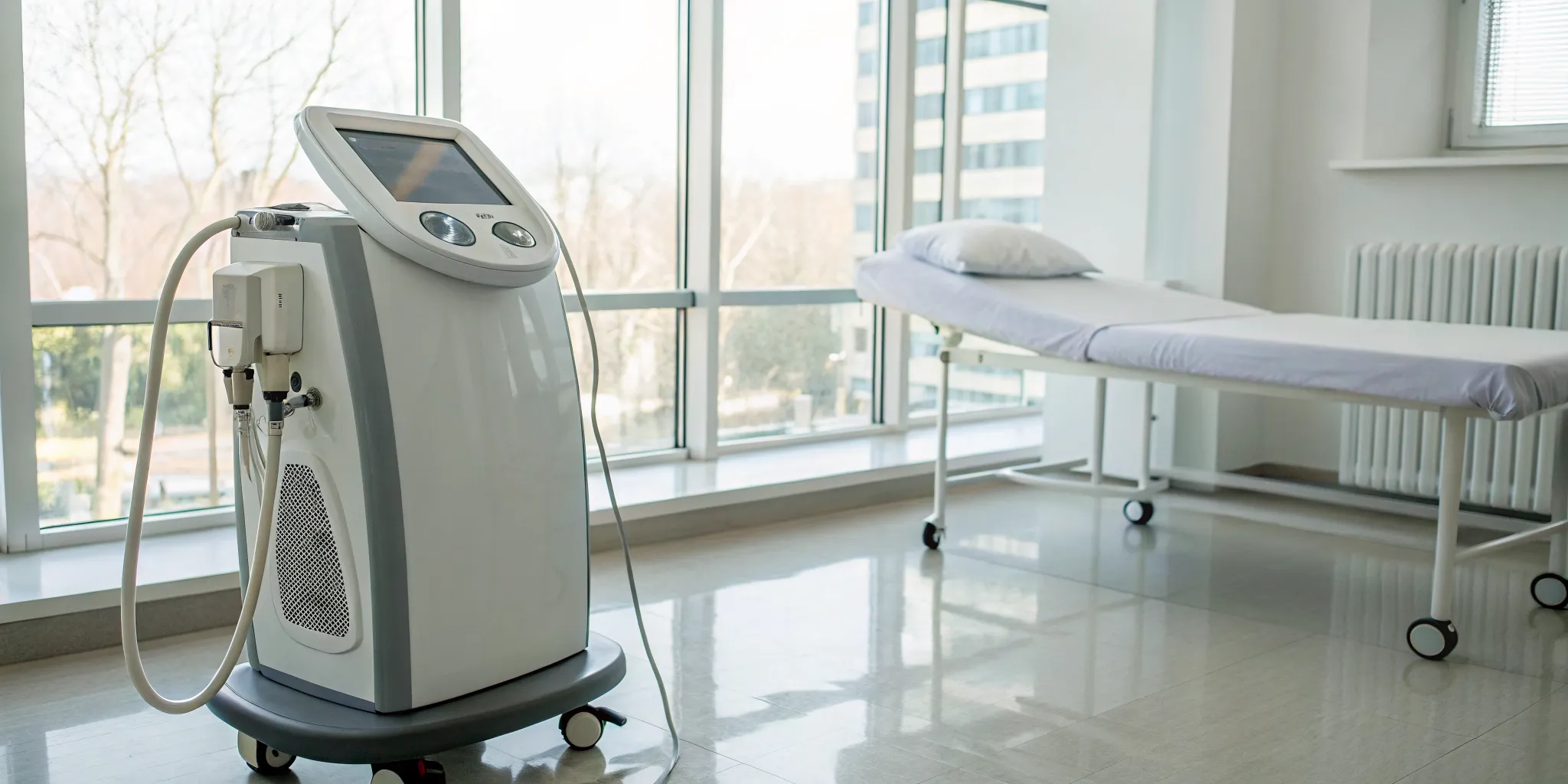
Professional shockwave devices are powerful medical instruments built to exacting safety and performance standards. Technologies like SoftWave therapy are designed for clinical use because their advanced mechanisms and specific energy outputs require a trained hand. These machines generate true acoustic waves that penetrate tissue to stimulate healing. Most consumer "shockwave" devices are actually percussive massagers; they simply vibrate or hammer the skin's surface. While that might feel good temporarily, it doesn't create the cellular response needed for long-term repair. Our approach to physical medicine relies on these proven, clinical-grade tools to ensure your treatment is both safe and effective.
Consistent and Effective Energy Output
To get results, you need the right kind of energy delivered consistently. Professional shockwave machines are calibrated to produce a specific amount of pressure and frequency, measured in bars and hertz (Hz). This controlled energy output is what allows the acoustic waves to reach a specific depth and intensity, triggering your body’s natural healing processes. Devices made for home use lack this capability. Their energy output is often inconsistent and isn't strong enough to do more than provide superficial relief. For issues like chronic tendinopathy or plantar fasciitis, a consistent and powerful energy source is essential for breaking down scar tissue and promoting new blood vessel growth, which is why we use this technology for many of the conditions we treat.
Targeted Applicators for Deeper Healing
Your body isn't one-size-fits-all, and your treatment shouldn't be either. Professional shockwave therapy systems come with a variety of applicators designed for different body parts and tissue depths. Focused shockwave applicators can create a precise pressure wave that converges deep inside the body, perfect for targeting an old injury or a specific joint. Radial applicators generate a more dispersed wave that is ideal for larger muscle groups or superficial tissue. This level of customization is one of the most important services we offer. In contrast, consumer gadgets typically have basic attachments that can't be tailored to your unique anatomy or condition, limiting their effectiveness.
The Importance of a Trained Professional
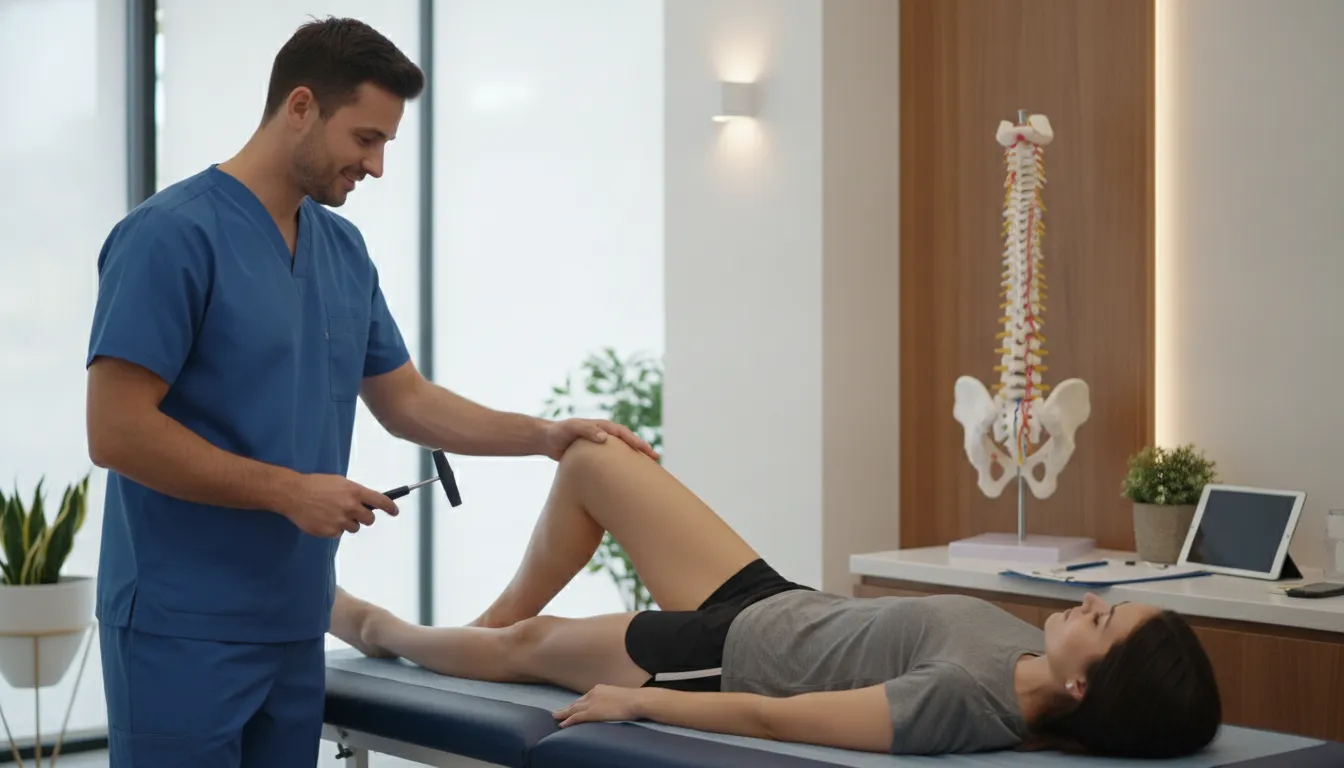
Ultimately, the device is only as good as the person operating it. A trained clinician does more than just turn on a machine. They perform a thorough assessment to understand the root cause of your pain, determine if shockwave therapy is the right approach, and create a personalized treatment plan. They know which applicator to use, what energy level is appropriate, and how to apply the therapy for maximum benefit while ensuring your safety. Choosing the right provider is a critical step toward achieving lasting results and a better return on your investment in your health. If you have questions about how this could work for you, we encourage you to contact our team to discuss your specific situation.
What Conditions Can True Shockwave Therapy Address?
One of the most exciting things about true shockwave therapy is its versatility. Because it works by stimulating your body’s own healing mechanisms at a cellular level, it can be applied to a wide range of musculoskeletal issues. It’s not a one-size-fits-all treatment; the type of shockwave (focused or radial) is carefully chosen to match your specific condition and the depth of the tissue that needs attention. This targeted approach is key to getting lasting results for chronic pain and stubborn injuries that haven't responded to other methods. It's a cornerstone of regenerative medicine, helping your body rebuild and repair itself from the inside out.
From nagging foot pain that ruins your morning to persistent shoulder aches that limit your movement, shockwave therapy offers a non-invasive path toward recovery. It’s an evidence-based tool that helps us address the root cause of your discomfort, rather than just masking the symptoms. By creating a controlled inflammatory response, it signals your body to send healing resources to the area, promoting new blood vessel growth and releasing powerful growth factors. This is how we can help resolve long-standing issues and get you back to living your life fully. Let’s look at some of the specific conditions where this technology truly shines.
Plantar Fasciitis and Chronic Heel Pain
If you’ve ever felt that sharp, stabbing pain in your heel with your first steps in the morning, you know how disruptive plantar fasciitis can be. This condition involves inflammation of the thick band of tissue connecting your heel to your toes. For chronic cases that just won't go away, true shockwave therapy can be a game-changer. Research shows that focused shockwave therapy delivers superior results for chronic plantar fasciitis compared to other methods. By directing acoustic waves deep into the damaged fascia, it stimulates blood flow and tissue regeneration, helping to finally resolve the inflammation and pain.
Tendinopathies like Tennis Elbow and Achilles Pain
Tendinopathies are injuries to the tendons, often caused by overuse. Conditions like tennis elbow, golfer's elbow, and Achilles tendinopathy can create persistent pain that interferes with your daily activities and athletic goals. For these types of issues, which are often closer to the skin's surface, radial shockwave therapy is highly effective. The energy from radial waves is distributed more broadly, making it ideal for treating these common superficial conditions. This approach helps break down scar tissue and kickstarts the body's natural repair process, offering a path to relief that our physical medicine services can provide.
Calcific Shoulder Tendinopathy
Sometimes, shoulder pain is caused by small calcium deposits forming within the rotator cuff tendons, a condition known as calcific tendinopathy. This can lead to significant pain and a frustrating loss of motion. True shockwave therapy is a powerful, non-invasive approach for these cases. The high-energy acoustic waves work to break up the calcium deposits, which the body can then absorb and clear away. This process not only reduces pain but also helps augment the healing response in the tendon, restoring function and helping you get your shoulder moving freely again.
Persistent Joint and Muscle Pain
Have you been dealing with joint or muscle pain that just doesn’t seem to respond to traditional treatments? Shockwave therapy has become a trusted, evidence-based approach for stimulating tissue repair and improving pain outcomes for these stubborn issues. It’s used across orthopedics, physical medicine, and regenerative medicine to address the source of chronic discomfort. By promoting new blood vessel formation and releasing growth factors, it helps heal tissues that have been stuck in a non-healing state. This makes it a valuable tool for a wide range of conditions we treat here at Ascend Functional Health.
Erectile Dysfunction (A Job for Focused Shockwave)
Beyond muscle and joint pain, shockwave therapy has also emerged as a promising treatment for men’s health concerns, particularly erectile dysfunction (ED). It’s crucial to understand that this is a job exclusively for focused shockwave therapy. The precision of focused waves allows them to penetrate deeper tissue and stimulate the growth of new blood vessels in the penis, improving blood flow. As urology experts note, the benefits for ED are seen only with focused machines, while radial shockwave machines are unproven for this condition. This is a key part of our Longevity Medicine pillar, addressing health at a foundational level.
5 Myths About Shockwave Therapy Devices
When you’re dealing with persistent pain, the last thing you need is confusing information getting in the way of real relief. Shockwave therapy is an incredibly effective tool for stimulating the body’s natural healing processes, but a lot of myths and misconceptions float around about the devices themselves. It’s easy to get overwhelmed or, worse, led toward a treatment that simply won’t work. Let's clear the air and debunk some of the most common myths.
Understanding the truth about shockwave technology is the first step toward making an informed decision about your health. Not all devices are created equal, and knowing the difference can save you time, money, and frustration. From the power source to the way the energy is delivered, the specifics of the device play a huge role in the outcome of your treatment. Our approach to physical medicine is rooted in using the right, clinically-proven tools to address the source of your pain, and that starts with separating fact from fiction. We want you to feel confident and empowered on your healing journey.
Myth #1: All shockwave devices are the same.
This is one of the biggest and most misleading myths out there. Thinking all shockwave devices are the same is like saying all cars are the same. A high-performance vehicle is engineered very differently from a basic commuter car, and the same is true here. There are significant differences in the type of wave produced (focused vs. radial), the quality of the machine, and the energy it can generate. Lower-quality devices simply can’t produce the precise acoustic waves needed to penetrate tissue and stimulate healing at a cellular level. True, medical-grade shockwave technology is a sophisticated investment for a clinic, and that quality is directly tied to the results you can expect.
Myth #2: At-home devices work just as well.
You may have seen handheld devices marketed online as "shockwave massagers" for home use. Be very skeptical. These devices are almost always simple percussion massagers, not true shockwave therapy machines. They create mechanical vibrations on the surface but lack the acoustic energy to penetrate deep into the tissue where the injury lies. A professional shockwave device delivers focused or radial waves that trigger a biological response, promoting circulation and tissue regeneration. An at-home gadget is simply not capable of this and, as some experts note, can be a complete waste of money if you're seeking genuine therapeutic results.
Myth #3: Focused and radial therapy are interchangeable.
While both are forms of shockwave therapy, focused and radial devices are designed for different jobs. Think of it like a spotlight versus a floodlight. Focused shockwave therapy uses a precise, high-energy wave to target a specific, deep-seated issue, like a calcification in a tendon or chronic plantar fasciitis. Radial shockwave therapy, on the other hand, spreads the energy over a wider, more superficial area. It’s excellent for larger muscle groups or conditions closer to the skin’s surface. A knowledgeable provider will know which technology is appropriate for the conditions we treat to ensure the therapy is both safe and effective.
Myth #4: It's a treatment only for athletes.
It’s true that shockwave therapy is popular among athletes for treating sports-related injuries, but its benefits are available to everyone. This treatment is for anyone suffering from chronic musculoskeletal pain that hasn't responded to other therapies. Whether you’re an office worker with persistent shoulder pain from sitting at a desk, a teacher with heel pain from being on your feet all day, or someone dealing with old nagging injuries, shockwave can help. The goal is to address chronic inflammation and damaged tissue, which are problems that affect people from all walks of life, not just professional athletes.
Myth #5: You'll see results after one session.
While some people report feeling better after just one session, it’s important to view shockwave therapy as a cumulative process. The therapy works by stimulating your body's own healing mechanisms, and this takes time. A typical treatment plan involves a series of sessions, usually spaced a week apart, to build on the progress from the previous one. Lasting relief comes from consistently promoting tissue repair over several weeks. Our philosophy at Ascend is to address the root cause of health issues, and true healing is a journey, not an overnight fix. Patience and consistency are key to achieving the best possible outcome.
Does the Quality of the Device Impact Your Outcome?
When it comes to shockwave therapy, the device used is not just a minor detail; it's one of the most important factors in your success. The term "shockwave" gets thrown around a lot, often describing everything from clinical-grade medical equipment to handheld massagers you can find online. However, the technology, power, and precision of the device are what determine whether you experience true, lasting healing or just temporary symptom relief. A professional-grade machine delivers a specific type of acoustic wave that stimulates your body’s natural repair processes on a cellular level, something a consumer gadget simply cannot replicate.
The Link Between Power, Precision, and Lasting Relief
The effectiveness of shockwave therapy comes down to delivering the right amount of energy to the exact right spot. Professional devices fall into two main categories: focused and radial. Focused shockwave therapy uses pinpoint precision to reach deep tissues, while radial waves are better for conditions closer to the surface. A 2015 meta-analysis found that focused shockwave therapy produced better results for chronic plantar fasciitis compared to radial therapy. This is why having access to the correct technology is so important. A skilled provider can match the device's capabilities to your specific condition, ensuring the acoustic waves reach the damaged tissue to promote healing where it’s needed most.
The Risks of Using Consumer-Grade Devices
You may have seen handheld "shockwave" devices for sale online, but these are not the same as the machines used in a clinical setting. Experts warn that these at-home tools are often ineffective because they lack the power to generate a true acoustic wave. Instead, they typically produce simple vibrations, much like a massage gun. While that might feel good for a moment, it doesn't create the biological changes needed for long-term tissue repair. These consumer-grade gadgets cannot penetrate tissue deeply or consistently enough to stimulate the cellular activity that reduces pain and restores function. True healing requires the specific, powerful energy output that only a professional-grade device can provide.
What the Research Says About Professional-Grade Technology
Clinical research consistently supports the use of professional-grade shockwave devices as an evidence-based approach for tissue repair and pain management. These machines are engineered to produce a precise pressure wave that delivers a specific energy flux density to a targeted depth within the body. This controlled energy is what triggers the healing cascade, increasing blood flow and stimulating cell regeneration. Whether using focused or radial waves, the technology is designed for clinical application and backed by studies demonstrating its effectiveness. When you receive treatment from a clinic using this level of technology, you are getting a therapy grounded in science, not just a wellness trend.
How to Choose a Quality Shockwave Therapy Provider
Finding the right provider for shockwave therapy is just as important as choosing the treatment itself. The effectiveness of your sessions depends heavily on the quality of the device and the skill of the person operating it. To make sure you’re getting true, therapeutic shockwave treatment, here are a few key things to look for in a provider.
Look for Clinically Validated Technology
When you're exploring your options, it's important to ask about the technology being used. A quality provider will use a device that is clinically validated, often with a Class II clearance. This means the equipment has been thoroughly reviewed for both safety and its ability to effectively treat specific conditions. Using validated technology isn't just about getting better results; it's about ensuring your treatment is safe. Don't hesitate to ask a potential provider if their equipment meets these standards. It’s a fair question that any reputable clinic should be happy to answer, as it shows they are committed to providing high-quality physical medicine services.
Ensure They Have the Right Applicator for Your Needs
Not all shockwave devices are the same, and a key difference lies in the applicator used to deliver the acoustic waves. Some applicators provide focused shockwave therapy, which sends energy to a precise, deep point in the body. Others deliver radial shockwave therapy, which covers a wider, more superficial area. A knowledgeable provider will understand which type is best for your specific situation. For example, a deep-set tendon issue might require a focused approach, while a larger area of muscle tension could benefit from a radial one. This ability to tailor the treatment shows a deeper understanding of how to address the root of various conditions we treat.
Confirm There's Expert Clinical Oversight
The most advanced machine is only as good as the person using it. That’s why confirming the provider has expert clinical oversight is so critical. The person administering your treatment should have extensive training and experience with shockwave therapy. They need to know how to accurately assess your condition, choose the correct settings and applicator, and apply the treatment effectively for your specific needs. This expertise is what separates a therapeutic session from just a superficial treatment. A clinic with a strong, experienced team will be transparent about their qualifications and approach, giving you confidence that you are in capable hands.
What to Expect During Your Shockwave Therapy Session
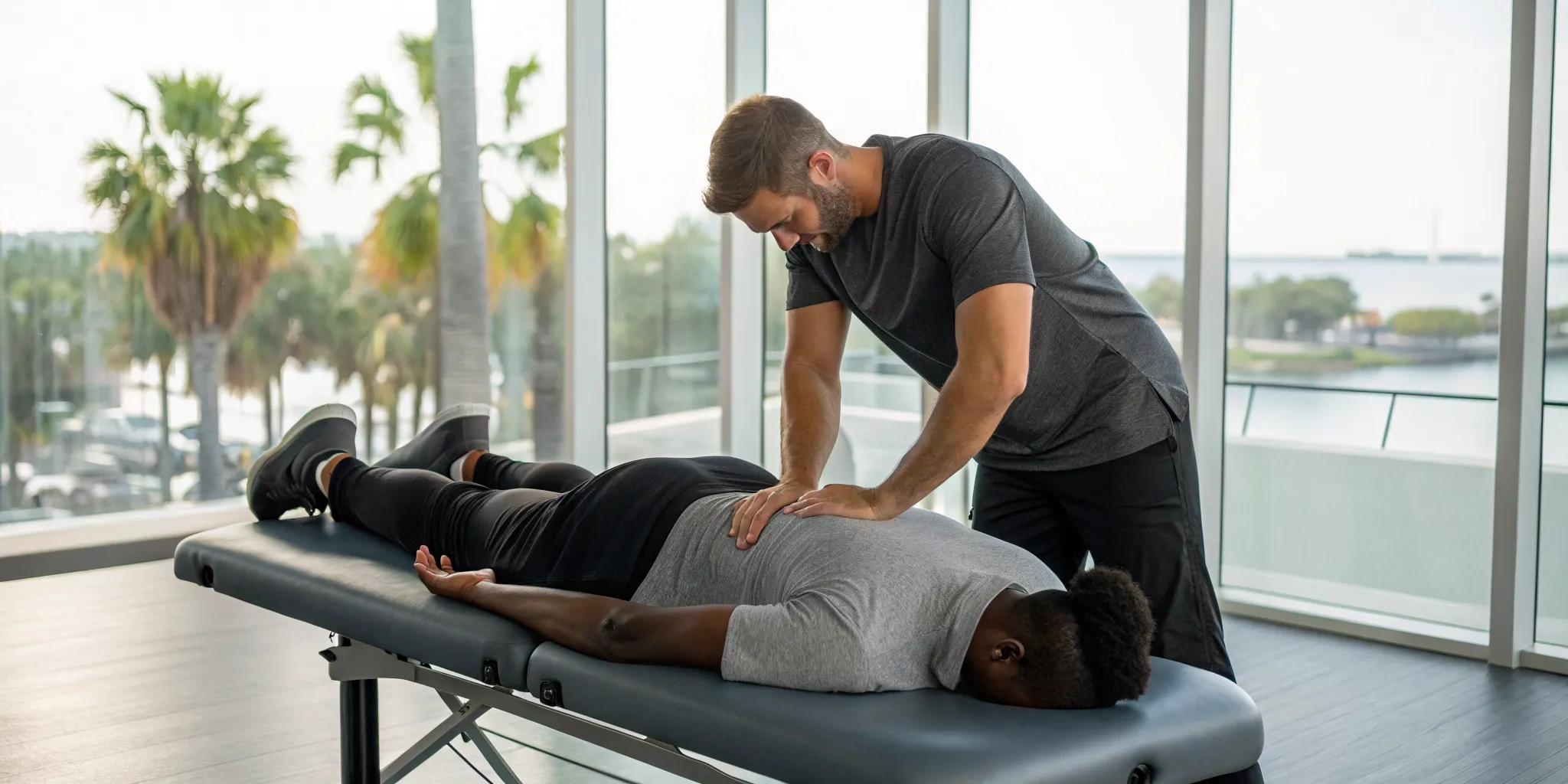
If you’re considering shockwave therapy, it’s natural to wonder what the session itself will feel like. The good news is that it’s a straightforward and non-invasive procedure. This means there are no incisions, needles, or surgery involved. You’ll simply relax in a comfortable position while a trained professional applies a specialized applicator to the targeted area of your body. It’s a very different experience from more intensive medical procedures.
During the treatment, you’ll feel a tapping or pulsing sensation on your skin. Some people describe it as a slight discomfort, but it shouldn’t be painful. Your comfort is the top priority, so we encourage you to communicate with your provider throughout the session. They can adjust the intensity to ensure the treatment is both effective and tolerable for you. A typical session is quite quick, usually lasting between 15 and 30 minutes, depending on the condition being addressed.
To achieve lasting results, shockwave therapy is often administered as a series of treatments over several weeks. It’s a key part of a comprehensive physical medicine plan designed to address the root cause of your discomfort and support your body’s healing process. Our team at Ascend Functional Health will work with you to create a personalized schedule that aligns with your specific health goals, ensuring you get the most out of every session.
Experience True Shockwave Therapy in Tampa
If you’re searching for a solution to persistent joint or muscle pain in Tampa, you may have heard about shockwave therapy. It’s a powerful, non-invasive treatment, but it's important to know that not all shockwave devices are the same. The quality and type of technology used can make a significant difference in your results, especially when other treatments haven't provided the relief you need. Many places offer treatments that are more like high-intensity vibrations, which don't reach the deeper tissues where chronic issues often originate.
At Ascend Functional Health, we utilize true shockwave therapy to address the root cause of your discomfort. Our professional-grade technology delivers focused acoustic waves deep into injured tissue, stimulating your body’s own repair mechanisms at a cellular level. This is a core component of our physical medicine services, designed to promote genuine healing rather than just masking symptoms. We believe in using evidence-based tools that support your body’s innate ability to recover and rebuild.
The success of shockwave therapy depends on more than just the device; it requires a deep understanding of your specific condition. Our clinical team is trained to identify whether your issue requires a focused or radial wave application and how to target the precise source of your pain. This personalized approach ensures the treatment is appropriate for your unique situation, from plantar fasciitis to chronic shoulder pain. To find out if this advanced therapy is the right step in your health journey, we invite you to connect with our team and discuss your goals.
Related Articles
- SoftWave Tissue Regeneration Therapy in Tampa | Alessi Functional Health
- SoftWave TRT Therapy in Tampa, FL - Alessi Functional Health
- Regenerative Medicine for Pain Recovery | Ascend Functional Health
- Root Cause Treatment for Chronic Pain | Ascend Functional Health
- Pain Free Future | Alessi Functional Health
Frequently Asked Questions
Does shockwave therapy hurt? Most people describe the sensation as a strong tapping or pulsing against the skin rather than pain. While you might feel some discomfort, especially over a particularly sensitive area, the treatment should always be tolerable. Your provider can adjust the intensity throughout the session to match your comfort level, so it’s important to communicate with them. The goal is to stimulate the tissue effectively without causing significant pain.
How is this different from a massage gun I can use myself? This is a great question because the technologies are completely different. A massage gun uses mechanical vibration to provide temporary relief to sore muscles on the surface. True shockwave therapy uses high-energy acoustic waves that penetrate deep into the body to create a biological response at the cellular level. It’s the difference between a surface-level massage and a targeted signal that tells your body to restart its own healing and repair processes.
Why can’t I just buy a shockwave device online? The devices marketed to consumers online are almost always percussive massagers, not true shockwave therapy machines. They lack the specific power and acoustic wave technology needed to reach injured tissue and stimulate genuine healing. Professional, medical-grade devices are precisely calibrated to deliver a consistent energy output safely. Using a clinical-grade machine under the guidance of a trained professional ensures you are getting an effective treatment that actually addresses the root of the problem.
How many sessions will I need to see results? While some people feel an improvement after their first session, shockwave therapy is a cumulative process. The therapy works by stimulating your body’s natural repair cycle, which takes time. Lasting relief comes from completing a series of treatments, typically spaced about a week apart, to build on the progress of the previous session. Your provider will create a personalized plan for you based on your specific condition and how your body responds.
What is the difference between focused and radial shockwave therapy? Think of focused shockwave as a spotlight and radial shockwave as a floodlight. Focused shockwave therapy sends a precise, high-energy wave to a single, deep point within the body, making it ideal for targeting specific injuries like a bone spur or a deep tendon issue. Radial shockwave therapy spreads its energy over a wider, more superficial area, which is perfect for treating larger muscle groups or conditions closer to the skin, like tennis elbow.