Taking a proactive approach to your health means investing in your long-term well-being, not just addressing symptoms as they appear. Holistic and functional medicine are built on this very principle. Your Health Savings Account (HSA) is the perfect tool for this, yet many people don’t realize its full potential beyond standard office visits. This account can be your partner in pursuing a more comprehensive path to wellness. In this guide, we’ll show you how to make your health savings work for you, answering the key question of what holistic treatments are HSA eligible so you can confidently invest in your proactive health journey.
Key Takeaways
- Use your savings for holistic care: Your HSA and FSA funds are powerful tools for more than just standard office visits. You can use them to pay for services like chiropractic care, functional medicine consultations, and lab testing that address the root cause of your health concerns.
- Document the medical need: For many holistic therapies to be eligible, you need to show they are medically necessary. A Letter of Medical Necessity (LMN) from your provider is the key, as it formally connects a service like massage therapy or a specific supplement to your diagnosed health condition.
- Confirm eligibility before you pay: Avoid any surprises by verifying that a service is a qualified expense ahead of time. A quick check of IRS guidelines, a call to your HSA administrator, or a conversation with your provider can give you the confidence to move forward with your care plan.
Using Your HSA or FSA for Holistic Health
Investing in your health with holistic care is a powerful choice, and using a tax-advantaged account can make it even more accessible. Health Savings Accounts (HSAs) and Flexible Spending Accounts (FSAs) are designed to help you pay for qualified medical expenses, which can include many of the services we offer at Ascend Functional Health. Understanding how these accounts work is the first step toward using them for your wellness journey.
HSA vs. FSA: What's the Difference?
Both Health Savings Accounts (HSAs) and Flexible Spending Accounts (FSAs) allow you to use pre-tax money for healthcare costs, which saves you money. An HSA is a personal savings account that you own. To contribute, you must be enrolled in a high-deductible health plan (HDHP). The funds you put in are tax-free and roll over year after year, so you don’t have to worry about losing them.
An FSA, on the other hand, is an account offered by an employer. You set aside pre-tax funds for healthcare, but these accounts are typically "use it or lose it." This means you must spend the money by the end of the plan year or you forfeit the remaining balance.
Who Qualifies for an HSA?
To open and contribute to an HSA, the primary requirement is that you must be enrolled in a high-deductible health plan (HDHP). The IRS sets specific minimum deductibles and maximum out-of-pocket spending limits for these plans each year. Additionally, you generally cannot be covered by another health plan that is not an HDHP, nor can you be enrolled in Medicare. If your health plan meets the HDHP criteria, you are likely eligible to start taking advantage of an HSA. It's a great way to take control of your healthcare spending while building savings for the future.
The Tax Perks of an HSA or FSA
The most significant benefit of using an HSA or FSA is the tax advantage. When you contribute to these accounts, you're using pre-tax dollars. This effectively lowers your taxable income for the year, which means you pay less in taxes. When you use those funds for eligible expenses, like a chiropractic adjustment or functional medicine consultation, you’re paying with money that was never taxed. This triple tax advantage (tax-free contributions, tax-free growth, and tax-free withdrawals for medical expenses) can lead to substantial savings on your healthcare costs over time.
What Expenses Are HSA-Eligible?
One of the best parts of having an HSA or FSA is the flexibility it offers. You can use these pre-tax funds for a wide range of health-related costs, many of which go far beyond typical doctor's appointments. If you're exploring holistic and functional medicine, you'll be happy to know that many of these services can be paid for with your health savings account. Let's break down what makes an expense eligible.
Understanding the IRS Rules
The key to HSA eligibility lies in the IRS definition of a medical expense. For a product or service to qualify, its primary purpose must be to diagnose, treat, manage, or prevent a health condition. The good news is that the IRS keeps these guidelines fairly broad. This means that many different types of care, from chiropractic adjustments to mental health therapy, can be considered qualified medical expenses. It’s not just about reacting to sickness; it’s also about proactively managing your health. This flexibility is what makes an HSA such a powerful tool for anyone committed to a holistic wellness journey.
Why Medical Necessity Is Key
For some expenses, especially those that aren't automatically seen as "medical," you may need to show they are medically necessary for your specific situation. This is where a Letter of Medical Necessity (LMN) comes in. An LMN is a formal note from your healthcare provider that explains why a particular service or product is essential for treating your health condition. For example, services like massage therapy, nutritional counseling, or even specialized food plans might require an LMN to become eligible. At Ascend, we can help you understand if the services in your personalized care plan require this type of documentation.
Clearing Up Common HSA Myths
It’s a common misconception that HSAs are only useful for prescriptions and office visit fees. Many people don't realize they can use their accounts for so much more. Your HSA can be a fantastic resource for paying for the very proactive health services that help you feel your best in the long run. Think of it as an investment in your well-being using pre-tax dollars. These accounts are especially helpful for covering alternative or functional treatments that traditional health plans might not include. By understanding the full scope of what your HSA can cover, you can take a more active and empowered role in your health journey.
HSA-Eligible Holistic Treatments
You might be surprised to learn just how many holistic health services are eligible for payment with your Health Savings Account (HSA) or Flexible Spending Account (FSA). These accounts are designed for qualified medical expenses, and that category is broader than most people think. If you’re looking to address the root cause of your health concerns, your HSA can be a powerful tool. From chiropractic adjustments to in-depth nutritional guidance, you can invest in your long-term well-being using these pre-tax funds. Let’s explore six common holistic treatments that you can pay for with your HSA.
Chiropractic Care
If you’re dealing with back pain, neck tension, or headaches, chiropractic care can be a game-changer. The great news is that payments to a chiropractor for medical care are considered eligible expenses for your HSA. This makes it much easier to access consistent care that focuses on spinal alignment and nervous system function. Using your HSA for physical medicine services like chiropractic adjustments allows you to proactively manage your health and address structural issues before they become more serious. It’s a way to use your savings to invest directly in your body’s foundation and overall wellness.
Acupuncture and Traditional Chinese Medicine
Acupuncture and other forms of Traditional Chinese Medicine (TCM) are also recognized as qualified medical expenses. This means you can use your HSA funds to pay for sessions aimed at treating specific health conditions, from chronic pain and migraines to digestive issues and stress. Many people find that these ancient practices offer a new perspective on healing by focusing on the body's energy and flow. Having the ability to use your HSA for these treatments opens up more avenues for you to find what truly works for your body, allowing you to build a comprehensive and personalized approach to your health.
Nutritional Counseling and Functional Medicine
Getting to the root of health issues often starts with what you eat. That’s why nutritional counseling for a specific medical condition is an HSA-eligible expense. This is a cornerstone of functional medicine, which uses a food-first approach to support the body’s healing processes. You can use your HSA to work with a provider who can guide you through dietary changes, help you understand your body’s unique needs, and create a personalized nutrition plan. This is an incredible way to use your funds to make lasting changes that can impact everything from your energy levels to your gut health.
Hormone Therapy
Hormone imbalances can affect your mood, energy, sleep, and so much more. When prescribed by a practitioner to treat a medical condition, hormone therapy is an eligible HSA expense. This type of longevity medicine aims to restore optimal function and improve your quality of life. For some services, you may need a Letter of Medical Necessity (LMN) from your provider that explains why the treatment is essential for your health. This ensures you can use your HSA funds to address underlying hormonal issues and feel like yourself again, making it a valuable option for long-term wellness.
Massage Therapy
While a massage for general relaxation doesn't typically qualify, massage therapy for a specific medical reason is an eligible HSA expense. If you have a condition like sciatica, chronic back pain, or fibromyalgia, your provider can recommend massage as part of your treatment plan. To use your HSA funds, you will need a Letter of Medical Necessity (LMN) that outlines the diagnosis and the prescribed treatment. This allows you to use your account to pay for therapeutic massages that directly address your pain and help improve your mobility, making it a key part of your healing journey.
Lab Testing and Diagnostic Services
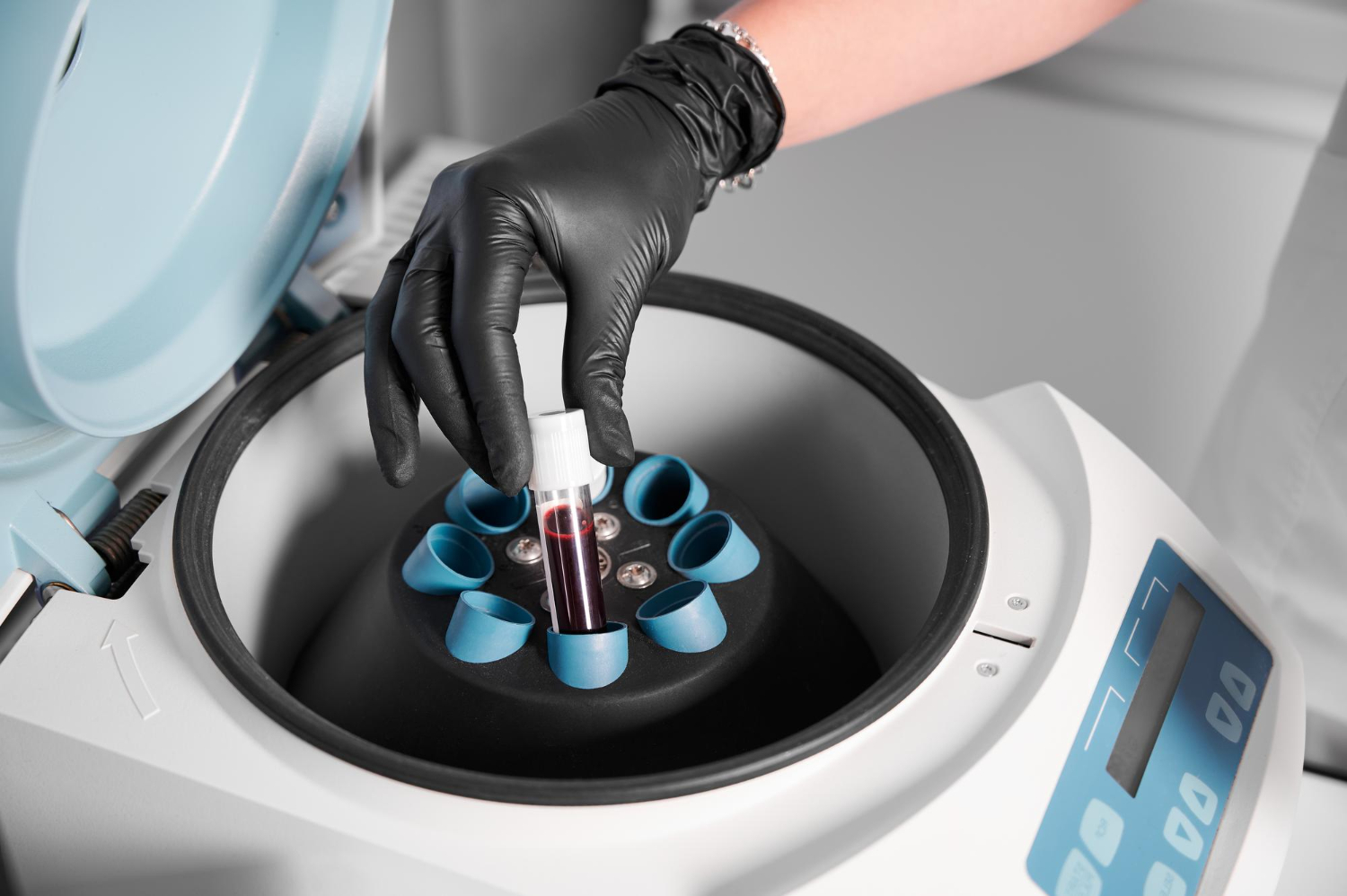
Understanding what’s truly going on inside your body is the first step toward healing. Fortunately, most lab tests and diagnostic services are HSA-eligible. This includes blood work, hormone panels, food sensitivity tests, and other advanced diagnostics that help pinpoint the root cause of your symptoms. Using your HSA for these tests empowers you to get a complete picture of your health and work with your provider to develop a targeted treatment plan. It’s an effective way to invest in answers and get clarity on the conditions we treat and their underlying factors.
What's Usually Not Covered by an HSA?
While your HSA is a powerful tool for managing health expenses, it’s important to know that not everything qualifies. The IRS has specific rules about what constitutes a medical expense, and understanding the boundaries can save you from a denied claim and potential tax penalties. Generally, if a product or service is for your general well-being rather than to diagnose, treat, or prevent a specific medical condition, it likely won't be covered without special documentation. Think of it as a distinction between what’s medically necessary and what’s simply nice to have for a healthy lifestyle. Knowing these distinctions ahead of time helps you plan your spending and use your HSA funds effectively.
General Wellness Services
Services that promote general health but aren't tied to a specific medical diagnosis are typically not eligible for HSA spending. This is one of the most common areas of confusion. For example, you can't use your HSA for a standard health club membership just to stay in shape. The same rule applies to cosmetic procedures that are not medically necessary, such as teeth whitening or facelifts. The key factor is always medical necessity. If a provider prescribes a specific program to treat one of the conditions we treat, like obesity or heart disease, it might become eligible. But for general wellness, you'll likely need to pay out of pocket.
Supplements and Vitamins
This is another tricky category. You generally cannot use your HSA funds to buy vitamins or supplements that you take to maintain your overall health. However, the rules change when a supplement is recommended by a provider to treat a specific medical condition. For instance, if your functional medicine provider at Ascend recommends a high-quality fish oil to address inflammation linked to a diagnosed autoimmune condition, it may qualify. To make it eligible, you will almost always need a Letter of Medical Necessity (LMN) from your provider. This letter explains why the supplement is essential for your treatment plan, making it a valid medical expense.
Cosmetic or Spa Treatments
Procedures and treatments that are purely for cosmetic purposes are not considered qualified medical expenses. This means you can't use your HSA for services like routine spa facials, massages for relaxation, or other aesthetic treatments intended to improve your appearance. However, the line can sometimes be blurry. For example, a massage to alleviate chronic back pain or sciatica would be an eligible expense, while a relaxation massage at a spa would not. Some therapies, like red light therapy, might also require an LMN to demonstrate they are being used to treat a specific condition, like skin inflammation or joint pain, rather than for general cosmetic benefit.
The Letter of Medical Necessity (LMN): Do You Need One?
Think of a Letter of Medical Necessity, or LMN, as a formal note from your provider that connects a specific treatment directly to your health condition. It’s the key that allows you to use your HSA or FSA funds for certain services that aren't always seen as standard medical care. While the name sounds official, it’s simply a tool to help you use your health savings for the treatments that truly support your well-being.
This letter explains to your HSA or FSA administrator why a particular service is essential for your care plan. For many holistic therapies, an LMN is what validates the expense as a medical need. It bridges the gap between a general wellness activity and a targeted medical intervention, which is crucial for many of the personalized therapies we use. At Ascend Functional Health, we believe in a comprehensive approach to wellness, and if a treatment is part of your personalized protocol, we can help you get the right documentation. Our team is experienced in outlining the necessity of our functional medicine services to support your health journey. We see it as part of our commitment to making your path to better health as smooth as possible.
When an LMN Is Necessary
An LMN is typically required when an expense could be for either general wellness or a specific medical purpose. For example, while anyone can get a massage to relax, an LMN clarifies that your massage therapy is for managing a diagnosed condition like chronic back pain or sciatica. The same goes for nutritional counseling or certain supplements recommended to address a specific deficiency found in your lab work.
The letter’s purpose is to create a clear, documented link between the expense and a diagnosed health issue. It confirms that the service isn't just for feeling good in general, but is a targeted part of your treatment plan. This is especially relevant for many holistic therapies that are personalized to your unique health needs.
What to Include in Your LMN
While your provider will handle the writing, it’s helpful to understand what goes into a solid LMN. A complete letter will always state the specific medical condition you are dealing with. It will also name the exact treatment, product, or service being recommended, such as "acupuncture" or "hormone therapy."
The most critical piece of the letter is the explanation of why the recommended treatment is medically necessary for you. It should briefly describe how the service will help treat your condition, manage your symptoms, or prevent the progression of a health issue. This detail is what makes the expense eligible, ensuring your claim is accepted without any hassle.
Getting an LMN from Your Provider
Obtaining an LMN starts with a simple conversation with your healthcare provider. During a consultation, you can discuss your health goals and the treatments that would be most effective for you. If a recommended therapy requires an LMN to be eligible for your HSA or FSA, your provider can prepare it for you.
Providers who specialize in holistic and functional health are very familiar with this process. They understand how to document the value of treatments like chiropractic care, acupuncture, and nutritional counseling. If you have questions about your care plan and how it relates to your health savings, the best first step is to contact your provider and start the conversation.
Submitting Your Claim for Holistic Care
Once you’ve received holistic care, the final step is using your HSA funds to cover the cost. While it might sound complicated, submitting a claim is usually a straightforward process, especially when you know what paperwork to have on hand. Whether you pay directly with your HSA card or request reimbursement after the fact, being organized is the key to a smooth experience. Let's walk through exactly what you need to do to make sure your holistic treatments are properly documented and approved.
Keeping Your Paperwork in Order
Think of your HSA paperwork as your personal health file. Keeping everything organized makes reimbursement simple and protects you in case of an audit. Always keep your itemized receipts and any supporting documents, like a Letter of Medical Necessity (LMN), to prove your purchase was eligible. A simple way to stay on top of this is to create a dedicated digital or physical folder for the year. Make sure you get detailed receipts that list the specific service or product, not just a credit card slip. This documentation is what your HSA administrator will want to see, and our team can help provide the necessary paperwork for your visit.
Understanding Provider and Diagnosis Codes
For your HSA claim to be processed without a hitch, the documentation needs to be clear. For some services, like the advanced lab tests we use in functional medicine, you might need a letter from your provider explaining why the service is medically necessary. When you receive care, ask for an itemized receipt that includes any relevant provider information and diagnosis codes. These codes help your HSA administrator understand that the expense is for a legitimate medical service, not a general wellness purchase. It’s a small step that can prevent a lot of back-and-forth later.
Using Your HSA at a Cash-Pay Clinic
Many specialized holistic providers operate on a cash-pay basis, but you can still absolutely use your HSA funds. The process is simple: you pay for your service upfront and then submit a claim for reimbursement from your HSA account. To do this, you’ll need to get a Letter of Medical Necessity (LMN) to prove that the service addresses a specific medical need. This letter, along with an itemized receipt, is what you’ll use to get reimbursed for services at clinics like ours that focus on addressing the root cause of your health concerns.
How to Confirm HSA Eligibility
Using your HSA funds for holistic health is a fantastic way to invest in your well-being, but it’s wise to confirm that a service is eligible before you commit. Taking a few extra steps upfront can save you from headaches and ensure you’re using your account correctly. Think of it as doing a little homework to make your health savings work smarter for you. By checking the official rules, talking to your plan administrator, and working with your provider, you can feel confident in how you use your funds.
Checking the Official IRS Guides
The IRS has the final word on what counts as a qualified medical expense, and they’ve created guides to help you. The main document to know is IRS Publication 502, Medical and Dental Expenses. While it might sound intimidating, it’s a surprisingly straightforward list of what’s generally allowed. You can search the document for specific treatments, like chiropractic care or acupuncture, to see what the official stance is. Reviewing this guide is a great first step to understand the landscape and learn the language the IRS uses. It empowers you to know the general rules before you move on to the next steps.
Talking to Your HSA Administrator
After you’ve looked at the IRS guidelines, your next call should be to your HSA administrator. This is the company that holds and manages your funds. They are the experts on the specific rules and processes for your account. Before you pay for a service, give them a call or send a quick email to confirm eligibility. They can tell you if a particular treatment is typically accepted or if you’ll need extra documentation. Getting a clear answer directly from the source is the best way to prevent a claim from being denied or having to pay a penalty for an ineligible expense down the road.
Asking Your Holistic Health Provider
Your healthcare provider is your most important partner in this process. For many holistic therapies, the key to HSA eligibility is proving they are medically necessary to treat a specific health condition. This is where we can help. Your provider at Ascend Functional Health can assess your situation and, if appropriate, provide a Letter of Medical Necessity (LMN). This letter explains why a certain treatment or functional medicine service is essential for your health. This documentation is often the deciding factor that makes an expense eligible, especially for therapies that aren't explicitly listed in the IRS guides.
Partnering with Ascend Functional Health
At Ascend Functional Health, we’re committed to helping you find the root cause of your health concerns and feel your best. We also believe that investing in your well-being should be straightforward. That’s why we want to help you understand how you can use your Health Savings Account (HSA) or Flexible Spending Account (FSA) to pay for your care with us. These accounts are a fantastic way to set aside pre-tax money for qualified medical expenses, and you can often use an HSA or FSA for functional medicine, including many holistic treatments.
Many of our patients use their HSA and FSA funds to cover our services, even though we operate on a cash-pay basis. This allows you to receive personalized, in-depth care while making the most of your savings. A wide range of our offerings are typically eligible, including provider consultations, follow-up visits, comprehensive lab testing, and nutritional counseling. Treatments like chiropractic care and acupuncture may also qualify when they are part of your recommended care plan. Using your HSA is a great way to pay for these kinds of alternative therapies.
To make sure everything goes smoothly, it’s helpful to know that some services, particularly advanced lab tests or certain therapies, may require a Letter of Medical Necessity (LMN) from your provider. This is simply a formal letter explaining why a specific service is essential for your health. Our team is very familiar with this process and can provide the necessary documentation to ensure you can use your benefits without a hitch. By partnering with us, you can confidently use your HSA or FSA to invest in a healthier future. If you have questions about your specific situation, please contact our office so we can assist you.
Related Articles
- How to Find a Functional Medicine Doctor: A Guide
- What is Functional Medicine? A Simple Guide
- Functional Medicine Doctor: A Patient's Guide
- Functional Medicine in Tampa | Root Cause Care | Ascend Functional Health
- Functional Lab Testing 101: A Complete Guide
Frequently Asked Questions
Can I use my HSA or FSA at Ascend Functional Health since you're a cash-pay clinic? Yes, you absolutely can. Even though we operate on a cash-pay basis, our services are designed to address specific health conditions, which makes them qualified medical expenses. The process is simple: you pay for your service at the time of your visit, and we provide you with an itemized receipt and any necessary documentation, like a Letter of Medical Necessity. You then submit this paperwork to your HSA or FSA administrator for reimbursement.
What exactly is a Letter of Medical Necessity and when do I need one? A Letter of Medical Necessity (LMN) is a formal note from your provider that explains why a specific service is essential for treating your diagnosed health condition. You typically need one for expenses that could be considered for general wellness, such as massage therapy, nutritional counseling, or specific supplements. The letter creates a clear link between the treatment and your medical need, which is what makes the expense eligible for your HSA or FSA funds.
How does the payment and reimbursement process work with an HSA? You have two main options. You can often pay for your service directly using your HSA card, just like you would with a debit card. Alternatively, you can pay for the service with your own funds and then request reimbursement from your HSA. To do this, you'll submit a claim to your HSA administrator along with the itemized receipt and any required documentation we provide. Keeping your receipts organized is the key to a smooth process.
Are supplements and lab tests recommended by my provider eligible expenses? Lab tests used to diagnose or manage a health condition are almost always considered qualified medical expenses. Supplements are a bit different. If your provider recommends a specific supplement to treat a diagnosed condition (for example, a vitamin D deficiency found in your bloodwork), it can be an eligible expense with a Letter of Medical Necessity. However, vitamins or supplements you take for general health maintenance typically do not qualify.
What's the best way to confirm a service is eligible before my appointment? The best approach is to talk to your HSA administrator. They are the experts on your specific plan's rules and can give you the most accurate information. It's also a great idea to discuss it with us. We are very familiar with this process and can tell you if a service typically requires a Letter of Medical Necessity, which we can prepare for you to ensure your claim is successful.