That sharp pain in your heel with your first steps in the morning. The ache on the outside of your elbow that makes gripping a coffee cup a challenge. These aren't just minor annoyances; they are signs of chronic tendon issues like plantar fasciitis and tennis elbow that can seriously disrupt your life. When these conditions don't respond to traditional methods, it’s time to consider a different approach. Shockwave therapy for chronic tendon pain is a highly effective, non-invasive treatment specifically designed for these stubborn injuries. It targets the damaged tissue directly, helping to reduce pain and stimulate repair right at the source.
Key Takeaways
- It prompts your body to repair itself: Shockwave therapy uses targeted acoustic waves to restart a stalled healing process in chronic tendon injuries, encouraging your body to increase blood flow and regenerate healthy tissue.
- It offers a non-invasive path to relief: For stubborn pain from conditions like plantar fasciitis or Achilles tendinopathy, this therapy provides a powerful solution that helps you avoid surgery and repeated injections.
- It works best as part of a bigger plan: Lasting recovery happens when shockwave therapy is combined with other treatments that address the root cause of your pain, such as corrective exercises and functional medicine.
How Does Shockwave Therapy Heal Tendons?
If you’ve been dealing with chronic tendon pain, you know how frustrating it can be when rest and ice just don’t cut it. It feels like you’re stuck in a cycle of pain that limits your daily activities and keeps you from doing what you love. Shockwave therapy is a modern, non-invasive treatment that works by stimulating your body’s own repair mechanisms right at the source of the pain. Instead of just masking symptoms with temporary fixes, it helps your body rebuild and heal injured tissue from the inside out.
This approach gets to the root of the problem, offering a path toward lasting relief and restored function for stubborn conditions like plantar fasciitis, Achilles tendinopathy, and tennis elbow. Think of it as a way to restart a healing process that has stalled. For tendons that haven't responded to traditional methods, shockwave therapy provides the targeted push they need to get back on track. It’s a key part of a comprehensive plan to not only feel better but to truly heal. Let’s explore exactly how this technology prompts your tendons to regenerate and recover.
Understanding Acoustic Wave Technology
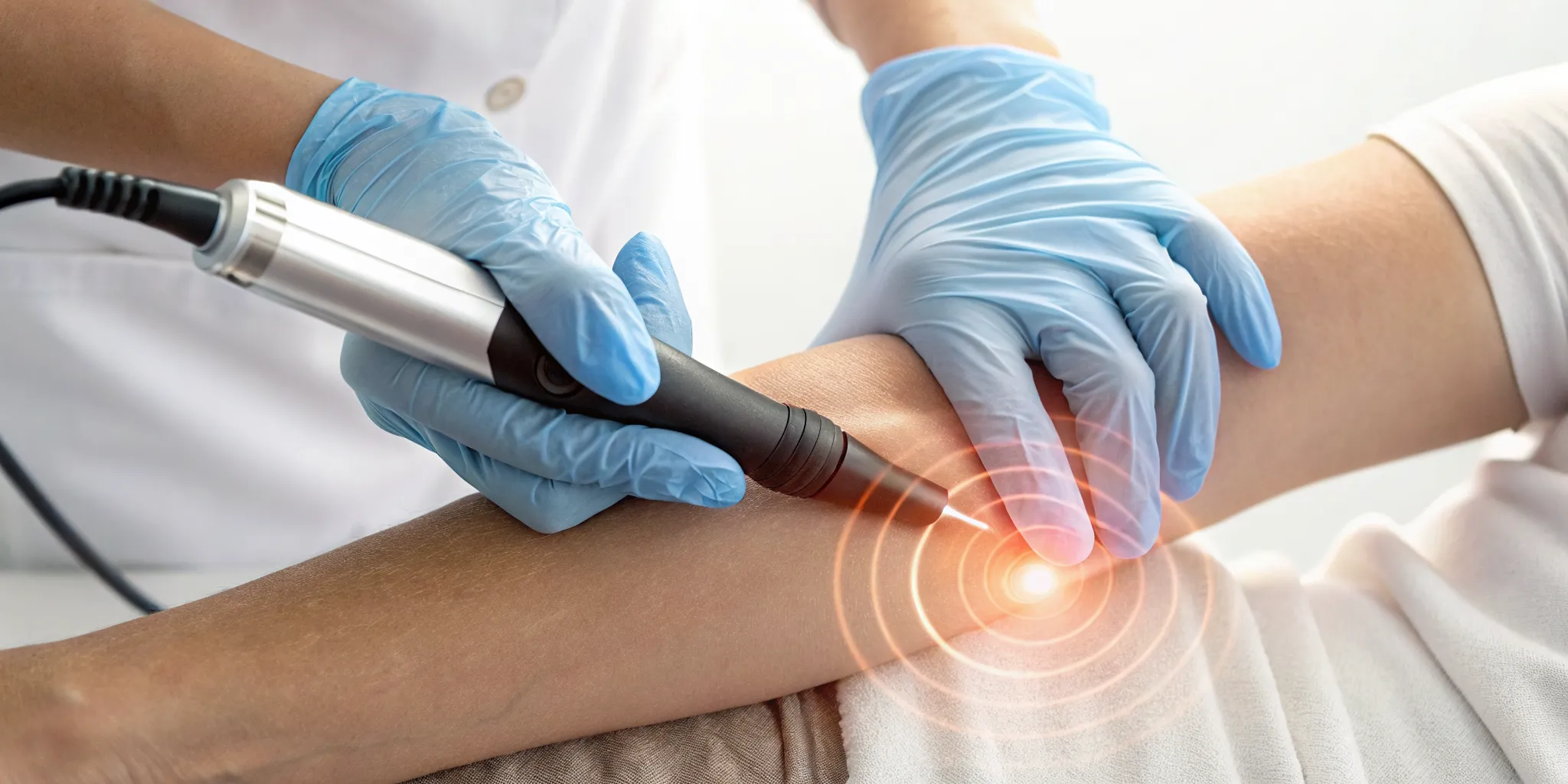
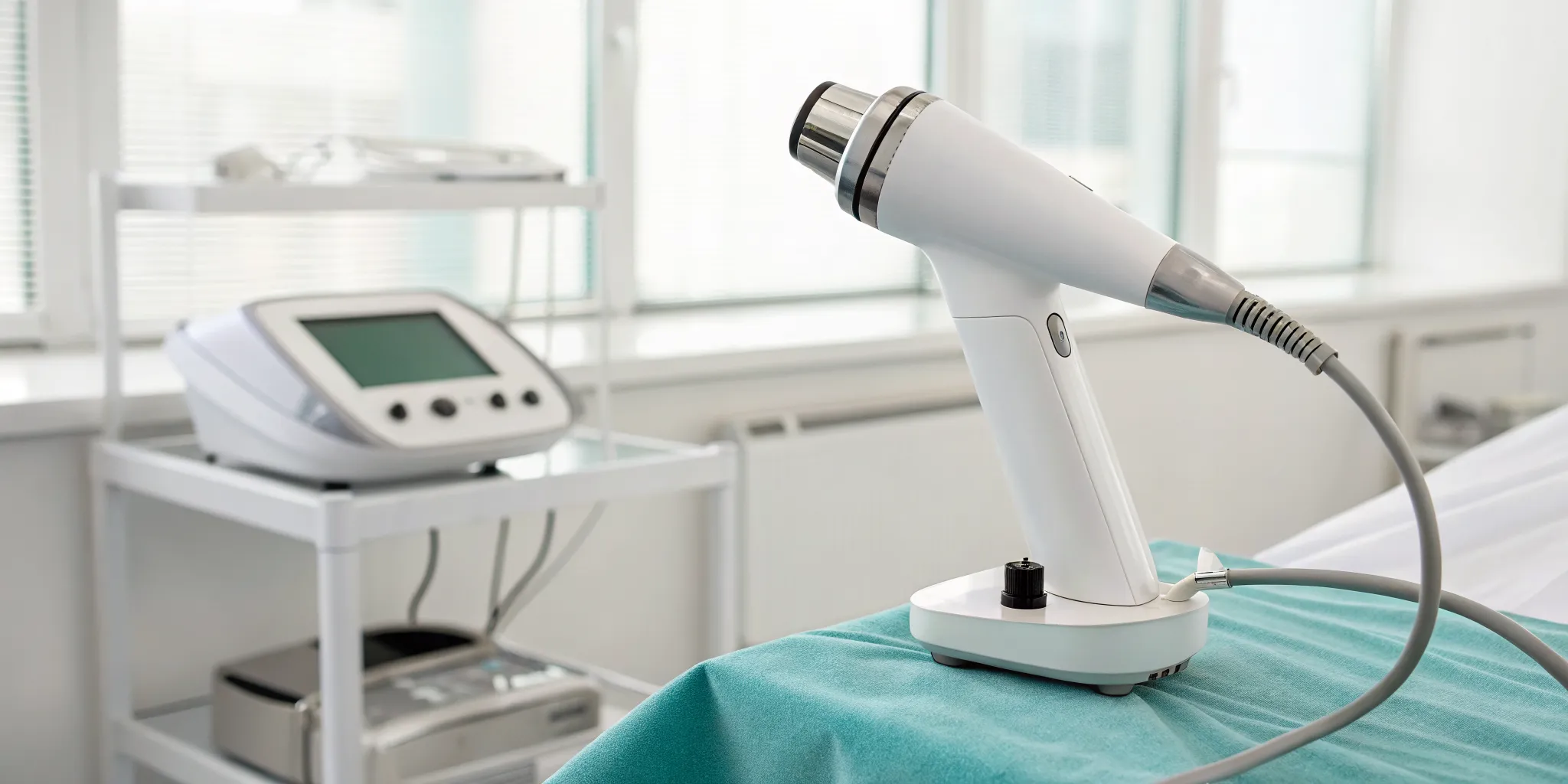
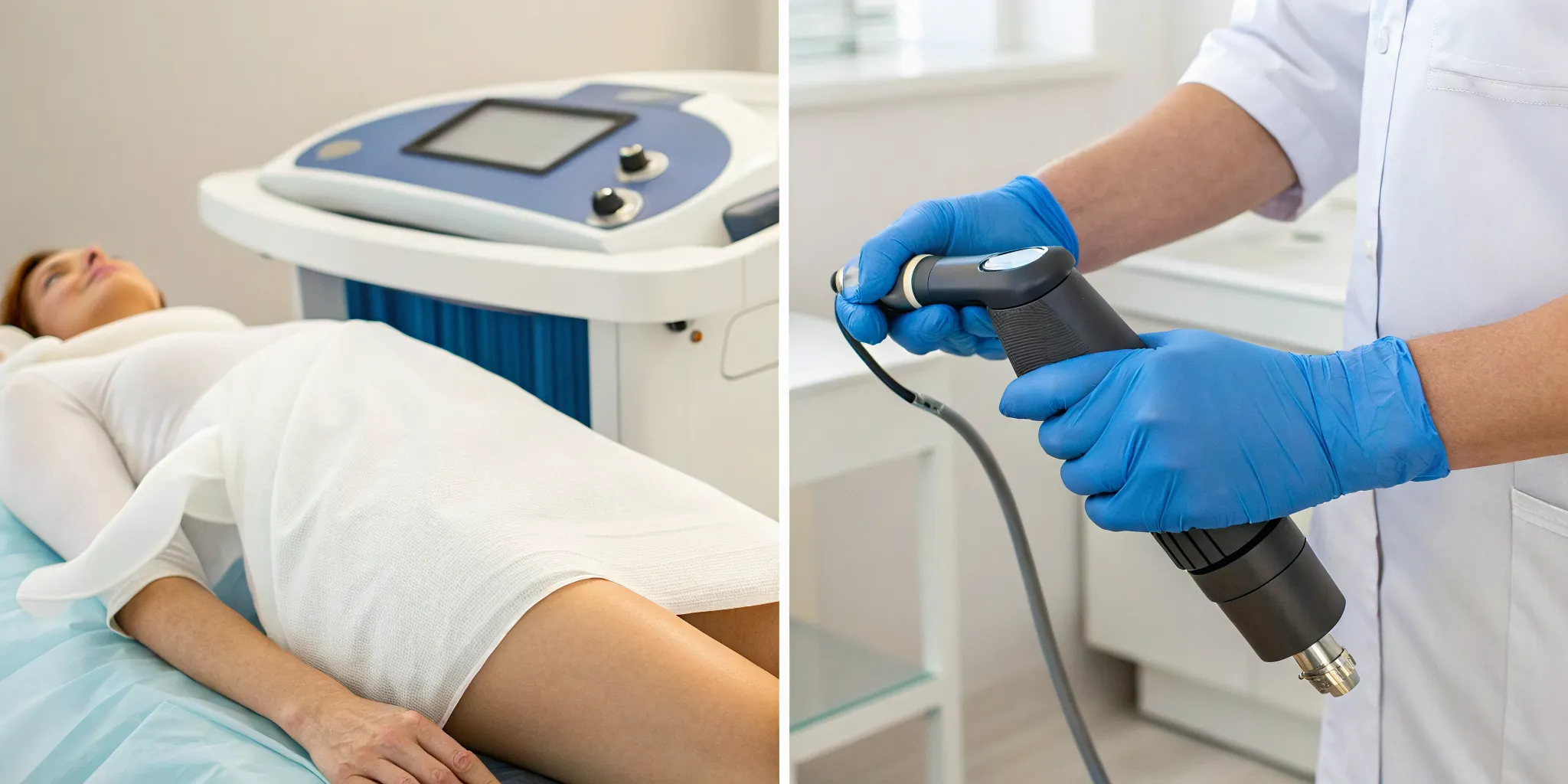
The name "shockwave" can sound a little intense, but the treatment doesn't involve any electrical shocks. Instead, Shockwave Therapy uses a specialized device to deliver high-energy acoustic (sound) waves directly to the injured tendon. Think of it as a series of strong, targeted pulses of sound energy. This process creates what’s known as a "micro-trauma" in the tissue, which might sound counterintuitive, but it’s actually the key to its success. This controlled stimulation essentially re-awakens the healing process in an area where it has stalled, signaling to your body that it’s time to get back to work on repairs. Our approach to physical medicine focuses on these types of innovative, restorative treatments.
Your Tendon's Response to Treatment
Once the acoustic waves are applied, your body launches a powerful healing response. The treatment helps your body heal by increasing blood flow to the area, which is crucial for delivering oxygen and nutrients needed for repair. It also works to break down disorganized scar tissue and calcifications that can limit movement and cause pain. At the same time, the therapy stimulates the production of new collagen, the primary protein that makes up your tendons, helping to build stronger, healthier tissue. This cascade of biological responses not only reduces pain and lowers inflammation but also fundamentally regenerates the tendon, leading to improved strength and function.
Shockwave vs. Ultrasound: What's the Difference?
People sometimes confuse shockwave therapy with therapeutic ultrasound, but they are very different treatments. While both use sound waves, the intensity and purpose are not the same. Therapeutic ultrasound uses gentle, high-frequency sound waves to create a mild heating effect in the tissue, which can help with pain and stiffness. In contrast, shockwave therapy uses more powerful, lower-frequency radial pressure waves to actively stimulate a natural healing response in the body. While ultrasound can be a helpful tool, it doesn't provide the same level of deep tissue regeneration as shockwave therapy, which is specifically designed to restart the body’s repair cycle for chronic injuries.
Why Is Chronic Tendon Pain So Stubborn?
If you’ve been dealing with tendon pain for months, you know it’s a uniquely frustrating experience. What starts as a minor ache can turn into a persistent problem that disrupts your life. Understanding why this pain sticks around is the first step toward finding a real solution. It often comes down to the difference between how your body handles a new injury versus one that has become chronic.
Acute vs. Chronic Tendon Pain
When you first injure a tendon, your body launches an immediate inflammatory response. This acute phase involves swelling and pain, but it’s a productive process designed to protect the area and begin repairs. Chronic tendon pain, however, is different. It often represents a stalled healing response where the tissue is irritated but not truly inflamed. The initial healing process has stopped short, leaving the tendon in a weakened, disorganized state. This condition, known as tendinopathy, won't resolve on its own because the natural repair cycle that your body is so good at has been interrupted.
Where Traditional Treatments Can Miss the Mark
Common advice for injuries, like rest and ice, is helpful during the acute phase. For chronic tendinopathy, these methods usually provide only temporary relief because they don’t address the stalled healing. The core issue is that the tendon needs a signal to restart the repair process, not just a break from activity. Many traditional treatments for the conditions we treat can fall short because they don't provide this stimulus. This is why a non-invasive procedure that actively stimulates the body’s natural healing process can be a more effective approach for long-term recovery.
The Problem with Corticosteroid Injections
Corticosteroid injections are often suggested for persistent joint and tendon pain because they are powerful anti-inflammatories. They can provide significant, though temporary, pain relief, which feels like a win. The problem is, they don't heal the underlying tissue. In fact, studies show that repeated injections can weaken tendon tissue over time, potentially increasing your risk for a more significant injury down the road. This approach focuses on managing symptoms rather than addressing the root causes of the pain. True healing involves rebuilding the tendon, not just silencing the pain signals it sends.
What Tendon Conditions Does Shockwave Therapy Treat?
Shockwave therapy is a versatile tool that can be applied to several areas of the body where chronic tendon pain tends to settle in. Because it works by stimulating your body’s own healing mechanisms, it’s effective for a range of stubborn conditions that haven't responded to conventional methods. If you’re dealing with persistent pain in your heel, elbow, or shoulder, this therapy might be the missing piece in your recovery puzzle. It’s particularly useful for tendinopathies, which are injuries caused by overuse that lead to pain and dysfunction in the tough, flexible cords that attach your muscles to your bones.
These conditions can be frustrating because tendons naturally have a lower blood supply than muscles, which can make the healing process slow and difficult. Shockwave therapy directly addresses this by using acoustic waves to create a therapeutic effect deep within the tissue. This process helps increase blood flow, reduce pain signals, and stimulate the cellular activity needed for repair. It essentially gives your body a powerful nudge to get the healing process back on track. At Ascend Functional Health, we find it’s a valuable part of a holistic plan to restore function and help you move with confidence again. Let's look at some of the most common tendon issues we address with this approach.
Plantar Fasciitis (Heel Pain)
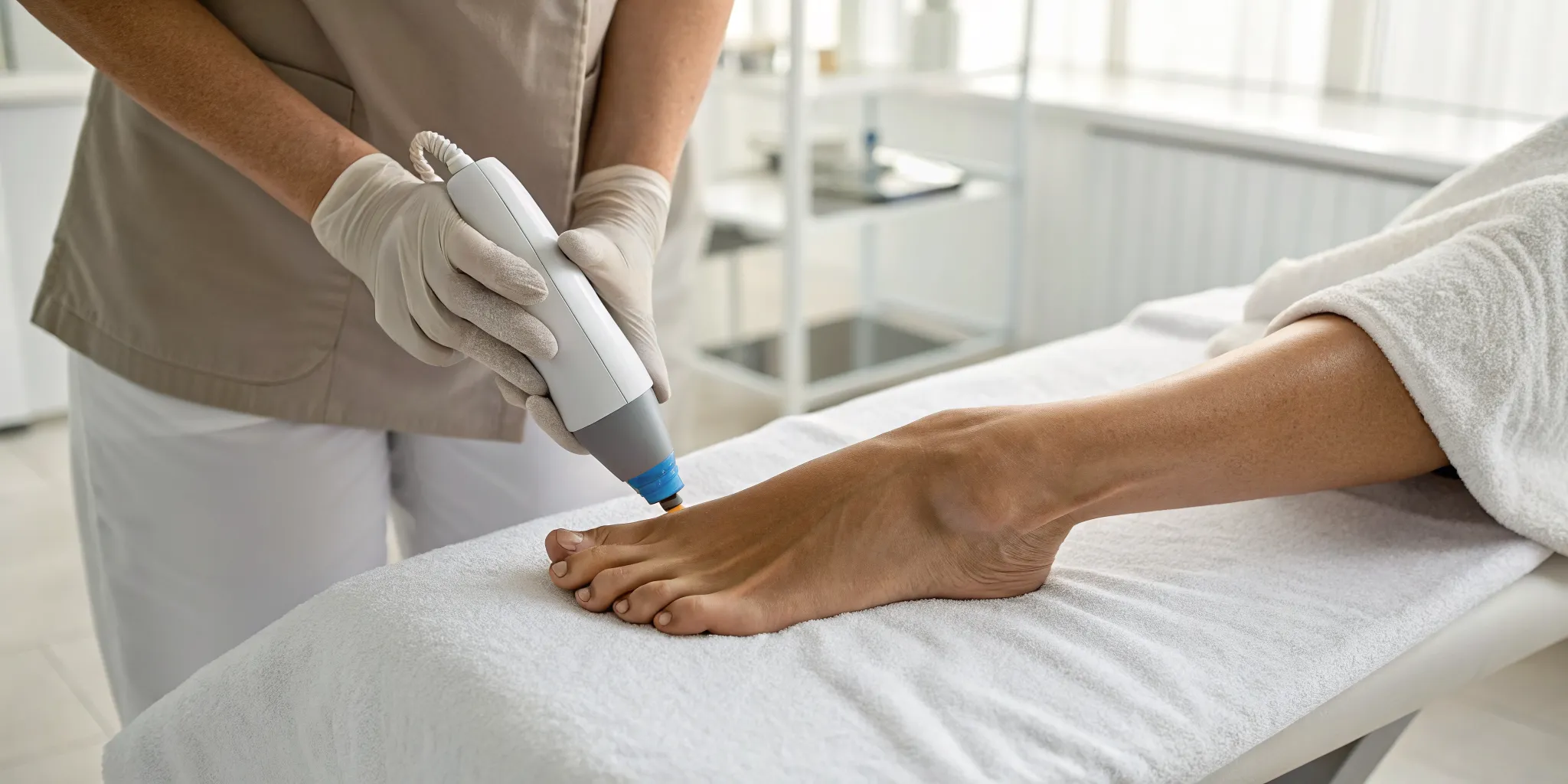
If you’re familiar with the sharp, stabbing pain in your heel, especially with those first few steps in the morning, you know how disruptive plantar fasciitis can be. This condition happens when the thick band of tissue on the bottom of your foot becomes inflamed and overworked. Shockwave therapy is a well-regarded approach for this frustrating issue. The acoustic waves help calm the irritated nerve signals that contribute to your pain while stimulating blood flow and cellular repair in the fascia itself. It’s a way to encourage your body to heal the tissue, offering a path toward lasting relief from chronic foot and ankle pain.
Achilles Tendinopathy
That persistent, nagging pain at the back of your ankle can make everything from walking to climbing stairs a painful chore. Achilles tendinopathy is common in active individuals but can affect anyone. For this condition, shockwave therapy can be particularly effective, especially when it’s integrated into a broader healing plan. The treatment helps to break down disorganized tissue and kickstart a more effective healing response in the tendon. We often find that combining it with specific, targeted exercises as part of our physical medicine protocols yields the best results, helping you build strength and resilience as you heal.
Tennis and Golfer's Elbow
You don’t have to play tennis or golf to suffer from these painful elbow conditions. Tennis elbow causes pain on the outside of the elbow, while golfer's elbow affects the inside. Both are overuse injuries that can make simple tasks like gripping a coffee cup or turning a doorknob feel impossible. Shockwave therapy has been shown to reduce pain and improve function, particularly for tennis elbow. By targeting the damaged tendon tissue with acoustic waves, the treatment helps to reduce pain signals and stimulate the repair process, allowing you to get back to your daily activities with greater ease.
Patellar Tendinopathy (Jumper's Knee)
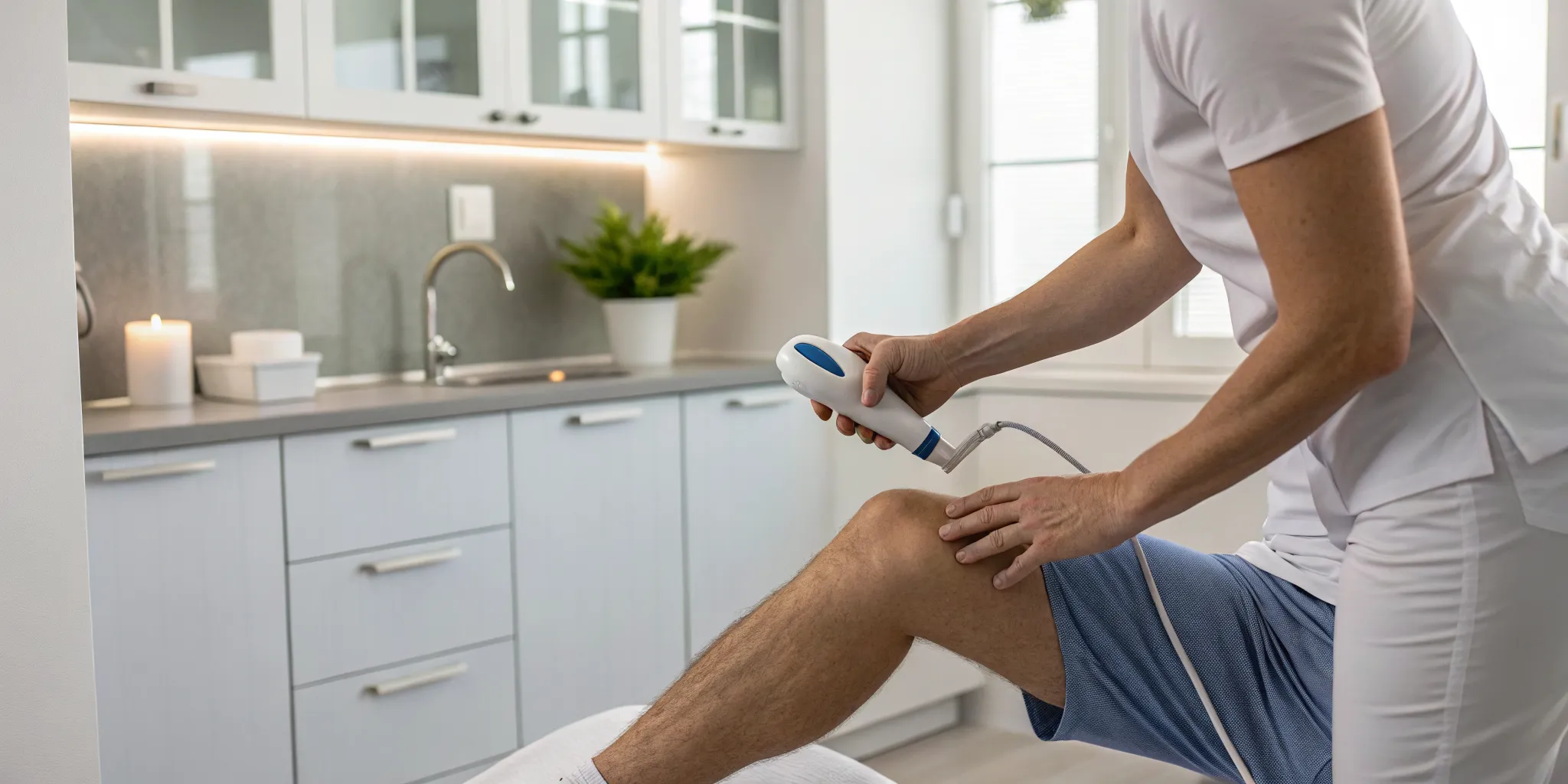
Often called "jumper's knee," patellar tendinopathy creates a distinct pain point just below the kneecap. It’s a common complaint among athletes whose sports involve a lot of jumping, but it can also develop from the daily strain of walking or running. While research has shown varied outcomes, some studies suggest shockwave therapy can provide significant relief, especially when other treatments have fallen short. For many, it serves as a powerful intervention that reduces pain and allows them to engage more effectively in the corrective exercises needed for long-term recovery. It’s a valuable tool in our approach to treating persistent knee pain.
Rotator Cuff Tendinopathy
Shoulder pain from rotator cuff tendinopathy can be incredibly limiting, affecting your ability to reach overhead, get dressed, or even sleep comfortably. This condition involves inflammation or damage to the tendons surrounding the shoulder joint. While the evidence for shockwave therapy is still growing for this area compared to others, it is used to help manage pain and stimulate healing in the shoulder. We often incorporate it as part of a comprehensive healing protocol that also includes corrective care and other modalities to address the complex mechanics of the shoulder and promote true, lasting function.
Key Benefits of Shockwave Therapy
If you've been dealing with persistent tendon pain, you know how frustrating it can be when traditional methods don't provide the relief you need. Shockwave therapy offers a different path forward by working with your body to address the source of the pain. It’s a modern approach that stands out for its ability to stimulate healing without invasive procedures. For many people who feel like they’ve tried everything, this treatment can be the key to finally getting back to an active, comfortable life. Let's look at a few of the main reasons why this therapy is so effective for chronic tendon conditions.
A Non-Invasive Approach to Healing
One of the most significant advantages of shockwave therapy is that it’s a completely non-invasive procedure. This means there are no needles, no incisions, and no lengthy recovery times associated with surgery. The treatment is performed entirely outside the body, using a special device to deliver acoustic waves through your skin to the injured tendon. This makes it a compelling option for anyone looking to avoid the risks and downtime of more aggressive interventions. Instead of preparing for a complex procedure, you can have a session and get right back to your day, making it a practical part of your overall physical medicine plan.
Kickstarts Your Body's Natural Repair Process
Shockwave therapy doesn’t just mask your pain; it actively encourages your body to heal itself. The high-energy acoustic waves create micro-trauma in the targeted tissue, which sounds counterintuitive but is actually the key to its success. This process triggers a powerful healing response, increasing blood flow and stimulating the cells responsible for tissue repair and regeneration. Think of it as a wake-up call for your body's internal repair crew. By prompting this natural cascade of healing, the therapy helps break down scar tissue and build new, healthy tendon fibers, addressing the root cause of your chronic pain.
Find Lasting Relief and Better Movement
The ultimate goal of any treatment is lasting relief and improved function, and this is where shockwave therapy truly shines. It’s particularly effective for chronic tendon pain that hasn’t responded well to rest or other conventional treatments. By stimulating deep tissue repair, the therapy helps reduce pain and inflammation for the long term, rather than just providing a temporary fix. As the tendon heals and strengthens, you’ll likely notice a significant improvement in your mobility and a reduction in stiffness. This allows you to return to the activities you love, whether it's walking, playing sports, or simply moving through your day without pain. Many of the conditions we treat respond well to this approach.
Your First Shockwave Therapy Session: What to Expect
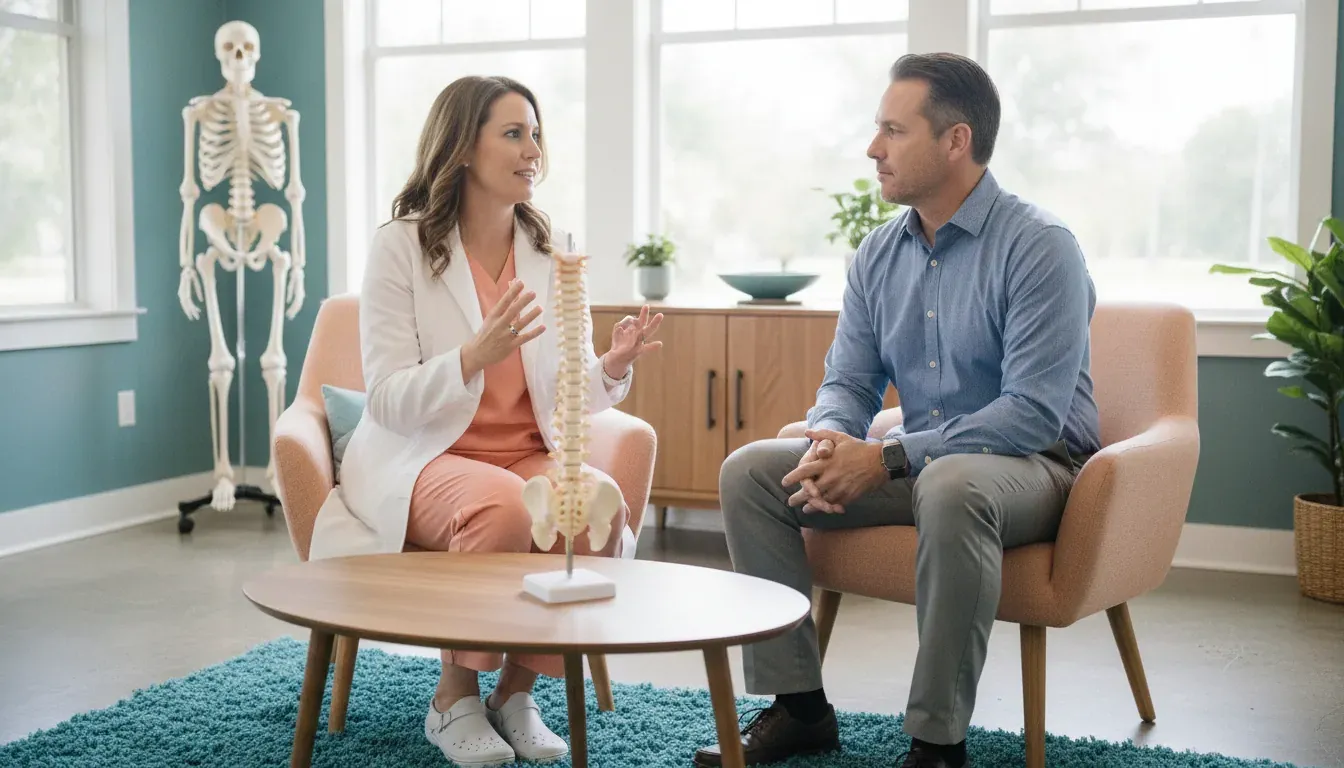
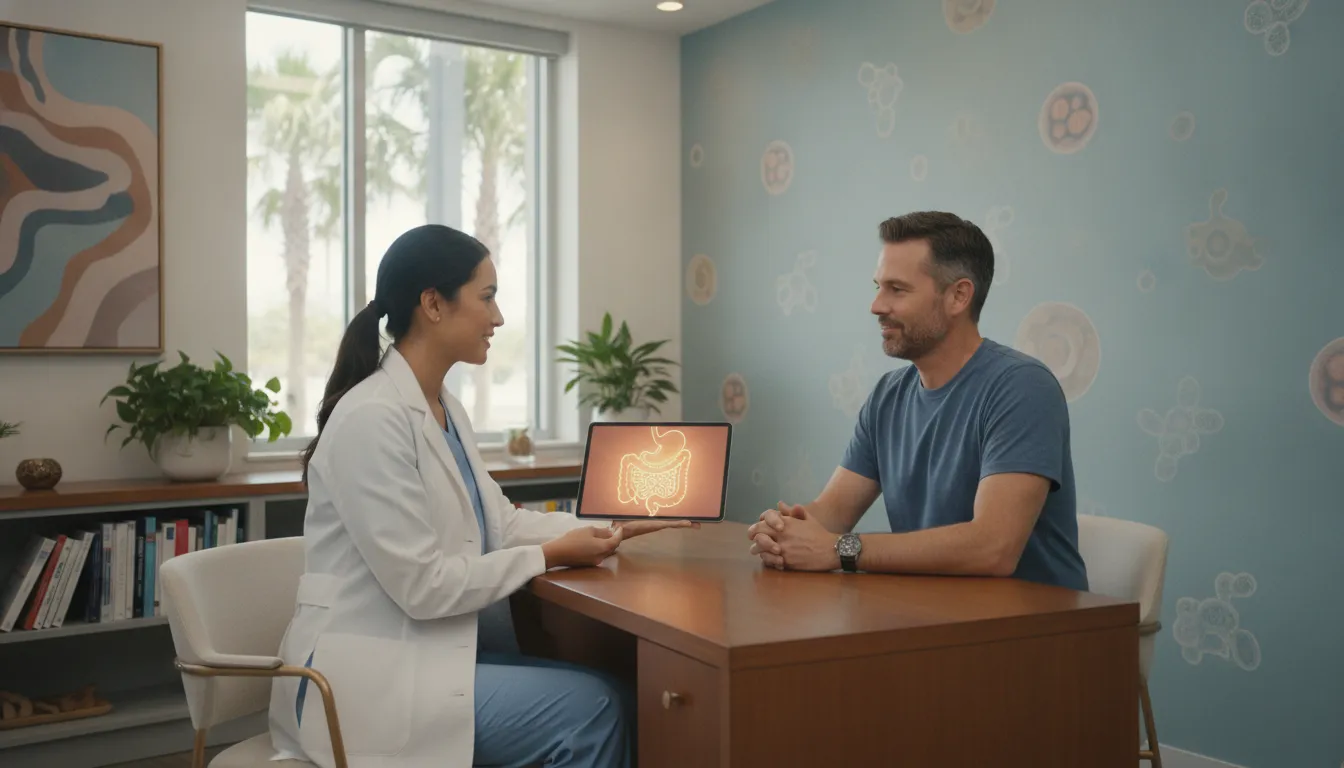
Walking into a new type of treatment can feel a little uncertain, but knowing what’s ahead can make all the difference. Shockwave therapy is a straightforward and non-invasive process designed to work with your body. At Ascend Functional Health, our goal is to make you feel comfortable and informed every step of the way. We’ll start with a thorough assessment to confirm this is the right path for you and then create a plan tailored to your specific needs. From the moment you arrive for your first session to the weeks that follow, we’re here to guide you through the healing process. Let’s walk through what you can expect during your shockwave therapy journey.
Preparing for Your Appointment
If you're dealing with chronic tendon pain that hasn't responded to other treatments, shockwave therapy could be a great option. Before your first session, we’ll have a detailed consultation to discuss your health history and pinpoint the source of your pain. This helps us confirm that you’re a good candidate for the treatment and allows us to target the therapy precisely. On the day of your appointment, the best thing you can do is wear loose, comfortable clothing that gives us easy access to the area we’ll be treating. There’s no other special preparation needed, just come as you are.
What the Treatment Feels Like
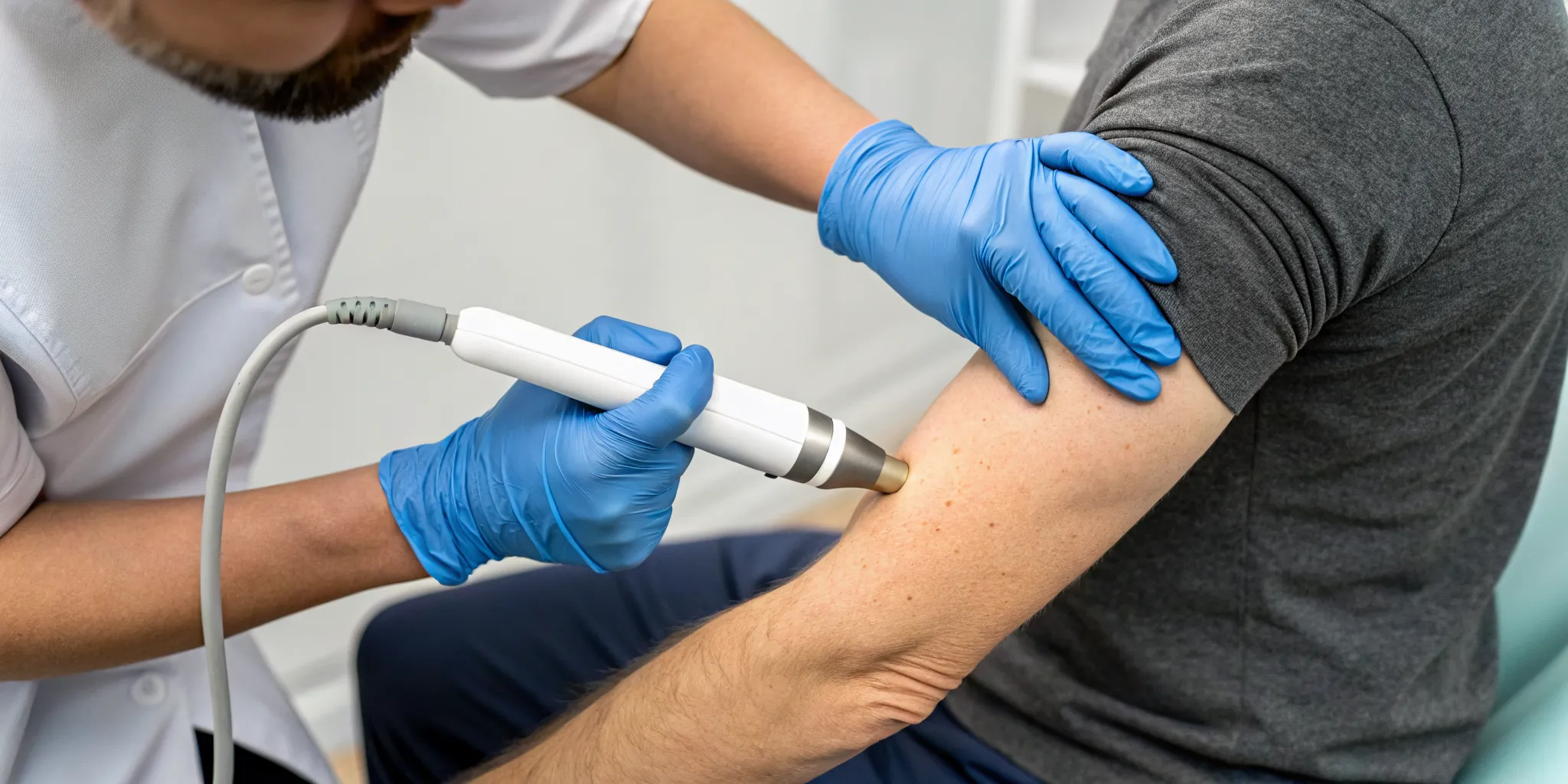
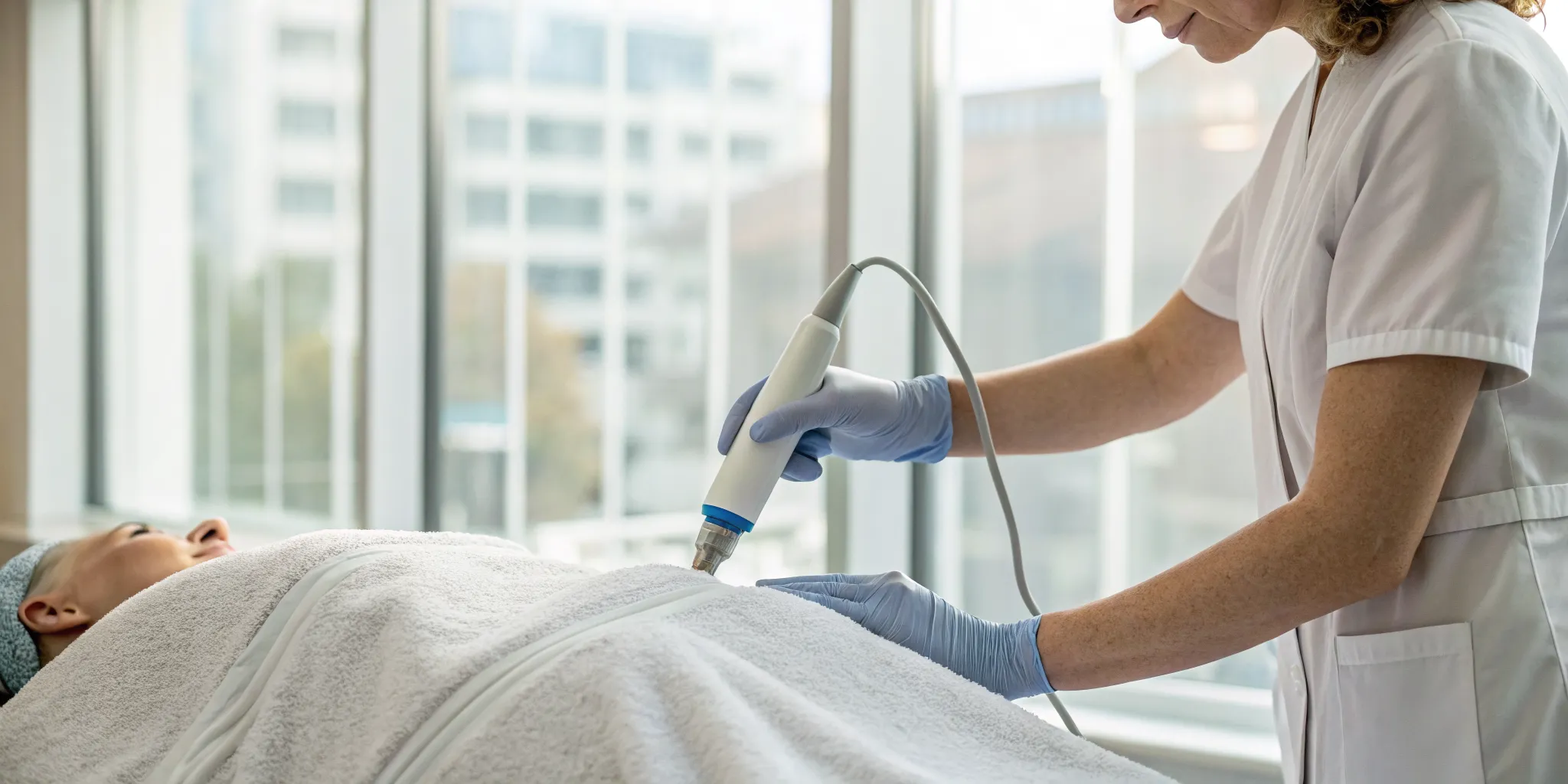
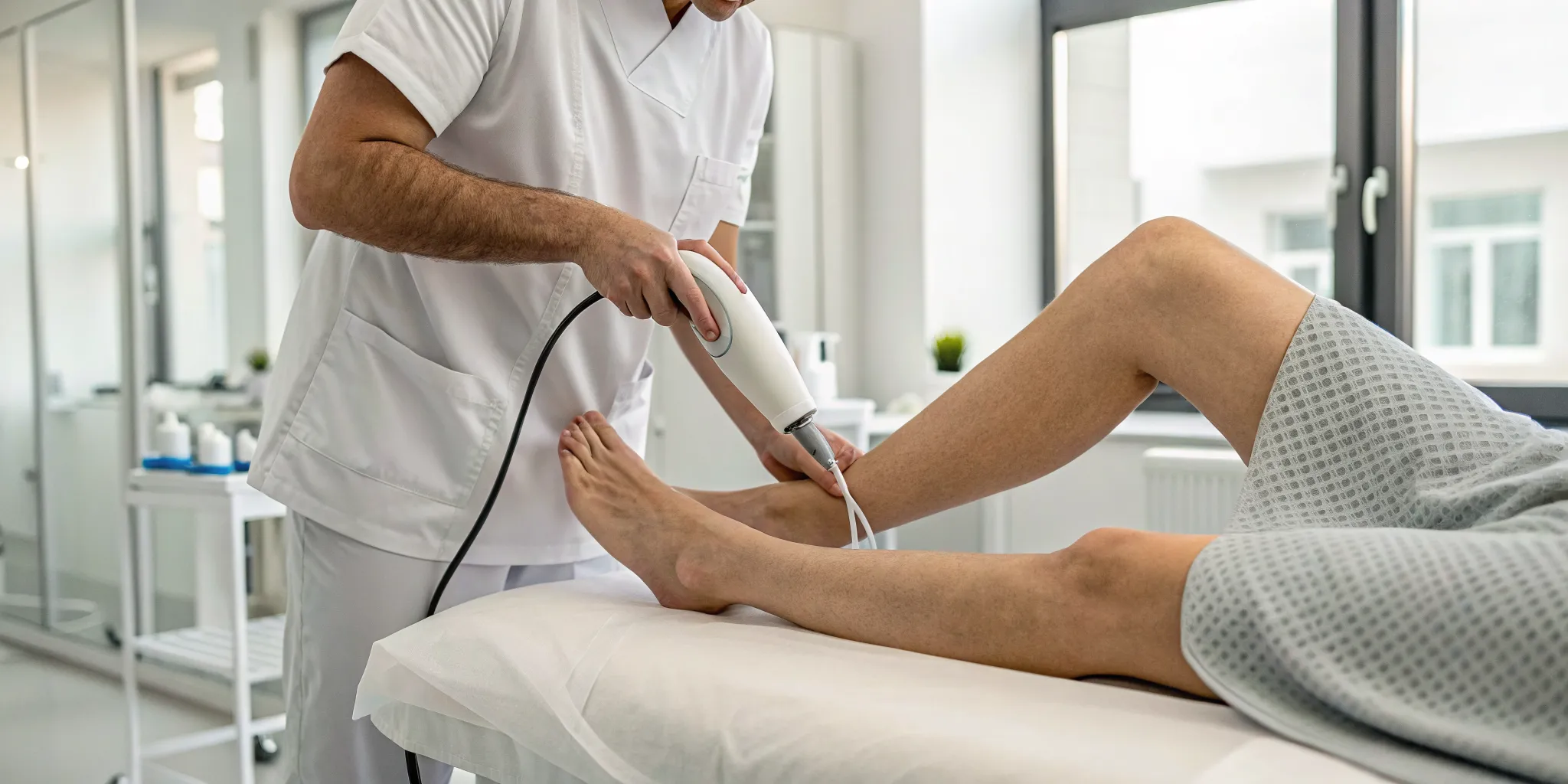
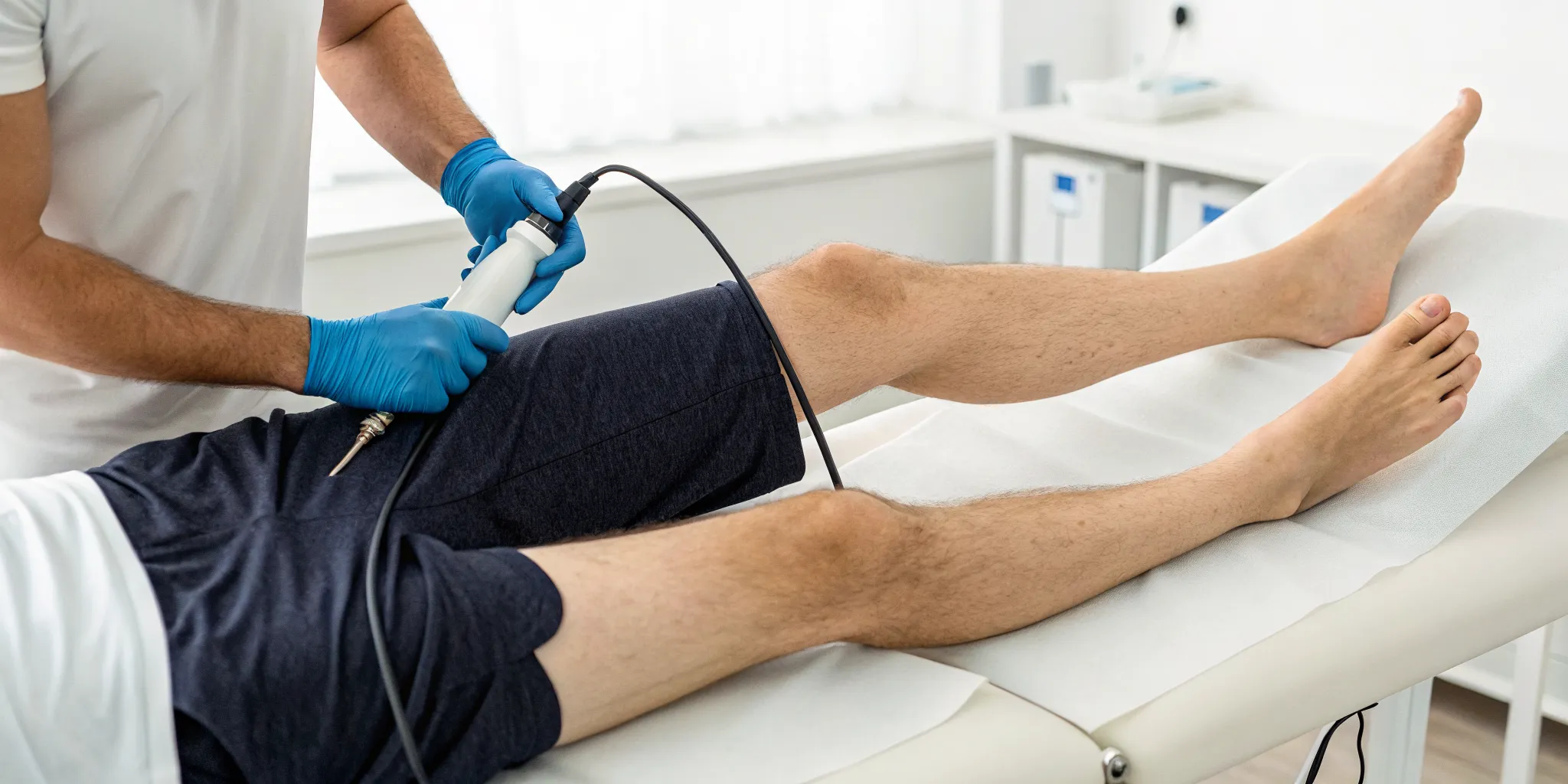
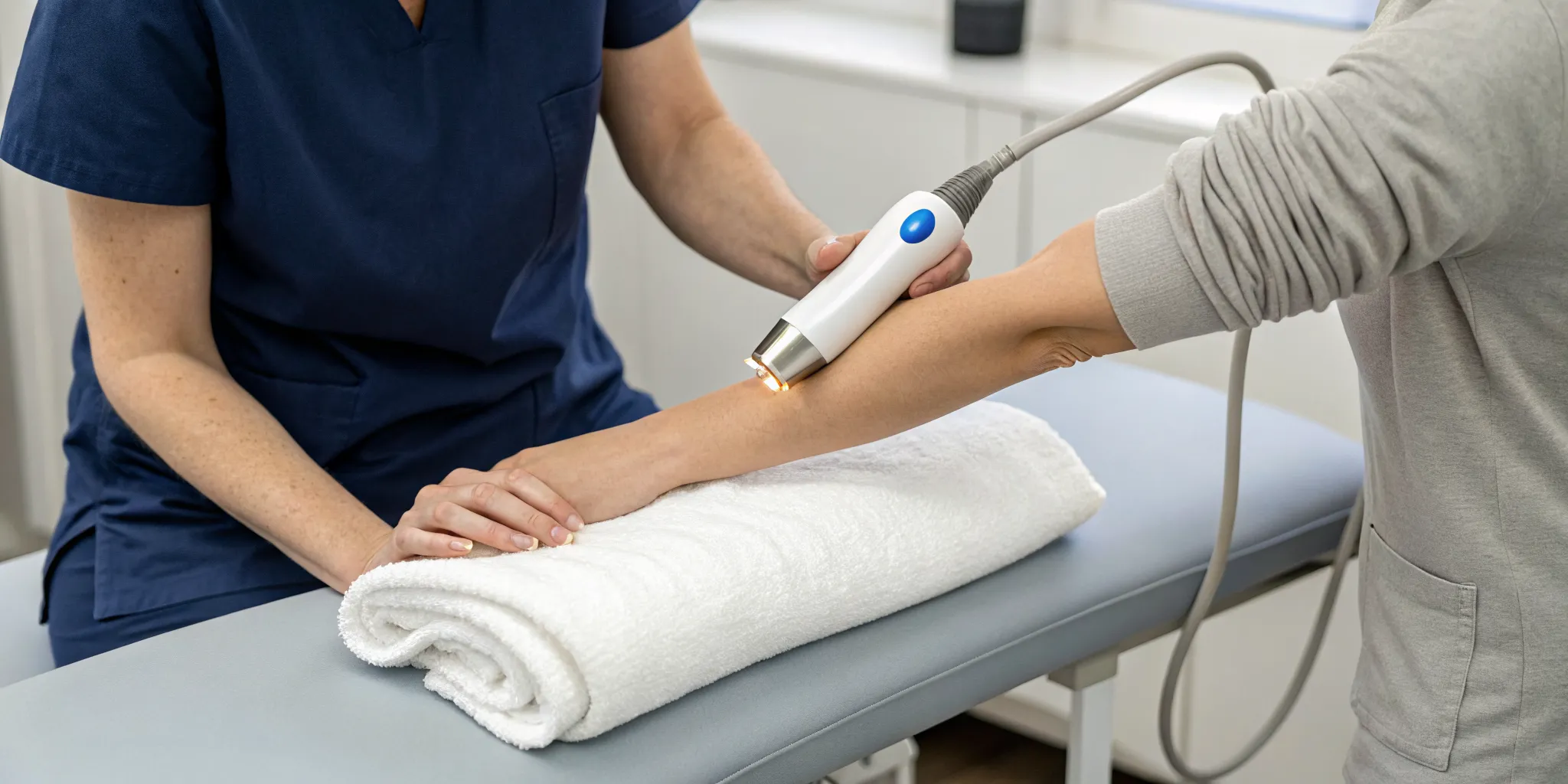
Many people hear the term "shockwave" and imagine something intense or painful, but the reality is much gentler. Shockwave therapy is a non-invasive procedure, meaning there are no incisions or instruments entering the body. We’ll start by applying a gel to your skin over the painful area, similar to what’s used for an ultrasound. Then, we’ll use a handheld device to deliver acoustic waves to the tissue. You’ll likely feel a tapping or pulsing sensation. We can adjust the intensity to your comfort level, so it’s important to communicate with your practitioner throughout the short session. Our team at Ascend Functional Health prioritizes your comfort while ensuring the treatment is effective.
After Your Session: What's Normal?
One of the best parts of shockwave therapy is that there’s very little downtime. You can get back to your daily routine right after your appointment. It’s common to feel some mild soreness in the treated area for a day or two, much like you would after a good workout. This is actually a positive sign that the treatment has stimulated your body’s natural healing response. We generally recommend avoiding any strenuous, high-impact activities for about 48 hours after a session, but your practitioner will give you specific guidance based on your condition.
Understanding Your Treatment Timeline
Lasting relief from chronic pain doesn’t happen overnight. Shockwave therapy is designed to be a cumulative process that encourages your body to heal over time. A typical plan involves one session per week for about three to five weeks, with each appointment lasting less than 30 minutes. The exact number of treatments you’ll need depends on your specific condition, how long you’ve had the pain, and how your body responds. We’ll work with you to create a personalized physical medicine plan and adjust it as you progress, ensuring you get the best possible results.
Is Shockwave Therapy Safe?
It’s completely normal to have questions about the safety of any new treatment. When it comes to shockwave therapy, the good news is that it has an excellent safety profile when administered by a trained professional. It’s a non-invasive procedure designed to work with your body, not against it. Understanding the potential side effects and knowing who is a good candidate will help you feel confident as you consider this option for your healing journey. At Ascend Functional Health, your well-being is our priority, and we ensure you have all the information you need before beginning any treatment.
Potential Side Effects to Know
Like any effective therapy, shockwave treatment can have a few side effects, but they are typically mild and short-lived. Most people experience nothing more than some temporary redness, minor swelling, or bruising in the area that was treated. This is a normal inflammatory response, which is exactly what we want to see to kickstart healing. These effects are your body’s way of saying, "Okay, I’m getting to work!" and they usually fade within a few days. Our team is committed to providing safe and effective physical medicine solutions, and we'll walk you through every step.
Why Temporary Soreness Is Part of the Process
You might feel some soreness in the treated area for a day or two after your session, similar to how your muscles feel after a good workout. This is a positive sign. The acoustic waves are intentionally creating a controlled inflammatory response to stimulate blood flow and cell regeneration in tissue that has been "stuck" in a chronic state. During the actual treatment, you may feel some discomfort, but it’s generally well-tolerated. The best part is that there’s virtually no downtime, so you can get right back to your life while your body begins the important work of repairing itself.
Who Isn't a Candidate for This Treatment?
While shockwave therapy is a fantastic option for many people dealing with chronic tendon pain, it’s not suitable for everyone. Your safety is our top priority, so we always conduct a thorough assessment to make sure it’s the right fit for you. Generally, this treatment is not recommended for individuals who are pregnant, have a blood clotting disorder, or have an active infection or tumor in the treatment area. It's an excellent choice for chronic tendon issues that haven't responded to other approaches, but a proper evaluation is key. The best way to know for sure is to schedule a consultation with us to discuss your health history and goals.
Shockwave Therapy in a Holistic Healing Plan
While shockwave therapy is a fantastic tool for targeting specific areas of pain, we believe true, lasting healing comes from looking at the bigger picture. Think of your body as an interconnected system. A painful tendon isn't just an isolated problem; it's a signal that something in the system is off balance. That’s why we don’t just focus on the "what" (the pain) but also the "why" (the root cause). A holistic healing plan considers all the factors that contribute to your health, from your movement habits to your internal biochemistry.
At Ascend Functional Health, we integrate shockwave therapy into a comprehensive strategy that may involve our other pillars of healing: Physical Medicine, Functional Medicine, and Longevity Medicine. This approach ensures we’re not just quieting a symptom, but creating a foundation for your body to heal itself and prevent the issue from coming back. By looking at your unique biomechanics, lifestyle, and internal health, we can create a personalized plan where shockwave therapy is one powerful piece of your wellness puzzle. Our goal is to support your body’s innate ability to repair itself for long-term results. You can learn more about our comprehensive health solutions and how they work together to restore your well-being.
Combining Therapies for Better Results
Shockwave therapy is highly effective on its own, but its benefits are often amplified when combined with other treatments. For many people with chronic tendon pain, the issue isn't just the damaged tissue; it's also the faulty movement patterns or structural imbalances that caused the stress in the first place. We can use shockwave therapy to restart the healing process in the tendon while simultaneously using other therapies to correct the underlying mechanical problems.
This might include targeted exercises to strengthen supporting muscles or corrective chiropractic care to improve joint alignment. This combined approach creates a synergistic effect, helping you find relief faster and build a more resilient body. Our Physical Medicine services are designed to restore proper function and movement, making them a perfect partner to shockwave treatments.
Moving Beyond Symptoms to Find the Root Cause
Chronic tendon pain often signals a healing process that has stalled. The tissue is stuck in a state of irritation, unable to fully repair itself. Shockwave therapy acts as a catalyst, using acoustic waves to wake up the cells and restart that natural healing cascade. But our work doesn’t stop there. We always ask: why did the healing stall in the first place?
This is where we look deeper. The answer could lie in systemic inflammation, nutritional deficiencies, or other internal imbalances that prevent your tissues from repairing efficiently. Through Functional Medicine, we investigate these underlying factors to get to the true source of the problem. Simply treating the painful tendon without addressing the root cause is a temporary fix. We want to give you a permanent solution.
Could Shockwave Therapy Be Your Solution for Tendon Pain?
If you've been dealing with nagging tendon pain that just won’t quit, you know how frustrating it can be. Maybe you've tried rest, ice, and stretching, but the pain always seems to find its way back, keeping you from your daily activities. It’s easy to feel like you’re out of options. But what if there was a way to address the injury at its source, without resorting to surgery or repeated injections? This is where shockwave therapy comes in.
Despite its intense-sounding name, Extracorporeal Shockwave Therapy (ESWT) is a non-invasive procedure that uses high-energy acoustic waves to target injured tissue. Think of it as a way to restart your body's own healing cascade. The therapy helps increase blood flow, break down stubborn scar tissue, and stimulate the formation of new, healthy tissue. It’s a modern approach designed to promote natural healing in tendons that have been stuck in a cycle of chronic pain.
Many people mistakenly think the procedure is invasive, but it’s a key part of our physical medicine toolkit precisely because it helps your body do what it’s designed to do: repair itself. For chronic conditions like plantar fasciitis, tennis elbow, or Achilles tendinopathy, shockwave therapy can be the key to finding lasting relief and better movement. Instead of just masking symptoms, it helps resolve the underlying problem so you can get back to the life you love.
Related Articles
- SoftWave Tissue Regeneration Therapy in Tampa | Alessi Functional Health
- SoftWave TRT Therapy in Tampa, FL - Alessi Functional Health
- Regenerative Medicine for Pain Recovery | Ascend Functional Health
- What Is Soft Tissue Therapy? A Complete Guide
- Pain Free Future | Alessi Functional Health
Frequently Asked Questions
Does shockwave therapy hurt? Most people describe the sensation as a strong tapping or pulsing against the skin. While you might feel some discomfort, especially over a particularly sensitive spot, the treatment is generally well-tolerated. We can adjust the intensity throughout the session to match your comfort level, and each treatment is quite short. Any soreness you feel afterward is usually mild and temporary, similar to how you might feel after a focused workout.
How soon will I feel relief after starting shockwave therapy? While some people notice an improvement after just one or two sessions, the real magic happens over time. Shockwave therapy works by prompting your body to rebuild tissue, a process that doesn't happen overnight. The most significant and lasting relief often develops in the weeks following your full course of treatment as the tendon continues to heal and strengthen. It’s a cumulative process, so patience is key.
Can I go back to my normal activities right after a session? Yes, one of the great things about this therapy is the lack of downtime. You can return to your usual daily routine and work immediately after your appointment. We do recommend avoiding any high-impact or strenuous activities that stress the treated area for about 48 hours. This short break gives your body the best opportunity to kickstart the healing response we’ve just stimulated.
I've already tried rest and physical therapy. How is shockwave therapy different? That's a common situation for many of our patients. While rest can calm things down temporarily and physical therapy is crucial for building strength, neither can restart a healing process that has stalled. Shockwave therapy is different because it actively intervenes at the cellular level. It creates a controlled, therapeutic micro-trauma that signals your body to increase blood flow and build new, healthy tissue, directly addressing the weakened tendon that causes chronic pain.
Is shockwave therapy enough on its own, or will I need other treatments too? While shockwave therapy is a powerful tool, we find it works best as part of a comprehensive plan. The pain in your tendon is a symptom, but our goal is to address the root cause, which might be related to your movement patterns, posture, or even internal inflammation. We often combine shockwave with corrective exercises or other physical medicine approaches to ensure the problem doesn't just go away, but that it stays away for good.