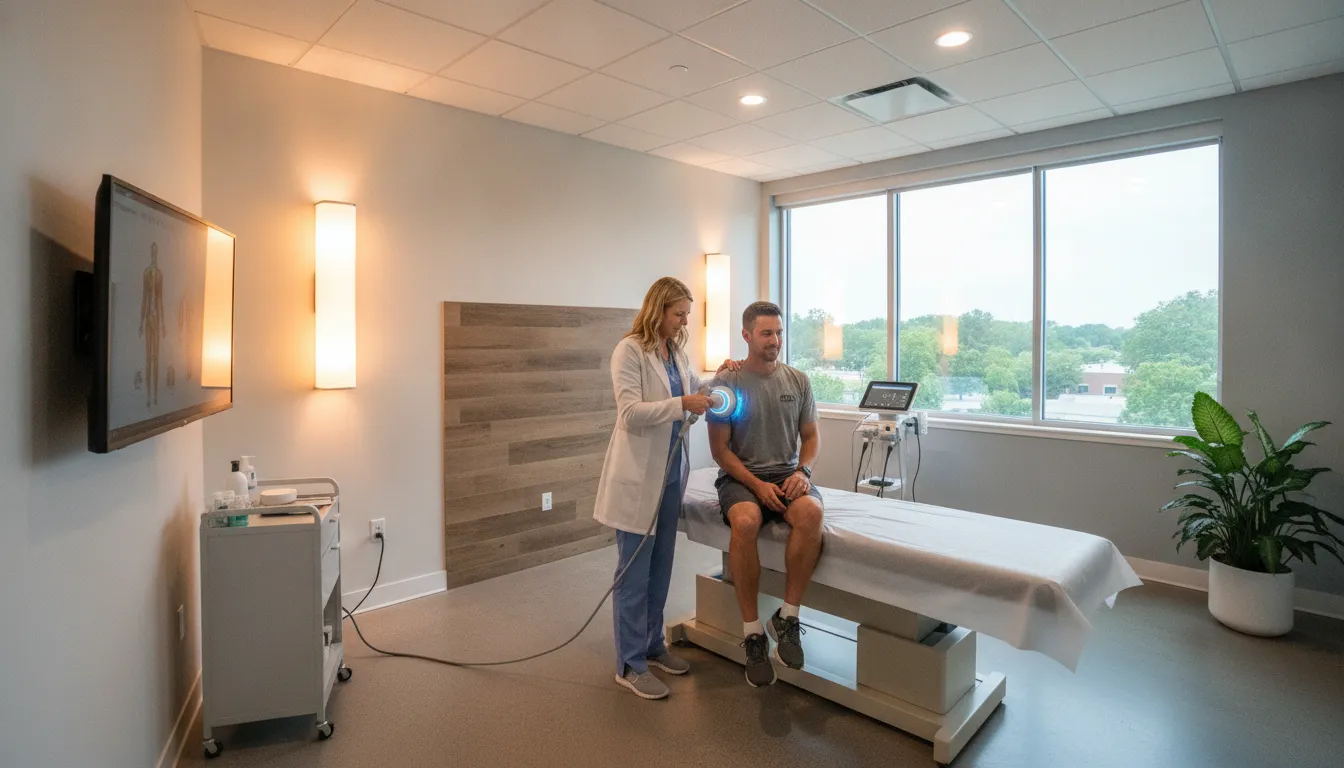
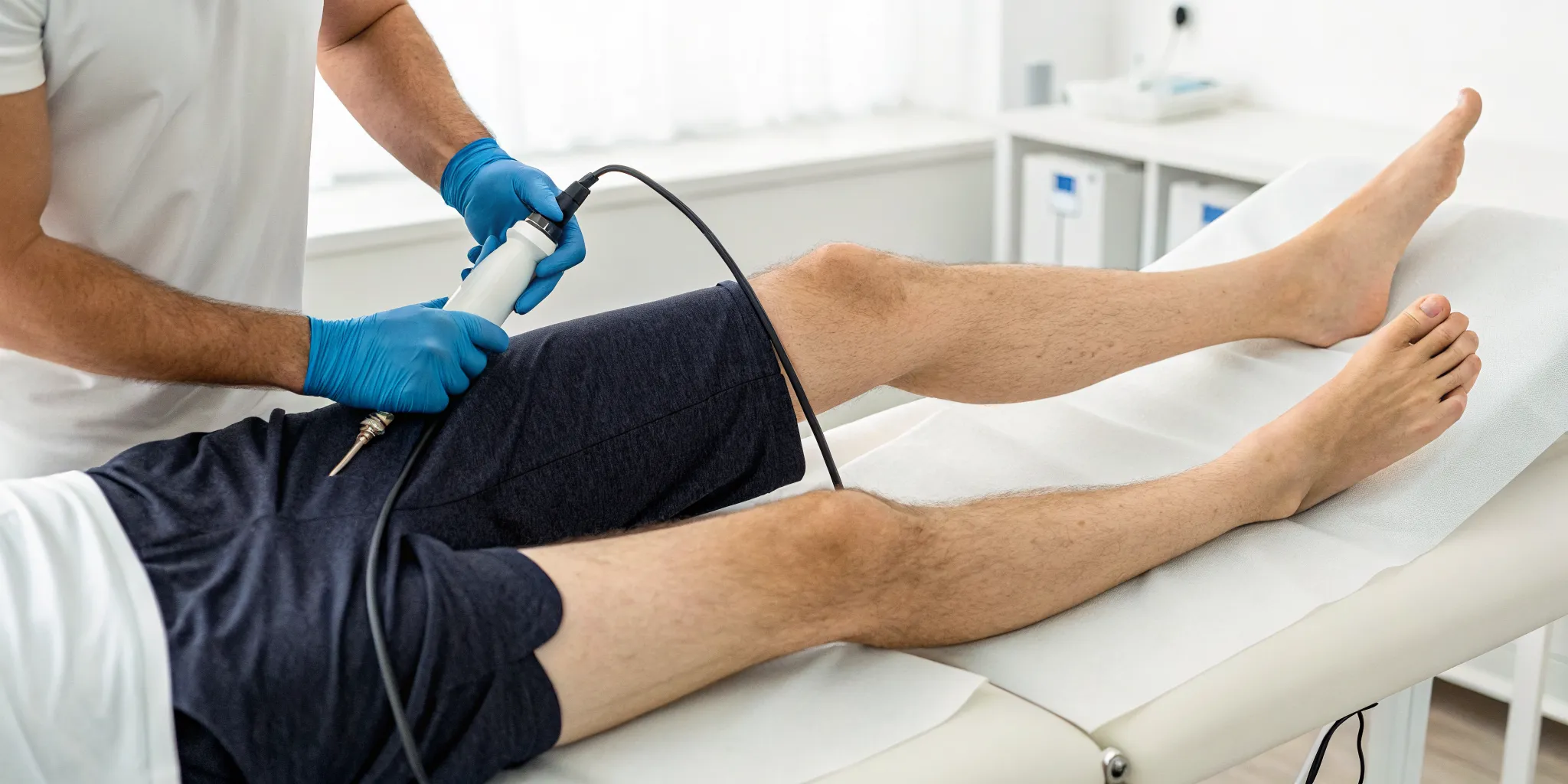
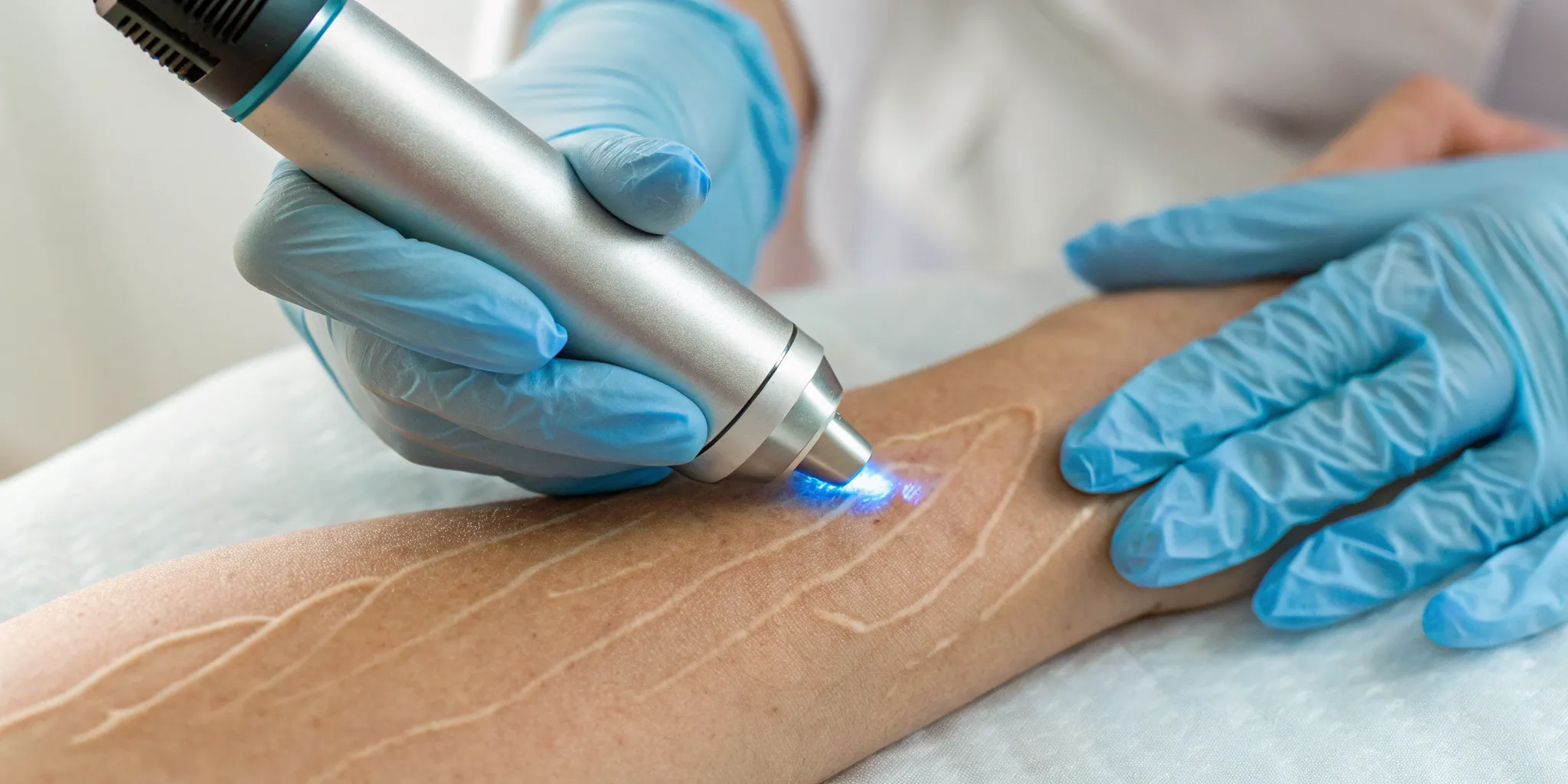
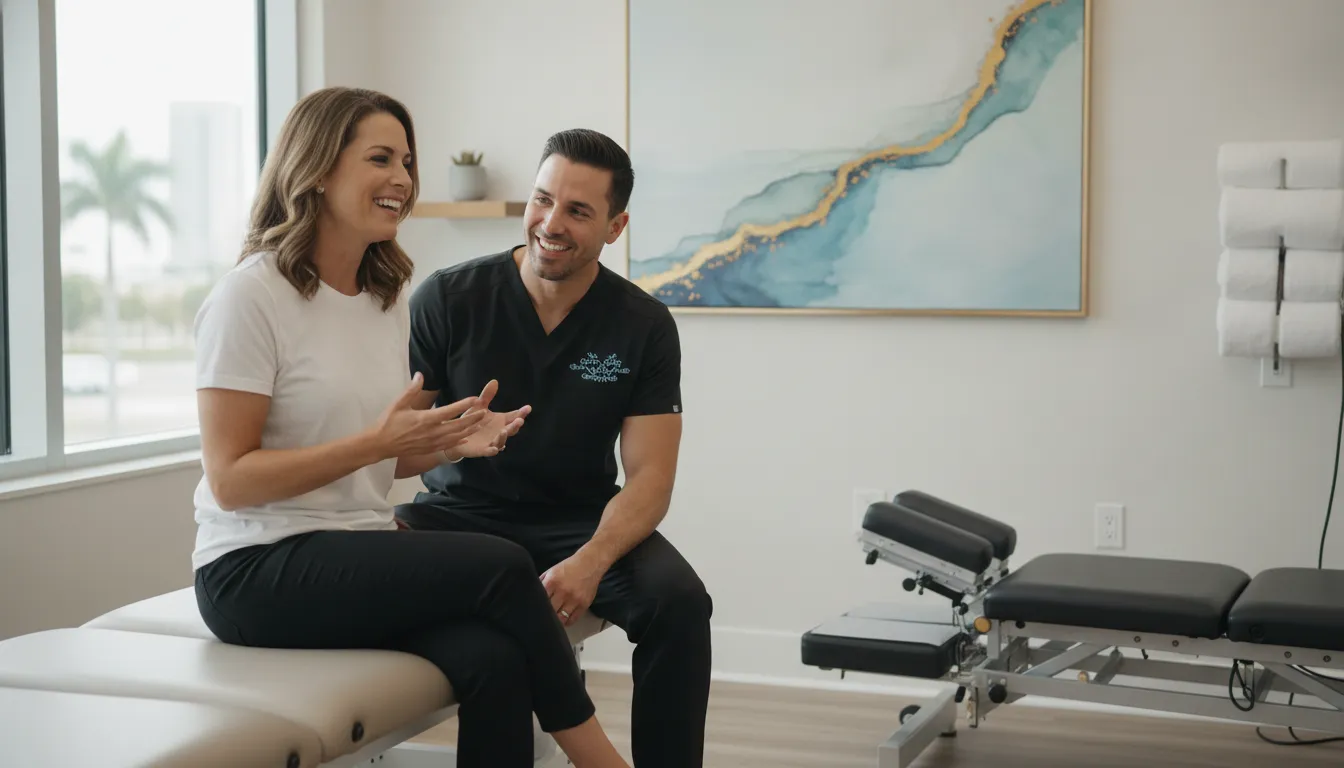
For men over 40, fitness health Tampa FL conversations can include more than exercise habits. A change in energy, strength, recovery, mobility, sleep, or body composition may have several contributing factors. A useful starting point is to describe the change, its effect on daily life, and the activities you hope to return to or continue. A clinician can help decide which questions and evaluations fit your history and goals.
Explore Physical Medicine and discuss your goals

Which fitness and health changes should you bring up?
Bring up changes that persist, recur, or interfere with the activities that matter to you. Specific examples and a timeline help a clinician understand your experience without relying on self-diagnosis.
Consider whether you have noticed a shift in:
- Energy during the day, at work, or after physical activity.
- Strength, stamina, balance, or the time it takes to feel ready for your usual activities again.
- Joint or back comfort, flexibility, posture, or confidence with movement.
- Sleep quality, mood, concentration, or motivation.
- Weight or body composition, especially when other changes occur at the same time.
- Sexual health or another personal concern you would like to discuss privately.
These experiences do not point to one cause on their own. Age, activity patterns, stress, sleep, nutrition, medical history, and other health factors can interact. Note when a change began, whether it is steady or comes and goes, and what makes it better or worse. Include the effect on work, family routines, recreation, and everyday tasks. If a health concern changes quickly or feels serious, seek prompt advice from an appropriate medical professional.
A simple example can make a conversation clearer: “Over the last few months, I have needed more time to recover after weekend cycling, and I feel tired during the following workday.” That gives useful context about timing and impact without assuming a cause. Another example might be, “My back feels stiff after long drives, and I have started avoiding a recreational activity.” The clinician can ask follow-up questions and determine whether an examination or other evaluation makes sense.
How can you prepare for a useful health conversation?
Prepare a short account of your priorities, health history, and desired outcomes. You do not need a perfect record; a few concrete examples can make the discussion more focused.
Before an appointment, write down your top two or three concerns and what a meaningful improvement would look like in daily life. It might mean completing a regular walk without stopping, moving more comfortably during a workday, or understanding why your recovery seems different. Use practical measures you can describe rather than a vague goal such as “get back in shape.”
Gather relevant background where available. Bring a list of prior diagnoses, procedures, injuries, current treatments, allergies, and tests you have already completed. If another clinician has evaluated the same concern, note the approximate date and any recommendations. Share changes in your schedule, sleep, travel, or activity level that may help explain when the issue occurs. Be candid about what you have already tried and how it affected you.
A brief diary for a week or two can reveal useful patterns. Keep it manageable: jot down sleep quality, activity, energy, discomfort, and recovery in a few words. For instance, record whether low energy follows a short night of sleep or whether stiffness is more noticeable after sitting for a long stretch. The goal is not to track every detail or draw conclusions from a handful of observations. It is to give the clinician a grounded picture of your routine.
Ascend’s Functional Medicine approach considers a person’s health history, symptoms, and appropriate testing in context. You can ask how proposed steps relate to the concern, what a test may clarify, and what it cannot establish by itself. For general public-health information, the Centers for Disease Control and Prevention is a source of guidance on health and physical activity.
How do Ascend’s three care pillars relate to fitness goals?
Physical Medicine, Functional Medicine, and Regenerative Medicine focus on different aspects of health. A clinician can explain which areas may fit your goals after reviewing your history and concerns; the pillars are not interchangeable or automatic recommendations.
| Care pillar | Common focus | Questions to discuss |
|---|---|---|
| Physical Medicine | Chiropractic care, movement, spinal and joint function, posture, soft-tissue work, decompression, and rehabilitation-related goals. | Would a physical assessment help clarify a movement concern? How would progress be reviewed? |
| Functional Medicine | Health history, symptoms such as fatigue, nutrition, gut health, bloodwork, and other appropriate testing. | Could testing help explore this concern? How might results affect the next step? |
| Regenerative Medicine | Clinically evaluated options that may include PRP, peptide therapy, red light therapy, or hormone health care. | What evaluation is needed first? What evidence, limitations, and risks should I understand? |
For example, a movement limitation may call for a physical assessment and a discussion of relevant activity history. Ongoing fatigue may lead to questions about sleep, daily routines, medical history, and whether diagnostic testing is appropriate. One concern can involve more than one area, but a combined plan should follow an individualized evaluation rather than a general assumption.
Ascend describes its work as personalized and evidence-informed, with attention to measurable outcomes rather than a promised result. Learn about Physical Medicine services and the practice’s care options. If a specific therapy is being considered, ask what question it is intended to address, the available evidence about its benefits and limits, and how your clinician would decide whether it fits your circumstances.
Hormone-related care, including discussion of testosterone or thyroid health, calls for review of symptoms, relevant testing, potential risks, and alternatives. A single symptom or lab result should not be treated as a complete explanation. If peptide therapy comes up, review the clinical evaluation process and relevant details with a clinician; Ascend provides information about its peptide therapy approach.
What can an evaluation and follow-up plan involve?
An evaluation typically begins with your concerns, health history, and goals, followed by an examination or testing when clinically appropriate. The right steps depend on the question being considered and should connect to a plan for reassessment.
A clinician may review previous records, ask about symptoms and routines, perform a physical assessment, or consider laboratory testing. Not every person needs every test or service. Ask what a proposed test can and cannot show, whether preparation is needed, and how the result could change the next step. If prior bloodwork may be relevant, bring the results or ask how they can be reviewed; learn more about bloodwork and biometric panels.
Good planning also means discussing choices in plain language. Ask about the purpose of a recommendation, its expected commitments, possible risks or limitations, and reasonable alternatives. If a recommendation involves several steps, ask which should come first and why. You should understand how your own preferences and schedule fit into the plan before deciding whether to proceed.
Follow-up is a chance to consider whether the plan still matches your goals. You and the clinician can review what has changed, what has not, and whether an adjustment is warranted. Choose a practical measure together, such as a daily activity, movement task, or symptom pattern. Write down the starting point and the review date so you can compare your experience over time rather than relying only on memory.
For example, if your goal is to feel more comfortable during a regular walk, you might describe the distance or duration that currently feels manageable and note any symptoms that interrupt it. If sleep and daytime energy are your main concerns, you might track the time you go to bed and how rested you feel. These are conversation aids, not diagnostic tools. The clinician can help interpret them alongside your health history and any examination or test findings.
How can Tampa Bay men compare care options?
Compare options by the quality of the evaluation, clarity of recommendations, and plan for follow-up. Look for a discussion that connects your concerns and history to each proposed step instead of offering the same answer to every person.
Useful questions include:
- How will you consider my health history, current concerns, and goals together?
- Which findings would support the recommendation, and what could point in another direction?
- What are the potential benefits, limitations, and risks of the options we discuss?
- How will we decide whether a plan is helping, and when will we review it?
- What time, testing, or follow-up should I understand before choosing a next step?
- How will my preferences and ability to follow the plan be taken into account?
Answers should be understandable and specific to your situation. You can ask a clinician to explain unfamiliar terms or summarize the proposed sequence in writing. It is reasonable to pause and consider a recommendation, ask a follow-up question, or request clarification about what would happen if you decide not to proceed.
Ascend’s practice background and approach describes its Tampa Bay integrative care model. If you want to review practical details before arranging a conversation, the practice FAQ may help. A consultation can be a place to discuss fit and possible next steps without assuming that a particular service is right for you.
Men exploring broader functional health questions can also read about gut health testing and the practice’s care membership information. These pages offer context for questions to raise with a clinician; they are not a substitute for an individual evaluation. If you are in the greater Tampa area, use the Tampa service-area page to learn about local care.
Contact Ascend to discuss your health goals
Frequently Asked Questions
These general answers can help you prepare for a conversation; a clinician can relate them to your individual history and needs.
Does getting older automatically mean fitness or energy will decline?
No single pattern applies to everyone. If you notice a persistent change, discuss its timing, impact, and context with a qualified clinician rather than assuming age alone explains it.
Should men ask about hormone testing because of fatigue or reduced performance?
Symptoms alone do not establish a hormone condition. A clinician can review your history and symptoms, decide whether testing is appropriate, and interpret results in context before discussing possible options.
Do all men need laboratory testing before changing a health plan?
No. Testing depends on the concern and clinical context. Ask what a proposed test is intended to evaluate, what its limitations are, and how the result could affect the next step.
Can movement concerns and broader health questions be discussed together?
Yes. A clinician can consider movement concerns alongside relevant symptoms and health history, then explain which evaluation or care pathway may fit. The appropriate combination varies by person.
How should I decide whether a proposed plan fits my goals?
Ask how each recommendation relates to your priorities, how progress will be assessed, and when the plan will be reviewed. A clear discussion of options and limitations helps you make an informed decision.
Request a conversation with Ascend
Educational content only; this article is not medical advice. Consult your clinician before acting on health information or making changes to your care.