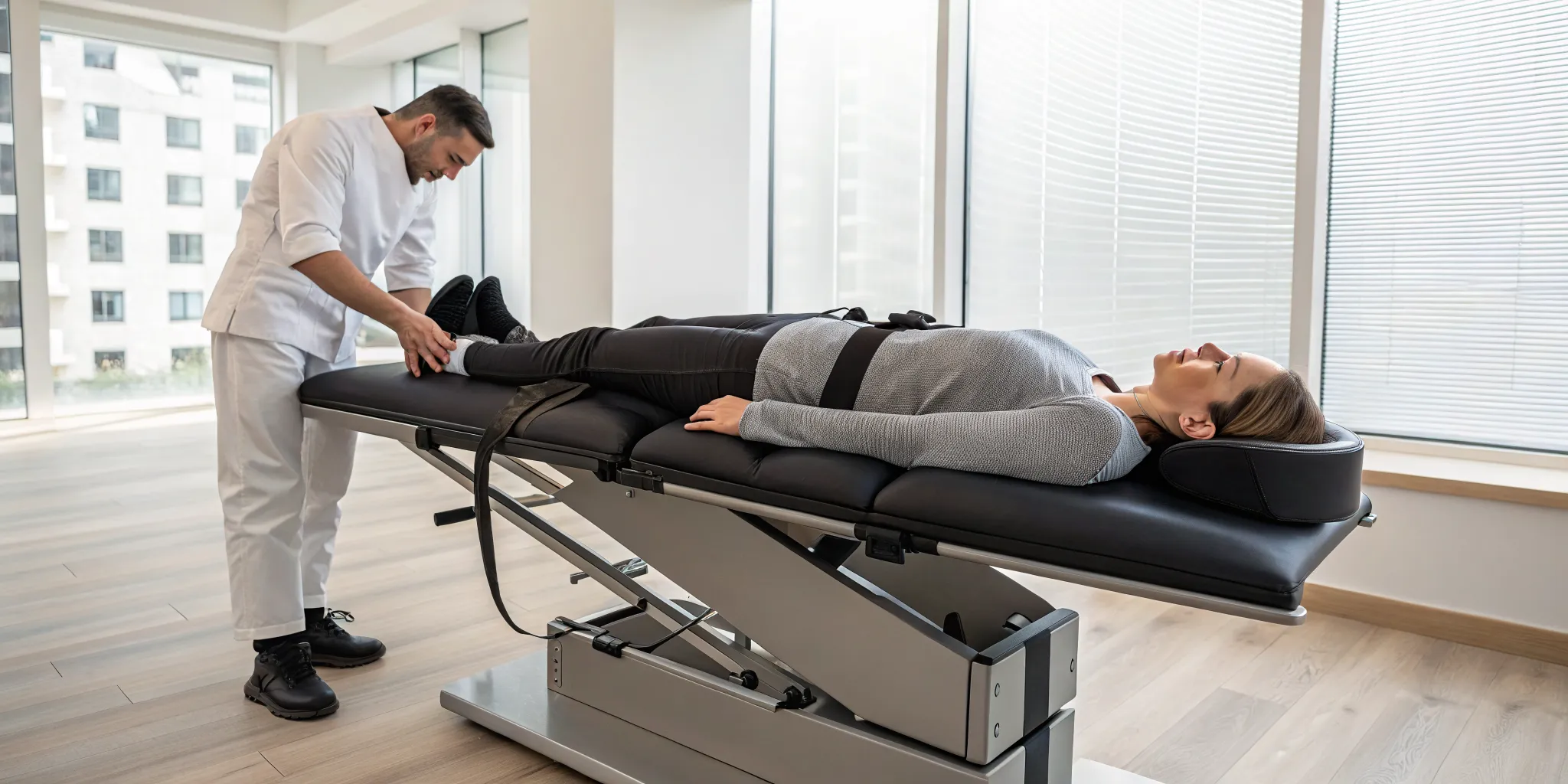
Persistent tightness is not always a simple muscle problem. Because fascia forms a continuous connective network around muscles and across the body, restricted tissue can influence movement and tension beyond the area that first feels uncomfortable.
A practical reference to myofascial release techniques pdf resources can help you understand the basics, but effective care begins with identifying which tissues and movement patterns are contributing to your symptoms. Myofascial release uses focused pressure and movement strategies to reduce fascial tension, support tissue mobility, and improve function without promising a one-size-fits-all result.
At Ascend Functional Health in Tampa, myofascial work is considered within a broader Physical Medicine plan. The right approach may involve manual therapy, trigger point work, or other targeted techniques alongside structural care, depending on your evaluation and goals. Understanding what myofascial release is provides the foundation for seeing how these methods can fit into a personalized plan.
Learn how myofascial release fits into physical medicine at Ascend
What Is Myofascial Release?
Myofascial release is a hands-on soft-tissue approach that addresses tension in fascia, the connective tissue surrounding and supporting muscles. By working with areas of restriction, it may help improve tissue mobility and reduce some patterns of muscle-related discomfort, but results vary by person and underlying cause.
Fascia forms a continuous, web-like network throughout the body. It connects muscles with bones and organs, helping provide structure while allowing tissues to move in relation to one another. Because this network is connected, tension in one region may influence movement or discomfort in another. This does not mean every symptom comes from fascia, but it is one reason a thorough assessment looks beyond the location where pain is felt. The National Center for Biotechnology Information describes fascia as a continuous structure that can affect tension patterns across different areas of the body (review the anatomy of fascia).
How fascia can contribute to discomfort
When muscle and surrounding connective tissue become less mobile, a person may notice stiffness, limited movement, or sensitivity with pressure. Myofascial pain syndrome is one example of a chronic pain disorder involving fascia and sensitive points within muscles. According to the Mayo Clinic, pressure on these trigger points can produce pain in the affected muscle and, at times, referred pain in an apparently unrelated area.
These sensitive points are not simply ordinary knots that can be diagnosed from a single symptom. Similar discomfort can have several possible contributors, including joint, nerve, muscle, or systemic factors. A clinician should consider the full history, movement patterns, and examination findings before deciding whether myofascial work is appropriate.
What the technique is intended to do
Myofascial release uses measured pressure and movement to address restricted soft tissue. The goal is to support more comfortable motion and function, not to force a painful release or promise a cure. The ScienceDirect overview of myofascial release describes it as a soft-tissue therapy intended to address skeletal muscle immobility and pain while supporting muscle relaxation and circulation.
Appropriate care depends on the individual. A personalized evaluation can help distinguish a fascial restriction from conditions that need a different approach. Then place myofascial work within a broader plan when it is a reasonable fit.
How Do Myofascial Release Techniques Work?
Myofascial release works by applying focused, comfortable pressure to areas where connective tissue and muscle feel restricted. The pressure gives the tissue time to lengthen while helping identify localized trigger points and broader tension patterns.
1. The restricted area is assessed
A practitioner first considers where movement feels limited, where tenderness is present, and how different parts of the body are connected. Fascia forms a continuous, web-like structure around and between muscles, bones, and organs. Because of that continuity, a restriction in one region may contribute to tension or altered movement elsewhere. Assessment is not limited to the spot that hurts. It considers the surrounding tissues and the movement pattern as a whole. Learn more about fascia's continuous structure through the National Center for Biotechnology Information.
2. Gentle, sustained pressure is applied
In manual myofascial release, the therapist applies gentle, sustained pressure to a fascial restriction rather than quickly pressing and releasing. Holding the pressure allows the tissue to gradually elongate and may reduce the sense of tension in that area. The technique should be controlled and responsive to the person's comfort. It is not meant to force a joint or aggressively push through pain. The practitioner may adjust the direction, depth, or duration of contact as the tissue response becomes clearer. This approach is described in a review of myofascial release techniques published through NCBI.
3. Trigger points are identified and addressed
Some areas require more specific attention. A trigger point is a localized, hypersensitive spot within a taut band of skeletal muscle that is painful when compressed. It may also contribute to referred pain, meaning discomfort can be felt away from the original point. Trigger point work focuses on locating these spots and applying an appropriate amount of pressure to encourage the surrounding muscle and fascia to relax. Because sensitivity varies, the response is monitored throughout the technique. The NCBI Bookshelf provides additional clinical background on trigger points.
4. Movement is reassessed
After the tissue has been treated, movement and comfort are checked again. This helps determine whether the restriction has changed and whether another area is contributing to the same pattern. Myofascial release is not a guaranteed cure or a one-time solution. Long-standing restrictions may require a consistent, personalized plan that accounts for posture, daily demands, strength, mobility, and other physical factors. A qualified practitioner can use the reassessment to guide the next step instead of assuming every person needs the same technique.
The goal is not to chase every tender spot in isolation. It is to understand how tissue restrictions influence movement and to apply an appropriately measured technique within a broader care plan.
Core Myofascial Release Techniques in a PDF Reference
Three commonly used approaches are manual therapy, trigger point work, and clinician-guided foam rolling. Each applies pressure in a different way, so the appropriate technique depends on the location of the restriction, the surrounding tissues, and how your body responds during care.
| Technique | How It Applies Pressure | What It Focuses On | Typical Use |
|---|---|---|---|
| Manual therapy | Gentle, sustained pressure from a trained provider | Fascial restrictions and tissue elongation | Broader areas of tightness |
| Trigger point work | Localized, responsive pressure on sensitive spots | Hyperirritable points and referred pain | Focused spot tenderness |
| Foam rolling (guided) | Roller-applied pressure under clinician guidance | Self-myofascial release and mobility | Complement to an individualized plan |
Manual Therapy With Sustained Pressure
During hands-on myofascial release, a trained provider assesses areas that feel restricted and applies gentle, sustained pressure to the involved fascia and soft tissue. The pressure is not intended to force a release or create sharp pain. Instead, it gives the tissue time to respond and gradually elongate as tension decreases. A 2017 review in the National Library of Medicine describes this approach as sustained pressure directed at fascial restrictions to facilitate tissue elongation.
The provider also considers how one area relates to the rest of the body. Because fascia forms a continuous structure connecting muscles, bones, and organs, a restriction in one region may influence tension patterns elsewhere. Treatment therefore focuses on the individual's movement and symptom pattern rather than applying the same pressure sequence to everyone.
Trigger Point Work
Trigger point work focuses on identifying localized, hypersensitive spots within a muscle or a taut band of muscle. These points may be painful when compressed and can contribute to referred pain, meaning discomfort may be felt beyond the original location. The National Library of Medicine describes trigger points as localized, hyperirritable areas that are painful with compression.
Care is typically measured and responsive. A provider locates the sensitive area, evaluates its relationship to nearby joints and tissues, and adjusts pressure based on your feedback. This helps distinguish a clinically relevant trigger point from generalized tenderness and keeps the technique within a tolerable range.
Clinician-Guided Foam Rolling
Foam rolling is a form of self-myofascial release that uses a roller to apply pressure to selected soft-tissue areas. A systematic review indexed by PubMed found that foam rolling may help increase joint range of motion and reduce muscle soreness. Those potential benefits do not make every rolling technique appropriate for every person.
At Ascend, foam rolling can be discussed as part of a clinician-advised plan. With guidance on which areas to address, how much pressure is appropriate, and when to stop. The goal is to support tissue mobility without aggravating an existing concern. Ongoing care may be more effective when this technique is coordinated with the broader evaluation of posture, movement, and structural restrictions.
These myofascial release techniques are not interchangeable, and they are not a guaranteed one-time solution. A personalized assessment helps determine which approach fits your needs and how it should progress over time.
How Myofascial Release Fits Into Integrative Physical Medicine
Myofascial release is most useful when it is part of a broader physical medicine plan, not treated as an isolated technique. At Ascend Functional Health, the goal is to improve tissue mobility, structural alignment, and function through a consistent protocol shaped around each person's needs.
Fascia surrounds and supports muscles throughout the body. When areas of this connective tissue become restricted, surrounding muscles and joints may have less freedom to move. That limitation can influence posture, movement patterns, and how the body responds to other therapies. Rather than focusing only on where discomfort is felt, an integrative assessment looks for the tissue and structural factors that may be contributing to the problem.
Preparing the body for structural care
Myofascial release can help address soft-tissue restrictions before or alongside chiropractic care. Gentle, sustained manual pressure may help tissues gradually lengthen and reduce tension. This improved mobility can give the practitioner a clearer starting point for addressing alignment and movement, while helping the patient participate more comfortably in the process.
At Ascend, Physical Medicine may combine myofascial work with chiropractic adjustments, corrective care, and spinal decompression when those services are appropriate. The purpose is not to apply every modality to every person. It is to select the combination that best fits the evaluation, symptoms, movement patterns, and functional goals. When tissue mobility improves, chiropractic adjustments and decompression may be performed within a more supportive movement environment.
This approach also recognizes that a restriction in one area can affect function elsewhere. For example, limited mobility around the hips, shoulders, or spine may contribute to compensatory movement in another region. Myofascial release can be used to explore and address these patterns as part of the larger plan, while other Physical Medicine services address alignment and mechanical function.
Why consistency matters
Long-standing fascial restrictions generally require more than a single session. A personalized protocol may evolve as mobility, tolerance, and movement quality change. Follow-up assessments help the care team determine whether the plan needs to be adjusted, continued, or paired with another component of Physical Medicine.
That measured process supports long-term structural care without promising a quick fix. It also helps keep treatment focused on meaningful function, such as moving with greater ease. Tolerating daily activity, or improving movement mechanics, rather than simply chasing temporary sensations after a session.
Learn more about Ascend's integrative physical medicine approach and how its services may fit into a personalized plan.
Benefits of Myofascial Release for Chronic Pain and Everyday Movement
Myofascial release may help reduce pain related to muscular tension, support more comfortable movement, and ease post-activity soreness. The most meaningful benefits usually come from matching the approach and frequency of care to the individual pattern of restriction rather than treating one painful spot in isolation.
For people living with persistent discomfort, the source of pain is not always located where the symptoms are felt. Myofascial pain syndrome can involve tender or trigger points that create pain in the affected muscle and sometimes in seemingly unrelated areas, a pattern known as referred pain. The Mayo Clinic's overview of myofascial pain syndrome describes this relationship between sensitive points and referred symptoms.
Because fascia forms a continuous connective structure through the body, restrictions may also influence tension patterns beyond the original area. A personalized assessment helps distinguish a local muscle concern from a broader movement pattern and guides the practitioner toward an appropriate combination of techniques.
Potential benefits for pain and mobility
- Less persistent muscular tension: Targeted pressure and tissue work may help reduce the feeling of tightness that contributes to recurring discomfort.
- Improved range of motion: Foam rolling and other self-myofascial release approaches may support joint mobility when used appropriately. A review indexed by PubMed found that foam rolling may help increase range of motion and reduce muscle soreness.
- Reduced post-activity soreness: Improving tissue mobility may make everyday movement and physical activity feel more comfortable, although responses vary from person to person.
- Better understanding of referred pain: Evaluating trigger points and connected tissue restrictions can provide useful context when pain seems to move or does not match the location of the original strain.
These benefits are not guaranteed, and myofascial release is not a cure or a substitute for a complete clinical evaluation. Long-standing restrictions typically respond best to consistent, personalized protocols that can be adjusted as movement, soreness, and tolerance change. A single session may provide temporary relief, but lasting progress depends on identifying contributing factors and building care around the person's needs.
At Ascend Functional Health, myofascial work can be coordinated with a broader physical medicine plan when appropriate. This integrative approach keeps the focus on function, tissue mobility, and sustainable improvement rather than a quick fix.
What to Expect From a Myofascial Release Session at Ascend
A myofascial release session at Ascend is personalized around your symptoms, movement, and tissue restrictions. The goal is to improve mobility and function through measured, comfortable care, not to force a dramatic change in one visit.
Your session begins with a conversation about the areas that feel restricted, painful, or difficult to move. Your practitioner can then determine which tissues and movement patterns deserve attention. Because myofascial restrictions may contribute to tension beyond the area where discomfort is felt, the session is not limited to treating the most obvious sore spot. This whole-body perspective helps connect local symptoms with the broader structure and function of your body.
Myofascial release may be integrated into Ascend's Physical Medicine protocols to support structural alignment and function. Depending on your individualized plan, treatment can include gentle, sustained manual pressure over areas of fascial restriction. This approach gives the tissue time to respond rather than relying on aggressive force. Focused trigger point work may also be used when a localized, sensitive spot contributes to a broader pain pattern.
The experience should remain collaborative. Communication matters if pressure feels too intense, if a position increases discomfort, or if a familiar symptom changes during treatment. Your feedback helps the practitioner adjust the session and keep the approach aligned with your current tolerance and goals. When appropriate, myofascial work may support other physical medicine strategies by improving tissue mobility before chiropractic care or spinal decompression.
Some soreness after treatment can be a normal healing response as tissues adapt to improved mobility. Mild tenderness does not necessarily mean that treatment was harmful, but it is still useful information to share at your next visit. Recovery expectations can vary based on the area treated, the duration of the restriction, and your overall care plan. Read more about what to expect after myofascial release treatment if you notice increased soreness after a session.
Progress is typically evaluated over time rather than promised after one appointment. Consistent, personalized protocols are often more appropriate for long-standing restrictions than a one-time intervention. If you have shoulder tightness, you can also review these myofascial release exercises for the shoulders as general educational context, then discuss whether they fit your needs with a qualified professional.
To discuss your symptoms and whether this approach may be appropriate, contact Ascend Functional Health.
Schedule a consultation to discuss myofascial release at Ascend
Frequently Asked Questions
How do I know which myofascial release technique is appropriate?
The right approach depends on the location of your discomfort, tissue sensitivity, movement patterns, and overall health history. Foam rolling, manual therapy, and trigger point work place different demands on the body. A qualified practitioner can assess the restriction and choose an appropriate level of pressure instead of treating every tender area the same way.
How do myofascial release techniques work?
Manual myofascial release uses gentle, sustained pressure on areas of fascial restriction to encourage tissue elongation and reduce tension. Trigger point work focuses on localized, hypersensitive spots within a taut muscle band that may contribute to pain elsewhere. These mechanisms are described in clinical literature from the National Library of Medicine and NCBI Bookshelf.
Can foam rolling be part of a myofascial release plan?
Foam rolling is a form of self-myofascial release that applies pressure to selected areas. Research suggests it may help increase joint range of motion and reduce muscle soreness, but technique, pressure, and timing matter. It should complement an individualized plan rather than replace an assessment when pain is persistent, severe, or difficult to explain.
Is soreness normal after myofascial release?
Some post-treatment soreness can occur as tissues adapt to changes in mobility. It should be discussed with your practitioner, especially if it is intense, worsening, or accompanied by other concerning symptoms. At Ascend Functional Health, follow-up guidance is tailored to your response and may be coordinated with other Physical Medicine services.
How does Ascend integrate myofascial release into care?
Ascend may integrate myofascial release into Physical Medicine to address tissue restrictions alongside structural alignment and movement function. Depending on your evaluation, the broader plan may include chiropractic care or spinal decompression. The goal is a personalized protocol that addresses contributing factors rather than relying on a one-time intervention.
Ready to Explore Myofascial Release in Tampa?
A personalized consultation can help you discuss your movement concerns and learn how myofascial release may fit within an integrative physical medicine plan. The Ascend Functional Health team can listen to your goals, answer questions, and outline appropriate next steps based on your needs.
Contact Ascend Functional Health to schedule your consultation
This article is for educational purposes only and is not a substitute for professional medical advice. Consult a qualified clinician before starting or changing any treatment, especially if you have an existing health condition or persistent pain.