Feeling a loss of control is common after a car accident. Suddenly, your health, your routine, and your peace of mind are disrupted. But your recovery is something you can take charge of, starting today. Choosing to begin rehabilitation is a powerful first step in reclaiming your well-being. It’s a decision to move beyond just managing pain and toward true, lasting healing. When you start looking for car accident rehab near me, you are actively choosing a path to get stronger and feel like yourself again. At Ascend Functional Health, we partner with you on this journey. Our goal is to empower you with a personalized plan that combines corrective exercises and hands-on therapies, giving you the tools and support to rebuild your body’s strength and resilience.
Key Takeaways
- Get an evaluation right away, even if you feel fine: Adrenaline after an accident can hide significant injuries. A prompt professional assessment helps identify underlying issues like whiplash or spinal misalignments before they become chronic problems.
- Choose a provider who treats the root cause: Lasting recovery means going beyond symptom management. A comprehensive plan should combine therapies like chiropractic care and corrective exercises to address the source of your pain and support your body's complete healing.
- Commit to your full recovery plan: Consistency is essential for proper healing and preventing future pain. Following your recommended care also creates a detailed medical record that validates your experience and strengthens any related legal claims.
Why Start Car Accident Rehab Right Away?
After a car accident, your mind is racing, and your adrenaline is high. It’s common to do a quick self-check, and if you don’t feel immediate, significant pain, you might think you’re in the clear. The temptation to go home and just “wait and see” is strong. However, this is one of the riskiest things you can do for your long-term health. The hours and days following a collision are a critical window for assessing what’s really going on with your body.
Getting a professional evaluation right away isn’t about overreacting; it’s about being proactive. Many common accident-related injuries don’t show up right away and can lead to chronic issues if they aren't addressed. Starting a rehabilitation plan early gives you the best possible chance to heal correctly, reduce the likelihood of long-term pain, and get back to your life faster. At Ascend Functional Health, our approach focuses on identifying these underlying problems before they become bigger ones, using a combination of physical medicine and functional health principles to support your body’s natural healing process from day one.
Unseen Injuries After a Crash
The adrenaline that floods your system during a stressful event like a car crash is a powerful painkiller. It can easily mask symptoms of an injury for hours or even days. You might walk away from an accident feeling a little shaken but otherwise fine, only to wake up a day or two later with significant pain and stiffness. This delayed onset of symptoms is very common with injuries like whiplash, concussions, and soft tissue damage.
These aren't issues you can just "walk off." Whiplash, for example, can damage the delicate ligaments and muscles in your neck, leading to chronic pain, headaches, and limited mobility if left untreated. Similarly, a seemingly minor jolt can cause subtle misalignments in your spine that create problems down the road. An immediate assessment helps uncover these hidden injuries and allows a provider to create a plan to address the root cause.
The Risks of Waiting for Treatment
Putting off a visit to a specialist after an accident allows minor problems to settle in and become major ones. When an injury like a spinal misalignment or soft tissue tear isn't treated, your body may try to compensate, leading to poor posture, muscle imbalances, and even more pain. What could have been a straightforward recovery can turn into a chronic condition that impacts your quality of life for years.
Delaying care also makes the healing process longer and more difficult. Scar tissue can build up incorrectly, and inflammation can become chronic, making your body less responsive to treatment later on. By seeking care right away, you give your body the support it needs to heal properly from the start. A timely evaluation helps identify the specific conditions we treat and sets you on a path to a faster, more complete recovery, preventing a short-term injury from becoming a long-term burden.
Common Injuries That Need Rehab
After a car accident, it’s easy to focus on the visible damage to your vehicle, but the impact on your body is what truly matters. Even a seemingly minor fender bender can generate enough force to jolt your musculoskeletal system, leading to injuries that aren't always immediately obvious. The adrenaline that courses through your body after a crash can mask pain for hours or even days, which is why you might feel fine at first, only to wake up sore and stiff the next morning.
These underlying issues often involve the spine, joints, and the soft tissues that support them. From the classic neck strain of whiplash to the deep, radiating pain of a herniated disc, these conditions can significantly disrupt your life if left unaddressed. The good news is that a targeted rehabilitation plan can make a world of difference. By focusing on the root cause of your pain, a combination of physical medicine and corrective care can help restore your body’s natural alignment and function. Understanding the most common injuries is the first step toward getting the right kind of help and starting your path to recovery.
Whiplash and Neck Pain
Whiplash is one of the most frequent injuries from a car accident. It happens when your head is suddenly and forcefully thrown backward and then forward, straining the muscles and ligaments in your neck. The symptoms can range from mild stiffness and soreness to intense pain, recurring headaches, and a limited range of motion that makes turning your head difficult. It’s tempting to dismiss neck pain as something that will go away on its own, but ignoring it can lead to chronic issues. Rehabilitation helps by gently restoring movement, reducing inflammation, and strengthening the supporting muscles to stabilize your neck and prevent long-term discomfort. Addressing these common conditions early is key to a full recovery.
Herniated Discs and Back Injuries
The force from a car crash can put immense pressure on your spine, sometimes causing the soft, gel-like discs that cushion your vertebrae to bulge or rupture. This is known as a herniated disc, and it can be incredibly painful. When a disc is damaged, it can press on nearby nerves, causing sharp back pain, numbness, tingling, or weakness that can travel down your arms or legs. A proper rehabilitation program is essential for managing this type of injury. Through treatments like spinal decompression and corrective exercises, we can help relieve the pressure on the nerve, reduce inflammation, and strengthen your core muscles to provide better support for your spine and promote healing.
Headaches, Nerve Pain, and Joint Issues
The effects of a car accident can ripple throughout your body, causing a variety of interconnected problems. Persistent headaches are a common complaint, often stemming from neck tension and spinal misalignment caused by the impact. You might also experience nerve pain, like sciatica, if a herniated disc or inflammation is compressing a nerve root. Beyond the spine, your other joints are also at risk. Bracing for impact can strain your shoulders, hips, and knees, leading to pain and instability. A holistic approach looks at how these symptoms are related. By addressing the underlying structural and functional issues, we can help your body heal as a whole system, providing more complete and lasting relief.
What Does Car Accident Rehab Involve?
After a car accident, your recovery plan should be as unique as you are. There’s no one-size-fits-all solution, which is why a comprehensive rehab program often combines several different therapies. This integrated approach ensures that we’re not just treating your symptoms, but addressing the root cause of your pain and dysfunction. By looking at your body as a whole system, we can create a personalized plan that supports true, long-term healing.
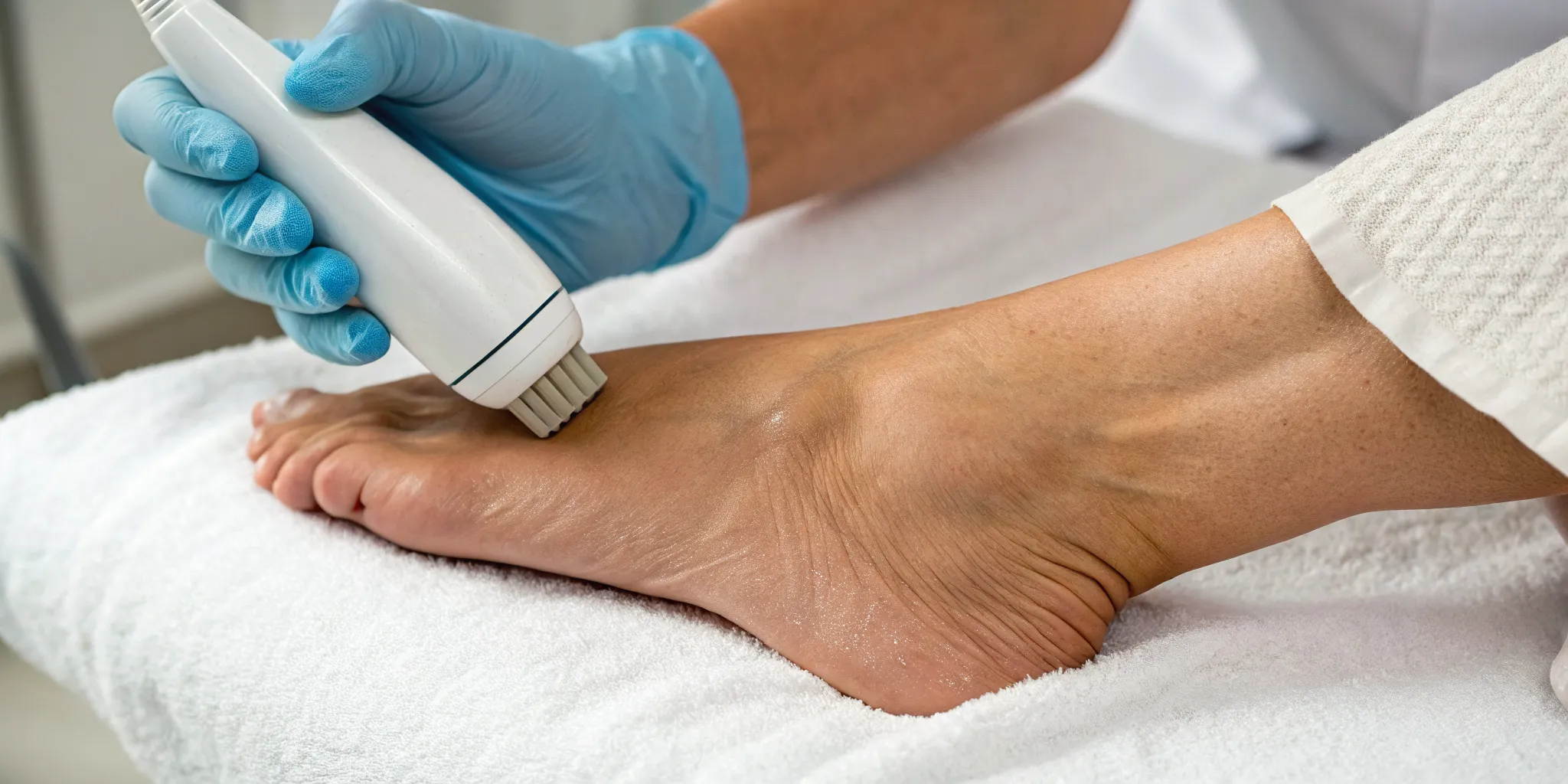
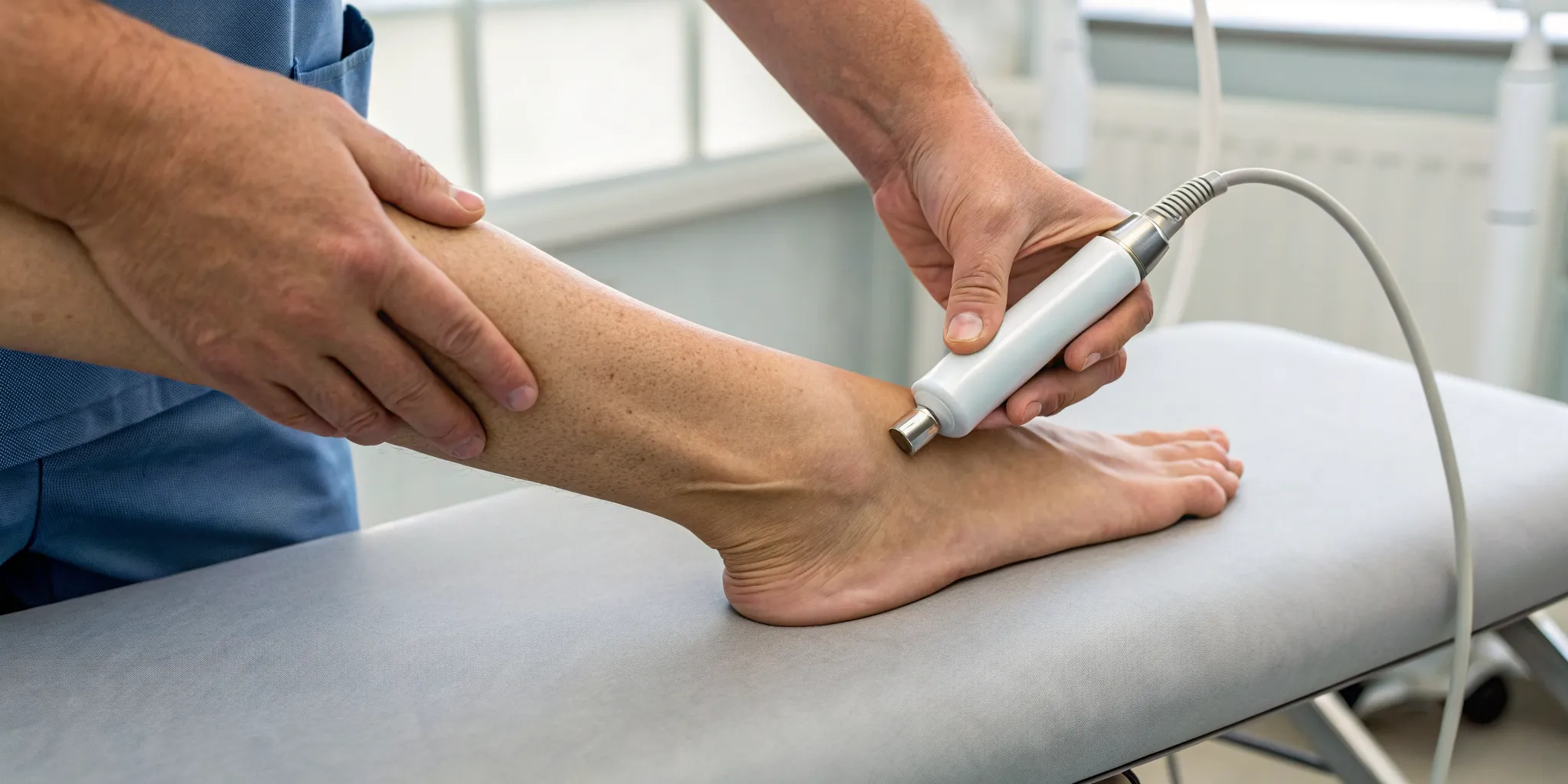
Your path to recovery might involve a combination of hands-on treatments to realign your body, targeted exercises to rebuild strength, and a deeper look at how the accident has impacted your overall health. The goal is to restore your body’s natural ability to heal and get you back to feeling like yourself again. Our physical medicine services are designed to do just that, using a variety of techniques to support your body’s recovery process from every angle.
Chiropractic Adjustments
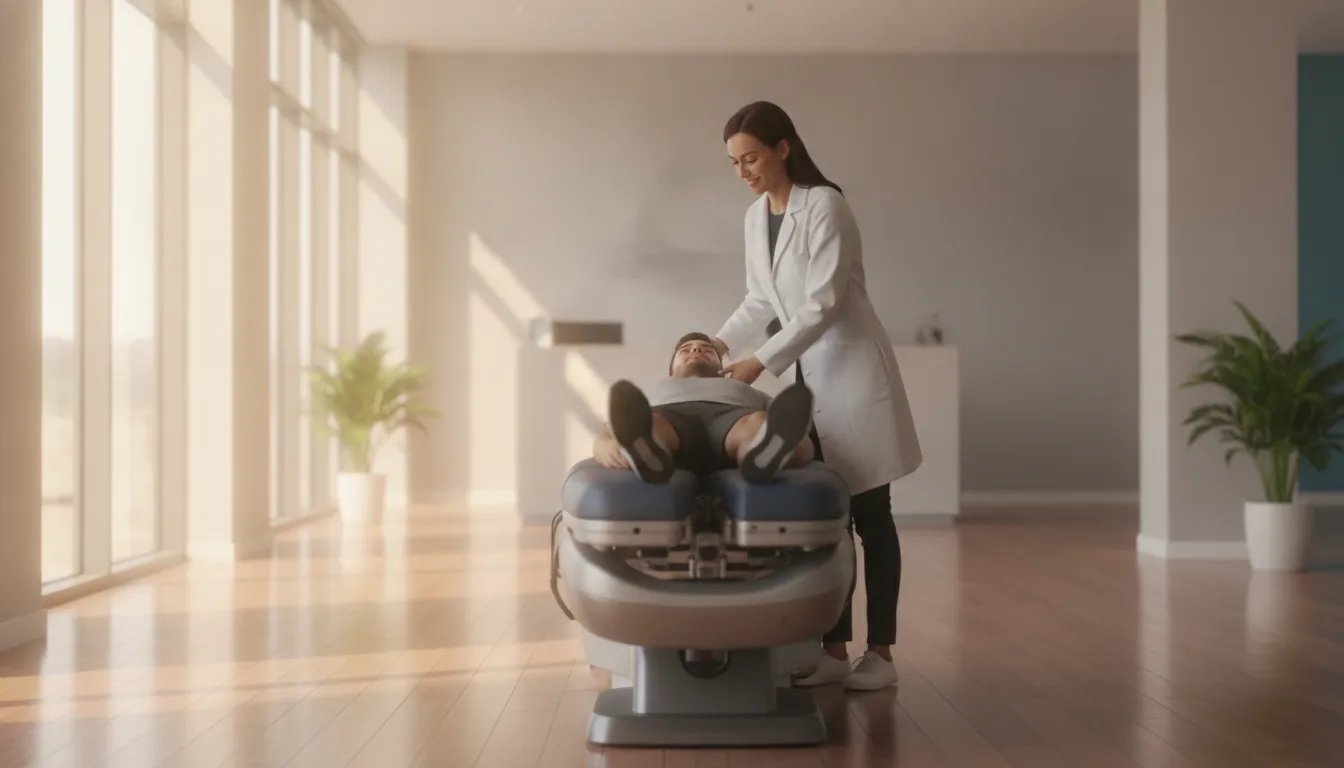
One of the cornerstones of post-accident care is chiropractic adjustments. The force of a collision can easily shift your spine and joints out of their proper alignment, leading to pain, stiffness, and limited mobility. Chiropractic adjustments are gentle, precise movements used to correct these misalignments. By restoring proper position to the vertebrae in your spine and neck, we can relieve pressure on nerves, reduce pain, and improve your range of motion. This process is also crucial for preventing the formation of scar tissue, which can lead to chronic stiffness and pain if left unaddressed. It’s a foundational step in helping your body heal correctly and efficiently after an injury.
Spinal Decompression
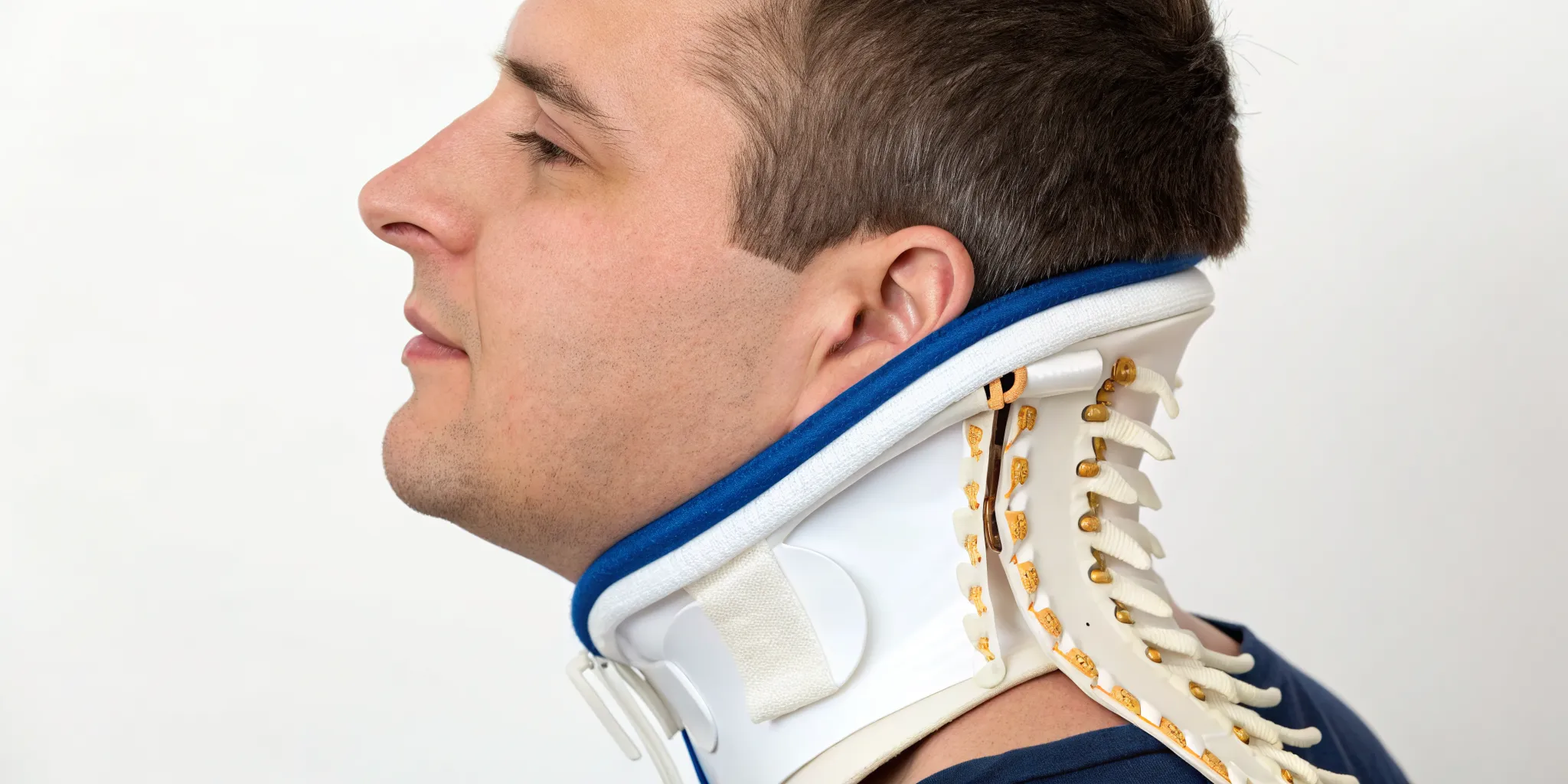
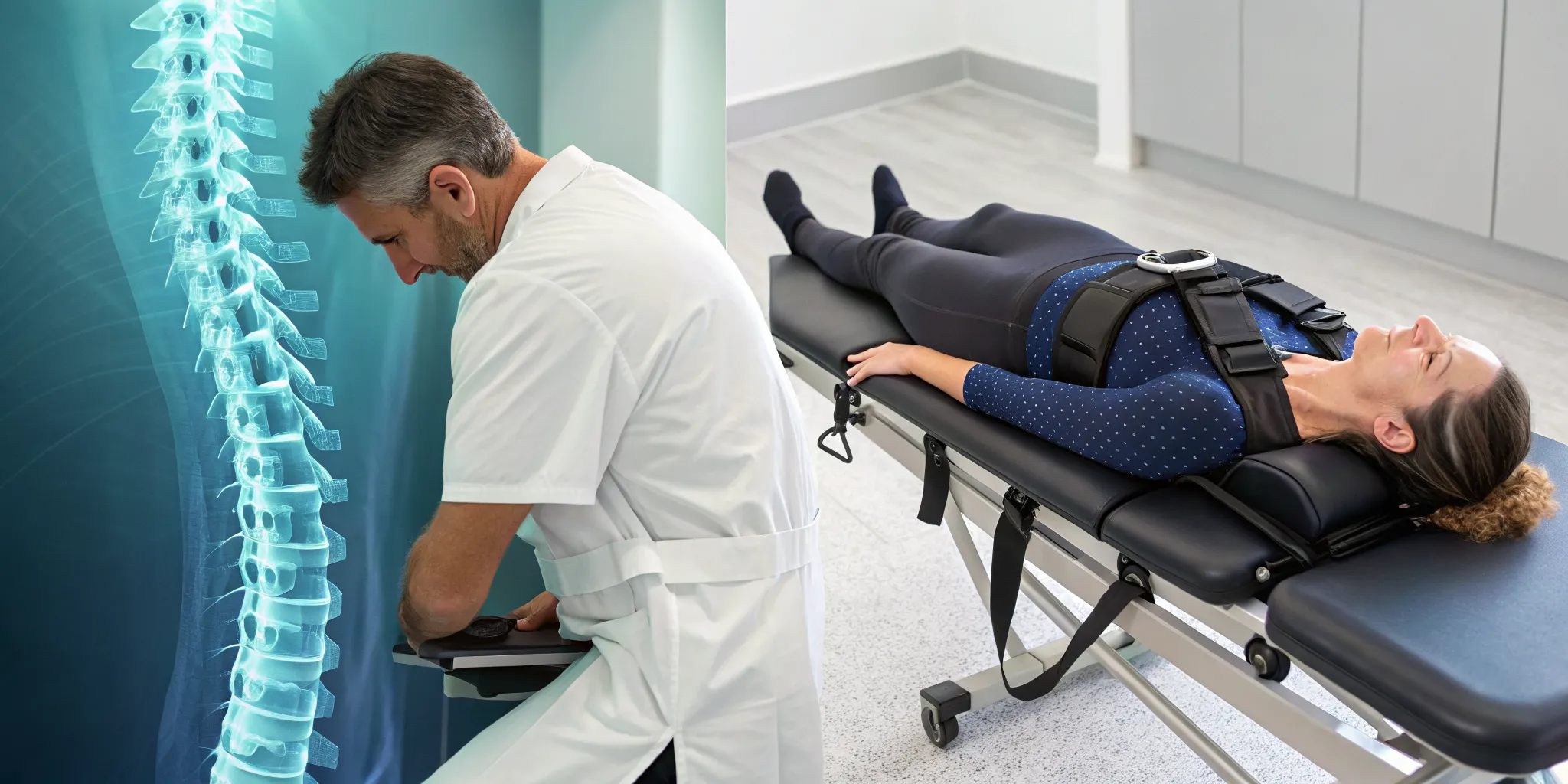
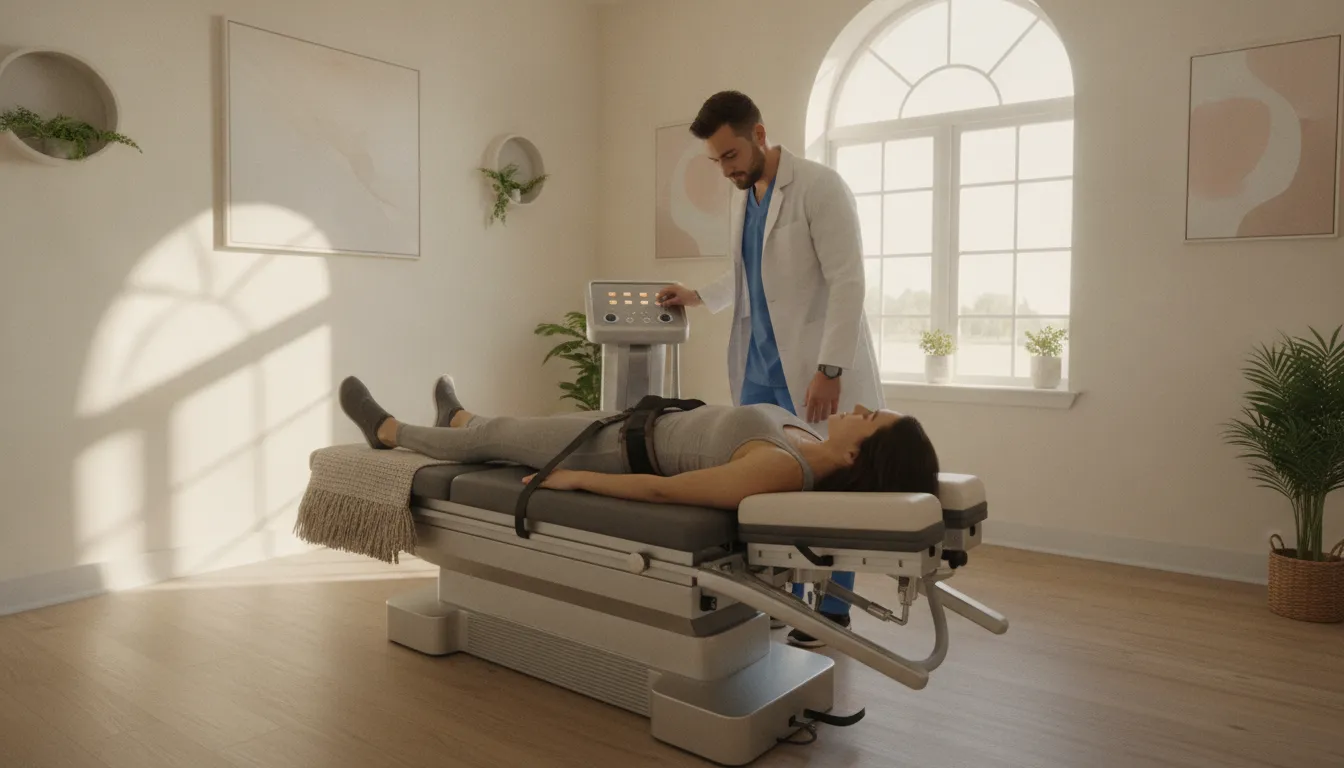
If your accident caused a back or neck injury, like a herniated or bulging disc, spinal decompression therapy can be an incredibly effective treatment. This non-invasive technique involves gently stretching the spine, which creates negative pressure within the discs. Think of it as creating a vacuum effect that helps draw the bulging or herniated material back into place, taking pressure off the surrounding nerves. This process not only alleviates pain, sometimes immediately, but also promotes healing by allowing water, oxygen, and nutrient-rich fluids to flow back into the discs. It’s a targeted therapy that directly addresses some of the most common and painful conditions we treat following a car accident.
Corrective Exercises
While passive treatments are important, actively participating in your recovery is key to lasting results. That’s where corrective exercises come in. These aren’t your typical gym workouts; they are specific, targeted movements designed to address the weaknesses and imbalances caused by your injury. Under professional guidance, you’ll learn exercises to strengthen supporting muscles, improve flexibility, and restore proper movement patterns. This helps stabilize your spine and joints, protecting them from future injury. Corrective exercises empower you to take control of your healing process, rebuilding your body’s strength and resilience so you can confidently return to your daily activities without pain.
Soft Tissue Therapies
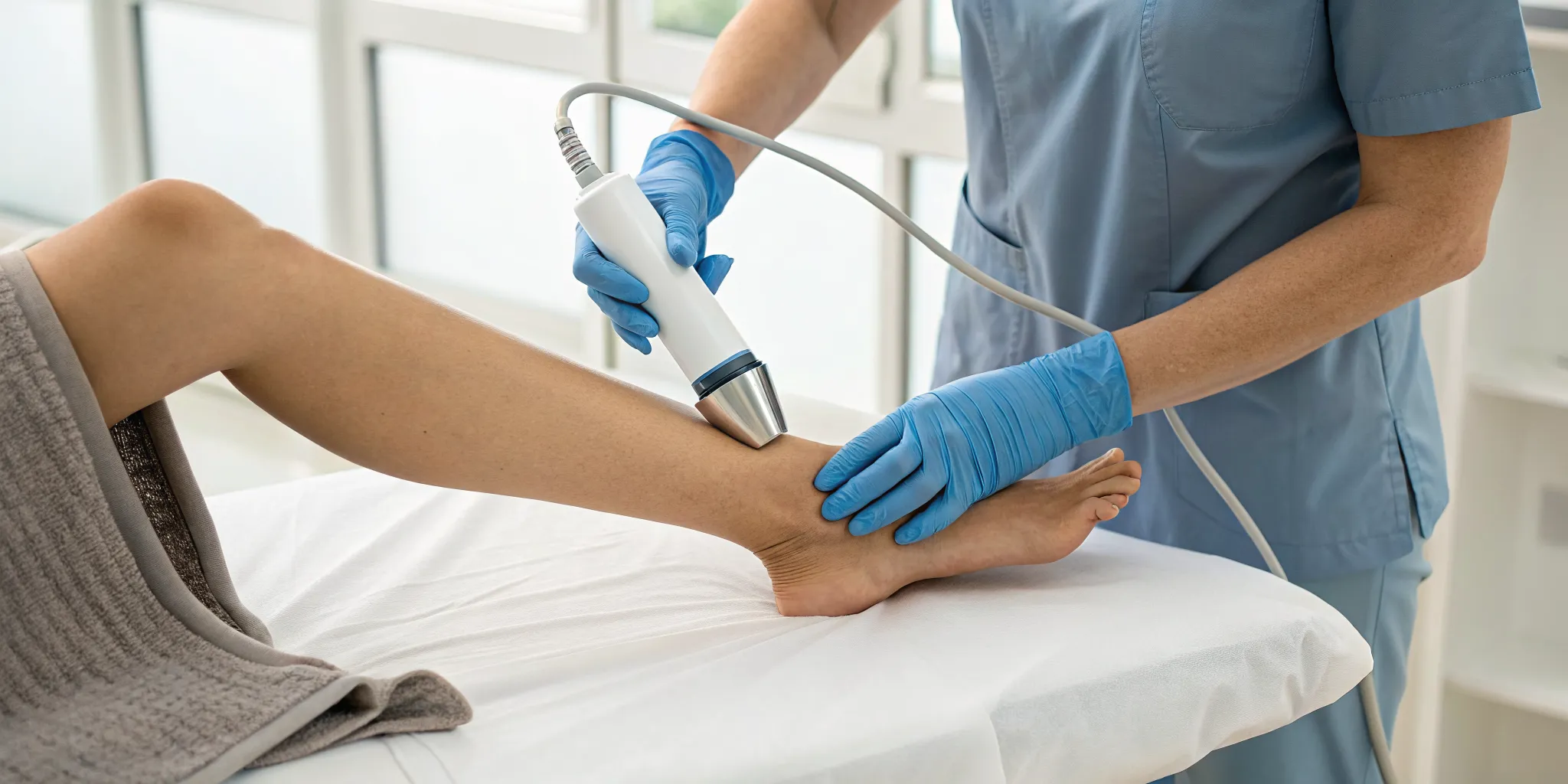
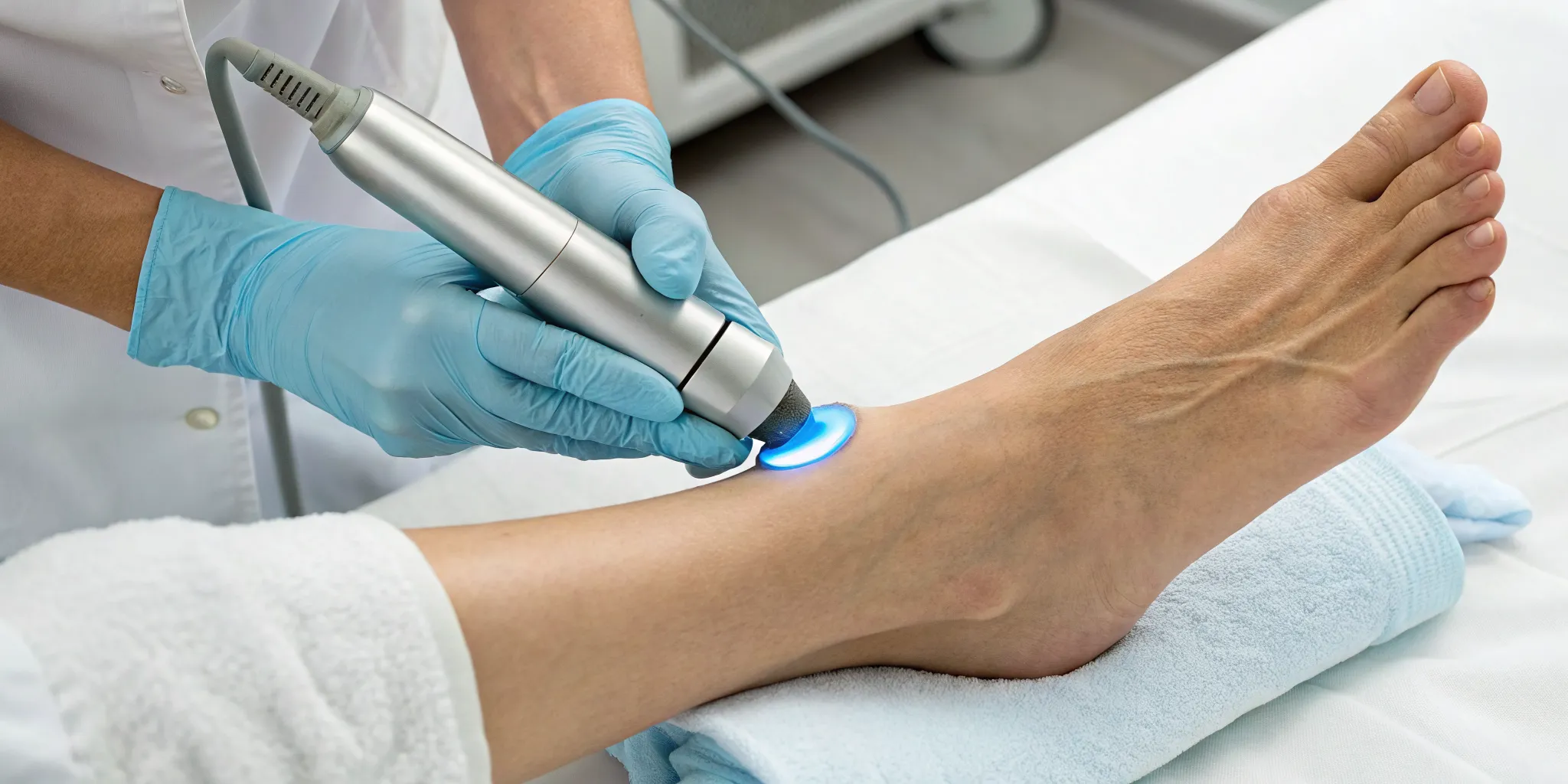
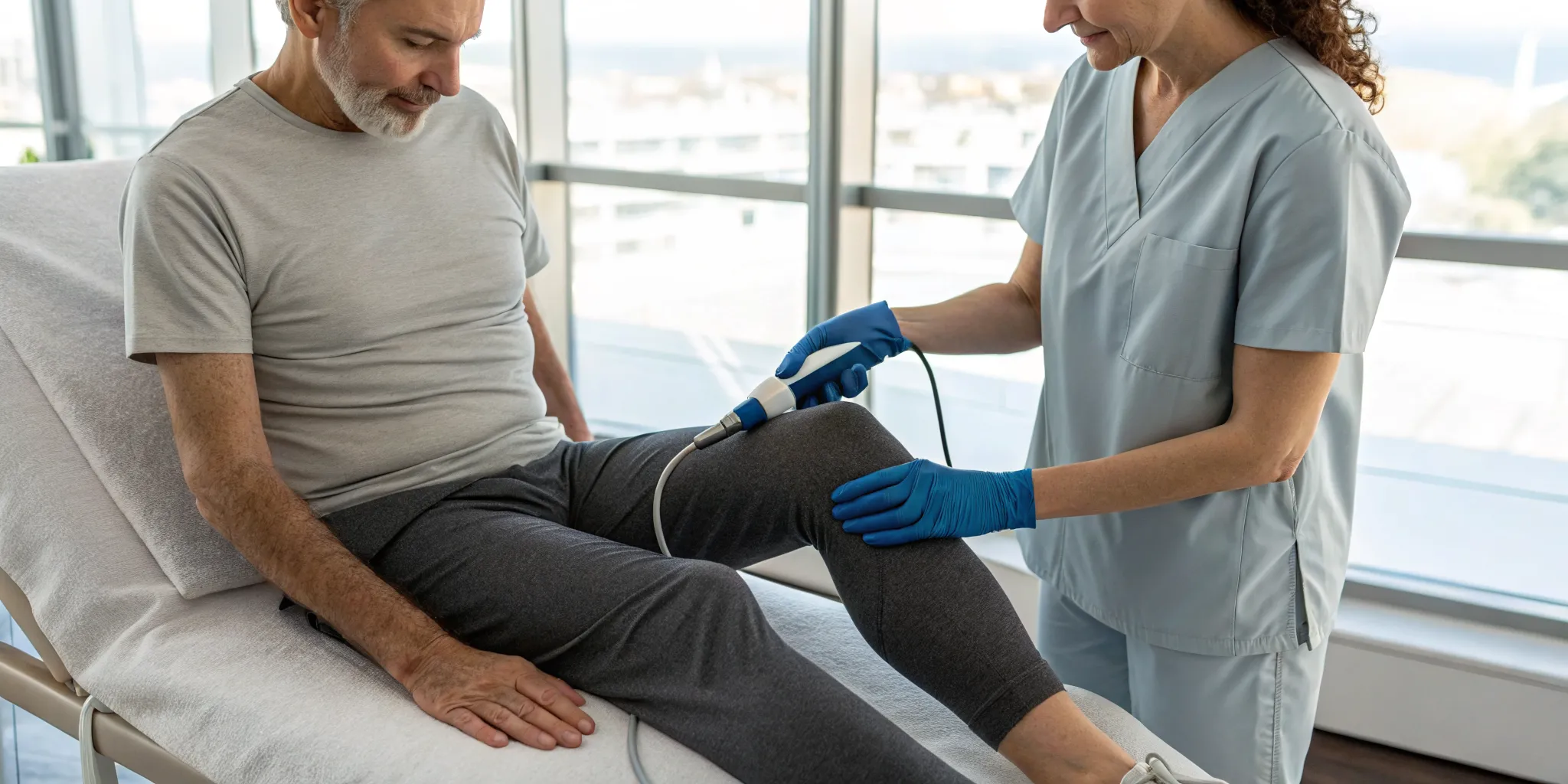
Accidents don’t just affect your bones and spine; they also cause significant trauma to your muscles, ligaments, and tendons. These soft tissues can become strained, torn, and inflamed, leading to pain, spasms, and stiffness. Soft tissue therapies, such as therapeutic massage, are designed to address this damage directly. By working on the affected muscles, we can help relax tightness, break down scar tissue, and reduce inflammation. This not only provides pain relief but also improves blood flow to the injured area, which is essential for delivering the oxygen and nutrients your tissues need to repair themselves. It’s a vital part of a complete recovery plan that also helps reduce the stress and anxiety that often follow an accident.
A Functional Medicine Approach to Healing
Sometimes, the effects of a car accident go beyond musculoskeletal pain. You might experience lingering fatigue, brain fog, digestive issues, or widespread inflammation that you can’t seem to shake. This is where a functional medicine approach becomes essential. Instead of just treating the site of injury, we look at how the trauma has impacted your entire body system. We investigate the root causes of your symptoms, considering factors like systemic inflammation, hormonal imbalances, and nutrient deficiencies that can result from major physical stress. By understanding the complete picture of your health, we can create a holistic plan that supports your body’s innate ability to heal from the inside out, helping you recover your energy and vitality.
What to Expect at Your First Appointment
Walking into a new doctor’s office can feel intimidating, especially when you’re already dealing with the stress and pain of a car accident. We get it. Knowing what to expect can make all the difference. Your first visit is all about you: understanding your unique situation, listening to your concerns, and creating a clear path toward feeling like yourself again. It’s the first and most important step in your recovery, and our goal is to make it as comfortable and productive as possible.
Your Initial Health Assessment
Your first appointment starts with a conversation. We want to hear the full story of what happened and, more importantly, how you’re feeling. This initial health assessment is a comprehensive look at your condition. We’ll perform a detailed physical examination to identify the source of your pain and uncover any underlying issues that might not be obvious yet. It’s important to get checked out soon after an accident, as some injuries can take days or even weeks to show symptoms. This thorough evaluation helps us get a complete picture of your health, allowing us to address all the conditions we treat and find the root cause of your discomfort.
Creating Your Personalized Recovery Plan
After your assessment, we’ll develop a recovery plan tailored specifically to you. There are no one-size-fits-all solutions here because your body and your accident are unique. Your personalized plan will outline the specific therapies and steps needed to support your body’s natural healing process. This might include a combination of gentle chiropractic adjustments, spinal decompression, and corrective exercises designed to restore function and relieve pain. We’ll walk you through each recommendation, explaining how our physical medicine services will work together to get you back on your feet. This plan is your roadmap to recovery, and we’ll build it together.
Answering Your First-Visit Questions
This is your time to ask anything and everything. We believe the best patient is an informed one, and we’re here to provide clear, straightforward answers. No question is too small. We encourage you to write down your questions before you arrive so you don’t forget anything. Whether you’re curious about a specific therapy, your recovery timeline, or what to expect between visits, we want you to leave your first appointment feeling confident and in control of your health journey. Your voice is a crucial part of the healing process, and we are here to listen. When you're ready, you can contact us to schedule your visit and start the conversation.
How Long Will Recovery Take?
This is one of the most common questions we hear, and the honest answer is: it depends. Your recovery timeline is as individual as you are. It depends on the nature of your injuries, your overall health before the accident, and your commitment to your care plan. While a minor sprain might resolve in a few weeks, a more complex soft tissue injury could take longer. The most important thing is consistency. Following through with your complete, recommended care plan is the key to achieving lasting results and preventing future problems. Stopping care too soon can stall your progress, so we’ll be your partners in seeing it through to the end.
How to Choose the Right Rehab Center
Finding the right team to guide your recovery after a car accident is a critical step. The quality of your care can shape your healing journey for months or even years to come. You want a provider who not only understands the mechanics of your injury but also sees you as a whole person. A great rehab center will listen to your concerns, create a plan tailored to your specific needs, and empower you to take an active role in getting back to your life. Feeling confident and comfortable with your care team is essential, so it’s worth taking the time to find the perfect fit.
What to Look For in a Provider
When searching for a provider, look for a team that specializes in car accident injuries. They will understand the importance of a prompt and thorough evaluation, as some injuries can take days or weeks to appear. A quality center will offer a range of therapies under one roof, from chiropractic adjustments to corrective exercises. This integrated approach ensures all aspects of your injury are addressed. The right provider will have a clear process for their physical medicine protocols and will be able to explain how their treatments work together to support your recovery. Your goal is to find a team that is both experienced and dedicated to your long-term well-being.
The Importance of a Root-Cause Focus
Aches and stiffness are symptoms, not the actual problem. The best care centers operate on this principle, focusing on identifying and treating the root cause of your discomfort. Instead of a one-size-fits-all plan, they will conduct a detailed assessment to understand the specific source of your issues. This is the difference between temporarily masking pain and creating lasting healing. A functional medicine approach, for example, examines how your entire body is functioning to uncover underlying imbalances that may be hindering your recovery. This personalized strategy ensures your treatment plan is designed for your unique body and circumstances, leading to more effective and sustainable results.
Red Flags to Avoid
Be cautious of any provider who offers a generic approach or downplays your concerns. If you feel rushed or unheard during your consultation, that’s a sign to look elsewhere. Another red flag is a provider who only focuses on passive treatments without incorporating active care like corrective exercises. True recovery involves helping your body heal and strengthen itself. You should also be wary of any clinic that promises a "quick fix." Healing takes time and consistency. Ignoring minor aches can allow them to develop into chronic problems, so find a team that takes every one of your symptoms seriously from day one.
Questions to Ask Before You Book
Before committing to a care plan, it’s important to ask a few key questions to ensure the provider is the right fit for you. Being prepared helps you make an informed decision about your health.
Start with these questions:
- What does your initial evaluation process involve?
- How do you create and personalize treatment plans?
- What is your approach to treating car accident injuries?
- How will you measure my progress?
- What is my role in the recovery process?
The answers you receive will tell you a lot about their philosophy of care. A great provider will welcome your questions and provide clear, confident answers. If you're ready to ask these questions, you can contact our team to start the conversation.
The Real Benefits of Car Accident Rehab
Committing to a rehabilitation plan after a car accident is one of the best things you can do for your future self. The benefits go far beyond just addressing the immediate aches and pains. A comprehensive approach to recovery supports your physical healing, provides surprising emotional relief, and sets you up for better long-term health. Let’s look at what you can truly gain from sticking with a professional rehab program.
Physical Recovery and Long-Term Health
Even if you feel okay after a car accident, underlying injuries can surface weeks or even months later. Getting a professional evaluation is a critical first step. From there, a structured rehab program helps you regain strength, improve flexibility, and restore your range of motion. Think of it as rebuilding your body’s foundation. Without this focused care, a minor neck strain or backache can turn into a chronic issue that impacts your life for years. A plan that includes specialized physical medicine is designed to correct misalignments and heal damaged tissues, helping you not just feel better now, but stay healthy long-term.
The Unexpected Mental and Emotional Gains
A car accident is a jarring event, and the impact isn’t just physical. It’s completely normal to feel anxious, stressed, or even fearful afterward. One of the most overlooked benefits of rehab is the positive effect it has on your mental and emotional state. As you start to feel your body heal and your pain decrease, that emotional burden often begins to lift. A truly holistic provider understands this connection. According to our philosophy, treating the whole person is essential for genuine healing. Taking proactive steps to care for your physical self is a powerful way to support your emotional recovery, too.
Why Consistency is Key to Your Recovery
Your recovery journey is a process, and consistency is your most important tool. Skipping appointments or stopping your care plan too early can unfortunately undo your progress and may even make your original injuries worse. Each session builds on the last, gradually retraining your muscles, realigning your spine, and restoring proper function. Think of it like this: you wouldn't stop halfway through a course of antibiotics, and the same principle applies here. Sticking with your full treatment plan is the only way to ensure you are fully addressing the underlying conditions from the accident, giving your body the time it needs to heal completely and correctly.
How Rehab Supports Your Legal Case
After a car accident, your top priority is feeling better. But if you're also dealing with the legal side of things, you should know that your path to recovery can play a significant role in your case. It’s not just about healing; it’s about creating a clear, official record of your journey. When you seek professional care and stick with it, you’re not only investing in your long-term health, you’re also building a solid foundation for your legal claim.
Think of it this way: your actions after the crash tell a story. A story of injury, a commitment to recovery, and the real-world impact the accident has had on your life. Every appointment and every treatment becomes a documented fact. This detailed history, created by a healthcare professional, provides clear evidence that can be difficult to dispute. Let’s walk through why consistent rehab is so important for both your physical well-being and the strength of your case.
The Role of Medical Documentation
After a car accident, detailed medical records are one of the most powerful tools you have. Each visit to your rehab provider creates an official entry that documents your injuries, your pain levels, and your progress. This paper trail is crucial because it serves as objective proof that your injuries are a direct result of the accident. Without it, another party’s legal team could argue that your pain was from a pre-existing condition or a separate incident. Your detailed records from a provider like Ascend Functional Health create a clear timeline that connects your symptoms to the crash, making your claim much stronger.
Building a Stronger Case with Consistent Care
Simply showing up for your first appointment isn’t enough. Following through with your recommended treatment plan is essential. When you consistently attend your rehab sessions, you demonstrate that your injuries are significant and require ongoing care. This commitment shows that you are taking your recovery seriously. As legal experts note, following your provider's advice is critical for both your health and your claim. Each completed session adds another layer of validation to your case, reinforcing the severity of your injuries and the necessity of the treatment you’re receiving. It builds an uninterrupted story of your recovery that is much harder for anyone to question.
The Cost of Gaps in Treatment
Skipping appointments or stopping your care too soon can unfortunately create problems for both your recovery and your legal case. Any significant gaps in your treatment schedule can be interpreted as a sign that your injuries weren't that serious or that you had already recovered. An opposing legal team might argue that if you were truly in pain, you would have continued your care. They could even suggest that a new injury occurred during that gap. Stopping your care prematurely can give the other side an opportunity to downplay your experience. Sticking to your personalized recovery plan protects you from these arguments and ensures your story remains consistent and credible.
Begin Your Recovery at Ascend Functional Health
Taking the first step toward healing after a car accident is a powerful decision. If you're tired of the lingering pain and ready to move beyond temporary fixes, our team at Ascend Functional Health is here to guide you. We focus on understanding the complete picture of your health to address the root cause of your discomfort. By looking at how the accident has impacted your entire body, we can help you find lasting relief from common post-accident issues like headaches, back pain, and whiplash. We are dedicated to helping you understand the specific conditions we treat and how they relate to your experience.
Our unique approach combines multiple healing strategies to create a recovery plan that is truly yours. We don’t believe in one-size-fits-all solutions. Instead, we integrate the best of physical and functional medicine to support your body’s natural healing process. This means we pair hands-on therapies like chiropractic adjustments and corrective exercises with a deeper look into your body's internal function. Our team works with you to build a comprehensive plan that not only addresses your immediate injuries but also sets you up for better long-term health and vitality.
You don't have to go through the recovery process alone. When you’re ready to take control of your health and start your healing journey, we’re here to help. Let’s work together to get you back to feeling your best. Contact us today to schedule your initial evaluation and discover how our personalized care can make a difference in your recovery.
Related Articles
- Whiplash Recovery: Your Week-by-Week Guide
- Is Lumbar Decompression Chiropractic for You?
- Spinal Health Chiropractic: A Complete Guide
Frequently Asked Questions
I feel okay, just a little sore. Is it really necessary to start a whole rehab program? That initial soreness is your body’s way of telling you that it experienced a significant jolt. It’s very common for the adrenaline from an accident to mask more serious underlying issues for days. Starting a rehabilitation program isn't about overreacting to soreness; it's about proactively assessing what’s happening beneath the surface. A professional evaluation can catch things like minor spinal misalignments or soft tissue strain before they have the chance to settle in and become chronic, long-term problems.
I'm nervous about chiropractic adjustments, especially after an accident. Are they safe? That’s a completely understandable concern. It’s important to know that the adjustments used for post-accident care are extremely gentle and precise. A provider experienced in treating these injuries will use specific, low-force techniques designed to restore mobility and relieve pressure, not to force anything. The goal is to gently guide your spine and joints back to their proper position to support your body’s natural healing process, which is a crucial and very safe part of a complete recovery.
My main issue is headaches and fatigue, not just back pain. Can you still help? Absolutely. A car accident is a major stress event for your entire system, not just your spine. The physical trauma can trigger a cascade of inflammation throughout your body, which often shows up as persistent headaches, brain fog, and a feeling of complete exhaustion. Our approach looks at how the accident has impacted your body as a whole. We connect the dots between the structural injury and these systemic symptoms to create a plan that helps you recover your energy and mental clarity, too.
How long will it take for me to feel better, and what can I do to help the process? Your recovery timeline is unique to you, as it depends on your specific injuries and your overall health. While some people feel relief after a few visits, a full and stable recovery takes time. The most important thing you can do to support your healing is to be consistent with your care plan. Your role is an active one. By attending all your appointments and diligently performing the corrective exercises we give you, you become a partner in your own recovery and ensure the best possible outcome.
Do I have to wait for my legal case to be settled before I start treatment? No, and you absolutely shouldn't. Your health should always be your first priority. Delaying your care not only allows your injuries to worsen but can also negatively impact your legal case by creating gaps in your treatment record. Seeking prompt and consistent care is the best thing you can do for your physical well-being and for documenting the true extent of your injuries. Your recovery can't be put on hold, and we are here to help you start that process right away.