If you need to fix something at home, you know that using a hammer for a screw’s job won’t work. The same principle applies to healing your body; you need the right tool for the specific problem. In our physical medicine toolkit, shockwave therapy and laser therapy are two of our most effective, non-invasive tools for addressing pain and injury. While both are designed to help your body heal itself, they are not interchangeable. The discussion of shockwave therapy vs laser therapy is about matching the right technology to your unique condition. One uses mechanical force to address deep, chronic issues, while the other uses light energy to soothe inflammation and support cellular repair. Here, we’ll break down the key differences so you can understand which tool is best suited to help you rebuild, recover, and get back to living without limitations.
Key Takeaways
- Mechanical Force vs. Light Energy: Shockwave therapy uses acoustic waves to physically break down scar tissue and restart healing in chronic injuries. Laser therapy, in contrast, uses focused light to give cells an energy assist, reducing inflammation and supporting repair without physical force.
- Chronic Tendons vs. Acute Inflammation: The right therapy often depends on your injury's history. Shockwave is a go-to for stubborn, chronic tendon issues like plantar fasciitis, while laser therapy is excellent for calming inflammation and pain in newer injuries or managing conditions like arthritis.
- A Combined Approach Can Accelerate Healing: You don't always have to choose just one. Using both therapies can create a powerful healing strategy, where shockwave addresses the deep structural problem and laser therapy follows up to reduce soreness and speed up cellular repair.
How Does Shockwave Therapy Work?
If you're dealing with chronic pain from an old injury or a nagging condition that won’t go away, you know how frustrating it can be to find a solution that actually works. Maybe you’ve tried stretching, resting, or other therapies without getting the lasting relief you need. This is often because the body’s natural healing process has stalled. Shockwave therapy is a modern, non-invasive treatment designed to get things moving again. It helps your body heal from the inside out, focusing on the root of the problem instead of just masking symptoms. Think of it as a way to give your body a gentle nudge to restart its own powerful repair mechanisms.
This therapy uses acoustic waves, which are essentially high-energy sound waves, to target injured tissues deep beneath the skin. By creating a controlled, therapeutic response, it encourages blood flow, reduces inflammation, and promotes cellular regeneration. It’s a key component of our physical medicine approach because it aligns perfectly with our goal of helping your body heal itself. We believe in finding and addressing the underlying cause of your discomfort. Instead of just managing pain, we’re focused on creating lasting change so you can get back to living your life fully and without limitations.
The Mechanics of Acoustic Wave Healing
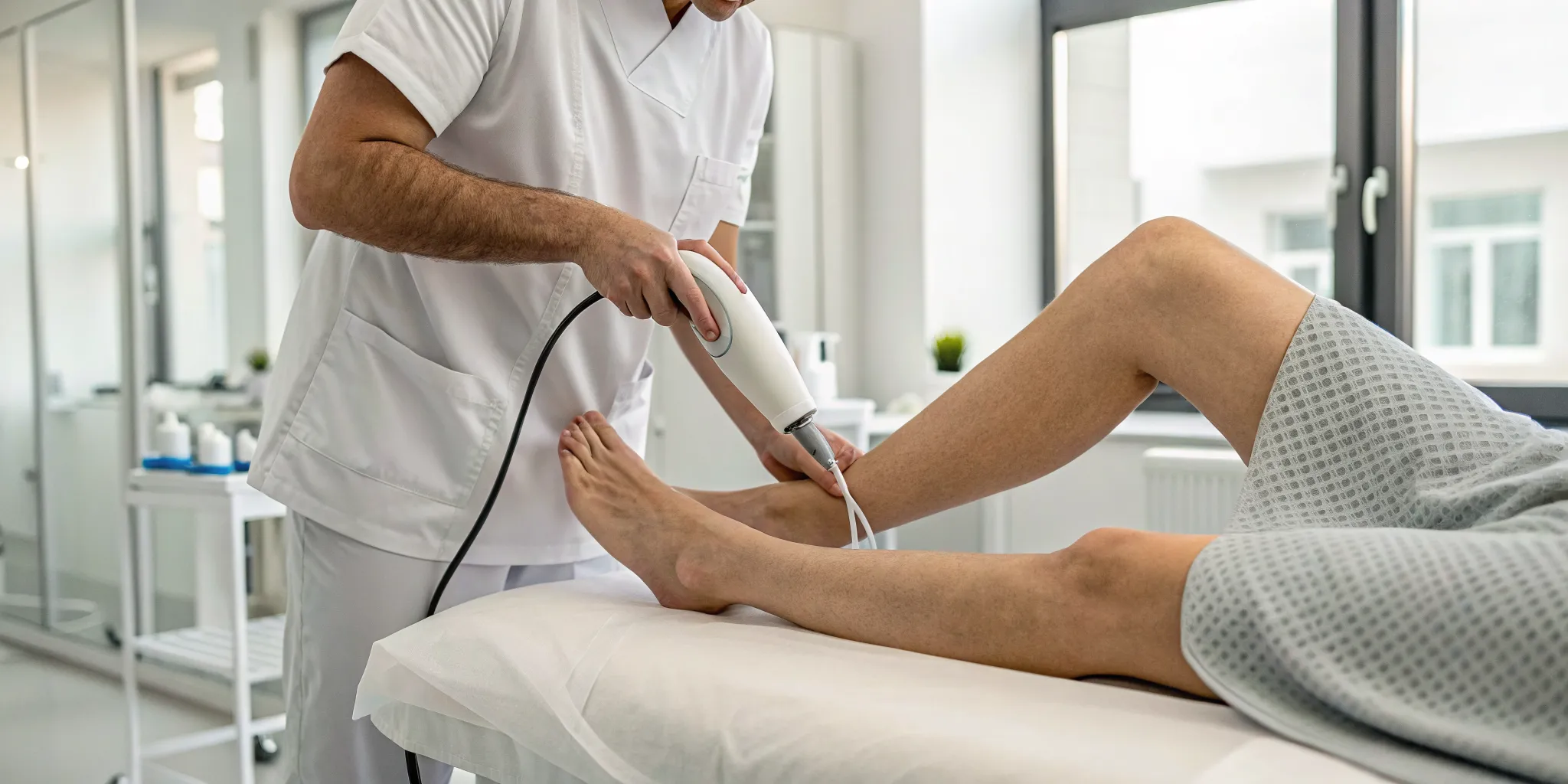
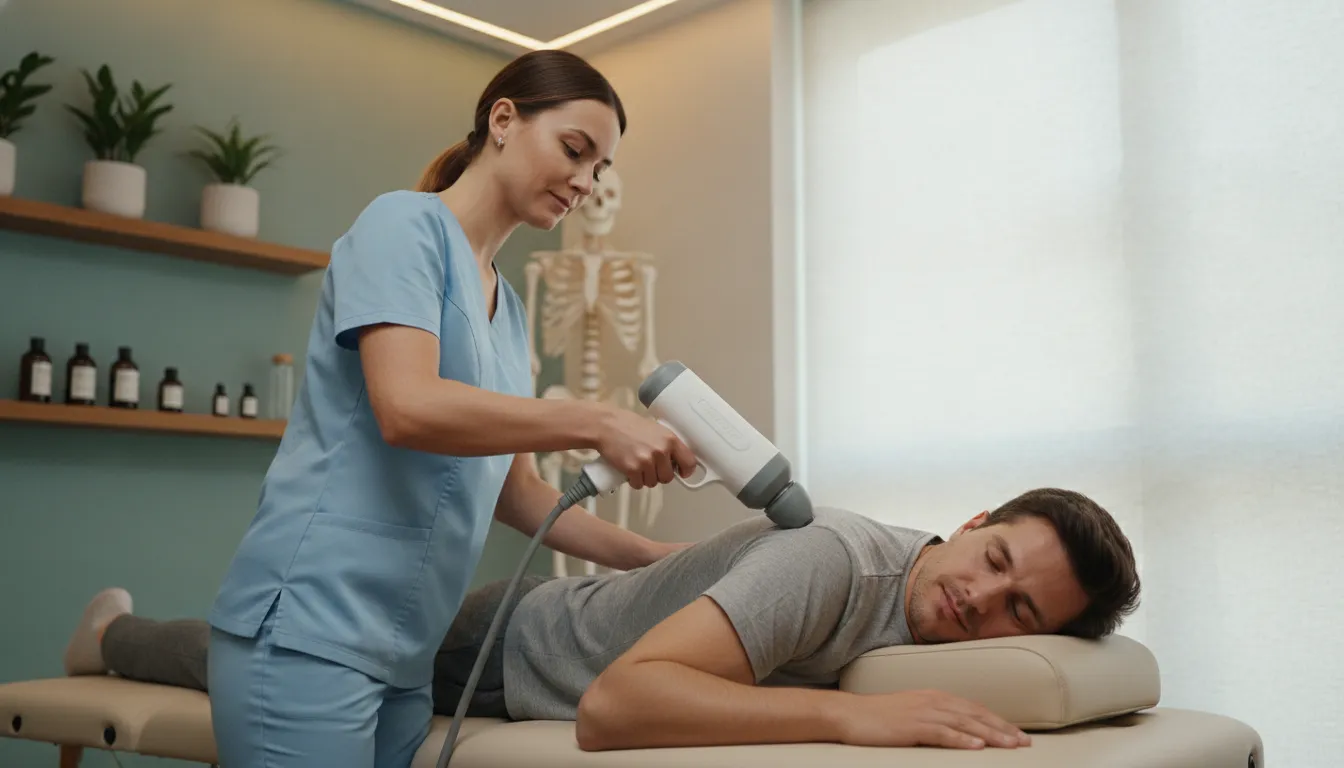
So, how can sound waves actually heal tissue? It’s a fascinating process. During a shockwave session, a handheld device sends acoustic waves deep into the targeted area. These waves create what’s known as micro-trauma in the tissue, which sounds a bit intense, but it’s actually a good thing. This controlled stimulation signals your body to jumpstart its natural healing response.
Your body reacts by increasing blood circulation and forming new blood vessels in the area. This brings more oxygen and nutrients to the damaged tissue, accelerating repair. The waves also help break down scar tissue and calcifications, which are often the source of chronic pain and stiffness in conditions like plantar fasciitis or shoulder tendinitis. It’s a way of waking up dormant cells and reminding them to get back to work.
What to Expect During a Session
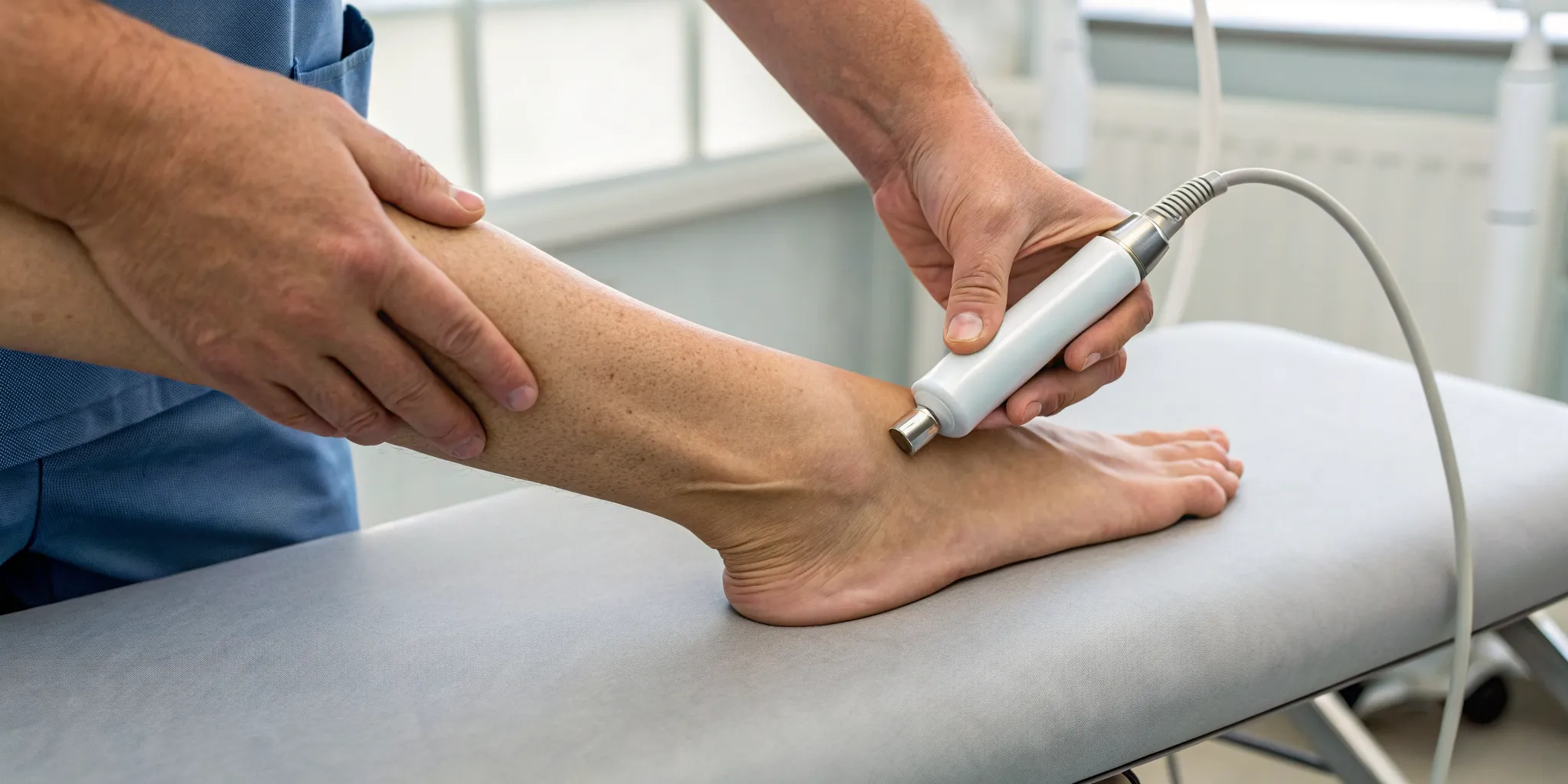
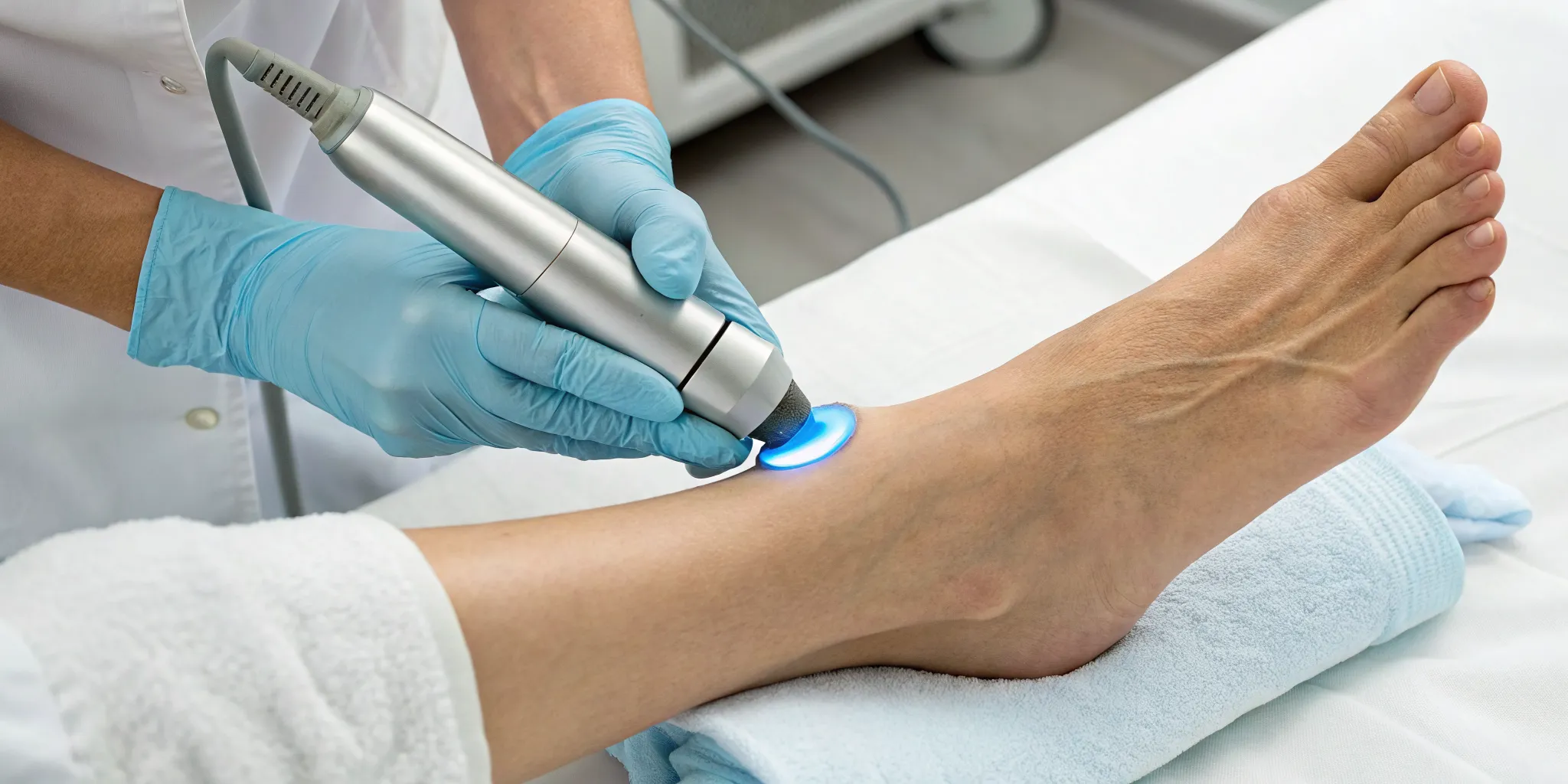
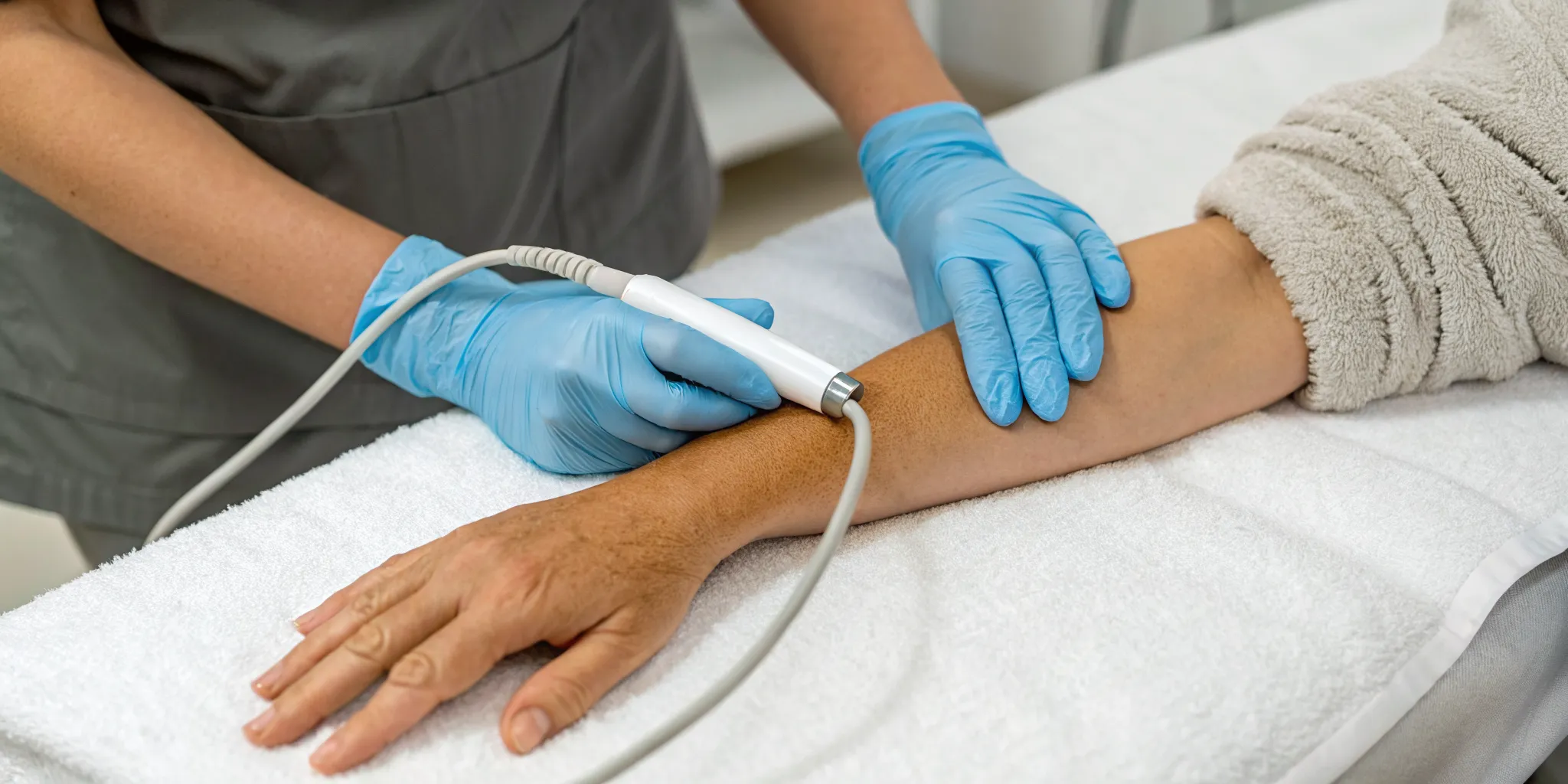
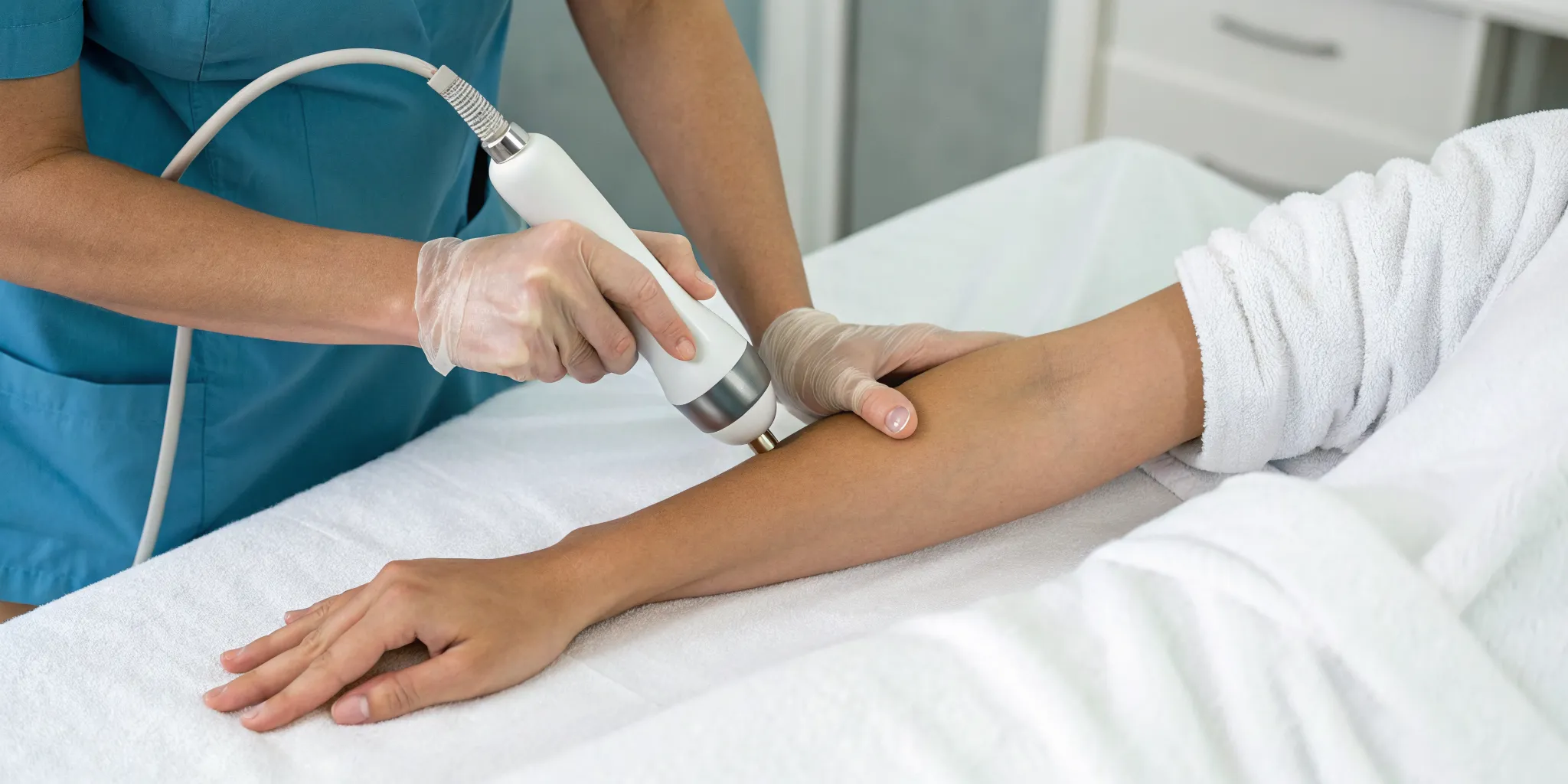
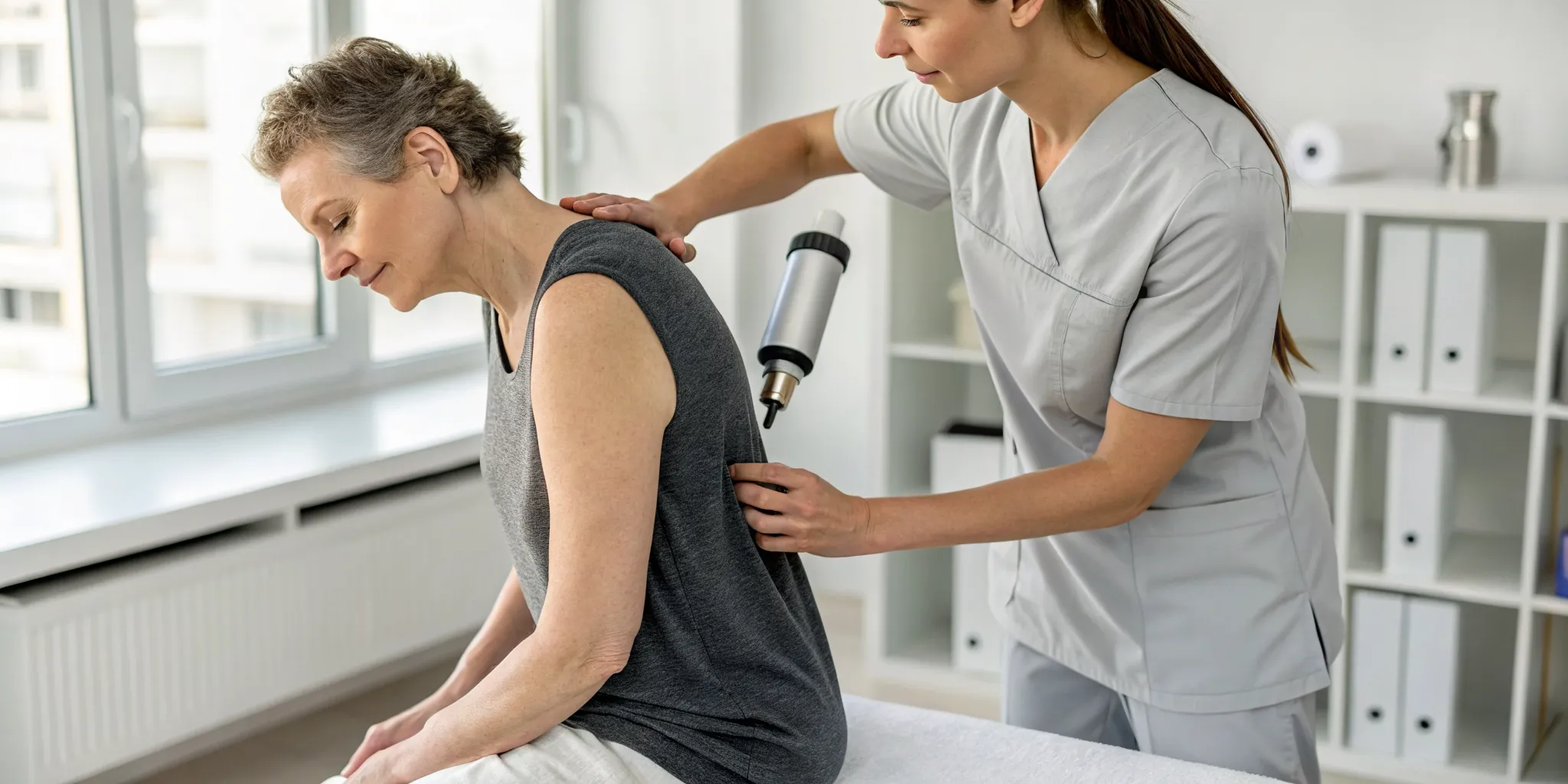
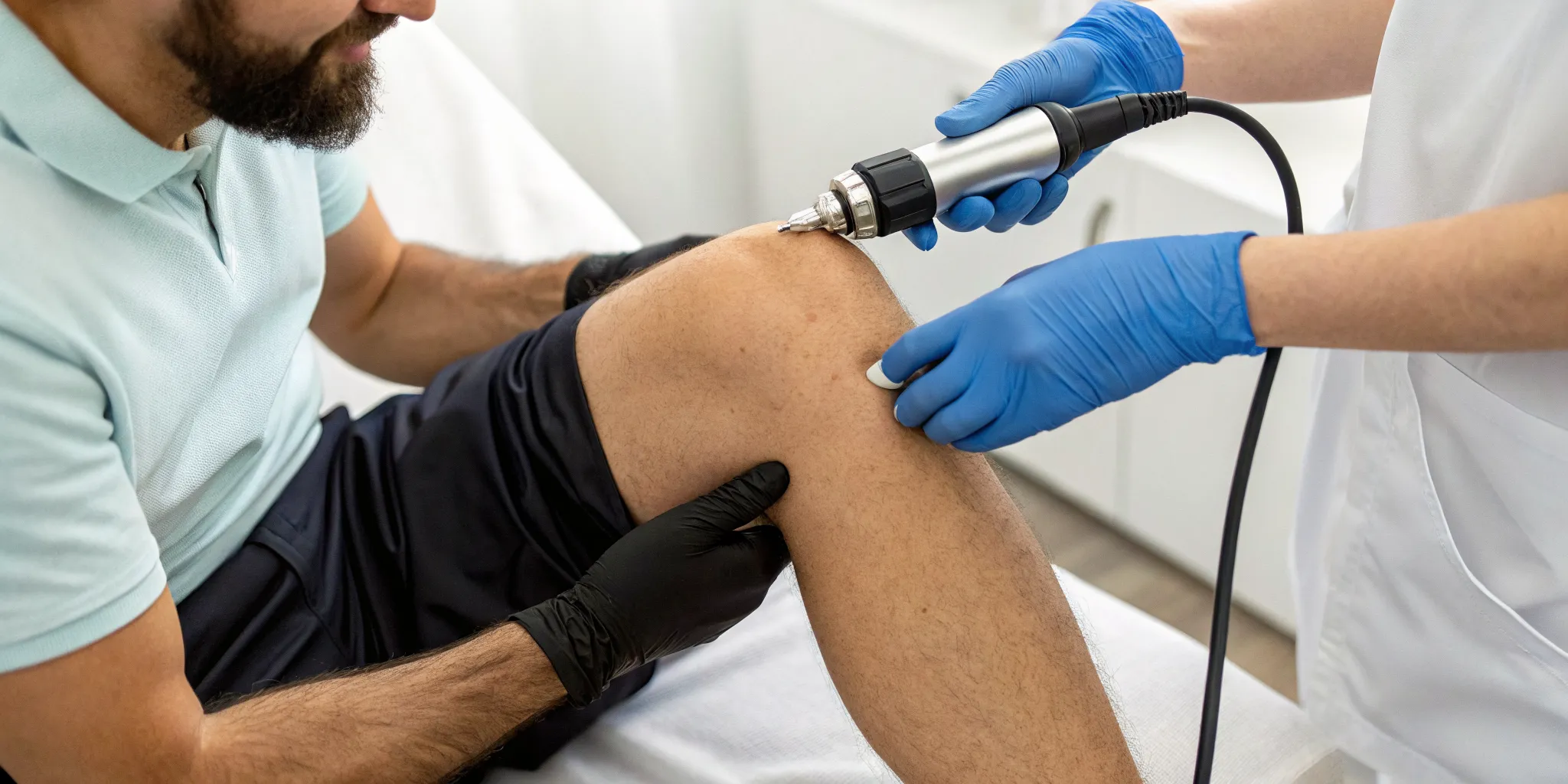
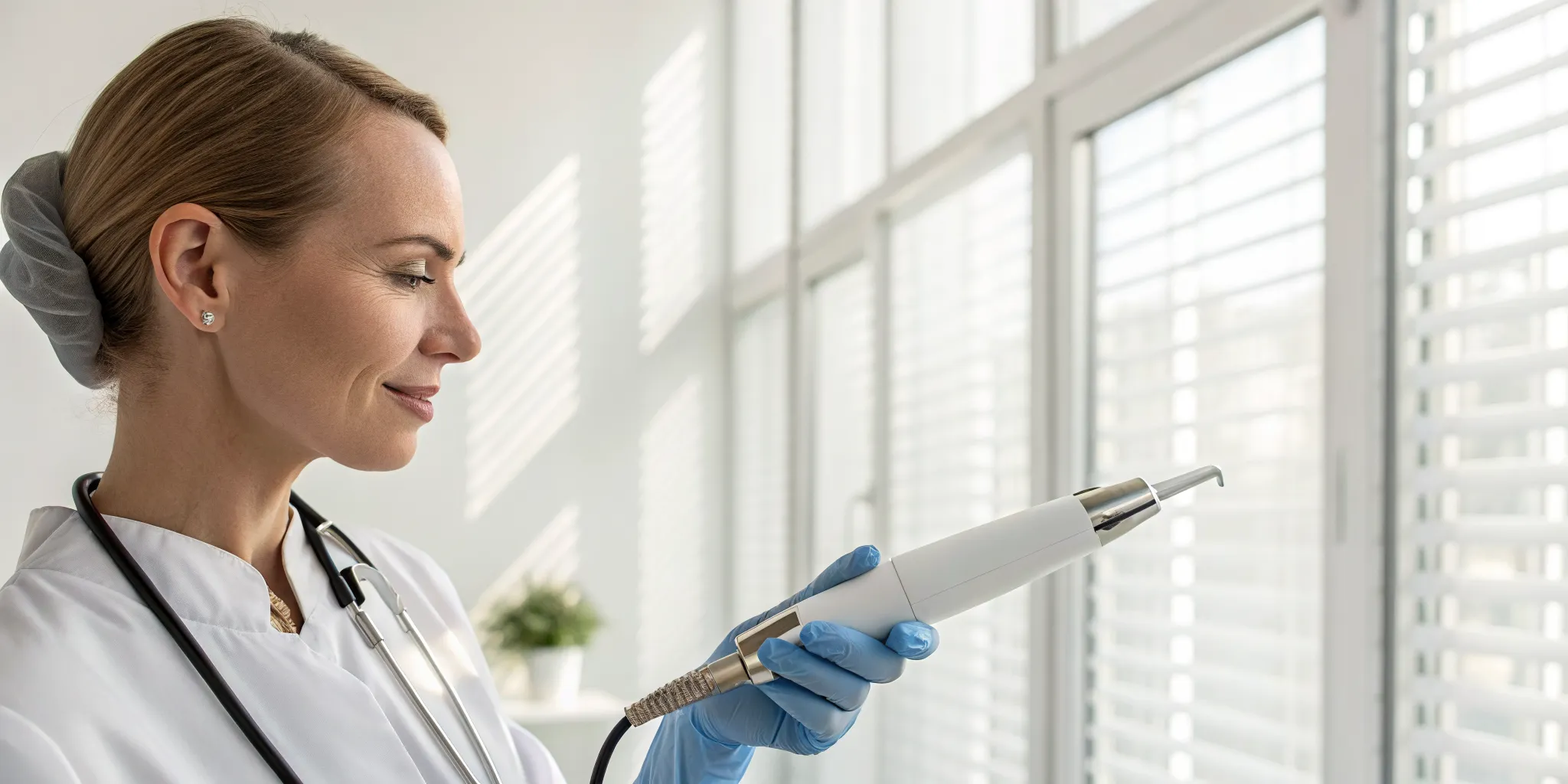
Your first shockwave session is straightforward and doesn't require any special preparation. We’ll start by applying a gel to your skin over the treatment area, which helps the acoustic waves travel more effectively. Then, we’ll use a handheld applicator to deliver the waves directly to the source of your pain. You will feel a tapping or pulsing sensation as the waves penetrate the tissue.
For some, the treatment can feel a bit uncomfortable, especially over very tender spots, but it’s generally well-tolerated and the sensation stops as soon as the session is over. Each session is also quite quick, usually lasting only about 5 to 10 minutes. This makes it an easy treatment to fit into your schedule, whether you're coming in for joint pain or one of the other conditions we treat.
Understanding Your Treatment Timeline
One of the great things about shockwave therapy is that it often requires fewer sessions than other treatments to achieve results. A typical treatment plan might involve one session per week for three to six weeks, depending on your specific condition and how your body responds. Many people report feeling some relief after just one or two sessions.
However, it’s important to remember that the real magic happens after the sessions are complete. The acoustic waves trigger a healing process that continues for weeks or even months. Your body will keep repairing and regenerating the tissue long after your last appointment. If you're curious whether shockwave therapy is the right path for you, we can discuss your specific goals and create a personalized plan during a consultation.
How Does Laser Therapy Work?
If you’ve ever pictured lasers as something out of a sci-fi movie, you’re not alone. But in the world of physical medicine, therapeutic lasers are gentle, non-invasive tools that use light to encourage your body’s natural healing processes. Unlike the high-intensity lasers used in other fields, this therapy works by delivering targeted light energy to damaged cells, helping to reduce pain and accelerate recovery without any cutting or burning.
This approach is all about working with your body. By stimulating cellular activity, laser therapy can help resolve inflammation, improve circulation, and support tissue repair from the inside out. It’s a quiet, comfortable treatment that can make a significant difference for a wide range of conditions, from nagging joint pain to more complex nerve-related issues. Let’s look at how this light-based technology actually works.
The Science Behind Light-Based Healing
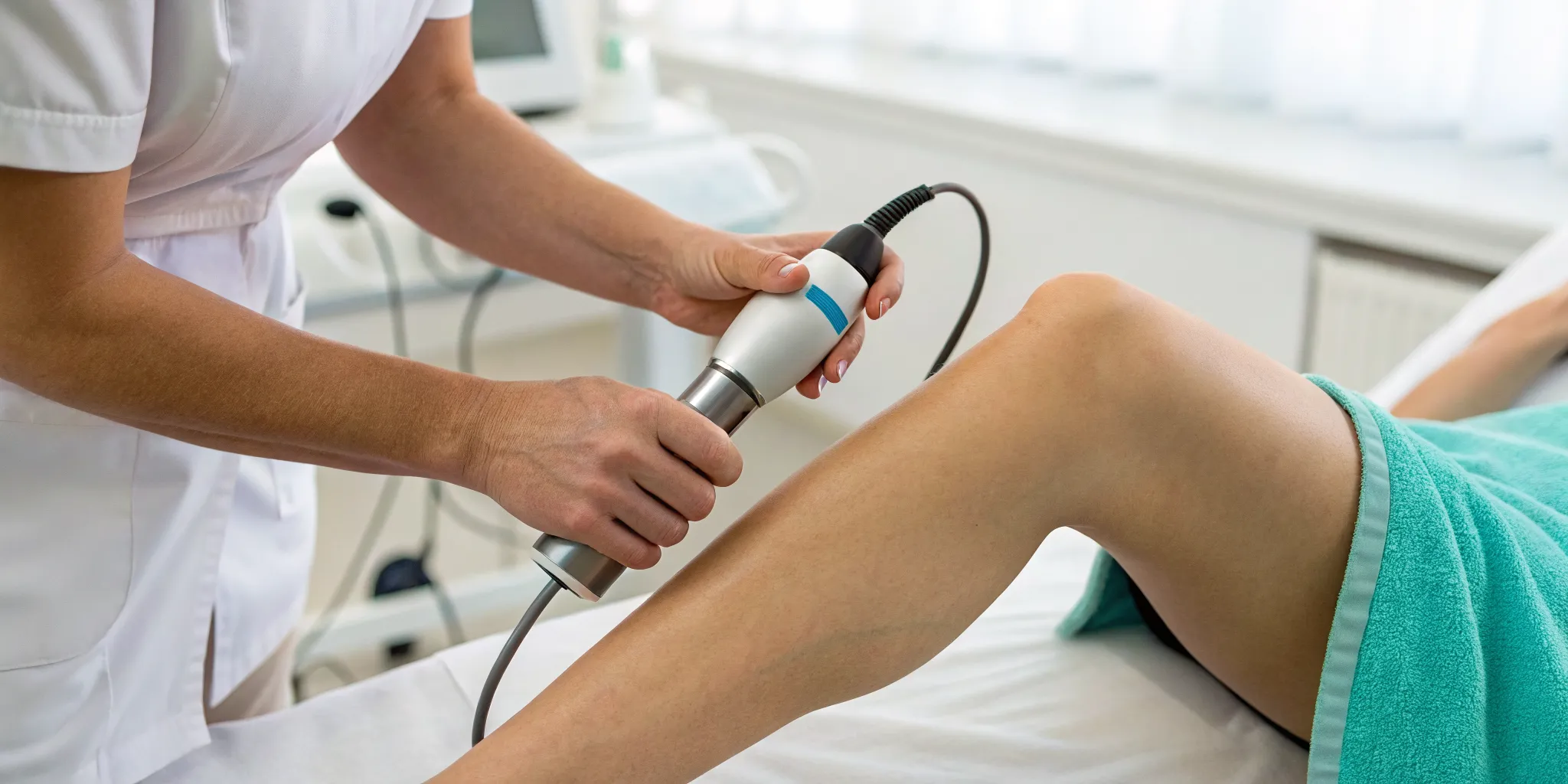
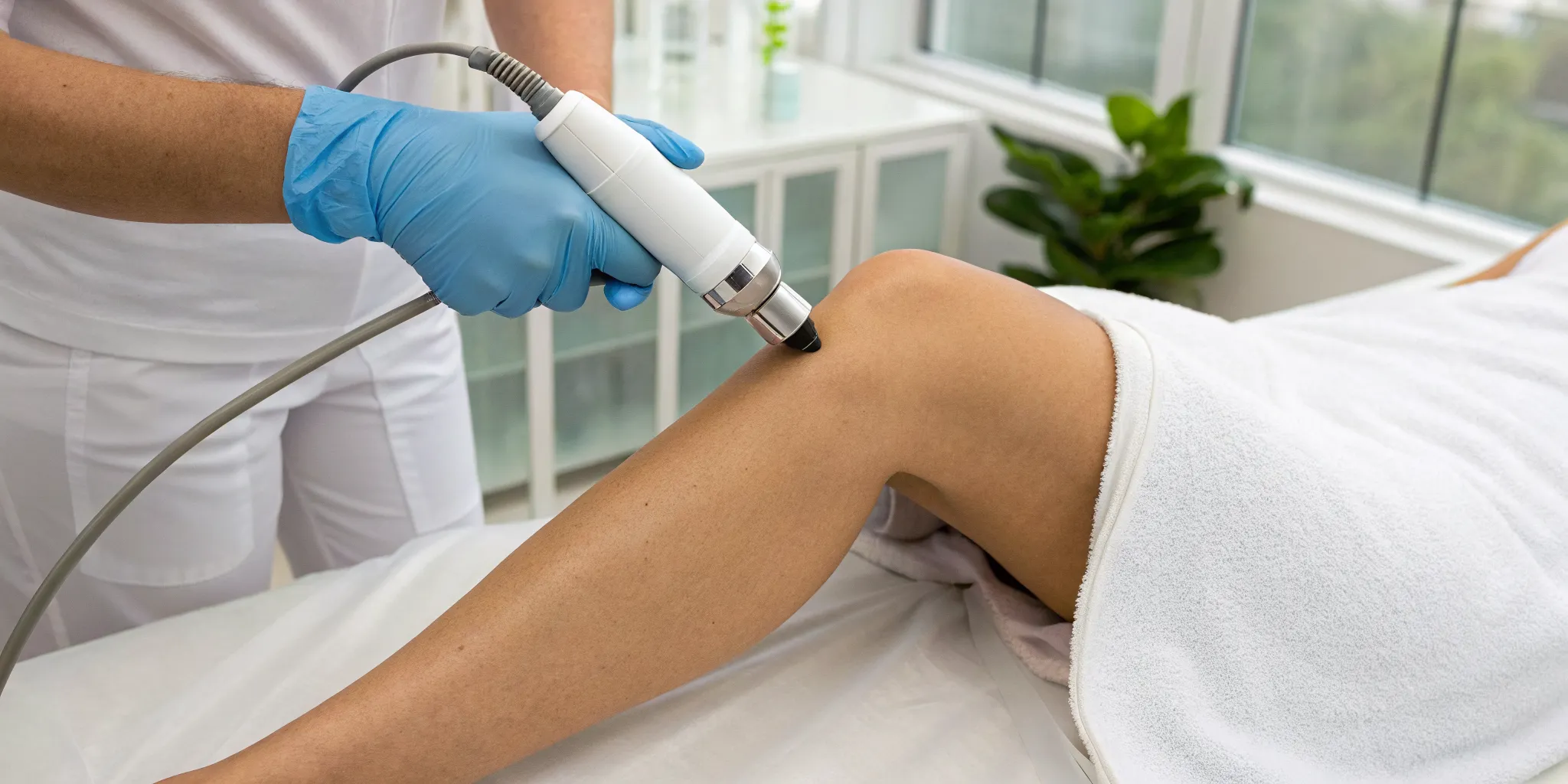
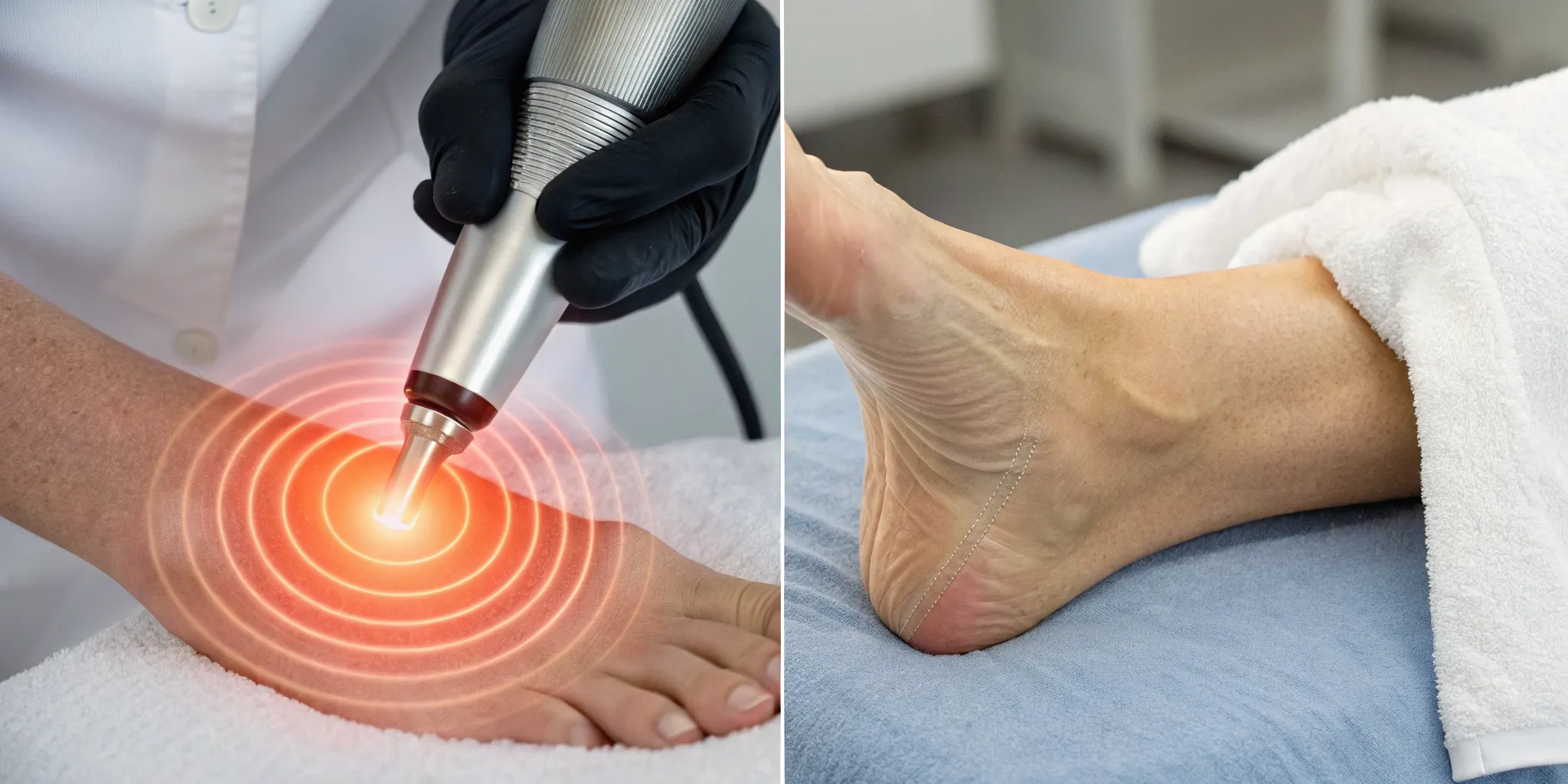
At its core, laser therapy is a process called photobiomodulation. Think of it like photosynthesis for your cells. Just as plants use sunlight to create energy, your body can use specific wavelengths of light to kickstart its healing functions. During a session, a handheld device is placed over the injured area, delivering focused light energy through the skin and into the deeper tissues where the damage lies.
This light energy is absorbed by your cells, which converts it into cellular energy. This process helps your cells work more efficiently, reduces inflammation, and supports the growth of new, healthy tissue. It’s a foundational part of our physical medicine services because it directly addresses the root of pain and dysfunction at a cellular level.
How Laser Therapy Affects Your Cells
So, what happens inside your body when cells absorb this light energy? The effects are pretty remarkable. First, it helps increase blood flow to the targeted area. Better circulation means more oxygen and essential nutrients can reach the injured tissues, which is crucial for repair. At the same time, it helps flush out waste products that can contribute to pain and swelling.
This process also helps your body produce more collagen, the protein that acts as a building block for your skin, muscles, and connective tissues. By supporting collagen production, laser therapy helps repair damaged tissues and make them stronger and more resilient. These cellular changes are what lead to the benefits you can feel, like reduced pain and improved mobility for many of the conditions we treat.
Class 4 vs. MLS: What's the Difference?
Not all therapeutic lasers are created equal, and you might hear your practitioner mention different types, like Class 4 or MLS. Class 4 laser therapy is known for its power and ability to penetrate deep into the body. It uses a strong, continuous beam of infrared light to stimulate cellular activity in muscles, ligaments, and even bones. This makes it highly effective for reducing inflammation and providing prompt pain relief.
MLS (Multiwave Locked System) laser therapy, on the other hand, uses two different wavelengths of light at the same time. One wavelength targets pain, while the other focuses on inflammation. By synchronizing these wavelengths, MLS lasers can deliver both benefits simultaneously. The best type of laser for you depends entirely on your specific condition and treatment goals, so feel free to contact us to discuss which approach is the right fit.
Shockwave vs. Laser Therapy: Key Differences
When you're dealing with persistent pain, you want a solution that gets to the root of the problem. Both shockwave and laser therapy are powerful tools in our physical medicine toolkit, but they work in very different ways. Understanding these differences is the first step in figuring out which approach might be the right fit for your body and your healing goals. Let's compare them side-by-side so you can feel confident in your treatment path.
How They Heal: Mechanical Waves vs. Light Energy
The core difference between these two therapies lies in the type of energy they use. Shockwave therapy uses acoustic waves, which are essentially powerful sound waves. Think of it as creating a controlled, therapeutic disruption deep in your tissues. These waves generate a small, targeted inflammatory response that signals your body to ramp up its natural repair processes. This increases blood flow and stimulates the cells responsible for healing damaged tendons and tissues.
Laser therapy, on the other hand, uses focused light energy. This light penetrates the skin to reach injured cells without causing any disruption. The energy from the laser gives your cells a helping hand, encouraging them to produce more energy, reduce inflammation, and accelerate the growth of healthy new tissue. It’s a gentler approach aimed at supporting cellular function from within.
Comfort and Sensation During Treatment
Your comfort during a session is important, and the experience of shockwave and laser therapy can feel quite different. During a shockwave treatment, you’ll likely feel a tapping or pulsing sensation. For some, especially over a sensitive area, this can be uncomfortable. However, the feeling is temporary and only lasts for the few minutes the machine is active. Most people find it very manageable, and we can always adjust the intensity to your tolerance.
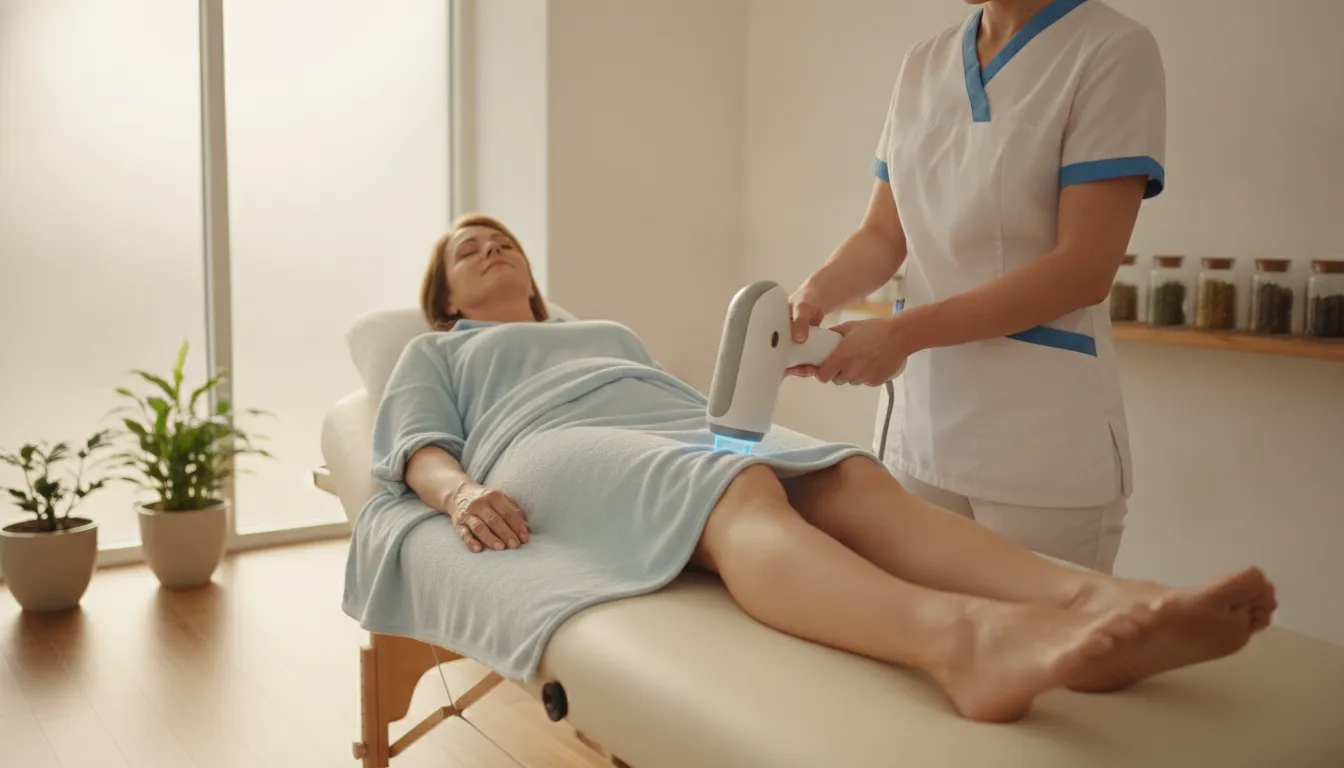
In contrast, laser therapy is typically a very relaxing experience. Most people report feeling nothing at all, or perhaps a gentle, soothing warmth over the treatment area. Because it works with light energy rather than mechanical force, it’s completely painless. This makes it a great option for individuals who are sensitive to pressure or are dealing with conditions we treat where the area is already tender to the touch.
Treatment Duration and Number of Sessions
Your path to recovery is unique, and the timeline for these therapies reflects that. Shockwave therapy sessions are typically short, lasting only a few minutes. Because the treatment is intense and stimulates a strong healing response, sessions are usually spaced about a week apart. Many people see significant improvement after just a few visits, making it an efficient option for certain chronic issues.
Laser therapy often involves a different schedule. While individual sessions are also quick, you might need to come in more frequently, perhaps two to three times a week initially. The cumulative effect of the light energy builds over time, so a series of treatments is usually recommended to achieve the best results. Your specific plan will always be tailored to your body’s response and the nature of your condition.
A Look at Safety and Side Effects
Both shockwave and laser therapy are considered very safe when performed by a trained professional. Side effects are minimal and rare for both. After a session, you might notice some temporary redness, mild swelling, or tenderness in the treated area, but this usually fades within a day or two. It’s simply a sign that your body’s healing process has been activated.
One key consideration is that shockwave therapy’s intensity makes it unsuitable for very recent injuries or areas with significant acute inflammation. It’s designed for chronic conditions where the healing process has stalled. Laser therapy, with its gentle and anti-inflammatory properties, can often be used at any stage of an injury. Discussing your health history with our team ensures we choose the safest, most effective approach for you.
What Conditions Does Shockwave Therapy Address?
Shockwave therapy is a powerful tool for addressing chronic pain, especially in tendons and other soft tissues where healing has stalled. If you've been dealing with a nagging injury that just won’t go away, this therapy might be the solution you’re looking for. It works by sending acoustic waves into the affected tissue, which triggers your body’s natural repair mechanisms. This process increases blood flow, reduces inflammation, and stimulates cell regeneration to finally resolve the underlying problem. It's a non-invasive approach that encourages your body to do what it does best: heal itself.
Instead of just masking symptoms with temporary fixes, shockwave therapy gets to the root cause of pain. It’s particularly effective for tendinopathies, which are injuries caused by overuse that don't respond well to rest alone. By creating a controlled micro-trauma, the therapy essentially "re-awakens" the healing process in tissues that have been stuck in a chronic state of dysfunction. This makes it a go-to treatment for a variety of stubborn musculoskeletal conditions we treat at our Tampa clinic, helping you find lasting relief and get back to your active life.
Plantar Fasciitis and Achilles Tendinopathy
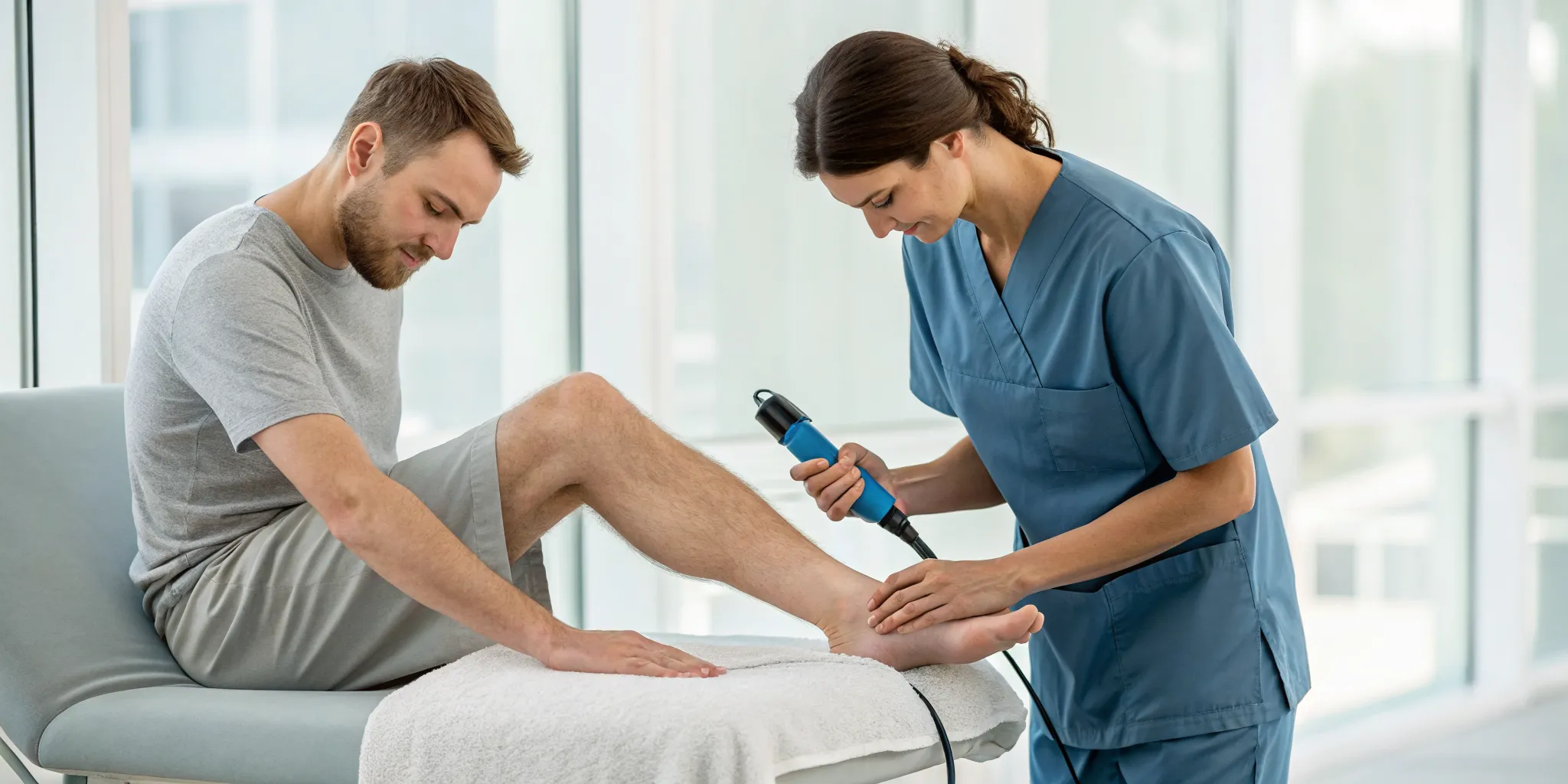
If you feel a sharp, stabbing pain in your heel with your first steps in the morning, you might have plantar fasciitis. This condition, along with Achilles tendinopathy, can be incredibly persistent and frustrating. Both involve the thick, fibrous tissues in your foot and ankle, which have limited blood supply and are slow to heal. Shockwave therapy is highly effective for these issues because it directly targets the damaged tissue, breaking up scar tissue and promoting the formation of new blood vessels. This targeted approach helps stimulate healing processes in the plantar fascia and Achilles tendon, offering significant pain relief and helping you get back on your feet.
Calcific Shoulder Tendinitis and Tennis Elbow
Pain in your shoulder or elbow can make simple daily tasks feel impossible. Shockwave therapy is an excellent option for conditions like calcific shoulder tendinitis and tennis elbow (lateral epicondylitis). With calcific tendinitis, tiny calcium deposits form within the rotator cuff tendons, causing intense pain and stiffness. Shockwave therapy works by delivering energy that helps break down these calcifications, allowing your body to absorb them. For tennis elbow, the therapy targets the degenerated tendon tissue on the outside of the elbow, reducing pain and promoting repair. By increasing blood flow and stimulating healing, this treatment can alleviate pain and improve your arm’s function and mobility.
Hip Bursitis and Chronic Tendon Injuries
Shockwave therapy isn't just for feet and elbows; it’s also a great solution for hip pain and other chronic tendon injuries. Hip bursitis, an inflammation of the fluid-filled sacs that cushion your hip joint, can cause persistent aching and tenderness. Shockwave therapy helps by reducing this inflammation and promoting tissue repair in the surrounding area. It’s also effective for other chronic tendinopathies like jumper's knee (patellar tendinopathy) or hamstring tendinopathy. For any tendon injury that has lingered for months, shockwave can restart the healing cycle. This makes it a key part of a comprehensive physical medicine plan designed to restore strength and achieve lasting pain relief.
What Conditions Does Laser Therapy Address?
Laser therapy is a versatile tool in our physical medicine toolkit, known for its ability to address a wide range of conditions without invasive procedures. It uses focused light energy to stimulate healing at the cellular level, making it an effective option for both recent injuries and chronic pain that hasn't responded to other treatments. By reducing inflammation, easing pain, and accelerating tissue repair, laser therapy helps restore function and improve your quality of life. It’s particularly helpful for stubborn musculoskeletal issues, from nagging neck pain to persistent joint stiffness. At Ascend Functional Health, we use it to target the source of your discomfort and support your body’s natural healing process.
Nerve Pain, Neck Pain, and Back Pain
If you're dealing with persistent nerve pain or chronic aches in your neck and back, laser therapy can offer significant relief. This treatment uses specific wavelengths of light to penetrate the skin and reach underlying tissues, where it helps reduce swelling and calm irritated nerves. It’s effective for a variety of conditions, including sciatica, fibromyalgia pain, and general neck and back stiffness. By enhancing circulation and promoting healing in the affected area, laser therapy can help decrease your pain and improve your mobility. Our approach to physical medicine often includes laser therapy to help patients find lasting relief from these frustrating and often debilitating issues.
Arthritis, Frozen Shoulder, and Knee Pain
Chronic joint conditions like arthritis, frozen shoulder, and knee pain can be particularly challenging, but laser therapy offers a promising path forward. The treatment works by accelerating energy production within your cells, a process that helps speed up tissue repair and reduce inflammation. For someone with arthritis, this can mean less joint stiffness and discomfort. For a condition like frozen shoulder, it can help improve range of motion and ease the deep, aching pain. Because it supports the body’s own healing mechanisms, laser therapy is a gentle yet powerful way to manage the symptoms of these long-term conditions we treat.
Carpal Tunnel Syndrome and Soft Tissue Injuries
Laser therapy is especially beneficial for soft tissue injuries and nerve-related problems like carpal tunnel syndrome. If you’re experiencing the numbness, tingling, and pain associated with carpal tunnel, laser therapy can help by speeding up nerve healing and reducing inflammation in the wrist. This non-invasive approach is also excellent for other soft tissue injuries, such as sprains, strains, and tendonitis. It helps accelerate recovery by stimulating cellular repair, allowing you to get back to your daily activities with less pain and a lower risk of re-injury. It’s a great option for anyone looking to recover without significant downtime.
5 Common Myths About Shockwave and Laser Therapy
When you’re exploring new ways to heal, it’s easy to run into conflicting information. Shockwave and laser therapy are powerful tools in our physical medicine toolkit, but they’re also surrounded by a lot of questions and a few misconceptions. Let’s clear the air and separate fact from fiction so you can feel confident about your treatment options. Understanding how these therapies work is the first step toward finding the relief you deserve.
Myth: "Shockwave therapy is always painful."
The word "shockwave" can sound a bit intimidating, but the therapy itself isn't designed to be a painful experience. Most people describe the sensation as a strong, repetitive tapping against the skin. While it can be uncomfortable, especially over a sensitive area, the intensity is always adjusted to your tolerance level. It’s important to remember that this therapy works by creating a controlled inflammatory response to restart the body’s natural healing process for chronic injuries. That initial, mild discomfort is a sign that the therapy is doing its job by waking up dormant tissues and encouraging repair.
Myth: "Both therapies do the same thing."
This is a common point of confusion, but shockwave and laser therapy work in fundamentally different ways. Think of it like this: shockwave therapy uses powerful acoustic waves to mechanically break down stubborn scar tissue and calcifications. It essentially creates a "reset" for chronic injuries that are stuck in a non-healing state. On the other hand, laser therapy uses specific wavelengths of light energy to penetrate tissues. This light stimulates cellular activity, reduces inflammation, and decreases pain without a strong mechanical force. One is breaking down barriers, while the other is providing energy for repair.
Myth: "Laser therapy is only for recent injuries."
While laser therapy is fantastic for acute injuries because of its powerful anti-inflammatory effects, its benefits don't stop there. It's also an incredibly effective tool for managing chronic conditions. For long-standing issues like arthritis or persistent nerve pain, laser therapy can help manage pain, reduce chronic inflammation, and support ongoing tissue health. By improving circulation and giving cells the energy they need to function better, it helps your body manage and repair tissues over the long term. Our team uses it to address conditions ranging from fresh sprains to nagging back pain that has been around for years.
Myth: "One is always superior to the other."
There is no single "best" therapy that works for every person and every condition. The most effective treatment is the one that is tailored to your specific situation. The choice between shockwave and laser therapy depends entirely on your diagnosis, the type of tissue involved, whether the injury is new or chronic, and your personal health goals. A skilled practitioner will assess your unique circumstances to determine the right approach. At Ascend Functional Health, our physical medicine protocols are built around this personalized strategy, ensuring you get the most appropriate and effective care for your body.
Myth: "They are interchangeable for any condition."
Because they have different mechanisms, shockwave and laser therapy are not one-size-fits-all solutions. Each one excels at treating different types of problems. Shockwave therapy is often the top choice for tough, chronic tendon issues like plantar fasciitis, Achilles tendinopathy, and tennis elbow, especially when scar tissue is involved. Laser therapy is frequently the preferred method for conditions where the main goals are to reduce pain and inflammation, such as with arthritis, nerve irritation, and more recent soft tissue injuries. A thorough evaluation is essential to match the right therapy to the right diagnosis for the best possible outcome.
Which Therapy Is Right for You?
Choosing between Shockwave and Laser Therapy isn't about picking a "better" option; it's about selecting the right tool for your specific situation. The best approach depends on the nature of your injury, your personal health goals, and even your comfort level with different types of treatment. Understanding these factors is the first step toward creating a recovery plan that truly works for you. At Ascend Functional Health, we guide you through this decision-making process, ensuring your treatment aligns perfectly with your body's needs. By looking at your injury's history, your desired outcomes, and your preferences, we can determine the most effective path to healing.
Chronic vs. Acute: Why the Difference Matters
The age of your injury is a major factor in deciding between these two therapies. You are more likely to benefit from Shockwave Therapy if you're dealing with a long-term, degenerative tendon issue that hasn't responded to other treatments. Think of those stubborn injuries that have lingered for months or even years. In contrast, you should lean toward Laser Therapy if you have a new, acute soft tissue injury. It's also a great choice if you prefer a pain-free treatment or if the main goal is to reduce immediate inflammation and nerve pain associated with a recent injury. Understanding whether your condition is chronic or acute helps us target the root cause more effectively.
Matching the Therapy to Your Treatment Goals
Your personal treatment goals also play a crucial role. Are you trying to break down old scar tissue or accelerate the healing of a fresh injury? Shockwave Therapy uses powerful acoustic waves to stimulate tissue repair and break down adhesions, making it ideal for chronic, stubborn injuries like plantar fasciitis or tennis elbow. It’s particularly effective for many musculoskeletal disorders. On the other hand, Laser Therapy uses focused light to accelerate healing at a cellular level. This makes it a better fit for reducing acute inflammation and pain, helping your body’s natural healing processes work more efficiently from the start.
Considering Your Comfort and Preferences
Finally, your personal comfort is important. Shockwave Therapy can sometimes cause mild discomfort during the session and a little swelling afterward. This response is actually part of the healing process, as it kickstarts your body's repair mechanisms, which is especially helpful for old injuries. Conversely, Laser Therapy is a gentle and pain-free experience. It actively helps reduce swelling, making it a comfortable option for both new and old injuries where inflammation is a primary concern. If you're unsure which approach is the best fit, we can discuss your specific situation and help you choose a therapy that you feel confident and comfortable with.
Can You Combine Shockwave and Laser Therapy?
If you're wondering whether you have to choose between shockwave and laser therapy, the answer is often no. In fact, combining these two treatments can be a powerful strategy for healing. Think of it as a team effort: each therapy brings its own unique strengths to the table, creating a synergistic effect that can lead to better and faster results. By using them together, we can create a more comprehensive treatment plan that addresses your pain from multiple angles.
This integrated method allows us to tailor your care precisely to what your body needs. It’s not about picking one "better" therapy; it's about leveraging the right tools at the right time to support your body's innate ability to heal and get you back to feeling your best.
How Combined Treatments Work
When we combine shockwave and laser therapy, we’re essentially creating a one-two punch for tissue repair. Shockwave therapy goes first, acting as the initial catalyst for change. Its acoustic waves work to break down stubborn scar tissue and calcifications, stimulating the body to begin rebuilding healthier, stronger tissue. It’s the part of the process that addresses the deep, structural source of the problem.
Then, laser therapy follows up to accelerate the healing that shockwave initiated. The light energy helps reduce any soreness or inflammation that might occur after a shockwave session and speeds up metabolic activity within the cells. This synergistic approach is a cornerstone of our physical medicine philosophy, giving you the structural repair benefits of shockwave with the healing and pain-reducing effects of laser.
Why a Dual Approach Can Accelerate Healing
Using both therapies together often leads to a more rapid reduction in pain and a quicker return to normal function. The reason is simple: you’re tackling the injury from two different, complementary directions. While shockwave therapy is busy targeting the deeper mechanical issues, like dense scar tissue, laser therapy is working on the surface and cellular level to decrease swelling and calm irritated nerves.
This dual approach means you get the best of both worlds in a single session. It’s an effective combination for many sports-related and chronic injuries because it addresses both the cause and the symptoms simultaneously. This comprehensive strategy allows us to effectively manage a wide range of the conditions we treat, helping you find relief and improve your function more efficiently than with a single therapy alone.
Explore Physical Medicine at Ascend Functional Health
Choosing the right path to manage pain and improve mobility can feel overwhelming, especially when you're trying to find a solution that lasts. At Ascend Functional Health, we get it. Our entire approach to physical medicine is built around moving beyond temporary fixes and getting to the heart of what’s causing your discomfort. We believe in creating a genuine partnership with you to support your body’s incredible ability to heal itself. This means listening to your story, understanding your lifestyle, and looking at the complete picture of your health.
That’s why we incorporate advanced treatments like shockwave and laser therapy into our care plans. These aren't one-size-fits-all solutions. Instead, we see them as powerful tools in our toolkit to help with a wide range of musculoskeletal issues. Whether you're dealing with the stubborn pain of plantar fasciitis, the nagging ache of tennis elbow, or persistent joint pain from arthritis, our team is dedicated to creating a personalized protocol for you. A comprehensive evaluation helps us determine if shockwave therapy, laser therapy, or a combination of both is the most effective route for your recovery. We focus on treatments that stimulate your body's own healing mechanisms, helping you regain function and live with greater ease. You can see how this approach has helped others by reading some of our patient testimonials.
Related Articles
- SoftWave Tissue Regeneration Therapy in Tampa | Alessi Functional Health
- Regenerative Medicine for Pain Recovery | Ascend Functional Health
- What Is Soft Tissue Therapy? A Complete Guide
- The Ultimate Guide to Myofascial Release Therapy
- Graston Technique Side Effects: What's Normal?
Frequently Asked Questions
How much discomfort should I expect during these treatments? Your comfort is a top priority, and the sensation varies between the two therapies. Laser therapy is typically a very gentle experience; most people feel nothing more than a slight, soothing warmth on their skin. Shockwave therapy feels different, often described as a strong, repetitive tapping. While it can be a bit uncomfortable over a tender spot, the session is very short, and we can adjust the intensity to a level that works for you.
What is the recovery like after a shockwave or laser therapy session? One of the best parts about both treatments is that there is no significant downtime. You can typically return to your daily activities right after your appointment. Following a laser session, you likely won't feel any different. After shockwave therapy, it’s common to experience some mild soreness or tenderness in the treated area for a day or two. This is a positive sign that your body has started its natural healing response.
How can I determine if shockwave or laser therapy is the better choice for my specific injury? The best way to know for sure is through a professional evaluation, but a good rule of thumb is to consider the age and type of your injury. Shockwave therapy is often the go-to for chronic tendon issues that have lingered for months, especially where scar tissue is a problem. Laser therapy is an excellent choice for reducing pain and inflammation, making it ideal for more recent injuries, nerve-related pain, or conditions where the area is already very sensitive.
When can I expect to feel a difference from either shockwave or laser therapy? Many people report feeling some improvement after just one or two sessions of either therapy. However, it's important to remember that both treatments work by stimulating your body's own repair cycle, which takes time. The most significant and lasting results often develop in the weeks following your completed treatment plan, as your tissues continue to heal and regenerate long after your last appointment.
Why would someone need both shockwave and laser therapy? What's the advantage? Using both therapies together can create a powerful healing synergy. Think of it as a comprehensive, two-step approach. Shockwave therapy can be used first to break down stubborn scar tissue and kickstart the repair process on a structural level. Then, laser therapy can follow up to reduce any resulting inflammation, manage pain, and give your cells the energy they need to heal more efficiently. This combined strategy often helps accelerate recovery and improve overall results.