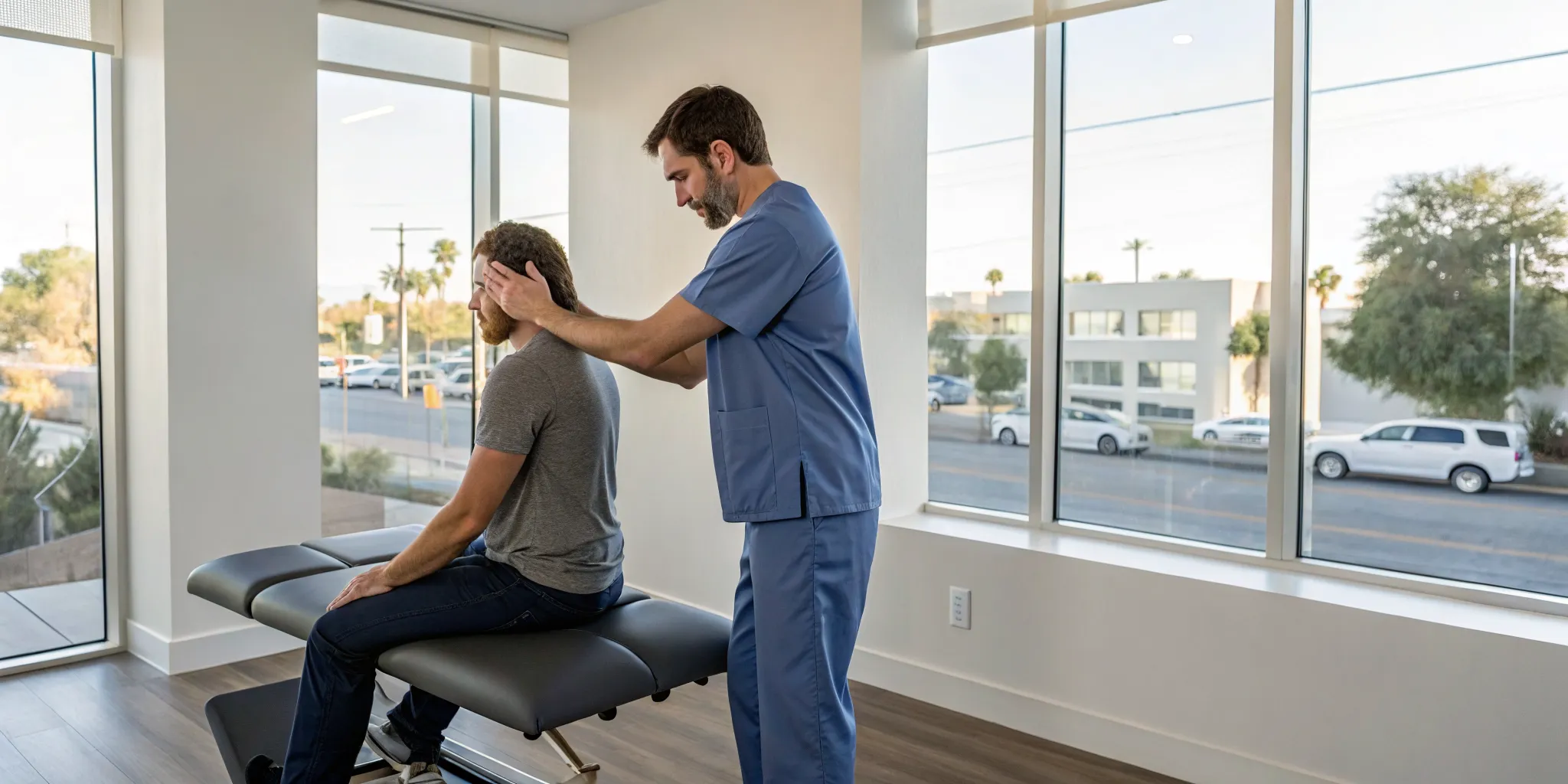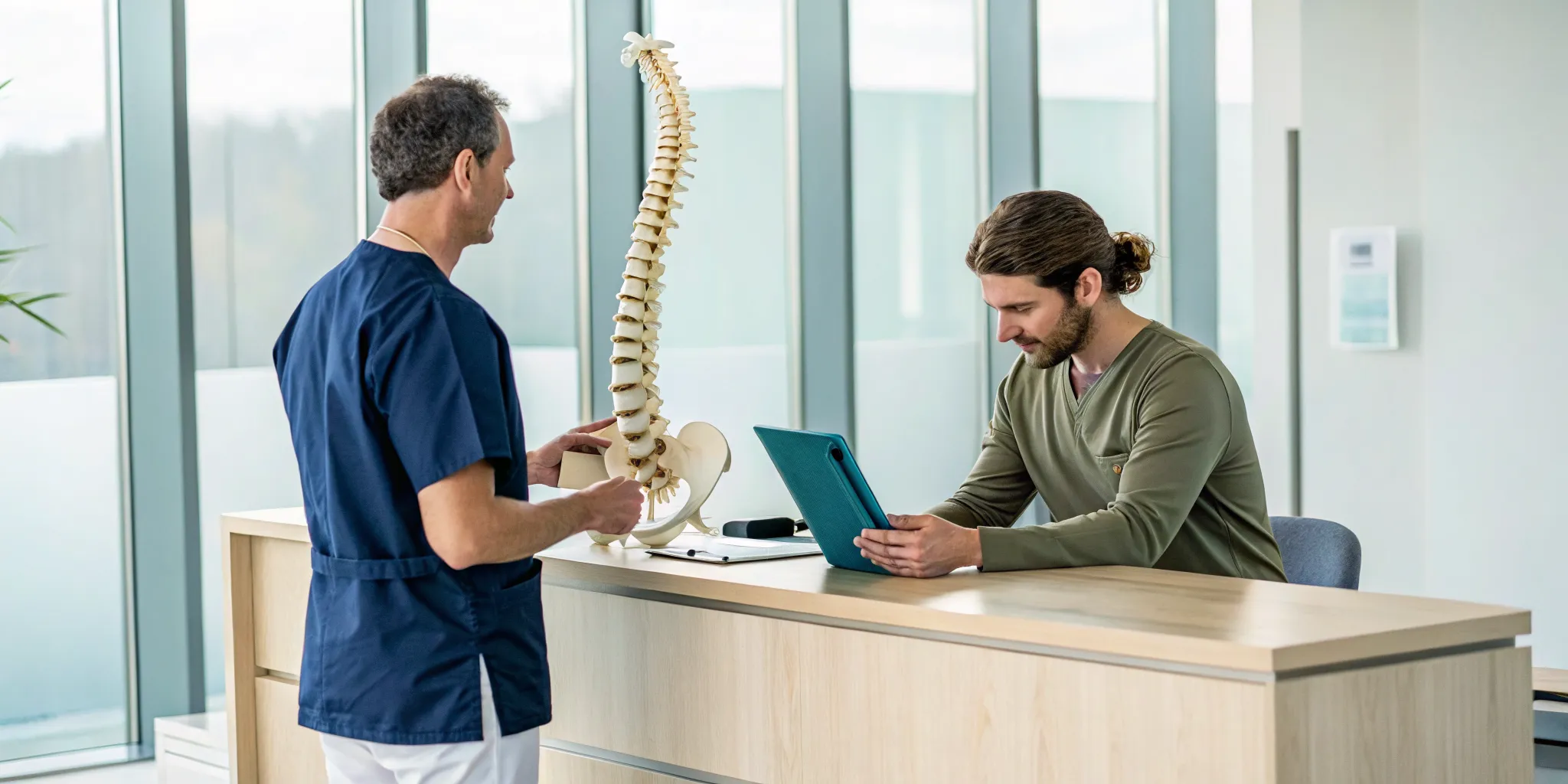
The medical term for tennis elbow, lateral epicondylitis, is a bit misleading. That "-itis" ending makes you think it's all about inflammation. But for chronic cases that just won't heal, research shows something else is going on: a condition called tendinosis. This isn't an active inflammation problem; it's a failed healing problem. Think of the collagen fibers in your tendon like a frayed rope—it’s not on fire, it’s just structurally unsound. This is why anti-inflammatory approaches often provide little long-term relief. They’re targeting the wrong issue. At Ascend Functional Health, our SoftWave treatment for tennis elbow Tampa clinic provides a solution that addresses the real problem, stimulating your body to repair and remodel that frayed, degenerated tissue for good.
Key Takeaways
- Understand the Real Problem: Your tennis elbow may not be healing because it's a problem with degenerated tendon tissue (a condition called tendinosis), not just inflammation. This is why treatments that only target swelling often fail to provide lasting relief.
- Support Your Body's Healing: SoftWave therapy uses acoustic waves to signal your body’s own repair systems. It helps recruit stem cells and improve blood flow to the injured area, which is essential for rebuilding the damaged tendon tissue from within.
- Choose an Efficient, Lasting Solution: SoftWave sessions are brief (about 10 to 15 minutes) and require no downtime, making treatment easy to fit into your schedule. By addressing the core tissue damage, this therapy helps build a stronger tendon for more permanent results.
Why Won't My Tennis Elbow Go Away?
If you’re dealing with a nagging case of tennis elbow, you’ve probably asked yourself this question more than once. You’ve likely tried resting it, icing it, and maybe even wearing a brace, only for the pain to return as soon as you get back to your daily activities. It’s a frustrating cycle, and it can make you feel like you’ll never get back to swinging a racket, lifting weights, or even just carrying groceries without that familiar ache on the outside of your elbow.
The reason your tennis elbow won't go away often comes down to a misunderstanding of what’s actually happening in your arm. Many conventional approaches treat it as a simple issue of inflammation, but for many people with chronic pain, that’s not the whole story. The persistence of your symptoms is a clear sign that your body is stuck in a cycle of failed healing. To find lasting relief, we have to go beyond just managing the pain and instead address the root cause of the problem within the tendon itself. This is a core principle of our approach to physical medicine. Instead of just masking symptoms, we focus on helping your body truly repair the damage so you can get back to your life, pain-free.
What's Happening Inside Your Elbow
The medical term for tennis elbow is lateral epicondylitis, which sounds like it’s all about inflammation (anything ending in "-itis" usually is). But for chronic cases, this is misleading. Research shows that what’s really going on is a condition called tendinosis. This isn't an active inflammation problem; it's a failed healing problem. Over time, the collagen fibers that make up your tendon become weak and disorganized. Think of it like a rope that’s become frayed. It’s not on fire (inflamed), it’s just structurally unsound. This is why anti-inflammatory treatments often provide little to no long-term relief. They’re targeting the wrong issue, not the degenerated tissue that needs to be repaired.
Why Other Treatments Don't Last
This explains why so many common treatments for tennis elbow fall short. Rest might quiet the pain temporarily, but it does nothing to fix the frayed, damaged tendon tissue. As soon as you resume activity, the weak tendon is re-injured, and the pain comes right back. Likewise, treatments that only focus on reducing inflammation are missing the point. You aren't just dealing with swelling; you're dealing with tissue that has failed to heal properly. Many of our patients come to us after trying other methods without success. To achieve a lasting solution, the treatment must actively stimulate the body's own regenerative processes and rebuild the damaged tendon from the inside out, which is a cornerstone of our services.
How SoftWave Therapy Heals Tennis Elbow
If you’re tired of the cycle of pain, rest, and re-injury that comes with tennis elbow, it’s time to look at a solution that does more than just mask the symptoms. SoftWave Therapy is a game-changer because it addresses the problem at its source. Instead of just temporarily reducing inflammation, this advanced technology works with your body to repair the damaged tendon tissue that’s causing your pain in the first place. It’s a regenerative approach that helps your body heal itself from the inside out.
Think of it like this: other treatments are like putting a patch on a leaky pipe, but SoftWave is like calling in a specialist to replace the damaged section. The therapy uses patented technology to send acoustic waves deep into your elbow, waking up your body’s natural repair mechanisms. This process stimulates blood flow, reduces inflammation, and activates your own resident stem cells to migrate to the area and begin rebuilding. It’s a sophisticated, non-invasive way to encourage true healing, which is why it’s one of the core tools we use in our physical medicine services. This method doesn’t just offer temporary relief; it creates a stronger, more resilient tendon, helping you get back to your life without the constant fear of pain returning.
The Science of Sound Waves
At its core, SoftWave Therapy uses a patented form of acoustic sound waves to kickstart healing. This isn't like the focused, high-intensity waves used for other procedures. Instead, SoftWave uses unfocused, low-intensity waves that spread out like ripples in a pond. This allows the therapeutic energy to cover a broad area, treating the entire damaged region of your elbow, not just a single point. These gentle waves travel through your skin and muscle without causing damage, delivering a biological signal directly to the injured tendon. This signal is what tells your body, "Hey, this area needs attention," and initiates a powerful healing cascade that other treatments simply can't replicate.
Healing Damaged Tendons at the Source
Once the sound waves reach the damaged tendon in your elbow, they trigger several key biological processes. First, they dramatically increase blood flow to the area through a process called angiogenesis, which is the formation of new blood vessels. This is critical because tendons naturally have poor blood supply, which is why they heal so slowly. Next, the waves create a signal that recruits your body’s own stem cells to the site of injury. These are your body’s master repair cells, and they get to work rebuilding the damaged tissue. This approach is central to how we treat many chronic conditions, focusing on resolving the underlying damage rather than just managing symptoms.
Rebuilding and Strengthening Your Tendon
The final step in the SoftWave process is long-term tissue regeneration. The activated stem cells and increased blood flow lead to the production of new, healthy collagen fibers, which are the building blocks of your tendons. The therapy helps your body remodel these fibers into a strong, organized structure, replacing the weak, disorganized tissue of a chronically injured tendon. This doesn't just repair the damage; it rebuilds the tendon to be stronger and more resilient than it was before. By supporting your body's innate ability to heal, SoftWave provides a lasting solution that helps prevent the pain from coming back, allowing you to confidently return to the activities you love.
SoftWave Therapy vs. Other Treatments
If you’ve been dealing with tennis elbow for a while, you’ve likely tried a few different things to find relief. Maybe it was rest, braces, or even painful injections. The frustrating part is when the pain keeps coming back. This is where SoftWave therapy stands apart. It’s not about temporarily masking the pain or just reducing inflammation. Instead, it’s a fundamentally different approach that works with your body to rebuild the damaged tissue from the inside out.
Many common treatments offer a temporary fix, but SoftWave is designed to create lasting change by addressing the core of the problem. It’s about helping your body finally complete the healing process that has stalled. Let’s look at how this innovative therapy compares to the other options you may have considered.
Skip the Shots, Scalpels, and Downtime
One of the biggest advantages of SoftWave therapy is that it’s a completely non-invasive treatment. That means no needles, no scalpels, and no medication. Unlike procedures that require you to take time off from work and life to recover, a SoftWave session has no downtime. You can walk out of our Tampa office and get right back to your day.
This approach is a welcome alternative for anyone who is hesitant about injections or wants to avoid the risks and recovery associated with a surgical procedure. It offers a path to healing that doesn't involve putting your life on hold. Instead of forcing a change with invasive methods, SoftWave gently prompts your body to begin its own powerful repair process.
A Lasting Solution, Not a Quick Fix
Many of our patients come to us after trying other treatments that only provided short-term relief. SoftWave therapy often succeeds where these other methods fall short because it’s designed to address the root cause of the pain: the damaged tendon tissue. Instead of just silencing the pain signals, SoftWave’s acoustic waves get to work deep within the elbow.
This technology helps reduce swelling, improve blood flow to the injured area, and signal your body’s own stem cells to migrate to the site. This creates the perfect environment for true healing to occur. The goal isn’t just to make you feel better for a few weeks; it’s to help your body regenerate and repair the tendon so you can find lasting relief and get back to your activities without pain.
SoftWave vs. Cortisone and Physical Therapy
It’s common to think of tennis elbow as an inflammation problem, but it’s more accurately described as a failed healing problem. This is why treatments like cortisone shots often don’t provide a permanent solution. While they are powerful anti-inflammatories, they don’t do anything to repair the underlying weakness in the tendon. Similarly, while physical therapy is crucial for strengthening, it can be frustrating if the tendon itself hasn’t healed enough to handle the exercises.
SoftWave therapy bridges this gap. It’s one of the few services that actively stimulates your body’s own healing mechanisms to repair the degenerated tissue. By triggering collagen remodeling and promoting the formation of new blood vessels, it helps rebuild the tendon, making it stronger and more resilient. This allows you to get more out of physical therapy and finally move past the cycle of recurring pain.
What to Expect from SoftWave Therapy
Deciding to try a new therapy comes with questions, and the biggest one is usually, "What will this be like?" Knowing what to anticipate can make all the difference. The SoftWave journey is straightforward and designed to support your body's natural healing timeline. From your first session to your last, the goal is to progressively reduce pain and restore function so you can get back to living your life. This isn't about a temporary patch; it's about creating real, lasting change within the damaged tendon. We believe in empowering you with knowledge, so you feel like an active partner in your own healing. The process is collaborative, and your feedback helps guide the treatment. We'll explain what's happening at each stage, from the initial stimulation of your cells to the long-term rebuilding of your tendon. This approach ensures you're not just a passive recipient of care but an informed participant. Let's walk through the process, from the immediate feelings after your first treatment to the full recovery timeline, so you know exactly what to expect on your path to healing your tennis elbow for good.
Feeling Better After Your First Session
It's completely normal to want relief as soon as possible, and with SoftWave, that's often the case. Many people report a noticeable difference after their very first session, feeling less pain and an improved ability to move their elbow and wrist. SoftWave is particularly effective for stubborn conditions like tennis elbow that haven't responded well to other approaches. While the full healing process takes time, that initial feeling of improvement is a powerful sign that your body is responding to the therapy. It’s the first step toward getting back to your activities without that nagging pain.
How Many Sessions Does It Take?
SoftWave therapy is a process, not a single event. True healing of the tendon requires a series of treatments to stimulate and complete the repair cycle. For most chronic conditions like tennis elbow, a series of 3 to 6 sessions is typically recommended. These appointments are usually spaced about a week apart to give your body time to respond and begin the regenerative process between visits. This structured approach is a core part of our physical medicine protocols, ensuring the tissue gets the consistent signal it needs to rebuild and strengthen over time, leading to a more permanent solution.
Your Timeline for Getting Back to Life
The healing journey has two exciting timelines. The first is the immediate improvement in function you might feel right after a treatment. We often see people perform a movement that was painful before the session and find they can do it with greater ease right away. The second, deeper timeline is the complete healing of the tendon, which generally occurs over a 6 to 8 week period. This is when your body is busy rebuilding collagen and restoring the tissue. Our patient testimonials often highlight this journey: the initial relief that gives them hope, followed by the lasting strength that gives them their life back.
Your First SoftWave Session: What to Know
Stepping into a new type of treatment can bring up a lot of questions. I get it. You want to know what to expect, how it feels, and what the process looks like from start to finish. The great thing about SoftWave is that it’s straightforward and designed to work with your body, not against it. Let’s walk through what your first session and overall treatment plan will look like, so you can feel confident and prepared.
What the Treatment Feels Like
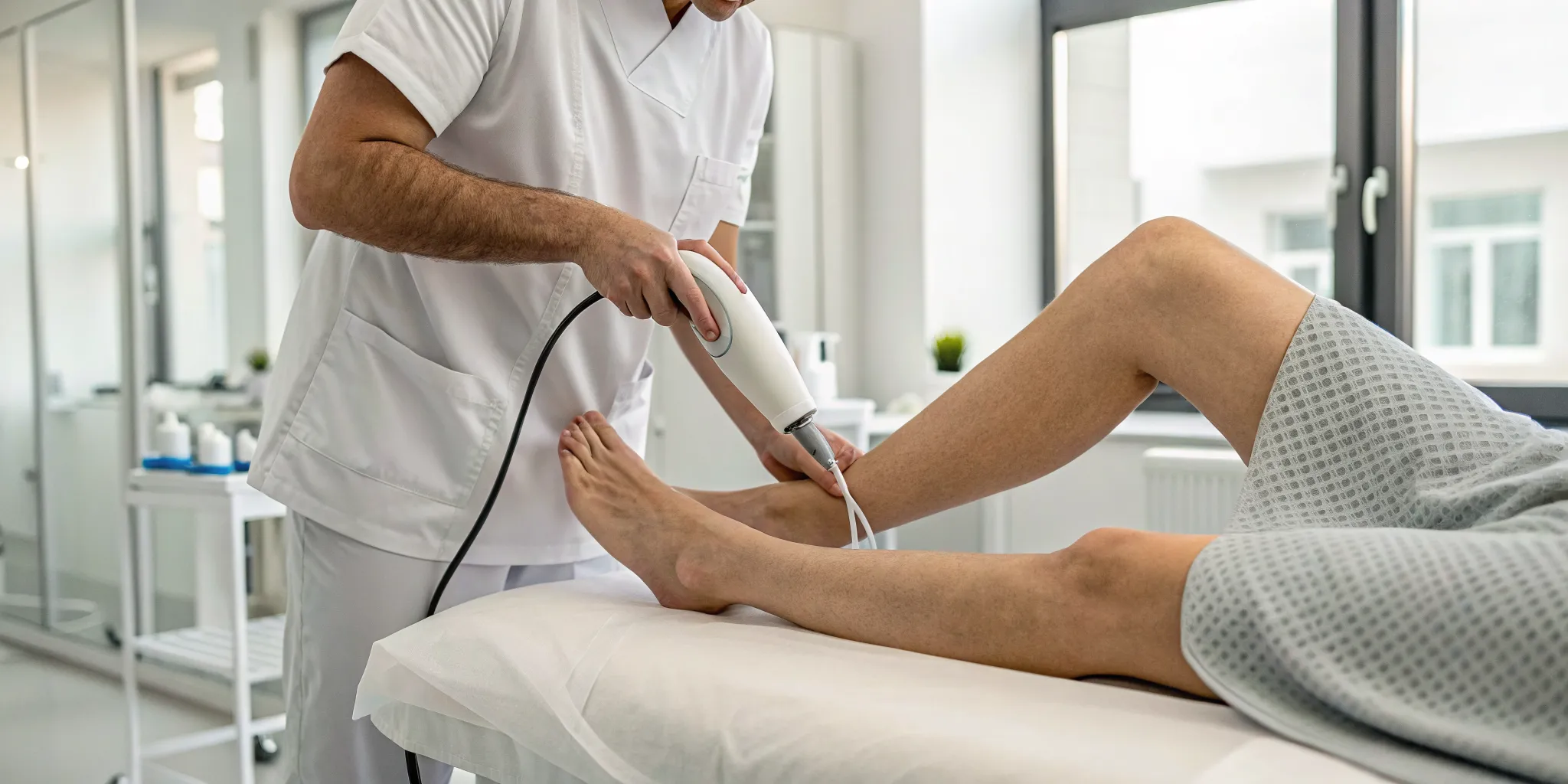
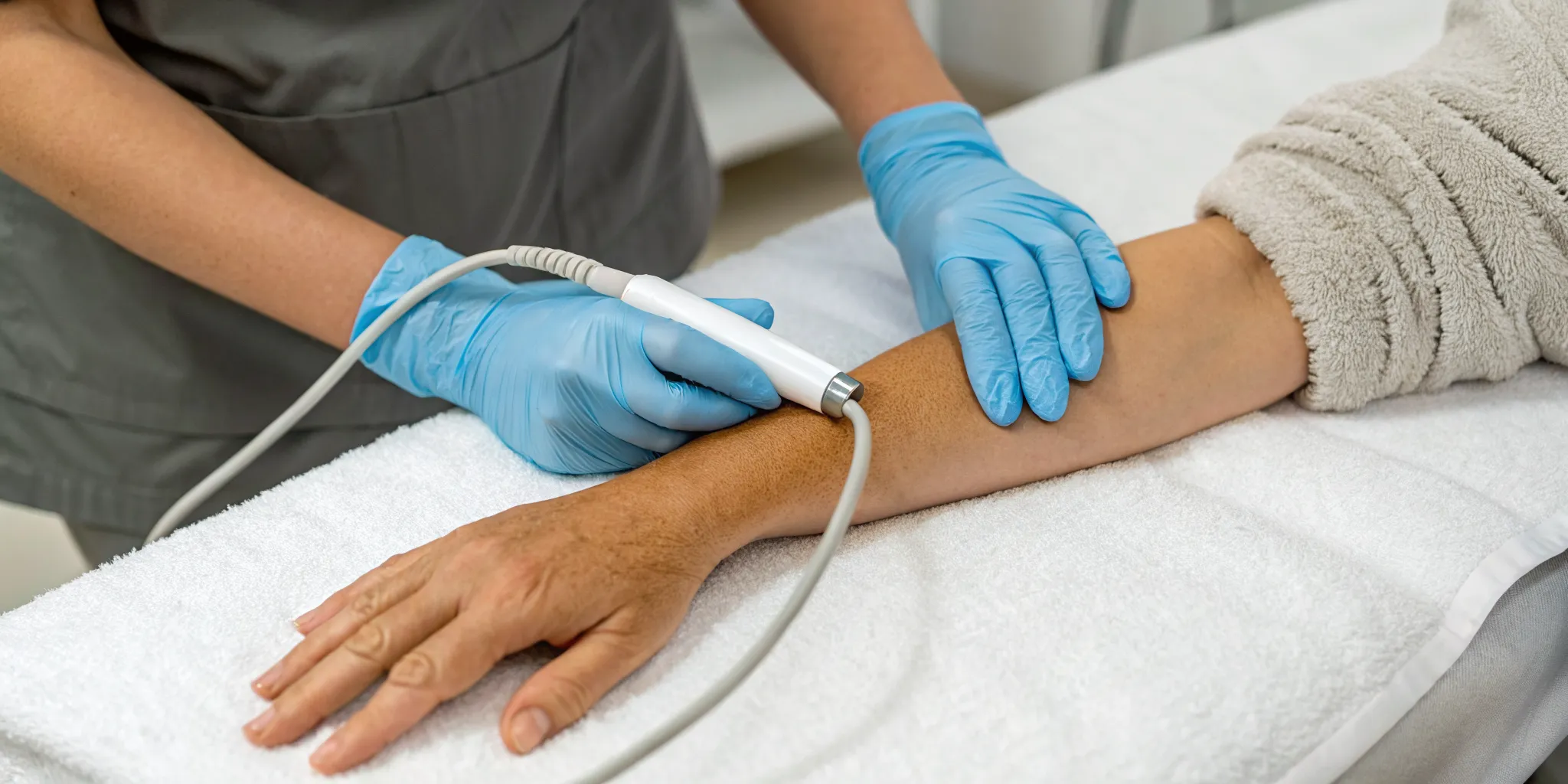
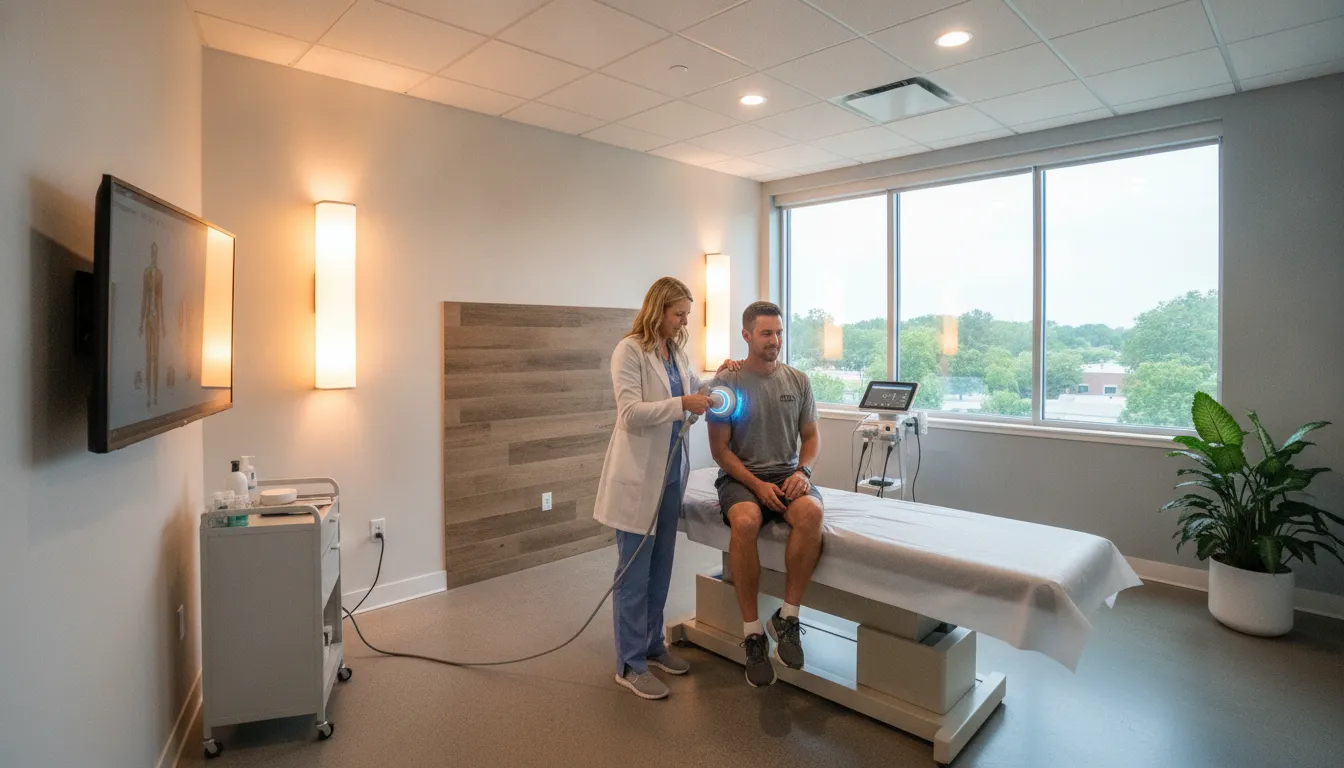
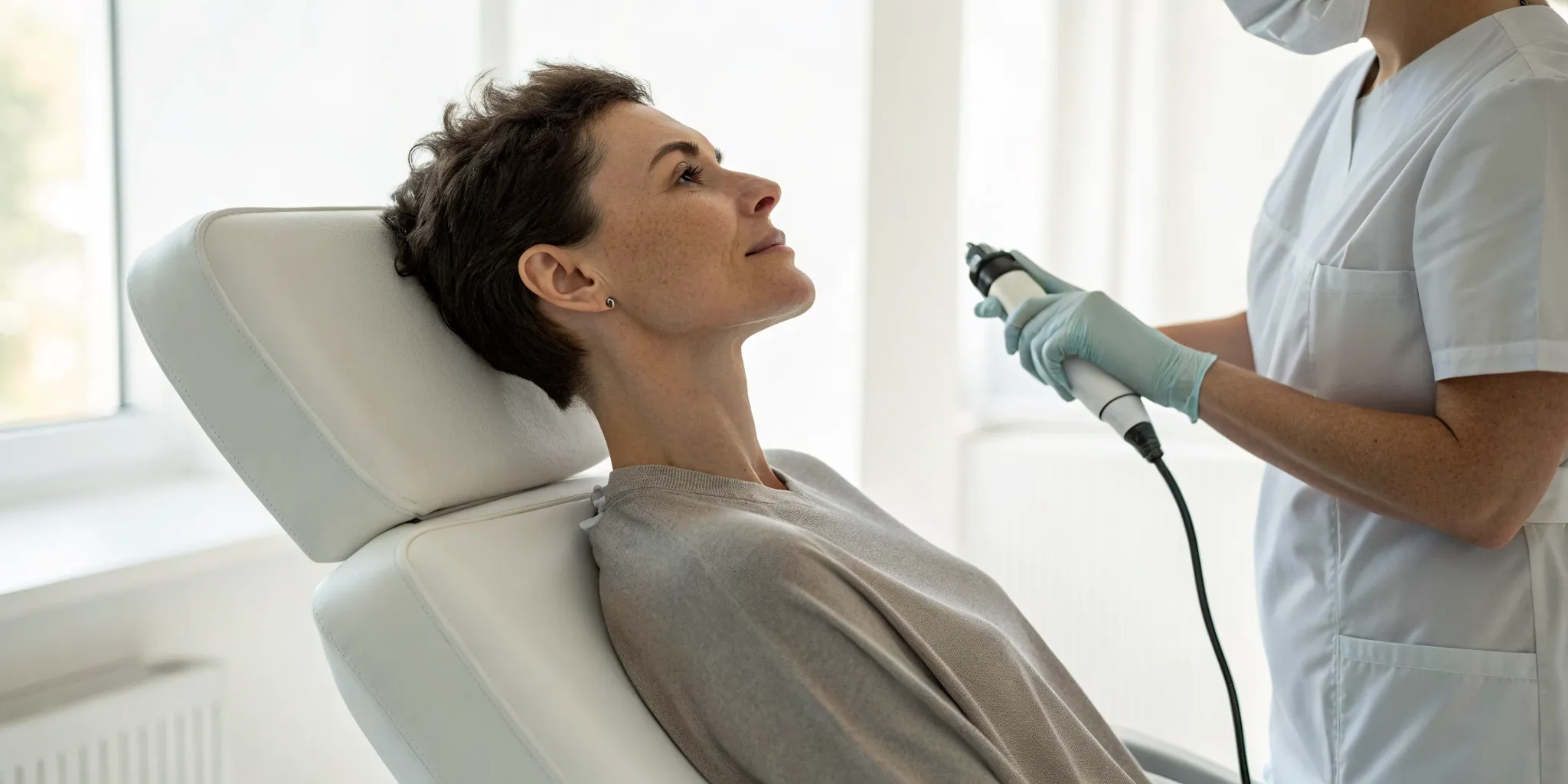
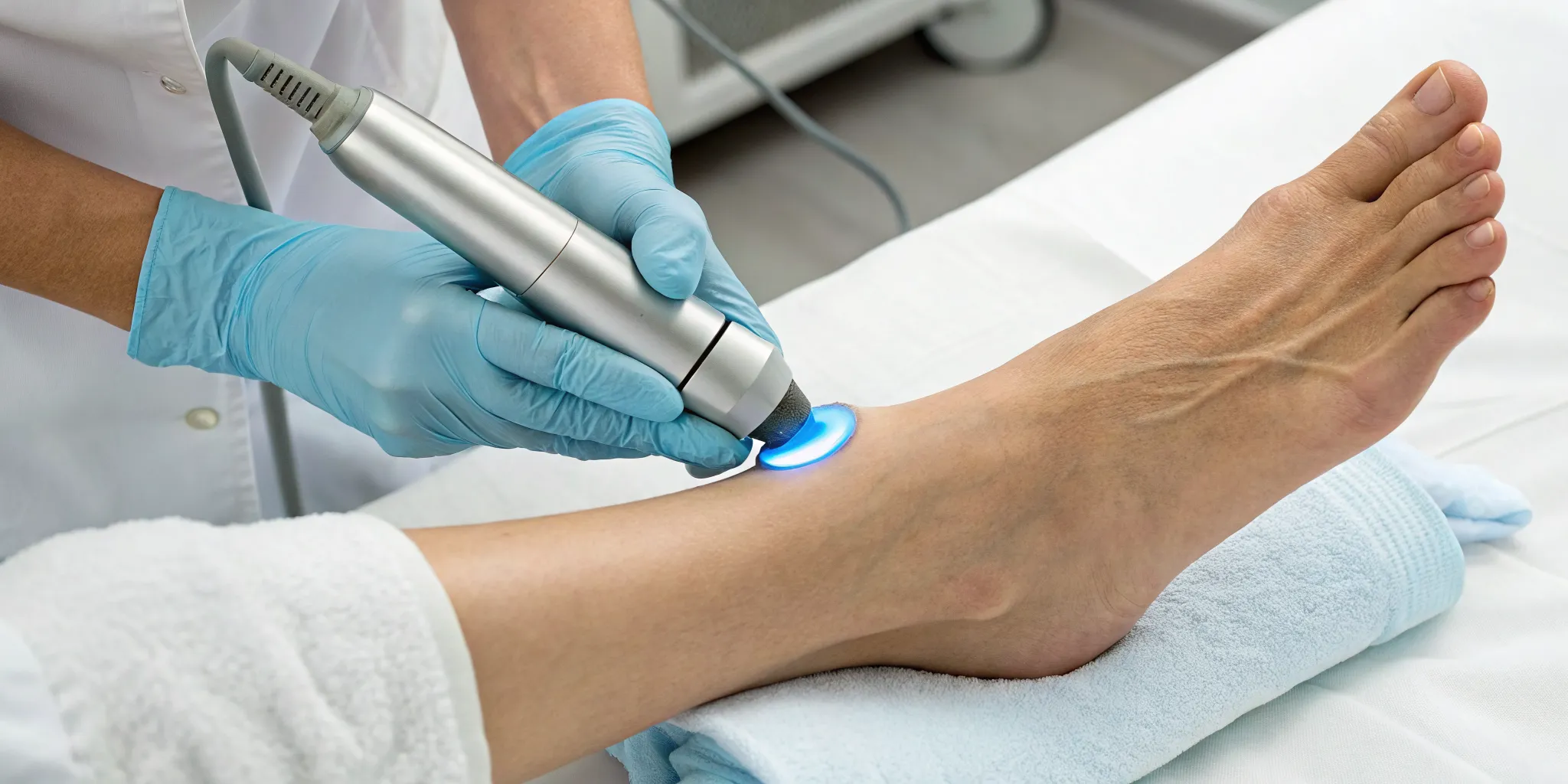
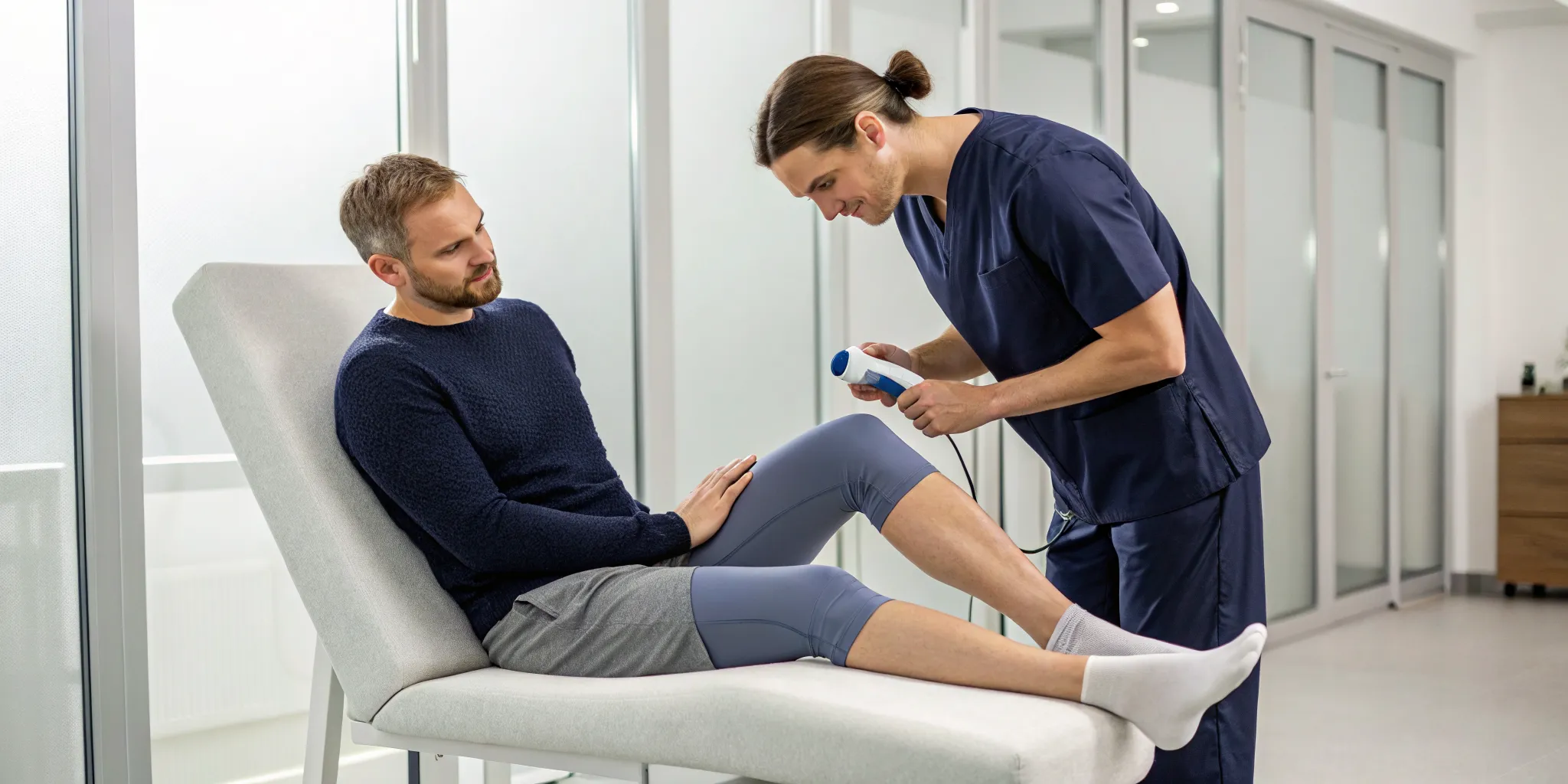
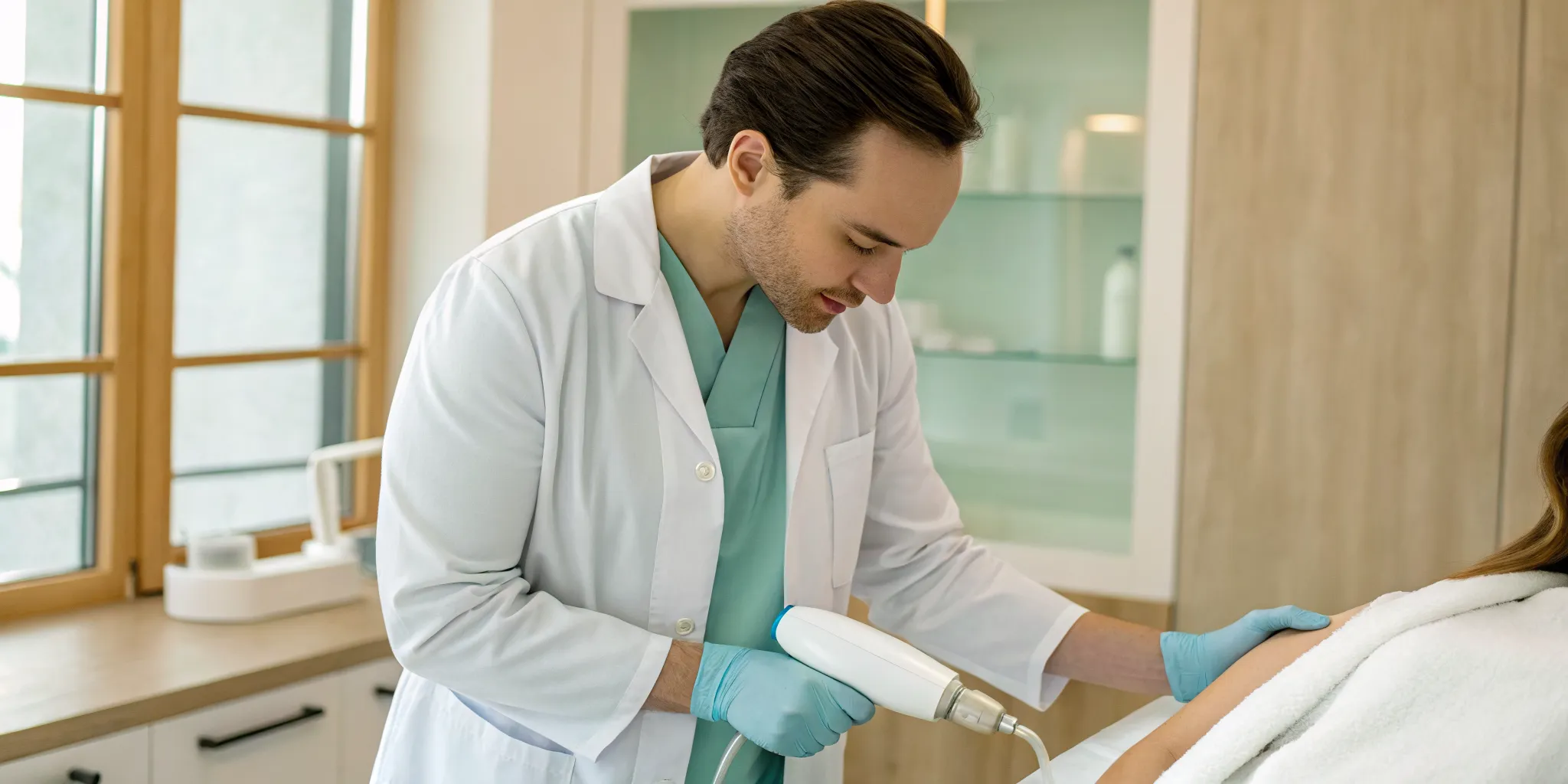
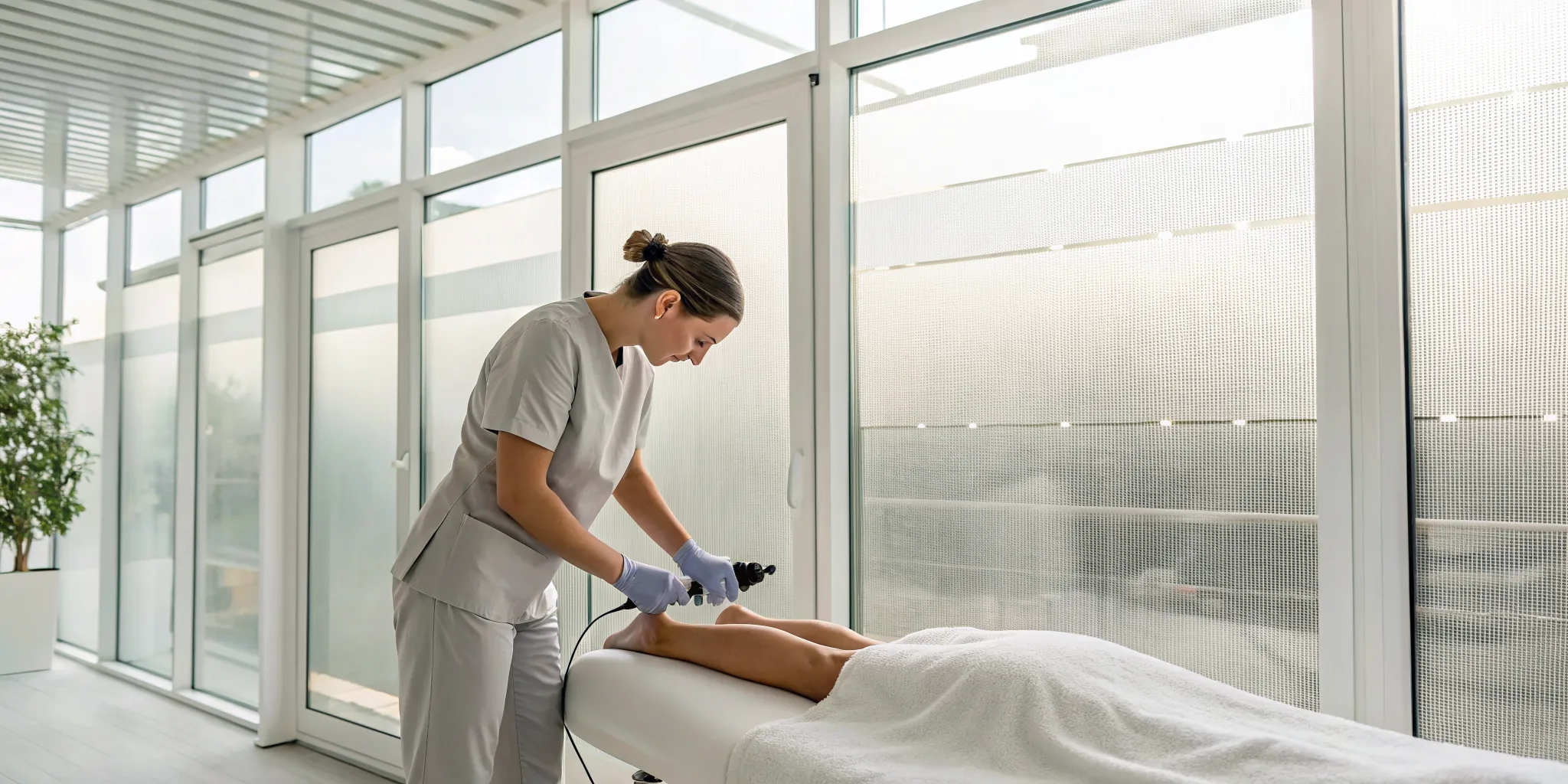
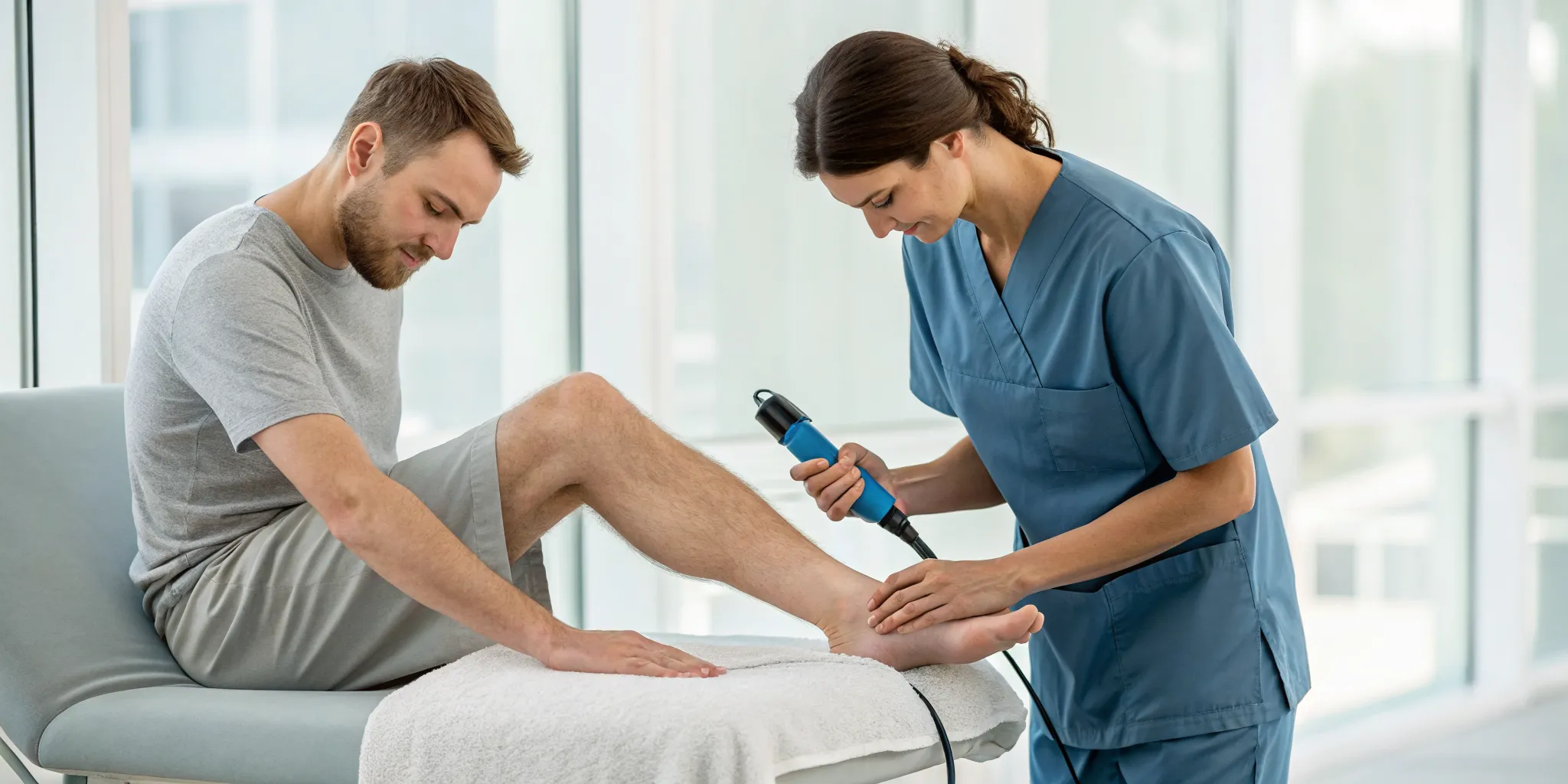
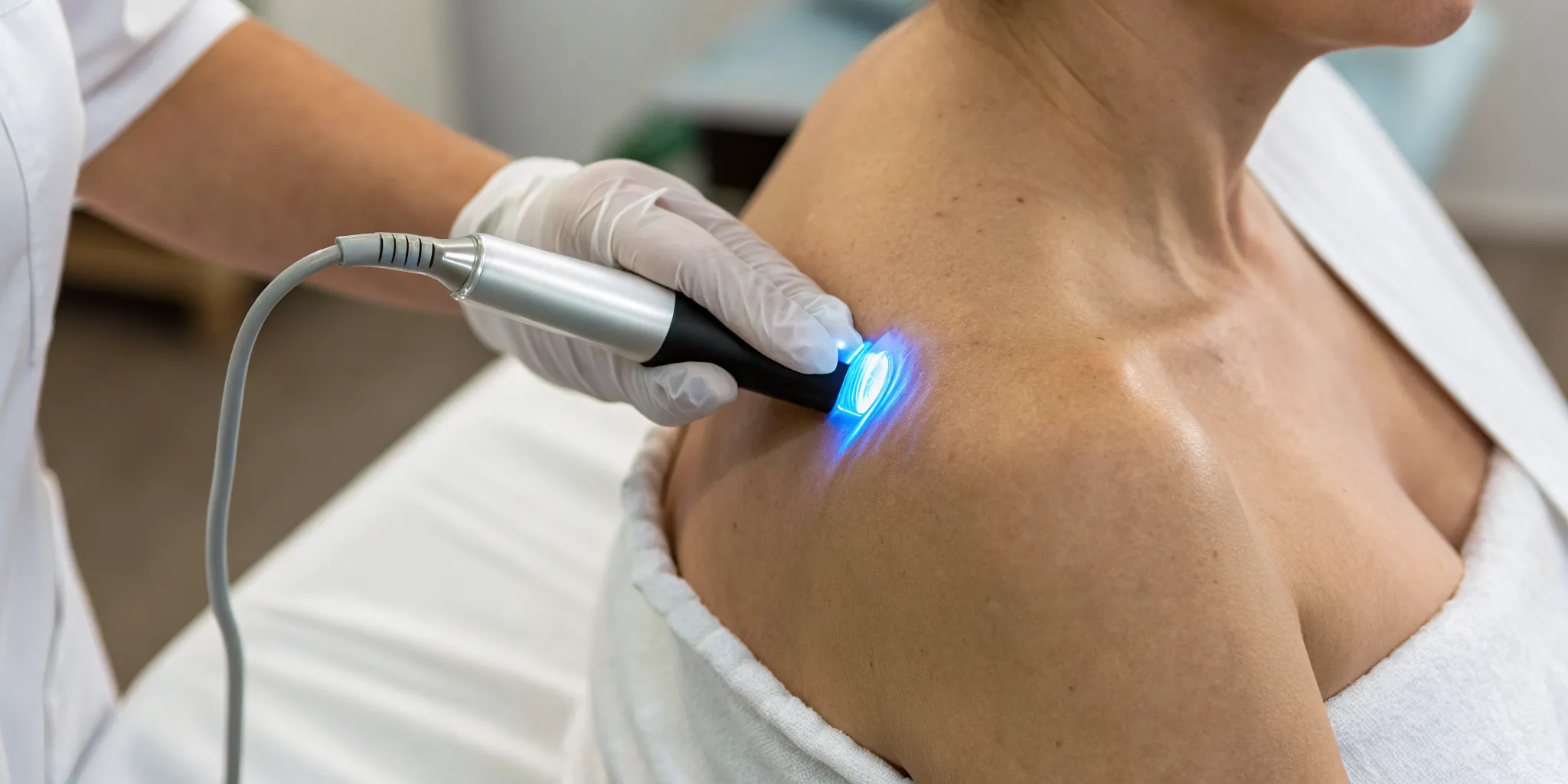
If you’re imagining something intense, you can relax. During a SoftWave session, a team member will use a handheld applicator to send unfocused acoustic waves through your skin to the injured tendon in your elbow. Most people describe the sensation as a light tapping or pulsing. The goal is to wake up your body’s own healing mechanisms, signaling stem cells to the area and promoting new blood vessel growth. It’s a key part of our physical medicine approach. Many of our patients notice less pain and better movement almost immediately after their session, which is an encouraging sign that we’re on the right track.
How Long Does Each Session Take?
Your time is valuable, and the last thing you need is another lengthy appointment to cram into your schedule. A typical SoftWave therapy session is surprisingly quick, usually lasting only about 10 to 15 minutes. You can realistically be in and out of our office on your lunch break. This efficiency makes it much easier to stick with your treatment plan without disrupting your entire day. We want your path to healing to be as seamless as possible, and the brief duration of SoftWave sessions is a big part of that. Ready to see how easily it can fit into your life? You can schedule a consultation with our team.
Understanding the Investment in Your Health
Committing to a treatment plan is an investment in your long-term well-being. It’s about choosing a solution that provides lasting relief, not just another temporary fix. For most people with tennis elbow, a series of 3 to 6 SoftWave sessions is recommended to achieve the best results. During your initial consultation, we will create a personalized plan tailored to your specific condition. We believe in transparency and will discuss the full financial commitment with you upfront. Our goal is to provide a clear path to recovery, which is central to our philosophy of care at Ascend Functional Health.
Answering Your Top Questions
It’s common to wonder why SoftWave might work when other treatments have failed. One of the biggest misconceptions about tennis elbow is that it’s just an inflammatory issue. In reality, it’s often a failed healing problem where the tendon is stuck in a degenerative state. SoftWave addresses this directly by restarting the healing process at a cellular level. This is why so many people find relief with SoftWave after trying other methods without success. It’s not just masking the pain; it’s helping your body fundamentally repair the damaged tissue, which is why we use it for so many of the conditions we treat.
Find Lasting Relief at Ascend Functional Health
If you’re tired of elbow pain that just won’t quit, we understand. At Ascend Functional Health, our goal is to move beyond temporary fixes and address the root cause of your discomfort. We use advanced, research-backed protocols to help your body heal from the inside out. For chronic tendon issues like tennis elbow, we often turn to SoftWave therapy, a breakthrough treatment that supports your body’s own healing abilities. It’s a cornerstone of our physical medicine services, offering a path to lasting relief without invasive procedures. We believe in a partnership approach to your health, and our team is here to guide you every step of the way.
Why Choose Ascend Functional Health?
We chose to bring SoftWave therapy to our Tampa clinic because it aligns perfectly with our philosophy of healing. This special treatment uses patented technology to stimulate your body’s natural healing and regeneration processes. It’s not an invasive procedure, and it doesn’t involve needles or harsh medications. Clinical results show that SoftWave can improve musculoskeletal pain by up to 91%, with many people feeling a significant reduction in pain and better movement after just one session. Our patient testimonials speak to the life-changing results we see every day. We are committed to providing solutions that help you get back to living your life to the fullest.
More Ways We Can Help
While SoftWave is incredibly effective for tennis elbow, its benefits don’t stop there. This therapy promotes the regeneration of muscles, tendons, and other soft tissues, making it a powerful tool for a wide range of conditions. Many of our patients come to us after trying other conventional treatments without success. They often tell us that SoftWave finally provided the relief they had been searching for. At Ascend, we look at your complete health picture to understand why you’re in pain. You can explore the full range of conditions we treat to see how our integrated approach can help you find lasting wellness.
Schedule Your Consultation
Your journey to relief starts with a conversation. During your initial consultation, we’ll discuss your health history and determine if SoftWave therapy is the right fit for you. A typical treatment plan involves a series of sessions, usually between three and six, spaced out over a few weeks to achieve the best results. While this is an investment in your health, many see it as a worthwhile step toward regaining their quality of life and avoiding more aggressive interventions. Ready to find out if this innovative therapy can help you? Contact us today to schedule your consultation and take the first step toward healing.
Related Articles
- Shockwave Therapy for Tennis Elbow: What to Expect
- How Shockwave Therapy for Elbow Pain Actually Works
- SoftWave Therapy for Tendonitis: A Path to Relief
- How Shockwave Therapy Heals Chronic Tendon Pain
- Healing Chronic Tendon Pain with Shockwave Therapy
Frequently Asked Questions
How is SoftWave different from treatments like cortisone shots or physical therapy? Think of it this way: cortisone shots can quiet inflammation, but they don't repair the weak, frayed tendon that is causing the problem. Physical therapy is essential for building strength, but it can be frustrating if the tendon itself hasn't healed properly. SoftWave therapy is different because it works to repair the tendon first. It prompts your body to rebuild the damaged tissue, creating a stronger foundation so that strengthening exercises are more effective and the relief you feel is lasting.
What does the SoftWave treatment actually feel like? The treatment is not painful. As a team member moves the applicator over your elbow, you’ll feel a light tapping or pulsing sensation. The technology is designed to locate the precise area of injury, so you may notice the feeling is more distinct over the damaged part of your tendon. The entire session is quick, usually lasting just 10 to 15 minutes, and most people find it very easy to tolerate.
How quickly will I feel better, and are the results permanent? Many people report feeling less pain and having better movement right after their first session, which is an encouraging sign that your body is responding. The deeper, more complete healing of the tendon occurs over the next several weeks as your body regenerates the tissue. Because this therapy helps your body build a stronger, healthier tendon instead of just temporarily masking pain, the results are designed to be long-lasting, helping you avoid that frustrating cycle of re-injury.
Is SoftWave therapy a safe option for tennis elbow? Yes, it is a very safe, non-invasive approach. The therapy uses low-intensity acoustic waves to stimulate your body’s own repair mechanisms without harming any surrounding tissue. There are no needles or medications involved, and you avoid the risks that can come with more invasive procedures. Best of all, there is no downtime, so you can get right back to your day immediately after your appointment.
How do I know if SoftWave therapy is the right choice for my elbow pain? SoftWave is an excellent option if you've been dealing with chronic elbow pain that hasn't responded to other treatments like rest or bracing. If you feel stuck in a cycle where the pain improves but always comes back once you resume activity, it’s a strong sign that the underlying tendon needs help to fully heal. The best way to know for sure is to come in for a consultation, where we can evaluate your specific condition and see if you are a good candidate.