You may already have a Health Savings Account, but do you know how to make it work for you when it comes to specialized care? An HSA is more than just a savings tool; it’s a way to pay for qualified health services with pre-tax money, making your dollars go further. If you're dealing with chronic back pain, this is especially good news. Instead of letting that nagging discomfort dictate your life, you can invest in a solution. Finding a provider who understands the process is key. This guide will show you how using your HSA for back pain chiropractor visits is a smart, financially sound way to prioritize your health and get on the path to lasting relief.
Key Takeaways
- Focus on Medically Necessary Care: Your HSA can be used for chiropractic treatments, as long as they are prescribed to address a specific health condition. General wellness visits typically don't qualify, so make sure your care is tied to a diagnosed issue like back pain or sciatica.
- Keep Detailed Records for Proof: Always save your itemized receipts and ask your provider for a Letter of Medical Necessity (LMN). This paperwork is essential for verifying that your chiropractic expenses are qualified and gives you peace of mind.
- Align Your HSA with Your Treatment Plan: Talk with your provider to outline your expected care, from adjustments to spinal decompression. This allows you to estimate costs and plan your annual HSA contributions accordingly, ensuring you have the funds ready for your treatment.
Understanding Your Health Savings Account (HSA)
If you have a Health Savings Account (HSA), you already have a powerful tool for managing your health expenses. Think of it as a personal savings account with a major tax benefit for qualified medical costs. When you're dealing with persistent back pain, understanding how to use your HSA can make a significant difference in your ability to access consistent care. It allows you to set aside money for treatments that address the root cause of your discomfort, putting you in control of your health journey.
How an HSA Works
Health savings accounts, or HSAs, are terrific tools for helping you pay for qualified medical expenses of all kinds with pre-tax dollars. This means the money you contribute is deducted from your paycheck before taxes are calculated, which lowers your overall taxable income. The funds can be used for a wide range of health-related services, including many of the approaches found in functional medicine. Unlike other accounts, the money in your HSA is yours to keep. It rolls over year after year, so you don’t have to worry about losing it at the end of a benefit period.
Who Is Eligible for an HSA?
To contribute to an HSA, you typically need to be enrolled in a high-deductible health plan (HDHP). Once you have an account, you can use your health savings account to pay for chiropractic care if it is medically necessary to treat a specific medical condition or injury. This is a crucial point. Your HSA funds are intended for diagnosing, treating, or preventing a specific health issue, not for general wellness without a documented reason. Thankfully, chronic back pain, sciatica, and many other spinal issues are exactly the kinds of conditions we treat that often qualify as a medical necessity.
The Advantage of Pre-Tax Funds
The biggest benefit of using your HSA is the built-in savings. When you use your HSA, you're paying with money set aside before taxes, which can effectively reduce the cost of your care. For example, if your income tax rate is 25%, paying with your HSA is like getting a 25% discount on your treatment because you never paid tax on that money in the first place. This makes it much more manageable to invest in a comprehensive treatment plan that might include services like spinal decompression or corrective care. It’s a smart financial strategy that helps your money go further when paying for valuable physical medicine services.
Can You Use Your HSA for Chiropractic Care?
So, can you use your Health Savings Account (HSA) for chiropractic care? The short answer is yes, you absolutely can. Many people use their HSA funds to pay for services that help them feel and move better. The key is that the care must be considered medically necessary to treat a specific health condition, injury, or complaint. This is great news if you're dealing with issues like back pain, neck stiffness, or recurring headaches that keep you from your daily activities.
According to IRS guidelines, chiropractic services that address discomfort, improve movement, and support your long-term health and function are typically considered eligible medical expenses. This means the money you’ve set aside in your pre-tax HSA can be put to work helping you find relief and get back to living your life. Instead of letting those funds sit there, you can invest them in your physical well-being. It's a smart way to manage your health expenses while getting the care you need. The important thing is to distinguish between care for a specific problem and care for general wellness, which we’ll explore next.
Why Medical Necessity Is Key
The term "medical necessity" is what makes all the difference when using your HSA. Think of it this way: are you seeking care to address a specific problem, like sciatica or pain from a car accident, or are you going for a routine visit just to maintain your current good health? The IRS considers care for a diagnosed condition to be a qualified medical expense. However, visits for general wellness or maintenance are not always eligible to be paid for with HSA funds.
To ensure your care qualifies, it’s a great idea to get a Letter of Medical Necessity (LMN) from your healthcare provider. This simple document officially states that your chiropractic treatments are recommended to diagnose, treat, or alleviate a specific medical condition. It provides clear documentation and peace of mind.
Common Myths About HSAs for Chiropractic Care
Let's clear up a few common misconceptions about using your HSA for chiropractic visits. One myth is that you can't use it for chiropractic care at all, which we now know isn't true. Another is that any visit is automatically approved, which is also incorrect. The truth lies in the middle: it’s all about the reason for your visit.
Don't let the details discourage you. The best first step is to have a conversation with your chiropractor's office. Ask them if they accept HSA cards or if they can provide you with the detailed, itemized receipts you’ll need for your records. A supportive office, like ours at Ascend Functional Health, will be happy to help you understand the process so you can use your benefits with confidence.
What Chiropractic Treatments Can Your HSA Cover?
One of the best things about having a Health Savings Account (HSA) is the flexibility it gives you to pay for care that truly supports your well-being. When it comes to chiropractic services, your HSA can be a powerful tool, but it’s important to understand which treatments are considered qualified medical expenses. The key factor is medical necessity. If a treatment is prescribed to diagnose, treat, or prevent a specific health condition, like chronic back pain or sciatica, it’s generally eligible for HSA funds.
Think of it this way: your HSA is designed for targeted health solutions, not just general upkeep. This aligns perfectly with a functional health approach, where the goal is to identify and address the root cause of your symptoms. Before you begin care, it's a great idea to have a conversation with your provider about creating a clear treatment plan. This plan not only maps out your path to feeling better but also serves as documentation for why each service is medically necessary. At Ascend Functional Health, we focus on creating personalized protocols for the conditions we treat, ensuring your care is both effective and properly documented for your financial accounts.
Spinal Adjustments and Manipulation
Spinal adjustments are the cornerstone of chiropractic care and are typically eligible for HSA spending when they are part of a treatment plan for a specific medical issue. If you're dealing with back pain, neck stiffness, or headaches resulting from a spinal misalignment, these adjustments are considered medically necessary. The goal is to correct structural issues, restore proper movement, and reduce discomfort. These hands-on treatments are a fundamental part of our physical medicine services, designed to help your body heal and function as it should.
Spinal Decompression
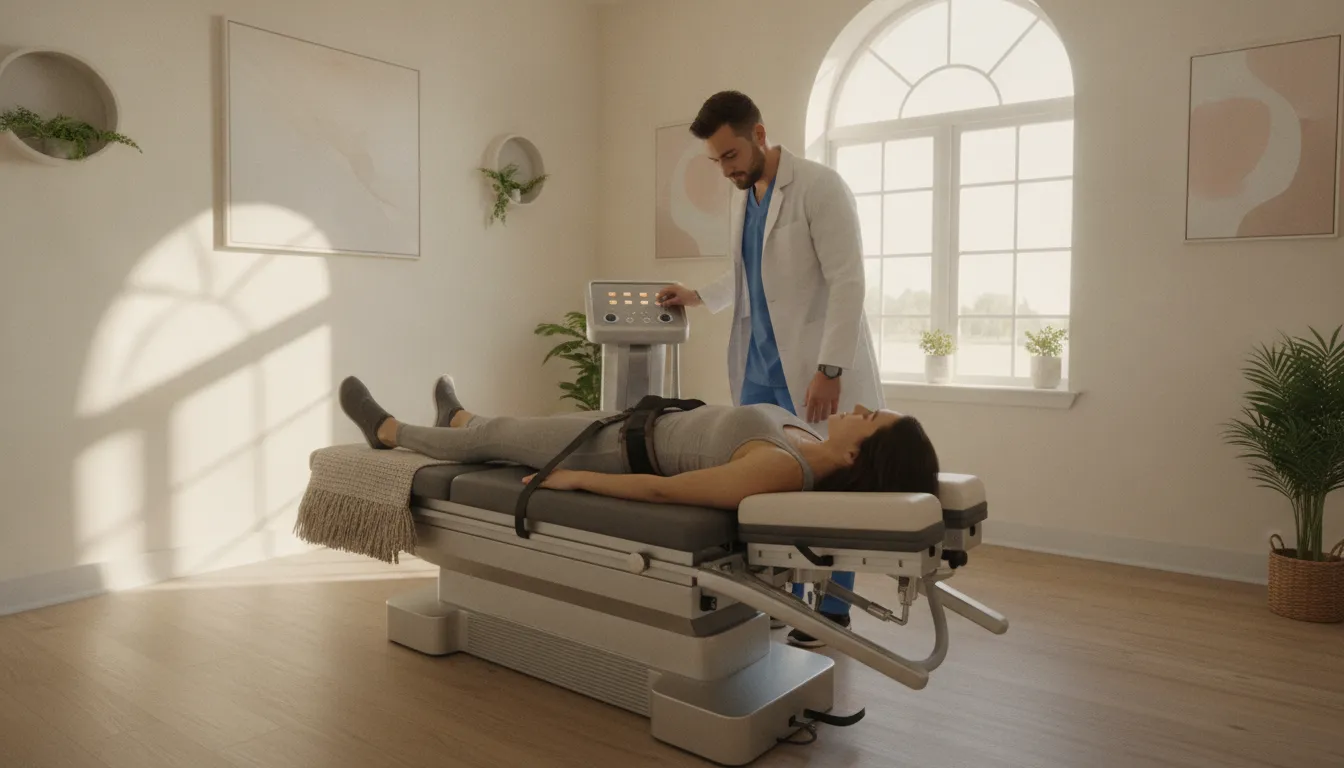
Nonsurgical spinal decompression is another effective treatment that often qualifies as an HSA-eligible expense. This therapy is used to relieve pressure on the spinal discs and nerves, making it an excellent option for conditions like herniated discs, sciatica, or degenerative disc disease. Because it directly addresses the source of pain and helps improve long-term function and mobility, it falls under the category of medically necessary care. This approach is central to our philosophy of providing solutions that offer lasting relief by targeting the underlying problem.
Corrective Care and Rehabilitation
Corrective care goes beyond immediate symptom relief to address the foundational cause of your health concerns. This can include targeted exercises, stretches, and other rehabilitative therapies designed to strengthen muscles, improve posture, and prevent future issues. Since these services are prescribed to correct an existing problem and restore your body's proper function, they are generally considered a qualified medical expense for your HSA. Our holistic approach emphasizes this type of care, as we believe in empowering you with the tools to maintain your health long after your appointments.
Diagnostic Exams and Imaging
Before any treatment begins, a thorough evaluation is necessary to understand exactly what’s going on. Diagnostic services, including initial consultations, physical exams, and imaging like X-rays, are crucial for identifying the root cause of your symptoms. These expenses are almost always eligible for HSA funds because they are essential for diagnosing a medical condition and creating an effective treatment plan. This diagnostic process is a key component of functional medicine, allowing us to gather the information needed to tailor a protocol specifically for you.
Therapeutic Treatments
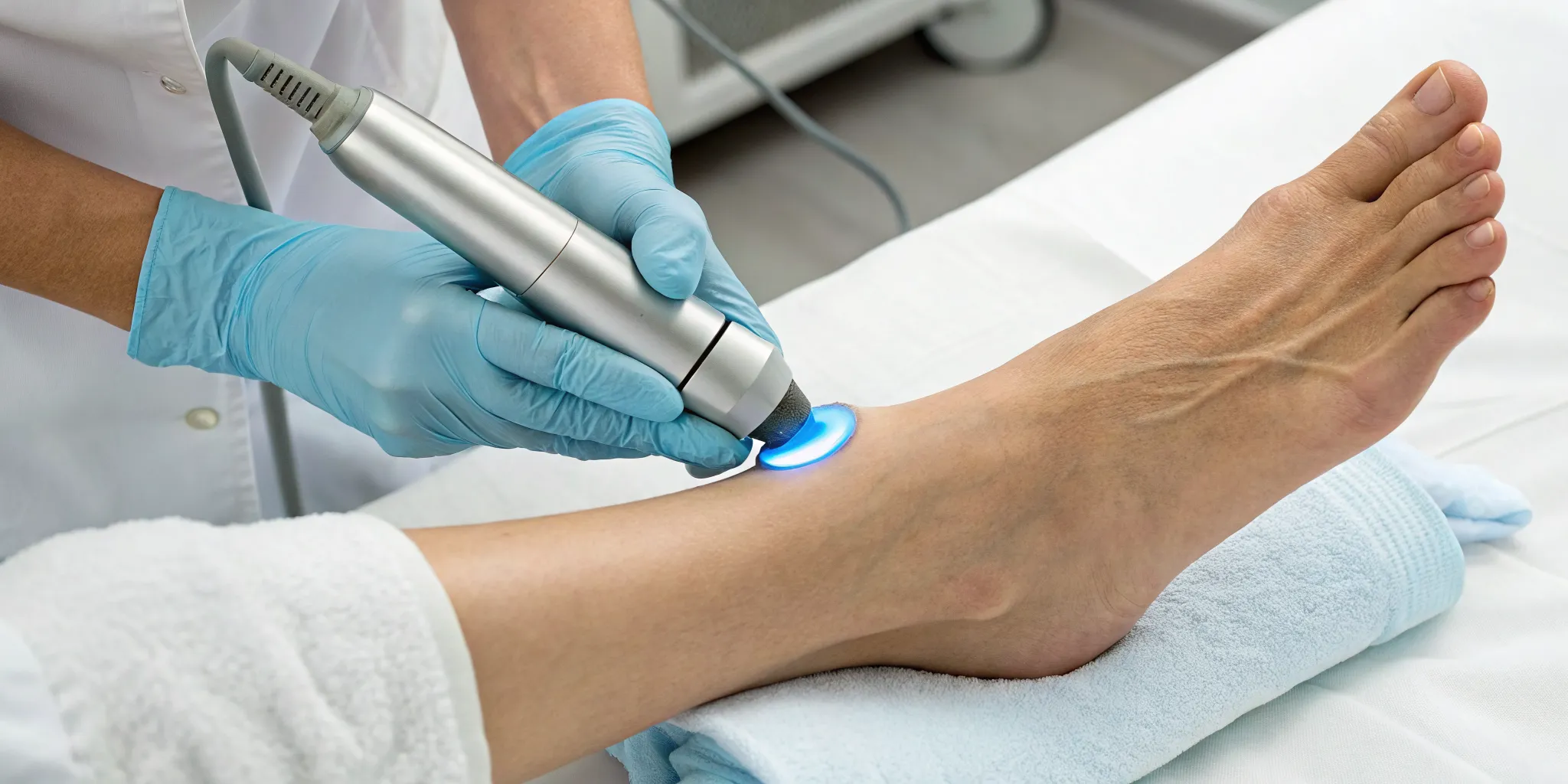
Many chiropractic treatment plans include additional therapeutic services to support the healing process. This might involve soft tissue therapy, electrical muscle stimulation, or ultrasound, all aimed at reducing inflammation, easing muscle tension, and accelerating recovery. As long as these therapies are part of a documented plan to treat a specific condition, you can typically use your HSA to pay for them. You can explore the full range of our services to see how we integrate various therapies to create a comprehensive and personalized healing experience.
What Isn't Typically Covered
It's just as important to know what your HSA won't cover. Generally, routine maintenance or wellness care that isn't for treating a specific, diagnosed medical condition is not an eligible expense. For example, if you feel fine but want a monthly adjustment for general well-being, you would likely have to pay for that out-of-pocket. The distinction is medical necessity. Your HSA is for treating health problems, not for general upkeep. For more tips on maintaining your overall health, you can always find helpful information on our blog.
Documenting Your HSA Chiropractic Expenses
Using your HSA for chiropractic care is a smart way to manage your health expenses, but it comes with a bit of homework. Keeping clear and organized records is the key to making the process seamless. Think of it as building a paper trail that confirms your expenses are qualified. This simple step protects you, ensures you’re following the rules, and gives you peace of mind. Proper documentation isn't complicated, but it is non-negotiable. Let’s walk through exactly what you need to keep on file.
The Letter of Medical Necessity (LMN)
One of the most important documents you might need is a Letter of Medical Necessity, or LMN. This is simply a formal letter from your chiropractor that explains why your treatment is medically necessary. It connects your back pain or other symptoms to the specific care you’re receiving, like spinal adjustments or decompression. An LMN serves as official proof that your chiropractic services are for treating a legitimate health condition, not just for general wellness. At Ascend, our team can help provide the necessary documentation that details your personalized physical medicine treatment plan, making it easier to validate your HSA spending.
Itemized Receipts and Proof of Payment
When you pay for a service, make sure you get more than just a standard credit card slip. You’ll need an itemized receipt that lists each specific service you received and its cost. For example, it should break down charges for the initial exam, an adjustment, or any therapeutic treatments. This level of detail is what makes the expense verifiable. Before you begin care, it’s a good idea to contact the office to confirm they can provide these detailed invoices for your records. Holding onto both the itemized receipt and your proof of payment (like a card statement) creates a complete record for every visit.
Organizing Your HSA Records
Now that you have all this paperwork, you need a simple system to keep it organized. A dedicated digital folder on your computer or a physical file folder works perfectly. For each chiropractic expense, you should save the LMN (if applicable), the itemized receipt, and the proof of payment. Keeping your records tidy is crucial for your own tracking and is helpful in the event your HSA administrator or the IRS ever has questions. A little organization upfront can save you a lot of hassle later, allowing you to focus on what really matters: your health and recovery. Documenting your services properly makes the whole process worry-free.
Understanding HSA Rules and Limitations
A Health Savings Account is a fantastic tool for managing your health expenses, but it’s important to know the rules of the road. Think of these not as restrictions, but as clear guidelines that help you use your pre-tax funds wisely and effectively. When you understand the framework, you can confidently plan for your care without worrying about accidental missteps. The main things to keep in mind are the annual contribution limits set by the IRS, what qualifies as a "medically necessary" expense, and the penalties for using your funds on non-qualified items. Getting familiar with these three areas will ensure you get the most out of your HSA for your holistic health solutions.
Annual Contribution Caps
Each year, the IRS sets a maximum amount of money you can put into your HSA. These limits are different for individuals and for families. For example, in a recent year, the limit was $3,850 for self-only coverage and $7,750 for family coverage. It's also worth noting that if you are 55 or older, you can contribute an additional "catch-up" amount, which is typically $1,000. These contribution limits can change annually, so it's a good practice to check the current HSA guidelines at the beginning of each year to make sure you're maximizing your savings without going over the cap.
Potential Visit or Plan Restrictions
This is the most important rule to understand when using your HSA for chiropractic care: the treatment must be for a medically necessary reason. This means your care is aimed at treating a specific injury or medical condition, like chronic back pain, sciatica, or headaches. As one resource puts it, care is covered if it is "deemed necessary by a physician." On the other hand, routine visits for general wellness or maintenance, while beneficial for your health, are not typically considered qualified medical expenses by the IRS. This is why proper documentation and a clear treatment plan from your provider for corrective care are so important.
Tax Penalties for Non-Qualified Expenses
Using your HSA funds for expenses that aren't considered qualified medical care can lead to some unwelcome consequences. If you use your HSA money for something that isn't an approved medical expense, you will likely have to pay income tax on the amount you spent, plus a 20% penalty. For instance, using the funds for a general spa day wouldn't qualify, but using them for a prescribed therapeutic massage to treat back spasms would. This is why keeping detailed records is so crucial. It protects you and ensures your tax-advantaged funds are used exactly as intended: for your health and well-being.
Finding an HSA-Friendly Chiropractor in Tampa
Finding the right chiropractor involves more than just treatment styles; it also means finding a practice that aligns with your financial planning. If you have a Health Savings Account (HSA), you can use those pre-tax funds for qualified medical expenses, including chiropractic care. The key is to find a provider in Tampa who understands the process and can make it simple for you. By asking the right questions and knowing what to look for, you can confidently use your HSA to invest in your health.
Questions to Ask at Your First Appointment
When you're ready to start care, having a few key questions prepared can make the financial process much smoother. During your initial consultation, don't hesitate to bring up payment logistics. A great starting point is to ask, "Do you accept HSA cards?" This simple question clarifies the office's process right away. Follow up by asking if they can provide detailed invoices that specify the services you received. This documentation is crucial for your personal records and helps ensure everything aligns with your HSA requirements. Feeling confident about these details from the start allows you to focus on what truly matters: your health and recovery.
What to Look for in a Chiropractic Office
Beyond the treatment room, you want a chiropractic office that understands the administrative side of using your health funds. Look for a team that is familiar with HSA guidelines and can confidently answer your questions. According to IRS rules, chiropractic services are eligible medical expenses when they are for treating a specific condition or injury. This means your care plan should be centered around medical necessity. A practice that develops personalized protocols to address the root cause of your health concerns is more likely to provide services that meet these standards, making it easier for you to use your HSA funds.
How Ascend Functional Health Supports HSA Users
If you’re in the Tampa Bay area, our team at Ascend Functional Health is here to help. We understand the importance of using your Health Savings Account for your care, and we are well-equipped to guide you through the process. Our administrative staff is experienced in providing the necessary documentation for your HSA, ensuring you have clear, itemized receipts for every visit. Our approach to physical medicine focuses on creating personalized treatment plans to address specific health issues, which aligns with the principle of medical necessity. We want to make every aspect of your healing journey, including the financial part, as straightforward and stress-free as possible.
Making Your HSA Work for Your Back Pain
Using your Health Savings Account for chiropractic care is a smart first step, but you can get even more value by thinking strategically about your overall wellness. It’s not just about paying for individual appointments; it’s about creating a comprehensive plan that addresses your back pain from multiple angles, all while using your pre-tax dollars wisely. When you pair different treatments and plan your contributions around your care, you build a solid financial foundation for your health journey. This proactive approach allows you to focus on what truly matters: feeling better and getting back to the life you want to live. Let's look at how you can make your HSA a powerful tool in your wellness toolkit, helping you invest in long-term relief and function.
Pairing Chiropractic Care with Other Eligible Services
Your back pain treatment might involve more than just chiropractic adjustments. A holistic plan often includes other therapies that work together to support your healing. The good news is that many of these complementary services can also be paid for with your HSA, as long as they are medically necessary. For example, services like acupuncture, physical therapy, and therapeutic massage can be eligible. Because chiropractic services are typically qualified expenses, you can build a comprehensive, multi-faceted treatment plan. At Ascend, our Physical Medicine approach often integrates several therapies to get to the root of your pain, and your HSA can help make this possible.
Planning HSA Contributions Around Your Treatment Plan
Once you and your provider have a clear treatment plan, you can align your HSA contributions to match. This proactive step helps you budget for your care without any last-minute surprises. Talk with your chiropractor about the expected number of visits and the types of treatments you’ll need to estimate your total costs for the year. To ensure your care is considered a qualified medical expense, it's wise to get a Letter of Medical Necessity from your provider. Planning ahead like this is a smart way to manage your health costs and allows you to confidently invest in your long-term well-being.
Related Articles
- Physical Medicine in Tampa | Chiropractic & Rehab Care | Ascend Functional Health
- Chiropractic, Functional & Regenerative Medicine in Tampa | Ascend Functional Health
- Chiropractic Care - A Holistic Approach to Functional Health
- Expert Treatment for Neck, Back, Joint Pain & More | Conditions We Treat - Alessi Functional Health
- Discover Expert Chiropractic Care in Tampa, FL for Pain Relief
Frequently Asked Questions
How do I know if my chiropractic care is considered "medically necessary"? Think of it this way: are you seeking care to fix a specific problem that interferes with your life, like back pain, sciatica, or recurring headaches? If so, your treatment is almost always considered medically necessary. The key distinction is treating a documented health issue versus receiving care for general wellness when you don't have any particular symptoms. A clear treatment plan from your provider will formalize this.
What paperwork should I actually keep for my HSA records? The two most important documents are your itemized receipts and a Letter of Medical Necessity (LMN). The itemized receipt should list each specific service you received, not just the total cost. The LMN is a simple letter from your provider that officially states your treatment is recommended for a specific health condition. Keeping these two items on file for each visit creates a clear and complete record.
Can I use my HSA for my first visit if I don't have a diagnosis yet? Yes, you can. The initial consultation, physical exam, and any diagnostic imaging like X-rays are all crucial steps in identifying the root cause of your symptoms. Because these services are essential for diagnosing a condition and creating a treatment plan, they are considered qualified medical expenses that are eligible for HSA funds.
My back feels fine now, but I want to keep it that way. Can I use my HSA for a monthly "tune-up" adjustment? This is a common question. Generally, HSA funds are meant for treating an active medical condition. Visits for routine maintenance or general wellness, while beneficial, are typically not considered qualified expenses if you don't have a specific symptom or complaint you are addressing. Your HSA is a tool for resolving health problems, not for general upkeep.
Will my chiropractor's office help me with the HSA process? A great chiropractic office will be happy to help you with the financial side of your care. You should feel comfortable asking if they accept HSA cards and if they can provide the detailed, itemized receipts you need for your records. A supportive administrative team understands these requirements and can make the process feel straightforward, allowing you to focus on your recovery.