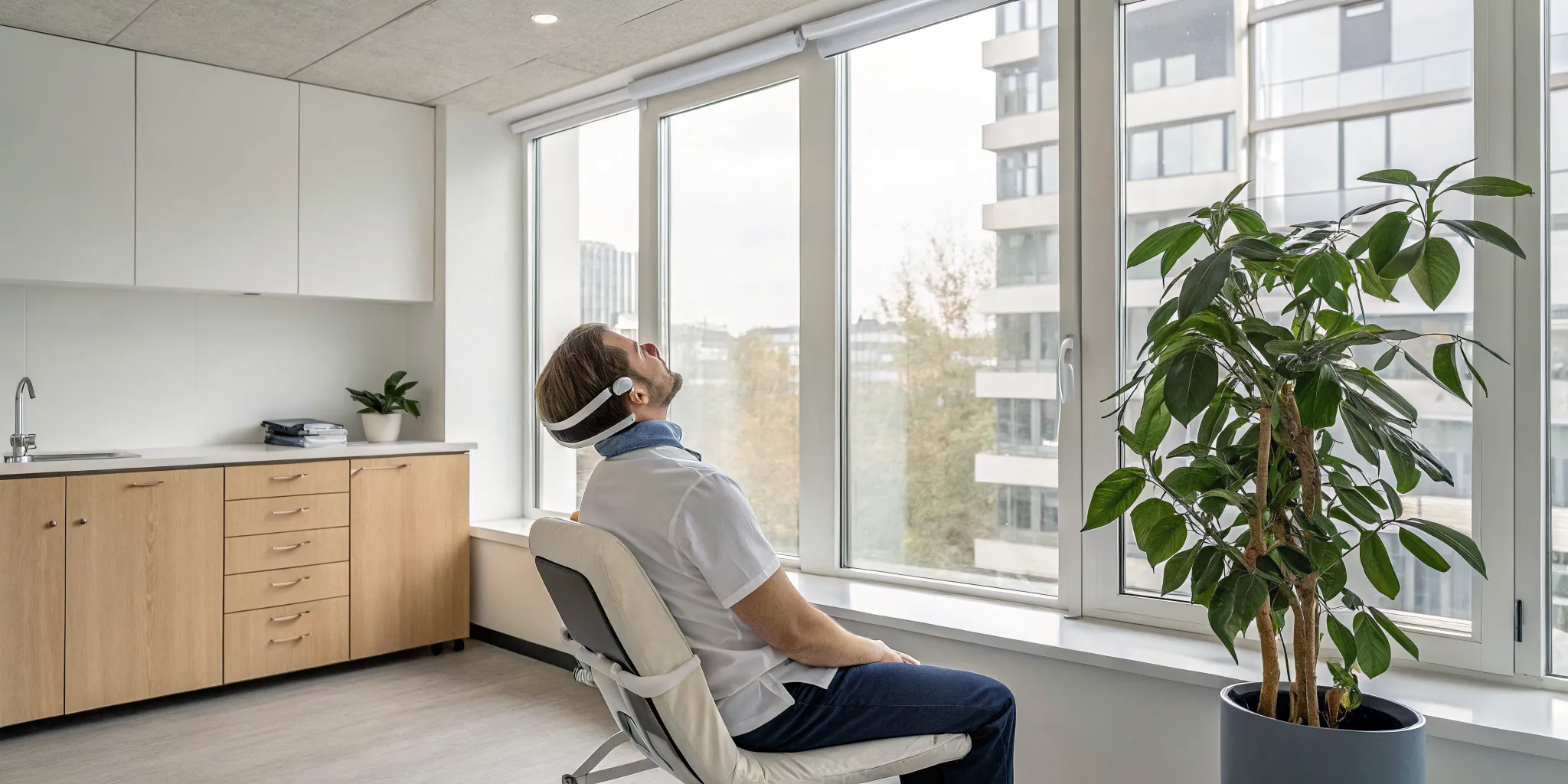
You might be surprised to learn that sound can be a powerful tool for healing. At Ascend Functional Health, we use an advanced technology that harnesses the power of acoustic waves to help your body repair itself from the inside out. Instead of just masking pain, this approach stimulates your cells, increases blood flow, and signals your own stem cells to get to work regenerating damaged tissue. It’s a core part of our physical medicine services because it gets to the root of the problem. If you're struggling with chronic pain or an old injury, this guide will explain how SoftWave therapy for mobility offers a non-invasive path to lasting relief and renewed movement.
Key Takeaways
- Stimulate Natural Repair: SoftWave therapy uses acoustic waves to improve blood flow and recruit your body's own stem cells, encouraging damaged tissues to regenerate without invasive methods.
- Address a Wide Range of Issues: This approach is effective for many sources of chronic pain and stiffness, including joint discomfort, rotator cuff injuries, plantar fasciitis, and old scar tissue.
- Fit Healing into Your Life: Sessions are quick with no required downtime, allowing the treatment to be easily integrated into a personalized care plan that gets you back to your daily activities.
How Does SoftWave Therapy Restore Mobility?
If you’re dealing with persistent pain and limited movement, you know how frustrating it can be when nothing seems to work. SoftWave therapy is a breakthrough approach that helps your body heal on a cellular level, addressing the root cause of your mobility issues without invasive procedures. It’s one of the key therapies we use in our physical medicine pillar to help patients get back to living a full, active life.
Understanding the Technology
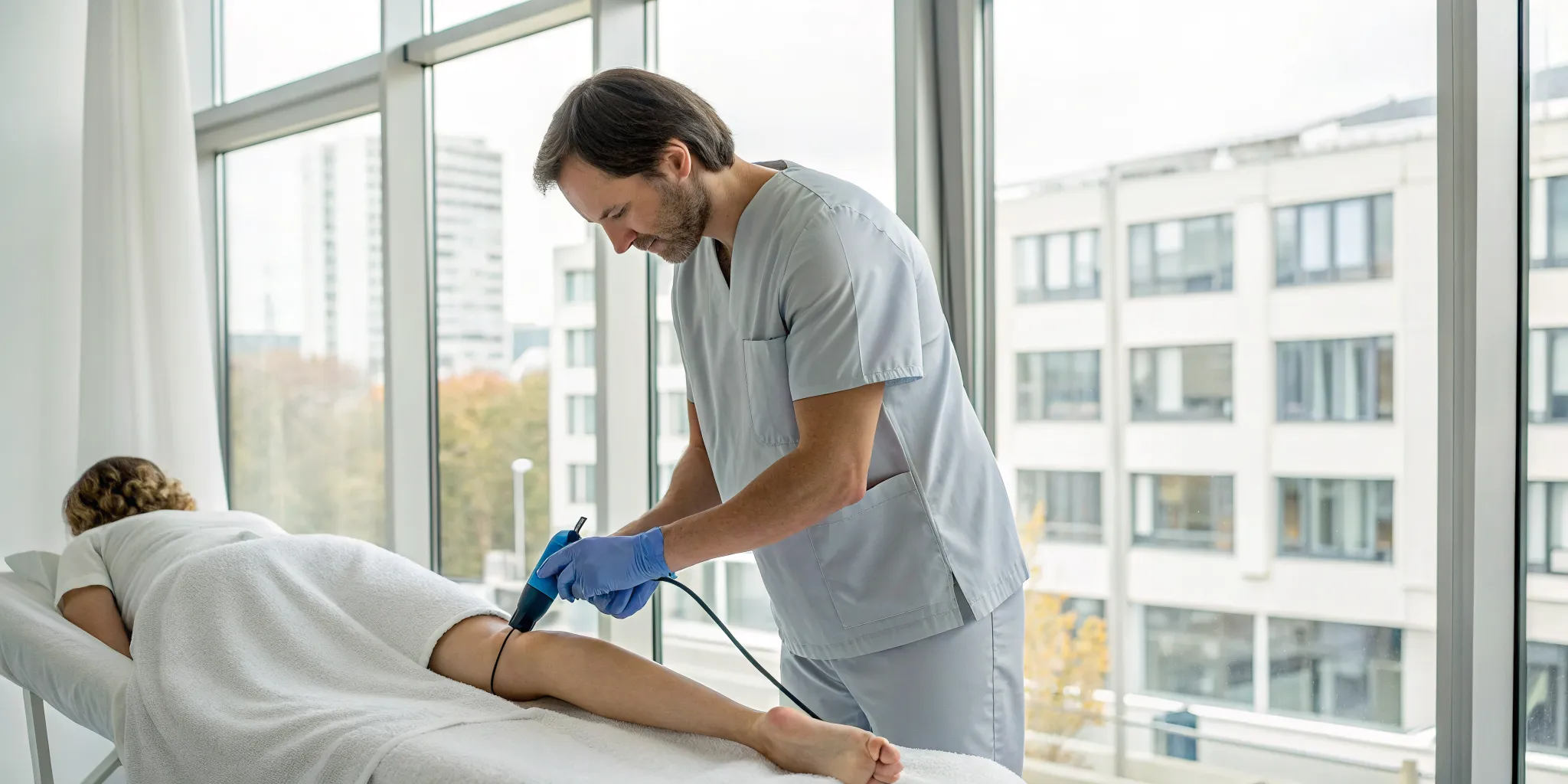
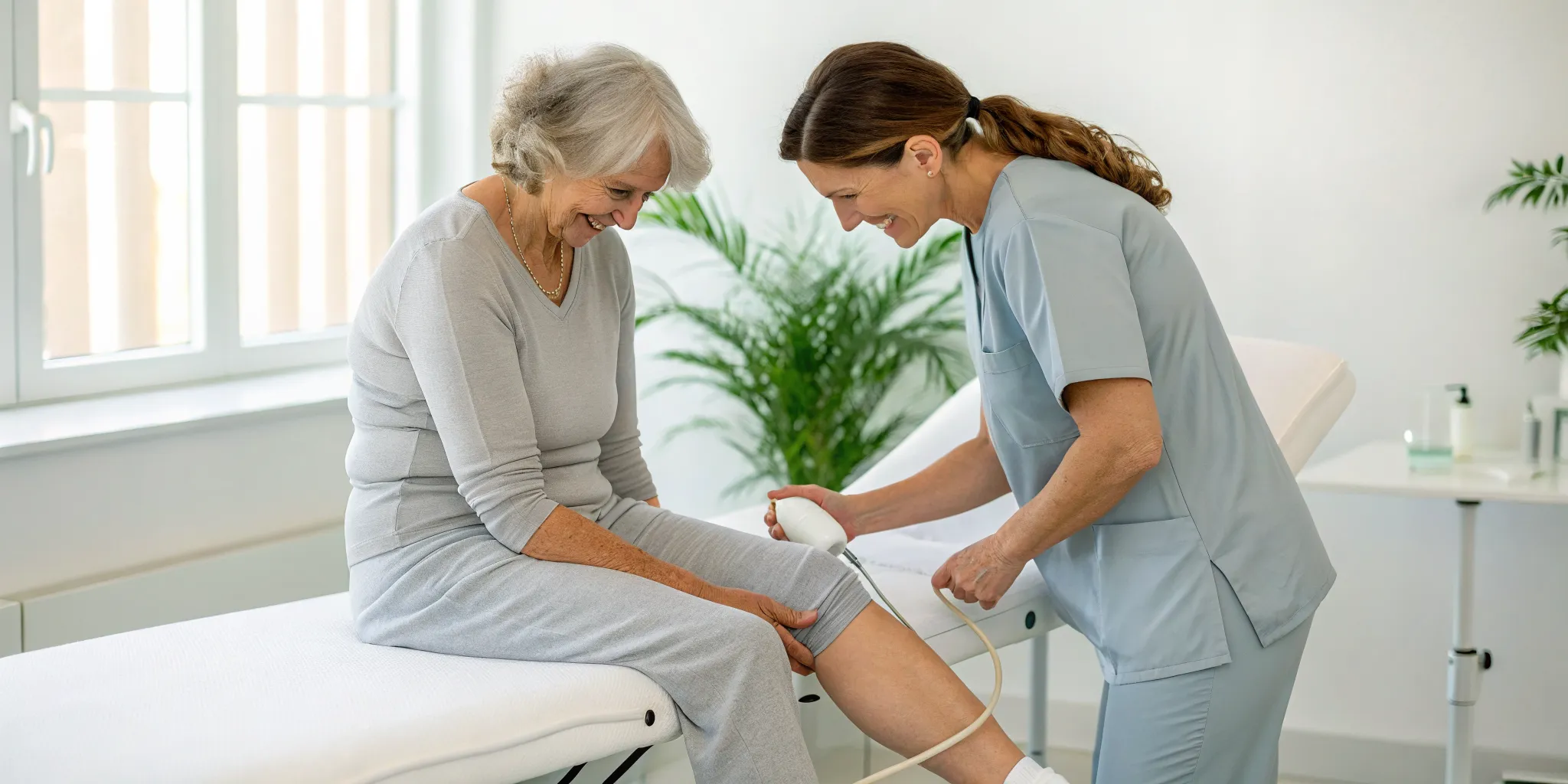
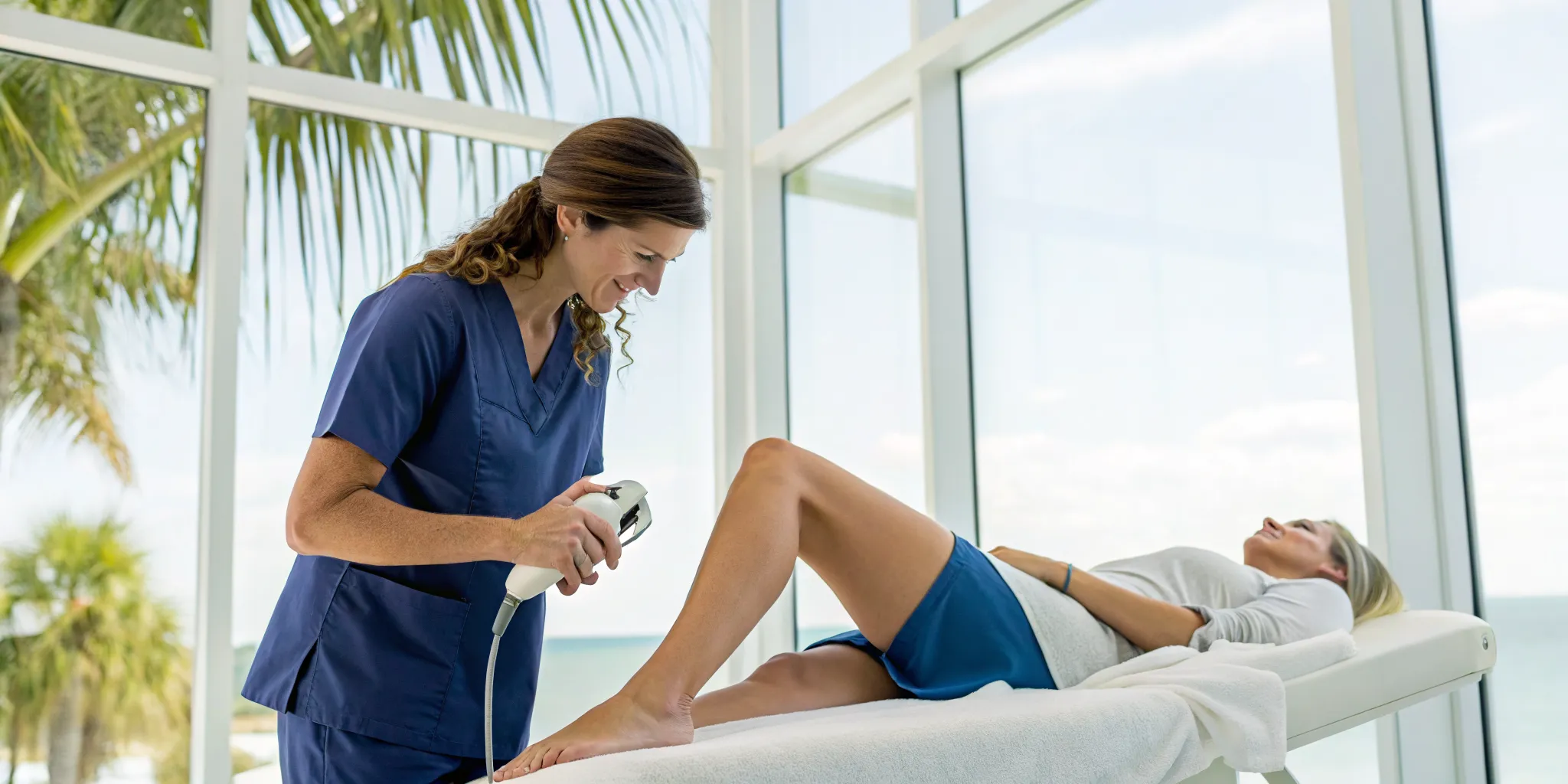
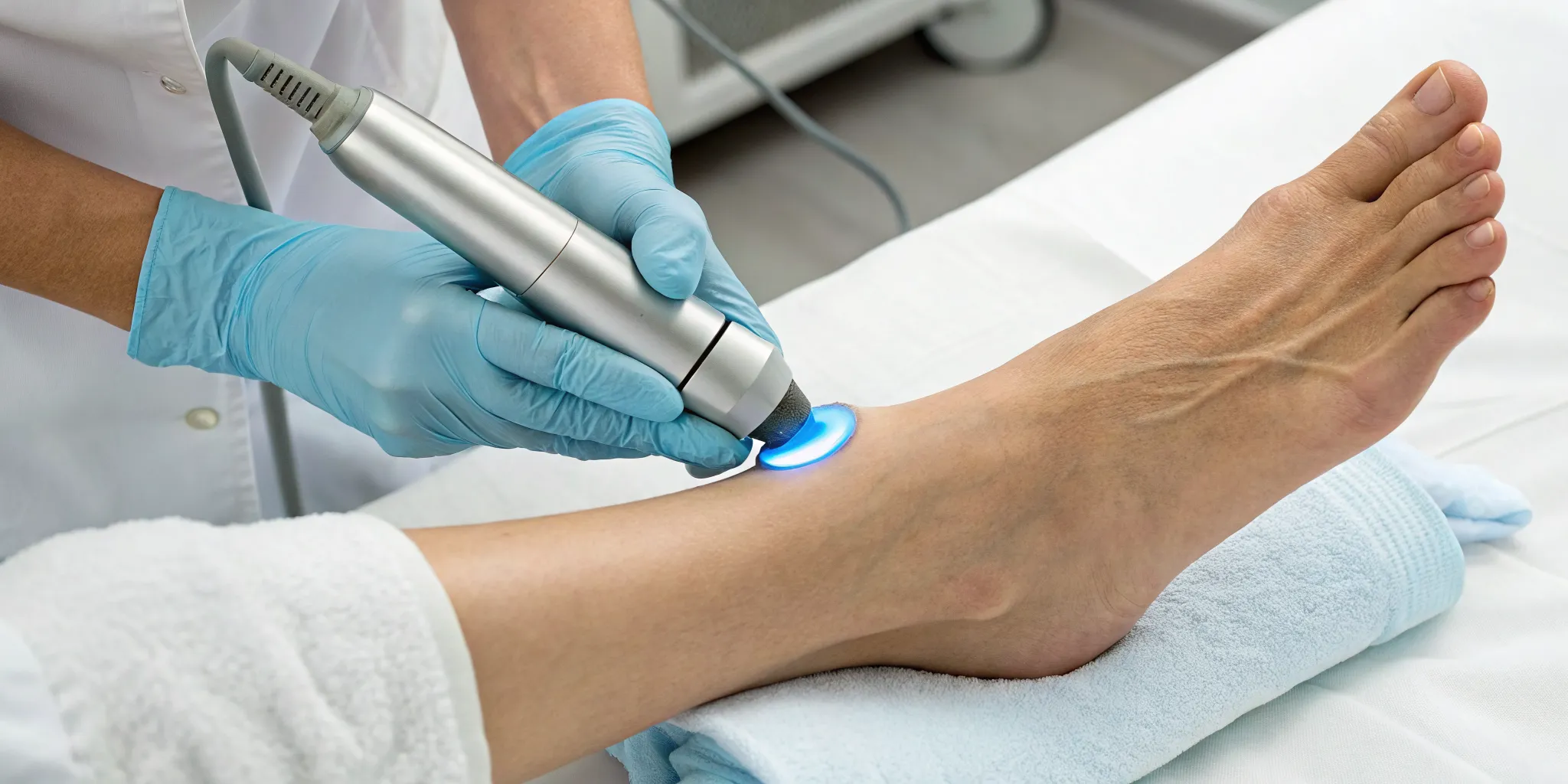
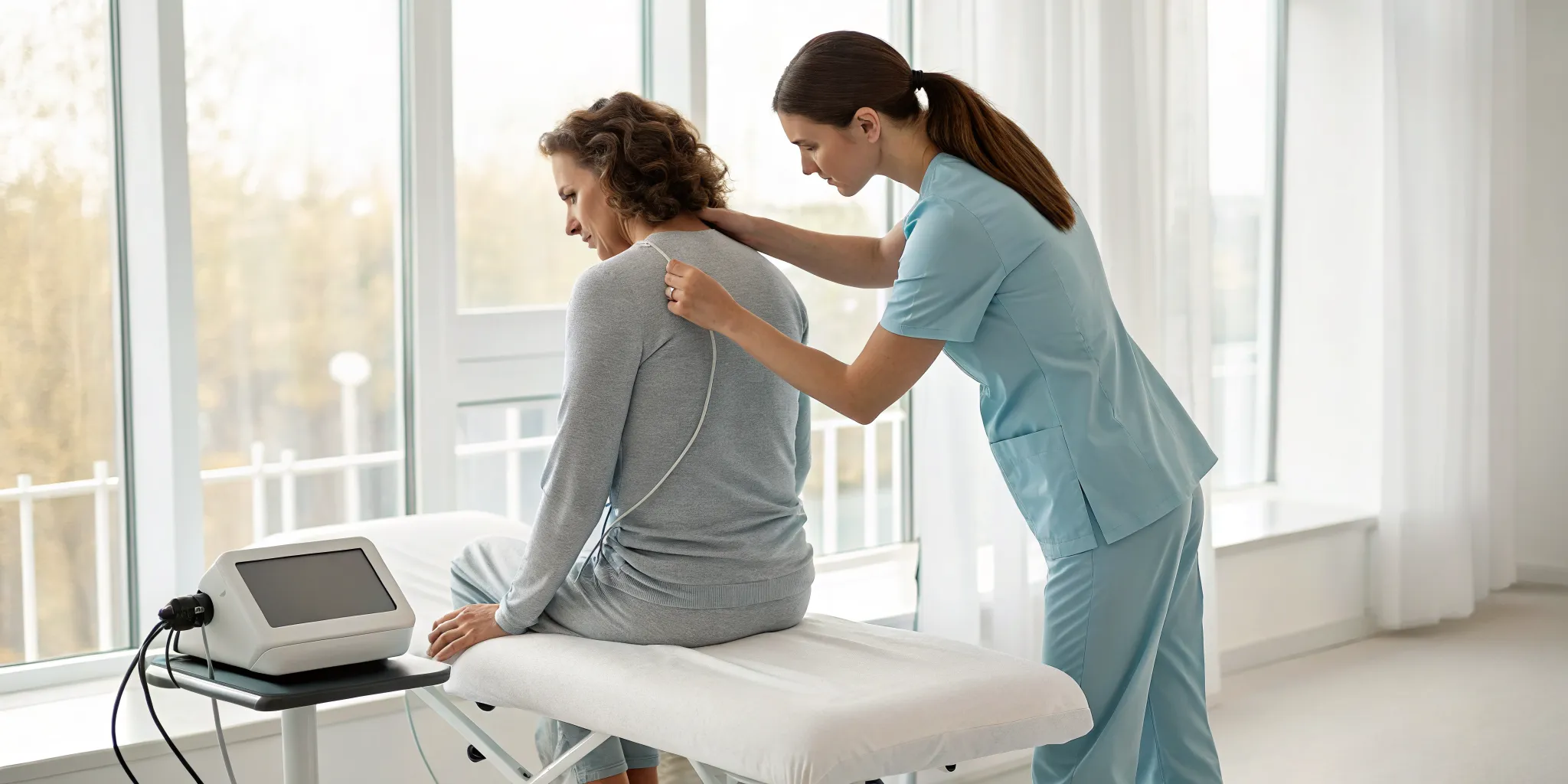
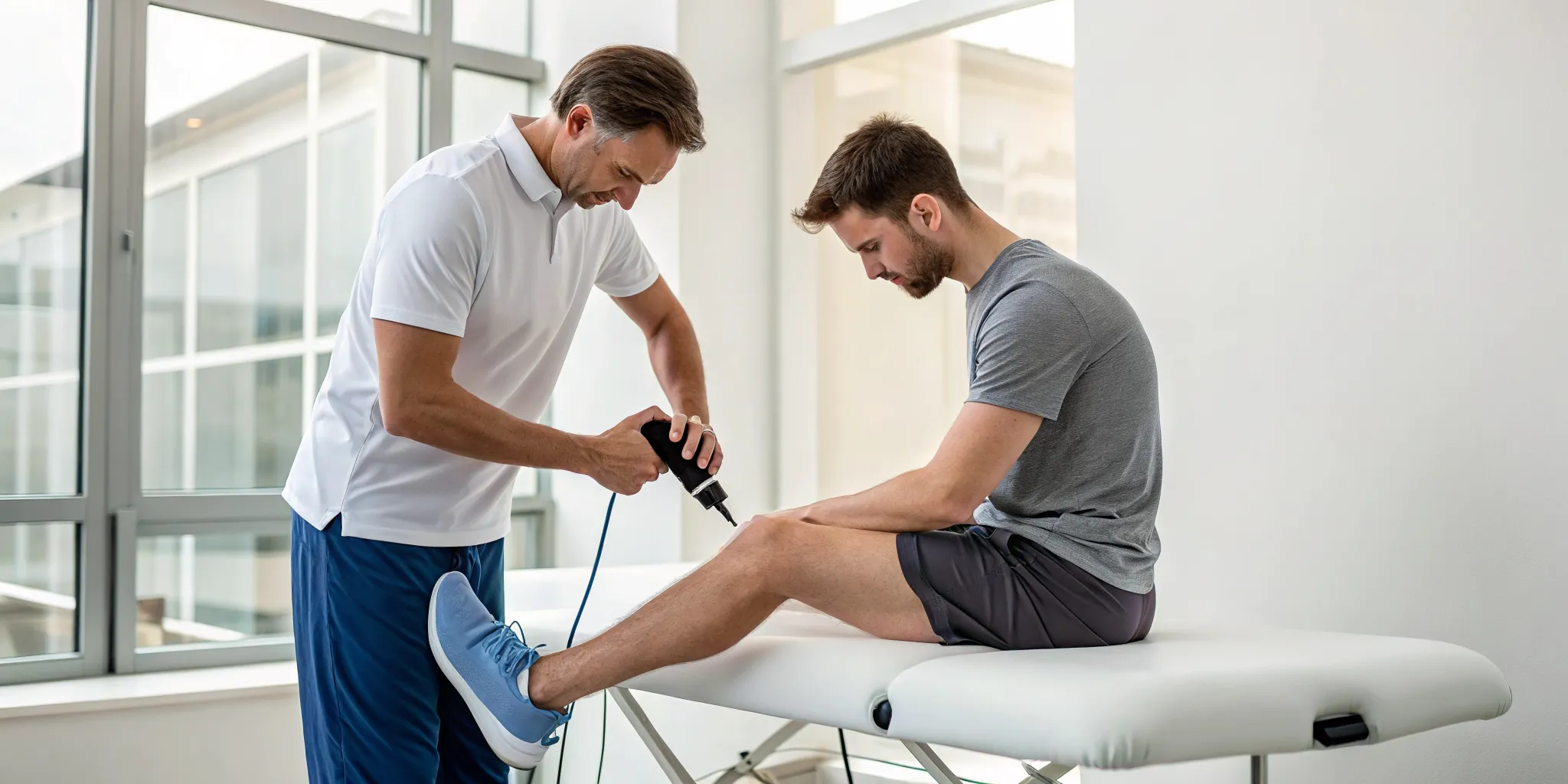
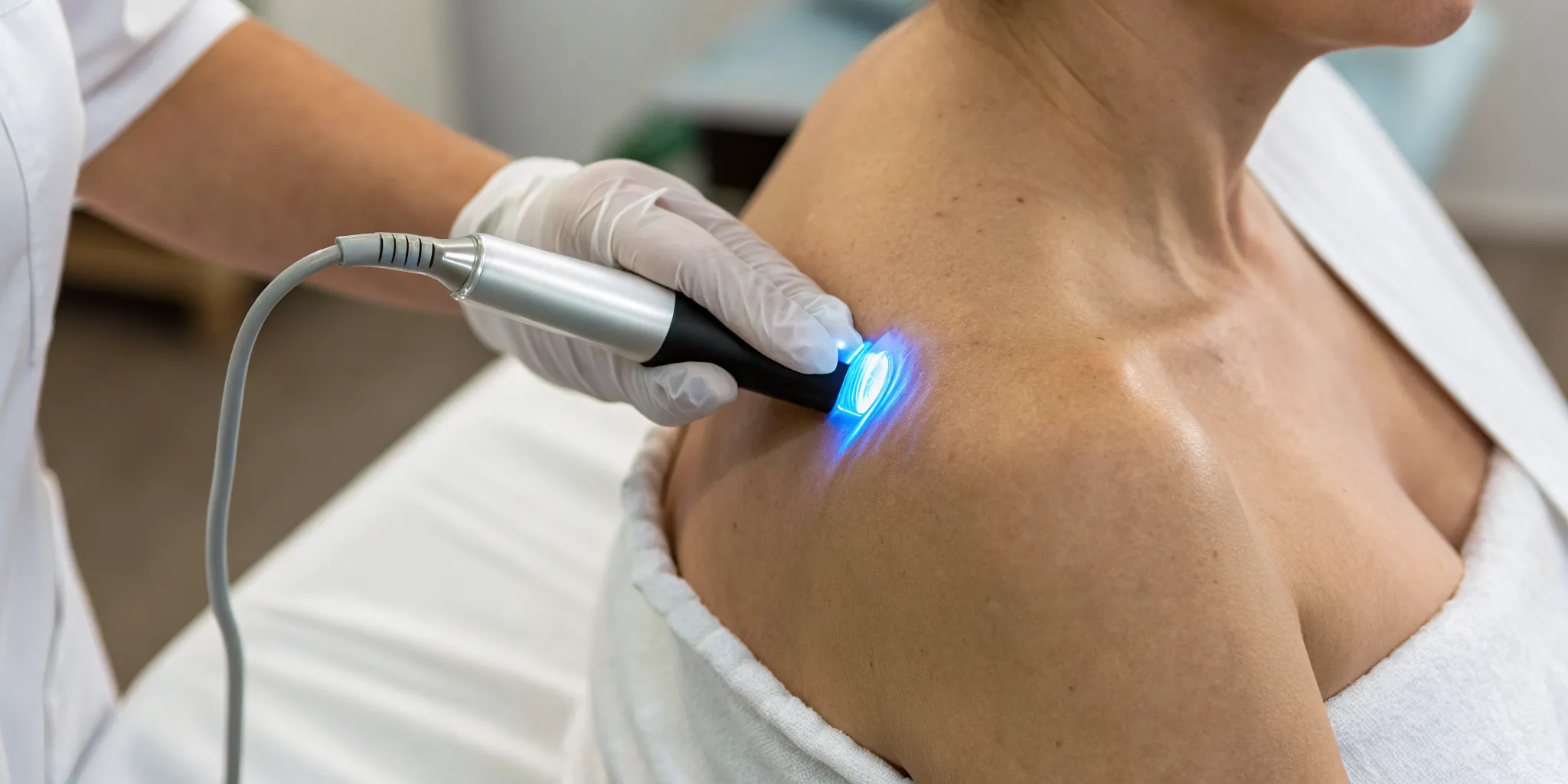
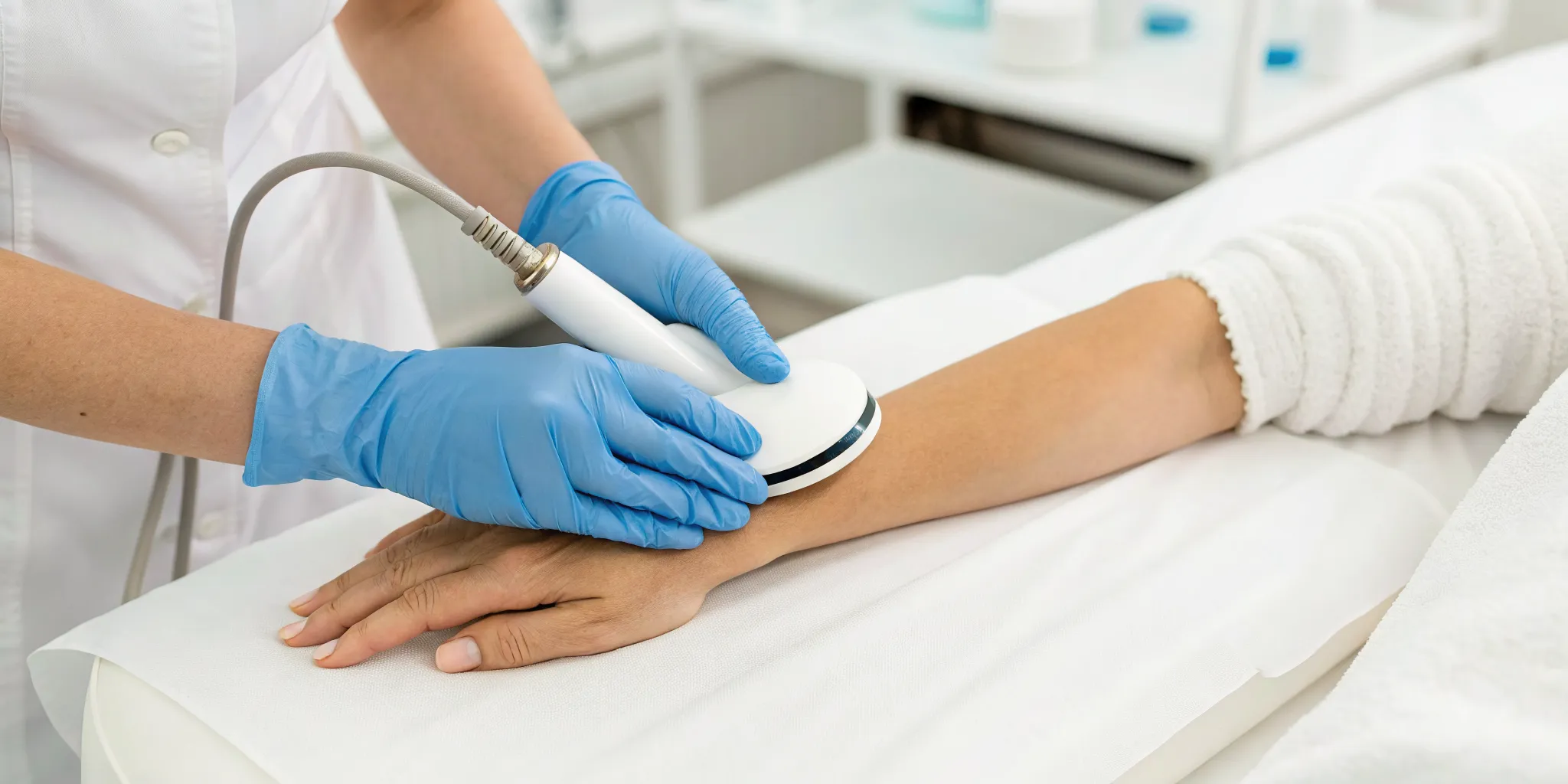
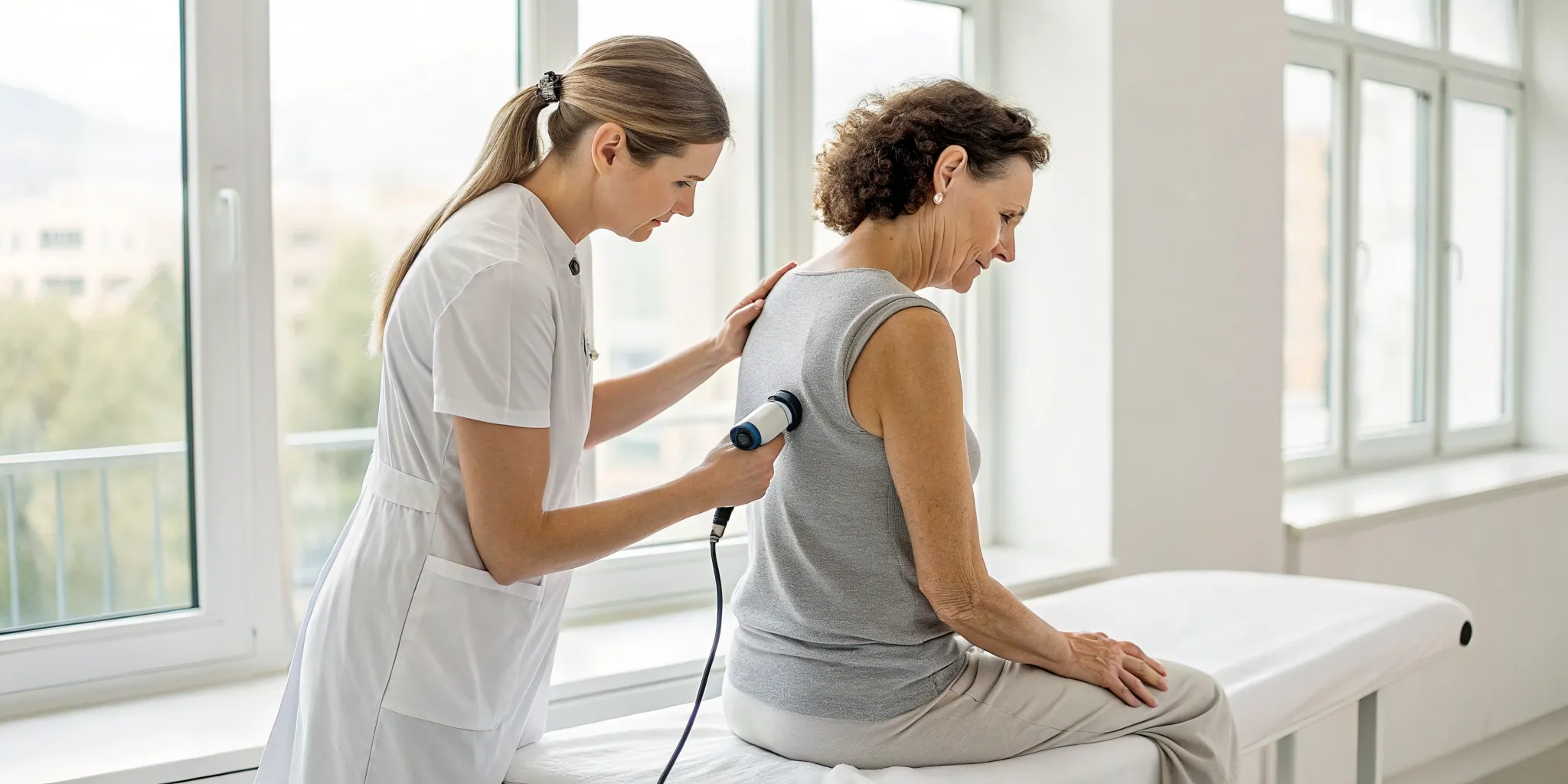
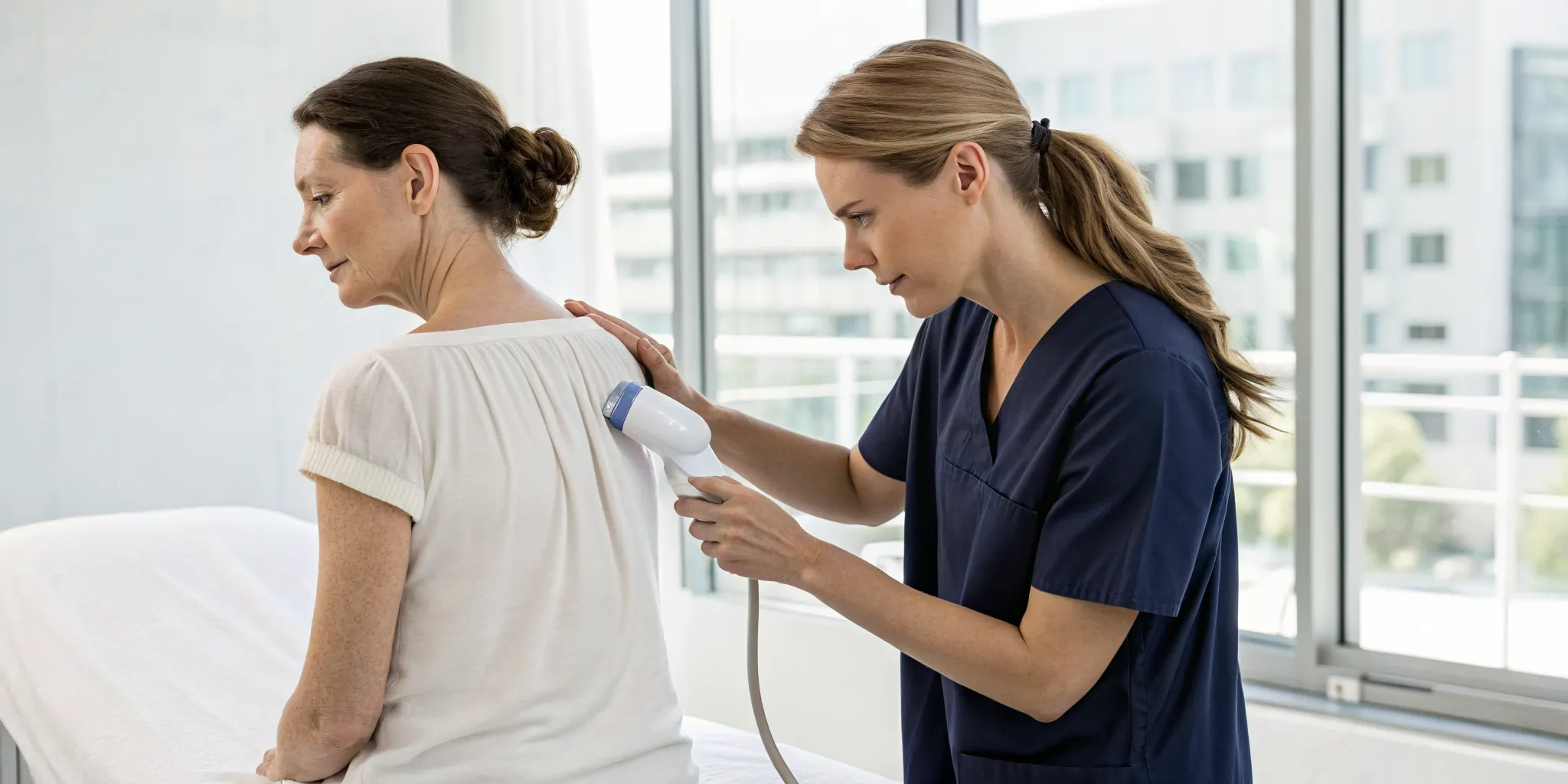
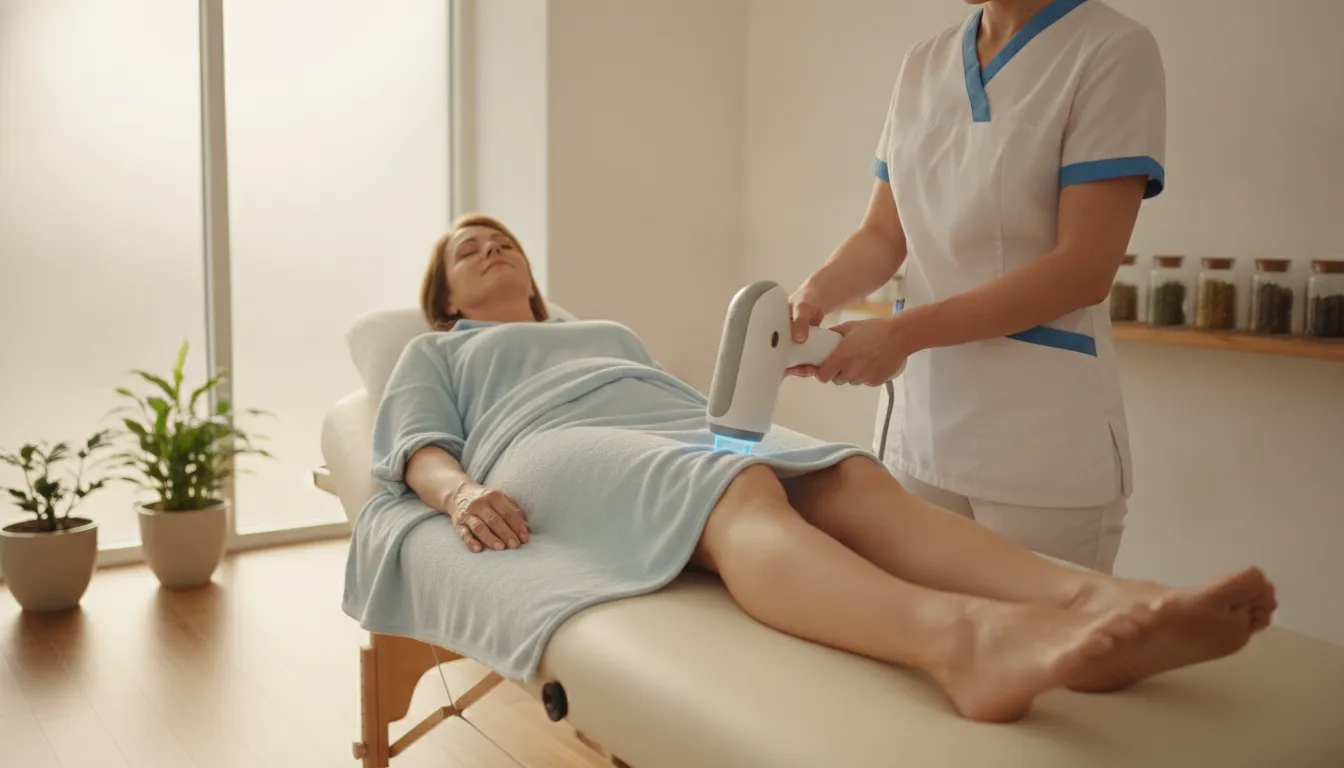
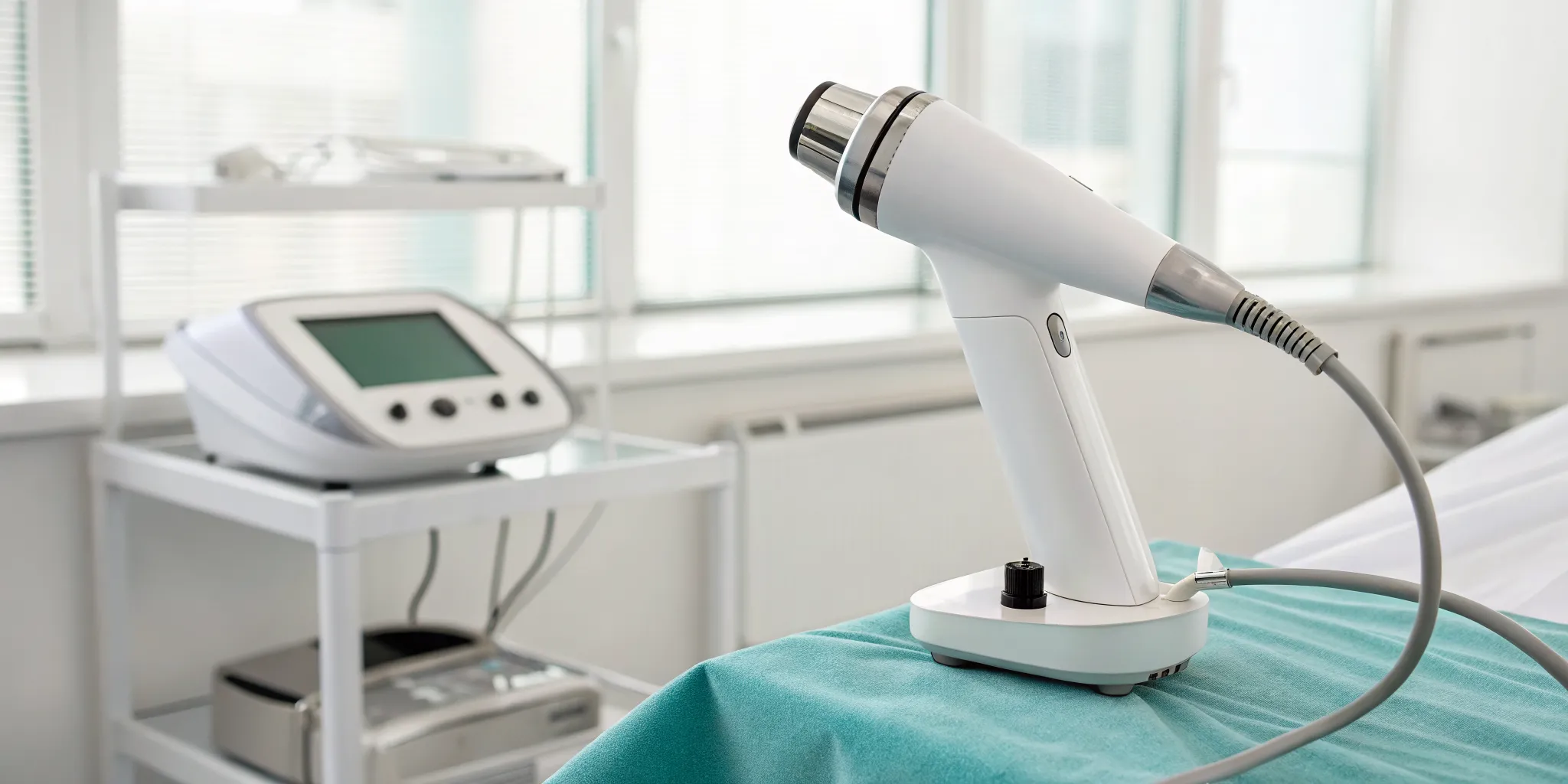
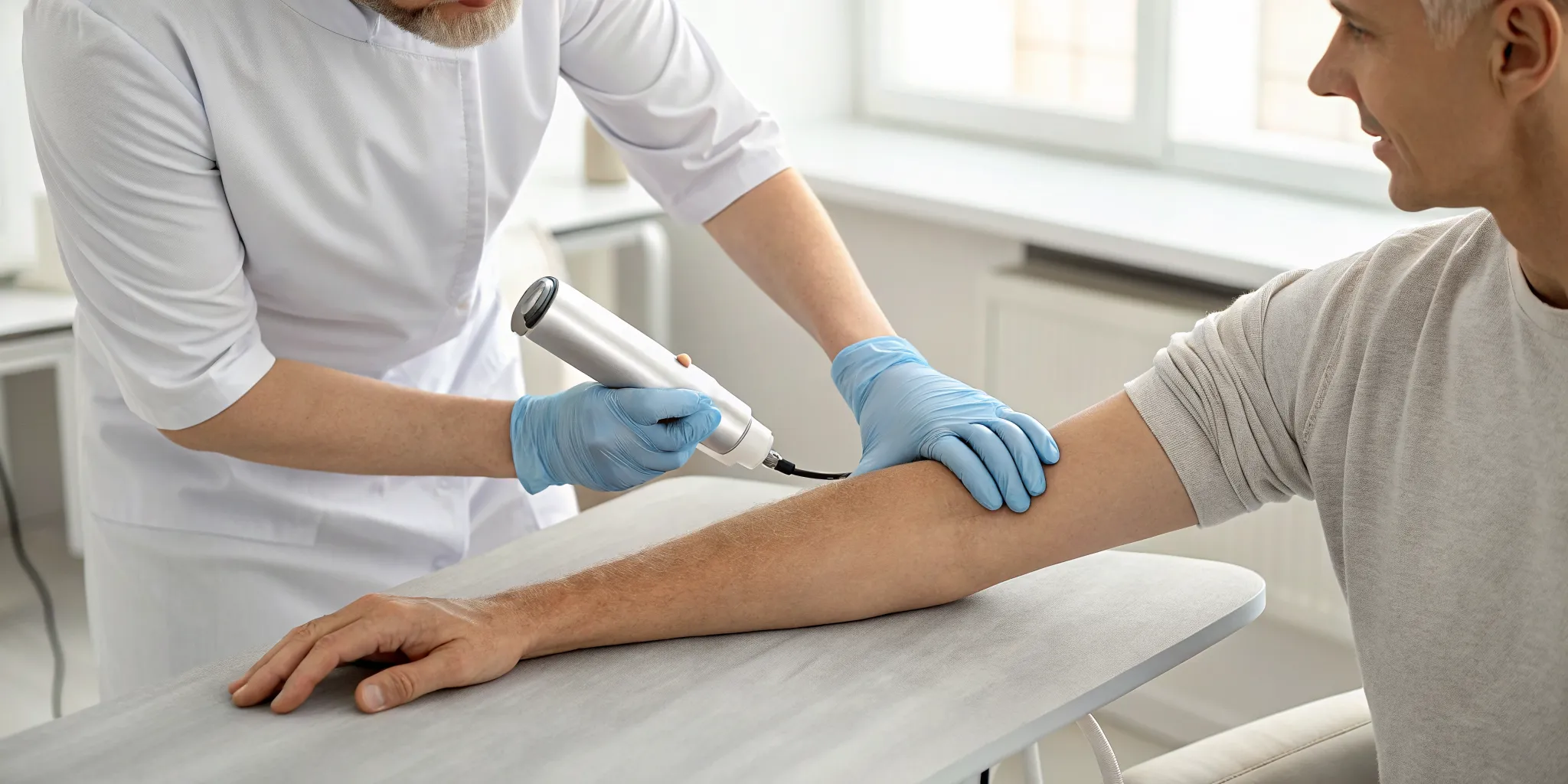
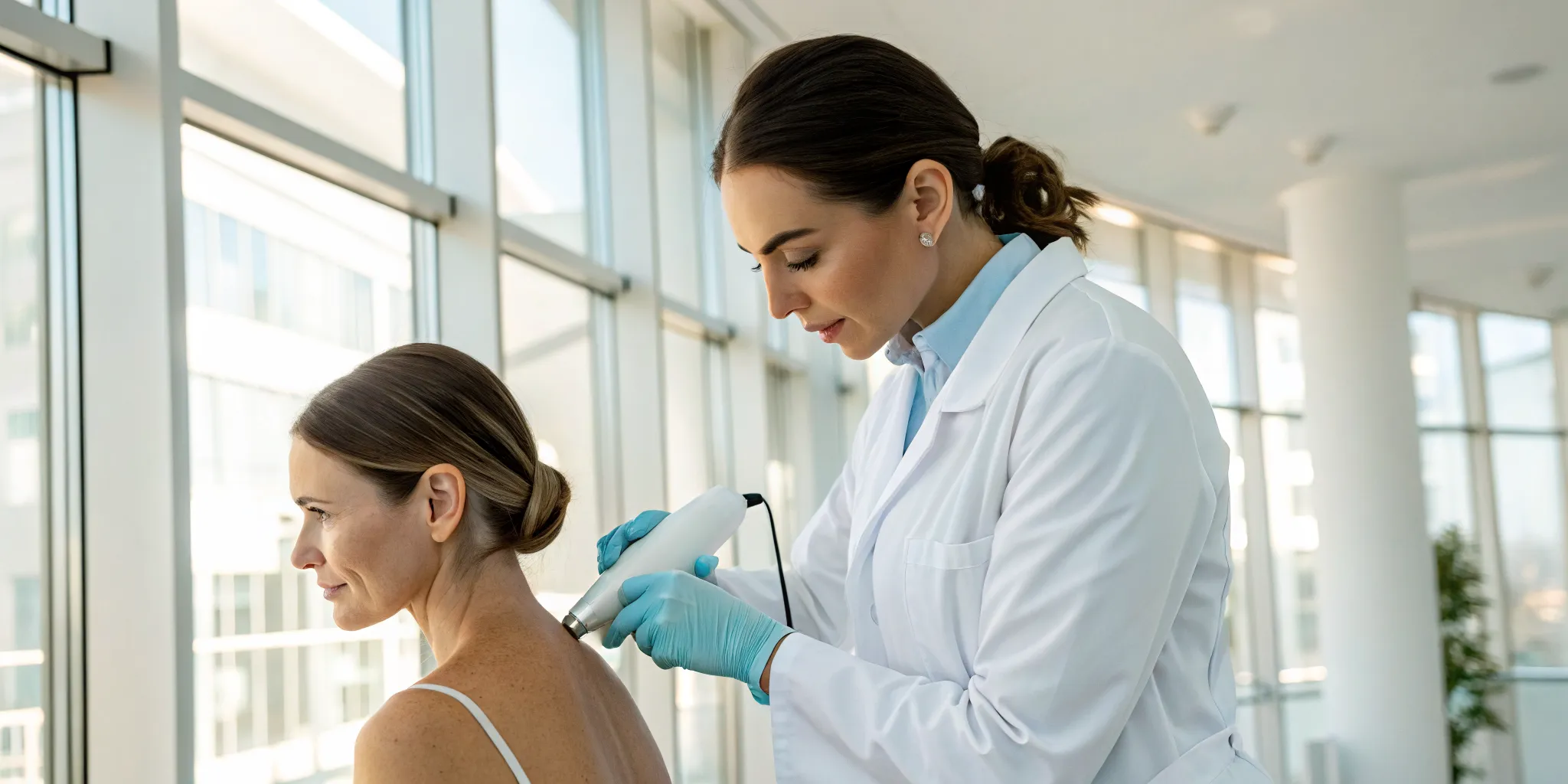
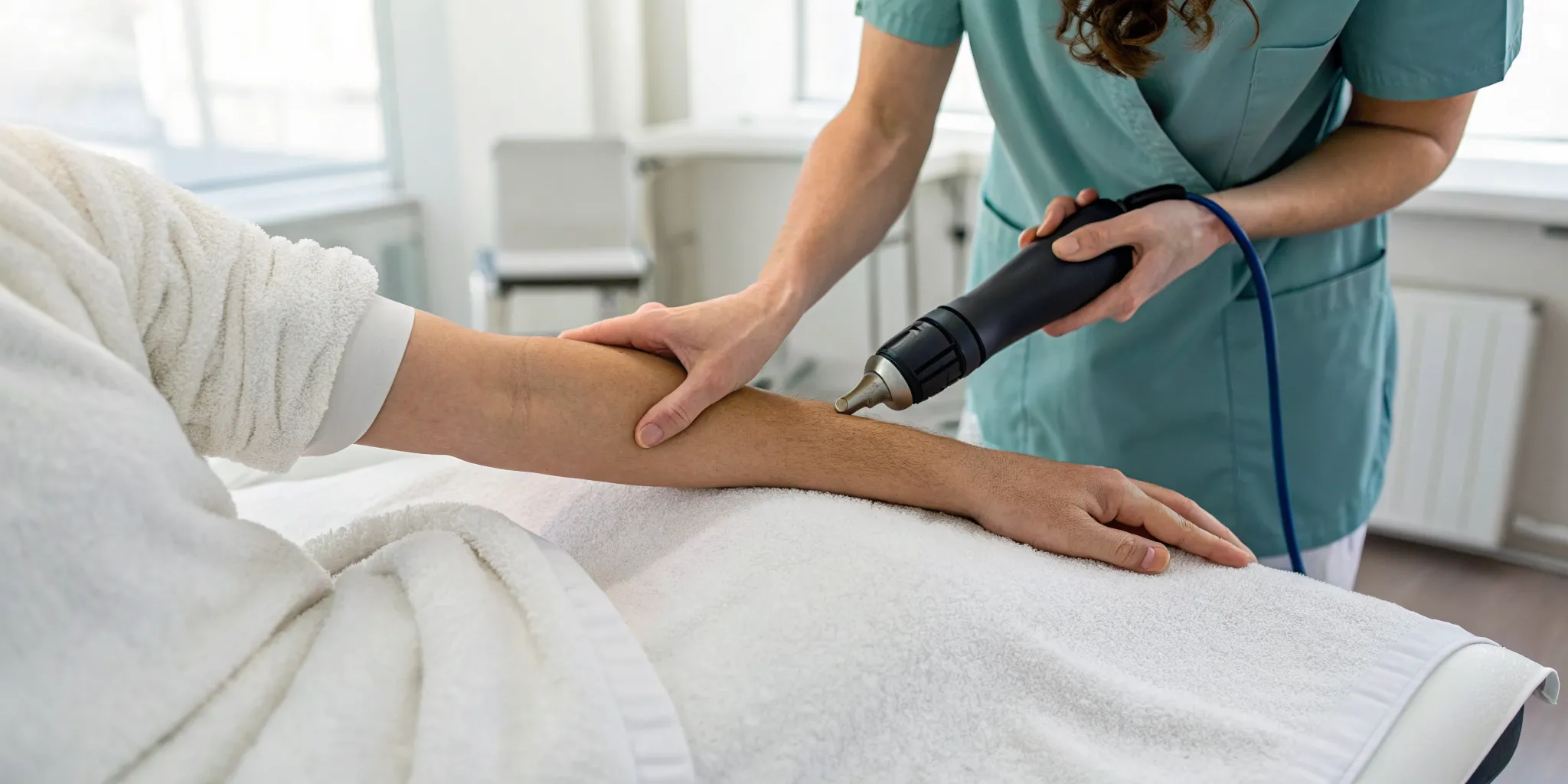
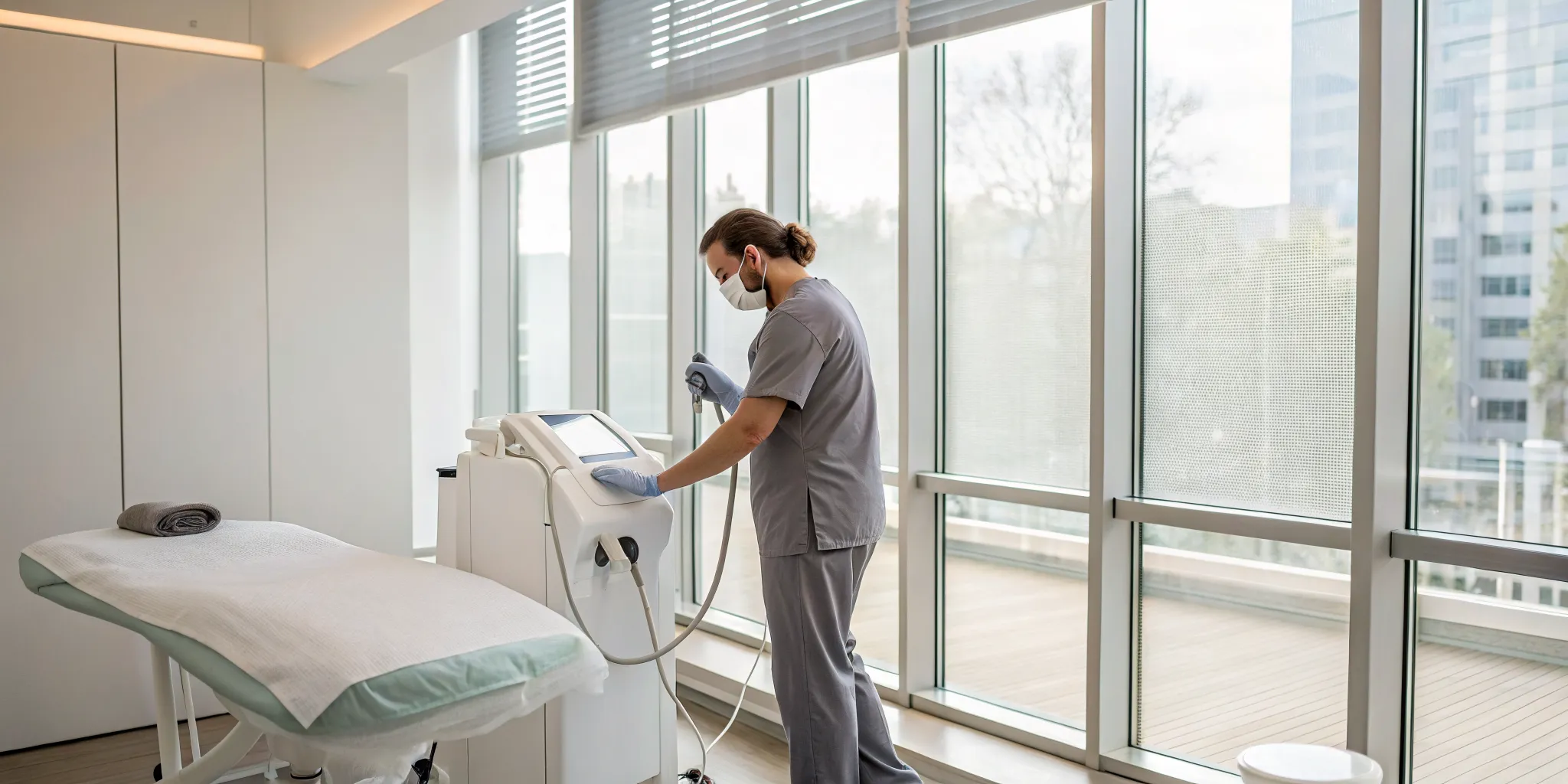
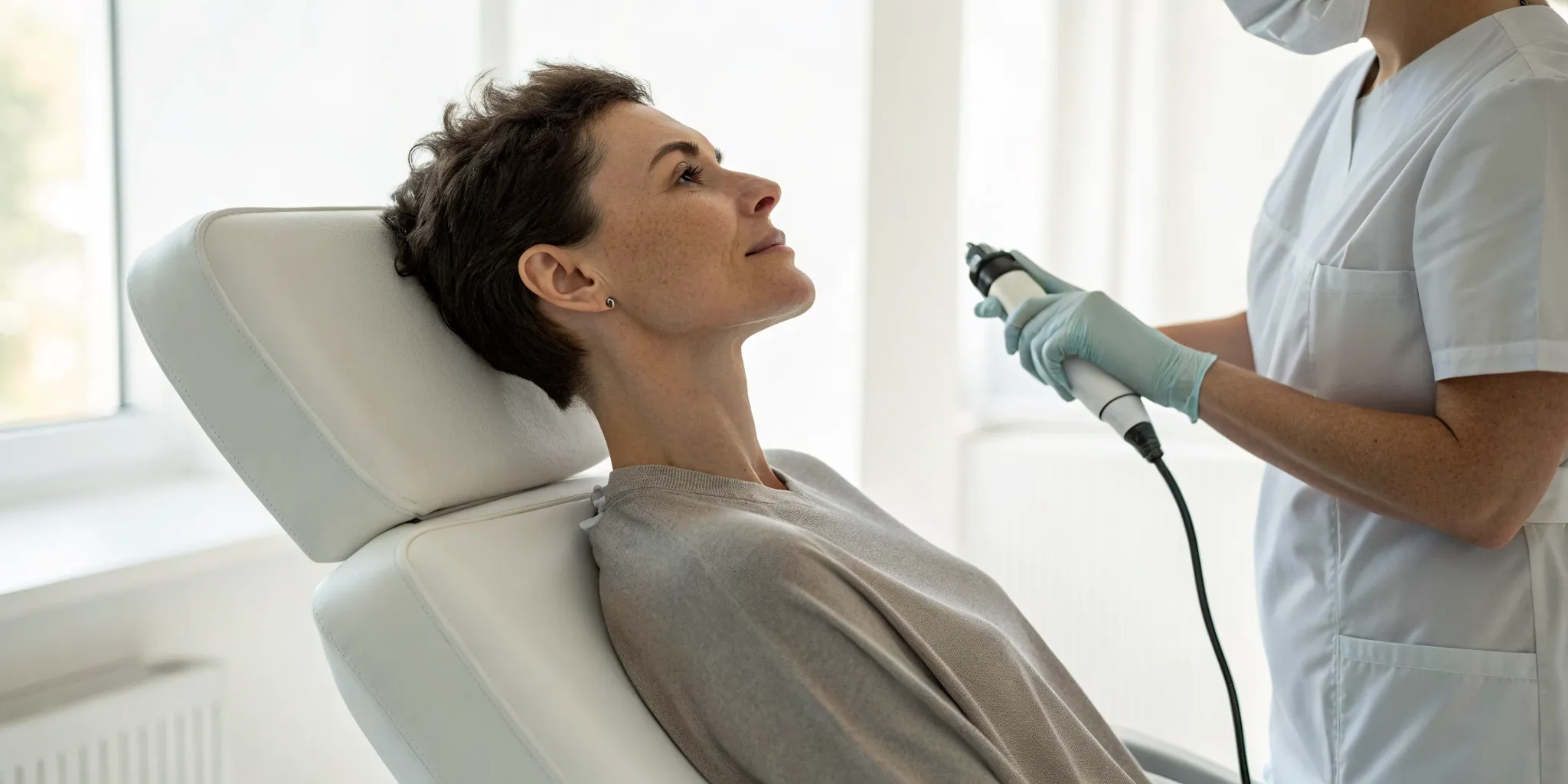
At its core, SoftWave therapy is an advanced treatment that uses patented, unfocused sound waves to reach injured tissues deep within your body. It’s a non-invasive technology, meaning nothing pierces the skin. During a session, a handheld device is applied to the target area, sending these gentle yet powerful waves through your skin to the source of your pain. These waves are the key that starts a cascade of natural healing responses, helping to repair damage from old injuries, chronic inflammation, or degenerative conditions.
Sparking Your Body's Natural Healing Process
Think of SoftWave as a wake-up call for your body's internal repair crew. The acoustic waves stimulate your cells, dramatically increasing blood flow and bringing more oxygen and nutrients to the injured area. More importantly, this process signals your own stem cells to migrate to the site and begin regenerating and repairing damaged tissue. Instead of just masking pain, SoftWave therapy encourages your body to rebuild itself from the inside out. This approach aligns perfectly with our philosophy of addressing the root cause of the conditions we treat to create lasting wellness.
SoftWave vs. Traditional Shockwave Therapy
If you've heard of shockwave therapy before, you might be picturing an intense, focused treatment. SoftWave is different. While older shockwave technologies use a concentrated beam of energy that can be quite uncomfortable, SoftWave uses a wider, unfocused wave. This patented design allows the energy to spread over a larger area, making the treatment much more comfortable for the patient. It also means we can effectively treat both surface-level issues and problems located deeper in the body. We chose this technology because it provides superior results without the discomfort, reflecting our commitment to providing the most advanced, patient-friendly care at Ascend Functional Health.
What Mobility Issues Can SoftWave Therapy Address?
If persistent pain is holding you back from living your life to the fullest, SoftWave therapy could be a game-changer. This innovative approach is incredibly versatile, helping to address a wide range of musculoskeletal issues that affect your ability to move comfortably. From chronic joint pain that’s been bothering you for years to more recent soft tissue injuries, SoftWave targets the root cause of your discomfort. By stimulating your body’s own healing mechanisms, it helps you find lasting relief and get back to the activities you love. We use this technology to treat many of the conditions we see in our Tampa clinic.
Joint Pain and Arthritis
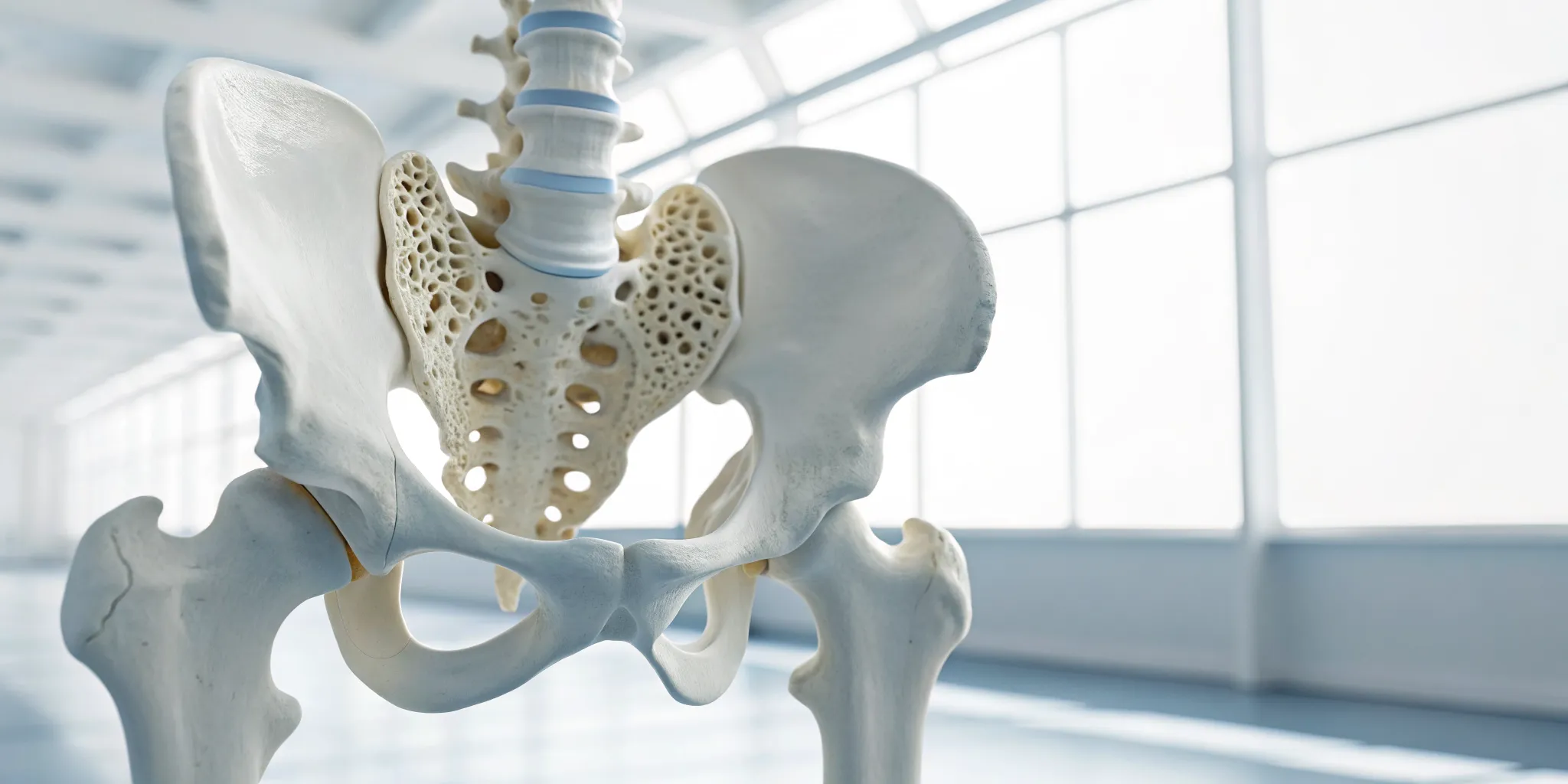
Living with stiff, achy joints can be incredibly frustrating. Whether it’s your knees, hips, or shoulders, chronic joint pain and arthritis can make simple movements feel like a monumental task. SoftWave therapy offers a non-invasive way to manage this discomfort. The acoustic waves penetrate deep into the joint tissue, helping to reduce inflammation and increase blood flow to the area. This process encourages your body to repair damaged cells and can lead to significant pain reduction and improved joint function. It’s a promising option for anyone dealing with long-term joint issues who wants to improve their mobility without resorting to more aggressive measures.
Rotator Cuff and Shoulder Injuries
Shoulder pain can be particularly disruptive, affecting everything from getting dressed to reaching for something on a high shelf. Rotator cuff injuries are a common culprit, causing pain and limiting your range of motion. SoftWave therapy is well-suited to address these types of shoulder problems. The treatment targets the inflamed and injured tendons of the rotator cuff, stimulating a healing response right at the source. By promoting tissue repair and calming inflammation, this therapy can help restore strength and flexibility to your shoulder, allowing you to move with greater ease and less pain as part of a comprehensive physical medicine plan.
Plantar Fasciitis and Tendonitis
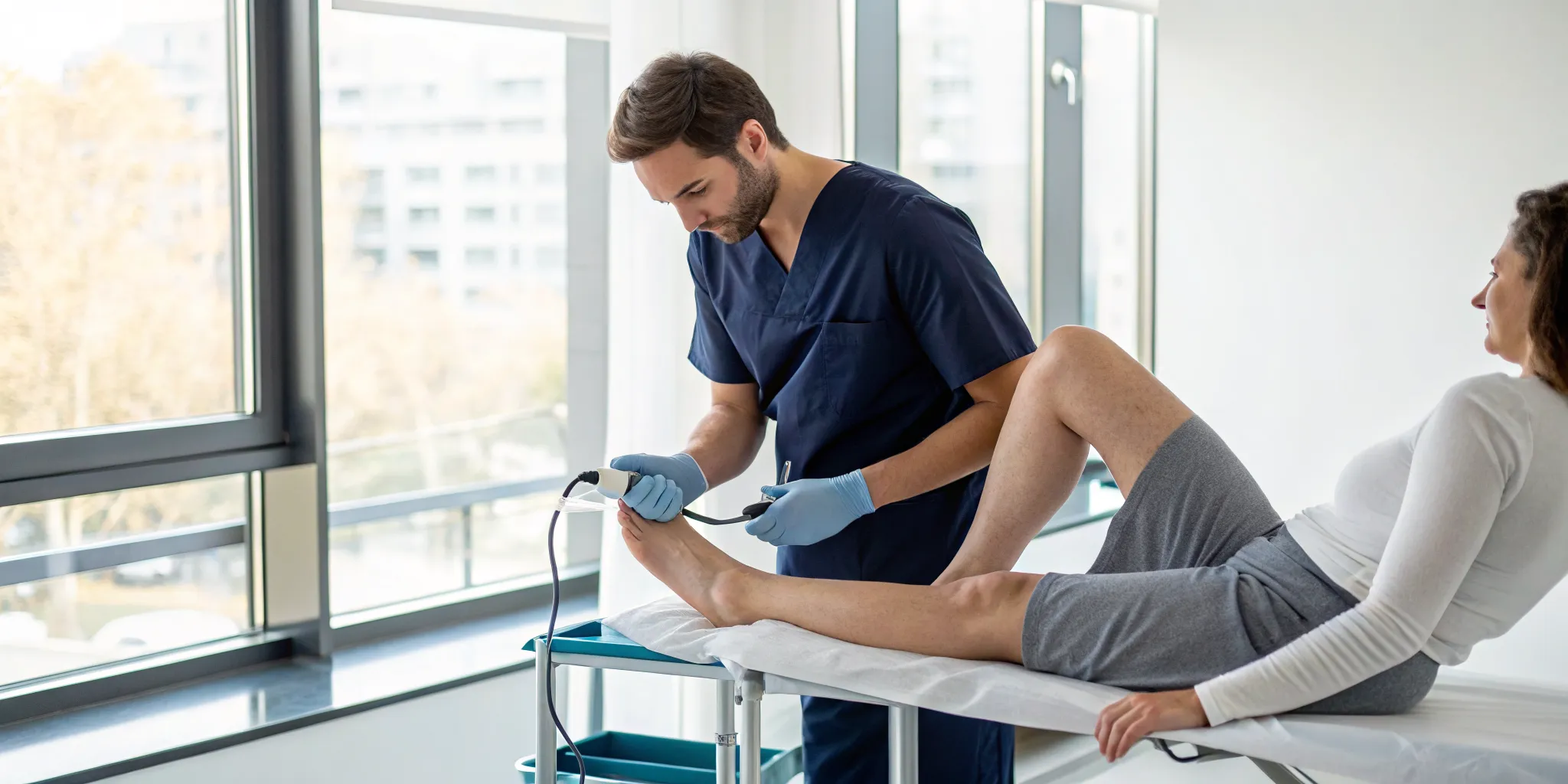
That sharp, stabbing pain in your heel when you first step out of bed is the classic sign of plantar fasciitis. Similarly, tendonitis can cause nagging pain in your elbow, Achilles tendon, or wrist. Both conditions are caused by inflammation and overuse. SoftWave therapy is highly effective for these issues because it directly addresses the inflamed, damaged tissue. The acoustic waves stimulate circulation and cellular repair in the tough, fibrous bands of the plantar fascia and other tendons. This helps your body heal the tissue from the inside out, providing relief from the chronic pain that keeps you from walking, running, or simply moving comfortably.
Tennis Elbow and Other Soft Tissue Injuries
You don’t have to be a tennis player to experience the persistent pain of tennis elbow. This type of repetitive strain injury can affect anyone, causing discomfort around the outside of the elbow that just won’t quit. SoftWave therapy is an excellent tool for this and other chronic soft tissue injuries. It works by sending powerful, low-intensity sound waves to the injured area, which helps to restart the healing process in tissues that have been stuck in a state of chronic inflammation. By targeting the damaged tendons and ligaments, it helps you find relief from nagging pain and regain function in your arms, wrists, and other affected areas.
Muscle Strains and Scar Tissue
Following an injury, your body often forms scar tissue as part of the healing process. While this is a natural response, these adhesions can sometimes be restrictive, causing stiffness and limiting your flexibility. SoftWave therapy can help address this by breaking down scar tissue and improving tissue elasticity. Furthermore, the treatment encourages your body to produce more collagen, a key protein for building strong, healthy muscles and tendons. This not only aids in recovering from muscle strains but also helps to create more resilient tissue, reducing the likelihood of future injuries and helping you build lasting strength.
What Are the Benefits of Choosing SoftWave Therapy?
When you're dealing with persistent pain and limited mobility, you want a solution that works with your body, not against it. SoftWave therapy stands out because it supports your body’s own powerful healing mechanisms. Instead of just masking symptoms, this approach gets to the heart of the issue, promoting genuine repair from the inside out. For many of our patients, this has been the key to getting back to the activities they love without invasive procedures or long recovery periods. Let’s explore some of the biggest benefits you can expect.
Find Relief Without Injections or Surgery
One of the most significant advantages of SoftWave therapy is that it’s completely non-invasive. If the thought of needles or going under the knife makes you uneasy, this treatment is an excellent alternative. SoftWave uses patented electrohydraulic acoustic shock waves to stimulate healing deep within your tissues without ever breaking the skin. This approach aligns perfectly with our physical medicine philosophy, which prioritizes gentle, effective methods to help you find relief. It’s a way to address chronic pain and injury by activating your body’s own repair crew, offering a path to recovery that avoids the risks and downtime associated with more aggressive procedures.
Accelerate Tissue Repair and Increase Blood Flow
SoftWave therapy essentially gives your body a powerful healing wake-up call. The acoustic waves create a response in the body that improves blood flow to the targeted area, delivering a fresh supply of oxygen and nutrients essential for recovery. More importantly, this process helps activate and recruit your body’s own stem cells. These are the master cells responsible for repairing and regenerating damaged tissues. By encouraging this natural biological response, SoftWave can speed up the healing of tendons, ligaments, and muscles, helping you recover more quickly from both new and old injuries.
Regain Range of Motion and Build Lasting Strength
Feeling stiff and restricted can be incredibly frustrating, keeping you from simple daily movements or your favorite hobbies. SoftWave therapy helps you regain that lost freedom. By addressing underlying issues like scar tissue and inflammation, the treatment helps restore flexibility to joints and muscles. It also stimulates the production of collagen, a vital protein that provides structure and strength to your connective tissues. This isn't just a temporary fix; it’s about rebuilding a stronger, more resilient foundation so you can move with confidence and ease. Our goal is to help you achieve lasting results that truly improve your quality of life.
Experience Minimal Downtime and a Quick Recovery
We know your time is valuable, and you can’t afford to put your life on hold for treatment. That’s another area where SoftWave therapy shines. A typical session is quick, usually lasting only about 10 to 15 minutes. Because the procedure is non-invasive, there’s virtually no downtime. Most people can walk out of our office and go right back to their daily activities without any restrictions. This makes it easy to fit treatment into a busy schedule. If you're ready to explore a convenient and effective path to feeling better, we encourage you to contact our team to learn more.
What to Expect During Your SoftWave Session
If you’re considering SoftWave therapy, you probably have a few questions about what the process is actually like. Knowing what to expect can help you feel comfortable and confident as you take the next step in your healing journey. The good news is that a SoftWave session is a straightforward, non-invasive experience. Our team at Ascend Functional Health is here to guide you through every step, ensuring you feel supported from the moment you walk in the door. We’ll tailor the treatment to your specific needs, focusing on the areas where you need relief the most.
Your Treatment, Step-by-Step
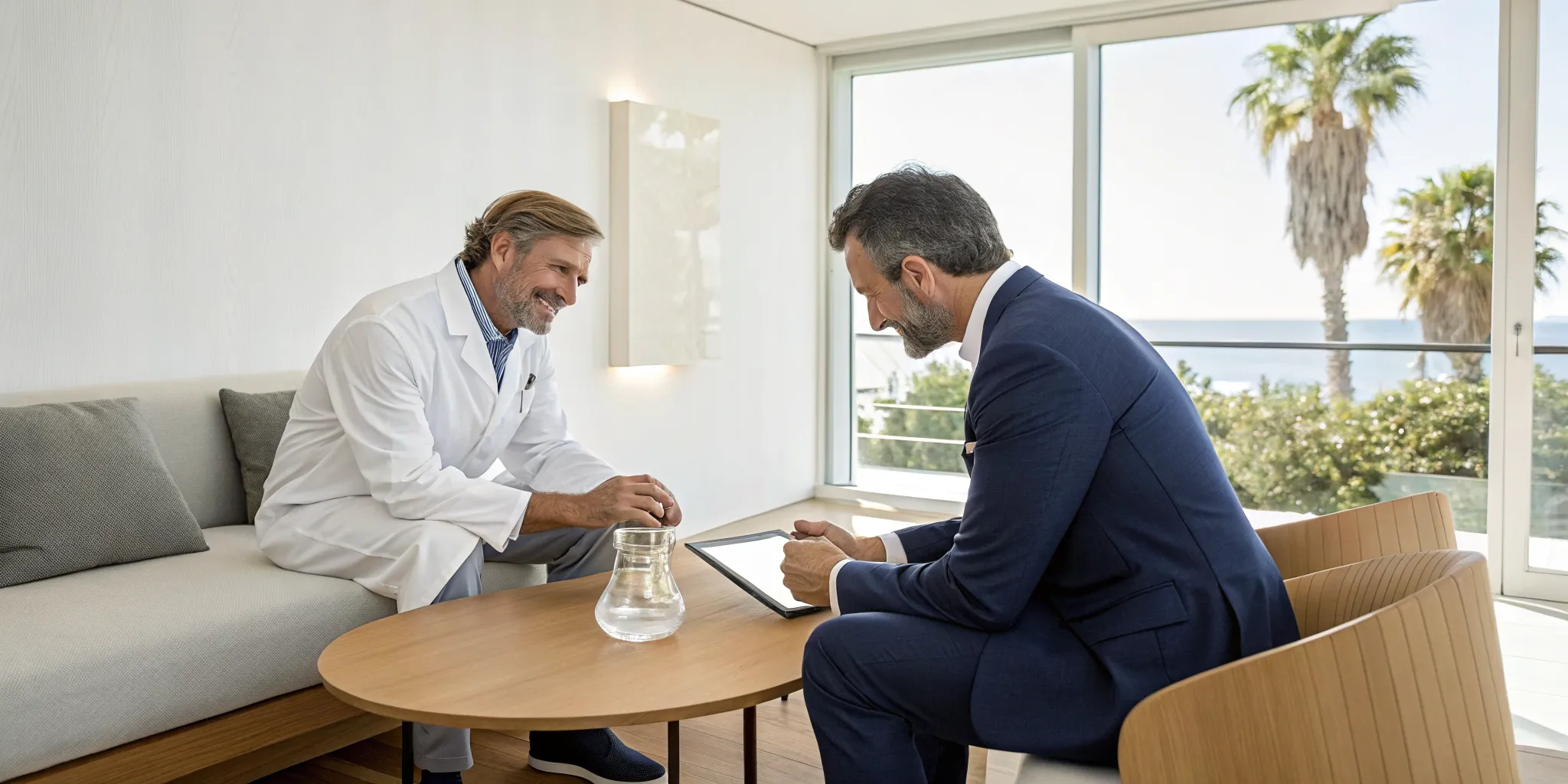
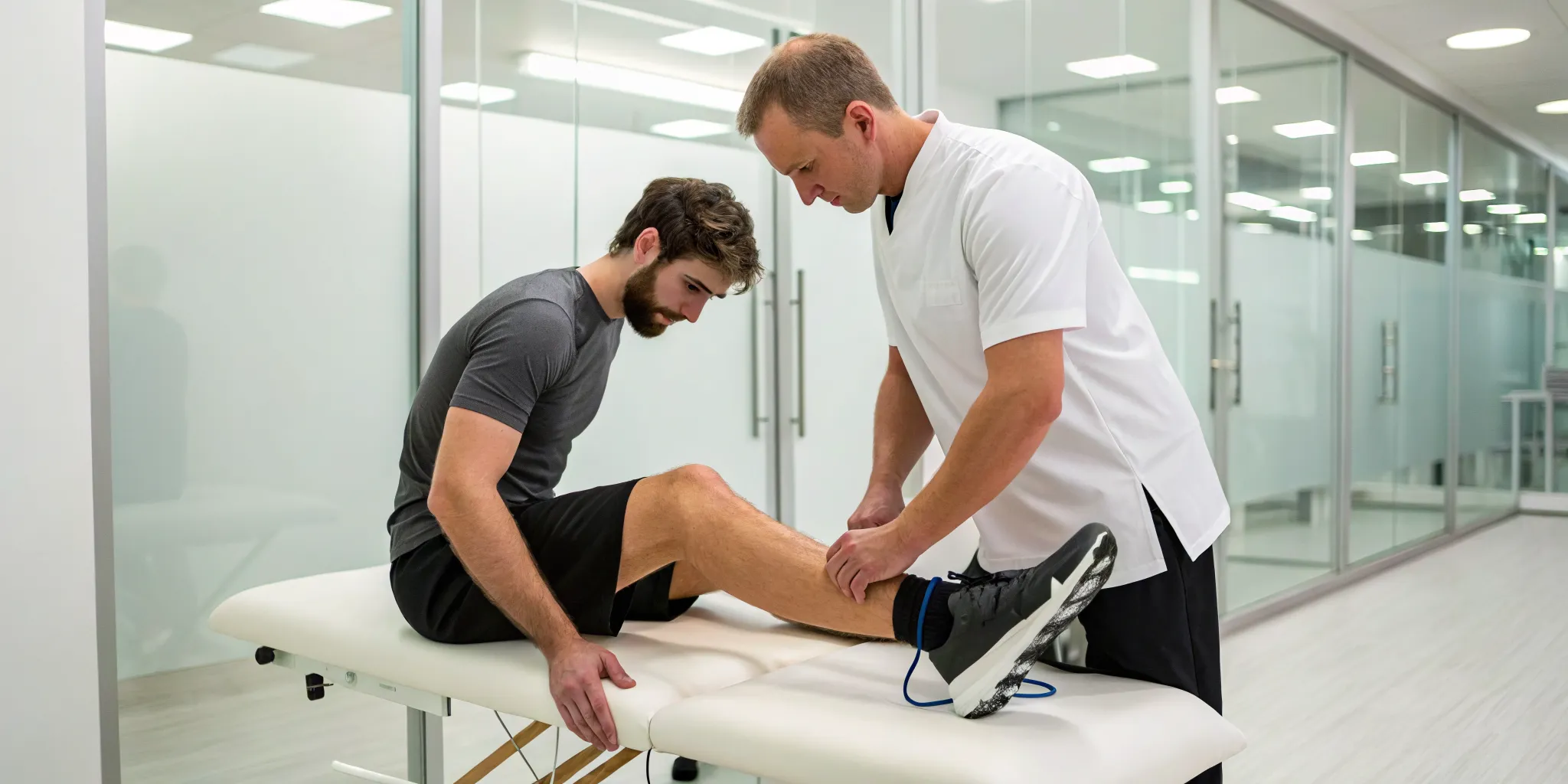
Your SoftWave session is quick and focused, typically lasting only 10 to 15 minutes. First, you’ll have a conversation with your doctor to pinpoint the exact areas of discomfort and discuss your goals. Once we’ve identified the target zone, a trained member of our team will apply a gel to your skin. This gel helps the sound waves travel more effectively. Then, we’ll use a handheld applicator to gently move over the area, delivering the SoftWave energy. The entire process is designed to be efficient so you can get back to your day. Our approach to physical medicine prioritizes both effectiveness and your comfort.
What Does the Treatment Feel Like?
One of the most common questions we get is, "Will it hurt?" For most people, SoftWave therapy is not a painful experience. As the handheld device moves over your skin, you’ll likely feel a light tapping or pulsing sensation. The goal is to stimulate your body’s healing response, not to cause more discomfort. In fact, many of our patients report feeling a noticeable reduction in their pain right after their very first session. You might see some slight redness on your skin afterward, but this is temporary and a normal sign that blood flow is increasing in the area.
How Many Sessions Until You See Results?
While it’s common to feel some improvement after just one or two sessions, true healing is a process. To achieve lasting results, most people benefit from a series of three to six treatments spaced out over several weeks. This allows your body’s tissues the time they need to repair and regenerate between sessions. The exact number of treatments will depend on your specific situation, the severity of your condition, and how your body responds. We create a personalized plan for all the conditions we treat to ensure you get the most effective and appropriate care for your unique health needs.
Is SoftWave Therapy a Safe Option?
It's completely normal to ask about the safety of any new treatment you're considering. When you're dealing with pain and limited mobility, the last thing you want is a solution that creates more problems. The good news is that SoftWave Therapy is a non-invasive approach, meaning it works from outside the body without breaking the skin. It has a strong safety profile and is designed to work with your body, not against it.
At our practice, we believe that an informed patient is an empowered one. That's why we take the time to discuss every aspect of a potential treatment, including any possible side effects and situations where it might not be the best fit. Your health journey is unique, and our first priority is to ensure any therapy we recommend is both effective and appropriate for your specific circumstances. Understanding the full picture helps you move forward with confidence.
A Look at Potential Side Effects
One of the most common questions we hear is, “What are the side effects?” With SoftWave Therapy, the side effects are typically minimal and short-lived. Most people tolerate the treatment very well. Following a session, some individuals might notice mild, temporary soreness, slight swelling, or bruising in the area that was treated. Think of this as a sign that your body's natural healing response has been activated. These effects usually resolve on their own within a day or two as your tissues begin to repair. Our team will walk you through what to expect so you feel prepared and supported throughout your physical medicine plan.
Who Isn't a Candidate for SoftWave Therapy?
While SoftWave is a powerful tool for many, it's not the right choice for every person or every condition. A thorough evaluation of your health history is essential to determine if you're a good candidate. For example, this therapy is not performed over areas with active tumors, open skin wounds, or infections. Certain other health situations may also mean that an alternative approach would be better for you. This is why a personalized consultation is so important. It allows us to understand your complete health picture and identify the most appropriate path forward for the conditions we treat. If SoftWave isn't the best fit, we'll work with you to find a solution that is.
How SoftWave Fits into Your Personalized Plan at Ascend
At Ascend, we know that your path to feeling better is completely unique to you. That’s why we never take a one-size-fits-all approach. Instead, we create a personalized plan that addresses the root cause of your discomfort. SoftWave Therapy is one of the innovative tools we use within our physical medicine services to help you get back to living your life with less pain and more freedom. It’s a non-invasive treatment that works with your body, not against it.
So, how does it fit into your plan? Think of it as a way to jumpstart your body’s own healing powers. We use a special handheld device that sends gentle, unfocused sound waves deep into your injured tissues. This process helps increase blood flow, calm inflammation, and activate your body's own stem cells to start repairing the area. It’s an incredible way to encourage healing from the inside out, whether we’re addressing stubborn joint pain, old scar tissue, or chronic tendon issues. By integrating SoftWave into your care, we can target specific areas that are holding you back.
Because SoftWave is so gentle, most people find the sessions comfortable and experience little to no downtime afterward. This means you can continue with your daily life while your body does the hard work of healing. Our goal is to create a comprehensive strategy that restores your mobility and improves your quality of life. By combining SoftWave with other elements of your personalized plan, we can help you move better, feel stronger, and get back to the activities you love. If you're curious to see how our holistic health solutions can help you, we're here to talk.
Is SoftWave Therapy the Right Choice for You?
Deciding on a path forward for your health can feel overwhelming, especially when you're dealing with persistent pain or limited movement. If you're looking for a solution that doesn't involve injections or long recovery times, SoftWave Therapy might be the answer. This approach is particularly effective for active individuals, athletes with overuse injuries, and adults struggling with chronic joint issues. It’s a non-invasive treatment that uses sound waves to encourage your body’s own powerful healing abilities, making it a compelling option for those seeking lasting relief.
SoftWave has been shown to be highly effective for a wide range of mobility issues. Many of our patients come to us with chronic joint pain, shoulder problems like rotator cuff injuries, plantar fasciitis, and various forms of tendonitis. Because the technology targets inflammation and stimulates tissue repair, it can address many of the conditions we treat that hold you back from living a full, active life. If you've been told your options are limited or have been let down by other treatments, SoftWave offers a new possibility for restoring movement.
One of the most significant advantages of this therapy is how well-tolerated it is. Most people report feeling only mild sensations during the session, and any side effects are typically minimal and temporary. Unlike more aggressive procedures, SoftWave is a form of physical medicine that works with your body, not against it. Many individuals notice a real difference in their pain levels and mobility after just a few sessions, which is incredibly encouraging when you've been struggling for a long time.
Ultimately, the best way to determine if SoftWave Therapy is right for your specific situation is to have a conversation with a provider who understands your health history and goals. At Ascend, we believe in creating personalized plans that address the root cause of your concerns. We can help you understand if SoftWave, either on its own or as part of a comprehensive plan, is the key to getting you back to doing what you love. To learn more, we invite you to reach out to our team for a consultation.
Related Articles
- SoftWave Tissue Regeneration Therapy in Tampa | Alessi Functional Health
- SoftWave TRT Therapy in Tampa, FL - Alessi Functional Health
- Regenerative Medicine for Pain Recovery | Ascend Functional Health
- What Is Soft Tissue Therapy? A Complete Guide
- Physical Medicine in Tampa | Chiropractic & Rehab Care | Ascend Functional Health
Frequently Asked Questions
How is SoftWave different from other shockwave therapies? You may have heard of traditional shockwave therapy, which uses a focused, high-intensity beam of energy. SoftWave is a more advanced approach that uses a patented, unfocused wave. This allows the healing energy to spread over a wider and deeper area of tissue, making the treatment much more comfortable while still effectively stimulating your body’s repair mechanisms.
Is the SoftWave treatment painful? Most people do not find the treatment to be painful. You will likely feel a light tapping or pulsing sensation as the applicator moves over your skin. Our team is focused on your comfort, and many of our patients report feeling a noticeable improvement in their pain levels immediately following a session.
How many sessions will I need to feel better? While it's common to feel some relief after just one or two sessions, true tissue repair is a process that takes time. For lasting results, most people receive a series of three to six treatments. The exact number depends on your specific condition and how your body responds, which is why we create a personalized plan just for you.
What is the recovery like after a session? One of the biggest benefits of SoftWave therapy is that there is virtually no downtime. The sessions themselves are quick, usually lasting about 10 to 15 minutes, and you can typically return to your daily activities right after. You might notice some temporary redness or mild soreness, which is a normal sign that healing has been stimulated.
How do I know if SoftWave is the right choice for my specific issue? SoftWave is highly effective for a variety of chronic joint and soft tissue conditions, from plantar fasciitis to shoulder pain. The best way to determine if it’s the right solution for you is to have a conversation with our team. A personal evaluation allows us to understand your health history and goals so we can confirm if this therapy is the most appropriate path for your recovery.